

#investsmart
investsmart
10.9M lượt xem
20,668 đang thảo luận
Phổ biến
Mới nhất
·
--
Đầu tư: Con đường tạo dựng tài sản và đạt được an ninh tài chính
Đầu tư là một trong những cách hiệu quả nhất để gia tăng tài sản và đạt được sự ổn định tài chính lâu dài. Thay vì để tiền nhàn rỗi, việc đầu tư giúp vốn của bạn tạo ra khả năng sinh lời, từ đó góp phần xây dựng một tương lai tài chính vững chắc hơn.
Đầu tư là việc phân bổ tiền vào các tài sản hoặc dự án nhằm mục tiêu thu được lợi nhuận tài chính theo thời gian. Điều này bao gồm đầu tư vào cổ phiếu, trái phiếu, bất động sản, quỹ tương hỗ, các công ty khởi nghiệp và thậm chí cả tài sản kỹ thuật số. Mỗi loại đầu tư sẽ mang đến các mức độ rủi ro và tiềm năng lợi nhuận khác nhau.
Một trong những lợi thế lớn nhất của đầu tư là khả năng bảo vệ tài sản trước tác động của lạm phát đồng thời tạo ra cơ hội cho sự tăng trưởng vốn. Nó có thể giúp cá nhân đạt được các mục tiêu tài chính quan trọng như mua nhà, trang trải chi phí học tập hoặc chuẩn bị cho tuổi nghỉ hưu. Tuy nhiên, đầu tư thành công không dựa vào may mắn—mà đòi hỏi kiến thức, sự kiên nhẫn và khả năng ra quyết định sáng suốt.
Các chuyên gia tài chính khuyến nghị nên nghiên cứu kỹ lưỡng trước khi đầu tư, đa dạng hóa danh mục để giảm rủi ro và tránh phụ thuộc vào chỉ một tài sản. Trong nhiều trường hợp, một chiến lược đầu tư dài hạn thường ổn định và mang lại nhiều giá trị hơn so với việc cố gắng kiếm lợi nhuận nhanh từ biến động thị trường ngắn hạn.
Tóm lại, đầu tư là một công cụ mạnh mẽ để tạo dựng tài sản và đạt được tự do tài chính. Với việc học tập liên tục, lập kế hoạch kỷ luật và quản lý rủi ro hiệu quả, bất kỳ ai cũng có thể đưa ra các quyết định đầu tư thông minh hơn và hướng tới thành công tài chính bền vững.
#Gold #XRP #InvestSmart #Oilprice #Binance
Đầu tư: Con đường tạo dựng tài sản và đạt được an ninh tài chính
Đầu tư là một trong những cách hiệu quả nhất để gia tăng tài sản và đạt được sự ổn định tài chính lâu dài. Thay vì để tiền nhàn rỗi, việc đầu tư giúp vốn của bạn tạo ra khả năng sinh lời, từ đó góp phần xây dựng một tương lai tài chính vững chắc hơn.
Đầu tư là việc phân bổ tiền vào các tài sản hoặc dự án nhằm mục tiêu thu được lợi nhuận tài chính theo thời gian. Điều này bao gồm đầu tư vào cổ phiếu, trái phiếu, bất động sản, quỹ tương hỗ, các công ty khởi nghiệp và thậm chí cả tài sản kỹ thuật số. Mỗi loại đầu tư sẽ mang đến các mức độ rủi ro và tiềm năng lợi nhuận khác nhau.
Một trong những lợi thế lớn nhất của đầu tư là khả năng bảo vệ tài sản trước tác động của lạm phát đồng thời tạo ra cơ hội cho sự tăng trưởng vốn. Nó có thể giúp cá nhân đạt được các mục tiêu tài chính quan trọng như mua nhà, trang trải chi phí học tập hoặc chuẩn bị cho tuổi nghỉ hưu. Tuy nhiên, đầu tư thành công không dựa vào may mắn—mà đòi hỏi kiến thức, sự kiên nhẫn và khả năng ra quyết định sáng suốt.
Các chuyên gia tài chính khuyến nghị nên nghiên cứu kỹ lưỡng trước khi đầu tư, đa dạng hóa danh mục để giảm rủi ro và tránh phụ thuộc vào chỉ một tài sản. Trong nhiều trường hợp, một chiến lược đầu tư dài hạn thường ổn định và mang lại nhiều giá trị hơn so với việc cố gắng kiếm lợi nhuận nhanh từ biến động thị trường ngắn hạn.
Tóm lại, đầu tư là một công cụ mạnh mẽ để tạo dựng tài sản và đạt được tự do tài chính. Với việc học tập liên tục, lập kế hoạch kỷ luật và quản lý rủi ro hiệu quả, bất kỳ ai cũng có thể đưa ra các quyết định đầu tư thông minh hơn và hướng tới thành công tài chính bền vững.
#Gold #XRP #InvestSmart #Oilprice #Binance
Đầu tư là một trong những cách hiệu quả nhất để gia tăng tài sản và đạt được sự ổn định tài chính lâu dài. Thay vì để tiền nhàn rỗi, việc đầu tư giúp vốn của bạn tạo ra khả năng sinh lời, từ đó góp phần xây dựng một tương lai tài chính vững chắc hơn.
Đầu tư là việc phân bổ tiền vào các tài sản hoặc dự án nhằm mục tiêu thu được lợi nhuận tài chính theo thời gian. Điều này bao gồm đầu tư vào cổ phiếu, trái phiếu, bất động sản, quỹ tương hỗ, các công ty khởi nghiệp và thậm chí cả tài sản kỹ thuật số. Mỗi loại đầu tư sẽ mang đến các mức độ rủi ro và tiềm năng lợi nhuận khác nhau.
Một trong những lợi thế lớn nhất của đầu tư là khả năng bảo vệ tài sản trước tác động của lạm phát đồng thời tạo ra cơ hội cho sự tăng trưởng vốn. Nó có thể giúp cá nhân đạt được các mục tiêu tài chính quan trọng như mua nhà, trang trải chi phí học tập hoặc chuẩn bị cho tuổi nghỉ hưu. Tuy nhiên, đầu tư thành công không dựa vào may mắn—mà đòi hỏi kiến thức, sự kiên nhẫn và khả năng ra quyết định sáng suốt.
Các chuyên gia tài chính khuyến nghị nên nghiên cứu kỹ lưỡng trước khi đầu tư, đa dạng hóa danh mục để giảm rủi ro và tránh phụ thuộc vào chỉ một tài sản. Trong nhiều trường hợp, một chiến lược đầu tư dài hạn thường ổn định và mang lại nhiều giá trị hơn so với việc cố gắng kiếm lợi nhuận nhanh từ biến động thị trường ngắn hạn.
Tóm lại, đầu tư là một công cụ mạnh mẽ để tạo dựng tài sản và đạt được tự do tài chính. Với việc học tập liên tục, lập kế hoạch kỷ luật và quản lý rủi ro hiệu quả, bất kỳ ai cũng có thể đưa ra các quyết định đầu tư thông minh hơn và hướng tới thành công tài chính bền vững.
#Gold #XRP #InvestSmart #Oilprice #Binance
81
Bài viết
Binance AcademyChuỗi thông minh Binance: 5 Thói Quen Thực Sự Giúp Tăng Trưởng Danh Mục Đầu Tư Của Bạn* 📈
Crypto di chuyển nhanh, nhưng sự tăng trưởng không nhất thiết phải liều lĩnh. Dù bạn đang giao dịch trên Binance Spot, Futures, hay chỉ đang tích lũy sats, những người chiến thắng thường làm tốt 5 điều đơn giản:
*1. Làm Chủ Rủi Ro Trước Khi Nhận Thưởng*
Đặt kích thước vị thế mà bạn có thể ngủ an giấc. Quy tắc 1-2% cho mỗi giao dịch cứu bạn khỏi một cây nến xấu làm mất trắng cả tuần. Công cụ stop-loss + take-profit của Binance làm điều này tự động.
*2. Sử Dụng DCA, Không Phỏng Đoán*
Chiến lược dollar-cost averaging thường thắng lợi khi so với việc canh thời điểm 9/10 lần. Đặt lệnh mua định kỳ cho BTC/ETH trên Binance và để việc tích lũy làm việc trong khi bạn sống cuộc sống của mình.
Binance Academy
Chuỗi thông minh Binance: 5 Thói Quen Thực Sự Giúp Tăng Trưởng Danh Mục Đầu Tư Của Bạn* 📈
Crypto di chuyển nhanh, nhưng sự tăng trưởng không nhất thiết phải liều lĩnh. Dù bạn đang giao dịch trên Binance Spot, Futures, hay chỉ đang tích lũy sats, những người chiến thắng thường làm tốt 5 điều đơn giản:
*1. Làm Chủ Rủi Ro Trước Khi Nhận Thưởng*
Đặt kích thước vị thế mà bạn có thể ngủ an giấc. Quy tắc 1-2% cho mỗi giao dịch cứu bạn khỏi một cây nến xấu làm mất trắng cả tuần. Công cụ stop-loss + take-profit của Binance làm điều này tự động.
*2. Sử Dụng DCA, Không Phỏng Đoán*
Chiến lược dollar-cost averaging thường thắng lợi khi so với việc canh thời điểm 9/10 lần. Đặt lệnh mua định kỳ cho BTC/ETH trên Binance và để việc tích lũy làm việc trong khi bạn sống cuộc sống của mình.
Crypto di chuyển nhanh, nhưng sự tăng trưởng không nhất thiết phải liều lĩnh. Dù bạn đang giao dịch trên Binance Spot, Futures, hay chỉ đang tích lũy sats, những người chiến thắng thường làm tốt 5 điều đơn giản:
*1. Làm Chủ Rủi Ro Trước Khi Nhận Thưởng*
Đặt kích thước vị thế mà bạn có thể ngủ an giấc. Quy tắc 1-2% cho mỗi giao dịch cứu bạn khỏi một cây nến xấu làm mất trắng cả tuần. Công cụ stop-loss + take-profit của Binance làm điều này tự động.
*2. Sử Dụng DCA, Không Phỏng Đoán*
Chiến lược dollar-cost averaging thường thắng lợi khi so với việc canh thời điểm 9/10 lần. Đặt lệnh mua định kỳ cho BTC/ETH trên Binance và để việc tích lũy làm việc trong khi bạn sống cuộc sống của mình.
395
2
37
395

·
--
📊 5 Quy tắc vàng để đầu tư tiền mã hóa thông minh!
Trước khi đầu tư vào tiền mã hóa, hãy nhớ:
🔹 Tự nghiên cứu.
🔹 Đa dạng hóa danh mục đầu tư.
🔹 Quản lý rủi ro.
🔹 Nghĩ dài hạn.
🔹 Bảo vệ tài khoản của bạn.
💡 Kiến thức và kỷ luật quan trọng hơn những lời thổi phồng.
👇 Bạn nghĩ quy tắc nào quan trọng nhất? Hãy chia sẻ suy nghĩ của bạn!
#Binance #CryptoEducation💡🚀 n #InvestSmart #bitcoin
📊 5 Quy tắc vàng để đầu tư tiền mã hóa thông minh!
Trước khi đầu tư vào tiền mã hóa, hãy nhớ:
🔹 Tự nghiên cứu.
🔹 Đa dạng hóa danh mục đầu tư.
🔹 Quản lý rủi ro.
🔹 Nghĩ dài hạn.
🔹 Bảo vệ tài khoản của bạn.
💡 Kiến thức và kỷ luật quan trọng hơn những lời thổi phồng.
👇 Bạn nghĩ quy tắc nào quan trọng nhất? Hãy chia sẻ suy nghĩ của bạn!
#Binance #CryptoEducation💡🚀 n #InvestSmart #bitcoin
Trước khi đầu tư vào tiền mã hóa, hãy nhớ:
🔹 Tự nghiên cứu.
🔹 Đa dạng hóa danh mục đầu tư.
🔹 Quản lý rủi ro.
🔹 Nghĩ dài hạn.
🔹 Bảo vệ tài khoản của bạn.
💡 Kiến thức và kỷ luật quan trọng hơn những lời thổi phồng.
👇 Bạn nghĩ quy tắc nào quan trọng nhất? Hãy chia sẻ suy nghĩ của bạn!
#Binance #CryptoEducation💡🚀 n #InvestSmart #bitcoin
76

·
--
Ưu tiên Quản lý rủi ro & Giáo dục
Quản lý rủi ro là nền tảng
Đặt ra giới hạn, chỉ sử dụng vốn nhàn rỗi và ưu tiên việc học hỏi liên tục. Những phương pháp bền vững bắt đầu từ kỷ luật, không phải sự cường điệu.
#Binance #InvestSmart
Ưu tiên Quản lý rủi ro & Giáo dục
Quản lý rủi ro là nền tảng
Đặt ra giới hạn, chỉ sử dụng vốn nhàn rỗi và ưu tiên việc học hỏi liên tục. Những phương pháp bền vững bắt đầu từ kỷ luật, không phải sự cường điệu.
#Binance #InvestSmart
Quản lý rủi ro là nền tảng
Đặt ra giới hạn, chỉ sử dụng vốn nhàn rỗi và ưu tiên việc học hỏi liên tục. Những phương pháp bền vững bắt đầu từ kỷ luật, không phải sự cường điệu.
#Binance #InvestSmart
47

·
--
Xem bản dịch
🚀 CRYPTO IS MORE THAN MONEY — IT'S A WORLD OF OPPORTUNITY! ₿
💎 Learn Today.
📊 Understand the Market.
🧠 Make Smart Decisions.
🔐 Manage Your Risk.
Success in crypto isn't about getting rich overnight. It's about knowledge, patience, discipline, and continuous learning.
🔥 LEARN SMART. THINK BIG. INVEST WISELY.
Are you ready to explore the world of cryptocurrency? 🌍
👇 Comment “CRYPTO” if you're interested!
⚠️ Crypto investments carry risk. Always do your own research. No profits are guaranteed.
#Crypto #Bitcoin #Ethereum #CryptoEducation #Binance #Blockchain #InvestSmart
🚀 CRYPTO IS MORE THAN MONEY — IT'S A WORLD OF OPPORTUNITY! ₿
💎 Learn Today.
📊 Understand the Market.
🧠 Make Smart Decisions.
🔐 Manage Your Risk.
Success in crypto isn't about getting rich overnight. It's about knowledge, patience, discipline, and continuous learning.
🔥 LEARN SMART. THINK BIG. INVEST WISELY.
Are you ready to explore the world of cryptocurrency? 🌍
👇 Comment “CRYPTO” if you're interested!
⚠️ Crypto investments carry risk. Always do your own research. No profits are guaranteed.
#Crypto #Bitcoin #Ethereum #CryptoEducation #Binance #Blockchain #InvestSmart
💎 Learn Today.
📊 Understand the Market.
🧠 Make Smart Decisions.
🔐 Manage Your Risk.
Success in crypto isn't about getting rich overnight. It's about knowledge, patience, discipline, and continuous learning.
🔥 LEARN SMART. THINK BIG. INVEST WISELY.
Are you ready to explore the world of cryptocurrency? 🌍
👇 Comment “CRYPTO” if you're interested!
⚠️ Crypto investments carry risk. Always do your own research. No profits are guaranteed.
#Crypto #Bitcoin #Ethereum #CryptoEducation #Binance #Blockchain #InvestSmart
15

·
--
Bài viết
Cách xây dựng tài sản bằng tiền mã hóa? Bắt đầu với Binance!Tiền mã hóa là gì?Thế giới đang thay đổi nhanh chóng💡 Tiền mã hóa là gì?
Thế giới đang thay đổi nhanh chóng. Các hệ thống ngân hàng truyền thống đang phát triển, còn Tiền tệ kỹ thuật số (tiền mã hóa) đang dẫn đầu xu hướng. Với các tài sản tiền mã hóa như Bitcoin, Ethereum và USDT, bạn có thể đầu tư, giao dịch và xây dựng tài sản ở bất cứ đâu trên thế giới.
💎 Những tài sản tiền mã hóa hàng đầu cần biết
1. Bitcoin (BTC) — “Vàng kỹ thuật số”
Đồng tiền mã hóa đầu tiên và có giá trị nhất thế giới.
Lựa chọn tốt nhất để đầu tư dài hạn.
Nguồn cung giới hạn (tổng cộng chỉ có 21 triệu đồng).
2. Ethereum (ETH) — “Vua hợp đồng thông minh”
Cách xây dựng tài sản bằng tiền mã hóa? Bắt đầu với Binance!Tiền mã hóa là gì?Thế giới đang thay đổi nhanh chóng
💡 Tiền mã hóa là gì?
Thế giới đang thay đổi nhanh chóng. Các hệ thống ngân hàng truyền thống đang phát triển, còn Tiền tệ kỹ thuật số (tiền mã hóa) đang dẫn đầu xu hướng. Với các tài sản tiền mã hóa như Bitcoin, Ethereum và USDT, bạn có thể đầu tư, giao dịch và xây dựng tài sản ở bất cứ đâu trên thế giới.
💎 Những tài sản tiền mã hóa hàng đầu cần biết
1. Bitcoin (BTC) — “Vàng kỹ thuật số”
Đồng tiền mã hóa đầu tiên và có giá trị nhất thế giới.
Lựa chọn tốt nhất để đầu tư dài hạn.
Nguồn cung giới hạn (tổng cộng chỉ có 21 triệu đồng).
2. Ethereum (ETH) — “Vua hợp đồng thông minh”
Thế giới đang thay đổi nhanh chóng. Các hệ thống ngân hàng truyền thống đang phát triển, còn Tiền tệ kỹ thuật số (tiền mã hóa) đang dẫn đầu xu hướng. Với các tài sản tiền mã hóa như Bitcoin, Ethereum và USDT, bạn có thể đầu tư, giao dịch và xây dựng tài sản ở bất cứ đâu trên thế giới.
💎 Những tài sản tiền mã hóa hàng đầu cần biết
1. Bitcoin (BTC) — “Vàng kỹ thuật số”
Đồng tiền mã hóa đầu tiên và có giá trị nhất thế giới.
Lựa chọn tốt nhất để đầu tư dài hạn.
Nguồn cung giới hạn (tổng cộng chỉ có 21 triệu đồng).
2. Ethereum (ETH) — “Vua hợp đồng thông minh”
103
·
--
🔥😎 Các chiến binh Crypto, hãy luôn tập trung!
Mỗi thử thách trên thị trường đều là một cơ hội để học hỏi.
Biến động là điều bình thường, và kiên nhẫn chính là đồng minh tốt nhất của bạn.
Đừng để nỗi sợ chi phối quyết định của mình; hãy phân tích, lên kế hoạch và hành động một cách chiến lược.
Hãy nhớ rằng, kỷ luật và sự kiên trì sẽ chiến thắng những ồn ào của thị trường. Ngay cả những nhà đầu tư lớn nhất cũng từng trải qua thăng trầm trước khi thành công. Hãy cập nhật thông tin, theo dõi tiến độ và chia sẻ kinh nghiệm để cùng nhau phát triển.
Mỗi chiến thắng nhỏ sẽ đưa bạn đến gần hơn với mục tiêu, và mỗi sai lầm đều là một bài học quý giá.
Hôm nay là một cơ hội mới để củng cố danh mục đầu tư và khẳng định bản lĩnh của bạn.
Hãy táo bạo nhưng sáng suốt, không ngừng học hỏi và tự tin tiến về phía trước.
Thị trường crypto sẽ tưởng thưởng cho những ai luôn gắn bó và quyết tâm. Cùng nhau xây dựng thành công! 🌐⚡ #CryptoMotivation #BinanceSquar #InvestSmart
🔥😎 Các chiến binh Crypto, hãy luôn tập trung!
Mỗi thử thách trên thị trường đều là một cơ hội để học hỏi.
Biến động là điều bình thường, và kiên nhẫn chính là đồng minh tốt nhất của bạn.
Đừng để nỗi sợ chi phối quyết định của mình; hãy phân tích, lên kế hoạch và hành động một cách chiến lược.
Hãy nhớ rằng, kỷ luật và sự kiên trì sẽ chiến thắng những ồn ào của thị trường. Ngay cả những nhà đầu tư lớn nhất cũng từng trải qua thăng trầm trước khi thành công. Hãy cập nhật thông tin, theo dõi tiến độ và chia sẻ kinh nghiệm để cùng nhau phát triển.
Mỗi chiến thắng nhỏ sẽ đưa bạn đến gần hơn với mục tiêu, và mỗi sai lầm đều là một bài học quý giá.
Hôm nay là một cơ hội mới để củng cố danh mục đầu tư và khẳng định bản lĩnh của bạn.
Hãy táo bạo nhưng sáng suốt, không ngừng học hỏi và tự tin tiến về phía trước.
Thị trường crypto sẽ tưởng thưởng cho những ai luôn gắn bó và quyết tâm. Cùng nhau xây dựng thành công! 🌐⚡ #CryptoMotivation #BinanceSquar #InvestSmart
Mỗi thử thách trên thị trường đều là một cơ hội để học hỏi.
Biến động là điều bình thường, và kiên nhẫn chính là đồng minh tốt nhất của bạn.
Đừng để nỗi sợ chi phối quyết định của mình; hãy phân tích, lên kế hoạch và hành động một cách chiến lược.
Hãy nhớ rằng, kỷ luật và sự kiên trì sẽ chiến thắng những ồn ào của thị trường. Ngay cả những nhà đầu tư lớn nhất cũng từng trải qua thăng trầm trước khi thành công. Hãy cập nhật thông tin, theo dõi tiến độ và chia sẻ kinh nghiệm để cùng nhau phát triển.
Mỗi chiến thắng nhỏ sẽ đưa bạn đến gần hơn với mục tiêu, và mỗi sai lầm đều là một bài học quý giá.
Hôm nay là một cơ hội mới để củng cố danh mục đầu tư và khẳng định bản lĩnh của bạn.
Hãy táo bạo nhưng sáng suốt, không ngừng học hỏi và tự tin tiến về phía trước.
Thị trường crypto sẽ tưởng thưởng cho những ai luôn gắn bó và quyết tâm. Cùng nhau xây dựng thành công! 🌐⚡ #CryptoMotivation #BinanceSquar #InvestSmart
115

·
--
Đầu tư có nghĩa là đưa tiền của bạn vào các tài sản hoặc kênh tài chính với kỳ vọng giá trị của chúng sẽ tăng theo thời gian, tạo ra thu nhập thụ động và củng cố an ninh tài chính của bạn.
Kiếm tiền thôi là chưa đủ; việc gia tăng số tiền đó cũng quan trọng không kém. Người giàu không chỉ làm việc để kiếm tiền—họ khiến tiền của họ làm việc cho họ.
#InvestmentScams #InvestSmart #financial #FinancialInsights
Đầu tư có nghĩa là đưa tiền của bạn vào các tài sản hoặc kênh tài chính với kỳ vọng giá trị của chúng sẽ tăng theo thời gian, tạo ra thu nhập thụ động và củng cố an ninh tài chính của bạn.
Kiếm tiền thôi là chưa đủ; việc gia tăng số tiền đó cũng quan trọng không kém. Người giàu không chỉ làm việc để kiếm tiền—họ khiến tiền của họ làm việc cho họ.
#InvestmentScams #InvestSmart #financial #FinancialInsights
Kiếm tiền thôi là chưa đủ; việc gia tăng số tiền đó cũng quan trọng không kém. Người giàu không chỉ làm việc để kiếm tiền—họ khiến tiền của họ làm việc cho họ.
#InvestmentScams #InvestSmart #financial #FinancialInsights
67

·
--
Tăng giá
#EducationalContent #InvestSmart
Giáo dục (rất được chia sẻ)
🚨 5 lỗi khiến người mới bị mất tiền trong crypto:
Mua chỉ vì “nó đang tăng rồi”
Đổ toàn bộ vốn vào chỉ một loại crypto
Giao dịch mà không đặt stop-loss
Chạy theo tin đồn thay vì kiểm tra nguồn
Không quản lý rủi ro (tối đa 1 đến 2% vốn cho mỗi lệnh)
Lưu bài đăng này để bạn nhớ 📌
Trong các lỗi này, lỗi nào bạn đã từng gặp? 👇
$BTC $ETH
$BNB
#EducationalContent #InvestSmart
Giáo dục (rất được chia sẻ)
🚨 5 lỗi khiến người mới bị mất tiền trong crypto:
Mua chỉ vì “nó đang tăng rồi”
Đổ toàn bộ vốn vào chỉ một loại crypto
Giao dịch mà không đặt stop-loss
Chạy theo tin đồn thay vì kiểm tra nguồn
Không quản lý rủi ro (tối đa 1 đến 2% vốn cho mỗi lệnh)
Lưu bài đăng này để bạn nhớ 📌
Trong các lỗi này, lỗi nào bạn đã từng gặp? 👇
$BTC $ETH
$BNB
Giáo dục (rất được chia sẻ)
🚨 5 lỗi khiến người mới bị mất tiền trong crypto:
Mua chỉ vì “nó đang tăng rồi”
Đổ toàn bộ vốn vào chỉ một loại crypto
Giao dịch mà không đặt stop-loss
Chạy theo tin đồn thay vì kiểm tra nguồn
Không quản lý rủi ro (tối đa 1 đến 2% vốn cho mỗi lệnh)
Lưu bài đăng này để bạn nhớ 📌
Trong các lỗi này, lỗi nào bạn đã từng gặp? 👇
$BTC $ETH
$BNB

Meilleurs vœux !
Từ arslane_silver
45
·
--
$ETH - Thời điểm để mua
Ethereum vẫn là một trong những mạng lưới then chốt trên thị trường crypto: DeFi, stablecoin, token hóa và hàng nghìn ứng dụng tiếp tục được phát triển xoay quanh hệ sinh thái của nó.
Sau các biến động mạnh của thị trường, các đợt điều chỉnh có thể tạo ra những điểm vào thú vị để xây dựng vị thế.
Nếu bạn tin vào sự phát triển của ngành công nghiệp crypto, $ETH đáng để bạn đưa vào tầm ngắm.
Đầu tư một khoản nhỏ vào $ETH mỗi tháng - dần dần xây dựng vị thế crypto của bạn bất chấp những biến động giá ngắn hạn.
#ETH #InvestSmart #Ethereum
$ETH - Thời điểm để mua
Ethereum vẫn là một trong những mạng lưới then chốt trên thị trường crypto: DeFi, stablecoin, token hóa và hàng nghìn ứng dụng tiếp tục được phát triển xoay quanh hệ sinh thái của nó.
Sau các biến động mạnh của thị trường, các đợt điều chỉnh có thể tạo ra những điểm vào thú vị để xây dựng vị thế.
Nếu bạn tin vào sự phát triển của ngành công nghiệp crypto, $ETH đáng để bạn đưa vào tầm ngắm.
Đầu tư một khoản nhỏ vào $ETH mỗi tháng - dần dần xây dựng vị thế crypto của bạn bất chấp những biến động giá ngắn hạn.
#ETH #InvestSmart #Ethereum
Ethereum vẫn là một trong những mạng lưới then chốt trên thị trường crypto: DeFi, stablecoin, token hóa và hàng nghìn ứng dụng tiếp tục được phát triển xoay quanh hệ sinh thái của nó.
Sau các biến động mạnh của thị trường, các đợt điều chỉnh có thể tạo ra những điểm vào thú vị để xây dựng vị thế.
Nếu bạn tin vào sự phát triển của ngành công nghiệp crypto, $ETH đáng để bạn đưa vào tầm ngắm.
Đầu tư một khoản nhỏ vào $ETH mỗi tháng - dần dần xây dựng vị thế crypto của bạn bất chấp những biến động giá ngắn hạn.
#ETH #InvestSmart #Ethereum
105

·
--
Bài viết
Cách tiếp cận thận trọng: Kinh nghiệm của tôi trong việc bảo toàn vốn với Binance Simple EarnCách tiếp cận thận trọng: Kinh nghiệm của tôi trong việc bảo toàn vốn với Binance Simple Earn
Trong ngành công nghiệp crypto, người ta thường tập trung vào lợi nhuận nhanh, quên mất việc bảo toàn số tiền gửi. Trong vài tháng qua, tôi đã thử nghiệm nhiều sản phẩm Binance Earn chỉ từ góc độ giảm thiểu rủi ro.
Cách tiếp cận thận trọng: Kinh nghiệm của tôi trong việc bảo toàn vốn với Binance Simple Earn
Cách tiếp cận thận trọng: Kinh nghiệm của tôi trong việc bảo toàn vốn với Binance Simple Earn
Trong ngành công nghiệp crypto, người ta thường tập trung vào lợi nhuận nhanh, quên mất việc bảo toàn số tiền gửi. Trong vài tháng qua, tôi đã thử nghiệm nhiều sản phẩm Binance Earn chỉ từ góc độ giảm thiểu rủi ro.
Trong ngành công nghiệp crypto, người ta thường tập trung vào lợi nhuận nhanh, quên mất việc bảo toàn số tiền gửi. Trong vài tháng qua, tôi đã thử nghiệm nhiều sản phẩm Binance Earn chỉ từ góc độ giảm thiểu rủi ro.
72
·
--
$NVDAB Tiền điện tử mang đến cơ hội, nhưng mọi khoản đầu tư đều tiềm ẩn rủi ro. Trước khi đầu tư trên Binance, hãy hiểu thị trường, nghiên cứu dự án và không bao giờ đầu tư nhiều hơn số tiền bạn có thể chịu được để mất.
💡 Lời khuyên quan trọng: ✅ Bắt đầu với một khoản nhỏ
✅ Học trước khi giao dịch
✅ Cân nhắc mục tiêu dài hạn
✅ Tránh mua bán theo cảm xúc
✅ Dùng bảo mật mạnh và bật 2FA
📊 Hãy nhớ: Không có đồng nào được đảm bảo sẽ tăng giá. Nhà đầu tư thông minh tập trung vào nghiên cứu, quản lý rủi ro và sự kiên nhẫn.
#Binance #ĐầuTưCrypto #Bitcoin #Blockchain #GiáoDụcCrypto #InvestSmart
$NVDAB Tiền điện tử mang đến cơ hội, nhưng mọi khoản đầu tư đều tiềm ẩn rủi ro. Trước khi đầu tư trên Binance, hãy hiểu thị trường, nghiên cứu dự án và không bao giờ đầu tư nhiều hơn số tiền bạn có thể chịu được để mất.
💡 Lời khuyên quan trọng: ✅ Bắt đầu với một khoản nhỏ
✅ Học trước khi giao dịch
✅ Cân nhắc mục tiêu dài hạn
✅ Tránh mua bán theo cảm xúc
✅ Dùng bảo mật mạnh và bật 2FA
📊 Hãy nhớ: Không có đồng nào được đảm bảo sẽ tăng giá. Nhà đầu tư thông minh tập trung vào nghiên cứu, quản lý rủi ro và sự kiên nhẫn.
#Binance #ĐầuTưCrypto #Bitcoin #Blockchain #GiáoDụcCrypto #InvestSmart
💡 Lời khuyên quan trọng: ✅ Bắt đầu với một khoản nhỏ
✅ Học trước khi giao dịch
✅ Cân nhắc mục tiêu dài hạn
✅ Tránh mua bán theo cảm xúc
✅ Dùng bảo mật mạnh và bật 2FA
📊 Hãy nhớ: Không có đồng nào được đảm bảo sẽ tăng giá. Nhà đầu tư thông minh tập trung vào nghiên cứu, quản lý rủi ro và sự kiên nhẫn.
#Binance #ĐầuTưCrypto #Bitcoin #Blockchain #GiáoDụcCrypto #InvestSmart
85

·
--
Bài viết
🚨 6 sai lầm của người mới trong tiền mã hóa
Khi bạn bắt đầu bước vào thế giới tiền mã hóa$BNB
Khi mới bắt đầu tham gia thế giới tiền mã hóa, một số sai lầm có thể khiến bạn tốn kém. Dưới đây là những sai lầm chính cần tránh 👇
1️⃣ Đầu tư vào các token có giá rất thấp
Một số người mới nghĩ rằng một token có nhiều số 0 sau dấu phẩy sẽ có nhiều khả năng trở thành như Bitcoin, Solana hoặc BNB.
👉 Giá của một token không đủ để xác định tiềm năng của nó. Cần đặc biệt xem xét vốn hóa, lượng cung đang lưu hành, tính ứng dụng và dự án của nó.
🚨 6 sai lầm của người mới trong tiền mã hóa Khi bạn bắt đầu bước vào thế giới tiền mã hóa
$BNB
Khi mới bắt đầu tham gia thế giới tiền mã hóa, một số sai lầm có thể khiến bạn tốn kém. Dưới đây là những sai lầm chính cần tránh 👇
1️⃣ Đầu tư vào các token có giá rất thấp
Một số người mới nghĩ rằng một token có nhiều số 0 sau dấu phẩy sẽ có nhiều khả năng trở thành như Bitcoin, Solana hoặc BNB.
👉 Giá của một token không đủ để xác định tiềm năng của nó. Cần đặc biệt xem xét vốn hóa, lượng cung đang lưu hành, tính ứng dụng và dự án của nó.
Khi mới bắt đầu tham gia thế giới tiền mã hóa, một số sai lầm có thể khiến bạn tốn kém. Dưới đây là những sai lầm chính cần tránh 👇
1️⃣ Đầu tư vào các token có giá rất thấp
Một số người mới nghĩ rằng một token có nhiều số 0 sau dấu phẩy sẽ có nhiều khả năng trở thành như Bitcoin, Solana hoặc BNB.
👉 Giá của một token không đủ để xác định tiềm năng của nó. Cần đặc biệt xem xét vốn hóa, lượng cung đang lưu hành, tính ứng dụng và dự án của nó.
2
1
2
809

·
--
**Tương lai của tiền điện tử đang hình thành ngay bây giờ! 🚀**
Thị trường crypto đang trải qua những giai đoạn quan trọng, và cơ hội thật sự luôn nằm trong các chiến lược đầu tư dài hạn và nghiên cứu kỹ lưỡng. Đừng để bị cuốn theo "sự ồn ào" (Hype), mà hãy tập trung vào những dự án cung cấp giải pháp công nghệ thực sự.
**Mẹo nhanh để tăng cường danh mục đầu tư của bạn:**
* **Quản lý rủi ro:** Đừng bao giờ đầu tư số tiền mà bạn không thể chịu được mất.
* **Đa dạng hóa:** Đừng bỏ tất cả tiền của bạn vào một đồng coin duy nhất.
* **Học hỏi liên tục:** Theo dõi cập nhật từ các dự án, không chỉ là biến động giá cả.
Bạn có dự đoán sự tăng trưởng mạnh mẽ của thị trường trong thời gian tới hay bạn thích cẩn trọng hơn? Chia sẻ góc nhìn của bạn trong phần bình luận! 👇
#Binance #Crypto #Bitcoin #Blockchain #InvestSmart
**Tương lai của tiền điện tử đang hình thành ngay bây giờ! 🚀**
Thị trường crypto đang trải qua những giai đoạn quan trọng, và cơ hội thật sự luôn nằm trong các chiến lược đầu tư dài hạn và nghiên cứu kỹ lưỡng. Đừng để bị cuốn theo "sự ồn ào" (Hype), mà hãy tập trung vào những dự án cung cấp giải pháp công nghệ thực sự.
**Mẹo nhanh để tăng cường danh mục đầu tư của bạn:**
* **Quản lý rủi ro:** Đừng bao giờ đầu tư số tiền mà bạn không thể chịu được mất.
* **Đa dạng hóa:** Đừng bỏ tất cả tiền của bạn vào một đồng coin duy nhất.
* **Học hỏi liên tục:** Theo dõi cập nhật từ các dự án, không chỉ là biến động giá cả.
Bạn có dự đoán sự tăng trưởng mạnh mẽ của thị trường trong thời gian tới hay bạn thích cẩn trọng hơn? Chia sẻ góc nhìn của bạn trong phần bình luận! 👇
#Binance #Crypto #Bitcoin #Blockchain #InvestSmart
Thị trường crypto đang trải qua những giai đoạn quan trọng, và cơ hội thật sự luôn nằm trong các chiến lược đầu tư dài hạn và nghiên cứu kỹ lưỡng. Đừng để bị cuốn theo "sự ồn ào" (Hype), mà hãy tập trung vào những dự án cung cấp giải pháp công nghệ thực sự.
**Mẹo nhanh để tăng cường danh mục đầu tư của bạn:**
* **Quản lý rủi ro:** Đừng bao giờ đầu tư số tiền mà bạn không thể chịu được mất.
* **Đa dạng hóa:** Đừng bỏ tất cả tiền của bạn vào một đồng coin duy nhất.
* **Học hỏi liên tục:** Theo dõi cập nhật từ các dự án, không chỉ là biến động giá cả.
Bạn có dự đoán sự tăng trưởng mạnh mẽ của thị trường trong thời gian tới hay bạn thích cẩn trọng hơn? Chia sẻ góc nhìn của bạn trong phần bình luận! 👇
#Binance #Crypto #Bitcoin #Blockchain #InvestSmart
100

·
--
Sự kiên nhẫn là một trong những kỹ năng quý giá nhất trong crypto
Một điều tôi đã học được là bạn không nhất thiết phải giao dịch mỗi ngày để thành công. Thị trường crypto biến động nhanh, và rất dễ cảm thấy hứng khởi khi giá tăng hoặc lo sợ khi giá giảm.
Thay vì đưa ra quyết định dựa trên cảm xúc, tôi cố gắng giữ bình tĩnh, tiếp tục học hỏi và tập trung vào bức tranh lớn hơn. Dành thời gian để nghiên cứu và có một kế hoạch rõ ràng có thể tạo ra sự khác biệt lớn.
Hãy nhớ:
🌱 Chỉ đầu tư số tiền mà bạn có thể chấp nhận mất.
📚 Tiếp tục học hỏi trước khi đưa ra quyết định.
🧠 Đừng để nỗi sợ hãi hay cơn sốt chi phối hành động của bạn.
⏳ Sự kiên nhẫn thường mang lại phần thưởng hơn việc vội vàng.
Mọi chuyên gia rồi cũng từng là người mới bắt đầu. Hãy giữ sự tò mò, giữ kỷ luật và tận hưởng hành trình.
Không phải lời khuyên tài chính. Hãy luôn tự nghiên cứu (DYOR).
#Crypto #Bitcoin #BinanceSquare #InvestSmart #DYOR
{spot}(BTCUSDT)
{future}(XAUUSDT)
Sự kiên nhẫn là một trong những kỹ năng quý giá nhất trong crypto
Một điều tôi đã học được là bạn không nhất thiết phải giao dịch mỗi ngày để thành công. Thị trường crypto biến động nhanh, và rất dễ cảm thấy hứng khởi khi giá tăng hoặc lo sợ khi giá giảm.
Thay vì đưa ra quyết định dựa trên cảm xúc, tôi cố gắng giữ bình tĩnh, tiếp tục học hỏi và tập trung vào bức tranh lớn hơn. Dành thời gian để nghiên cứu và có một kế hoạch rõ ràng có thể tạo ra sự khác biệt lớn.
Hãy nhớ:
🌱 Chỉ đầu tư số tiền mà bạn có thể chấp nhận mất.
📚 Tiếp tục học hỏi trước khi đưa ra quyết định.
🧠 Đừng để nỗi sợ hãi hay cơn sốt chi phối hành động của bạn.
⏳ Sự kiên nhẫn thường mang lại phần thưởng hơn việc vội vàng.
Mọi chuyên gia rồi cũng từng là người mới bắt đầu. Hãy giữ sự tò mò, giữ kỷ luật và tận hưởng hành trình.
Không phải lời khuyên tài chính. Hãy luôn tự nghiên cứu (DYOR).
#Crypto #Bitcoin #BinanceSquare #InvestSmart #DYOR
Một điều tôi đã học được là bạn không nhất thiết phải giao dịch mỗi ngày để thành công. Thị trường crypto biến động nhanh, và rất dễ cảm thấy hứng khởi khi giá tăng hoặc lo sợ khi giá giảm.
Thay vì đưa ra quyết định dựa trên cảm xúc, tôi cố gắng giữ bình tĩnh, tiếp tục học hỏi và tập trung vào bức tranh lớn hơn. Dành thời gian để nghiên cứu và có một kế hoạch rõ ràng có thể tạo ra sự khác biệt lớn.
Hãy nhớ:
🌱 Chỉ đầu tư số tiền mà bạn có thể chấp nhận mất.
📚 Tiếp tục học hỏi trước khi đưa ra quyết định.
🧠 Đừng để nỗi sợ hãi hay cơn sốt chi phối hành động của bạn.
⏳ Sự kiên nhẫn thường mang lại phần thưởng hơn việc vội vàng.
Mọi chuyên gia rồi cũng từng là người mới bắt đầu. Hãy giữ sự tò mò, giữ kỷ luật và tận hưởng hành trình.
Không phải lời khuyên tài chính. Hãy luôn tự nghiên cứu (DYOR).
#Crypto #Bitcoin #BinanceSquare #InvestSmart #DYOR
1
131

💎 Đầu tư Crypto Thành Công Bắt Đầu Từ Kỷ Luật
Những khoản lãi lớn nhất không phải lúc nào cũng đến từ việc chạy theo trào lưu.
Nhà đầu tư thành công tập trung vào: ✔ Học hỏi mỗi ngày ✔ Quản lý rủi ro ✔ Giữ bình tĩnh, kiên nhẫn ✔ Tránh các quyết định theo cảm xúc ✔ Theo đuổi chiến lược dài hạn
Thị trường thay đổi mỗi ngày, nhưng kỷ luật thì không bao giờ lỗi thời.
#CryptoEducation #InvestSmart #Trading #BinanceSquare
$SPCXB
{spot}(SPCXBUSDT)
$BTC
{spot}(BTCUSDT)
$NVDAB
{spot}(NVDABUSDT)
💎 Đầu tư Crypto Thành Công Bắt Đầu Từ Kỷ Luật
Những khoản lãi lớn nhất không phải lúc nào cũng đến từ việc chạy theo trào lưu.
Nhà đầu tư thành công tập trung vào: ✔ Học hỏi mỗi ngày ✔ Quản lý rủi ro ✔ Giữ bình tĩnh, kiên nhẫn ✔ Tránh các quyết định theo cảm xúc ✔ Theo đuổi chiến lược dài hạn
Thị trường thay đổi mỗi ngày, nhưng kỷ luật thì không bao giờ lỗi thời.
#CryptoEducation #InvestSmart #Trading #BinanceSquare
$SPCXB
$BTC
$NVDAB
Những khoản lãi lớn nhất không phải lúc nào cũng đến từ việc chạy theo trào lưu.
Nhà đầu tư thành công tập trung vào: ✔ Học hỏi mỗi ngày ✔ Quản lý rủi ro ✔ Giữ bình tĩnh, kiên nhẫn ✔ Tránh các quyết định theo cảm xúc ✔ Theo đuổi chiến lược dài hạn
Thị trường thay đổi mỗi ngày, nhưng kỷ luật thì không bao giờ lỗi thời.
#CryptoEducation #InvestSmart #Trading #BinanceSquare
$SPCXB
$BTC
$NVDAB
125

·
--
# Vì sao giáo dục tài chính quan trọng hơn tin đồn thị trường
Thị trường tiền mã hóa biến động nhanh, và mỗi ngày đều mang đến những tiêu đề, xu hướng và ý kiến mới. Dù rất dễ bị cuốn theo sự hào hứng, thành công dài hạn lại đến từ việc hiểu các nguyên tắc cơ bản thay vì chạy theo tin đồn.
Một trong những thói quen có giá trị nhất mà bất kỳ người dùng crypto nào cũng có thể xây dựng là học tập liên tục. Việc hiểu công nghệ blockchain, quản lý rủi ro, chu kỳ thị trường và các thực hành bảo mật giúp mọi người đưa ra quyết định sáng suốt hơn. Không có chiến lược nào đảm bảo lợi nhuận, nhưng kiến thức có thể giúp giảm những sai lầm tốn kém và tăng sự tự tin.
Quản lý rủi ro cũng quan trọng không kém việc tìm kiếm cơ hội. Không bao giờ đầu tư nhiều hơn số tiền bạn có thể sẵn sàng mất, đa dạng hóa khi phù hợp, và luôn tự nghiên cứu trước khi đưa ra các quyết định tài chính. Giao dịch theo cảm xúc thường dẫn đến kết quả kém, trong khi cách tiếp cận kỷ luật có thể giúp duy trì sự ổn định theo thời gian.
Bảo mật cũng phải là ưu tiên hàng đầu. Bật xác thực hai yếu tố (2FA), sử dụng mật khẩu mạnh và luôn cảnh giác trước các trò lừa đảo phishing là những bước đơn giản giúp bảo vệ tài sản số. Trong crypto, bảo vệ tài khoản của bạn quan trọng không kém gì việc chọn đúng khoản đầu tư.
Tương lai của tài chính số sẽ tiếp tục phát triển cùng các công nghệ mới, ứng dụng phi tập trung và những giải pháp blockchain mang tính đổi mới. Những người dành thời gian để học hỏi hôm nay sẽ sẵn sàng hơn để nắm bắt các cơ hội vào ngày mai.
Những người tham gia thành công nhất trong hệ sinh thái crypto không phải lúc nào cũng là người giao dịch nhiều nhất—họ thường là những người không bao giờ ngừng học.
education về crypto, công nghệ blockchain, bảo mật crypto, tài sản số, đầu tư crypto, quản lý rủi ro, học blockchain, Web3, giáo dục tài chính, hướng dẫn về tiền mã hóa
#Crypto #Blockchain #Web3 #Binance #CryptoEducation #DigitalAssets #FinancialLiteracy #InvestSmart
# Vì sao giáo dục tài chính quan trọng hơn tin đồn thị trường
Thị trường tiền mã hóa biến động nhanh, và mỗi ngày đều mang đến những tiêu đề, xu hướng và ý kiến mới. Dù rất dễ bị cuốn theo sự hào hứng, thành công dài hạn lại đến từ việc hiểu các nguyên tắc cơ bản thay vì chạy theo tin đồn.
Một trong những thói quen có giá trị nhất mà bất kỳ người dùng crypto nào cũng có thể xây dựng là học tập liên tục. Việc hiểu công nghệ blockchain, quản lý rủi ro, chu kỳ thị trường và các thực hành bảo mật giúp mọi người đưa ra quyết định sáng suốt hơn. Không có chiến lược nào đảm bảo lợi nhuận, nhưng kiến thức có thể giúp giảm những sai lầm tốn kém và tăng sự tự tin.
Quản lý rủi ro cũng quan trọng không kém việc tìm kiếm cơ hội. Không bao giờ đầu tư nhiều hơn số tiền bạn có thể sẵn sàng mất, đa dạng hóa khi phù hợp, và luôn tự nghiên cứu trước khi đưa ra các quyết định tài chính. Giao dịch theo cảm xúc thường dẫn đến kết quả kém, trong khi cách tiếp cận kỷ luật có thể giúp duy trì sự ổn định theo thời gian.
Bảo mật cũng phải là ưu tiên hàng đầu. Bật xác thực hai yếu tố (2FA), sử dụng mật khẩu mạnh và luôn cảnh giác trước các trò lừa đảo phishing là những bước đơn giản giúp bảo vệ tài sản số. Trong crypto, bảo vệ tài khoản của bạn quan trọng không kém gì việc chọn đúng khoản đầu tư.
Tương lai của tài chính số sẽ tiếp tục phát triển cùng các công nghệ mới, ứng dụng phi tập trung và những giải pháp blockchain mang tính đổi mới. Những người dành thời gian để học hỏi hôm nay sẽ sẵn sàng hơn để nắm bắt các cơ hội vào ngày mai.
Những người tham gia thành công nhất trong hệ sinh thái crypto không phải lúc nào cũng là người giao dịch nhiều nhất—họ thường là những người không bao giờ ngừng học.
education về crypto, công nghệ blockchain, bảo mật crypto, tài sản số, đầu tư crypto, quản lý rủi ro, học blockchain, Web3, giáo dục tài chính, hướng dẫn về tiền mã hóa
#Crypto #Blockchain #Web3 #Binance #CryptoEducation #DigitalAssets #FinancialLiteracy #InvestSmart
Thị trường tiền mã hóa biến động nhanh, và mỗi ngày đều mang đến những tiêu đề, xu hướng và ý kiến mới. Dù rất dễ bị cuốn theo sự hào hứng, thành công dài hạn lại đến từ việc hiểu các nguyên tắc cơ bản thay vì chạy theo tin đồn.
Một trong những thói quen có giá trị nhất mà bất kỳ người dùng crypto nào cũng có thể xây dựng là học tập liên tục. Việc hiểu công nghệ blockchain, quản lý rủi ro, chu kỳ thị trường và các thực hành bảo mật giúp mọi người đưa ra quyết định sáng suốt hơn. Không có chiến lược nào đảm bảo lợi nhuận, nhưng kiến thức có thể giúp giảm những sai lầm tốn kém và tăng sự tự tin.
Quản lý rủi ro cũng quan trọng không kém việc tìm kiếm cơ hội. Không bao giờ đầu tư nhiều hơn số tiền bạn có thể sẵn sàng mất, đa dạng hóa khi phù hợp, và luôn tự nghiên cứu trước khi đưa ra các quyết định tài chính. Giao dịch theo cảm xúc thường dẫn đến kết quả kém, trong khi cách tiếp cận kỷ luật có thể giúp duy trì sự ổn định theo thời gian.
Bảo mật cũng phải là ưu tiên hàng đầu. Bật xác thực hai yếu tố (2FA), sử dụng mật khẩu mạnh và luôn cảnh giác trước các trò lừa đảo phishing là những bước đơn giản giúp bảo vệ tài sản số. Trong crypto, bảo vệ tài khoản của bạn quan trọng không kém gì việc chọn đúng khoản đầu tư.
Tương lai của tài chính số sẽ tiếp tục phát triển cùng các công nghệ mới, ứng dụng phi tập trung và những giải pháp blockchain mang tính đổi mới. Những người dành thời gian để học hỏi hôm nay sẽ sẵn sàng hơn để nắm bắt các cơ hội vào ngày mai.
Những người tham gia thành công nhất trong hệ sinh thái crypto không phải lúc nào cũng là người giao dịch nhiều nhất—họ thường là những người không bao giờ ngừng học.
education về crypto, công nghệ blockchain, bảo mật crypto, tài sản số, đầu tư crypto, quản lý rủi ro, học blockchain, Web3, giáo dục tài chính, hướng dẫn về tiền mã hóa
#Crypto #Blockchain #Web3 #Binance #CryptoEducation #DigitalAssets #FinancialLiteracy #InvestSmart
106

·
--
Đa dạng hóa quan trọng
Cho tất cả tiền của bạn vào một loại tiền mã hóa có thể làm tăng rủi ro của bạn. Đa dạng hóa danh mục đầu tư nghĩa là phân bổ các khoản đầu tư của bạn vào nhiều loại tài sản khác nhau để giảm tác động nếu một loại hoạt động kém hiệu quả.
Trước khi đầu tư, luôn:✅ Tự nghiên cứu của riêng bạn (DYOR).✅ Hiểu rõ các rủi ro liên quan.✅ Chỉ đầu tư số tiền mà bạn có thể chấp nhận mất.✅ Tránh đưa ra quyết định chỉ dựa trên tin đồn thổi phồng hoặc FOMO.
Chiến lược cân bằng và sự kiên nhẫn thường mang lại hiệu quả tốt hơn giao dịch theo cảm xúc trong dài hạn.
Câu hỏi: DYOR trong crypto là viết tắt của điều gì, và vì sao nó quan trọng? Hãy chia sẻ câu trả lời của bạn trong phần bình luận!#Binance #WriteToEarn #CryptoEducation #Blockchain #DYOR #InvestSmart
Đa dạng hóa quan trọng
Cho tất cả tiền của bạn vào một loại tiền mã hóa có thể làm tăng rủi ro của bạn. Đa dạng hóa danh mục đầu tư nghĩa là phân bổ các khoản đầu tư của bạn vào nhiều loại tài sản khác nhau để giảm tác động nếu một loại hoạt động kém hiệu quả.
Trước khi đầu tư, luôn:✅ Tự nghiên cứu của riêng bạn (DYOR).✅ Hiểu rõ các rủi ro liên quan.✅ Chỉ đầu tư số tiền mà bạn có thể chấp nhận mất.✅ Tránh đưa ra quyết định chỉ dựa trên tin đồn thổi phồng hoặc FOMO.
Chiến lược cân bằng và sự kiên nhẫn thường mang lại hiệu quả tốt hơn giao dịch theo cảm xúc trong dài hạn.
Câu hỏi: DYOR trong crypto là viết tắt của điều gì, và vì sao nó quan trọng? Hãy chia sẻ câu trả lời của bạn trong phần bình luận!#Binance #WriteToEarn #CryptoEducation #Blockchain #DYOR #InvestSmart
Cho tất cả tiền của bạn vào một loại tiền mã hóa có thể làm tăng rủi ro của bạn. Đa dạng hóa danh mục đầu tư nghĩa là phân bổ các khoản đầu tư của bạn vào nhiều loại tài sản khác nhau để giảm tác động nếu một loại hoạt động kém hiệu quả.
Trước khi đầu tư, luôn:✅ Tự nghiên cứu của riêng bạn (DYOR).✅ Hiểu rõ các rủi ro liên quan.✅ Chỉ đầu tư số tiền mà bạn có thể chấp nhận mất.✅ Tránh đưa ra quyết định chỉ dựa trên tin đồn thổi phồng hoặc FOMO.
Chiến lược cân bằng và sự kiên nhẫn thường mang lại hiệu quả tốt hơn giao dịch theo cảm xúc trong dài hạn.
Câu hỏi: DYOR trong crypto là viết tắt của điều gì, và vì sao nó quan trọng? Hãy chia sẻ câu trả lời của bạn trong phần bình luận!#Binance #WriteToEarn #CryptoEducation #Blockchain #DYOR #InvestSmart
1
106

·
--
Bài viết
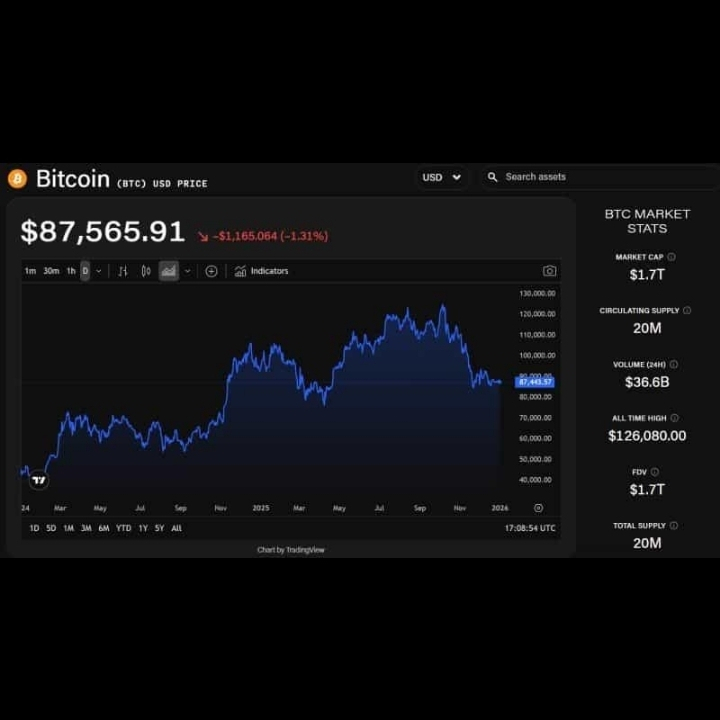
Vì sao Bitcoin vẫn là “vua” của Crypto vào năm 2026Mỗi chu kỳ thị trường lại mang đến những loại tiền mã hóa mới, các công nghệ thú vị và cơ hội đầu tư hấp dẫn. Tuy nhiên, Bitcoin vẫn tiếp tục giữ vững vị thế của mình như là tài sản kỹ thuật số hàng đầu trên thế giới.
Một trong những lý do lớn nhất là niềm tin. Bitcoin có lịch sử hoạt động lâu nhất, nguồn cung cố định 21 triệu coin và mức độ nhận diện toàn cầu mạnh mẽ. Trong các giai đoạn thị trường bất ổn, nhiều nhà đầu tư vẫn coi Bitcoin là tài sản kỹ thuật số chính.
L'intérêt thể chế ngày càng tăng, mức độ áp dụng mở rộng và sự phát triển của công nghệ blockchain tiếp tục củng cố vị thế của Bitcoin. Mặc dù biến động giá ngắn hạn có thể thất thường, cuộc thảo luận dài hạn vẫn tập trung vào việc áp dụng, đổi mới và bao trùm tài chính.
Vì sao Bitcoin vẫn là “vua” của Crypto vào năm 2026
Mỗi chu kỳ thị trường lại mang đến những loại tiền mã hóa mới, các công nghệ thú vị và cơ hội đầu tư hấp dẫn. Tuy nhiên, Bitcoin vẫn tiếp tục giữ vững vị thế của mình như là tài sản kỹ thuật số hàng đầu trên thế giới.
Một trong những lý do lớn nhất là niềm tin. Bitcoin có lịch sử hoạt động lâu nhất, nguồn cung cố định 21 triệu coin và mức độ nhận diện toàn cầu mạnh mẽ. Trong các giai đoạn thị trường bất ổn, nhiều nhà đầu tư vẫn coi Bitcoin là tài sản kỹ thuật số chính.
L'intérêt thể chế ngày càng tăng, mức độ áp dụng mở rộng và sự phát triển của công nghệ blockchain tiếp tục củng cố vị thế của Bitcoin. Mặc dù biến động giá ngắn hạn có thể thất thường, cuộc thảo luận dài hạn vẫn tập trung vào việc áp dụng, đổi mới và bao trùm tài chính.
Một trong những lý do lớn nhất là niềm tin. Bitcoin có lịch sử hoạt động lâu nhất, nguồn cung cố định 21 triệu coin và mức độ nhận diện toàn cầu mạnh mẽ. Trong các giai đoạn thị trường bất ổn, nhiều nhà đầu tư vẫn coi Bitcoin là tài sản kỹ thuật số chính.
L'intérêt thể chế ngày càng tăng, mức độ áp dụng mở rộng và sự phát triển của công nghệ blockchain tiếp tục củng cố vị thế của Bitcoin. Mặc dù biến động giá ngắn hạn có thể thất thường, cuộc thảo luận dài hạn vẫn tập trung vào việc áp dụng, đổi mới và bao trùm tài chính.
34
·
--
Cách nghiên cứu một dự án crypto trước khi đầu tư (Hướng dẫn DYOR)
Thị trường crypto diễn biến nhanh, nhưng đầu tư thành công không phải là đuổi theo mọi token đang thịnh hành—mà là đưa ra các quyết định dựa trên thông tin. Vì vậy, cụm từ DYOR (Do Your Own Research) là một trong những quy tắc quan trọng nhất trong crypto.
Trước khi đầu tư vào bất kỳ dự án nào, kể cả BABY, đây là vài điều then chốt mà tôi luôn kiểm tra
1. Hiểu mục đích của dự án
Hãy tự hỏi: Dự án này đang cố gắng giải quyết vấn đề gì? Một dự án mạnh phải có tầm nhìn rõ ràng và case sử dụng thật sự, chứ không chỉ là một cái tên bắt tai hay trào lưu gây sốt.
2. Đánh giá đội ngũ & phát triển
Tìm kiếm một đội ngũ phát triển hoạt động, các cập nhật thường xuyên và lộ trình (roadmap) rõ ràng. Tiến độ ổn định thường là dấu hiệu tốt hơn những lời hứa lớn.
3. Kiểm tra tokenomics
Hiểu về tổng cung, cách phân phối, lịch mở khóa và token được sử dụng như thế nào trong hệ sinh thái. Tokenomics lành mạnh có thể đóng vai trò quan trọng trong tính bền vững dài hạn.
4. Khảo sát cộng đồng
Một cộng đồng mạnh không chỉ tạo ra “hype”—mà còn hỗ trợ hệ sinh thái, cung cấp phản hồi và giúp thúc đẩy việc được áp dụng. Hãy xem các nền tảng mạng xã hội và các cuộc thảo luận cộng đồng để đánh giá mức độ tham gia của mọi người.
5. Xem hệ sinh thái
Các dự án liên kết với những hệ sinh thái đang phát triển có thể có nhiều cơ hội hơn khi mức độ áp dụng tăng lên. Nhiều nhà đầu tư đang theo dõi BABY nhờ mối liên hệ với hệ sinh thái Bitcoin đang mở rộng, nhưng thành công trong tương lai phụ thuộc vào việc tiếp tục phát triển và được áp dụng trong thực tế.
6. Quản lý rủi ro
Không bao giờ đầu tư chỉ dựa vào FOMO hoặc sự hứng khởi trên mạng xã hội. Hãy đa dạng hóa danh mục, chỉ đầu tư số tiền bạn có thể chấp nhận mất và luôn có một kế hoạch dài hạn.
@babylonlabs_io
Không có dự án crypto nào được đảm bảo sẽ thành công, và không có khoản đầu tư nào không có rủi ro. Những nhà đầu tư giỏi nhất không dựa vào “hype”—họ dựa vào nghiên cứu, sự kiên nhẫn và năng lực ra quyết định có kỷ luật.
DYOR không chỉ là khẩu hiệu; đó là một trong những thói quen giá trị nhất mà bạn có thể xây dựng trong crypto.
#BinanceSquare #InvestSmart
#baby $BABY
Cách nghiên cứu một dự án crypto trước khi đầu tư (Hướng dẫn DYOR)
Thị trường crypto diễn biến nhanh, nhưng đầu tư thành công không phải là đuổi theo mọi token đang thịnh hành—mà là đưa ra các quyết định dựa trên thông tin. Vì vậy, cụm từ DYOR (Do Your Own Research) là một trong những quy tắc quan trọng nhất trong crypto.
Trước khi đầu tư vào bất kỳ dự án nào, kể cả BABY, đây là vài điều then chốt mà tôi luôn kiểm tra
1. Hiểu mục đích của dự án
Hãy tự hỏi: Dự án này đang cố gắng giải quyết vấn đề gì? Một dự án mạnh phải có tầm nhìn rõ ràng và case sử dụng thật sự, chứ không chỉ là một cái tên bắt tai hay trào lưu gây sốt.
2. Đánh giá đội ngũ & phát triển
Tìm kiếm một đội ngũ phát triển hoạt động, các cập nhật thường xuyên và lộ trình (roadmap) rõ ràng. Tiến độ ổn định thường là dấu hiệu tốt hơn những lời hứa lớn.
3. Kiểm tra tokenomics
Hiểu về tổng cung, cách phân phối, lịch mở khóa và token được sử dụng như thế nào trong hệ sinh thái. Tokenomics lành mạnh có thể đóng vai trò quan trọng trong tính bền vững dài hạn.
4. Khảo sát cộng đồng
Một cộng đồng mạnh không chỉ tạo ra “hype”—mà còn hỗ trợ hệ sinh thái, cung cấp phản hồi và giúp thúc đẩy việc được áp dụng. Hãy xem các nền tảng mạng xã hội và các cuộc thảo luận cộng đồng để đánh giá mức độ tham gia của mọi người.
5. Xem hệ sinh thái
Các dự án liên kết với những hệ sinh thái đang phát triển có thể có nhiều cơ hội hơn khi mức độ áp dụng tăng lên. Nhiều nhà đầu tư đang theo dõi BABY nhờ mối liên hệ với hệ sinh thái Bitcoin đang mở rộng, nhưng thành công trong tương lai phụ thuộc vào việc tiếp tục phát triển và được áp dụng trong thực tế.
6. Quản lý rủi ro
Không bao giờ đầu tư chỉ dựa vào FOMO hoặc sự hứng khởi trên mạng xã hội. Hãy đa dạng hóa danh mục, chỉ đầu tư số tiền bạn có thể chấp nhận mất và luôn có một kế hoạch dài hạn.
@BabylonLabs_io
Không có dự án crypto nào được đảm bảo sẽ thành công, và không có khoản đầu tư nào không có rủi ro. Những nhà đầu tư giỏi nhất không dựa vào “hype”—họ dựa vào nghiên cứu, sự kiên nhẫn và năng lực ra quyết định có kỷ luật.
DYOR không chỉ là khẩu hiệu; đó là một trong những thói quen giá trị nhất mà bạn có thể xây dựng trong crypto.
#BinanceSquare #InvestSmart
#baby $BABY
Thị trường crypto diễn biến nhanh, nhưng đầu tư thành công không phải là đuổi theo mọi token đang thịnh hành—mà là đưa ra các quyết định dựa trên thông tin. Vì vậy, cụm từ DYOR (Do Your Own Research) là một trong những quy tắc quan trọng nhất trong crypto.
Trước khi đầu tư vào bất kỳ dự án nào, kể cả BABY, đây là vài điều then chốt mà tôi luôn kiểm tra
1. Hiểu mục đích của dự án
Hãy tự hỏi: Dự án này đang cố gắng giải quyết vấn đề gì? Một dự án mạnh phải có tầm nhìn rõ ràng và case sử dụng thật sự, chứ không chỉ là một cái tên bắt tai hay trào lưu gây sốt.
2. Đánh giá đội ngũ & phát triển
Tìm kiếm một đội ngũ phát triển hoạt động, các cập nhật thường xuyên và lộ trình (roadmap) rõ ràng. Tiến độ ổn định thường là dấu hiệu tốt hơn những lời hứa lớn.
3. Kiểm tra tokenomics
Hiểu về tổng cung, cách phân phối, lịch mở khóa và token được sử dụng như thế nào trong hệ sinh thái. Tokenomics lành mạnh có thể đóng vai trò quan trọng trong tính bền vững dài hạn.
4. Khảo sát cộng đồng
Một cộng đồng mạnh không chỉ tạo ra “hype”—mà còn hỗ trợ hệ sinh thái, cung cấp phản hồi và giúp thúc đẩy việc được áp dụng. Hãy xem các nền tảng mạng xã hội và các cuộc thảo luận cộng đồng để đánh giá mức độ tham gia của mọi người.
5. Xem hệ sinh thái
Các dự án liên kết với những hệ sinh thái đang phát triển có thể có nhiều cơ hội hơn khi mức độ áp dụng tăng lên. Nhiều nhà đầu tư đang theo dõi BABY nhờ mối liên hệ với hệ sinh thái Bitcoin đang mở rộng, nhưng thành công trong tương lai phụ thuộc vào việc tiếp tục phát triển và được áp dụng trong thực tế.
6. Quản lý rủi ro
Không bao giờ đầu tư chỉ dựa vào FOMO hoặc sự hứng khởi trên mạng xã hội. Hãy đa dạng hóa danh mục, chỉ đầu tư số tiền bạn có thể chấp nhận mất và luôn có một kế hoạch dài hạn.
@BabylonLabs_io
Không có dự án crypto nào được đảm bảo sẽ thành công, và không có khoản đầu tư nào không có rủi ro. Những nhà đầu tư giỏi nhất không dựa vào “hype”—họ dựa vào nghiên cứu, sự kiên nhẫn và năng lực ra quyết định có kỷ luật.
DYOR không chỉ là khẩu hiệu; đó là một trong những thói quen giá trị nhất mà bạn có thể xây dựng trong crypto.
#BinanceSquare #InvestSmart
#baby $BABY
122
Đăng nhập để khám phá thêm nội dung
Tham gia cùng người dùng tiền mã hóa toàn cầu trên Binance Square
⚡️ Nhận thông tin mới nhất và hữu ích về tiền mã hóa.
💬 Được tin cậy bởi sàn giao dịch tiền mã hóa lớn nhất thế giới.
👍 Khám phá những thông tin chuyên sâu thực tế từ những nhà sáng tạo đã xác minh.
Email / Số điện thoại
Chủ đề thịnh hành
1
#TheoDõiFOMC
253,546 lượt xem
909 đang thảo luận
2
#TinFed
277,333 lượt xem
660 đang thảo luận
3
#CPIWatch
88.8M lượt xem
509,190 đang thảo luận
4
#EthereumDropsBelow$2500
3,783 lượt xem
108 đang thảo luận
5
#StriveBuys3311BTCFor$280M
2,476 lượt xem
67 đang thảo luận
6
#FranceAdvancesCryptoSelfCustodyReportingProposal
1,433 lượt xem
610 đang thảo luận
7
#OptimismOPRises19.98%
53,686 lượt xem
938 đang thảo luận
8
#OpenAIEngineerArrestedOverAllegedOfficeRecording
21,807 lượt xem
666 đang thảo luận
9
#GoogleReleasesGemini4ArgonAIModel
21,435 lượt xem
543 đang thảo luận
10
#PRLBreaksAbove$1.90ToHitAllTimeHigh
358 lượt xem
17 đang thảo luận