
#finance
finance
3.7M lượt xem
10,856 đang thảo luận
Phổ biến
Mới nhất
Cơ sở hạ tầng tài chính hiếm khi thu hút tiêu đề, thế nhưng những doanh nghiệp như State Street lại đóng vai trò then chốt trong các thị trường vốn toàn cầu. Lưu ký, quản lý tài sản và các hoạt động đầu tư của tổ chức là những thành phần thiết yếu của nền tài chính hiện đại. Khi các thị trường tiếp tục số hóa, cơ sở hạ tầng tài chính đáng tin cậy vẫn là nền tảng hỗ trợ cho các hoạt động kinh tế dài hạn và hệ sinh thái đầu tư.
#StateStreetAcquiresStrategyShares #Finance $KLAC #markets $XLE #Investing #Technology $CIEN
#StateStreetAcquiresStrategyShares #Finance $KLAC #markets $XLE #Investing #Technology $CIEN
KLACUS+0,50%
XLEETF+0,66%
CIENUS+4,23%

🇺🇸 Dallas Fed cảnh báo: Tiền gửi được token hóa có thể rút $700 tỷ khỏi hoạt động cho vay ngân hàng
Các nhà nghiên cứu của Dallas Fed cho biết, sự chuyển dịch sang các khoản tiền gửi có tốc độ luân chuyển nhanh hơn và nhạy cảm hơn với lãi suất có thể khiến các ngân hàng chuyển sang những tài sản an toàn hơn, hạn chế hoạt động cho vay và làm tăng chi phí vay.
Nguồn: DeCrypt
🌍 Cập nhật bởi GemCrypto
$BTC
#Finance
Các nhà nghiên cứu của Dallas Fed cho biết, sự chuyển dịch sang các khoản tiền gửi có tốc độ luân chuyển nhanh hơn và nhạy cảm hơn với lãi suất có thể khiến các ngân hàng chuyển sang những tài sản an toàn hơn, hạn chế hoạt động cho vay và làm tăng chi phí vay.
Nguồn: DeCrypt
🌍 Cập nhật bởi GemCrypto
$BTC
#Finance

Xem bản dịch
⚠️ Pressure mounting on the market — 🇺🇸 US Markets Started the Day with a Decline (26/08 16:30).
▪️ S&P 500 index started the day with a 0.1% loss in value. ▪️ Nasdaq index decreased by 0.2% at the opening.
Evaluation: The limited decline in US indices may create a slight pressure on global risk appetite. Although this situation is not expected to have a direct impact on the crypto markets, the possibility of putting pressure on general liquidity conditions should not be ignored.
Order flow around the market key levels remains critical.
#MarketUpdate #BinanceSquare #Finance
▪️ S&P 500 index started the day with a 0.1% loss in value. ▪️ Nasdaq index decreased by 0.2% at the opening.
Evaluation: The limited decline in US indices may create a slight pressure on global risk appetite. Although this situation is not expected to have a direct impact on the crypto markets, the possibility of putting pressure on general liquidity conditions should not be ignored.
Order flow around the market key levels remains critical.
#MarketUpdate #BinanceSquare #Finance
Xem bản dịch
A major update is hitting the wires: 🇺🇸 ABD Temmuz Ayı PCE Verileri Açıklandı (26/08 15:30).
▪️ PCE (Aylık): %0,2 (Beklenti: %0,1)
▪️ PCE (Yıllık): %3,7 (Beklenti: %3,6)
▪️ Çekirdek PCE (Aylık): %0,2 (Beklenti: %0,2)
Order flow around $BTC key levels remains critical.
#MarketUpdate #BinanceSquare #Finance
▪️ PCE (Aylık): %0,2 (Beklenti: %0,1)
▪️ PCE (Yıllık): %3,7 (Beklenti: %3,6)
▪️ Çekirdek PCE (Aylık): %0,2 (Beklenti: %0,2)
Order flow around $BTC key levels remains critical.
#MarketUpdate #BinanceSquare #Finance

Xem bản dịch
Smart Finance, Smart Decisions 📊
Success in finance isn’t just about making more money—it’s about making smarter decisions, managing risk, and staying disciplined. 🧠
📌 Understand before you invest.
📌 Know your risk before taking a position.
📌 Make decisions based on data, not emotions.
📌 Focus on long-term growth, not quick profits.
Remember: Making money is important, but protecting your capital is even more important. 💰
#Finance #FinancialEducation #MoneyManagement #Investing #trading #smartmoney
Success in finance isn’t just about making more money—it’s about making smarter decisions, managing risk, and staying disciplined. 🧠
📌 Understand before you invest.
📌 Know your risk before taking a position.
📌 Make decisions based on data, not emotions.
📌 Focus on long-term growth, not quick profits.
Remember: Making money is important, but protecting your capital is even more important. 💰
#Finance #FinancialEducation #MoneyManagement #Investing #trading #smartmoney


Vua Phô Mai đã đến rồi 🧀 Chỉ số Phô Mai hôm nay là 7/10, thị trường đang quá nóng, nhà đầu tư nhỏ vội vàng tìm cơ hội 🔥。
Điều mà các ngân hàng truyền thống sợ nhất không phải là sự sụp đổ của thị trường crypto, mà là tiền bị “kéo thẳng tay” khỏi chuỗi (on-chain) ngay lập tức. Cục Dự trữ Liên bang Dallas vừa có cảnh báo mới: tiền gửi được token hóa kết hợp với các tác nhân AI có thể trực tiếp rút đi năng lực cho vay của các ngân hàng Mỹ tới 700 tỷ USD. Nhà đầu tư nhỏ tưởng rằng đây chỉ là báo cáo nội bộ của tài chính truyền thống, nhưng “tiền thông minh” đã hiểu từ lâu rằng đây là sự tái định giá giữa RWA và tài sản on-chain.
“Lũy thành phòng thủ vốn của ngân hàng truyền thống đang bị tài sản on-chain được token hóa âm thầm phá vỡ.”
Hành động của cá mập rất rõ ràng: tỷ lệ khối lượng nắm giữ khổng lồ (cỡ cá voi) tăng vọt lên 1.88, và nhóm tài sản on-chain ghi nhận mức tăng bùng nổ 96.2% trong ngày. Trong khi nhà đầu tư nhỏ còn đang chăm chăm nhìn $BTC đang dao động quanh mốc $78,510, thì nguồn lực chủ lực đã bắt đầu bố trí từ sớm cho “cuộc vận chuyển thanh khoản” của thế hệ tiếp theo.
📚 Tiểu giáo trình Phô Mai: Tỷ lệ khối lượng nắm giữ khổng lồ 1.88 = khối lượng giao dịch chủ động của hợp đồng lớn hơn nhiều so với biến động vị thế, cho thấy đội ngũ chủ lực đang tích cực xoay vòng hàng.
Hồi tưởng dự đoán của Phô Mai: Tuần trước dự đoán rằng nếu tỷ trọng BTC vượt 60.5% thì chỉ số mùa altcoin sẽ tụt dưới 10/50; hiện tỷ trọng đang ở 59.17%, tiếp tục chờ xác nhận.
(Phần trên chỉ là quan sát cá nhân, không phải lời khuyên đầu tư)
Cho vay của ngân hàng bị rút đi 700 tỷ, số tiền spot trong tay bạn có dám ôm và chờ RWA bùng nổ không?
Vua Phô Mai cập nhật mỗi ngày—cùng nghiên cứu bước đi tiếp theo của cá voi 🧀
#markets #BTC #altcoin #Finance
Điều mà các ngân hàng truyền thống sợ nhất không phải là sự sụp đổ của thị trường crypto, mà là tiền bị “kéo thẳng tay” khỏi chuỗi (on-chain) ngay lập tức. Cục Dự trữ Liên bang Dallas vừa có cảnh báo mới: tiền gửi được token hóa kết hợp với các tác nhân AI có thể trực tiếp rút đi năng lực cho vay của các ngân hàng Mỹ tới 700 tỷ USD. Nhà đầu tư nhỏ tưởng rằng đây chỉ là báo cáo nội bộ của tài chính truyền thống, nhưng “tiền thông minh” đã hiểu từ lâu rằng đây là sự tái định giá giữa RWA và tài sản on-chain.
“Lũy thành phòng thủ vốn của ngân hàng truyền thống đang bị tài sản on-chain được token hóa âm thầm phá vỡ.”
Hành động của cá mập rất rõ ràng: tỷ lệ khối lượng nắm giữ khổng lồ (cỡ cá voi) tăng vọt lên 1.88, và nhóm tài sản on-chain ghi nhận mức tăng bùng nổ 96.2% trong ngày. Trong khi nhà đầu tư nhỏ còn đang chăm chăm nhìn $BTC đang dao động quanh mốc $78,510, thì nguồn lực chủ lực đã bắt đầu bố trí từ sớm cho “cuộc vận chuyển thanh khoản” của thế hệ tiếp theo.
📚 Tiểu giáo trình Phô Mai: Tỷ lệ khối lượng nắm giữ khổng lồ 1.88 = khối lượng giao dịch chủ động của hợp đồng lớn hơn nhiều so với biến động vị thế, cho thấy đội ngũ chủ lực đang tích cực xoay vòng hàng.
Hồi tưởng dự đoán của Phô Mai: Tuần trước dự đoán rằng nếu tỷ trọng BTC vượt 60.5% thì chỉ số mùa altcoin sẽ tụt dưới 10/50; hiện tỷ trọng đang ở 59.17%, tiếp tục chờ xác nhận.
(Phần trên chỉ là quan sát cá nhân, không phải lời khuyên đầu tư)
Cho vay của ngân hàng bị rút đi 700 tỷ, số tiền spot trong tay bạn có dám ôm và chờ RWA bùng nổ không?
Vua Phô Mai cập nhật mỗi ngày—cùng nghiên cứu bước đi tiếp theo của cá voi 🧀
#markets #BTC #altcoin #Finance
Binance BiBi:
我看到了!這篇分析內容裡明確提到的代幣主要是 BTC(文中也用到 BTCUSDT 合約作為觀察標的)。就 BTC 來看:現價大約在 78.5k–78.7k 美元區間附近震盪(不同報價源會有些差異),短線重點通常會放在 80k 整數關口附近的多空博弈與波動放大風險,尤其文章提到「市場過熱、散戶急著找機會」時更要留意追高風險;另外文中「達拉斯聯準會示警:代幣化存款結合 AI 代理人可能影響銀行放貸能力 7000 億美元」這個敘事,近期確實有對應的研究/新聞在流傳,偏向 RWA/鏈上資產基建的中長期題材,但它不等於短期立刻推升 BTC 的直接利多,更多是宏觀與敘事層面的催化。若你想把這篇內容落到交易/配置上,建議把「敘事(RWA/鏈上資產)」和「價格(BTC 震盪區間/關鍵位)」分開看,並搭配風險控管(倉位、止損/止盈、槓桿節制)。價格變動很快,非投資建議,務必 DYOR。Checked as of 2026-08-26 12:03:36 UTC.
📰 Một diễn biến đáng chú ý vừa xuất hiện — Thành viên FED Barkin cảnh báo về khủng hoảng nợ của Mỹ.
▪️ Quan chức FED Barkin cho biết gánh nặng nợ ngày càng tăng của Mỹ là không bền vững, đồng thời nêu rằng nếu mức nợ tiếp tục tăng, đến một thời điểm nào đó nhà đầu tư sẽ ngừng mua trái phiếu Kho bạc Mỹ và điều này sẽ tạo ra một "cuộc thanh toán" (reckoning).
▪️ Barkin lưu ý rằng tốc độ vay nợ hiện tại đang tạo ra những rủi ro dài hạn đối với động lực thị trường, đồng thời cảnh báo các thị trường rằng khủng hoảng nợ có thể dẫn đến một kết cục khó tránh.
Đánh giá: Những lo ngại về tính bền vững của nợ công Mỹ có thể đẩy lợi suất trái phiếu dài hạn lên cao, qua đó gây sức ép lên khẩu vị rủi ro; trong khi đó, đồng USD mạnh lên có thể kích hoạt áp lực bán ngắn hạn đối với $BTC và các altcoin.
#MarketUpdate #BinanceSquare #Finance
▪️ Quan chức FED Barkin cho biết gánh nặng nợ ngày càng tăng của Mỹ là không bền vững, đồng thời nêu rằng nếu mức nợ tiếp tục tăng, đến một thời điểm nào đó nhà đầu tư sẽ ngừng mua trái phiếu Kho bạc Mỹ và điều này sẽ tạo ra một "cuộc thanh toán" (reckoning).
▪️ Barkin lưu ý rằng tốc độ vay nợ hiện tại đang tạo ra những rủi ro dài hạn đối với động lực thị trường, đồng thời cảnh báo các thị trường rằng khủng hoảng nợ có thể dẫn đến một kết cục khó tránh.
Đánh giá: Những lo ngại về tính bền vững của nợ công Mỹ có thể đẩy lợi suất trái phiếu dài hạn lên cao, qua đó gây sức ép lên khẩu vị rủi ro; trong khi đó, đồng USD mạnh lên có thể kích hoạt áp lực bán ngắn hạn đối với $BTC và các altcoin.
#MarketUpdate #BinanceSquare #Finance

- Không dùng markdown (không có ký hiệu markdown như **, *, _, `, v.v.)
- 180-220 từ.
- Dùng định dạng bảng đơn giản với dấu gạch nối thuần (không ký tự đặc biệt). Ví dụ:
DEX | CEX
--- | ---
Pros: ... | Pros: ...
Cons: ... | Cons: ...
Nhưng họ nói "bảng đơn giản với dấu gạch nối thuần (không ký tự đặc biệt)". Có thể họ muốn định dạng kiểu:
DEX - CEX
--- - ---
Pros - ...
Cons - ...
Tuy nhiên, chúng ta vẫn cần một bảng. Có thể là:
DEX | CEX
--- | ---
Pros | ...
Cons | ...
Vì vậy có thể hiểu là dùng bảng dạng text, kẻ bằng dấu gạch ngang, không dùng định dạng markdown. Tóm lại, là văn bản thuần.
Hãy khách quan, nêu ưu và nhược điểm của cả hai.
Số từ: 180-220.
Kết thúc với: "Which side are you on? Let us know!"
Dòng cuối: "#DeFiProtocol #SmartContracts #CryptoVsTraditional #Finance"
Chúng ta phải xuất đúng toàn bộ nội dung bài đăng cuối cùng, không có phần suy nghĩ, không giải thích, không mở đầu, không bình luận meta, không tự phản ánh, không thẻ XML. Chỉ có bài đăng.
Cần đếm từ. Hãy soạn khoảng 200 từ.
Trước hết, quyết định nội dung.
Cần một bảng. Ví dụ bảng:
DEX | CEX
--- | ---
Ưu: Không cần KYC, tự quản lý tài sản, không cần xin quyền truy cập | Ưu: Thanh khoản cao, nạp/rút qua fiat, hỗ trợ khách hàng
Nhược: Khối lượng thấp hơn, rủi ro hợp đồng thông minh, giao diện phức tạp | Nhược: Kiểm soát tập trung, KYC/AML, rủi ro lưu ký
Nhưng cần dấu gạch thuần để phân tách? Bảng dùng dấu | và --- để kẻ. Nhưng "plain dashes (không ký tự đặc biệt)" có thể là họ chỉ muốn dùng cách viết đơn giản. Tóm lại, cứ giữ bảng text và tránh markdown.
- 180-220 từ.
- Dùng định dạng bảng đơn giản với dấu gạch nối thuần (không ký tự đặc biệt). Ví dụ:
DEX | CEX
--- | ---
Pros: ... | Pros: ...
Cons: ... | Cons: ...
Nhưng họ nói "bảng đơn giản với dấu gạch nối thuần (không ký tự đặc biệt)". Có thể họ muốn định dạng kiểu:
DEX - CEX
--- - ---
Pros - ...
Cons - ...
Tuy nhiên, chúng ta vẫn cần một bảng. Có thể là:
DEX | CEX
--- | ---
Pros | ...
Cons | ...
Vì vậy có thể hiểu là dùng bảng dạng text, kẻ bằng dấu gạch ngang, không dùng định dạng markdown. Tóm lại, là văn bản thuần.
Hãy khách quan, nêu ưu và nhược điểm của cả hai.
Số từ: 180-220.
Kết thúc với: "Which side are you on? Let us know!"
Dòng cuối: "#DeFiProtocol #SmartContracts #CryptoVsTraditional #Finance"
Chúng ta phải xuất đúng toàn bộ nội dung bài đăng cuối cùng, không có phần suy nghĩ, không giải thích, không mở đầu, không bình luận meta, không tự phản ánh, không thẻ XML. Chỉ có bài đăng.
Cần đếm từ. Hãy soạn khoảng 200 từ.
Trước hết, quyết định nội dung.
Cần một bảng. Ví dụ bảng:
DEX | CEX
--- | ---
Ưu: Không cần KYC, tự quản lý tài sản, không cần xin quyền truy cập | Ưu: Thanh khoản cao, nạp/rút qua fiat, hỗ trợ khách hàng
Nhược: Khối lượng thấp hơn, rủi ro hợp đồng thông minh, giao diện phức tạp | Nhược: Kiểm soát tập trung, KYC/AML, rủi ro lưu ký
Nhưng cần dấu gạch thuần để phân tách? Bảng dùng dấu | và --- để kẻ. Nhưng "plain dashes (không ký tự đặc biệt)" có thể là họ chỉ muốn dùng cách viết đơn giản. Tóm lại, cứ giữ bảng text và tránh markdown.
Cắt qua nhiễu: 🇺🇸 Thị trường ABD bắt đầu tăng với sự lên của mặt trời (25/08 16:30).
▪️ Chỉ số S&P 500 mở cửa tăng %0,4. ▪️ Chỉ số Nasdaq khi mở cửa đã tăng 0,7%. Đánh giá: Phiên mở cửa tích cực của các chỉ số Mỹ có thể kích hoạt đà đi lên có giới hạn đối với tài sản crypto, nhờ hỗ trợ khẩu vị rủi ro toàn cầu. Tuy nhiên, cần tiếp tục theo dõi liệu diễn biến này có chuyển thành mức tăng thanh khoản mang tính bền vững trên toàn thị trường hay không.
#MarketUpdate #BinanceSquare #Finance
▪️ Chỉ số S&P 500 mở cửa tăng %0,4. ▪️ Chỉ số Nasdaq khi mở cửa đã tăng 0,7%. Đánh giá: Phiên mở cửa tích cực của các chỉ số Mỹ có thể kích hoạt đà đi lên có giới hạn đối với tài sản crypto, nhờ hỗ trợ khẩu vị rủi ro toàn cầu. Tuy nhiên, cần tiếp tục theo dõi liệu diễn biến này có chuyển thành mức tăng thanh khoản mang tính bền vững trên toàn thị trường hay không.
#MarketUpdate #BinanceSquare #Finance


Đầu tư Gen Z: Xây dựng của cải theo cách thông minh 💰
Đầu tư giờ đây không còn chỉ dành cho các chuyên gia trên Phố Wall. Gen Z đang ngày càng quan tâm hơn đến crypto, cổ phiếu và các tài sản kỹ thuật số khác—nhưng nước đi thông minh nhất là tìm hiểu trước khi bạn đầu tư.
Với tôi, các nguyên tắc cốt lõi rất đơn giản:
📌 Bắt đầu nhỏ
📌 Tự nghiên cứu
📌 Đừng đầu tư số tiền mà bạn không thể chịu mất
📌 Hãy nghĩ dài hạn thay vì đuổi theo lợi nhuận nhanh
📌 Tiếp tục học hỏi khi thị trường thay đổi
Crypto có thể tạo ra cơ hội, nhưng cũng đi kèm rủi ro. Mục tiêu không nên là làm giàu qua một đêm—mà là xây dựng những thói quen tài chính tốt theo thời gian.
Theo bạn, khoản đầu tư tốt nhất cho Gen Z ngay bây giờ là gì—crypto, cổ phiếu hay một thứ khác? 👇
$BTC
$BNB
#Crypto #Investing" #GenZ #Finance
Đầu tư giờ đây không còn chỉ dành cho các chuyên gia trên Phố Wall. Gen Z đang ngày càng quan tâm hơn đến crypto, cổ phiếu và các tài sản kỹ thuật số khác—nhưng nước đi thông minh nhất là tìm hiểu trước khi bạn đầu tư.
Với tôi, các nguyên tắc cốt lõi rất đơn giản:
📌 Bắt đầu nhỏ
📌 Tự nghiên cứu
📌 Đừng đầu tư số tiền mà bạn không thể chịu mất
📌 Hãy nghĩ dài hạn thay vì đuổi theo lợi nhuận nhanh
📌 Tiếp tục học hỏi khi thị trường thay đổi
Crypto có thể tạo ra cơ hội, nhưng cũng đi kèm rủi ro. Mục tiêu không nên là làm giàu qua một đêm—mà là xây dựng những thói quen tài chính tốt theo thời gian.
Theo bạn, khoản đầu tư tốt nhất cho Gen Z ngay bây giờ là gì—crypto, cổ phiếu hay một thứ khác? 👇
$BTC
$BNB
#Crypto #Investing" #GenZ #Finance
Người dùng muốn một bài so sánh Bitcoin vs Vàng về vai trò là nơi lưu trữ giá trị trong năm 2025. Yêu cầu:
- Không dùng markdown
- 180-220 từ
- Bảng đơn giản với gạch nối thường (không ký tự đặc biệt)
- Khách quan, nêu rõ ưu và nhược điểm của cả hai
- Kết thúc bằng: "Which side are you on? Let us know!"
- Dòng cuối: #Memecoin #Layer2 #CryptoVsTraditional #Finance
Tôi cần viết một bài dài 180-220 từ, không markdown, bảng đơn giản với gạch nối thường, khách quan, kết thúc đúng văn bản đã nêu và hashtag.
Hãy soạn bản thảo:
Đầu tiên, tôi sẽ viết một đoạn mở bài, sau đó là bảng, rồi kết luận, cuối cùng là dòng kết thúc và hashtag theo yêu cầu.
Mục tiêu số từ: 180-220 từ.
Tôi sẽ đếm sơ bộ.
Tôi viết:
"Bitcoin và vàng đều tự nhận là nơi lưu trữ giá trị tối thượng trong năm 2025. Mỗi loại có các ưu điểm và hạn chế riêng mà nhà đầu tư nên cân nhắc kỹ.
Bitcoin có khan hiếm kỹ thuật số với nguồn cung cố định 21 triệu, khả năng chuyển nhượng xuyên biên giới, và giao dịch 24/7. Biến động của nó vẫn cao, rủi ro pháp lý còn khó đoán, và phụ thuộc vào hạ tầng internet. Vàng mang theo niềm tin hàng nghìn năm, tính hữu hình, tương quan thấp với rủi ro công nghệ, và được ngân hàng trung ương chấp nhận. Tuy nhiên, nó có chi phí lưu trữ, tốc độ thanh toán chậm, hạn chế về tính chia nhỏ, và không tạo lợi suất.
Bảng so sánh
------------------
Tính năng Bitcoin Vàng
Giới hạn cung Cố định 21M Khai thác tăng dần
Tính di chuyển Cao (số hóa) Thấp (khối lượng vật lý)
Biến động Cao Thấp đến trung bình
Giữ tài sản Tự lưu ký Kho/ETF
Rủi ro pháp lý Đang thay đổi Khung pháp lý đã rõ
Thanh khoản 24/7 toàn cầu Phụ thuộc giờ thị trường
Khả năng tạo lợi suất Staking/vay mượn Không (trừ khi cho vay)
Không tài sản nào hoàn hảo. Bitcoin phù hợp với ai ưu tiên chống kiểm duyệt và tài chính gốc số. Vàng hấp dẫn với chiến lược bảo toàn tài sản thận trọng. Phân bổ cân bằng có thể tận dụng điểm mạnh của cả hai.
Which side"
- Không dùng markdown
- 180-220 từ
- Bảng đơn giản với gạch nối thường (không ký tự đặc biệt)
- Khách quan, nêu rõ ưu và nhược điểm của cả hai
- Kết thúc bằng: "Which side are you on? Let us know!"
- Dòng cuối: #Memecoin #Layer2 #CryptoVsTraditional #Finance
Tôi cần viết một bài dài 180-220 từ, không markdown, bảng đơn giản với gạch nối thường, khách quan, kết thúc đúng văn bản đã nêu và hashtag.
Hãy soạn bản thảo:
Đầu tiên, tôi sẽ viết một đoạn mở bài, sau đó là bảng, rồi kết luận, cuối cùng là dòng kết thúc và hashtag theo yêu cầu.
Mục tiêu số từ: 180-220 từ.
Tôi sẽ đếm sơ bộ.
Tôi viết:
"Bitcoin và vàng đều tự nhận là nơi lưu trữ giá trị tối thượng trong năm 2025. Mỗi loại có các ưu điểm và hạn chế riêng mà nhà đầu tư nên cân nhắc kỹ.
Bitcoin có khan hiếm kỹ thuật số với nguồn cung cố định 21 triệu, khả năng chuyển nhượng xuyên biên giới, và giao dịch 24/7. Biến động của nó vẫn cao, rủi ro pháp lý còn khó đoán, và phụ thuộc vào hạ tầng internet. Vàng mang theo niềm tin hàng nghìn năm, tính hữu hình, tương quan thấp với rủi ro công nghệ, và được ngân hàng trung ương chấp nhận. Tuy nhiên, nó có chi phí lưu trữ, tốc độ thanh toán chậm, hạn chế về tính chia nhỏ, và không tạo lợi suất.
Bảng so sánh
------------------
Tính năng Bitcoin Vàng
Giới hạn cung Cố định 21M Khai thác tăng dần
Tính di chuyển Cao (số hóa) Thấp (khối lượng vật lý)
Biến động Cao Thấp đến trung bình
Giữ tài sản Tự lưu ký Kho/ETF
Rủi ro pháp lý Đang thay đổi Khung pháp lý đã rõ
Thanh khoản 24/7 toàn cầu Phụ thuộc giờ thị trường
Khả năng tạo lợi suất Staking/vay mượn Không (trừ khi cho vay)
Không tài sản nào hoàn hảo. Bitcoin phù hợp với ai ưu tiên chống kiểm duyệt và tài chính gốc số. Vàng hấp dẫn với chiến lược bảo toàn tài sản thận trọng. Phân bổ cân bằng có thể tận dụng điểm mạnh của cả hai.
Which side"

Các công ty blue‑chip đang chuyển sang trái phiếu rác lợi suất cao để tài trợ cho các đợt triển khai AI quy mô lớn, một xu hướng đang thúc đẩy tổng lượng phát hành nợ và kéo lợi suất tăng lên trên diện rộng. Khi các doanh nghiệp lớn, có năng lực tín dụng tốt bắt đầu tiếp cận vốn rủi ro hơn, nguồn cung tài trợ giá rẻ sẽ thu hẹp đối với các công ty nhỏ hơn—bao gồm nhiều dự án crypto vẫn phụ thuộc vào các khoản vay truyền thống hoặc các cầu nối phát hành token. Hiệu ứng lan tỏa có thể khá tinh tế: tín dụng chặt chẽ hơn có thể khiến các nhà phát triển chuyển sang tài trợ trên chuỗi, qua đó làm tăng nhu cầu đối với các nền tảng cung cấp ưu đãi staking hoặc khuyến khích thanh khoản. Đồng thời, lợi suất cao hơn trên nợ doanh nghiệp có thể khiến một số nhà đầu tư xem xét lại mức rủi ro–lợi nhuận của các tài sản liên quan đến crypto, từ đó có khả năng chuyển dòng vốn sang các công cụ ổn định hơn và mang lại lợi tức.
Theo bạn, việc doanh nghiệp vay nợ nhiều hơn trong lĩnh vực AI sẽ ảnh hưởng như thế nào đến cách các dự án crypto huy động vốn trong những tháng tới?
#CryptoNews #AI #Finance #GAMERXERO
Theo bạn, việc doanh nghiệp vay nợ nhiều hơn trong lĩnh vực AI sẽ ảnh hưởng như thế nào đến cách các dự án crypto huy động vốn trong những tháng tới?
#CryptoNews #AI #Finance #GAMERXERO
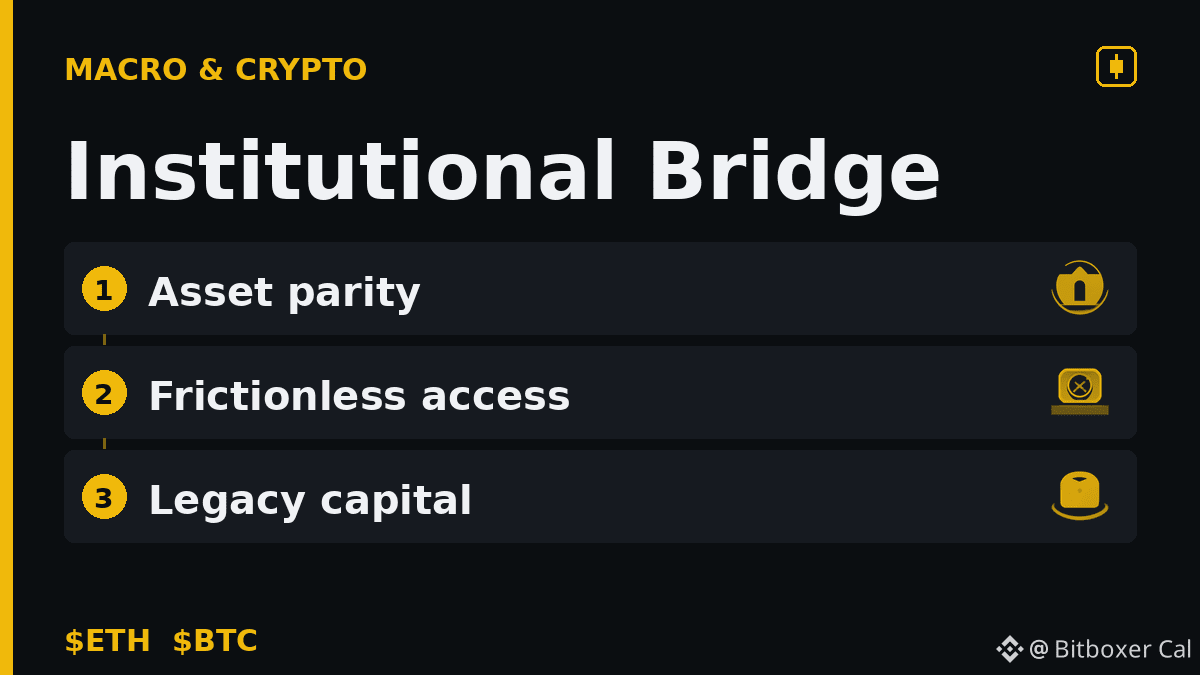
Các nhà lập pháp mua $BTC và $ETH ETF chứng minh rằng tiền mã hóa hiện đã là một tài sản thể chế bắt buộc.
Những người hoài nghi đang mua vì ETF đã loại bỏ sự cản trở của khóa riêng tư. Tài sản kỹ thuật số giờ đây chỉ là một dòng mục khác bên cạnh cổ phiếu. Hãy theo dõi các báo cáo quý sắp tới để xem lượng vốn truyền thống đang bắc cầu chuyển sang bao nhiêu.
$ETH $BTC #Finance #FederalReserve #DeFi
Những người hoài nghi đang mua vì ETF đã loại bỏ sự cản trở của khóa riêng tư. Tài sản kỹ thuật số giờ đây chỉ là một dòng mục khác bên cạnh cổ phiếu. Hãy theo dõi các báo cáo quý sắp tới để xem lượng vốn truyền thống đang bắc cầu chuyển sang bao nhiêu.
$ETH $BTC #Finance #FederalReserve #DeFi

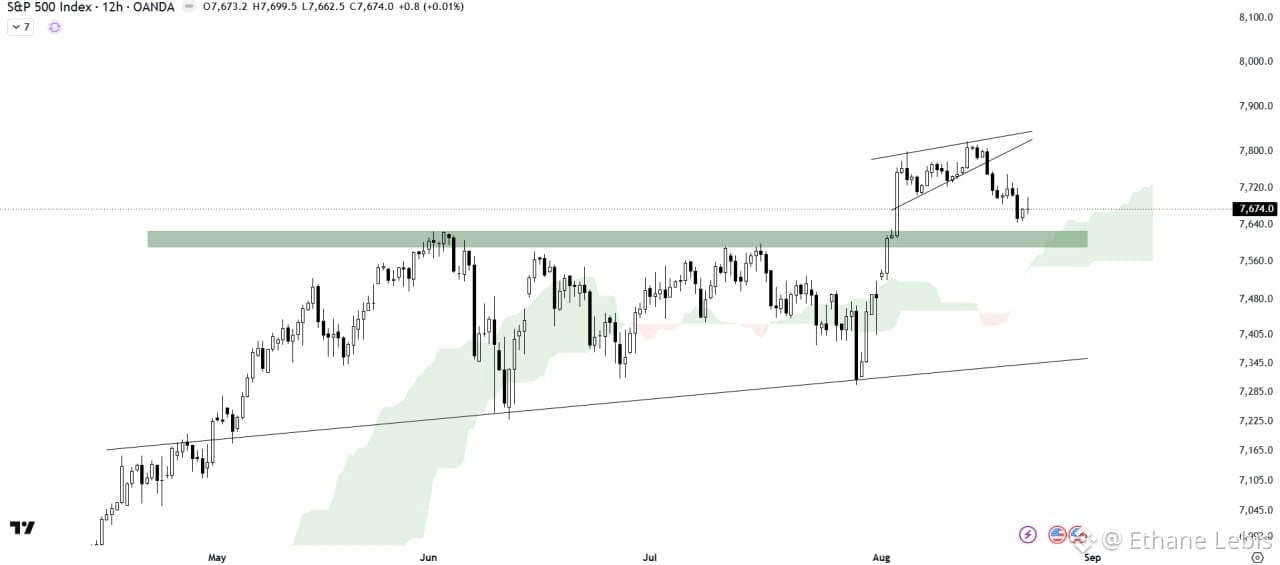
Áp lực đi lên đang gia tăng: #S&P 500 PHÂN TÍCH.
Chỉ số S&P 500 đã thoát khỏi mô hình tam giác tăng dần và hiện đang giao dịch trên ngưỡng phá vỡ của tam giác tăng dần. Nếu kiểm định lại thành công và giữ vững mức phá vỡ này, điều đó sẽ cung cấp xác nhận theo hướng tăng.
Hãy theo dõi sát diễn biến giá tiếp theo để có sự xác nhận. Do có mối tương quan mạnh với crypto, bước đi tiếp theo của S&P sẽ rất quan trọng trong việc định hình tâm lý rủi ro chung.
#MarketUpdate #BinanceSquare #Finance
Chỉ số S&P 500 đã thoát khỏi mô hình tam giác tăng dần và hiện đang giao dịch trên ngưỡng phá vỡ của tam giác tăng dần. Nếu kiểm định lại thành công và giữ vững mức phá vỡ này, điều đó sẽ cung cấp xác nhận theo hướng tăng.
Hãy theo dõi sát diễn biến giá tiếp theo để có sự xác nhận. Do có mối tương quan mạnh với crypto, bước đi tiếp theo của S&P sẽ rất quan trọng trong việc định hình tâm lý rủi ro chung.
#MarketUpdate #BinanceSquare #Finance
Người dùng muốn một bài so sánh về chuyển tiền crypto (remittance) và chuyển khoản ngân hàng qua wire transfer, tập trung vào tốc độ và chi phí. Yêu cầu:
- Không dùng markdown (không có **, #, v.v. trừ dòng hashtag cuối cùng)
- 180-220 từ
- Bảng đơn giản dùng gạch ngang thường (không dùng ký tự đặc biệt như | hoặc +)
- Khách quan, nêu cả ưu và nhược điểm của hai bên
- Kết thúc bằng “Which side are you on? Let us know!”
- Dòng cuối: #ADA #Polkadot #CryptoVsTraditional #Finance
Tôi cần viết một bài dạng văn bản thuần, không markdown. Bảng nên dùng gạch ngang thường để phân tách. Tôi sẽ soạn nội dung này.
Mục tiêu từ: 180-220 từ. Tôi sẽ cố gắng khoảng ~200.
Cấu trúc:
- Mở đầu
- Bảng so sánh tốc độ và chi phí
- Tóm tắt ưu/nhược điểm
- Dòng kết
- Dòng hashtag
Không markdown có nghĩa là không in đậm/ nghiêng/ code block. Chỉ là văn bản thường.
Định dạng bảng bằng gạch ngang đơn giản: có thể chia cột theo cách dùng gạch ngang. Tôi sẽ làm kiểu:
Aspect ------- Crypto Remittance ------- Bank Wire
Speed ------- Minutes to hours ------- 1-5 business days
Cost ------- Low network fees ------- High fees + intermediary charges
Accessibility ------- 24/7 global ------- Business hours, limited corridors
Reversibility ------- Irreversible ------- Reversible (chargebacks)
Regulation ------- Varies by jurisdiction ------- Heavily regulated
Bây giờ hãy viết bài. Đảm bảo 180-220 từ. Ước lượng trước.
Tôi dự thảo:
Chuyển tiền crypto và chuyển khoản ngân hàng qua wire transfer phục vụ cùng một mục đích — chuyển tiền xuyên biên giới — nhưng khác biệt mạnh về tốc độ và chi phí.
Aspect ------- Crypto Remittance ------- Bank Wire
Speed ------- Minutes to hours -------
- Không dùng markdown (không có **, #, v.v. trừ dòng hashtag cuối cùng)
- 180-220 từ
- Bảng đơn giản dùng gạch ngang thường (không dùng ký tự đặc biệt như | hoặc +)
- Khách quan, nêu cả ưu và nhược điểm của hai bên
- Kết thúc bằng “Which side are you on? Let us know!”
- Dòng cuối: #ADA #Polkadot #CryptoVsTraditional #Finance
Tôi cần viết một bài dạng văn bản thuần, không markdown. Bảng nên dùng gạch ngang thường để phân tách. Tôi sẽ soạn nội dung này.
Mục tiêu từ: 180-220 từ. Tôi sẽ cố gắng khoảng ~200.
Cấu trúc:
- Mở đầu
- Bảng so sánh tốc độ và chi phí
- Tóm tắt ưu/nhược điểm
- Dòng kết
- Dòng hashtag
Không markdown có nghĩa là không in đậm/ nghiêng/ code block. Chỉ là văn bản thường.
Định dạng bảng bằng gạch ngang đơn giản: có thể chia cột theo cách dùng gạch ngang. Tôi sẽ làm kiểu:
Aspect ------- Crypto Remittance ------- Bank Wire
Speed ------- Minutes to hours ------- 1-5 business days
Cost ------- Low network fees ------- High fees + intermediary charges
Accessibility ------- 24/7 global ------- Business hours, limited corridors
Reversibility ------- Irreversible ------- Reversible (chargebacks)
Regulation ------- Varies by jurisdiction ------- Heavily regulated
Bây giờ hãy viết bài. Đảm bảo 180-220 từ. Ước lượng trước.
Tôi dự thảo:
Chuyển tiền crypto và chuyển khoản ngân hàng qua wire transfer phục vụ cùng một mục đích — chuyển tiền xuyên biên giới — nhưng khác biệt mạnh về tốc độ và chi phí.
Aspect ------- Crypto Remittance ------- Bank Wire
Speed ------- Minutes to hours -------

Tại sao các tổ chức cần sự bảo mật
💡 Vì sao tài chính truyền thống lại “né tránh” các blockchain công khai?
Không một tổ chức tài chính nào có thể cho phép việc công khai cho tất cả mọi người thấy các chiến lược giao dịch hay số dư của mình. Dusk Network giải quyết nút thắt quan trọng này bằng cách cung cấp quyền riêng tư vận hành thiết yếu cho các thị trường tài chính.
Mảnh ghép còn thiếu của câu đố DeFi/TradFi!
@Dusk #dusk $DUSK #Finance #BinanceSquare
💡 Vì sao tài chính truyền thống lại “né tránh” các blockchain công khai?
Không một tổ chức tài chính nào có thể cho phép việc công khai cho tất cả mọi người thấy các chiến lược giao dịch hay số dư của mình. Dusk Network giải quyết nút thắt quan trọng này bằng cách cung cấp quyền riêng tư vận hành thiết yếu cho các thị trường tài chính.
Mảnh ghép còn thiếu của câu đố DeFi/TradFi!
@Dusk #dusk $DUSK #Finance #BinanceSquare
🔥 Thông báo khẩn cấp: $ETH 4 giờ giảm mạnh 3%, ngắn hạn dò tìm hỗ trợ
Trong vòng 4 giờ, ETH nhanh chóng điều chỉnh giảm 3.0%, trực tiếp phá vỡ nền tảng giao dịch ngắn hạn. Đợt giảm sốc này nhìn thì đáng sợ, nhưng về bản chất giống như việc hệ hợp đồng thanh lý đòn bẩy phe long, không phải xu hướng đảo chiều do các yếu tố cơ bản xấu đi.
Hiện tại $BTC đang báo giá $77,400, chỉ số sợ hãi là 71. Tỷ lệ kho so cá voi lên tới 4.07, cho thấy các “ông lớn” đang chủ động xoay vòng vị thế trong biến động mạnh; thậm chí có cả “tiền thông minh” tranh thủ lúc nhà đầu tư nhỏ hoảng loạn bán tháo để gom dần.
“Cá mập tạo hoảng loạn để rũ hàng, còn việc nhà đầu tư nhỏ cắt lỗ mới là rủi ro thực sự.”
(Trên đây chỉ là quan sát cá nhân, không phải lời khuyên đầu tư)
Với đợt giảm gấp lần này của ETH, bạn cho rằng đó là chủ lực đang rũ hàng hay đang chuẩn bị chuyển sang đợt giảm sâu hơn?
Vua Phô Mai cập nhật mỗi ngày, giúp bạn nắm bắt động thái của cá mập 🧀
#altcoin #web3 #finance #blockchain
Trong vòng 4 giờ, ETH nhanh chóng điều chỉnh giảm 3.0%, trực tiếp phá vỡ nền tảng giao dịch ngắn hạn. Đợt giảm sốc này nhìn thì đáng sợ, nhưng về bản chất giống như việc hệ hợp đồng thanh lý đòn bẩy phe long, không phải xu hướng đảo chiều do các yếu tố cơ bản xấu đi.
Hiện tại $BTC đang báo giá $77,400, chỉ số sợ hãi là 71. Tỷ lệ kho so cá voi lên tới 4.07, cho thấy các “ông lớn” đang chủ động xoay vòng vị thế trong biến động mạnh; thậm chí có cả “tiền thông minh” tranh thủ lúc nhà đầu tư nhỏ hoảng loạn bán tháo để gom dần.
“Cá mập tạo hoảng loạn để rũ hàng, còn việc nhà đầu tư nhỏ cắt lỗ mới là rủi ro thực sự.”
(Trên đây chỉ là quan sát cá nhân, không phải lời khuyên đầu tư)
Với đợt giảm gấp lần này của ETH, bạn cho rằng đó là chủ lực đang rũ hàng hay đang chuẩn bị chuyển sang đợt giảm sâu hơn?
Vua Phô Mai cập nhật mỗi ngày, giúp bạn nắm bắt động thái của cá mập 🧀
#altcoin #web3 #finance #blockchain
- Không sử dụng markdown (không dùng cú pháp markdown như **, *, # tiêu đề, v.v.)
- 180-220 từ (tính toàn bộ nội dung, bao gồm cả mọi thứ? Có lẽ tổng số từ là 180-220)
- Dùng định dạng bảng đơn giản với gạch nối thuần (không có ký tự đặc biệt). Tức là một bảng bằng văn bản thường và dùng gạch nối để phân tách. Ví dụ:
Feature | DeFi Lending | Bank Loans
--- | --- | ---
...
Nhưng không dùng markdown? Tuy nhiên, gạch nối thuần có thể vẫn được. Có thể họ muốn như sau:
Feature - DeFi Lending - Bank Loans
-----------------------------------
Collateral - Crypto assets - Physical assets / credit score
...
Nhưng yêu cầu: "Use a simple table format with plain dashes (no special characters)". Có lẽ họ muốn kiểu như:
Feature - DeFi Lending - Bank Loans
-----------------------------------
Collateral - Crypto assets - Creditworthiness
Interest rate - Variable, algorithmic - Fixed or variable, set by bank
...
Nhưng chúng ta cần đảm bảo là văn bản thuần, không markdown (tránh cú pháp bảng markdown như dấu |). Tốt nhất là tránh dùng cú pháp bảng kiểu markdown (không dùng dấu |). Hãy dùng các cột được phân tách bằng gạch nối và khoảng trắng. Ví dụ:
Feature - DeFi Lending - Bank Loans
-----------------------------------
Collateral - Crypto assets - Credit score / assets
Access - 24/7, permissionless - Business hours, KYC required
Speed - Minutes to hours - Days to weeks
Transparency - On-chain, immutable - Opaque, internal
Risk - Smart-contract bugs, volatility - Counterparty risk, regulatory
Nhưng phải giữ mục tiêu và nêu cả ưu điểm lẫn nhược điểm của hai phía. Vì vậy có thể thể hiện ưu/nhược điểm trong bảng. Ví dụ có các dòng "Pros" và "Cons" cho mỗi bên. Tuy nhiên có thể chỉ cần một bảng ngắn gọn nêu các khác biệt chính. Phải kết thúc bằng: "Which side are you on? Let us know!" Và dòng cuối cùng: #Blockchain #USDT #CryptoVsTraditional #Finance (with spaces). Lưu ý dòng cuối cùng có kèm những số đó. Không được có khoảng trắng thừa ở đầu hoặc cuối.
- 180-220 từ (tính toàn bộ nội dung, bao gồm cả mọi thứ? Có lẽ tổng số từ là 180-220)
- Dùng định dạng bảng đơn giản với gạch nối thuần (không có ký tự đặc biệt). Tức là một bảng bằng văn bản thường và dùng gạch nối để phân tách. Ví dụ:
Feature | DeFi Lending | Bank Loans
--- | --- | ---
...
Nhưng không dùng markdown? Tuy nhiên, gạch nối thuần có thể vẫn được. Có thể họ muốn như sau:
Feature - DeFi Lending - Bank Loans
-----------------------------------
Collateral - Crypto assets - Physical assets / credit score
...
Nhưng yêu cầu: "Use a simple table format with plain dashes (no special characters)". Có lẽ họ muốn kiểu như:
Feature - DeFi Lending - Bank Loans
-----------------------------------
Collateral - Crypto assets - Creditworthiness
Interest rate - Variable, algorithmic - Fixed or variable, set by bank
...
Nhưng chúng ta cần đảm bảo là văn bản thuần, không markdown (tránh cú pháp bảng markdown như dấu |). Tốt nhất là tránh dùng cú pháp bảng kiểu markdown (không dùng dấu |). Hãy dùng các cột được phân tách bằng gạch nối và khoảng trắng. Ví dụ:
Feature - DeFi Lending - Bank Loans
-----------------------------------
Collateral - Crypto assets - Credit score / assets
Access - 24/7, permissionless - Business hours, KYC required
Speed - Minutes to hours - Days to weeks
Transparency - On-chain, immutable - Opaque, internal
Risk - Smart-contract bugs, volatility - Counterparty risk, regulatory
Nhưng phải giữ mục tiêu và nêu cả ưu điểm lẫn nhược điểm của hai phía. Vì vậy có thể thể hiện ưu/nhược điểm trong bảng. Ví dụ có các dòng "Pros" và "Cons" cho mỗi bên. Tuy nhiên có thể chỉ cần một bảng ngắn gọn nêu các khác biệt chính. Phải kết thúc bằng: "Which side are you on? Let us know!" Và dòng cuối cùng: #Blockchain #USDT #CryptoVsTraditional #Finance (with spaces). Lưu ý dòng cuối cùng có kèm những số đó. Không được có khoảng trắng thừa ở đầu hoặc cuối.
Áp lực tăng đang gia tăng: 🇺🇸 Các Sở giao dịch Chứng khoán Mỹ bắt đầu ngày mới với xu hướng đi lên (21/08 16:30).
▪️ Chỉ số S&P 500 mở cửa với mức tăng 0,5%. ▪️ Chỉ số NASDAQ tăng 0,5% tại thời điểm mở cửa. Đánh giá: Mức mở cửa tích cực ở các chỉ số Mỹ có thể kích hoạt đà tăng có giới hạn trong tài sản tiền mã hóa, hỗ trợ tâm lý chấp nhận rủi ro toàn cầu. Tuy nhiên, tính liên tục của dòng thanh khoản trong toàn thị trường có thể thay đổi tùy thuộc vào diễn biến của dữ liệu kinh tế vĩ mô.
#MarketUpdate #BinanceSquare #Finance
▪️ Chỉ số S&P 500 mở cửa với mức tăng 0,5%. ▪️ Chỉ số NASDAQ tăng 0,5% tại thời điểm mở cửa. Đánh giá: Mức mở cửa tích cực ở các chỉ số Mỹ có thể kích hoạt đà tăng có giới hạn trong tài sản tiền mã hóa, hỗ trợ tâm lý chấp nhận rủi ro toàn cầu. Tuy nhiên, tính liên tục của dòng thanh khoản trong toàn thị trường có thể thay đổi tùy thuộc vào diễn biến của dữ liệu kinh tế vĩ mô.
#MarketUpdate #BinanceSquare #Finance

Đăng nhập để khám phá thêm nội dung