
The Bitcoin-related policy signed by the Trump administration in March 2025 is not a 'ban', but rather an executive order to establish a national Bitcoin strategic reserve. The core content of the policy is: to include approximately 200,000 Bitcoins obtained through judicial confiscation into the strategic reserve, prohibiting government sales, and exploring further increases through non-taxpayer funds.
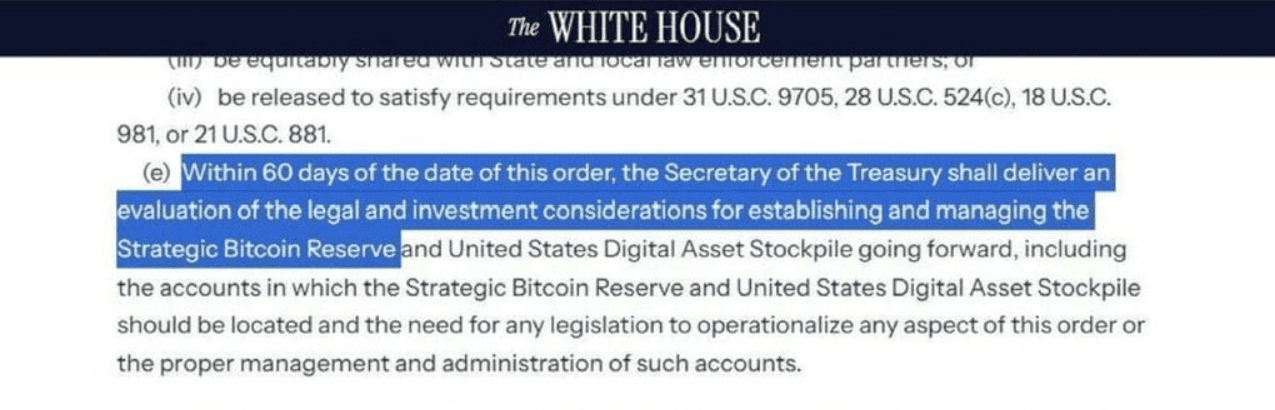
This is not a 'ban on Bitcoin', but rather 'national hoarding of coins'
The Trump administration is effectively promoting Bitcoin as a national reserve asset, akin to gold. The policy clearly states that the Bitcoin held by the government 'must never be sold', essentially providing an 'official endorsement' for Bitcoin.Why do some say it's a 'ban'?
After the policy announcement, Bitcoin's price briefly plummeted over 10%, leading some investors to mistakenly interpret it as 'bad news'. In fact, the drop may stem from:Good news has been fully priced in: the market had already priced in policy expectations.
Short-term volatility: unclear policy details have triggered panic selling.
The significance of the due date (May 5):
The policy requires the Treasury to submit a feasibility report on Bitcoin reserves within 60 days (by May 5), including how to increase holdings in a 'budget-neutral' manner (for example, by purchasing with confiscated illicit funds rather than raising taxes).More details may be released after the due date, and the market may fluctuate again.
Impact on ordinary people:
In the long term: if the policy is implemented, Bitcoin could become a 'digital hard currency' like gold, potentially accelerating institutional investment.
Short-term risks: unclear policy execution details require vigilance against officials preemptively positioning for arbitrage or market speculation.
Recommendations for ordinary investors: avoid leveraged operations, focus on actual capital movements after the policy is implemented, rather than short-term price fluctuations.
Summary:
Trump's '60-day Bitcoin policy' essentially seeks to 'legitimize' Bitcoin through national reserves, rather than banning trading. The due date may catalyze market sentiment, but Bitcoin's long-term value still depends on practical applications and regulatory trends.