
#p2pvenezuela
p2pvenezuela
942,615 views
427 Discussing
Hot
Latest

·
--
Inverted Spread and P2P Arbitrage: What’s happening today?## Inverted Spread and P2P Arbitrage: What’s happening today?
**Date:** Monday, September 7, 2026 · **Live P2P Radar data:** buy Bs. 982.09 · sell Bs. 921.73 · BCV Bs. N/A · premium N/A%
Today Monday, the Venezuelan P2P market shows an anomaly: the USDT purchase price is higher than the sale price at 982.09 vs 921.73, something uncommon. The BCV has not published a rate, which adds uncertainty. We analyze the figures and how to take advantage of them.
### P2P Trading Notes: day analysis
Inverted Spread and P2P Arbitrage: What’s happening today?
## Inverted Spread and P2P Arbitrage: What’s happening today?
**Date:** Monday, September 7, 2026 · **Live P2P Radar data:** buy Bs. 982.09 · sell Bs. 921.73 · BCV Bs. N/A · premium N/A%
Today Monday, the Venezuelan P2P market shows an anomaly: the USDT purchase price is higher than the sale price at 982.09 vs 921.73, something uncommon. The BCV has not published a rate, which adds uncertainty. We analyze the figures and how to take advantage of them.
### P2P Trading Notes: day analysis
**Date:** Monday, September 7, 2026 · **Live P2P Radar data:** buy Bs. 982.09 · sell Bs. 921.73 · BCV Bs. N/A · premium N/A%
Today Monday, the Venezuelan P2P market shows an anomaly: the USDT purchase price is higher than the sale price at 982.09 vs 921.73, something uncommon. The BCV has not published a rate, which adds uncertainty. We analyze the figures and how to take advantage of them.
### P2P Trading Notes: day analysis
1
·
--
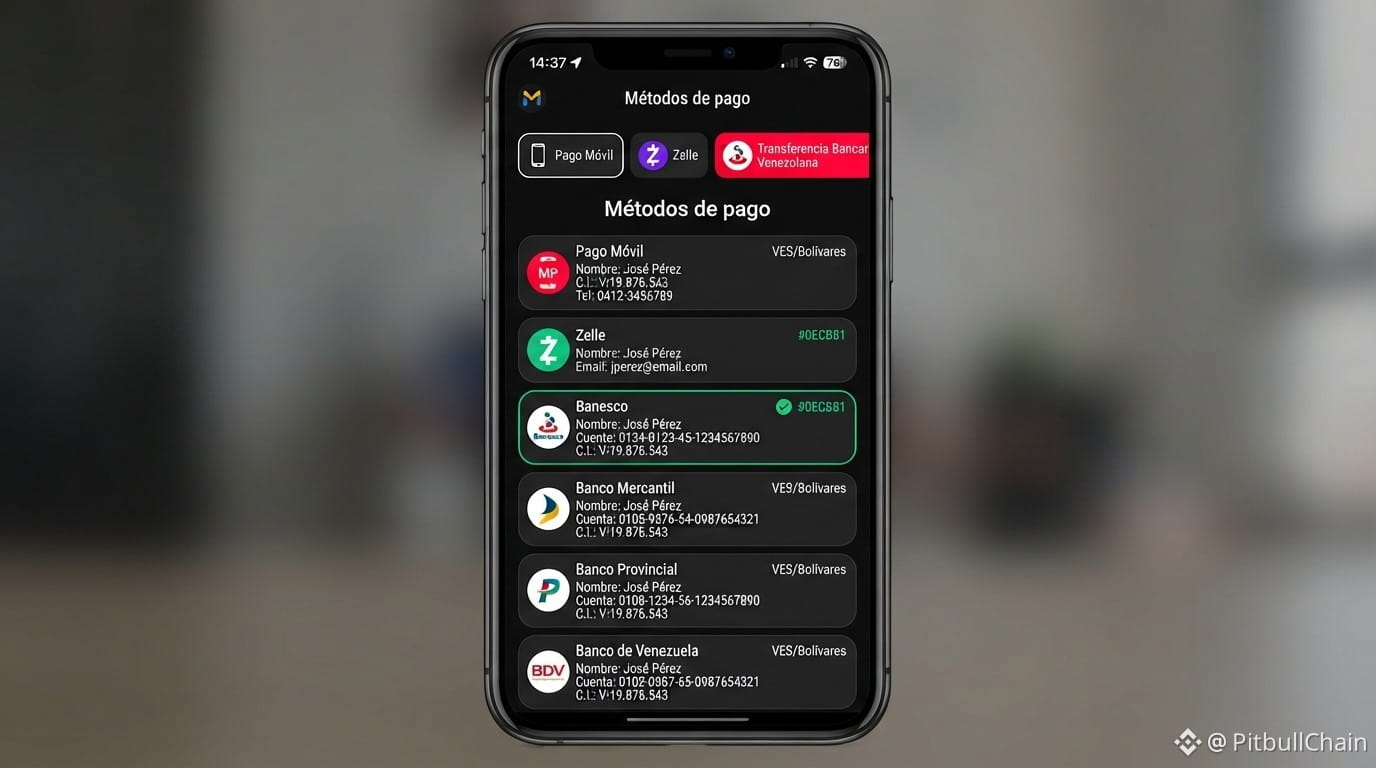
Article
P2P banking strategy: how to move $USDT on SundayDid you know that choosing your bank on Sunday could cost you up to a 4% spread on your trades?
With 248 active ads in the market today, we see a notable gap: buying $USDT averages Bs. 973,45 while selling is around Bs. 935,97, leaving a spread of Bs. 37,49. However, within Binance P2P the most efficient liquidity is concentrated in specific banking channels.
On weekends, the order book changes pace. Here are 3 keys to optimize your exchanges today:
P2P banking strategy: how to move $USDT on Sunday
Did you know that choosing your bank on Sunday could cost you up to a 4% spread on your trades?
With 248 active ads in the market today, we see a notable gap: buying $USDT averages Bs. 973,45 while selling is around Bs. 935,97, leaving a spread of Bs. 37,49. However, within Binance P2P the most efficient liquidity is concentrated in specific banking channels.
On weekends, the order book changes pace. Here are 3 keys to optimize your exchanges today:
With 248 active ads in the market today, we see a notable gap: buying $USDT averages Bs. 973,45 while selling is around Bs. 935,97, leaving a spread of Bs. 37,49. However, within Binance P2P the most efficient liquidity is concentrated in specific banking channels.
On weekends, the order book changes pace. Here are 3 keys to optimize your exchanges today:
70
·
--
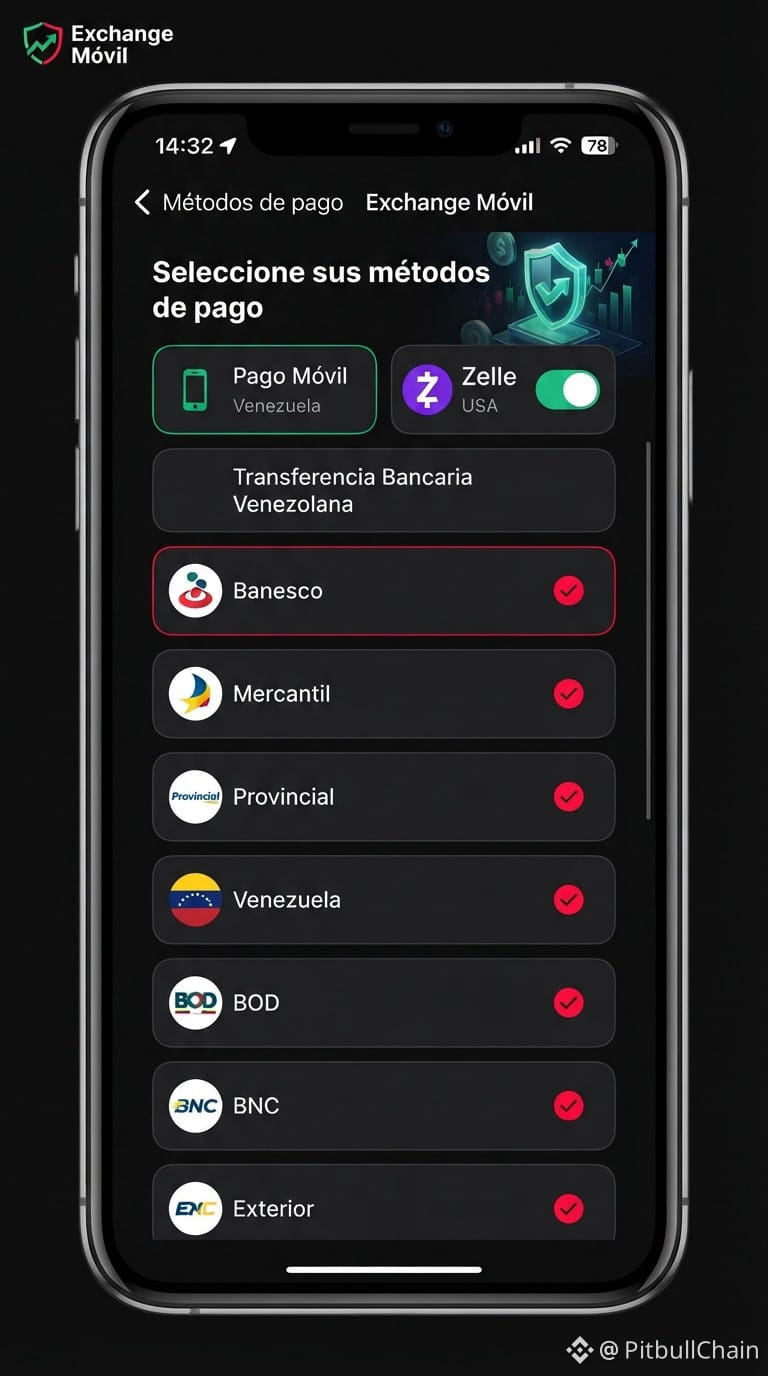
Article
P2P on Sunday: liquidity and banking keysHave you noticed how the release speed in P2P changes on Sundays when the traditional banking system is operating at half speed?
Today we see more than 260 active ads on Binance P2P for $USDT, with a fairly tight order book where the spread between buy and sell remains close to 961 and 957 bolívares per dollar.
On Sundays, the key is not just to chase the best rate, but to ensure operational smoothness:
1. Prioritize accounts at the same bank or instant interbank Pago Móvil to avoid delays in settlement.
P2P on Sunday: liquidity and banking keys
Have you noticed how the release speed in P2P changes on Sundays when the traditional banking system is operating at half speed?
Today we see more than 260 active ads on Binance P2P for $USDT, with a fairly tight order book where the spread between buy and sell remains close to 961 and 957 bolívares per dollar.
On Sundays, the key is not just to chase the best rate, but to ensure operational smoothness:
1. Prioritize accounts at the same bank or instant interbank Pago Móvil to avoid delays in settlement.
Today we see more than 260 active ads on Binance P2P for $USDT, with a fairly tight order book where the spread between buy and sell remains close to 961 and 957 bolívares per dollar.
On Sundays, the key is not just to chase the best rate, but to ensure operational smoothness:
1. Prioritize accounts at the same bank or instant interbank Pago Móvil to avoid delays in settlement.
8
·
--
P2P banks today: Banesco and Pago Móvil dominate liquidity in USDT## P2P banks today: Banesco and Pago Móvil dominate liquidity in USDT
**Date:** Sunday, September 6, 2026 · **Live data from the P2P Radar:** buy Bs. 987.34 · sell Bs. 939.09 · BCV Bs. N/A · premium N/A%
With USDT trading at 987.34 Bs for buying and 939.09 Bs for selling, the 48.25 Bs spread reflects a wide gap. Today, merchants are looking for the banks with the greatest fluidity to execute transactions without getting caught in exchange-rate differences.
### P2P Banks: analysis of the day
Banesco remains the bank with the highest liquidity for P2P, concentrating most of the orders on Binance and other platforms, which makes fast matching between buyers and sellers easier; its transfers usually take less than 5 minutes. Pago Móvil is the most practical method for amounts under 100 USDT, since the immediacy reduces exchange-rate risk, but many merchants limit it because of daily caps. Bancamiga is gaining ground thanks to its robust app and customer support, ideal for medium amounts, although its volume still does not match Banesco. Mercantil remains a reliable option for large transfers, with better support, but its use in P2P is lower. Provincial, on the other hand, shows low participation and a wider spread, so it is recommended only if the counterparty requires it. For today, the most efficient approach is to use Banesco or Pago Móvil: the first for high amounts, the second for speed, and avoid Provincial if you are looking for a better price.
P2P banks today: Banesco and Pago Móvil dominate liquidity in USDT
## P2P banks today: Banesco and Pago Móvil dominate liquidity in USDT
**Date:** Sunday, September 6, 2026 · **Live data from the P2P Radar:** buy Bs. 987.34 · sell Bs. 939.09 · BCV Bs. N/A · premium N/A%
With USDT trading at 987.34 Bs for buying and 939.09 Bs for selling, the 48.25 Bs spread reflects a wide gap. Today, merchants are looking for the banks with the greatest fluidity to execute transactions without getting caught in exchange-rate differences.
### P2P Banks: analysis of the day
Banesco remains the bank with the highest liquidity for P2P, concentrating most of the orders on Binance and other platforms, which makes fast matching between buyers and sellers easier; its transfers usually take less than 5 minutes. Pago Móvil is the most practical method for amounts under 100 USDT, since the immediacy reduces exchange-rate risk, but many merchants limit it because of daily caps. Bancamiga is gaining ground thanks to its robust app and customer support, ideal for medium amounts, although its volume still does not match Banesco. Mercantil remains a reliable option for large transfers, with better support, but its use in P2P is lower. Provincial, on the other hand, shows low participation and a wider spread, so it is recommended only if the counterparty requires it. For today, the most efficient approach is to use Banesco or Pago Móvil: the first for high amounts, the second for speed, and avoid Provincial if you are looking for a better price.
**Date:** Sunday, September 6, 2026 · **Live data from the P2P Radar:** buy Bs. 987.34 · sell Bs. 939.09 · BCV Bs. N/A · premium N/A%
With USDT trading at 987.34 Bs for buying and 939.09 Bs for selling, the 48.25 Bs spread reflects a wide gap. Today, merchants are looking for the banks with the greatest fluidity to execute transactions without getting caught in exchange-rate differences.
### P2P Banks: analysis of the day
Banesco remains the bank with the highest liquidity for P2P, concentrating most of the orders on Binance and other platforms, which makes fast matching between buyers and sellers easier; its transfers usually take less than 5 minutes. Pago Móvil is the most practical method for amounts under 100 USDT, since the immediacy reduces exchange-rate risk, but many merchants limit it because of daily caps. Bancamiga is gaining ground thanks to its robust app and customer support, ideal for medium amounts, although its volume still does not match Banesco. Mercantil remains a reliable option for large transfers, with better support, but its use in P2P is lower. Provincial, on the other hand, shows low participation and a wider spread, so it is recommended only if the counterparty requires it. For today, the most efficient approach is to use Banesco or Pago Móvil: the first for high amounts, the second for speed, and avoid Provincial if you are looking for a better price.
1
·
--
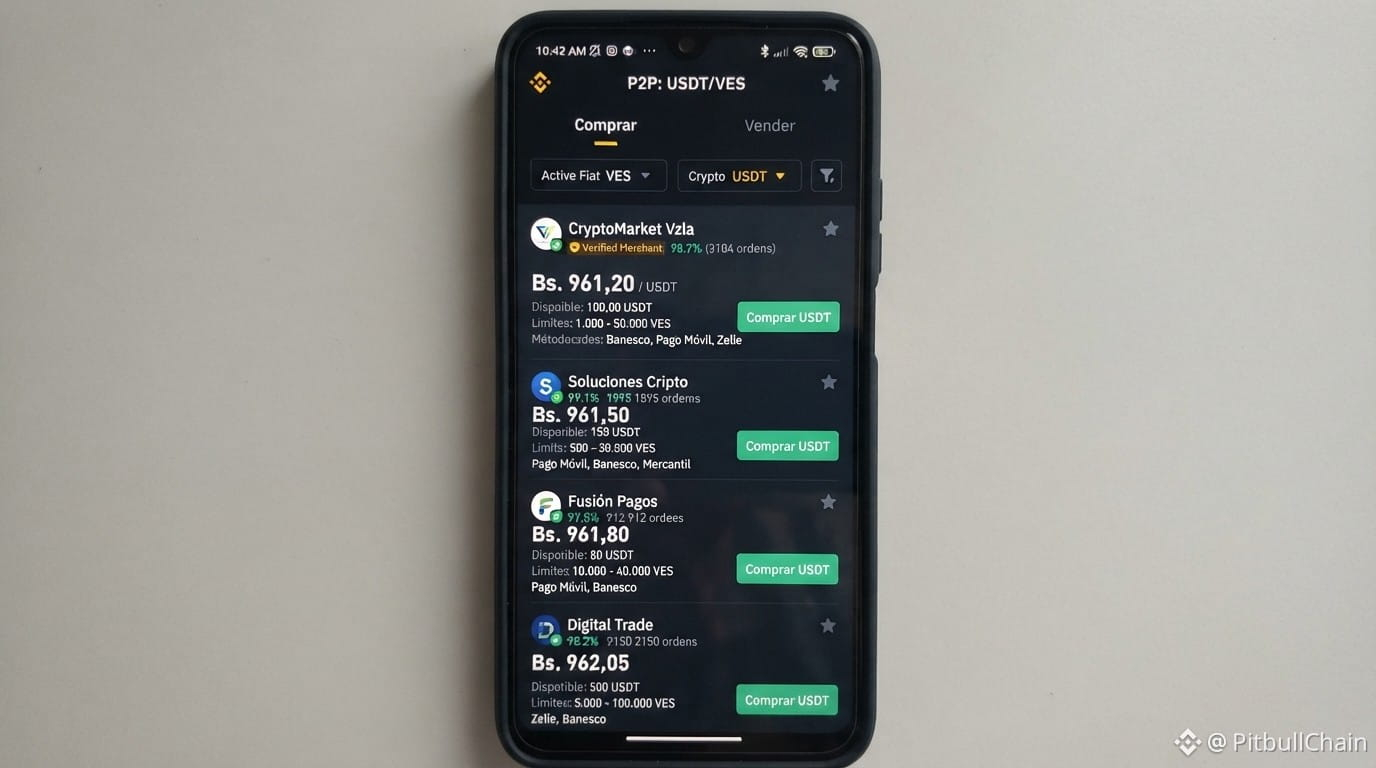
Article
USDT spread in Venezuela: a 7.92% snapshot and the gap between exchangesThe first week of September 2026 left a clear snapshot of the Venezuelan P2P market: the spread between buying and selling USDT stands at 7.92%, with an average buy price of Bs. 994.55 and a sell price of Bs. 921.54. These figures, captured on September 6 at 10:00 UTC by PitbullChain's Radar P2P, reveal a gap that is not merely numerical: it is a symptom of imbalances between liquidity, offers, and real demand. Snapshot: key figures as of September 6 The live data analysis yields the following indicators for the USDT/VES pair: Average buy price (buy USDT with bolivars): Bs. 994.55. Average sell price (sell USDT to obtain bolivars): Bs. 921.54. Absolute spread: Bs. 73.01. Percentage spread: 7.92%. Official BCV rate (USD/VES): Bs. 813.74. Reference parallel dollar: Bs. 961.41. USDT P2P premium versus the BCV rate: 22.22%. These figures are complemented by PitbullChain's P2P traffic light, which is in yellow status with a score of 69/100, indicating moderate caution. Although overall liquidity is high (195 active offers), price dispersion is notable: in the order book, the best buy price is Bs. 958.98 and the best sell price is Bs. 955.31, with an effective spread of only 0.38% at the top of the book. That difference between the average spread (7.92%) and the top-of-book spread (0.38%) shows a tail of offers priced far away from the best level. Why is the spread so high? A spread of nearly 8 percentage points is not an isolated phenomenon. It results from the interaction of several structural and cyclical factors. First, fragmentation across exchanges and payment methods prevents a single price from existing. According to the collected data, there are differences of up to 10.57% between the prices offered on Binance and other platforms. This kind of gap is explained by lower liquidity on some platforms and by user segmentation by bank or geographic area. Second, preference for certain banks creates queues and higher counterparty risk, which translates into higher premiums. For example, at Banesco the average spread is 2.69%, with a buy price of Bs. 964.68 and a sell price of Bs. 939.37. By contrast, at Banco de Venezuela the spread is only 0.86%, with prices much closer together. This disparity suggests that supply and demand do not flow uniformly through the financial system. Binance vs. other platforms: a 10.5% gap The opportunity signal detected by Radar P2P is clear: while Binance quotes USDT buys at Bs. 952.09, other platforms show a quote of Bs. 1,052.75, representing a difference of 100.66 bolivars (10.57%). This gap is not a capture error; it reflects the different market depth and the speed of price adjustment on each exchange. For a user looking to sell USDT, this means they can obtain a more favorable exchange rate on other platforms than on Binance. However, liquidity is considerably lower on other platforms, as seen in the volume of offers: while Binance concentrates most of the listings in banks such as Banesco and Banco de Venezuela, other platforms present smaller operations and less common payment methods, such as banks 286, 725, and 287. This asymmetry is a reminder that arbitrage between exchanges is theoretically possible, but in practice it requires accounts on both platforms, risk management, and tolerance for operational friction. Banesco and other banks: where the gap narrows or widens Bank-specific behavior is perhaps the most relevant factor for the average user. The data show that the main active payment methods include Pago Móvil, Banco de Venezuela, Banesco, Mercantil, Provincial, and alternative banks such as BNC and Bancamiga. Bank / method Average buy Average sell Spread % Banesco Bs. 964.68 Bs. 939.37 2.69% Banco de Venezuela Bs. 960.17 Bs. 951.92 0.86% Pago Móvil Bs. 981.32 Bs. 928.92 5.64% Other method Bs. 986.82 Bs. 927.75 6.37% Banesco, despite being one of the banks with the most offers, shows a wider spread than Banco de Venezuela. This could be due to high demand to operate with Banesco, allowing sellers to set higher prices without losing buyers. In contrast, Banco de Venezuela appears to have a more balanced market, with offers that quickly adjust to the best price. Implications for remittances and the real economy The P2P spread is not just a technical indicator; it directly affects millions of people who use cryptocurrencies as a channel for remittances and savings. As Finanzas Digital notes, digital remittances show variability that reflects exchange-rate instability and the speed of P2P markets. On the other hand, El Impulso reports that millions of Venezuelans use the digital dollar to survive day to day, which means every point of spread affects the purchasing power of those who convert bolivars into USDT to protect their income. When the spread rises above 7%, the cost of seeking refuge in cryptoassets increases. For example, someone who wants to convert 100 dollars into bolivars will receive Bs. 92,154 (at the average sell rate) when selling USDT, while buying the same 100 USDT will require spending Bs. 99,455. That difference of Bs. 7,301 is the "tax" the user pays for the lack of depth and for the perceived risks of the parallel market. In the context of the real economy, this gap is passed on to the prices of goods and services, since merchants who receive payments in USDT or bolivars adjust their margins to compensate for volatility. Physical banking, as CriptoTendencia argues, falters in times of crisis, but P2P becomes the support of the Venezuelan economy. However, the efficiency of this channel depends on market quality and available information. P2P traffic light: moderate caution PitbullChain's traffic light, at yellow (69 points), summarizes the current state: liquidity is sufficient, but the spread is high and market depth shows an imbalance between buy and sell offers. Specifically, the volume of buy offers (USDT to sell) reaches 577,523 USDT, while sell offers (USDT to buy) reach 123,678 USDT, an imbalance that pushes prices upward for buyers. The component assessment is also telling: liquidity gets 95 points, spread only 20, and depth 45. This suggests there are enough listings, but not necessarily at good prices. External risk factors, such as possible regulatory changes or fluctuations in the parallel dollar, remain at a moderate level (60). What to do in the face of this volatility? While PitbullChain does not offer financial advice, the data allow for practical recommendations for any P2P user: Compare prices across banks and exchanges before trading; the difference can exceed 10% at the same moment. Check the merchant's reputation and transaction history, especially on lower-liquidity channels such as other platforms. Verify the limits of each offer and the minimum amounts; some large offers may have restrictions that are not immediately visible. Calculate the true cost of your transaction with PitbullChain's P2P calculator and consider that the spread is not the only factor: payment speed and exchange fees also matter. Avoid trading during periods of high volatility unless necessary; if it is not urgent, wait for the traffic light to improve or for the spread to move closer to top-of-book levels (0.38%). In conclusion, the snapshot of the P2P spread in Venezuela as of September 6, 2026 shows an active market but one with arbitrage failures and fragmentation. These gaps are no accident: they reflect an economy where the digital dollar has become a basic necessity. Understanding them is the first step toward operating with less friction and, above all, with more information.
USDT spread in Venezuela: a 7.92% snapshot and the gap between exchanges
The first week of September 2026 left a clear snapshot of the Venezuelan P2P market: the spread between buying and selling USDT stands at 7.92%, with an average buy price of Bs. 994.55 and a sell price of Bs. 921.54. These figures, captured on September 6 at 10:00 UTC by PitbullChain's Radar P2P, reveal a gap that is not merely numerical: it is a symptom of imbalances between liquidity, offers, and real demand. Snapshot: key figures as of September 6 The live data analysis yields the following indicators for the USDT/VES pair: Average buy price (buy USDT with bolivars): Bs. 994.55. Average sell price (sell USDT to obtain bolivars): Bs. 921.54. Absolute spread: Bs. 73.01. Percentage spread: 7.92%. Official BCV rate (USD/VES): Bs. 813.74. Reference parallel dollar: Bs. 961.41. USDT P2P premium versus the BCV rate: 22.22%. These figures are complemented by PitbullChain's P2P traffic light, which is in yellow status with a score of 69/100, indicating moderate caution. Although overall liquidity is high (195 active offers), price dispersion is notable: in the order book, the best buy price is Bs. 958.98 and the best sell price is Bs. 955.31, with an effective spread of only 0.38% at the top of the book. That difference between the average spread (7.92%) and the top-of-book spread (0.38%) shows a tail of offers priced far away from the best level. Why is the spread so high? A spread of nearly 8 percentage points is not an isolated phenomenon. It results from the interaction of several structural and cyclical factors. First, fragmentation across exchanges and payment methods prevents a single price from existing. According to the collected data, there are differences of up to 10.57% between the prices offered on Binance and other platforms. This kind of gap is explained by lower liquidity on some platforms and by user segmentation by bank or geographic area. Second, preference for certain banks creates queues and higher counterparty risk, which translates into higher premiums. For example, at Banesco the average spread is 2.69%, with a buy price of Bs. 964.68 and a sell price of Bs. 939.37. By contrast, at Banco de Venezuela the spread is only 0.86%, with prices much closer together. This disparity suggests that supply and demand do not flow uniformly through the financial system. Binance vs. other platforms: a 10.5% gap The opportunity signal detected by Radar P2P is clear: while Binance quotes USDT buys at Bs. 952.09, other platforms show a quote of Bs. 1,052.75, representing a difference of 100.66 bolivars (10.57%). This gap is not a capture error; it reflects the different market depth and the speed of price adjustment on each exchange. For a user looking to sell USDT, this means they can obtain a more favorable exchange rate on other platforms than on Binance. However, liquidity is considerably lower on other platforms, as seen in the volume of offers: while Binance concentrates most of the listings in banks such as Banesco and Banco de Venezuela, other platforms present smaller operations and less common payment methods, such as banks 286, 725, and 287. This asymmetry is a reminder that arbitrage between exchanges is theoretically possible, but in practice it requires accounts on both platforms, risk management, and tolerance for operational friction. Banesco and other banks: where the gap narrows or widens Bank-specific behavior is perhaps the most relevant factor for the average user. The data show that the main active payment methods include Pago Móvil, Banco de Venezuela, Banesco, Mercantil, Provincial, and alternative banks such as BNC and Bancamiga. Bank / method Average buy Average sell Spread % Banesco Bs. 964.68 Bs. 939.37 2.69% Banco de Venezuela Bs. 960.17 Bs. 951.92 0.86% Pago Móvil Bs. 981.32 Bs. 928.92 5.64% Other method Bs. 986.82 Bs. 927.75 6.37% Banesco, despite being one of the banks with the most offers, shows a wider spread than Banco de Venezuela. This could be due to high demand to operate with Banesco, allowing sellers to set higher prices without losing buyers. In contrast, Banco de Venezuela appears to have a more balanced market, with offers that quickly adjust to the best price. Implications for remittances and the real economy The P2P spread is not just a technical indicator; it directly affects millions of people who use cryptocurrencies as a channel for remittances and savings. As Finanzas Digital notes, digital remittances show variability that reflects exchange-rate instability and the speed of P2P markets. On the other hand, El Impulso reports that millions of Venezuelans use the digital dollar to survive day to day, which means every point of spread affects the purchasing power of those who convert bolivars into USDT to protect their income. When the spread rises above 7%, the cost of seeking refuge in cryptoassets increases. For example, someone who wants to convert 100 dollars into bolivars will receive Bs. 92,154 (at the average sell rate) when selling USDT, while buying the same 100 USDT will require spending Bs. 99,455. That difference of Bs. 7,301 is the "tax" the user pays for the lack of depth and for the perceived risks of the parallel market. In the context of the real economy, this gap is passed on to the prices of goods and services, since merchants who receive payments in USDT or bolivars adjust their margins to compensate for volatility. Physical banking, as CriptoTendencia argues, falters in times of crisis, but P2P becomes the support of the Venezuelan economy. However, the efficiency of this channel depends on market quality and available information. P2P traffic light: moderate caution PitbullChain's traffic light, at yellow (69 points), summarizes the current state: liquidity is sufficient, but the spread is high and market depth shows an imbalance between buy and sell offers. Specifically, the volume of buy offers (USDT to sell) reaches 577,523 USDT, while sell offers (USDT to buy) reach 123,678 USDT, an imbalance that pushes prices upward for buyers. The component assessment is also telling: liquidity gets 95 points, spread only 20, and depth 45. This suggests there are enough listings, but not necessarily at good prices. External risk factors, such as possible regulatory changes or fluctuations in the parallel dollar, remain at a moderate level (60). What to do in the face of this volatility? While PitbullChain does not offer financial advice, the data allow for practical recommendations for any P2P user: Compare prices across banks and exchanges before trading; the difference can exceed 10% at the same moment. Check the merchant's reputation and transaction history, especially on lower-liquidity channels such as other platforms. Verify the limits of each offer and the minimum amounts; some large offers may have restrictions that are not immediately visible. Calculate the true cost of your transaction with PitbullChain's P2P calculator and consider that the spread is not the only factor: payment speed and exchange fees also matter. Avoid trading during periods of high volatility unless necessary; if it is not urgent, wait for the traffic light to improve or for the spread to move closer to top-of-book levels (0.38%). In conclusion, the snapshot of the P2P spread in Venezuela as of September 6, 2026 shows an active market but one with arbitrage failures and fragmentation. These gaps are no accident: they reflect an economy where the digital dollar has become a basic necessity. Understanding them is the first step toward operating with less friction and, above all, with more information.
7
·
--
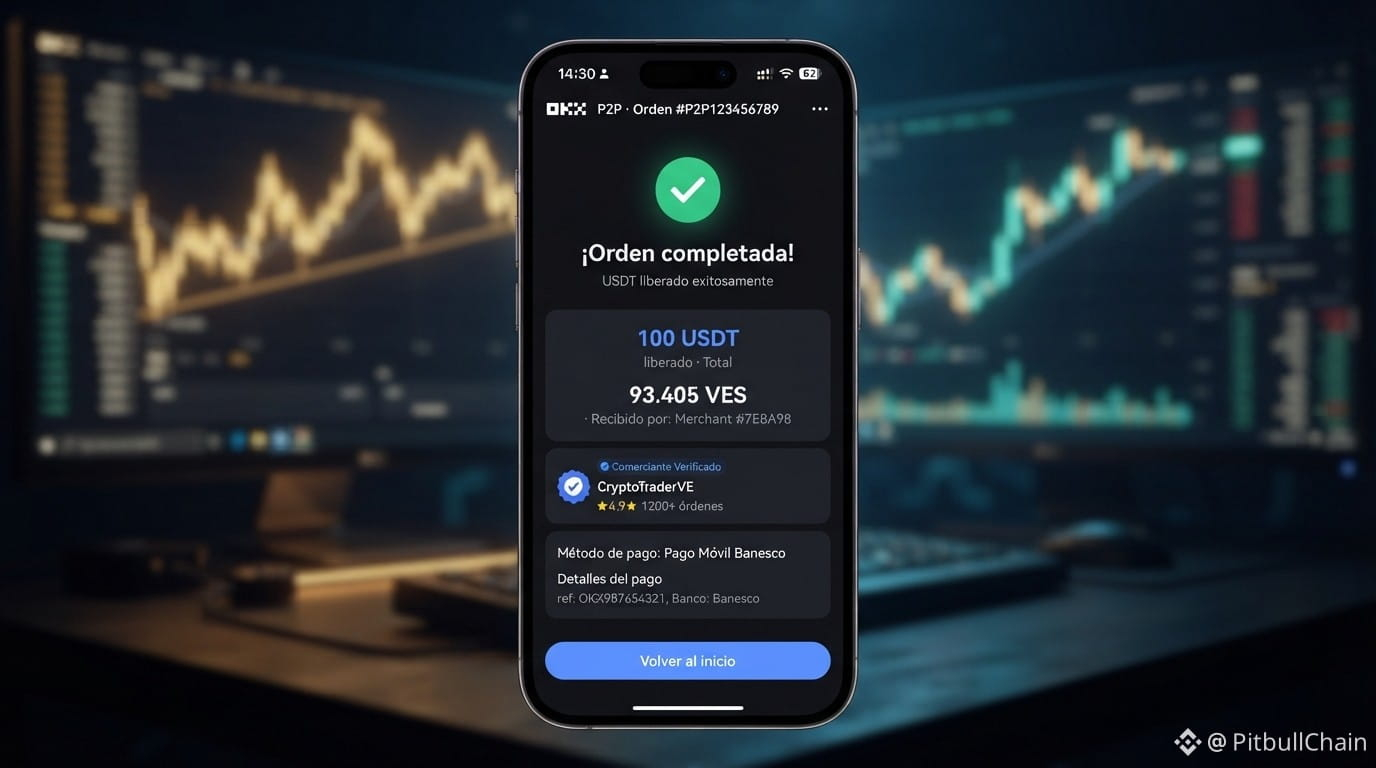
Article
Weekend spread: Watch out for the gap in $USDTNotice how the gap between buying and selling widens on weekends? Today, Saturday, we have an average market spread of Bs. 36.45 (3.91%), with buy quotes at Bs. 969.47 and sell quotes at Bs. 933.02.
In times of greater dispersion, execution in $USDT P2P trading requires a cool head:
1️⃣ Check the depth: With more than 240 active offers on Binance P2P, don't settle for the first rate you see in the list; filter by your preferred payment method to find the most efficient price.
Weekend spread: Watch out for the gap in $USDT
Notice how the gap between buying and selling widens on weekends? Today, Saturday, we have an average market spread of Bs. 36.45 (3.91%), with buy quotes at Bs. 969.47 and sell quotes at Bs. 933.02.
In times of greater dispersion, execution in $USDT P2P trading requires a cool head:
1️⃣ Check the depth: With more than 240 active offers on Binance P2P, don't settle for the first rate you see in the list; filter by your preferred payment method to find the most efficient price.
In times of greater dispersion, execution in $USDT P2P trading requires a cool head:
1️⃣ Check the depth: With more than 240 active offers on Binance P2P, don't settle for the first rate you see in the list; filter by your preferred payment method to find the most efficient price.
5
·
--
Article
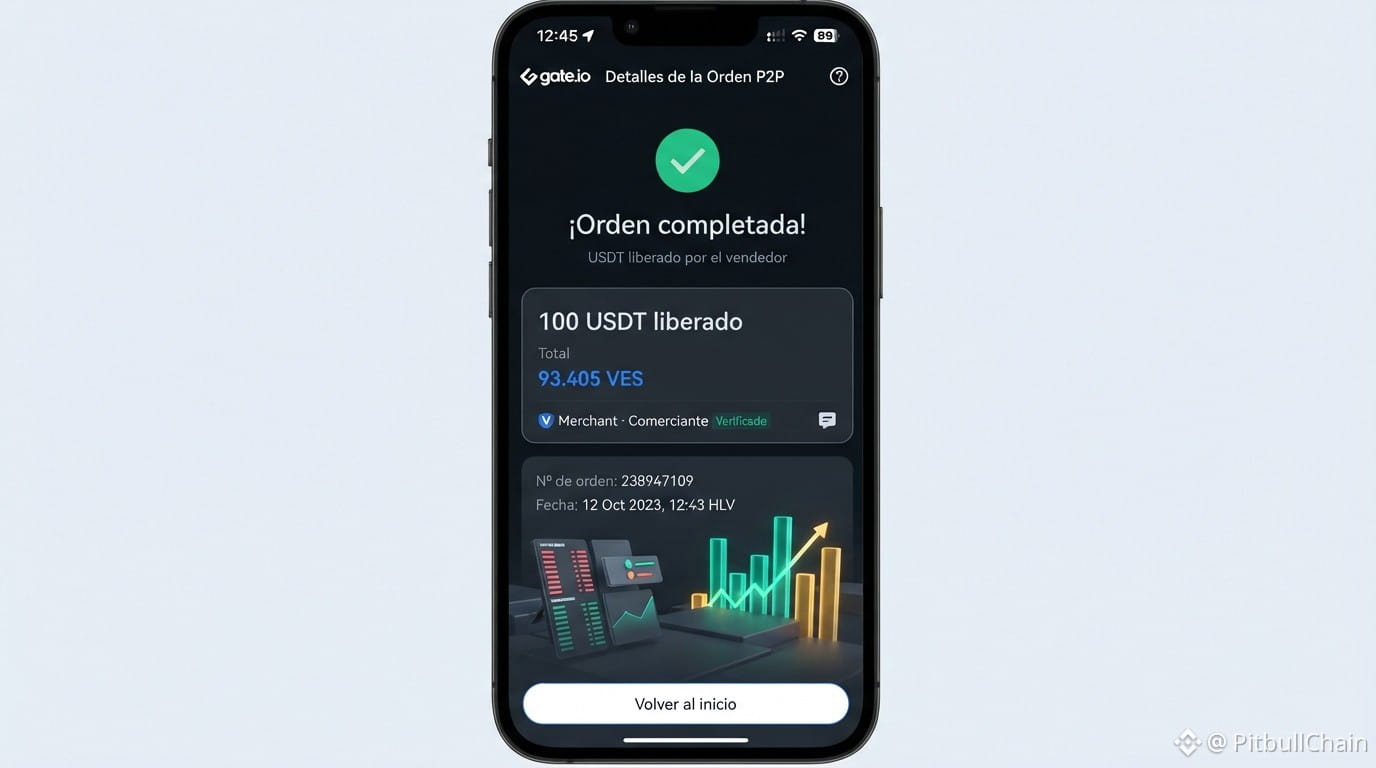
P2P Alert: Spread rises to 4,47% this SaturdayWeekend alert! The market's average spread just opened at Bs. 41,49 (4,47%), with average buy orders at Bs. 970,31 and sell orders at Bs. 928,82.
Saturdays always show this friction: the lower level of traditional banking activity pushes many market makers to widen the spread to protect themselves from weekend volatility. However, if you check the depth on Binance, the order book absorbs the impact better, maintaining a much more efficient gap for those trading with $USDT.
P2P Alert: Spread rises to 4,47% this Saturday
Weekend alert! The market's average spread just opened at Bs. 41,49 (4,47%), with average buy orders at Bs. 970,31 and sell orders at Bs. 928,82.
Saturdays always show this friction: the lower level of traditional banking activity pushes many market makers to widen the spread to protect themselves from weekend volatility. However, if you check the depth on Binance, the order book absorbs the impact better, maintaining a much more efficient gap for those trading with $USDT.
Saturdays always show this friction: the lower level of traditional banking activity pushes many market makers to widen the spread to protect themselves from weekend volatility. However, if you check the depth on Binance, the order book absorbs the impact better, maintaining a much more efficient gap for those trading with $USDT.
12
·
--
Article
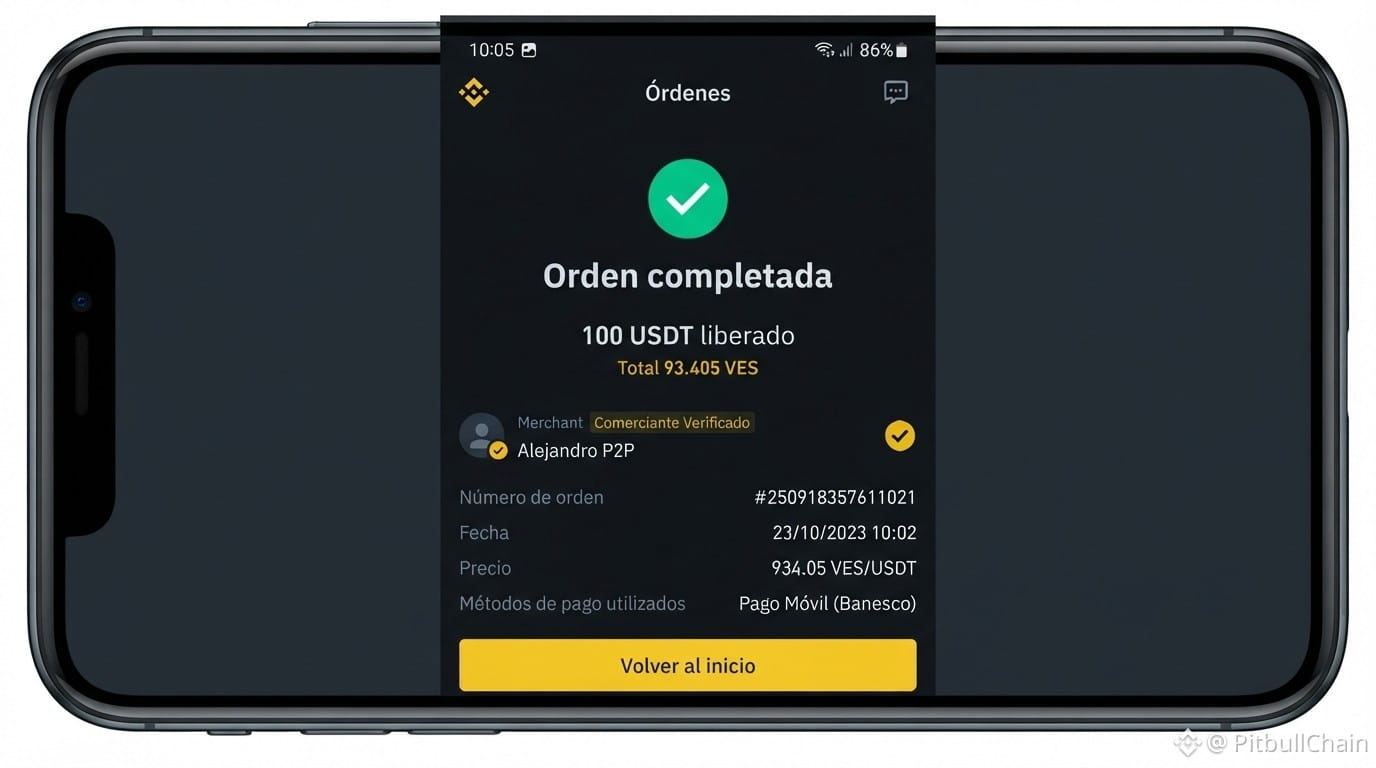
P2P Alert: Spread jumps to 6% and pressures $USDTThe spread in the P2P market just jumped to 6.05% this Saturday, and buying pressure on $USDT does not let up.
Currently, we see bid levels reaching Bs. 972.53 while the ask is at Bs. 917.07, creating a direct gap of Bs. 55.47 for each digital dollar.
What is driving this behavior at the beginning of September?
1. Pressure toward Bs. 1,000: The proximity to this psychological barrier leads liquidity takers to accept higher premiums to secure positions.
P2P Alert: Spread jumps to 6% and pressures $USDT
The spread in the P2P market just jumped to 6.05% this Saturday, and buying pressure on $USDT does not let up.
Currently, we see bid levels reaching Bs. 972.53 while the ask is at Bs. 917.07, creating a direct gap of Bs. 55.47 for each digital dollar.
What is driving this behavior at the beginning of September?
1. Pressure toward Bs. 1,000: The proximity to this psychological barrier leads liquidity takers to accept higher premiums to secure positions.
Currently, we see bid levels reaching Bs. 972.53 while the ask is at Bs. 917.07, creating a direct gap of Bs. 55.47 for each digital dollar.
What is driving this behavior at the beginning of September?
1. Pressure toward Bs. 1,000: The proximity to this psychological barrier leads liquidity takers to accept higher premiums to secure positions.
14
·
--
Article
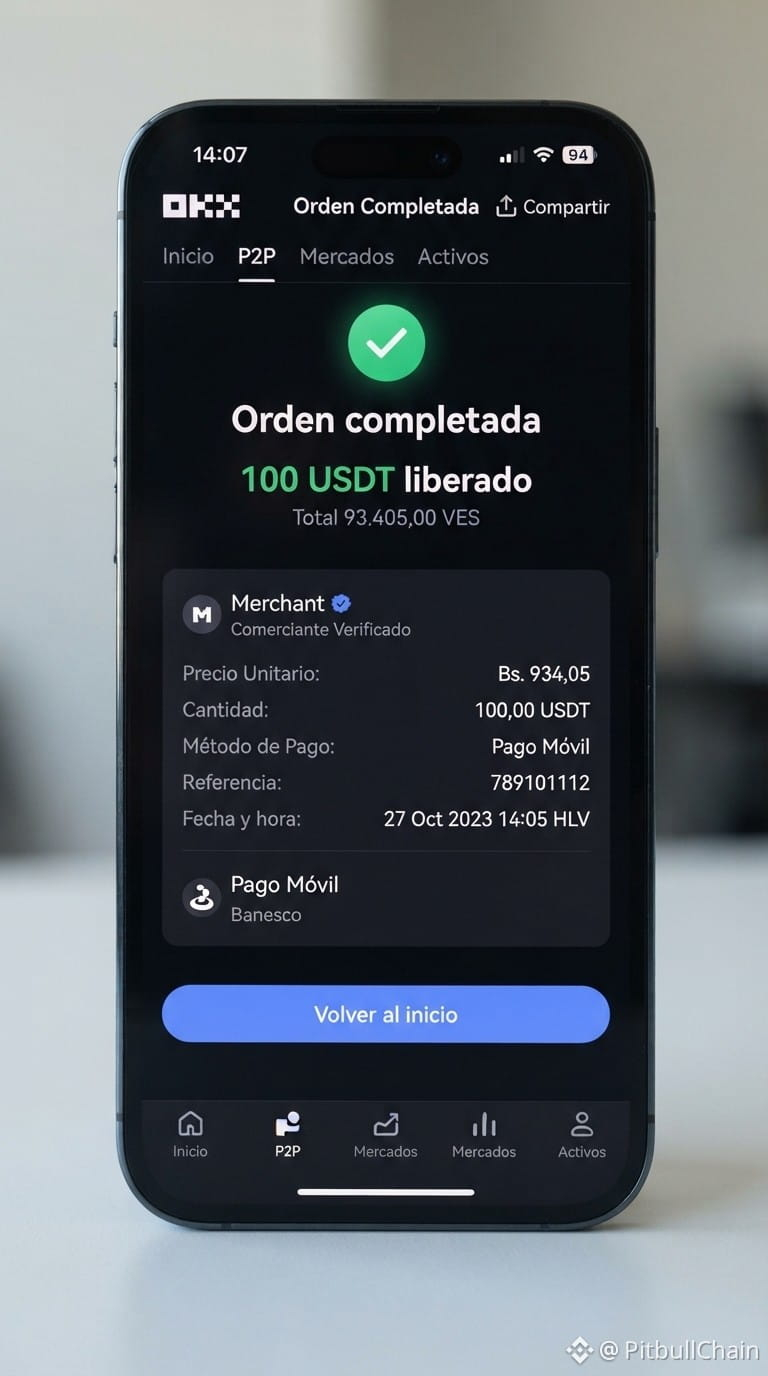
P2P Alert: 4.89% USDT Gap This Saturday⚠️ Are you going to move bolivars today, Saturday? Be very careful with the spread in the P2P market.
The difference between the buy and sell price of $USDT widened today to Bs. 45.55 per unit, marking a gap of 4.89%. With more than 260 active offers on Binance P2P, there is plenty of liquidity, but the weekend friction is taking its toll if you trade in a hurry.
A spread of nearly 5% means that rushing in and out with market orders eats up a significant part of your bolivar balance. After 8 years monitoring this market, I’ll leave you two key points for today:
P2P Alert: 4.89% USDT Gap This Saturday
⚠️ Are you going to move bolivars today, Saturday? Be very careful with the spread in the P2P market.
The difference between the buy and sell price of $USDT widened today to Bs. 45.55 per unit, marking a gap of 4.89%. With more than 260 active offers on Binance P2P, there is plenty of liquidity, but the weekend friction is taking its toll if you trade in a hurry.
A spread of nearly 5% means that rushing in and out with market orders eats up a significant part of your bolivar balance. After 8 years monitoring this market, I’ll leave you two key points for today:
The difference between the buy and sell price of $USDT widened today to Bs. 45.55 per unit, marking a gap of 4.89%. With more than 260 active offers on Binance P2P, there is plenty of liquidity, but the weekend friction is taking its toll if you trade in a hurry.
A spread of nearly 5% means that rushing in and out with market orders eats up a significant part of your bolivar balance. After 8 years monitoring this market, I’ll leave you two key points for today:
10
·
--
P2P Spread Sky-High: 5.5% Between Buy and Sell This Saturday## P2P Spread Sky-High: 5.5% Between Buy and Sell This Saturday
**Date:** Saturday, September 5, 2026 · **Live Data from the P2P Radar:** buy Bs. 984.05 · sell Bs. 928.86 · BCV Bs. N/A · premium N/A%
We kick off the weekend with a fragmented P2P market and little depth. The absence of a BCV reference (Saturday) and low liquidity are creating arbitrage opportunities, but also risk for the distracted operator.
### P2P Trading Notes: Day Analysis
Today the buyer who wants USDT pays an average of 984 Bs, while the seller only receives 928 Bs per unit, a spread of 55 Bs that makes any operation more expensive. The difference between exchanges is notable: other platforms show extreme prices (1028 buy / 853 sell) while Binance and other platforms maintain more balanced ranges, around 963-968 Bs. This confirms that the market still has not found a single reference price and that volume is concentrated on the platforms with the greatest traction. For the smart trader, the move is clear: if you have USDT, look for the highest buy orders on other platforms or other platforms; if you need bolivars, negotiate on Binance or other platforms, where the penalty is smaller. Avoid trading small amounts, because the spread eats up any profit. It is also key not to trust the previous BCV rate, because the real gap today is being formed by local supply and demand and not by the official anchor.
P2P Spread Sky-High: 5.5% Between Buy and Sell This Saturday
## P2P Spread Sky-High: 5.5% Between Buy and Sell This Saturday
**Date:** Saturday, September 5, 2026 · **Live Data from the P2P Radar:** buy Bs. 984.05 · sell Bs. 928.86 · BCV Bs. N/A · premium N/A%
We kick off the weekend with a fragmented P2P market and little depth. The absence of a BCV reference (Saturday) and low liquidity are creating arbitrage opportunities, but also risk for the distracted operator.
### P2P Trading Notes: Day Analysis
Today the buyer who wants USDT pays an average of 984 Bs, while the seller only receives 928 Bs per unit, a spread of 55 Bs that makes any operation more expensive. The difference between exchanges is notable: other platforms show extreme prices (1028 buy / 853 sell) while Binance and other platforms maintain more balanced ranges, around 963-968 Bs. This confirms that the market still has not found a single reference price and that volume is concentrated on the platforms with the greatest traction. For the smart trader, the move is clear: if you have USDT, look for the highest buy orders on other platforms or other platforms; if you need bolivars, negotiate on Binance or other platforms, where the penalty is smaller. Avoid trading small amounts, because the spread eats up any profit. It is also key not to trust the previous BCV rate, because the real gap today is being formed by local supply and demand and not by the official anchor.
**Date:** Saturday, September 5, 2026 · **Live Data from the P2P Radar:** buy Bs. 984.05 · sell Bs. 928.86 · BCV Bs. N/A · premium N/A%
We kick off the weekend with a fragmented P2P market and little depth. The absence of a BCV reference (Saturday) and low liquidity are creating arbitrage opportunities, but also risk for the distracted operator.
### P2P Trading Notes: Day Analysis
Today the buyer who wants USDT pays an average of 984 Bs, while the seller only receives 928 Bs per unit, a spread of 55 Bs that makes any operation more expensive. The difference between exchanges is notable: other platforms show extreme prices (1028 buy / 853 sell) while Binance and other platforms maintain more balanced ranges, around 963-968 Bs. This confirms that the market still has not found a single reference price and that volume is concentrated on the platforms with the greatest traction. For the smart trader, the move is clear: if you have USDT, look for the highest buy orders on other platforms or other platforms; if you need bolivars, negotiate on Binance or other platforms, where the penalty is smaller. Avoid trading small amounts, because the spread eats up any profit. It is also key not to trust the previous BCV rate, because the real gap today is being formed by local supply and demand and not by the official anchor.
21
·
--
Buy USDT on Binance P2P 2026: Quick and Safe Guide for Venezuela## Buy USDT on Binance P2P 2026: Quick and Safe Guide for Venezuela
The P2P market continues to be the gateway to the crypto world in Venezuela, and Binance P2P leads in liquidity and security. This video promises an updated guide to buying USDT in 2026, ideal for both beginners and experienced traders.
### Video summary
The video explains step by step how to buy USDT on Binance P2P, from creating the account to confirming the trade. It focuses on payment methods available in Venezuela, highlighting the use of digital bolívar or bank transfers. In addition, it emphasizes identity verification and choosing reliable sellers with good reputations and high volumes. The author shares tips to avoid scams, such as not releasing the cryptocurrency until the money is confirmed in the bank. Finally, it suggests strategies for getting better rates and the best times to trade.
Buy USDT on Binance P2P 2026: Quick and Safe Guide for Venezuela
## Buy USDT on Binance P2P 2026: Quick and Safe Guide for Venezuela
The P2P market continues to be the gateway to the crypto world in Venezuela, and Binance P2P leads in liquidity and security. This video promises an updated guide to buying USDT in 2026, ideal for both beginners and experienced traders.
### Video summary
The video explains step by step how to buy USDT on Binance P2P, from creating the account to confirming the trade. It focuses on payment methods available in Venezuela, highlighting the use of digital bolívar or bank transfers. In addition, it emphasizes identity verification and choosing reliable sellers with good reputations and high volumes. The author shares tips to avoid scams, such as not releasing the cryptocurrency until the money is confirmed in the bank. Finally, it suggests strategies for getting better rates and the best times to trade.
The P2P market continues to be the gateway to the crypto world in Venezuela, and Binance P2P leads in liquidity and security. This video promises an updated guide to buying USDT in 2026, ideal for both beginners and experienced traders.
### Video summary
The video explains step by step how to buy USDT on Binance P2P, from creating the account to confirming the trade. It focuses on payment methods available in Venezuela, highlighting the use of digital bolívar or bank transfers. In addition, it emphasizes identity verification and choosing reliable sellers with good reputations and high volumes. The author shares tips to avoid scams, such as not releasing the cryptocurrency until the money is confirmed in the bank. Finally, it suggests strategies for getting better rates and the best times to trade.
15
·
--
Article
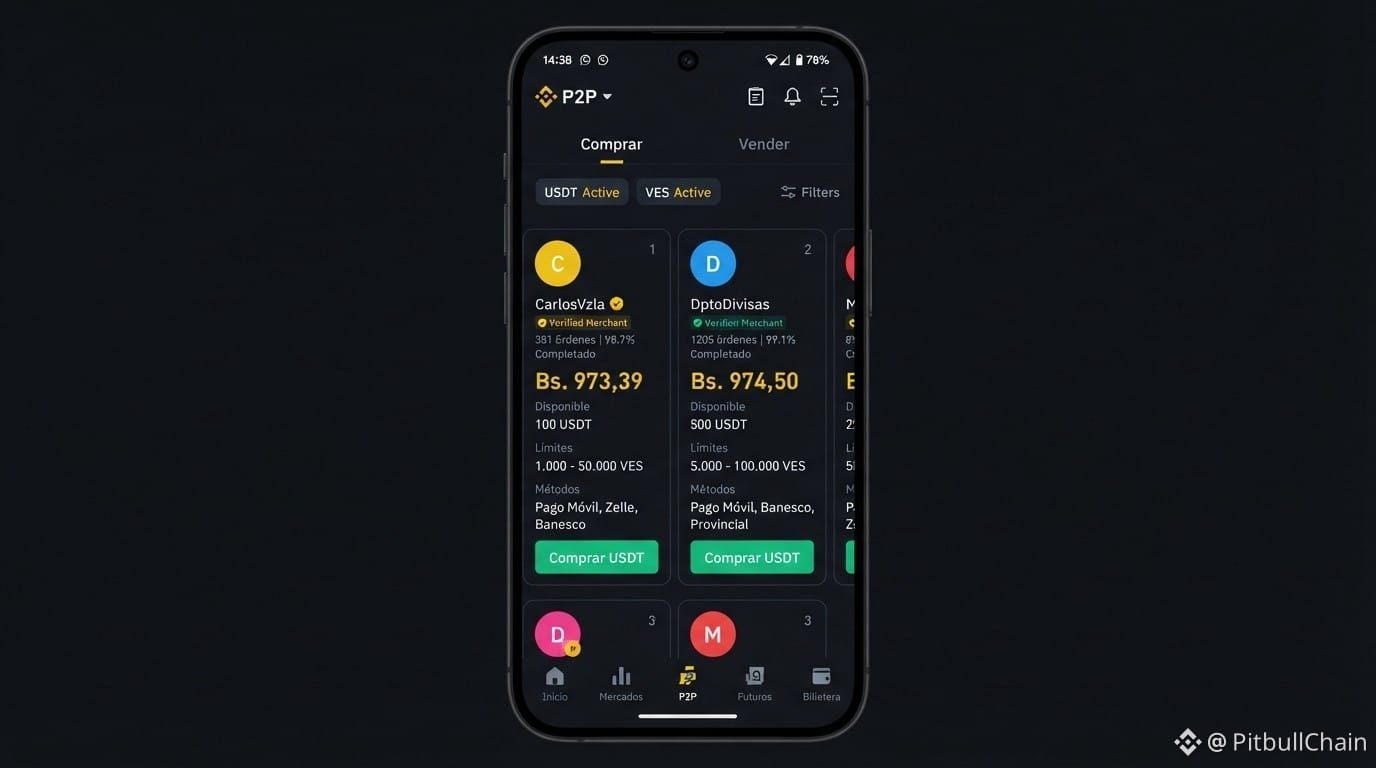
How to trade P2P with high-liquidity, low-spread banks: a step-by-step guideWith the risk signal in yellow and a 7.12% spread for USDT versus the bolívar, choosing the wrong bank can cost you dearly. Here we show you how to use the bank comparator and the order book to trade P2P with Banesco, Mercantil, or Banco de Venezuela according to their liquidity and today’s spread, September 5, 2026. Why spread and liquidity define your P2P outcome In the Venezuelan P2P market, the price is not unique. It depends on supply and demand at the moment, the exchange you use, and, above all, the bank selected for the transfer. That translates into two key concepts: Spread: the difference between the price at which you can buy USDT and the price at which you can sell it. The higher it is, the greater the hidden overcost. Liquidity: the number of listings and the volume available in a bank or price level. The higher the liquidity, the faster you find a counterparty and the less impact your orders have on price. Data captured at 08:00 UTC on September 5 show a market average spread of 66.46 bolívars per USDT, that is, 7.12% over the buy rate. If you trade without paying attention, that difference can eat up any profit. That is why, before pressing the button, check the bank comparator and the order book. What the bank comparator says today The comparator we include in PitbullChain groups P2P offers from several exchanges and ranks banks according to their liquidity, spread, and a reputation score calculated from the available listings. These are the three banks with the greatest presence today: Banesco: 33 active listings, 24.3% of market liquidity, average spread of 2.46%. You can buy at an average of 976.45 Bs/USDT and sell at 953.03 Bs/USDT. Its trust score is 93. Banco de Venezuela: 14 listings, 10.3% liquidity, average spread of only 1.17%. Its average prices are 973.64 Bs to buy and 962.41 Bs to sell, the lowest spread of the three. Mercantil: 12 listings, 8.8% liquidity, spread of 1.57%. Average prices of 974 Bs (buy) and 958.94 Bs (sell). Interpretation: Banesco is the most liquid bank, which translates into more options and less risk that your order will go unfilled. However, its average spread is double that of Banco de Venezuela. If you prioritize minimizing the overcost and are willing to wait, Banco de Venezuela may be your best option. Mercantil is the middle ground. Step by step: how to use the order book to choose the best offer The order book shows you, live, the buy and sell orders with their price, amount, exchange, and bank. Use it after understanding the overview from the comparator: 1. Define your specific trade. Buying USDT with bolívars is not the same as selling USDT to get bolívars. In the order book, the best buy offers (bid) and sell offers (ask) change position. Today, the best global ask is at 957.53 Bs/USDT and the best bid is at 965 Bs/USDT, which gives an intraday spread of just 0.77%, much lower than the average. But beware, not all those listings are from the banks you use every day. 2. Filter by bank and look for depth. If your bank is Banesco, for example, you will see in the order book that the most competitive sell orders start at 969 Bs/USDT and accumulate more than 2,000 USDT in the first level. In Mercantil, the 973.5 Bs/USDT level has nearly 9,600 USDT available. Banco de Venezuela, on the demand side, shows a buy order for 110,000 USDT at 964 Bs/USDT. 3. Check limits and amounts. Each listing has a minimum and maximum. Do not settle for the lowest price if the maximum limit does not cover what you need. Look for levels where total volume is several times the amount you plan to trade; this way you avoid your trade moving the price against you. 4. Compare the effective spread by bank. Take the best buy price and the best sell price within that bank. If the difference between the two is greater than the weighted spread shown by the comparator, look for other options. Remember that mobile payment, transfer, and other methods also have costs: the availability of each method is indicated in the listings. 5. Check reputation and risk signal. The global risk signal is yellow: moderate caution, with a score of 69/100. The elevated spread is the main warning. Take advantage of the positive liquidity signal, but do not overlook warnings about irregular depth. Make sure to trade with merchants who have a good completion rate and high historical volume. Common P2P mistakes with Venezuelan banks Most avoidable losses in Venezuelan P2P do not come from price volatility, but from poor trading decisions. These are the most frequent mistakes when trading with banks: Choosing only based on the advertised price, ignoring the seller’s reputation and the bank’s safety. Not checking trade limits, which forces you to split the trade or come up short. Confusing the payment method: mobile payment is not the same as bank transfer; there are banks where mobile payment has daily limits. Skipping the effective rate calculation: to the spread you must add fees and the opportunity cost of having funds tied up. Trading during low-liquidity hours without checking the order book, which widens the real spread. Your checklist for trading today Before each P2P trade, review these steps: Check the risk signal: today it is yellow, so do not let your guard down. Consult the bank comparator: Banesco, Banco de Venezuela, and Mercantil are the dominant banks right now. Use the order book filtered by your bank and by a price range close to the best bid/ask. Validate the counterparty’s reputation: age, number of trades, and completion percentage. Start with small amounts before moving large volumes. The information in this article comes from Radar P2P, BCV data, and public sources such as Binance and Finanzas Digital. It does not constitute financial advice; it is an educational guide to help you make informed decisions in the Venezuelan market.
How to trade P2P with high-liquidity, low-spread banks: a step-by-step guide
With the risk signal in yellow and a 7.12% spread for USDT versus the bolívar, choosing the wrong bank can cost you dearly. Here we show you how to use the bank comparator and the order book to trade P2P with Banesco, Mercantil, or Banco de Venezuela according to their liquidity and today’s spread, September 5, 2026. Why spread and liquidity define your P2P outcome In the Venezuelan P2P market, the price is not unique. It depends on supply and demand at the moment, the exchange you use, and, above all, the bank selected for the transfer. That translates into two key concepts: Spread: the difference between the price at which you can buy USDT and the price at which you can sell it. The higher it is, the greater the hidden overcost. Liquidity: the number of listings and the volume available in a bank or price level. The higher the liquidity, the faster you find a counterparty and the less impact your orders have on price. Data captured at 08:00 UTC on September 5 show a market average spread of 66.46 bolívars per USDT, that is, 7.12% over the buy rate. If you trade without paying attention, that difference can eat up any profit. That is why, before pressing the button, check the bank comparator and the order book. What the bank comparator says today The comparator we include in PitbullChain groups P2P offers from several exchanges and ranks banks according to their liquidity, spread, and a reputation score calculated from the available listings. These are the three banks with the greatest presence today: Banesco: 33 active listings, 24.3% of market liquidity, average spread of 2.46%. You can buy at an average of 976.45 Bs/USDT and sell at 953.03 Bs/USDT. Its trust score is 93. Banco de Venezuela: 14 listings, 10.3% liquidity, average spread of only 1.17%. Its average prices are 973.64 Bs to buy and 962.41 Bs to sell, the lowest spread of the three. Mercantil: 12 listings, 8.8% liquidity, spread of 1.57%. Average prices of 974 Bs (buy) and 958.94 Bs (sell). Interpretation: Banesco is the most liquid bank, which translates into more options and less risk that your order will go unfilled. However, its average spread is double that of Banco de Venezuela. If you prioritize minimizing the overcost and are willing to wait, Banco de Venezuela may be your best option. Mercantil is the middle ground. Step by step: how to use the order book to choose the best offer The order book shows you, live, the buy and sell orders with their price, amount, exchange, and bank. Use it after understanding the overview from the comparator: 1. Define your specific trade. Buying USDT with bolívars is not the same as selling USDT to get bolívars. In the order book, the best buy offers (bid) and sell offers (ask) change position. Today, the best global ask is at 957.53 Bs/USDT and the best bid is at 965 Bs/USDT, which gives an intraday spread of just 0.77%, much lower than the average. But beware, not all those listings are from the banks you use every day. 2. Filter by bank and look for depth. If your bank is Banesco, for example, you will see in the order book that the most competitive sell orders start at 969 Bs/USDT and accumulate more than 2,000 USDT in the first level. In Mercantil, the 973.5 Bs/USDT level has nearly 9,600 USDT available. Banco de Venezuela, on the demand side, shows a buy order for 110,000 USDT at 964 Bs/USDT. 3. Check limits and amounts. Each listing has a minimum and maximum. Do not settle for the lowest price if the maximum limit does not cover what you need. Look for levels where total volume is several times the amount you plan to trade; this way you avoid your trade moving the price against you. 4. Compare the effective spread by bank. Take the best buy price and the best sell price within that bank. If the difference between the two is greater than the weighted spread shown by the comparator, look for other options. Remember that mobile payment, transfer, and other methods also have costs: the availability of each method is indicated in the listings. 5. Check reputation and risk signal. The global risk signal is yellow: moderate caution, with a score of 69/100. The elevated spread is the main warning. Take advantage of the positive liquidity signal, but do not overlook warnings about irregular depth. Make sure to trade with merchants who have a good completion rate and high historical volume. Common P2P mistakes with Venezuelan banks Most avoidable losses in Venezuelan P2P do not come from price volatility, but from poor trading decisions. These are the most frequent mistakes when trading with banks: Choosing only based on the advertised price, ignoring the seller’s reputation and the bank’s safety. Not checking trade limits, which forces you to split the trade or come up short. Confusing the payment method: mobile payment is not the same as bank transfer; there are banks where mobile payment has daily limits. Skipping the effective rate calculation: to the spread you must add fees and the opportunity cost of having funds tied up. Trading during low-liquidity hours without checking the order book, which widens the real spread. Your checklist for trading today Before each P2P trade, review these steps: Check the risk signal: today it is yellow, so do not let your guard down. Consult the bank comparator: Banesco, Banco de Venezuela, and Mercantil are the dominant banks right now. Use the order book filtered by your bank and by a price range close to the best bid/ask. Validate the counterparty’s reputation: age, number of trades, and completion percentage. Start with small amounts before moving large volumes. The information in this article comes from Radar P2P, BCV data, and public sources such as Binance and Finanzas Digital. It does not constitute financial advice; it is an educational guide to help you make informed decisions in the Venezuelan market.
8
·
--
Article
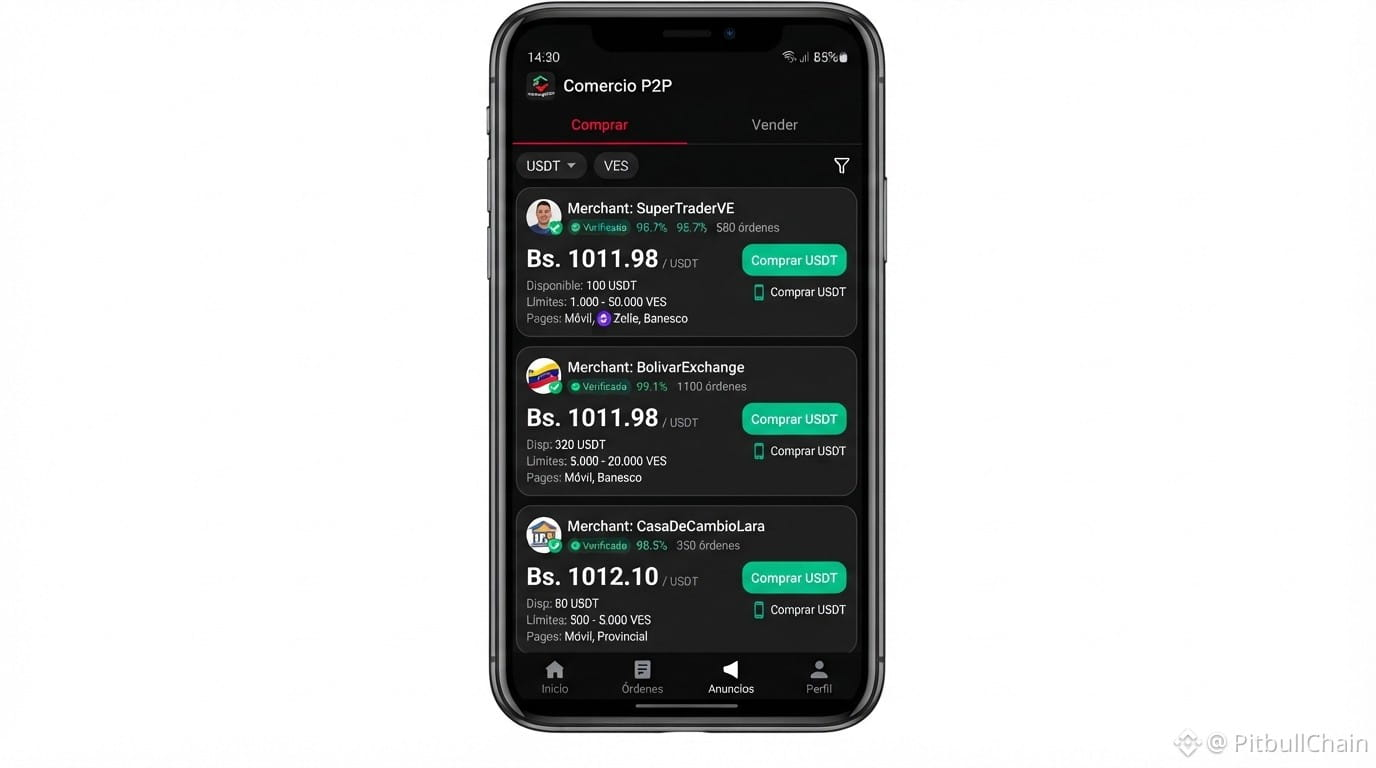
USDT above Bs. 1,000? Liquidity key in P2P$USDT testing the psychological barrier of 1,000 bolivars on a Saturday?
Today we see how the overall market shows buy quotes reaching Bs. 1,011.98 versus sell quotes at Bs. 920.29, opening an average spread close to 10%. However, the story inside the Binance P2P order book tells a different reality: a much tighter and more efficient execution, with buys around Bs. 973 and sells at Bs. 960.
In my 8 years following this market in Venezuela, the weekend pattern is clear:
USDT above Bs. 1,000? Liquidity key in P2P
$USDT testing the psychological barrier of 1,000 bolivars on a Saturday?
Today we see how the overall market shows buy quotes reaching Bs. 1,011.98 versus sell quotes at Bs. 920.29, opening an average spread close to 10%. However, the story inside the Binance P2P order book tells a different reality: a much tighter and more efficient execution, with buys around Bs. 973 and sells at Bs. 960.
In my 8 years following this market in Venezuela, the weekend pattern is clear:
Today we see how the overall market shows buy quotes reaching Bs. 1,011.98 versus sell quotes at Bs. 920.29, opening an average spread close to 10%. However, the story inside the Binance P2P order book tells a different reality: a much tighter and more efficient execution, with buys around Bs. 973 and sells at Bs. 960.
In my 8 years following this market in Venezuela, the weekend pattern is clear:
11
·
--
Article
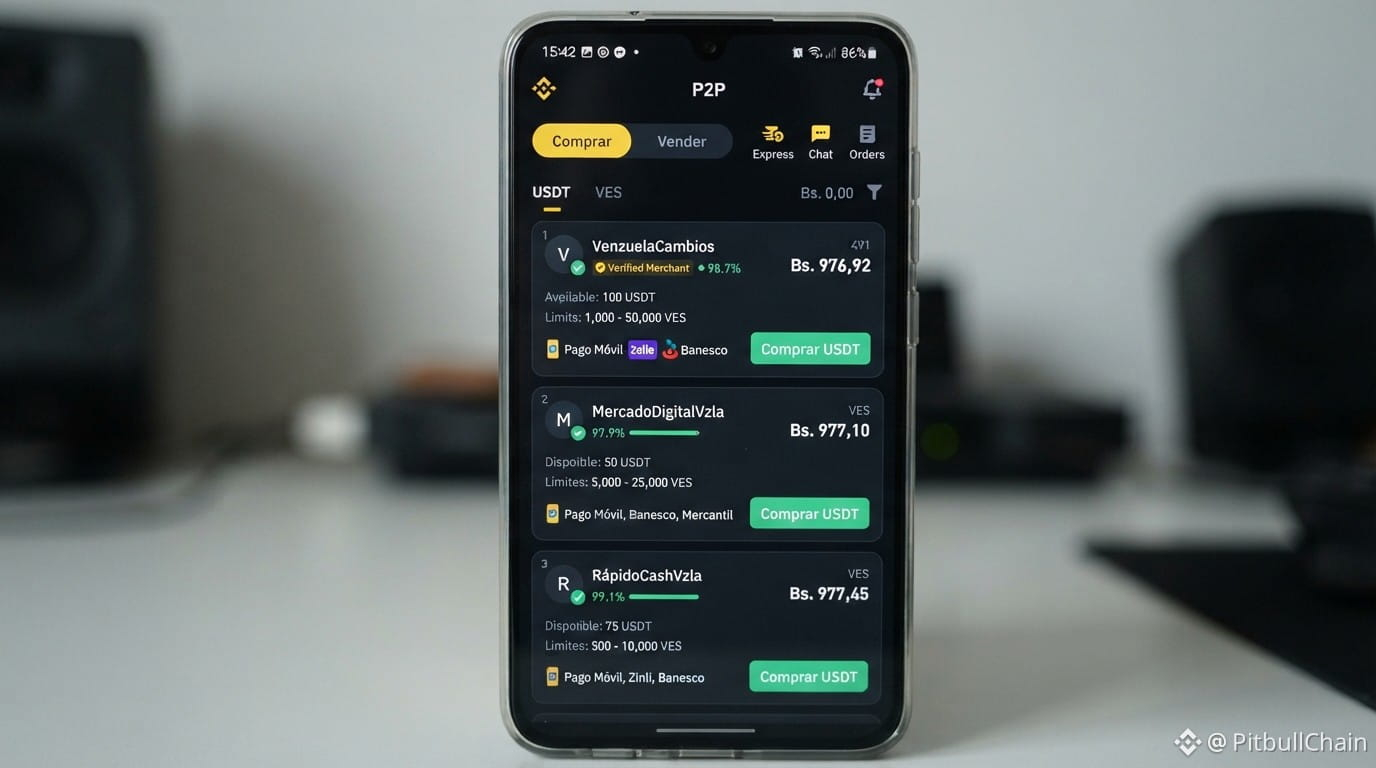
P2P Friday: 283 orders and liquidity at stakeCan you feel the market rhythm today, Friday? With more than 280 active ads on Binance P2P, liquidity absorption for trading $USDT enters a key phase before the weekend.
While the overall market average shows a 4.24% spread, Binance's board maintains a notable compression around Bs. 968 - 969, which reduces friction for those who know how to execute patiently.
Key points for trading the session:
1. Check the order depth before taking the first offer on the list.
P2P Friday: 283 orders and liquidity at stake
Can you feel the market rhythm today, Friday? With more than 280 active ads on Binance P2P, liquidity absorption for trading $USDT enters a key phase before the weekend.
While the overall market average shows a 4.24% spread, Binance's board maintains a notable compression around Bs. 968 - 969, which reduces friction for those who know how to execute patiently.
Key points for trading the session:
1. Check the order depth before taking the first offer on the list.
While the overall market average shows a 4.24% spread, Binance's board maintains a notable compression around Bs. 968 - 969, which reduces friction for those who know how to execute patiently.
Key points for trading the session:
1. Check the order depth before taking the first offer on the list.
30
·
--
Article
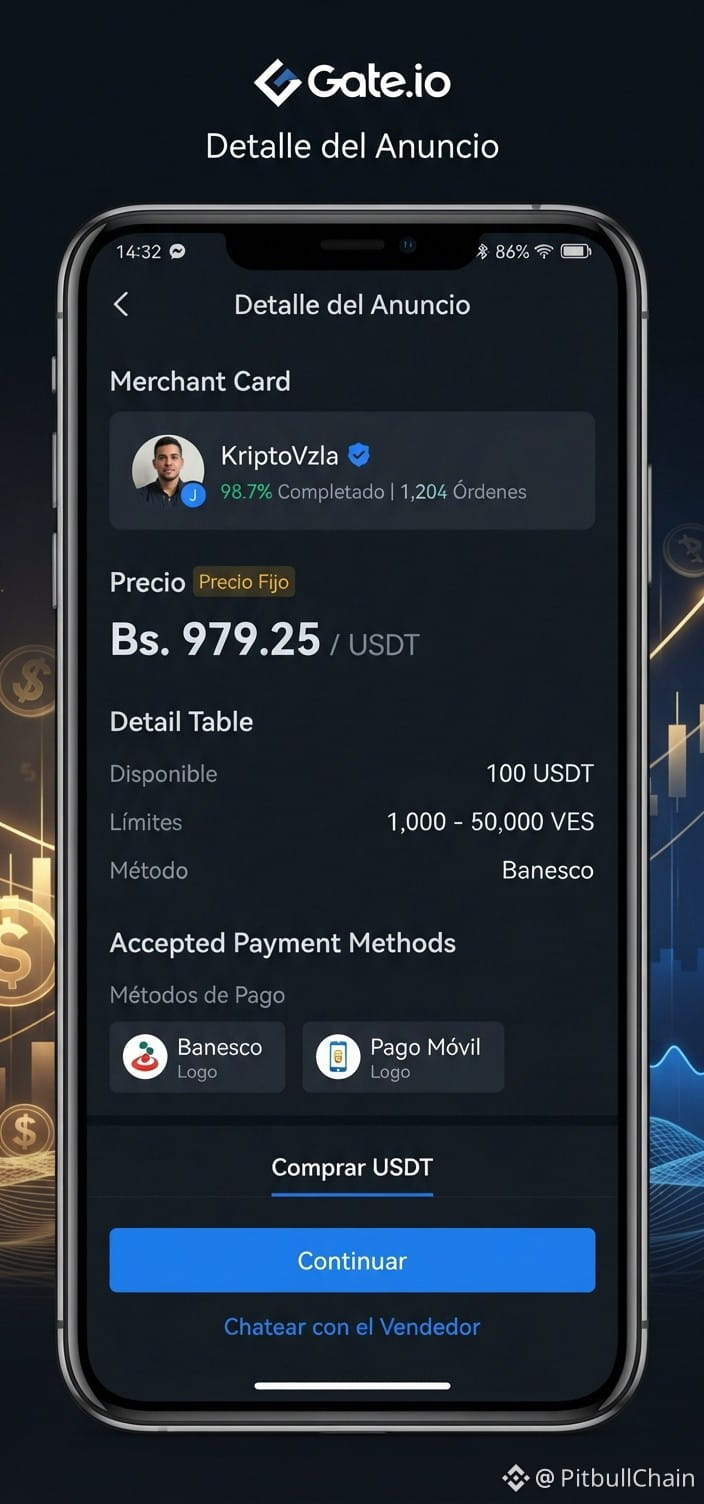
USDT Near Bs. 1,000: What to Expect in P2P?Are we on the verge of $USDT reaching Bs. 1,000 in the P2P market? Buying pressure is not easing this Friday.
September begins with a classic start-of-month pattern in Venezuela: high commercial demand and the need for hedging push the buy rate up to Bs. 979.25 on Binance P2P, while the sell rate sits around Bs. 933.56. With more than 280 active offers and a spread of around 4.89%, liquidity remains solid but highly dynamic.
When the market flirts with important psychological levels, the key is in managing your orders:
USDT Near Bs. 1,000: What to Expect in P2P?
Are we on the verge of $USDT reaching Bs. 1,000 in the P2P market? Buying pressure is not easing this Friday.
September begins with a classic start-of-month pattern in Venezuela: high commercial demand and the need for hedging push the buy rate up to Bs. 979.25 on Binance P2P, while the sell rate sits around Bs. 933.56. With more than 280 active offers and a spread of around 4.89%, liquidity remains solid but highly dynamic.
When the market flirts with important psychological levels, the key is in managing your orders:
September begins with a classic start-of-month pattern in Venezuela: high commercial demand and the need for hedging push the buy rate up to Bs. 979.25 on Binance P2P, while the sell rate sits around Bs. 933.56. With more than 280 active offers and a spread of around 4.89%, liquidity remains solid but highly dynamic.
When the market flirts with important psychological levels, the key is in managing your orders:
7
·
--
P2P Venezuela today: wide spread of Bs. 51 and arbitrage between exchanges## P2P Venezuela today: wide spread of Bs. 51 and arbitrage between exchanges
**Date:** Friday, September 4, 2026 · **Live Radar P2P data:** buy Bs. 991.38 · sell Bs. 940.34 · BCV Bs. N/A · premium N/A%
This Friday, September 4, the Venezuelan P2P market opens with an unusually wide spread between USDT buy and sell prices, reflecting liquidity pressures and opportunities for active traders. Although the BCV did not set a reference, the implied price stands at around Bs. 965.
P2P Venezuela today: wide spread of Bs. 51 and arbitrage between exchanges
## P2P Venezuela today: wide spread of Bs. 51 and arbitrage between exchanges
**Date:** Friday, September 4, 2026 · **Live Radar P2P data:** buy Bs. 991.38 · sell Bs. 940.34 · BCV Bs. N/A · premium N/A%
This Friday, September 4, the Venezuelan P2P market opens with an unusually wide spread between USDT buy and sell prices, reflecting liquidity pressures and opportunities for active traders. Although the BCV did not set a reference, the implied price stands at around Bs. 965.
**Date:** Friday, September 4, 2026 · **Live Radar P2P data:** buy Bs. 991.38 · sell Bs. 940.34 · BCV Bs. N/A · premium N/A%
This Friday, September 4, the Venezuelan P2P market opens with an unusually wide spread between USDT buy and sell prices, reflecting liquidity pressures and opportunities for active traders. Although the BCV did not set a reference, the implied price stands at around Bs. 965.
13
·
--
Article
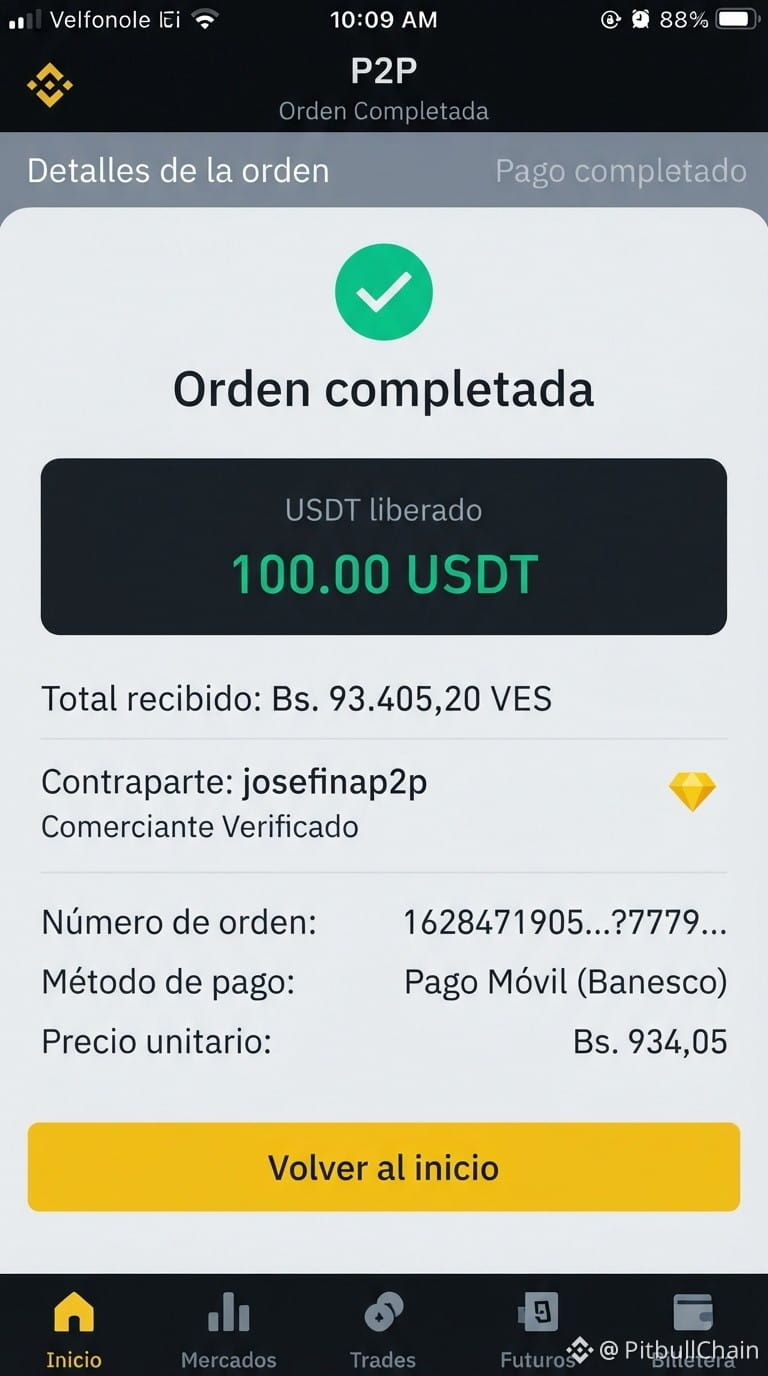
P2P Spread Alert: 9.68% Gap in USDT🚨 Watch out for the spread this Friday, folks! The gap between buying and selling $USDT widens to almost 10% in the general market.
The average to buy $USDT is at Bs. 1,013.78, while the sell price drops to Bs. 924.32. A direct friction of Bs. 89.46 per token.
What kind of reading should we give to this?
1. Cautious market: With 213 active listings, traders are widening their spreads to protect themselves ahead of the weekly bank closing.
2. Binance liquidity responds better: Within Binance P2P, spreads stay much more tightly set (Bs. 977.84 buy / Bs. 969.72 sell), showing the importance of trading where there is truly volume.
P2P Spread Alert: 9.68% Gap in USDT
🚨 Watch out for the spread this Friday, folks! The gap between buying and selling $USDT widens to almost 10% in the general market.
The average to buy $USDT is at Bs. 1,013.78, while the sell price drops to Bs. 924.32. A direct friction of Bs. 89.46 per token.
What kind of reading should we give to this?
1. Cautious market: With 213 active listings, traders are widening their spreads to protect themselves ahead of the weekly bank closing.
2. Binance liquidity responds better: Within Binance P2P, spreads stay much more tightly set (Bs. 977.84 buy / Bs. 969.72 sell), showing the importance of trading where there is truly volume.
The average to buy $USDT is at Bs. 1,013.78, while the sell price drops to Bs. 924.32. A direct friction of Bs. 89.46 per token.
What kind of reading should we give to this?
1. Cautious market: With 213 active listings, traders are widening their spreads to protect themselves ahead of the weekly bank closing.
2. Binance liquidity responds better: Within Binance P2P, spreads stay much more tightly set (Bs. 977.84 buy / Bs. 969.72 sell), showing the importance of trading where there is truly volume.
4
·
--

Article
Caracas without an airport, but P2P takes off: the digital economy knows no space## Maiquetía to the top, Caracas with no room and the unknown of air connectivity
The Minister of Transportation, Francisco Garcés, was unequivocal: in Caracas there is no space to build a large airport. The statement, made this Thursday, September 3, 2026, makes it clear that the Venezuelan capital will continue to rely for a long time on the Simón Bolívar International Airport in Maiquetía, whose runway was damaged by an earthquake that also broke the seismic fault right on the runway, and that on other occasions has given way to the sea.
Caracas without an airport, but P2P takes off: the digital economy knows no space
## Maiquetía to the top, Caracas with no room and the unknown of air connectivity
The Minister of Transportation, Francisco Garcés, was unequivocal: in Caracas there is no space to build a large airport. The statement, made this Thursday, September 3, 2026, makes it clear that the Venezuelan capital will continue to rely for a long time on the Simón Bolívar International Airport in Maiquetía, whose runway was damaged by an earthquake that also broke the seismic fault right on the runway, and that on other occasions has given way to the sea.
The Minister of Transportation, Francisco Garcés, was unequivocal: in Caracas there is no space to build a large airport. The statement, made this Thursday, September 3, 2026, makes it clear that the Venezuelan capital will continue to rely for a long time on the Simón Bolívar International Airport in Maiquetía, whose runway was damaged by an earthquake that also broke the seismic fault right on the runway, and that on other occasions has given way to the sea.
39
·
--
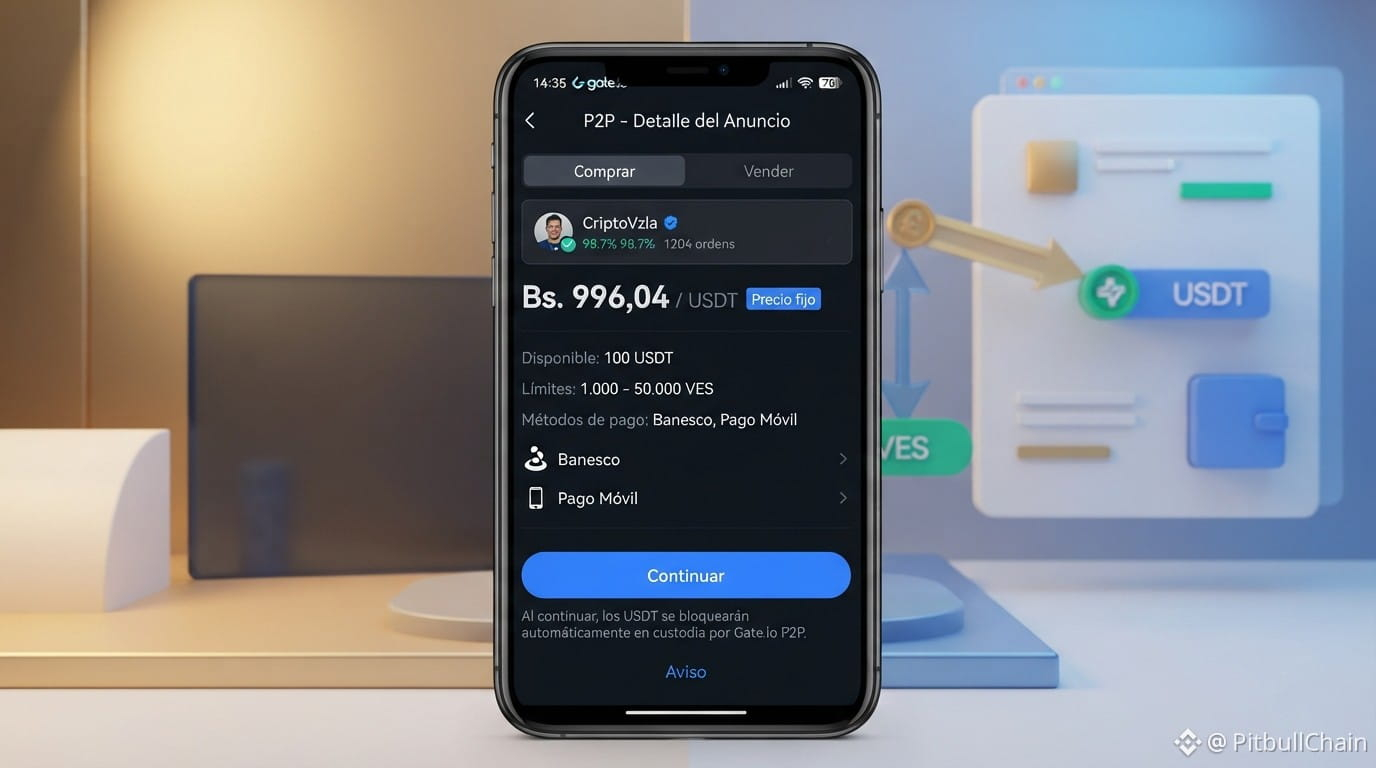
Article
P2P in Venezuela: Liquidity and execution under the microscopeDid you notice the depth of the P2P today? More than 280 active merchants are setting the pace in the local market.
While the overall market shows a spread of more than 4% between bid and ask, within Binance P2P execution stays extremely tight, with buy and sell orders operating in a narrow range of 982 to 985 bolívares per $USDT.
When the price flirts with the psychological barrier of Bs. 1,000, many fall into the trap of looking for ads with inflated rates outside the allowed range. My 8 years of experience in this ecosystem have taught me something fundamental: real liquidity and release speed matter more than trying to shave off a couple of bolívares with users who have no track record.
P2P in Venezuela: Liquidity and execution under the microscope
Did you notice the depth of the P2P today? More than 280 active merchants are setting the pace in the local market.
While the overall market shows a spread of more than 4% between bid and ask, within Binance P2P execution stays extremely tight, with buy and sell orders operating in a narrow range of 982 to 985 bolívares per $USDT.
When the price flirts with the psychological barrier of Bs. 1,000, many fall into the trap of looking for ads with inflated rates outside the allowed range. My 8 years of experience in this ecosystem have taught me something fundamental: real liquidity and release speed matter more than trying to shave off a couple of bolívares with users who have no track record.
While the overall market shows a spread of more than 4% between bid and ask, within Binance P2P execution stays extremely tight, with buy and sell orders operating in a narrow range of 982 to 985 bolívares per $USDT.
When the price flirts with the psychological barrier of Bs. 1,000, many fall into the trap of looking for ads with inflated rates outside the allowed range. My 8 years of experience in this ecosystem have taught me something fundamental: real liquidity and release speed matter more than trying to shave off a couple of bolívares with users who have no track record.
33
·
--
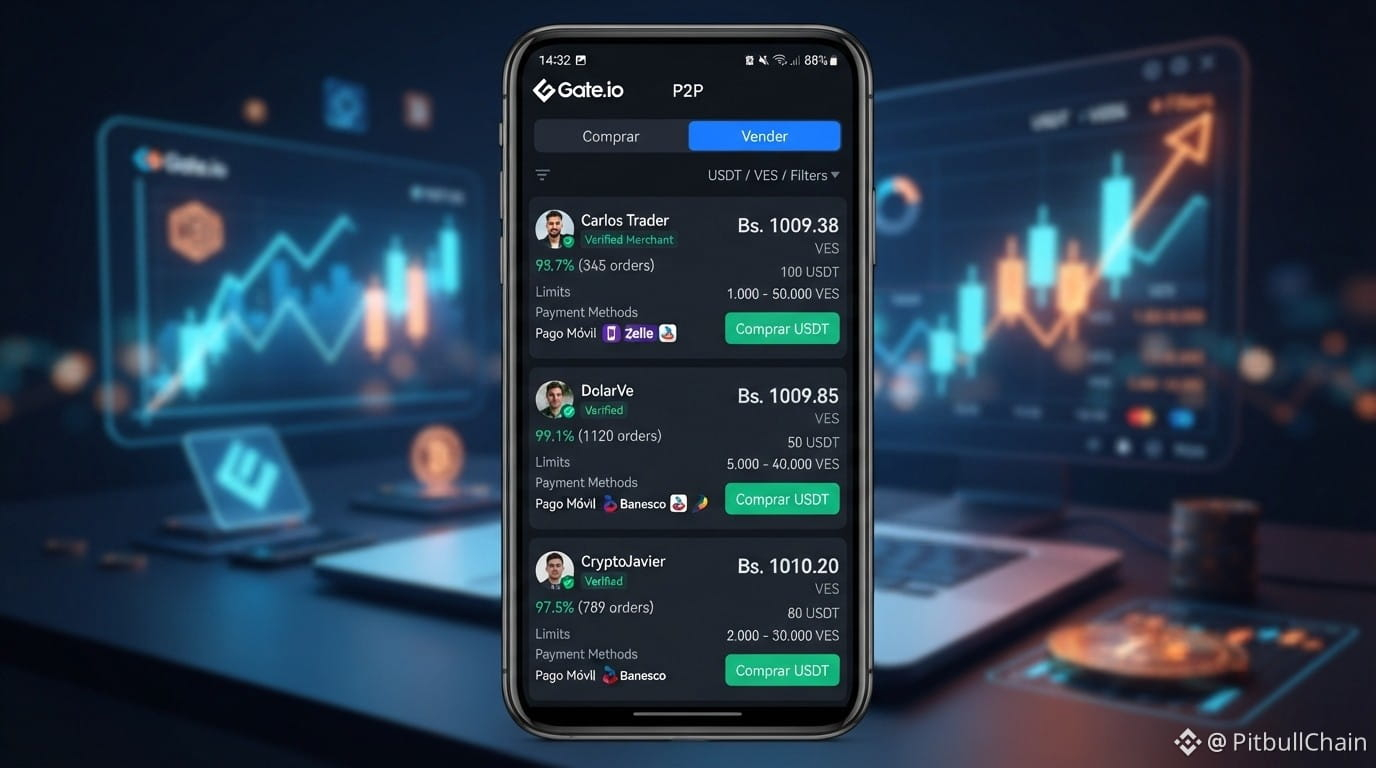
Article
Bs. 1000 Barrier in P2P? September AnalysisDoes surpassing Bs. 1,000 in USDT change the P2P dynamics in Venezuela? We kick off September and the order book begins to show clear patterns.
At the start of this month, the overall buy side peak is above Bs. 1,009.38, while the sale average is Bs. 935.81. This Bs. 73.57 gap (7.86%) reflects that traders are cautiously adjusting their positions following the August close.
With more than 240 active offers monitored today, we see two realities in the market:
Bs. 1000 Barrier in P2P? September Analysis
Does surpassing Bs. 1,000 in USDT change the P2P dynamics in Venezuela? We kick off September and the order book begins to show clear patterns.
At the start of this month, the overall buy side peak is above Bs. 1,009.38, while the sale average is Bs. 935.81. This Bs. 73.57 gap (7.86%) reflects that traders are cautiously adjusting their positions following the August close.
With more than 240 active offers monitored today, we see two realities in the market:
At the start of this month, the overall buy side peak is above Bs. 1,009.38, while the sale average is Bs. 935.81. This Bs. 73.57 gap (7.86%) reflects that traders are cautiously adjusting their positions following the August close.
With more than 240 active offers monitored today, we see two realities in the market:
19
Log in to explore more content
Join global crypto users on Binance Square
⚡️ Get latest and useful information about crypto.
💬 Trusted by the world’s largest crypto exchange.
👍 Discover real insights from verified creators.
Email / Phone number
Trending Topics
1
#USIranTradeTankerStrikesEscalate
39,979 views
910 Discussing
2
#ZcashRises45%WeeklyToHighestSince2016
5,710 views
190 Discussing
3
#LiquidNetworkSuffers$320MExploit
65 views
3 Discussing
4
#IMFSaysElSalvadorBTCNoPublicFunds
42,276 views
919 Discussing
5
#IranSaysItHit3USShips3Tankers
27,479 views
619 Discussing
6
#SideSwapSuspendsLiquidServices
28,318 views
524 Discussing
7
#RussiaUkraineTradeStrikesKushnerWitkoffToKyiv
28,012 views
535 Discussing
8
#EightChineseFinancialFirmsRaise360BYuan
14,795 views
375 Discussing
9
#IranToSetRestrictedZoneNearHormuz
17,674 views
287 Discussing
10
#USStrikesIranTankersTehranRestrictsHormuz
20,664 views
269 Discussing