
JERRY8_22
6.3k Публикации

JERRY8_22
Blockchain Believer | Investor | Sharing Crypto Knowledge Daily
59 подписок(и/а)
21.9K+ подписчиков(а)
11.4K+ понравилось
Посты
Все
Цитирования
Активно
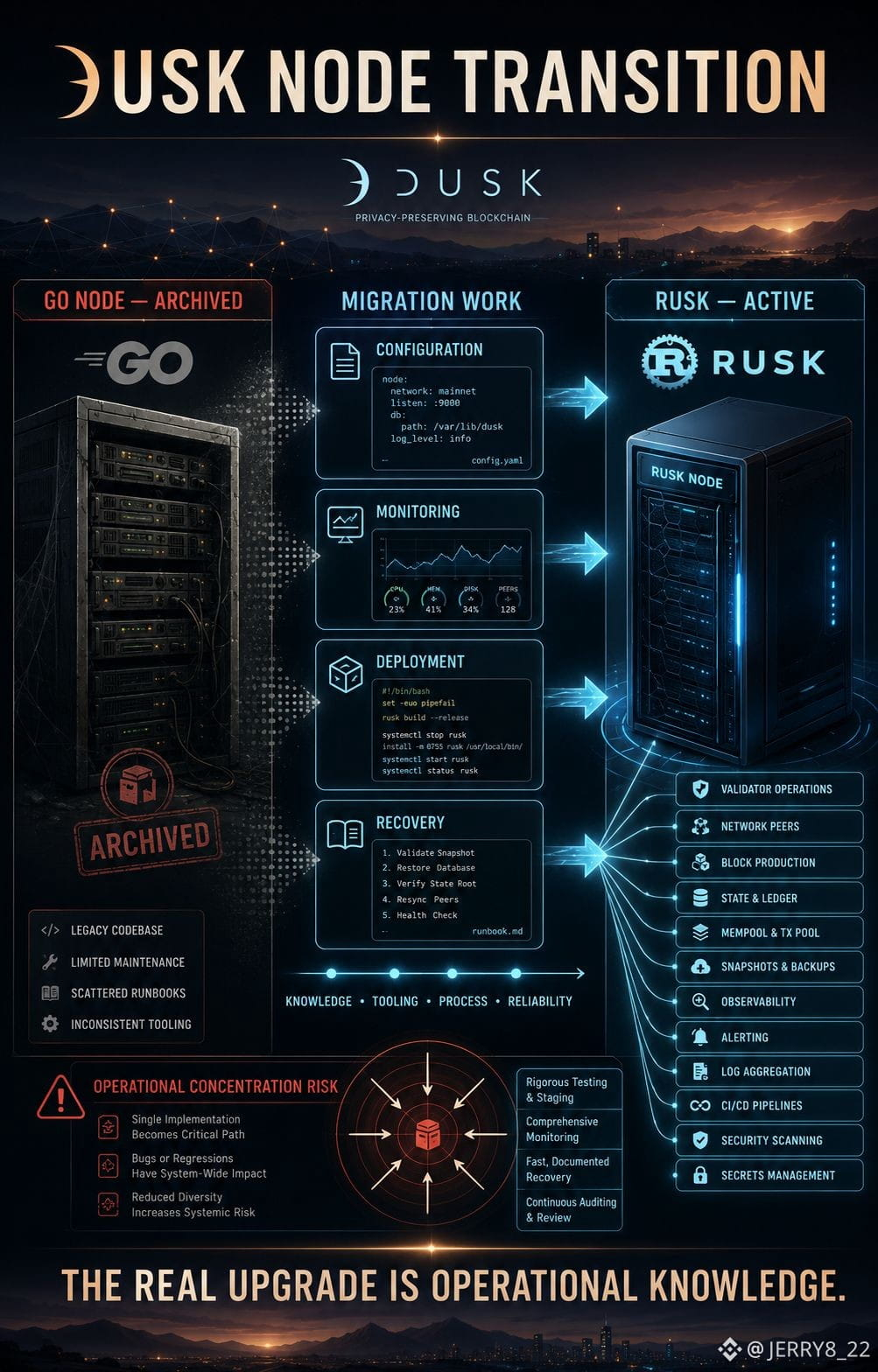
Dusk заархивировал свой исходный репозиторий Go-нод в июне 2025 года. После 5 774 коммитов dusk-blockchain теперь работает только в режиме чтения, а Rusk стал официальной нодой проекта.
На первый взгляд это похоже на обычную техническую рутину. Но это не так. Dusk перенёс консенсус сети, управление состоянием, выполнение контрактов и интерфейсы нод в одну активно поддерживаемую кодовую базу на Rust.
В этом решении действительно есть ценность. Поддержка двух реализаций требует инженерного времени и создаёт риск того, что они будут вести себя по-разному на «краях» поведения. Один клиент даёт команде Dusk более понятный путь разработки.
Но консолидация также меняет профиль рисков сети. Операторам, переходящим с Go, нужно обновить скрипты развертывания, мониторинговые панели, предположения по конфигурации и процедуры восстановления. Четыре операционные системы могут выйти из строя, даже когда сама нода корректно компилируется и запускается.
Сколько операторов Dusk протестировали этот миграционный переход во время реального сбоя? Не полагаются ли старые интеграции на поведение, которое Rusk не воспроизводит? Если появляется баг, специфичный для Rusk, откуда берётся избыточность на уровне реализации?
Уход от устаревшего ПО часто бывает правильным шагом. Сложнее — убедиться, что знания, накопленные вокруг него, не исчезнут.
Для Dusk важное обновление — это не переход с Go на Rust. Это документально неоформлённый опыт, который становится разделяемым операционным знанием.
#dusk @Dusk $DUSK
На первый взгляд это похоже на обычную техническую рутину. Но это не так. Dusk перенёс консенсус сети, управление состоянием, выполнение контрактов и интерфейсы нод в одну активно поддерживаемую кодовую базу на Rust.
В этом решении действительно есть ценность. Поддержка двух реализаций требует инженерного времени и создаёт риск того, что они будут вести себя по-разному на «краях» поведения. Один клиент даёт команде Dusk более понятный путь разработки.
Но консолидация также меняет профиль рисков сети. Операторам, переходящим с Go, нужно обновить скрипты развертывания, мониторинговые панели, предположения по конфигурации и процедуры восстановления. Четыре операционные системы могут выйти из строя, даже когда сама нода корректно компилируется и запускается.
Сколько операторов Dusk протестировали этот миграционный переход во время реального сбоя? Не полагаются ли старые интеграции на поведение, которое Rusk не воспроизводит? Если появляется баг, специфичный для Rusk, откуда берётся избыточность на уровне реализации?
Уход от устаревшего ПО часто бывает правильным шагом. Сложнее — убедиться, что знания, накопленные вокруг него, не исчезнут.
Для Dusk важное обновление — это не переход с Go на Rust. Это документально неоформлённый опыт, который становится разделяемым операционным знанием.
#dusk @Dusk $DUSK
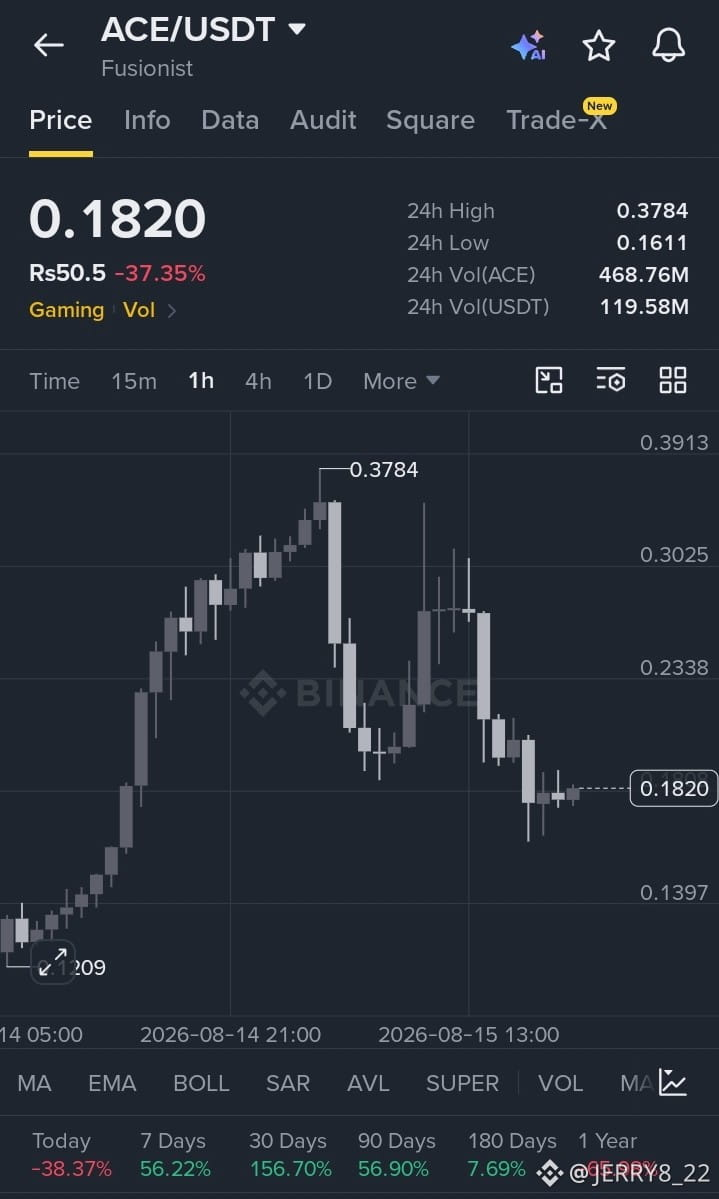
$ACE is строит базу после сильного «выброса». Отсюда возможен облегчённый ход, который может ускорить движение.
EP / Зона покупки: 0.1750–0.1820
TP1: 0.1950
TP2: 0.2120
TP3: 0.2340
SL: 0.1640
Зона отскока активна. Поехали $ACE
EP / Зона покупки: 0.1750–0.1820
TP1: 0.1950
TP2: 0.2120
TP3: 0.2340
SL: 0.1640
Зона отскока активна. Поехали $ACE
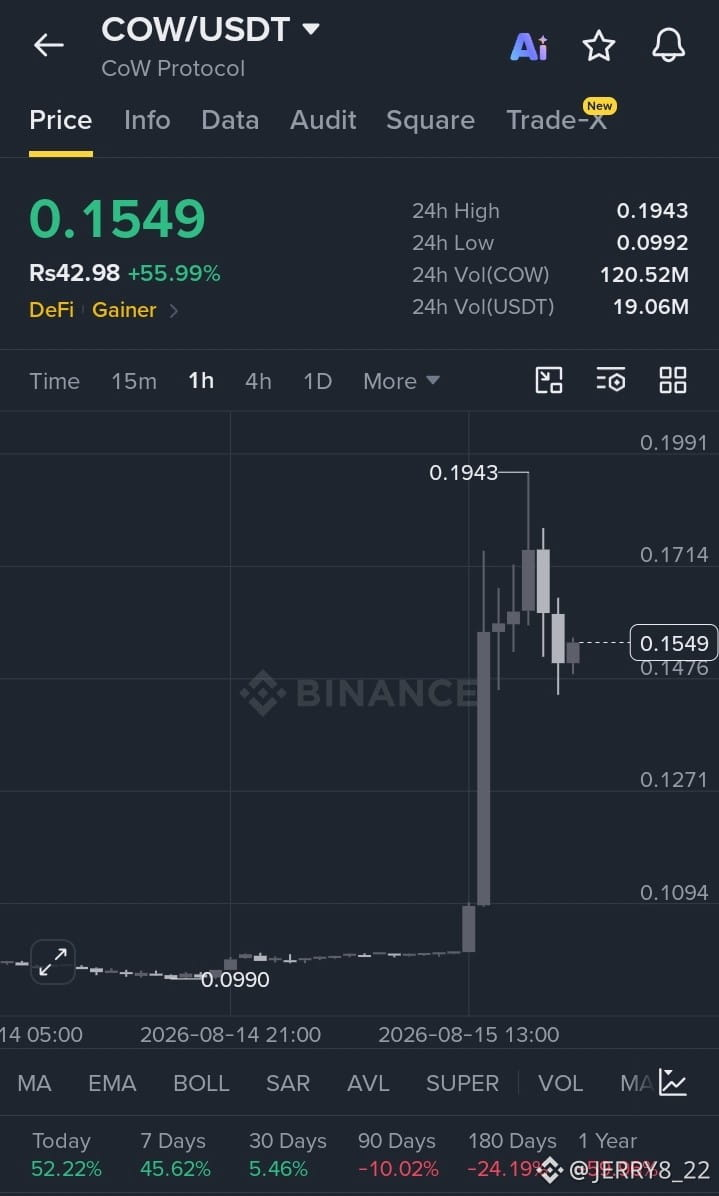
$COW удерживает пробой после взрывного движения. Покупатели защищают откат.
EP / Зона покупки: 0.1480–0.1540
TP1: 0.1620
TP2: 0.1714
TP3: 0.1943
SL: 0.1420
Волатильность накапливается. Поехали $COW
EP / Зона покупки: 0.1480–0.1540
TP1: 0.1620
TP2: 0.1714
TP3: 0.1943
SL: 0.1420
Волатильность накапливается. Поехали $COW
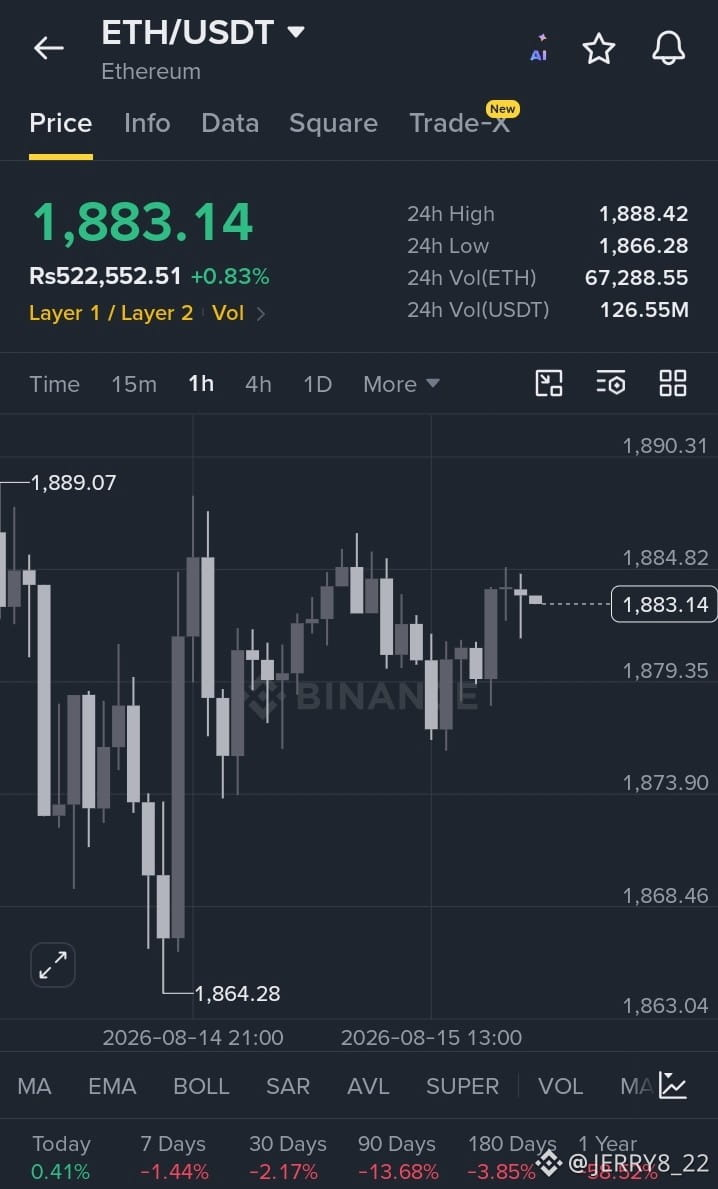
$ETH давит на сопротивление после сильного восстановления. Следующий пробой может пойти быстро.
EP / Зона покупки: 1,881.50–1,883.50
TP1: 1,885.00
TP2: 1,889.00
TP3: 1,893.50
SL: 1,878.50
Импульс нарастает. Поехали $ETH
EP / Зона покупки: 1,881.50–1,883.50
TP1: 1,885.00
TP2: 1,889.00
TP3: 1,893.50
SL: 1,878.50
Импульс нарастает. Поехали $ETH
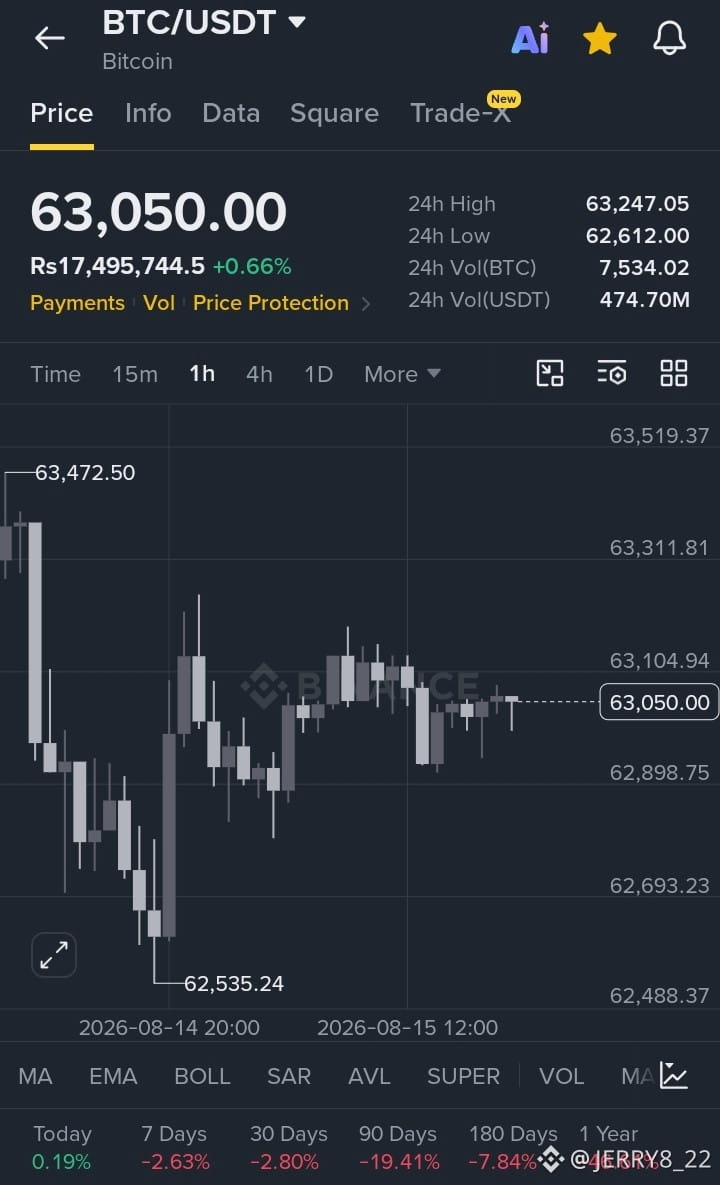
$BTC is сжимается выше поддержки. Один чистый импульс может воспламенить следующее движение.
EP / Зона покупки: 62,920–63,020
TP1: 63,110
TP2: 63,310
TP3: 63,470
SL: 62,820
Давление нарастает. Давайте $BTC
EP / Зона покупки: 62,920–63,020
TP1: 63,110
TP2: 63,310
TP3: 63,470
SL: 62,820
Давление нарастает. Давайте $BTC
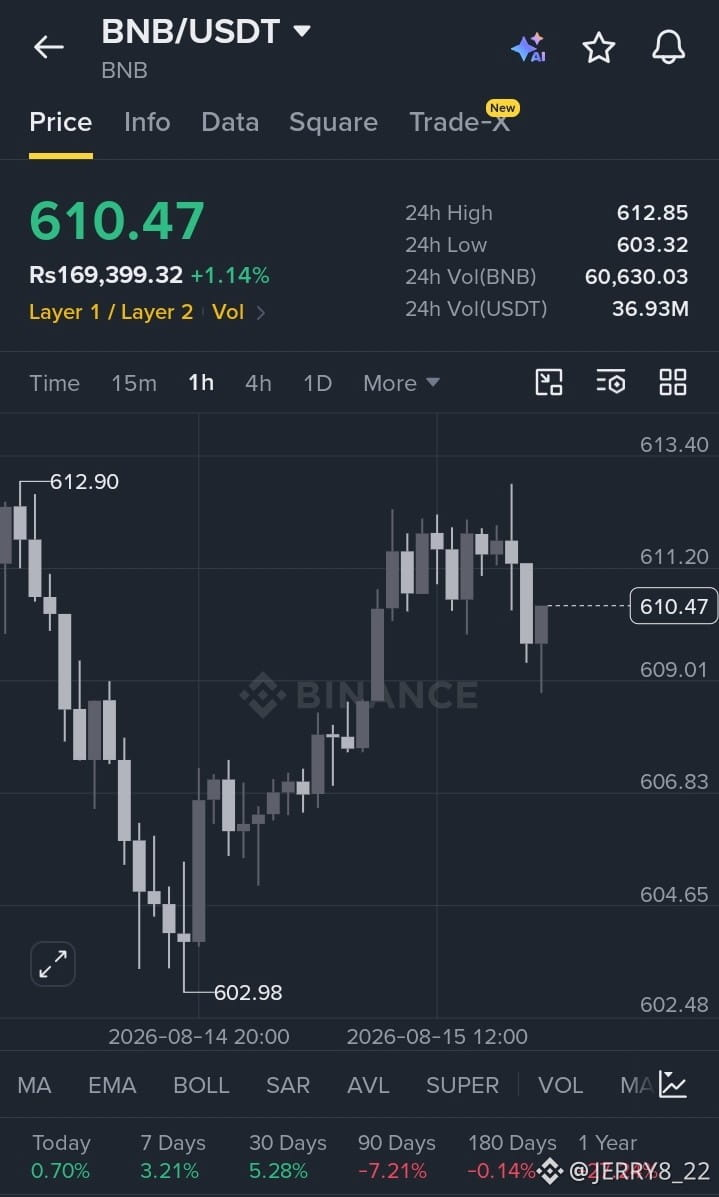
$BNB is продолжает уверенно держаться после резкого отскока. Давление пробоя нарастает.
Зона покупки / EP: 609.20–610.40
TP1: 611.50
TP2: 612.90
TP3: 615.00
SL: 607.80
Импульс просыпается. Поехали $BNB
Зона покупки / EP: 609.20–610.40
TP1: 611.50
TP2: 612.90
TP3: 615.00
SL: 607.80
Импульс просыпается. Поехали $BNB
Сумерки привлекли мое внимание, потому что проект решает реальную проблему: вывод регулируемых активов в ончейн без того, чтобы институтам приходилось выбирать между приватностью и комплаенсом. Конфиденциальные транзакции, выборочное раскрытие и детерминированное расчётное подтверждение делают это направление особенно важным.
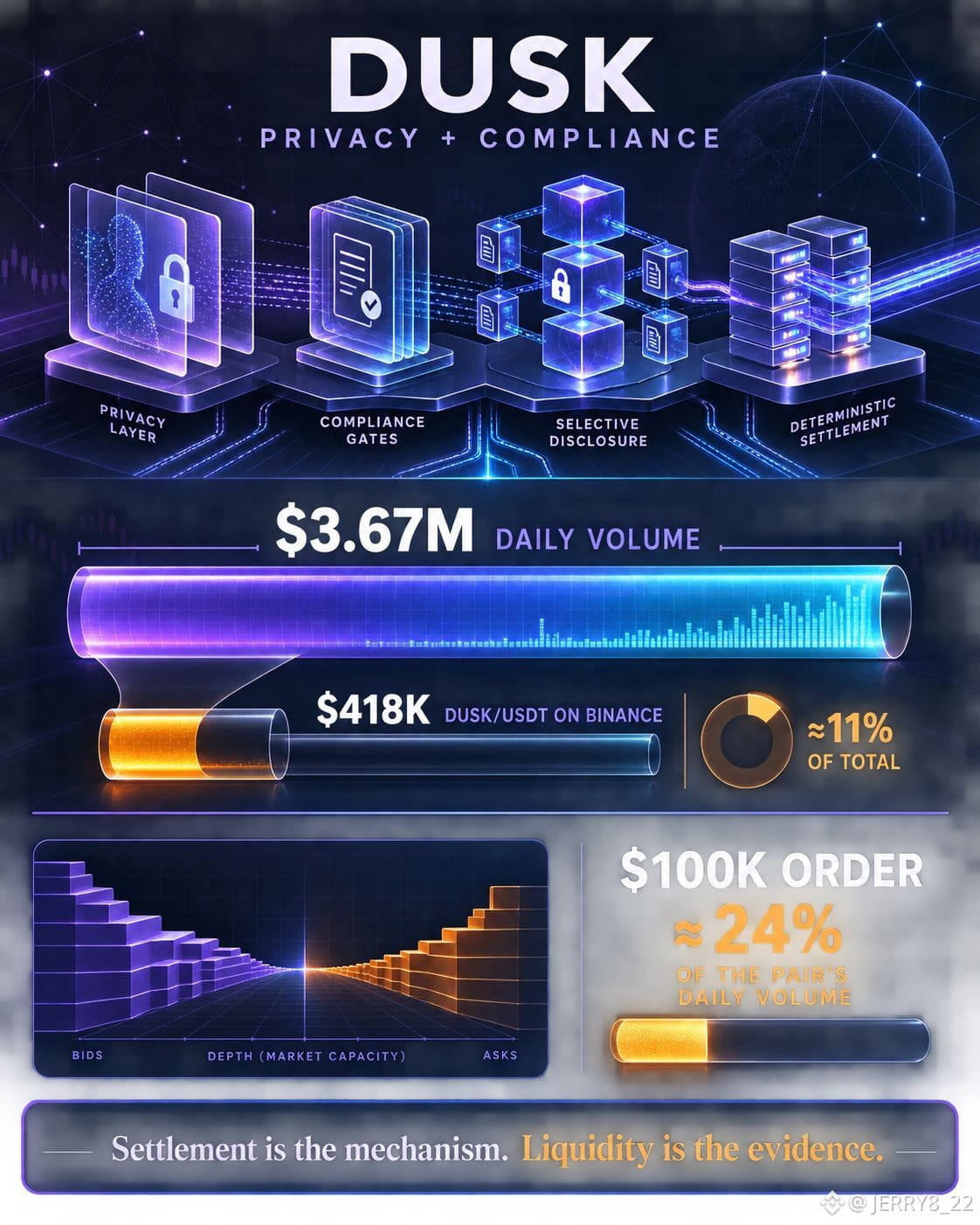
Тем не менее, рынок вокруг DUSK рассказывает более приземлённую историю. Недавние показатели показывают около $3,67 млн дневного объёма, при этом примерно $418 000 приходится на DUSK/USDT на Binance. Эта пара представляет около 11% от заявленного оборота. Ордер на $100 000 соответствовал бы почти четверти её дневного объёма.
Это не значит, что одна сделка сдвинет цену на 24%; объём и глубина стакана — разные вещи. Но это поднимает практические вопросы. Сможет ли Dusk поддерживать входы и выходы институциональных участников без существенного проскальзывания? Кто будет обеспечивать ликвидность, когда внимание угасает? Как Dusk Trade справится с онбордингом, вопросами кастоди и ограниченными переводами, когда реальные активы начнут переходить из рук в руки в масштабе?
Основа продумана, и Dusk проектируется под финансовые сценарии, а не под абстрактную активность в блокчейне. Самая сложная веха — доказать работоспособность этих сценариев при реальном спросе. Институты не будут оценивать Dusk по тому, насколько элегантно он может расчётно проводить актив, а по тому, насколько надёжно этот актив можно купить, удерживать и продать.
#dusk @Dusk $DUSK
Тем не менее, рынок вокруг DUSK рассказывает более приземлённую историю. Недавние показатели показывают около $3,67 млн дневного объёма, при этом примерно $418 000 приходится на DUSK/USDT на Binance. Эта пара представляет около 11% от заявленного оборота. Ордер на $100 000 соответствовал бы почти четверти её дневного объёма.
Это не значит, что одна сделка сдвинет цену на 24%; объём и глубина стакана — разные вещи. Но это поднимает практические вопросы. Сможет ли Dusk поддерживать входы и выходы институциональных участников без существенного проскальзывания? Кто будет обеспечивать ликвидность, когда внимание угасает? Как Dusk Trade справится с онбордингом, вопросами кастоди и ограниченными переводами, когда реальные активы начнут переходить из рук в руки в масштабе?
Основа продумана, и Dusk проектируется под финансовые сценарии, а не под абстрактную активность в блокчейне. Самая сложная веха — доказать работоспособность этих сценариев при реальном спросе. Институты не будут оценивать Dusk по тому, насколько элегантно он может расчётно проводить актив, а по тому, насколько надёжно этот актив можно купить, удерживать и продать.
#dusk @Dusk $DUSK
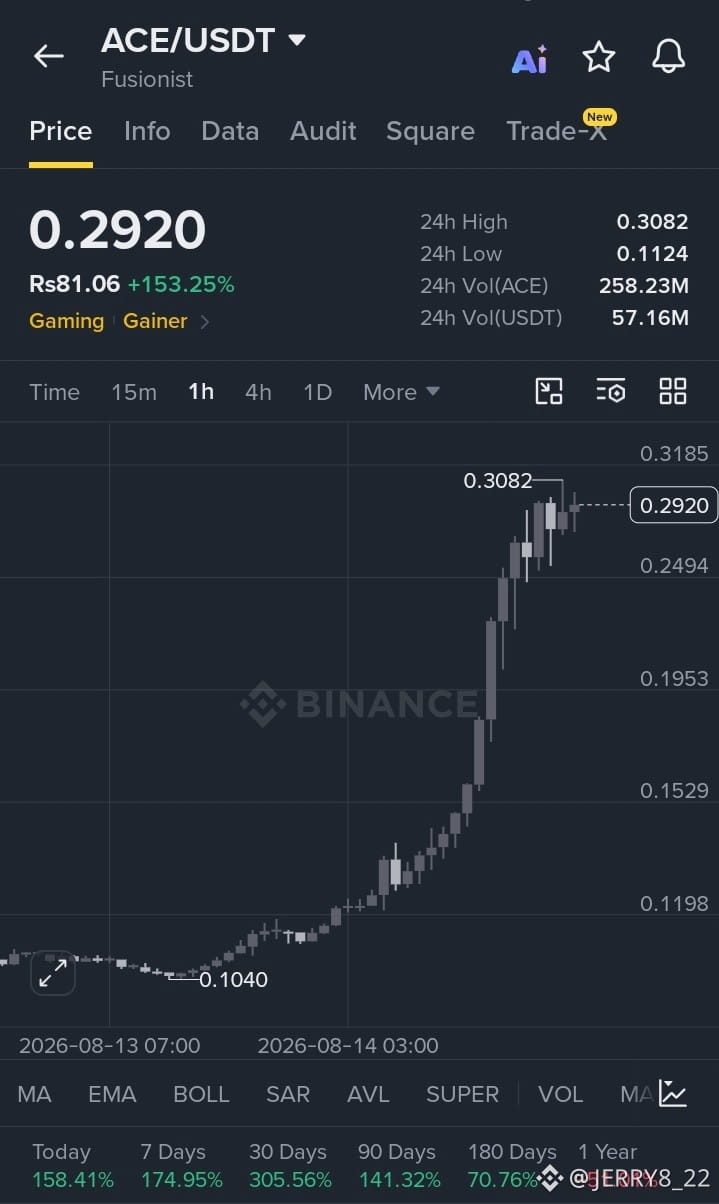
$ACE БЫЧИЙ ИМПУЛЬС ВЗРЫВАЕТСЯ
Зона покупки: 0.2800–0.2920
EP: 0.2880
TP1: 0.3082
TP2: 0.3185
TP3: 0.3350
SL: 0.2670
Давление накапливается под максимумами. Один пробой может отправить цену в полёт.
Давайте пойдём $ACE
Зона покупки: 0.2800–0.2920
EP: 0.2880
TP1: 0.3082
TP2: 0.3185
TP3: 0.3350
SL: 0.2670
Давление накапливается под максимумами. Один пробой может отправить цену в полёт.
Давайте пойдём $ACE
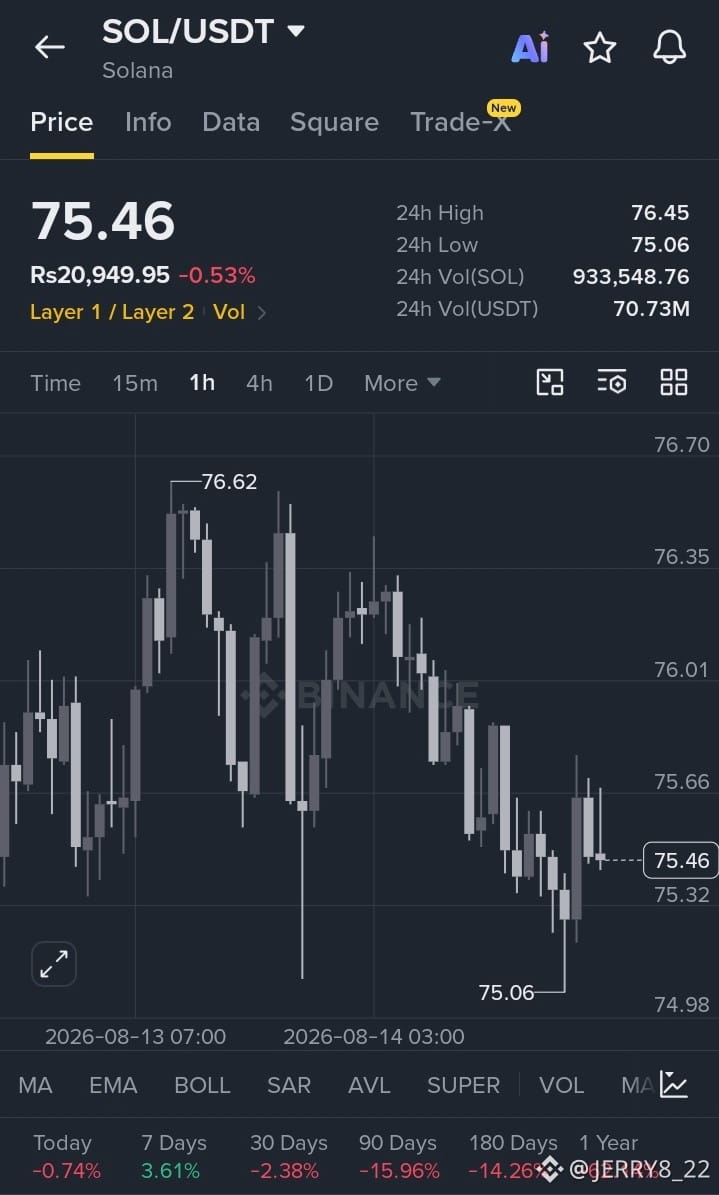
$SOL
Зона покупки: 75.35–75.50
EP: 75.45
TP1: 75.66
TP2: 76.01
TP3: 76.35
SL: 74.95
Поддержка защищена. Моментум может быстро разгореться.
Поехали $SOL
Зона покупки: 75.35–75.50
EP: 75.45
TP1: 75.66
TP2: 76.01
TP3: 76.35
SL: 74.95
Поддержка защищена. Моментум может быстро разгореться.
Поехали $SOL
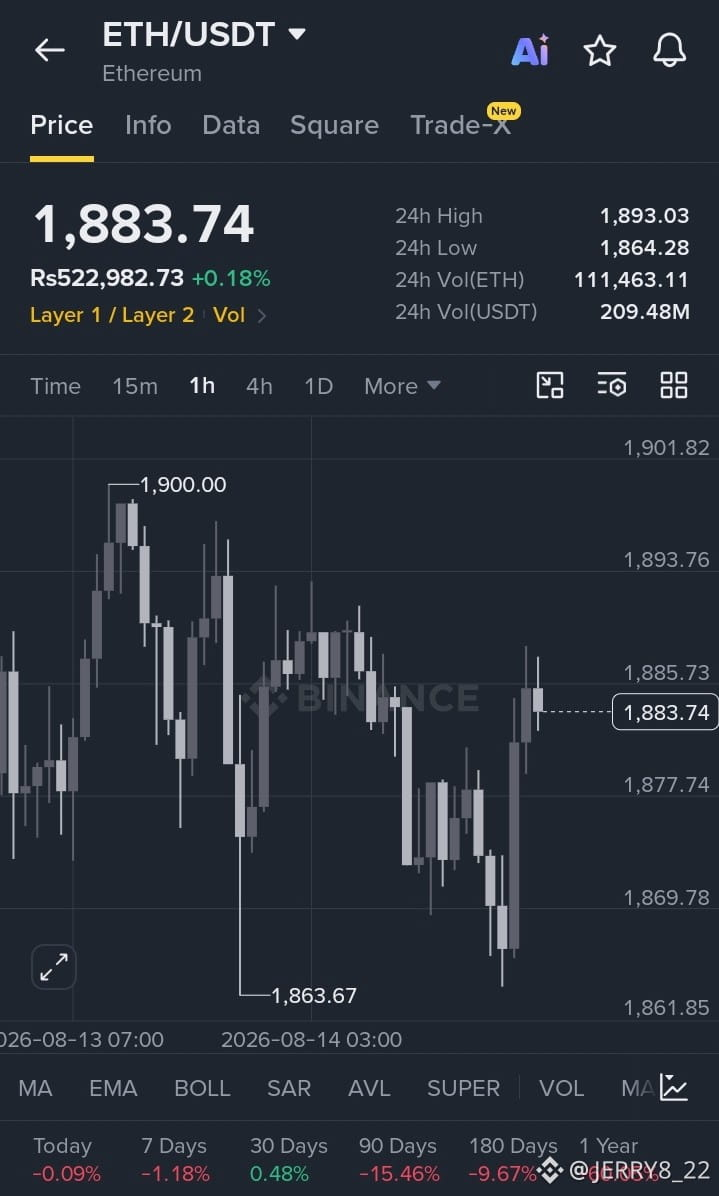
$ETH
Зона покупки: 1,881–1,884
EP: 1,883
TP1: 1,886
TP2: 1,893
TP3: 1,900
SL: 1,862
Резкое восстановление от поддержки. Быки продавливают пробой.
Поехали $ETH
Зона покупки: 1,881–1,884
EP: 1,883
TP1: 1,886
TP2: 1,893
TP3: 1,900
SL: 1,862
Резкое восстановление от поддержки. Быки продавливают пробой.
Поехали $ETH
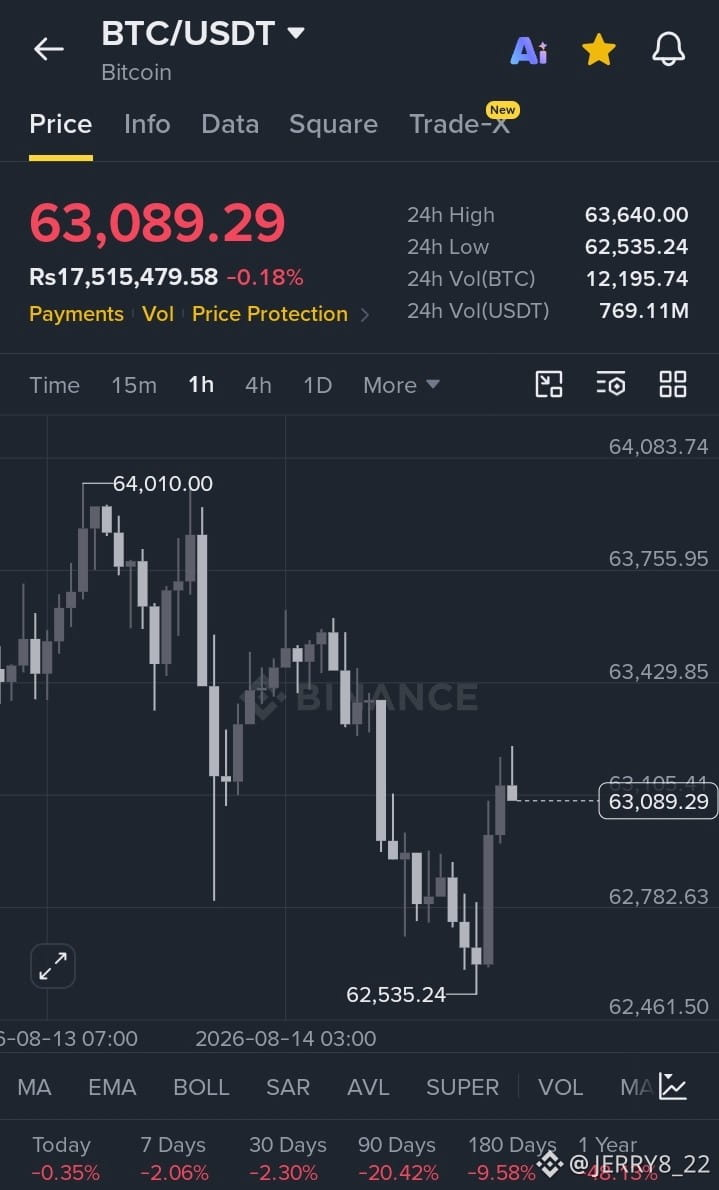
$BTC
Зона покупки: 62,900–63,100
Точка входа (EP): 63,050
Тейк 1 (TP1): 63,430
Тейк 2 (TP2): 63,750
Тейк 3 (TP3): 64,010
Стоп-лосс (SL): 62,450
Сильный отскок от поддержки. Давление пробоя нарастает.
Поехали $BTC
Зона покупки: 62,900–63,100
Точка входа (EP): 63,050
Тейк 1 (TP1): 63,430
Тейк 2 (TP2): 63,750
Тейк 3 (TP3): 64,010
Стоп-лосс (SL): 62,450
Сильный отскок от поддержки. Давление пробоя нарастает.
Поехали $BTC
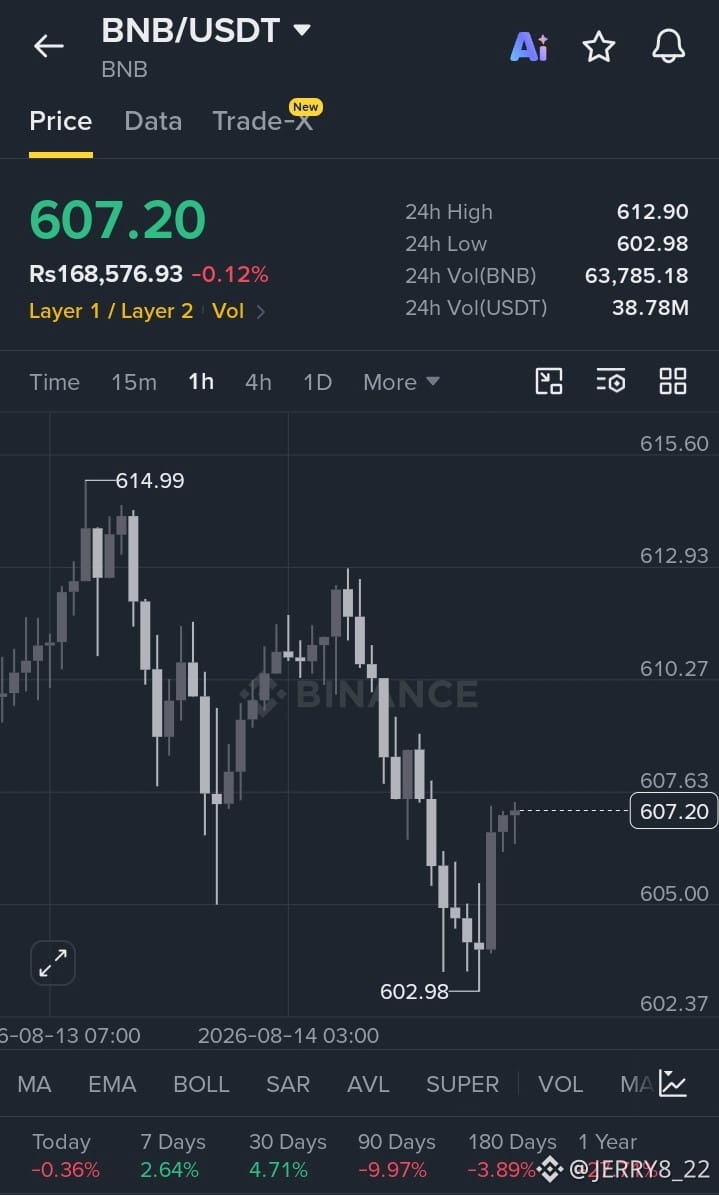
$BNB
Зона покупки: 606.50–607.50
Вход (EP): 607.20
Цель 1 (TP1): 609.80
Цель 2 (TP2): 612.90
Цель 3 (TP3): 615.00
Стоп-лосс (SL): 602.70
Импульс возвращается от сильной поддержки.
Поехали $BNB
Зона покупки: 606.50–607.50
Вход (EP): 607.20
Цель 1 (TP1): 609.80
Цель 2 (TP2): 612.90
Цель 3 (TP3): 615.00
Стоп-лосс (SL): 602.70
Импульс возвращается от сильной поддержки.
Поехали $BNB
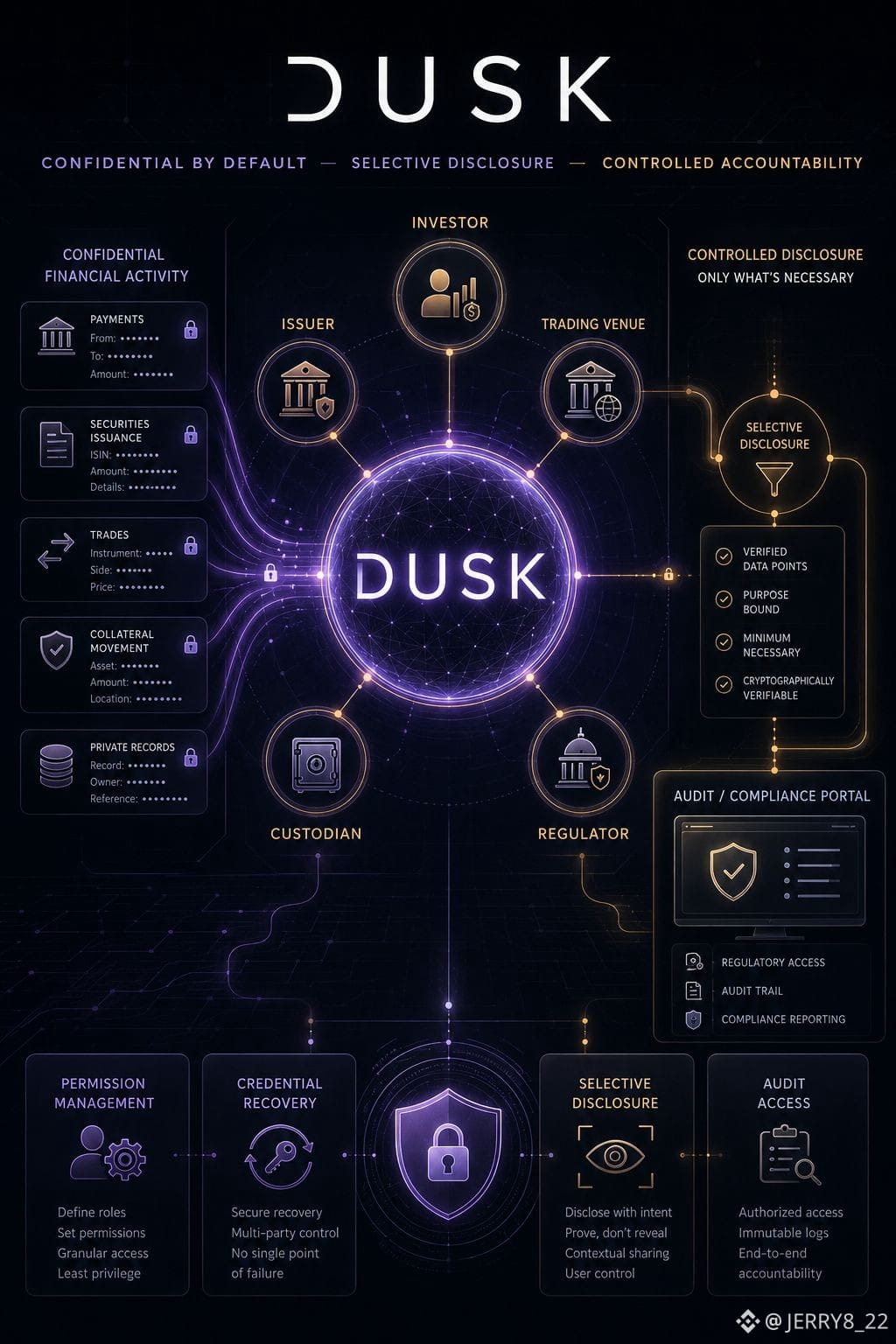
Публичные блокчейны по дизайну прозрачны, но финансовые рынки не могут работать, когда каждому видны абсолютно все балансы, позиции и соглашения. Dusk напрямую решает это противоречие, внедряя конфиденциальность и выборочное раскрытие на уровне сети Layer-1, ориентированной на регулируемые финансы.
Такое направление выглядит обоснованным. Банкам, эмитентам, инвесторам и регуляторам не всегда нужна одна и та же информация. Стандарт XSC от Dusk нацелен на то, чтобы сохранять конфиденциальность финансовых действий, при этом позволяя применять правила вокруг личности, соответствия требованиям и передачи активов.
Однако сложная часть начинается уже после того, как технология заработает.
Если в транзакции участвуют пять разных сторон, то каждой может потребоваться свой взгляд на данные. Кто решает, что именно каждая сторона может видеть? Что происходит, когда сотрудник уходит или учетные данные для раскрытия потеряны? Может ли аудитор получать доступ к нужным записям быстро, не полагаясь на одного администратора?
Это вопросы, связанные с людьми и операционной деятельностью, а не только с криптографией.
Dusk заслуживает признания за то, что понимает: финансовая конфиденциальность не может означать просто сокрытие всего. Главный испытательный критерий — смогут ли организации управлять раскрытием, восстановлением и подотчетностью, не создавая еще один усложненный слой администрирования.
Для Dusk успех будет измеряться не тем, сколько информации система может скрыть, а тем, насколько надежно она раскрывает нужную информацию, когда это действительно важно.
#dusk @Dusk $DUSK
Такое направление выглядит обоснованным. Банкам, эмитентам, инвесторам и регуляторам не всегда нужна одна и та же информация. Стандарт XSC от Dusk нацелен на то, чтобы сохранять конфиденциальность финансовых действий, при этом позволяя применять правила вокруг личности, соответствия требованиям и передачи активов.
Однако сложная часть начинается уже после того, как технология заработает.
Если в транзакции участвуют пять разных сторон, то каждой может потребоваться свой взгляд на данные. Кто решает, что именно каждая сторона может видеть? Что происходит, когда сотрудник уходит или учетные данные для раскрытия потеряны? Может ли аудитор получать доступ к нужным записям быстро, не полагаясь на одного администратора?
Это вопросы, связанные с людьми и операционной деятельностью, а не только с криптографией.
Dusk заслуживает признания за то, что понимает: финансовая конфиденциальность не может означать просто сокрытие всего. Главный испытательный критерий — смогут ли организации управлять раскрытием, восстановлением и подотчетностью, не создавая еще один усложненный слой администрирования.
Для Dusk успех будет измеряться не тем, сколько информации система может скрыть, а тем, насколько надежно она раскрывает нужную информацию, когда это действительно важно.
#dusk @Dusk $DUSK
$BANK LONG — Высокий риск, взрывной потенциал!
Вход: $0.0395–$0.0410
Цели: $0.0445 / $0.0480 / $0.0525
Стоп-лосс: $0.0372
Кредитное плечо: 1–2x изолированное
Риск: Максимум 0.5%
Не гонись за пампом. Вход только при контролируемом откате и подтверждении.
Вход: $0.0395–$0.0410
Цели: $0.0445 / $0.0480 / $0.0525
Стоп-лосс: $0.0372
Кредитное плечо: 1–2x изолированное
Риск: Максимум 0.5%
Не гонись за пампом. Вход только при контролируемом откате и подтверждении.
$SOL LONG — Моментум просыпается!
Вход: $77.20–$78.20
Цели: $80.50 / $83.20 / $87.00
Стоп-лосс: $75.40
Кредитное плечо: 3–4x изолированное
Риск: максимум 1%
Входите после подтверждённого отскока. Берите частичную прибыль — не жадничайте.
Вход: $77.20–$78.20
Цели: $80.50 / $83.20 / $87.00
Стоп-лосс: $75.40
Кредитное плечо: 3–4x изолированное
Риск: максимум 1%
Входите после подтверждённого отскока. Берите частичную прибыль — не жадничайте.
$BNB LONG — Одно нажатие может воспламенить движение!
Вход: $608–$612
Цели: $620 / $632 / $648
Стоп-лосс: $599
Кредитное плечо: 3–5x изолированное
Риск: максимум 1%
Держите выше $608 — это подтверждает силу. Перенесите стоп в безубыток после TP1.
Вход: $608–$612
Цели: $620 / $632 / $648
Стоп-лосс: $599
Кредитное плечо: 3–5x изолированное
Риск: максимум 1%
Держите выше $608 — это подтверждает силу. Перенесите стоп в безубыток после TP1.
$ETH LONG — Давление пробоя растёт!
Вход: $1,615–$1,630
Цели: $1,660 / $1,710 / $1,780
Стоп-лосс: $1,585
Кредитное плечо: 3–5x изолированное
Риск: Максимум 1%
Дождитесь подтверждения — без слепого входа. Фиксируйте прибыль на каждой цели.
Вход: $1,615–$1,630
Цели: $1,660 / $1,710 / $1,780
Стоп-лосс: $1,585
Кредитное плечо: 3–5x изолированное
Риск: Максимум 1%
Дождитесь подтверждения — без слепого входа. Фиксируйте прибыль на каждой цели.
$BTC ДЛИННЫЙ — Быки загружаются!
Вход: $63,500–$63,900
Цели: $65,200 / $66,800 / $68,400
Стоп-лосс: $62,700
Кредитное плечо: 3–5x изолированное
Риск: Максимум 1%
Входите только после удержания поддержки. Перенесите стоп на уровень входа после TP1.
Вход: $63,500–$63,900
Цели: $65,200 / $66,800 / $68,400
Стоп-лосс: $62,700
Кредитное плечо: 3–5x изолированное
Риск: Максимум 1%
Входите только после удержания поддержки. Перенесите стоп на уровень входа после TP1.
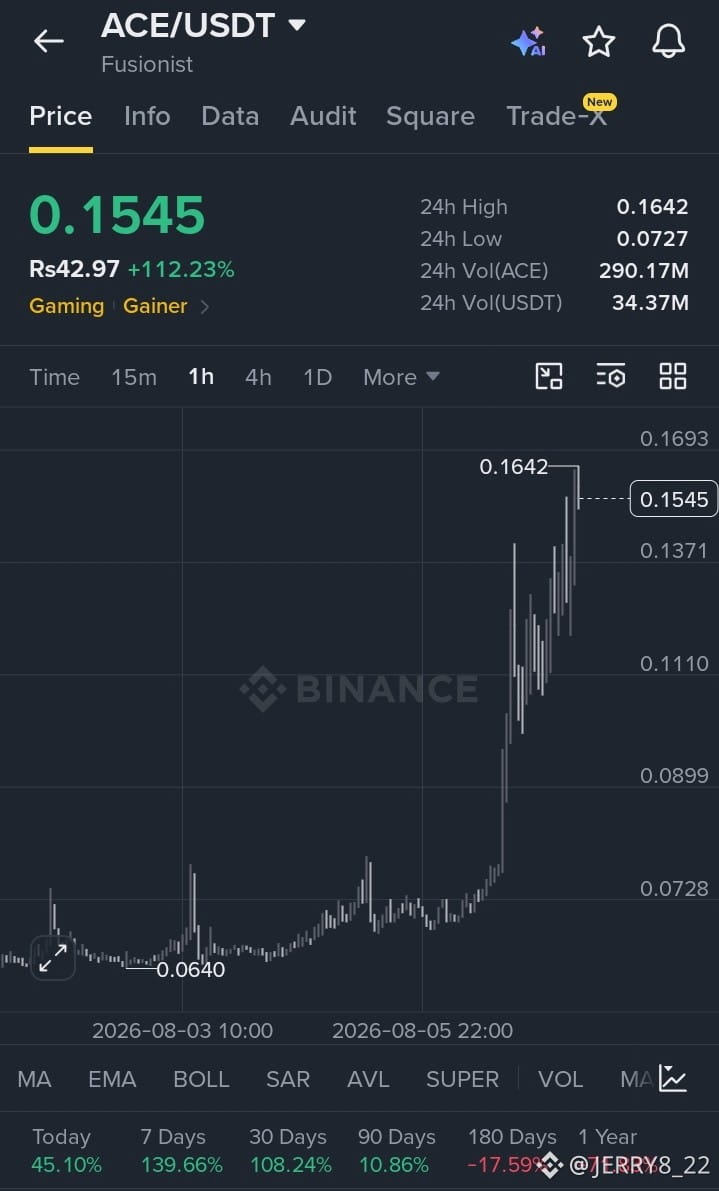
$ACE уже сильно прокачался из нижней зоны и теперь торгуется примерно около $0.1545 после достижения $0.1642. Для меня это не место, где стоит вслепую гнаться. График бычий, но он также очень разогрет, поэтому я буду смотреть на продолжение только если покупатели снова пробьют максимум.
Моя личная схема:
Вход: Выше $0.1642
TP1: $0.1690
TP2: $0.1780
TP3: $0.1900
SL: $0.1370
Для меня ACE все еще сохраняет импульс, но после такого большого движения риск высокий. Я бы дождался чистого пробоя, а не входил посреди пампа.
Моя личная схема:
Вход: Выше $0.1642
TP1: $0.1690
TP2: $0.1780
TP3: $0.1900
SL: $0.1370
Для меня ACE все еще сохраняет импульс, но после такого большого движения риск высокий. Я бы дождался чистого пробоя, а не входил посреди пампа.
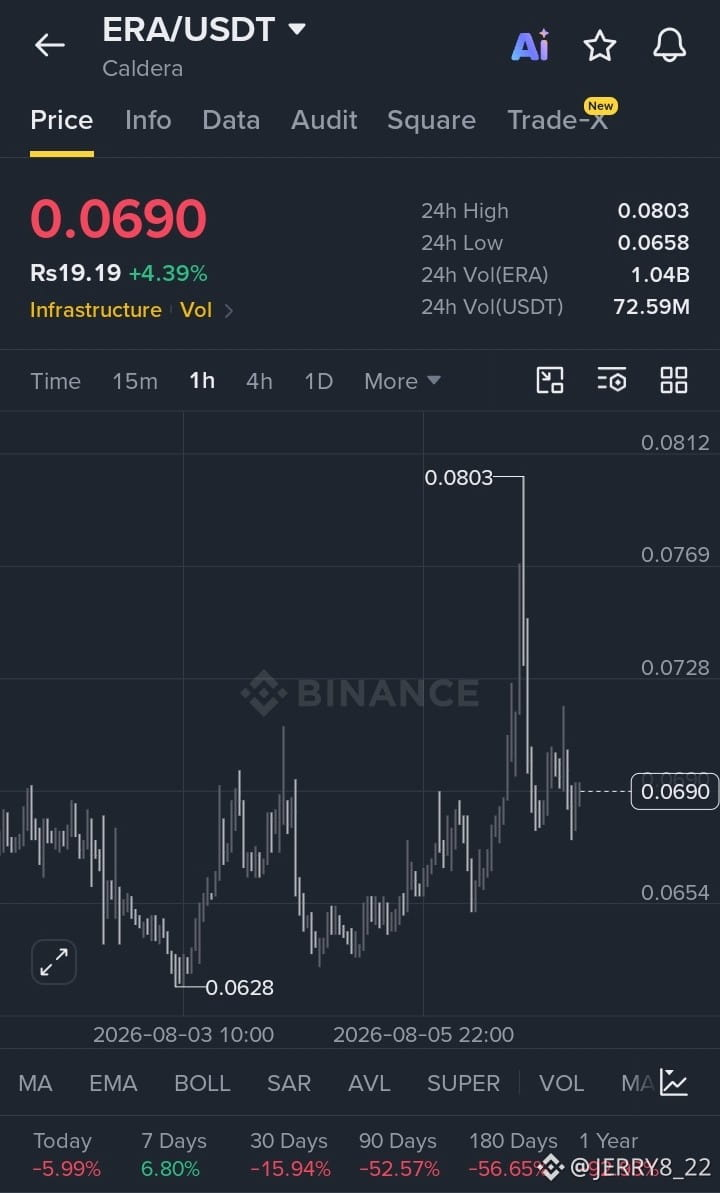
$ERA резко подскочил к $0.0803, но это движение быстро отклонили. Теперь цена снова около $0.0690, и для меня эта зона выглядит как реальная зона принятия решения. Если здесь не удержится, я думаю, следующее падение может прийти быстро.
Моя личная схема:
Вход: Ниже $0.0685
TP1: $0.0654
TP2: $0.0628
TP3: $0.0600
SL: $0.0728
Я бы был особенно осторожен с этим, потому что свечи движутся агрессивно. Я не гонюсь за импульсом; я бы рассматривал это только в том случае, если пробой подтвердится явно.
Моя личная схема:
Вход: Ниже $0.0685
TP1: $0.0654
TP2: $0.0628
TP3: $0.0600
SL: $0.0728
Я бы был особенно осторожен с этим, потому что свечи движутся агрессивно. Я не гонюсь за импульсом; я бы рассматривал это только в том случае, если пробой подтвердится явно.
Войдите, чтобы посмотреть больше материала