

Cointelegraph
37.2k Публикации

Cointelegraph
 Square Verified+
Отправить жалобу
Заблокировать пользователя
Cointelegraph covers fintech, blockchain and Bitcoin, bringing you the latest news and analyses on the future of money.
2 подписок(и/а)
186.3K+ подписчиков(а)
567.1K+ понравилось
1 Значки
Посты
Статья
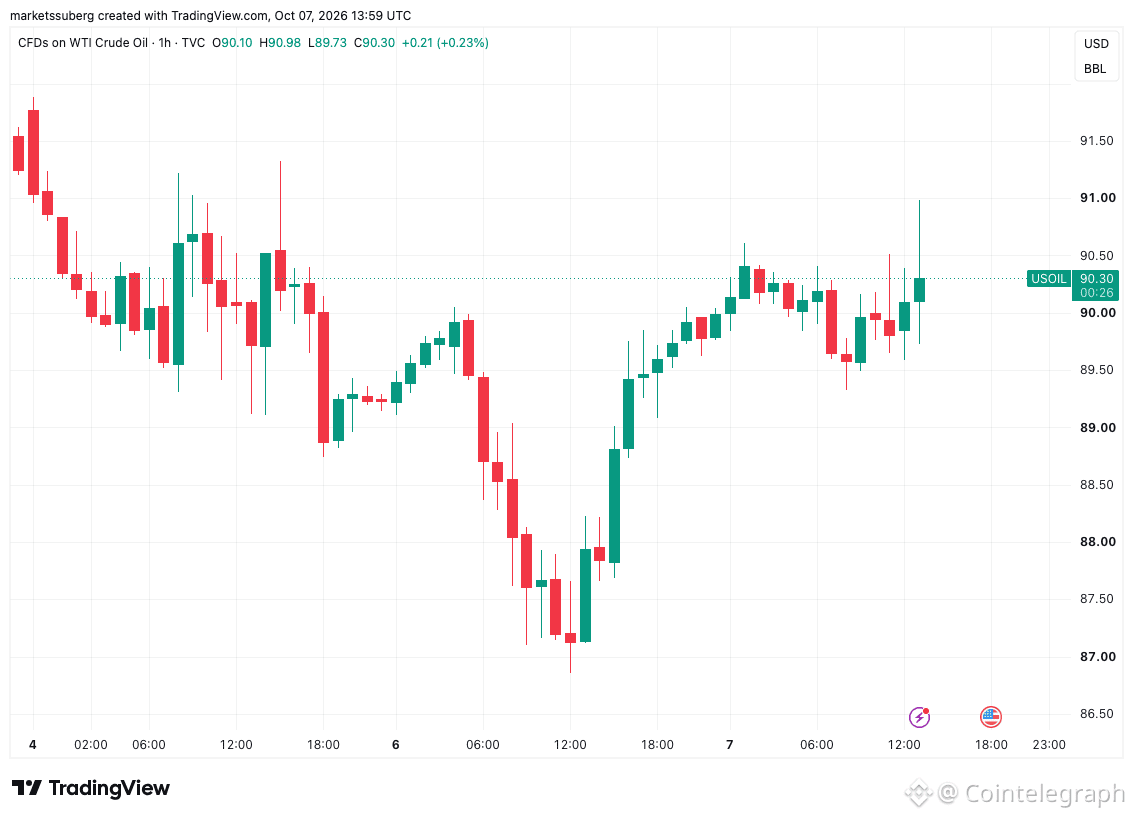
Цена биткоина упала до октябрьского минимума в $82,7 тыс. на фоне возобновления распродажи облигаций из-за опасений по поводу ИранаВ среду, с открытием торгов на Уолл-стрит, биткоин (BTC) продолжил падение: цены на нефть выросли на фоне новостей о войне между США и Ираном, а акции отступили от исторических максимумов.
Основные моменты:
На Bitstamp биткоин упал до $82 734 — это самый низкий уровень торгов в октябре на данный момент.
Доходность казначейских облигаций США резко выросла до нового максимума за 24 года, а цены на нефть марки Brent поднялись до $102 за баррель после заявлений Ирана о перевозках через Ормузский пролив.
Анализ цены BTC предупреждает о слабом спросе как на спотовом рынке, так и на рынке деривативов.
Доходность облигаций достигла нового максимума за 24 года на фоне ограничений Ирана на поставки нефти
Цена биткоина упала до октябрьского минимума в $82,7 тыс. на фоне возобновления распродажи облигаций из-за опасений по поводу Ирана
В среду, с открытием торгов на Уолл-стрит, биткоин (BTC) продолжил падение: цены на нефть выросли на фоне новостей о войне между США и Ираном, а акции отступили от исторических максимумов.
Основные моменты:
На Bitstamp биткоин упал до $82 734 — это самый низкий уровень торгов в октябре на данный момент.
Доходность казначейских облигаций США резко выросла до нового максимума за 24 года, а цены на нефть марки Brent поднялись до $102 за баррель после заявлений Ирана о перевозках через Ормузский пролив.
Анализ цены BTC предупреждает о слабом спросе как на спотовом рынке, так и на рынке деривативов.
Доходность облигаций достигла нового максимума за 24 года на фоне ограничений Ирана на поставки нефти
Основные моменты:
На Bitstamp биткоин упал до $82 734 — это самый низкий уровень торгов в октябре на данный момент.
Доходность казначейских облигаций США резко выросла до нового максимума за 24 года, а цены на нефть марки Brent поднялись до $102 за баррель после заявлений Ирана о перевозках через Ормузский пролив.
Анализ цены BTC предупреждает о слабом спросе как на спотовом рынке, так и на рынке деривативов.
Доходность облигаций достигла нового максимума за 24 года на фоне ограничений Ирана на поставки нефти
109
Статья
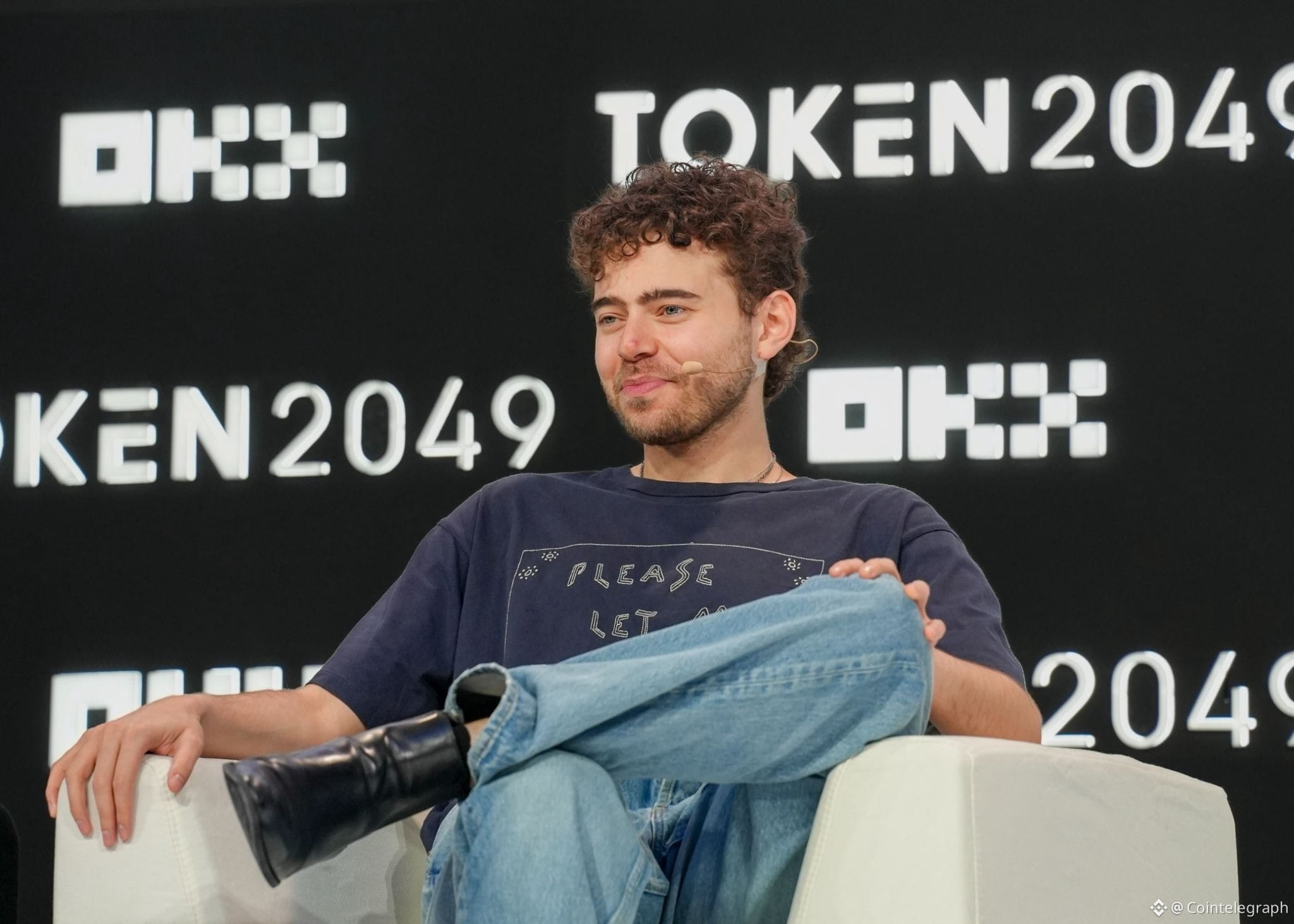
Погоня за токенами, способными вырасти в 100 раз, — это игра на «иррациональном энтузиазме», говорит глава PolymarketПо словам Шейна Коплана, генерального директора платформы рынков прогнозов Polymarket, торговля криптовалютами превращается в игру на «иррациональном энтузиазме»: трейдеры спешат оказаться среди первых инвесторов, нашедших следующий токен, способный вырасти в 100 раз.
«Люди думают, что покупают что-то бесполезное, но всё равно покупают. Если цена может вырасти в 100 раз, они хотят продать актив до того, как она упадёт до нуля», — сказал Коплан в среду во время беседы у камина на конференции Token2049 в Сингапуре.
Коплан сказал, что некоторые трейдеры могут сколотить значительное состояние благодаря этой стратегии, но добавил, что это «игра на иррациональном энтузиазме и горячей картошке», в которой цены на активы, однажды взлетев, рано или поздно должны упасть.
Погоня за токенами, способными вырасти в 100 раз, — это игра на «иррациональном энтузиазме», говорит глава Polymarket
По словам Шейна Коплана, генерального директора платформы рынков прогнозов Polymarket, торговля криптовалютами превращается в игру на «иррациональном энтузиазме»: трейдеры спешат оказаться среди первых инвесторов, нашедших следующий токен, способный вырасти в 100 раз.
«Люди думают, что покупают что-то бесполезное, но всё равно покупают. Если цена может вырасти в 100 раз, они хотят продать актив до того, как она упадёт до нуля», — сказал Коплан в среду во время беседы у камина на конференции Token2049 в Сингапуре.
Коплан сказал, что некоторые трейдеры могут сколотить значительное состояние благодаря этой стратегии, но добавил, что это «игра на иррациональном энтузиазме и горячей картошке», в которой цены на активы, однажды взлетев, рано или поздно должны упасть.
«Люди думают, что покупают что-то бесполезное, но всё равно покупают. Если цена может вырасти в 100 раз, они хотят продать актив до того, как она упадёт до нуля», — сказал Коплан в среду во время беседы у камина на конференции Token2049 в Сингапуре.
Коплан сказал, что некоторые трейдеры могут сколотить значительное состояние благодаря этой стратегии, но добавил, что это «игра на иррациональном энтузиазме и горячей картошке», в которой цены на активы, однажды взлетев, рано или поздно должны упасть.
184
Доступность криптокарт не соответствует мировому спросу, заявляет TangemБолее 40% платежей Tangem Pay приходится на Латинскую Америку и свыше 30% — на США, однако в некоторых странах доступность физических карт по-прежнему ограничена, сообщил Cointelegraph швейцарский поставщик криптокошельков.
«Вопрос не сводится лишь к тому, где люди хотят пользоваться криптокартами, — заявил Cointelegraph Андрей Ильинский, глава Tangem Pay. — Речь о том, где совпадают спрос, регулирование, банковская инфраструктура и требования к выпуску карт, а сегодня эти факторы не всегда пересекаются».
В среду Tangem объявила о выпуске своей первой физической карты Visa для покупок в магазинах и интернете, а также снятия наличных в банкоматах. Первая партия ограничена 5 000 картами.
Доступность криптокарт не соответствует мировому спросу, заявляет Tangem
Более 40% платежей Tangem Pay приходится на Латинскую Америку и свыше 30% — на США, однако в некоторых странах доступность физических карт по-прежнему ограничена, сообщил Cointelegraph швейцарский поставщик криптокошельков.
«Вопрос не сводится лишь к тому, где люди хотят пользоваться криптокартами, — заявил Cointelegraph Андрей Ильинский, глава Tangem Pay. — Речь о том, где совпадают спрос, регулирование, банковская инфраструктура и требования к выпуску карт, а сегодня эти факторы не всегда пересекаются».
В среду Tangem объявила о выпуске своей первой физической карты Visa для покупок в магазинах и интернете, а также снятия наличных в банкоматах. Первая партия ограничена 5 000 картами.
«Вопрос не сводится лишь к тому, где люди хотят пользоваться криптокартами, — заявил Cointelegraph Андрей Ильинский, глава Tangem Pay. — Речь о том, где совпадают спрос, регулирование, банковская инфраструктура и требования к выпуску карт, а сегодня эти факторы не всегда пересекаются».
В среду Tangem объявила о выпуске своей первой физической карты Visa для покупок в магазинах и интернете, а также снятия наличных в банкоматах. Первая партия ограничена 5 000 картами.
301
Проверено
Поддерживаемая Трампом WLFI планирует внедрить оплату USD1 в онлайн-компанияхВ среду на панельной дискуссии в рамках Token2049 в Сингапуре руководители World Liberty Financial (WLFI) рассказали о планах внедрить оплату стейблкоином USD1 в крупных онлайн-компаниях.
Генеральный директор WLFI Зак Уиткофф и сооснователь Зак Фолкман приняли участие в панельной дискуссии о стейблкоинах на отраслевой конференции вместе с сооснователем и генеральным директором Mesh Бамом Азизи.
Azizi объявила о партнёрстве с WLFI, которое позволит держателям USD1 расплачиваться стейблкоином в сети торговых точек платёжного провайдера. Запуск планируется в этом квартале.
Поддерживаемая Трампом WLFI планирует внедрить оплату USD1 в онлайн-компаниях
В среду на панельной дискуссии в рамках Token2049 в Сингапуре руководители World Liberty Financial (WLFI) рассказали о планах внедрить оплату стейблкоином USD1 в крупных онлайн-компаниях.
Генеральный директор WLFI Зак Уиткофф и сооснователь Зак Фолкман приняли участие в панельной дискуссии о стейблкоинах на отраслевой конференции вместе с сооснователем и генеральным директором Mesh Бамом Азизи.
Azizi объявила о партнёрстве с WLFI, которое позволит держателям USD1 расплачиваться стейблкоином в сети торговых точек платёжного провайдера. Запуск планируется в этом квартале.
Генеральный директор WLFI Зак Уиткофф и сооснователь Зак Фолкман приняли участие в панельной дискуссии о стейблкоинах на отраслевой конференции вместе с сооснователем и генеральным директором Mesh Бамом Азизи.
Azizi объявила о партнёрстве с WLFI, которое позволит держателям USD1 расплачиваться стейблкоином в сети торговых точек платёжного провайдера. Запуск планируется в этом квартале.
240
Проверено
Статья
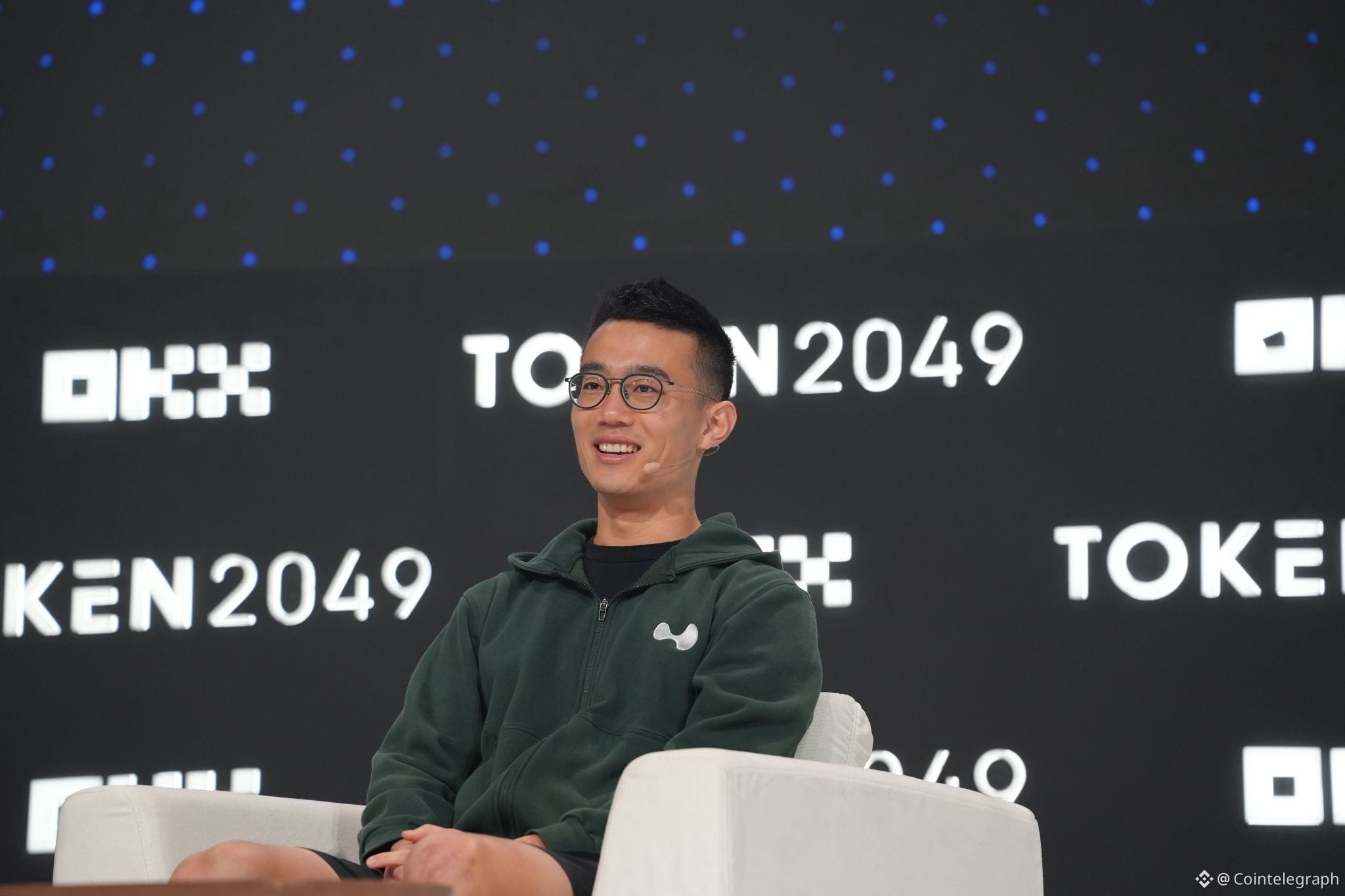
Модель приумножения капитала на Уолл-стрит неустойчива для большинства участников: гендиректор HyperliquidТрадиционные возможности Уолл-стрит для приумножения капитала, например вложения в акции компаний, по большей части недоступны широкой публике до выхода этих компаний на биржу. В результате розничные инвесторы упускают наиболее значительную прибыль, которую можно получить до листинга, — считает сооснователь и генеральный директор Hyperliquid Джефф Ян.
«Некоторыми активами могут торговать лишь немногие на протяжении всего периода их роста на многие порядки величины, и лишь после того, как избранные привилегированные участники получат всю прибыль от этого роста, они становятся доступны широкой публике», — заявил Ян во вторник во время беседы у камина на конференции Token2049 в Сингапуре.
Модель приумножения капитала на Уолл-стрит неустойчива для большинства участников: гендиректор Hyperliquid
Традиционные возможности Уолл-стрит для приумножения капитала, например вложения в акции компаний, по большей части недоступны широкой публике до выхода этих компаний на биржу. В результате розничные инвесторы упускают наиболее значительную прибыль, которую можно получить до листинга, — считает сооснователь и генеральный директор Hyperliquid Джефф Ян.
«Некоторыми активами могут торговать лишь немногие на протяжении всего периода их роста на многие порядки величины, и лишь после того, как избранные привилегированные участники получат всю прибыль от этого роста, они становятся доступны широкой публике», — заявил Ян во вторник во время беседы у камина на конференции Token2049 в Сингапуре.
«Некоторыми активами могут торговать лишь немногие на протяжении всего периода их роста на многие порядки величины, и лишь после того, как избранные привилегированные участники получат всю прибыль от этого роста, они становятся доступны широкой публике», — заявил Ян во вторник во время беседы у камина на конференции Token2049 в Сингапуре.
267
Статья
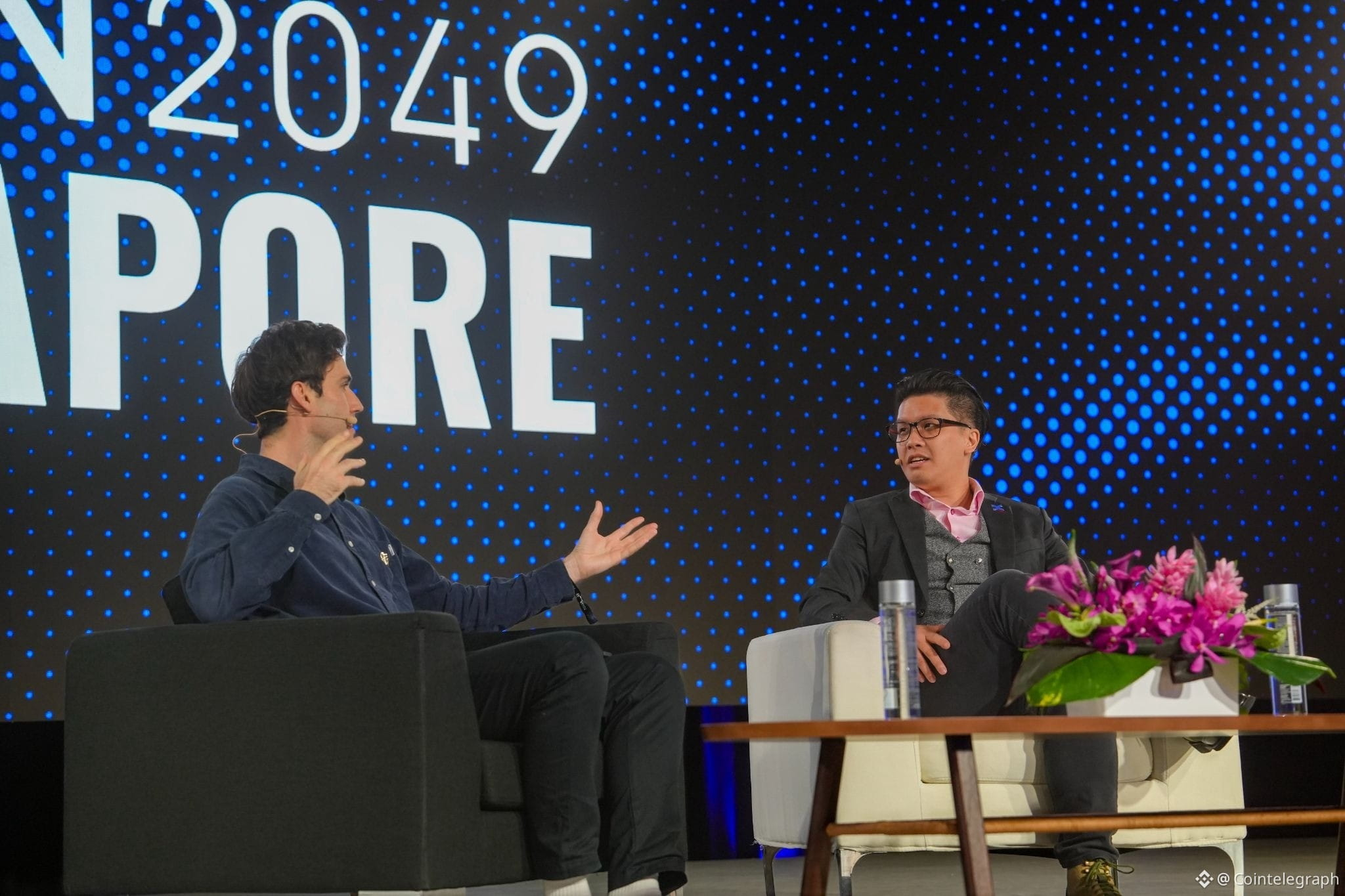
У «старых денег» алмазные руки крепче, чем у криптоинвесторов, говорит топ-менеджер BingXДиректор по стратегии BingX Кевин Ли говорит, что состоятельные инвесторы из числа «старых денег» рассматривают Bitcoin (BTC) в более долгосрочной перспективе, чем многие криптотрейдеры.
В беседе у камина на Token2049 с руководителем мультимедийного отдела Cointelegraph Киараном Лайонсом Ли сказал, что общается со «множеством представителей старых денег», которые ищут альтернативные инвестиции.
«У них алмазные руки крепче, чем у кого-либо из нас», — сказал Ли.
Он добавил, что Bitcoin уже достаточно вырос, и состоятельные инвесторы всё чаще рассматривают его как способ диверсифицировать портфель, а не рассчитывают, что он «вырастет в 10 раз за две недели».
У «старых денег» алмазные руки крепче, чем у криптоинвесторов, говорит топ-менеджер BingX
Директор по стратегии BingX Кевин Ли говорит, что состоятельные инвесторы из числа «старых денег» рассматривают Bitcoin (BTC) в более долгосрочной перспективе, чем многие криптотрейдеры.
В беседе у камина на Token2049 с руководителем мультимедийного отдела Cointelegraph Киараном Лайонсом Ли сказал, что общается со «множеством представителей старых денег», которые ищут альтернативные инвестиции.
«У них алмазные руки крепче, чем у кого-либо из нас», — сказал Ли.
Он добавил, что Bitcoin уже достаточно вырос, и состоятельные инвесторы всё чаще рассматривают его как способ диверсифицировать портфель, а не рассчитывают, что он «вырастет в 10 раз за две недели».
В беседе у камина на Token2049 с руководителем мультимедийного отдела Cointelegraph Киараном Лайонсом Ли сказал, что общается со «множеством представителей старых денег», которые ищут альтернативные инвестиции.
«У них алмазные руки крепче, чем у кого-либо из нас», — сказал Ли.
Он добавил, что Bitcoin уже достаточно вырос, и состоятельные инвесторы всё чаще рассматривают его как способ диверсифицировать портфель, а не рассчитывают, что он «вырастет в 10 раз за две недели».
1
191
Статья
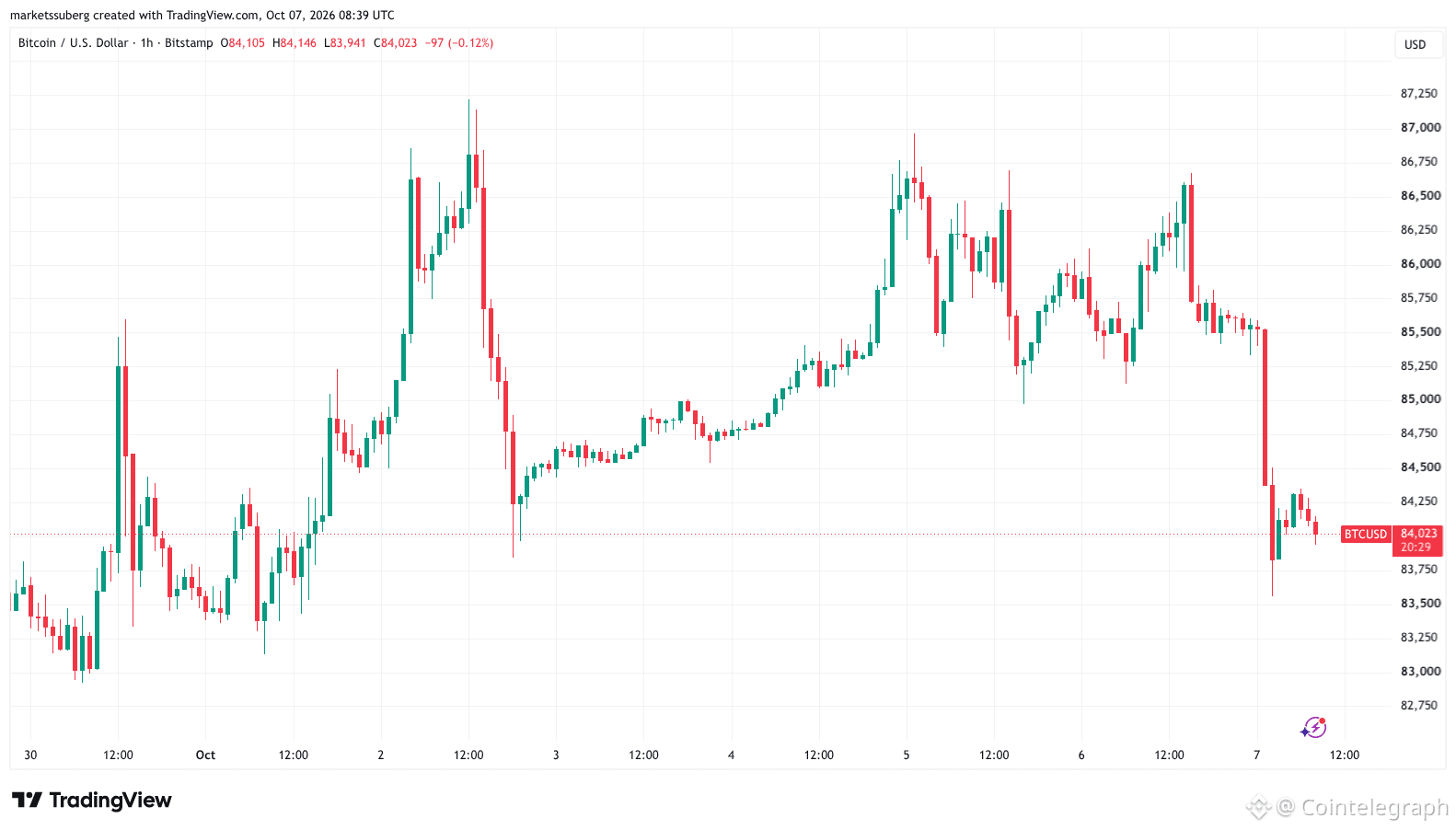
Ликвидации на крипторынке достигли $550 млн, а цена биткоина опустилась ниже $84 000В среду биткоин (BTC) опустился ниже $84 000: резкое падение ликвидировало длинные позиции на крипторынке на сумму более $500 млн.
Ключевые моменты:
Биткоин ненадолго опустился до $83 560, но удержал поддержку на уровне 21-дневной скользящей средней, которая сейчас составляет $83 850.
Аналитики отметили, что короткие позиции по BTC с плечом 40x на Hyperliquid появились непосредственно перед началом падения.
По мнению Rekt Capital, для подтверждения продолжения роста необходимо закрытие дневной или трехдневной свечи выше $86 700.
После падения цены BTC внимание приковано к коротким позициям на Hyperliquid
Ликвидации на крипторынке достигли $550 млн, а цена биткоина опустилась ниже $84 000
В среду биткоин (BTC) опустился ниже $84 000: резкое падение ликвидировало длинные позиции на крипторынке на сумму более $500 млн.
Ключевые моменты:
Биткоин ненадолго опустился до $83 560, но удержал поддержку на уровне 21-дневной скользящей средней, которая сейчас составляет $83 850.
Аналитики отметили, что короткие позиции по BTC с плечом 40x на Hyperliquid появились непосредственно перед началом падения.
По мнению Rekt Capital, для подтверждения продолжения роста необходимо закрытие дневной или трехдневной свечи выше $86 700.
После падения цены BTC внимание приковано к коротким позициям на Hyperliquid
Ключевые моменты:
Биткоин ненадолго опустился до $83 560, но удержал поддержку на уровне 21-дневной скользящей средней, которая сейчас составляет $83 850.
Аналитики отметили, что короткие позиции по BTC с плечом 40x на Hyperliquid появились непосредственно перед началом падения.
По мнению Rekt Capital, для подтверждения продолжения роста необходимо закрытие дневной или трехдневной свечи выше $86 700.
После падения цены BTC внимание приковано к коротким позициям на Hyperliquid
222
ETF на биткоин восстановили приток средств в размере $119 млн, а отток из ETF на эфир продолжаетсяВо вторник американские спотовые биржевые фонды (ETF) на биткоин вновь зафиксировали чистый приток средств, тогда как серия оттоков из ETF на эфир продлилась до шести торговых сессий.
Согласно данным SoSoValue, во вторник чистый приток средств в ETF на биткоин составил $119 млн, компенсировав понедельничный отток в размере $90 млн.
Во вторник биткоин подешевел с уровня выше $86 600 до отметки ниже $84 000. На момент публикации BTC торговался по $83 971, снизившись на 2,1% за последние 24 часа, согласно данным CoinGecko.
Как сообщил участник CryptoQuant MorenoDV, восстановление биткоина сопровождалось усилением фиксации прибыли: цена торговалась со значительной премией к оценочной себестоимости активных трейдеров в $68 900. По его словам, продолжение восстановления будет зависеть от того, сможет ли новый спрос поглотить эти продажи.
ETF на биткоин восстановили приток средств в размере $119 млн, а отток из ETF на эфир продолжается
Во вторник американские спотовые биржевые фонды (ETF) на биткоин вновь зафиксировали чистый приток средств, тогда как серия оттоков из ETF на эфир продлилась до шести торговых сессий.
Согласно данным SoSoValue, во вторник чистый приток средств в ETF на биткоин составил $119 млн, компенсировав понедельничный отток в размере $90 млн.
Во вторник биткоин подешевел с уровня выше $86 600 до отметки ниже $84 000. На момент публикации BTC торговался по $83 971, снизившись на 2,1% за последние 24 часа, согласно данным CoinGecko.
Как сообщил участник CryptoQuant MorenoDV, восстановление биткоина сопровождалось усилением фиксации прибыли: цена торговалась со значительной премией к оценочной себестоимости активных трейдеров в $68 900. По его словам, продолжение восстановления будет зависеть от того, сможет ли новый спрос поглотить эти продажи.
Согласно данным SoSoValue, во вторник чистый приток средств в ETF на биткоин составил $119 млн, компенсировав понедельничный отток в размере $90 млн.
Во вторник биткоин подешевел с уровня выше $86 600 до отметки ниже $84 000. На момент публикации BTC торговался по $83 971, снизившись на 2,1% за последние 24 часа, согласно данным CoinGecko.
Как сообщил участник CryptoQuant MorenoDV, восстановление биткоина сопровождалось усилением фиксации прибыли: цена торговалась со значительной премией к оценочной себестоимости активных трейдеров в $68 900. По его словам, продолжение восстановления будет зависеть от того, сможет ли новый спрос поглотить эти продажи.
115
Россия одобрила первые криптобиржи и организации-хранители по новому законуРоссия зарегистрировала первых операторов криптовалютных бирж и хранителей цифровых активов в соответствии с новыми правилами регулирования криптовалют, вступившими в силу 1 сентября.
Во вторник Банк России опубликовал первые реестры операторов криптовалютного рынка, получивших разрешение на работу. В них вошли четыре оператора обмена и пять хранителей цифровых активов.
Крупнейший банк России, Сбербанк, вошёл в список хранителей наряду с Atomyze, Voltari и Cloud Infrastructure. T-Invest Lab, Zefir и Sistema-Crypto включены в список операторов криптобирж. Банк ВТБ фигурирует в обоих списках.
Россия одобрила первые криптобиржи и организации-хранители по новому закону
Россия зарегистрировала первых операторов криптовалютных бирж и хранителей цифровых активов в соответствии с новыми правилами регулирования криптовалют, вступившими в силу 1 сентября.
Во вторник Банк России опубликовал первые реестры операторов криптовалютного рынка, получивших разрешение на работу. В них вошли четыре оператора обмена и пять хранителей цифровых активов.
Крупнейший банк России, Сбербанк, вошёл в список хранителей наряду с Atomyze, Voltari и Cloud Infrastructure. T-Invest Lab, Zefir и Sistema-Crypto включены в список операторов криптобирж. Банк ВТБ фигурирует в обоих списках.
Во вторник Банк России опубликовал первые реестры операторов криптовалютного рынка, получивших разрешение на работу. В них вошли четыре оператора обмена и пять хранителей цифровых активов.
Крупнейший банк России, Сбербанк, вошёл в список хранителей наряду с Atomyze, Voltari и Cloud Infrastructure. T-Invest Lab, Zefir и Sistema-Crypto включены в список операторов криптобирж. Банк ВТБ фигурирует в обоих списках.
511
Минюст США ссылается на решение по Bitcoin Fog, что может осложнить попытку Романа Сторма добиться оправданияФедеральные прокуроры сослались на недавнее постановление апелляционного суда по делу криптовалютного миксера Bitcoin Fog как на дополнительный правовой аргумент против оправдания Романа Сторма, разработчика Tornado Cash.
В поданном в понедельник документе прокуроры сослались на постановление апелляционного суда от 25 сентября, оставившее в силе обвинительные приговоры и приговор оператору Bitcoin Fog Роману Стерлингову.
Апелляционный суд округа Колумбия постановил, что все четыре обвинения надлежало рассматривать в Вашингтоне, округ Колумбия. По обвинениям в отмывании денег суд сослался на доказательства того, что агент под прикрытием совершал операции через Bitcoin Fog из своего офиса в Вашингтоне. По обвинениям в нелицензированной передаче денежных средств суд счёл достаточными доказательства того, что Bitcoin Fog обслуживал клиентов в округе.
Минюст США ссылается на решение по Bitcoin Fog, что может осложнить попытку Романа Сторма добиться оправдания
Федеральные прокуроры сослались на недавнее постановление апелляционного суда по делу криптовалютного миксера Bitcoin Fog как на дополнительный правовой аргумент против оправдания Романа Сторма, разработчика Tornado Cash.
В поданном в понедельник документе прокуроры сослались на постановление апелляционного суда от 25 сентября, оставившее в силе обвинительные приговоры и приговор оператору Bitcoin Fog Роману Стерлингову.
Апелляционный суд округа Колумбия постановил, что все четыре обвинения надлежало рассматривать в Вашингтоне, округ Колумбия. По обвинениям в отмывании денег суд сослался на доказательства того, что агент под прикрытием совершал операции через Bitcoin Fog из своего офиса в Вашингтоне. По обвинениям в нелицензированной передаче денежных средств суд счёл достаточными доказательства того, что Bitcoin Fog обслуживал клиентов в округе.
В поданном в понедельник документе прокуроры сослались на постановление апелляционного суда от 25 сентября, оставившее в силе обвинительные приговоры и приговор оператору Bitcoin Fog Роману Стерлингову.
Апелляционный суд округа Колумбия постановил, что все четыре обвинения надлежало рассматривать в Вашингтоне, округ Колумбия. По обвинениям в отмывании денег суд сослался на доказательства того, что агент под прикрытием совершал операции через Bitcoin Fog из своего офиса в Вашингтоне. По обвинениям в нелицензированной передаче денежных средств суд счёл достаточными доказательства того, что Bitcoin Fog обслуживал клиентов в округе.
807
Проверено
Статья
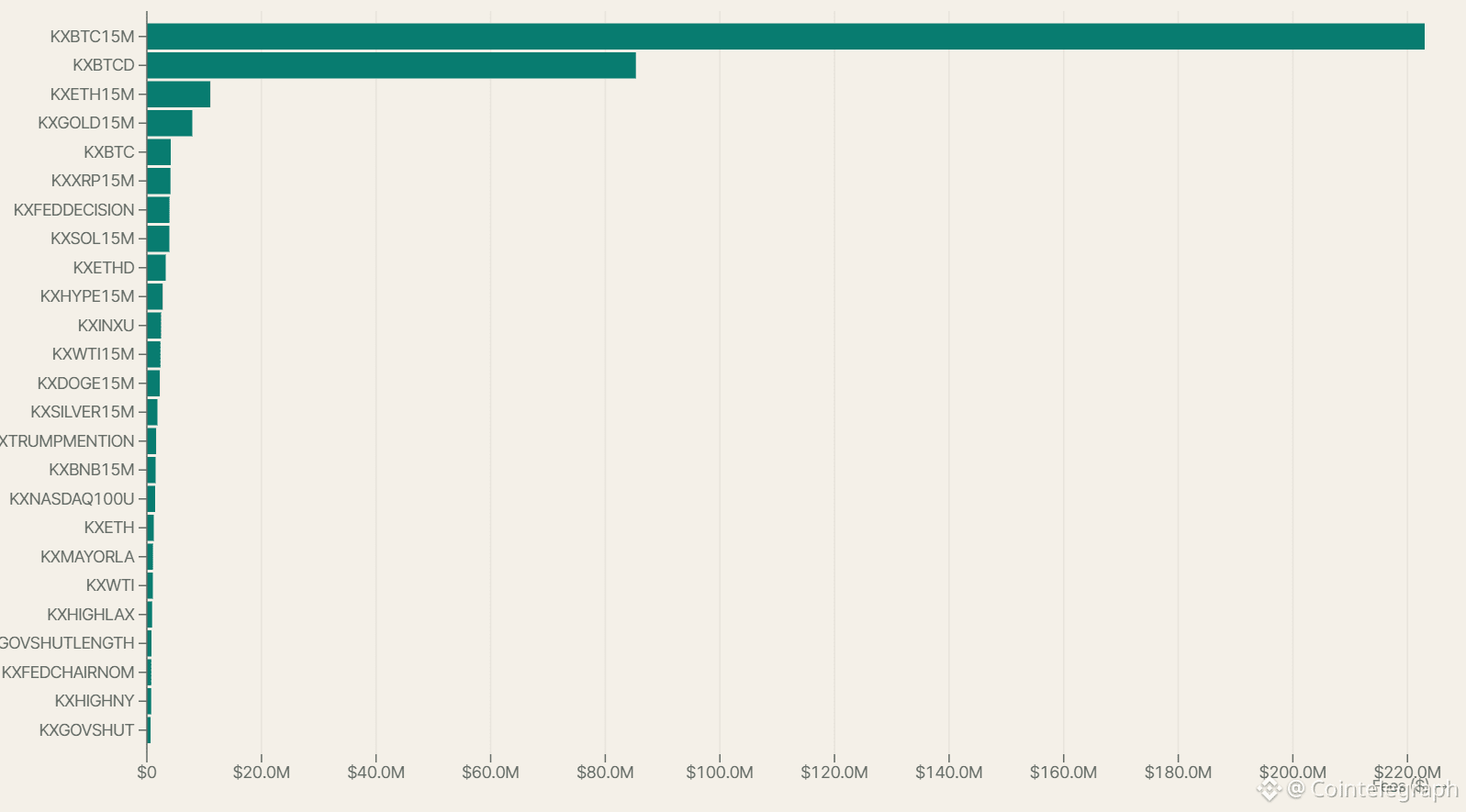
15-минутные рынки Kalshi на золото обошли Ether всего через несколько недель после запускаВ сентябре 15-минутные рынки Kalshi на золото принесли почти вдвое больше расчетных комиссий за торговлю, чем аналогичные рынки на Ether, — всего через несколько недель после запуска в августе.
Согласно Predict Charts, контракты на золото, позволяющие трейдерам делать ставки на рост или падение цены золота в течение 15-минутных интервалов, принесли за месяц около $5 млн расчетных комиссий по сравнению с $2,6 млн у контрактов на Ether. Bitcoin остался крупнейшим рынком: расчетные комиссии на нем составили $60,4 млн.
Рост рынков краткосрочных контрактов на золото совпал с расширением бизнеса Kalshi в сфере сырьевых товаров. В сентябре компания сообщила, что за семь месяцев объем торгов сырьевыми товарами достиг $400 млн — это более чем в четыре раза превышает объем торгов на криптовалютных рынках за тот же период.
15-минутные рынки Kalshi на золото обошли Ether всего через несколько недель после запуска
В сентябре 15-минутные рынки Kalshi на золото принесли почти вдвое больше расчетных комиссий за торговлю, чем аналогичные рынки на Ether, — всего через несколько недель после запуска в августе.
Согласно Predict Charts, контракты на золото, позволяющие трейдерам делать ставки на рост или падение цены золота в течение 15-минутных интервалов, принесли за месяц около $5 млн расчетных комиссий по сравнению с $2,6 млн у контрактов на Ether. Bitcoin остался крупнейшим рынком: расчетные комиссии на нем составили $60,4 млн.
Рост рынков краткосрочных контрактов на золото совпал с расширением бизнеса Kalshi в сфере сырьевых товаров. В сентябре компания сообщила, что за семь месяцев объем торгов сырьевыми товарами достиг $400 млн — это более чем в четыре раза превышает объем торгов на криптовалютных рынках за тот же период.
Согласно Predict Charts, контракты на золото, позволяющие трейдерам делать ставки на рост или падение цены золота в течение 15-минутных интервалов, принесли за месяц около $5 млн расчетных комиссий по сравнению с $2,6 млн у контрактов на Ether. Bitcoin остался крупнейшим рынком: расчетные комиссии на нем составили $60,4 млн.
Рост рынков краткосрочных контрактов на золото совпал с расширением бизнеса Kalshi в сфере сырьевых товаров. В сентябре компания сообщила, что за семь месяцев объем торгов сырьевыми товарами достиг $400 млн — это более чем в четыре раза превышает объем торгов на криптовалютных рынках за тот же период.
1.1k
Торги на Bitcoin.de остаются приостановленными после отказа немецкого регулятора по заявке в рамках MiCABitcoin Group SE заявила, что ищет альтернативную операционную модель для своей платформы bitcoin.de после того, как Федеральное управление финансового надзора Германии (BaFin) отказало ее дочерней компании futurum bank AG в выдаче разрешения на предоставление услуг с криптоактивами в соответствии с Регламентом о рынках криптоактивов (MiCA).
В объявлении от 6 октября компания сообщила, что решение BaFin стало неудачей, однако она была готова к такому отказу. По ее словам, сейчас она изучает это решение и может подать возражение или в будущем направить новую заявку.
Торги на Bitcoin.de остаются приостановленными после отказа немецкого регулятора по заявке в рамках MiCA
Bitcoin Group SE заявила, что ищет альтернативную операционную модель для своей платформы bitcoin.de после того, как Федеральное управление финансового надзора Германии (BaFin) отказало ее дочерней компании futurum bank AG в выдаче разрешения на предоставление услуг с криптоактивами в соответствии с Регламентом о рынках криптоактивов (MiCA).
В объявлении от 6 октября компания сообщила, что решение BaFin стало неудачей, однако она была готова к такому отказу. По ее словам, сейчас она изучает это решение и может подать возражение или в будущем направить новую заявку.
В объявлении от 6 октября компания сообщила, что решение BaFin стало неудачей, однако она была готова к такому отказу. По ее словам, сейчас она изучает это решение и может подать возражение или в будущем направить новую заявку.
617
Проверено
Поддерживаемый Pudgy Penguins проект Abstract прекратит работу после убытков в «десятки миллионов»Abstract, ориентированный на потребителей блокчейн второго уровня Ethereum, поддерживаемый Igloo Inc. — материнской компанией Pudgy Penguins, — во вторник заявил, что прекратит работу в этом году после неудачных попыток масштабироваться и найти соответствие продукта рынку.
В публикации в X Abstract сообщил, что его ставка на «криптовалюты для потребителей» в конечном итоге оказалась неустойчивой бизнес-моделью. Основная сеть Abstract запустилась в январе 2025 года. Проект стремился способствовать массовому внедрению криптовалют, ориентируясь на сферу развлечений. Для пользователей он хотел устранить многие сложности, присущие традиционным блокчейнам.
Поддерживаемый Pudgy Penguins проект Abstract прекратит работу после убытков в «десятки миллионов»
Abstract, ориентированный на потребителей блокчейн второго уровня Ethereum, поддерживаемый Igloo Inc. — материнской компанией Pudgy Penguins, — во вторник заявил, что прекратит работу в этом году после неудачных попыток масштабироваться и найти соответствие продукта рынку.
В публикации в X Abstract сообщил, что его ставка на «криптовалюты для потребителей» в конечном итоге оказалась неустойчивой бизнес-моделью. Основная сеть Abstract запустилась в январе 2025 года. Проект стремился способствовать массовому внедрению криптовалют, ориентируясь на сферу развлечений. Для пользователей он хотел устранить многие сложности, присущие традиционным блокчейнам.
В публикации в X Abstract сообщил, что его ставка на «криптовалюты для потребителей» в конечном итоге оказалась неустойчивой бизнес-моделью. Основная сеть Abstract запустилась в январе 2025 года. Проект стремился способствовать массовому внедрению криптовалют, ориентируясь на сферу развлечений. Для пользователей он хотел устранить многие сложности, присущие традиционным блокчейнам.
742
Статья
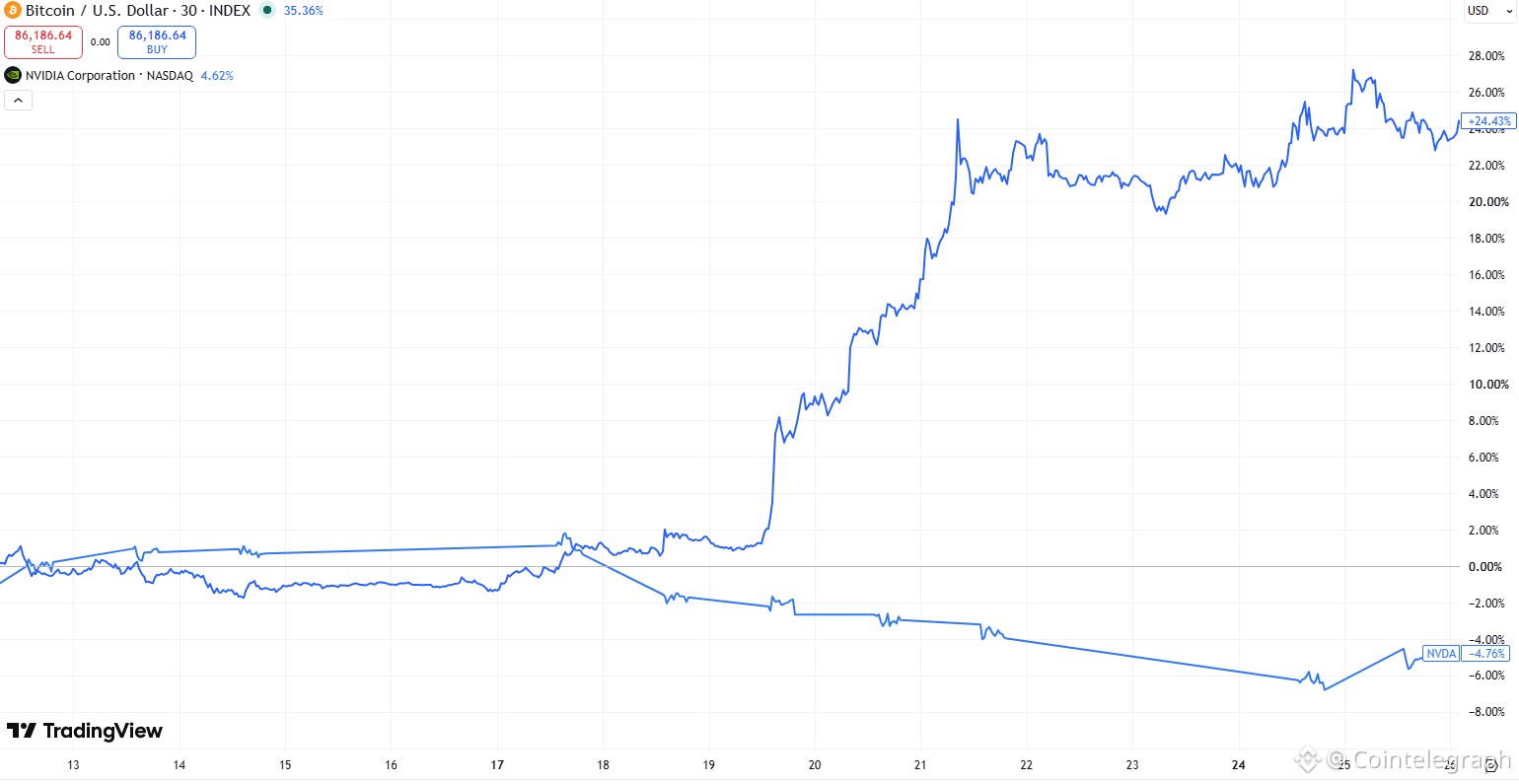
Капитал начинает перетекать из ИИ обратно в криптовалюты: Рауль ПалПо словам основателя Real Vision Рауля Пала, ослабление доллара США может дать крипторынку «зелёный свет» и помочь продлить ралли в отрасли.
В последнем выпуске Trade Secrets он рассказывает Cointelegraph, что высокая доходность облигаций и сильный доллар мешают свободному притоку ликвидности.
«Если им удастся ослабить доллар, это даст нам зелёный свет для дальнейшего движения на крипторынке», — говорит он. «Я не хочу слишком воодушевляться, поэтому пока не считаю, что для всего получен полный зелёный свет».
Индекс доллара США торгуется на максимальных уровнях с начала года. Источник: TradingView
Капитал начинает перетекать из ИИ обратно в криптовалюты: Рауль Пал
По словам основателя Real Vision Рауля Пала, ослабление доллара США может дать крипторынку «зелёный свет» и помочь продлить ралли в отрасли.
В последнем выпуске Trade Secrets он рассказывает Cointelegraph, что высокая доходность облигаций и сильный доллар мешают свободному притоку ликвидности.
«Если им удастся ослабить доллар, это даст нам зелёный свет для дальнейшего движения на крипторынке», — говорит он. «Я не хочу слишком воодушевляться, поэтому пока не считаю, что для всего получен полный зелёный свет».
Индекс доллара США торгуется на максимальных уровнях с начала года. Источник: TradingView
В последнем выпуске Trade Secrets он рассказывает Cointelegraph, что высокая доходность облигаций и сильный доллар мешают свободному притоку ликвидности.
«Если им удастся ослабить доллар, это даст нам зелёный свет для дальнейшего движения на крипторынке», — говорит он. «Я не хочу слишком воодушевляться, поэтому пока не считаю, что для всего получен полный зелёный свет».
Индекс доллара США торгуется на максимальных уровнях с начала года. Источник: TradingView
273
Conduit подала в суд на Tether, обвинив её в необъяснимой заморозке 2,8 млн долларовПлатформа для трансграничных платежей Conduit Technology заявила, что эмитент стейблкоина Tether без объяснений заморозила в сентябре 2025 года 2,76 млн долларов в USDt (USDT).
В жалобе, поданной в понедельник в Окружной суд США по Южному округу Нью-Йорка, Conduit заявила, что Tether заморозила средства, принадлежавшие компании, на которые у неё «не было законных прав» и «никаких претензий». Компания сообщила, что начала хранить USDt в своём цифровом казначейском кошельке в мае 2025 года, и утверждает, что в сентябре Tether без «каких-либо оснований» заморозила весь запас стейблкоина на сумму 2,76 млн долларов. По словам Conduit, это действие «существенно повлияло на её бизнес».
Conduit подала в суд на Tether, обвинив её в необъяснимой заморозке 2,8 млн долларов
Платформа для трансграничных платежей Conduit Technology заявила, что эмитент стейблкоина Tether без объяснений заморозила в сентябре 2025 года 2,76 млн долларов в USDt (USDT).
В жалобе, поданной в понедельник в Окружной суд США по Южному округу Нью-Йорка, Conduit заявила, что Tether заморозила средства, принадлежавшие компании, на которые у неё «не было законных прав» и «никаких претензий». Компания сообщила, что начала хранить USDt в своём цифровом казначейском кошельке в мае 2025 года, и утверждает, что в сентябре Tether без «каких-либо оснований» заморозила весь запас стейблкоина на сумму 2,76 млн долларов. По словам Conduit, это действие «существенно повлияло на её бизнес».
В жалобе, поданной в понедельник в Окружной суд США по Южному округу Нью-Йорка, Conduit заявила, что Tether заморозила средства, принадлежавшие компании, на которые у неё «не было законных прав» и «никаких претензий». Компания сообщила, что начала хранить USDt в своём цифровом казначейском кошельке в мае 2025 года, и утверждает, что в сентябре Tether без «каких-либо оснований» заморозила весь запас стейблкоина на сумму 2,76 млн долларов. По словам Conduit, это действие «существенно повлияло на её бизнес».
120
Проверено
Статья
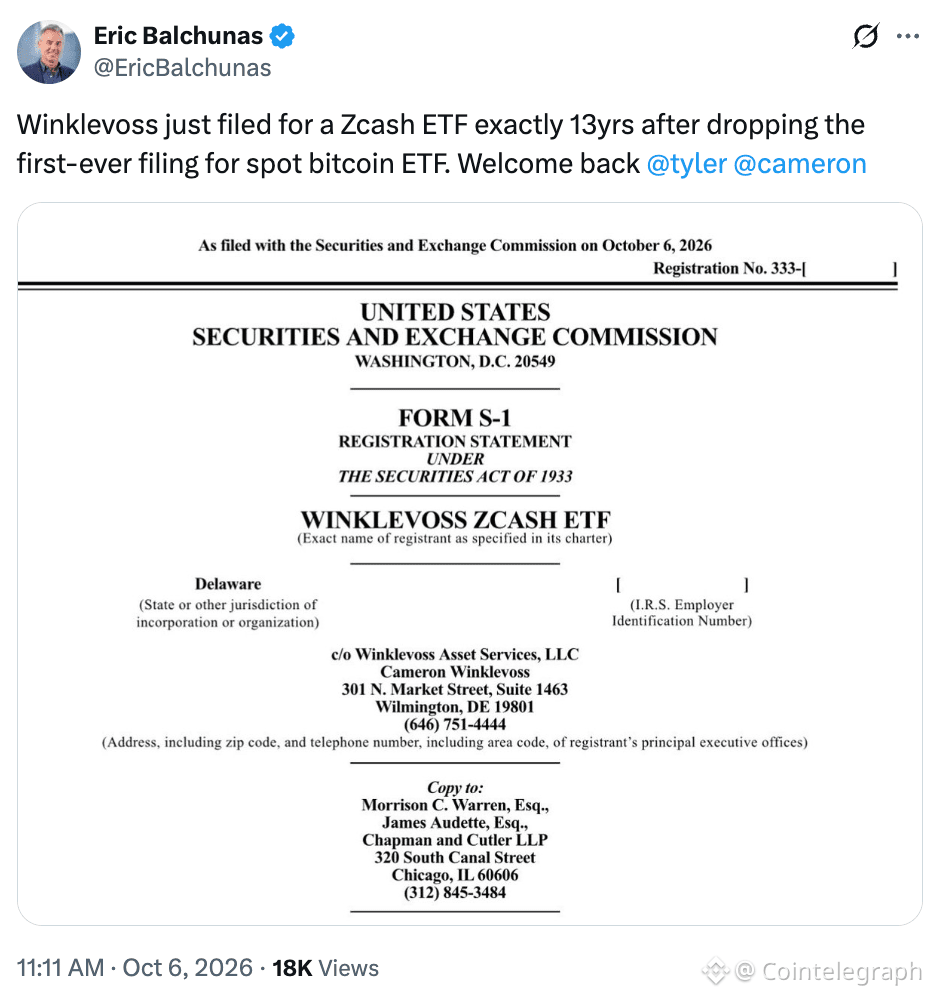
ETF на Zcash с поддержкой братьев Уинклвосс подал документы в SEC для листинга на NasdaqБиржевой фонд (ETF) с поддержкой братьев Уинклвосс, призванный отслеживать цену Zcash, подал регистрационное заявление в Комиссию по ценным бумагам и биржам США (SEC).
Согласно поданным документам, предлагаемый ETF Winklevoss Zcash будет напрямую владеть ZEC и намерен разместить свои акции на фондовой бирже Nasdaq под тикером WINK.
Спонсором фонда выступит Winklevoss Asset Services, а хранение активов ETF в ZEC будет обеспечивать аффилированная с ней компания Gemini Trust Company. Фонд будет взимать ежегодную комиссию спонсора в размере 0,25% и не будет использовать кредитное плечо или деривативы для достижения своей инвестиционной цели.
ETF на Zcash с поддержкой братьев Уинклвосс подал документы в SEC для листинга на Nasdaq
Биржевой фонд (ETF) с поддержкой братьев Уинклвосс, призванный отслеживать цену Zcash, подал регистрационное заявление в Комиссию по ценным бумагам и биржам США (SEC).
Согласно поданным документам, предлагаемый ETF Winklevoss Zcash будет напрямую владеть ZEC и намерен разместить свои акции на фондовой бирже Nasdaq под тикером WINK.
Спонсором фонда выступит Winklevoss Asset Services, а хранение активов ETF в ZEC будет обеспечивать аффилированная с ней компания Gemini Trust Company. Фонд будет взимать ежегодную комиссию спонсора в размере 0,25% и не будет использовать кредитное плечо или деривативы для достижения своей инвестиционной цели.
Согласно поданным документам, предлагаемый ETF Winklevoss Zcash будет напрямую владеть ZEC и намерен разместить свои акции на фондовой бирже Nasdaq под тикером WINK.
Спонсором фонда выступит Winklevoss Asset Services, а хранение активов ETF в ZEC будет обеспечивать аффилированная с ней компания Gemini Trust Company. Фонд будет взимать ежегодную комиссию спонсора в размере 0,25% и не будет использовать кредитное плечо или деривативы для достижения своей инвестиционной цели.
1
944
Статья
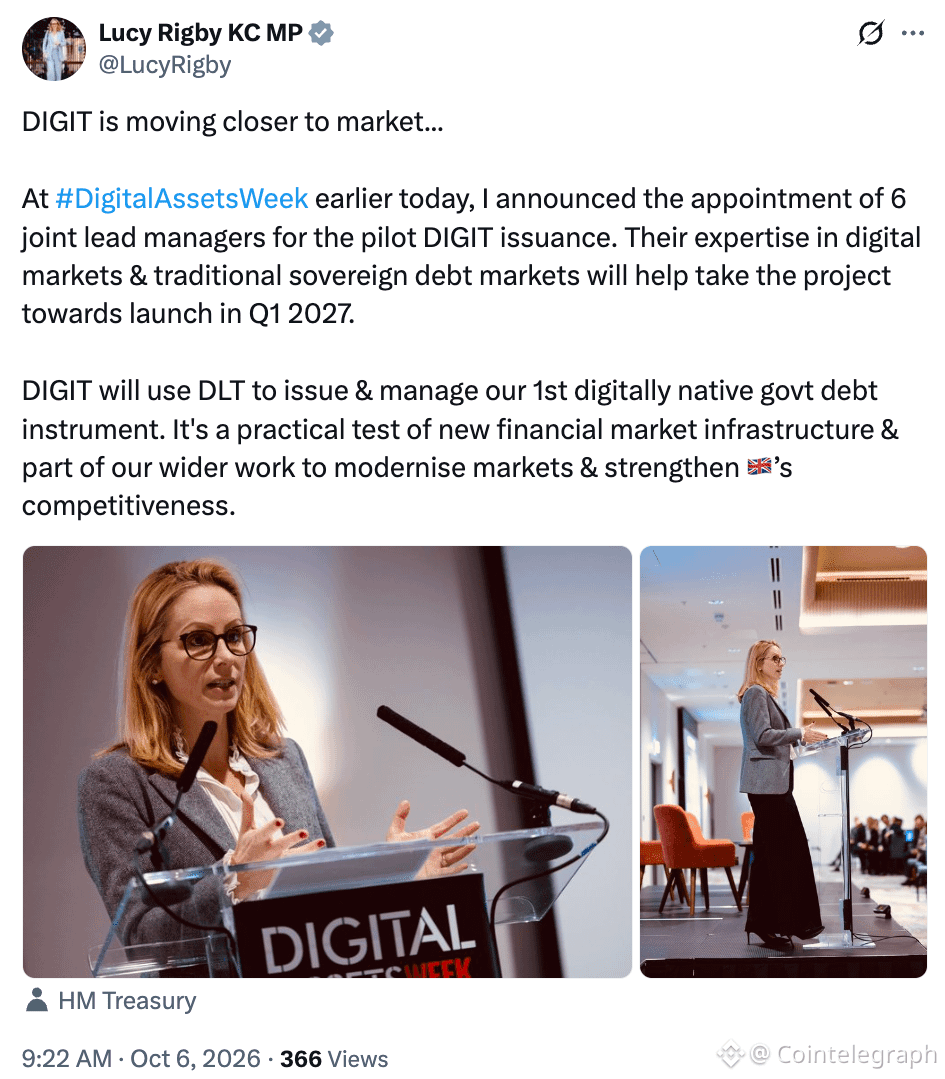
Великобритания назначила 6 банков организаторами выпуска первой государственной облигации, изначально созданной в цифровом форматеПравительство Великобритании назначило шесть крупных банков руководителями выпуска первой государственной облигации, изначально созданной в цифровом формате. Пилотный выпуск ожидается в первом квартале 2027 года.
Barclays, HSBC, Lloyds, Morgan Stanley, NatWest и RBC Capital Markets назначены совместными ведущими организаторами выпуска цифрового государственного долгового инструмента (DIGIT) по итогам конкурентной закупочной процедуры. Экономический секретарь Казначейства Люси Ригби объявила о назначениях во вторник, выступая с ключевым докладом на Неделе цифровых активов Великобритании.
Банки предоставят услуги по андеррайтингу, взаимодействию с инвесторами и распространению пилотного выпуска.
Великобритания назначила 6 банков организаторами выпуска первой государственной облигации, изначально созданной в цифровом формате
Правительство Великобритании назначило шесть крупных банков руководителями выпуска первой государственной облигации, изначально созданной в цифровом формате. Пилотный выпуск ожидается в первом квартале 2027 года.
Barclays, HSBC, Lloyds, Morgan Stanley, NatWest и RBC Capital Markets назначены совместными ведущими организаторами выпуска цифрового государственного долгового инструмента (DIGIT) по итогам конкурентной закупочной процедуры. Экономический секретарь Казначейства Люси Ригби объявила о назначениях во вторник, выступая с ключевым докладом на Неделе цифровых активов Великобритании.
Банки предоставят услуги по андеррайтингу, взаимодействию с инвесторами и распространению пилотного выпуска.
Barclays, HSBC, Lloyds, Morgan Stanley, NatWest и RBC Capital Markets назначены совместными ведущими организаторами выпуска цифрового государственного долгового инструмента (DIGIT) по итогам конкурентной закупочной процедуры. Экономический секретарь Казначейства Люси Ригби объявила о назначениях во вторник, выступая с ключевым докладом на Неделе цифровых активов Великобритании.
Банки предоставят услуги по андеррайтингу, взаимодействию с инвесторами и распространению пилотного выпуска.
170
Проверено
Число счетов цифрового рубля в России превысило 220 тыс. за первый месяц — почти в 4 раза больше прогноза ЦБВ первый месяц после запуска цифровой рубль — цифровая валюта Центрального банка России — получил гораздо более широкое распространение, чем ожидалось: было открыто более 220 000 счетов. Это станет первым испытанием того, смогут ли цифровые валюты центральных банков выйти за рамки пилотных программ и получить реальное распространение.
Как сообщило во вторник агентство Reuters, заместитель управляющего Центрального банка России Зульфия Кахруманова заявила, что этот показатель намного превысил примерно 60 000 счетов, на которые рассчитывали чиновники после запуска цифрового рубля 1 сентября.
Запуск цифрового рубля происходит на фоне того, что БРИКС — объединение крупных развивающихся экономик, в которое входят Россия, Китай и Индия, — изучает способы связать цифровые валюты центральных банков стран-участниц для трансграничных платежей. Как сообщало агентство Reuters, Россия ускорила разработку цифрового рубля после того, как западные санкции, введённые из-за войны в Украине, отрезали страну от части мировой финансовой системы и осложнили расчёты с крупными торговыми партнёрами, включая Китай и Индию.
Число счетов цифрового рубля в России превысило 220 тыс. за первый месяц — почти в 4 раза больше прогноза ЦБ
В первый месяц после запуска цифровой рубль — цифровая валюта Центрального банка России — получил гораздо более широкое распространение, чем ожидалось: было открыто более 220 000 счетов. Это станет первым испытанием того, смогут ли цифровые валюты центральных банков выйти за рамки пилотных программ и получить реальное распространение.
Как сообщило во вторник агентство Reuters, заместитель управляющего Центрального банка России Зульфия Кахруманова заявила, что этот показатель намного превысил примерно 60 000 счетов, на которые рассчитывали чиновники после запуска цифрового рубля 1 сентября.
Запуск цифрового рубля происходит на фоне того, что БРИКС — объединение крупных развивающихся экономик, в которое входят Россия, Китай и Индия, — изучает способы связать цифровые валюты центральных банков стран-участниц для трансграничных платежей. Как сообщало агентство Reuters, Россия ускорила разработку цифрового рубля после того, как западные санкции, введённые из-за войны в Украине, отрезали страну от части мировой финансовой системы и осложнили расчёты с крупными торговыми партнёрами, включая Китай и Индию.
Как сообщило во вторник агентство Reuters, заместитель управляющего Центрального банка России Зульфия Кахруманова заявила, что этот показатель намного превысил примерно 60 000 счетов, на которые рассчитывали чиновники после запуска цифрового рубля 1 сентября.
Запуск цифрового рубля происходит на фоне того, что БРИКС — объединение крупных развивающихся экономик, в которое входят Россия, Китай и Индия, — изучает способы связать цифровые валюты центральных банков стран-участниц для трансграничных платежей. Как сообщало агентство Reuters, Россия ускорила разработку цифрового рубля после того, как западные санкции, введённые из-за войны в Украине, отрезали страну от части мировой финансовой системы и осложнили расчёты с крупными торговыми партнёрами, включая Китай и Индию.
1
324
Законопроект призван запретить законодателям США делать ставки на собственные выборы перед промежуточными выборамиЗаконодатель Северной Каролины представил законопроект, призванный помешать политикам использовать платформы рынков прогнозов, чтобы потенциально получать прибыль от собственных выборов.
В понедельник конгрессмен Дон Дэвис представил законопроект «Запрет ставок на собственные выборы», который запрещает федеральным кандидатам, их избирательным штабам, супругам и детям «покупать, продавать, приобретать, отчуждать или удерживать контракты», связанные с их выборами. По словам Дэвиса, законопроект призван предотвратить вмешательство в работу рынков, инсайдерскую торговлю и попытки законодателей «нажиться» на выборах. За каждое нарушение предлагается ввести гражданский штраф в размере 10 000 долларов или втрое больше возможной финансовой выгоды.
Законопроект призван запретить законодателям США делать ставки на собственные выборы перед промежуточными выборами
Законодатель Северной Каролины представил законопроект, призванный помешать политикам использовать платформы рынков прогнозов, чтобы потенциально получать прибыль от собственных выборов.
В понедельник конгрессмен Дон Дэвис представил законопроект «Запрет ставок на собственные выборы», который запрещает федеральным кандидатам, их избирательным штабам, супругам и детям «покупать, продавать, приобретать, отчуждать или удерживать контракты», связанные с их выборами. По словам Дэвиса, законопроект призван предотвратить вмешательство в работу рынков, инсайдерскую торговлю и попытки законодателей «нажиться» на выборах. За каждое нарушение предлагается ввести гражданский штраф в размере 10 000 долларов или втрое больше возможной финансовой выгоды.
В понедельник конгрессмен Дон Дэвис представил законопроект «Запрет ставок на собственные выборы», который запрещает федеральным кандидатам, их избирательным штабам, супругам и детям «покупать, продавать, приобретать, отчуждать или удерживать контракты», связанные с их выборами. По словам Дэвиса, законопроект призван предотвратить вмешательство в работу рынков, инсайдерскую торговлю и попытки законодателей «нажиться» на выборах. За каждое нарушение предлагается ввести гражданский штраф в размере 10 000 долларов или втрое больше возможной финансовой выгоды.
112
Статья
Состоятельные инвесторы намерены увеличить вложения в криптовалюты: опросСогласно новому опросу CoinShares, большинство состоятельных инвесторов в семи крупнейших экономиках владеют цифровыми активами, на которые в среднем приходится около 10% их портфелей.
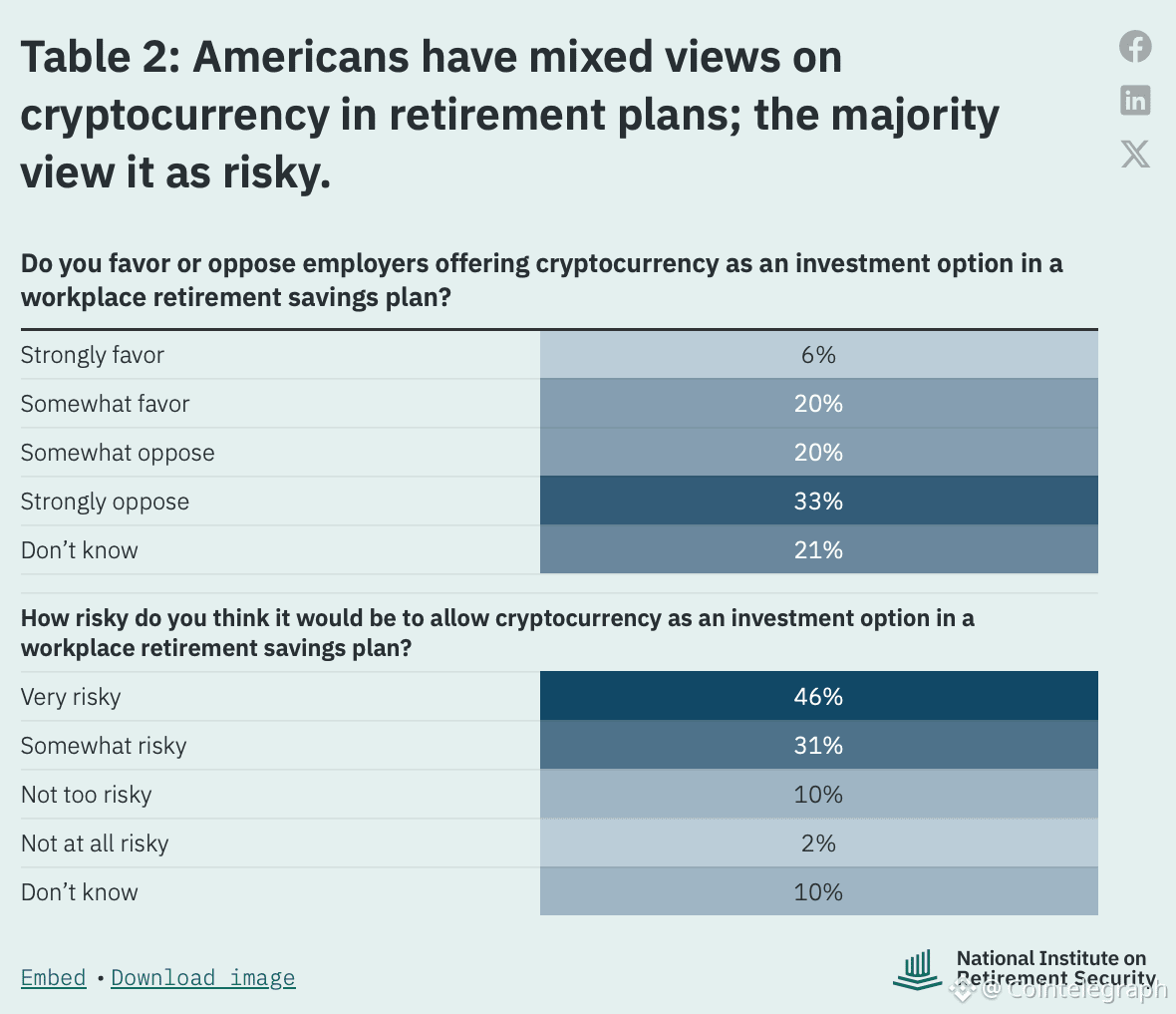
В опросе приняли участие 2 230 инвесторов с активами для инвестирования на сумму не менее $500 000 из США, Великобритании, Франции, Германии, Италии, Швеции и Швейцарии. Доля владельцев цифровых активов составляла от 54% в Швеции до примерно 70% в США, Великобритании, Германии и Швейцарии.
Не менее 85% нынешних инвесторов в цифровые активы в пяти из семи стран заявили, что планируют увеличить свои вложения в 2026 году; в США, Великобритании и Германии этот показатель достигает 91%.
Состоятельные инвесторы намерены увеличить вложения в криптовалюты: опрос
Согласно новому опросу CoinShares, большинство состоятельных инвесторов в семи крупнейших экономиках владеют цифровыми активами, на которые в среднем приходится около 10% их портфелей.
В опросе приняли участие 2 230 инвесторов с активами для инвестирования на сумму не менее $500 000 из США, Великобритании, Франции, Германии, Италии, Швеции и Швейцарии. Доля владельцев цифровых активов составляла от 54% в Швеции до примерно 70% в США, Великобритании, Германии и Швейцарии.
Не менее 85% нынешних инвесторов в цифровые активы в пяти из семи стран заявили, что планируют увеличить свои вложения в 2026 году; в США, Великобритании и Германии этот показатель достигает 91%.
В опросе приняли участие 2 230 инвесторов с активами для инвестирования на сумму не менее $500 000 из США, Великобритании, Франции, Германии, Италии, Швеции и Швейцарии. Доля владельцев цифровых активов составляла от 54% в Швеции до примерно 70% в США, Великобритании, Германии и Швейцарии.
Не менее 85% нынешних инвесторов в цифровые активы в пяти из семи стран заявили, что планируют увеличить свои вложения в 2026 году; в США, Великобритании и Германии этот показатель достигает 91%.
1
160
Войдите, чтобы посмотреть больше материала
Присоединяйтесь к пользователям криптовалют по всему миру на Binance Square
⚡️ Получайте новейшую и полезную информацию о криптоактивах.
💬 Нам доверяет крупнейшая в мире криптобиржа.
👍 Получите достоверные аналитические данные от верифицированных создателей контента.
Эл. почта/номер телефона
В тренде
fomcотслеживание
Просмотров: 48,441
411 обсуждают
Когда все ждут FOMC я просто соблюдаю правило 2%
Сегодня все вокруг сходят с ума. ФРС, ставки, волатильность. Толпа гадает, куда полетит BTC. Кто-то заходит на всю котлету с плечом x50, чтобы «поймать движение».
А я в такие дни просто наблюдаю. Потому что знаю: в моменты новостей рынок убивает не только тех, кто угадал не то направление. Он убивает тех, кто рискует слишком много.
Если ты поставил на кон больше 2% от депозита, ты не трейдер. Ты игрок в казино, который надеется на удачу.
Мой совет на сегодня простой, не торгуй на новостях. Если уже в позиции проверь свои стопы. Если нет сиди в стороне. Рынок никуда не убежит.
А вы как переживаете FOMC? Сидите в стороне или ловите волатильность? Пишите в комментариях.
$BTC $ETH #fomcотслеживание #рискменеджмент #крипта #психология
KeylessMind
·Лайков: 1
·Просмотров: 719
ПротоколFOMC
Просмотров: 36,357
180 обсуждают
FedMinutesFocusOnOctoberPause
Просмотров: 22,243
431 обсуждают