
Imagine waking up one day to find out that the bank holding your savings has lost millions, and your money might disappear. Scary, right? This is exactly what happened during the 2008 financial crisis, and this is why Bitcoin was created,to give people full control over their money without relying on banks.
1. When Banks Failed: The 2008 Financial Crisis
In 2008, major banks around the world made risky investments. When people couldn’t repay their loans, banks started losing massive amounts of money. Governments had to step in and save them using taxpayers’ money.
Main Problems:
Banks could fail, leaving people at risk of losing money.
Ordinary people often couldn’t access loans or banking services.
Inflation caused by government money printing could reduce the value of savings.
Lesson: Relying entirely on banks is risky.
2. Satoshi Nakamoto’s Revolutionary Idea
During this crisis, someone (or a group) using the name Satoshi Nakamoto introduced the concept of Bitcoin. The idea was simple yet revolutionary:
A digital currency that doesn’t need banks.
People can send money directly to each other.
No government or company can control it.
Security is ensured through cryptography and computer code, not trust.
Example:
If you buy candy and pay cash, no bank is involved. Bitcoin works the same way online.
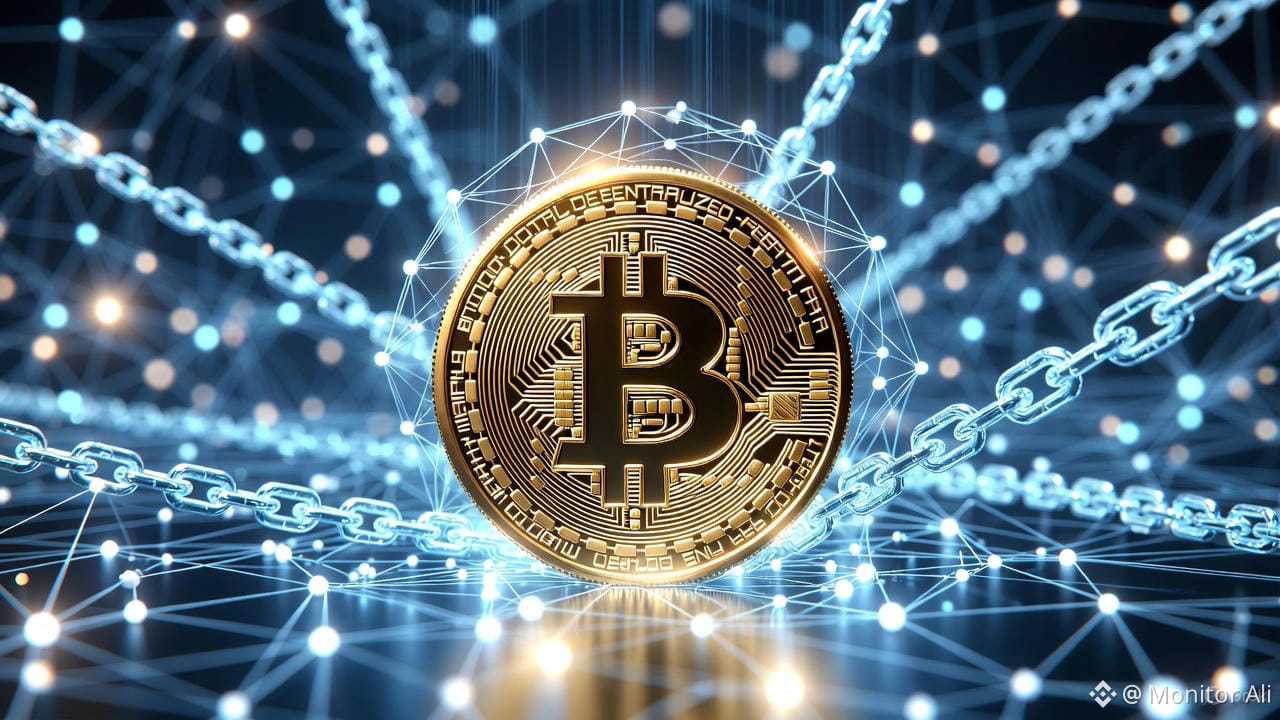
3. How Bitcoin Actually Works
Bitcoin uses a technology called blockchain. A chain of records where every transaction is stored and impossible to alter retrospectively.
Key Features:
Mining: Computers worldwide verify transactions and earn Bitcoin as a reward.
Limited Supply: Only 21 million Bitcoins will ever exist, preventing inflation.
Transparency: Everyone can see transactions, but personal identities remain private.
4. Why the World Needed Bitcoin
Bitcoin was not just another technology it was a response to the financial crisis:
No banks required: People can transact without intermediaries.
Protected from bank failures: Your money stays safe.
Transparent system: Every transaction is visible, reducing fraud.
Limited supply: Bitcoin prevents inflation unlike traditional money printing.
5. Bitcoin: A New Way to Think About Money
Bitcoin showed the world a new approach to finance. Instead of trusting banks or governments, people could trust the system itself.
Inspired hundreds of other cryptocurrencies.
Encouraged companies to explore decentralized finance (DeFi) solutions.
Enabled global, peer-to-peer transactions without middlemen.
6. Conclusion: The Financial Revolution
The 2008 financial crisis revealed the flaws of traditional banking, leaving people vulnerable. Bitcoin provided an alternative: a digital, decentralized, secure form of money.
It gives people control over their finances, allows sending money worldwide, and eliminates reliance on banks. Bitcoin is not just a coinit’s a financial revolution, a new way of thinking about money in a world where trust in traditional institutions had failed.
Part: 02 coming soon
by @Monitor Ali
