
Sovereign blockchain infrastructure is no longer just a concept .it’s becoming a priority. Countries are starting to realize that control over identity, financial systems, and data is not optional anymore. It’s strategic. That’s exactly where Sign is positioning itself.
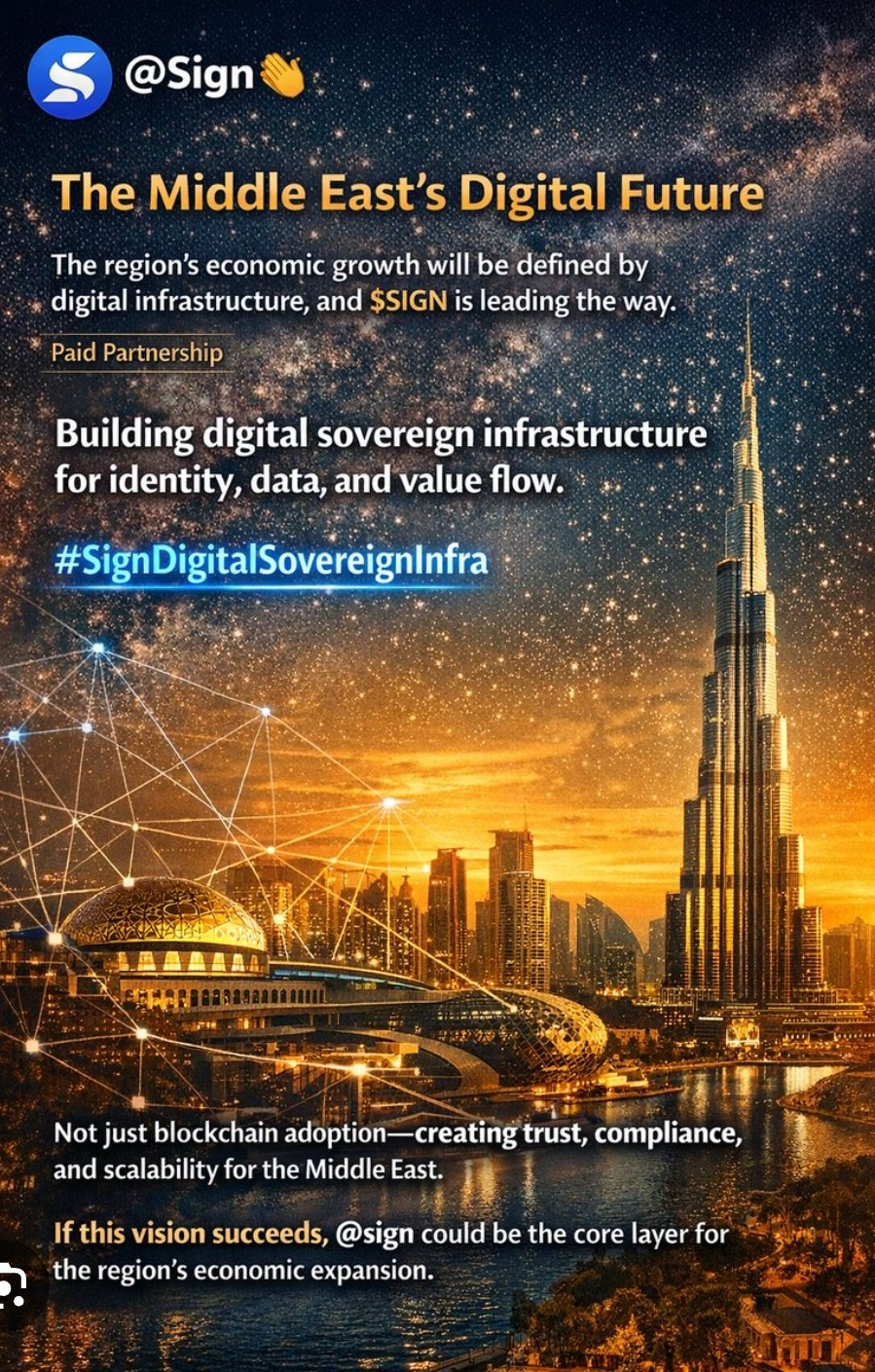
What makes Sign relevant right now is timing. Regions like the Middle East are moving fast toward digital transformation, but they want systems they can control not depend on. This is where Sign fits. It offers a framework for verifiable identity, programmable finance, and tokenized assets, all under national ownership.
But this isn’t happening in isolation.
Projects like ADI Foundation are building similar infrastructure through ADI Chain, backed by institutions like First Abu Dhabi Bank and ADQ. MultiversX is also pushing sovereign chains, giving institutions full control over their own networks. The direction is clear—everyone is moving toward systems that combine independence with interoperability.
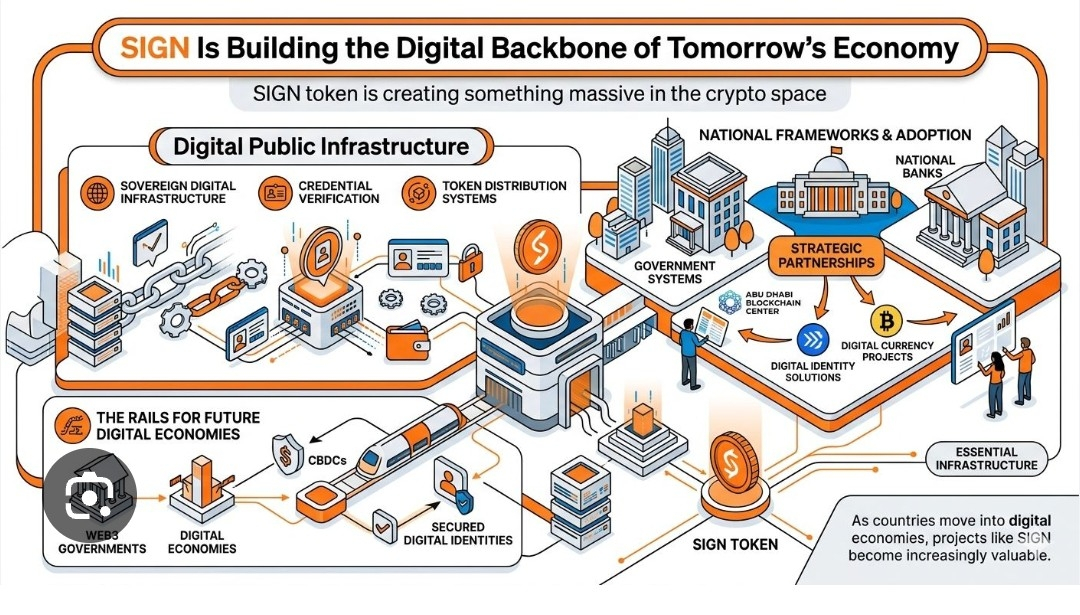
On a global level, the shift is already underway. The Bank for International Settlements is working on projects like mBridge, while initiatives like EuroStack show that digital independence is becoming a global priority.
That’s why the Middle East matters so much. Cities like Abu Dhabi are not just experimenting they’re deploying real systems backed by capital and regulation.
But at this stage, one thing matters more than everything else: usage.
Not who has the best architecture. Not who explains it better. But who actually gets used.
Sign has the right positioning and a strong direction. But in a space like this, relevance doesn’t come from vision alone. It comes when governments, institutions, and users start relying on it daily when it becomes part of real workflows, not just a well-structured idea.
That’s the line between being promising and being necessary.