
A few nights ago I was just casually testing different AI tools, jumping between platforms without much expectation. One would generate images in seconds another would answer complex questions almost too quickly. On the surface, everything felt like progress. But while going through all of that my mind kept circling back to @OpenLedger and what it’s actually trying to build underneath all this noise.
Most people only ever see the output layer of AI. They interact with apps, chatbots, generators and assume that’s the whole story. But the more I used these tools, the more I started thinking about OpenLedger and the invisible systems holding everything together behind the scenes.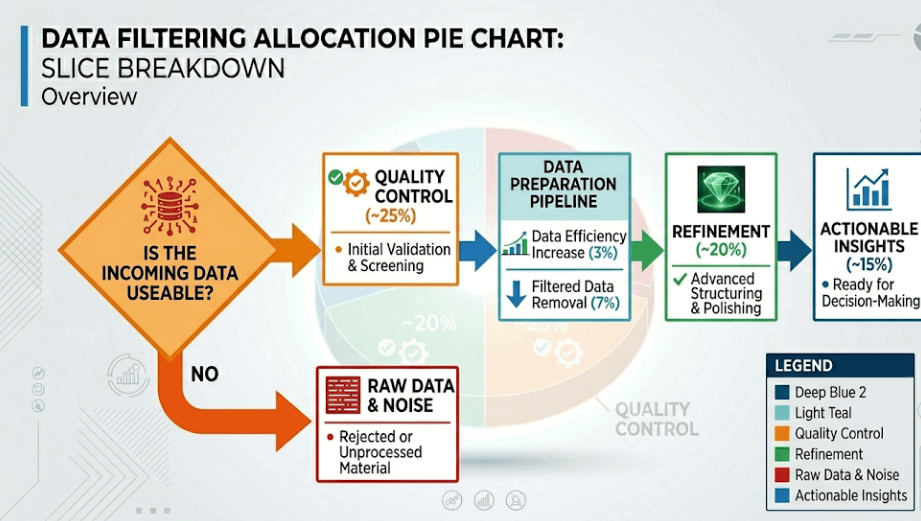
What stood out to me was how fragile some of these tools actually are once real usage kicks in. A few platforms I tried started lagging almost immediately under pressure. One looked perfect in a demo but broke during normal use. That contrast kept bringing me back to OpenLedger because it feels focused on the part most users never think about until something fails.
OpenLedger doesn’t really come across like it’s chasing attention in the usual way. A lot of projects talk about smarter models and better outputs but OpenLedger seems more interested in what happens after all that. How systems stay stable. How they scale. How everything keeps working when usage is no longer small or controlled.
And that’s where it starts to matter more.
Because AI doesn’t stay in the “cool experiment” phase for long. It eventually becomes something people rely on without thinking. At that point, OpenLedger type infrastructure starts to matter more than the model itself. Coordination, execution layers, deployment reliability, accountability and all of that becomes the real foundation.
It honestly reminds me of how the early internet evolved.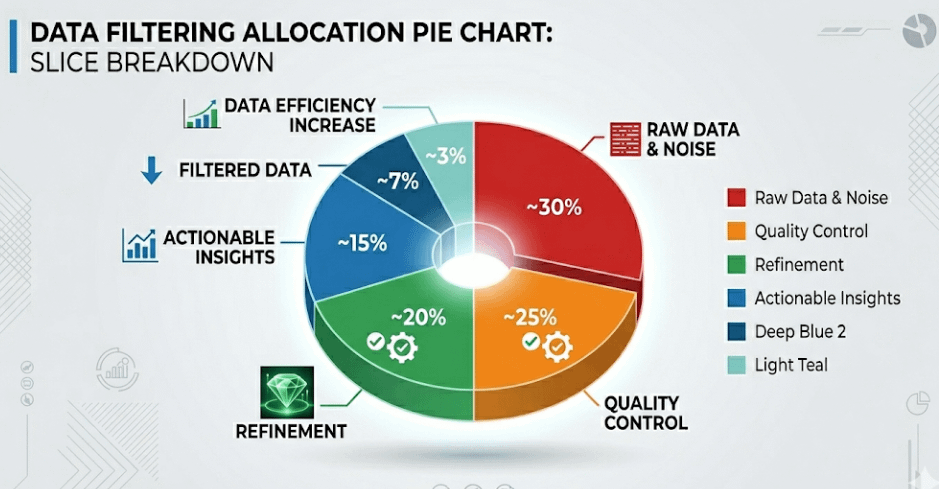
People first cared about websites and apps. That was the visible part. But the real long term value ended up in the infrastructure layers that nobody talked about at the time. Hosting, cloud systems and backend networks. The same kind of invisible backbone thinking is what I keep associating with OpenLedger right now.
What I find interesting is that infrastructure always looks “less exciting” at first. OpenLedger doesn’t rely on hype in the same way application-layer projects do. But that’s kind of the point. Infrastructure only gets attention when it breaks not when it works. And when it works properly, everything built on top of it quietly becomes possible.
The more I think about AI scaling globally, the more I feel like the real bottleneck won’t be intelligence. It will be stability. Coordination. Execution at scale. And that’s exactly the space OpenLedger seems to be positioning itself around.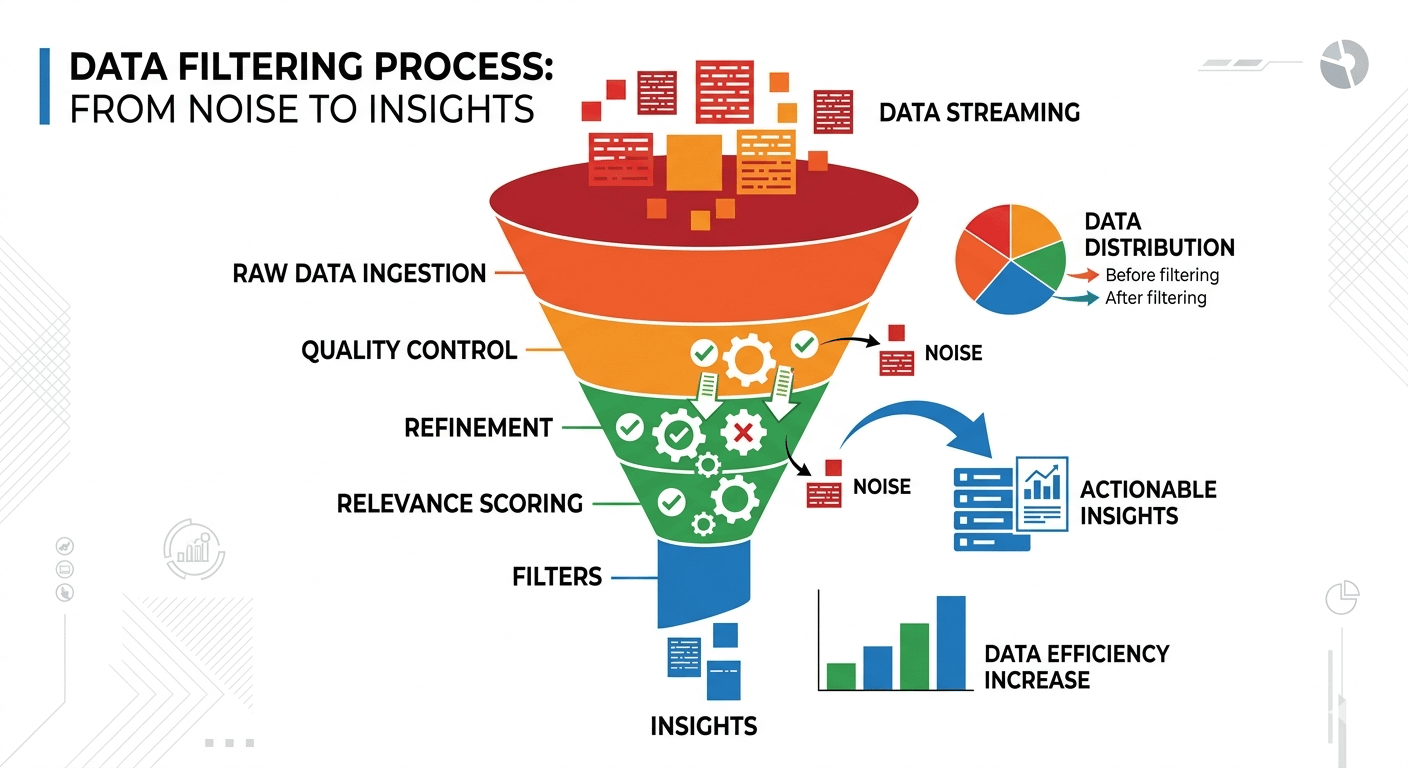
Maybe the biggest shift in AI won’t come from a model getting slightly smarter.
Maybe it will come from OpenLedger and similar systems finally making it possible for AI to run reliably in the real world without constantly falling apart under pressure.
That’s the part most people still underestimate. And that’s why OpenLedger keeps coming back into my thinking more than anything else in this space.