
🌍 Introduction: A Market Driven by War#OilImpactOnCrypto
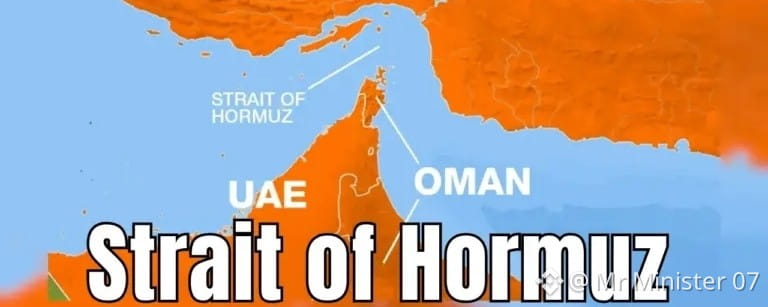
In 2026, global financial markets are no longer reacting only to economic data—they are being driven by geopolitical conflict, especially tensions around the Strait of Hormuz.
As oil prices surge due to supply fears, the crypto market—led by Bitcoin—is facing intense volatility. This article breaks down how war, energy markets, and digital assets are now deeply connected.
🛢️ Oil Prices Surge: The Root of the Shock
The Strait of Hormuz handles nearly 20% of global oil supply, making it one of the most critical energy routes in the world.
Key Developments:
War tensions disrupted oil shipments
Prices spiked sharply during peak conflict
Even after ceasefire attempts, oil remains elevated
👉 Result: 🔰
Energy markets are unstable—and that instability spreads globally
📉 Crypto Market Reaction: Immediate Pressure .
Cryptocurrencies are considered risk assets, meaning they react quickly to global fear.
What Happened:
Bitcoin dropped during initial war panic
Altcoins saw deeper losses due to lower liquidity
Massive liquidations hit leveraged traders
👉 Market Behavior:
War → Fear → Investors exit risky markets → Crypto declines
🔥 Inflation Chain Reaction 🔰
Rising oil prices don’t just affect fuel—they trigger a wider economic effect.
Economic Flow:#IranHormuzCryptoFees
Oil prices increase
Transportation and production costs rise
Inflation accelerates globally
Central banks maintain or increase interest rates
👉 Impact on Crypto:
Higher interest rates reduce liquidity, leading to less investment in crypto markets
💵 The Strong Dollar Effect
During global crises, investors move toward safer assets like the US dollar.
Strong dollar reduces demand for crypto
Global investors shift away from volatile assets
Crypto market faces additional downward pressure
👉 Insight:
Crypto struggles when traditional safe-haven assets dominate
⚡ Volatility Becomes the New Normal
Despite bearish pressure, crypto markets are not moving in one direction—they are highly volatile.
Rapid price swings based on war headlines
Sudden rebounds followed by sharp corrections
Increased uncertainty for traders
Even during conflict, Bitcoin has shown resilience, occasionally rebounding faster than traditional markets.
🪙 The Hidden Bullish Case for Crypto
While short-term pressure is clear, long-term trends suggest a different story.
Why Crypto Could Benefit:
Sanctions push countries toward decentralized finance
Cross-border payments become difficult → crypto demand rises
Trust in traditional banking systems weakens
👉 Example:
Countries under economic pressure increasingly explore crypto for trade and transactions
⛏️ Mining & Energy Costs
Rising oil prices also impact crypto mining:
Electricity costs increase in some regions
Mining profitability may shrink
However, global mining remains adaptable
👉 Key Point:
Price volatility matters more than mining cost in current conditions
📊 Market Outlook: What Comes Next?
Short-Term:
High volatility
Bearish pressure due to macro uncertainty
Mid-Term:
Market stabilization if conflict reduces
Gradual recovery possible
Long-Term#IranClosesHormuzAgain :
Crypto may emerge stronger as a global alternative financial system
⚠️ Final Conclusion
The 2026 global market is shaped by a powerful chain reaction:
War → Oil Prices ↑ → Inflation ↑ → Interest Rates ↑ → Crypto ↓
However, beneath the surface, crypto is evolving into more than just a speculative asset—it is becoming a strategic financial tool in times of crisis.
👉 Final Insight:
While the short-term outlook remains uncertain, the long-term trajectory of Bitcoin and the crypto market could be stronger than ever in a world defined by instability.