

Hamdan7 Crypto
218 ပို့စ်များ

Hamdan7 Crypto
တိုင်ကြားမည်
သုံးစွဲသူကို ဘလော့မည်
📊 Crypto | Markets | Breaking News 🚀 Turning Market Moves Into Simple Insights 💡 Stay Informed. Stay Ahead. 🌍 Global Markets • Crypto • Finance "NFA"
Open Trade
1.2 Months
234 ဖော်လိုလုပ်ထားသည်
196 ဖော်လိုလုပ်သူများ
73 လိုက်ခ်လုပ်ထားသည်
ပို့စ်များ
ပိုင်ဆိုင်မှုစာရင်း
#XRPPostsFirstThreeGreenMonthsInQ3
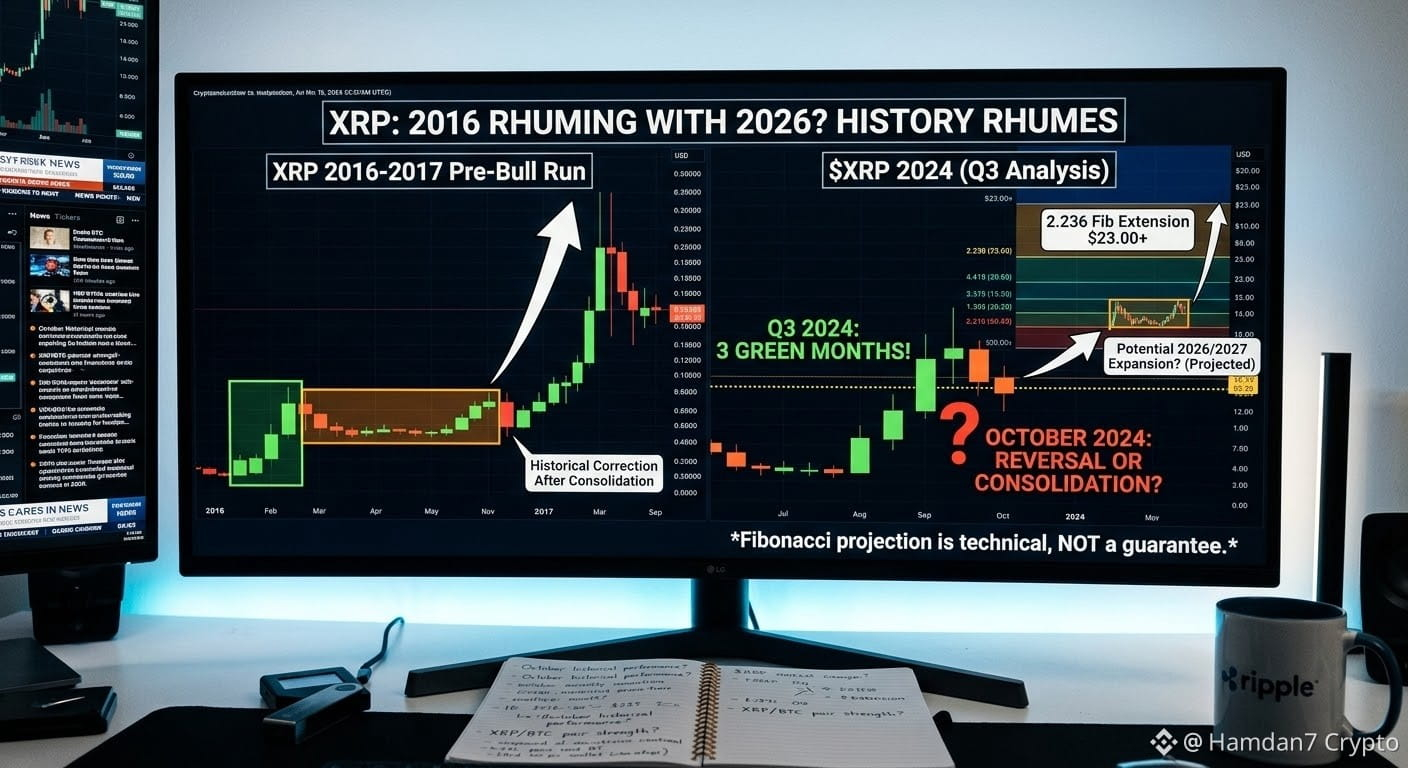
🚨$XRP: 2016 RHYMING WITH 2026? 👀
XRP just closed July, August and September in the green — its first-ever three-month green Q3 sequence.
And this is where the 2016 comparison gets interesting.
In early 2016, XRP also printed three consecutive green monthly candles, followed by a long period of consolidation before the major 2017 expansion.
Now October enters the picture.
📉 Historical data shows October has often been a difficult month for XRP, so a red or choppy October would not automatically invalidate the bigger structure.
The key question is:
Is October a reversal — or simply another consolidation phase?
Some analysts are also watching the upper Fibonacci structure, with 2.236 around $23 in this cycle.
🎯 That is a technical projection, NOT a guarantee.
History doesn’t repeat perfectly — but sometimes it rhymes. 🔥
What happens next for $XRP? 👇
#XRP #Ripple #Crypto #Altcoins #XRPArmy #CryptoNews #Trading #CryptoTrading #TechnicalAnalysis #Bitcoin #BTC
#XRPPostsFirstThreeGreenMonthsInQ3
🚨$XRP: 2016 RHYMING WITH 2026? 👀
XRP just closed July, August and September in the green — its first-ever three-month green Q3 sequence.
And this is where the 2016 comparison gets interesting.
In early 2016, XRP also printed three consecutive green monthly candles, followed by a long period of consolidation before the major 2017 expansion.
Now October enters the picture.
📉 Historical data shows October has often been a difficult month for XRP, so a red or choppy October would not automatically invalidate the bigger structure.
The key question is:
Is October a reversal — or simply another consolidation phase?
Some analysts are also watching the upper Fibonacci structure, with 2.236 around $23 in this cycle.
🎯 That is a technical projection, NOT a guarantee.
History doesn’t repeat perfectly — but sometimes it rhymes. 🔥
What happens next for $XRP? 👇
#XRP #Ripple #Crypto #Altcoins #XRPArmy #CryptoNews #Trading #CryptoTrading #TechnicalAnalysis #Bitcoin #BTC
🚨$XRP: 2016 RHYMING WITH 2026? 👀
XRP just closed July, August and September in the green — its first-ever three-month green Q3 sequence.
And this is where the 2016 comparison gets interesting.
In early 2016, XRP also printed three consecutive green monthly candles, followed by a long period of consolidation before the major 2017 expansion.
Now October enters the picture.
📉 Historical data shows October has often been a difficult month for XRP, so a red or choppy October would not automatically invalidate the bigger structure.
The key question is:
Is October a reversal — or simply another consolidation phase?
Some analysts are also watching the upper Fibonacci structure, with 2.236 around $23 in this cycle.
🎯 That is a technical projection, NOT a guarantee.
History doesn’t repeat perfectly — but sometimes it rhymes. 🔥
What happens next for $XRP? 👇
#XRP #Ripple #Crypto #Altcoins #XRPArmy #CryptoNews #Trading #CryptoTrading #TechnicalAnalysis #Bitcoin #BTC
37
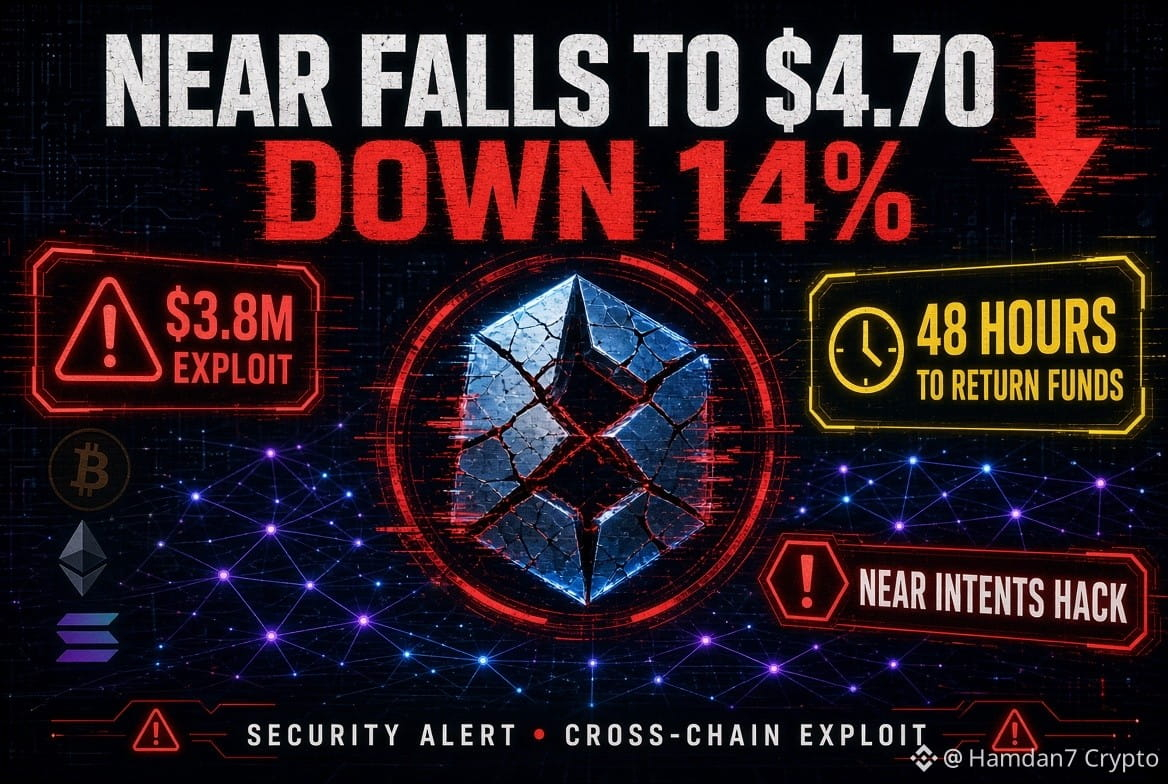
#NEARFallsToAround$4.70Down14%
🚨$3.8M NEAR INTENTS EXPLOIT — 48 HOURS TO RETURN THE FUNDS
A major security incident has put $NEAR under pressure.
NEAR Intents suffered an exploit involving a bug in the interaction between its Omni deposit/withdrawal infrastructure and a NEAR Intents smart contract. The preliminary loss was reported at around $3.8 million.
Now comes the biggest development:
🚨 NEAR Intents GM Alex Shevchenko says the team has identified the person behind the exploit.
The suspected attacker has been given 48 hours to return the funds through a responsible-disclosure process.
“This is the last window to use it.”
The team has also published return addresses across Bitcoin, BNB/Ethereum and Solana. As of the latest reports, there was no confirmation that the stolen funds had been returned.
⚠️ WHY $NEAR IS UNDER PRESSURE
The exploit adds fresh security concerns around cross-chain infrastructure.
NEAR Intents has said the contract vulnerability was patched and that affected users would be fully compensated. The team also said it was working with security and blockchain-analysis partners to trace the funds.
Blockchain tracking has reportedly followed the majority of the stolen funds, with a significant portion moved into Bitcoin.
👀 NOW WATCH THESE 3 THINGS
1️⃣ Will the $3.8M be returned within 48 hours?
2️⃣ How much of the stolen crypto can actually be recovered?
3️⃣ Can $NEAR stabilize after the sharp sell-off?
This is no longer just a price story.
It is a security + recovery + confidence story for the NEAR ecosystem.
🔥 The next 48 hours could be critical for the recovery effort and market sentiment around $NEAR.
What do you think?
Will the attacker return the funds — or move them further? 👇
#NEAR #NEARProtocol #NEARIntents #CryptoHack #CryptoSecurity #DeFi #Altcoins #CryptoNews #Blockchain #Web3 #BTC #ETH #SOL #Trading #CryptoMarket
#NEARFallsToAround$4.70Down14%
🚨$3.8M NEAR INTENTS EXPLOIT — 48 HOURS TO RETURN THE FUNDS
A major security incident has put $NEAR under pressure.
NEAR Intents suffered an exploit involving a bug in the interaction between its Omni deposit/withdrawal infrastructure and a NEAR Intents smart contract. The preliminary loss was reported at around $3.8 million.
Now comes the biggest development:
🚨 NEAR Intents GM Alex Shevchenko says the team has identified the person behind the exploit.
The suspected attacker has been given 48 hours to return the funds through a responsible-disclosure process.
“This is the last window to use it.”
The team has also published return addresses across Bitcoin, BNB/Ethereum and Solana. As of the latest reports, there was no confirmation that the stolen funds had been returned.
⚠️ WHY $NEAR IS UNDER PRESSURE
The exploit adds fresh security concerns around cross-chain infrastructure.
NEAR Intents has said the contract vulnerability was patched and that affected users would be fully compensated. The team also said it was working with security and blockchain-analysis partners to trace the funds.
Blockchain tracking has reportedly followed the majority of the stolen funds, with a significant portion moved into Bitcoin.
👀 NOW WATCH THESE 3 THINGS
1️⃣ Will the $3.8M be returned within 48 hours?
2️⃣ How much of the stolen crypto can actually be recovered?
3️⃣ Can $NEAR stabilize after the sharp sell-off?
This is no longer just a price story.
It is a security + recovery + confidence story for the NEAR ecosystem.
🔥 The next 48 hours could be critical for the recovery effort and market sentiment around $NEAR.
What do you think?
Will the attacker return the funds — or move them further? 👇
#NEAR #NEARProtocol #NEARIntents #CryptoHack #CryptoSecurity #DeFi #Altcoins #CryptoNews #Blockchain #Web3 #BTC #ETH #SOL #Trading #CryptoMarket
🚨$3.8M NEAR INTENTS EXPLOIT — 48 HOURS TO RETURN THE FUNDS
A major security incident has put $NEAR under pressure.
NEAR Intents suffered an exploit involving a bug in the interaction between its Omni deposit/withdrawal infrastructure and a NEAR Intents smart contract. The preliminary loss was reported at around $3.8 million.
Now comes the biggest development:
🚨 NEAR Intents GM Alex Shevchenko says the team has identified the person behind the exploit.
The suspected attacker has been given 48 hours to return the funds through a responsible-disclosure process.
“This is the last window to use it.”
The team has also published return addresses across Bitcoin, BNB/Ethereum and Solana. As of the latest reports, there was no confirmation that the stolen funds had been returned.
⚠️ WHY $NEAR IS UNDER PRESSURE
The exploit adds fresh security concerns around cross-chain infrastructure.
NEAR Intents has said the contract vulnerability was patched and that affected users would be fully compensated. The team also said it was working with security and blockchain-analysis partners to trace the funds.
Blockchain tracking has reportedly followed the majority of the stolen funds, with a significant portion moved into Bitcoin.
👀 NOW WATCH THESE 3 THINGS
1️⃣ Will the $3.8M be returned within 48 hours?
2️⃣ How much of the stolen crypto can actually be recovered?
3️⃣ Can $NEAR stabilize after the sharp sell-off?
This is no longer just a price story.
It is a security + recovery + confidence story for the NEAR ecosystem.
🔥 The next 48 hours could be critical for the recovery effort and market sentiment around $NEAR.
What do you think?
Will the attacker return the funds — or move them further? 👇
#NEAR #NEARProtocol #NEARIntents #CryptoHack #CryptoSecurity #DeFi #Altcoins #CryptoNews #Blockchain #Web3 #BTC #ETH #SOL #Trading #CryptoMarket
92
Article
#NFPWatch 🚨
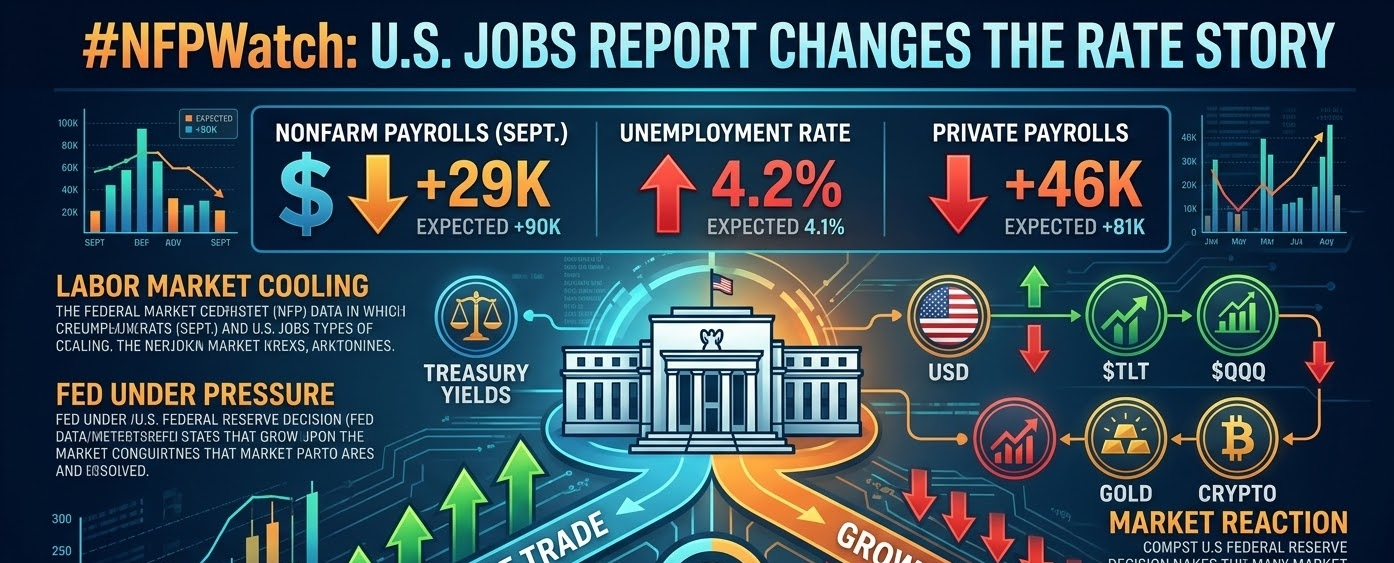
US JOBS DATA JUST CHANGED THE RATE STORYSeptember’s U.S. jobs report delivered a major downside surprise.
🇺🇸 Nonfarm Payrolls: +29K vs +90K expected
📉 Unemployment Rate: 4.2% vs 4.1% expected
💼 Private Payrolls: +46K vs +81K expected
💵 Wage Growth: 3.0% YoY vs 3.1% expected
The message is clear: the U.S. labor market is cooling.
The biggest market question now is whether this becomes a Fed-relief trade or a growth scare.
📉 Why markets care
A weaker labor market can reduce pressure on the Federal Reserve to keep rates higher for longer.
That can mean:
🔹 Treasury yields → potentially lower
🔹 USD → potentially weaker
🔹 $TLT → potentially supported
🔹 $QQQ / $NDX → potentially supported by lower yields
🔹 Gold → supported if yields and the dollar continue falling
🔹 Small caps → more complicated because weaker employment can hurt growth expectations
Reuters reported that the softer jobs data triggered a rebound in stocks and bonds while market expectations for another Fed rate hike pulled back.
⚠️ But here is the REAL SIGNAL
Weak jobs data is not automatically bullish.
If yields fall and tech stocks rise, the market is saying:
“Lower rates are good.”
But if yields fall while equities continue selling off, the message becomes:
“Growth is deteriorating too quickly.”
That distinction could define the next major move.
👀 Crypto traders should watch
For crypto, the important chain is:
Weak Jobs → Lower Rate Expectations → Lower Yields → Liquidity/Risk Appetite → BTC & Altcoins
But confirmation matters.
Watch:
₿ $BTC
♦️ $ETH
🟡 $BNB
⚡ $SOL
📊 $QNT
🚀 $HYPE
If yields continue lower while risk assets strengthen, crypto could receive another macro tailwind.
But if the jobs weakness starts creating serious growth fears, volatility can rise across both traditional markets and crypto.
🎯 THE BIG TAKEAWAY
The Fed story just became more complicated.
The labor market is clearly showing signs of cooling, but investors now have to decide whether this is simply enough weakness to ease rate pressure — or the beginning of a deeper growth slowdown.
Rates are the key.
Yields are the confirmation.
Risk assets are the reaction.
🔥 What do you think — Fed relief or growth scare?
#NFP #NFPWatch #FederalReserve #Fed #InterestRates #Bitcoin #BTC #Ethereum #ETH #Crypto #Altcoins #QQQ #Gold #USD #Trading #Macro #CryptoMarket
#NFPWatch 🚨 US JOBS DATA JUST CHANGED THE RATE STORY
September’s U.S. jobs report delivered a major downside surprise.
🇺🇸 Nonfarm Payrolls: +29K vs +90K expected
📉 Unemployment Rate: 4.2% vs 4.1% expected
💼 Private Payrolls: +46K vs +81K expected
💵 Wage Growth: 3.0% YoY vs 3.1% expected
The message is clear: the U.S. labor market is cooling.
The biggest market question now is whether this becomes a Fed-relief trade or a growth scare.
📉 Why markets care
A weaker labor market can reduce pressure on the Federal Reserve to keep rates higher for longer.
That can mean:
🔹 Treasury yields → potentially lower
🔹 USD → potentially weaker
🔹 $TLT → potentially supported
🔹 $QQQ / $NDX → potentially supported by lower yields
🔹 Gold → supported if yields and the dollar continue falling
🔹 Small caps → more complicated because weaker employment can hurt growth expectations
Reuters reported that the softer jobs data triggered a rebound in stocks and bonds while market expectations for another Fed rate hike pulled back.
⚠️ But here is the REAL SIGNAL
Weak jobs data is not automatically bullish.
If yields fall and tech stocks rise, the market is saying:
“Lower rates are good.”
But if yields fall while equities continue selling off, the message becomes:
“Growth is deteriorating too quickly.”
That distinction could define the next major move.
👀 Crypto traders should watch
For crypto, the important chain is:
Weak Jobs → Lower Rate Expectations → Lower Yields → Liquidity/Risk Appetite → BTC & Altcoins
But confirmation matters.
Watch:
₿ $BTC
♦️ $ETH
🟡 $BNB
⚡ $SOL
📊 $QNT
🚀 $HYPE
If yields continue lower while risk assets strengthen, crypto could receive another macro tailwind.
But if the jobs weakness starts creating serious growth fears, volatility can rise across both traditional markets and crypto.
🎯 THE BIG TAKEAWAY
The Fed story just became more complicated.
The labor market is clearly showing signs of cooling, but investors now have to decide whether this is simply enough weakness to ease rate pressure — or the beginning of a deeper growth slowdown.
Rates are the key.
Yields are the confirmation.
Risk assets are the reaction.
🔥 What do you think — Fed relief or growth scare?
#NFP #NFPWatch #FederalReserve #Fed #InterestRates #Bitcoin #BTC #Ethereum #ETH #Crypto #Altcoins #QQQ #Gold #USD #Trading #Macro #CryptoMarket
🇺🇸 Nonfarm Payrolls: +29K vs +90K expected
📉 Unemployment Rate: 4.2% vs 4.1% expected
💼 Private Payrolls: +46K vs +81K expected
💵 Wage Growth: 3.0% YoY vs 3.1% expected
The message is clear: the U.S. labor market is cooling.
The biggest market question now is whether this becomes a Fed-relief trade or a growth scare.
📉 Why markets care
A weaker labor market can reduce pressure on the Federal Reserve to keep rates higher for longer.
That can mean:
🔹 Treasury yields → potentially lower
🔹 USD → potentially weaker
🔹 $TLT → potentially supported
🔹 $QQQ / $NDX → potentially supported by lower yields
🔹 Gold → supported if yields and the dollar continue falling
🔹 Small caps → more complicated because weaker employment can hurt growth expectations
Reuters reported that the softer jobs data triggered a rebound in stocks and bonds while market expectations for another Fed rate hike pulled back.
⚠️ But here is the REAL SIGNAL
Weak jobs data is not automatically bullish.
If yields fall and tech stocks rise, the market is saying:
“Lower rates are good.”
But if yields fall while equities continue selling off, the message becomes:
“Growth is deteriorating too quickly.”
That distinction could define the next major move.
👀 Crypto traders should watch
For crypto, the important chain is:
Weak Jobs → Lower Rate Expectations → Lower Yields → Liquidity/Risk Appetite → BTC & Altcoins
But confirmation matters.
Watch:
₿ $BTC
♦️ $ETH
🟡 $BNB
⚡ $SOL
📊 $QNT
🚀 $HYPE
If yields continue lower while risk assets strengthen, crypto could receive another macro tailwind.
But if the jobs weakness starts creating serious growth fears, volatility can rise across both traditional markets and crypto.
🎯 THE BIG TAKEAWAY
The Fed story just became more complicated.
The labor market is clearly showing signs of cooling, but investors now have to decide whether this is simply enough weakness to ease rate pressure — or the beginning of a deeper growth slowdown.
Rates are the key.
Yields are the confirmation.
Risk assets are the reaction.
🔥 What do you think — Fed relief or growth scare?
#NFP #NFPWatch #FederalReserve #Fed #InterestRates #Bitcoin #BTC #Ethereum #ETH #Crypto #Altcoins #QQQ #Gold #USD #Trading #Macro #CryptoMarket
133
#ZcashFalls21%FromSeptemberPeak
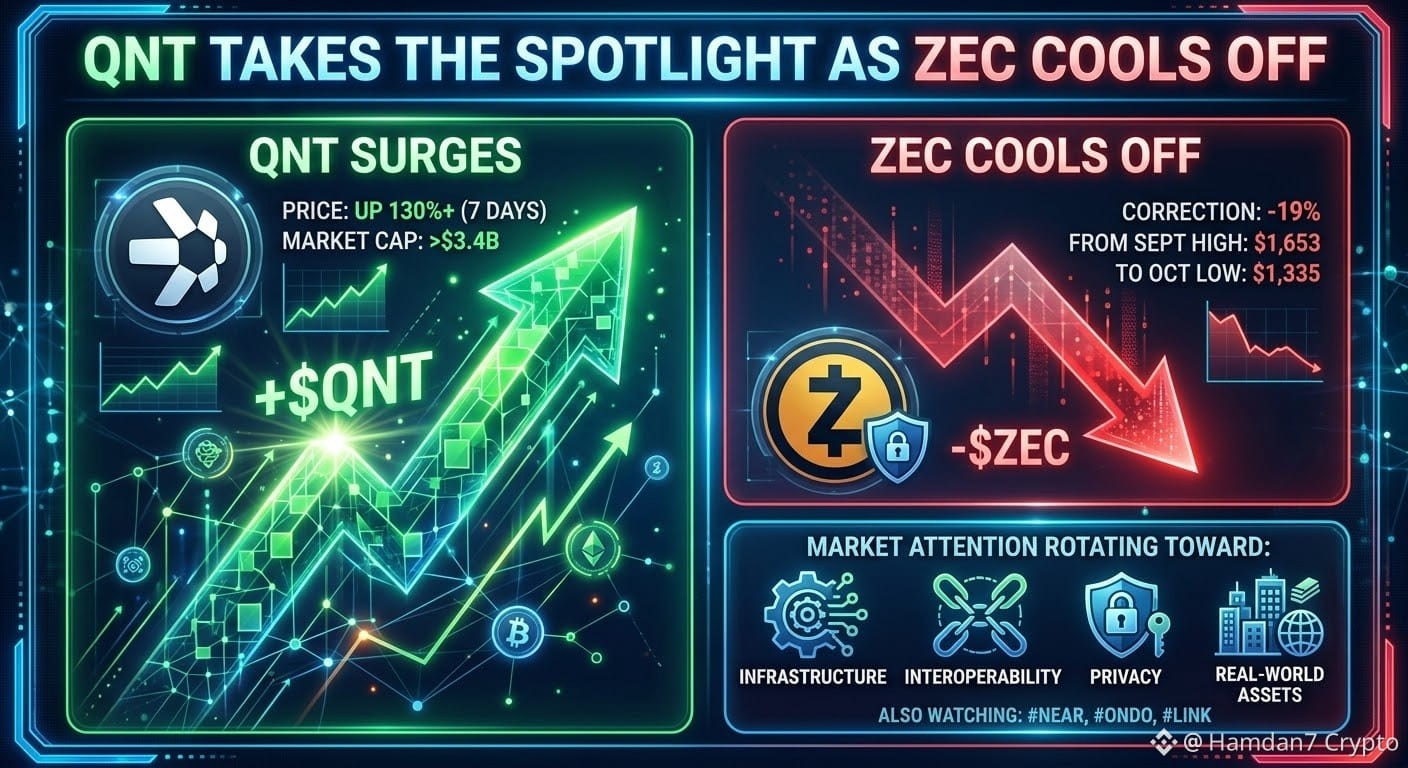
🚨 QNT TAKES THE SPOTLIGHT AS ZEC COOLS OFF
The crypto market is seeing a major shift in attention.
$QNT has emerged as one of the strongest trending assets, with CoinGecko data showing a sharp rise in both price momentum and market activity. QNT has gained more than 130% over the past 7 days, while its market cap has climbed above $3.4B.
At the same time, $ZEC is facing a notable correction after its powerful September rally. Zcash closed around $1,653 on September 26 and around $1,335 on October 1 — a decline of roughly 19% from that level.
🔥 What makes this interesting?
• $QNT — strong momentum and rising market attention
• $ZEC — major rally followed by profit-taking
• $NEAR — remains among the closely watched large-cap altcoins
• $ONDO — continued focus on real-world assets
• $LINK — major oracle infrastructure with a large market presence
The bigger story is not just price.
Market attention is rotating toward infrastructure, interoperability, privacy and real-world-asset narratives.
With Q4 now underway, these sectors could remain important areas to watch as crypto liquidity and investor attention continue to shift.
#QNT #Quant #ZEC #Zcash #NEAR #ONDO #LINK #Chainlink #Crypto #Altcoins #RWA
#ZcashFalls21%FromSeptemberPeak
🚨 QNT TAKES THE SPOTLIGHT AS ZEC COOLS OFF
The crypto market is seeing a major shift in attention.
$QNT has emerged as one of the strongest trending assets, with CoinGecko data showing a sharp rise in both price momentum and market activity. QNT has gained more than 130% over the past 7 days, while its market cap has climbed above $3.4B.
At the same time, $ZEC is facing a notable correction after its powerful September rally. Zcash closed around $1,653 on September 26 and around $1,335 on October 1 — a decline of roughly 19% from that level.
🔥 What makes this interesting?
• $QNT — strong momentum and rising market attention
• $ZEC — major rally followed by profit-taking
• $NEAR — remains among the closely watched large-cap altcoins
• $ONDO — continued focus on real-world assets
• $LINK — major oracle infrastructure with a large market presence
The bigger story is not just price.
Market attention is rotating toward infrastructure, interoperability, privacy and real-world-asset narratives.
With Q4 now underway, these sectors could remain important areas to watch as crypto liquidity and investor attention continue to shift.
#QNT #Quant #ZEC #Zcash #NEAR #ONDO #LINK #Chainlink #Crypto #Altcoins #RWA
🚨 QNT TAKES THE SPOTLIGHT AS ZEC COOLS OFF
The crypto market is seeing a major shift in attention.
$QNT has emerged as one of the strongest trending assets, with CoinGecko data showing a sharp rise in both price momentum and market activity. QNT has gained more than 130% over the past 7 days, while its market cap has climbed above $3.4B.
At the same time, $ZEC is facing a notable correction after its powerful September rally. Zcash closed around $1,653 on September 26 and around $1,335 on October 1 — a decline of roughly 19% from that level.
🔥 What makes this interesting?
• $QNT — strong momentum and rising market attention
• $ZEC — major rally followed by profit-taking
• $NEAR — remains among the closely watched large-cap altcoins
• $ONDO — continued focus on real-world assets
• $LINK — major oracle infrastructure with a large market presence
The bigger story is not just price.
Market attention is rotating toward infrastructure, interoperability, privacy and real-world-asset narratives.
With Q4 now underway, these sectors could remain important areas to watch as crypto liquidity and investor attention continue to shift.
#QNT #Quant #ZEC #Zcash #NEAR #ONDO #LINK #Chainlink #Crypto #Altcoins #RWA
478
#SECProposesCryptoCustodyFramework
#SECProposesCryptoCustodyFramework
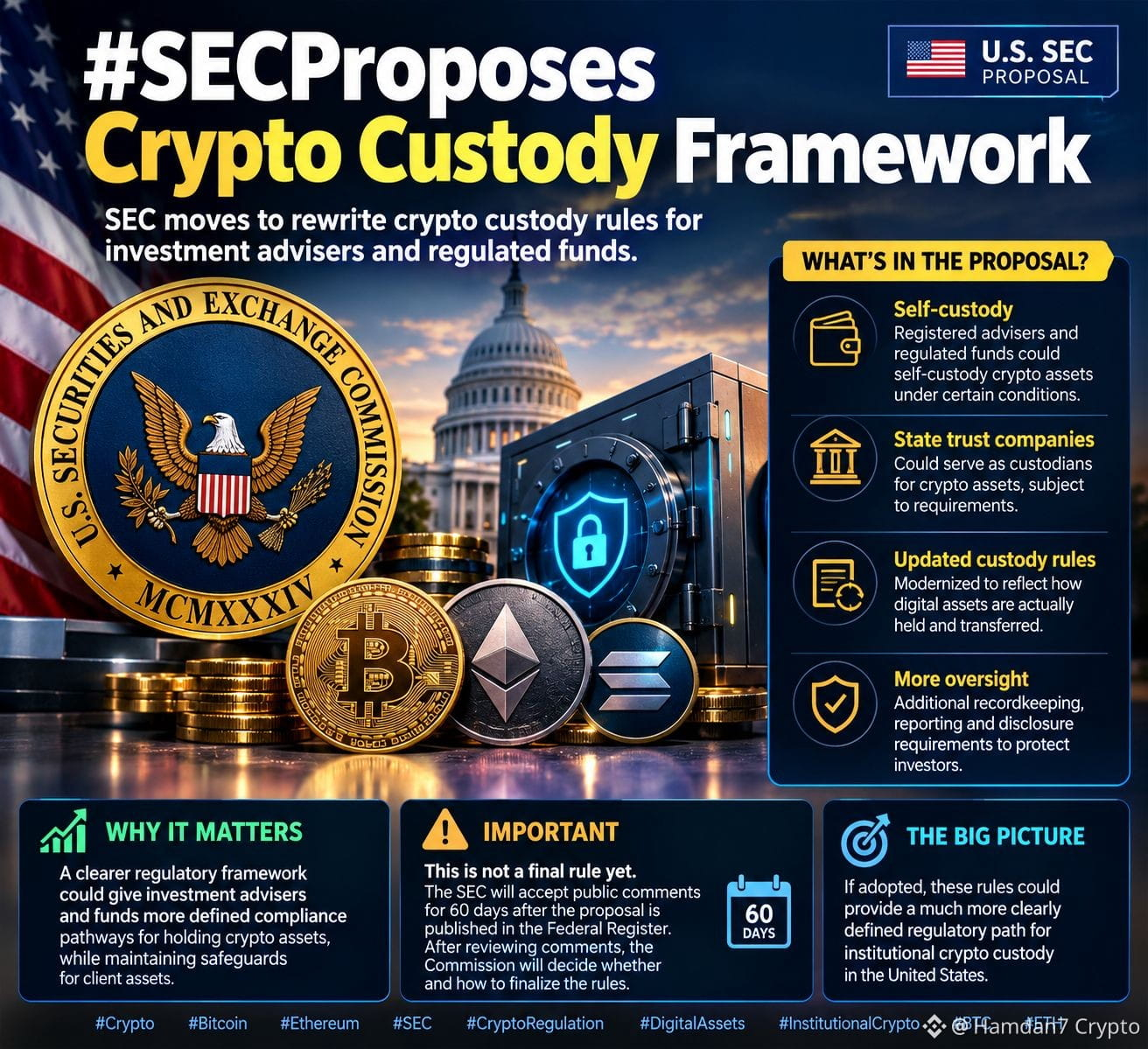
🇺🇸 SEC Moves to Rewrite Crypto Custody Rules
The U.S. Securities and Exchange Commission has proposed a new framework designed specifically for how registered investment advisers and regulated funds can custody crypto assets.
The proposal could mark an important change in how institutional investors handle digital assets under U.S. securities regulations.
🔐 What Does the Proposal Include?
Under the proposed framework:
• Registered advisers and regulated funds could self-custody crypto assets under certain conditions.
• State trust companies could serve as custodians for crypto assets, subject to requirements.
• Existing custody rules would be modernized to better reflect how digital assets are actually held and transferred.
• Additional recordkeeping, reporting and disclosure requirements would help support regulatory oversight and investor protection.
📊 Why It Matters
Crypto custody has always been a major issue for institutional adoption because digital assets operate differently from traditional securities.
A clearer regulatory framework could give investment advisers and funds more defined compliance pathways for holding crypto assets, while maintaining requirements around safeguarding client assets.
The SEC says the proposal is intended to address the unique characteristics of crypto assets while facilitating investment and strengthening investor protections.
⚠️ Important: This Is Still Only a Proposal
The new framework is not final yet.
The SEC will accept public comments for 60 days after the proposal is published in the Federal Register. After reviewing comments, the Commission will decide whether and how to finalize the rules.
If adopted, these rules could provide a much more clearly defined regulatory path for institutional crypto custody in the United States.
#Crypto #Bitcoin #Ethereum #SEC #CryptoRegulation #DigitalAssets #InstitutionalCrypto #BTC #ETH
#SECProposesCryptoCustodyFramework
#SECProposesCryptoCustodyFramework
🇺🇸 SEC Moves to Rewrite Crypto Custody Rules
The U.S. Securities and Exchange Commission has proposed a new framework designed specifically for how registered investment advisers and regulated funds can custody crypto assets.
The proposal could mark an important change in how institutional investors handle digital assets under U.S. securities regulations.
🔐 What Does the Proposal Include?
Under the proposed framework:
• Registered advisers and regulated funds could self-custody crypto assets under certain conditions.
• State trust companies could serve as custodians for crypto assets, subject to requirements.
• Existing custody rules would be modernized to better reflect how digital assets are actually held and transferred.
• Additional recordkeeping, reporting and disclosure requirements would help support regulatory oversight and investor protection.
📊 Why It Matters
Crypto custody has always been a major issue for institutional adoption because digital assets operate differently from traditional securities.
A clearer regulatory framework could give investment advisers and funds more defined compliance pathways for holding crypto assets, while maintaining requirements around safeguarding client assets.
The SEC says the proposal is intended to address the unique characteristics of crypto assets while facilitating investment and strengthening investor protections.
⚠️ Important: This Is Still Only a Proposal
The new framework is not final yet.
The SEC will accept public comments for 60 days after the proposal is published in the Federal Register. After reviewing comments, the Commission will decide whether and how to finalize the rules.
If adopted, these rules could provide a much more clearly defined regulatory path for institutional crypto custody in the United States.
#Crypto #Bitcoin #Ethereum #SEC #CryptoRegulation #DigitalAssets #InstitutionalCrypto #BTC #ETH
#SECProposesCryptoCustodyFramework
🇺🇸 SEC Moves to Rewrite Crypto Custody Rules
The U.S. Securities and Exchange Commission has proposed a new framework designed specifically for how registered investment advisers and regulated funds can custody crypto assets.
The proposal could mark an important change in how institutional investors handle digital assets under U.S. securities regulations.
🔐 What Does the Proposal Include?
Under the proposed framework:
• Registered advisers and regulated funds could self-custody crypto assets under certain conditions.
• State trust companies could serve as custodians for crypto assets, subject to requirements.
• Existing custody rules would be modernized to better reflect how digital assets are actually held and transferred.
• Additional recordkeeping, reporting and disclosure requirements would help support regulatory oversight and investor protection.
📊 Why It Matters
Crypto custody has always been a major issue for institutional adoption because digital assets operate differently from traditional securities.
A clearer regulatory framework could give investment advisers and funds more defined compliance pathways for holding crypto assets, while maintaining requirements around safeguarding client assets.
The SEC says the proposal is intended to address the unique characteristics of crypto assets while facilitating investment and strengthening investor protections.
⚠️ Important: This Is Still Only a Proposal
The new framework is not final yet.
The SEC will accept public comments for 60 days after the proposal is published in the Federal Register. After reviewing comments, the Commission will decide whether and how to finalize the rules.
If adopted, these rules could provide a much more clearly defined regulatory path for institutional crypto custody in the United States.
#Crypto #Bitcoin #Ethereum #SEC #CryptoRegulation #DigitalAssets #InstitutionalCrypto #BTC #ETH
95
#EtherGains70.9%InQ3
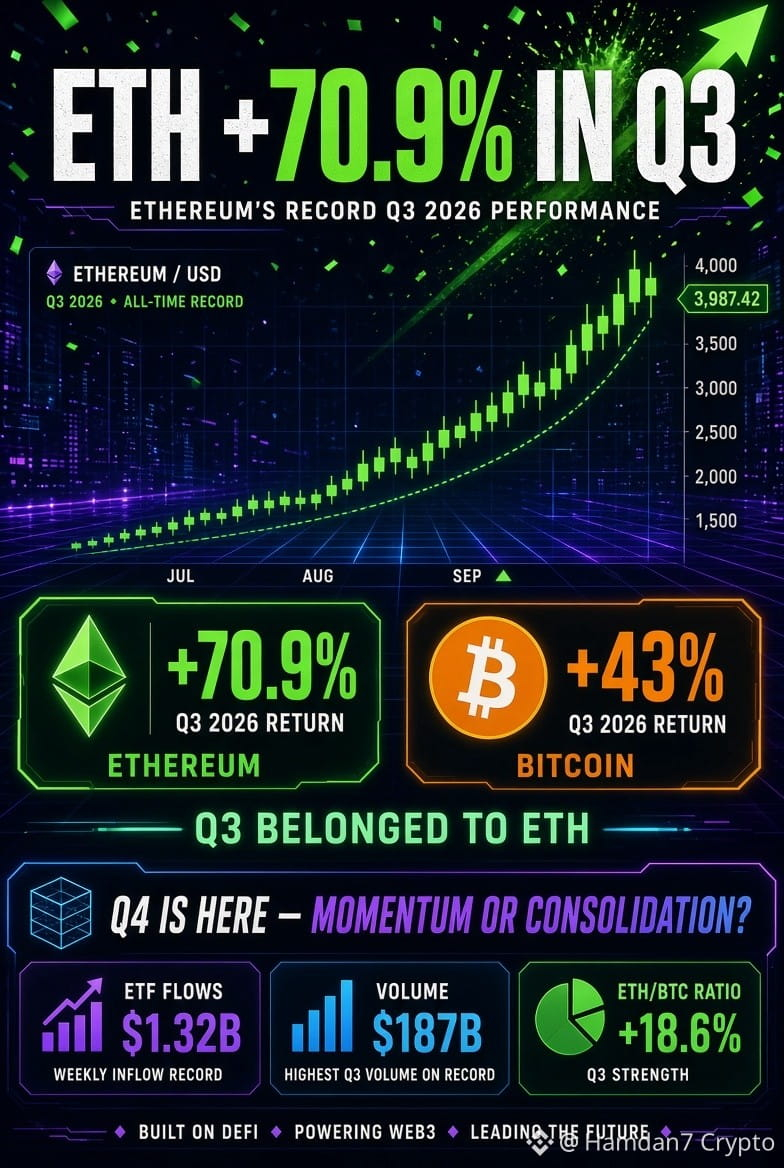
🚨 #EtherGains70.9%InQ3 — ETH JUST CLOSED A RECORD-BREAKING QUARTER! 🔥
Ethereum delivered an incredible ~70.9% gain in Q3 2026, making it one of the strongest quarterly performances in its history. 📈
And Bitcoin wasn't far behind:
🟢 $ETH: +70.9% 🟠 $BTC: ~+43%
ETH dramatically outperformed BTC during the quarter, flipping the market narrative after a difficult first half of 2026.
But now the real story begins. 👀
🔥 Q4 IS HERE
A massive Q3 rally puts ETH firmly on the market's radar, but the next quarter will be about whether Ethereum can hold its gains and build on the momentum.
Traders will be watching:
📊 ETH price structure & volume
⚡ ETH/BTC relative strength
🏦 ETF flows and institutional demand
📈 Bitcoin's direction
💰 Open interest & funding
One thing is clear:
Q3 belonged to ETH.
Now Q4 has arrived — and the big question is whether this momentum continues or the market enters a period of consolidation.
👀 ETH is entering Q4 with the spotlight firmly on it.
What are you watching for $ETH in Q4? 👇
#Ethereum #ETH #Bitcoin #BTC #Crypto #CryptoNews #BinanceSquare #Altcoins #ETHUSDT #ETHBTC #Q3 #Q4 #EtherGains70.9%InQ3
#EtherGains70.9%InQ3
🚨 #EtherGains70.9%InQ3 — ETH JUST CLOSED A RECORD-BREAKING QUARTER! 🔥
Ethereum delivered an incredible ~70.9% gain in Q3 2026, making it one of the strongest quarterly performances in its history. 📈
And Bitcoin wasn't far behind:
🟢 $ETH: +70.9% 🟠 $BTC: ~+43%
ETH dramatically outperformed BTC during the quarter, flipping the market narrative after a difficult first half of 2026.
But now the real story begins. 👀
🔥 Q4 IS HERE
A massive Q3 rally puts ETH firmly on the market's radar, but the next quarter will be about whether Ethereum can hold its gains and build on the momentum.
Traders will be watching:
📊 ETH price structure & volume
⚡ ETH/BTC relative strength
🏦 ETF flows and institutional demand
📈 Bitcoin's direction
💰 Open interest & funding
One thing is clear:
Q3 belonged to ETH.
Now Q4 has arrived — and the big question is whether this momentum continues or the market enters a period of consolidation.
👀 ETH is entering Q4 with the spotlight firmly on it.
What are you watching for $ETH in Q4? 👇
#Ethereum #ETH #Bitcoin #BTC #Crypto #CryptoNews #BinanceSquare #Altcoins #ETHUSDT #ETHBTC #Q3 #Q4 #EtherGains70.9%InQ3
🚨 #EtherGains70.9%InQ3 — ETH JUST CLOSED A RECORD-BREAKING QUARTER! 🔥
Ethereum delivered an incredible ~70.9% gain in Q3 2026, making it one of the strongest quarterly performances in its history. 📈
And Bitcoin wasn't far behind:
🟢 $ETH: +70.9% 🟠 $BTC: ~+43%
ETH dramatically outperformed BTC during the quarter, flipping the market narrative after a difficult first half of 2026.
But now the real story begins. 👀
🔥 Q4 IS HERE
A massive Q3 rally puts ETH firmly on the market's radar, but the next quarter will be about whether Ethereum can hold its gains and build on the momentum.
Traders will be watching:
📊 ETH price structure & volume
⚡ ETH/BTC relative strength
🏦 ETF flows and institutional demand
📈 Bitcoin's direction
💰 Open interest & funding
One thing is clear:
Q3 belonged to ETH.
Now Q4 has arrived — and the big question is whether this momentum continues or the market enters a period of consolidation.
👀 ETH is entering Q4 with the spotlight firmly on it.
What are you watching for $ETH in Q4? 👇
#Ethereum #ETH #Bitcoin #BTC #Crypto #CryptoNews #BinanceSquare #Altcoins #ETHUSDT #ETHBTC #Q3 #Q4 #EtherGains70.9%InQ3
67
#NFPWatch
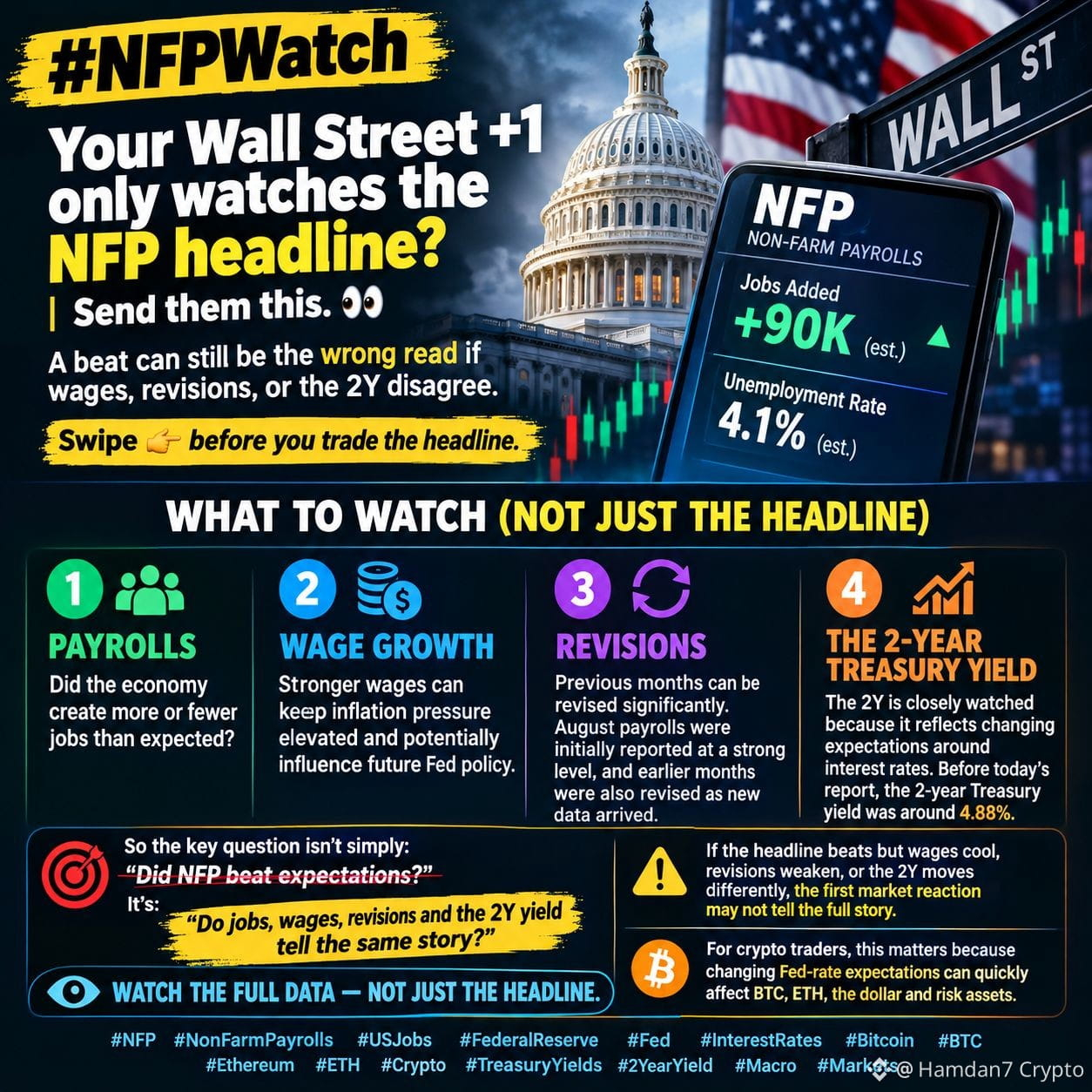
🚨 DON’T TRADE THE NFP HEADLINE ALONE.
A strong NFP number can look bullish at first glance — but the real market signal may be hiding underneath.
Three things traders should watch closely:
📊 1. Payrolls
Did the economy create more or fewer jobs than expected?
💵 2. Wage Growth
Stronger wages can keep inflation pressure elevated and potentially influence expectations for future Fed policy.
🔄 3. Revisions
Previous months can be revised significantly. August payrolls were initially reported at a strong level, while earlier months were also revised as new data arrived.
📈 4. The 2-Year Treasury Yield
The 2Y is closely watched because it reflects changing expectations around interest rates. Before today's report, the 2-year Treasury yield was around 4.88%.
So the key question isn't simply:
“Did NFP beat expectations?”
It's:
“Do jobs, wages, revisions and the 2Y yield tell the same story?”
If the headline beats but wages cool, revisions weaken, or the 2Y moves differently, the first market reaction may not tell the full story.
For crypto traders, this matters because changing Fed-rate expectations can quickly affect BTC, ETH, the dollar and risk assets.
👀 Watch the full data — not just the headline.
#NFP #NonFarmPayrolls #USJobs #FederalReserve #Fed #InterestRates #Bitcoin #BTC #Ethereum #ETH #Crypto #TreasuryYields #2YearYield #Macro #Markets
#NFPWatch
🚨 DON’T TRADE THE NFP HEADLINE ALONE.
A strong NFP number can look bullish at first glance — but the real market signal may be hiding underneath.
Three things traders should watch closely:
📊 1. Payrolls
Did the economy create more or fewer jobs than expected?
💵 2. Wage Growth
Stronger wages can keep inflation pressure elevated and potentially influence expectations for future Fed policy.
🔄 3. Revisions
Previous months can be revised significantly. August payrolls were initially reported at a strong level, while earlier months were also revised as new data arrived.
📈 4. The 2-Year Treasury Yield
The 2Y is closely watched because it reflects changing expectations around interest rates. Before today's report, the 2-year Treasury yield was around 4.88%.
So the key question isn't simply:
“Did NFP beat expectations?”
It's:
“Do jobs, wages, revisions and the 2Y yield tell the same story?”
If the headline beats but wages cool, revisions weaken, or the 2Y moves differently, the first market reaction may not tell the full story.
For crypto traders, this matters because changing Fed-rate expectations can quickly affect BTC, ETH, the dollar and risk assets.
👀 Watch the full data — not just the headline.
#NFP #NonFarmPayrolls #USJobs #FederalReserve #Fed #InterestRates #Bitcoin #BTC #Ethereum #ETH #Crypto #TreasuryYields #2YearYield #Macro #Markets
🚨 DON’T TRADE THE NFP HEADLINE ALONE.
A strong NFP number can look bullish at first glance — but the real market signal may be hiding underneath.
Three things traders should watch closely:
📊 1. Payrolls
Did the economy create more or fewer jobs than expected?
💵 2. Wage Growth
Stronger wages can keep inflation pressure elevated and potentially influence expectations for future Fed policy.
🔄 3. Revisions
Previous months can be revised significantly. August payrolls were initially reported at a strong level, while earlier months were also revised as new data arrived.
📈 4. The 2-Year Treasury Yield
The 2Y is closely watched because it reflects changing expectations around interest rates. Before today's report, the 2-year Treasury yield was around 4.88%.
So the key question isn't simply:
“Did NFP beat expectations?”
It's:
“Do jobs, wages, revisions and the 2Y yield tell the same story?”
If the headline beats but wages cool, revisions weaken, or the 2Y moves differently, the first market reaction may not tell the full story.
For crypto traders, this matters because changing Fed-rate expectations can quickly affect BTC, ETH, the dollar and risk assets.
👀 Watch the full data — not just the headline.
#NFP #NonFarmPayrolls #USJobs #FederalReserve #Fed #InterestRates #Bitcoin #BTC #Ethereum #ETH #Crypto #TreasuryYields #2YearYield #Macro #Markets
116
#UKFCAOpensCryptoFirmAuthorization
UK FCA Opens Crypto Firm Authorization 🇬🇧
The UK has officially opened the door for crypto firms to apply for authorization under the Financial Conduct Authority’s new regulatory framework.
Starting September 30, 2026, crypto businesses can submit applications to operate under the upcoming FCA regime. The framework introduces stronger requirements around consumer protection, safeguarding customer assets, market integrity, operational resilience and financial standards.
Key Dates 📅
🔹 Applications Open: September 30, 2026
🔹 Application Deadline: February 28, 2027
🔹 New Regime Begins: October 25, 2027
Authorization will not be automatic. Firms must demonstrate that they meet the FCA's required standards before receiving permission to conduct regulated crypto activities in the UK.
Existing crypto firms that apply within the application window may be able to continue specified activities while their applications are being assessed, subject to the applicable transitional conditions. Existing registrations and permissions will not automatically convert into the new authorization.
This marks a major step toward bringing the UK's crypto sector under a broader financial-services regulatory framework, covering activities such as crypto trading platforms, custody, dealing, arranging and staking.
The UK crypto market is entering a new regulatory era. 🇬🇧🔐
#Crypto #Bitcoin #Ethereum #UKCrypto #FCA #CryptoRegulation #BTC #ETH #Binance
#UKFCAOpensCryptoFirmAuthorization
UK FCA Opens Crypto Firm Authorization 🇬🇧
The UK has officially opened the door for crypto firms to apply for authorization under the Financial Conduct Authority’s new regulatory framework.
Starting September 30, 2026, crypto businesses can submit applications to operate under the upcoming FCA regime. The framework introduces stronger requirements around consumer protection, safeguarding customer assets, market integrity, operational resilience and financial standards.
Key Dates 📅
🔹 Applications Open: September 30, 2026
🔹 Application Deadline: February 28, 2027
🔹 New Regime Begins: October 25, 2027
Authorization will not be automatic. Firms must demonstrate that they meet the FCA's required standards before receiving permission to conduct regulated crypto activities in the UK.
Existing crypto firms that apply within the application window may be able to continue specified activities while their applications are being assessed, subject to the applicable transitional conditions. Existing registrations and permissions will not automatically convert into the new authorization.
This marks a major step toward bringing the UK's crypto sector under a broader financial-services regulatory framework, covering activities such as crypto trading platforms, custody, dealing, arranging and staking.
The UK crypto market is entering a new regulatory era. 🇬🇧🔐
#Crypto #Bitcoin #Ethereum #UKCrypto #FCA #CryptoRegulation #BTC #ETH #Binance
UK FCA Opens Crypto Firm Authorization 🇬🇧
The UK has officially opened the door for crypto firms to apply for authorization under the Financial Conduct Authority’s new regulatory framework.
Starting September 30, 2026, crypto businesses can submit applications to operate under the upcoming FCA regime. The framework introduces stronger requirements around consumer protection, safeguarding customer assets, market integrity, operational resilience and financial standards.
Key Dates 📅
🔹 Applications Open: September 30, 2026
🔹 Application Deadline: February 28, 2027
🔹 New Regime Begins: October 25, 2027
Authorization will not be automatic. Firms must demonstrate that they meet the FCA's required standards before receiving permission to conduct regulated crypto activities in the UK.
Existing crypto firms that apply within the application window may be able to continue specified activities while their applications are being assessed, subject to the applicable transitional conditions. Existing registrations and permissions will not automatically convert into the new authorization.
This marks a major step toward bringing the UK's crypto sector under a broader financial-services regulatory framework, covering activities such as crypto trading platforms, custody, dealing, arranging and staking.
The UK crypto market is entering a new regulatory era. 🇬🇧🔐
#Crypto #Bitcoin #Ethereum #UKCrypto #FCA #CryptoRegulation #BTC #ETH #Binance

37
#USCorePCEEasesTo3%InAugust
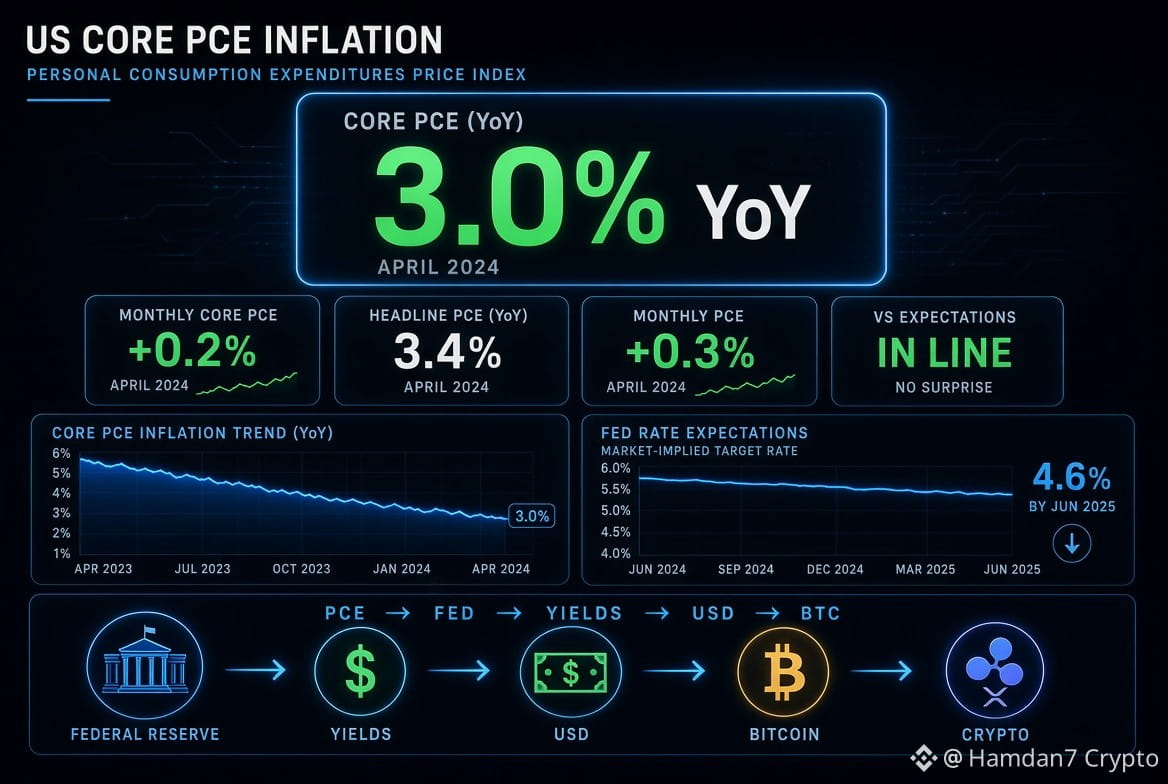
🚨 U.S. CORE PCE HOLDS AT 3.0% — BUT THE METHODOLOGY MATTERS
The latest U.S. inflation data is getting attention after Core PCE remained at 3.0% year-over-year in August.
But there’s an important detail many traders may miss 👀
The BEA implemented its 2026 annual update, including methodological changes to parts of the PCE price index. These changes affected areas such as portfolio-management services, legal services, and computer software/accessories, while also incorporating newer source data.
📊 August data: • Core PCE: 3.0% YoY • Monthly Core PCE: +0.2% • Headline PCE: 3.4% YoY • Monthly PCE: +0.3%
So while claims that the numbers are simply “fake” or a “lie” are not established by the official data, the methodology changes are real — and they matter when comparing revised numbers with older releases.
🔥 Why markets care:
PCE is one of the Federal Reserve’s closely watched inflation measures. A softer-than-expected reading can reduce immediate pressure for tighter policy, while persistent inflation can keep rate expectations elevated. Reuters reported that the latest data reduced market expectations for an October rate hike.
For crypto traders, the chain reaction remains important:
PCE → Fed expectations → Treasury yields → USD → BTC & Crypto
The headline may look simple.
The methodology behind the number is where the deeper story begins. 👀
#PCE #Inflation #FederalReserve #Fed #Bitcoin #BTC #Crypto #Ethereum #ETH #Markets
#USCorePCEEasesTo3%InAugust
🚨 U.S. CORE PCE HOLDS AT 3.0% — BUT THE METHODOLOGY MATTERS
The latest U.S. inflation data is getting attention after Core PCE remained at 3.0% year-over-year in August.
But there’s an important detail many traders may miss 👀
The BEA implemented its 2026 annual update, including methodological changes to parts of the PCE price index. These changes affected areas such as portfolio-management services, legal services, and computer software/accessories, while also incorporating newer source data.
📊 August data: • Core PCE: 3.0% YoY • Monthly Core PCE: +0.2% • Headline PCE: 3.4% YoY • Monthly PCE: +0.3%
So while claims that the numbers are simply “fake” or a “lie” are not established by the official data, the methodology changes are real — and they matter when comparing revised numbers with older releases.
🔥 Why markets care:
PCE is one of the Federal Reserve’s closely watched inflation measures. A softer-than-expected reading can reduce immediate pressure for tighter policy, while persistent inflation can keep rate expectations elevated. Reuters reported that the latest data reduced market expectations for an October rate hike.
For crypto traders, the chain reaction remains important:
PCE → Fed expectations → Treasury yields → USD → BTC & Crypto
The headline may look simple.
The methodology behind the number is where the deeper story begins. 👀
#PCE #Inflation #FederalReserve #Fed #Bitcoin #BTC #Crypto #Ethereum #ETH #Markets
🚨 U.S. CORE PCE HOLDS AT 3.0% — BUT THE METHODOLOGY MATTERS
The latest U.S. inflation data is getting attention after Core PCE remained at 3.0% year-over-year in August.
But there’s an important detail many traders may miss 👀
The BEA implemented its 2026 annual update, including methodological changes to parts of the PCE price index. These changes affected areas such as portfolio-management services, legal services, and computer software/accessories, while also incorporating newer source data.
📊 August data: • Core PCE: 3.0% YoY • Monthly Core PCE: +0.2% • Headline PCE: 3.4% YoY • Monthly PCE: +0.3%
So while claims that the numbers are simply “fake” or a “lie” are not established by the official data, the methodology changes are real — and they matter when comparing revised numbers with older releases.
🔥 Why markets care:
PCE is one of the Federal Reserve’s closely watched inflation measures. A softer-than-expected reading can reduce immediate pressure for tighter policy, while persistent inflation can keep rate expectations elevated. Reuters reported that the latest data reduced market expectations for an October rate hike.
For crypto traders, the chain reaction remains important:
PCE → Fed expectations → Treasury yields → USD → BTC & Crypto
The headline may look simple.
The methodology behind the number is where the deeper story begins. 👀
#PCE #Inflation #FederalReserve #Fed #Bitcoin #BTC #Crypto #Ethereum #ETH #Markets
64
#USADPAdds90000JobsInSeptember
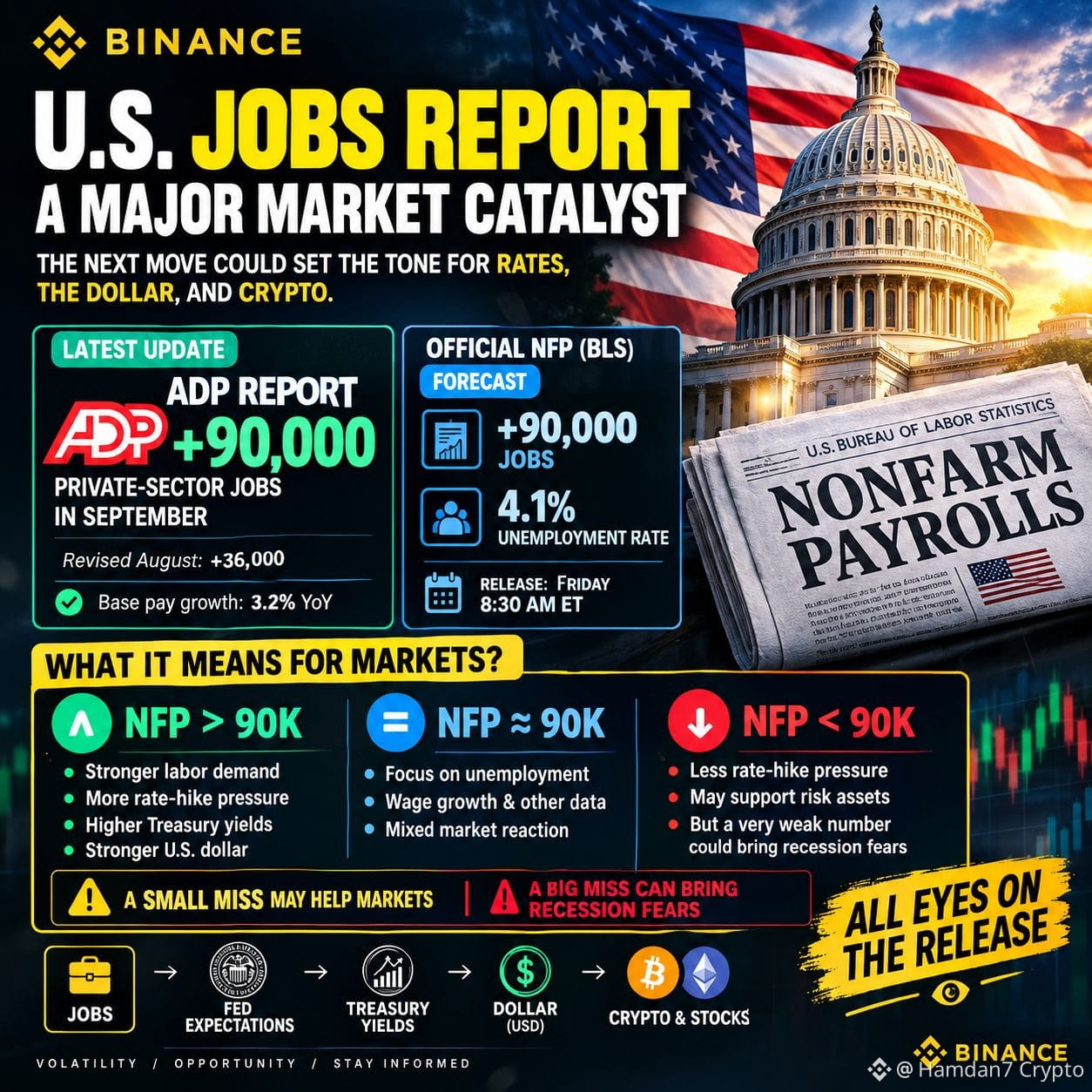
🚨 U.S. JOBS REPORT: A MAJOR MARKET CATALYST
The U.S. labor market is back in focus as investors prepare for the September Nonfarm Payrolls report.
The latest ADP data showed +90,000 private-sector jobs in September, up sharply from the revised +36,000 in August. Meanwhile, economists surveyed by Reuters expect the official NFP report to show around +90,000 jobs, with unemployment holding near 4.1%.
📊 Why this matters for markets:
🔹 NFP above expectations → Could signal stronger labor demand and keep pressure on interest-rate expectations.
🔹 NFP around 90K → Markets may focus more heavily on unemployment, wage growth and other labor-market details.
🔹 NFP below expectations → Could strengthen expectations for a softer labor market, although a very weak number could also revive recession concerns.
The ADP report also showed base pay growth of 3.2% year-over-year, keeping wages an important part of the picture.
⚠️ One key point: ADP is not a reliable one-for-one predictor of the official BLS jobs report. The two measures use different data and methodologies, so traders will be watching the actual NFP release closely.
🔥 For crypto and risk assets, this could mean increased volatility around the release.
Jobs → Fed expectations → Treasury yields → Dollar → Crypto & Stocks
All eyes are now on the official U.S. employment data.
#USJobs #NFP #ADP #FederalReserve #Bitcoin #Crypto #BTC #Ethereum #ETH #Markets
#USADPAdds90000JobsInSeptember
🚨 U.S. JOBS REPORT: A MAJOR MARKET CATALYST
The U.S. labor market is back in focus as investors prepare for the September Nonfarm Payrolls report.
The latest ADP data showed +90,000 private-sector jobs in September, up sharply from the revised +36,000 in August. Meanwhile, economists surveyed by Reuters expect the official NFP report to show around +90,000 jobs, with unemployment holding near 4.1%.
📊 Why this matters for markets:
🔹 NFP above expectations → Could signal stronger labor demand and keep pressure on interest-rate expectations.
🔹 NFP around 90K → Markets may focus more heavily on unemployment, wage growth and other labor-market details.
🔹 NFP below expectations → Could strengthen expectations for a softer labor market, although a very weak number could also revive recession concerns.
The ADP report also showed base pay growth of 3.2% year-over-year, keeping wages an important part of the picture.
⚠️ One key point: ADP is not a reliable one-for-one predictor of the official BLS jobs report. The two measures use different data and methodologies, so traders will be watching the actual NFP release closely.
🔥 For crypto and risk assets, this could mean increased volatility around the release.
Jobs → Fed expectations → Treasury yields → Dollar → Crypto & Stocks
All eyes are now on the official U.S. employment data.
#USJobs #NFP #ADP #FederalReserve #Bitcoin #Crypto #BTC #Ethereum #ETH #Markets
🚨 U.S. JOBS REPORT: A MAJOR MARKET CATALYST
The U.S. labor market is back in focus as investors prepare for the September Nonfarm Payrolls report.
The latest ADP data showed +90,000 private-sector jobs in September, up sharply from the revised +36,000 in August. Meanwhile, economists surveyed by Reuters expect the official NFP report to show around +90,000 jobs, with unemployment holding near 4.1%.
📊 Why this matters for markets:
🔹 NFP above expectations → Could signal stronger labor demand and keep pressure on interest-rate expectations.
🔹 NFP around 90K → Markets may focus more heavily on unemployment, wage growth and other labor-market details.
🔹 NFP below expectations → Could strengthen expectations for a softer labor market, although a very weak number could also revive recession concerns.
The ADP report also showed base pay growth of 3.2% year-over-year, keeping wages an important part of the picture.
⚠️ One key point: ADP is not a reliable one-for-one predictor of the official BLS jobs report. The two measures use different data and methodologies, so traders will be watching the actual NFP release closely.
🔥 For crypto and risk assets, this could mean increased volatility around the release.
Jobs → Fed expectations → Treasury yields → Dollar → Crypto & Stocks
All eyes are now on the official U.S. employment data.
#USJobs #NFP #ADP #FederalReserve #Bitcoin #Crypto #BTC #Ethereum #ETH #Markets
77
#AltcoinSeasonIndexHoldsAbove60For5Days
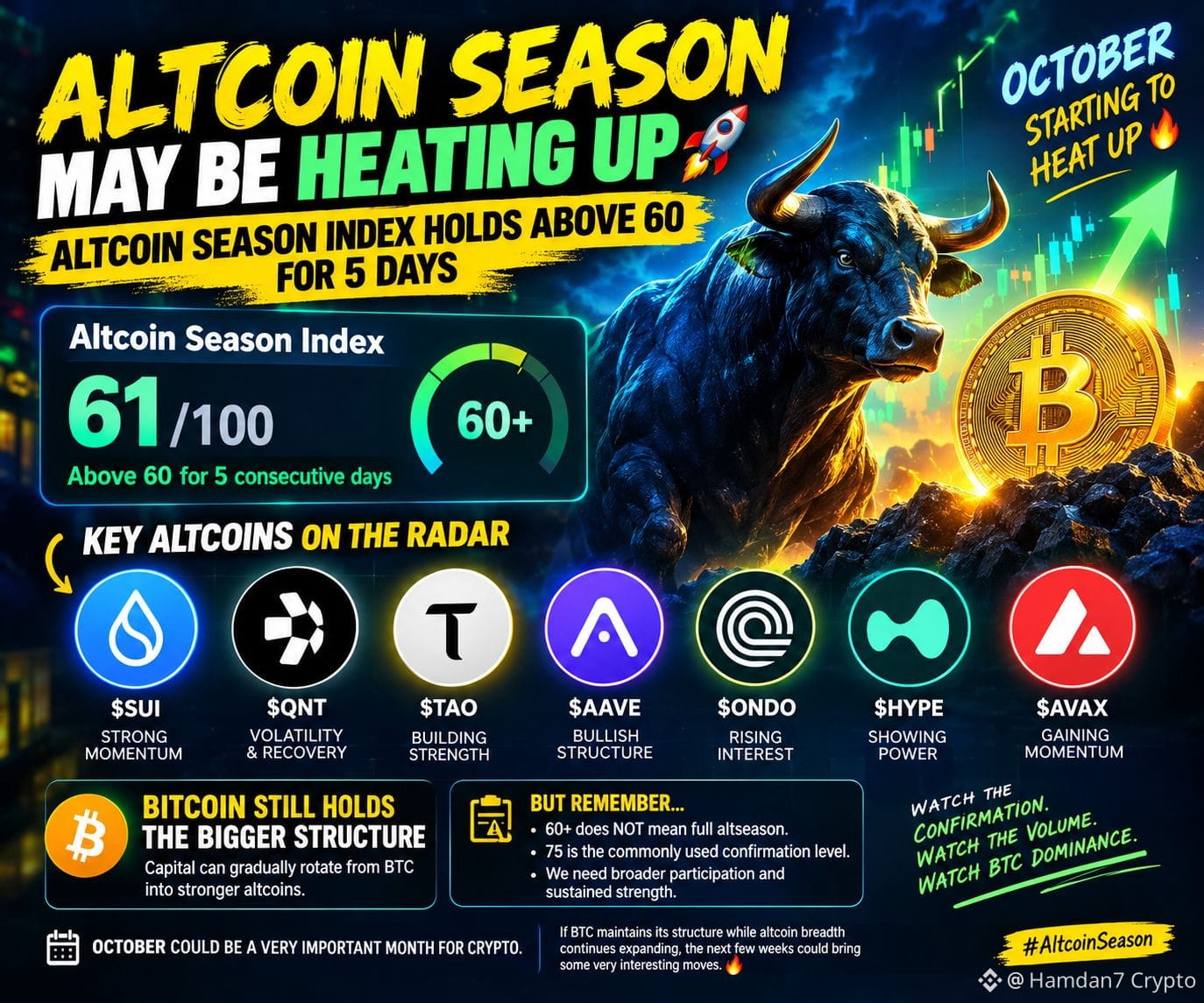
🔥 ALTCOIN SEASON MAY BE HEATING UP
The crypto market is entering October with an interesting shift.
The Altcoin Season Index has remained above 60 for five consecutive days, showing that altcoins are beginning to outperform Bitcoin on a broader basis. This is important because sustained breadth is stronger than a one-day spike.
At the same time, Bitcoin is still holding the larger market structure, creating an environment where capital can gradually rotate from BTC into stronger altcoins.
👀 Key altcoins on the radar:
$SUI
$QNT
$TAO
$AAVE
$ONDO
$HYPE
$AVAX
Several of these names are showing notable strength, while QNT has already attracted significant attention after its sharp volatility and subsequent recovery.
But there is one important point: 60+ does not yet mean confirmed full altseason. A commonly used confirmation threshold is 75, so the market still needs broader participation and sustained strength before the rotation can be considered fully confirmed.
October could become a very important month for crypto.
If BTC maintains its structure while altcoin breadth continues expanding, the next few weeks could bring some very interesting moves. 🔥🐂
Watch the confirmation. Watch the volume. Watch BTC dominance.
#AltcoinSeasonIndexHoldsAbove60For5Days #AltcoinSeason #Crypto #Bitcoin #SUI #QNT #TAO #AAVE #ONDO #HYPE #AVAX #Altcoins
#AltcoinSeasonIndexHoldsAbove60For5Days
🔥 ALTCOIN SEASON MAY BE HEATING UP
The crypto market is entering October with an interesting shift.
The Altcoin Season Index has remained above 60 for five consecutive days, showing that altcoins are beginning to outperform Bitcoin on a broader basis. This is important because sustained breadth is stronger than a one-day spike.
At the same time, Bitcoin is still holding the larger market structure, creating an environment where capital can gradually rotate from BTC into stronger altcoins.
👀 Key altcoins on the radar:
$SUI
$QNT
$TAO
$AAVE
$ONDO
$HYPE
$AVAX
Several of these names are showing notable strength, while QNT has already attracted significant attention after its sharp volatility and subsequent recovery.
But there is one important point: 60+ does not yet mean confirmed full altseason. A commonly used confirmation threshold is 75, so the market still needs broader participation and sustained strength before the rotation can be considered fully confirmed.
October could become a very important month for crypto.
If BTC maintains its structure while altcoin breadth continues expanding, the next few weeks could bring some very interesting moves. 🔥🐂
Watch the confirmation. Watch the volume. Watch BTC dominance.
#AltcoinSeasonIndexHoldsAbove60For5Days #AltcoinSeason #Crypto #Bitcoin #SUI #QNT #TAO #AAVE #ONDO #HYPE #AVAX #Altcoins
🔥 ALTCOIN SEASON MAY BE HEATING UP
The crypto market is entering October with an interesting shift.
The Altcoin Season Index has remained above 60 for five consecutive days, showing that altcoins are beginning to outperform Bitcoin on a broader basis. This is important because sustained breadth is stronger than a one-day spike.
At the same time, Bitcoin is still holding the larger market structure, creating an environment where capital can gradually rotate from BTC into stronger altcoins.
👀 Key altcoins on the radar:
$SUI
$QNT
$TAO
$AAVE
$ONDO
$HYPE
$AVAX
Several of these names are showing notable strength, while QNT has already attracted significant attention after its sharp volatility and subsequent recovery.
But there is one important point: 60+ does not yet mean confirmed full altseason. A commonly used confirmation threshold is 75, so the market still needs broader participation and sustained strength before the rotation can be considered fully confirmed.
October could become a very important month for crypto.
If BTC maintains its structure while altcoin breadth continues expanding, the next few weeks could bring some very interesting moves. 🔥🐂
Watch the confirmation. Watch the volume. Watch BTC dominance.
#AltcoinSeasonIndexHoldsAbove60For5Days #AltcoinSeason #Crypto #Bitcoin #SUI #QNT #TAO #AAVE #ONDO #HYPE #AVAX #Altcoins
1
90
#QNTRises287%
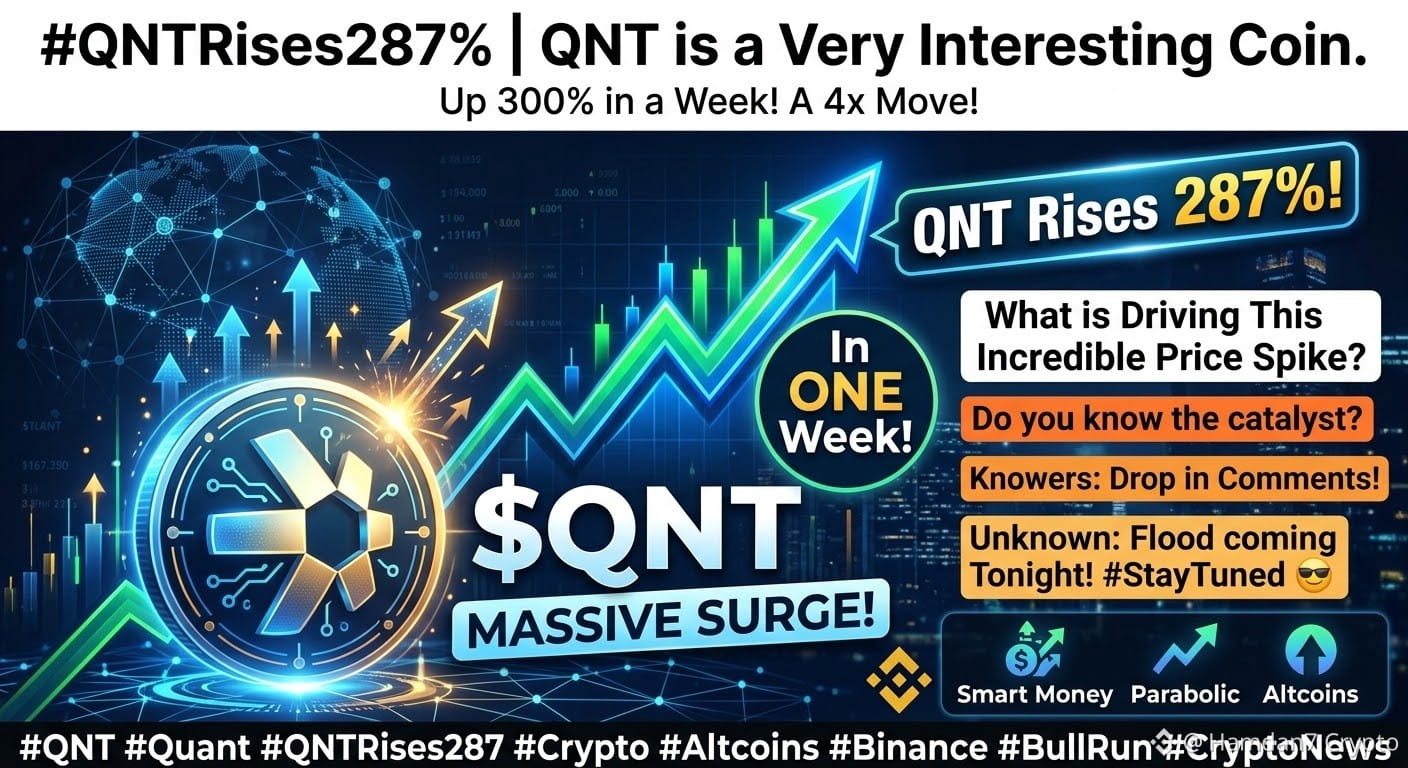
🚀 **Quant ($QNT) is on absolute fire! Up 287% in a single week—that’s nearly a 4x surge out of nowhere!** 📈🔥
A move this massive isn't just retail hype; smart money is clearly step-in. But what’s really driving this insane parabolic run?
Are you tracking the real catalyst behind the scenes, or are you waiting to read about it after the top? 🧵👇
Drop your theories in the comments below! If you're still in the dark, stay tuned—detailed breakdown dropping tonight. Don't miss it! 😎
#QNT #Quant #QNTRises287 #Crypto #Altcoins #Binance #BullRun #CryptoNews
#QNTRises287%
🚀 **Quant ($QNT) is on absolute fire! Up 287% in a single week—that’s nearly a 4x surge out of nowhere!** 📈🔥
A move this massive isn't just retail hype; smart money is clearly step-in. But what’s really driving this insane parabolic run?
Are you tracking the real catalyst behind the scenes, or are you waiting to read about it after the top? 🧵👇
Drop your theories in the comments below! If you're still in the dark, stay tuned—detailed breakdown dropping tonight. Don't miss it! 😎
#QNT #Quant #QNTRises287 #Crypto #Altcoins #Binance #BullRun #CryptoNews
🚀 **Quant ($QNT) is on absolute fire! Up 287% in a single week—that’s nearly a 4x surge out of nowhere!** 📈🔥
A move this massive isn't just retail hype; smart money is clearly step-in. But what’s really driving this insane parabolic run?
Are you tracking the real catalyst behind the scenes, or are you waiting to read about it after the top? 🧵👇
Drop your theories in the comments below! If you're still in the dark, stay tuned—detailed breakdown dropping tonight. Don't miss it! 😎
#QNT #Quant #QNTRises287 #Crypto #Altcoins #Binance #BullRun #CryptoNews
1
240
#QNTRises287%
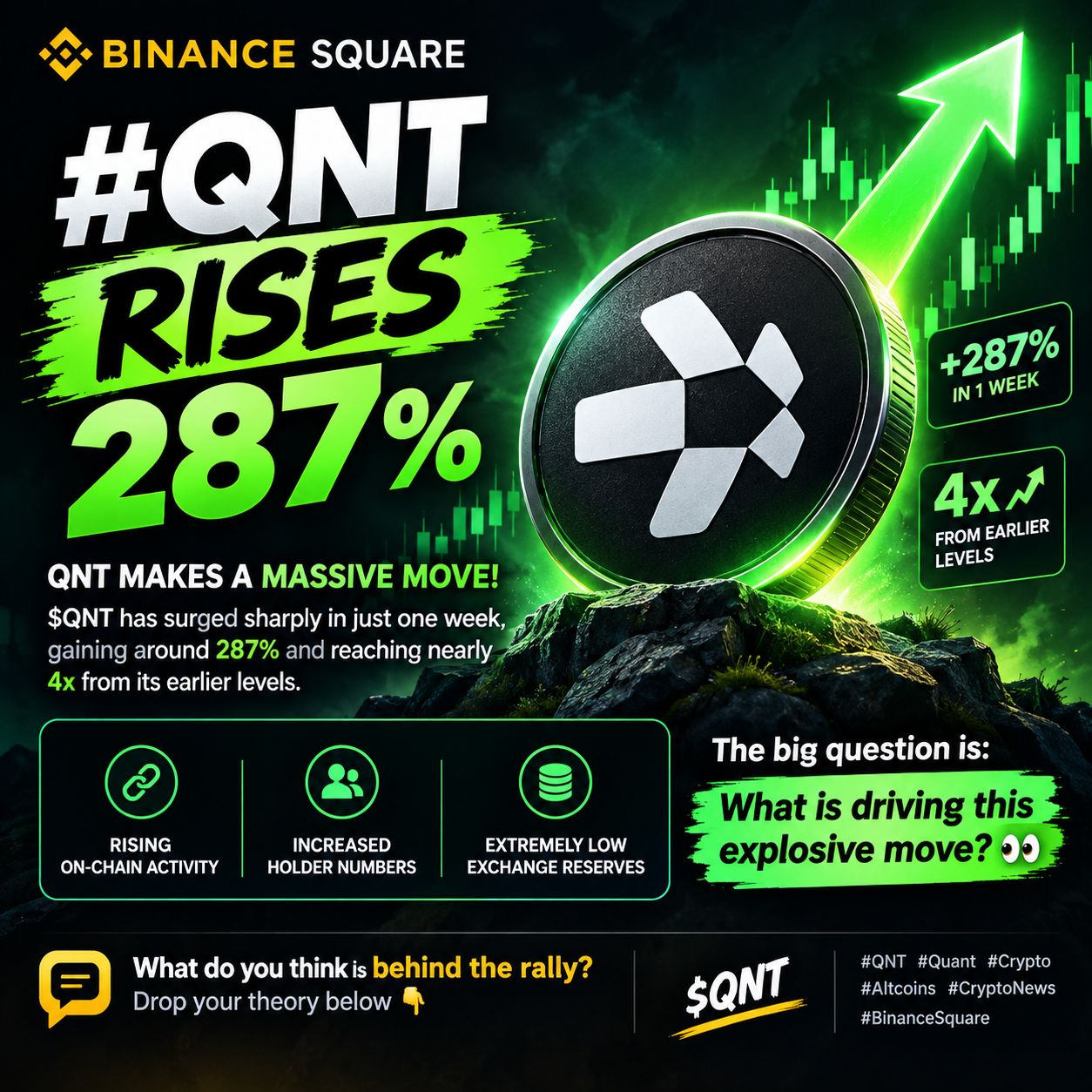
🚨 $QNT IS MAKING A MASSIVE MOVE
$QNT has attracted major attention after surging sharply in just one week, with the token reportedly gaining around 287% and reaching nearly 4x from its earlier levels.
The big question is:
What is driving this explosive move? 👀
Rising on-chain activity, increased holder numbers, and extremely low exchange reserves have recently put $QNT under the spotlight.
But a massive price move can also bring massive volatility.
🔎 Is this the beginning of a larger QNT trend, or simply a short-term speculative move?
What do you think is behind the rally? Drop your theory below 👇
#QNT #Quant #Crypto #Altcoins #CryptoNews #BinanceSquare
#QNTRises287%
🚨 $QNT IS MAKING A MASSIVE MOVE
$QNT has attracted major attention after surging sharply in just one week, with the token reportedly gaining around 287% and reaching nearly 4x from its earlier levels.
The big question is:
What is driving this explosive move? 👀
Rising on-chain activity, increased holder numbers, and extremely low exchange reserves have recently put $QNT under the spotlight.
But a massive price move can also bring massive volatility.
🔎 Is this the beginning of a larger QNT trend, or simply a short-term speculative move?
What do you think is behind the rally? Drop your theory below 👇
#QNT #Quant #Crypto #Altcoins #CryptoNews #BinanceSquare
🚨 $QNT IS MAKING A MASSIVE MOVE
$QNT has attracted major attention after surging sharply in just one week, with the token reportedly gaining around 287% and reaching nearly 4x from its earlier levels.
The big question is:
What is driving this explosive move? 👀
Rising on-chain activity, increased holder numbers, and extremely low exchange reserves have recently put $QNT under the spotlight.
But a massive price move can also bring massive volatility.
🔎 Is this the beginning of a larger QNT trend, or simply a short-term speculative move?
What do you think is behind the rally? Drop your theory below 👇
#QNT #Quant #Crypto #Altcoins #CryptoNews #BinanceSquare
384
#QNTRises287%
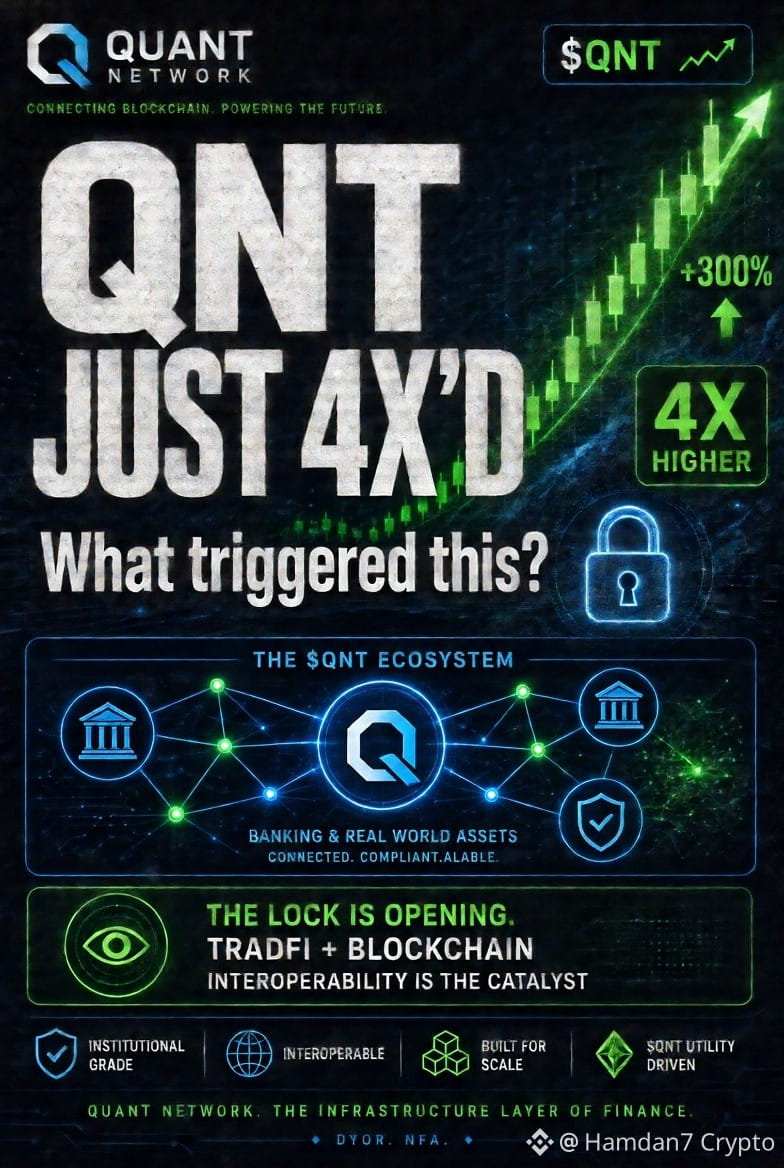
**$QNT just went parabolic.**
In roughly one week Quant ripped ~300%+ (hitting 4x from the lows), turning quiet holders into the loudest people in the timeline.
Most people are still asking the same question:
**What the hell actually triggered this?**
If you already know — drop it in the comments.
If you don’t… stay tuned. Full breakdown dropping later tonight.
This isn’t random retail FOMO. Real institutional infrastructure is moving.
$QNT
#QNT #Quant #Crypto #Altseason #Tokenization #BankingOnChain #CryptoNews
#QNTRises287%
**$QNT just went parabolic.**
In roughly one week Quant ripped ~300%+ (hitting 4x from the lows), turning quiet holders into the loudest people in the timeline.
Most people are still asking the same question:
**What the hell actually triggered this?**
If you already know — drop it in the comments.
If you don’t… stay tuned. Full breakdown dropping later tonight.
This isn’t random retail FOMO. Real institutional infrastructure is moving.
$QNT
#QNT #Quant #Crypto #Altseason #Tokenization #BankingOnChain #CryptoNews
**$QNT just went parabolic.**
In roughly one week Quant ripped ~300%+ (hitting 4x from the lows), turning quiet holders into the loudest people in the timeline.
Most people are still asking the same question:
**What the hell actually triggered this?**
If you already know — drop it in the comments.
If you don’t… stay tuned. Full breakdown dropping later tonight.
This isn’t random retail FOMO. Real institutional infrastructure is moving.
$QNT
#QNT #Quant #Crypto #Altseason #Tokenization #BankingOnChain #CryptoNews
236
#SECChairWantsStockMarketsOnChain
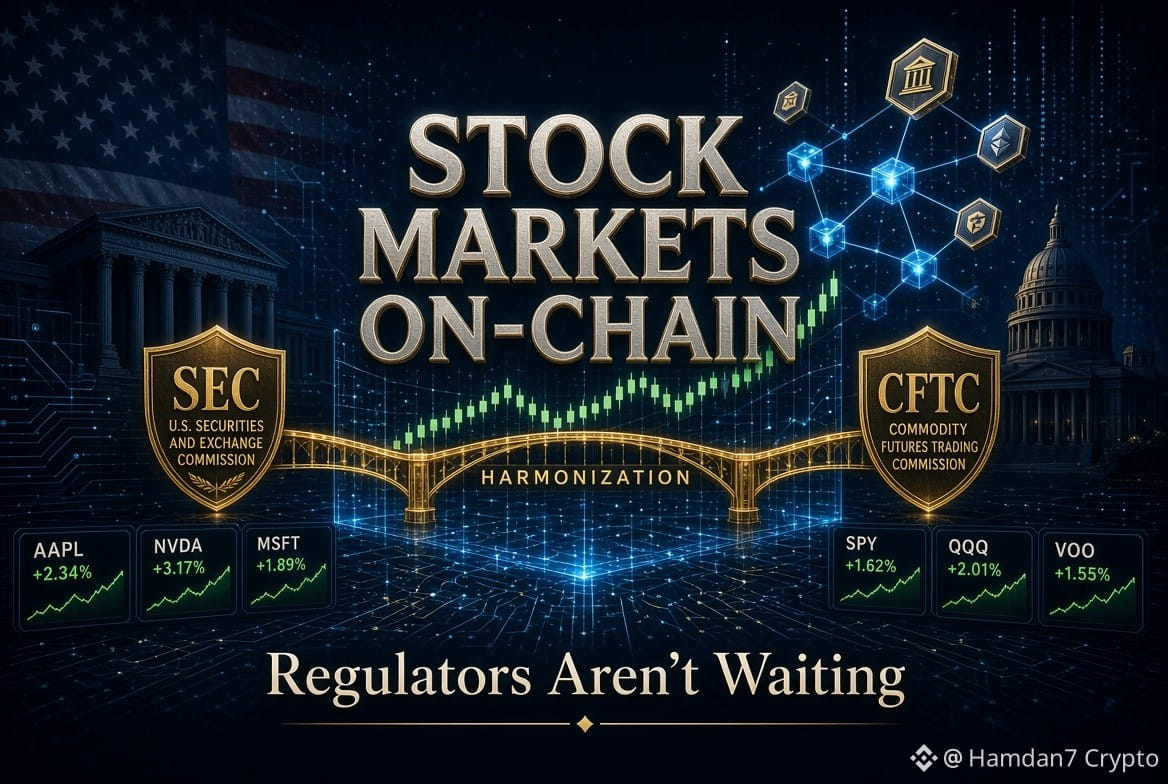
**The CLARITY Act stalled. The regulators didn’t.**
While Congress remains gridlocked, the SEC and CFTC have already made at least nine concrete moves to build a clearer U.S. crypto framework — without waiting for new legislation:
1. SEC Crypto Task Force
→ Drawing the line between securities and everything else.
2. Project Crypto
→ Rewriting SEC rules for on-chain markets.
3. SEC–CFTC joint crypto guidance
→ Clearer asset categories.
4. SEC–CFTC Harmonization MOU
→ Cutting the regulatory overlap that has plagued the industry for years.
5. Joint Harmonization Initiative
→ Coordinated rulemaking for crypto firms.
6. CFTC Innovation Task Force
→ Accelerating blockchain and crypto market work.
7. CFTC Crypto FAQs
→ Explicit guidance on how registered firms can use blockchain.
8. SEC Innovation Exemption
→ Opening the door for tokenized U.S. stocks to trade on-chain under conditional relief.
9. CFTC Proposed Crypto Market Rule
→ A formal framework for crypto asset markets.
Bottom line:
U.S. crypto regulation is no longer stuck in legislative limbo.
Both agencies are using existing authority to move forward — and the most significant signal is the SEC’s push to bring stock markets on-chain.
The future of American capital markets is being written in real time.
Not in Congress.
In regulatory action.
#SECChairWantsStockMarketsOnChain #CryptoRegulation #TokenizedStocks #ProjectCrypto #OnChainMarkets #SEC #CFTC #USCrypto
#SECChairWantsStockMarketsOnChain
**The CLARITY Act stalled. The regulators didn’t.**
While Congress remains gridlocked, the SEC and CFTC have already made at least nine concrete moves to build a clearer U.S. crypto framework — without waiting for new legislation:
1. SEC Crypto Task Force
→ Drawing the line between securities and everything else.
2. Project Crypto
→ Rewriting SEC rules for on-chain markets.
3. SEC–CFTC joint crypto guidance
→ Clearer asset categories.
4. SEC–CFTC Harmonization MOU
→ Cutting the regulatory overlap that has plagued the industry for years.
5. Joint Harmonization Initiative
→ Coordinated rulemaking for crypto firms.
6. CFTC Innovation Task Force
→ Accelerating blockchain and crypto market work.
7. CFTC Crypto FAQs
→ Explicit guidance on how registered firms can use blockchain.
8. SEC Innovation Exemption
→ Opening the door for tokenized U.S. stocks to trade on-chain under conditional relief.
9. CFTC Proposed Crypto Market Rule
→ A formal framework for crypto asset markets.
Bottom line:
U.S. crypto regulation is no longer stuck in legislative limbo.
Both agencies are using existing authority to move forward — and the most significant signal is the SEC’s push to bring stock markets on-chain.
The future of American capital markets is being written in real time.
Not in Congress.
In regulatory action.
#SECChairWantsStockMarketsOnChain #CryptoRegulation #TokenizedStocks #ProjectCrypto #OnChainMarkets #SEC #CFTC #USCrypto
**The CLARITY Act stalled. The regulators didn’t.**
While Congress remains gridlocked, the SEC and CFTC have already made at least nine concrete moves to build a clearer U.S. crypto framework — without waiting for new legislation:
1. SEC Crypto Task Force
→ Drawing the line between securities and everything else.
2. Project Crypto
→ Rewriting SEC rules for on-chain markets.
3. SEC–CFTC joint crypto guidance
→ Clearer asset categories.
4. SEC–CFTC Harmonization MOU
→ Cutting the regulatory overlap that has plagued the industry for years.
5. Joint Harmonization Initiative
→ Coordinated rulemaking for crypto firms.
6. CFTC Innovation Task Force
→ Accelerating blockchain and crypto market work.
7. CFTC Crypto FAQs
→ Explicit guidance on how registered firms can use blockchain.
8. SEC Innovation Exemption
→ Opening the door for tokenized U.S. stocks to trade on-chain under conditional relief.
9. CFTC Proposed Crypto Market Rule
→ A formal framework for crypto asset markets.
Bottom line:
U.S. crypto regulation is no longer stuck in legislative limbo.
Both agencies are using existing authority to move forward — and the most significant signal is the SEC’s push to bring stock markets on-chain.
The future of American capital markets is being written in real time.
Not in Congress.
In regulatory action.
#SECChairWantsStockMarketsOnChain #CryptoRegulation #TokenizedStocks #ProjectCrypto #OnChainMarkets #SEC #CFTC #USCrypto
14
#QNTRises287%
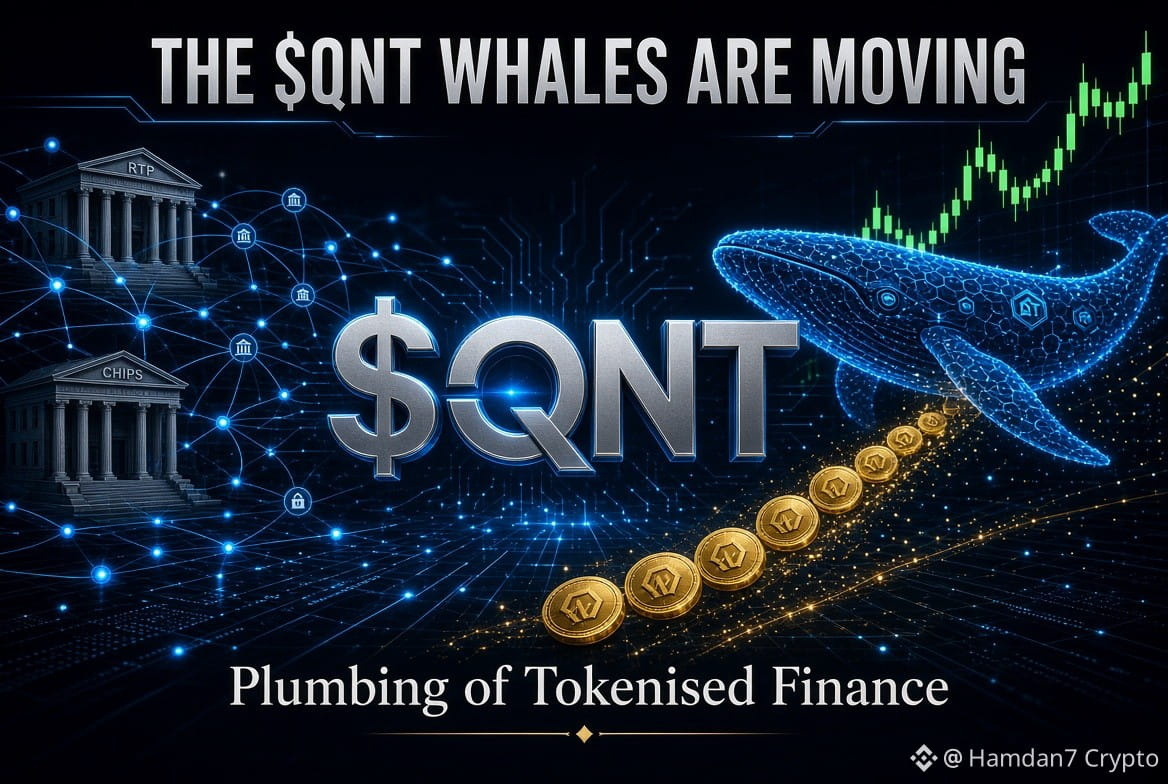
$QNT just showed what real infrastructure adoption looks like.
Whales are moving. Price ripped from ~$70s to highs over $300, now consolidating near $285 after a multi-day surge. Dormant wallets that sat quiet for years just shifted ~$10M of QNT following the move.
The catalyst is clear:
The Clearing House selected Quant to power its On-Chain Money Initiative — the network that will let U.S. banks clear and settle tokenised deposits while connecting them to existing rails like RTP and CHIPS. Targeted availability: H1 2027.
This isn’t theoretical.
UK banks have already completed live customer transactions using Quant’s tokenised-deposit infrastructure under the GBTD programme.
Quant is positioning itself as the interoperability and orchestration layer between blockchains and traditional bank money. Not another stablecoin. Not another L1. The quiet plumbing that lets tokenised deposits move across institutions without breaking existing settlement systems.
The market is still pricing the announcement.
The bigger question is what happens when this layer starts handling real volume across the largest payment networks in the U.S. and builds on proven live use in the UK.
Some large holders are taking chips off the table. Others appear to be watching the same long-term picture.
Infrastructure stories rarely move in a straight line.
But when the rails get chosen, the tokens that enable them tend to matter more over time.
#QNT #QuantNetwork #TokenisedDeposits #OnChainMoney #Interoperability #CryptoInfrastructure #BlockchainFinance #InstitutionalCrypto
#QNTRises287%
$QNT just showed what real infrastructure adoption looks like.
Whales are moving. Price ripped from ~$70s to highs over $300, now consolidating near $285 after a multi-day surge. Dormant wallets that sat quiet for years just shifted ~$10M of QNT following the move.
The catalyst is clear:
The Clearing House selected Quant to power its On-Chain Money Initiative — the network that will let U.S. banks clear and settle tokenised deposits while connecting them to existing rails like RTP and CHIPS. Targeted availability: H1 2027.
This isn’t theoretical.
UK banks have already completed live customer transactions using Quant’s tokenised-deposit infrastructure under the GBTD programme.
Quant is positioning itself as the interoperability and orchestration layer between blockchains and traditional bank money. Not another stablecoin. Not another L1. The quiet plumbing that lets tokenised deposits move across institutions without breaking existing settlement systems.
The market is still pricing the announcement.
The bigger question is what happens when this layer starts handling real volume across the largest payment networks in the U.S. and builds on proven live use in the UK.
Some large holders are taking chips off the table. Others appear to be watching the same long-term picture.
Infrastructure stories rarely move in a straight line.
But when the rails get chosen, the tokens that enable them tend to matter more over time.
#QNT #QuantNetwork #TokenisedDeposits #OnChainMoney #Interoperability #CryptoInfrastructure #BlockchainFinance #InstitutionalCrypto
$QNT just showed what real infrastructure adoption looks like.
Whales are moving. Price ripped from ~$70s to highs over $300, now consolidating near $285 after a multi-day surge. Dormant wallets that sat quiet for years just shifted ~$10M of QNT following the move.
The catalyst is clear:
The Clearing House selected Quant to power its On-Chain Money Initiative — the network that will let U.S. banks clear and settle tokenised deposits while connecting them to existing rails like RTP and CHIPS. Targeted availability: H1 2027.
This isn’t theoretical.
UK banks have already completed live customer transactions using Quant’s tokenised-deposit infrastructure under the GBTD programme.
Quant is positioning itself as the interoperability and orchestration layer between blockchains and traditional bank money. Not another stablecoin. Not another L1. The quiet plumbing that lets tokenised deposits move across institutions without breaking existing settlement systems.
The market is still pricing the announcement.
The bigger question is what happens when this layer starts handling real volume across the largest payment networks in the U.S. and builds on proven live use in the UK.
Some large holders are taking chips off the table. Others appear to be watching the same long-term picture.
Infrastructure stories rarely move in a straight line.
But when the rails get chosen, the tokens that enable them tend to matter more over time.
#QNT #QuantNetwork #TokenisedDeposits #OnChainMoney #Interoperability #CryptoInfrastructure #BlockchainFinance #InstitutionalCrypto
1
287
#JapanFSABacksFourthStablecoinTradeSettlementPilot
🇯🇵 Big step for real-world crypto utility in Japan
Binance Pay just went live for eligible overseas visitors: spend $USDT at the vast majority of PayPay merchants across Japan.
How it works — travelers pay with USDT via Binance Pay (scan the merchant’s PayPay QR or show their code). The connection runs through HIVEX. Merchants still receive clean Japanese yen settlements through the existing payment rails. No extra setup required on their side.
This opens millions of everyday spots — restaurants, shops, hotels, taxis, vending machines — to crypto holders from 100+ countries without forcing merchants to touch crypto.
Real adoption isn’t about flashy headlines. It’s when crypto quietly slots into the systems people already use. Japan just made that a lot more practical for inbound visitors.
#USDT #BinancePay #Japan #PayPay #Stablecoins #CryptoPayments #HIVEX #Web3 $bnbusd $aaveusd $bchusd
#JapanFSABacksFourthStablecoinTradeSettlementPilot
🇯🇵 Big step for real-world crypto utility in Japan
Binance Pay just went live for eligible overseas visitors: spend $USDT at the vast majority of PayPay merchants across Japan.
How it works — travelers pay with USDT via Binance Pay (scan the merchant’s PayPay QR or show their code). The connection runs through HIVEX. Merchants still receive clean Japanese yen settlements through the existing payment rails. No extra setup required on their side.
This opens millions of everyday spots — restaurants, shops, hotels, taxis, vending machines — to crypto holders from 100+ countries without forcing merchants to touch crypto.
Real adoption isn’t about flashy headlines. It’s when crypto quietly slots into the systems people already use. Japan just made that a lot more practical for inbound visitors.
#USDT #BinancePay #Japan #PayPay #Stablecoins #CryptoPayments #HIVEX #Web3 $bnbusd $aaveusd $bchusd
🇯🇵 Big step for real-world crypto utility in Japan
Binance Pay just went live for eligible overseas visitors: spend $USDT at the vast majority of PayPay merchants across Japan.
How it works — travelers pay with USDT via Binance Pay (scan the merchant’s PayPay QR or show their code). The connection runs through HIVEX. Merchants still receive clean Japanese yen settlements through the existing payment rails. No extra setup required on their side.
This opens millions of everyday spots — restaurants, shops, hotels, taxis, vending machines — to crypto holders from 100+ countries without forcing merchants to touch crypto.
Real adoption isn’t about flashy headlines. It’s when crypto quietly slots into the systems people already use. Japan just made that a lot more practical for inbound visitors.
#USDT #BinancePay #Japan #PayPay #Stablecoins #CryptoPayments #HIVEX #Web3 $bnbusd $aaveusd $bchusd

37
#BitwiseLaunchesFirstSpotNEARETF
🔥 $NEAR Major Tokenomics Upgrade Incoming
NEAR Protocol just locked in a big shift for its economics.
Governance (House of Stake) approved HSP-027, removing the old 30% developer gas rebate. Once the nearcore v2.14 upgrade hits mainnet (targeted around early October 2026), 100% of execution gas fees will be burned at the protocol level instead of sending any portion back to smart contracts.
What this means:
Higher network activity now directly increases token burns
Cleaner, simpler fee structure with stronger value accrual for $NEAR holders
No breaking changes for users or builders
This comes right as Bitwise launches the first US spot NEAR ETF (NRR) with staking — giving traditional investors direct exposure while the protocol tightens its tokenomics.
More usage → more burns → clearer path for $NEAR value capture.
The fundamentals are aligning.
#NEAR #NEARprotocol #Tokenomics #Crypto #Blockchain #HSP027 #Bitwise #SpotETF $bchusd
#BitwiseLaunchesFirstSpotNEARETF
🔥 $NEAR Major Tokenomics Upgrade Incoming
NEAR Protocol just locked in a big shift for its economics.
Governance (House of Stake) approved HSP-027, removing the old 30% developer gas rebate. Once the nearcore v2.14 upgrade hits mainnet (targeted around early October 2026), 100% of execution gas fees will be burned at the protocol level instead of sending any portion back to smart contracts.
What this means:
Higher network activity now directly increases token burns
Cleaner, simpler fee structure with stronger value accrual for $NEAR holders
No breaking changes for users or builders
This comes right as Bitwise launches the first US spot NEAR ETF (NRR) with staking — giving traditional investors direct exposure while the protocol tightens its tokenomics.
More usage → more burns → clearer path for $NEAR value capture.
The fundamentals are aligning.
#NEAR #NEARprotocol #Tokenomics #Crypto #Blockchain #HSP027 #Bitwise #SpotETF $bchusd
🔥 $NEAR Major Tokenomics Upgrade Incoming
NEAR Protocol just locked in a big shift for its economics.
Governance (House of Stake) approved HSP-027, removing the old 30% developer gas rebate. Once the nearcore v2.14 upgrade hits mainnet (targeted around early October 2026), 100% of execution gas fees will be burned at the protocol level instead of sending any portion back to smart contracts.
What this means:
Higher network activity now directly increases token burns
Cleaner, simpler fee structure with stronger value accrual for $NEAR holders
No breaking changes for users or builders
This comes right as Bitwise launches the first US spot NEAR ETF (NRR) with staking — giving traditional investors direct exposure while the protocol tightens its tokenomics.
More usage → more burns → clearer path for $NEAR value capture.
The fundamentals are aligning.
#NEAR #NEARprotocol #Tokenomics #Crypto #Blockchain #HSP027 #Bitwise #SpotETF $bchusd
1
85
#BitwiseLaunchesFirstSpotNEARETF
$NEAR Enters the U.S. ETF Market
A major milestone for $NEAR has officially arrived.
Bitwise has launched the Bitwise NEAR ETF ($NRR) on NYSE Arca, becoming the first U.S. spot exchange-traded product offering direct exposure to NEAR.
For investors, this creates a new way to gain exposure to $NEAR through a traditional brokerage account without directly managing the token.
But the biggest twist is staking. 🔥
Bitwise intends to stake the fund’s NEAR holdings, with staking rewards accruing to shareholders through the fund’s NAV. The fund carries a 0.75% management fee, while the staking rate can change and is not guaranteed.
Why This Matters 👀
• First U.S. spot NEAR ETF
• Trades under ticker $NRR
• Direct exposure to $NEAR
• Listed on NYSE Arca
• NEAR holdings can generate staking rewards
• Brings NEAR closer to traditional financial markets
This is another important step in the evolution of crypto ETFs.
Bitcoin and Ethereum started the U.S. spot ETF era. Now, assets like NEAR are entering the same traditional investment infrastructure.
The next thing to watch is simple:
How much demand will $NRR attract — and how much NEAR could flow into the fund? 📊
#NEAR #NRR #Bitwise #NEARETF #ETF #CryptoETF #NYSEArca #Crypto #Altcoins #Blockchain #AI #Web3 #Staking #DeFi #CryptoMarket $bchusd
#BitwiseLaunchesFirstSpotNEARETF
$NEAR Enters the U.S. ETF Market
A major milestone for $NEAR has officially arrived.
Bitwise has launched the Bitwise NEAR ETF ($NRR) on NYSE Arca, becoming the first U.S. spot exchange-traded product offering direct exposure to NEAR.
For investors, this creates a new way to gain exposure to $NEAR through a traditional brokerage account without directly managing the token.
But the biggest twist is staking. 🔥
Bitwise intends to stake the fund’s NEAR holdings, with staking rewards accruing to shareholders through the fund’s NAV. The fund carries a 0.75% management fee, while the staking rate can change and is not guaranteed.
Why This Matters 👀
• First U.S. spot NEAR ETF
• Trades under ticker $NRR
• Direct exposure to $NEAR
• Listed on NYSE Arca
• NEAR holdings can generate staking rewards
• Brings NEAR closer to traditional financial markets
This is another important step in the evolution of crypto ETFs.
Bitcoin and Ethereum started the U.S. spot ETF era. Now, assets like NEAR are entering the same traditional investment infrastructure.
The next thing to watch is simple:
How much demand will $NRR attract — and how much NEAR could flow into the fund? 📊
#NEAR #NRR #Bitwise #NEARETF #ETF #CryptoETF #NYSEArca #Crypto #Altcoins #Blockchain #AI #Web3 #Staking #DeFi #CryptoMarket $bchusd
$NEAR Enters the U.S. ETF Market
A major milestone for $NEAR has officially arrived.
Bitwise has launched the Bitwise NEAR ETF ($NRR) on NYSE Arca, becoming the first U.S. spot exchange-traded product offering direct exposure to NEAR.
For investors, this creates a new way to gain exposure to $NEAR through a traditional brokerage account without directly managing the token.
But the biggest twist is staking. 🔥
Bitwise intends to stake the fund’s NEAR holdings, with staking rewards accruing to shareholders through the fund’s NAV. The fund carries a 0.75% management fee, while the staking rate can change and is not guaranteed.
Why This Matters 👀
• First U.S. spot NEAR ETF
• Trades under ticker $NRR
• Direct exposure to $NEAR
• Listed on NYSE Arca
• NEAR holdings can generate staking rewards
• Brings NEAR closer to traditional financial markets
This is another important step in the evolution of crypto ETFs.
Bitcoin and Ethereum started the U.S. spot ETF era. Now, assets like NEAR are entering the same traditional investment infrastructure.
The next thing to watch is simple:
How much demand will $NRR attract — and how much NEAR could flow into the fund? 📊
#NEAR #NRR #Bitwise #NEARETF #ETF #CryptoETF #NYSEArca #Crypto #Altcoins #Blockchain #AI #Web3 #Staking #DeFi #CryptoMarket $bchusd
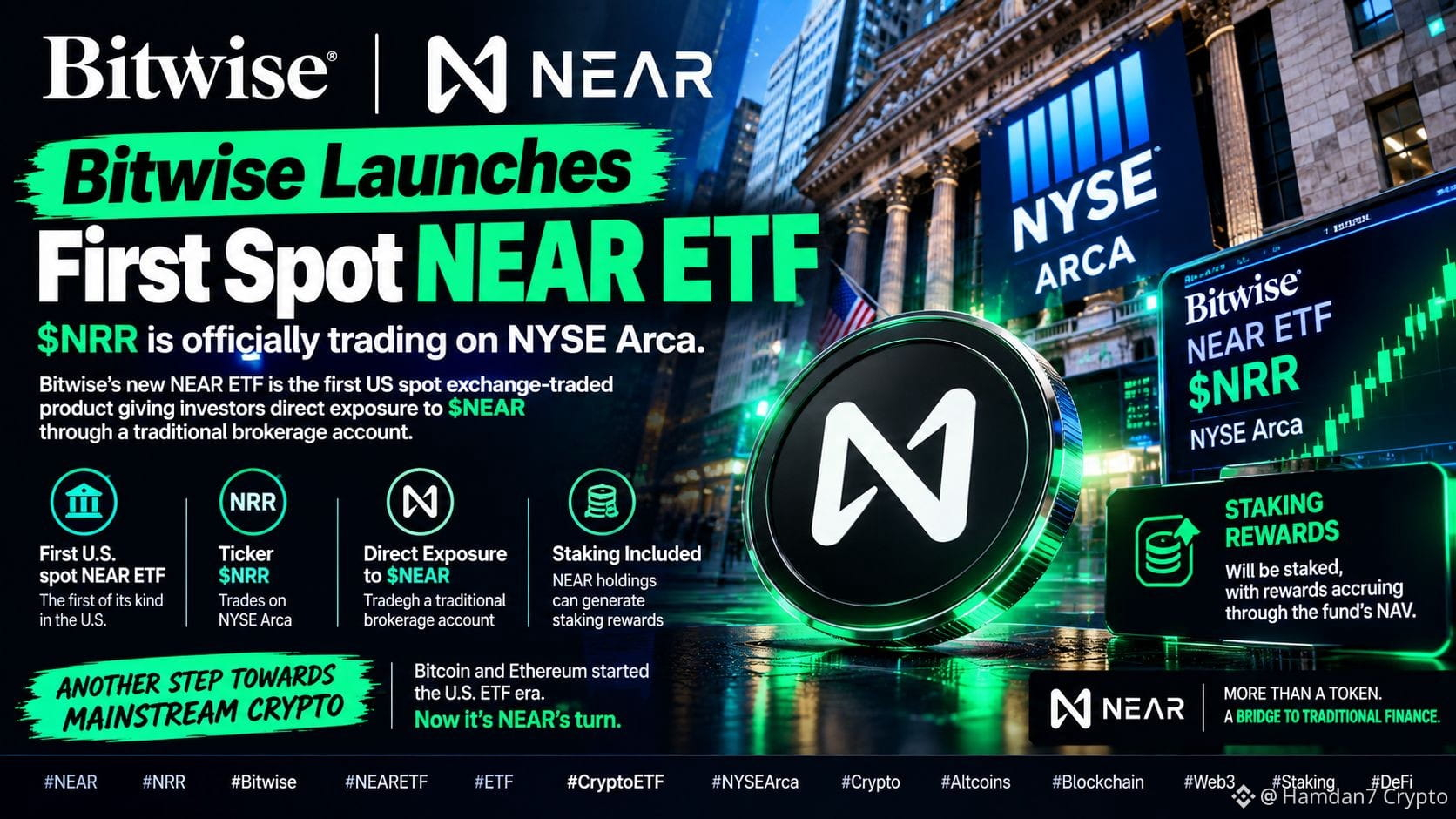
80
#EarningsSeason
🚨Micron Technology Earnings: The AI Memory Test Begins
Micron Technology ($MU) is stepping into the spotlight as it prepares to report its fiscal Q4 2026 earnings today.
The memory-chip giant is coming off a powerful quarter, when it reported approximately $41.46 billion in revenue, marking a massive year-over-year increase and beating Wall Street expectations.
Now, investors are watching for one major question:
Can Micron keep the AI-driven momentum going? 👀
The company has benefited from strong demand for high-bandwidth memory (HBM), server DRAM and AI data-center infrastructure. Earlier this year, Micron also highlighted strong customer commitments for memory supply, showing just how intense the demand environment has become.
🔥 Key Things to Watch
• Revenue and EPS versus expectations
• HBM demand and future growth
• AI data-center memory demand
• DRAM pricing and supply conditions
• Fiscal 2027 revenue and profit guidance
• Capital spending and production expansion
This earnings report is about more than just one quarter.
Micron’s outlook could provide another important signal for the broader semiconductor and AI infrastructure market.
All eyes are now on $MU. 📊🔥
#MU #Micron #Earnings #EarningsSeason #AI #ArtificialIntelligence #Semiconductors #HBM #DRAM #TechStocks #StockMarket #NASDAQ #AIStocks $bchusd
#EarningsSeason
🚨Micron Technology Earnings: The AI Memory Test Begins
Micron Technology ($MU) is stepping into the spotlight as it prepares to report its fiscal Q4 2026 earnings today.
The memory-chip giant is coming off a powerful quarter, when it reported approximately $41.46 billion in revenue, marking a massive year-over-year increase and beating Wall Street expectations.
Now, investors are watching for one major question:
Can Micron keep the AI-driven momentum going? 👀
The company has benefited from strong demand for high-bandwidth memory (HBM), server DRAM and AI data-center infrastructure. Earlier this year, Micron also highlighted strong customer commitments for memory supply, showing just how intense the demand environment has become.
🔥 Key Things to Watch
• Revenue and EPS versus expectations
• HBM demand and future growth
• AI data-center memory demand
• DRAM pricing and supply conditions
• Fiscal 2027 revenue and profit guidance
• Capital spending and production expansion
This earnings report is about more than just one quarter.
Micron’s outlook could provide another important signal for the broader semiconductor and AI infrastructure market.
All eyes are now on $MU. 📊🔥
#MU #Micron #Earnings #EarningsSeason #AI #ArtificialIntelligence #Semiconductors #HBM #DRAM #TechStocks #StockMarket #NASDAQ #AIStocks $bchusd
🚨Micron Technology Earnings: The AI Memory Test Begins
Micron Technology ($MU) is stepping into the spotlight as it prepares to report its fiscal Q4 2026 earnings today.
The memory-chip giant is coming off a powerful quarter, when it reported approximately $41.46 billion in revenue, marking a massive year-over-year increase and beating Wall Street expectations.
Now, investors are watching for one major question:
Can Micron keep the AI-driven momentum going? 👀
The company has benefited from strong demand for high-bandwidth memory (HBM), server DRAM and AI data-center infrastructure. Earlier this year, Micron also highlighted strong customer commitments for memory supply, showing just how intense the demand environment has become.
🔥 Key Things to Watch
• Revenue and EPS versus expectations
• HBM demand and future growth
• AI data-center memory demand
• DRAM pricing and supply conditions
• Fiscal 2027 revenue and profit guidance
• Capital spending and production expansion
This earnings report is about more than just one quarter.
Micron’s outlook could provide another important signal for the broader semiconductor and AI infrastructure market.
All eyes are now on $MU. 📊🔥
#MU #Micron #Earnings #EarningsSeason #AI #ArtificialIntelligence #Semiconductors #HBM #DRAM #TechStocks #StockMarket #NASDAQ #AIStocks $bchusd

82
Log in to explore more content
Join global crypto users on Binance Square
⚡️ Get latest and useful information about crypto.
💬 Trusted by the world’s largest crypto exchange.
👍 Discover real insights from verified creators.
အီးမေးလ် / ဖုန်းနံပါတ်
ရေပန်းစားနေသော ခေါင်းစဉ်များ
NFPWatch
10.9M views
19,273 Discussing
Crypto News | Bitcoin Rises Toward $85K as Treasury Yields Fall Ahead of U.S. NFP Report
Binance News
·နှစ်သက်မှု 40 ခု
·50.4k views
BitcoinFundingRateTriplesTo10%
166,857 views
1,186 Discussing
BitcoinSurpasses$86KUp2.99%
54,531 views
113 Discussing