

Great games are rarely finished at launch. Most of the titles players remember years later didn’t succeed because everything worked perfectly on day one, but because the teams behind them were able to keep improving, adjusting and expanding over time.
Iteration is the quiet engine behind long-lasting games. Balance changes, new mechanics, performance improvements and content updates all depend on how easily a team can make changes and test them in real conditions. When iteration slows down, creativity follows.
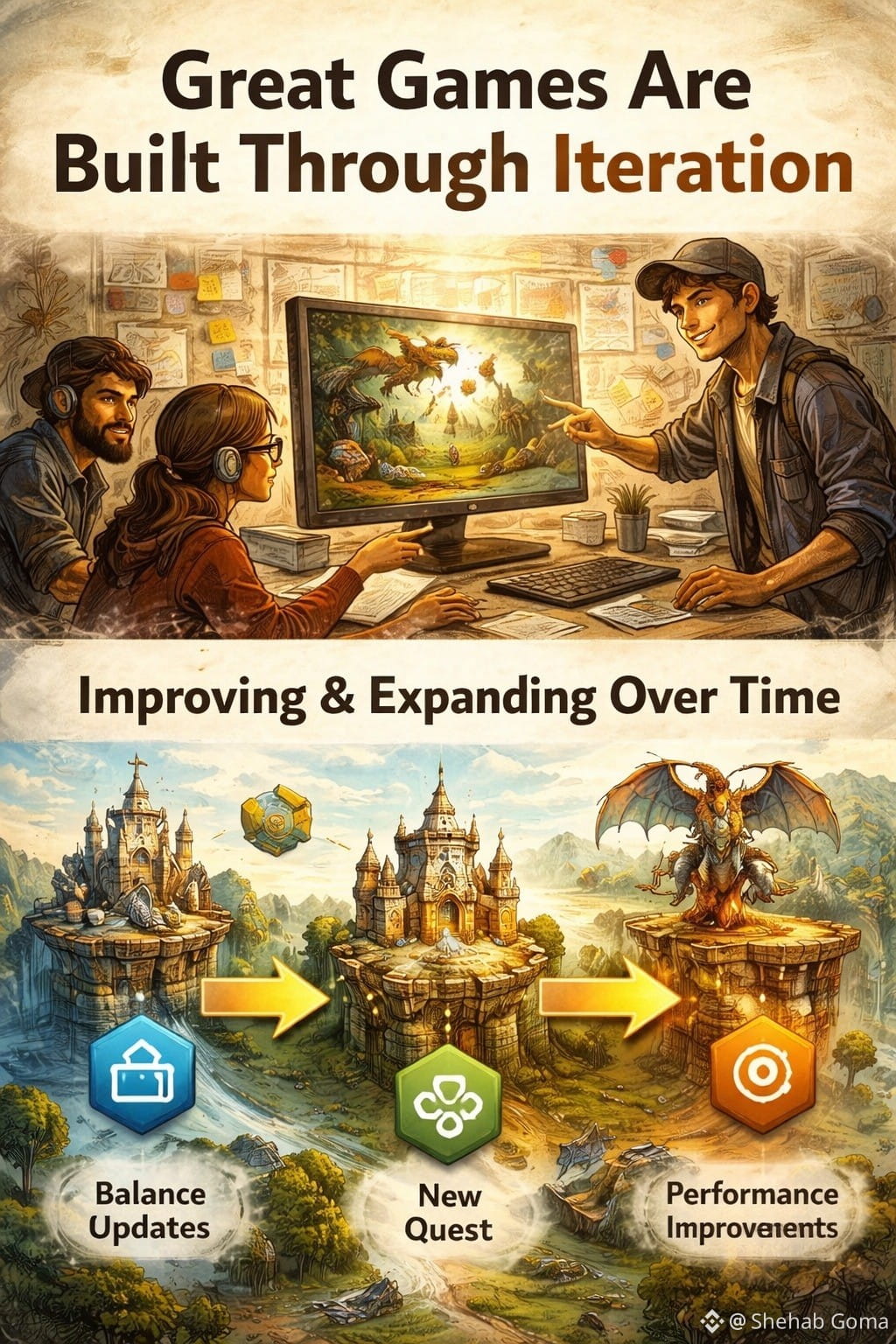
In modern game development, technical friction often becomes the invisible limiter. Systems that are difficult to modify or unpredictable to update force teams into conservative decisions. Instead of experimenting, they settle. Instead of refining, they postpone. Over time, this impacts the quality of the experience players receive.
VanarChain is built around the idea that infrastructure should support creative momentum rather than restrict it. By focusing on gaming-native design, the goal is to let teams evolve their games without constantly navigating technical roadblocks. When updates are easier to ship and changes are safer to test, development becomes more flexible and responsive.
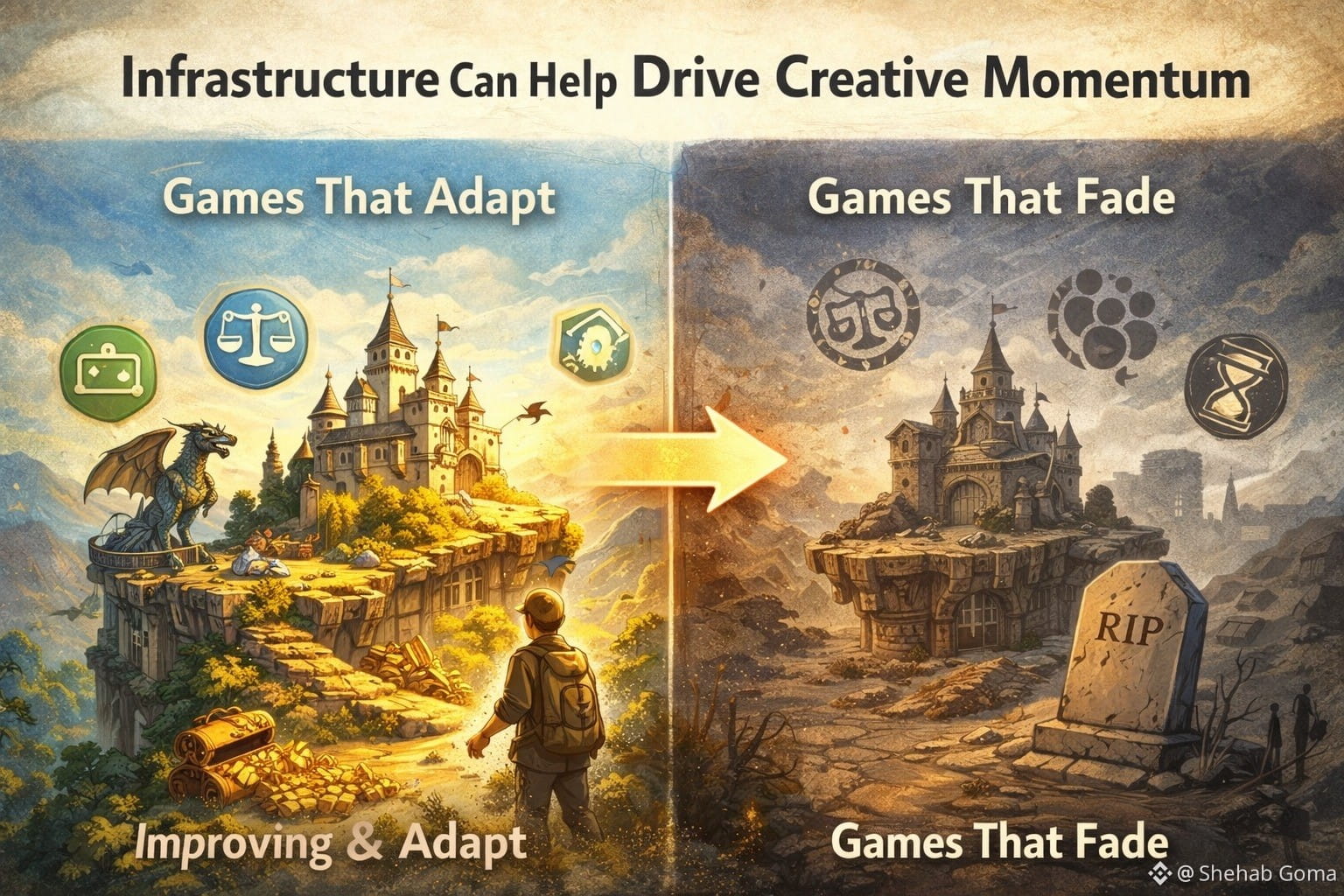
This flexibility matters long after release. Player behavior changes, communities grow and expectations shift. Games that can adapt stay relevant. Games that can’t often fade quietly.
As the gaming landscape continues to evolve, success will belong less to projects that make the loudest debut and more to those that can keep moving forward steadily. Sustainable games are built through many small improvements, not a single moment.
Infrastructure that respects this reality becomes part of the creative process itself not something developers have to fight against.
