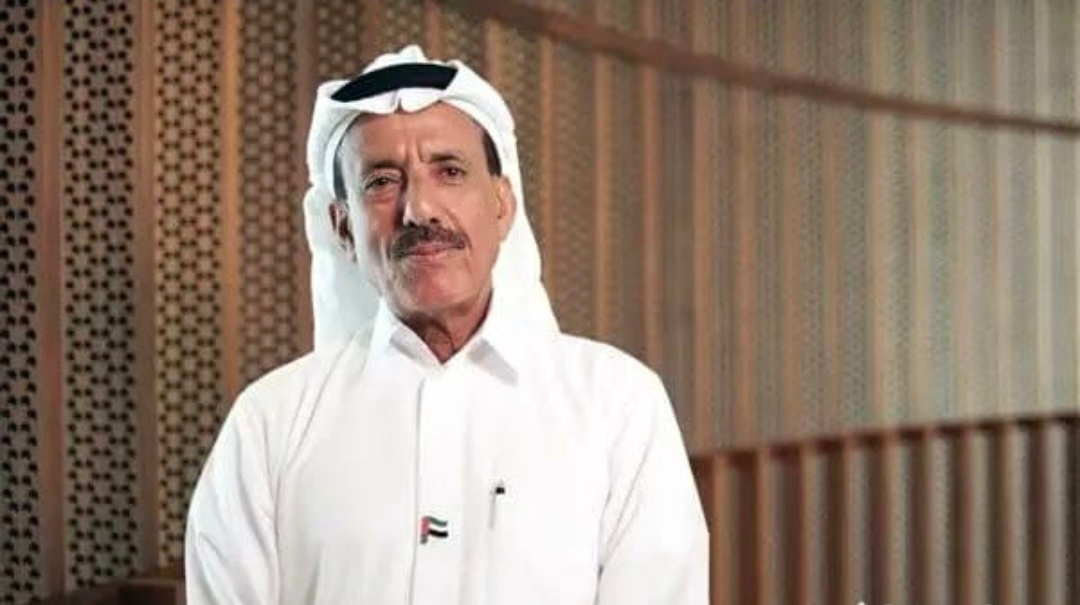
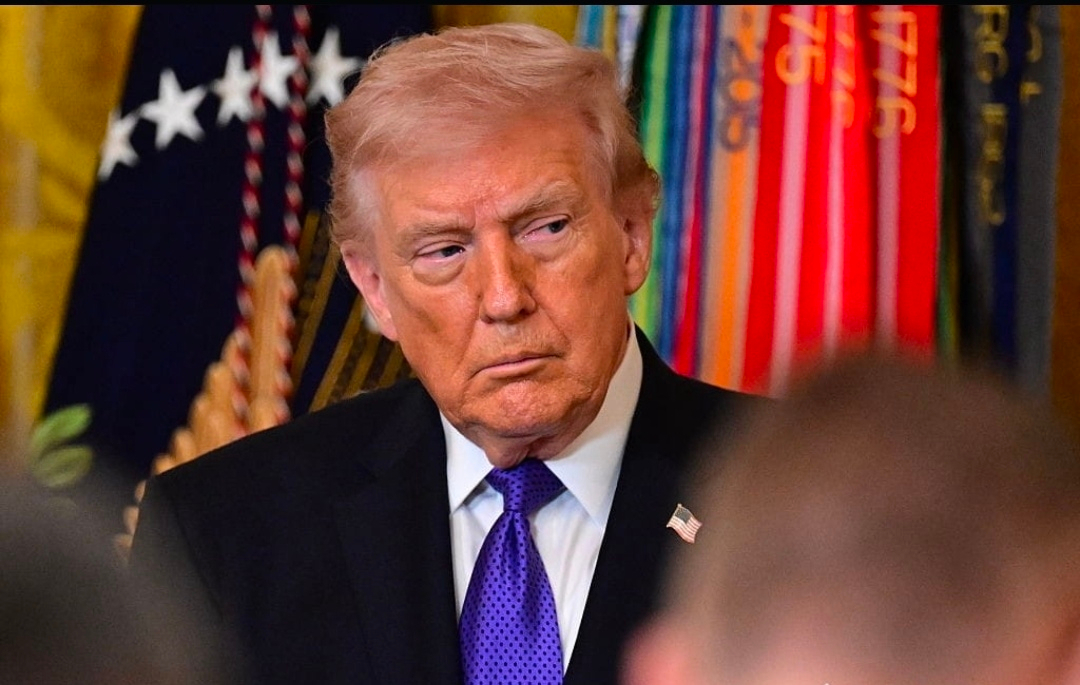
Khalaf Ahmad Al Habtoor’s open letter to Donald Trump is striking not simply because of its language, but because of who is delivering it. Al Habtoor is not an outsider throwing slogans from the sidelines. He is one of the UAE’s best-known businessmen, a prominent public figure in the Gulf, and someone whose political words carry weight well beyond social media. Multiple reports on March 5–6, 2026 described his letter as a direct rebuke of Trump’s military escalation toward Iran, especially the risk it imposes on Gulf states that would bear the fallout first.
The core of Al Habtoor’s message is simple and severe: the Gulf did not consent to becoming the front line of another confrontation with Iran. In the reported text of the letter, he asks who gave Washington the right to turn the region into a battlefield and whether this was truly an American decision or one shaped by Israeli pressure. He argues that Gulf countries are being placed at the center of a danger they did not choose, despite the fact that they will be among the first to absorb the political, economic, and security consequences of any wider war.
What makes the intervention more politically meaningful is that it exposes a deeper strain in the U.S.-Gulf relationship. For years, Washington has presented itself to Arab partners as both security guarantor and stabilizing force. Al Habtoor’s letter flips that image. His criticism suggests that, from at least one influential Emirati viewpoint, the United States is no longer acting as a shield but as a source of regional exposure. That is a serious message, particularly coming from a figure embedded in the Gulf establishment rather than from an opposition activist or ideological critic.
The sharpest element of the letter is its accusation of contradiction. Al Habtoor reportedly points to earlier peace-oriented messaging and asks how such rhetoric can coexist with actions that bring the region closer to open war. In one widely cited passage, he questions what became of those peace initiatives when the Gulf now finds itself facing military escalation. That line is not just rhetorical flourish. It is an attack on credibility. It suggests that promises of restraint and diplomacy are collapsing under the weight of hard-power decisions made elsewhere.
The letter also matters because it reflects a long-standing Gulf fear: that regional actors may pay the price for decisions made in Washington, Tehran, or Tel Aviv without having real control over the escalation ladder. Al Habtoor’s public frustration captures that anxiety in unusually blunt terms. His closing argument, as summarized by recent coverage, is that leadership should be judged not by the ability to launch military action, but by wisdom, respect, and the pursuit of peace.
Some of the numerical claims circulating alongside the letter, including strike counts, approval ratings, and war-cost estimates, were presented in your draft but I have not independently verified them from primary source data here. The strongest verified point is the political significance of the letter itself: an influential Emirati voice has publicly challenged Trump over Iran escalation and warned that America’s Arab partners did not sign up to become the battlefield.