
#stablecoin
stablecoin
3.9M penayangan
17,192 Berdiskusi
Populer
Terbaru

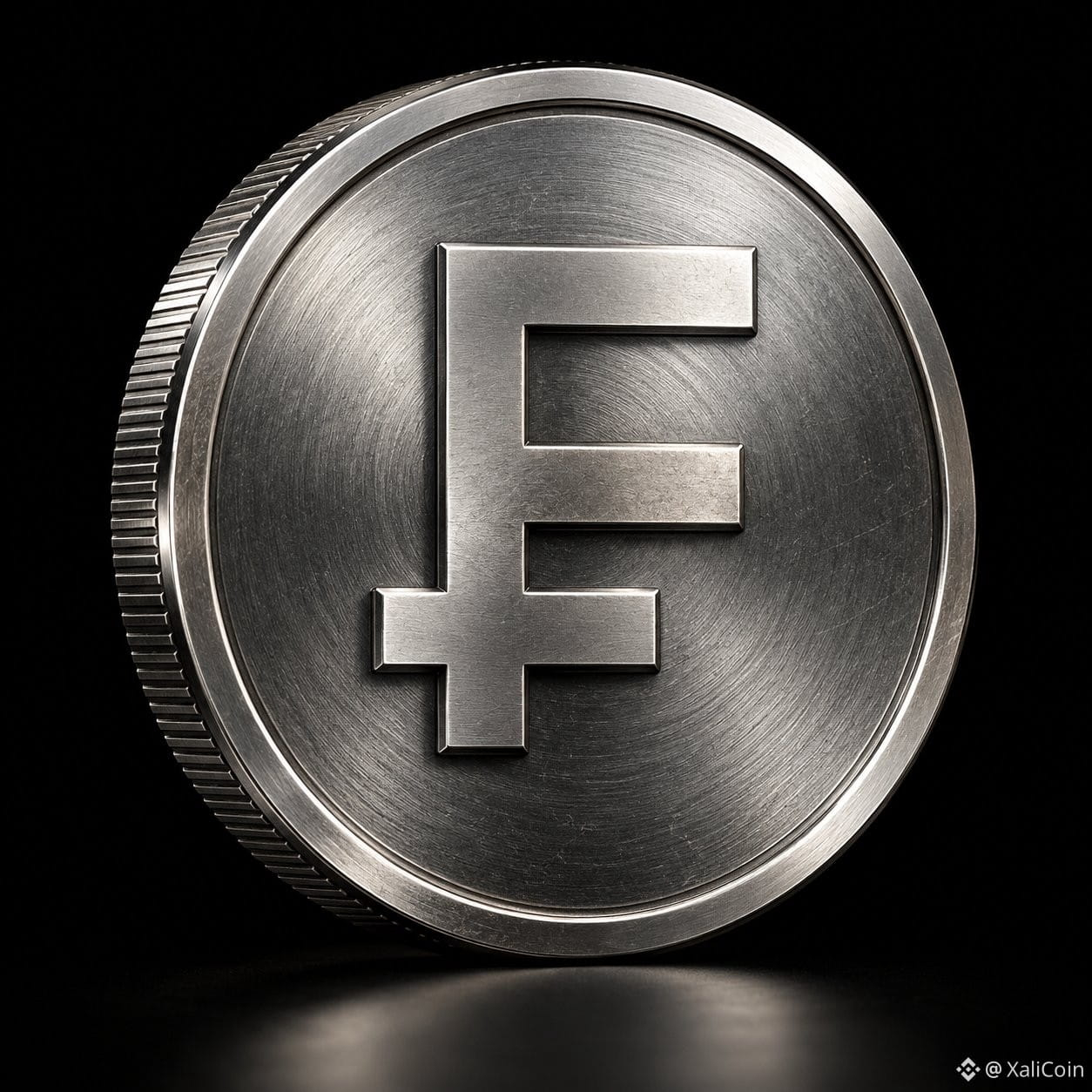
🇨🇭 SWISS MULAI MENGUJI STABLECOIN CHFD
UBS bersama 8 perusahaan Swiss lainnya kini mulai menguji CHFD, stablecoin yang dirancang memiliki nilai 1:1 terhadap franc Swiss (CHF).
Pesertanya mencakup UBS, PostFinance, Sygnum, Raiffeisen, Zürcher Kantonalbank, BCV, SIX, TWINT, dan Swiss Stablecoin AG.
Yang menarik, pengujian ini bukan hanya soal transfer uang.
Mereka mengeksplorasi:
🔹 Pembayaran yang dapat diprogram
🔹 Transaksi otomatis antar institusi keuangan
🔹 Settlement aset yang ditokenisasi
🔹 Integrasi blockchain dengan sistem keuangan tradisional
🔹 Efisiensi pembayaran dan transfer dana
Artinya, stablecoin mulai bergerak dari dunia crypto menuju infrastruktur keuangan institusional.
🇨🇭 Swiss selama ini dikenal sebagai salah satu pusat keuangan dunia. Ketika bank besar, infrastruktur pasar, dan perusahaan pembayaran mulai menguji uang berbasis blockchain, ini bisa menjadi sinyal bahwa stablecoin tidak lagi dipandang hanya sebagai alat trading crypto.
Namun perlu dicatat: CHFD masih berada dalam tahap sandbox/pengujian dan belum berarti akan langsung diluncurkan secara komersial kepada publik.
🔥 Jika eksperimen ini berhasil, stablecoin berbasis mata uang lokal bisa menjadi salah satu fondasi baru pembayaran digital dan tokenisasi aset di Eropa.
Dari USD, EUR hingga CHF — perlombaan stablecoin institusional semakin nyata.
#Stablecoin #CHFD #CHF #UBS #Blockchain
$USDE
$USDS
UBS bersama 8 perusahaan Swiss lainnya kini mulai menguji CHFD, stablecoin yang dirancang memiliki nilai 1:1 terhadap franc Swiss (CHF).
Pesertanya mencakup UBS, PostFinance, Sygnum, Raiffeisen, Zürcher Kantonalbank, BCV, SIX, TWINT, dan Swiss Stablecoin AG.
Yang menarik, pengujian ini bukan hanya soal transfer uang.
Mereka mengeksplorasi:
🔹 Pembayaran yang dapat diprogram
🔹 Transaksi otomatis antar institusi keuangan
🔹 Settlement aset yang ditokenisasi
🔹 Integrasi blockchain dengan sistem keuangan tradisional
🔹 Efisiensi pembayaran dan transfer dana
Artinya, stablecoin mulai bergerak dari dunia crypto menuju infrastruktur keuangan institusional.
🇨🇭 Swiss selama ini dikenal sebagai salah satu pusat keuangan dunia. Ketika bank besar, infrastruktur pasar, dan perusahaan pembayaran mulai menguji uang berbasis blockchain, ini bisa menjadi sinyal bahwa stablecoin tidak lagi dipandang hanya sebagai alat trading crypto.
Namun perlu dicatat: CHFD masih berada dalam tahap sandbox/pengujian dan belum berarti akan langsung diluncurkan secara komersial kepada publik.
🔥 Jika eksperimen ini berhasil, stablecoin berbasis mata uang lokal bisa menjadi salah satu fondasi baru pembayaran digital dan tokenisasi aset di Eropa.
Dari USD, EUR hingga CHF — perlombaan stablecoin institusional semakin nyata.
#Stablecoin #CHFD #CHF #UBS #Blockchain
$USDE
$USDS


Lihat terjemahan
Visa kết hợp dữ liệu VisaNet với cho vay trên chuỗi để hỗ trợ vốn lưu động thẻ stablecoin
• Visa tích hợp dữ liệu VisaNet với các nền tảng cho vay trên chuỗi để hỗ trợ vốn lưu động cho thẻ stablecoin.
• Khối lượng thanh toán stablecoin của Visa vượt 20 tỷ USD theo tỷ lệ hàng năm, tăng 15 lần so với năm trước.
• Visa muốn các nền tảng cho vay blockchain sử dụng dữ liệu này để cấp tín dụng cho các nhà phát hành đang thúc đẩy sự tăng trưởng.
#BinanceSquare #CryptoNews #Stablecoin
$btc $eth
#vlikevn #Titanbot
Nguồn: CoinDesk
• Visa tích hợp dữ liệu VisaNet với các nền tảng cho vay trên chuỗi để hỗ trợ vốn lưu động cho thẻ stablecoin.
• Khối lượng thanh toán stablecoin của Visa vượt 20 tỷ USD theo tỷ lệ hàng năm, tăng 15 lần so với năm trước.
• Visa muốn các nền tảng cho vay blockchain sử dụng dữ liệu này để cấp tín dụng cho các nhà phát hành đang thúc đẩy sự tăng trưởng.
#BinanceSquare #CryptoNews #Stablecoin
$btc $eth
#vlikevn #Titanbot
Nguồn: CoinDesk

Lihat terjemahan
$BNB
稳定币正在从“交易中转站”变成加密市场真正的结算层,BNB 的价值捕获也不只看链上转账费。
Binance 研究给出的信号很直接:稳定币周末转账规模约 760 亿美元,支付不等传统市场开盘;Binance Pay 已覆盖 2100 万注册商户,BNB Chain 日均稳定币交易约 1000 万笔。这里的关键不是数字大不大,而是稳定币能不能在支付、API 服务、链上金融之间反复周转。周转越多,流动性、钱包入口和链上手续费才有机会沉淀下来。
但我不会把“使用量增长”直接等同于 BNB 必涨。要看活跃地址是不是由真实支付和结算带动,还是活动补贴堆出来;还要看稳定币供给、链上费用和跨境商户留存能不能一起走。BNB 目前约 752.51 USDT,24 小时涨 1.60%,强度不错,但这个位置更适合等回踩确认。稳定币叙事你看的是支付落地,还是单纯的链上活跃?
#BNB #Stablecoin #BNBChain
稳定币正在从“交易中转站”变成加密市场真正的结算层,BNB 的价值捕获也不只看链上转账费。
Binance 研究给出的信号很直接:稳定币周末转账规模约 760 亿美元,支付不等传统市场开盘;Binance Pay 已覆盖 2100 万注册商户,BNB Chain 日均稳定币交易约 1000 万笔。这里的关键不是数字大不大,而是稳定币能不能在支付、API 服务、链上金融之间反复周转。周转越多,流动性、钱包入口和链上手续费才有机会沉淀下来。
但我不会把“使用量增长”直接等同于 BNB 必涨。要看活跃地址是不是由真实支付和结算带动,还是活动补贴堆出来;还要看稳定币供给、链上费用和跨境商户留存能不能一起走。BNB 目前约 752.51 USDT,24 小时涨 1.60%,强度不错,但这个位置更适合等回踩确认。稳定币叙事你看的是支付落地,还是单纯的链上活跃?
#BNB #Stablecoin #BNBChain


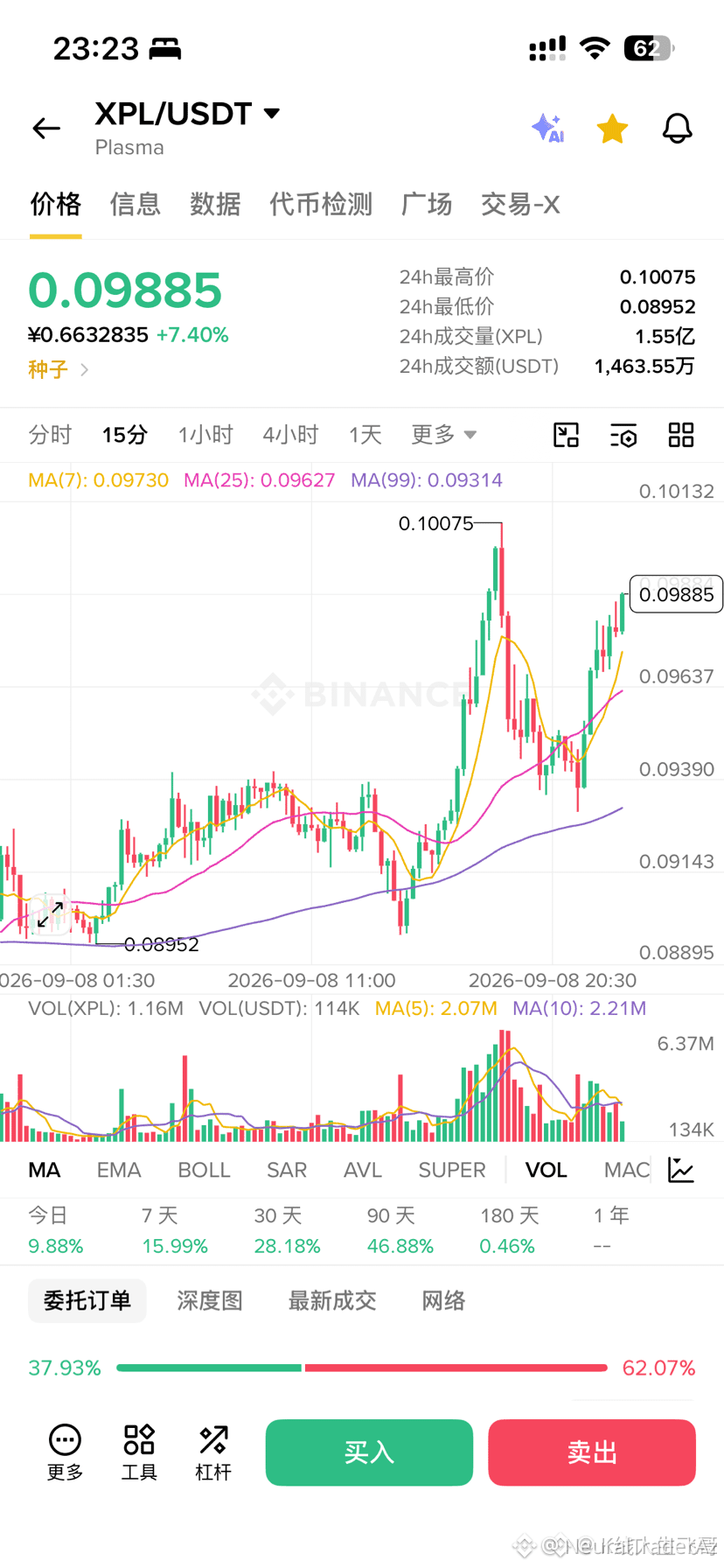
🚨 $XPL BREAKS MENEMBUS DARI KEDALAMAN PADA 0.08 – KENAIKAN STABLECOIN YANG STABIL 🟢
Entry: 0.08 ⚡
📊 Zona 0.08 bertindak sebagai order block yang sangat bersih, menelan tekanan jual sebanyak tiga kali dalam 48 jam terakhir. 🌊 Kolam likuiditas smart-money di atas 0.08 telah disiapkan, dan pull-back terbaru ke 0.079 mengonfirmasi adanya penyerapan permintaan. 💡 Dengan $XPL diposisikan sebagai stablecoin terbesar ketiga di sebuah blockchain publik khusus, arus masuk institusional kemungkinan akan mempercepat leg berikutnya. 📌 Perhatikan resistance di 0.09 sebagai rintangan likuiditas berikutnya.
💬 Bagaimana hirarki stablecoin yang mulai terbentuk mengubah strategi alokasi Anda? 👇
⚠️ Bukan nasihat keuangan. Selalu kelola risiko Anda. 🛡️
🏷️ #XPL #Stablecoin #LongSetup #Crypto
🚀 💎
Entry: 0.08 ⚡
📊 Zona 0.08 bertindak sebagai order block yang sangat bersih, menelan tekanan jual sebanyak tiga kali dalam 48 jam terakhir. 🌊 Kolam likuiditas smart-money di atas 0.08 telah disiapkan, dan pull-back terbaru ke 0.079 mengonfirmasi adanya penyerapan permintaan. 💡 Dengan $XPL diposisikan sebagai stablecoin terbesar ketiga di sebuah blockchain publik khusus, arus masuk institusional kemungkinan akan mempercepat leg berikutnya. 📌 Perhatikan resistance di 0.09 sebagai rintangan likuiditas berikutnya.
💬 Bagaimana hirarki stablecoin yang mulai terbentuk mengubah strategi alokasi Anda? 👇
⚠️ Bukan nasihat keuangan. Selalu kelola risiko Anda. 🛡️
🏷️ #XPL #Stablecoin #LongSetup #Crypto
🚀 💎


Lihat terjemahan
Khối lượng stablecoin qua Visa tăng vọt 15 lần cán mốc 20 tỷ USD/năm — trong khi đa phần anh em mải nhìn nến ngắn hạn, các tay chơi lớn TradFi thực chất đang toan tính điều gì?
Động thái Visa thúc đẩy các giao thức cho vay on-chain tận dụng dữ liệu VisaNet để cấp vốn lưu động cho đơn vị phát hành thẻ là một bước cờ rất đáng chú ý. Dưới góc nhìn dòng tiền và cá mập, đây không còn là cuộc chơi đầu cơ thanh khoản ảo. TradFi đang từng bước hợp nhất dữ liệu giao dịch thực với DeFi để giải ngân stablecoin tức thì. Dòng vốn tổ chức đang âm thầm xây nền móng tín dụng quy mô lớn ngay trên blockchain.
Tại thời điểm viết, $BTC đang dao động quanh 78.352,1 USD (-0.79%), trong khi $ETH giữ mốc 2.480,26 USD. Lịch sử cho thấy các tay to gom hàng và mở rộng thanh khoản hạ tầng luôn diễn ra trong sự tĩnh lặng trước khi thị trường bùng nổ. Với anh em đánh futures, dòng tiền stablecoin phình to là tín hiệu tích cực dài hạn, nhưng vùng tích lũy hiện tại lại cực kỳ dễ quét thanh khoản hai đầu. Mình ưu tiên kiên nhẫn quan sát cách $BTC giữ cấu trúc giá, kiểm soát đòn bẩy chặt chẽ và luôn chuẩn bị sẵn kịch bản quản trị rủi ro.
Vùng này anh em chọn LONG hay SHORT $BTC ? Bấm $BTC bên dưới soi chart cùng mình nhé! 👇
#Stablecoin #DeFi #Web3 #Bitcoin #BTC
Động thái Visa thúc đẩy các giao thức cho vay on-chain tận dụng dữ liệu VisaNet để cấp vốn lưu động cho đơn vị phát hành thẻ là một bước cờ rất đáng chú ý. Dưới góc nhìn dòng tiền và cá mập, đây không còn là cuộc chơi đầu cơ thanh khoản ảo. TradFi đang từng bước hợp nhất dữ liệu giao dịch thực với DeFi để giải ngân stablecoin tức thì. Dòng vốn tổ chức đang âm thầm xây nền móng tín dụng quy mô lớn ngay trên blockchain.
Tại thời điểm viết, $BTC đang dao động quanh 78.352,1 USD (-0.79%), trong khi $ETH giữ mốc 2.480,26 USD. Lịch sử cho thấy các tay to gom hàng và mở rộng thanh khoản hạ tầng luôn diễn ra trong sự tĩnh lặng trước khi thị trường bùng nổ. Với anh em đánh futures, dòng tiền stablecoin phình to là tín hiệu tích cực dài hạn, nhưng vùng tích lũy hiện tại lại cực kỳ dễ quét thanh khoản hai đầu. Mình ưu tiên kiên nhẫn quan sát cách $BTC giữ cấu trúc giá, kiểm soát đòn bẩy chặt chẽ và luôn chuẩn bị sẵn kịch bản quản trị rủi ro.
Vùng này anh em chọn LONG hay SHORT $BTC ? Bấm $BTC bên dưới soi chart cùng mình nhé! 👇
#Stablecoin #DeFi #Web3 #Bitcoin #BTC

Lihat terjemahan
Uzbekistan bắt đầu piloto stablecoin có bảo chứng trái phiếu
- Humo Digital thử nghiệm thanh toán HUMO với hơn 20 nhà bán lẻ dưới sandbox do NAPP và Ngân hàng Trung ương Uzbekistan quản lý.
#BinanceSquare #CryptoNews #Stablecoin #Uzbekistan
$btc $eth
#vlikevn Titanbot
Nguồn: CoinTelegraph
- Humo Digital thử nghiệm thanh toán HUMO với hơn 20 nhà bán lẻ dưới sandbox do NAPP và Ngân hàng Trung ương Uzbekistan quản lý.
#BinanceSquare #CryptoNews #Stablecoin #Uzbekistan
$btc $eth
#vlikevn Titanbot
Nguồn: CoinTelegraph
Lihat terjemahan
Sandbox Stablecoin Thụy Sĩ Vào Giai Đoạn Kiểm Thử, Mở Rộng Đối Tác
- Swiss stablecoin sandbox chính thức bước vào giai đoạn kiểm thử.
- Nhà điều hành thị trường tài chính SIX và ứng dụng thanh toán TWINT cùng nhiều ngân hàng đã tham gia.
- Các đối tác mới tham gia cùng các ngân hàng hiện có nhằm xây dựng stablecoin dựa trên franc Thụy Sĩ.
- Dự án tập trung vào việc phát triển stablecoin tied to Swiss franc trong môi trường sandbox an toàn.
#BinanceSquare #CryptoNews #Stablecoin #Blockchain #Switzerland
$btc $eth
vlikevn Titanbot
Nguồn: CoinTelegraph
- Swiss stablecoin sandbox chính thức bước vào giai đoạn kiểm thử.
- Nhà điều hành thị trường tài chính SIX và ứng dụng thanh toán TWINT cùng nhiều ngân hàng đã tham gia.
- Các đối tác mới tham gia cùng các ngân hàng hiện có nhằm xây dựng stablecoin dựa trên franc Thụy Sĩ.
- Dự án tập trung vào việc phát triển stablecoin tied to Swiss franc trong môi trường sandbox an toàn.
#BinanceSquare #CryptoNews #Stablecoin #Blockchain #Switzerland
$btc $eth
vlikevn Titanbot
Nguồn: CoinTelegraph



Lihat terjemahan
Bitcoin, Ethereum y stablecoins: una explicación simple
En cripto existen activos con funciones diferentes:
Bitcoin ($BTC ): suele asociarse con la idea de una reserva digital de valor. Tiene una oferta máxima definida y es el activo cripto más conocido.
Ethereum ($ETH ): además de ser un activo digital, impulsa una red donde se pueden crear aplicaciones descentralizadas, contratos inteligentes y otros servicios blockchain.
Stablecoins: buscan mantener un valor más estable, normalmente vinculado a una moneda fiduciaria como el dólar estadounidense. Aun así, tienen riesgos: revisa cómo están respaldadas, quién las emite y sus condiciones de uso.
No son lo mismo, no persiguen exactamente el mismo objetivo y también enfrentan riesgos distintos.
¿Qué concepto te gustaría que explique después?
#BTC #ETH #stablecoin #CryptoEducacion
En cripto existen activos con funciones diferentes:
Bitcoin ($BTC ): suele asociarse con la idea de una reserva digital de valor. Tiene una oferta máxima definida y es el activo cripto más conocido.
Ethereum ($ETH ): además de ser un activo digital, impulsa una red donde se pueden crear aplicaciones descentralizadas, contratos inteligentes y otros servicios blockchain.
Stablecoins: buscan mantener un valor más estable, normalmente vinculado a una moneda fiduciaria como el dólar estadounidense. Aun así, tienen riesgos: revisa cómo están respaldadas, quién las emite y sus condiciones de uso.
No son lo mismo, no persiguen exactamente el mismo objetivo y también enfrentan riesgos distintos.
¿Qué concepto te gustaría que explique después?
#BTC #ETH #stablecoin #CryptoEducacion

⚠️ Risiko Keamanan Masif Terungkap: Apakah $91 Miliar dalam $USDT Berisiko?
Sebuah laporan terobosan dari Hacken mengungkap kerentanan kritis dalam pengaturan smart contract Tether, meskipun penerbit stablecoin tersebut menerima peringkat 'bluechip' yang ditingkatkan.
🔹 **Kerentanan Dua Kunci:** Laporan tersebut menyoroti bahwa kompromi terhadap hanya dua kunci privat secara teoritis dapat memberi penyerang kendali atas $91 miliar USDT yang sangat besar.
🛡️ **Paradoks Peringkat:** Sementara audit keuangan Tether mendapat penilaian positif, audit keamanan on-chain justru menemukan celah besar dalam pengelolaan kunci.
📊 **Kerangka Baru:** Penilaian ini menggabungkan audit tradisional ala Wall Street dengan tinjauan kode khusus Web3 untuk menyajikan analisis risiko yang komprehensif.
Ini menyoroti tantangan yang terus berlanjut dalam menjembatani kepercayaan keuangan Web2 dengan keamanan on-chain Web3. Tetap aman dan pantau paparan stablecoin Anda!
$USDT $BTC #Stablecoin #CryptoSecurity #Write2Earn
Sebuah laporan terobosan dari Hacken mengungkap kerentanan kritis dalam pengaturan smart contract Tether, meskipun penerbit stablecoin tersebut menerima peringkat 'bluechip' yang ditingkatkan.
🔹 **Kerentanan Dua Kunci:** Laporan tersebut menyoroti bahwa kompromi terhadap hanya dua kunci privat secara teoritis dapat memberi penyerang kendali atas $91 miliar USDT yang sangat besar.
🛡️ **Paradoks Peringkat:** Sementara audit keuangan Tether mendapat penilaian positif, audit keamanan on-chain justru menemukan celah besar dalam pengelolaan kunci.
📊 **Kerangka Baru:** Penilaian ini menggabungkan audit tradisional ala Wall Street dengan tinjauan kode khusus Web3 untuk menyajikan analisis risiko yang komprehensif.
Ini menyoroti tantangan yang terus berlanjut dalam menjembatani kepercayaan keuangan Web2 dengan keamanan on-chain Web3. Tetap aman dan pantau paparan stablecoin Anda!
$USDT $BTC #Stablecoin #CryptoSecurity #Write2Earn

💶 Peningkatan yang signifikan pada stablecoin EURCV milik Société Générale
Stablecoin EURCV yang didukung euro, yang diluncurkan oleh Société Générale, mengalami kenaikan nilai pasar sebesar 5,6 juta dolar. Pertumbuhan ini menempatkan EURCV di peringkat kedua di antara stablecoin yang didukung euro dengan pertumbuhan tercepat, yang menunjukkan adanya minat yang semakin meningkat terhadap alternatif berbasis dolar di pasar aset digital.
━━━━━━━━━━━━━━
📊 Dampak: 📈 Tinggi
🏷️ DEFI
#Stablecoin #Euro #DeFi #DigitalAssets #Blockchain
📰 Sumber: cryptobriefing.com
Stablecoin EURCV yang didukung euro, yang diluncurkan oleh Société Générale, mengalami kenaikan nilai pasar sebesar 5,6 juta dolar. Pertumbuhan ini menempatkan EURCV di peringkat kedua di antara stablecoin yang didukung euro dengan pertumbuhan tercepat, yang menunjukkan adanya minat yang semakin meningkat terhadap alternatif berbasis dolar di pasar aset digital.
━━━━━━━━━━━━━━
📊 Dampak: 📈 Tinggi
🏷️ DEFI
#Stablecoin #Euro #DeFi #DigitalAssets #Blockchain
📰 Sumber: cryptobriefing.com

🚨 $ETH AKAN MENERIMA PEMBAYARAN GAS STABLECOIN – UPGRADE FRAME TX MEMBEBASKAN LIKUIDITAS BARU 🟢
Upgrade Frame Transactions yang akan datang membalikkan logika ekonomi biaya – pengguna kini dapat membayar gas dengan USDC atau DAI, memangkas hambatan yang hanya ETH. Uang pintar sudah mulai memasukkan likuiditas stablecoin ke dalam mempool, mengincar lonjakan permintaan on-chain 📊. Harapkan penurunan jangka pendek pada $ETH seiring tekanan biaya berpindah, tetapi pasar yang lebih luas bisa melihat arus masuk stablecoin yang bullish dan mendorong aliran DeFi ⚡. Perhatikan lonjakan volume dan kedalaman order book saat para whale melakukan reposisi 🌊💡
💬 Bagaimana Anda menyesuaikan $ETH eksposur Anda menjelang pergeseran gas stablecoin? 👇
⚠️ Bukan saran keuangan. Selalu kelola risiko Anda. 🛡️
🏷️ #ETH #Stablecoin #GasUpgrade #Crypto
🔥 💎
Upgrade Frame Transactions yang akan datang membalikkan logika ekonomi biaya – pengguna kini dapat membayar gas dengan USDC atau DAI, memangkas hambatan yang hanya ETH. Uang pintar sudah mulai memasukkan likuiditas stablecoin ke dalam mempool, mengincar lonjakan permintaan on-chain 📊. Harapkan penurunan jangka pendek pada $ETH seiring tekanan biaya berpindah, tetapi pasar yang lebih luas bisa melihat arus masuk stablecoin yang bullish dan mendorong aliran DeFi ⚡. Perhatikan lonjakan volume dan kedalaman order book saat para whale melakukan reposisi 🌊💡
💬 Bagaimana Anda menyesuaikan $ETH eksposur Anda menjelang pergeseran gas stablecoin? 👇
⚠️ Bukan saran keuangan. Selalu kelola risiko Anda. 🛡️
🏷️ #ETH #Stablecoin #GasUpgrade #Crypto
🔥 💎

Sebuah sinyal: OpenReserve yang dipimpin oleh Co-founder MoneyLion, Dee Choubey, bersama Richard Correia baru saja pada 2 September menerima persetujuan awal bersyarat dari OCC untuk pembentukan National Bank. Bank asli berbasis blockchain yang didirikan pada 2025 dan direncanakan beroperasi di Salt Lake City ini menargetkan layanan keuangan serba-guna: tanpa cabang fisik di seluruh AS, melayani pembayaran dengan stablecoin, kliring dan penyelesaian on-chain, serta simpanan yang patuh regulasi.
Mengenai arti bagi industri stablecoin, patut disebutkan satu kalimat khusus. Dalam beberapa tahun terakhir, yang lebih banyak kita lihat adalah bursa memegang aset sendiri, kustodian institusional, dan penertiban penerbitan stablecoin agar patuh regulasi. Jalur “izin perbankan + native on-chain” itu terus kekurangan satu pemain yang secara resmi dilepas. Ketika OpenReserve mendapatkan persetujuan awal bersyarat, itu berarti untuk pertama kalinya kombinasi “native berbasis blockchain + national bank” diakui oleh kerangka regulasi tradisional—ini adalah sinyal di tingkat infrastruktur, bukan sekadar sinyal untuk level proyek.
Dari sisi permodalan, semuanya juga sudah siap: putaran seed dipimpin oleh Wintermute, sementara tim memiliki pengalaman ganda dari teknologi finansial tradisional dan bursa kripto—kombinasi seperti ini tidak umum. Perizinan diajukan ke OCC pada April 2026, dan dalam lima bulan bisa ditempuh sampai persetujuan awal; ritme tersebut juga menunjukkan bahwa sikap regulator terhadap jalur ini sedang berubah.
Yang benar-benar menentukan berhasil atau tidaknya ada tiga “gerbang” berikutnya: peninjauan sebelum peluncuran, sekitar USD 210 juta modal disetor benar-benar tersalurkan, serta persetujuan asuransi simpanan FDIC. Jika ketiga langkah ini semuanya berhasil, barulah bank nasional “native on-chain” pertama di AS benar-benar beres. Jika salah satu tertunda, antusiasme pasar akan dengan cepat mendingin.
Catatan untuk sesama pelaku: ketika izin perbankan yang patuh regulasi mulai terbuka bagi proyek-proyek native berbasis blockchain, isu “hak kepemilikan infrastruktur” stablecoin akan memasuki fase baru tahun ini.
#StableCoin #Web3Banking
Mengenai arti bagi industri stablecoin, patut disebutkan satu kalimat khusus. Dalam beberapa tahun terakhir, yang lebih banyak kita lihat adalah bursa memegang aset sendiri, kustodian institusional, dan penertiban penerbitan stablecoin agar patuh regulasi. Jalur “izin perbankan + native on-chain” itu terus kekurangan satu pemain yang secara resmi dilepas. Ketika OpenReserve mendapatkan persetujuan awal bersyarat, itu berarti untuk pertama kalinya kombinasi “native berbasis blockchain + national bank” diakui oleh kerangka regulasi tradisional—ini adalah sinyal di tingkat infrastruktur, bukan sekadar sinyal untuk level proyek.
Dari sisi permodalan, semuanya juga sudah siap: putaran seed dipimpin oleh Wintermute, sementara tim memiliki pengalaman ganda dari teknologi finansial tradisional dan bursa kripto—kombinasi seperti ini tidak umum. Perizinan diajukan ke OCC pada April 2026, dan dalam lima bulan bisa ditempuh sampai persetujuan awal; ritme tersebut juga menunjukkan bahwa sikap regulator terhadap jalur ini sedang berubah.
Yang benar-benar menentukan berhasil atau tidaknya ada tiga “gerbang” berikutnya: peninjauan sebelum peluncuran, sekitar USD 210 juta modal disetor benar-benar tersalurkan, serta persetujuan asuransi simpanan FDIC. Jika ketiga langkah ini semuanya berhasil, barulah bank nasional “native on-chain” pertama di AS benar-benar beres. Jika salah satu tertunda, antusiasme pasar akan dengan cepat mendingin.
Catatan untuk sesama pelaku: ketika izin perbankan yang patuh regulasi mulai terbuka bagi proyek-proyek native berbasis blockchain, isu “hak kepemilikan infrastruktur” stablecoin akan memasuki fase baru tahun ini.
#StableCoin #Web3Banking

🚨 PEMUTAKHNHAN TERBARU : $BNB $SOL
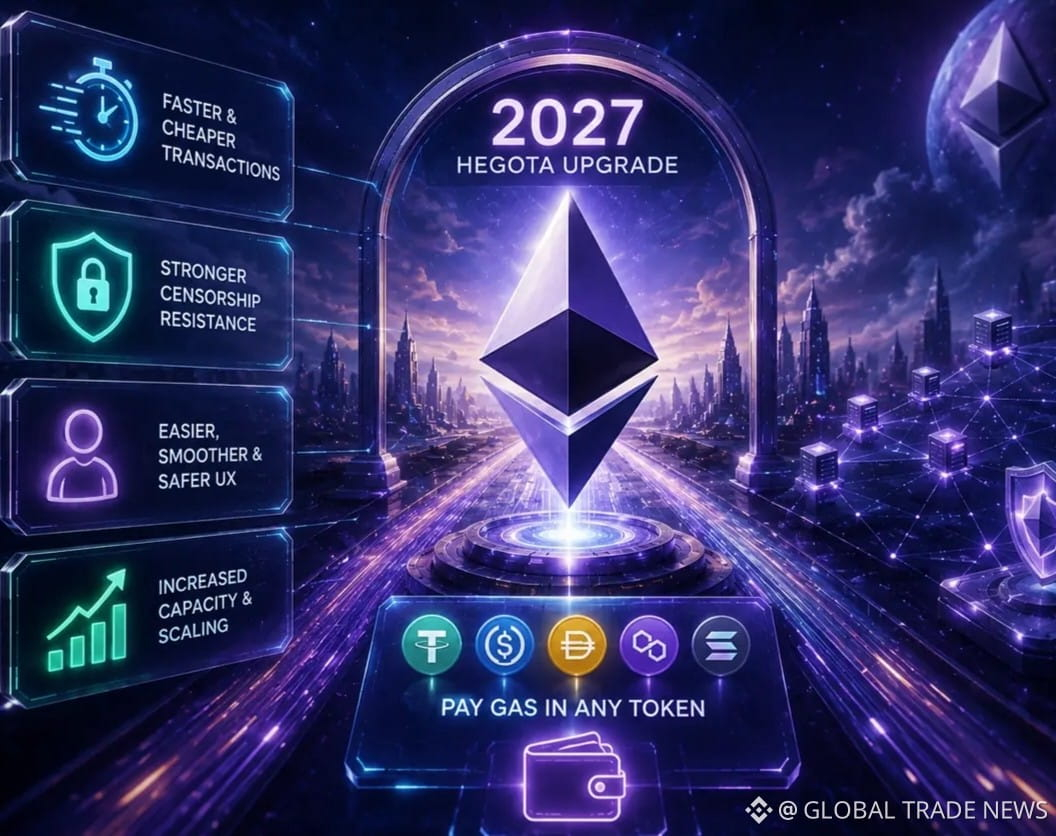
Ethereum akan mengizinkan pembayaran biaya gas melalui stable coin pada tahun 2027 di bawah peningkatan EIP-8141 yang baru disetujui.
Mekanismenya : Dompet atau aplikasi akan membayar jaringan sebesar $ETH secara diam-diam dan otomatis mengurangi nilai yang setara dari saldo stable coin Anda.
Dampaknya : Ini menghilangkan kebutuhan pengguna kasual untuk memegang ETH asli, mengatasi hambatan besar adopsi arus utama tanpa menurunkan permintaan sebenarnya untuk jaringan ETH.
#Etherum
#stablecoin
#IranToSetRestrictedZoneNearHormuz
#IranSaysItHit3USShips3Tankers
Ethereum akan mengizinkan pembayaran biaya gas melalui stable coin pada tahun 2027 di bawah peningkatan EIP-8141 yang baru disetujui.
Mekanismenya : Dompet atau aplikasi akan membayar jaringan sebesar $ETH secara diam-diam dan otomatis mengurangi nilai yang setara dari saldo stable coin Anda.
Dampaknya : Ini menghilangkan kebutuhan pengguna kasual untuk memegang ETH asli, mengatasi hambatan besar adopsi arus utama tanpa menurunkan permintaan sebenarnya untuk jaringan ETH.
#Etherum
#stablecoin
#IranToSetRestrictedZoneNearHormuz
#IranSaysItHit3USShips3Tankers

🚨 $USDC — PERHATIKAN PEG $1 👀
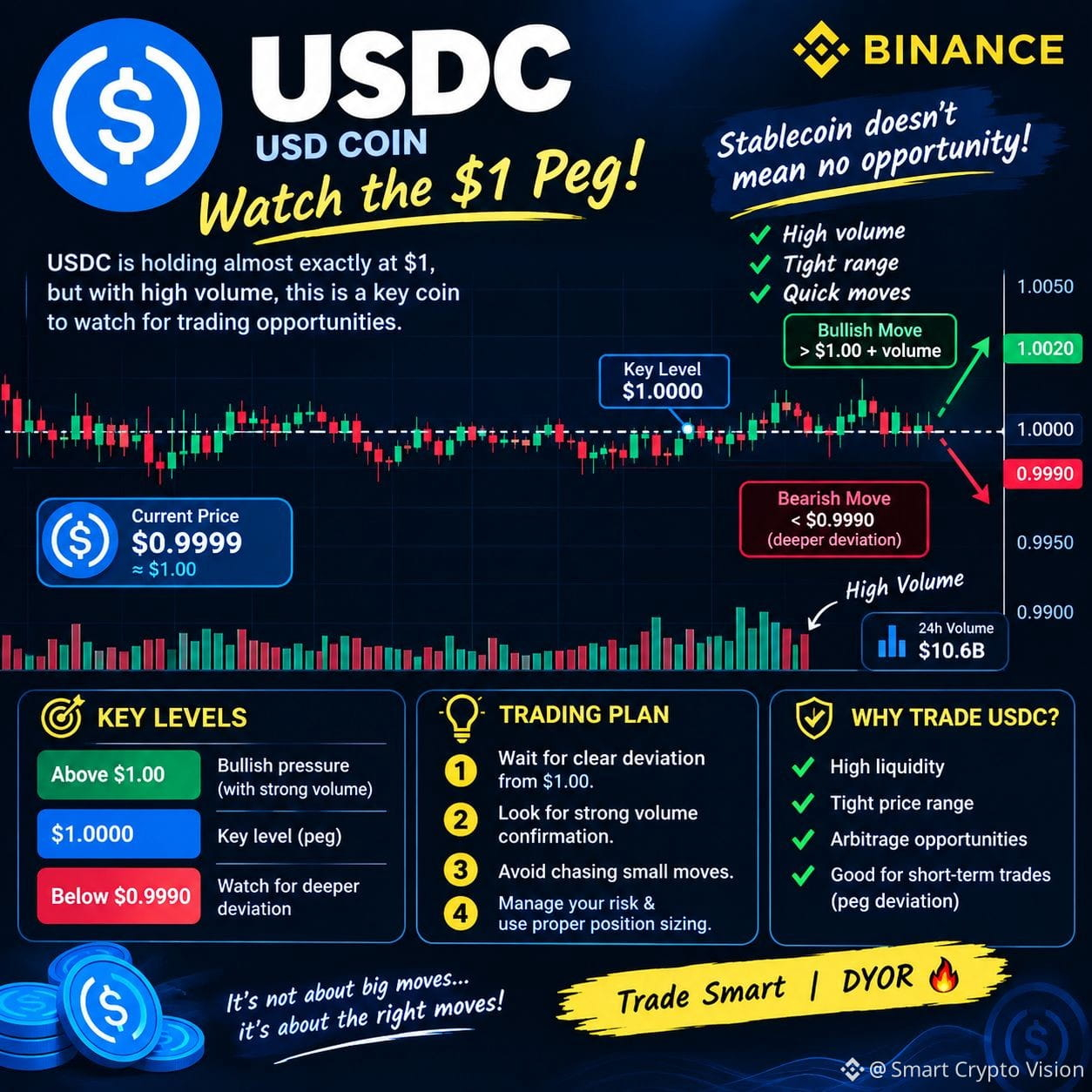
$USDC sedang bertahan hampir tepat di $1, tetapi volume yang besar membuat ini layak diperhatikan.
📍 Level kunci: $1.0000
🟢 Di atas $1.00 + volume kuat → tekanan bullish pada peg
🔴 Di bawah $0.9990 → waspadai deviasi yang lebih dalam
⚡ Setup terbaik: tunggu deviasi yang jelas + volume sebelum trading
Jangan kejar pergerakan kecil. Biarkan volume mengonfirmasi. 📊
DYOR & kelola risiko Anda.
#USDC #Crypto #Binance #Trading #Stablecoin
$USDC sedang bertahan hampir tepat di $1, tetapi volume yang besar membuat ini layak diperhatikan.
📍 Level kunci: $1.0000
🟢 Di atas $1.00 + volume kuat → tekanan bullish pada peg
🔴 Di bawah $0.9990 → waspadai deviasi yang lebih dalam
⚡ Setup terbaik: tunggu deviasi yang jelas + volume sebelum trading
Jangan kejar pergerakan kecil. Biarkan volume mengonfirmasi. 📊
DYOR & kelola risiko Anda.
#USDC #Crypto #Binance #Trading #Stablecoin
Lupakan mengejar likuiditas dari grafiknya—organisasi-organisasi besar diam-diam memindahkan seluruh sistem pembayaran keluar dari bank-bank tradisional.
Stablecoin itu bukan cuma sekadar fitur untuk kebutuhan konsumsi. Dari sudut pandang arus kas, dana-dana sedang mengumpulkan lebih dulu "kolam likuiditas" di on-chain. Saat biaya remitansi turun di bawah 1% dan imbal hasil RWA dari obligasi treasury menembus 4–5% per tahun, modal besar memilih berada langsung di dalam wallet, bukan menaruhnya di deposito bank.
Makna praktis untuk trader: Uang yang sudah berada di on-chain membuat daya tembak pengumpulan pesanan para hiu tetap siap tempur 24/7 tanpa adanya keterlambatan settlement antarbank. Pada saat tulisan ini dibuat, $BTC sedang mengakumulasi di sekitar level 79.145 USD (-0,74% dalam 24 jam) dan $ETH neo berada di level 2.486 USD. Kolam likuiditas terselubung ini adalah bantalan yang menyerap lonjakan-lonjakan sapuan kuat.
Sudut pandang tindakan: Alih-alih fomo mengejar leverage di futures, rekan-rekan sebaiknya mengutamakan momen sapuan likuiditas yang dalam untuk mengakumulasi spot mengikuti arus dana institusional.
Menurut kalian, arus stablecoin dengan momentum kali ini akan memicu gelombang dorong untuk $BTC menembus lebih tinggi atau hanya jebakan likuiditas dari para hiu? Diskusikan dengan aku di bawah ini ya! 👇
#Stablecoin #Web3 #PhânTích #BTC #Bitcoin
Stablecoin itu bukan cuma sekadar fitur untuk kebutuhan konsumsi. Dari sudut pandang arus kas, dana-dana sedang mengumpulkan lebih dulu "kolam likuiditas" di on-chain. Saat biaya remitansi turun di bawah 1% dan imbal hasil RWA dari obligasi treasury menembus 4–5% per tahun, modal besar memilih berada langsung di dalam wallet, bukan menaruhnya di deposito bank.
Makna praktis untuk trader: Uang yang sudah berada di on-chain membuat daya tembak pengumpulan pesanan para hiu tetap siap tempur 24/7 tanpa adanya keterlambatan settlement antarbank. Pada saat tulisan ini dibuat, $BTC sedang mengakumulasi di sekitar level 79.145 USD (-0,74% dalam 24 jam) dan $ETH neo berada di level 2.486 USD. Kolam likuiditas terselubung ini adalah bantalan yang menyerap lonjakan-lonjakan sapuan kuat.
Sudut pandang tindakan: Alih-alih fomo mengejar leverage di futures, rekan-rekan sebaiknya mengutamakan momen sapuan likuiditas yang dalam untuk mengakumulasi spot mengikuti arus dana institusional.
Menurut kalian, arus stablecoin dengan momentum kali ini akan memicu gelombang dorong untuk $BTC menembus lebih tinggi atau hanya jebakan likuiditas dari para hiu? Diskusikan dengan aku di bawah ini ya! 👇
#Stablecoin #Web3 #PhânTích #BTC #Bitcoin
Ví Stablecoin Menghadapi Tantangan Rekening Bank Tradisional
- Dompet stablecoin menantang posisi sentral uang fiat pada rekening bank tradisional.
- Para pemimpin industri memperdebatkan apakah dompet digital dollar akan menghapus bank atau sekadar memodernisasi infrastruktur.
- Acara ini menandai pergeseran aset digital dalam kehidupan sehari-hari untuk kebutuhan konsumsi.
#BinanceSquare #CryptoNews #Stablecoin #Blockchain #Web3
$btc $eth
vlikevn Titanbot
Sumber: CoinDesk
- Dompet stablecoin menantang posisi sentral uang fiat pada rekening bank tradisional.
- Para pemimpin industri memperdebatkan apakah dompet digital dollar akan menghapus bank atau sekadar memodernisasi infrastruktur.
- Acara ini menandai pergeseran aset digital dalam kehidupan sehari-hari untuk kebutuhan konsumsi.
#BinanceSquare #CryptoNews #Stablecoin #Blockchain #Web3
$btc $eth
vlikevn Titanbot
Sumber: CoinDesk
Cukup bocorkan 2 kunci keamanan saja sudah lebih dari 91 miliar USD dari $USDT berisiko dikendalikan – ini kelemahan fatal atau skenario “hiu” berburu likuiditas?
Laporan audit independen terbaru mengingatkan adanya kelemahan dalam mekanisme multi-tanda tangan Tether: jika 2 individu yang memegang wewenang diserang, seluruh hak mint, membekukan dompet, dan memindahkan aset dapat diambil alih.
Dari sudut pandang arus dana, para “hiu” sangat suka memanfaatkan FUD terstruktur seperti ini untuk menggetarkan ketakutan, menyapu likuiditas pihak Long sebelum mengumpulkan posisi. Saat ini $BTC sedang bertahan di sekitar 79.408,1 USD (turun 0,71% dalam 24 jam pada saat penulisan), yang menunjukkan arus dana besar masih tenang menyerap dan belum ada gelombang pelarian.
Garis besarnya: bagi kalian yang trading derivatif, sebaiknya kurangi leverage lebih dulu, hindari FOMO untuk buy-the-dip terlalu cepat ketika pasar belum selesai menyapu likuiditas.
Menurut kalian, pergerakan $BTC ini perangkap atau kesempatan akumulasi sungguhan? Diskusikan dengan saya di bawah ini ya! 👇
#USDT #BTC #Stablecoin #Crypto
Laporan audit independen terbaru mengingatkan adanya kelemahan dalam mekanisme multi-tanda tangan Tether: jika 2 individu yang memegang wewenang diserang, seluruh hak mint, membekukan dompet, dan memindahkan aset dapat diambil alih.
Dari sudut pandang arus dana, para “hiu” sangat suka memanfaatkan FUD terstruktur seperti ini untuk menggetarkan ketakutan, menyapu likuiditas pihak Long sebelum mengumpulkan posisi. Saat ini $BTC sedang bertahan di sekitar 79.408,1 USD (turun 0,71% dalam 24 jam pada saat penulisan), yang menunjukkan arus dana besar masih tenang menyerap dan belum ada gelombang pelarian.
Garis besarnya: bagi kalian yang trading derivatif, sebaiknya kurangi leverage lebih dulu, hindari FOMO untuk buy-the-dip terlalu cepat ketika pasar belum selesai menyapu likuiditas.
Menurut kalian, pergerakan $BTC ini perangkap atau kesempatan akumulasi sungguhan? Diskusikan dengan saya di bawah ini ya! 👇
#USDT #BTC #Stablecoin #Crypto

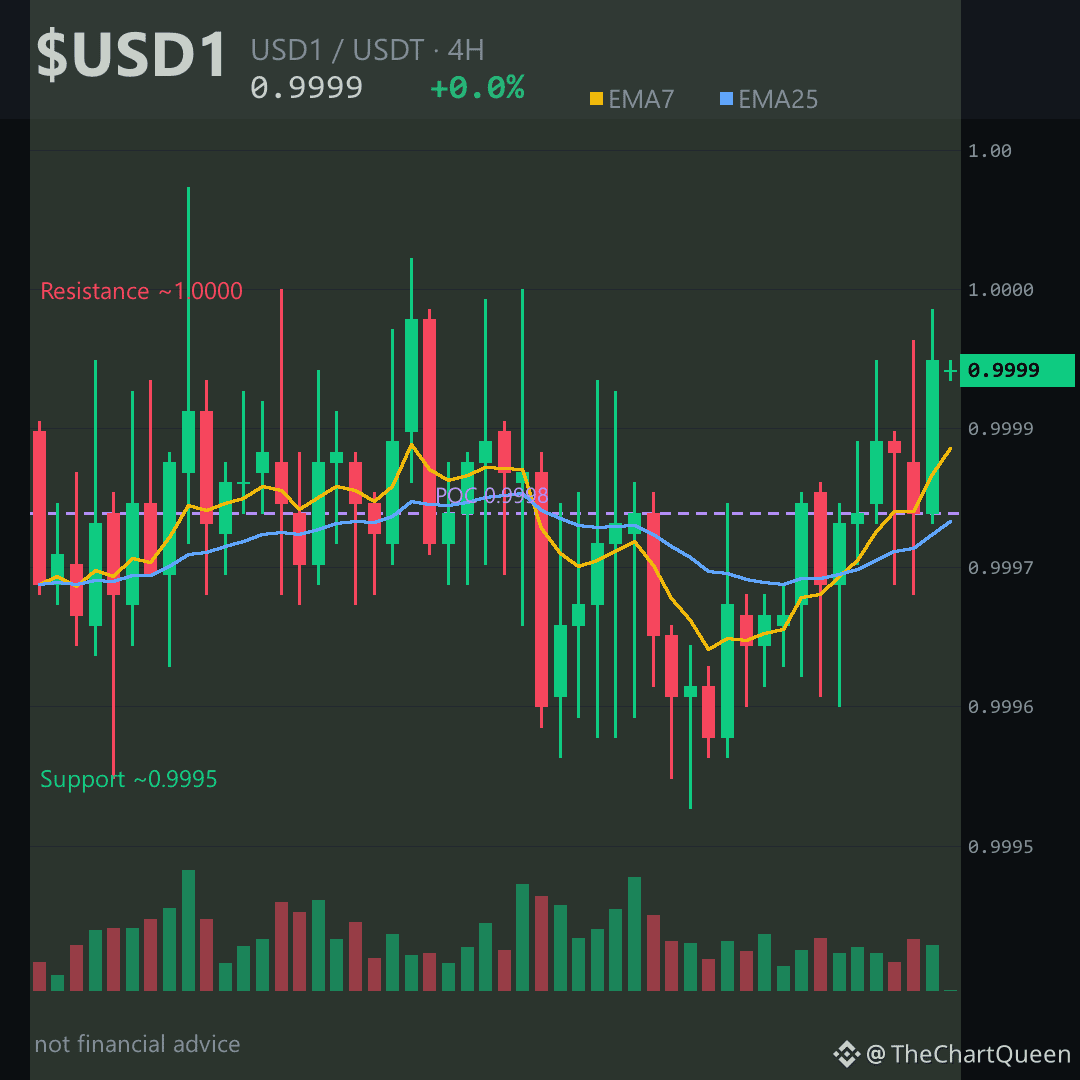
Crossover EMA 4 jam baru saja berubah hijau di 0.99984 – apakah $USD1 siap untuk menembus batas berikutnya? 👀
Harga terasa bullish di timeframe 4H, namun tingkat pendanaan yang datar dan tidak adanya gap yang belum terisi mengisyaratkan reli bisa terhenti.
Di chart 4 jam, zona kunci adalah: support sekitar area 0.995, titik invalidasi di dekat 0.98, dan target potensi kenaikan di sekitar 1.022. Jika $USD1 gagal mempertahankan level ~0.98, skenario bullish runtuh. Ketuk chart untuk melihat zona-zona ini sendiri.
Bacaan saya: pasangan ini kemungkinan akan bergerak berputar di atas area tengah 0.99, tetapi penurunan di bawah 0.98 akan membalik bias.
Ikuti untuk pembaruan berikutnya saat zona 1.02 diuji – kamu akan tetap selangkah di depan pergerakan. Level $USD1 mana yang sedang kamu pantau? 👇
⚠️ Bukan nasihat keuangan. DYOR.
#USD1 #Stablecoin #Crypto #BinanceSquare
Harga terasa bullish di timeframe 4H, namun tingkat pendanaan yang datar dan tidak adanya gap yang belum terisi mengisyaratkan reli bisa terhenti.
Di chart 4 jam, zona kunci adalah: support sekitar area 0.995, titik invalidasi di dekat 0.98, dan target potensi kenaikan di sekitar 1.022. Jika $USD1 gagal mempertahankan level ~0.98, skenario bullish runtuh. Ketuk chart untuk melihat zona-zona ini sendiri.
Bacaan saya: pasangan ini kemungkinan akan bergerak berputar di atas area tengah 0.99, tetapi penurunan di bawah 0.98 akan membalik bias.
Ikuti untuk pembaruan berikutnya saat zona 1.02 diuji – kamu akan tetap selangkah di depan pergerakan. Level $USD1 mana yang sedang kamu pantau? 👇
⚠️ Bukan nasihat keuangan. DYOR.
#USD1 #Stablecoin #Crypto #BinanceSquare
Masuk untuk menjelajahi konten lainnya