
#pixels
pixels
4.7M penayangan
4,363 Berdiskusi
Populer
Terbaru

Baru-baru ini perhatian pasar terhadap $PIXEL meningkat secara tiba-tiba, tetapi diskusi yang bercampur dengan berbagai konsep berbeda juga memicu banyak kebingungan; ini dapat menyebabkan fluktuasi harga dalam jangka pendek.
Saat ini, dalam pembahasan komunitas, konten tentang token asli proyek GameFi Pixels, proyek NFT, bahkan Google Pixel, pengembangan sistem Android, dan lain-lain tercampur menjadi satu. Pasar kurang memiliki fokus yang seragam, sehingga investor mudah membuat penilaian keliru karena informasi yang membingungkan.
Harga saat ini $PIXEL adalah 0,00497 dolar AS, volume transaksi 24 jam sebesar 4,42 juta dolar AS, dan nilai pasar sebesar 17,23 juta dolar AS. Sebelum ikut berpartisipasi, pastikan untuk membedakan konsep terlebih dahulu, dan pahami proyek apa sebenarnya yang Anda investasikan.
$PIXEL #Pixels #cryptocurrency
Saat ini, dalam pembahasan komunitas, konten tentang token asli proyek GameFi Pixels, proyek NFT, bahkan Google Pixel, pengembangan sistem Android, dan lain-lain tercampur menjadi satu. Pasar kurang memiliki fokus yang seragam, sehingga investor mudah membuat penilaian keliru karena informasi yang membingungkan.
Harga saat ini $PIXEL adalah 0,00497 dolar AS, volume transaksi 24 jam sebesar 4,42 juta dolar AS, dan nilai pasar sebesar 17,23 juta dolar AS. Sebelum ikut berpartisipasi, pastikan untuk membedakan konsep terlebih dahulu, dan pahami proyek apa sebenarnya yang Anda investasikan.
$PIXEL #Pixels #cryptocurrency

Pixel ($PIXEL ) dalam 24 jam terakhir mengalami kenaikan harga lebih dari 21%, nilai transaksi 24 jam mencapai sekitar 27,06 juta dolar AS, dan kapitalisasi pasar sekitar 15,98 juta dolar AS.
Dari permukaannya, peluncuran seri Google Pixel 11 dengan peningkatan fitur AI membuat konsep "pixel" kembali masuk sorotan pasar. Sentimen transaksi yang terkait ikut memanas, volume PIXELUSDT ikut membesar, dan arus dana jangka pendek terlihat jelas masuk.
Namun perlu diwaspadai bahwa kenaikan yang didorong oleh tren hot perangkat elektronik konsumen dari luar seperti ini sering kali tidak memiliki dukungan fundamental on-chain yang berkelanjutan. Google tidak memiliki hubungan langsung dengan proyek Pixels ini; lebih banyak karena nama yang sama sehingga terjadi limpahan perhatian. Begitu antusiasme penjualan Pixel 11 mulai mereda, logika dana yang "mengikuti konsep" berpotensi berbalik arah.
Dalam jangka pendek, dari sisi sentimen harga masih mungkin didukung, tetapi volatilitas juga akan ikut membesar; dalam jangka menengah-panjang tetap perlu kembali menilai pertumbuhan pengguna proyek itu sendiri, aktivitas on-chain, serta kemajuan ekosistem. Untuk strategi, disarankan mengontrol ukuran posisi, tidak mengejar kenaikan harga, dan waspada terhadap penarikan (retrace) akibat pergantian tren.
#Pixels#AI#GameFi
Dari permukaannya, peluncuran seri Google Pixel 11 dengan peningkatan fitur AI membuat konsep "pixel" kembali masuk sorotan pasar. Sentimen transaksi yang terkait ikut memanas, volume PIXELUSDT ikut membesar, dan arus dana jangka pendek terlihat jelas masuk.
Namun perlu diwaspadai bahwa kenaikan yang didorong oleh tren hot perangkat elektronik konsumen dari luar seperti ini sering kali tidak memiliki dukungan fundamental on-chain yang berkelanjutan. Google tidak memiliki hubungan langsung dengan proyek Pixels ini; lebih banyak karena nama yang sama sehingga terjadi limpahan perhatian. Begitu antusiasme penjualan Pixel 11 mulai mereda, logika dana yang "mengikuti konsep" berpotensi berbalik arah.
Dalam jangka pendek, dari sisi sentimen harga masih mungkin didukung, tetapi volatilitas juga akan ikut membesar; dalam jangka menengah-panjang tetap perlu kembali menilai pertumbuhan pengguna proyek itu sendiri, aktivitas on-chain, serta kemajuan ekosistem. Untuk strategi, disarankan mengontrol ukuran posisi, tidak mengejar kenaikan harga, dan waspada terhadap penarikan (retrace) akibat pergantian tren.
#Pixels#AI#GameFi

Harga dalam 24 jam terakhir untuk Pixels($PIXEL )naik lebih dari 21%, sementara volume perdagangan ikut melonjak hingga level puluhan juta dolar—perkiraan nilai pasar saat ini sementara sekitar 16 juta dolar.
Kenaikan ini tidak hanya didorong oleh sentimen di rantai (on-chain); katalis dari luar juga sangat penting—peluncuran seri Google Pixel 11 dan peningkatan fitur AI membuat konsep “Pixel” kembali masuk ke sorotan utama, sehingga token terkait mendapat perhatian dari rotasi dana.
Perlu diingat bahwa nilai pasar beredar $PIXEL saat ini masih relatif rendah; likuiditas dan elastisitas harga besar, volatilitas juga ekstrem. Tren yang didorong dana jangka pendek berisiko mengalami pelepasan cepat dalam waktu singkat. Pada fase ketika kabar (fundamental/berita) dan analisis teknikal saling beresonansi, lebih tepat untuk mengamati keberlanjutan volume daripada mengejar harga.
Saran untuk fokus pada dua hal: pertama, perubahan pada alamat aktif di rantai dan alamat pemegang (holding); kedua, kedalaman order buy/sell pada pasangan perdagangan utama PIXELUSDT. Jika antusiasme hanya berhenti pada level narasi dan tidak ada penyerapan nyata dari skenario penggunaan, premium akan cepat terkonsumsi.
Hadapi hype secara rasional—peluang sering matang dalam perbedaan (divergensi), bukan ketika semua orang sepakat bullish lalu menumpuk posisi.
#Pixels #AI概念 #山寨币机会
Kenaikan ini tidak hanya didorong oleh sentimen di rantai (on-chain); katalis dari luar juga sangat penting—peluncuran seri Google Pixel 11 dan peningkatan fitur AI membuat konsep “Pixel” kembali masuk ke sorotan utama, sehingga token terkait mendapat perhatian dari rotasi dana.
Perlu diingat bahwa nilai pasar beredar $PIXEL saat ini masih relatif rendah; likuiditas dan elastisitas harga besar, volatilitas juga ekstrem. Tren yang didorong dana jangka pendek berisiko mengalami pelepasan cepat dalam waktu singkat. Pada fase ketika kabar (fundamental/berita) dan analisis teknikal saling beresonansi, lebih tepat untuk mengamati keberlanjutan volume daripada mengejar harga.
Saran untuk fokus pada dua hal: pertama, perubahan pada alamat aktif di rantai dan alamat pemegang (holding); kedua, kedalaman order buy/sell pada pasangan perdagangan utama PIXELUSDT. Jika antusiasme hanya berhenti pada level narasi dan tidak ada penyerapan nyata dari skenario penggunaan, premium akan cepat terkonsumsi.
Hadapi hype secara rasional—peluang sering matang dalam perbedaan (divergensi), bukan ketika semua orang sepakat bullish lalu menumpuk posisi.
#Pixels #AI概念 #山寨币机会
Pixels ($PIXEL ) kenaikan 24 jam lebih dari 21%, volume perdagangan menembus lebih dari 27 juta dolar AS. Di balik itu, selain aktivitas transaksi di rantai (on-chain) yang ramai, ada juga katalis yang mudah terlewat—peluncuran seri Google Pixel 11 dan peningkatan fitur AI-nya, yang sekali lagi membawa konsep "pixel" kembali ke perhatian publik.
Perlu diingat bahwa ada dua alur cerita berbeda yang saling bertumpuk di sini: pertama, kemajuan ekosistem Pixels—sebuah game Web3 itu sendiri; kedua, luapan perhatian dari Pixel 11 di ranah perangkat elektronik konsumen. Dalam jangka pendek, fluktuasi harga lebih banyak merupakan resonansi sentimen pasar, bukan didorong oleh satu fundamental saja.
Saran: perhatikan dua dimensi berikut:
- Data on-chain: apakah volume perdagangan PIXELUSDT dapat terus bertahan di level tinggi, serta bagaimana perubahan pada alamat yang memegang (holding)
- Ritme narasi: berapa lama antusiasme terhadap "pixel" di perangkat elektronik konsumen bertahan; biasanya efek dari acara peluncuran mereda dalam 1–2 minggu
Jangan hanya terpaku pada persentase kenaikan—bedakan dengan jelas sumber pendorongnya sebelum mengambil keputusan. #Pixels
Perlu diingat bahwa ada dua alur cerita berbeda yang saling bertumpuk di sini: pertama, kemajuan ekosistem Pixels—sebuah game Web3 itu sendiri; kedua, luapan perhatian dari Pixel 11 di ranah perangkat elektronik konsumen. Dalam jangka pendek, fluktuasi harga lebih banyak merupakan resonansi sentimen pasar, bukan didorong oleh satu fundamental saja.
Saran: perhatikan dua dimensi berikut:
- Data on-chain: apakah volume perdagangan PIXELUSDT dapat terus bertahan di level tinggi, serta bagaimana perubahan pada alamat yang memegang (holding)
- Ritme narasi: berapa lama antusiasme terhadap "pixel" di perangkat elektronik konsumen bertahan; biasanya efek dari acara peluncuran mereda dalam 1–2 minggu
Jangan hanya terpaku pada persentase kenaikan—bedakan dengan jelas sumber pendorongnya sebelum mengambil keputusan. #Pixels

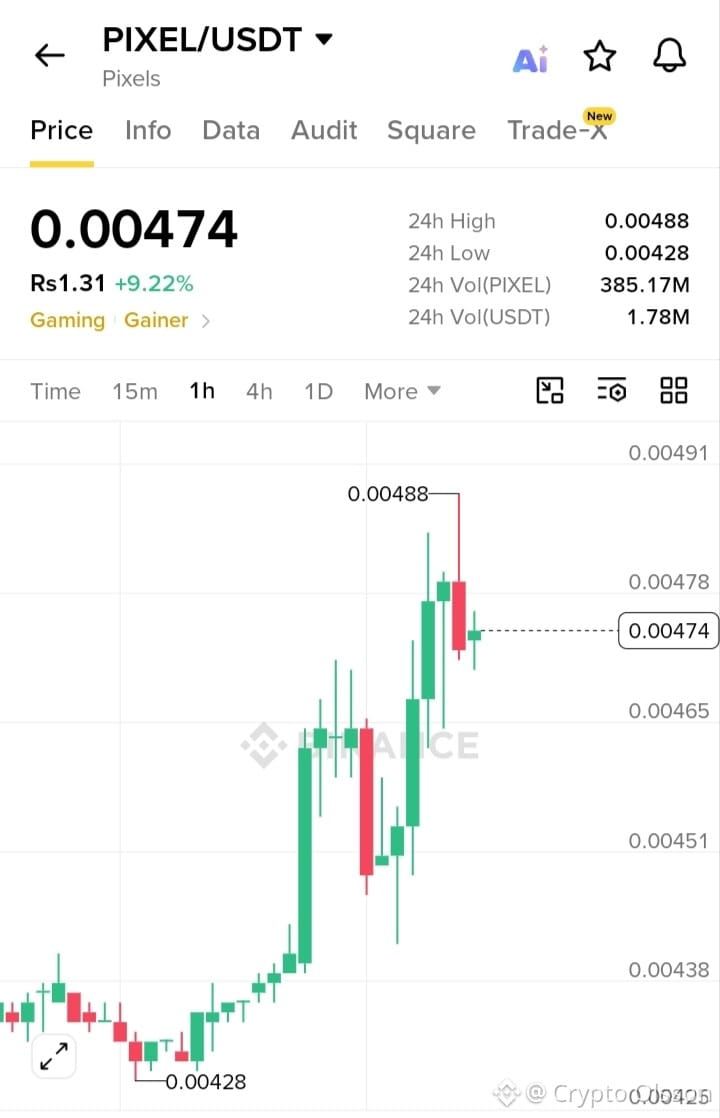

💥🚀🎮 $PIXEL Momentum Watch
PIXEL berada di sekitar $0.0042–$0.0048, dengan volume 24H sekitar $5M–$6M. Data terbaru menunjukkan token tetap dekat titik terendah bulan Juli, sementara likuiditas masih aktif.
📊 Level kunci:
• Support: $0.0040
• Resistance: $0.0050
• Tembus di atas $0.0050 + volume meningkat = sinyal momentum yang lebih kuat
• Kehilangan $0.0040 = risiko penurunan
Pendapat saya: PIXEL adalah token gaming ber-volatilitas tinggi di mana konfirmasi volume lebih penting daripada harga saja. Perhatikan zona $0.0050 dengan saksama. 👀
#PIXEL #Pixels #Crypto #gaming #BinanceSquareFamily 💥🚀
PIXEL berada di sekitar $0.0042–$0.0048, dengan volume 24H sekitar $5M–$6M. Data terbaru menunjukkan token tetap dekat titik terendah bulan Juli, sementara likuiditas masih aktif.
📊 Level kunci:
• Support: $0.0040
• Resistance: $0.0050
• Tembus di atas $0.0050 + volume meningkat = sinyal momentum yang lebih kuat
• Kehilangan $0.0040 = risiko penurunan
Pendapat saya: PIXEL adalah token gaming ber-volatilitas tinggi di mana konfirmasi volume lebih penting daripada harga saja. Perhatikan zona $0.0050 dengan saksama. 👀
#PIXEL #Pixels #Crypto #gaming #BinanceSquareFamily 💥🚀

Pengamatan Sinyal On-Chain: $PIXEL harga saat ini $0.00526, transaksi 24j sebesar 7.41 juta dolar, kapitalisasi pasar hanya 18.23 juta, termasuk struktur tipikal low-cap dengan perputaran tinggi.
Belakangan, diskusi publik yang mencuat umumnya terdilusi oleh topik serupa seperti Google Pixel, pixel art, dan sejarah NFT—sementara informasi yang benar-benar berfokus pada fundamental game Pixels cenderung minim. Inilah salah satu alasan inti mengapa narasi harga tidak jelas—pasar tidak kekurangan likuiditas, tetapi kekurangan jangkar konsensus.
Perhatikan tiga petunjuk:
1. Data retensi harian dan sistem tanah, adalah kunci untuk menilai sisi permintaan token;
2. Irama keterkaitan ekosistem Ronin, menentukan apakah dana jangka pendek bisa kembali;
3. Jika tingkat perputaran terus di atas 40%, berarti kepemilikan masih cepat berpindah tangan, dan arah tren belum pasti.
Low-cap + asimetri informasi berarti volatilitas akan diperbesar. Jangan mengganti data dengan narasi; kalibrasikan posisi menggunakan data.
#Pixels #GameFi #Data On-Chain
Belakangan, diskusi publik yang mencuat umumnya terdilusi oleh topik serupa seperti Google Pixel, pixel art, dan sejarah NFT—sementara informasi yang benar-benar berfokus pada fundamental game Pixels cenderung minim. Inilah salah satu alasan inti mengapa narasi harga tidak jelas—pasar tidak kekurangan likuiditas, tetapi kekurangan jangkar konsensus.
Perhatikan tiga petunjuk:
1. Data retensi harian dan sistem tanah, adalah kunci untuk menilai sisi permintaan token;
2. Irama keterkaitan ekosistem Ronin, menentukan apakah dana jangka pendek bisa kembali;
3. Jika tingkat perputaran terus di atas 40%, berarti kepemilikan masih cepat berpindah tangan, dan arah tren belum pasti.
Low-cap + asimetri informasi berarti volatilitas akan diperbesar. Jangan mengganti data dengan narasi; kalibrasikan posisi menggunakan data.
#Pixels #GameFi #Data On-Chain
$PIXEL harga saat ini $0.00526, transaksi 24 jam $7,41 juta, kapitalisasi pasar $18,23 juta—datanya tidak terlalu menarik, tapi setidaknya sudah mengisi “kekosongan informasi”.
Bagi yang belakangan ingin mencari fundamental token game chain Pixels, pasti merasakan hal yang sama: hasil pencarian dipenuhi ponsel Google Pixel, pixel art, dan sejarah NFT awal, sementara diskusi yang benar-benar membahas token game chain ini justru tenggelam. Kebisingan informasi itu sendiri adalah sebuah risiko—investor ritel tidak mendapatkan data yang bersih, sehingga emosi lebih mudah terbawa oleh pergerakan harga.
Kombinasi market cap kecil + likuiditas rendah berarti setiap transaksi beli/jual yang terkonsentrasi dapat memperbesar volatilitas. Untuk jangka pendek, lihat apakah volume bisa bertahan di kisaran $7 juta. Untuk jangka menengah, tetap perlu kembali pada perkembangan dari pihak proyek dalam hal permainan berbasis tanah dan retensi pengguna.
Selama belum ada katalis narasi baru, saya cenderung menganggapnya sebagai posisi observasi, bukan sebagai bertaruh berat (full position).
#Pixels #GameFi #token game chain
Bagi yang belakangan ingin mencari fundamental token game chain Pixels, pasti merasakan hal yang sama: hasil pencarian dipenuhi ponsel Google Pixel, pixel art, dan sejarah NFT awal, sementara diskusi yang benar-benar membahas token game chain ini justru tenggelam. Kebisingan informasi itu sendiri adalah sebuah risiko—investor ritel tidak mendapatkan data yang bersih, sehingga emosi lebih mudah terbawa oleh pergerakan harga.
Kombinasi market cap kecil + likuiditas rendah berarti setiap transaksi beli/jual yang terkonsentrasi dapat memperbesar volatilitas. Untuk jangka pendek, lihat apakah volume bisa bertahan di kisaran $7 juta. Untuk jangka menengah, tetap perlu kembali pada perkembangan dari pihak proyek dalam hal permainan berbasis tanah dan retensi pengguna.
Selama belum ada katalis narasi baru, saya cenderung menganggapnya sebagai posisi observasi, bukan sebagai bertaruh berat (full position).
#Pixels #GameFi #token game chain

📊 Gambaran Pasar: Rincian Portofolio SOL, XLM, dan PIXEL
🔵 SOL (Solana) – Titan Mega-Cap
$SOL
Peringkat: 7
Kapitalisasi Pasar: 42.45B USD
Volume 24j: 1.51B USD
Dominasi Pasar: 1.97%
Pernyataan Ahli: Solana terus bertahan sebagai Layer 1 papan atas. Dengan rasio Volume-ke-Kapitalisasi Pasar yang sehat sebesar 3.55%, ini menunjukkan minat yang stabil dan berkelanjutan dari trader ritel maupun institusional. Aset ini tetap menjadi fondasi untuk portofolio besar.
🟢 XLM (Stellar Lumens) – Veteran Fully Diluted
$XLM
Peringkat: 10
Kapitalisasi Pasar: 8.65B USD
Supply Beredar: 50B (100% Beredar)
Pernyataan Ahli: Berada dengan nyaman di jajaran 10 besar, Stellar adalah pemain bersejarah dengan keunggulan fundamental yang besar: Fully Diluted Market Cap (8.65B USD) miliknya persis sama dengan Market Cap saat ini. Dengan semua 50 miliar token sudah beredar, investor tidak perlu khawatir tentang inflasi akibat unlock token di masa depan atau guncangan pasokan.
🟣 PIXEL (Pixels) – Micro-Cap BerVolatilitas Tinggi
$PIXEL
Peringkat: 768
Kapitalisasi Pasar: 14.11M USD
Rasio Vol/Market Cap: 43.04%
Pernyataan Ahli: PIXEL menghadirkan aktivitas trading ekstrem dibanding ukuran kecilnya. Rasio volume 43%+ berarti sangat likuid dan sangat volatil. Catatan Krusial: Baru saja menguji All-Time Low sebesar 0.0038 USD pada 30 Juli 2026. Ini murni permainan berisiko tinggi, berimbal hasil tinggi untuk scalper berpengalaman dan day trader.
💡 Inti Kesimpulan:
Kelola alokasi Anda dengan bijak. Gunakan SOL untuk pertumbuhan berbasis fondasi, gunakan XLM untuk ekonomi pasokan yang lebih dapat diprediksi, dan hanya gunakan sebagian kecil dari modal Anda untuk trading token yang sangat volatil seperti PIXEL.
Berdagang dengan cerdas dan kelola risiko Anda! 📉📈
#stellar #Pixels #cryptotrading #marketanalysis. #Write2Earn
🔵 SOL (Solana) – Titan Mega-Cap
$SOL
Peringkat: 7
Kapitalisasi Pasar: 42.45B USD
Volume 24j: 1.51B USD
Dominasi Pasar: 1.97%
Pernyataan Ahli: Solana terus bertahan sebagai Layer 1 papan atas. Dengan rasio Volume-ke-Kapitalisasi Pasar yang sehat sebesar 3.55%, ini menunjukkan minat yang stabil dan berkelanjutan dari trader ritel maupun institusional. Aset ini tetap menjadi fondasi untuk portofolio besar.
🟢 XLM (Stellar Lumens) – Veteran Fully Diluted
$XLM
Peringkat: 10
Kapitalisasi Pasar: 8.65B USD
Supply Beredar: 50B (100% Beredar)
Pernyataan Ahli: Berada dengan nyaman di jajaran 10 besar, Stellar adalah pemain bersejarah dengan keunggulan fundamental yang besar: Fully Diluted Market Cap (8.65B USD) miliknya persis sama dengan Market Cap saat ini. Dengan semua 50 miliar token sudah beredar, investor tidak perlu khawatir tentang inflasi akibat unlock token di masa depan atau guncangan pasokan.
🟣 PIXEL (Pixels) – Micro-Cap BerVolatilitas Tinggi
$PIXEL
Peringkat: 768
Kapitalisasi Pasar: 14.11M USD
Rasio Vol/Market Cap: 43.04%
Pernyataan Ahli: PIXEL menghadirkan aktivitas trading ekstrem dibanding ukuran kecilnya. Rasio volume 43%+ berarti sangat likuid dan sangat volatil. Catatan Krusial: Baru saja menguji All-Time Low sebesar 0.0038 USD pada 30 Juli 2026. Ini murni permainan berisiko tinggi, berimbal hasil tinggi untuk scalper berpengalaman dan day trader.
💡 Inti Kesimpulan:
Kelola alokasi Anda dengan bijak. Gunakan SOL untuk pertumbuhan berbasis fondasi, gunakan XLM untuk ekonomi pasokan yang lebih dapat diprediksi, dan hanya gunakan sebagian kecil dari modal Anda untuk trading token yang sangat volatil seperti PIXEL.
Berdagang dengan cerdas dan kelola risiko Anda! 📉📈
#stellar #Pixels #cryptotrading #marketanalysis. #Write2Earn



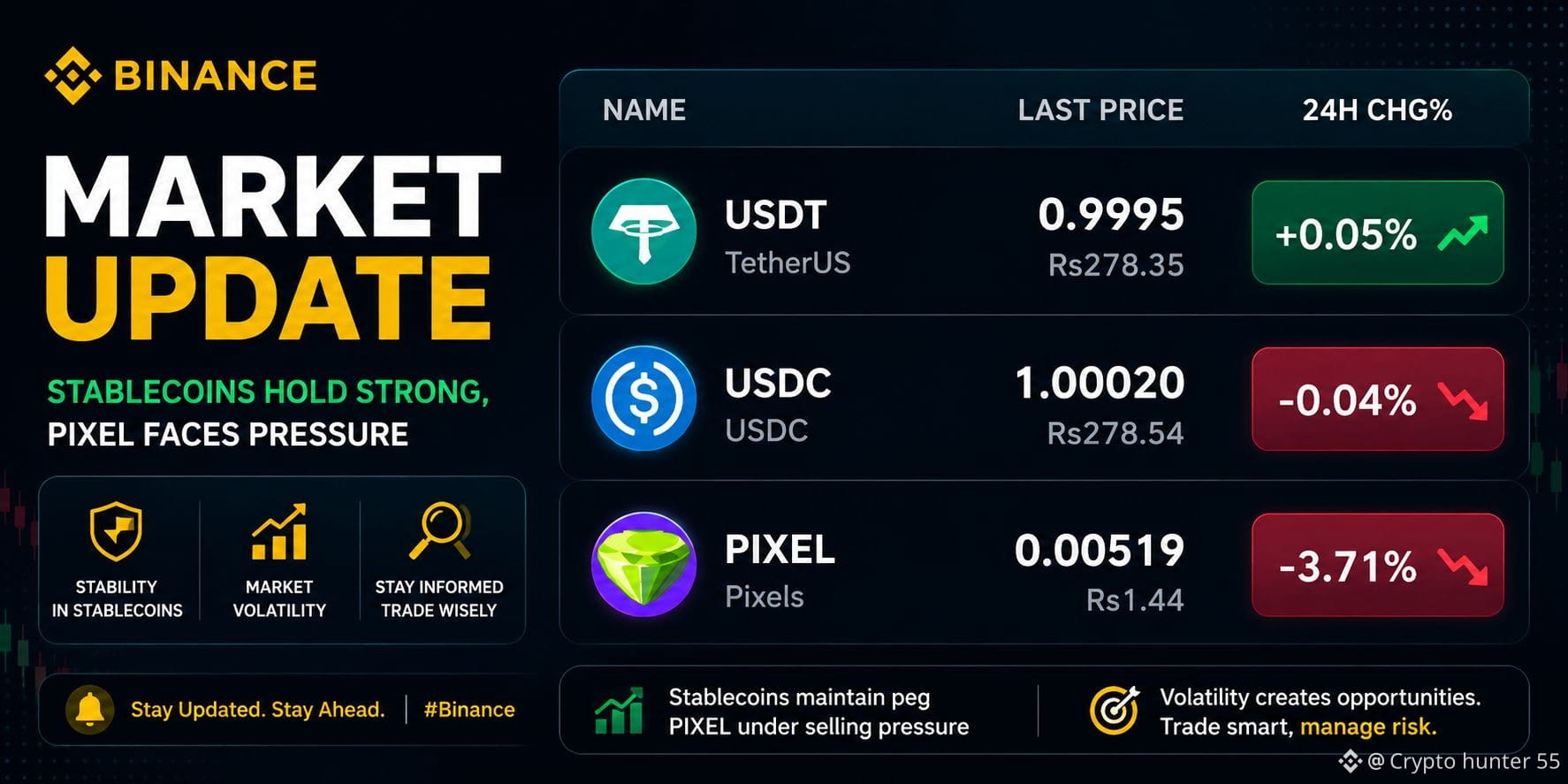
📊 Stablecoins Tetap Kuat Sementara PIXEL Menghadapi Tekanan
Snapshot pasar hari ini menunjukkan stablecoins mempertahankan peg mereka, sementara token gaming terus mengalami volatilitas.
🟢 $USDT (TetherUS)
💰 Harga: $0.9995
🇵🇰 Nilai PKR: Rs278.35
📈 Perubahan 24H: +0.05%
🔵 $USDC
💰 Harga: $1.00020
🇵🇰 Nilai PKR: Rs278.54
📉 Perubahan 24H: -0.04%
🟣 $PIXEL (Pixels)
💰 Harga: $0.00519
🇵🇰 Nilai PKR: Rs1.44
📉 Perubahan 24H: -3.71%
📌 Stablecoins terus memberikan stabilitas harga bagi trader, sementara PIXEL tetap di bawah tekanan penjualan jangka pendek. Seperti biasa, volatilitas pasar menciptakan risiko dan peluang bagi investor yang terinformasi.
#Crypto #USDT #USDC #Pixels #USDTMarketCapMengalahkanEthereum
Snapshot pasar hari ini menunjukkan stablecoins mempertahankan peg mereka, sementara token gaming terus mengalami volatilitas.
🟢 $USDT (TetherUS)
💰 Harga: $0.9995
🇵🇰 Nilai PKR: Rs278.35
📈 Perubahan 24H: +0.05%
🔵 $USDC
💰 Harga: $1.00020
🇵🇰 Nilai PKR: Rs278.54
📉 Perubahan 24H: -0.04%
🟣 $PIXEL (Pixels)
💰 Harga: $0.00519
🇵🇰 Nilai PKR: Rs1.44
📉 Perubahan 24H: -3.71%
📌 Stablecoins terus memberikan stabilitas harga bagi trader, sementara PIXEL tetap di bawah tekanan penjualan jangka pendek. Seperti biasa, volatilitas pasar menciptakan risiko dan peluang bagi investor yang terinformasi.
#Crypto #USDT #USDC #Pixels #USDTMarketCapMengalahkanEthereum


Ketika perhatian terhadap $PIXEL terdilusi oleh ponsel Google Pixel, seni pixel, dan cerita NFT lama, justru narasi yang benar-benar milik proyek itu sendiri menjadi semakin kabur.
Harga saat ini $0.00526,成交 24 jam 7,41 juta dolar, nilai pasar hanya 18,23 juta dolar—ini adalah contoh sampel small-cap yang tenggelam oleh "kebisingan informasi".
Saya lebih peduli pada tiga hal:
1. Apakah sisi game-chain (chain game) masih dapat menjaga DAU dan apakah siklus tanah/aset masih berjalan
2. Apakah tim baru-baru ini memiliki pembaruan roadmap yang dapat diverifikasi, bukan hanya mengandalkan ingatan komunitas
3. Rasio volume transaksi terhadap kapitalisasi pada small-cap cenderung lebih aktif—menunjukkan perputaran aset/"chip" belum mati, tetapi juga berarti volatilitas membesar
Tanpa adanya pengungkapan fundamental yang jelas, alih-alih bertaruh pada arah, lebih baik anggap ini sebagai aset "perbaikan informasi": begitu narasi resmi kembali mendominasi halaman teratas hasil pencarian, jangkar valuasi pun akan ikut kembali. Sampai saat itu, posisi (ukuran) dan rasio stop-loss lebih penting daripada pendapat arah.
#Pixels #GameFi #observasi_small_cap
Harga saat ini $0.00526,成交 24 jam 7,41 juta dolar, nilai pasar hanya 18,23 juta dolar—ini adalah contoh sampel small-cap yang tenggelam oleh "kebisingan informasi".
Saya lebih peduli pada tiga hal:
1. Apakah sisi game-chain (chain game) masih dapat menjaga DAU dan apakah siklus tanah/aset masih berjalan
2. Apakah tim baru-baru ini memiliki pembaruan roadmap yang dapat diverifikasi, bukan hanya mengandalkan ingatan komunitas
3. Rasio volume transaksi terhadap kapitalisasi pada small-cap cenderung lebih aktif—menunjukkan perputaran aset/"chip" belum mati, tetapi juga berarti volatilitas membesar
Tanpa adanya pengungkapan fundamental yang jelas, alih-alih bertaruh pada arah, lebih baik anggap ini sebagai aset "perbaikan informasi": begitu narasi resmi kembali mendominasi halaman teratas hasil pencarian, jangkar valuasi pun akan ikut kembali. Sampai saat itu, posisi (ukuran) dan rasio stop-loss lebih penting daripada pendapat arah.
#Pixels #GameFi #observasi_small_cap
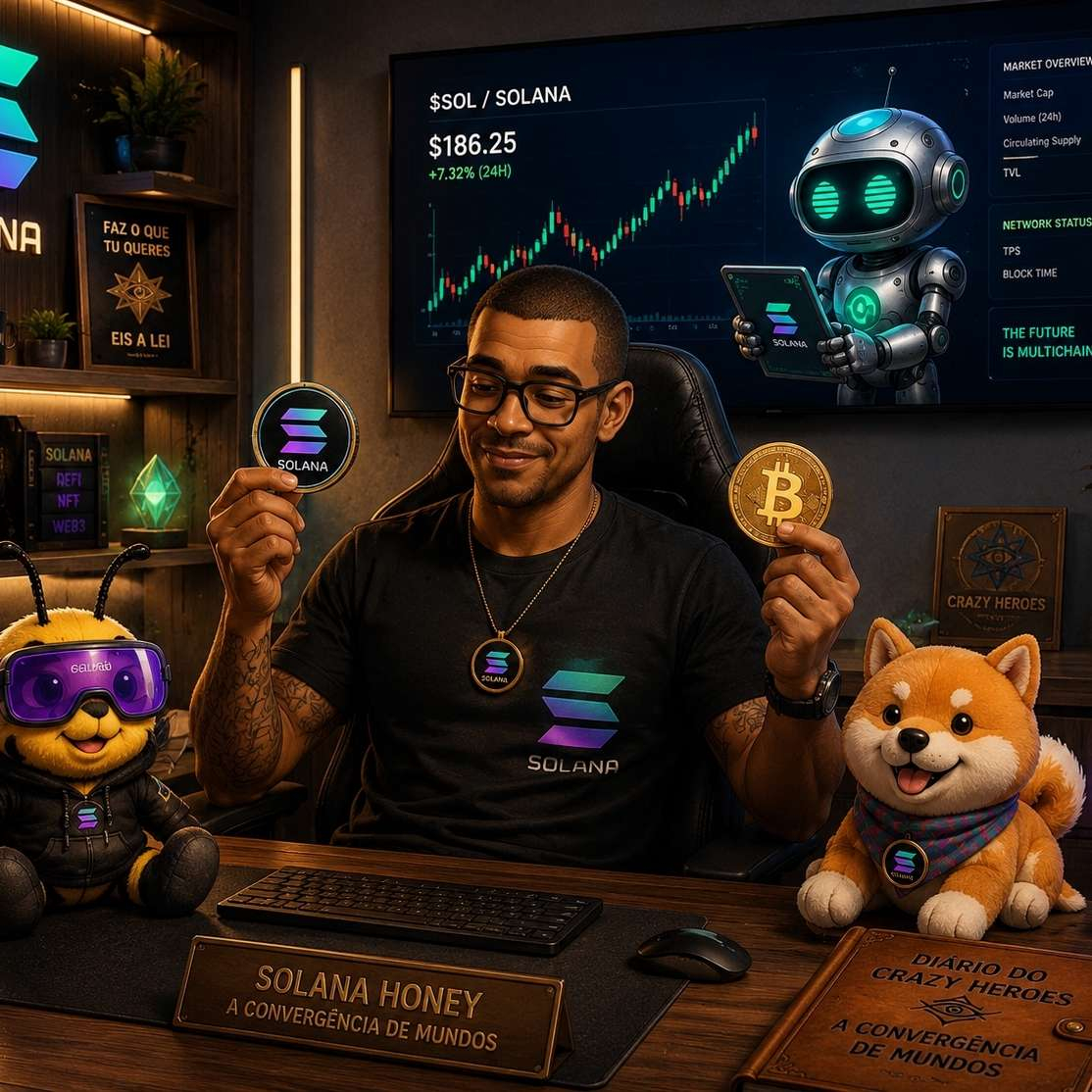
🚀 GAMEFI PIXELS: O Farming yang Menaklukkan GameFi Sejati! 🌾 $PIXEL
Hei, para penggemar Pixels!
Kalau kamu suka game yang seru, bikin ketagihan, dan punya ekonomi nyata di blockchain, Pixels adalah proyek yang terus memberikan hasil. Dunia pixel terbuka tempat kamu menanam, menjelajah, membangun peternakanmu, menjalankan quest, membuat pet, dan berinteraksi dengan komunitas—semuanya sambil benar-benar menghasilkan dengan $PIXEL .
Ini bukan sekadar Play-to-Earn lain yang cepat mati. Pixels menghadirkan inovasi untuk GameFi: free-to-play yang mudah diakses, integrasi kuat dengan Ronin, staking #PIXELS dengan perks eksklusif, tata kelola komunitas, dan ekosistem yang terus berkembang.
Mengapa $PIXEL layak mendapat perhatianmu sekarang?
• Utilitas nyata di dalam game (crafting, VIP, guild, NFT pets)
• Ekonomi berkelanjutan yang sedang dibangun
• Komunitas yang aktif dan penuh semangat
• Potensi pertumbuhan di siklus GameFi berikutnya
Siapa yang sudah menanam di Pixels, angkat tangan! 🌱 Apa strategi favoritmu di game? Farming berries, trading di marketplace, atau staking berat dari $PIXEL ?
Tulis di komentar, tag teman-teman farmers, dan mari kita tumbuh bersama di semesta ini!
#Pixels #PIXEL #GameFi #PlayToEarn
Hei, para penggemar Pixels!
Kalau kamu suka game yang seru, bikin ketagihan, dan punya ekonomi nyata di blockchain, Pixels adalah proyek yang terus memberikan hasil. Dunia pixel terbuka tempat kamu menanam, menjelajah, membangun peternakanmu, menjalankan quest, membuat pet, dan berinteraksi dengan komunitas—semuanya sambil benar-benar menghasilkan dengan $PIXEL .
Ini bukan sekadar Play-to-Earn lain yang cepat mati. Pixels menghadirkan inovasi untuk GameFi: free-to-play yang mudah diakses, integrasi kuat dengan Ronin, staking #PIXELS dengan perks eksklusif, tata kelola komunitas, dan ekosistem yang terus berkembang.
Mengapa $PIXEL layak mendapat perhatianmu sekarang?
• Utilitas nyata di dalam game (crafting, VIP, guild, NFT pets)
• Ekonomi berkelanjutan yang sedang dibangun
• Komunitas yang aktif dan penuh semangat
• Potensi pertumbuhan di siklus GameFi berikutnya
Siapa yang sudah menanam di Pixels, angkat tangan! 🌱 Apa strategi favoritmu di game? Farming berries, trading di marketplace, atau staking berat dari $PIXEL ?
Tulis di komentar, tag teman-teman farmers, dan mari kita tumbuh bersama di semesta ini!
#Pixels #PIXEL #GameFi #PlayToEarn
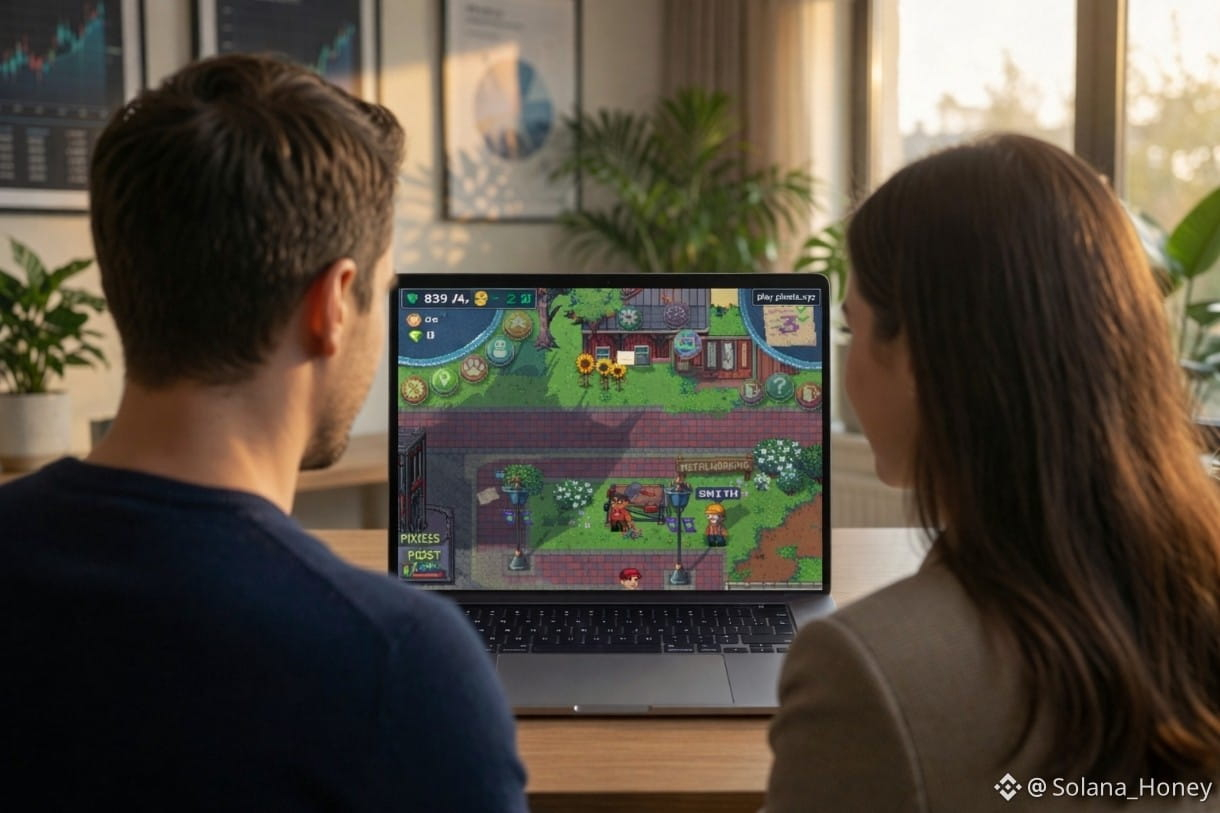

$PIXEL harga saat ini $0.00526, volume transaksi 24 jam 741 juta dolar AS, kapitalisasi pasar hanya 18,23 juta dolar AS, likuiditas agak tipis namun perputaran tidak terlalu rendah.
Diskusi publik terbaru tentang Pixels hampir semuanya terseret oleh Google Pixel (ponsel), pixel art, dan sejarah NFT awal; suara yang benar-benar fokus pada fundamental token dan perkembangan game-chain (chain game) sangat sedikit. Ini juga salah satu alasan harga kurang punya arah—pasar tidak membahasnya, jadi wajar jika tidak ada pihak yang menetapkan harga.
Bagi saya, untuk menilai GameFi dengan kapitalisasi pasar kecil, hanya ada dua indikator: pertama, apakah alamat aktif di rantai dan retensi dari tugas harian bisa tetap stabil; kedua, apakah ritme pembaruan tim ke depannya. Jika salah satu saja hilang, kenaikan (rebound) hanyalah bersifat berbasis sentimen.
Sebelum melihat data fundamental membaik, saya cenderung menunggu (observe), tidak mengejar harga (FOMO), dan mempertimbangkan mencoba dengan porsi kecil saat terjadi koreksi ke area dukungan kunci.
#Pixels #GameFi #token kapitalisasi pasar kecil
Diskusi publik terbaru tentang Pixels hampir semuanya terseret oleh Google Pixel (ponsel), pixel art, dan sejarah NFT awal; suara yang benar-benar fokus pada fundamental token dan perkembangan game-chain (chain game) sangat sedikit. Ini juga salah satu alasan harga kurang punya arah—pasar tidak membahasnya, jadi wajar jika tidak ada pihak yang menetapkan harga.
Bagi saya, untuk menilai GameFi dengan kapitalisasi pasar kecil, hanya ada dua indikator: pertama, apakah alamat aktif di rantai dan retensi dari tugas harian bisa tetap stabil; kedua, apakah ritme pembaruan tim ke depannya. Jika salah satu saja hilang, kenaikan (rebound) hanyalah bersifat berbasis sentimen.
Sebelum melihat data fundamental membaik, saya cenderung menunggu (observe), tidak mengejar harga (FOMO), dan mempertimbangkan mencoba dengan porsi kecil saat terjadi koreksi ke area dukungan kunci.
#Pixels #GameFi #token kapitalisasi pasar kecil

🚨🎮 $PIXEL — YANG INI BISA TERBANGUN! 🔥🚀
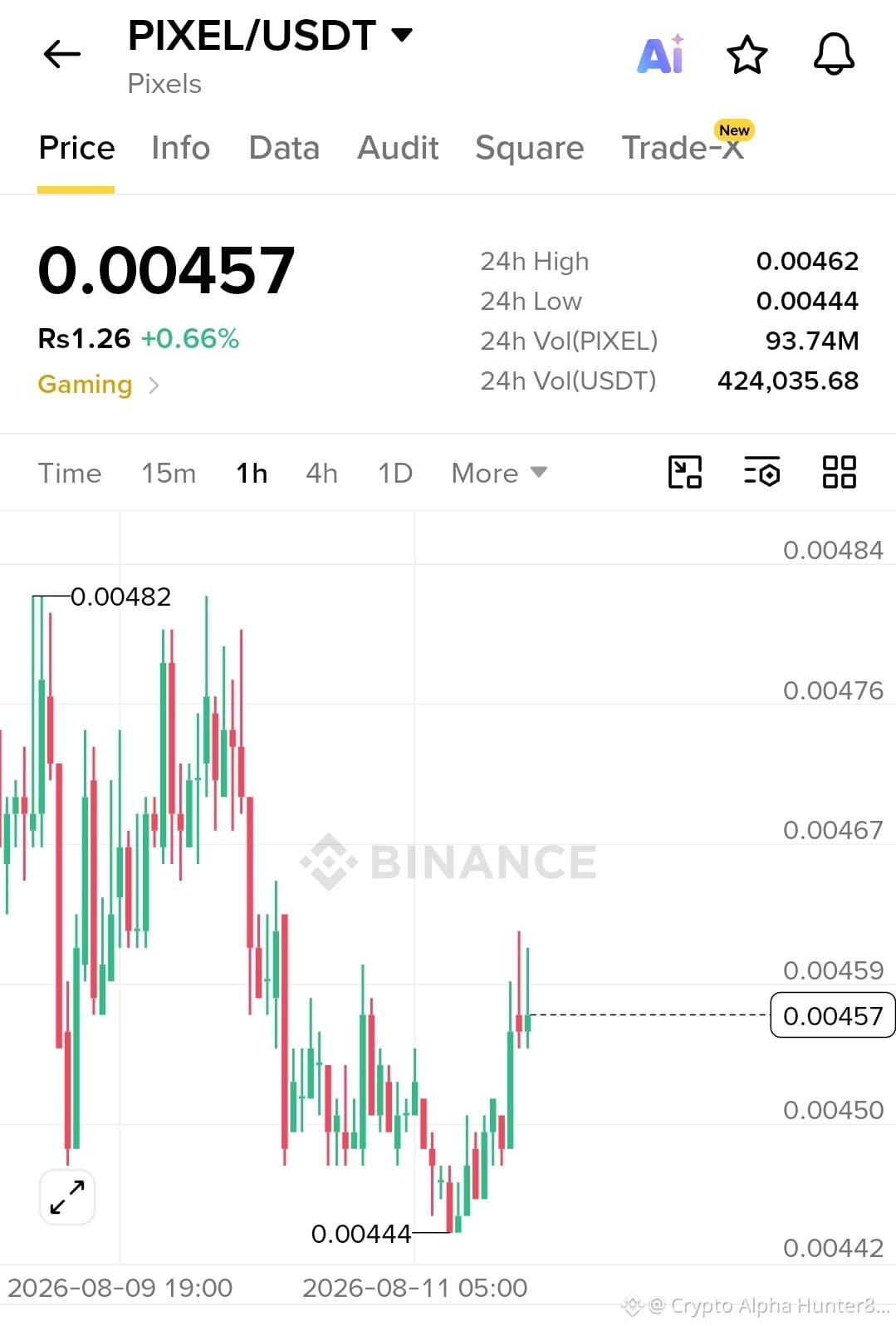
Kawan-kawan, aku masih memantau $PIXEL ! 👀 Harganya bertahan di kisaran $0.00457 dan sedang menekan tepat di bawah level tertinggi 24H $0.00462.
Setup-nya makin sempit. 🔥 Kalau para pembeli akhirnya mendorong di atas $0.00462 dan mempertahankannya, aku akan mengamati potensi pergerakan cepat menuju level-level berikutnya! 📈💥
🟢 Entri: $0.00455–$0.00462
🎯 TP1: $0.00476
🎯 TP2: $0.00482
🎯 TP3: $0.00495
🔴 SL: $0.00450
⚡ Tembus $0.00462 → $PIXEL bisa mulai bergerak CEPAT! 🚀🎮
Aku mengamati yang satu ini dengan serius. 👀🔥
Ikuti aku untuk lebih banyak setup sebelum pergerakan! ❤️🔥
#PIXEL #Pixels #Gaming #Crypto #BinanceSquare #Trading
Kawan-kawan, aku masih memantau $PIXEL ! 👀 Harganya bertahan di kisaran $0.00457 dan sedang menekan tepat di bawah level tertinggi 24H $0.00462.
Setup-nya makin sempit. 🔥 Kalau para pembeli akhirnya mendorong di atas $0.00462 dan mempertahankannya, aku akan mengamati potensi pergerakan cepat menuju level-level berikutnya! 📈💥
🟢 Entri: $0.00455–$0.00462
🎯 TP1: $0.00476
🎯 TP2: $0.00482
🎯 TP3: $0.00495
🔴 SL: $0.00450
⚡ Tembus $0.00462 → $PIXEL bisa mulai bergerak CEPAT! 🚀🎮
Aku mengamati yang satu ini dengan serius. 👀🔥
Ikuti aku untuk lebih banyak setup sebelum pergerakan! ❤️🔥
#PIXEL #Pixels #Gaming #Crypto #BinanceSquare #Trading

Dua hari lalu meskipun saya sudah short, tapi setelah tenang dan mereview, saya merasa fokus untuk riset proyek itu lebih penting daripada profit kecil itu.
Saya punya kebiasaan di komunitas ini: tidak melihat harga, tidak melihat tulisan panjang di grup, hanya melihat 'catatan pembaruan' dari proyek-proyek yang saya simpan. Saat pasar sedang lesu, bahkan proyek besar sekalipun bisa 'mati suri', dari pembaruan mingguan menjadi bulanan, dan akhirnya langsung berhenti.
Tapi ketika saya melihat @Pixels , saya memang sedikit terkejut.
Harga koin sudah jatuh lebih dari sembilan puluh persen, seharusnya timnya sudah 'give up'. Tapi mereka, luar biasa, tetap konsisten dengan pembaruan dua minggu sekali. Mereka terus mengubah logika pet, merilis profesi baru untuk alkimia, dan baru-baru ini menggagas sistem Stacked, ingin menjadikan diri mereka sebagai mata uang umum di seluruh game blockchain.
Saya menemukan sebuah prinsip: sistem ekonomi Pixels bukanlah 'mining, withdraw, sell' yang kaku.
Sekarang lebih mirip sistem yang dapat berevolusi sendiri, mampu mengenali siapa yang benar-benar bermain dan siapa yang hanya 'mencuri' keuntungan, lalu menyesuaikan reward secara dinamis. Ini mengingatkan saya pada kasus Arbitrum yang membekukan dana hacker, meskipun kontroversial, tetapi menunjukkan bahwa 'kemampuan untuk memperbaiki kesalahan' adalah standar infrastruktur saat ini. Pixels juga begitu, tidak mengharapkan model yang langsung sempurna, tetapi terus memperbaiki bug selama proses berjalan.
Tentu saja, kembali ke kenyataan, ada kelemahan di game blockchain.
Jika tidak ada pengguna baru yang masuk, sirkulasi ekonomi tetap akan tertekan. Risiko ini, saya selalu simpan dalam pikiran, tidak berniat untuk melihat bullish secara buta.
Tetapi dalam kondisi pasar yang bergetar ini, saya terus bertanya pada diri sendiri:
Apakah kamu lebih percaya pada angka harga yang loncat-loncat setiap hari, atau pada tim yang meskipun jatuh terpuruk masih terus mengetik kode dan melakukan pembaruan?
Saya memilih yang kedua. Di komunitas ini, tim yang bisa bertahan dalam kesunyian dan terus bekerja adalah alasan saya bisa bertahan di dalamnya.
#PIXEL #Pixels #实战复盘 $PIXEL
Saya punya kebiasaan di komunitas ini: tidak melihat harga, tidak melihat tulisan panjang di grup, hanya melihat 'catatan pembaruan' dari proyek-proyek yang saya simpan. Saat pasar sedang lesu, bahkan proyek besar sekalipun bisa 'mati suri', dari pembaruan mingguan menjadi bulanan, dan akhirnya langsung berhenti.
Tapi ketika saya melihat @Pixels , saya memang sedikit terkejut.
Harga koin sudah jatuh lebih dari sembilan puluh persen, seharusnya timnya sudah 'give up'. Tapi mereka, luar biasa, tetap konsisten dengan pembaruan dua minggu sekali. Mereka terus mengubah logika pet, merilis profesi baru untuk alkimia, dan baru-baru ini menggagas sistem Stacked, ingin menjadikan diri mereka sebagai mata uang umum di seluruh game blockchain.
Saya menemukan sebuah prinsip: sistem ekonomi Pixels bukanlah 'mining, withdraw, sell' yang kaku.
Sekarang lebih mirip sistem yang dapat berevolusi sendiri, mampu mengenali siapa yang benar-benar bermain dan siapa yang hanya 'mencuri' keuntungan, lalu menyesuaikan reward secara dinamis. Ini mengingatkan saya pada kasus Arbitrum yang membekukan dana hacker, meskipun kontroversial, tetapi menunjukkan bahwa 'kemampuan untuk memperbaiki kesalahan' adalah standar infrastruktur saat ini. Pixels juga begitu, tidak mengharapkan model yang langsung sempurna, tetapi terus memperbaiki bug selama proses berjalan.
Tentu saja, kembali ke kenyataan, ada kelemahan di game blockchain.
Jika tidak ada pengguna baru yang masuk, sirkulasi ekonomi tetap akan tertekan. Risiko ini, saya selalu simpan dalam pikiran, tidak berniat untuk melihat bullish secara buta.
Tetapi dalam kondisi pasar yang bergetar ini, saya terus bertanya pada diri sendiri:
Apakah kamu lebih percaya pada angka harga yang loncat-loncat setiap hari, atau pada tim yang meskipun jatuh terpuruk masih terus mengetik kode dan melakukan pembaruan?
Saya memilih yang kedua. Di komunitas ini, tim yang bisa bertahan dalam kesunyian dan terus bekerja adalah alasan saya bisa bertahan di dalamnya.
#PIXEL #Pixels #实战复盘 $PIXEL

Masuk untuk menjelajahi konten lainnya