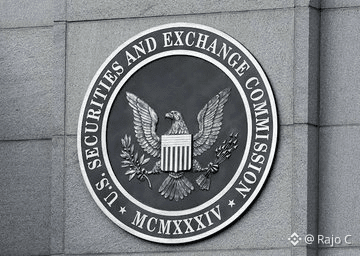
#secsaystokenbuybacksnotautosecurities 🚨
NEW: SEC staff has issued fresh crypto guidance clarifying how token buybacks, continued development, marketing, and liquid staking tokens are treated under securities
laws.
• Development: Once a network is functional, teams can continue building, upgrading, and funding development without those activities being considered “essential managerial efforts” that could keep a token tied to an investment contract.
• Token buybacks: Buybacks of a non security token on a functional network do not, by themselves, constitute “essential managerial efforts.” For unfinished networks, the answer can change if buybacks are promoted as creating “yield or return” for holders.
• Liquid staking: Staking receipt tokens representing non security crypto can be treated as a “digital tool,” while protocol issued LSTs can also qualify as “digital commodities.”
• Marketing: Teams can promote a network’s existing utility and discuss future features without automatically creating a securities issue. The key distinction is whether the promotion creates expectations of profits based on the team’s work.
• Decentralized networks: Once a functional network has “no central party” controlling its success or failure, statements from the original issuer are unlikely to create a new investment contract around the native token.
• Exchange listings: A trading platform is not automatically considered a token promoter simply because it provides a secondary market for the asset.$FOGO $SPELL $SAGA
NEW: SEC staff has issued fresh crypto guidance clarifying how token buybacks, continued development, marketing, and liquid staking tokens are treated under securities
laws.
• Development: Once a network is functional, teams can continue building, upgrading, and funding development without those activities being considered “essential managerial efforts” that could keep a token tied to an investment contract.
• Token buybacks: Buybacks of a non security token on a functional network do not, by themselves, constitute “essential managerial efforts.” For unfinished networks, the answer can change if buybacks are promoted as creating “yield or return” for holders.
• Liquid staking: Staking receipt tokens representing non security crypto can be treated as a “digital tool,” while protocol issued LSTs can also qualify as “digital commodities.”
• Marketing: Teams can promote a network’s existing utility and discuss future features without automatically creating a securities issue. The key distinction is whether the promotion creates expectations of profits based on the team’s work.
• Decentralized networks: Once a functional network has “no central party” controlling its success or failure, statements from the original issuer are unlikely to create a new investment contract around the native token.
• Exchange listings: A trading platform is not automatically considered a token promoter simply because it provides a secondary market for the asset.$FOGO $SPELL $SAGA