

There was a time when games were just games. You logged in, played for a while, and logged out without a second thought. Nothing stayed with you except a fleeting memory. But something has changed, and it did not happen loudly. It crept in quietly, like the first light of dawn, reshaping the way we experience digital worlds. Pixels (PIXEL) is not just another game trying to entertain you. It is a living space where time, effort, and imagination begin to matter in ways that feel surprisingly real.
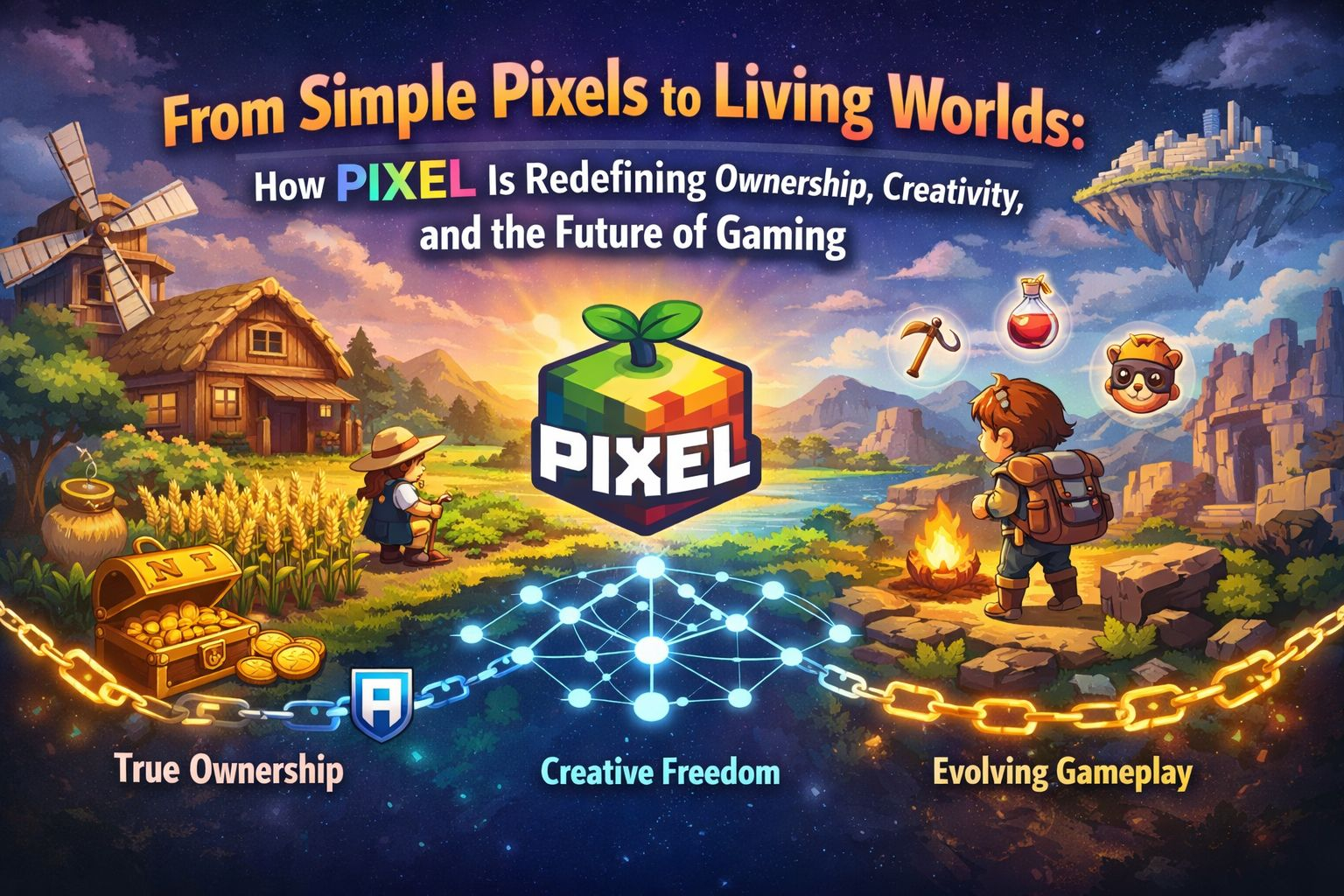
At first glance, Pixels looks simple. A colorful open world, charming visuals, and familiar farming mechanics that feel almost nostalgic. But beneath that calm surface lies something deeper. This is not about planting crops just to pass time. It is about ownership, participation, and the strange but powerful feeling that what you are building actually belongs to you. That small shift changes everything.
The moment you step into the world of Pixels, you are not treated like a visitor. You are part of the ecosystem. Every seed you plant, every resource you gather, and every structure you create becomes a reflection of your decisions. It feels personal in a way most games never manage to achieve. There is a quiet satisfaction in watching something grow over time, knowing that your actions are shaping a world that continues to evolve even when you are not watching.
What makes Pixels stand out is not just its gameplay but the philosophy behind it. Built on the Ronin Network, it embraces the idea that players should have real control over their in-game assets. This is where Web3 stops being a buzzword and starts becoming a lived experience. You are no longer just consuming content. You are contributing to it, building it, and in some sense, owning a piece of it.
There is something deeply human about that idea. People have always wanted to create, to leave a mark, to feel like their efforts matter. Traditional games often limited that feeling within closed systems. Pixels breaks those walls. It allows your time and creativity to carry value beyond the screen. Suddenly, the hours you spend farming or exploring are not just entertainment. They become part of a larger narrative that includes you as a meaningful participant.
The farming aspect of Pixels feels calming, almost meditative. You plant, you wait, you harvest. It mirrors the rhythms of real life in a simplified form. But it is not just about repetition. There is strategy, planning, and a sense of progression that keeps pulling you back. Each decision you make has consequences, and each small success feels earned rather than handed to you.
Exploration adds another layer of depth. The world is vast, filled with hidden opportunities and subtle surprises. You never quite know what you might discover next. That sense of curiosity keeps the experience alive. It turns routine gameplay into something more dynamic, where every step forward feels like a new chapter waiting to unfold.
Creation is where the magic truly happens. In Pixels, you are not limited to predefined paths. You have the freedom to build and customize your environment in ways that reflect your personality. This creative freedom transforms the game into something more than a structured experience. It becomes a canvas, and you are the artist shaping it.
What is fascinating is how naturally the Web3 elements blend into the gameplay. There is no overwhelming complexity or technical barrier. Instead, it feels like an organic extension of what the game is trying to achieve. Ownership becomes intuitive. You do not need to understand the underlying technology to appreciate the value of what you are building.
There is also a social dimension that cannot be ignored. Pixels is not a lonely world. It thrives on interaction, collaboration, and shared experiences. You are not just building for yourself. You are part of a community that is constantly evolving. That sense of connection adds emotional weight to everything you do. It turns individual progress into a collective journey.
The idea of value in gaming has always been complicated. In most cases, players invest time and money without any tangible return. Pixels challenges that model. It introduces a system where your efforts can translate into real rewards. This does not mean it becomes a grind for profit. Instead, it creates a balance where enjoyment and value coexist in a way that feels fair.
There is a subtle thrill in knowing that your digital actions have real implications. It adds a layer of seriousness without taking away the fun. You start to think differently about how you spend your time in the game. Every decision carries weight, and every achievement feels more meaningful because of it.
What truly sets Pixels apart is its ability to evoke emotion. It is not just about mechanics or technology. It is about how it makes you feel. There is joy in creation, satisfaction in progress, and even a hint of pride in what you have built. These emotions are what transform a game into an experience that stays with you.
The simplicity of its design is deceptive. It draws you in with familiar elements, but it keeps you engaged with deeper systems that reveal themselves over time. This layered approach makes the experience accessible to newcomers while still offering depth for those who want to explore further.
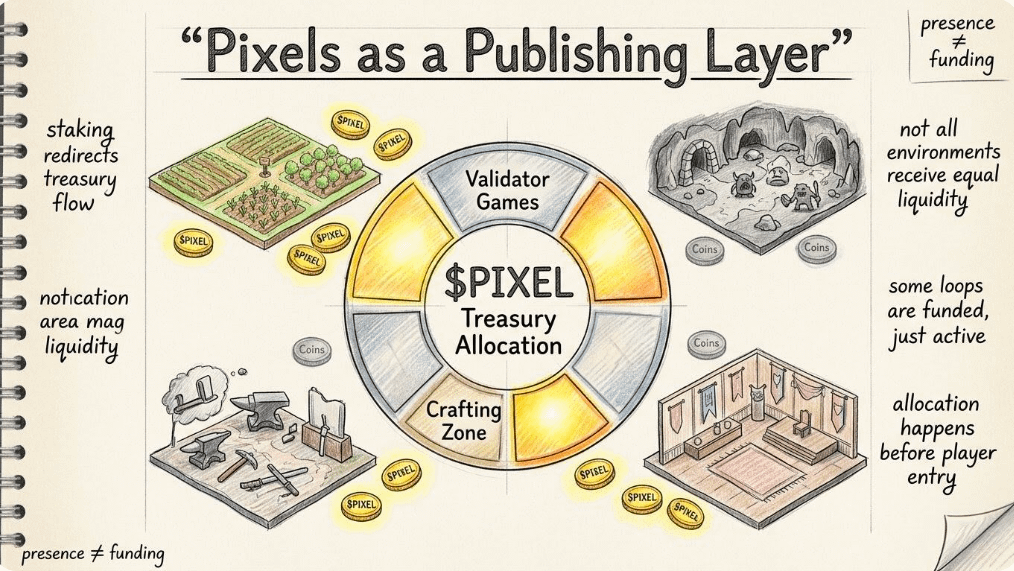
In many ways, Pixels represents a shift in how we think about digital spaces. It blurs the line between play and participation. It challenges the idea that games are temporary escapes. Instead, it suggests that they can be ongoing worlds where we invest not just time but also meaning.
There is something almost poetic about watching a digital farm grow under your care. It reflects a fundamental human desire to nurture and build. Even though it exists in a virtual space, the emotions it evokes are very real. That is the power of Pixels. It turns simple actions into meaningful experiences.
The integration of blockchain technology might seem like a technical detail, but in Pixels, it becomes a foundation for trust. It ensures that what you own is truly yours. This sense of security allows players to invest themselves more deeply in the game. It removes the uncertainty that often comes with digital ownership.
As the world of Web3 continues to evolve, Pixels stands as an example of what is possible when technology is used thoughtfully. It does not overwhelm players with complexity. Instead, it enhances their experience in subtle but impactful ways. This approach makes it more than just a game. It becomes a glimpse into the future of interactive entertainment.
There is also a sense of longevity that sets Pixels apart. It is not designed to be consumed quickly and forgotten. It encourages long-term engagement, gradual growth, and continuous exploration. This makes the experience feel more like a journey than a destination.
The emotional connection you develop with your creations is surprisingly strong. You start to care about your land, your progress, and your place in the world. This attachment is what keeps players coming back. It transforms routine actions into something that feels significant.
At its core, Pixels is about empowerment. It gives players the tools to create, explore, and shape their own experiences. It respects their time and effort by giving them ownership and value. This combination is rare and powerful.
As you spend more time in the world of Pixels, you begin to see it differently. It is no longer just a game. It becomes a space where your actions matter, where your creativity is rewarded, and where your presence has an impact. This shift in perspective is what makes it truly special.
The future of gaming is often discussed in terms of graphics or performance, but Pixels reminds us that the real evolution lies in how we interact with these worlds. It is about giving players more control, more meaning, and more connection. It is about transforming passive experiences into active participation.
In the end, Pixels is not trying to impress you with complexity or overwhelm you with features. It is doing something far more subtle and far more powerful. It is redefining what it means to play, to create, and to belong in a digital world.
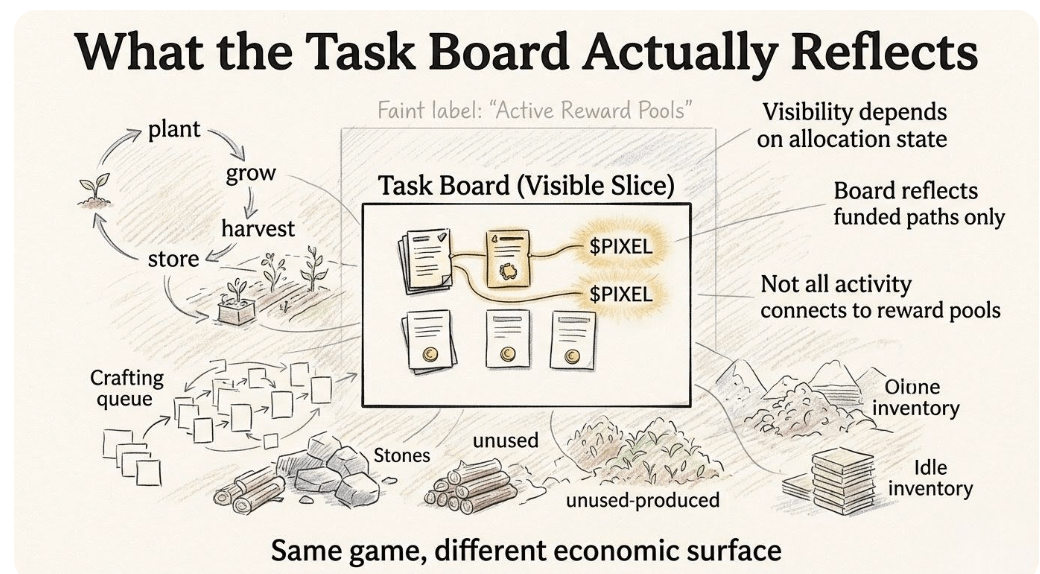
And as you step away from the screen, you might find yourself thinking about your virtual land, your growing crops, and the world you helped shape. That lingering connection is not accidental. It is the result of a carefully crafted experience that understands something fundamental about human nature. We do not just want to play. We want to matter.