 The Quiet World That Refused to Die and Became a Digital EconomThere was a time when most Web3 games felt like short-lived experiments. People joined quickly, earned a little, and left just as fast. The excitement never lasted, and the worlds felt empty the moment rewards slowed down. But somewhere in that noisy space, a simple farming game kept growing quietly. That game is Pixels, and its story in 2026 feels very different from everything that came before it.
At first glance, Pixels does not look like something that would change the future of gaming. It is simple, colorful, and calm. Players plant crops, explore land, and talk to others. There are no loud promises or flashy graphics trying to grab attention. But that simplicity is exactly where its strength lies. Instead of trying to impress people for a moment, it slowly built a world that people actually wanted to stay in.
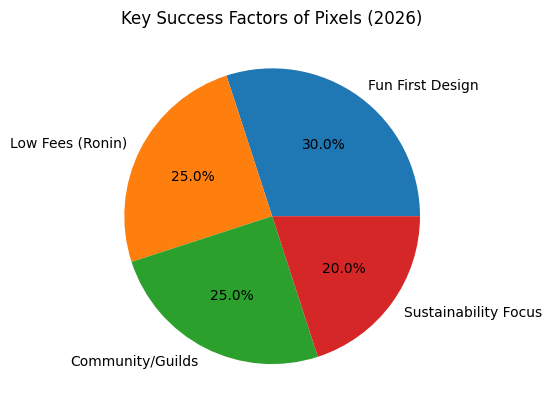
Behind this world is the Ronin Network, a system designed to make blockchain games faster and cheaper to use. This move changed everything for Pixels. Transactions became smoother, gameplay became more natural, and players stopped feeling like they were interacting with a complicated system. It started to feel like a real game again, not just a crypto tool.
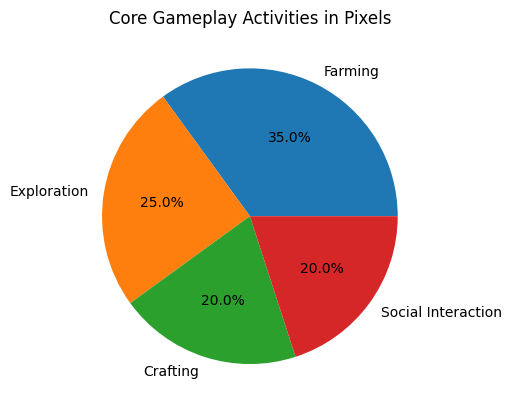
What makes Pixels special is not just the technology, but the way it understands people. Most Web3 games focused too much on earning and forgot about fun. Pixels did the opposite. It focused on creating a relaxing and social experience first. Farming, crafting, and exploring are not just tasks for profit, they are activities that feel rewarding on their own. Players log in not because they have to, but because they want to.
Over time, something unexpected happened. The game stopped feeling like a game and started feeling like a living economy. Players were not just growing crops, they were producing goods, trading with others, and building systems that depended on each other. Land became valuable, resources became important, and decisions started to matter. It slowly turned into a digital society where every action had meaning.
The introduction of the PIXEL token pushed this idea even further. Instead of a broken system with too much inflation, the developers reshaped the economy to make it more stable. Players now use PIXEL for important actions inside the game, while simple transactions happen with off-chain coins. This balance made the system feel healthier and more sustainable. It reduced pressure on the token and allowed the game to grow without collapsing under its own weight.
As the world expanded, new features brought deeper layers to the experience. Guilds allowed players to form communities and work together. Exploration added mystery and adventure beyond farming. Crafting systems became more advanced, giving players new ways to create value. Each update did not just add content, it added purpose. The world became richer, more connected, and more alive.
One of the most interesting changes came with the use of artificial intelligence. Non-player characters started to feel less like scripted bots and more like real personalities. Conversations became dynamic, quests became less predictable, and the world reacted in ways that felt natural. This small shift made a big difference. It gave players a sense that the world was not static, but constantly evolving.
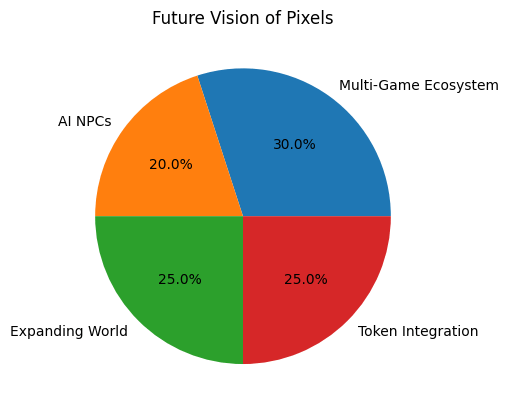
What truly sets Pixels apart in 2026 is its vision for the future. It is no longer just one game. It is slowly becoming a platform where multiple games can exist and connect with each other. This means the PIXEL token is not tied to a single experience, but to an entire ecosystem. If this vision succeeds, it could change how people see Web3 gaming completely. Instead of isolated projects, there could be connected worlds sharing value and players.
Of course, the journey is not without risks. The market is still unpredictable, and token unlocks can create pressure. The balance between fun and earning must be carefully maintained. If the economy becomes too focused on profit again, it could lose the charm that made it special. But so far, Pixels has managed to avoid many of the mistakes that destroyed other projects.
The most important thing about Pixels is not its numbers or its technology. It is the feeling it creates. In a space where everything moves fast and disappears quickly, it chose to grow slowly and build something real. It proved that people are not just looking for profit, they are looking for experiences, communities, and worlds they can believe in.
Pixels did not win by being the loudest. It won by being consistent. It stayed when others left. It improved when others stopped. And now, in 2026, it stands as one of the few examples of what Web3 gaming can become when it is done right.
This is not just the story of a game. It is the story of patience, design, and understanding human behavior. And if the path continues the way it has, Pixels may not just be a successful project. It may become the foundation of a new kind of digital world where games are not just played, but lived