

#signdigitalsovereigninfra
signdigitalsovereigninfra
12.2M vues
97,300 mentions
Populaire
Récents
·
--
#openledger $OPEN Concentrez-vous sur l'infrastructure souveraine
Renforcer les régions avec une architecture décentralisée robuste est la prochaine grande frontière pour le Web3. En construisant une infrastructure numérique souveraine fondamentale, @SignOfficial se positionne parfaitement pour stimuler la croissance économique réelle et étendre l'utilité. J'ai hâte de voir l'impact à long terme de $SIGN sur les marchés émergents. #SignDigitalSovereignInfra
#openledger $OPEN Concentrez-vous sur l'infrastructure souveraine
Renforcer les régions avec une architecture décentralisée robuste est la prochaine grande frontière pour le Web3. En construisant une infrastructure numérique souveraine fondamentale, @SignOfficial se positionne parfaitement pour stimuler la croissance économique réelle et étendre l'utilité. J'ai hâte de voir l'impact à long terme de $SIGN sur les marchés émergents. #SignDigitalSovereignInfra
Renforcer les régions avec une architecture décentralisée robuste est la prochaine grande frontière pour le Web3. En construisant une infrastructure numérique souveraine fondamentale, @SignOfficial se positionne parfaitement pour stimuler la croissance économique réelle et étendre l'utilité. J'ai hâte de voir l'impact à long terme de $SIGN sur les marchés émergents. #SignDigitalSovereignInfra
266


·
--
Haussier
Je viens de construire une fonctionnalité de vérification de la réputation des contributeurs pour un outil DAO la semaine dernière.
Ensuite, je me suis assis pour regarder à nouveau le code et j'étais un peu découragé : sept intégrations personnalisées, quatre auditeurs hors chaîne, deux backends centralisés, et trop de points susceptibles de tomber en panne.
Tout cela juste pour vérifier une chose très basique : quelqu'un a-t-il vraiment fait quelque chose sur Web3.
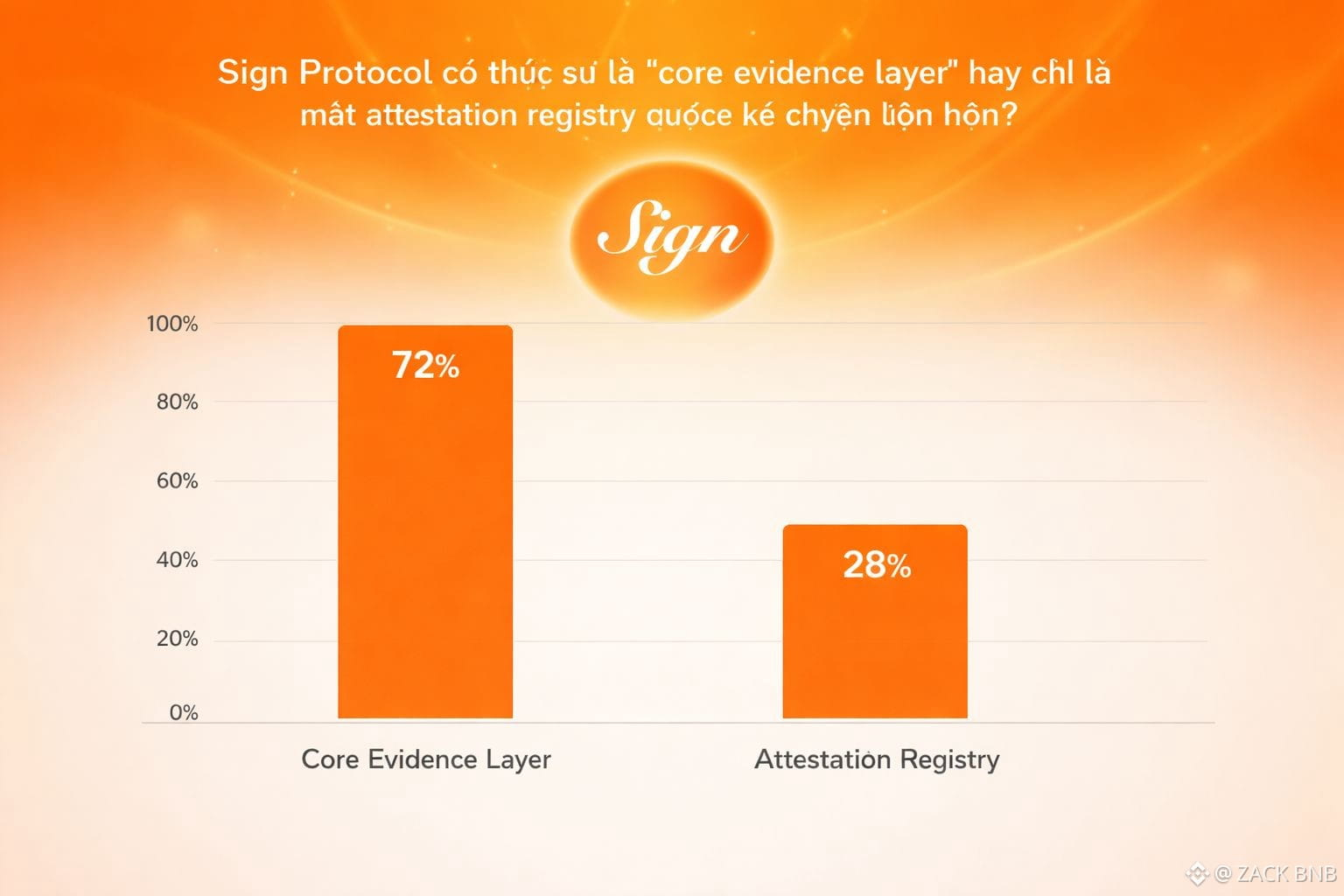
À mon avis, c'est là que Sign mérite d'être discuté s'ils deviennent vraiment la couche de preuve centrale.
Car un registre d'attestation simple ne résout pas ce problème. Je dois toujours connecter chaque source moi-même, gérer les incompatibilités de format et maintenir mon infrastructure séparément. Mais s'il y avait une spécification partagée, des identifiants persistants et une logique d'attestation fonctionnant de manière plus cohérente, alors ce travail pourrait être considérablement réduit.
Pour moi, la thèse la plus intéressante de Sign n'est pas l'histoire de la confiance, mais la capacité à réduire une couche entière de code superflu.
@SignOfficial #SignDigitalSovereignInfra $SIGN
Je viens de construire une fonctionnalité de vérification de la réputation des contributeurs pour un outil DAO la semaine dernière.
Ensuite, je me suis assis pour regarder à nouveau le code et j'étais un peu découragé : sept intégrations personnalisées, quatre auditeurs hors chaîne, deux backends centralisés, et trop de points susceptibles de tomber en panne.
Tout cela juste pour vérifier une chose très basique : quelqu'un a-t-il vraiment fait quelque chose sur Web3.
À mon avis, c'est là que Sign mérite d'être discuté s'ils deviennent vraiment la couche de preuve centrale.
Car un registre d'attestation simple ne résout pas ce problème. Je dois toujours connecter chaque source moi-même, gérer les incompatibilités de format et maintenir mon infrastructure séparément. Mais s'il y avait une spécification partagée, des identifiants persistants et une logique d'attestation fonctionnant de manière plus cohérente, alors ce travail pourrait être considérablement réduit.
Pour moi, la thèse la plus intéressante de Sign n'est pas l'histoire de la confiance, mais la capacité à réduire une couche entière de code superflu.
@SignOfficial #SignDigitalSovereignInfra $SIGN
Ensuite, je me suis assis pour regarder à nouveau le code et j'étais un peu découragé : sept intégrations personnalisées, quatre auditeurs hors chaîne, deux backends centralisés, et trop de points susceptibles de tomber en panne.
Tout cela juste pour vérifier une chose très basique : quelqu'un a-t-il vraiment fait quelque chose sur Web3.
À mon avis, c'est là que Sign mérite d'être discuté s'ils deviennent vraiment la couche de preuve centrale.
Car un registre d'attestation simple ne résout pas ce problème. Je dois toujours connecter chaque source moi-même, gérer les incompatibilités de format et maintenir mon infrastructure séparément. Mais s'il y avait une spécification partagée, des identifiants persistants et une logique d'attestation fonctionnant de manière plus cohérente, alors ce travail pourrait être considérablement réduit.
Pour moi, la thèse la plus intéressante de Sign n'est pas l'histoire de la confiance, mais la capacité à réduire une couche entière de code superflu.
@SignOfficial #SignDigitalSovereignInfra $SIGN
136
·
--
Baissier
#signdigitalsovereigninfra $SIGN Protocole SIGN : L'Atelier de la Vérité Numérique
Dans la Web3, la confiance ne se donne pas, elle se construit. Avec le Protocole SIGN, nous passons de l'abstraction à l'"atelier" où la vérification est tangible. En connectant le matériel et les données réelles à la blockchain, nous créons une couche de preuve irréfutable.
Chaque attestation fonctionne comme un sceau d'approbation décentralisé : transparent, souverain et libre d'intermédiaires. Fini la foi aveugle ; maintenant, l'utilisateur a le contrôle de sa propre certitude. N'oubliez pas : dans un marché qui punit les émotions, la discipline de vérifier est votre plus grand atout.@SignOfficial
#signdigitalsovereigninfra $SIGN Protocole SIGN : L'Atelier de la Vérité Numérique
Dans la Web3, la confiance ne se donne pas, elle se construit. Avec le Protocole SIGN, nous passons de l'abstraction à l'"atelier" où la vérification est tangible. En connectant le matériel et les données réelles à la blockchain, nous créons une couche de preuve irréfutable.
Chaque attestation fonctionne comme un sceau d'approbation décentralisé : transparent, souverain et libre d'intermédiaires. Fini la foi aveugle ; maintenant, l'utilisateur a le contrôle de sa propre certitude. N'oubliez pas : dans un marché qui punit les émotions, la discipline de vérifier est votre plus grand atout.@SignOfficial
Dans la Web3, la confiance ne se donne pas, elle se construit. Avec le Protocole SIGN, nous passons de l'abstraction à l'"atelier" où la vérification est tangible. En connectant le matériel et les données réelles à la blockchain, nous créons une couche de preuve irréfutable.
Chaque attestation fonctionne comme un sceau d'approbation décentralisé : transparent, souverain et libre d'intermédiaires. Fini la foi aveugle ; maintenant, l'utilisateur a le contrôle de sa propre certitude. N'oubliez pas : dans un marché qui punit les émotions, la discipline de vérifier est votre plus grand atout.@SignOfficial
1
9
81

·
--
Haussier
Je suis très heureux de réaliser un profit avec cette pièce, c’est un AMA, mon portefeuille est doublé. Si vous voulez faire un profit, échangez cette pièce#signdigitalsovereigninfra $SIGN
Je suis très heureux de réaliser un profit avec cette pièce, c’est un AMA, mon portefeuille est doublé. Si vous voulez faire un profit, échangez cette pièce#signdigitalsovereigninfra $SIGN
1
1

·
--
Haussier
Je continue à remarquer une étrange tension chaque fois que je navigue sur des plateformes crypto, comme si je marchais à travers des systèmes qui avancent vite mais pensent lentement. Je regarde les transactions se finaliser en quelques secondes tandis que je répète encore et encore les mêmes vérifications. Je connecte des portefeuilles, confirme l'éligibilité, prouve mon identité, puis je le fais encore ailleurs.
Je sens cette petite irritation grandir, non pas parce que quelque chose est bruyamment cassé, mais parce que rien ne se souvient de moi longtemps.
Quand je regarde SIGN, je ne l'aborde pas avec excitation. Je l'aborde avec suspicion façonnée par trop de cycles.
J'ai vu des projets promettre des expériences plus fluides auparavant, pourtant la complexité a tendance à croître plutôt qu'à diminuer. Mais ici, je remarque quelque chose de différent : je vois une tentative de réduire la répétition plutôt que d'ajouter une autre couche. Je vois la vérification des identifiants et la distribution des jetons être traitées comme des parties de la même mémoire plutôt que comme des processus distincts.
Je continue à penser à combien d'efforts il faut pour prouver des choses que j'ai déjà prouvées hier.
Je réalise que la vraie friction n'est pas la vitesse ; c'est le redémarrage de la confiance chaque fois que je bouge.
SIGN me fait me demander ce qui se passe si les systèmes cessent d'oublier. Si les identifiants voyagent avec moi, la participation semble continue plutôt que temporaire.
@SignOfficial #signdigitalsovereigninfra $SIGN
{spot}(SIGNUSDT)
Je continue à remarquer une étrange tension chaque fois que je navigue sur des plateformes crypto, comme si je marchais à travers des systèmes qui avancent vite mais pensent lentement. Je regarde les transactions se finaliser en quelques secondes tandis que je répète encore et encore les mêmes vérifications. Je connecte des portefeuilles, confirme l'éligibilité, prouve mon identité, puis je le fais encore ailleurs.
Je sens cette petite irritation grandir, non pas parce que quelque chose est bruyamment cassé, mais parce que rien ne se souvient de moi longtemps.
Quand je regarde SIGN, je ne l'aborde pas avec excitation. Je l'aborde avec suspicion façonnée par trop de cycles.
J'ai vu des projets promettre des expériences plus fluides auparavant, pourtant la complexité a tendance à croître plutôt qu'à diminuer. Mais ici, je remarque quelque chose de différent : je vois une tentative de réduire la répétition plutôt que d'ajouter une autre couche. Je vois la vérification des identifiants et la distribution des jetons être traitées comme des parties de la même mémoire plutôt que comme des processus distincts.
Je continue à penser à combien d'efforts il faut pour prouver des choses que j'ai déjà prouvées hier.
Je réalise que la vraie friction n'est pas la vitesse ; c'est le redémarrage de la confiance chaque fois que je bouge.
SIGN me fait me demander ce qui se passe si les systèmes cessent d'oublier. Si les identifiants voyagent avec moi, la participation semble continue plutôt que temporaire.
@SignOfficial #signdigitalsovereigninfra $SIGN
Je sens cette petite irritation grandir, non pas parce que quelque chose est bruyamment cassé, mais parce que rien ne se souvient de moi longtemps.
Quand je regarde SIGN, je ne l'aborde pas avec excitation. Je l'aborde avec suspicion façonnée par trop de cycles.
J'ai vu des projets promettre des expériences plus fluides auparavant, pourtant la complexité a tendance à croître plutôt qu'à diminuer. Mais ici, je remarque quelque chose de différent : je vois une tentative de réduire la répétition plutôt que d'ajouter une autre couche. Je vois la vérification des identifiants et la distribution des jetons être traitées comme des parties de la même mémoire plutôt que comme des processus distincts.
Je continue à penser à combien d'efforts il faut pour prouver des choses que j'ai déjà prouvées hier.
Je réalise que la vraie friction n'est pas la vitesse ; c'est le redémarrage de la confiance chaque fois que je bouge.
SIGN me fait me demander ce qui se passe si les systèmes cessent d'oublier. Si les identifiants voyagent avec moi, la participation semble continue plutôt que temporaire.
@SignOfficial #signdigitalsovereigninfra $SIGN
19
37
10.3k

·
--
#signdigitalsovereigninfra $SIGN ainsah aljamie bitanzil mansih bins mansah rayieah wajamiluh alaistithmar fiha jamil jidun wamurbah yajib ealaa aljamie alaistithmar fiha shukran lakum
#signdigitalsovereigninfra $SIGN ainsah aljamie bitanzil mansih bins mansah rayieah wajamiluh alaistithmar fiha jamil jidun wamurbah yajib ealaa aljamie alaistithmar fiha shukran lakum
1
1


·
--
Article
Quand SIGN et l'illusion de la confiance portable dans les systèmes numériquesJe ne suis pas venu à quelque chose comme SIGN parce que je cherchais une solution. Si quoi que ce soit, j'ai développé une habitude de me méfier de tout ce qui se présente trop proprement dans un espace qui a historiquement été désordonné, chaotique et profondément humain. Au fil du temps, j'ai vu des récits se former autour de « réparer la confiance », et presque tous semblaient incomplets non pas parce qu'ils manquaient d'intelligence, mais parce qu'ils sous-estimaient à quel point la confiance est en réalité étrange une fois que vous essayez de la formaliser.
Quand je pense à SIGN, je ne pense pas immédiatement aux identifiants ou aux jetons. Je pense à la mémoire. Pas dans le sens technique, mais dans le sens comportemental. J'ai vu comment Internet oublie les gens. Pas littéralement, les données sont toujours stockées quelque part mais fonctionnellement. Vous pouvez passer des années à construire votre crédibilité dans un coin du monde numérique, et au moment où vous entrez dans un autre, c'est comme repartir de zéro. Ce réinitialisation n'est pas accidentelle. Elle est intégrée dans la structure des plateformes qui bénéficient de la possession de votre histoire plutôt que de vous laisser l'emporter.
Quand SIGN et l'illusion de la confiance portable dans les systèmes numériques
Je ne suis pas venu à quelque chose comme SIGN parce que je cherchais une solution. Si quoi que ce soit, j'ai développé une habitude de me méfier de tout ce qui se présente trop proprement dans un espace qui a historiquement été désordonné, chaotique et profondément humain. Au fil du temps, j'ai vu des récits se former autour de « réparer la confiance », et presque tous semblaient incomplets non pas parce qu'ils manquaient d'intelligence, mais parce qu'ils sous-estimaient à quel point la confiance est en réalité étrange une fois que vous essayez de la formaliser.
Quand je pense à SIGN, je ne pense pas immédiatement aux identifiants ou aux jetons. Je pense à la mémoire. Pas dans le sens technique, mais dans le sens comportemental. J'ai vu comment Internet oublie les gens. Pas littéralement, les données sont toujours stockées quelque part mais fonctionnellement. Vous pouvez passer des années à construire votre crédibilité dans un coin du monde numérique, et au moment où vous entrez dans un autre, c'est comme repartir de zéro. Ce réinitialisation n'est pas accidentelle. Elle est intégrée dans la structure des plateformes qui bénéficient de la possession de votre histoire plutôt que de vous laisser l'emporter.
Quand je pense à SIGN, je ne pense pas immédiatement aux identifiants ou aux jetons. Je pense à la mémoire. Pas dans le sens technique, mais dans le sens comportemental. J'ai vu comment Internet oublie les gens. Pas littéralement, les données sont toujours stockées quelque part mais fonctionnellement. Vous pouvez passer des années à construire votre crédibilité dans un coin du monde numérique, et au moment où vous entrez dans un autre, c'est comme repartir de zéro. Ce réinitialisation n'est pas accidentelle. Elle est intégrée dans la structure des plateformes qui bénéficient de la possession de votre histoire plutôt que de vous laisser l'emporter.
46
1
91
18.3k

·
--
Article
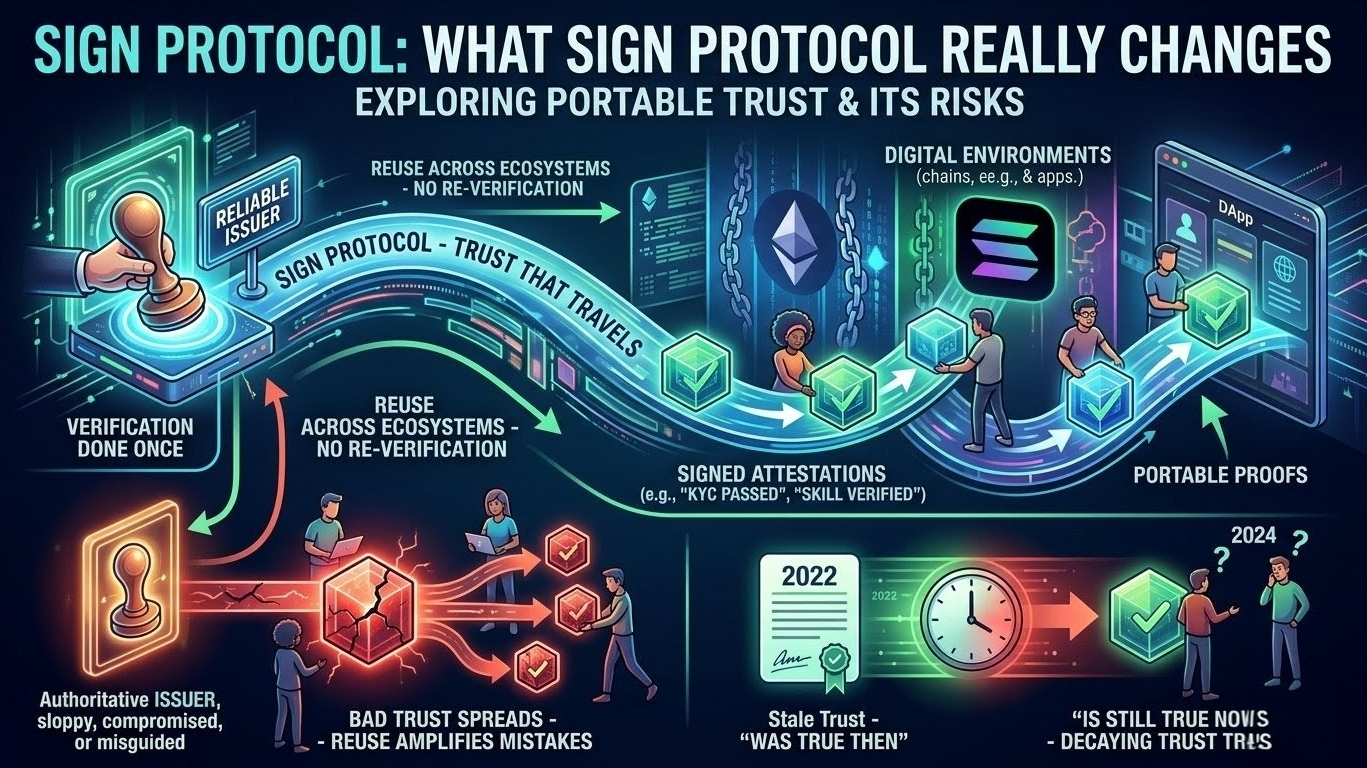
La confiance qui voyage : Ce que le protocole Sign change vraimentJ'ai beaucoup pensé au protocole Sign ces derniers temps, et honnêtement, l'appeler un « registre d'attestation » semble trop petit. Cela donne l'impression que tout ressemble à un cabinet de classement numérique propre—les preuves entrent, restent tranquillement, et sont extraites quand quelqu'un en a besoin. C'est techniquement vrai, mais cela manque le cœur de ce qui se passe.
Ce qui m'excite vraiment, c'est comment Sign permet à la confiance de circuler.
Vous savez comment la plupart des systèmes numériques se sentent en ce moment ? Chaque nouvelle application, chaque nouvelle chaîne, chaque nouveau contexte agit comme s'il devait tout recommencer. Re-vérifiez l'utilisateur. Re-vérifiez les informations d'identification. Exécutez toute la routine de confiance à nouveau, en prétendant que rien de ce qui s'est passé avant n'a d'importance. C'est fatigant, inutile et un peu ridicule—comme si nous confondions répétition et véritable sécurité.
La confiance qui voyage : Ce que le protocole Sign change vraiment
J'ai beaucoup pensé au protocole Sign ces derniers temps, et honnêtement, l'appeler un « registre d'attestation » semble trop petit. Cela donne l'impression que tout ressemble à un cabinet de classement numérique propre—les preuves entrent, restent tranquillement, et sont extraites quand quelqu'un en a besoin. C'est techniquement vrai, mais cela manque le cœur de ce qui se passe.
Ce qui m'excite vraiment, c'est comment Sign permet à la confiance de circuler.
Vous savez comment la plupart des systèmes numériques se sentent en ce moment ? Chaque nouvelle application, chaque nouvelle chaîne, chaque nouveau contexte agit comme s'il devait tout recommencer. Re-vérifiez l'utilisateur. Re-vérifiez les informations d'identification. Exécutez toute la routine de confiance à nouveau, en prétendant que rien de ce qui s'est passé avant n'a d'importance. C'est fatigant, inutile et un peu ridicule—comme si nous confondions répétition et véritable sécurité.
Ce qui m'excite vraiment, c'est comment Sign permet à la confiance de circuler.
Vous savez comment la plupart des systèmes numériques se sentent en ce moment ? Chaque nouvelle application, chaque nouvelle chaîne, chaque nouveau contexte agit comme s'il devait tout recommencer. Re-vérifiez l'utilisateur. Re-vérifiez les informations d'identification. Exécutez toute la routine de confiance à nouveau, en prétendant que rien de ce qui s'est passé avant n'a d'importance. C'est fatigant, inutile et un peu ridicule—comme si nous confondions répétition et véritable sécurité.
107
83
18.9k

La perspective de la " couche d'identité "
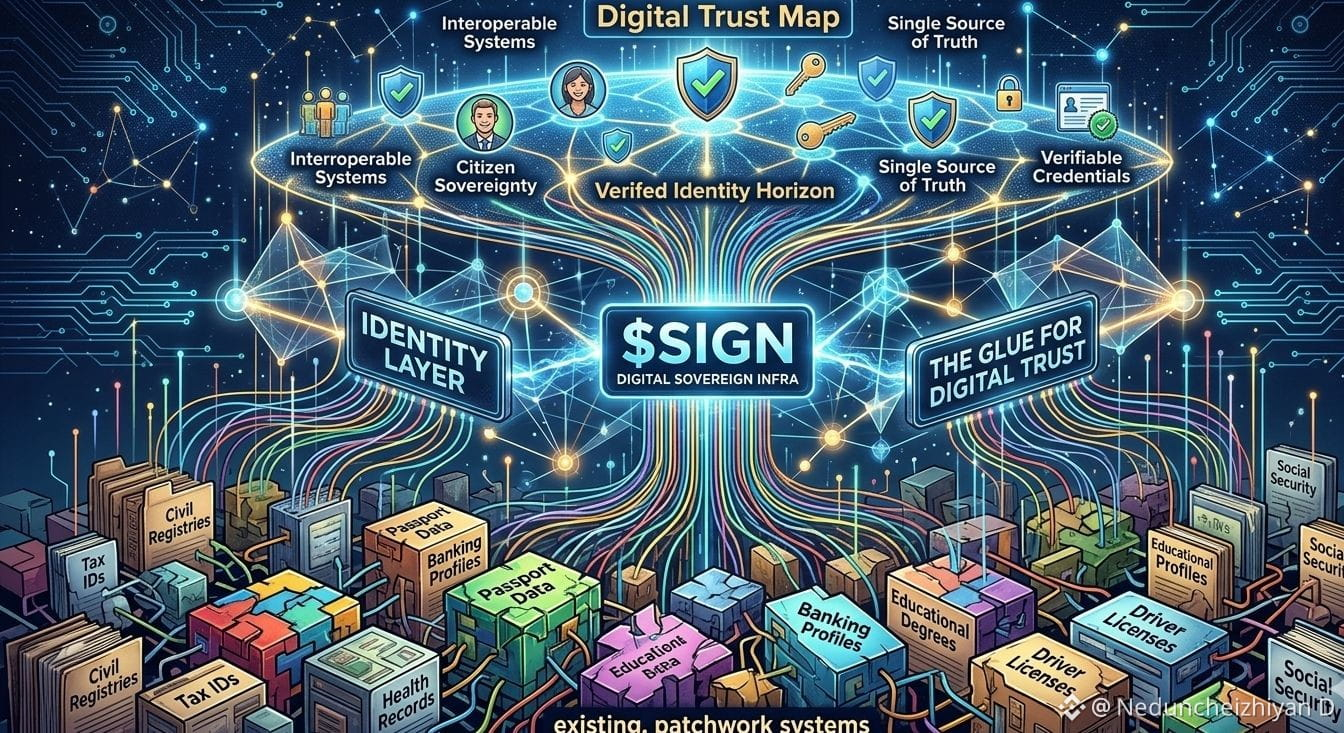
J'apprends des discussions récentes que la plus grande erreur en matière d'identité numérique est de supposer que nous commençons à zéro. La vérité est que chaque nation a un " patchwork " de systèmes—registres civils, identifiants fiscaux et dossiers de santé—qui ne communiquent pas entre eux.
C'est pourquoi $SIGN est si intéressant. Au lieu d'essayer de remplacer ces systèmes, il agit comme une couche d'infrastructure pour les connecter. C'est le " ciment " de la confiance numérique.
#SignDigitalSovereignInfra @SignOfficial
La perspective de la " couche d'identité "
J'apprends des discussions récentes que la plus grande erreur en matière d'identité numérique est de supposer que nous commençons à zéro. La vérité est que chaque nation a un " patchwork " de systèmes—registres civils, identifiants fiscaux et dossiers de santé—qui ne communiquent pas entre eux.
C'est pourquoi $SIGN est si intéressant. Au lieu d'essayer de remplacer ces systèmes, il agit comme une couche d'infrastructure pour les connecter. C'est le " ciment " de la confiance numérique.
#SignDigitalSovereignInfra @SignOfficial
J'apprends des discussions récentes que la plus grande erreur en matière d'identité numérique est de supposer que nous commençons à zéro. La vérité est que chaque nation a un " patchwork " de systèmes—registres civils, identifiants fiscaux et dossiers de santé—qui ne communiquent pas entre eux.
C'est pourquoi $SIGN est si intéressant. Au lieu d'essayer de remplacer ces systèmes, il agit comme une couche d'infrastructure pour les connecter. C'est le " ciment " de la confiance numérique.
#SignDigitalSovereignInfra @SignOfficial
21

À mon avis, @SignOfficial mérite d'être surveillé car le projet se concentre sur la connexion entre la vérification des données et le processus de distribution de valeur. C'est un aspect souvent négligé mais crucial pour faire fonctionner les écosystèmes on-chain de manière plus efficace et transparente. Je suis aussi en train de suivre $SIGN . #SignDigitalSovereignInfra
À mon avis, @SignOfficial mérite d'être surveillé car le projet se concentre sur la connexion entre la vérification des données et le processus de distribution de valeur. C'est un aspect souvent négligé mais crucial pour faire fonctionner les écosystèmes on-chain de manière plus efficace et transparente. Je suis aussi en train de suivre $SIGN . #SignDigitalSovereignInfra
3
27
97
Article
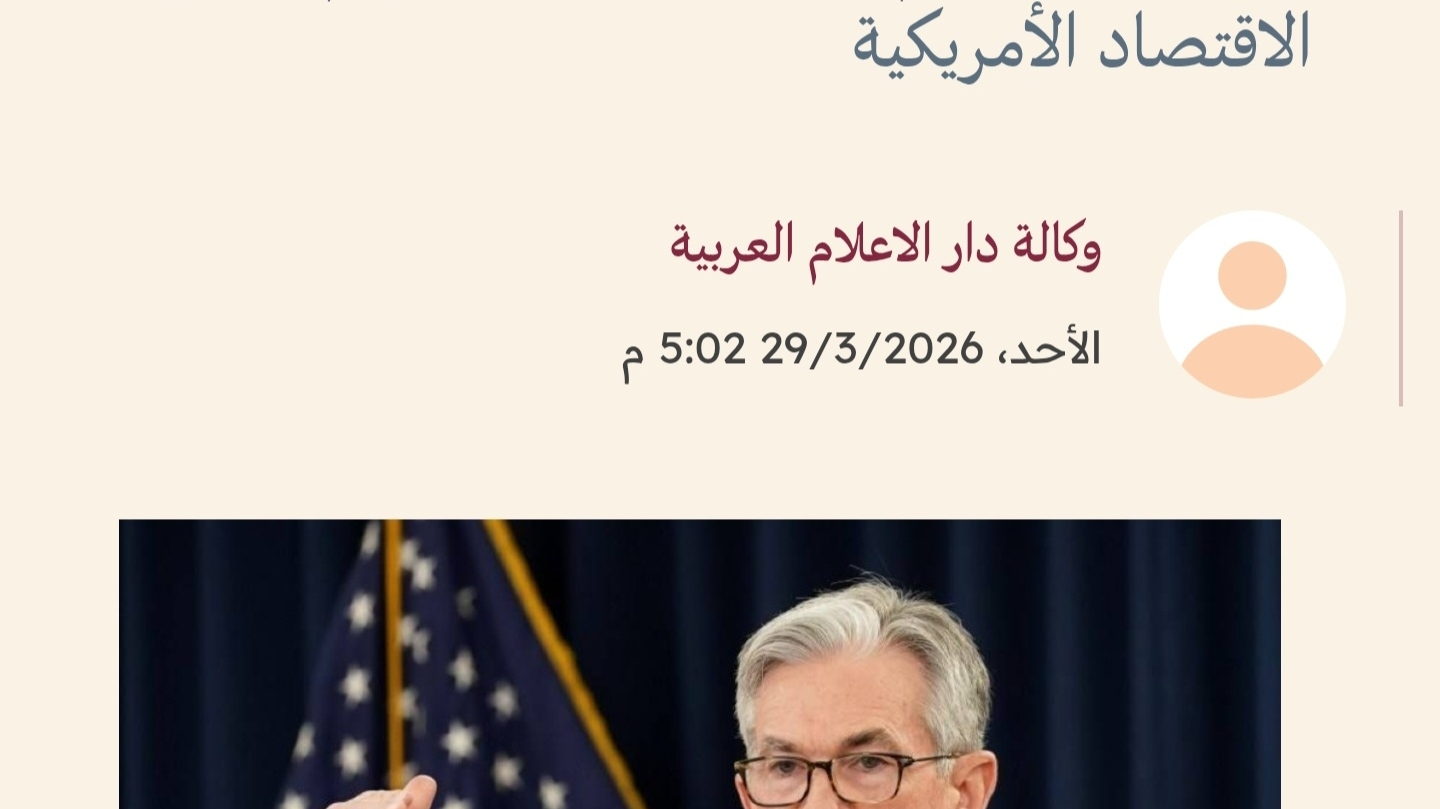
Le discours de Powell et la hausse des prix du pétrole attirent l'attention des investisseurs de Wall Street$SIGN #signdigitalsovereigninfra
$ETH
$SLP
temps de prière
Le rapport sur l'emploi américain attendu cette semaine domine le paysage des nouvelles données économiques que les investisseurs en actions attendent, qui suivent également de près les développements de la guerre avec l'Iran, qui entre maintenant dans son deuxième mois, selon le rapport hebdomadaire de Reuters sur les actions américaines.
Jerome Powell, le président de la Réserve fédérale, devrait prononcer un discours cette semaine, lors de sa première apparition après la dernière réunion de la Fed. Il s'exprimera à l'Université Harvard, dans le cadre d'une discussion sur les conditions économiques actuelles.
Le discours de Powell et la hausse des prix du pétrole attirent l'attention des investisseurs de Wall Street
$SIGN #signdigitalsovereigninfra
$ETH
$SLP
temps de prière
Le rapport sur l'emploi américain attendu cette semaine domine le paysage des nouvelles données économiques que les investisseurs en actions attendent, qui suivent également de près les développements de la guerre avec l'Iran, qui entre maintenant dans son deuxième mois, selon le rapport hebdomadaire de Reuters sur les actions américaines.
Jerome Powell, le président de la Réserve fédérale, devrait prononcer un discours cette semaine, lors de sa première apparition après la dernière réunion de la Fed. Il s'exprimera à l'Université Harvard, dans le cadre d'une discussion sur les conditions économiques actuelles.
$ETH
$SLP
temps de prière
Le rapport sur l'emploi américain attendu cette semaine domine le paysage des nouvelles données économiques que les investisseurs en actions attendent, qui suivent également de près les développements de la guerre avec l'Iran, qui entre maintenant dans son deuxième mois, selon le rapport hebdomadaire de Reuters sur les actions américaines.
Jerome Powell, le président de la Réserve fédérale, devrait prononcer un discours cette semaine, lors de sa première apparition après la dernière réunion de la Fed. Il s'exprimera à l'Université Harvard, dans le cadre d'une discussion sur les conditions économiques actuelles.
4
227

·
--
#signdigitalsovereigninfra $SIGN
Il n'y a pas de moment pour commencer à améliorer soi-même 🥀
Et il n'y a pas d'âge fixe pour atteindre le meilleur
Tant que votre cœur bat, vous avez une chance chaque jour ♥️
🌸Prenez soin de vous et que votre chemin soit bon, ô gens d'ambition 💐
🌹
La règle la plus importante dans le monde de l'argent :
Ne dépensez pas une fortune pour paraître riche, mais construisez votre richesse pour devenir riche.
N'achetez pas un sac à 500 dollars pour qu'il reste vide,
Achetez un sac à 70 dollars… et mettez le reste dedans.
Ne vous ruinez pas pour impressionner les gens,
Mais économisez pour vous impressionner vous-même.
#تحفيز #حكمة
#signaladvisor #signalsfutures
$BTC
#signdigitalsovereigninfra $SIGN
Il n'y a pas de moment pour commencer à améliorer soi-même 🥀
Et il n'y a pas d'âge fixe pour atteindre le meilleur
Tant que votre cœur bat, vous avez une chance chaque jour ♥️
🌸Prenez soin de vous et que votre chemin soit bon, ô gens d'ambition 💐
🌹
La règle la plus importante dans le monde de l'argent :
Ne dépensez pas une fortune pour paraître riche, mais construisez votre richesse pour devenir riche.
N'achetez pas un sac à 500 dollars pour qu'il reste vide,
Achetez un sac à 70 dollars… et mettez le reste dedans.
Ne vous ruinez pas pour impressionner les gens,
Mais économisez pour vous impressionner vous-même.
#تحفيز #حكمة
#signaladvisor #signalsfutures
$BTC
Il n'y a pas de moment pour commencer à améliorer soi-même 🥀
Et il n'y a pas d'âge fixe pour atteindre le meilleur
Tant que votre cœur bat, vous avez une chance chaque jour ♥️
🌸Prenez soin de vous et que votre chemin soit bon, ô gens d'ambition 💐
🌹
La règle la plus importante dans le monde de l'argent :
Ne dépensez pas une fortune pour paraître riche, mais construisez votre richesse pour devenir riche.
N'achetez pas un sac à 500 dollars pour qu'il reste vide,
Achetez un sac à 70 dollars… et mettez le reste dedans.
Ne vous ruinez pas pour impressionner les gens,
Mais économisez pour vous impressionner vous-même.
#تحفيز #حكمة
#signaladvisor #signalsfutures
$BTC
1
75

·
--
Ce qui rend Sign plus intéressant pour moi, c'est que ce n'est pas vraiment juste un registre.
Cela semble trop passif.
La chose plus importante est que cela permet à la confiance de voyager. Une preuve est signée une fois, puis d'autres applications ou chaînes peuvent l'utiliser sans faire passer tout le monde par le même rituel de vérification encore une fois. Cela fait que l'ensemble du système semble moins répétitif et beaucoup moins stupide.
C'est la bonne partie.
La partie inconfortable est celle où le risque se déplace ensuite.
Parce qu'une fois que la confiance devient portable, les émetteurs comptent beaucoup plus. Un émetteur faible ne se contente pas de faire une mauvaise attestation. Cela peut empoisonner toute une chaîne de décisions en aval. Et puis il y a le problème du temps. Quelque chose peut être valide une fois et sembler toujours digne de confiance longtemps après qu'il aurait dû expirer.
C'est la tension à laquelle je reviens sans cesse.
Sign peut rendre la confiance inter-chaînes plus propre et plus réutilisable.
Mais la confiance réutilisable ne fonctionne que si l'émetteur reste crédible et que la preuve ne survit pas à la vérité qu'elle était censée prouver.
@SignOfficial #SignDigitalSovereignInfra $SIGN
#DriftProtocolExploited #ADPJobsSurge #GoogleStudyOnCryptoSecurityChallenges
$SIREN
Ce qui rend Sign plus intéressant pour moi, c'est que ce n'est pas vraiment juste un registre.
Cela semble trop passif.
La chose plus importante est que cela permet à la confiance de voyager. Une preuve est signée une fois, puis d'autres applications ou chaînes peuvent l'utiliser sans faire passer tout le monde par le même rituel de vérification encore une fois. Cela fait que l'ensemble du système semble moins répétitif et beaucoup moins stupide.
C'est la bonne partie.
La partie inconfortable est celle où le risque se déplace ensuite.
Parce qu'une fois que la confiance devient portable, les émetteurs comptent beaucoup plus. Un émetteur faible ne se contente pas de faire une mauvaise attestation. Cela peut empoisonner toute une chaîne de décisions en aval. Et puis il y a le problème du temps. Quelque chose peut être valide une fois et sembler toujours digne de confiance longtemps après qu'il aurait dû expirer.
C'est la tension à laquelle je reviens sans cesse.
Sign peut rendre la confiance inter-chaînes plus propre et plus réutilisable.
Mais la confiance réutilisable ne fonctionne que si l'émetteur reste crédible et que la preuve ne survit pas à la vérité qu'elle était censée prouver.
@SignOfficial #SignDigitalSovereignInfra $SIGN
#DriftProtocolExploited #ADPJobsSurge #GoogleStudyOnCryptoSecurityChallenges
$SIREN
Cela semble trop passif.
La chose plus importante est que cela permet à la confiance de voyager. Une preuve est signée une fois, puis d'autres applications ou chaînes peuvent l'utiliser sans faire passer tout le monde par le même rituel de vérification encore une fois. Cela fait que l'ensemble du système semble moins répétitif et beaucoup moins stupide.
C'est la bonne partie.
La partie inconfortable est celle où le risque se déplace ensuite.
Parce qu'une fois que la confiance devient portable, les émetteurs comptent beaucoup plus. Un émetteur faible ne se contente pas de faire une mauvaise attestation. Cela peut empoisonner toute une chaîne de décisions en aval. Et puis il y a le problème du temps. Quelque chose peut être valide une fois et sembler toujours digne de confiance longtemps après qu'il aurait dû expirer.
C'est la tension à laquelle je reviens sans cesse.
Sign peut rendre la confiance inter-chaînes plus propre et plus réutilisable.
Mais la confiance réutilisable ne fonctionne que si l'émetteur reste crédible et que la preuve ne survit pas à la vérité qu'elle était censée prouver.
@SignOfficial #SignDigitalSovereignInfra $SIGN
#DriftProtocolExploited #ADPJobsSurge #GoogleStudyOnCryptoSecurityChallenges
$SIREN
72

·
--
Cette évolution transforme la confiance en un atout précieux dans la crypto. Les actions, l'historique et les références vérifiées deviennent partie intégrante de la réputation on-chain d'un utilisateur, qui peut être exploitée à travers DeFi, DAOs et applications.
Avec le protocole Sign, la confiance n'est plus supposée, elle est prouvée, portable et programmable, ouvrant la voie à un avenir décentralisé plus sécurisé et efficace.
@SignOfficial #signdigitalsovereigninfra $SIGN
Cette évolution transforme la confiance en un atout précieux dans la crypto. Les actions, l'historique et les références vérifiées deviennent partie intégrante de la réputation on-chain d'un utilisateur, qui peut être exploitée à travers DeFi, DAOs et applications.
Avec le protocole Sign, la confiance n'est plus supposée, elle est prouvée, portable et programmable, ouvrant la voie à un avenir décentralisé plus sécurisé et efficace.
@SignOfficial #signdigitalsovereigninfra $SIGN
Avec le protocole Sign, la confiance n'est plus supposée, elle est prouvée, portable et programmable, ouvrant la voie à un avenir décentralisé plus sécurisé et efficace.
@SignOfficial #signdigitalsovereigninfra $SIGN
77
22
82
4.2k



·
--
La pire partie n'est pas de voir "Révoqué." C'est une ligne en direct qui devient mauvaise juste avant que l'argent ne bouge.Le moment opérateur qui me reste en tête est moche parce que c'est si normal. Une course de paiement est déjà ouverte. Un portefeuille est déjà assis sur la table. La preuve liée à cette ligne avait l'air bien plus tôt. Maintenant, ce n'est pas le cas. Vous le rouvrez et le statut est mauvais. Cette partie est facile. Le problème commence juste après cela. Expiré n'est pas une fraude. Supplanté n'est pas contesté. Une erreur de l'émetteur n'est pas une tromperie de l'utilisateur. Mais si tous se retrouvent dans le même état rouge plat, le système dit essentiellement à l'opérateur d'improviser le reste.
La pire partie n'est pas de voir "Révoqué." C'est une ligne en direct qui devient mauvaise juste avant que l'argent ne bouge.
Le moment opérateur qui me reste en tête est moche parce que c'est si normal. Une course de paiement est déjà ouverte. Un portefeuille est déjà assis sur la table. La preuve liée à cette ligne avait l'air bien plus tôt. Maintenant, ce n'est pas le cas. Vous le rouvrez et le statut est mauvais. Cette partie est facile. Le problème commence juste après cela. Expiré n'est pas une fraude. Supplanté n'est pas contesté. Une erreur de l'émetteur n'est pas une tromperie de l'utilisateur. Mais si tous se retrouvent dans le même état rouge plat, le système dit essentiellement à l'opérateur d'improviser le reste.
2
141

·
--
Article
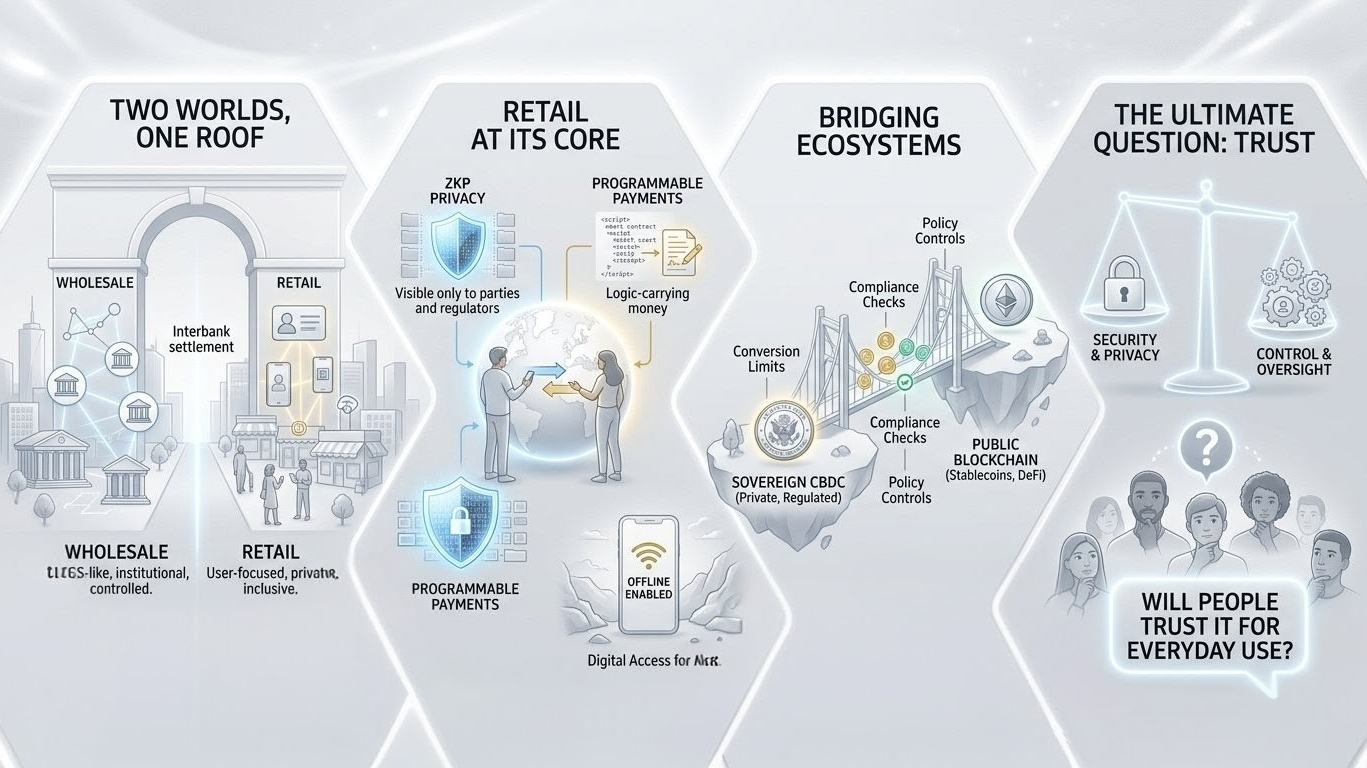
Le moment où j'ai réalisé que cette idée de CBDC n'était pas juste une question de banquesJe vais être honnête, quand j'ai d'abord rencontré l'architecture CBDC de Sign, j'ai pensé que j'avais compris en quelques minutes. Cela ressemblait à l'histoire habituelle : les banques centrales modernisant l'infrastructure, les banques commerciales gérant des nœuds, des règlements plus rapides, des rails plus propres. Vous savez, le genre de chose qui semble important mais qui paraît lointain de la vie quotidienne. J'ai presque abandonné.
Mais quelque chose m'a attiré en arrière. Peut-être que c'était la façon dont le système était décrit, ou peut-être que j'avais juste ce sentiment que je manquais l'essentiel. Alors je l'ai relu, plus lentement cette fois. Et oui, c'est à ce moment-là que ça a fait tilt pour moi—ce n'est pas juste une mise à niveau bancaire. Cela essaie de redessiner toute la structure de la façon dont l'argent atteint les gens.
Le moment où j'ai réalisé que cette idée de CBDC n'était pas juste une question de banques
Je vais être honnête, quand j'ai d'abord rencontré l'architecture CBDC de Sign, j'ai pensé que j'avais compris en quelques minutes. Cela ressemblait à l'histoire habituelle : les banques centrales modernisant l'infrastructure, les banques commerciales gérant des nœuds, des règlements plus rapides, des rails plus propres. Vous savez, le genre de chose qui semble important mais qui paraît lointain de la vie quotidienne. J'ai presque abandonné.
Mais quelque chose m'a attiré en arrière. Peut-être que c'était la façon dont le système était décrit, ou peut-être que j'avais juste ce sentiment que je manquais l'essentiel. Alors je l'ai relu, plus lentement cette fois. Et oui, c'est à ce moment-là que ça a fait tilt pour moi—ce n'est pas juste une mise à niveau bancaire. Cela essaie de redessiner toute la structure de la façon dont l'argent atteint les gens.
Mais quelque chose m'a attiré en arrière. Peut-être que c'était la façon dont le système était décrit, ou peut-être que j'avais juste ce sentiment que je manquais l'essentiel. Alors je l'ai relu, plus lentement cette fois. Et oui, c'est à ce moment-là que ça a fait tilt pour moi—ce n'est pas juste une mise à niveau bancaire. Cela essaie de redessiner toute la structure de la façon dont l'argent atteint les gens.
13
15
300

Article
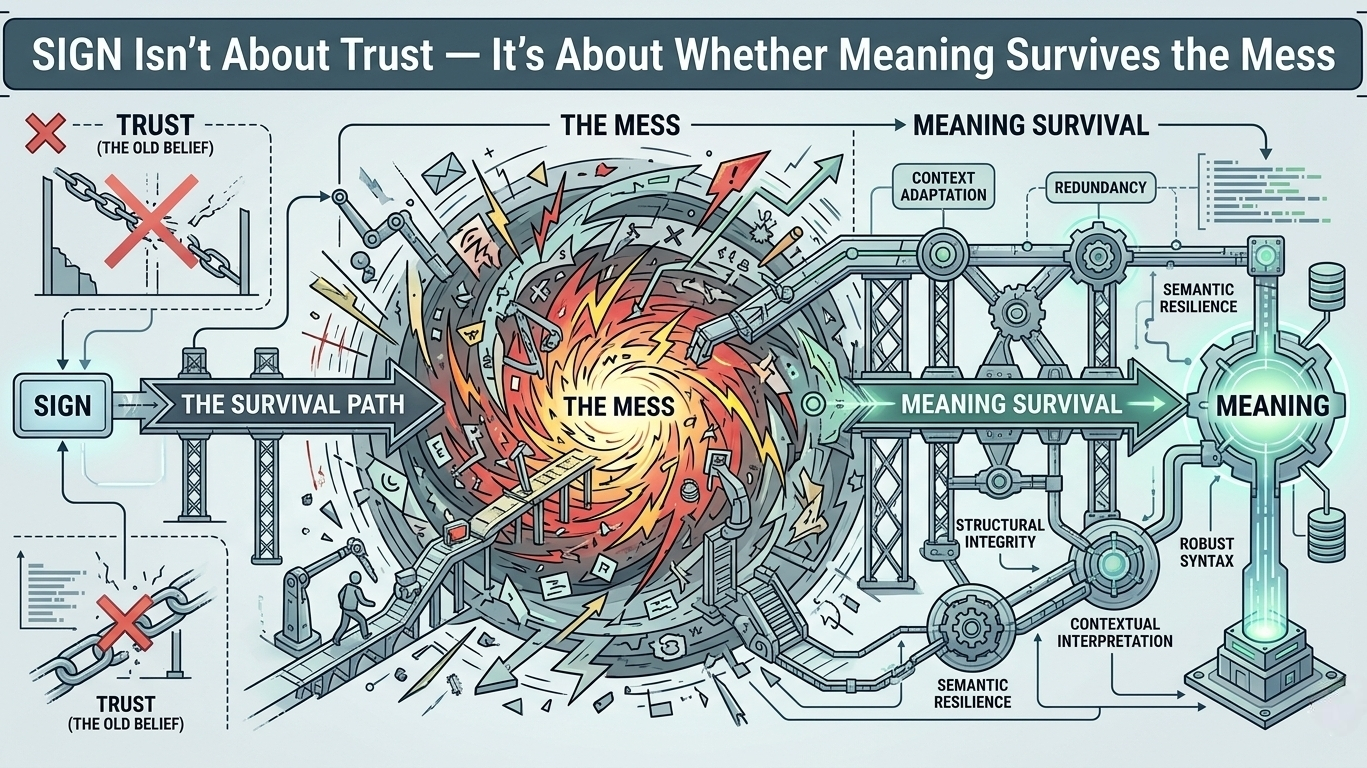
SIGN n'est pas une question de confiance, c'est une question de savoir si le sens survit au désordreÉcoutez, je vais être honnête. Le marché est épuisé.
Chaque autre projet parle de « confiance », « identité », « coordination ». J'ai déjà vu ce film. Même scénario, logo différent. Et oui, ça semble intelligent au début… jusqu'à ce que vous essayiez réellement d'utiliser ces systèmes et que tout commence à se casser de manière bizarre et silencieuse.
Les données ne se déplacent pas proprement. Les identifiants ne signifient pas la même chose partout. Et tout à coup, tout ce discours sur l'« infrastructure composable » ? Ça s'effondre.
Donc, quand quelque chose comme SIGN apparaît en se positionnant comme une infrastructure pour la vérification des identifiants et la distribution de jetons, je ne m'excite pas. Je deviens suspicieux. C'est juste comme ça que cet espace vous forme.
SIGN n'est pas une question de confiance, c'est une question de savoir si le sens survit au désordre
Écoutez, je vais être honnête. Le marché est épuisé.
Chaque autre projet parle de « confiance », « identité », « coordination ». J'ai déjà vu ce film. Même scénario, logo différent. Et oui, ça semble intelligent au début… jusqu'à ce que vous essayiez réellement d'utiliser ces systèmes et que tout commence à se casser de manière bizarre et silencieuse.
Les données ne se déplacent pas proprement. Les identifiants ne signifient pas la même chose partout. Et tout à coup, tout ce discours sur l'« infrastructure composable » ? Ça s'effondre.
Donc, quand quelque chose comme SIGN apparaît en se positionnant comme une infrastructure pour la vérification des identifiants et la distribution de jetons, je ne m'excite pas. Je deviens suspicieux. C'est juste comme ça que cet espace vous forme.
Chaque autre projet parle de « confiance », « identité », « coordination ». J'ai déjà vu ce film. Même scénario, logo différent. Et oui, ça semble intelligent au début… jusqu'à ce que vous essayiez réellement d'utiliser ces systèmes et que tout commence à se casser de manière bizarre et silencieuse.
Les données ne se déplacent pas proprement. Les identifiants ne signifient pas la même chose partout. Et tout à coup, tout ce discours sur l'« infrastructure composable » ? Ça s'effondre.
Donc, quand quelque chose comme SIGN apparaît en se positionnant comme une infrastructure pour la vérification des identifiants et la distribution de jetons, je ne m'excite pas. Je deviens suspicieux. C'est juste comme ça que cet espace vous forme.
56
32
535

Des airdrops au staking : une toute nouvelle règle du jeu pour la richesse
Dans le monde des actifs numériques
Des airdrops au staking : une toute nouvelle règle du jeu pour la richesse
Dans le monde des actifs numériques, le jeton SIGN redéfinit d'une manière sans précédent la gouvernance communautaire et les incitations pour les hodlers à long terme. Ce n'est plus seulement un jeton d'échange, mais un terrain d'expérimentation créatif et interactif où chaque détenteur peut devenir un participant au développement de l'écosystème.
Au départ, SIGN a attiré des utilisateurs par le biais d'airdrops, ce qui n'est pas seulement une stratégie rapide pour acquérir des utilisateurs, mais aussi un moyen créatif de dynamiser la communauté. Les airdrops offrent aux gens ordinaires la chance de découvrir ce projet, brisant ainsi le monopole des ressources dans la finance traditionnelle et permettant à un plus grand nombre de personnes de participer à la vague de l'économie numérique. Cependant, l'airdrop n'est qu'un début; la véritable valeur réside dans la capacité à attirer continuellement les utilisateurs et à les inciter à hodler sur le long terme.
C'est pourquoi SIGN a introduit un mécanisme de staking, qui n'est pas seulement une innovation technique, mais aussi une incitation profonde au comportement des utilisateurs. Grâce au staking, les utilisateurs peuvent obtenir des rendements stables tout en participant à la prise de décision communautaire, réalisant véritablement le concept de "posséder des jetons, c'est avoir du pouvoir". Ce design fait des détenteurs non seulement des investisseurs, mais aussi la force motrice du développement du projet.
Dans ce processus, SIGN démontre une pensée créative unique, combinant habilement incitations économiques et gouvernance communautaire pour créer un écosystème durable. Pour les acheteurs, ce n'est pas seulement une opportunité d'investissement, mais une nouvelle expérience de consommation : ils peuvent obtenir des rendements supplémentaires en hodlant des jetons, voire influencer l'orientation future du projet.
Un tel design apporte sans aucun doute une nouvelle vitalité au marché et permet à SIGN de se démarquer parmi de nombreux projets. Il prouve que lorsque technologie, créativité et besoins des utilisateurs s'harmonisent parfaitement, des résultats surprenants peuvent être obtenus. Que ce soit pour les hodlers à long terme ou les utilisateurs ordinaires, SIGN offre une proposition de valeur entièrement nouvelle, qui mérite d'être explorée et suivie de près.
Des airdrops au staking : une toute nouvelle règle du jeu pour la richesse
Dans le monde des actifs numériques, le jeton SIGN redéfinit d'une manière sans précédent la gouvernance communautaire et les incitations pour les hodlers à long terme. Ce n'est plus seulement un jeton d'échange, mais un terrain d'expérimentation créatif et interactif où chaque détenteur peut devenir un participant au développement de l'écosystème.
Au départ, SIGN a attiré des utilisateurs par le biais d'airdrops, ce qui n'est pas seulement une stratégie rapide pour acquérir des utilisateurs, mais aussi un moyen créatif de dynamiser la communauté. Les airdrops offrent aux gens ordinaires la chance de découvrir ce projet, brisant ainsi le monopole des ressources dans la finance traditionnelle et permettant à un plus grand nombre de personnes de participer à la vague de l'économie numérique. Cependant, l'airdrop n'est qu'un début; la véritable valeur réside dans la capacité à attirer continuellement les utilisateurs et à les inciter à hodler sur le long terme.
C'est pourquoi SIGN a introduit un mécanisme de staking, qui n'est pas seulement une innovation technique, mais aussi une incitation profonde au comportement des utilisateurs. Grâce au staking, les utilisateurs peuvent obtenir des rendements stables tout en participant à la prise de décision communautaire, réalisant véritablement le concept de "posséder des jetons, c'est avoir du pouvoir". Ce design fait des détenteurs non seulement des investisseurs, mais aussi la force motrice du développement du projet.
Dans ce processus, SIGN démontre une pensée créative unique, combinant habilement incitations économiques et gouvernance communautaire pour créer un écosystème durable. Pour les acheteurs, ce n'est pas seulement une opportunité d'investissement, mais une nouvelle expérience de consommation : ils peuvent obtenir des rendements supplémentaires en hodlant des jetons, voire influencer l'orientation future du projet.
Un tel design apporte sans aucun doute une nouvelle vitalité au marché et permet à SIGN de se démarquer parmi de nombreux projets. Il prouve que lorsque technologie, créativité et besoins des utilisateurs s'harmonisent parfaitement, des résultats surprenants peuvent être obtenus. Que ce soit pour les hodlers à long terme ou les utilisateurs ordinaires, SIGN offre une proposition de valeur entièrement nouvelle, qui mérite d'être explorée et suivie de près.
Des airdrops au staking : une toute nouvelle règle du jeu pour la richesse Dans le monde des actifs numériques
Des airdrops au staking : une toute nouvelle règle du jeu pour la richesse
Dans le monde des actifs numériques, le jeton SIGN redéfinit d'une manière sans précédent la gouvernance communautaire et les incitations pour les hodlers à long terme. Ce n'est plus seulement un jeton d'échange, mais un terrain d'expérimentation créatif et interactif où chaque détenteur peut devenir un participant au développement de l'écosystème.
Au départ, SIGN a attiré des utilisateurs par le biais d'airdrops, ce qui n'est pas seulement une stratégie rapide pour acquérir des utilisateurs, mais aussi un moyen créatif de dynamiser la communauté. Les airdrops offrent aux gens ordinaires la chance de découvrir ce projet, brisant ainsi le monopole des ressources dans la finance traditionnelle et permettant à un plus grand nombre de personnes de participer à la vague de l'économie numérique. Cependant, l'airdrop n'est qu'un début; la véritable valeur réside dans la capacité à attirer continuellement les utilisateurs et à les inciter à hodler sur le long terme.
C'est pourquoi SIGN a introduit un mécanisme de staking, qui n'est pas seulement une innovation technique, mais aussi une incitation profonde au comportement des utilisateurs. Grâce au staking, les utilisateurs peuvent obtenir des rendements stables tout en participant à la prise de décision communautaire, réalisant véritablement le concept de "posséder des jetons, c'est avoir du pouvoir". Ce design fait des détenteurs non seulement des investisseurs, mais aussi la force motrice du développement du projet.
Dans ce processus, SIGN démontre une pensée créative unique, combinant habilement incitations économiques et gouvernance communautaire pour créer un écosystème durable. Pour les acheteurs, ce n'est pas seulement une opportunité d'investissement, mais une nouvelle expérience de consommation : ils peuvent obtenir des rendements supplémentaires en hodlant des jetons, voire influencer l'orientation future du projet.
Un tel design apporte sans aucun doute une nouvelle vitalité au marché et permet à SIGN de se démarquer parmi de nombreux projets. Il prouve que lorsque technologie, créativité et besoins des utilisateurs s'harmonisent parfaitement, des résultats surprenants peuvent être obtenus. Que ce soit pour les hodlers à long terme ou les utilisateurs ordinaires, SIGN offre une proposition de valeur entièrement nouvelle, qui mérite d'être explorée et suivie de près.
212
Connectez-vous pour découvrir plus de contenu
Rejoignez la communauté mondiale des adeptes de cryptomonnaies sur Binance Square
⚡️ Suviez les dernières informations importantes sur les cryptomonnaies.
💬 Jugé digne de confiance par la plus grande plateforme d’échange de cryptomonnaies au monde.
👍 Découvrez les connaissances que partagent les créateurs vérifiés.
Adresse e-mail/Nº de téléphone
Cryptos associées
Sujets d’actualité
1
#ETHBreaksAbove$2,700
31 vues
20 mentions
2
#USWeighsPromotingDollarStablecoinsAbroad
8,311 vues
507 mentions
3
#US10YTreasuryYieldHits19YearHigh
7,108 vues
408 mentions
4
#SpotBitcoinETFsInflow$2.31BInFourDays
712 vues
35 mentions
5
#BitcoinRejectedAt$87,300Twice
0 vues
0 mentions
6
#BCHJumps28%OnCMEFuturesListing
50,733 vues
1,092 mentions
7
#WallStreetEarningsRevisionsTurnBearish
35,479 vues
837 mentions
8
#DollarIndexReclaims101
32,267 vues
805 mentions
9
#21SharesLaunchesEuropesFirstZcashETP
79,029 vues
1,564 mentions
10
#CardanoJoinsX402PaymentStandard
49,692 vues
1,139 mentions