

#halvingupdate
halvingupdate
329,693 vues
399 mentions
Populaire
Récents

·
--
Como funciona o halving do Bitcoin e por que ele é tão importante?
O halving é um evento programado na rede do Bitcoin que ocorre aproximadamente a cada quatro anos, ou a cada 210.000 blocos minerados.
Nesse evento, a recompensa paga aos mineradores por validar novos blocos é reduzida pela metade.
Na prática, isso diminui a quantidade de novos Bitcoins que entram em circulação diariamente, tornando a emissão da moeda cada vez mais escassa.
Historicamente, os halvings ocorreram em 2012, 2016, 2020 e 2024. Após cada um deles, o mercado passou por ciclos de alta e baixa, embora o desempenho passado não garanta resultados futuros.
Por que o halving chama tanta atenção?
• Reduz a oferta de novos Bitcoins.
• Reforça a escassez do ativo ao longo do tempo.
• Pode influenciar o equilíbrio entre oferta e demanda.
• É um dos principais eventos acompanhados por investidores e analistas do mercado.
No entanto, o halving, por si só, não faz o preço subir automaticamente. O comportamento do mercado também depende de fatores como demanda, liquidez, cenário macroeconômico, adoção institucional e sentimento dos investidores.
Entender o halving é essencial para quem deseja compreender a dinâmica de longo prazo do Bitcoin, em vez de focar apenas nas oscilações de curto prazo.
Você acredita que o próximo ciclo do Bitcoin seguirá o padrão dos halvings anteriores?
$BTC #HalvingUpdate
Como funciona o halving do Bitcoin e por que ele é tão importante?
O halving é um evento programado na rede do Bitcoin que ocorre aproximadamente a cada quatro anos, ou a cada 210.000 blocos minerados.
Nesse evento, a recompensa paga aos mineradores por validar novos blocos é reduzida pela metade.
Na prática, isso diminui a quantidade de novos Bitcoins que entram em circulação diariamente, tornando a emissão da moeda cada vez mais escassa.
Historicamente, os halvings ocorreram em 2012, 2016, 2020 e 2024. Após cada um deles, o mercado passou por ciclos de alta e baixa, embora o desempenho passado não garanta resultados futuros.
Por que o halving chama tanta atenção?
• Reduz a oferta de novos Bitcoins.
• Reforça a escassez do ativo ao longo do tempo.
• Pode influenciar o equilíbrio entre oferta e demanda.
• É um dos principais eventos acompanhados por investidores e analistas do mercado.
No entanto, o halving, por si só, não faz o preço subir automaticamente. O comportamento do mercado também depende de fatores como demanda, liquidez, cenário macroeconômico, adoção institucional e sentimento dos investidores.
Entender o halving é essencial para quem deseja compreender a dinâmica de longo prazo do Bitcoin, em vez de focar apenas nas oscilações de curto prazo.
Você acredita que o próximo ciclo do Bitcoin seguirá o padrão dos halvings anteriores?
$BTC #HalvingUpdate
O halving é um evento programado na rede do Bitcoin que ocorre aproximadamente a cada quatro anos, ou a cada 210.000 blocos minerados.
Nesse evento, a recompensa paga aos mineradores por validar novos blocos é reduzida pela metade.
Na prática, isso diminui a quantidade de novos Bitcoins que entram em circulação diariamente, tornando a emissão da moeda cada vez mais escassa.
Historicamente, os halvings ocorreram em 2012, 2016, 2020 e 2024. Após cada um deles, o mercado passou por ciclos de alta e baixa, embora o desempenho passado não garanta resultados futuros.
Por que o halving chama tanta atenção?
• Reduz a oferta de novos Bitcoins.
• Reforça a escassez do ativo ao longo do tempo.
• Pode influenciar o equilíbrio entre oferta e demanda.
• É um dos principais eventos acompanhados por investidores e analistas do mercado.
No entanto, o halving, por si só, não faz o preço subir automaticamente. O comportamento do mercado também depende de fatores como demanda, liquidez, cenário macroeconômico, adoção institucional e sentimento dos investidores.
Entender o halving é essencial para quem deseja compreender a dinâmica de longo prazo do Bitcoin, em vez de focar apenas nas oscilações de curto prazo.
Você acredita que o próximo ciclo do Bitcoin seguirá o padrão dos halvings anteriores?
$BTC #HalvingUpdate
116

·
--
Why the Next 12 Months MatterEvery four years, Bitcoin’s block reward gets cut in half. History shows the real price action tends to unfold 6–18 months after the event, not immediately.
Three things I’m watching:
1. Miner economics — Lower rewards squeeze less efficient miners. Watch hash rate for signs of capitulation or consolidation.
2. Supply shock — Fewer new coins entering circulation against steady or rising demand has historically been a tailwind. ETFs add a new dimension this cycle.
3. Macro backdrop — Interest rates and liquidity matter more than ever. Bitcoin doesn’t trade in a vacuum.
My take: patience beats hype. The investors who do best aren’t the ones chasing green candles — they’re the ones with a plan before volatility hits.
What’s your strategy for this cycle? 👇
$BTC #Bitcoin #HalvingUpdate
{spot}(BTCUSDT)
Why the Next 12 Months Matter
Every four years, Bitcoin’s block reward gets cut in half. History shows the real price action tends to unfold 6–18 months after the event, not immediately.
Three things I’m watching:
1. Miner economics — Lower rewards squeeze less efficient miners. Watch hash rate for signs of capitulation or consolidation.
2. Supply shock — Fewer new coins entering circulation against steady or rising demand has historically been a tailwind. ETFs add a new dimension this cycle.
3. Macro backdrop — Interest rates and liquidity matter more than ever. Bitcoin doesn’t trade in a vacuum.
My take: patience beats hype. The investors who do best aren’t the ones chasing green candles — they’re the ones with a plan before volatility hits.
What’s your strategy for this cycle? 👇
$BTC #Bitcoin #HalvingUpdate
Three things I’m watching:
1. Miner economics — Lower rewards squeeze less efficient miners. Watch hash rate for signs of capitulation or consolidation.
2. Supply shock — Fewer new coins entering circulation against steady or rising demand has historically been a tailwind. ETFs add a new dimension this cycle.
3. Macro backdrop — Interest rates and liquidity matter more than ever. Bitcoin doesn’t trade in a vacuum.
My take: patience beats hype. The investors who do best aren’t the ones chasing green candles — they’re the ones with a plan before volatility hits.
What’s your strategy for this cycle? 👇
$BTC #Bitcoin #HalvingUpdate
90
·
--
Vean los días que faltan para el Halving de Bitcoin y en octubre deberíamos ver una movida real del precio.
Bitcoin Halving Stats 📊
⏰Countdown: 660d 12h 5m 40s
🧱Block Height: 962,062
⏳Avg Block Time: 10.82 min
🎁Block Reward: 3.125 ₿
📅Next Halving: 2028-06-02
El ciclo del Halving ya viene!
#bitcoin #HalvingUpdate
Vean los días que faltan para el Halving de Bitcoin y en octubre deberíamos ver una movida real del precio.
Bitcoin Halving Stats 📊
⏰Countdown: 660d 12h 5m 40s
🧱Block Height: 962,062
⏳Avg Block Time: 10.82 min
🎁Block Reward: 3.125 ₿
📅Next Halving: 2028-06-02
El ciclo del Halving ya viene!
#bitcoin #HalvingUpdate
Bitcoin Halving Stats 📊
⏰Countdown: 660d 12h 5m 40s
🧱Block Height: 962,062
⏳Avg Block Time: 10.82 min
🎁Block Reward: 3.125 ₿
📅Next Halving: 2028-06-02
El ciclo del Halving ya viene!
#bitcoin #HalvingUpdate
154

·
--
Baissier
What Is the Bitcoin Halving and Why Does It Matter?
#bitcoin
The Bitcoin halving is one of the most structurally significant events in crypto. Every 210,000 blocks — roughly every four years — the reward miners receive for adding a new block to the $BTC blockchain is cut in half. This mechanism is hard-coded into Bitcoin's protocol and serves one central purpose: controlling new supply issuance over time. At launch in 2009, miners earned 50 BTC per block. After the most recent halving in April 2024, that reward fell to 3.125 BTC per block. Bitcoin's total supply is permanently capped at 21 million coins, with approximately 19.7 million already in circulation. This predictable scarcity model is often compared to commodities like gold, where limited supply is a defining characteristic. Unlike fiat currencies, where central banks can expand money supply without a fixed ceiling, Bitcoin's issuance schedule is transparent, immutable, and governed entirely by code. Understanding the halving means understanding one of the core architectural decisions that separates $BTC from traditional monetary systems.
$BTC
{spot}(BTCUSDT)
{spot}(ETHUSDT)
#CryptoEducation💡🚀 #HalvingUpdate #BinanceSquare #BTC
What Is the Bitcoin Halving and Why Does It Matter?
#bitcoin
The Bitcoin halving is one of the most structurally significant events in crypto. Every 210,000 blocks — roughly every four years — the reward miners receive for adding a new block to the $BTC blockchain is cut in half. This mechanism is hard-coded into Bitcoin's protocol and serves one central purpose: controlling new supply issuance over time. At launch in 2009, miners earned 50 BTC per block. After the most recent halving in April 2024, that reward fell to 3.125 BTC per block. Bitcoin's total supply is permanently capped at 21 million coins, with approximately 19.7 million already in circulation. This predictable scarcity model is often compared to commodities like gold, where limited supply is a defining characteristic. Unlike fiat currencies, where central banks can expand money supply without a fixed ceiling, Bitcoin's issuance schedule is transparent, immutable, and governed entirely by code. Understanding the halving means understanding one of the core architectural decisions that separates $BTC from traditional monetary systems.
$BTC
#CryptoEducation💡🚀 #HalvingUpdate #BinanceSquare #BTC
#bitcoin
The Bitcoin halving is one of the most structurally significant events in crypto. Every 210,000 blocks — roughly every four years — the reward miners receive for adding a new block to the $BTC blockchain is cut in half. This mechanism is hard-coded into Bitcoin's protocol and serves one central purpose: controlling new supply issuance over time. At launch in 2009, miners earned 50 BTC per block. After the most recent halving in April 2024, that reward fell to 3.125 BTC per block. Bitcoin's total supply is permanently capped at 21 million coins, with approximately 19.7 million already in circulation. This predictable scarcity model is often compared to commodities like gold, where limited supply is a defining characteristic. Unlike fiat currencies, where central banks can expand money supply without a fixed ceiling, Bitcoin's issuance schedule is transparent, immutable, and governed entirely by code. Understanding the halving means understanding one of the core architectural decisions that separates $BTC from traditional monetary systems.
$BTC
#CryptoEducation💡🚀 #HalvingUpdate #BinanceSquare #BTC
75

🚨 Bitcoin Halving Cycle Prediction – Today’s BTC Outlook 🚨
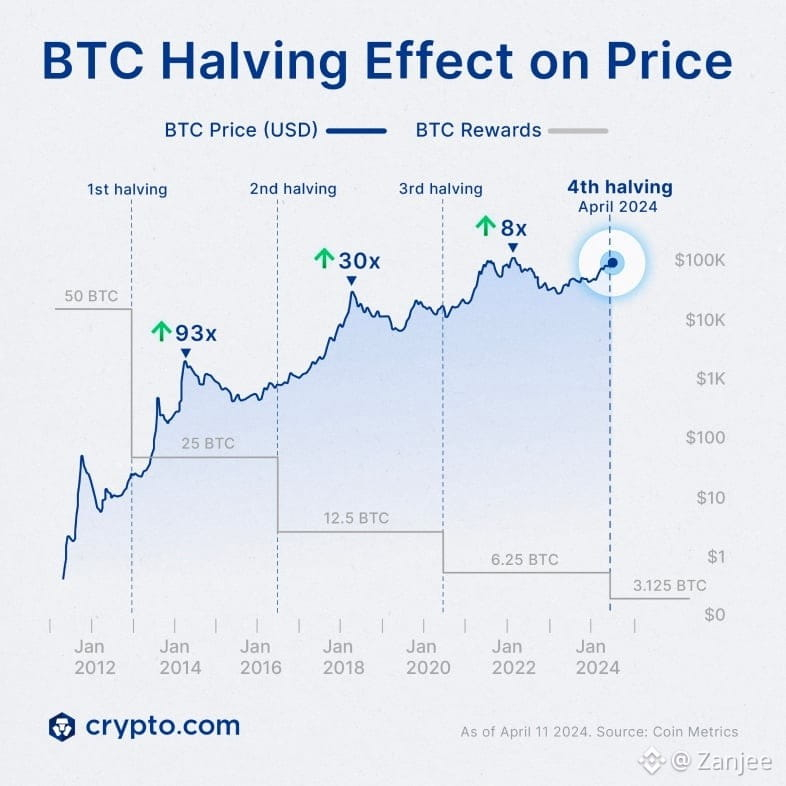
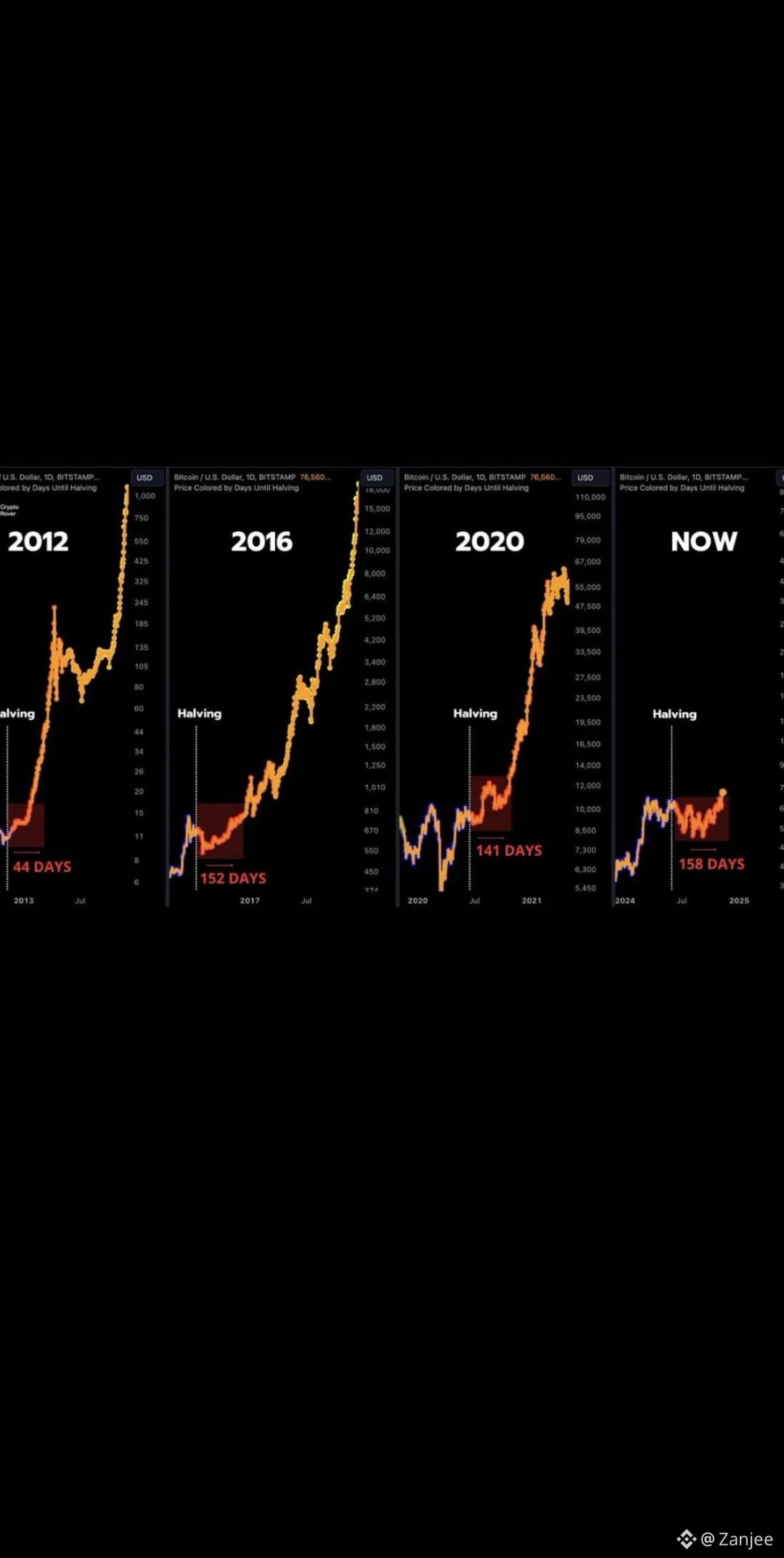
A Bitcoin halving is an automated, network-wide event that reduces the reward miners receive for validating transactions by 50%. It occurs every 210,000 blocks (roughly every four years) until the maximum supply of 21 million Bitcoins is reached. The most recent halving occurred in April 2024, and the next one is expected around April 2028. [1, 2, 3, 4]
Core Mechanism
The Rule: Hardcoded into Bitcoin's base code, this mechanism limits the issuance rate of new coins to control inflation and enforce strict digital scarcity.
Historical Reductions:
2009: 50 BTC per block
2012: 25 BTC per block
2016: 12.5 BTC per block
2020: 6.25 BTC per block
April 2024: 3.125 BTC per block [1, 2, 3, 4, 5]
Impact on the Market
Scarcity & Price: By slowing down the influx of new Bitcoins, halvings historically create a supply squeeze. When demand remains steady or grows, this reduction often precedes major market bull runs and price appreciation, though historical performance does not guarantee future results.
Miner Profitability: Because miners earn fewer coins per block, they must rely more heavily on transaction fees, energy efficiency, and high-performance mining hardware to maintain profitability. [1, 2, 3, 4, 5]
The Future
When is the next halving? The next halving is projected to take place in April 2028 at block height \(1,050,000\), which will drop the block reward to \(1.5625\) BTC.
Final Supply: The halvings will continue until the network hits its maximum supply limit of \(21\) million BTC, which is projected to occur around the year 2140. After that, miners will be rewarded exclusively through network transaction fees. [1, 2, 3, 4]
#BTC🔥🔥🔥🔥🔥 #HalvingUpdate
🚨 Bitcoin Halving Cycle Prediction – Today’s BTC Outlook 🚨
A Bitcoin halving is an automated, network-wide event that reduces the reward miners receive for validating transactions by 50%. It occurs every 210,000 blocks (roughly every four years) until the maximum supply of 21 million Bitcoins is reached. The most recent halving occurred in April 2024, and the next one is expected around April 2028. [1, 2, 3, 4]
Core Mechanism
The Rule: Hardcoded into Bitcoin's base code, this mechanism limits the issuance rate of new coins to control inflation and enforce strict digital scarcity.
Historical Reductions:
2009: 50 BTC per block
2012: 25 BTC per block
2016: 12.5 BTC per block
2020: 6.25 BTC per block
April 2024: 3.125 BTC per block [1, 2, 3, 4, 5]
Impact on the Market
Scarcity & Price: By slowing down the influx of new Bitcoins, halvings historically create a supply squeeze. When demand remains steady or grows, this reduction often precedes major market bull runs and price appreciation, though historical performance does not guarantee future results.
Miner Profitability: Because miners earn fewer coins per block, they must rely more heavily on transaction fees, energy efficiency, and high-performance mining hardware to maintain profitability. [1, 2, 3, 4, 5]
The Future
When is the next halving? The next halving is projected to take place in April 2028 at block height \(1,050,000\), which will drop the block reward to \(1.5625\) BTC.
Final Supply: The halvings will continue until the network hits its maximum supply limit of \(21\) million BTC, which is projected to occur around the year 2140. After that, miners will be rewarded exclusively through network transaction fees. [1, 2, 3, 4]
#BTC🔥🔥🔥🔥🔥 #HalvingUpdate
A Bitcoin halving is an automated, network-wide event that reduces the reward miners receive for validating transactions by 50%. It occurs every 210,000 blocks (roughly every four years) until the maximum supply of 21 million Bitcoins is reached. The most recent halving occurred in April 2024, and the next one is expected around April 2028. [1, 2, 3, 4]
Core Mechanism
The Rule: Hardcoded into Bitcoin's base code, this mechanism limits the issuance rate of new coins to control inflation and enforce strict digital scarcity.
Historical Reductions:
2009: 50 BTC per block
2012: 25 BTC per block
2016: 12.5 BTC per block
2020: 6.25 BTC per block
April 2024: 3.125 BTC per block [1, 2, 3, 4, 5]
Impact on the Market
Scarcity & Price: By slowing down the influx of new Bitcoins, halvings historically create a supply squeeze. When demand remains steady or grows, this reduction often precedes major market bull runs and price appreciation, though historical performance does not guarantee future results.
Miner Profitability: Because miners earn fewer coins per block, they must rely more heavily on transaction fees, energy efficiency, and high-performance mining hardware to maintain profitability. [1, 2, 3, 4, 5]
The Future
When is the next halving? The next halving is projected to take place in April 2028 at block height \(1,050,000\), which will drop the block reward to \(1.5625\) BTC.
Final Supply: The halvings will continue until the network hits its maximum supply limit of \(21\) million BTC, which is projected to occur around the year 2140. After that, miners will be rewarded exclusively through network transaction fees. [1, 2, 3, 4]
#BTC🔥🔥🔥🔥🔥 #HalvingUpdate
2
176

·
--
Today’s Crypto Topic $NVDAB
Back in 2010, I had more than 50 BTC from Bitcoin faucets.
At the time, I had absolutely no idea what I was holding. Bitcoin was still just a curiosity, and I didn’t understand its potential.
Unfortunately, I didn’t keep those BTC. I used them on websites that seemed like interesting opportunities at the time—but many turned out to be scams.
Looking back today, one lesson stands out:
What we consider worthless today could become extremely valuable tomorrow.
In crypto, the real challenge isn’t just finding the next project.
It’s recognizing value before it becomes obvious to everyone.
#bitcoin #BTC #Crypto #Blockchain #Web3 #HalvingUpdate #CryptoHistory
Today’s Crypto Topic $NVDAB
Back in 2010, I had more than 50 BTC from Bitcoin faucets.
At the time, I had absolutely no idea what I was holding. Bitcoin was still just a curiosity, and I didn’t understand its potential.
Unfortunately, I didn’t keep those BTC. I used them on websites that seemed like interesting opportunities at the time—but many turned out to be scams.
Looking back today, one lesson stands out:
What we consider worthless today could become extremely valuable tomorrow.
In crypto, the real challenge isn’t just finding the next project.
It’s recognizing value before it becomes obvious to everyone.
#bitcoin #BTC #Crypto #Blockchain #Web3 #HalvingUpdate #CryptoHistory
Back in 2010, I had more than 50 BTC from Bitcoin faucets.
At the time, I had absolutely no idea what I was holding. Bitcoin was still just a curiosity, and I didn’t understand its potential.
Unfortunately, I didn’t keep those BTC. I used them on websites that seemed like interesting opportunities at the time—but many turned out to be scams.
Looking back today, one lesson stands out:
What we consider worthless today could become extremely valuable tomorrow.
In crypto, the real challenge isn’t just finding the next project.
It’s recognizing value before it becomes obvious to everyone.
#bitcoin #BTC #Crypto #Blockchain #Web3 #HalvingUpdate #CryptoHistory

90

·
--
🚨 $HYPE SPOT TRADERS, TAKE NOTE!
Hyperliquid’ $HYPE is now available for Spot trading on Binance. 🔥
A new listing can bring increased market activity and attention, so keep an eye on the price action. 📈
Do your own research, set your strategy, and always manage your risk wisely. ⚡️
#HalvingUpdate YPE #hype perliquid #Binance nance #cryptouniverseofficial to #SpotTrading
🚨 $HYPE SPOT TRADERS, TAKE NOTE!
Hyperliquid’ $HYPE is now available for Spot trading on Binance. 🔥
A new listing can bring increased market activity and attention, so keep an eye on the price action. 📈
Do your own research, set your strategy, and always manage your risk wisely. ⚡️
#HalvingUpdate YPE #hype perliquid #Binance nance #cryptouniverseofficial to #SpotTrading
Hyperliquid’ $HYPE is now available for Spot trading on Binance. 🔥
A new listing can bring increased market activity and attention, so keep an eye on the price action. 📈
Do your own research, set your strategy, and always manage your risk wisely. ⚡️
#HalvingUpdate YPE #hype perliquid #Binance nance #cryptouniverseofficial to #SpotTrading
270

·
--
Haussier
$WLD tell them this is how bull run started for wld and btc #HalvingUpdate
$WLD tell them this is how bull run started for wld and btc #HalvingUpdate
1
438


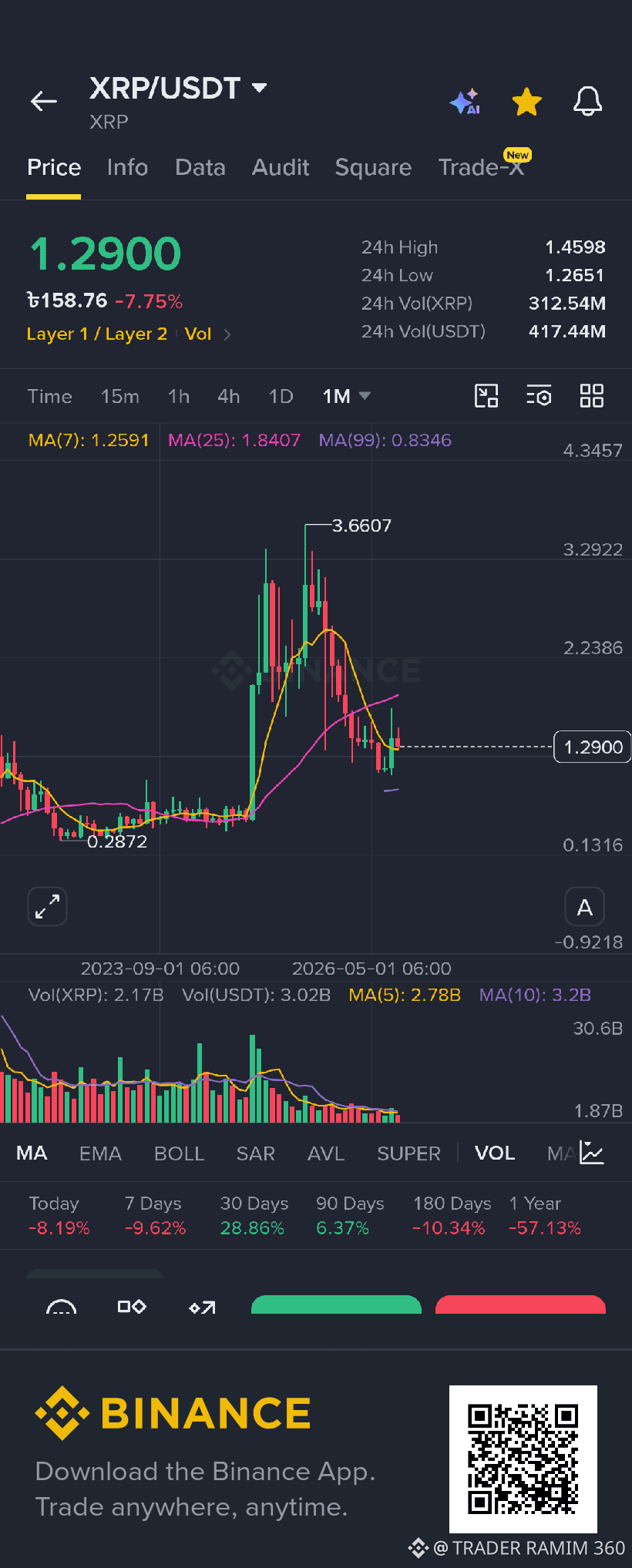
#Hilight#USSenateBlocksClarityAct #HalvingUpdate #hottoken 📉 XRP is now hovering around the $1.29–$1.40 zone. XRP fell about 12% at one point in the recent market shock to close to $1.29.
⚖️ The US Senate's CLARITY Act did not advance — the bill did not receive the required 60 votes in a 49–50 vote. This was followed by pressure on the crypto market, including Bitcoin and XRP.
🏦 The demand for XRP ETFs is still a significant positive. XRP ETFs have seen significant institutional inflows in 2026.
🔧 The development of the XRP ledger is underway. In September 2026, work was done on the Batch V1.1 amendment and other maintenance/fixes, which aimed to improve the transaction capability and reliability of XRPL.
📊 Technically, the $1.27–$1.28 area is referred to as important support; A recovery of $1.50–$1.53 can show a change in momentum - these are market analysis, not definitive forecasts.
Summary: ETF inflows and XRPL development are now positive news for XRP, but the uncertainty of US crypto regulation and the weakness of the overall market are creating short-term pressure.
I can analyze the possible scenario along XRP's $1.20/$1.50/$2/$3 price levels—which one do you want?
#Hilight#USSenateBlocksClarityAct #HalvingUpdate #hottoken 📉 XRP is now hovering around the $1.29–$1.40 zone. XRP fell about 12% at one point in the recent market shock to close to $1.29.
⚖️ The US Senate's CLARITY Act did not advance — the bill did not receive the required 60 votes in a 49–50 vote. This was followed by pressure on the crypto market, including Bitcoin and XRP.
🏦 The demand for XRP ETFs is still a significant positive. XRP ETFs have seen significant institutional inflows in 2026.
🔧 The development of the XRP ledger is underway. In September 2026, work was done on the Batch V1.1 amendment and other maintenance/fixes, which aimed to improve the transaction capability and reliability of XRPL.
📊 Technically, the $1.27–$1.28 area is referred to as important support; A recovery of $1.50–$1.53 can show a change in momentum - these are market analysis, not definitive forecasts.
Summary: ETF inflows and XRPL development are now positive news for XRP, but the uncertainty of US crypto regulation and the weakness of the overall market are creating short-term pressure.
I can analyze the possible scenario along XRP's $1.20/$1.50/$2/$3 price levels—which one do you want?
⚖️ The US Senate's CLARITY Act did not advance — the bill did not receive the required 60 votes in a 49–50 vote. This was followed by pressure on the crypto market, including Bitcoin and XRP.
🏦 The demand for XRP ETFs is still a significant positive. XRP ETFs have seen significant institutional inflows in 2026.
🔧 The development of the XRP ledger is underway. In September 2026, work was done on the Batch V1.1 amendment and other maintenance/fixes, which aimed to improve the transaction capability and reliability of XRPL.
📊 Technically, the $1.27–$1.28 area is referred to as important support; A recovery of $1.50–$1.53 can show a change in momentum - these are market analysis, not definitive forecasts.
Summary: ETF inflows and XRPL development are now positive news for XRP, but the uncertainty of US crypto regulation and the weakness of the overall market are creating short-term pressure.
I can analyze the possible scenario along XRP's $1.20/$1.50/$2/$3 price levels—which one do you want?
1
46

·
--
3 Golden Rules for Crypto Trading in 2026
Navigating the crypto market requires disciplined execution rather than pure speculation. Whether managing spot positions or executing futures strategies, three core principles can improve risk management:
Protect Capital First: Never risk more than 1–2% of your portfolio on a single trade. Always set explicit stop-loss orders before entering positions.
Focus on Quality Fundamentals: Prioritize assets with real-world utility, strong tokenomics, active development, and verified market volume ($BTC, $ETH,$BNB). 3. Avoid Over-Leverage: High leverage magnifies standard market volatility. Maintain sustainable margin ratios to sustain unexpected liquidity sweeps.
#HalvingUpdate
#CoinClub
#BTC走势分析
#TAO
#BNB走势
3 Golden Rules for Crypto Trading in 2026
Navigating the crypto market requires disciplined execution rather than pure speculation. Whether managing spot positions or executing futures strategies, three core principles can improve risk management:
Protect Capital First: Never risk more than 1–2% of your portfolio on a single trade. Always set explicit stop-loss orders before entering positions.
Focus on Quality Fundamentals: Prioritize assets with real-world utility, strong tokenomics, active development, and verified market volume ($BTC, $ETH,$BNB). 3. Avoid Over-Leverage: High leverage magnifies standard market volatility. Maintain sustainable margin ratios to sustain unexpected liquidity sweeps.
#HalvingUpdate
#CoinClub
#BTC走势分析
#TAO
#BNB走势
Navigating the crypto market requires disciplined execution rather than pure speculation. Whether managing spot positions or executing futures strategies, three core principles can improve risk management:
Protect Capital First: Never risk more than 1–2% of your portfolio on a single trade. Always set explicit stop-loss orders before entering positions.
Focus on Quality Fundamentals: Prioritize assets with real-world utility, strong tokenomics, active development, and verified market volume ($BTC, $ETH,$BNB). 3. Avoid Over-Leverage: High leverage magnifies standard market volatility. Maintain sustainable margin ratios to sustain unexpected liquidity sweeps.
#HalvingUpdate
#CoinClub
#BTC走势分析
#TAO
#BNB走势
1
77

·
--
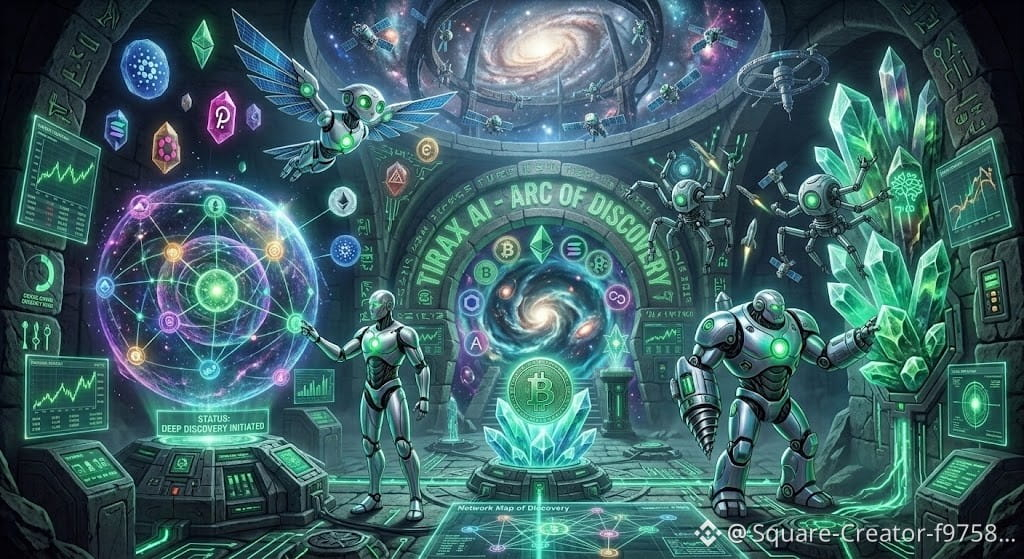
💵 حصاد ذكي لأرباح +10%! $TIRAX AI بسعر 0.000067 | الهدف القادم: 0.000100
#Fatihcoşar #FinancialGrowth #HalvingUpdate
💵 حصاد ذكي لأرباح +10%! $TIRAX AI بسعر 0.000067 | الهدف القادم: 0.000100
#Fatihcoşar #FinancialGrowth #HalvingUpdate
#Fatihcoşar #FinancialGrowth #HalvingUpdate
2
20

Vérifié
Article
BINANCE FUTURES ALERT — 2 NEW CONTRACTS🚨Binance Futures is expanding its trading options with two new USDⓈ-M perpetual contracts:
🔥 $POND Perpetual
⏰ Launch: 06:45 UTC
⚡ Up to 20x leverage
💰 USDT settlement
📊 Minimum notional: 5 USDT
🐱 哈基米USDT (Hajimi) Perpetual
⏰ Launch: 07:15 UTC
⚡ Up to 3x leverage
💰 USDT settlement
📊 Minimum notional: 5 USDT
Both contracts will trade 24/7, with funding fees settled every 4 hours and a funding-rate cap of +2% / -2%.
Binance also stated that both contracts are expected to become available for Futures Copy Trading within 24 hours of launch.
⚠️ Trade carefully. High leverage increases both potential profits and losses. Always manage your risk.
#PONS #HalvingUpdate #CryptoNews #FuturesTrading #Crypto
BINANCE FUTURES ALERT — 2 NEW CONTRACTS
🚨Binance Futures is expanding its trading options with two new USDⓈ-M perpetual contracts:
🔥 $POND Perpetual
⏰ Launch: 06:45 UTC
⚡ Up to 20x leverage
💰 USDT settlement
📊 Minimum notional: 5 USDT
🐱 哈基米USDT (Hajimi) Perpetual
⏰ Launch: 07:15 UTC
⚡ Up to 3x leverage
💰 USDT settlement
📊 Minimum notional: 5 USDT
Both contracts will trade 24/7, with funding fees settled every 4 hours and a funding-rate cap of +2% / -2%.
Binance also stated that both contracts are expected to become available for Futures Copy Trading within 24 hours of launch.
⚠️ Trade carefully. High leverage increases both potential profits and losses. Always manage your risk.
#PONS #HalvingUpdate #CryptoNews #FuturesTrading #Crypto
🔥 $POND Perpetual
⏰ Launch: 06:45 UTC
⚡ Up to 20x leverage
💰 USDT settlement
📊 Minimum notional: 5 USDT
🐱 哈基米USDT (Hajimi) Perpetual
⏰ Launch: 07:15 UTC
⚡ Up to 3x leverage
💰 USDT settlement
📊 Minimum notional: 5 USDT
Both contracts will trade 24/7, with funding fees settled every 4 hours and a funding-rate cap of +2% / -2%.
Binance also stated that both contracts are expected to become available for Futures Copy Trading within 24 hours of launch.
⚠️ Trade carefully. High leverage increases both potential profits and losses. Always manage your risk.
#PONS #HalvingUpdate #CryptoNews #FuturesTrading #Crypto
572

·
--

赫方-光明社区
·
--
重磅消息[庆祝][庆祝][庆祝]
重磅消息[庆祝][庆祝][庆祝]
重磅消息[庆祝][庆祝][庆祝]
🔥 明道老师来了!!! 🔥
🌹今天周日,光明社区唯一的领军和核心人物:明道老师的专场!
🌹明道老师认知高,深耕wb3金融领域多年,对整个币圈的趋势有独到的见解和神一般的预判,而且形成了自己独树一帜的思想和认知体系;
🌹明道老师格局大,如星辰大海一般,一直以站在未来看现在的眼界,引领着我们社区的发展,引领着露西的发展;
🌹明道老师有大爱,放弃一切小我,全身心投入到了露西上来,无论是在时间、精力还是经济方面,都做出不可磨灭的贡献!
🌹能够聆听明道老师的课程,对我们来说就是迎接一波泼天的富贵!
🌹全程干货 📦 直击要害 🎯
🔥内容精彩纷呈,是全行业人人必听必修课程[太阳]
含金量拉满,错过就是损失!
📅 每周仅此一场
⏰ 务必锁定,准时进入直播间
💥 请在币安广场搜索(光明社区-亮总)晚上8点准时进入。不见不散[庆祝][庆祝][庆祝]
重磅消息[庆祝][庆祝][庆祝]
重磅消息[庆祝][庆祝][庆祝]
🔥 明道老师来了!!! 🔥
🌹今天周日,光明社区唯一的领军和核心人物:明道老师的专场!
🌹明道老师认知高,深耕wb3金融领域多年,对整个币圈的趋势有独到的见解和神一般的预判,而且形成了自己独树一帜的思想和认知体系;
🌹明道老师格局大,如星辰大海一般,一直以站在未来看现在的眼界,引领着我们社区的发展,引领着露西的发展;
🌹明道老师有大爱,放弃一切小我,全身心投入到了露西上来,无论是在时间、精力还是经济方面,都做出不可磨灭的贡献!
🌹能够聆听明道老师的课程,对我们来说就是迎接一波泼天的富贵!
🌹全程干货 📦 直击要害 🎯
🔥内容精彩纷呈,是全行业人人必听必修课程[太阳]
含金量拉满,错过就是损失!
📅 每周仅此一场
⏰ 务必锁定,准时进入直播间
💥 请在币安广场搜索(光明社区-亮总)晚上8点准时进入。不见不散[庆祝][庆祝][庆祝]

77


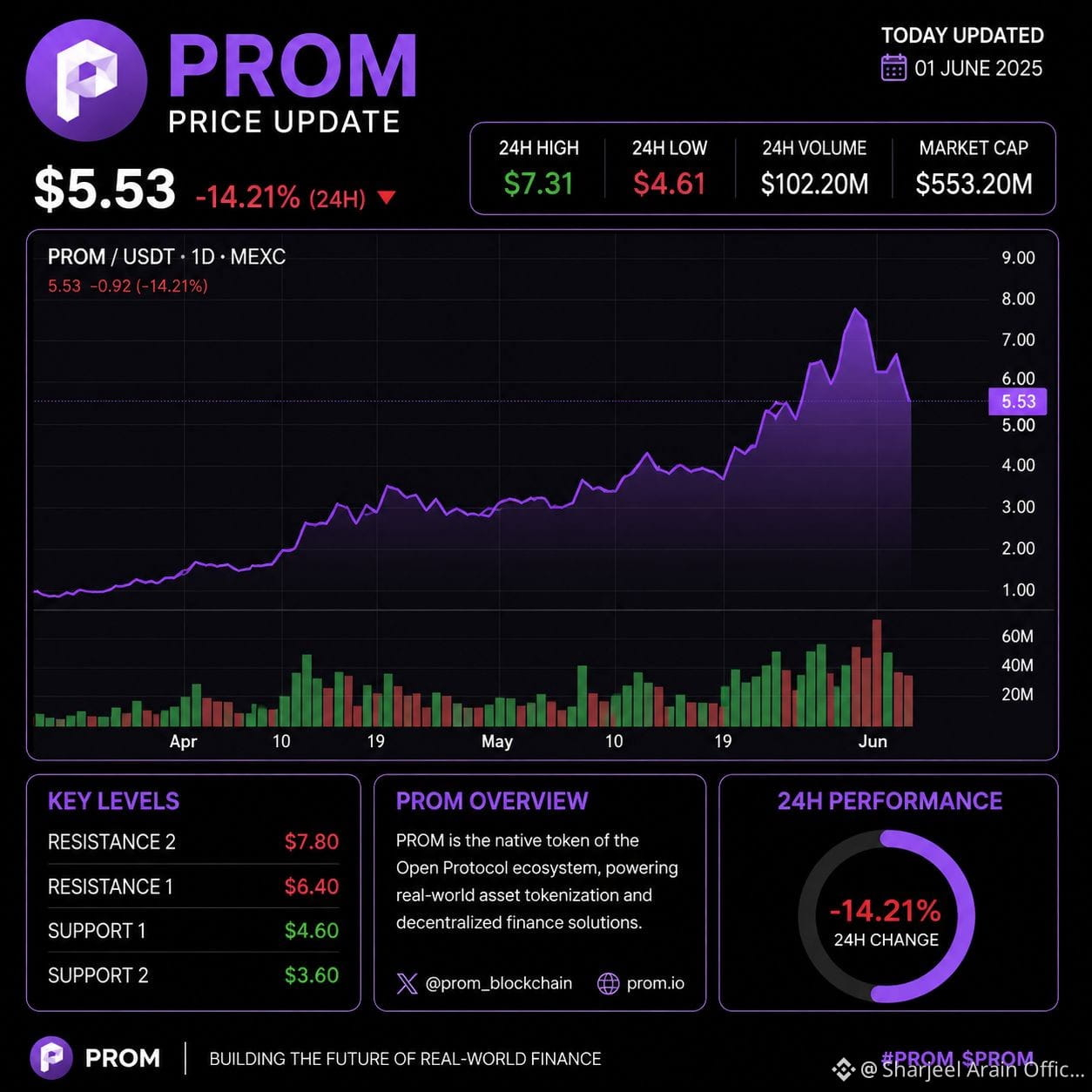
🚨 $PROM UPDATE
PROM is showing extreme volatility today, trading around $5.5 after reaching roughly $7.3 in the last 24h. 📉📈
Momentum is still strong, but the sharp pullback shows the market is highly volatile.
Watch the key levels and manage risk. 👀
#prom #crypto #Altcoins #Web3 #HalvingUpdate
{future}(PROMUSDT)
🚨 $PROM UPDATE
PROM is showing extreme volatility today, trading around $5.5 after reaching roughly $7.3 in the last 24h. 📉📈
Momentum is still strong, but the sharp pullback shows the market is highly volatile.
Watch the key levels and manage risk. 👀
#prom #crypto #Altcoins #Web3 #HalvingUpdate
PROM is showing extreme volatility today, trading around $5.5 after reaching roughly $7.3 in the last 24h. 📉📈
Momentum is still strong, but the sharp pullback shows the market is highly volatile.
Watch the key levels and manage risk. 👀
#prom #crypto #Altcoins #Web3 #HalvingUpdate
176
Crypto Long & Short: Guide, deliver, repeat: the hidden driver of token performanceIn this week’s Crypto Long & Short Newsletter, Jordan Brewer writes on the missing piece in token markets: institutional-grade investor relations. Then, Martin Burgherr breaks down how crypto markets are maturing, becoming more efficient and lower risk for institutions.
In early March, just three months after a Solana Breakpoint mainstage appearance by Ranger Finance co-founder Fathur Rahman, and two months post-ICO, tokenholders forced the liquidation of the protocol’s treasury. How does a 14x oversubscribed ICO unravel so quickly? The answer: poor investor relations.
Institutional-grade investor relations remains the missing piece in token markets. Crypto has spent years in a venture-style framework, but protocols now seek public market investors to provide more durable capital. A key part of investor relations is a regular investor call where management walks through forward guidance — teams at Maple Finance and EtherFi are leading here. These calls are solid, but this is just the start, and the stakes are high. Done well, token valuations are rewarded; done poorly, the downside is steep.
Research shows the value of forward guidance isn't just in providing it, it's in its accuracy. Bartov, Givoly, and Hayn (2002) found that firms that consistently meet or beat their own guidance enjoy a measurable stock price premium over firms that don’t. This premium compounds for "habitual beaters," meaning the market increasingly trusts and rewards management teams that repeatedly deliver. Additionally, beating guidance is a leading indicator of future stock performance, regardless of whether the beat was genuine or a result of earnings or expectations management. Skinner and Sloan (2002) also demonstrated the inverse: growth stocks that disappoint on earnings expectations experience an asymmetrically large negative price response, far exceeding the upside reward of a positive surprise. Guidance accuracy is a proxy for management credibility, and credibility is a direct input to valuation multiples.
Crypto is beginning to produce its own version of this dynamic. In December 2024, when Maple’s AUM was $460 million and their ARR was $4 million, Maple set guidance of $4 billion in AUM and $25 million in ARR for 2025 and later raised guidance to $5 billion in AUM and $30 million in ARR. Maple delivered, hitting $5 billion in AUM and $28 million in 30 day annualized revenue in October (see table below). That's a guide-and-deliver cadence that any public market investor would recognize and reward. From December 2024 to June 2025, the SYRUP token price rose from $0.10 to a high of $0.60, outperforming competitors like AAVE by 475%.
EtherFi is a good example of this dynamic. On their March 2026 tokenholder call, the team projected a 55% reduction in customer acquisition cost while raising their advertising budget 420% throughout 2026, which would imply 11x year over year customer growth. That's the kind of specific guidance that gives investors something concrete to hold them to.
However, guidance without delivery is just marketing. Investor relations in crypto doesn’t end with a dashboard, that’s where it starts. Guidance and accountability are at the heart of credibility for protocol teams, and it is credibility that builds conviction in public investors.
#looz_crypto
#HalvingUpdate
#GamingCoins
#Shibarium
#XRPRealityCheck
Crypto Long & Short: Guide, deliver, repeat: the hidden driver of token performance
In this week’s Crypto Long & Short Newsletter, Jordan Brewer writes on the missing piece in token markets: institutional-grade investor relations. Then, Martin Burgherr breaks down how crypto markets are maturing, becoming more efficient and lower risk for institutions.
In early March, just three months after a Solana Breakpoint mainstage appearance by Ranger Finance co-founder Fathur Rahman, and two months post-ICO, tokenholders forced the liquidation of the protocol’s treasury. How does a 14x oversubscribed ICO unravel so quickly? The answer: poor investor relations.
Institutional-grade investor relations remains the missing piece in token markets. Crypto has spent years in a venture-style framework, but protocols now seek public market investors to provide more durable capital. A key part of investor relations is a regular investor call where management walks through forward guidance — teams at Maple Finance and EtherFi are leading here. These calls are solid, but this is just the start, and the stakes are high. Done well, token valuations are rewarded; done poorly, the downside is steep.
Research shows the value of forward guidance isn't just in providing it, it's in its accuracy. Bartov, Givoly, and Hayn (2002) found that firms that consistently meet or beat their own guidance enjoy a measurable stock price premium over firms that don’t. This premium compounds for "habitual beaters," meaning the market increasingly trusts and rewards management teams that repeatedly deliver. Additionally, beating guidance is a leading indicator of future stock performance, regardless of whether the beat was genuine or a result of earnings or expectations management. Skinner and Sloan (2002) also demonstrated the inverse: growth stocks that disappoint on earnings expectations experience an asymmetrically large negative price response, far exceeding the upside reward of a positive surprise. Guidance accuracy is a proxy for management credibility, and credibility is a direct input to valuation multiples.
Crypto is beginning to produce its own version of this dynamic. In December 2024, when Maple’s AUM was $460 million and their ARR was $4 million, Maple set guidance of $4 billion in AUM and $25 million in ARR for 2025 and later raised guidance to $5 billion in AUM and $30 million in ARR. Maple delivered, hitting $5 billion in AUM and $28 million in 30 day annualized revenue in October (see table below). That's a guide-and-deliver cadence that any public market investor would recognize and reward. From December 2024 to June 2025, the SYRUP token price rose from $0.10 to a high of $0.60, outperforming competitors like AAVE by 475%.
EtherFi is a good example of this dynamic. On their March 2026 tokenholder call, the team projected a 55% reduction in customer acquisition cost while raising their advertising budget 420% throughout 2026, which would imply 11x year over year customer growth. That's the kind of specific guidance that gives investors something concrete to hold them to.
However, guidance without delivery is just marketing. Investor relations in crypto doesn’t end with a dashboard, that’s where it starts. Guidance and accountability are at the heart of credibility for protocol teams, and it is credibility that builds conviction in public investors.
#looz_crypto
#HalvingUpdate
#GamingCoins
#Shibarium
#XRPRealityCheck
In early March, just three months after a Solana Breakpoint mainstage appearance by Ranger Finance co-founder Fathur Rahman, and two months post-ICO, tokenholders forced the liquidation of the protocol’s treasury. How does a 14x oversubscribed ICO unravel so quickly? The answer: poor investor relations.
Institutional-grade investor relations remains the missing piece in token markets. Crypto has spent years in a venture-style framework, but protocols now seek public market investors to provide more durable capital. A key part of investor relations is a regular investor call where management walks through forward guidance — teams at Maple Finance and EtherFi are leading here. These calls are solid, but this is just the start, and the stakes are high. Done well, token valuations are rewarded; done poorly, the downside is steep.
Research shows the value of forward guidance isn't just in providing it, it's in its accuracy. Bartov, Givoly, and Hayn (2002) found that firms that consistently meet or beat their own guidance enjoy a measurable stock price premium over firms that don’t. This premium compounds for "habitual beaters," meaning the market increasingly trusts and rewards management teams that repeatedly deliver. Additionally, beating guidance is a leading indicator of future stock performance, regardless of whether the beat was genuine or a result of earnings or expectations management. Skinner and Sloan (2002) also demonstrated the inverse: growth stocks that disappoint on earnings expectations experience an asymmetrically large negative price response, far exceeding the upside reward of a positive surprise. Guidance accuracy is a proxy for management credibility, and credibility is a direct input to valuation multiples.
Crypto is beginning to produce its own version of this dynamic. In December 2024, when Maple’s AUM was $460 million and their ARR was $4 million, Maple set guidance of $4 billion in AUM and $25 million in ARR for 2025 and later raised guidance to $5 billion in AUM and $30 million in ARR. Maple delivered, hitting $5 billion in AUM and $28 million in 30 day annualized revenue in October (see table below). That's a guide-and-deliver cadence that any public market investor would recognize and reward. From December 2024 to June 2025, the SYRUP token price rose from $0.10 to a high of $0.60, outperforming competitors like AAVE by 475%.
EtherFi is a good example of this dynamic. On their March 2026 tokenholder call, the team projected a 55% reduction in customer acquisition cost while raising their advertising budget 420% throughout 2026, which would imply 11x year over year customer growth. That's the kind of specific guidance that gives investors something concrete to hold them to.
However, guidance without delivery is just marketing. Investor relations in crypto doesn’t end with a dashboard, that’s where it starts. Guidance and accountability are at the heart of credibility for protocol teams, and it is credibility that builds conviction in public investors.
#looz_crypto
#HalvingUpdate
#GamingCoins
#Shibarium
#XRPRealityCheck
111
Adapt or Fail: Why TradFi Must Treat Stablecoins as Infrastructure, Not CompetitionThe early years of the decentralized finance (DeFi) boom were defined by a wild west approach to interoperability. As the blockchain ecosystem fractured into dozens of competing networks, the industry rushed to build “bridges”—digital conduits designed to move value across these isolated islands.
While these third-party bridges addressed a genuine market need, they arrived with severe architectural flaws. According to Przemek Kowalczyk, co-founder and CEO of Ramp Network, the problem wasn’t the intention behind these tools, but the inherent risk in their design.
Traditional third-party bridges typically operate on a “lock-and-mint” mechanism. To move an asset from Ethereum to Solana, for example, a user locks their original tokens in a smart contract on the source chain. The bridge then mints a wrapped or synthetic representation of that asset on the destination chain.
This architecture creates a massive honeypot for hackers. Because security often depends on a small set of validators or a narrow coordination layer, the attack surface is expansive. If the central vault holding the original assets is compromised, the wrapped tokens on the other side become effectively worthless. This fragility has led to billions of dollars in losses through high-profile exploits over the past several years.
The industry is now undergoing a fundamental shift away from these traditional structures. In their place, native swap-based approaches are becoming the standard for cross-chain interoperability. Unlike bridges that rely on synthetic representations, native swaps allow users to exchange assets across chains directly. Liquidity is sourced across multiple networks, and the transaction settles into the destination asset itself.
That removes several of the trust assumptions that made many early bridges fragile,” Kowalczyk explains. By settling directly into the native asset of the destination network, the need for “wrapped” tokens—and the centralized risks associated with them—is eliminated.
As the underlying rails of DeFi become more robust through native swaps, the way users interact with those rails is also changing. The rise of artificial intelligence (AI) agents is shifting DeFi from a manual environment to an automated one.
Kowalczyk notes that agent frameworks like Openclaw are moving from experimental tools into broader integration. This transition signals a shift from theory to infrastructure, where execution becomes continuous and data-driven.
Agents can monitor liquidity, rebalance positions, adjust collateral, and route swaps without human input,” Kowalczyk says. For experienced participants, this represents a significant efficiency gain; for new users, it lowers the barrier to entry by handling the technical “heavy lifting” in the background.
This evolution is colliding with traditional finance (TradFi), particularly through the rapid adoption of stablecoins. For legacy companies that generated revenue from slow, expensive cross-border payments, stablecoins represent a paradigm shift.
Kowalczyk argues that the institutions that thrive will be those that stop viewing stablecoins as competition and start viewing them as infrastructure. Stablecoins compress settlement times and run 24/7, bypassing the traditional delays of correspondent banking.
Once someone experiences value moving at any hour and clearing in minutes, slower alternatives feel broken,” Kowalczyk observes.
While USD-pegged stablecoins currently dominate the market—reflecting the dollar’s role in global trade and reserves—the landscape is diversifying. Kowalczyk suggests that global competition with the dollar is not necessarily the right framework for other currencies.
#quickfarm
#FactCheck
#BinanceHerYerde
#HalvingUpdate
#HotTrends
Adapt or Fail: Why TradFi Must Treat Stablecoins as Infrastructure, Not Competition
The early years of the decentralized finance (DeFi) boom were defined by a wild west approach to interoperability. As the blockchain ecosystem fractured into dozens of competing networks, the industry rushed to build “bridges”—digital conduits designed to move value across these isolated islands.
While these third-party bridges addressed a genuine market need, they arrived with severe architectural flaws. According to Przemek Kowalczyk, co-founder and CEO of Ramp Network, the problem wasn’t the intention behind these tools, but the inherent risk in their design.
Traditional third-party bridges typically operate on a “lock-and-mint” mechanism. To move an asset from Ethereum to Solana, for example, a user locks their original tokens in a smart contract on the source chain. The bridge then mints a wrapped or synthetic representation of that asset on the destination chain.
This architecture creates a massive honeypot for hackers. Because security often depends on a small set of validators or a narrow coordination layer, the attack surface is expansive. If the central vault holding the original assets is compromised, the wrapped tokens on the other side become effectively worthless. This fragility has led to billions of dollars in losses through high-profile exploits over the past several years.
The industry is now undergoing a fundamental shift away from these traditional structures. In their place, native swap-based approaches are becoming the standard for cross-chain interoperability. Unlike bridges that rely on synthetic representations, native swaps allow users to exchange assets across chains directly. Liquidity is sourced across multiple networks, and the transaction settles into the destination asset itself.
That removes several of the trust assumptions that made many early bridges fragile,” Kowalczyk explains. By settling directly into the native asset of the destination network, the need for “wrapped” tokens—and the centralized risks associated with them—is eliminated.
As the underlying rails of DeFi become more robust through native swaps, the way users interact with those rails is also changing. The rise of artificial intelligence (AI) agents is shifting DeFi from a manual environment to an automated one.
Kowalczyk notes that agent frameworks like Openclaw are moving from experimental tools into broader integration. This transition signals a shift from theory to infrastructure, where execution becomes continuous and data-driven.
Agents can monitor liquidity, rebalance positions, adjust collateral, and route swaps without human input,” Kowalczyk says. For experienced participants, this represents a significant efficiency gain; for new users, it lowers the barrier to entry by handling the technical “heavy lifting” in the background.
This evolution is colliding with traditional finance (TradFi), particularly through the rapid adoption of stablecoins. For legacy companies that generated revenue from slow, expensive cross-border payments, stablecoins represent a paradigm shift.
Kowalczyk argues that the institutions that thrive will be those that stop viewing stablecoins as competition and start viewing them as infrastructure. Stablecoins compress settlement times and run 24/7, bypassing the traditional delays of correspondent banking.
Once someone experiences value moving at any hour and clearing in minutes, slower alternatives feel broken,” Kowalczyk observes.
While USD-pegged stablecoins currently dominate the market—reflecting the dollar’s role in global trade and reserves—the landscape is diversifying. Kowalczyk suggests that global competition with the dollar is not necessarily the right framework for other currencies.
#quickfarm
#FactCheck
#BinanceHerYerde
#HalvingUpdate
#HotTrends
While these third-party bridges addressed a genuine market need, they arrived with severe architectural flaws. According to Przemek Kowalczyk, co-founder and CEO of Ramp Network, the problem wasn’t the intention behind these tools, but the inherent risk in their design.
Traditional third-party bridges typically operate on a “lock-and-mint” mechanism. To move an asset from Ethereum to Solana, for example, a user locks their original tokens in a smart contract on the source chain. The bridge then mints a wrapped or synthetic representation of that asset on the destination chain.
This architecture creates a massive honeypot for hackers. Because security often depends on a small set of validators or a narrow coordination layer, the attack surface is expansive. If the central vault holding the original assets is compromised, the wrapped tokens on the other side become effectively worthless. This fragility has led to billions of dollars in losses through high-profile exploits over the past several years.
The industry is now undergoing a fundamental shift away from these traditional structures. In their place, native swap-based approaches are becoming the standard for cross-chain interoperability. Unlike bridges that rely on synthetic representations, native swaps allow users to exchange assets across chains directly. Liquidity is sourced across multiple networks, and the transaction settles into the destination asset itself.
That removes several of the trust assumptions that made many early bridges fragile,” Kowalczyk explains. By settling directly into the native asset of the destination network, the need for “wrapped” tokens—and the centralized risks associated with them—is eliminated.
As the underlying rails of DeFi become more robust through native swaps, the way users interact with those rails is also changing. The rise of artificial intelligence (AI) agents is shifting DeFi from a manual environment to an automated one.
Kowalczyk notes that agent frameworks like Openclaw are moving from experimental tools into broader integration. This transition signals a shift from theory to infrastructure, where execution becomes continuous and data-driven.
Agents can monitor liquidity, rebalance positions, adjust collateral, and route swaps without human input,” Kowalczyk says. For experienced participants, this represents a significant efficiency gain; for new users, it lowers the barrier to entry by handling the technical “heavy lifting” in the background.
This evolution is colliding with traditional finance (TradFi), particularly through the rapid adoption of stablecoins. For legacy companies that generated revenue from slow, expensive cross-border payments, stablecoins represent a paradigm shift.
Kowalczyk argues that the institutions that thrive will be those that stop viewing stablecoins as competition and start viewing them as infrastructure. Stablecoins compress settlement times and run 24/7, bypassing the traditional delays of correspondent banking.
Once someone experiences value moving at any hour and clearing in minutes, slower alternatives feel broken,” Kowalczyk observes.
While USD-pegged stablecoins currently dominate the market—reflecting the dollar’s role in global trade and reserves—the landscape is diversifying. Kowalczyk suggests that global competition with the dollar is not necessarily the right framework for other currencies.
#quickfarm
#FactCheck
#BinanceHerYerde
#HalvingUpdate
#HotTrends
88

·
--
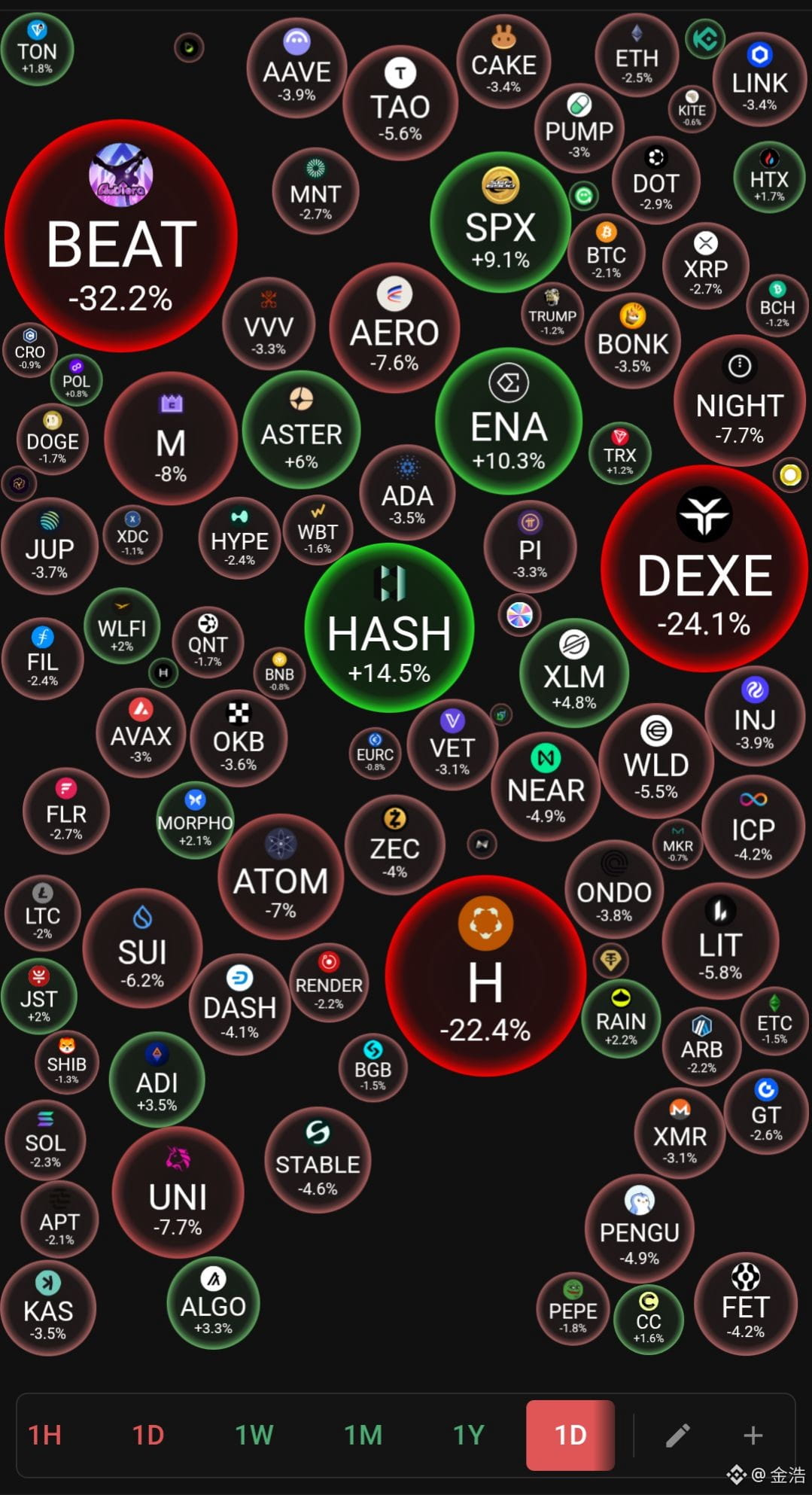
Hello Traders 👋 I need your attention for 5 minutes .
Look at the opportunity that may give you profit .
Look at the market sentiment .
Today market vibes are not good.
Top performer of the day are in negative.
Trade here 👇 carefully $H Long
{future}(HUSDT)
Trade here 👇$DEXE Short
{future}(DEXEUSDT)
Trade here 👇$ENA long
{future}(ENAUSDT)
#ENA
#HalvingUpdate
#dexe
Hello Traders 👋 I need your attention for 5 minutes .
Look at the opportunity that may give you profit .
Look at the market sentiment .
Today market vibes are not good.
Top performer of the day are in negative.
Trade here 👇 carefully $H Long
Trade here 👇$DEXE Short
Trade here 👇$ENA long
#ENA
#HalvingUpdate
#dexe
Look at the opportunity that may give you profit .
Look at the market sentiment .
Today market vibes are not good.
Top performer of the day are in negative.
Trade here 👇 carefully $H Long
Trade here 👇$DEXE Short
Trade here 👇$ENA long
#ENA
#HalvingUpdate
#dexe
235

·
--
Baissier
{spot}(DOGEUSDT)
$TRUMP
{future}(TRUMPUSDT)
$ESPORTS
{future}(ESPORTSUSDT)
الجميع لا يزالون يشترون DOGE عند 0.086—لكن الاتجاه اليومي (1D) صرخ سلبية.
$DOGE /USDT - SHORT
خطة التداول:
الدخول: 0.086 – 0.086
وقف الخسارة (SL): 0.087
هدف الربح 1 (TP1): 0.085
هدف الربح 2 (TP2): 0.085
هدف الربح 3 (TP3): 0.084
لماذا هذه الإعدادات؟
- ثقة 95% في إشارة SHORT مع ATR ضيق 0.000862.
- مؤشر القوة النسبية (RSI) على الإطار الزمني 15 دقيقة حيادي عند 53.54، مما يمنح مجالاً للهبوط قبل أي ارتداد.
- الدخول عند 0.086 مع الهدف 3 (TP3) عند 0.084 يعني أن الحركة النزولية بنسبة 2.3% هي أقل مقاومة.
نقاش:
هل تمسك بمركزك في انتظار الارتفاع أم تنتظر الانزلاق؟
#HotTrends
#HalvingUpdate
#hottoken
#PumpFun
$TRUMP
$ESPORTS
الجميع لا يزالون يشترون DOGE عند 0.086—لكن الاتجاه اليومي (1D) صرخ سلبية.
$DOGE /USDT - SHORT
خطة التداول:
الدخول: 0.086 – 0.086
وقف الخسارة (SL): 0.087
هدف الربح 1 (TP1): 0.085
هدف الربح 2 (TP2): 0.085
هدف الربح 3 (TP3): 0.084
لماذا هذه الإعدادات؟
- ثقة 95% في إشارة SHORT مع ATR ضيق 0.000862.
- مؤشر القوة النسبية (RSI) على الإطار الزمني 15 دقيقة حيادي عند 53.54، مما يمنح مجالاً للهبوط قبل أي ارتداد.
- الدخول عند 0.086 مع الهدف 3 (TP3) عند 0.084 يعني أن الحركة النزولية بنسبة 2.3% هي أقل مقاومة.
نقاش:
هل تمسك بمركزك في انتظار الارتفاع أم تنتظر الانزلاق؟
#HotTrends
#HalvingUpdate
#hottoken
#PumpFun
$ESPORTS
الجميع لا يزالون يشترون DOGE عند 0.086—لكن الاتجاه اليومي (1D) صرخ سلبية.
$DOGE /USDT - SHORT
خطة التداول:
الدخول: 0.086 – 0.086
وقف الخسارة (SL): 0.087
هدف الربح 1 (TP1): 0.085
هدف الربح 2 (TP2): 0.085
هدف الربح 3 (TP3): 0.084
لماذا هذه الإعدادات؟
- ثقة 95% في إشارة SHORT مع ATR ضيق 0.000862.
- مؤشر القوة النسبية (RSI) على الإطار الزمني 15 دقيقة حيادي عند 53.54، مما يمنح مجالاً للهبوط قبل أي ارتداد.
- الدخول عند 0.086 مع الهدف 3 (TP3) عند 0.084 يعني أن الحركة النزولية بنسبة 2.3% هي أقل مقاومة.
نقاش:
هل تمسك بمركزك في انتظار الارتفاع أم تنتظر الانزلاق؟
#HotTrends
#HalvingUpdate
#hottoken
#PumpFun
1
192
Connectez-vous pour découvrir plus de contenu
Rejoignez la communauté mondiale des adeptes de cryptomonnaies sur Binance Square
⚡️ Suviez les dernières informations importantes sur les cryptomonnaies.
💬 Jugé digne de confiance par la plus grande plateforme d’échange de cryptomonnaies au monde.
👍 Découvrez les connaissances que partagent les créateurs vérifiés.
Adresse e-mail/Nº de téléphone
Sujets d’actualité
1
#BitcoinClears$85200
6,344 vues
167 mentions
2
#AltcoinSeasonIndexHoldsAbove60For5Days
35,569 vues
950 mentions
3
#USADPAdds90000JobsInSeptember
15,885 vues
538 mentions
4
#USCorePCEEasesTo3%InAugust
12,425 vues
435 mentions
5
#KospiPostsWorstQuarterSince2020
9,266 vues
432 mentions
6
#SECToClarifyOnChainFundraisingRules
22,143 vues
604 mentions
7
#UKFCAOpensCryptoFirmAuthorization
22,797 vues
516 mentions
8
#JapanMOFStudyGroupOnTokenizedGovtBonds
17,825 vues
409 mentions
9
#QNTRises287%
78,128 vues
870 mentions
10
#TrumpRejectsAIRulesForVoluntaryAudits
47,130 vues
763 mentions