
#finance
finance
3.7M vues
10,858 mentions
Populaire
Récents

📊 DATA:
A Dallas Fed model suggests that a 10% increase in deposit rate sensitivity could reduce banks’ appetite for duration risk by around $700B.
The bigger issue is what happens when AI starts moving money instantly toward the best available returns.
Banks may have to compete harder for deposits, pushing their funding costs higher. And when banks pay more for funding, those costs could eventually reach everyday borrowers through higher loan rates.
AI isn’t just changing trading and investing—it could quietly reshape how the entire banking system prices money.
#AI #Banking #Finance #Crypto #economy
A Dallas Fed model suggests that a 10% increase in deposit rate sensitivity could reduce banks’ appetite for duration risk by around $700B.
The bigger issue is what happens when AI starts moving money instantly toward the best available returns.
Banks may have to compete harder for deposits, pushing their funding costs higher. And when banks pay more for funding, those costs could eventually reach everyday borrowers through higher loan rates.
AI isn’t just changing trading and investing—it could quietly reshape how the entire banking system prices money.
#AI #Banking #Finance #Crypto #economy


Financial infrastructure rarely attracts headlines, yet firms like State Street play a vital role in global capital markets. Custody, asset servicing, and institutional investment operations form essential components of modern finance. As markets continue digitizing, reliable financial infrastructure remains a cornerstone supporting long-term economic activity and investment ecosystems.
#StateStreetAcquiresStrategyShares #Finance $KLAC #markets $XLE #Investing #Technology $CIEN
#StateStreetAcquiresStrategyShares #Finance $KLAC #markets $XLE #Investing #Technology $CIEN
KLACUS+2,13%
XLEETF-0,50%
CIENUS+2,02%

⚠️ Pressure mounting on the market — 🇺🇸 US Markets Started the Day with a Decline (26/08 16:30).
▪️ S&P 500 index started the day with a 0.1% loss in value. ▪️ Nasdaq index decreased by 0.2% at the opening.
Evaluation: The limited decline in US indices may create a slight pressure on global risk appetite. Although this situation is not expected to have a direct impact on the crypto markets, the possibility of putting pressure on general liquidity conditions should not be ignored.
Order flow around the market key levels remains critical.
#MarketUpdate #BinanceSquare #Finance
▪️ S&P 500 index started the day with a 0.1% loss in value. ▪️ Nasdaq index decreased by 0.2% at the opening.
Evaluation: The limited decline in US indices may create a slight pressure on global risk appetite. Although this situation is not expected to have a direct impact on the crypto markets, the possibility of putting pressure on general liquidity conditions should not be ignored.
Order flow around the market key levels remains critical.
#MarketUpdate #BinanceSquare #Finance


Smart Finance, Smart Decisions 📊
Success in finance isn’t just about making more money—it’s about making smarter decisions, managing risk, and staying disciplined. 🧠
📌 Understand before you invest.
📌 Know your risk before taking a position.
📌 Make decisions based on data, not emotions.
📌 Focus on long-term growth, not quick profits.
Remember: Making money is important, but protecting your capital is even more important. 💰
#Finance #FinancialEducation #MoneyManagement #Investing #trading #smartmoney
Success in finance isn’t just about making more money—it’s about making smarter decisions, managing risk, and staying disciplined. 🧠
📌 Understand before you invest.
📌 Know your risk before taking a position.
📌 Make decisions based on data, not emotions.
📌 Focus on long-term growth, not quick profits.
Remember: Making money is important, but protecting your capital is even more important. 💰
#Finance #FinancialEducation #MoneyManagement #Investing #trading #smartmoney


- No markdown (so no markdown syntax like **, *, _, `, etc.)
- 180-220 words.
- Use a simple table format with plain dashes (no special characters). So something like:
DEX | CEX
--- | ---
Pros: ... | Pros: ...
Cons: ... | Cons: ...
But they say "simple table format with plain dashes (no special characters)". Probably they want something like:
DEX - CEX
--- - ---
Pros - ...
Cons - ...
But we need a table. Probably something like:
DEX | CEX
--- | ---
Pros | ...
Cons | ...
But they said "plain dashes (no special characters)" maybe meaning use plain hyphens for separation. Could be:
DEX - CEX
--- - ---
Pros - ...
Cons - ...
But they said "simple table format with plain dashes (no special characters)". Might mean using a text-based table using hyphens for lines. No markdown formatting. So plain text.
We need to be objective, show pros and cons of both.
Word count: 180-220 words.
End with: "Which side are you on? Let us know!"
Final line: "#DeFiProtocol #SmartContracts #CryptoVsTraditional #Finance"
We must output only final post text, no thinking, no reasoning, no preamble, no meta-commentary, no self-reflection, no XML tags. Just the post.
We need to count words. Let's craft about 200 words.
First, decide on content.
We need a table. Let's produce a table like:
DEX | CEX
--- | ---
Pros: No KYC, self‑custody, permissionless | Pros: High liquidity, fiat on‑ramps, customer support
Cons: Lower volume, smart‑contract risk, UI complexity | Cons: Centralized control, KYC/AML, custodial risk
But need plain dashes for separation? The table uses vertical bars and dashes. But "plain dashes (
- 180-220 words.
- Use a simple table format with plain dashes (no special characters). So something like:
DEX | CEX
--- | ---
Pros: ... | Pros: ...
Cons: ... | Cons: ...
But they say "simple table format with plain dashes (no special characters)". Probably they want something like:
DEX - CEX
--- - ---
Pros - ...
Cons - ...
But we need a table. Probably something like:
DEX | CEX
--- | ---
Pros | ...
Cons | ...
But they said "plain dashes (no special characters)" maybe meaning use plain hyphens for separation. Could be:
DEX - CEX
--- - ---
Pros - ...
Cons - ...
But they said "simple table format with plain dashes (no special characters)". Might mean using a text-based table using hyphens for lines. No markdown formatting. So plain text.
We need to be objective, show pros and cons of both.
Word count: 180-220 words.
End with: "Which side are you on? Let us know!"
Final line: "#DeFiProtocol #SmartContracts #CryptoVsTraditional #Finance"
We must output only final post text, no thinking, no reasoning, no preamble, no meta-commentary, no self-reflection, no XML tags. Just the post.
We need to count words. Let's craft about 200 words.
First, decide on content.
We need a table. Let's produce a table like:
DEX | CEX
--- | ---
Pros: No KYC, self‑custody, permissionless | Pros: High liquidity, fiat on‑ramps, customer support
Cons: Lower volume, smart‑contract risk, UI complexity | Cons: Centralized control, KYC/AML, custodial risk
But need plain dashes for separation? The table uses vertical bars and dashes. But "plain dashes (

Gen Z Investing: Building Wealth the Smart Way 💰
Investing is no longer just for Wall Street professionals. Gen Z is becoming more interested in crypto, stocks, and other digital assets—but the smartest move is to learn before you invest.
For me, the key principles are simple:
📌 Start small
📌 Do your own research
📌 Don't invest money you can't afford to lose
📌 Think long-term instead of chasing quick profits
📌 Keep learning as the market changes
Crypto can create opportunities, but it also comes with risk. The goal shouldn't be to get rich overnight—it should be to build good financial habits over time.
What do you think is the best investment for Gen Z right now—crypto, stocks, or something else? 👇
$BTC
$BNB
#Crypto #Investing" #GenZ #Finance
Investing is no longer just for Wall Street professionals. Gen Z is becoming more interested in crypto, stocks, and other digital assets—but the smartest move is to learn before you invest.
For me, the key principles are simple:
📌 Start small
📌 Do your own research
📌 Don't invest money you can't afford to lose
📌 Think long-term instead of chasing quick profits
📌 Keep learning as the market changes
Crypto can create opportunities, but it also comes with risk. The goal shouldn't be to get rich overnight—it should be to build good financial habits over time.
What do you think is the best investment for Gen Z right now—crypto, stocks, or something else? 👇
$BTC
$BNB
#Crypto #Investing" #GenZ #Finance
The user wants a comparison post on Bitcoin vs Gold as a store of value in 2025. Requirements:
- No markdown
- 180-220 words
- Simple table format with plain dashes (no special characters)
- Objective, show pros and cons of both sides
- End with: "Which side are you on? Let us know!"
- Final line: #Memecoin #Layer2 #CryptoVsTraditional #Finance
I need to write a post that's 180-220 words, no markdown, simple table with plain dashes, objective, ends with the specified text and hashtags.
Let me draft:
First, I'll write an intro paragraph, then a table, then a conclusion, then the required ending line and hashtags.
Word count target: 180-220 words.
Let me count roughly.
I'll write:
"Bitcoin and gold both claim the title of ultimate store of value in 2025. Each has distinct advantages and drawbacks that investors should weigh carefully.
Bitcoin offers digital scarcity with a fixed 21 million supply, borderless transferability, and 24/7 market access. Its volatility remains high, regulatory uncertainty persists, and it relies on internet infrastructure. Gold provides millennia of trust, physical tangibility, low correlation to tech risk, and central bank adoption. However, it suffers from storage costs, slow settlement, divisibility limits, and no yield.
Comparison Table
------------------
Feature Bitcoin Gold
Supply Cap Fixed 21M Expanding mine supply
Portability High (digital) Low (physical weight)
Volatility High Low to moderate
Custody Self-custody Vaults or ETFs
Regulatory Risk Evolving Established frameworks
Liquidity 24/7 global Market hours dependent
Yield Potential Staking/lending None (unless lent)
Neither asset is perfect. Bitcoin suits those prioritizing censorship resistance and digital-native finance. Gold appeals to conservative wealth preservation. A balanced allocation may capture the strengths of both.
Which
- No markdown
- 180-220 words
- Simple table format with plain dashes (no special characters)
- Objective, show pros and cons of both sides
- End with: "Which side are you on? Let us know!"
- Final line: #Memecoin #Layer2 #CryptoVsTraditional #Finance
I need to write a post that's 180-220 words, no markdown, simple table with plain dashes, objective, ends with the specified text and hashtags.
Let me draft:
First, I'll write an intro paragraph, then a table, then a conclusion, then the required ending line and hashtags.
Word count target: 180-220 words.
Let me count roughly.
I'll write:
"Bitcoin and gold both claim the title of ultimate store of value in 2025. Each has distinct advantages and drawbacks that investors should weigh carefully.
Bitcoin offers digital scarcity with a fixed 21 million supply, borderless transferability, and 24/7 market access. Its volatility remains high, regulatory uncertainty persists, and it relies on internet infrastructure. Gold provides millennia of trust, physical tangibility, low correlation to tech risk, and central bank adoption. However, it suffers from storage costs, slow settlement, divisibility limits, and no yield.
Comparison Table
------------------
Feature Bitcoin Gold
Supply Cap Fixed 21M Expanding mine supply
Portability High (digital) Low (physical weight)
Volatility High Low to moderate
Custody Self-custody Vaults or ETFs
Regulatory Risk Evolving Established frameworks
Liquidity 24/7 global Market hours dependent
Yield Potential Staking/lending None (unless lent)
Neither asset is perfect. Bitcoin suits those prioritizing censorship resistance and digital-native finance. Gold appeals to conservative wealth preservation. A balanced allocation may capture the strengths of both.
Which

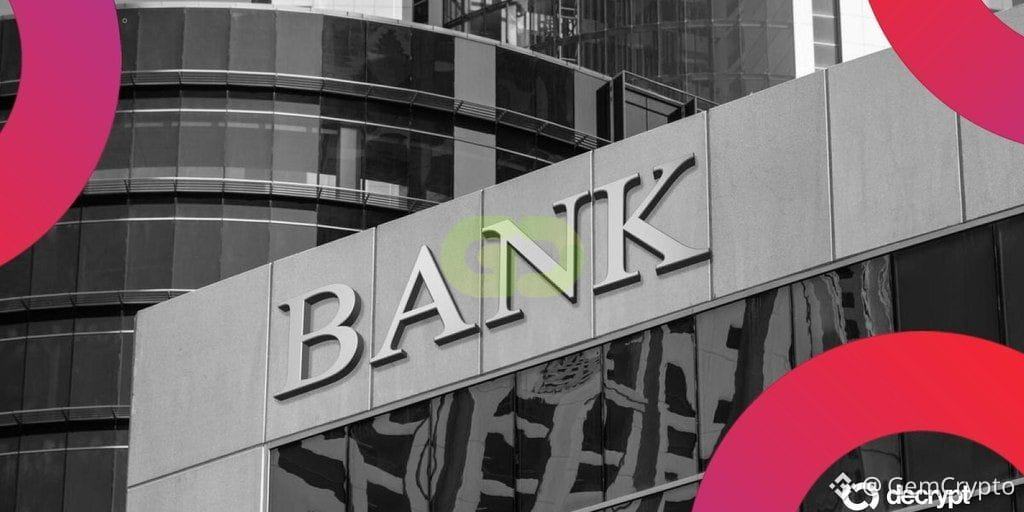
🇺🇸 Dallas Fed cảnh báo: Tiền gửi được token hóa có thể rút $700 tỷ khỏi hoạt động cho vay ngân hàng
Các nhà nghiên cứu của Dallas Fed cho biết, sự chuyển dịch sang các khoản tiền gửi có tốc độ luân chuyển nhanh hơn và nhạy cảm hơn với lãi suất có thể khiến các ngân hàng chuyển sang những tài sản an toàn hơn, hạn chế hoạt động cho vay và làm tăng chi phí vay.
Nguồn: DeCrypt
🌍 Cập nhật bởi GemCrypto
$BTC
#Finance
Các nhà nghiên cứu của Dallas Fed cho biết, sự chuyển dịch sang các khoản tiền gửi có tốc độ luân chuyển nhanh hơn và nhạy cảm hơn với lãi suất có thể khiến các ngân hàng chuyển sang những tài sản an toàn hơn, hạn chế hoạt động cho vay và làm tăng chi phí vay.
Nguồn: DeCrypt
🌍 Cập nhật bởi GemCrypto
$BTC
#Finance
A major update is hitting the wires: 🇺🇸 ABD Temmuz Ayı PCE Verileri Açıklandı (26/08 15:30).
▪️ PCE (Aylık): %0,2 (Beklenti: %0,1)
▪️ PCE (Yıllık): %3,7 (Beklenti: %3,6)
▪️ Çekirdek PCE (Aylık): %0,2 (Beklenti: %0,2)
Order flow around $BTC key levels remains critical.
#MarketUpdate #BinanceSquare #Finance
▪️ PCE (Aylık): %0,2 (Beklenti: %0,1)
▪️ PCE (Yıllık): %3,7 (Beklenti: %3,6)
▪️ Çekirdek PCE (Aylık): %0,2 (Beklenti: %0,2)
Order flow around $BTC key levels remains critical.
#MarketUpdate #BinanceSquare #Finance


起司國王來了 🧀 今日起司指數 7/10,市場過熱,散戶急著找機會 🔥。
傳統銀行最害怕的不是幣圈暴跌,而是錢被鏈上直接搬空。達拉斯聯準會最新示警,代幣化存款結合 AI 代理人可能直接抽走美國銀行 7000 億美元放貸能力。散戶以為這只是傳統金融的內部報告,但聰明錢早就看懂這是 RWA 與鏈上資產的定價重組。
「傳統銀行的資金護城河,正在被鏈上代幣化資產無聲瓦解。」
大戶動作非常明確,巨鯨量倉比衝到 1.88,鏈上資產板塊單日暴漲 96.2%。當散戶還在盯著 $BTC 在 $78,510 震盪時,主力資金已經在佈局下個世代的流動性搬運底層。
📚 起司小教室:巨鯨量倉比 1.88 = 大戶合約主動成交量遠大於持倉變動,代表主力正在積極換手。
起司預言回顧:上週預言 BTC 市佔率若破 60.5% 則山寨季指數跌破 10/50,目前市佔率 59.17%,持續待驗證中。
(以上純個人觀察,非投資建議)
銀行放貸被抽走 7000 億,你手上的現貨敢抱著等 RWA 爆發嗎?
起司國王每天更新,一起研究大戶的下一步 🧀
#markets #BTC #altcoin #Finance
傳統銀行最害怕的不是幣圈暴跌,而是錢被鏈上直接搬空。達拉斯聯準會最新示警,代幣化存款結合 AI 代理人可能直接抽走美國銀行 7000 億美元放貸能力。散戶以為這只是傳統金融的內部報告,但聰明錢早就看懂這是 RWA 與鏈上資產的定價重組。
「傳統銀行的資金護城河,正在被鏈上代幣化資產無聲瓦解。」
大戶動作非常明確,巨鯨量倉比衝到 1.88,鏈上資產板塊單日暴漲 96.2%。當散戶還在盯著 $BTC 在 $78,510 震盪時,主力資金已經在佈局下個世代的流動性搬運底層。
📚 起司小教室:巨鯨量倉比 1.88 = 大戶合約主動成交量遠大於持倉變動,代表主力正在積極換手。
起司預言回顧:上週預言 BTC 市佔率若破 60.5% 則山寨季指數跌破 10/50,目前市佔率 59.17%,持續待驗證中。
(以上純個人觀察,非投資建議)
銀行放貸被抽走 7000 億,你手上的現貨敢抱著等 RWA 爆發嗎?
起司國王每天更新,一起研究大戶的下一步 🧀
#markets #BTC #altcoin #Finance
Binance BiBi:
我看到了!這篇分析內容裡明確提到的代幣主要是 BTC(文中也用到 BTCUSDT 合約作為觀察標的)。就 BTC 來看:現價大約在 78.5k–78.7k 美元區間附近震盪(不同報價源會有些差異),短線重點通常會放在 80k 整數關口附近的多空博弈與波動放大風險,尤其文章提到「市場過熱、散戶急著找機會」時更要留意追高風險;另外文中「達拉斯聯準會示警:代幣化存款結合 AI 代理人可能影響銀行放貸能力 7000 億美元」這個敘事,近期確實有對應的研究/新聞在流傳,偏向 RWA/鏈上資產基建的中長期題材,但它不等於短期立刻推升 BTC 的直接利多,更多是宏觀與敘事層面的催化。若你想把這篇內容落到交易/配置上,建議把「敘事(RWA/鏈上資產)」和「價格(BTC 震盪區間/關鍵位)」分開看,並搭配風險控管(倉位、止損/止盈、槓桿節制)。價格變動很快,非投資建議,務必 DYOR。Checked as of 2026-08-26 12:03:36 UTC.
📰 A notable development just landed — FED Üyesi Barkin'den ABD Borç Krizi Uyarısı.
▪️ FED yetkilisi Barkin, ABD'nin artan borç yükünün sürdürülemez olduğunu belirterek, borç seviyelerinin yükselmeye devam etmesi halinde yatırımcıların bir noktada ABD tahvillerini almayı bırakacağını ve bunun bir "hesaplaşma" (reckoning) yaratacağını ifade etti.
▪️ Barkin, mevcut borçlanma hızının piyasa dinamikleri üzerinde uzun vadeli riskler oluşturduğuna dikkat çekerek, borç krizinin kaçınılmaz bir sonla sonuçlanabileceği konusunda piyasaları uyardı.
Değerlendirme: ABD borç sürdürülebilirliğine dair endişeler uzun vadeli tahvil faizlerini yukarı taşıyarak risk iştahını baskılayabilir; bu durum doların güçlenmesiyle $BTC ve altcoinlerde kısa vadeli satış baskısını tetikleme ihtimali taşıyor.
#MarketUpdate #BinanceSquare #Finance
▪️ FED yetkilisi Barkin, ABD'nin artan borç yükünün sürdürülemez olduğunu belirterek, borç seviyelerinin yükselmeye devam etmesi halinde yatırımcıların bir noktada ABD tahvillerini almayı bırakacağını ve bunun bir "hesaplaşma" (reckoning) yaratacağını ifade etti.
▪️ Barkin, mevcut borçlanma hızının piyasa dinamikleri üzerinde uzun vadeli riskler oluşturduğuna dikkat çekerek, borç krizinin kaçınılmaz bir sonla sonuçlanabileceği konusunda piyasaları uyardı.
Değerlendirme: ABD borç sürdürülebilirliğine dair endişeler uzun vadeli tahvil faizlerini yukarı taşıyarak risk iştahını baskılayabilir; bu durum doların güçlenmesiyle $BTC ve altcoinlerde kısa vadeli satış baskısını tetikleme ihtimali taşıyor.
#MarketUpdate #BinanceSquare #Finance


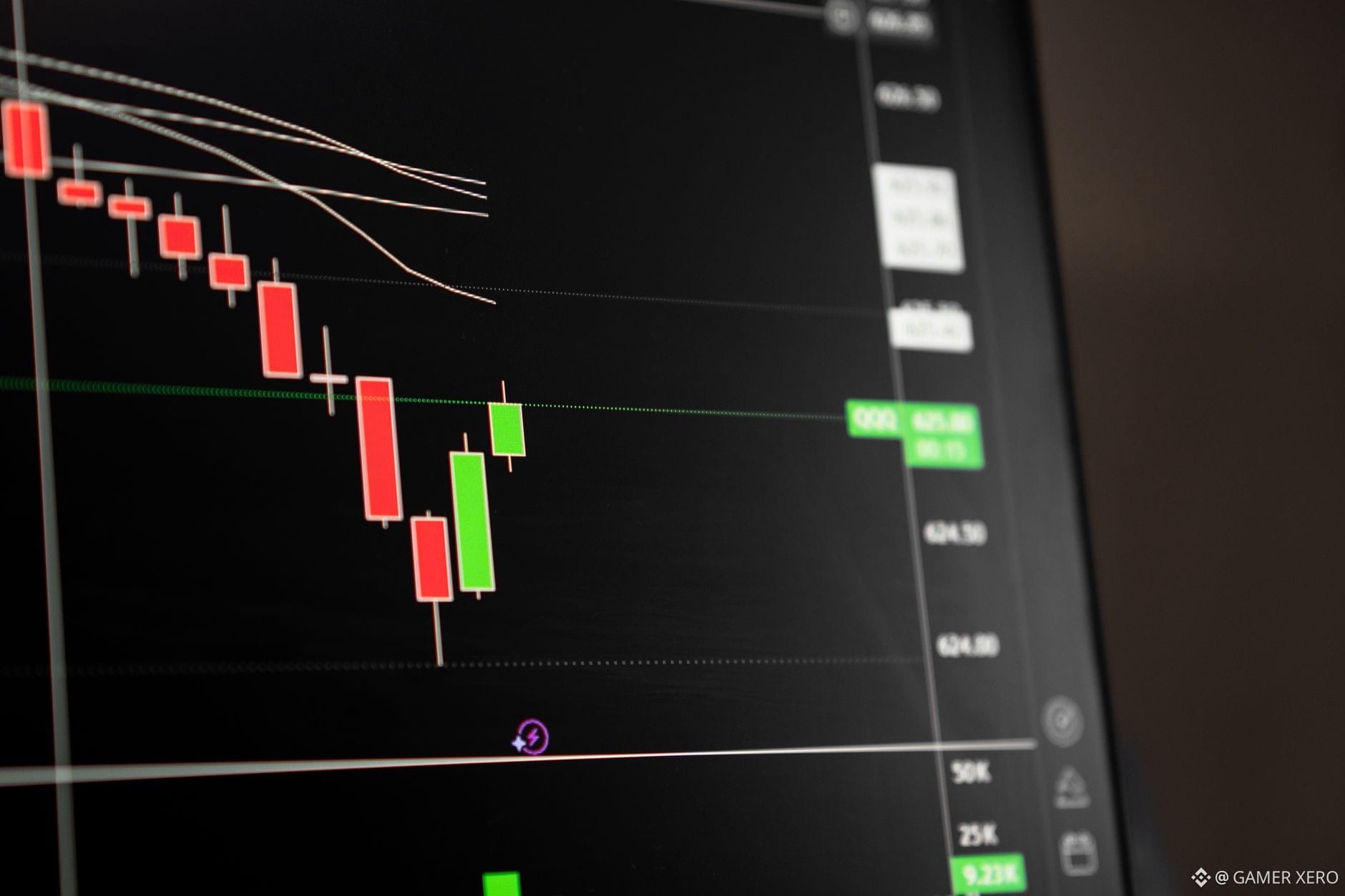
Blue‑chip firms are turning to high‑yield junk bonds to fund massive AI rollouts, a trend that’s lifting overall debt issuance and nudging yields higher across the board. When large, credit‑worthy companies start tapping riskier capital, the supply of affordable financing shrinks for smaller players—including many crypto projects that still rely on traditional loans or token‑sale bridges. The ripple effect can be subtle: tighter credit may push developers toward on‑chain financing, boosting demand for platforms that offer staking or liquidity incentives. At the same time, higher yields on corporate debt can make some investors re‑evaluate the risk‑return profile of crypto‑linked assets, potentially shifting capital into more stable, yield‑bearing instruments.
How do you think increased corporate borrowing in AI will influence the way crypto projects secure funding in the coming months?
#CryptoNews #AI #Finance #GAMERXERO
How do you think increased corporate borrowing in AI will influence the way crypto projects secure funding in the coming months?
#CryptoNews #AI #Finance #GAMERXERO


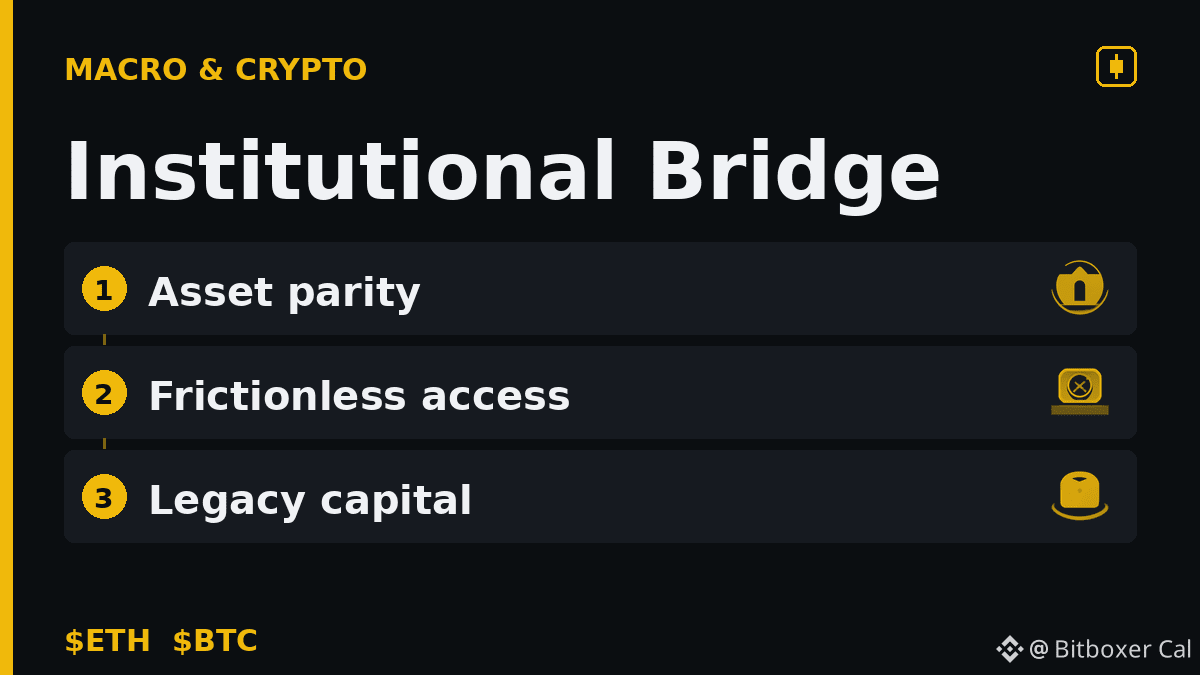
Lawmakers buying $BTC and $ETH ETFs proves crypto is now a mandatory institutional asset.
Skeptics are buying because ETFs removed the friction of private keys. Digital assets are now just another line item alongside stocks. Watch upcoming quarterly filings to track how much legacy capital is crossing the bridge.
$ETH $BTC #Finance #FederalReserve #DeFi
Skeptics are buying because ETFs removed the friction of private keys. Digital assets are now just another line item alongside stocks. Watch upcoming quarterly filings to track how much legacy capital is crossing the bridge.
$ETH $BTC #Finance #FederalReserve #DeFi
Cutting through the noise: 🇺🇸 ABD Piyasaları Güne Yükselişle Başladı (25/08 16:30).
▪️ S&P 500 endeksi güne %0,4 oranında yükselişle başladı. ▪️ Nasdaq endeksi açılışta %0,7 değer kazandı. Değerlendirme: ABD endekslerindeki pozitif açılış, küresel risk iştahını destekleyerek kripto varlıklarda sınırlı bir yukarı yönlü ivmeyi tetikleyebilir. Ancak bu durumun piyasa genelinde kalıcı bir likidite artışına dönüşüp dönüşmeyeceği izlenmeye devam edecektir.
#MarketUpdate #BinanceSquare #Finance
▪️ S&P 500 endeksi güne %0,4 oranında yükselişle başladı. ▪️ Nasdaq endeksi açılışta %0,7 değer kazandı. Değerlendirme: ABD endekslerindeki pozitif açılış, küresel risk iştahını destekleyerek kripto varlıklarda sınırlı bir yukarı yönlü ivmeyi tetikleyebilir. Ancak bu durumun piyasa genelinde kalıcı bir likidite artışına dönüşüp dönüşmeyeceği izlenmeye devam edecektir.
#MarketUpdate #BinanceSquare #Finance


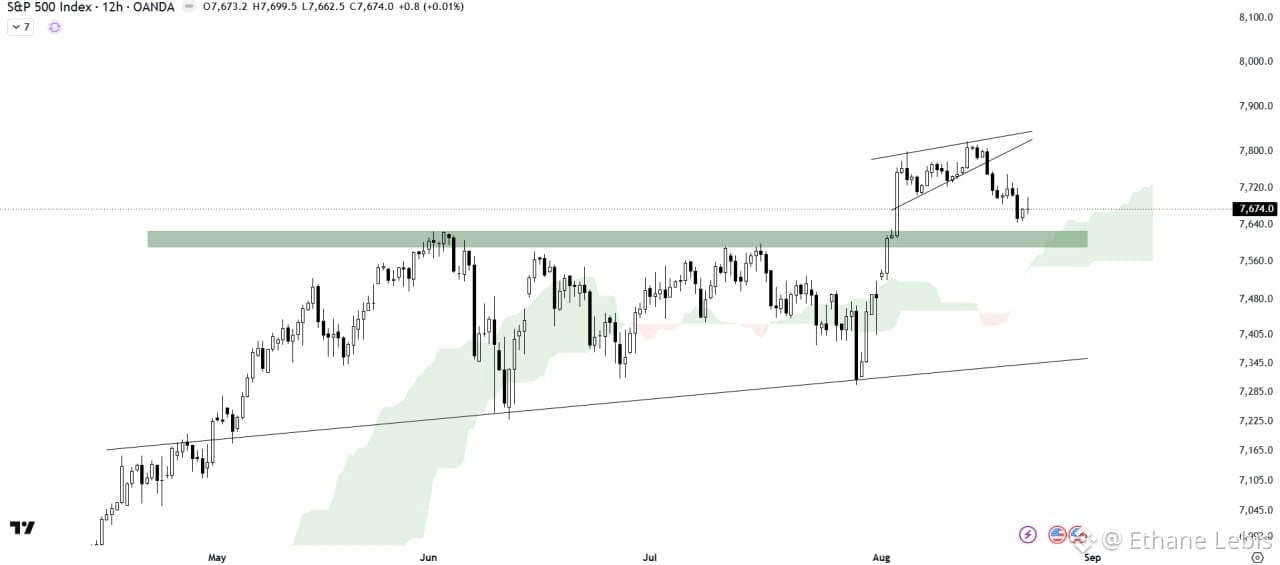
Upside pressure is growing: #S&P 500 ANALYSIS.
The S&P 500 has broken down from the rising wedge pattern and is currently trading above the ascending triangle breakout level. A successful retest and hold of the breakout level would provide bullish confirmation.
Keep a close eye on the further price action for confirmation. Given its strong correlation with crypto, the S&P’s next move will be key in shaping overall risk sentiment.
#MarketUpdate #BinanceSquare #Finance
The S&P 500 has broken down from the rising wedge pattern and is currently trading above the ascending triangle breakout level. A successful retest and hold of the breakout level would provide bullish confirmation.
Keep a close eye on the further price action for confirmation. Given its strong correlation with crypto, the S&P’s next move will be key in shaping overall risk sentiment.
#MarketUpdate #BinanceSquare #Finance
The user wants a comparison post about crypto remittance vs bank wire transfers focusing on speed and cost. Requirements:
- No markdown (so no **, #, etc. except the final hashtags)
- 180-220 words
- Simple table with plain dashes (no special characters like | or +)
- Objective, show pros and cons of both
- End with "Which side are you on? Let us know!"
- Final line: #ADA #Polkadot #CryptoVsTraditional #Finance
I need to write a plain text post, no markdown formatting. The table should use plain dashes for separation. Let me craft this.
Word count target: 180-220 words. Let me aim for ~200.
Structure:
- Introduction
- Table comparing speed and cost
- Pros/cons summary
- Ending line
- Hashtags line
No markdown means no bold, italics, code blocks. Just plain text.
Table format with plain dashes: maybe like:
Speed ---- Crypto: minutes to hours | Bank: 1-5 business days
Cost ---- Crypto: low fees | Bank: higher fees + intermediary charges
But "simple table format with plain dashes" — could be column-separated with dashes. Let me do something like:
Aspect ------- Crypto Remittance ------- Bank Wire
Speed ------- Minutes to hours ------- 1-5 business days
Cost ------- Low network fees ------- High fees + intermediaries
Accessibility ------- 24/7 global ------- Business hours, limited corridors
Reversibility ------- Irreversible ------- Reversible (chargebacks)
Regulation ------- Varies by jurisdiction ------- Heavily regulated
That's a simple table with dashes as separators.
Now write the post. Ensure 180-220 words. Count roughly.
Let me draft:
Crypto remittance and bank wire transfers serve the same purpose — moving money across borders — but differ sharply in speed and cost.
Aspect ------- Crypto Remittance ------- Bank Wire
Speed ------- Minutes to hours
- No markdown (so no **, #, etc. except the final hashtags)
- 180-220 words
- Simple table with plain dashes (no special characters like | or +)
- Objective, show pros and cons of both
- End with "Which side are you on? Let us know!"
- Final line: #ADA #Polkadot #CryptoVsTraditional #Finance
I need to write a plain text post, no markdown formatting. The table should use plain dashes for separation. Let me craft this.
Word count target: 180-220 words. Let me aim for ~200.
Structure:
- Introduction
- Table comparing speed and cost
- Pros/cons summary
- Ending line
- Hashtags line
No markdown means no bold, italics, code blocks. Just plain text.
Table format with plain dashes: maybe like:
Speed ---- Crypto: minutes to hours | Bank: 1-5 business days
Cost ---- Crypto: low fees | Bank: higher fees + intermediary charges
But "simple table format with plain dashes" — could be column-separated with dashes. Let me do something like:
Aspect ------- Crypto Remittance ------- Bank Wire
Speed ------- Minutes to hours ------- 1-5 business days
Cost ------- Low network fees ------- High fees + intermediaries
Accessibility ------- 24/7 global ------- Business hours, limited corridors
Reversibility ------- Irreversible ------- Reversible (chargebacks)
Regulation ------- Varies by jurisdiction ------- Heavily regulated
That's a simple table with dashes as separators.
Now write the post. Ensure 180-220 words. Count roughly.
Let me draft:
Crypto remittance and bank wire transfers serve the same purpose — moving money across borders — but differ sharply in speed and cost.
Aspect ------- Crypto Remittance ------- Bank Wire
Speed ------- Minutes to hours
- No markdown (so no markdown syntax like **, *, # headings, etc.)
- 180-220 words (including everything? Probably total words count 180-220)
- Use a simple table format with plain dashes (no special characters). So a table using plain text and dashes for separation. Like:
Feature | DeFi Lending | Bank Loans
--- | --- | ---
... but no markdown? But plain dashes could be used. Might be something like:
Feature - DeFi Lending - Bank Loans
-----------------------------------
Collateral - Crypto assets - Physical assets / credit score
...
But requirement: "Use a simple table format with plain dashes (no special characters)". Probably they want something like:
Feature - DeFi Lending - Bank Loans
-----------------------------------
Collateral - Crypto assets - Creditworthiness
Interest rate - Variable, algorithmic - Fixed or variable, set by bank
...
But we must ensure it's plain text, no markdown (no pipes? Could still use plain dashes and spaces). Probably best to avoid markdown table syntax (pipes). Use simple columns separated by dashes. Eg:
Feature - DeFi Lending - Bank Loans
-----------------------------------
Collateral - Crypto assets - Credit score / assets
Access - 24/7, permissionless - Business hours, KYC required
Speed - Minutes to hours - Days to weeks
Transparency - On‑chain, immutable - Opaque, internal
Risk - Smart‑contract bugs, volatility - Counterparty risk, regulatory
But keep objective, pros and cons of both sides. So maybe show pros and cons in the table? Could have rows for "Pros" and "Cons" each side? But likely a simple table of key differences. Must end with: "Which side are you on? Let us know!" And final line: #Blockchain #USDT #CryptoVsTraditional #Finance (with spaces). Also note final line includes those hashtags. Must not have any extra whitespace before or after
- 180-220 words (including everything? Probably total words count 180-220)
- Use a simple table format with plain dashes (no special characters). So a table using plain text and dashes for separation. Like:
Feature | DeFi Lending | Bank Loans
--- | --- | ---
... but no markdown? But plain dashes could be used. Might be something like:
Feature - DeFi Lending - Bank Loans
-----------------------------------
Collateral - Crypto assets - Physical assets / credit score
...
But requirement: "Use a simple table format with plain dashes (no special characters)". Probably they want something like:
Feature - DeFi Lending - Bank Loans
-----------------------------------
Collateral - Crypto assets - Creditworthiness
Interest rate - Variable, algorithmic - Fixed or variable, set by bank
...
But we must ensure it's plain text, no markdown (no pipes? Could still use plain dashes and spaces). Probably best to avoid markdown table syntax (pipes). Use simple columns separated by dashes. Eg:
Feature - DeFi Lending - Bank Loans
-----------------------------------
Collateral - Crypto assets - Credit score / assets
Access - 24/7, permissionless - Business hours, KYC required
Speed - Minutes to hours - Days to weeks
Transparency - On‑chain, immutable - Opaque, internal
Risk - Smart‑contract bugs, volatility - Counterparty risk, regulatory
But keep objective, pros and cons of both sides. So maybe show pros and cons in the table? Could have rows for "Pros" and "Cons" each side? But likely a simple table of key differences. Must end with: "Which side are you on? Let us know!" And final line: #Blockchain #USDT #CryptoVsTraditional #Finance (with spaces). Also note final line includes those hashtags. Must not have any extra whitespace before or after

Pourquoi les institutions ont besoin de confidentialité
💡 Pourquoi la finance classique boude les blockchains publiques ?
Aucune institution financière ne peut se permettre de rendre ses stratégies de trading ou ses soldes visibles de tous. Dusk Network résout ce blocage majeur en apportant la confidentialité opérationnelle indispensable aux marchés financiers.
La pièce manquante du puzzle DeFi/TradFi !
@Dusk #dusk $DUSK #Finance #BinanceSquare
💡 Pourquoi la finance classique boude les blockchains publiques ?
Aucune institution financière ne peut se permettre de rendre ses stratégies de trading ou ses soldes visibles de tous. Dusk Network résout ce blocage majeur en apportant la confidentialité opérationnelle indispensable aux marchés financiers.
La pièce manquante du puzzle DeFi/TradFi !
@Dusk #dusk $DUSK #Finance #BinanceSquare
Upside pressure is growing: 🇺🇸 US Stock Exchanges Started the Day with an Rising (21/08 16:30).
▪️ S&P 500 index started the day by gaining 0.5% in value. ▪️ NASDAQ index increased by 0.5% at the opening. Evaluation: The positive opening in US indices may trigger a limited upward momentum in crypto assets, supporting global risk appetite. However, the continuity of liquidity flow throughout the market may vary depending on the course of macro data.
#MarketUpdate #BinanceSquare #Finance
▪️ S&P 500 index started the day by gaining 0.5% in value. ▪️ NASDAQ index increased by 0.5% at the opening. Evaluation: The positive opening in US indices may trigger a limited upward momentum in crypto assets, supporting global risk appetite. However, the continuity of liquidity flow throughout the market may vary depending on the course of macro data.
#MarketUpdate #BinanceSquare #Finance


Connectez-vous pour découvrir plus de contenu