

Captain
7.1k Publicaciones

Captain
Denunciar
Bloquear usuario
Latest News , Chart , Information .
X : bnbcaptain
Abrir operación
Trader frecuente
7 años
7 Siguiendo
24.7K+ Seguidores
38.7K+ Me gusta
Publicaciones
Cartera
Todo
Cotizaciones
Vídeos
Directo
·
--
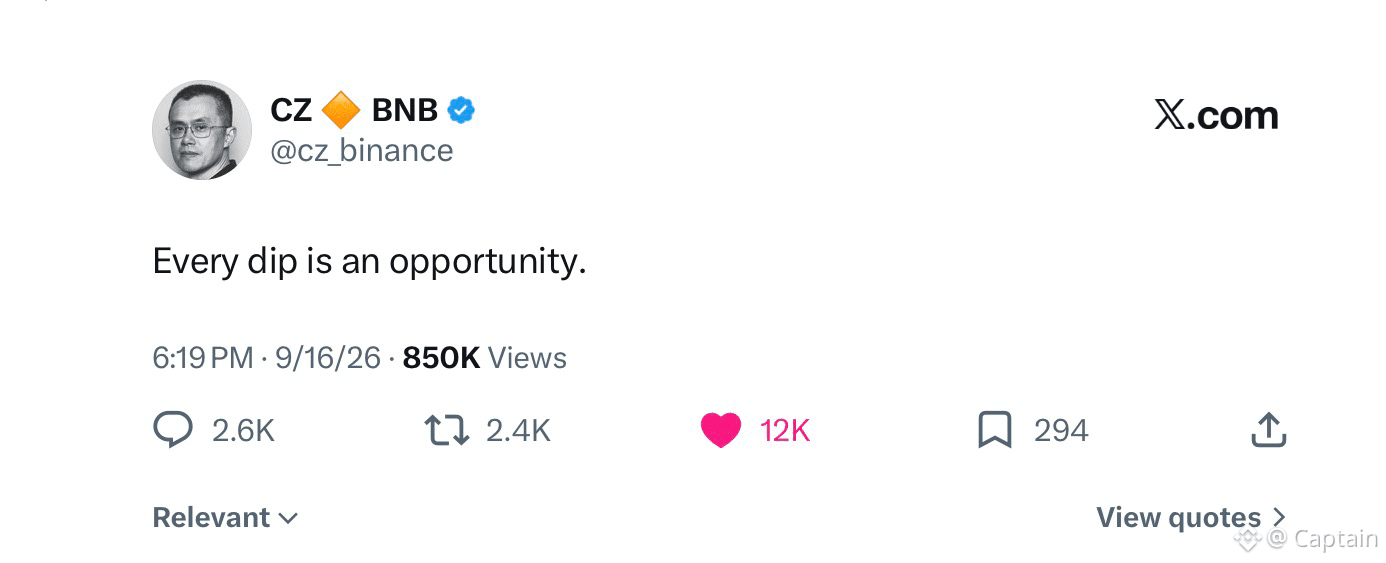
CZ en YZi Labs:
“Invertimos con un impacto positivo.”
YZi Labs asigna aproximadamente:
• 70% a cripto y blockchain
• 20% a IA
• 5–10% a biotecnología
Pero la filosofía es más grande que los retornos.
Si invertir $1B pudiera ayudar a crear una cura barata para el cáncer, incluso si la empresa ganara poco dinero, CZ dice que aun así estaría feliz.
Crea más valor del que capturas.
Si una empresa crea $10 de valor y se queda con menos de $5, deja valor en la mesa, crece más rápido y genera un impacto mayor.
Primero el impacto. Los retornos después
@CZ
CZ en YZi Labs:
“Invertimos con un impacto positivo.”
YZi Labs asigna aproximadamente:
• 70% a cripto y blockchain
• 20% a IA
• 5–10% a biotecnología
Pero la filosofía es más grande que los retornos.
Si invertir $1B pudiera ayudar a crear una cura barata para el cáncer, incluso si la empresa ganara poco dinero, CZ dice que aun así estaría feliz.
Crea más valor del que capturas.
Si una empresa crea $10 de valor y se queda con menos de $5, deja valor en la mesa, crece más rápido y genera un impacto mayor.
Primero el impacto. Los retornos después
@CZ
“Invertimos con un impacto positivo.”
YZi Labs asigna aproximadamente:
• 70% a cripto y blockchain
• 20% a IA
• 5–10% a biotecnología
Pero la filosofía es más grande que los retornos.
Si invertir $1B pudiera ayudar a crear una cura barata para el cáncer, incluso si la empresa ganara poco dinero, CZ dice que aun así estaría feliz.
Crea más valor del que capturas.
Si una empresa crea $10 de valor y se queda con menos de $5, deja valor en la mesa, crece más rápido y genera un impacto mayor.
Primero el impacto. Los retornos después
@CZ
4
536
·
--
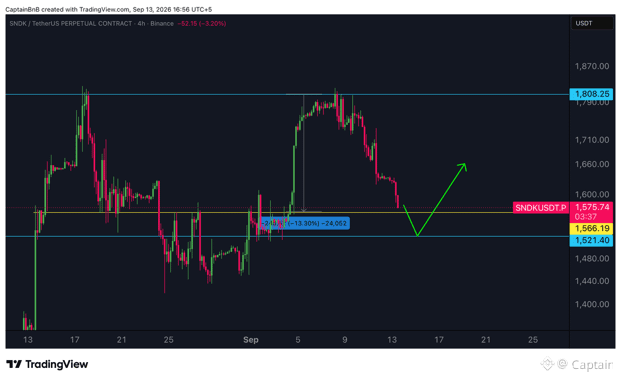
$SNDKB fue rechazado del nivel 1800
La zona 1400_1500 es una buena entrada para un rebote RÁPIDO y pequeño !!
También veamos la situación de guerra global
#bstocks #GlobalFinance
$SNDKB fue rechazado del nivel 1800
La zona 1400_1500 es una buena entrada para un rebote RÁPIDO y pequeño !!
También veamos la situación de guerra global
#bstocks #GlobalFinance
La zona 1400_1500 es una buena entrada para un rebote RÁPIDO y pequeño !!
También veamos la situación de guerra global
#bstocks #GlobalFinance
1
4
738
·
--
Con verificación
Artículo
El Tesoro de EE. UU. prohibe los fondos ESG en las cuentas de TrumpEl Departamento del Tesoro de EE. UU. ha implementado una nueva norma que, de hecho, prohíbe los fondos ESG en cuentas asociadas con Donald Trump. Según Odaily, esta restricción forma parte de regulaciones más amplias destinadas a mantener opciones de inversión de bajo costo dentro de estas cuentas, permitiendo que los inversores conserven más de su dinero.
La medida parece estar dirigida a limitar la disponibilidad de fondos ambientales, sociales y de gobernanza (ESG) en ciertas cuentas vinculadas al ex presidente. Los fondos ESG son productos de inversión que evalúan a las empresas en función de su impacto ambiental, responsabilidad social y prácticas de gobernanza, además de su desempeño financiero.
El Tesoro de EE. UU. prohibe los fondos ESG en las cuentas de Trump
El Departamento del Tesoro de EE. UU. ha implementado una nueva norma que, de hecho, prohíbe los fondos ESG en cuentas asociadas con Donald Trump. Según Odaily, esta restricción forma parte de regulaciones más amplias destinadas a mantener opciones de inversión de bajo costo dentro de estas cuentas, permitiendo que los inversores conserven más de su dinero.
La medida parece estar dirigida a limitar la disponibilidad de fondos ambientales, sociales y de gobernanza (ESG) en ciertas cuentas vinculadas al ex presidente. Los fondos ESG son productos de inversión que evalúan a las empresas en función de su impacto ambiental, responsabilidad social y prácticas de gobernanza, además de su desempeño financiero.
La medida parece estar dirigida a limitar la disponibilidad de fondos ambientales, sociales y de gobernanza (ESG) en ciertas cuentas vinculadas al ex presidente. Los fondos ESG son productos de inversión que evalúan a las empresas en función de su impacto ambiental, responsabilidad social y prácticas de gobernanza, además de su desempeño financiero.
2
3
132
·
--
Artículo
Franklin Templeton agregará activos tokenizados a fondos tradicionalesFranklin Templeton ha anunciado planes para incorporar activos tokenizados en sus fondos de inversión tradicionales después de lo que describe como la primera aprobación regulatoria en EE. UU. para productos nativamente digitales que se utilizarán dentro de fondos convencionales. Este desarrollo marca un hito significativo en la integración de activos basados en blockchain en las finanzas convencionales, según Bloomberg.
La firma señaló que esta aprobación permite incluir activos nativamente digitales dentro de las estructuras de inversión existentes, lo que potencialmente ofrece a los inversores nuevas vías de exposición y diversificación. La medida forma parte de la estrategia más amplia de Franklin Templeton para innovar y adaptarse al cambiante panorama de los activos digitales y la tecnología blockchain.
Franklin Templeton agregará activos tokenizados a fondos tradicionales
Franklin Templeton ha anunciado planes para incorporar activos tokenizados en sus fondos de inversión tradicionales después de lo que describe como la primera aprobación regulatoria en EE. UU. para productos nativamente digitales que se utilizarán dentro de fondos convencionales. Este desarrollo marca un hito significativo en la integración de activos basados en blockchain en las finanzas convencionales, según Bloomberg.
La firma señaló que esta aprobación permite incluir activos nativamente digitales dentro de las estructuras de inversión existentes, lo que potencialmente ofrece a los inversores nuevas vías de exposición y diversificación. La medida forma parte de la estrategia más amplia de Franklin Templeton para innovar y adaptarse al cambiante panorama de los activos digitales y la tecnología blockchain.
La firma señaló que esta aprobación permite incluir activos nativamente digitales dentro de las estructuras de inversión existentes, lo que potencialmente ofrece a los inversores nuevas vías de exposición y diversificación. La medida forma parte de la estrategia más amplia de Franklin Templeton para innovar y adaptarse al cambiante panorama de los activos digitales y la tecnología blockchain.
2
76
·
--
Artículo
ACCIONES | Hovnanian se inclina a una pérdida en el tercer trimestre mientras los ingresos caen 12%Hovnanian Enterprises informó una pérdida en el tercer trimestre de 1,8 millones de dólares, revirtiendo una ganancia de 16,6 millones de dólares del año anterior, según Sina Finance. Los ingresos de la constructora de viviendas también disminuyeron de forma significativa: cayeron un 12% a 705,7 millones de dólares en los tres meses finalizados el 31 de julio.
La empresa atribuyó la caída de los ingresos a una demanda más débil en el mercado de la vivienda, lo que afectó su volumen de ventas y precios. La disminución de las ventas se tradujo en una pérdida de 0,70 dólares por acción, en comparación con ganancias de 1,99 dólares por acción en el mismo periodo del año pasado.
ACCIONES | Hovnanian se inclina a una pérdida en el tercer trimestre mientras los ingresos caen 12%
Hovnanian Enterprises informó una pérdida en el tercer trimestre de 1,8 millones de dólares, revirtiendo una ganancia de 16,6 millones de dólares del año anterior, según Sina Finance. Los ingresos de la constructora de viviendas también disminuyeron de forma significativa: cayeron un 12% a 705,7 millones de dólares en los tres meses finalizados el 31 de julio.
La empresa atribuyó la caída de los ingresos a una demanda más débil en el mercado de la vivienda, lo que afectó su volumen de ventas y precios. La disminución de las ventas se tradujo en una pérdida de 0,70 dólares por acción, en comparación con ganancias de 1,99 dólares por acción en el mismo periodo del año pasado.
La empresa atribuyó la caída de los ingresos a una demanda más débil en el mercado de la vivienda, lo que afectó su volumen de ventas y precios. La disminución de las ventas se tradujo en una pérdida de 0,70 dólares por acción, en comparación con ganancias de 1,99 dólares por acción en el mismo periodo del año pasado.
4
272
·
--
Artículo
El consejo de Banca Monte dei Paschi di Siena aprobará operaciones 100% en acciones para BPM y Banca GeneraliPersonas familiarizadas con el asunto han indicado que el consejo de administración de Banca Monte dei Paschi di Siena tiene previsto aprobar adquisiciones 100% en acciones de BPM y Banca Generali. Este movimiento representa un paso estratégico del banco para ampliar sus operaciones mediante fusiones y adquisiciones sin desembolsos de efectivo inmediatos.
Las aprobaciones previstas forman parte de un esfuerzo más amplio de Monte dei Paschi por fortalecer su posición dentro del sector bancario italiano, aprovechando operaciones basadas en acciones para facilitar el crecimiento y a la vez gestionar las reservas de capital. La decisión de avanzar con transacciones 100% en acciones sugiere que el banco busca preservar la liquidez y evitar un gasto significativo de efectivo durante el proceso de integración.
El consejo de Banca Monte dei Paschi di Siena aprobará operaciones 100% en acciones para BPM y Banca Generali
Personas familiarizadas con el asunto han indicado que el consejo de administración de Banca Monte dei Paschi di Siena tiene previsto aprobar adquisiciones 100% en acciones de BPM y Banca Generali. Este movimiento representa un paso estratégico del banco para ampliar sus operaciones mediante fusiones y adquisiciones sin desembolsos de efectivo inmediatos.
Las aprobaciones previstas forman parte de un esfuerzo más amplio de Monte dei Paschi por fortalecer su posición dentro del sector bancario italiano, aprovechando operaciones basadas en acciones para facilitar el crecimiento y a la vez gestionar las reservas de capital. La decisión de avanzar con transacciones 100% en acciones sugiere que el banco busca preservar la liquidez y evitar un gasto significativo de efectivo durante el proceso de integración.
Las aprobaciones previstas forman parte de un esfuerzo más amplio de Monte dei Paschi por fortalecer su posición dentro del sector bancario italiano, aprovechando operaciones basadas en acciones para facilitar el crecimiento y a la vez gestionar las reservas de capital. La decisión de avanzar con transacciones 100% en acciones sugiere que el banco busca preservar la liquidez y evitar un gasto significativo de efectivo durante el proceso de integración.
2
41
·
--
Artículo
Corea del Sur y EE. UU. Logran Avances Significativos en Conversaciones sobre Inversiones, Según el MinistroCorea del Sur y Estados Unidos habrían logrado avances significativos en sus conversaciones sobre inversiones, según el ministro de Industria surcoreano Kim Jung-kwan. Durante su visita, Kim afirmó que ambos países habían alcanzado "un progreso bastante significativo" en los planes de inversión de Seúl en EE. UU., y que el primer proyecto se centra principalmente en el sector energético, con la previsión de que se anuncie en septiembre.
Kim detalló que mantuvo reuniones consecutivas con la secretaria de Comercio de EE. UU., Gina Raimondo, durante su visita, a lo largo de dos días consecutivos. Estas conversaciones tenían como objetivo fortalecer la cooperación económica y facilitar inversiones conjuntas, reflejando un compromiso compartido con la profundización de los lazos económicos en un entorno geopolítico complejo.
Corea del Sur y EE. UU. Logran Avances Significativos en Conversaciones sobre Inversiones, Según el Ministro
Corea del Sur y Estados Unidos habrían logrado avances significativos en sus conversaciones sobre inversiones, según el ministro de Industria surcoreano Kim Jung-kwan. Durante su visita, Kim afirmó que ambos países habían alcanzado "un progreso bastante significativo" en los planes de inversión de Seúl en EE. UU., y que el primer proyecto se centra principalmente en el sector energético, con la previsión de que se anuncie en septiembre.
Kim detalló que mantuvo reuniones consecutivas con la secretaria de Comercio de EE. UU., Gina Raimondo, durante su visita, a lo largo de dos días consecutivos. Estas conversaciones tenían como objetivo fortalecer la cooperación económica y facilitar inversiones conjuntas, reflejando un compromiso compartido con la profundización de los lazos económicos en un entorno geopolítico complejo.
Kim detalló que mantuvo reuniones consecutivas con la secretaria de Comercio de EE. UU., Gina Raimondo, durante su visita, a lo largo de dos días consecutivos. Estas conversaciones tenían como objetivo fortalecer la cooperación económica y facilitar inversiones conjuntas, reflejando un compromiso compartido con la profundización de los lazos económicos en un entorno geopolítico complejo.
2
78
·
--
Artículo
Medios iraníes afirman que las fuerzas hutíes usaron drones de ataque contra el aeropuerto de Najrán y las instalaciones de Saudi AramcoAgencia de noticias Tasnim, citando informes de los medios iraníes, afirmó que las fuerzas hutíes utilizaron drones de ataque para atacar el aeropuerto de Najrán y las instalaciones petroleras de Saudi Aramco. Los informes indican que estos ataques con drones tuvieron como objetivo infraestructura clave en la región, intensificando las tensiones en medio de conflictos en curso.
Según los informes, los ataques con drones fueron llevados a cabo por las fuerzas hutíes, un grupo rebelde yemení conocido por su capacidad ofensiva y por el aumento reciente de su actividad en la zona de conflicto. Los ataques apuntaron específicamente al aeropuerto de Najrán, una ubicación estratégica cerca de la frontera, así como a instalaciones petroleras operadas por Saudi Aramco, uno de los mayores productores de petróleo del mundo.
Medios iraníes afirman que las fuerzas hutíes usaron drones de ataque contra el aeropuerto de Najrán y las instalaciones de Saudi Aramco
Agencia de noticias Tasnim, citando informes de los medios iraníes, afirmó que las fuerzas hutíes utilizaron drones de ataque para atacar el aeropuerto de Najrán y las instalaciones petroleras de Saudi Aramco. Los informes indican que estos ataques con drones tuvieron como objetivo infraestructura clave en la región, intensificando las tensiones en medio de conflictos en curso.
Según los informes, los ataques con drones fueron llevados a cabo por las fuerzas hutíes, un grupo rebelde yemení conocido por su capacidad ofensiva y por el aumento reciente de su actividad en la zona de conflicto. Los ataques apuntaron específicamente al aeropuerto de Najrán, una ubicación estratégica cerca de la frontera, así como a instalaciones petroleras operadas por Saudi Aramco, uno de los mayores productores de petróleo del mundo.
Según los informes, los ataques con drones fueron llevados a cabo por las fuerzas hutíes, un grupo rebelde yemení conocido por su capacidad ofensiva y por el aumento reciente de su actividad en la zona de conflicto. Los ataques apuntaron específicamente al aeropuerto de Najrán, una ubicación estratégica cerca de la frontera, así como a instalaciones petroleras operadas por Saudi Aramco, uno de los mayores productores de petróleo del mundo.
2
244
·
--
Artículo
ACCIONES | Virtu Financial Aumenta Más de 5% Tras Informe de Que Está Explorando la Venta de su Unidad de CorretajeEl precio de las acciones de Virtu Financial se disparó más de un 5% después de informes de que la empresa está considerando vender su unidad de corretaje por más de $3.5 mil millones. La posible venta ha generado un gran interés por parte de los inversores, ya que podría reconfigurar el enfoque estratégico de la firma y afectar su valoración.
Según Wallstreetcn, la noticia sobre la exploración de una venta ha provocado una reacción positiva del mercado, lo que refleja optimismo sobre las perspectivas futuras de la compañía y su capacidad para desbloquear valor con este movimiento. El informe indica que Virtu se encuentra actualmente en las primeras etapas de la evaluación de opciones para desinvertir el segmento de corretaje, que es una parte clave de su negocio general.
ACCIONES | Virtu Financial Aumenta Más de 5% Tras Informe de Que Está Explorando la Venta de su Unidad de Corretaje
El precio de las acciones de Virtu Financial se disparó más de un 5% después de informes de que la empresa está considerando vender su unidad de corretaje por más de $3.5 mil millones. La posible venta ha generado un gran interés por parte de los inversores, ya que podría reconfigurar el enfoque estratégico de la firma y afectar su valoración.
Según Wallstreetcn, la noticia sobre la exploración de una venta ha provocado una reacción positiva del mercado, lo que refleja optimismo sobre las perspectivas futuras de la compañía y su capacidad para desbloquear valor con este movimiento. El informe indica que Virtu se encuentra actualmente en las primeras etapas de la evaluación de opciones para desinvertir el segmento de corretaje, que es una parte clave de su negocio general.
Según Wallstreetcn, la noticia sobre la exploración de una venta ha provocado una reacción positiva del mercado, lo que refleja optimismo sobre las perspectivas futuras de la compañía y su capacidad para desbloquear valor con este movimiento. El informe indica que Virtu se encuentra actualmente en las primeras etapas de la evaluación de opciones para desinvertir el segmento de corretaje, que es una parte clave de su negocio general.
1
58
·
--
Artículo
La Heinel de State Street Dice que la Recompra de Bonos de Bessent No Detendrá la Subida de RendimientosLori Heinel, directora de inversiones (Chief Investment Officer) de State Street Investment Management Global, afirmó que el anuncio de recompra de bonos por parte del secretario del Tesoro, Scott Bessent, es una medida a corto plazo que es poco probable que altere la tendencia alcista en curso de los rendimientos de los bonos. Sus comentarios se hicieron durante una entrevista en Bloomberg Open Interest, donde recalcó que la medida no cambia fundamentalmente la dinámica del mercado.
Heinel explicó que los rendimientos de los bonos están impulsados por factores macroeconómicos más amplios, incluidas las expectativas de inflación y las perspectivas de la política monetaria, que no se ven significativamente afectadas por estrategias temporales de recompra. Señaló que este tipo de medidas pueden ofrecer cierto respaldo a corto plazo, pero es poco probable que reviertan la tendencia subyacente de aumento de los rendimientos.
La Heinel de State Street Dice que la Recompra de Bonos de Bessent No Detendrá la Subida de Rendimientos
Lori Heinel, directora de inversiones (Chief Investment Officer) de State Street Investment Management Global, afirmó que el anuncio de recompra de bonos por parte del secretario del Tesoro, Scott Bessent, es una medida a corto plazo que es poco probable que altere la tendencia alcista en curso de los rendimientos de los bonos. Sus comentarios se hicieron durante una entrevista en Bloomberg Open Interest, donde recalcó que la medida no cambia fundamentalmente la dinámica del mercado.
Heinel explicó que los rendimientos de los bonos están impulsados por factores macroeconómicos más amplios, incluidas las expectativas de inflación y las perspectivas de la política monetaria, que no se ven significativamente afectadas por estrategias temporales de recompra. Señaló que este tipo de medidas pueden ofrecer cierto respaldo a corto plazo, pero es poco probable que reviertan la tendencia subyacente de aumento de los rendimientos.
Heinel explicó que los rendimientos de los bonos están impulsados por factores macroeconómicos más amplios, incluidas las expectativas de inflación y las perspectivas de la política monetaria, que no se ven significativamente afectadas por estrategias temporales de recompra. Señaló que este tipo de medidas pueden ofrecer cierto respaldo a corto plazo, pero es poco probable que reviertan la tendencia subyacente de aumento de los rendimientos.
1
32
·
--
Artículo
Los aumentos de precios de chips se extienden por la cadena de suministro de semiconductores a medida que la demanda de IA ajusta la capacidadLa demanda de aplicaciones de IA continúa impulsando el alza de precios en toda la cadena de suministro de semiconductores durante la segunda mitad de 2026. Según Odaily, Maxscend Microelectronics, un fabricante especializado en chips de RF, anunció que aumentará los precios de toda su línea de productos de RF a partir del 1 de septiembre. Este movimiento refleja el impacto generalizado del creciente aumento de la demanda de IA en la cadena de suministro, lo que obliga a los proveedores a ajustar precios para hacer frente a la mayor presión de capacidad.
Además, Nationz Technologies reveló que planea subir los precios de ciertos productos de microcontroladores (MCU) entre un 10% y un 20%, a partir del día siguiente. Este brusco incremento subraya cómo la demanda impulsada por la IA está ajustando la oferta y llevando a los fabricantes a responder con precios más altos para gestionar las limitaciones de capacidad y satisfacer las necesidades del mercado.
Los aumentos de precios de chips se extienden por la cadena de suministro de semiconductores a medida que la demanda de IA ajusta la capacidad
La demanda de aplicaciones de IA continúa impulsando el alza de precios en toda la cadena de suministro de semiconductores durante la segunda mitad de 2026. Según Odaily, Maxscend Microelectronics, un fabricante especializado en chips de RF, anunció que aumentará los precios de toda su línea de productos de RF a partir del 1 de septiembre. Este movimiento refleja el impacto generalizado del creciente aumento de la demanda de IA en la cadena de suministro, lo que obliga a los proveedores a ajustar precios para hacer frente a la mayor presión de capacidad.
Además, Nationz Technologies reveló que planea subir los precios de ciertos productos de microcontroladores (MCU) entre un 10% y un 20%, a partir del día siguiente. Este brusco incremento subraya cómo la demanda impulsada por la IA está ajustando la oferta y llevando a los fabricantes a responder con precios más altos para gestionar las limitaciones de capacidad y satisfacer las necesidades del mercado.
Además, Nationz Technologies reveló que planea subir los precios de ciertos productos de microcontroladores (MCU) entre un 10% y un 20%, a partir del día siguiente. Este brusco incremento subraya cómo la demanda impulsada por la IA está ajustando la oferta y llevando a los fabricantes a responder con precios más altos para gestionar las limitaciones de capacidad y satisfacer las necesidades del mercado.
1
49
·
--
Artículo
ACCIONES | El SOFR cae a 3.62% mientras la tasa efectiva de fondos de la Fed se mantiene en 3.63%La tasa de financiamiento garantizado durante la noche (SOFR) se registró en 3.62% el día hábil de negociación anterior, marcando una ligera disminución frente al 3.65% del día anterior, según Wallstreetcn. Esta tasa, que refleja el costo de pedir prestado efectivo durante la noche respaldado por valores del Tesoro, se mantiene cerca de los niveles recientes y sugiere un entorno de financiación a corto plazo relativamente estable.
Mientras tanto, la tasa efectiva de fondos federales se mantuvo estable en 3.63%, sin cambios con respecto al día anterior. La estabilidad en esta tasa de referencia clave sugiere que la postura de política monetaria de la Reserva Federal sigue siendo cautelosa, sin indicios inmediatos de ajustes de tasas en el corto plazo.
ACCIONES | El SOFR cae a 3.62% mientras la tasa efectiva de fondos de la Fed se mantiene en 3.63%
La tasa de financiamiento garantizado durante la noche (SOFR) se registró en 3.62% el día hábil de negociación anterior, marcando una ligera disminución frente al 3.65% del día anterior, según Wallstreetcn. Esta tasa, que refleja el costo de pedir prestado efectivo durante la noche respaldado por valores del Tesoro, se mantiene cerca de los niveles recientes y sugiere un entorno de financiación a corto plazo relativamente estable.
Mientras tanto, la tasa efectiva de fondos federales se mantuvo estable en 3.63%, sin cambios con respecto al día anterior. La estabilidad en esta tasa de referencia clave sugiere que la postura de política monetaria de la Reserva Federal sigue siendo cautelosa, sin indicios inmediatos de ajustes de tasas en el corto plazo.
Mientras tanto, la tasa efectiva de fondos federales se mantuvo estable en 3.63%, sin cambios con respecto al día anterior. La estabilidad en esta tasa de referencia clave sugiere que la postura de política monetaria de la Reserva Federal sigue siendo cautelosa, sin indicios inmediatos de ajustes de tasas en el corto plazo.
1
214
·
--
Artículo
Aprobada por el organismo la adquisición de Huel por parte de Danone por 1.000 millones de eurosLa Competition and Markets Authority (CMA) ha aprobado la adquisición de 1.000 millones de euros (864 millones de libras esterlinas) de Danone de la empresa británica de suplementos para comidas Huel, según la BBC. Tras una revisión exhaustiva, el organismo concluyó que la fusión podría continuar en su forma actual sin suscitar importantes preocupaciones en materia de competencia.
Danone anunció su intención de adquirir Huel en marzo, con el objetivo de ampliar su cartera en el sector de la salud y la nutrición. Huel, fundada en 2015 por Julian Hearn y con sede en Hertfordshire, se especializa en la producción de sustitutos de comidas y suplementos nutricionalmente completos, que han ganado popularidad entre los consumidores preocupados por su salud.
Aprobada por el organismo la adquisición de Huel por parte de Danone por 1.000 millones de euros
La Competition and Markets Authority (CMA) ha aprobado la adquisición de 1.000 millones de euros (864 millones de libras esterlinas) de Danone de la empresa británica de suplementos para comidas Huel, según la BBC. Tras una revisión exhaustiva, el organismo concluyó que la fusión podría continuar en su forma actual sin suscitar importantes preocupaciones en materia de competencia.
Danone anunció su intención de adquirir Huel en marzo, con el objetivo de ampliar su cartera en el sector de la salud y la nutrición. Huel, fundada en 2015 por Julian Hearn y con sede en Hertfordshire, se especializa en la producción de sustitutos de comidas y suplementos nutricionalmente completos, que han ganado popularidad entre los consumidores preocupados por su salud.
Danone anunció su intención de adquirir Huel en marzo, con el objetivo de ampliar su cartera en el sector de la salud y la nutrición. Huel, fundada en 2015 por Julian Hearn y con sede en Hertfordshire, se especializa en la producción de sustitutos de comidas y suplementos nutricionalmente completos, que han ganado popularidad entre los consumidores preocupados por su salud.
1
35
·
--
Artículo
TS Lombard Dice que las Recompras del Tesoro de EE. UU. Suenan a Control de la Curva de RendimientosTS Lombard ha declarado que la reciente recompra de bonos con vencimientos ultra largos realizada por el Tesoro de EE. UU. se parece estrechamente al control de la curva de rendimientos (YCC, por sus siglas en inglés), una herramienta de política monetaria utilizada por algunos bancos centrales para influir en los tipos de interés. El análisis de la firma sugiere que estas recompras están suprimiendo de manera efectiva los rendimientos a largo plazo, lo que podría tener implicaciones para la fortaleza del dólar.
Según Wallstreetcn, la economista jefe Freya Beamish explicó en un informe que este movimiento del Tesoro parece ser una forma de supresión artificial de los rendimientos. Señaló que estas acciones podrían debilitar el dólar porque mantener artificialmente a la baja los rendimientos reduce el atractivo de los activos de EE. UU. para los inversores internacionales, ejerciendo una presión a la baja sobre la divisa.
TS Lombard Dice que las Recompras del Tesoro de EE. UU. Suenan a Control de la Curva de Rendimientos
TS Lombard ha declarado que la reciente recompra de bonos con vencimientos ultra largos realizada por el Tesoro de EE. UU. se parece estrechamente al control de la curva de rendimientos (YCC, por sus siglas en inglés), una herramienta de política monetaria utilizada por algunos bancos centrales para influir en los tipos de interés. El análisis de la firma sugiere que estas recompras están suprimiendo de manera efectiva los rendimientos a largo plazo, lo que podría tener implicaciones para la fortaleza del dólar.
Según Wallstreetcn, la economista jefe Freya Beamish explicó en un informe que este movimiento del Tesoro parece ser una forma de supresión artificial de los rendimientos. Señaló que estas acciones podrían debilitar el dólar porque mantener artificialmente a la baja los rendimientos reduce el atractivo de los activos de EE. UU. para los inversores internacionales, ejerciendo una presión a la baja sobre la divisa.
Según Wallstreetcn, la economista jefe Freya Beamish explicó en un informe que este movimiento del Tesoro parece ser una forma de supresión artificial de los rendimientos. Señaló que estas acciones podrían debilitar el dólar porque mantener artificialmente a la baja los rendimientos reduce el atractivo de los activos de EE. UU. para los inversores internacionales, ejerciendo una presión a la baja sobre la divisa.
1
57
·
--
Artículo
TENDENCIAS DE IA | Morgan Stanley Dice Que la Sustitución Laboral por IA en EE. UU. Sigue Siendo Limitada, pero Está Volviéndose MásLos economistas de Morgan Stanley han informado que el alcance del desplazamiento laboral causado por la IA en los Estados Unidos sigue siendo relativamente pequeño, pero cada vez resulta más perceptible. En un informe reciente, estimaron que la sustitución impulsada por la IA ha elevado la tasa de desempleo de EE. UU. en no más de unos 15 puntos básicos a junio de 2026. Esto supone un aumento frente a los aproximadamente 10 puntos básicos observados en diciembre de 2025, lo que indica una tendencia gradual pero clara.
El informe destaca que, hasta ahora, el impacto de la IA en el empleo es limitado, ya que solo ciertos segmentos de la fuerza laboral experimentan una sustitución perceptible. Los indicios más evidentes de desplazamiento laboral relacionado con la IA se concentran entre funciones específicas, en particular aquellas que son más rutinarias o repetitivas. Sin embargo, el efecto general en el mercado laboral en su conjunto sigue siendo moderado.
TENDENCIAS DE IA | Morgan Stanley Dice Que la Sustitución Laboral por IA en EE. UU. Sigue Siendo Limitada, pero Está Volviéndose Más
Los economistas de Morgan Stanley han informado que el alcance del desplazamiento laboral causado por la IA en los Estados Unidos sigue siendo relativamente pequeño, pero cada vez resulta más perceptible. En un informe reciente, estimaron que la sustitución impulsada por la IA ha elevado la tasa de desempleo de EE. UU. en no más de unos 15 puntos básicos a junio de 2026. Esto supone un aumento frente a los aproximadamente 10 puntos básicos observados en diciembre de 2025, lo que indica una tendencia gradual pero clara.
El informe destaca que, hasta ahora, el impacto de la IA en el empleo es limitado, ya que solo ciertos segmentos de la fuerza laboral experimentan una sustitución perceptible. Los indicios más evidentes de desplazamiento laboral relacionado con la IA se concentran entre funciones específicas, en particular aquellas que son más rutinarias o repetitivas. Sin embargo, el efecto general en el mercado laboral en su conjunto sigue siendo moderado.
El informe destaca que, hasta ahora, el impacto de la IA en el empleo es limitado, ya que solo ciertos segmentos de la fuerza laboral experimentan una sustitución perceptible. Los indicios más evidentes de desplazamiento laboral relacionado con la IA se concentran entre funciones específicas, en particular aquellas que son más rutinarias o repetitivas. Sin embargo, el efecto general en el mercado laboral en su conjunto sigue siendo moderado.
1
150
·
--
Artículo
El Tesoro de EE. UU. Propone Reglas de Inversión de Bajo Costo para las Cuentas TrumpEl Departamento del Tesoro de EE. UU. ha propuesto nuevas reglas de inversión destinadas a una gestión de bajo costo para lo que ellos llaman "cuentas Trump", según una declaración realizada por el departamento y reportada por Odaily. La propuesta forma parte de un esfuerzo para introducir pautas más sencillas y rentables para gestionar estas cuentas, que se cree que implican tipos específicos de inversiones o fondos asociados con el expresidente Donald Trump.
Si bien los detalles siguen siendo limitados, el departamento describió las nuevas reglas como medidas de "sentido común" diseñadas para reducir costos y simplificar los procedimientos de inversión. El enfoque parece estar en agilizar las prácticas de gestión para garantizar eficiencia y transparencia, posiblemente abordando inquietudes sobre estrategias de inversión demasiado complejas o costosas.
El Tesoro de EE. UU. Propone Reglas de Inversión de Bajo Costo para las Cuentas Trump
El Departamento del Tesoro de EE. UU. ha propuesto nuevas reglas de inversión destinadas a una gestión de bajo costo para lo que ellos llaman "cuentas Trump", según una declaración realizada por el departamento y reportada por Odaily. La propuesta forma parte de un esfuerzo para introducir pautas más sencillas y rentables para gestionar estas cuentas, que se cree que implican tipos específicos de inversiones o fondos asociados con el expresidente Donald Trump.
Si bien los detalles siguen siendo limitados, el departamento describió las nuevas reglas como medidas de "sentido común" diseñadas para reducir costos y simplificar los procedimientos de inversión. El enfoque parece estar en agilizar las prácticas de gestión para garantizar eficiencia y transparencia, posiblemente abordando inquietudes sobre estrategias de inversión demasiado complejas o costosas.
Si bien los detalles siguen siendo limitados, el departamento describió las nuevas reglas como medidas de "sentido común" diseñadas para reducir costos y simplificar los procedimientos de inversión. El enfoque parece estar en agilizar las prácticas de gestión para garantizar eficiencia y transparencia, posiblemente abordando inquietudes sobre estrategias de inversión demasiado complejas o costosas.
50
·
--
Artículo
La hoja de ruta de CPO de SK Hynix apunta a la eficiencia de la transferencia de datos de IA a nivel de sistemaJukan, analista de Citrini, indicó que la hoja de ruta de la CPO de SK Hynix sugiere un enfoque tanto en la HBM (memoria de ancho de banda alto) como en las comunicaciones ópticas como áreas clave para el desarrollo futuro. Explicó que la lógica subyacente de esta hoja de ruta es el cambio en la competencia de IA: pasar de priorizar el rendimiento de un solo chip a mejorar la eficiencia de la transferencia de datos a nivel de sistema.
Según Odaily, Jukan enfatizó que este concepto aún se encuentra en una etapa temprana y actualmente solo es una hoja de ruta, destacando que SK Hynix todavía está en fase de desarrollo de estas tecnologías. La hoja de ruta refleja un esfuerzo estratégico de la empresa para abordar la creciente demanda de mecanismos de transferencia de datos más rápidos y eficientes en aplicaciones de IA.
La hoja de ruta de CPO de SK Hynix apunta a la eficiencia de la transferencia de datos de IA a nivel de sistema
Jukan, analista de Citrini, indicó que la hoja de ruta de la CPO de SK Hynix sugiere un enfoque tanto en la HBM (memoria de ancho de banda alto) como en las comunicaciones ópticas como áreas clave para el desarrollo futuro. Explicó que la lógica subyacente de esta hoja de ruta es el cambio en la competencia de IA: pasar de priorizar el rendimiento de un solo chip a mejorar la eficiencia de la transferencia de datos a nivel de sistema.
Según Odaily, Jukan enfatizó que este concepto aún se encuentra en una etapa temprana y actualmente solo es una hoja de ruta, destacando que SK Hynix todavía está en fase de desarrollo de estas tecnologías. La hoja de ruta refleja un esfuerzo estratégico de la empresa para abordar la creciente demanda de mecanismos de transferencia de datos más rápidos y eficientes en aplicaciones de IA.
Según Odaily, Jukan enfatizó que este concepto aún se encuentra en una etapa temprana y actualmente solo es una hoja de ruta, destacando que SK Hynix todavía está en fase de desarrollo de estas tecnologías. La hoja de ruta refleja un esfuerzo estratégico de la empresa para abordar la creciente demanda de mecanismos de transferencia de datos más rápidos y eficientes en aplicaciones de IA.
71
·
--
Artículo
ACCIONES | El índice de nuevas órdenes de la Fed de Filadelfia cae a 30.1 en agostoEl índice de nuevas órdenes de la manufactura de la Reserva Federal de Filadelfia para agosto ha caído a 30.1, desde una lectura previa de 37, según Jin10. Esta disminución indica una desaceleración en la actividad de nuevas órdenes dentro del sector regional de manufactura, reflejando una cautelosa perspectiva positiva en medio de las incertidumbres económicas en curso.
El menor valor del índice sugiere que las nuevas órdenes recibidas por los fabricantes en la región de Filadelfia se han debilitado un poco, lo que podría señalar una demanda más floja o ajustes en la cadena de suministro. A pesar de la caída, una lectura de 30.1 aún apunta a expansión, pero a un ritmo más moderado en comparación con periodos anteriores.
ACCIONES | El índice de nuevas órdenes de la Fed de Filadelfia cae a 30.1 en agosto
El índice de nuevas órdenes de la manufactura de la Reserva Federal de Filadelfia para agosto ha caído a 30.1, desde una lectura previa de 37, según Jin10. Esta disminución indica una desaceleración en la actividad de nuevas órdenes dentro del sector regional de manufactura, reflejando una cautelosa perspectiva positiva en medio de las incertidumbres económicas en curso.
El menor valor del índice sugiere que las nuevas órdenes recibidas por los fabricantes en la región de Filadelfia se han debilitado un poco, lo que podría señalar una demanda más floja o ajustes en la cadena de suministro. A pesar de la caída, una lectura de 30.1 aún apunta a expansión, pero a un ritmo más moderado en comparación con periodos anteriores.
El menor valor del índice sugiere que las nuevas órdenes recibidas por los fabricantes en la región de Filadelfia se han debilitado un poco, lo que podría señalar una demanda más floja o ajustes en la cadena de suministro. A pesar de la caída, una lectura de 30.1 aún apunta a expansión, pero a un ritmo más moderado en comparación con periodos anteriores.
1
108
·
--
Artículo
El crudo Brent sube 3% hasta 92,71 dólares por barrilLos precios del crudo Brent se dispararon un 3% durante las operaciones intradía, alcanzando los 92,71 dólares por barril, según Jin10. El notable aumento refleja la persistente preocupación del mercado por interrupciones en el suministro y tensiones geopolíticas que siguen influyendo en los mercados mundiales del petróleo.
El fuerte aumento del crudo Brent subraya la reacción de los operadores ante desarrollos recientes, que podrían incluir restricciones de suministro, riesgos geopolíticos en regiones clave productoras de petróleo o cambios en las expectativas de la demanda. El movimiento del precio indica un endurecimiento del mercado, con los inversores reaccionando a factores que podrían amenazar la estabilidad del suministro.
El crudo Brent sube 3% hasta 92,71 dólares por barril
Los precios del crudo Brent se dispararon un 3% durante las operaciones intradía, alcanzando los 92,71 dólares por barril, según Jin10. El notable aumento refleja la persistente preocupación del mercado por interrupciones en el suministro y tensiones geopolíticas que siguen influyendo en los mercados mundiales del petróleo.
El fuerte aumento del crudo Brent subraya la reacción de los operadores ante desarrollos recientes, que podrían incluir restricciones de suministro, riesgos geopolíticos en regiones clave productoras de petróleo o cambios en las expectativas de la demanda. El movimiento del precio indica un endurecimiento del mercado, con los inversores reaccionando a factores que podrían amenazar la estabilidad del suministro.
El fuerte aumento del crudo Brent subraya la reacción de los operadores ante desarrollos recientes, que podrían incluir restricciones de suministro, riesgos geopolíticos en regiones clave productoras de petróleo o cambios en las expectativas de la demanda. El movimiento del precio indica un endurecimiento del mercado, con los inversores reaccionando a factores que podrían amenazar la estabilidad del suministro.
35
Inicia sesión para explorar más contenidos
Únete a usuarios de criptomonedas de todo el mundo en Binance Square
⚡️ Obtén la información más reciente y útil sobre criptomonedas.
💬 Confía en el mayor exchange de criptomonedas del mundo.
👍 Descubre opiniones reales de creadores verificados.
Correo electrónico/número de teléfono
Temas en tendencia
FedMinutesFocusOnOctoberPause
298,133 visualizaciones
1,806 participa(n) en el debate
🚨 LA FED ACABA DE DAR UNA GRAN PISTA: ¿PAUSA EN OCTUBRE A LA VISTA?
Wall Street apuesta a que la Fed PISARÁ EL FRENO en octubre. Y los operadores de criptomonedas están muy atentos. 👀
Las últimas actas del FOMC han centrado la atención en una posible pausa en la reunión del 27 y 28 de octubre.
📊 El panorama del mercado:
🔥 Mantener las tasas en octubre: aproximadamente un 82,8 % según las últimas probabilidades publicadas.
🔥 Probabilidad de una subida de tasas: aproximadamente un 17,2 %.
🔥 El debilitamiento del mercado laboral hace más difícil justificar una subida inmediata.
Pero aquí viene el giro.
UNA PAUSA NO ES UN RECORTE DE TASAS.
La Fed podría mantener las tasas en octubre y dejar abierta la posibilidad de volver a endurecer la política monetaria más adelante.
Para $BTC, $ ETH y $XAU, esa diferencia importa.
Una pausa podría aliviar la presión inmediata sobre los activos de riesgo. Pero la inflación persistente y los elevados rendimientos de los bonos del Tesoro aún podrían frenar el impulso alcista.
⚠️ LA GRAN PREGUNTA:
¿Se está posicionando Wall Street ante una ruptura alcista de las criptomonedas o preparando otra enorme trampa alcista antes de la próxima decisión de la Fed?
$BTC $ETH $BNB $SOL $XAU
#fedminutesfocusonoctoberpause #BinanceLaunchesBinanceIntelligence #EvernorthDelaysNasdaqDebutToOct12 #RobinhoodAdds25MInBitcoinToBalanceSheet $25MInBitcoinToBalanceSh #SP500AndNasdaqHitRecordHighs
Carmelita Gilliland zXSW
·1 «Me gusta»
·1.9k visualizaciones
IMFGrantsWaiverForElSalvadorBitcoinBreach
3,207 visualizaciones
98 participa(n) en el debate
BinanceLaunchesBinanceIntelligence
1.2M visualizaciones
6,910 participa(n) en el debate