

#memewatch2024
memewatch2024
42.3M visualizaciones
19,999 participa(n) en el debate
Dive into #MemeWatch2024 and win up to 500 FDUSD! List and analyze 5 Binance-listed meme coins like DOGE, SHIB, PEPE, FLOKI, BONK, BOME, that are under $1 and show bull run potential. Present your picks with key project info, current rates, and predicted price trajectories.
Populares
Novedades

·
--
Alcista
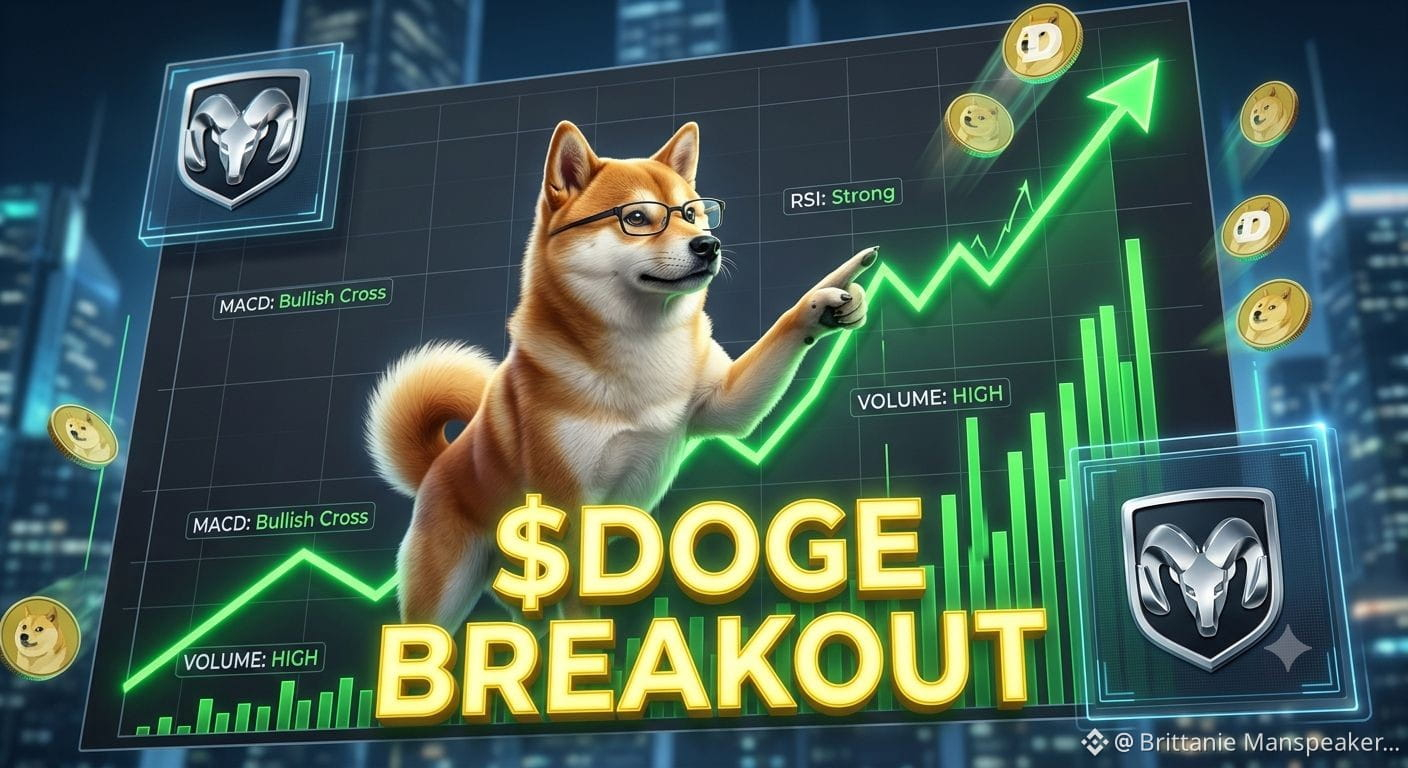
$DOGE BREAKOUT: ¿Vamos a subir este cohete hasta $0.20? 🚀🚨🔥
¡Ey, ejército DOGE, despierten! 🐕✨
Se acabó el letargo. Después de semanas de consolidación, ¡¡el gráfico está gritando alcista!! 📈
Como pueden ver en las barras explosivas de volumen que hemos estado siguiendo, Dogecoin rompió de forma decisiva por encima de un nivel de resistencia crucial (la ruptura del Triángulo Simétrico). Esto no es solo un pequeño empujón; ¡es una declaración fuerte de los alcistas! 📊💪
Por qué esto importa ahora mismo:
$DOGE es conocido por tener un impulso masivo y repentino. Cuando este rey de los memes empieza a rugir, todo el mercado lo observa. Si esta ruptura se mantiene, podríamos estar viendo un rally rápido hacia $0.22 y, si entra la euforia, ¡$0.25 no es descabellado! 🎯🔥
Niveles clave a vigilar:
Sin embargo, debemos mantener la disciplina. La resistencia previa cerca de $0.185 - $0.190 ahora debe sostenerse como SOPORTE. Si falla, podríamos ver un retroceso antes de otro intento. 🛡️🛑
Recuerden, las monedas meme son extremadamente volátiles. Esto no es asesoramiento financiero (HAZ TU PROPIO ANÁLISIS/DYOR). ⚠️
[Tu pregunta de participación (comentario) - DEBE PREGUNTARSE]:
¿Dónde ves a $DOGE al final de esta semana? ¿Estamos rompiendo a golpe $0.25, o viene una corrección? ¡Deja tus objetivos de precio abajo! 👇 Hablemos! 👇
#BinanceSquareTalks #CryptoNewss #MemeWatch2024 #bullish #Write2Earn
{spot}(DOGEUSDT)
$DOGE BREAKOUT: ¿Vamos a subir este cohete hasta $0.20? 🚀🚨🔥
¡Ey, ejército DOGE, despierten! 🐕✨
Se acabó el letargo. Después de semanas de consolidación, ¡¡el gráfico está gritando alcista!! 📈
Como pueden ver en las barras explosivas de volumen que hemos estado siguiendo, Dogecoin rompió de forma decisiva por encima de un nivel de resistencia crucial (la ruptura del Triángulo Simétrico). Esto no es solo un pequeño empujón; ¡es una declaración fuerte de los alcistas! 📊💪
Por qué esto importa ahora mismo:
$DOGE es conocido por tener un impulso masivo y repentino. Cuando este rey de los memes empieza a rugir, todo el mercado lo observa. Si esta ruptura se mantiene, podríamos estar viendo un rally rápido hacia $0.22 y, si entra la euforia, ¡$0.25 no es descabellado! 🎯🔥
Niveles clave a vigilar:
Sin embargo, debemos mantener la disciplina. La resistencia previa cerca de $0.185 - $0.190 ahora debe sostenerse como SOPORTE. Si falla, podríamos ver un retroceso antes de otro intento. 🛡️🛑
Recuerden, las monedas meme son extremadamente volátiles. Esto no es asesoramiento financiero (HAZ TU PROPIO ANÁLISIS/DYOR). ⚠️
[Tu pregunta de participación (comentario) - DEBE PREGUNTARSE]:
¿Dónde ves a $DOGE al final de esta semana? ¿Estamos rompiendo a golpe $0.25, o viene una corrección? ¡Deja tus objetivos de precio abajo! 👇 Hablemos! 👇
#BinanceSquareTalks #CryptoNewss #MemeWatch2024 #bullish #Write2Earn
¡Ey, ejército DOGE, despierten! 🐕✨
Se acabó el letargo. Después de semanas de consolidación, ¡¡el gráfico está gritando alcista!! 📈
Como pueden ver en las barras explosivas de volumen que hemos estado siguiendo, Dogecoin rompió de forma decisiva por encima de un nivel de resistencia crucial (la ruptura del Triángulo Simétrico). Esto no es solo un pequeño empujón; ¡es una declaración fuerte de los alcistas! 📊💪
Por qué esto importa ahora mismo:
$DOGE es conocido por tener un impulso masivo y repentino. Cuando este rey de los memes empieza a rugir, todo el mercado lo observa. Si esta ruptura se mantiene, podríamos estar viendo un rally rápido hacia $0.22 y, si entra la euforia, ¡$0.25 no es descabellado! 🎯🔥
Niveles clave a vigilar:
Sin embargo, debemos mantener la disciplina. La resistencia previa cerca de $0.185 - $0.190 ahora debe sostenerse como SOPORTE. Si falla, podríamos ver un retroceso antes de otro intento. 🛡️🛑
Recuerden, las monedas meme son extremadamente volátiles. Esto no es asesoramiento financiero (HAZ TU PROPIO ANÁLISIS/DYOR). ⚠️
[Tu pregunta de participación (comentario) - DEBE PREGUNTARSE]:
¿Dónde ves a $DOGE al final de esta semana? ¿Estamos rompiendo a golpe $0.25, o viene una corrección? ¡Deja tus objetivos de precio abajo! 👇 Hablemos! 👇
#BinanceSquareTalks #CryptoNewss #MemeWatch2024 #bullish #Write2Earn
130

RADAR DE MEMES
$SHIB — Shiba Inu sigue siendo una de las comunidades de meme-coin más grandes y puede volverse altamente volátil durante las rotaciones de memes.
{spot}(SHIBUSDT)
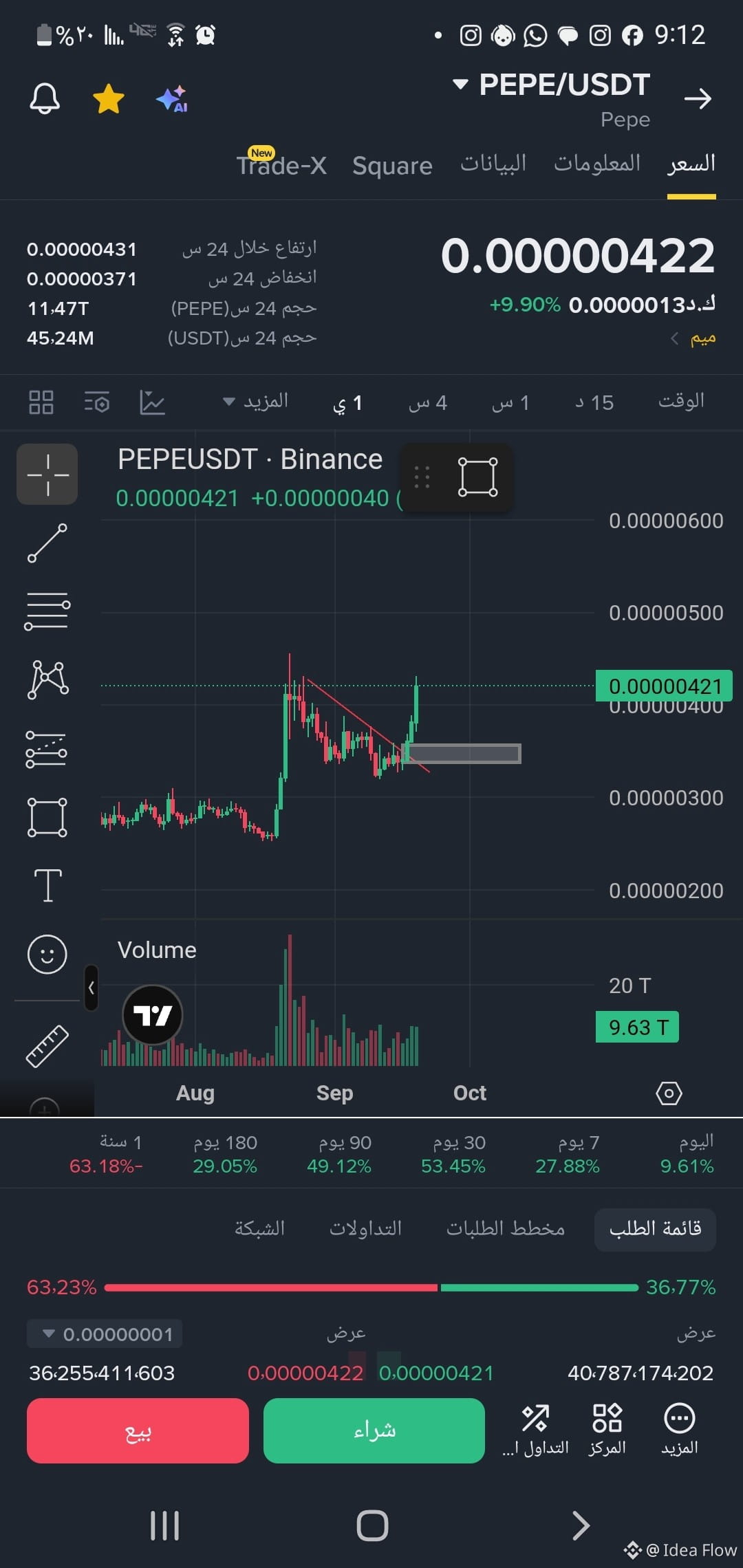
$PEPE — Pepe continúa siendo un nombre importante para el trading de meme-coins con un gran interés especulativo.
{spot}(PEPEUSDT)
$FLOKI — FLOKI permanece en las pantallas de los traders cada vez que se acelera el impulso de los meme-coins.
{spot}(FLOKIUSDT)
#BinanceSquare #MemeWatch2024 #trading #CryptoNews #crypto
RADAR DE MEMES
$SHIB — Shiba Inu sigue siendo una de las comunidades de meme-coin más grandes y puede volverse altamente volátil durante las rotaciones de memes.
$PEPE — Pepe continúa siendo un nombre importante para el trading de meme-coins con un gran interés especulativo.
$FLOKI — FLOKI permanece en las pantallas de los traders cada vez que se acelera el impulso de los meme-coins.
#BinanceSquare #MemeWatch2024 #trading #CryptoNews #crypto
$SHIB — Shiba Inu sigue siendo una de las comunidades de meme-coin más grandes y puede volverse altamente volátil durante las rotaciones de memes.
$PEPE — Pepe continúa siendo un nombre importante para el trading de meme-coins con un gran interés especulativo.
$FLOKI — FLOKI permanece en las pantallas de los traders cada vez que se acelera el impulso de los meme-coins.
#BinanceSquare #MemeWatch2024 #trading #CryptoNews #crypto
2
247
·
--
$MEME
{spot}(MEMEUSDT)
El sector de las memecoins está mostrando un tono de “risk-on” y alta volatilidad. Los datos del mercado público estiman que la capitalización bursátil combinada del sector es de aproximadamente 60,9B USD, con alrededor de 9,6B USD en volumen de operaciones en 24 horas al 24 de agosto de 2026. Esto indica una actividad especulativa renovada, pero no confirma una tendencia sostenida. Parte de la información de esta respuesta proviene de fuentes web externas.
Fortaleza más amplia del cripto: El último resumen diario del mercado mostró que BTC subió +0,2%, ETH subió +1,2% y SOL subió +2,4% en 24 horas al 23 de agosto de 2026. Cuando mejora el sentimiento en cripto de gran capitalización, a menudo el capital rota hacia memecoins de mayor riesgo.
Impulso de PEPE: Las actualizaciones públicas recientes informaron que PEPE subió aproximadamente 17% el 22 de agosto de 2026, alcanzando su nivel más alto desde mayo y rompiendo una caída más prolongada. Esto ayudó a reavivar la atención en las memecoins de Ethereum ya establecidas.
Las memecoins de gran capitalización siguen siendo los principales centros de liquidez: DOGE, SHIB y PEPE aún son puntos de referencia importantes para el sector, mientras que BONK y otras memecoins basadas en Solana tienden a reaccionar con fuerza al impulso del ecosistema de Solana.
Trading impulsado por narrativa: Las memecoins continúan estando influenciadas más por la actividad de la comunidad, el contenido viral, la liquidez en exchanges y el ánimo general del mercado que por los fundamentos convencionales.
Riesgos clave a vigilar
Los movimientos bruscos pueden estar impulsados por el apalancamiento y las liquidaciones cortas, que pueden deshacerse rápidamente.
Las memecoins más pequeñas pueden tener liquidez limitada, lo que incrementa el deslizamiento y la volatilidad.
Un mercado más débil de BTC, ETH o SOL puede reducir rápidamente el apetito por el riesgo de las memecoins.
El “hype” en redes sociales por sí solo no es una medida duradera de la calidad del proyecto ni de la demanda a largo plazo.
Lectura del mercado:
El impulso es constructivo para el sector, pero sigue siendo selectivo y frágil. Observa si el volumen de operaciones se mantiene elevado y si monedas importantes como DOGE, SHIB, PEPE y BONK conservan el interés después de la fase inicial del rally.
#MEME #MemeWatch2024
$MEME
El sector de las memecoins está mostrando un tono de “risk-on” y alta volatilidad. Los datos del mercado público estiman que la capitalización bursátil combinada del sector es de aproximadamente 60,9B USD, con alrededor de 9,6B USD en volumen de operaciones en 24 horas al 24 de agosto de 2026. Esto indica una actividad especulativa renovada, pero no confirma una tendencia sostenida. Parte de la información de esta respuesta proviene de fuentes web externas.
Fortaleza más amplia del cripto: El último resumen diario del mercado mostró que BTC subió +0,2%, ETH subió +1,2% y SOL subió +2,4% en 24 horas al 23 de agosto de 2026. Cuando mejora el sentimiento en cripto de gran capitalización, a menudo el capital rota hacia memecoins de mayor riesgo.
Impulso de PEPE: Las actualizaciones públicas recientes informaron que PEPE subió aproximadamente 17% el 22 de agosto de 2026, alcanzando su nivel más alto desde mayo y rompiendo una caída más prolongada. Esto ayudó a reavivar la atención en las memecoins de Ethereum ya establecidas.
Las memecoins de gran capitalización siguen siendo los principales centros de liquidez: DOGE, SHIB y PEPE aún son puntos de referencia importantes para el sector, mientras que BONK y otras memecoins basadas en Solana tienden a reaccionar con fuerza al impulso del ecosistema de Solana.
Trading impulsado por narrativa: Las memecoins continúan estando influenciadas más por la actividad de la comunidad, el contenido viral, la liquidez en exchanges y el ánimo general del mercado que por los fundamentos convencionales.
Riesgos clave a vigilar
Los movimientos bruscos pueden estar impulsados por el apalancamiento y las liquidaciones cortas, que pueden deshacerse rápidamente.
Las memecoins más pequeñas pueden tener liquidez limitada, lo que incrementa el deslizamiento y la volatilidad.
Un mercado más débil de BTC, ETH o SOL puede reducir rápidamente el apetito por el riesgo de las memecoins.
El “hype” en redes sociales por sí solo no es una medida duradera de la calidad del proyecto ni de la demanda a largo plazo.
Lectura del mercado:
El impulso es constructivo para el sector, pero sigue siendo selectivo y frágil. Observa si el volumen de operaciones se mantiene elevado y si monedas importantes como DOGE, SHIB, PEPE y BONK conservan el interés después de la fase inicial del rally.
#MEME #MemeWatch2024
El sector de las memecoins está mostrando un tono de “risk-on” y alta volatilidad. Los datos del mercado público estiman que la capitalización bursátil combinada del sector es de aproximadamente 60,9B USD, con alrededor de 9,6B USD en volumen de operaciones en 24 horas al 24 de agosto de 2026. Esto indica una actividad especulativa renovada, pero no confirma una tendencia sostenida. Parte de la información de esta respuesta proviene de fuentes web externas.
Fortaleza más amplia del cripto: El último resumen diario del mercado mostró que BTC subió +0,2%, ETH subió +1,2% y SOL subió +2,4% en 24 horas al 23 de agosto de 2026. Cuando mejora el sentimiento en cripto de gran capitalización, a menudo el capital rota hacia memecoins de mayor riesgo.
Impulso de PEPE: Las actualizaciones públicas recientes informaron que PEPE subió aproximadamente 17% el 22 de agosto de 2026, alcanzando su nivel más alto desde mayo y rompiendo una caída más prolongada. Esto ayudó a reavivar la atención en las memecoins de Ethereum ya establecidas.
Las memecoins de gran capitalización siguen siendo los principales centros de liquidez: DOGE, SHIB y PEPE aún son puntos de referencia importantes para el sector, mientras que BONK y otras memecoins basadas en Solana tienden a reaccionar con fuerza al impulso del ecosistema de Solana.
Trading impulsado por narrativa: Las memecoins continúan estando influenciadas más por la actividad de la comunidad, el contenido viral, la liquidez en exchanges y el ánimo general del mercado que por los fundamentos convencionales.
Riesgos clave a vigilar
Los movimientos bruscos pueden estar impulsados por el apalancamiento y las liquidaciones cortas, que pueden deshacerse rápidamente.
Las memecoins más pequeñas pueden tener liquidez limitada, lo que incrementa el deslizamiento y la volatilidad.
Un mercado más débil de BTC, ETH o SOL puede reducir rápidamente el apetito por el riesgo de las memecoins.
El “hype” en redes sociales por sí solo no es una medida duradera de la calidad del proyecto ni de la demanda a largo plazo.
Lectura del mercado:
El impulso es constructivo para el sector, pero sigue siendo selectivo y frágil. Observa si el volumen de operaciones se mantiene elevado y si monedas importantes como DOGE, SHIB, PEPE y BONK conservan el interés después de la fase inicial del rally.
#MEME #MemeWatch2024
1
130
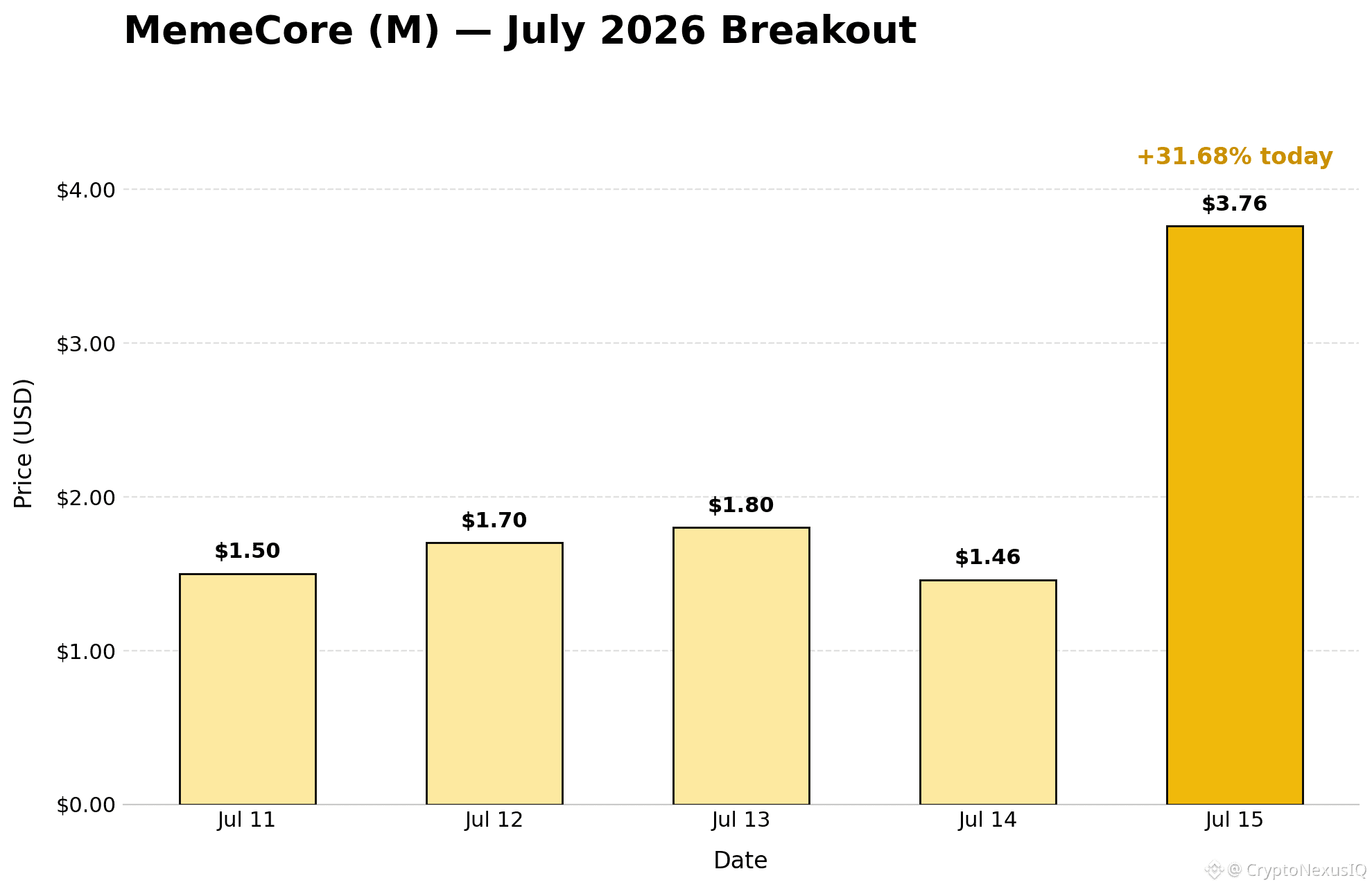
Un token de 4.9 MIL MILLONES acaba de duplicarse en días — y hoy sigue subiendo.
$MEME (M) no es un impulso cualquiera. Es la blockchain Layer-1 creada para convertir memes en una economía real — y ahora mismo, ha subido más de un 31% solo hoy, extendiendo una ruptura que la ha hecho disparar de alrededor de $1.46 a $3.76 en cuestión de días.
Esto es lo que la está impulsando:
⚡ Los compradores defendieron un soporte clave — después de semanas de consolidación, M rompió con fuerza y no ha mirado atrás
🐋 Un compromiso de recompra de más de 10M$ de MemeCore Foundation le dio a los traders una convicción real de que el equipo respalda el token
🚀 La narrativa de Meme 2.0 está cobrando fuerza — Meme se está posicionando como la capa de infraestructura para toda la próxima generación de cripto basada en memes
Cómpralo ahora mientras la ruptura está fresca — o mira cómo despega el siguiente tramo sin ti.
#MEME #MemeWatch2024 #BinanceSquareTalks #BİNANCE
{spot}(MEMEUSDT)
Un token de 4.9 MIL MILLONES acaba de duplicarse en días — y hoy sigue subiendo.
$MEME (M) no es un impulso cualquiera. Es la blockchain Layer-1 creada para convertir memes en una economía real — y ahora mismo, ha subido más de un 31% solo hoy, extendiendo una ruptura que la ha hecho disparar de alrededor de $1.46 a $3.76 en cuestión de días.
Esto es lo que la está impulsando:
⚡ Los compradores defendieron un soporte clave — después de semanas de consolidación, M rompió con fuerza y no ha mirado atrás
🐋 Un compromiso de recompra de más de 10M$ de MemeCore Foundation le dio a los traders una convicción real de que el equipo respalda el token
🚀 La narrativa de Meme 2.0 está cobrando fuerza — Meme se está posicionando como la capa de infraestructura para toda la próxima generación de cripto basada en memes
Cómpralo ahora mientras la ruptura está fresca — o mira cómo despega el siguiente tramo sin ti.
#MEME #MemeWatch2024 #BinanceSquareTalks #BİNANCE
$MEME (M) no es un impulso cualquiera. Es la blockchain Layer-1 creada para convertir memes en una economía real — y ahora mismo, ha subido más de un 31% solo hoy, extendiendo una ruptura que la ha hecho disparar de alrededor de $1.46 a $3.76 en cuestión de días.
Esto es lo que la está impulsando:
⚡ Los compradores defendieron un soporte clave — después de semanas de consolidación, M rompió con fuerza y no ha mirado atrás
🐋 Un compromiso de recompra de más de 10M$ de MemeCore Foundation le dio a los traders una convicción real de que el equipo respalda el token
🚀 La narrativa de Meme 2.0 está cobrando fuerza — Meme se está posicionando como la capa de infraestructura para toda la próxima generación de cripto basada en memes
Cómpralo ahora mientras la ruptura está fresca — o mira cómo despega el siguiente tramo sin ti.
#MEME #MemeWatch2024 #BinanceSquareTalks #BİNANCE
317
$SHIB — SHIB está recibiendo otra ola de atención mientras los traders vuelven a entrar en activos más riesgosos. Las monedas meme podrían ser la próxima gran rotación.
{spot}(SHIBUSDT)
$PEPE — PEPE sigue siendo uno de los primeros nombres que los traders vigilan cuando empieza a construirse el impulso de las memecoin.
{spot}(PEPEUSDT)
$WIF — WIF también está reaccionando al mejor ambiente del mercado. Estoy vigilando el volumen antes de emocionarme demasiado.
{spot}(WIFUSDT)
#SHIB #PEPE #WIF #crypto #MemeWatch2024
$SHIB — SHIB está recibiendo otra ola de atención mientras los traders vuelven a entrar en activos más riesgosos. Las monedas meme podrían ser la próxima gran rotación.
$PEPE — PEPE sigue siendo uno de los primeros nombres que los traders vigilan cuando empieza a construirse el impulso de las memecoin.
$WIF — WIF también está reaccionando al mejor ambiente del mercado. Estoy vigilando el volumen antes de emocionarme demasiado.
#SHIB #PEPE #WIF #crypto #MemeWatch2024
$PEPE — PEPE sigue siendo uno de los primeros nombres que los traders vigilan cuando empieza a construirse el impulso de las memecoin.
$WIF — WIF también está reaccionando al mejor ambiente del mercado. Estoy vigilando el volumen antes de emocionarme demasiado.
#SHIB #PEPE #WIF #crypto #MemeWatch2024
1
36

$BTC $PEPE $DOGE , hay una mejora clara hoy 25 de agosto de 2026, y el sector de las memecoins ha comenzado a beneficiarse de la vuelta del apetito por el riesgo en el mercado. Pero es importante mantener la cautela, ya que el movimiento es demasiado rápido.
🚀 Lo más importante que está ocurriendo ahora
Bitcoin volvió por encima de 80.000$ y registró una fuerte subida durante la semana; esto normalmente abre la puerta a que la liquidez se mueva hacia monedas alternativas y memecoins. �
Reuters +1
DOGE y SHIB se movieron con fuerza durante la semana; DOGE registró cerca de +33% y SHIB alrededor de +30% según los datos de hoy. �
India Today
PEPE también está en una etapa importante; el análisis publicado hoy indica que superar la zona de 0.000004269$ podría darle un impulso adicional. �
Coin Edition
WIF apareció con fuerza entre las memecoins, con una subida superior al 16% en una sesión reciente y un gran aumento en el volumen de operaciones. �
AMBCrypto
🎯 Mi lectura del mercado
Lo más importante ahora no es perseguir cualquier moneda que haya subido 20–30%. El mercado parece estar en una fase de transición desde la recuperación de BTC hacia la expansión de la liquidez hacia algunas altcoins y memecoins, pero todavía no hemos llegado a un «temporada de memecoins» completa; los datos actuales sugieren que la liquidez sigue siendo selectiva. �
KuCoin
Para PEPE en particular: lo veo como una de las monedas que vale la pena seguir, pero lo mejor es esperar la confirmación del rompimiento y el volumen en lugar de entrar solo por la subida del precio.#MemeWatch2024 #PEPE市值超越LTC
$BTC $PEPE $DOGE , hay una mejora clara hoy 25 de agosto de 2026, y el sector de las memecoins ha comenzado a beneficiarse de la vuelta del apetito por el riesgo en el mercado. Pero es importante mantener la cautela, ya que el movimiento es demasiado rápido.
🚀 Lo más importante que está ocurriendo ahora
Bitcoin volvió por encima de 80.000$ y registró una fuerte subida durante la semana; esto normalmente abre la puerta a que la liquidez se mueva hacia monedas alternativas y memecoins. �
Reuters +1
DOGE y SHIB se movieron con fuerza durante la semana; DOGE registró cerca de +33% y SHIB alrededor de +30% según los datos de hoy. �
India Today
PEPE también está en una etapa importante; el análisis publicado hoy indica que superar la zona de 0.000004269$ podría darle un impulso adicional. �
Coin Edition
WIF apareció con fuerza entre las memecoins, con una subida superior al 16% en una sesión reciente y un gran aumento en el volumen de operaciones. �
AMBCrypto
🎯 Mi lectura del mercado
Lo más importante ahora no es perseguir cualquier moneda que haya subido 20–30%. El mercado parece estar en una fase de transición desde la recuperación de BTC hacia la expansión de la liquidez hacia algunas altcoins y memecoins, pero todavía no hemos llegado a un «temporada de memecoins» completa; los datos actuales sugieren que la liquidez sigue siendo selectiva. �
KuCoin
Para PEPE en particular: lo veo como una de las monedas que vale la pena seguir, pero lo mejor es esperar la confirmación del rompimiento y el volumen en lugar de entrar solo por la subida del precio.#MemeWatch2024 #PEPE市值超越LTC
🚀 Lo más importante que está ocurriendo ahora
Bitcoin volvió por encima de 80.000$ y registró una fuerte subida durante la semana; esto normalmente abre la puerta a que la liquidez se mueva hacia monedas alternativas y memecoins. �
Reuters +1
DOGE y SHIB se movieron con fuerza durante la semana; DOGE registró cerca de +33% y SHIB alrededor de +30% según los datos de hoy. �
India Today
PEPE también está en una etapa importante; el análisis publicado hoy indica que superar la zona de 0.000004269$ podría darle un impulso adicional. �
Coin Edition
WIF apareció con fuerza entre las memecoins, con una subida superior al 16% en una sesión reciente y un gran aumento en el volumen de operaciones. �
AMBCrypto
🎯 Mi lectura del mercado
Lo más importante ahora no es perseguir cualquier moneda que haya subido 20–30%. El mercado parece estar en una fase de transición desde la recuperación de BTC hacia la expansión de la liquidez hacia algunas altcoins y memecoins, pero todavía no hemos llegado a un «temporada de memecoins» completa; los datos actuales sugieren que la liquidez sigue siendo selectiva. �
KuCoin
Para PEPE en particular: lo veo como una de las monedas que vale la pena seguir, pero lo mejor es esperar la confirmación del rompimiento y el volumen en lugar de entrar solo por la subida del precio.#MemeWatch2024 #PEPE市值超越LTC
260
·
--
Alcista
🚀 $MEME
{spot}(MEMEUSDT)
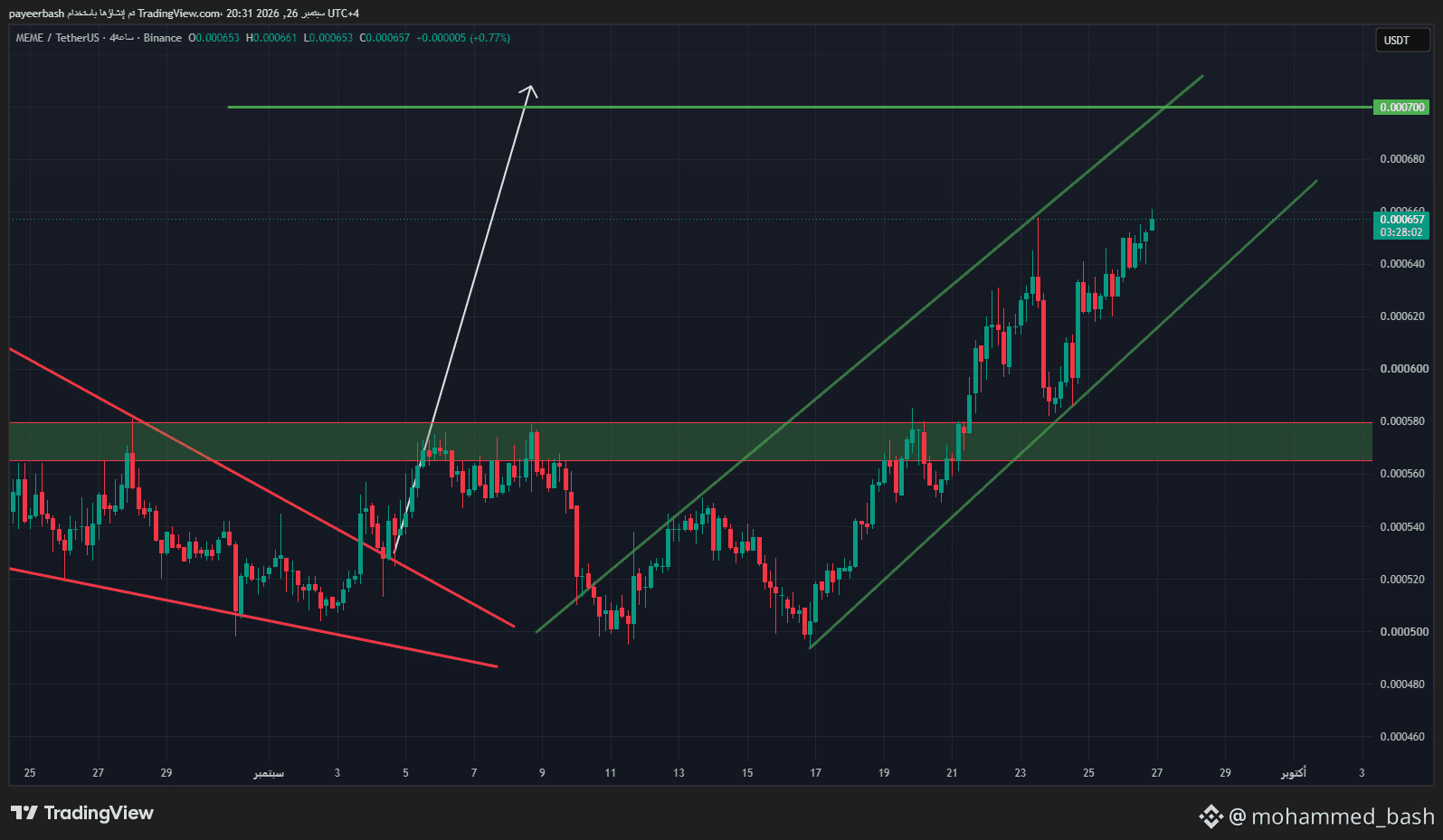
Se negocia dentro de un canal ascendente
La moneda se mueve actualmente dentro de un rango de canal de precio ascendente en el marco temporal [حدد الإطار: 4 horas / diario] lo que refleja la continuidad del impulso positivo y el movimiento entre niveles de mínimos y máximos ascendentes
#MEME
#CircleMints500MUSDCOnSolana
#MemeWatch2024
#meme板块关注热点
🚀 $MEME
Se negocia dentro de un canal ascendente
La moneda se mueve actualmente dentro de un rango de canal de precio ascendente en el marco temporal [حدد الإطار: 4 horas / diario] lo que refleja la continuidad del impulso positivo y el movimiento entre niveles de mínimos y máximos ascendentes
#MEME
#CircleMints500MUSDCOnSolana
#MemeWatch2024
#meme板块关注热点
Se negocia dentro de un canal ascendente
La moneda se mueve actualmente dentro de un rango de canal de precio ascendente en el marco temporal [حدد الإطار: 4 horas / diario] lo que refleja la continuidad del impulso positivo y el movimiento entre niveles de mínimos y máximos ascendentes
#MEME
#CircleMints500MUSDCOnSolana
#MemeWatch2024
#meme板块关注热点
171

·
--
Alcista
$PEPE $1000PEPE
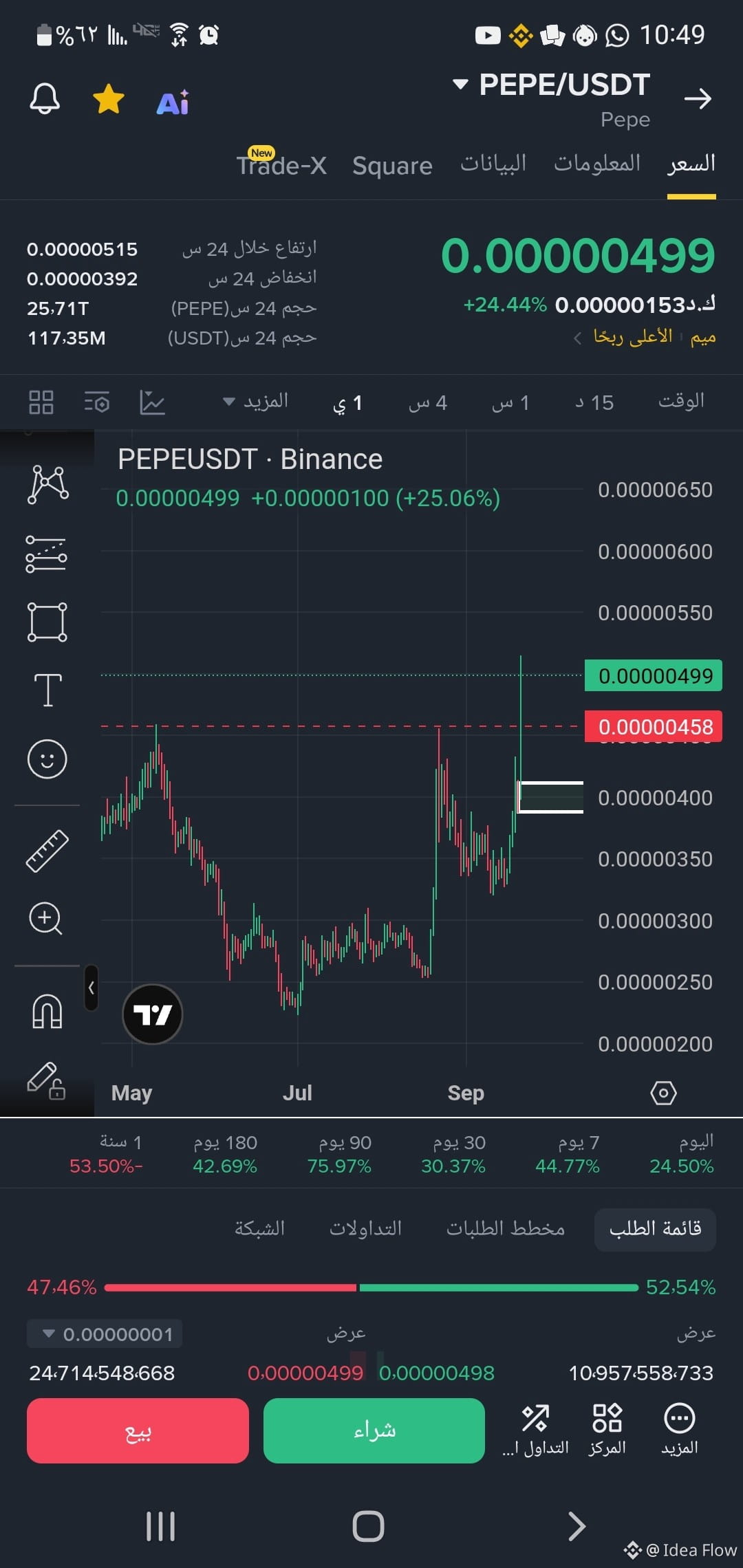
Herida positiva y fuerte 🤍 La leyenda ha vuelto 🔥 Enviemos PEPE a 0.008$
📌 Entrada: 0.0049$ - 0.005$
Tp¹:$0.0050✅️
Tp²:$0.0057✅️
Tp³:$ 0.006✅️
Tp⁴:$0.007✅️
Tp⁵:$0.008✅️
SL:$0.0045 🚫
{spot}(PEPEUSDT)
{future}(1000PEPEUSDT)
#PEPE #MemeWatch2024
$PEPE $1000PEPE
Herida positiva y fuerte 🤍 La leyenda ha vuelto 🔥 Enviemos PEPE a 0.008$
📌 Entrada: 0.0049$ - 0.005$
Tp¹:$0.0050✅️
Tp²:$0.0057✅️
Tp³:$ 0.006✅️
Tp⁴:$0.007✅️
Tp⁵:$0.008✅️
SL:$0.0045 🚫
#PEPE #MemeWatch2024
Herida positiva y fuerte 🤍 La leyenda ha vuelto 🔥 Enviemos PEPE a 0.008$
📌 Entrada: 0.0049$ - 0.005$
Tp¹:$0.0050✅️
Tp²:$0.0057✅️
Tp³:$ 0.006✅️
Tp⁴:$0.007✅️
Tp⁵:$0.008✅️
SL:$0.0045 🚫
#PEPE #MemeWatch2024
476
·
--
Alcista
$1000PEPE $PEPE
Herida fuerte y el nuevo ciclo alcista apenas empezó 📌 Enviemos PEPE a 0.005$🔥.
📍 Operación LONG
Entrada: 0.0039$- 0.004$
Tp¹: $0.0042✅️
Tp²: $0.0044✅️
Tp³: $0.0047✅️
Tp⁴: $0.005✅️
SL: $0.0031🚫
$PEPE
{spot}(PEPEUSDT)
{future}(1000PEPEUSDT)
#MemeWatch2024
$1000PEPE $PEPE
Herida fuerte y el nuevo ciclo alcista apenas empezó 📌 Enviemos PEPE a 0.005$🔥.
📍 Operación LONG
Entrada: 0.0039$- 0.004$
Tp¹: $0.0042✅️
Tp²: $0.0044✅️
Tp³: $0.0047✅️
Tp⁴: $0.005✅️
SL: $0.0031🚫
$PEPE
#MemeWatch2024
Herida fuerte y el nuevo ciclo alcista apenas empezó 📌 Enviemos PEPE a 0.005$🔥.
📍 Operación LONG
Entrada: 0.0039$- 0.004$
Tp¹: $0.0042✅️
Tp²: $0.0044✅️
Tp³: $0.0047✅️
Tp⁴: $0.005✅️
SL: $0.0031🚫
$PEPE
#MemeWatch2024
746
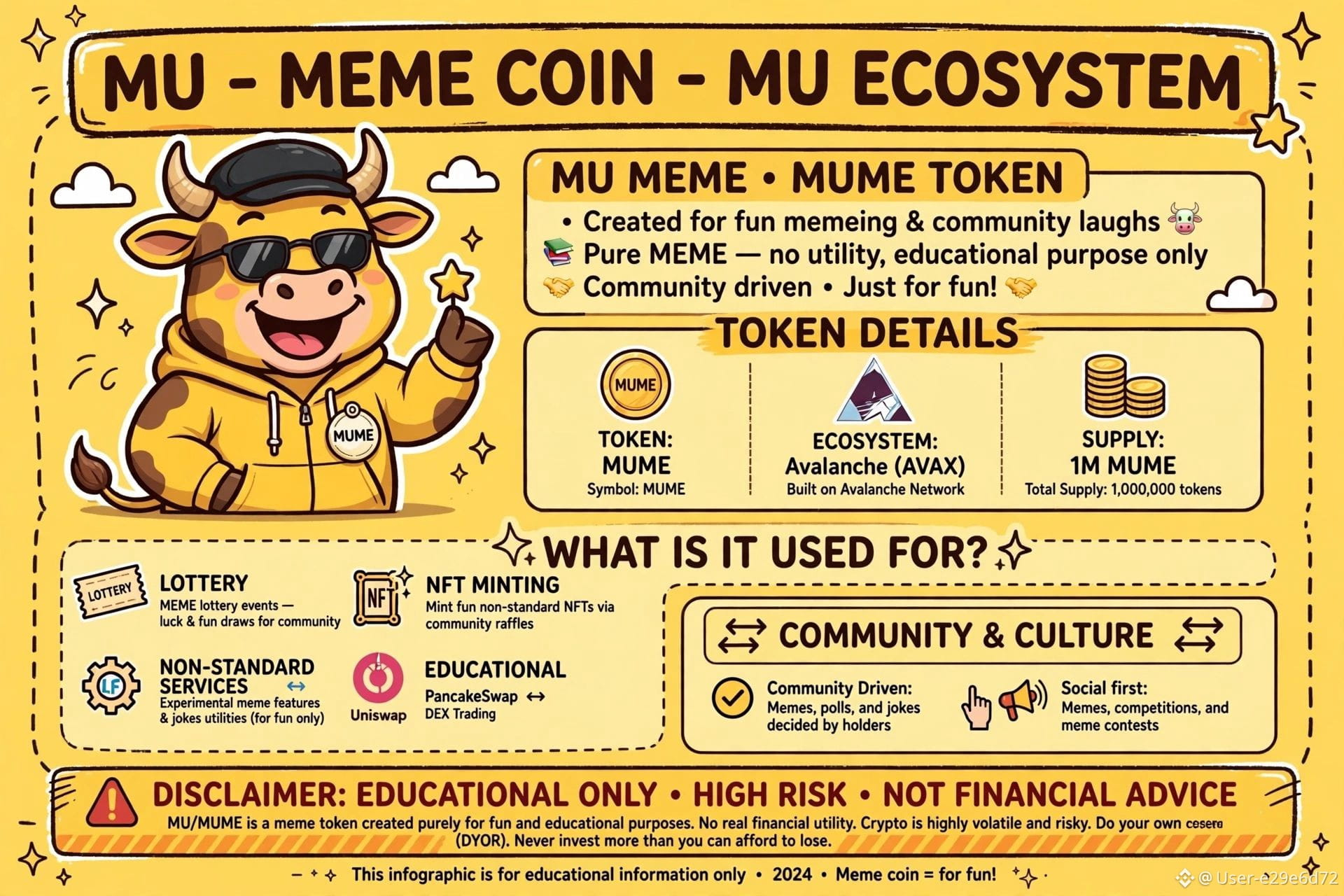
$MU - MUME - MEME COIN 🐮💛
{stock_us}(MU.US)
*¿MU / MUME qué es?*
Mu Meme es un meme coin puro del ecosistema Mu. ¡Su objetivo es solo *FUN + EDUCATION*.
El equipo dice: "No tiene utilidad, nadie debería realmente comprarlo, ¡es un MEME total!" 😂
*¿En qué cadena?*
Está construido en la red *Avalanche (AVAX)* - en el sitio http://mu.money
- Suministro: 1,000,000 MU (solo 1 millón)
- Market Cap: ∼$9.4K - ¡micro cap!
- Trading: en el DEX LFJ (Trader Joe)
*¿Para qué se usa?*
En el ecosistema Mu para el "MEMEing":
1. *Lotería* - sorteos de lotería de la comunidad
2. *Minting de NFT* - acuñar NFTs divertidos
3. *Servicios no estándar* - chistes, funciones experimentales
4. *Educativo* - enseñar al logo a ser bueno, malo, feo, como monedas MEME
*Aviso de riesgo:*
100% impulsado por la comunidad, ¡meme puro! Es muy volátil; ¡no es inversión, es como apostar!
*Subtítulo para FB:*
> MU - Moooo! 🐄 MUME MEME COIN!
> Creado únicamente para FUN y LOLs!
> Sin utilidad = ¡Solo cultura de memes!
> Red Avalanche | 1M de suministro | ¿Joya de micro cap?
> Recuerda: ¡Las memecoins son de ALTO RIESGO!
> Solo educativo, ¡no es asesoramiento financiero!
> #MU #MemeWatch2024 UME #MemeWatch2024 eCoin #altcoins VAX #AvalancheAVAX he #CryptoMeme
$MU - MUME - MEME COIN 🐮💛
*¿MU / MUME qué es?*
Mu Meme es un meme coin puro del ecosistema Mu. ¡Su objetivo es solo *FUN + EDUCATION*.
El equipo dice: "No tiene utilidad, nadie debería realmente comprarlo, ¡es un MEME total!" 😂
*¿En qué cadena?*
Está construido en la red *Avalanche (AVAX)* - en el sitio http://mu.money
- Suministro: 1,000,000 MU (solo 1 millón)
- Market Cap: ∼$9.4K - ¡micro cap!
- Trading: en el DEX LFJ (Trader Joe)
*¿Para qué se usa?*
En el ecosistema Mu para el "MEMEing":
1. *Lotería* - sorteos de lotería de la comunidad
2. *Minting de NFT* - acuñar NFTs divertidos
3. *Servicios no estándar* - chistes, funciones experimentales
4. *Educativo* - enseñar al logo a ser bueno, malo, feo, como monedas MEME
*Aviso de riesgo:*
100% impulsado por la comunidad, ¡meme puro! Es muy volátil; ¡no es inversión, es como apostar!
*Subtítulo para FB:*
> MU - Moooo! 🐄 MUME MEME COIN!
> Creado únicamente para FUN y LOLs!
> Sin utilidad = ¡Solo cultura de memes!
> Red Avalanche | 1M de suministro | ¿Joya de micro cap?
> Recuerda: ¡Las memecoins son de ALTO RIESGO!
> Solo educativo, ¡no es asesoramiento financiero!
> #MU #MemeWatch2024 UME #MemeWatch2024 eCoin #altcoins VAX #AvalancheAVAX he #CryptoMeme
*¿MU / MUME qué es?*
Mu Meme es un meme coin puro del ecosistema Mu. ¡Su objetivo es solo *FUN + EDUCATION*.
El equipo dice: "No tiene utilidad, nadie debería realmente comprarlo, ¡es un MEME total!" 😂
*¿En qué cadena?*
Está construido en la red *Avalanche (AVAX)* - en el sitio http://mu.money
- Suministro: 1,000,000 MU (solo 1 millón)
- Market Cap: ∼$9.4K - ¡micro cap!
- Trading: en el DEX LFJ (Trader Joe)
*¿Para qué se usa?*
En el ecosistema Mu para el "MEMEing":
1. *Lotería* - sorteos de lotería de la comunidad
2. *Minting de NFT* - acuñar NFTs divertidos
3. *Servicios no estándar* - chistes, funciones experimentales
4. *Educativo* - enseñar al logo a ser bueno, malo, feo, como monedas MEME
*Aviso de riesgo:*
100% impulsado por la comunidad, ¡meme puro! Es muy volátil; ¡no es inversión, es como apostar!
*Subtítulo para FB:*
> MU - Moooo! 🐄 MUME MEME COIN!
> Creado únicamente para FUN y LOLs!
> Sin utilidad = ¡Solo cultura de memes!
> Red Avalanche | 1M de suministro | ¿Joya de micro cap?
> Recuerda: ¡Las memecoins son de ALTO RIESGO!
> Solo educativo, ¡no es asesoramiento financiero!
> #MU #MemeWatch2024 UME #MemeWatch2024 eCoin #altcoins VAX #AvalancheAVAX he #CryptoMeme
97

·
--
$MEME
{spot}(MEMEUSDT)
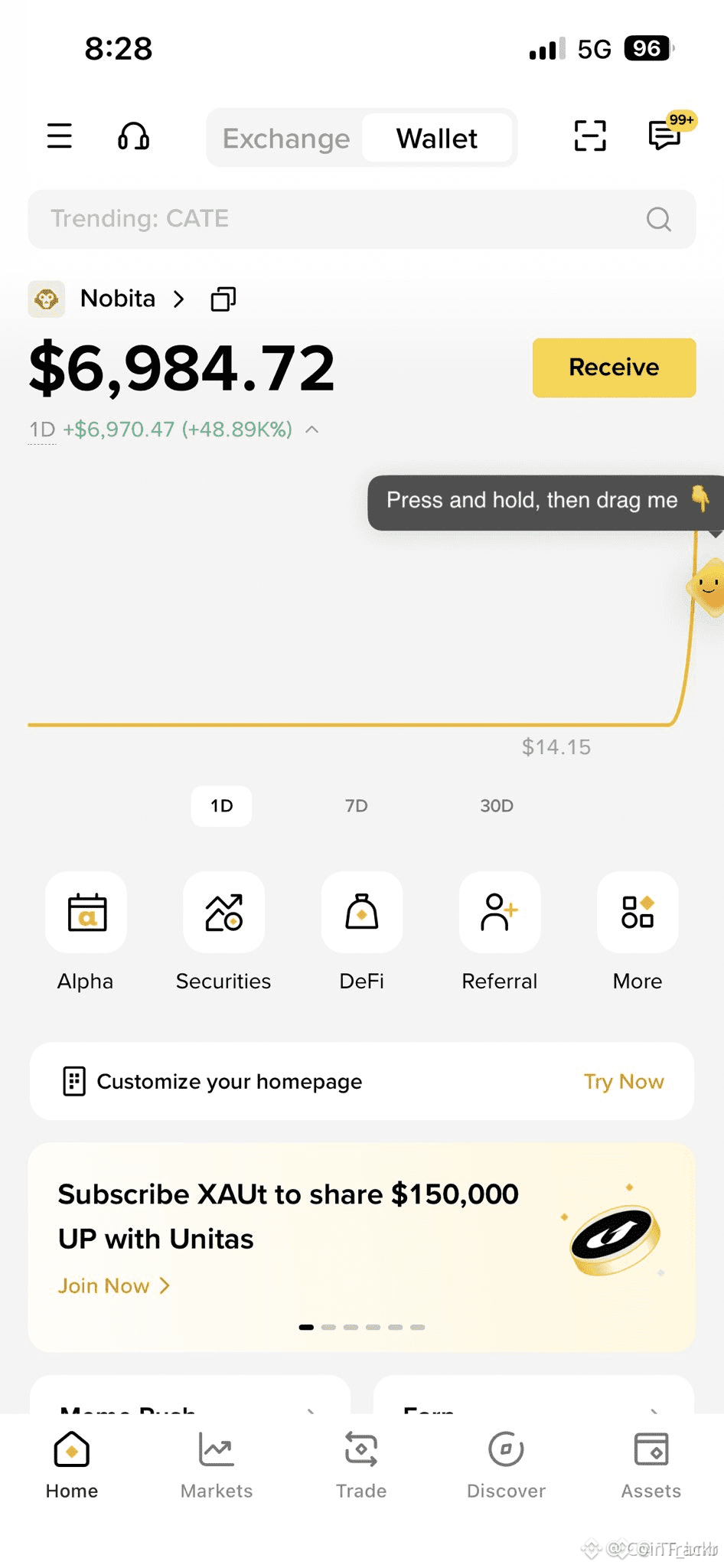
Mi amigo compró al azar una moneda meme en Binance Wallet... y terminó obteniendo una ganancia increíble.
Quizás ya es hora de dejar el trabajo de 9 a 5 y empezar a buscar la próxima gran oportunidad en Binance Wallet.
Los primeros en entrar siempre tienen la mayor ventaja.
Únete temprano y no te pierdas la próxima:
https://web3.binance.com/
#MemeWatch2024
$MEME
Mi amigo compró al azar una moneda meme en Binance Wallet... y terminó obteniendo una ganancia increíble.
Quizás ya es hora de dejar el trabajo de 9 a 5 y empezar a buscar la próxima gran oportunidad en Binance Wallet.
Los primeros en entrar siempre tienen la mayor ventaja.
Únete temprano y no te pierdas la próxima:
https://web3.binance.com/
#MemeWatch2024
Mi amigo compró al azar una moneda meme en Binance Wallet... y terminó obteniendo una ganancia increíble.
Quizás ya es hora de dejar el trabajo de 9 a 5 y empezar a buscar la próxima gran oportunidad en Binance Wallet.
Los primeros en entrar siempre tienen la mayor ventaja.
Únete temprano y no te pierdas la próxima:
https://web3.binance.com/
#MemeWatch2024
1
324


🚨 $MEME ACABA DE SUBIR 4X EN ROBINHOOD EN LA CADENA
Según se informa, pasó de aproximadamente $40M → $150M en market cap en horas.
Todos dijeron que ya estaba muerto.
Luego explotó.
🔥 4x durante la noche
Pero aquí está lo que realmente es interesante:
Esto no es solo otro impulso de memecoin.
$MEME se convirtió en parte del inusual ecosistema de trading de acciones + memes de Robinhood Chain,
con liquidez emparejada contra la acción tokenizada de AMC.
Eso es lo que hace que Robinhood Chain sea tan interesante ahora mismo.
Activos tradicionales de un lado.
Especulación de memecoin del otro.
Y traders conectando ambos.
La pregunta más grande no es si $MEME puede volver a subir.
Sino si Robinhood Chain está creando un tipo completamente nuevo de mercado on-chain.
👀 ¿Qué piensas?
#crypto #MemeWatch2024 #RobinhoodChain #memecoin #defi
🚨 $MEME ACABA DE SUBIR 4X EN ROBINHOOD EN LA CADENA
Según se informa, pasó de aproximadamente $40M → $150M en market cap en horas.
Todos dijeron que ya estaba muerto.
Luego explotó.
🔥 4x durante la noche
Pero aquí está lo que realmente es interesante:
Esto no es solo otro impulso de memecoin.
$MEME se convirtió en parte del inusual ecosistema de trading de acciones + memes de Robinhood Chain,
con liquidez emparejada contra la acción tokenizada de AMC.
Eso es lo que hace que Robinhood Chain sea tan interesante ahora mismo.
Activos tradicionales de un lado.
Especulación de memecoin del otro.
Y traders conectando ambos.
La pregunta más grande no es si $MEME puede volver a subir.
Sino si Robinhood Chain está creando un tipo completamente nuevo de mercado on-chain.
👀 ¿Qué piensas?
#crypto #MemeWatch2024 #RobinhoodChain #memecoin #defi
Según se informa, pasó de aproximadamente $40M → $150M en market cap en horas.
Todos dijeron que ya estaba muerto.
Luego explotó.
🔥 4x durante la noche
Pero aquí está lo que realmente es interesante:
Esto no es solo otro impulso de memecoin.
$MEME se convirtió en parte del inusual ecosistema de trading de acciones + memes de Robinhood Chain,
con liquidez emparejada contra la acción tokenizada de AMC.
Eso es lo que hace que Robinhood Chain sea tan interesante ahora mismo.
Activos tradicionales de un lado.
Especulación de memecoin del otro.
Y traders conectando ambos.
La pregunta más grande no es si $MEME puede volver a subir.
Sino si Robinhood Chain está creando un tipo completamente nuevo de mercado on-chain.
👀 ¿Qué piensas?
#crypto #MemeWatch2024 #RobinhoodChain #memecoin #defi
443
·
--
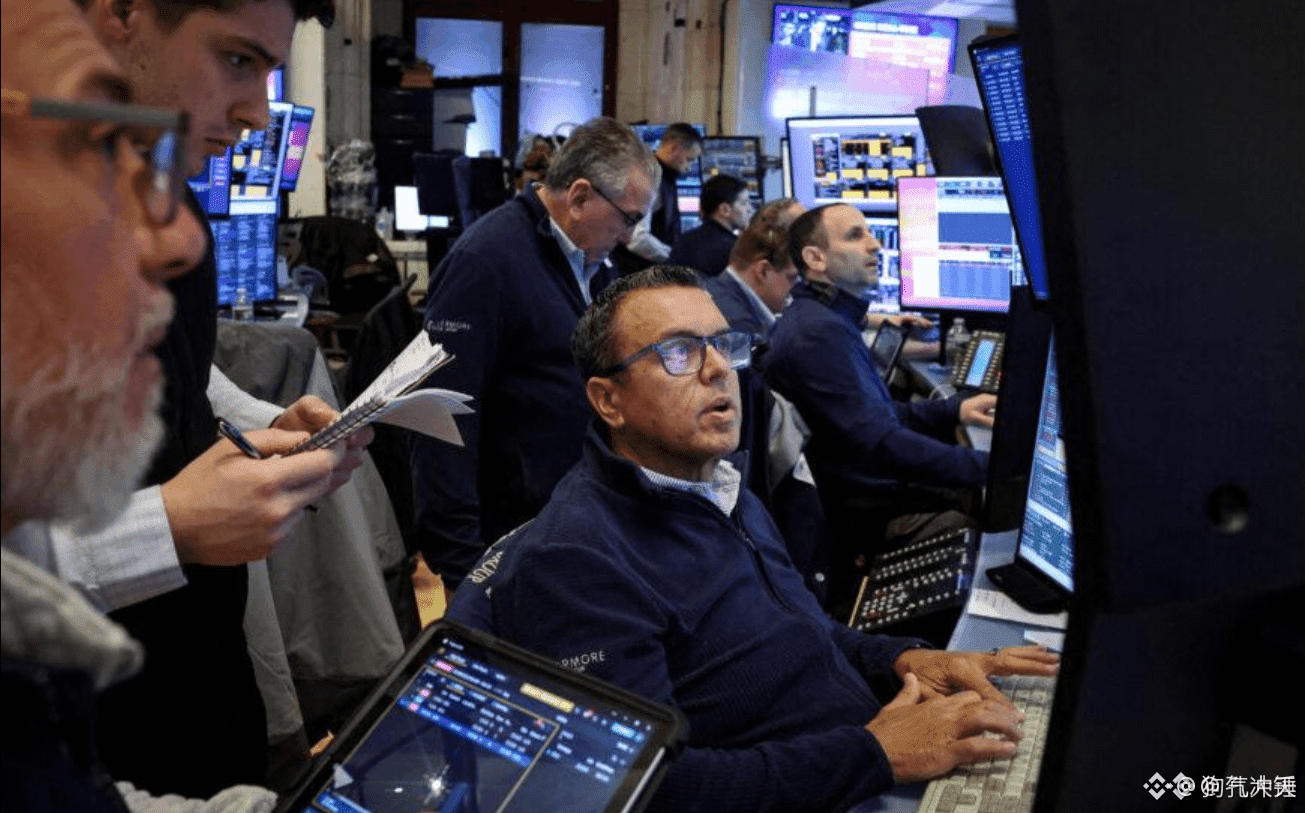
$BTC $ETH $牛来 Ahora es un gran tema en el círculo; todo el mundo pregunta todos los días si se ha firmado o no el contrato de la salida a bolsa. El valor de mercado sigue subiendo hasta 120 millones; los usuarios que se quedaron fuera y no compraron a tiempo se golpean el muslo en el acto y se imaginan que entrar en bajo directamente “se acuestan y se vuelven ricos”. Hay rumores verdaderos y falsos por todas partes; cada día hay una “nueva bomba”. Es, sin duda, la criptomoneda meme con mejor efecto de entretenimiento de los últimos tiempos. #Según se informa, el Talibán en Afganistán prohíbe en todo el país las transacciones con cripto #比特币现货ETF结束9日净流入
#MemeWatch2024
#韩国单股杠杆ETF交易下降
{web3_wallet_create}(560xc6bff31bbfa84d3c05ad61d8ec47be8b31517777)
$BTC $ETH $牛来 Ahora es un gran tema en el círculo; todo el mundo pregunta todos los días si se ha firmado o no el contrato de la salida a bolsa. El valor de mercado sigue subiendo hasta 120 millones; los usuarios que se quedaron fuera y no compraron a tiempo se golpean el muslo en el acto y se imaginan que entrar en bajo directamente “se acuestan y se vuelven ricos”. Hay rumores verdaderos y falsos por todas partes; cada día hay una “nueva bomba”. Es, sin duda, la criptomoneda meme con mejor efecto de entretenimiento de los últimos tiempos. #Según se informa, el Talibán en Afganistán prohíbe en todo el país las transacciones con cripto #比特币现货ETF结束9日净流入
#MemeWatch2024
#韩国单股杠杆ETF交易下降
#MemeWatch2024
#韩国单股杠杆ETF交易下降
2
1.2k

#CaliforniaBillWouldBarOfficialMemeCoins
🚨 Legisladores de California están considerando un proyecto de ley que impediría que los funcionarios públicos lancen o promocionen monedas meme oficiales.
Los partidarios dicen que podría reducir conflictos de interés y proteger a los inversores, mientras que los críticos argumentan que podría limitar la innovación en las criptomonedas.
¿Qué opinas? ¿Deberían permitirse que los políticos tengan sus propias monedas meme? 🤔
#MemeWatch2024 #Binance #Crypto
$NVDAB $AAPLB $AAPL.US
{spot}(NVDABUSDT)
{future}(AAPLUSDT)
{spot}(AAPLBUSDT)
#CaliforniaBillWouldBarOfficialMemeCoins
🚨 Legisladores de California están considerando un proyecto de ley que impediría que los funcionarios públicos lancen o promocionen monedas meme oficiales.
Los partidarios dicen que podría reducir conflictos de interés y proteger a los inversores, mientras que los críticos argumentan que podría limitar la innovación en las criptomonedas.
¿Qué opinas? ¿Deberían permitirse que los políticos tengan sus propias monedas meme? 🤔
#MemeWatch2024 #Binance #Crypto
$NVDAB $AAPLB $AAPL.US
🚨 Legisladores de California están considerando un proyecto de ley que impediría que los funcionarios públicos lancen o promocionen monedas meme oficiales.
Los partidarios dicen que podría reducir conflictos de interés y proteger a los inversores, mientras que los críticos argumentan que podría limitar la innovación en las criptomonedas.
¿Qué opinas? ¿Deberían permitirse que los políticos tengan sus propias monedas meme? 🤔
#MemeWatch2024 #Binance #Crypto
$NVDAB $AAPLB $AAPL.US
156
·
--
Alcista
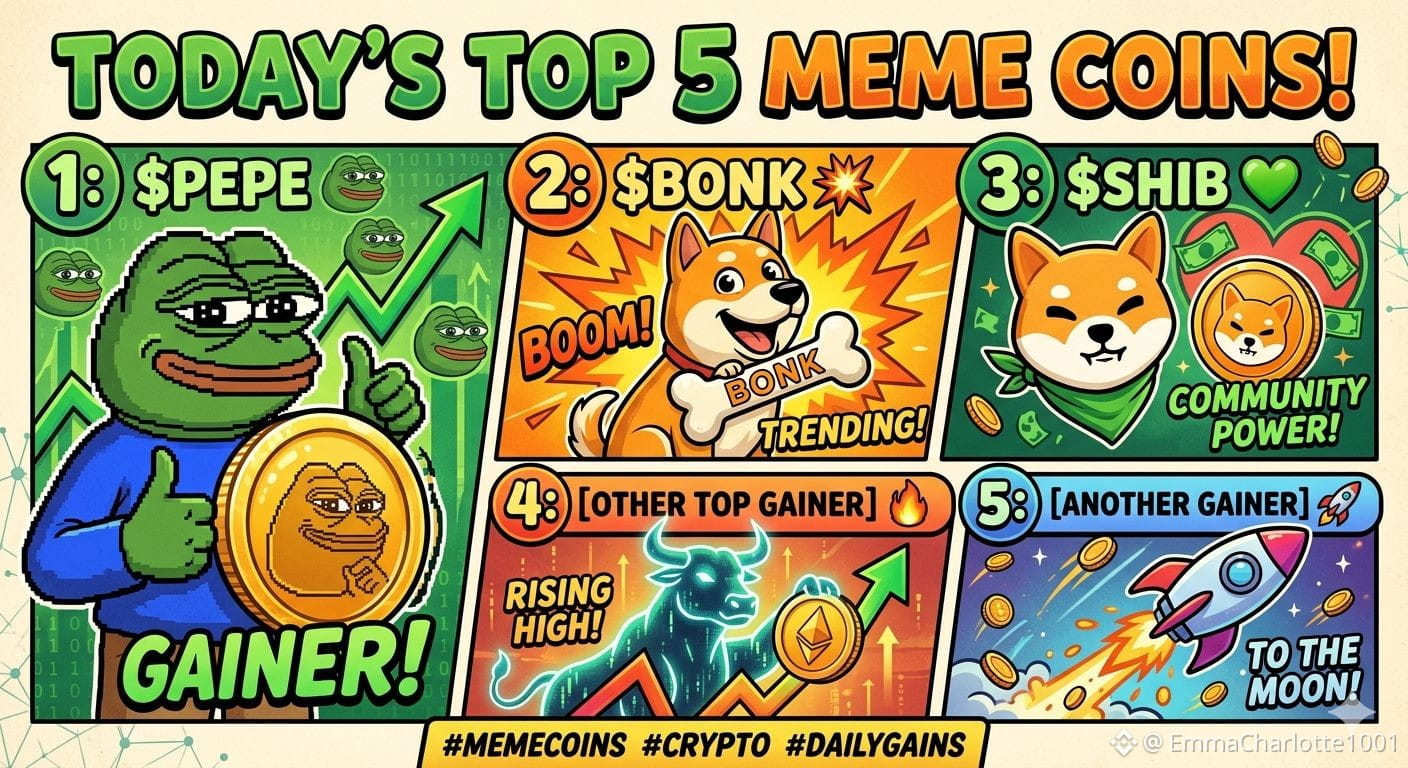
Las Principales Meme Coins de Hoy 🔥
$PEPE 🐸 (Pepe)
$BONK 💥 (Bonk)
$SHIB 💚 (Shiba Inu)
¡Estas meme coins están viendo ganancias notables hoy! #MEME #MemeWatch2024
Aquí tienes un vistazo a los principales ganadores de meme coins de hoy:
Las Principales Meme Coins de Hoy 🔥
$PEPE 🐸 (Pepe)
$BONK 💥 (Bonk)
$SHIB 💚 (Shiba Inu)
¡Estas meme coins están viendo ganancias notables hoy! #MEME #MemeWatch2024
Aquí tienes un vistazo a los principales ganadores de meme coins de hoy:
$PEPE 🐸 (Pepe)
$BONK 💥 (Bonk)
$SHIB 💚 (Shiba Inu)
¡Estas meme coins están viendo ganancias notables hoy! #MEME #MemeWatch2024
Aquí tienes un vistazo a los principales ganadores de meme coins de hoy:
5
501

·
--
Alcista
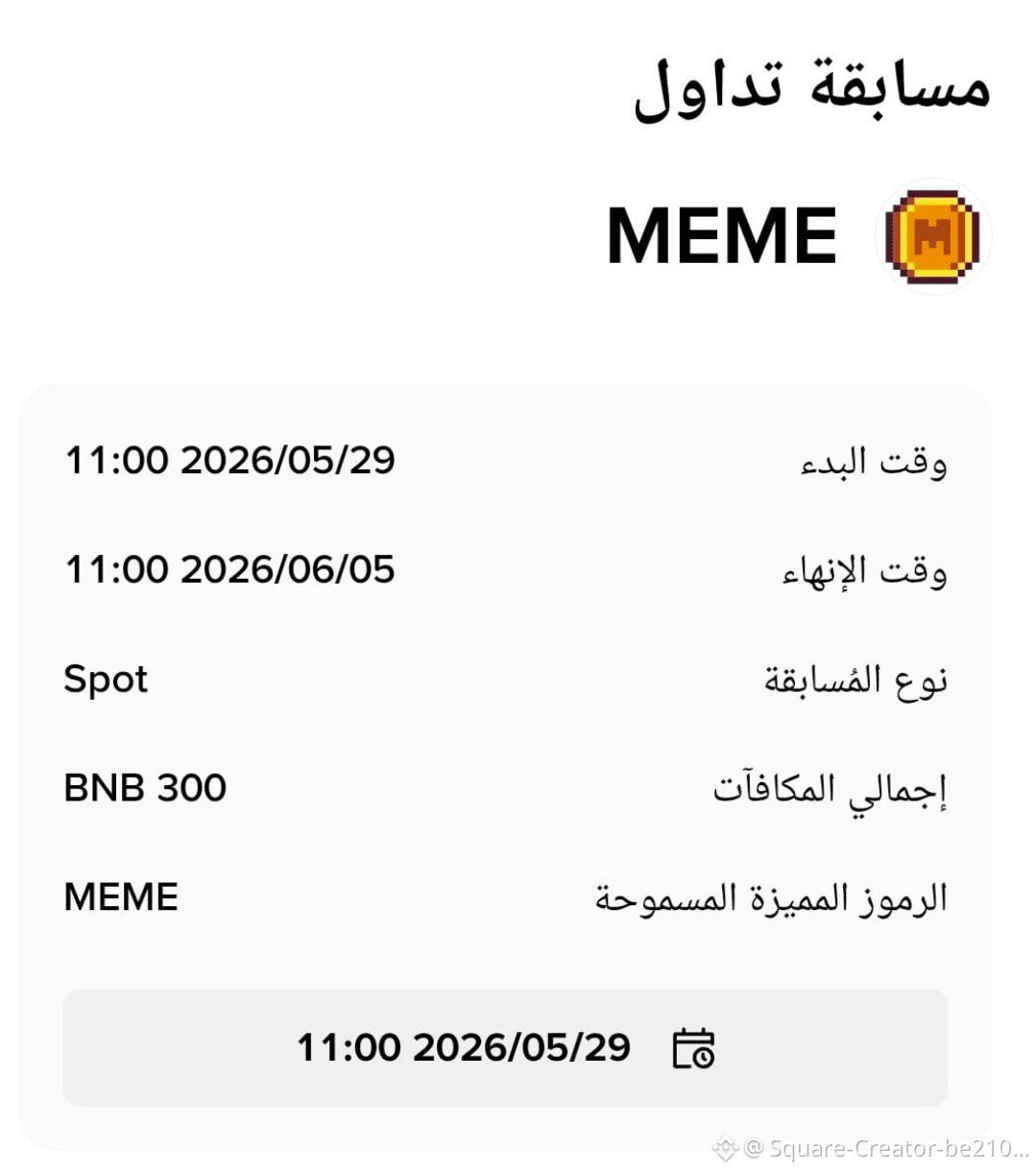
🚨 $MEME ¡Estamos viendo un movimiento fuerte ahora mismo!
¿La razón? ¡El concurso de trading lanzado por Binance! 📉🔥
Y la buena noticia es que la moneda sigue con potencial de subir hasta el final del concurso.
⏳ ¡No te pierdas la oportunidad – únete ahora antes de que sea tarde! 🚀📈
---
O en una versión más corta y emocionante:
🚨 $MEME ¡En un gran movimiento alcista gracias al concurso de trading de Binance!
Las proyecciones indican que la subida continuará hasta que termine el concurso.
Únete ahora antes de que cierre 🔥🚀#MemeWatch2024 #MEME
🚨 $MEME ¡Estamos viendo un movimiento fuerte ahora mismo!
¿La razón? ¡El concurso de trading lanzado por Binance! 📉🔥
Y la buena noticia es que la moneda sigue con potencial de subir hasta el final del concurso.
⏳ ¡No te pierdas la oportunidad – únete ahora antes de que sea tarde! 🚀📈
---
O en una versión más corta y emocionante:
🚨 $MEME ¡En un gran movimiento alcista gracias al concurso de trading de Binance!
Las proyecciones indican que la subida continuará hasta que termine el concurso.
Únete ahora antes de que cierre 🔥🚀#MemeWatch2024 #MEME
¿La razón? ¡El concurso de trading lanzado por Binance! 📉🔥
Y la buena noticia es que la moneda sigue con potencial de subir hasta el final del concurso.
⏳ ¡No te pierdas la oportunidad – únete ahora antes de que sea tarde! 🚀📈
---
O en una versión más corta y emocionante:
🚨 $MEME ¡En un gran movimiento alcista gracias al concurso de trading de Binance!
Las proyecciones indican que la subida continuará hasta que termine el concurso.
Únete ahora antes de que cierre 🔥🚀#MemeWatch2024 #MEME
1
397

·
--
Alcista
🔥 ¿ESTÁS LISTO PARA LA EXPLOSIÓN DE MEMECOIN? 🔥
Los próximos 3 a 6 meses podrían cambiar tu vida por completo si juegas bien tus cartas.
La historia nos muestra que cuando las memecoins se activan, no solo crecen: ¡se vuelven ABSOLUTAMENTE SALVAJES!
Mantén los ojos bien puestos en los pesos pesados:
| $PEPE | $DOGE | $SHIB
La inercia está aumentando. ¿Estás listo para acumular, o vas a mirar desde la banca?
👇 ¡Deja en los comentarios tu mejor elección de memecoin para este ciclo! 👇
#Nasdaq100FallsInBackToBackWeeklyLoss BrentCrudeTops$100#memecoin🚀🚀🚀
#MemeWatch2024 $BTC $PEPE
🔥 ¿ESTÁS LISTO PARA LA EXPLOSIÓN DE MEMECOIN? 🔥
Los próximos 3 a 6 meses podrían cambiar tu vida por completo si juegas bien tus cartas.
La historia nos muestra que cuando las memecoins se activan, no solo crecen: ¡se vuelven ABSOLUTAMENTE SALVAJES!
Mantén los ojos bien puestos en los pesos pesados:
| $PEPE | $DOGE | $SHIB
La inercia está aumentando. ¿Estás listo para acumular, o vas a mirar desde la banca?
👇 ¡Deja en los comentarios tu mejor elección de memecoin para este ciclo! 👇
#Nasdaq100FallsInBackToBackWeeklyLoss BrentCrudeTops$100#memecoin🚀🚀🚀
#MemeWatch2024 $BTC $PEPE
Los próximos 3 a 6 meses podrían cambiar tu vida por completo si juegas bien tus cartas.
La historia nos muestra que cuando las memecoins se activan, no solo crecen: ¡se vuelven ABSOLUTAMENTE SALVAJES!
Mantén los ojos bien puestos en los pesos pesados:
| $PEPE | $DOGE | $SHIB
La inercia está aumentando. ¿Estás listo para acumular, o vas a mirar desde la banca?
👇 ¡Deja en los comentarios tu mejor elección de memecoin para este ciclo! 👇
#Nasdaq100FallsInBackToBackWeeklyLoss BrentCrudeTops$100#memecoin🚀🚀🚀
#MemeWatch2024 $BTC $PEPE

190

·
--
Alcista
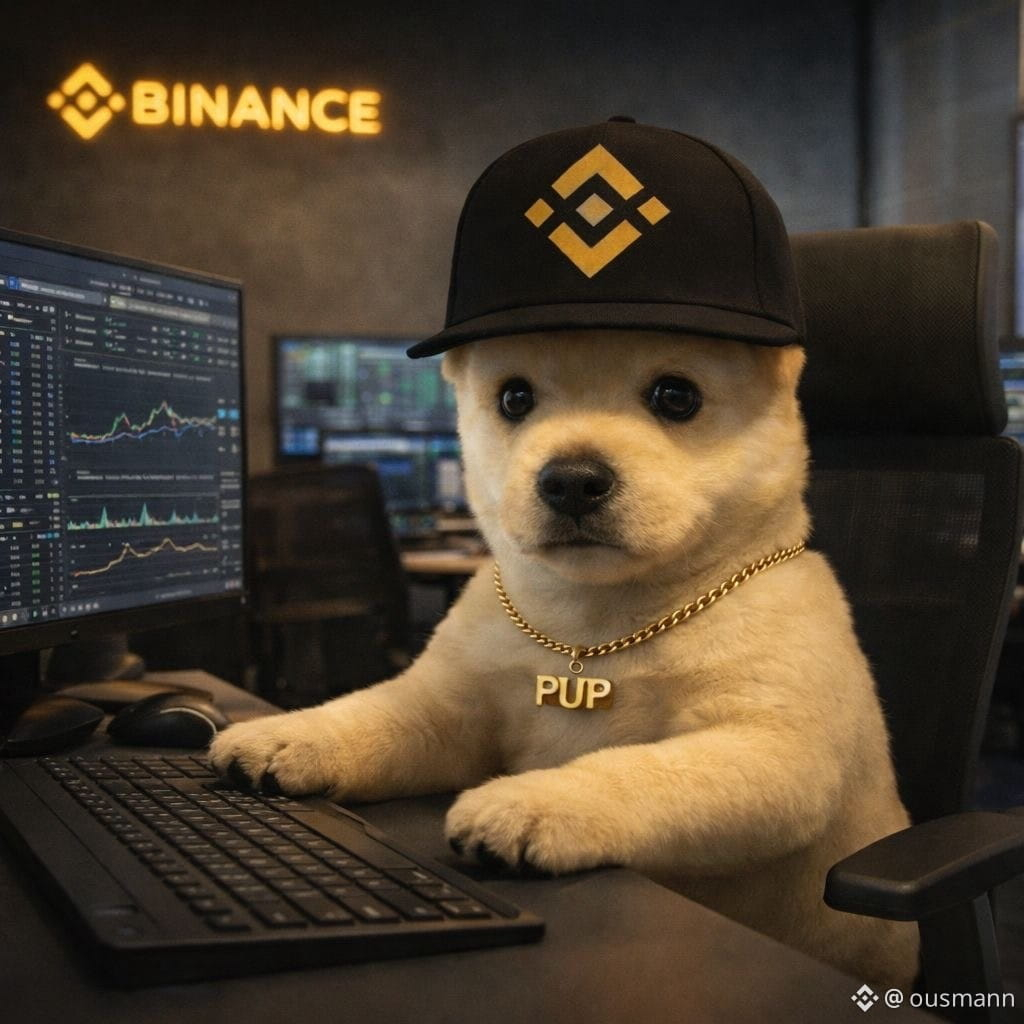
La próxima meme coin en bnb
.. Compra y mantén, la veremos en 100 millones de Marketcap
#MemeWatch2024 memecoin#puparmy #bnb #bnb #puparmy
$PUP
$PUP
La próxima meme coin en bnb
.. Compra y mantén, la veremos en 100 millones de Marketcap
#MemeWatch2024 memecoin#puparmy #bnb #bnb #puparmy
$PUP
$PUP
.. Compra y mantén, la veremos en 100 millones de Marketcap
#MemeWatch2024 memecoin#puparmy #bnb #bnb #puparmy
$PUP
$PUP
1
2
477

·
--
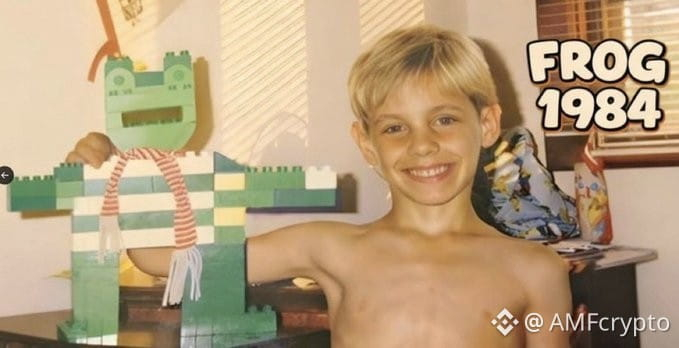
$FROG
el OG creado por Matt Furie .
#MemeWatch2024 #meme板块关注热点 #memecoin🚀🚀🚀 #pepe #PEPE $PEPE $SOL $BRETT
$FROG
el OG creado por Matt Furie .
#MemeWatch2024 #meme板块关注热点 #memecoin🚀🚀🚀 #pepe #PEPE $PEPE $SOL $BRETT
el OG creado por Matt Furie .
#MemeWatch2024 #meme板块关注热点 #memecoin🚀🚀🚀 #pepe #PEPE $PEPE $SOL $BRETT
AMFcrypto
·
--
El Lego Rana 👀. La gente necesita saber que esta fue una creación de Matt Furie #MattFurie . No puedo creer que esto esté por debajo de 100k MC. Llévenlo a millones e incluso miles de millones donde pertenece.
8XckCju2tHPEdSGEdGgeDbukXycLLXdaLKPgXA58pump
#pepe⚡ #sol板块 #pumpfun #Frog
$PEPE $SOL $BOME
8XckCju2tHPEdSGEdGgeDbukXycLLXdaLKPgXA58pump
#pepe⚡ #sol板块 #pumpfun #Frog
$PEPE $SOL $BOME
135

·
--
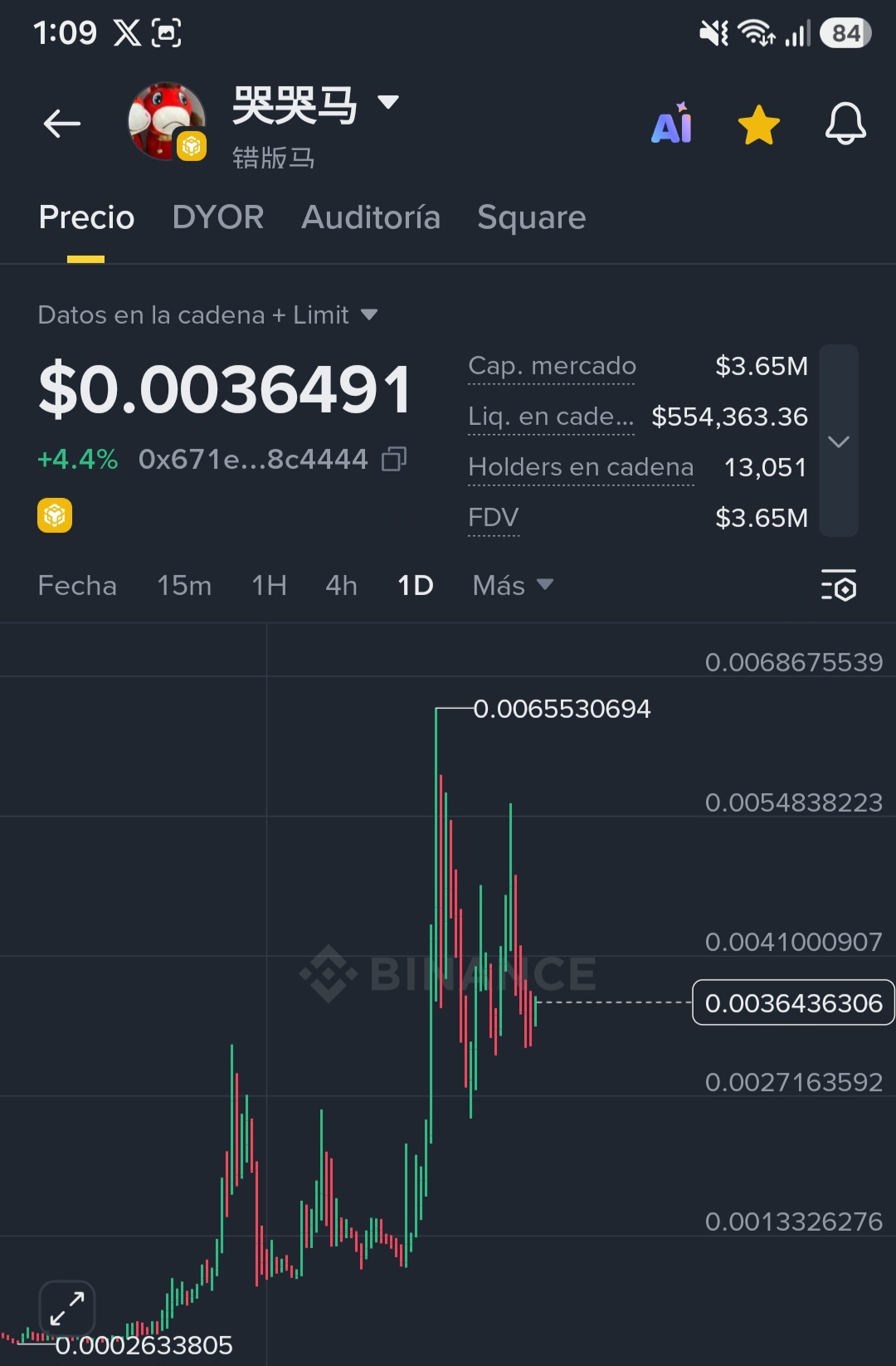
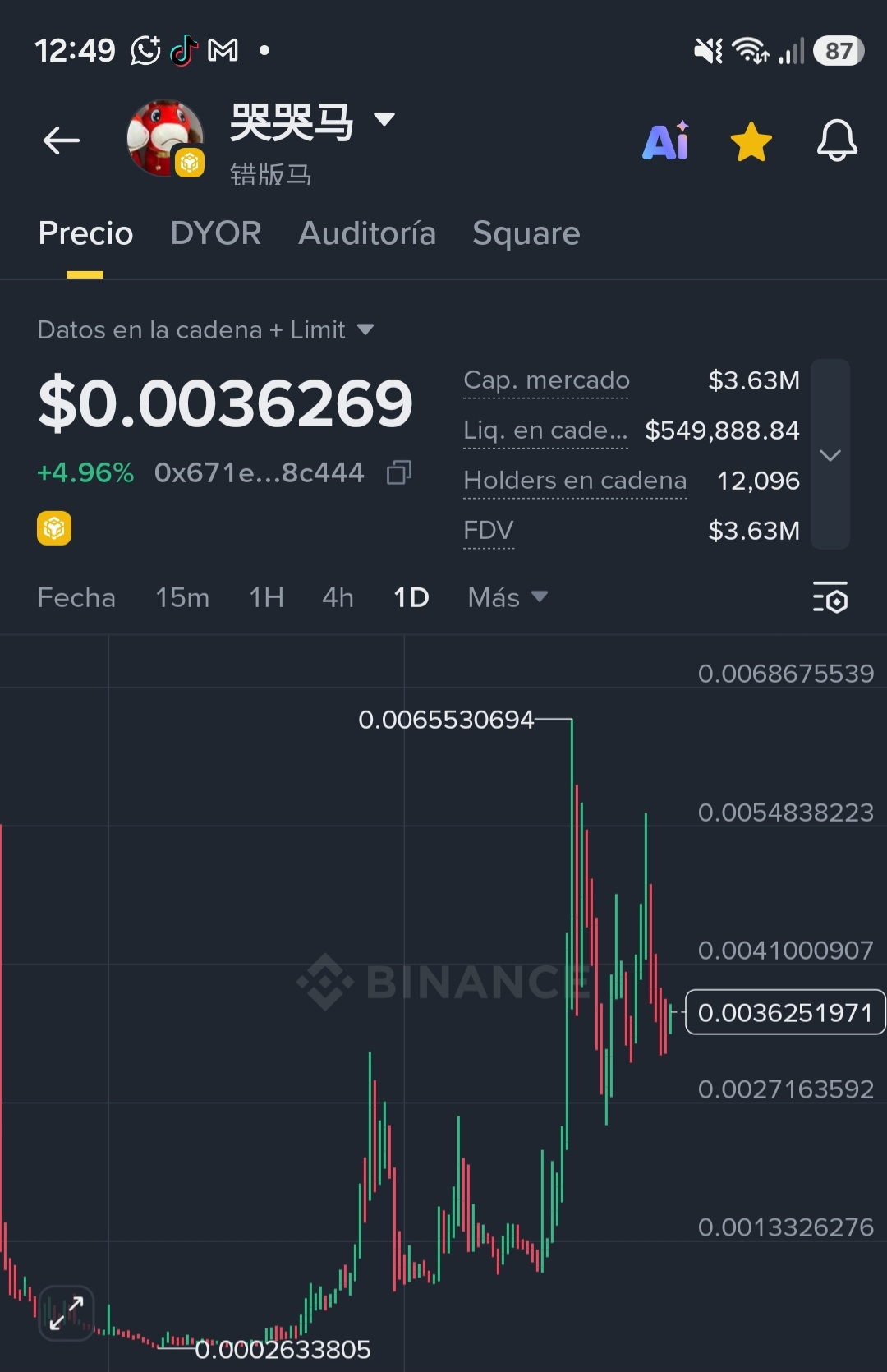
SIGUEN COMPRANDO ESTE TOKEN 🚨
De 12mil a 13mil holders en menos de 1 hora se siguen sumando más compradores nuevos a $哭哭马 #MemeWatch2024
SIGUEN COMPRANDO ESTE TOKEN 🚨
De 12mil a 13mil holders en menos de 1 hora se siguen sumando más compradores nuevos a $哭哭马 #MemeWatch2024
De 12mil a 13mil holders en menos de 1 hora se siguen sumando más compradores nuevos a $哭哭马 #MemeWatch2024
327
Inicia sesión para explorar más contenidos
Únete a usuarios de criptomonedas de todo el mundo en Binance Square
⚡️ Obtén la información más reciente y útil sobre criptomonedas.
💬 Confía en el mayor exchange de criptomonedas del mundo.
👍 Descubre opiniones reales de creadores verificados.
Correo electrónico/número de teléfono
Temas en tendencia
1
#EarningsSeason
210,269 visualizaciones
1,923 participa(n) en el debate
2
#BitwiseLaunchesFirstSpotNEARETF
8,499 visualizaciones
294 participa(n) en el debate
3
#USJobOpeningsFallToFiveMonthLow
13,732 visualizaciones
231 participa(n) en el debate
4
#ECBToTestAIAgentsInDigitalEuroPayments
14,766 visualizaciones
392 participa(n) en el debate
5
#JapanFSABacksFourthStablecoinTradeSettlementPilot
17,172 visualizaciones
438 participa(n) en el debate
6
#BitgetHackerFailsToMoveStolenFunds
32,222 visualizaciones
553 participa(n) en el debate
7
#BitMineETHHoldingsTop6Million
27,574 visualizaciones
659 participa(n) en el debate
8
#StrategyAdds1666BTCHoldingsReach847666
23,711 visualizaciones
463 participa(n) en el debate
9
#NvidiaApproves$150BBuyback
4,488 visualizaciones
70 participa(n) en el debate
10
#OpenAIDelaysGPT6.1OverSafetyIssues
36,112 visualizaciones
829 participa(n) en el debate