

TopCryptoNews
10.1k Publicaciones

TopCryptoNews
 Verificado Plus de Binance Square
Denunciar
Bloquear usuario
Lastest News | Technical Analysis | Signals | Web3 | Advertise | Top News on Crypto World | Projects | Business Offer

Creator Awards 2024

#BinanceTurns7

Excellence Award (Top Voice)
35 Siguiendo
294.5K+ Seguidores
339.4K+ Me gusta
7 Insignias
Publicaciones
Todo
Citas
Videos
Live
PINNED
🔴 El FSB colocó a Pavel Durov bajo una orden internacional de arresto
El fundador de Telegram, Pavel Durov, ha sido puesto bajo una orden internacional de arresto por ayudar al terrorismo, según medios que citan al FSB ruso.
Según el FSB, los servicios especiales ucranianos supuestamente usaron bots de chat de Telegram para reclutar ciudadanos rusos. La agencia afirma que la administración de Telegram no eliminó el servicio después de que se añadiera al registro de recursos prohibidos, lo que se convirtió en la base de los cargos.
Al momento de la publicación, no se habían recibido comentarios oficiales de Pavel Durov.
#PavelDurov | #TON | $TON
🔴 El FSB colocó a Pavel Durov bajo una orden internacional de arresto
El fundador de Telegram, Pavel Durov, ha sido puesto bajo una orden internacional de arresto por ayudar al terrorismo, según medios que citan al FSB ruso.
Según el FSB, los servicios especiales ucranianos supuestamente usaron bots de chat de Telegram para reclutar ciudadanos rusos. La agencia afirma que la administración de Telegram no eliminó el servicio después de que se añadiera al registro de recursos prohibidos, lo que se convirtió en la base de los cargos.
Al momento de la publicación, no se habían recibido comentarios oficiales de Pavel Durov.
#PavelDurov | #TON | $TON
El fundador de Telegram, Pavel Durov, ha sido puesto bajo una orden internacional de arresto por ayudar al terrorismo, según medios que citan al FSB ruso.
Según el FSB, los servicios especiales ucranianos supuestamente usaron bots de chat de Telegram para reclutar ciudadanos rusos. La agencia afirma que la administración de Telegram no eliminó el servicio después de que se añadiera al registro de recursos prohibidos, lo que se convirtió en la base de los cargos.
Al momento de la publicación, no se habían recibido comentarios oficiales de Pavel Durov.
#PavelDurov | #TON | $TON

27
8
204
434.4k
PINNED
Verificado
🌕 La billetera Trust Wallet de CZ lanza agentes de IA que pueden ejecutar operaciones de criptomonedas
La billetera digital propiedad del fundador de Binance, Changpeng Zhao, que tiene más de 220 millones de clientes, dijo el jueves que los usuarios ahora pueden emplear agentes impulsados por inteligencia artificial para realizar una variedad de transacciones de criptomonedas.
"Hoy, Trust Wallet lanza el Trust Wallet Agent Kit (TWAK) — infraestructura que permite a los agentes de IA ejecutar transacciones reales de criptomonedas, a través de más de 25 blockchains, dentro de las reglas que los usuarios definen y controlan," dijo la empresa en una publicación de blog. Los agentes pueden manejar intercambios entre cadenas en varias redes, incluyendo Solana y Bitcoin, además de gestionar compras recurrentes.
Las empresas de criptomonedas están experimentando cada vez más con automatización impulsada por IA, con el objetivo de permitir a los usuarios enlistar agentes que pueden gestionar activamente carteras y ejecutar operaciones.
El nuevo kit de herramientas ofrece dos formas de operar, una donde el agente de IA tiene su propia billetera y puede ejecutar operaciones automáticamente basadas en reglas establecidas, y la otra donde sugiere transacciones que los usuarios luego deben aprobar.
"Trust Wallet siempre se ha construido sobre un principio único: tus claves, tu cripto. TWAK extiende ese principio a la era de los agentes de IA," también según la publicación del blog. "Con el modo WalletConnect, una IA puede ayudarte a actuar sobre tu cartera — investigar, proponer, ejecutar — sin nunca retener tus claves. Tú mantienes el control."
Mientras que el intercambio de criptomonedas compró inicialmente Trust Wallet en 2018, ahora opera como una empresa independiente.
#CZ | #AI
🌕 La billetera Trust Wallet de CZ lanza agentes de IA que pueden ejecutar operaciones de criptomonedas
La billetera digital propiedad del fundador de Binance, Changpeng Zhao, que tiene más de 220 millones de clientes, dijo el jueves que los usuarios ahora pueden emplear agentes impulsados por inteligencia artificial para realizar una variedad de transacciones de criptomonedas.
"Hoy, Trust Wallet lanza el Trust Wallet Agent Kit (TWAK) — infraestructura que permite a los agentes de IA ejecutar transacciones reales de criptomonedas, a través de más de 25 blockchains, dentro de las reglas que los usuarios definen y controlan," dijo la empresa en una publicación de blog. Los agentes pueden manejar intercambios entre cadenas en varias redes, incluyendo Solana y Bitcoin, además de gestionar compras recurrentes.
Las empresas de criptomonedas están experimentando cada vez más con automatización impulsada por IA, con el objetivo de permitir a los usuarios enlistar agentes que pueden gestionar activamente carteras y ejecutar operaciones.
El nuevo kit de herramientas ofrece dos formas de operar, una donde el agente de IA tiene su propia billetera y puede ejecutar operaciones automáticamente basadas en reglas establecidas, y la otra donde sugiere transacciones que los usuarios luego deben aprobar.
"Trust Wallet siempre se ha construido sobre un principio único: tus claves, tu cripto. TWAK extiende ese principio a la era de los agentes de IA," también según la publicación del blog. "Con el modo WalletConnect, una IA puede ayudarte a actuar sobre tu cartera — investigar, proponer, ejecutar — sin nunca retener tus claves. Tú mantienes el control."
Mientras que el intercambio de criptomonedas compró inicialmente Trust Wallet en 2018, ahora opera como una empresa independiente.
#CZ | #AI
La billetera digital propiedad del fundador de Binance, Changpeng Zhao, que tiene más de 220 millones de clientes, dijo el jueves que los usuarios ahora pueden emplear agentes impulsados por inteligencia artificial para realizar una variedad de transacciones de criptomonedas.
"Hoy, Trust Wallet lanza el Trust Wallet Agent Kit (TWAK) — infraestructura que permite a los agentes de IA ejecutar transacciones reales de criptomonedas, a través de más de 25 blockchains, dentro de las reglas que los usuarios definen y controlan," dijo la empresa en una publicación de blog. Los agentes pueden manejar intercambios entre cadenas en varias redes, incluyendo Solana y Bitcoin, además de gestionar compras recurrentes.
Las empresas de criptomonedas están experimentando cada vez más con automatización impulsada por IA, con el objetivo de permitir a los usuarios enlistar agentes que pueden gestionar activamente carteras y ejecutar operaciones.
El nuevo kit de herramientas ofrece dos formas de operar, una donde el agente de IA tiene su propia billetera y puede ejecutar operaciones automáticamente basadas en reglas establecidas, y la otra donde sugiere transacciones que los usuarios luego deben aprobar.
"Trust Wallet siempre se ha construido sobre un principio único: tus claves, tu cripto. TWAK extiende ese principio a la era de los agentes de IA," también según la publicación del blog. "Con el modo WalletConnect, una IA puede ayudarte a actuar sobre tu cartera — investigar, proponer, ejecutar — sin nunca retener tus claves. Tú mantienes el control."
Mientras que el intercambio de criptomonedas compró inicialmente Trust Wallet en 2018, ahora opera como una empresa independiente.
#CZ | #AI

113
46
451
100.4k
·
--
Alcista
🤖 La cripto IA FET se dispara un 16%, toca un máximo de 3 meses – posible $0.28 SI…
Artificial Superintelligence Alliance [FET] rebotó desde $0.19, recuperó $0.20 y alcanzó un máximo de tres meses cerca de $0.23. Al momento de la publicación, FET cotizaba alrededor de $0.229, con una subida del 16% en 24 horas.
La actividad de trading creció con el precio. El volumen aumentó un 44% durante el mismo periodo, mientras que el Volumen Diario Alcanzó un máximo de tres meses de $61 millones.
Pero después de que el rally anterior de FET se desvaneciera, ¿podría mantenerse esta ronda de compras?
🔸 ¿Por qué rebotó FET?
Un informe anterior de AMBCrypto encontró que el aumento de las Reservas en el Exchange había complicado el avance previo de $FET. Esta vez, la actividad en spot sugirió que los compradores entraron tras la caída.
El Volumen de Compra en Spot subió a 123 millones de FET en 24 horas. Mientras tanto, el Delta superó los 9 millones de FET, indicando que la compra superó a la venta en los mercados spot medidos.
El Exchange Netflow también se volvió negativo después de dos días consecutivos positivos. Estaba cerca de -241,000 FET al momento de la publicación, lo que sugiere que salieron más tokens de los exchanges de los que entraron.
Ese cambio alivió la preocupación inmediata sobre el suministro en exchanges. Sin embargo, los traders de derivados enviaron una señal menos uniforme.
🔸 ¿Están apostando los traders de FET a más ganancias?
El Volumen de Derivados subió un 63% hasta $272 millones, mientras que el Interés Abierto creció un 21% hasta $125 millones. Juntos, esos aumentos mostraron que los traders estaban tomando más posiciones a medida que FET subía.
En Binance, la Razón Long/Short de Artificial Superintelligence Alliance’s [FET] se mantuvo por encima de 2, mostrando una inclinación fuerte hacia posiciones largas entre los traders medidos.
Sin embargo, la Razón Long/Short general permaneció por debajo de 1. El posicionamiento alcista en un exchange aún no se había extendido al mercado más amplio de derivados.
🔸 ¿Puede FET sostener $0.23?
Los indicadores direccionales respaldaron el movimiento reciente del precio. El indicador direccional positivo subió a 33, mientras que el indicador direccional negativo cayó a 8.
El RSI de Artificial Superintelligence Alliance también se mantuvo en territorio alcista.
#FET | $FET
{spot}(FETUSDT)
🤖 La cripto IA FET se dispara un 16%, toca un máximo de 3 meses – posible $0.28 SI…
Artificial Superintelligence Alliance [FET] rebotó desde $0.19, recuperó $0.20 y alcanzó un máximo de tres meses cerca de $0.23. Al momento de la publicación, FET cotizaba alrededor de $0.229, con una subida del 16% en 24 horas.
La actividad de trading creció con el precio. El volumen aumentó un 44% durante el mismo periodo, mientras que el Volumen Diario Alcanzó un máximo de tres meses de $61 millones.
Pero después de que el rally anterior de FET se desvaneciera, ¿podría mantenerse esta ronda de compras?
🔸 ¿Por qué rebotó FET?
Un informe anterior de AMBCrypto encontró que el aumento de las Reservas en el Exchange había complicado el avance previo de $FET . Esta vez, la actividad en spot sugirió que los compradores entraron tras la caída.
El Volumen de Compra en Spot subió a 123 millones de FET en 24 horas. Mientras tanto, el Delta superó los 9 millones de FET, indicando que la compra superó a la venta en los mercados spot medidos.
El Exchange Netflow también se volvió negativo después de dos días consecutivos positivos. Estaba cerca de -241,000 FET al momento de la publicación, lo que sugiere que salieron más tokens de los exchanges de los que entraron.
Ese cambio alivió la preocupación inmediata sobre el suministro en exchanges. Sin embargo, los traders de derivados enviaron una señal menos uniforme.
🔸 ¿Están apostando los traders de FET a más ganancias?
El Volumen de Derivados subió un 63% hasta $272 millones, mientras que el Interés Abierto creció un 21% hasta $125 millones. Juntos, esos aumentos mostraron que los traders estaban tomando más posiciones a medida que FET subía.
En Binance, la Razón Long/Short de Artificial Superintelligence Alliance’s [FET] se mantuvo por encima de 2, mostrando una inclinación fuerte hacia posiciones largas entre los traders medidos.
Sin embargo, la Razón Long/Short general permaneció por debajo de 1. El posicionamiento alcista en un exchange aún no se había extendido al mercado más amplio de derivados.
🔸 ¿Puede FET sostener $0.23?
Los indicadores direccionales respaldaron el movimiento reciente del precio. El indicador direccional positivo subió a 33, mientras que el indicador direccional negativo cayó a 8.
El RSI de Artificial Superintelligence Alliance también se mantuvo en territorio alcista.
#FET | $FET
Artificial Superintelligence Alliance [FET] rebotó desde $0.19, recuperó $0.20 y alcanzó un máximo de tres meses cerca de $0.23. Al momento de la publicación, FET cotizaba alrededor de $0.229, con una subida del 16% en 24 horas.
La actividad de trading creció con el precio. El volumen aumentó un 44% durante el mismo periodo, mientras que el Volumen Diario Alcanzó un máximo de tres meses de $61 millones.
Pero después de que el rally anterior de FET se desvaneciera, ¿podría mantenerse esta ronda de compras?
🔸 ¿Por qué rebotó FET?
Un informe anterior de AMBCrypto encontró que el aumento de las Reservas en el Exchange había complicado el avance previo de $FET . Esta vez, la actividad en spot sugirió que los compradores entraron tras la caída.
El Volumen de Compra en Spot subió a 123 millones de FET en 24 horas. Mientras tanto, el Delta superó los 9 millones de FET, indicando que la compra superó a la venta en los mercados spot medidos.
El Exchange Netflow también se volvió negativo después de dos días consecutivos positivos. Estaba cerca de -241,000 FET al momento de la publicación, lo que sugiere que salieron más tokens de los exchanges de los que entraron.
Ese cambio alivió la preocupación inmediata sobre el suministro en exchanges. Sin embargo, los traders de derivados enviaron una señal menos uniforme.
🔸 ¿Están apostando los traders de FET a más ganancias?
El Volumen de Derivados subió un 63% hasta $272 millones, mientras que el Interés Abierto creció un 21% hasta $125 millones. Juntos, esos aumentos mostraron que los traders estaban tomando más posiciones a medida que FET subía.
En Binance, la Razón Long/Short de Artificial Superintelligence Alliance’s [FET] se mantuvo por encima de 2, mostrando una inclinación fuerte hacia posiciones largas entre los traders medidos.
Sin embargo, la Razón Long/Short general permaneció por debajo de 1. El posicionamiento alcista en un exchange aún no se había extendido al mercado más amplio de derivados.
🔸 ¿Puede FET sostener $0.23?
Los indicadores direccionales respaldaron el movimiento reciente del precio. El indicador direccional positivo subió a 33, mientras que el indicador direccional negativo cayó a 8.
El RSI de Artificial Superintelligence Alliance también se mantuvo en territorio alcista.
#FET | $FET

2
6
3.3k
·
--
Alcista
🔵 El interés abierto de Chainlink (LINK) sube 25% en las últimas 24 horas: el breakout está en marcha
A medida que LINK se acerca a los $14, Chainlink está atravesando otro aumento tanto en la actividad del mercado como en la de derivados. En el transcurso del último día, el interés abierto ha subido aproximadamente 25%, añadiendo apalancamiento a un mercado que ya estaba formando una estructura alcista sólida.
🔸 ChainLink entra en breakout
Dado que el interés abierto de LINK ya se había recuperado de forma significativa antes del breakout de precios más reciente, los datos de derivados son especialmente relevantes. Según los datos proporcionados, el OI era de aproximadamente $650.7 millones el 24 de septiembre, mientras que durante gran parte de la primavera y a inicios del verano, los niveles estaban más cerca de los $350–$450 millones.
Una subida diaria adicional del 25% sugiere que los traders están creando posiciones nuevas activamente, en lugar de solo reducir su exposición. La dirección del movimiento del precio es la misma. LINK alcanzó apenas por encima de $14, su nivel más alto en el gráfico mostrado, y actualmente cotiza alrededor de $13.96.
El movimiento llega después de un importante breakout de agosto por encima de la media móvil de 200 días alrededor de $9.50, seguido por una racha de máximos y mínimos más altos. Como LINK ahora ha superado el máximo previo de septiembre en aproximadamente $13.70, la aceleración más reciente es especialmente notable.
Como resultado, se ha eliminado la resistencia local más destacada del gráfico. Si bien las medias móviles principales están cada vez más alineadas de forma favorable, el volumen también ha aumentado durante el avance. La media más corta ha subido a $12, con medias intermedias entre $11 y $11.30.
Cerca de $10.30, la media de 200 días aún está significativamente más baja. La intensidad del impulso ha aumentado, pero no ha alcanzado niveles extremos de algunas de las anteriores alzas de LINK. El hecho de que el RSI todavía esté por debajo de la zona de sobrecompra extrema indica que, si la demanda continúa, podría haber más margen para el crecimiento del mercado.
#LINK | #Chainlink | $LINK
{spot}(LINKUSDT)
🔵 El interés abierto de Chainlink (LINK) sube 25% en las últimas 24 horas: el breakout está en marcha
A medida que LINK se acerca a los $14, Chainlink está atravesando otro aumento tanto en la actividad del mercado como en la de derivados. En el transcurso del último día, el interés abierto ha subido aproximadamente 25%, añadiendo apalancamiento a un mercado que ya estaba formando una estructura alcista sólida.
🔸 ChainLink entra en breakout
Dado que el interés abierto de LINK ya se había recuperado de forma significativa antes del breakout de precios más reciente, los datos de derivados son especialmente relevantes. Según los datos proporcionados, el OI era de aproximadamente $650.7 millones el 24 de septiembre, mientras que durante gran parte de la primavera y a inicios del verano, los niveles estaban más cerca de los $350–$450 millones.
Una subida diaria adicional del 25% sugiere que los traders están creando posiciones nuevas activamente, en lugar de solo reducir su exposición. La dirección del movimiento del precio es la misma. LINK alcanzó apenas por encima de $14, su nivel más alto en el gráfico mostrado, y actualmente cotiza alrededor de $13.96.
El movimiento llega después de un importante breakout de agosto por encima de la media móvil de 200 días alrededor de $9.50, seguido por una racha de máximos y mínimos más altos. Como LINK ahora ha superado el máximo previo de septiembre en aproximadamente $13.70, la aceleración más reciente es especialmente notable.
Como resultado, se ha eliminado la resistencia local más destacada del gráfico. Si bien las medias móviles principales están cada vez más alineadas de forma favorable, el volumen también ha aumentado durante el avance. La media más corta ha subido a $12, con medias intermedias entre $11 y $11.30.
Cerca de $10.30, la media de 200 días aún está significativamente más baja. La intensidad del impulso ha aumentado, pero no ha alcanzado niveles extremos de algunas de las anteriores alzas de LINK. El hecho de que el RSI todavía esté por debajo de la zona de sobrecompra extrema indica que, si la demanda continúa, podría haber más margen para el crecimiento del mercado.
#LINK | #Chainlink | $LINK
A medida que LINK se acerca a los $14, Chainlink está atravesando otro aumento tanto en la actividad del mercado como en la de derivados. En el transcurso del último día, el interés abierto ha subido aproximadamente 25%, añadiendo apalancamiento a un mercado que ya estaba formando una estructura alcista sólida.
🔸 ChainLink entra en breakout
Dado que el interés abierto de LINK ya se había recuperado de forma significativa antes del breakout de precios más reciente, los datos de derivados son especialmente relevantes. Según los datos proporcionados, el OI era de aproximadamente $650.7 millones el 24 de septiembre, mientras que durante gran parte de la primavera y a inicios del verano, los niveles estaban más cerca de los $350–$450 millones.
Una subida diaria adicional del 25% sugiere que los traders están creando posiciones nuevas activamente, en lugar de solo reducir su exposición. La dirección del movimiento del precio es la misma. LINK alcanzó apenas por encima de $14, su nivel más alto en el gráfico mostrado, y actualmente cotiza alrededor de $13.96.
El movimiento llega después de un importante breakout de agosto por encima de la media móvil de 200 días alrededor de $9.50, seguido por una racha de máximos y mínimos más altos. Como LINK ahora ha superado el máximo previo de septiembre en aproximadamente $13.70, la aceleración más reciente es especialmente notable.
Como resultado, se ha eliminado la resistencia local más destacada del gráfico. Si bien las medias móviles principales están cada vez más alineadas de forma favorable, el volumen también ha aumentado durante el avance. La media más corta ha subido a $12, con medias intermedias entre $11 y $11.30.
Cerca de $10.30, la media de 200 días aún está significativamente más baja. La intensidad del impulso ha aumentado, pero no ha alcanzado niveles extremos de algunas de las anteriores alzas de LINK. El hecho de que el RSI todavía esté por debajo de la zona de sobrecompra extrema indica que, si la demanda continúa, podría haber más margen para el crecimiento del mercado.
#LINK | #Chainlink | $LINK

1
7
3.6k
🟠 $BTC logró romper una de las líneas clave de resistencia a largo plazo. Lo importante que hay que ver ahora es un precio que se mantenga con éxito por encima de $86k.
🟢 La última vez que se rompió esta línea, fue seguida por un nuevo máximo histórico (ATH).
🔴 Si caemos por debajo de este nivel, existe el riesgo de que la presión vendedora continúe.
#BTC | #Bitcoin
🟠 $BTC logró romper una de las líneas clave de resistencia a largo plazo. Lo importante que hay que ver ahora es un precio que se mantenga con éxito por encima de $86k.
🟢 La última vez que se rompió esta línea, fue seguida por un nuevo máximo histórico (ATH).
🔴 Si caemos por debajo de este nivel, existe el riesgo de que la presión vendedora continúe.
#BTC | #Bitcoin
🟢 La última vez que se rompió esta línea, fue seguida por un nuevo máximo histórico (ATH).
🔴 Si caemos por debajo de este nivel, existe el riesgo de que la presión vendedora continúe.
#BTC | #Bitcoin
1
8
2.5k
·
--
Alcista
Parcialmente cierto
💧 SuiNetwork Destaca los Beneficios del Ledger Compartido para Reducir Costos
SuiNetwork ha llamado la atención sobre las ineficiencias en los sistemas financieros actuales, subrayando la necesidad de un ledger compartido para minimizar los costos de las transacciones. El tuit resalta la carga de los intermediarios en las transferencias de dinero. Este concepto podría agilizar los procesos y atraer un gran interés en soluciones de blockchain desde diversos sectores. Para más detalles, consulta el tuit original aquí.
🔸 El Desarrollo Clave
El mercado cripto en general continúa mostrando señales mixtas, con distinto impulso entre los principales activos. En este contexto, el enfoque de SuiNetwork en reducir los costos de transacción mediante la idea de un ledger compartido es especialmente oportuno. Al proponer una solución para eliminar a los intermediarios, SuiNetwork busca mejorar la eficiencia en las transacciones financieras, un movimiento que podría resonar tanto con usuarios como con inversionistas institucionales. A medida que la industria navega tecnologías en evolución, esta perspectiva podría influir en el sentimiento del mercado hacia las soluciones blockchain.
🔸 Lo que Muestran los Datos
Actualmente, no se reporta volumen de operaciones para SuiNetwork, lo que refleja una posible pausa en la actividad del mercado. Sin embargo, la tendencia de puntuación en aumento de 65 indica un creciente interés en el proyecto, especialmente cuando las conversaciones sobre la eficiencia de las transacciones ganan tracción. La interacción en Twitter también refleja un sentimiento positivo, con 145 me gusta y 19 retuits, mostrando que la comunidad responde a ideas innovadoras en el espacio blockchain. Esta participación podría anticipar futuros movimientos del mercado a medida que más usuarios consideren las implicaciones de las tecnologías de ledger compartido.
🔸 Lo que los Traders Están Observando a Continuación
Los traders deberían estar atentos a cómo las propuestas de SuiNetwork podrían influir en la dinámica del mercado, especialmente mientras continúan las discusiones sobre la reducción de los costos de transacción. Existe la posibilidad de una mayor adopción de tecnologías blockchain, en particular si las soluciones de ledger compartido ganan tracción entre las instituciones financieras.
#SuiNetwork | #SUI | $SUI
{spot}(SUIUSDT)
💧 SuiNetwork Destaca los Beneficios del Ledger Compartido para Reducir Costos
SuiNetwork ha llamado la atención sobre las ineficiencias en los sistemas financieros actuales, subrayando la necesidad de un ledger compartido para minimizar los costos de las transacciones. El tuit resalta la carga de los intermediarios en las transferencias de dinero. Este concepto podría agilizar los procesos y atraer un gran interés en soluciones de blockchain desde diversos sectores. Para más detalles, consulta el tuit original aquí.
🔸 El Desarrollo Clave
El mercado cripto en general continúa mostrando señales mixtas, con distinto impulso entre los principales activos. En este contexto, el enfoque de SuiNetwork en reducir los costos de transacción mediante la idea de un ledger compartido es especialmente oportuno. Al proponer una solución para eliminar a los intermediarios, SuiNetwork busca mejorar la eficiencia en las transacciones financieras, un movimiento que podría resonar tanto con usuarios como con inversionistas institucionales. A medida que la industria navega tecnologías en evolución, esta perspectiva podría influir en el sentimiento del mercado hacia las soluciones blockchain.
🔸 Lo que Muestran los Datos
Actualmente, no se reporta volumen de operaciones para SuiNetwork, lo que refleja una posible pausa en la actividad del mercado. Sin embargo, la tendencia de puntuación en aumento de 65 indica un creciente interés en el proyecto, especialmente cuando las conversaciones sobre la eficiencia de las transacciones ganan tracción. La interacción en Twitter también refleja un sentimiento positivo, con 145 me gusta y 19 retuits, mostrando que la comunidad responde a ideas innovadoras en el espacio blockchain. Esta participación podría anticipar futuros movimientos del mercado a medida que más usuarios consideren las implicaciones de las tecnologías de ledger compartido.
🔸 Lo que los Traders Están Observando a Continuación
Los traders deberían estar atentos a cómo las propuestas de SuiNetwork podrían influir en la dinámica del mercado, especialmente mientras continúan las discusiones sobre la reducción de los costos de transacción. Existe la posibilidad de una mayor adopción de tecnologías blockchain, en particular si las soluciones de ledger compartido ganan tracción entre las instituciones financieras.
#SuiNetwork | #SUI | $SUI
SuiNetwork ha llamado la atención sobre las ineficiencias en los sistemas financieros actuales, subrayando la necesidad de un ledger compartido para minimizar los costos de las transacciones. El tuit resalta la carga de los intermediarios en las transferencias de dinero. Este concepto podría agilizar los procesos y atraer un gran interés en soluciones de blockchain desde diversos sectores. Para más detalles, consulta el tuit original aquí.
🔸 El Desarrollo Clave
El mercado cripto en general continúa mostrando señales mixtas, con distinto impulso entre los principales activos. En este contexto, el enfoque de SuiNetwork en reducir los costos de transacción mediante la idea de un ledger compartido es especialmente oportuno. Al proponer una solución para eliminar a los intermediarios, SuiNetwork busca mejorar la eficiencia en las transacciones financieras, un movimiento que podría resonar tanto con usuarios como con inversionistas institucionales. A medida que la industria navega tecnologías en evolución, esta perspectiva podría influir en el sentimiento del mercado hacia las soluciones blockchain.
🔸 Lo que Muestran los Datos
Actualmente, no se reporta volumen de operaciones para SuiNetwork, lo que refleja una posible pausa en la actividad del mercado. Sin embargo, la tendencia de puntuación en aumento de 65 indica un creciente interés en el proyecto, especialmente cuando las conversaciones sobre la eficiencia de las transacciones ganan tracción. La interacción en Twitter también refleja un sentimiento positivo, con 145 me gusta y 19 retuits, mostrando que la comunidad responde a ideas innovadoras en el espacio blockchain. Esta participación podría anticipar futuros movimientos del mercado a medida que más usuarios consideren las implicaciones de las tecnologías de ledger compartido.
🔸 Lo que los Traders Están Observando a Continuación
Los traders deberían estar atentos a cómo las propuestas de SuiNetwork podrían influir en la dinámica del mercado, especialmente mientras continúan las discusiones sobre la reducción de los costos de transacción. Existe la posibilidad de una mayor adopción de tecnologías blockchain, en particular si las soluciones de ledger compartido ganan tracción entre las instituciones financieras.
#SuiNetwork | #SUI | $SUI

8
1.4k
🐂 Los mercados bajistas de Bitcoin se están volviendo más moderados. Quizá los mercados alcistas estén por venir
Bitcoin ha hecho que los inversores paguen durante mucho tiempo sus mercados alcistas con caídas brutales, pero ese intercambio podría estar cambiando por fin.
El criptoactivo cayó aproximadamente un 55% desde su máximo de octubre de 2025 durante su ciclo bajista más reciente. En la mayoría de los mercados, eso calificaría como un colapso histórico, pero para bitcoin fue relativamente moderado en comparación con colapsos anteriores. En noviembre de 2021, por ejemplo, después de alcanzar casi 69.000 dólares, el bitcoin se desplomó por debajo de 16.000 dólares un año después, cuando las tasas de interés subieron, hubo una cadena de quiebras de cripto y el colapso de FTX golpeó al mercado. La caída superó el 75%. En ciclos anteriores se vieron retrocesos del 80% o más.
Los rebotes del pasado podrían ser igual de extremos. Bitcoin subió desde menos de 4.000 dólares a principios de 2019 hasta casi 69.000 en 2021. Luego, pasó de su mínimo de 2022 a más de 100.000 después de que los fondos cotizados en bolsa (ETFs) de bitcoin al contado (spot) de EE. UU. abrieran el activo a una base mucho más amplia de inversores.
Antes de los ETFs, la propiedad de bitcoin se inclinaba más hacia inversores minoristas, fondos nativos de cripto y traders que realizaban apuestas tácticas, dijo Rasmussen. Los ETFs dieron a asesores financieros y a otros inversores profesionales una forma conocida de añadir bitcoin a carteras tradicionales.
🔸 Esos inversores tienden a abordar bitcoin de manera diferente.
Rasmussen dijo que un inversor profesional podría asignar alrededor del 2% de una cartera a bitcoin, mientras que los inversores minoristas orientados a cripto pueden tener 20%, 30% o más de su dinero ligado al activo.
“Si baja un 50%, mi cartera solo cae un 1%”, dijo Rasmussen en una entrevista, al describir cómo podría ver la caída un inversor con una asignación del 2%.
También existe el reequilibrio. Un asesor que busque una asignación de bitcoin del 2% podría comprar después de una caída pronunciada para devolver la posición a su peso objetivo. Si bitcoin se dispara y llega al 5% de la cartera, ese mismo inversor podría vender parte en el siguiente reequilibrio.
#BTC | #Bitcoin | #BullRun | $BTC
{spot}(BTCUSDT)
🐂 Los mercados bajistas de Bitcoin se están volviendo más moderados. Quizá los mercados alcistas estén por venir
Bitcoin ha hecho que los inversores paguen durante mucho tiempo sus mercados alcistas con caídas brutales, pero ese intercambio podría estar cambiando por fin.
El criptoactivo cayó aproximadamente un 55% desde su máximo de octubre de 2025 durante su ciclo bajista más reciente. En la mayoría de los mercados, eso calificaría como un colapso histórico, pero para bitcoin fue relativamente moderado en comparación con colapsos anteriores. En noviembre de 2021, por ejemplo, después de alcanzar casi 69.000 dólares, el bitcoin se desplomó por debajo de 16.000 dólares un año después, cuando las tasas de interés subieron, hubo una cadena de quiebras de cripto y el colapso de FTX golpeó al mercado. La caída superó el 75%. En ciclos anteriores se vieron retrocesos del 80% o más.
Los rebotes del pasado podrían ser igual de extremos. Bitcoin subió desde menos de 4.000 dólares a principios de 2019 hasta casi 69.000 en 2021. Luego, pasó de su mínimo de 2022 a más de 100.000 después de que los fondos cotizados en bolsa (ETFs) de bitcoin al contado (spot) de EE. UU. abrieran el activo a una base mucho más amplia de inversores.
Antes de los ETFs, la propiedad de bitcoin se inclinaba más hacia inversores minoristas, fondos nativos de cripto y traders que realizaban apuestas tácticas, dijo Rasmussen. Los ETFs dieron a asesores financieros y a otros inversores profesionales una forma conocida de añadir bitcoin a carteras tradicionales.
🔸 Esos inversores tienden a abordar bitcoin de manera diferente.
Rasmussen dijo que un inversor profesional podría asignar alrededor del 2% de una cartera a bitcoin, mientras que los inversores minoristas orientados a cripto pueden tener 20%, 30% o más de su dinero ligado al activo.
“Si baja un 50%, mi cartera solo cae un 1%”, dijo Rasmussen en una entrevista, al describir cómo podría ver la caída un inversor con una asignación del 2%.
También existe el reequilibrio. Un asesor que busque una asignación de bitcoin del 2% podría comprar después de una caída pronunciada para devolver la posición a su peso objetivo. Si bitcoin se dispara y llega al 5% de la cartera, ese mismo inversor podría vender parte en el siguiente reequilibrio.
#BTC | #Bitcoin | #BullRun | $BTC
Bitcoin ha hecho que los inversores paguen durante mucho tiempo sus mercados alcistas con caídas brutales, pero ese intercambio podría estar cambiando por fin.
El criptoactivo cayó aproximadamente un 55% desde su máximo de octubre de 2025 durante su ciclo bajista más reciente. En la mayoría de los mercados, eso calificaría como un colapso histórico, pero para bitcoin fue relativamente moderado en comparación con colapsos anteriores. En noviembre de 2021, por ejemplo, después de alcanzar casi 69.000 dólares, el bitcoin se desplomó por debajo de 16.000 dólares un año después, cuando las tasas de interés subieron, hubo una cadena de quiebras de cripto y el colapso de FTX golpeó al mercado. La caída superó el 75%. En ciclos anteriores se vieron retrocesos del 80% o más.
Los rebotes del pasado podrían ser igual de extremos. Bitcoin subió desde menos de 4.000 dólares a principios de 2019 hasta casi 69.000 en 2021. Luego, pasó de su mínimo de 2022 a más de 100.000 después de que los fondos cotizados en bolsa (ETFs) de bitcoin al contado (spot) de EE. UU. abrieran el activo a una base mucho más amplia de inversores.
Antes de los ETFs, la propiedad de bitcoin se inclinaba más hacia inversores minoristas, fondos nativos de cripto y traders que realizaban apuestas tácticas, dijo Rasmussen. Los ETFs dieron a asesores financieros y a otros inversores profesionales una forma conocida de añadir bitcoin a carteras tradicionales.
🔸 Esos inversores tienden a abordar bitcoin de manera diferente.
Rasmussen dijo que un inversor profesional podría asignar alrededor del 2% de una cartera a bitcoin, mientras que los inversores minoristas orientados a cripto pueden tener 20%, 30% o más de su dinero ligado al activo.
“Si baja un 50%, mi cartera solo cae un 1%”, dijo Rasmussen en una entrevista, al describir cómo podría ver la caída un inversor con una asignación del 2%.
También existe el reequilibrio. Un asesor que busque una asignación de bitcoin del 2% podría comprar después de una caída pronunciada para devolver la posición a su peso objetivo. Si bitcoin se dispara y llega al 5% de la cartera, ese mismo inversor podría vender parte en el siguiente reequilibrio.
#BTC | #Bitcoin | #BullRun | $BTC
1
13
4.2k
·
--
Alcista
🟣 Solana Muestra un Crecimiento Excepcional: Los Accionistas Tokenizados Superan los 1 Millón
Solana ha alcanzado un hito importante al superar la marca de 1 millón en la cantidad de titulares de acciones tokenizadas. Este logro se consideraba una proeza de ciencia ficción hace solo dos años. Solana mantiene aproximadamente el 95% de la cuota de mercado en el trading de acciones tokenizadas on-chain y sigue superando a sus competidores en este ámbito.
🔸 El Ascenso de Solana en Números
El suministro de acciones tokenizadas en Solana alcanzó un máximo histórico de $684 millones a mediados de septiembre, lo que representa un aumento del 47% en apenas tres semanas. Durante el mismo periodo, el volumen de operaciones de activos del mundo real a 30 días llegó a $3.3 mil millones. Entre las acciones tokenizadas de Solana, NVDAx, una representación tokenizada de acciones de NVIDIA, lidera en número de titulares. Nuevas listaciones como Nike han acelerado esta tendencia, llevándola más allá de carteras centradas en tecnología.
🔸 El Significado de las Acciones Tokenizadas
Las acciones tokenizadas, como tokens basados en blockchain, representan propiedad o exposición a acciones tradicionales. Estos tokens se negocian on-chain, se intercambian casi instantáneamente y están disponibles 24/7. En Solana, emisores primarios como xStocks los distribuyen a través de redes como Backpack Securities.
🔸 Puntos a Considerar
Aunque la cifra de 1 millón parece impresionante, este número mide direcciones de monedero, no individuos únicos verificados. Una persona puede tener múltiples monederos y los programas de incentivos pueden inflar estas cifras. A finales de septiembre, el número verificado se registró en 900,000. Además, la composición de estos monederos también es importante.
Si la mayor parte del crecimiento está impulsada por usuarios que mantienen posiciones casi insignificantes, la cifra de titulares podría parecer más impresionante que la actividad económica subyacente. Sin embargo, las cifras de oferta y volumen cuentan una historia más sólida: un suministro total de $684 millones y un volumen mensual de $3.3 mil millones reflejan los flujos reales de capital.
#SOL | #Solana | $SOL
{spot}(SOLUSDT)
🟣 Solana Muestra un Crecimiento Excepcional: Los Accionistas Tokenizados Superan los 1 Millón
Solana ha alcanzado un hito importante al superar la marca de 1 millón en la cantidad de titulares de acciones tokenizadas. Este logro se consideraba una proeza de ciencia ficción hace solo dos años. Solana mantiene aproximadamente el 95% de la cuota de mercado en el trading de acciones tokenizadas on-chain y sigue superando a sus competidores en este ámbito.
🔸 El Ascenso de Solana en Números
El suministro de acciones tokenizadas en Solana alcanzó un máximo histórico de $684 millones a mediados de septiembre, lo que representa un aumento del 47% en apenas tres semanas. Durante el mismo periodo, el volumen de operaciones de activos del mundo real a 30 días llegó a $3.3 mil millones. Entre las acciones tokenizadas de Solana, NVDAx, una representación tokenizada de acciones de NVIDIA, lidera en número de titulares. Nuevas listaciones como Nike han acelerado esta tendencia, llevándola más allá de carteras centradas en tecnología.
🔸 El Significado de las Acciones Tokenizadas
Las acciones tokenizadas, como tokens basados en blockchain, representan propiedad o exposición a acciones tradicionales. Estos tokens se negocian on-chain, se intercambian casi instantáneamente y están disponibles 24/7. En Solana, emisores primarios como xStocks los distribuyen a través de redes como Backpack Securities.
🔸 Puntos a Considerar
Aunque la cifra de 1 millón parece impresionante, este número mide direcciones de monedero, no individuos únicos verificados. Una persona puede tener múltiples monederos y los programas de incentivos pueden inflar estas cifras. A finales de septiembre, el número verificado se registró en 900,000. Además, la composición de estos monederos también es importante.
Si la mayor parte del crecimiento está impulsada por usuarios que mantienen posiciones casi insignificantes, la cifra de titulares podría parecer más impresionante que la actividad económica subyacente. Sin embargo, las cifras de oferta y volumen cuentan una historia más sólida: un suministro total de $684 millones y un volumen mensual de $3.3 mil millones reflejan los flujos reales de capital.
#SOL | #Solana | $SOL
Solana ha alcanzado un hito importante al superar la marca de 1 millón en la cantidad de titulares de acciones tokenizadas. Este logro se consideraba una proeza de ciencia ficción hace solo dos años. Solana mantiene aproximadamente el 95% de la cuota de mercado en el trading de acciones tokenizadas on-chain y sigue superando a sus competidores en este ámbito.
🔸 El Ascenso de Solana en Números
El suministro de acciones tokenizadas en Solana alcanzó un máximo histórico de $684 millones a mediados de septiembre, lo que representa un aumento del 47% en apenas tres semanas. Durante el mismo periodo, el volumen de operaciones de activos del mundo real a 30 días llegó a $3.3 mil millones. Entre las acciones tokenizadas de Solana, NVDAx, una representación tokenizada de acciones de NVIDIA, lidera en número de titulares. Nuevas listaciones como Nike han acelerado esta tendencia, llevándola más allá de carteras centradas en tecnología.
🔸 El Significado de las Acciones Tokenizadas
Las acciones tokenizadas, como tokens basados en blockchain, representan propiedad o exposición a acciones tradicionales. Estos tokens se negocian on-chain, se intercambian casi instantáneamente y están disponibles 24/7. En Solana, emisores primarios como xStocks los distribuyen a través de redes como Backpack Securities.
🔸 Puntos a Considerar
Aunque la cifra de 1 millón parece impresionante, este número mide direcciones de monedero, no individuos únicos verificados. Una persona puede tener múltiples monederos y los programas de incentivos pueden inflar estas cifras. A finales de septiembre, el número verificado se registró en 900,000. Además, la composición de estos monederos también es importante.
Si la mayor parte del crecimiento está impulsada por usuarios que mantienen posiciones casi insignificantes, la cifra de titulares podría parecer más impresionante que la actividad económica subyacente. Sin embargo, las cifras de oferta y volumen cuentan una historia más sólida: un suministro total de $684 millones y un volumen mensual de $3.3 mil millones reflejan los flujos reales de capital.
#SOL | #Solana | $SOL
1
8
3.8k
📉 ¿Por qué está bajando el cripto hoy?
Bitcoin ha caído a 84.242,05 USD, un -2,1% en 24 horas, mientras el mercado cripto en general perdió valor junto con una fuerte venta en acciones y metales preciosos. La capitalización total del mercado cripto se sitúa en 3,01 billones de USD, aproximadamente plana en el último día pese a la caída intradía, con Ethereum en 2.658,60 USD y XRP en 1,51 USD.
🔸 ¿Qué desencadenó la venta?
El presidente iraní Masoud Pezeshkian se dirigió hoy a la Asamblea General de la ONU, diciendo que Irán “nunca agachará la cabeza ni se doblará de rodillas”, mientras insistía en que el país sigue abierto al diálogo “sin aceptar el lenguaje de la fuerza”. También rechazó acusaciones de terrorismo y señaló: “Solo nos defendimos. No somos terroristas”.
Según se informa, la delegación de EE. UU. abandonó la sala durante su intervención después de que Pezeshkian acusara a Estados Unidos de violencia contra civiles. Los mercados empezaron a caer casi de inmediato tras el discurso, ya que los operadores comenzaron a valorar la posibilidad de un conflicto prolongado entre EE. UU. e Irán, una situación que probablemente impulsaría los precios del petróleo y añadiría nueva presión sobre la inflación.
🔸 La magnitud de los daños
De acuerdo con Bull Theory, se borraron cerca de $1 billones en pérdidas en acciones de EE. UU., metales y cripto en una sola hora. El S&P 500 cayó 0,6%, borrando 414.000 millones de USD en valor. El oro bajó 0,8%, perdiendo 242.000 millones de USD. La plata cayó 1,5%, eliminando 55.000 millones de USD. El Nasdaq retrocedió 1,1%, perdiendo aproximadamente 149.000 millones de USD. La participación de Bitcoin en los daños fue de unos 40.000 millones de USD.
🔸 Qué significa de cara al futuro
A pesar del retroceso de hoy, XRP sigue subiendo casi un 20% durante la última semana, y Bitcoin aún está cerca de un 12% al alza en el mismo periodo, lo que sugiere que la caída de hoy es una reacción a una nueva incertidumbre geopolítica más que un giro en el rally general. La forma en que los mercados se muevan desde aquí probablemente dependerá de si las tensiones entre EE. UU. e Irán aumentan más o se alivian en los próximos días.
#Crypto | #BTC | $BTC
📉 ¿Por qué está bajando el cripto hoy?
Bitcoin ha caído a 84.242,05 USD, un -2,1% en 24 horas, mientras el mercado cripto en general perdió valor junto con una fuerte venta en acciones y metales preciosos. La capitalización total del mercado cripto se sitúa en 3,01 billones de USD, aproximadamente plana en el último día pese a la caída intradía, con Ethereum en 2.658,60 USD y XRP en 1,51 USD.
🔸 ¿Qué desencadenó la venta?
El presidente iraní Masoud Pezeshkian se dirigió hoy a la Asamblea General de la ONU, diciendo que Irán “nunca agachará la cabeza ni se doblará de rodillas”, mientras insistía en que el país sigue abierto al diálogo “sin aceptar el lenguaje de la fuerza”. También rechazó acusaciones de terrorismo y señaló: “Solo nos defendimos. No somos terroristas”.
Según se informa, la delegación de EE. UU. abandonó la sala durante su intervención después de que Pezeshkian acusara a Estados Unidos de violencia contra civiles. Los mercados empezaron a caer casi de inmediato tras el discurso, ya que los operadores comenzaron a valorar la posibilidad de un conflicto prolongado entre EE. UU. e Irán, una situación que probablemente impulsaría los precios del petróleo y añadiría nueva presión sobre la inflación.
🔸 La magnitud de los daños
De acuerdo con Bull Theory, se borraron cerca de $1 billones en pérdidas en acciones de EE. UU., metales y cripto en una sola hora. El S&P 500 cayó 0,6%, borrando 414.000 millones de USD en valor. El oro bajó 0,8%, perdiendo 242.000 millones de USD. La plata cayó 1,5%, eliminando 55.000 millones de USD. El Nasdaq retrocedió 1,1%, perdiendo aproximadamente 149.000 millones de USD. La participación de Bitcoin en los daños fue de unos 40.000 millones de USD.
🔸 Qué significa de cara al futuro
A pesar del retroceso de hoy, XRP sigue subiendo casi un 20% durante la última semana, y Bitcoin aún está cerca de un 12% al alza en el mismo periodo, lo que sugiere que la caída de hoy es una reacción a una nueva incertidumbre geopolítica más que un giro en el rally general. La forma en que los mercados se muevan desde aquí probablemente dependerá de si las tensiones entre EE. UU. e Irán aumentan más o se alivian en los próximos días.
#Crypto | #BTC | $BTC
Bitcoin ha caído a 84.242,05 USD, un -2,1% en 24 horas, mientras el mercado cripto en general perdió valor junto con una fuerte venta en acciones y metales preciosos. La capitalización total del mercado cripto se sitúa en 3,01 billones de USD, aproximadamente plana en el último día pese a la caída intradía, con Ethereum en 2.658,60 USD y XRP en 1,51 USD.
🔸 ¿Qué desencadenó la venta?
El presidente iraní Masoud Pezeshkian se dirigió hoy a la Asamblea General de la ONU, diciendo que Irán “nunca agachará la cabeza ni se doblará de rodillas”, mientras insistía en que el país sigue abierto al diálogo “sin aceptar el lenguaje de la fuerza”. También rechazó acusaciones de terrorismo y señaló: “Solo nos defendimos. No somos terroristas”.
Según se informa, la delegación de EE. UU. abandonó la sala durante su intervención después de que Pezeshkian acusara a Estados Unidos de violencia contra civiles. Los mercados empezaron a caer casi de inmediato tras el discurso, ya que los operadores comenzaron a valorar la posibilidad de un conflicto prolongado entre EE. UU. e Irán, una situación que probablemente impulsaría los precios del petróleo y añadiría nueva presión sobre la inflación.
🔸 La magnitud de los daños
De acuerdo con Bull Theory, se borraron cerca de $1 billones en pérdidas en acciones de EE. UU., metales y cripto en una sola hora. El S&P 500 cayó 0,6%, borrando 414.000 millones de USD en valor. El oro bajó 0,8%, perdiendo 242.000 millones de USD. La plata cayó 1,5%, eliminando 55.000 millones de USD. El Nasdaq retrocedió 1,1%, perdiendo aproximadamente 149.000 millones de USD. La participación de Bitcoin en los daños fue de unos 40.000 millones de USD.
🔸 Qué significa de cara al futuro
A pesar del retroceso de hoy, XRP sigue subiendo casi un 20% durante la última semana, y Bitcoin aún está cerca de un 12% al alza en el mismo periodo, lo que sugiere que la caída de hoy es una reacción a una nueva incertidumbre geopolítica más que un giro en el rally general. La forma en que los mercados se muevan desde aquí probablemente dependerá de si las tensiones entre EE. UU. e Irán aumentan más o se alivian en los próximos días.
#Crypto | #BTC | $BTC
3
1.1k
⚪️ Aptos atrae capital de 3 grandes cadenas: ¿Puede APT convertirlo en 1$?
Aptos [APT] ha subido un 10% en las últimas 24 horas mientras el mercado cripto en general continuó su recuperación. Con el sentimiento del mercado cripto pasando a codicia, Aptos también se está alineando con esa fortaleza.
Sin embargo, sus ganancias de dos dígitos en un solo día se ven amplificadas por un aumento de la actividad de la red y por una estructura alcista del mercado. Aquí está por qué Aptos ha ganado más de un 55% en los últimos siete días.
🔸 TVL puenteado, transacciones y volumen de operaciones
Aptos estaba recuperando su actividad de red después de una fuerte caída el 6 de septiembre, cuando su TVL puenteado se desplomó hasta 550 millones de dólares. Desde entonces, la métrica se ha más que triplicado hasta aproximadamente 1.89 mil millones de dólares en unas dos semanas desde el incidente.
El número de transacciones también siguió aumentando a medida que los usuarios trasladaban capital a Aptos desde otras cadenas, incluyendo Bitcoin [BTC], Ethereum [ETH] y Solana [SOL]. En promedio, las transacciones diarias se situaron entre 10 millones y 15 millones.
Además, el volumen diario de tokens aumentó de alrededor de 42.76 millones de dólares a más de 150 millones durante la última semana. Alcanzó un máximo mensual de 267 millones de dólares el 19 de septiembre.
Los datos de CryptoQuant mostraron un sobrecalentamiento del volumen tanto en los mercados de Futuros como de Spot. El CVD del comprador en Spot fue dominante, lo que sugiere que los compradores impulsaron gran parte de la actividad en Spot.
Mientras tanto, los titulares de stablecoins en Aptos crecieron hasta más de 1.50 millones. Aproximadamente 1 millón tenía USDT, mientras que el resto mantenía USDC.
🔸 APT rompe al alza, pero los alcistas enfrentan una PRUEBA CLAVE en la zona de 1$
En los gráficos, Aptos se estaba negociando por encima de un patrón de cuña en expansión que había durado desde junio hasta mediados de septiembre. La consolidación de tres meses y medio indicó una fase de acumulación, y la ruptura se confirmó con un retroceso en 0.70.
Actualmente, Aptos tiene una ruta clara hacia 1$, donde se encuentra la siguiente zona de oferta. Al convertir esa zona en soporte, se expondría 1.20 como el siguiente objetivo para los alcistas.
#APT | #Aptos | $APT
{spot}(APTUSDT)
⚪️ Aptos atrae capital de 3 grandes cadenas: ¿Puede APT convertirlo en 1$?
Aptos [APT] ha subido un 10% en las últimas 24 horas mientras el mercado cripto en general continuó su recuperación. Con el sentimiento del mercado cripto pasando a codicia, Aptos también se está alineando con esa fortaleza.
Sin embargo, sus ganancias de dos dígitos en un solo día se ven amplificadas por un aumento de la actividad de la red y por una estructura alcista del mercado. Aquí está por qué Aptos ha ganado más de un 55% en los últimos siete días.
🔸 TVL puenteado, transacciones y volumen de operaciones
Aptos estaba recuperando su actividad de red después de una fuerte caída el 6 de septiembre, cuando su TVL puenteado se desplomó hasta 550 millones de dólares. Desde entonces, la métrica se ha más que triplicado hasta aproximadamente 1.89 mil millones de dólares en unas dos semanas desde el incidente.
El número de transacciones también siguió aumentando a medida que los usuarios trasladaban capital a Aptos desde otras cadenas, incluyendo Bitcoin [BTC], Ethereum [ETH] y Solana [SOL]. En promedio, las transacciones diarias se situaron entre 10 millones y 15 millones.
Además, el volumen diario de tokens aumentó de alrededor de 42.76 millones de dólares a más de 150 millones durante la última semana. Alcanzó un máximo mensual de 267 millones de dólares el 19 de septiembre.
Los datos de CryptoQuant mostraron un sobrecalentamiento del volumen tanto en los mercados de Futuros como de Spot. El CVD del comprador en Spot fue dominante, lo que sugiere que los compradores impulsaron gran parte de la actividad en Spot.
Mientras tanto, los titulares de stablecoins en Aptos crecieron hasta más de 1.50 millones. Aproximadamente 1 millón tenía USDT, mientras que el resto mantenía USDC.
🔸 APT rompe al alza, pero los alcistas enfrentan una PRUEBA CLAVE en la zona de 1$
En los gráficos, Aptos se estaba negociando por encima de un patrón de cuña en expansión que había durado desde junio hasta mediados de septiembre. La consolidación de tres meses y medio indicó una fase de acumulación, y la ruptura se confirmó con un retroceso en 0.70.
Actualmente, Aptos tiene una ruta clara hacia 1$, donde se encuentra la siguiente zona de oferta. Al convertir esa zona en soporte, se expondría 1.20 como el siguiente objetivo para los alcistas.
#APT | #Aptos | $APT
Aptos [APT] ha subido un 10% en las últimas 24 horas mientras el mercado cripto en general continuó su recuperación. Con el sentimiento del mercado cripto pasando a codicia, Aptos también se está alineando con esa fortaleza.
Sin embargo, sus ganancias de dos dígitos en un solo día se ven amplificadas por un aumento de la actividad de la red y por una estructura alcista del mercado. Aquí está por qué Aptos ha ganado más de un 55% en los últimos siete días.
🔸 TVL puenteado, transacciones y volumen de operaciones
Aptos estaba recuperando su actividad de red después de una fuerte caída el 6 de septiembre, cuando su TVL puenteado se desplomó hasta 550 millones de dólares. Desde entonces, la métrica se ha más que triplicado hasta aproximadamente 1.89 mil millones de dólares en unas dos semanas desde el incidente.
El número de transacciones también siguió aumentando a medida que los usuarios trasladaban capital a Aptos desde otras cadenas, incluyendo Bitcoin [BTC], Ethereum [ETH] y Solana [SOL]. En promedio, las transacciones diarias se situaron entre 10 millones y 15 millones.
Además, el volumen diario de tokens aumentó de alrededor de 42.76 millones de dólares a más de 150 millones durante la última semana. Alcanzó un máximo mensual de 267 millones de dólares el 19 de septiembre.
Los datos de CryptoQuant mostraron un sobrecalentamiento del volumen tanto en los mercados de Futuros como de Spot. El CVD del comprador en Spot fue dominante, lo que sugiere que los compradores impulsaron gran parte de la actividad en Spot.
Mientras tanto, los titulares de stablecoins en Aptos crecieron hasta más de 1.50 millones. Aproximadamente 1 millón tenía USDT, mientras que el resto mantenía USDC.
🔸 APT rompe al alza, pero los alcistas enfrentan una PRUEBA CLAVE en la zona de 1$
En los gráficos, Aptos se estaba negociando por encima de un patrón de cuña en expansión que había durado desde junio hasta mediados de septiembre. La consolidación de tres meses y medio indicó una fase de acumulación, y la ruptura se confirmó con un retroceso en 0.70.
Actualmente, Aptos tiene una ruta clara hacia 1$, donde se encuentra la siguiente zona de oferta. Al convertir esa zona en soporte, se expondría 1.20 como el siguiente objetivo para los alcistas.
#APT | #Aptos | $APT

1
1
1.4k
¿Qué piensas sobre $BTC hoy? 🤔
{spot}(BTCUSDT)
¿Qué piensas sobre $BTC hoy? 🤔
Bullish 📈
54%
Bearish 📉
46%
26 Voto(s) • Votación cerrada
3
5
2.2k
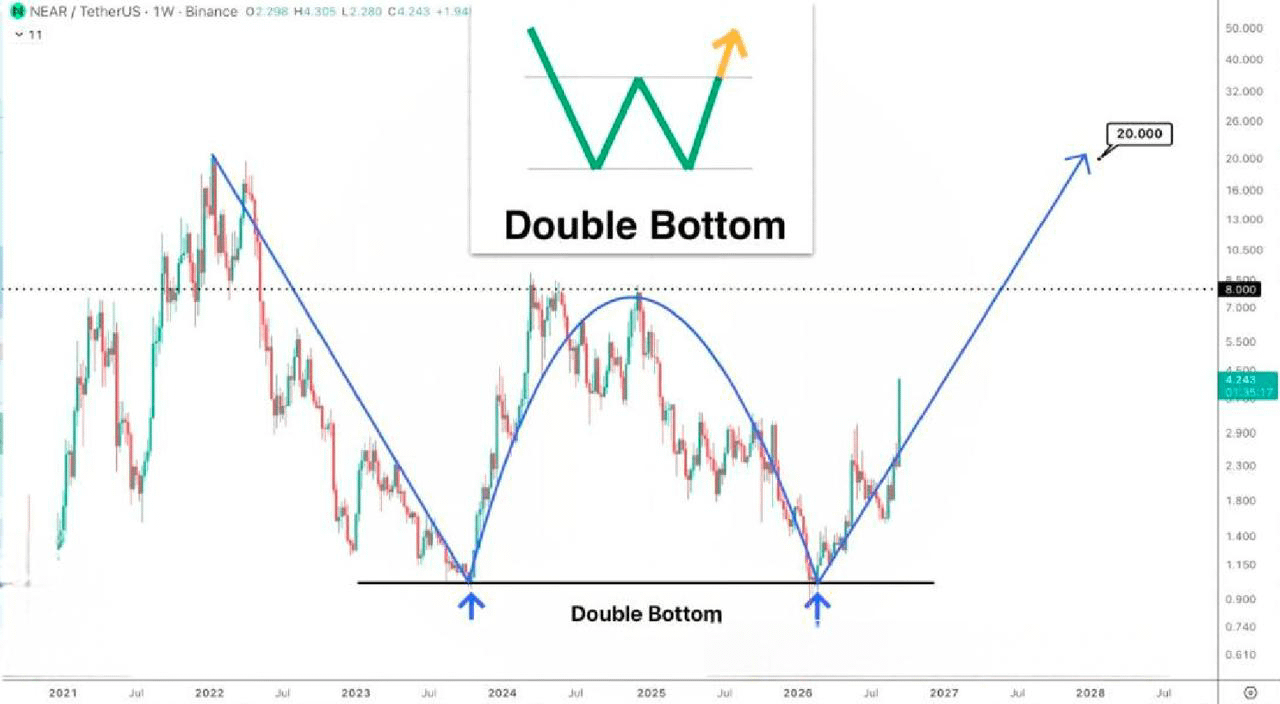
🙂 $NEAR está formando un enorme patrón de Doble Suelo en el gráfico macro
Si tienes NEAR en spot, niveles clave a vigilar:
🎯8$
🎯20$
Y con una fuerte continuación del ciclo, NEAR podría muy bien apuntar a un nuevo ATH, en el rango de 30–40$ 🚀
#NEAR | #NearProtocol
{spot}(NEARUSDT)
🙂 $NEAR está formando un enorme patrón de Doble Suelo en el gráfico macro
Si tienes NEAR en spot, niveles clave a vigilar:
🎯8$
🎯20$
Y con una fuerte continuación del ciclo, NEAR podría muy bien apuntar a un nuevo ATH, en el rango de 30–40$ 🚀
#NEAR | #NearProtocol
Si tienes NEAR en spot, niveles clave a vigilar:
🎯8$
🎯20$
Y con una fuerte continuación del ciclo, NEAR podría muy bien apuntar a un nuevo ATH, en el rango de 30–40$ 🚀
#NEAR | #NearProtocol
5
1.9k
·
--
Alcista
📈 El camino de Bitcoin hacia $90,000 podría incluir un último mínimo más bajo importante
El rango actual de Bitcoin refleja una estructura clave de 2023 mientras las cotizaciones entre $70K y $90K entran en foco.
El gráfico de largo plazo de Bitcoin muestra una secuencia recurrente de rally, consolidación, barrido de liquidez a la baja y expansión renovada. La estructura actual se está desarrollando entre aproximadamente $60,000 y $84,000, luego de la caída desde el máximo principal del gráfico cerca de $124,000–$126,000.
El gráfico también destaca una estructura de 2023 como comparación histórica. Los niveles de precio y la secuencia son similares en forma, aunque la estructura actual ocurre a precios nominales de BTC sustancialmente más altos.
🔸 La estructura de Bitcoin de 2023
La sección anterior comienza con Bitcoin tocando fondo alrededor de $16,000 tras una caída prolongada. Posteriormente, BTC se recuperó hasta aproximadamente $24,000, estableciendo el primer rebote importante desde el mínimo del ciclo.
Luego, el precio avanzó hacia aproximadamente $30,000–$31,000, pero ese movimiento no produjo de inmediato una continuación sostenida. BTC volvió hacia la franja de los $20,000 medios antes de que se desarrollara el avance mayor.
El gráfico marca la secuencia con puntos de referencia de color: un mínimo principal cerca de $16,000, un mínimo de reacción más alto alrededor de $18,000–$20,000, un rally hacia $30,000 y otro retroceso hacia aproximadamente $24,000–$25,000. La expansión posterior llevó a Bitcoin por encima de $30,000 y eventualmente hacia la región de $60,000–$70,000.
🔸 El rango actual de Bitcoin
El lado derecho muestra una secuencia de precios comparable en una escala mayor.
Después de alcanzar aproximadamente $124,000–$126,000, Bitcoin entró en una caída pronunciada. El primer gran descenso alcanzó los $60,000 medios, seguido por un rebote hacia aproximadamente $80,000–$82,000.
Luego, BTC regresó a la región de los $60,000 bajos, con la mecha más profunda del gráfico extendiéndose hacia aproximadamente $56,000. Desde ese mínimo, el precio se recuperó rápidamente de vuelta hacia la zona de los $70,000 altos.
Las últimas velas están ubicadas alrededor de $76,000–$78,000.
#BTC | #Bitcoin | $BTC
{spot}(BTCUSDT)
📈 El camino de Bitcoin hacia $90,000 podría incluir un último mínimo más bajo importante
El rango actual de Bitcoin refleja una estructura clave de 2023 mientras las cotizaciones entre $70K y $90K entran en foco.
El gráfico de largo plazo de Bitcoin muestra una secuencia recurrente de rally, consolidación, barrido de liquidez a la baja y expansión renovada. La estructura actual se está desarrollando entre aproximadamente $60,000 y $84,000, luego de la caída desde el máximo principal del gráfico cerca de $124,000–$126,000.
El gráfico también destaca una estructura de 2023 como comparación histórica. Los niveles de precio y la secuencia son similares en forma, aunque la estructura actual ocurre a precios nominales de BTC sustancialmente más altos.
🔸 La estructura de Bitcoin de 2023
La sección anterior comienza con Bitcoin tocando fondo alrededor de $16,000 tras una caída prolongada. Posteriormente, BTC se recuperó hasta aproximadamente $24,000, estableciendo el primer rebote importante desde el mínimo del ciclo.
Luego, el precio avanzó hacia aproximadamente $30,000–$31,000, pero ese movimiento no produjo de inmediato una continuación sostenida. BTC volvió hacia la franja de los $20,000 medios antes de que se desarrollara el avance mayor.
El gráfico marca la secuencia con puntos de referencia de color: un mínimo principal cerca de $16,000, un mínimo de reacción más alto alrededor de $18,000–$20,000, un rally hacia $30,000 y otro retroceso hacia aproximadamente $24,000–$25,000. La expansión posterior llevó a Bitcoin por encima de $30,000 y eventualmente hacia la región de $60,000–$70,000.
🔸 El rango actual de Bitcoin
El lado derecho muestra una secuencia de precios comparable en una escala mayor.
Después de alcanzar aproximadamente $124,000–$126,000, Bitcoin entró en una caída pronunciada. El primer gran descenso alcanzó los $60,000 medios, seguido por un rebote hacia aproximadamente $80,000–$82,000.
Luego, BTC regresó a la región de los $60,000 bajos, con la mecha más profunda del gráfico extendiéndose hacia aproximadamente $56,000. Desde ese mínimo, el precio se recuperó rápidamente de vuelta hacia la zona de los $70,000 altos.
Las últimas velas están ubicadas alrededor de $76,000–$78,000.
#BTC | #Bitcoin | $BTC
El rango actual de Bitcoin refleja una estructura clave de 2023 mientras las cotizaciones entre $70K y $90K entran en foco.
El gráfico de largo plazo de Bitcoin muestra una secuencia recurrente de rally, consolidación, barrido de liquidez a la baja y expansión renovada. La estructura actual se está desarrollando entre aproximadamente $60,000 y $84,000, luego de la caída desde el máximo principal del gráfico cerca de $124,000–$126,000.
El gráfico también destaca una estructura de 2023 como comparación histórica. Los niveles de precio y la secuencia son similares en forma, aunque la estructura actual ocurre a precios nominales de BTC sustancialmente más altos.
🔸 La estructura de Bitcoin de 2023
La sección anterior comienza con Bitcoin tocando fondo alrededor de $16,000 tras una caída prolongada. Posteriormente, BTC se recuperó hasta aproximadamente $24,000, estableciendo el primer rebote importante desde el mínimo del ciclo.
Luego, el precio avanzó hacia aproximadamente $30,000–$31,000, pero ese movimiento no produjo de inmediato una continuación sostenida. BTC volvió hacia la franja de los $20,000 medios antes de que se desarrollara el avance mayor.
El gráfico marca la secuencia con puntos de referencia de color: un mínimo principal cerca de $16,000, un mínimo de reacción más alto alrededor de $18,000–$20,000, un rally hacia $30,000 y otro retroceso hacia aproximadamente $24,000–$25,000. La expansión posterior llevó a Bitcoin por encima de $30,000 y eventualmente hacia la región de $60,000–$70,000.
🔸 El rango actual de Bitcoin
El lado derecho muestra una secuencia de precios comparable en una escala mayor.
Después de alcanzar aproximadamente $124,000–$126,000, Bitcoin entró en una caída pronunciada. El primer gran descenso alcanzó los $60,000 medios, seguido por un rebote hacia aproximadamente $80,000–$82,000.
Luego, BTC regresó a la región de los $60,000 bajos, con la mecha más profunda del gráfico extendiéndose hacia aproximadamente $56,000. Desde ese mínimo, el precio se recuperó rápidamente de vuelta hacia la zona de los $70,000 altos.
Las últimas velas están ubicadas alrededor de $76,000–$78,000.
#BTC | #Bitcoin | $BTC
16
8.7k
Verificado
🔴 Optimism acaba de aprobar la actualización que necesita su Superchain antes de que pueda ponerse en marcha la interoperabilidad
Optimism aprobó la Upgrade 20, moviendo su sistema de fallos protegidos hacia la arquitectura necesaria para la interoperabilidad futura de la Superchain.
La gobernanza de la red Ethereum layer-2 completó la votación el 16 de septiembre, poniendo OP Sepolia, Ink Sepolia, Soneium Minato y Unichain Sepolia en camino hacia una actualización de contrato específica para el 17 de septiembre. La ejecución en mainnet está programada para el 24 de septiembre si el nuevo sistema completa una prueba sana de siete días en testnet.
El cambio mueve las pruebas de fallos de Output Root Dispute Games a Super Root Dispute Games, alterando la forma en que las cadenas de OP Stack desafían un estado incorrecto antes de que los retiros se finalicen de vuelta en Ethereum. Optimism describe la actualización como un requisito previo para la interoperabilidad porque Super Roots eventualmente pueden representar múltiples cadenas en el mismo timestamp.
Esa interoperabilidad sigue siendo un paso posterior. La Upgrade 20 mantiene la infraestructura de disputa de cada cadena separada, y cada juego nuevo aún contiene el Output Root de una sola cadena. Al hacer la transición del sistema de disputas ahora, Optimism busca evitar modificar nuevamente esa capa de seguridad cuando active la interoperabilidad entre cadenas.
🔸 Los Super Roots cambian los retiros antes de que las cadenas sean interoperables
El mayor cambio operativo proviene de cómo los juegos de Super Root identifican el estado que se está impugnando.
Los juegos existentes de Output Root anclan una reclamación a un número de bloque de L2. Los juegos de Super Root, en cambio, usan una marca de tiempo, creando la referencia temporal común que un eventual sistema de disputas multi-cadena requerirá. Las cadenas con permisos pasan al tipo de juego 5, mientras que las implementaciones de pruebas de fallos sin permisos usan el tipo de juego 9.
Los operadores de la cadena deben actualizar su infraestructura de pruebas de fallos alrededor del cambio en el contrato de L1. op-challenger y op-dispute-mon necesitan soporte de Super Root antes del cambio, mientras que op-proposer debe pasar al nuevo RPC y al nuevo tipo de juego cuando se ejecuten los contratos actualizados.
#OP | #Optimism | $OP
{spot}(OPUSDT)
🔴 Optimism acaba de aprobar la actualización que necesita su Superchain antes de que pueda ponerse en marcha la interoperabilidad
Optimism aprobó la Upgrade 20, moviendo su sistema de fallos protegidos hacia la arquitectura necesaria para la interoperabilidad futura de la Superchain.
La gobernanza de la red Ethereum layer-2 completó la votación el 16 de septiembre, poniendo OP Sepolia, Ink Sepolia, Soneium Minato y Unichain Sepolia en camino hacia una actualización de contrato específica para el 17 de septiembre. La ejecución en mainnet está programada para el 24 de septiembre si el nuevo sistema completa una prueba sana de siete días en testnet.
El cambio mueve las pruebas de fallos de Output Root Dispute Games a Super Root Dispute Games, alterando la forma en que las cadenas de OP Stack desafían un estado incorrecto antes de que los retiros se finalicen de vuelta en Ethereum. Optimism describe la actualización como un requisito previo para la interoperabilidad porque Super Roots eventualmente pueden representar múltiples cadenas en el mismo timestamp.
Esa interoperabilidad sigue siendo un paso posterior. La Upgrade 20 mantiene la infraestructura de disputa de cada cadena separada, y cada juego nuevo aún contiene el Output Root de una sola cadena. Al hacer la transición del sistema de disputas ahora, Optimism busca evitar modificar nuevamente esa capa de seguridad cuando active la interoperabilidad entre cadenas.
🔸 Los Super Roots cambian los retiros antes de que las cadenas sean interoperables
El mayor cambio operativo proviene de cómo los juegos de Super Root identifican el estado que se está impugnando.
Los juegos existentes de Output Root anclan una reclamación a un número de bloque de L2. Los juegos de Super Root, en cambio, usan una marca de tiempo, creando la referencia temporal común que un eventual sistema de disputas multi-cadena requerirá. Las cadenas con permisos pasan al tipo de juego 5, mientras que las implementaciones de pruebas de fallos sin permisos usan el tipo de juego 9.
Los operadores de la cadena deben actualizar su infraestructura de pruebas de fallos alrededor del cambio en el contrato de L1. op-challenger y op-dispute-mon necesitan soporte de Super Root antes del cambio, mientras que op-proposer debe pasar al nuevo RPC y al nuevo tipo de juego cuando se ejecuten los contratos actualizados.
#OP | #Optimism | $OP
Optimism aprobó la Upgrade 20, moviendo su sistema de fallos protegidos hacia la arquitectura necesaria para la interoperabilidad futura de la Superchain.
La gobernanza de la red Ethereum layer-2 completó la votación el 16 de septiembre, poniendo OP Sepolia, Ink Sepolia, Soneium Minato y Unichain Sepolia en camino hacia una actualización de contrato específica para el 17 de septiembre. La ejecución en mainnet está programada para el 24 de septiembre si el nuevo sistema completa una prueba sana de siete días en testnet.
El cambio mueve las pruebas de fallos de Output Root Dispute Games a Super Root Dispute Games, alterando la forma en que las cadenas de OP Stack desafían un estado incorrecto antes de que los retiros se finalicen de vuelta en Ethereum. Optimism describe la actualización como un requisito previo para la interoperabilidad porque Super Roots eventualmente pueden representar múltiples cadenas en el mismo timestamp.
Esa interoperabilidad sigue siendo un paso posterior. La Upgrade 20 mantiene la infraestructura de disputa de cada cadena separada, y cada juego nuevo aún contiene el Output Root de una sola cadena. Al hacer la transición del sistema de disputas ahora, Optimism busca evitar modificar nuevamente esa capa de seguridad cuando active la interoperabilidad entre cadenas.
🔸 Los Super Roots cambian los retiros antes de que las cadenas sean interoperables
El mayor cambio operativo proviene de cómo los juegos de Super Root identifican el estado que se está impugnando.
Los juegos existentes de Output Root anclan una reclamación a un número de bloque de L2. Los juegos de Super Root, en cambio, usan una marca de tiempo, creando la referencia temporal común que un eventual sistema de disputas multi-cadena requerirá. Las cadenas con permisos pasan al tipo de juego 5, mientras que las implementaciones de pruebas de fallos sin permisos usan el tipo de juego 9.
Los operadores de la cadena deben actualizar su infraestructura de pruebas de fallos alrededor del cambio en el contrato de L1. op-challenger y op-dispute-mon necesitan soporte de Super Root antes del cambio, mientras que op-proposer debe pasar al nuevo RPC y al nuevo tipo de juego cuando se ejecuten los contratos actualizados.
#OP | #Optimism | $OP

1
5
2.4k
Verificado
Por primera vez desde 2006, la Reserva Federal, el BCE y el Banco de Japón pueden subir simultáneamente las tasas de interés. El BCE ya subió las tasas el 10 de septiembre; la Reserva Federal es probable que lo haga el 16 de septiembre con una probabilidad del 86%, y se espera que el Banco de Japón siga el 18 de septiembre.
⚠️ La razón de este endurecimiento de la política monetaria es la aceleración de la inflación, impulsada por los precios del petróleo por encima de $100 y la alta demanda de chips y memoria para aplicaciones de IA.
Japón es el mayor tenedor de la deuda pública de EE. UU. ($1,1 billones) y también proporciona liquidez a los mercados globales mediante tasas de interés bajas. Sin embargo, la era de las tasas de interés negativas en Japón ha terminado. Cada vez más dinero se queda en Japón y no fluye hacia los mercados.
No es apropiado hablar en este momento de una repetición de la crisis de 2008. Se necesita un catalizador para que ocurra un colapso, y los mercados están mucho mejor preparados para los shocks que hace 20 años.
💬 El principal riesgo sigue siendo la inflación global persistente, que podría obligar a la Reserva Federal, el BCE y el Banco de Japón a iniciar un nuevo ciclo de alzas simultáneas de tasas de interés. En ese caso, el mercado alcista tendría que posponerse hasta al menos 2027.
Por primera vez desde 2006, la Reserva Federal, el BCE y el Banco de Japón pueden subir simultáneamente las tasas de interés. El BCE ya subió las tasas el 10 de septiembre; la Reserva Federal es probable que lo haga el 16 de septiembre con una probabilidad del 86%, y se espera que el Banco de Japón siga el 18 de septiembre.
⚠️ La razón de este endurecimiento de la política monetaria es la aceleración de la inflación, impulsada por los precios del petróleo por encima de $100 y la alta demanda de chips y memoria para aplicaciones de IA.
Japón es el mayor tenedor de la deuda pública de EE. UU. ($1,1 billones) y también proporciona liquidez a los mercados globales mediante tasas de interés bajas. Sin embargo, la era de las tasas de interés negativas en Japón ha terminado. Cada vez más dinero se queda en Japón y no fluye hacia los mercados.
No es apropiado hablar en este momento de una repetición de la crisis de 2008. Se necesita un catalizador para que ocurra un colapso, y los mercados están mucho mejor preparados para los shocks que hace 20 años.
💬 El principal riesgo sigue siendo la inflación global persistente, que podría obligar a la Reserva Federal, el BCE y el Banco de Japón a iniciar un nuevo ciclo de alzas simultáneas de tasas de interés. En ese caso, el mercado alcista tendría que posponerse hasta al menos 2027.
⚠️ La razón de este endurecimiento de la política monetaria es la aceleración de la inflación, impulsada por los precios del petróleo por encima de $100 y la alta demanda de chips y memoria para aplicaciones de IA.
Japón es el mayor tenedor de la deuda pública de EE. UU. ($1,1 billones) y también proporciona liquidez a los mercados globales mediante tasas de interés bajas. Sin embargo, la era de las tasas de interés negativas en Japón ha terminado. Cada vez más dinero se queda en Japón y no fluye hacia los mercados.
No es apropiado hablar en este momento de una repetición de la crisis de 2008. Se necesita un catalizador para que ocurra un colapso, y los mercados están mucho mejor preparados para los shocks que hace 20 años.
💬 El principal riesgo sigue siendo la inflación global persistente, que podría obligar a la Reserva Federal, el BCE y el Banco de Japón a iniciar un nuevo ciclo de alzas simultáneas de tasas de interés. En ese caso, el mercado alcista tendría que posponerse hasta al menos 2027.
2
7
4.1k
📊 Cómo el rechazo de Trump a los controles de IA impacta la seguridad de las criptomonedas y DeFi
La inteligencia artificial (IA) y el ecosistema de criptomonedas siguen chocando entre sí. La primera es una espada de doble filo que sirve tanto como herramienta de desarrollo y como potencial instrumento explotador.
Grandes actores tecnológicos como el CEO de Anthropic, Dario Amodei, el CEO de OpenAI, Sam Altman, y el fundador de Grok, Elon Musk, han venido alzando la voz de forma persistente sobre la rapidez de su crecimiento.
Sin embargo, el presidente de EE. UU., Donald Trump, ahora ha rechazado los llamados a establecer salvaguardias para la IA. Afirma que todo lo que la industria necesita es un “PRESIDENTE FUERTE Y INTELIGENTE”, algo que ya tiene. Agrega que su administración regula y evita de manera proactiva que la IA “haga cosas malas”. Las advertencias de Amodei sobre una IA malintencionada, según Trump, son solo presuntuosas.
Además, reitera que Estados Unidos lidera a China y al mundo en IA, y que su posición no se verá amenazada por “teóricos conspirativos” “enfermos”. — Rapid Response 47 (@RapidResponse47) 14 de septiembre de 2026
El vicepresidente JD Vance coincidió y calificó las peticiones regulatorias como un “caballo de Troya”. Del mismo modo, China rechazó los llamados a frenar el desarrollo de la IA, etiquetándolos simplemente como alarmismo.
🔸 Implicaciones de la política de IA para las criptomonedas y DeFi
Si bien los desarrolladores de sombrero blanco trabajan de forma ética, los actores de amenazas operan sin límites, creando una guerra asimétrica en la que los atacantes están ganando.
En el caso de Zcash, un desarrollador ético utilizó IA para descubrir una vulnerabilidad de falsificación en su código. Los acontecimientos habrían sido muy distintos si el desarrollador hubiera sido un “black hat”. Un agente de IA también habría explotado la vulnerabilidad de forma independiente, como ocurrió con Hugging Face.
Otra consecuencia de la IA en las criptomonedas es el phishing hiperrealista y los deepfakes, como fue el caso de Patrick Hillman, el director de Comunicaciones de Binance.
Además, la tecnología podría usarse para perpetrar esquemas de pump-and-dump publicando noticias falsas y manipulación del sentimiento.
#TRUMP | #AI
📊 Cómo el rechazo de Trump a los controles de IA impacta la seguridad de las criptomonedas y DeFi
La inteligencia artificial (IA) y el ecosistema de criptomonedas siguen chocando entre sí. La primera es una espada de doble filo que sirve tanto como herramienta de desarrollo y como potencial instrumento explotador.
Grandes actores tecnológicos como el CEO de Anthropic, Dario Amodei, el CEO de OpenAI, Sam Altman, y el fundador de Grok, Elon Musk, han venido alzando la voz de forma persistente sobre la rapidez de su crecimiento.
Sin embargo, el presidente de EE. UU., Donald Trump, ahora ha rechazado los llamados a establecer salvaguardias para la IA. Afirma que todo lo que la industria necesita es un “PRESIDENTE FUERTE Y INTELIGENTE”, algo que ya tiene. Agrega que su administración regula y evita de manera proactiva que la IA “haga cosas malas”. Las advertencias de Amodei sobre una IA malintencionada, según Trump, son solo presuntuosas.
Además, reitera que Estados Unidos lidera a China y al mundo en IA, y que su posición no se verá amenazada por “teóricos conspirativos” “enfermos”. — Rapid Response 47 (@RapidResponse47) 14 de septiembre de 2026
El vicepresidente JD Vance coincidió y calificó las peticiones regulatorias como un “caballo de Troya”. Del mismo modo, China rechazó los llamados a frenar el desarrollo de la IA, etiquetándolos simplemente como alarmismo.
🔸 Implicaciones de la política de IA para las criptomonedas y DeFi
Si bien los desarrolladores de sombrero blanco trabajan de forma ética, los actores de amenazas operan sin límites, creando una guerra asimétrica en la que los atacantes están ganando.
En el caso de Zcash, un desarrollador ético utilizó IA para descubrir una vulnerabilidad de falsificación en su código. Los acontecimientos habrían sido muy distintos si el desarrollador hubiera sido un “black hat”. Un agente de IA también habría explotado la vulnerabilidad de forma independiente, como ocurrió con Hugging Face.
Otra consecuencia de la IA en las criptomonedas es el phishing hiperrealista y los deepfakes, como fue el caso de Patrick Hillman, el director de Comunicaciones de Binance.
Además, la tecnología podría usarse para perpetrar esquemas de pump-and-dump publicando noticias falsas y manipulación del sentimiento.
#TRUMP | #AI
La inteligencia artificial (IA) y el ecosistema de criptomonedas siguen chocando entre sí. La primera es una espada de doble filo que sirve tanto como herramienta de desarrollo y como potencial instrumento explotador.
Grandes actores tecnológicos como el CEO de Anthropic, Dario Amodei, el CEO de OpenAI, Sam Altman, y el fundador de Grok, Elon Musk, han venido alzando la voz de forma persistente sobre la rapidez de su crecimiento.
Sin embargo, el presidente de EE. UU., Donald Trump, ahora ha rechazado los llamados a establecer salvaguardias para la IA. Afirma que todo lo que la industria necesita es un “PRESIDENTE FUERTE Y INTELIGENTE”, algo que ya tiene. Agrega que su administración regula y evita de manera proactiva que la IA “haga cosas malas”. Las advertencias de Amodei sobre una IA malintencionada, según Trump, son solo presuntuosas.
Además, reitera que Estados Unidos lidera a China y al mundo en IA, y que su posición no se verá amenazada por “teóricos conspirativos” “enfermos”. — Rapid Response 47 (@RapidResponse47) 14 de septiembre de 2026
El vicepresidente JD Vance coincidió y calificó las peticiones regulatorias como un “caballo de Troya”. Del mismo modo, China rechazó los llamados a frenar el desarrollo de la IA, etiquetándolos simplemente como alarmismo.
🔸 Implicaciones de la política de IA para las criptomonedas y DeFi
Si bien los desarrolladores de sombrero blanco trabajan de forma ética, los actores de amenazas operan sin límites, creando una guerra asimétrica en la que los atacantes están ganando.
En el caso de Zcash, un desarrollador ético utilizó IA para descubrir una vulnerabilidad de falsificación en su código. Los acontecimientos habrían sido muy distintos si el desarrollador hubiera sido un “black hat”. Un agente de IA también habría explotado la vulnerabilidad de forma independiente, como ocurrió con Hugging Face.
Otra consecuencia de la IA en las criptomonedas es el phishing hiperrealista y los deepfakes, como fue el caso de Patrick Hillman, el director de Comunicaciones de Binance.
Además, la tecnología podría usarse para perpetrar esquemas de pump-and-dump publicando noticias falsas y manipulación del sentimiento.
#TRUMP | #AI
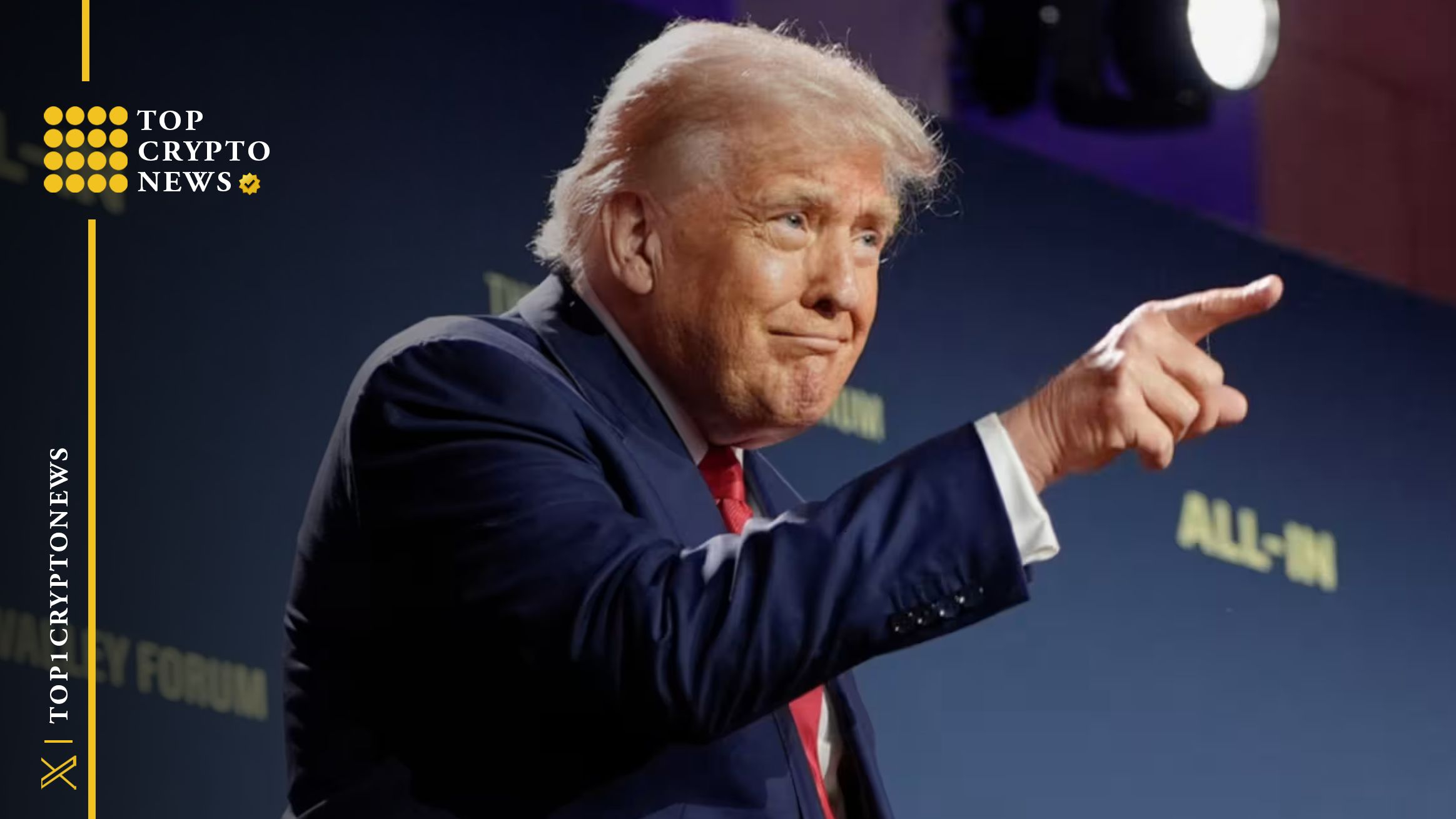
1
2
2.1k
Verificado
🟣 Solana amplía las acciones tokenizadas mientras SOL prueba $102.50 – ¿Puede romper más alto?
A medida que la actividad de trading crece hasta rivalizar con grandes centros, los mercados de acciones tokenizadas de Solana están empezando a llamar la atención.
En este contexto, las acciones tokenizadas en Solana [SOL] generaron más de $200 millones en volumen. Sorprendentemente, estos volúmenes superan a los asociados con acciones tokenizadas listadas tanto en NASDAQ como en NYSE, por encima de $100 millones.
Cabe destacar que Raydium [RAY] captó alrededor del 70% de esa actividad, siendo así la principal fuente de liquidez detrás del crecimiento. La comparación es más estrecha de lo que parece a primera vista. Esto se debe a que abarca acciones tokenizadas, en lugar del mercado de valores completo.
Sin embargo, incluso con un alcance tan reducido, el tamaño del aumento refleja la rapidez con la que está surgiendo el trading de acciones en cadena.
🔸 Solana expande su mercado de acciones tokenizadas
En ese panorama, el mercado de acciones tokenizadas de Solana también se está expandiendo con rapidez. Como resultado, esta expansión ofrece a los traders un conjunto creciente de activos para operar. La oferta de acciones tokenizadas alcanzó un récord de $684 millones la semana pasada, marcando un incremento del 47% en solo tres semanas.
También están representándose mayores cantidades de capital a través de acciones tokenizadas y ETFs. La expansión además proviene de varios emisores, y no de una sola plataforma. xStocks, Ondo, Backpack Securities, Sunrise, Superstate y Securitize han lanzado productos de acciones en Solana.
🔸 SOL prueba la barrera de $102.50
Mientras tanto, Solana continúa operando en una amplia consolidación después de su fuerte rally de agosto. El precio actual está cerca del punto medio de este rango, aproximadamente en $101.48.
SOL cotiza cerca de $101.48 tras recuperarse de la zona de $97.50, donde recientemente entraron compradores. Ese límite inferior (línea morada) brindó soporte en cada una de las dos rally previos, por lo que sigue siendo el soporte clave por debajo del precio.
#SOL | #Solana | $SOL
{spot}(SOLUSDT)
🟣 Solana amplía las acciones tokenizadas mientras SOL prueba $102.50 – ¿Puede romper más alto?
A medida que la actividad de trading crece hasta rivalizar con grandes centros, los mercados de acciones tokenizadas de Solana están empezando a llamar la atención.
En este contexto, las acciones tokenizadas en Solana [SOL] generaron más de $200 millones en volumen. Sorprendentemente, estos volúmenes superan a los asociados con acciones tokenizadas listadas tanto en NASDAQ como en NYSE, por encima de $100 millones.
Cabe destacar que Raydium [RAY] captó alrededor del 70% de esa actividad, siendo así la principal fuente de liquidez detrás del crecimiento. La comparación es más estrecha de lo que parece a primera vista. Esto se debe a que abarca acciones tokenizadas, en lugar del mercado de valores completo.
Sin embargo, incluso con un alcance tan reducido, el tamaño del aumento refleja la rapidez con la que está surgiendo el trading de acciones en cadena.
🔸 Solana expande su mercado de acciones tokenizadas
En ese panorama, el mercado de acciones tokenizadas de Solana también se está expandiendo con rapidez. Como resultado, esta expansión ofrece a los traders un conjunto creciente de activos para operar. La oferta de acciones tokenizadas alcanzó un récord de $684 millones la semana pasada, marcando un incremento del 47% en solo tres semanas.
También están representándose mayores cantidades de capital a través de acciones tokenizadas y ETFs. La expansión además proviene de varios emisores, y no de una sola plataforma. xStocks, Ondo, Backpack Securities, Sunrise, Superstate y Securitize han lanzado productos de acciones en Solana.
🔸 SOL prueba la barrera de $102.50
Mientras tanto, Solana continúa operando en una amplia consolidación después de su fuerte rally de agosto. El precio actual está cerca del punto medio de este rango, aproximadamente en $101.48.
SOL cotiza cerca de $101.48 tras recuperarse de la zona de $97.50, donde recientemente entraron compradores. Ese límite inferior (línea morada) brindó soporte en cada una de las dos rally previos, por lo que sigue siendo el soporte clave por debajo del precio.
#SOL | #Solana | $SOL
A medida que la actividad de trading crece hasta rivalizar con grandes centros, los mercados de acciones tokenizadas de Solana están empezando a llamar la atención.
En este contexto, las acciones tokenizadas en Solana [SOL] generaron más de $200 millones en volumen. Sorprendentemente, estos volúmenes superan a los asociados con acciones tokenizadas listadas tanto en NASDAQ como en NYSE, por encima de $100 millones.
Cabe destacar que Raydium [RAY] captó alrededor del 70% de esa actividad, siendo así la principal fuente de liquidez detrás del crecimiento. La comparación es más estrecha de lo que parece a primera vista. Esto se debe a que abarca acciones tokenizadas, en lugar del mercado de valores completo.
Sin embargo, incluso con un alcance tan reducido, el tamaño del aumento refleja la rapidez con la que está surgiendo el trading de acciones en cadena.
🔸 Solana expande su mercado de acciones tokenizadas
En ese panorama, el mercado de acciones tokenizadas de Solana también se está expandiendo con rapidez. Como resultado, esta expansión ofrece a los traders un conjunto creciente de activos para operar. La oferta de acciones tokenizadas alcanzó un récord de $684 millones la semana pasada, marcando un incremento del 47% en solo tres semanas.
También están representándose mayores cantidades de capital a través de acciones tokenizadas y ETFs. La expansión además proviene de varios emisores, y no de una sola plataforma. xStocks, Ondo, Backpack Securities, Sunrise, Superstate y Securitize han lanzado productos de acciones en Solana.
🔸 SOL prueba la barrera de $102.50
Mientras tanto, Solana continúa operando en una amplia consolidación después de su fuerte rally de agosto. El precio actual está cerca del punto medio de este rango, aproximadamente en $101.48.
SOL cotiza cerca de $101.48 tras recuperarse de la zona de $97.50, donde recientemente entraron compradores. Ese límite inferior (línea morada) brindó soporte en cada una de las dos rally previos, por lo que sigue siendo el soporte clave por debajo del precio.
#SOL | #Solana | $SOL

7
4k
Inicia sesión para explorar más contenidos
Únete a usuarios globales de criptomonedas en Binance Square
⚡️ Obtén información útil y actualizada sobre criptos.
💬 Avalado por el mayor exchange de criptomonedas en el mundo.
👍 Descubre perspectivas reales de creadores verificados.
Email/número de teléfono