

The Market Updates
6.8k Posts

The Market Updates
Report
Block User
Crypto Trader Since 2007.
5 Following
12.4K+ Followers
19.4K+ Liked
Posts
All
Quotes
Videos
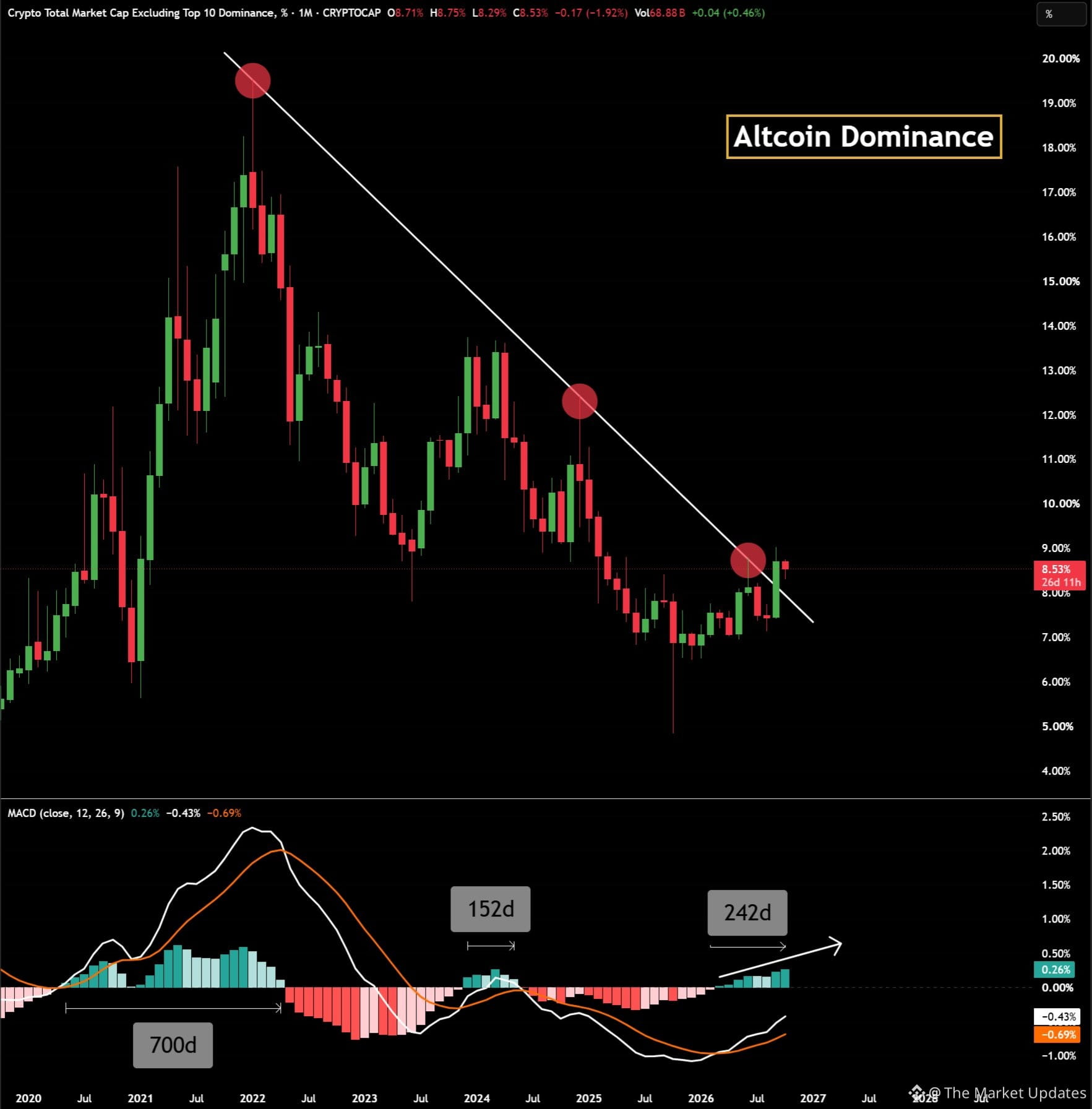
Altcoin dominance has broken out of its nearly 5-year downtrend, with the monthly MACD in green for 7 consecutive months, the longest streak since 2020.
This is starting to feel a lot like the 2020-21 AltSeason cycle.
Altcoin dominance has broken out of its nearly 5-year downtrend, with the monthly MACD in green for 7 consecutive months, the longest streak since 2020.
This is starting to feel a lot like the 2020-21 AltSeason cycle.
This is starting to feel a lot like the 2020-21 AltSeason cycle.
81
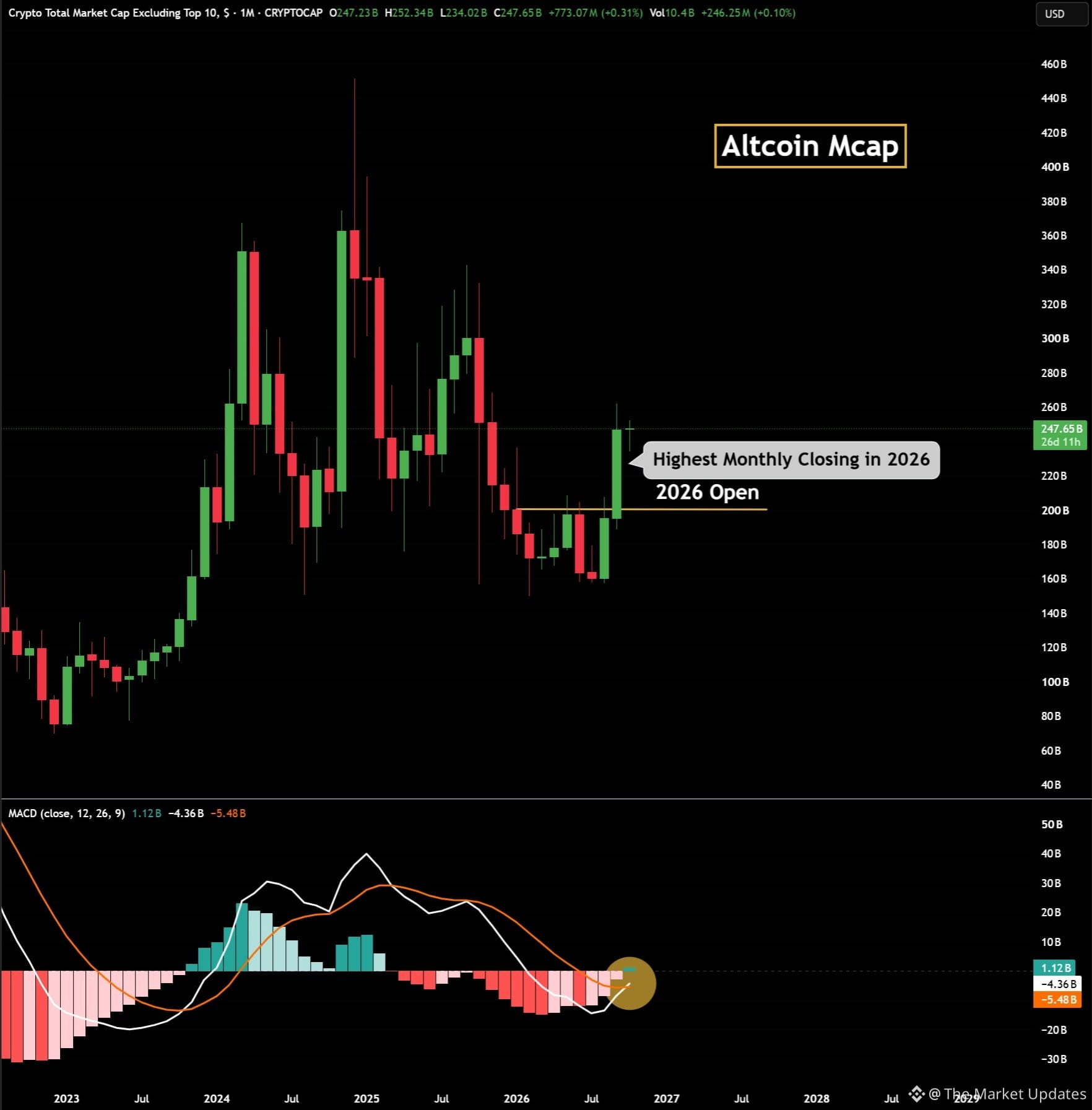
Altcoin Marketcap just hit its highest monthly close of 2026, with MACD turning bullish for the first time since February 2025.
The next altcoin season could be massive.
Altcoin Marketcap just hit its highest monthly close of 2026, with MACD turning bullish for the first time since February 2025.
The next altcoin season could be massive.
The next altcoin season could be massive.
112
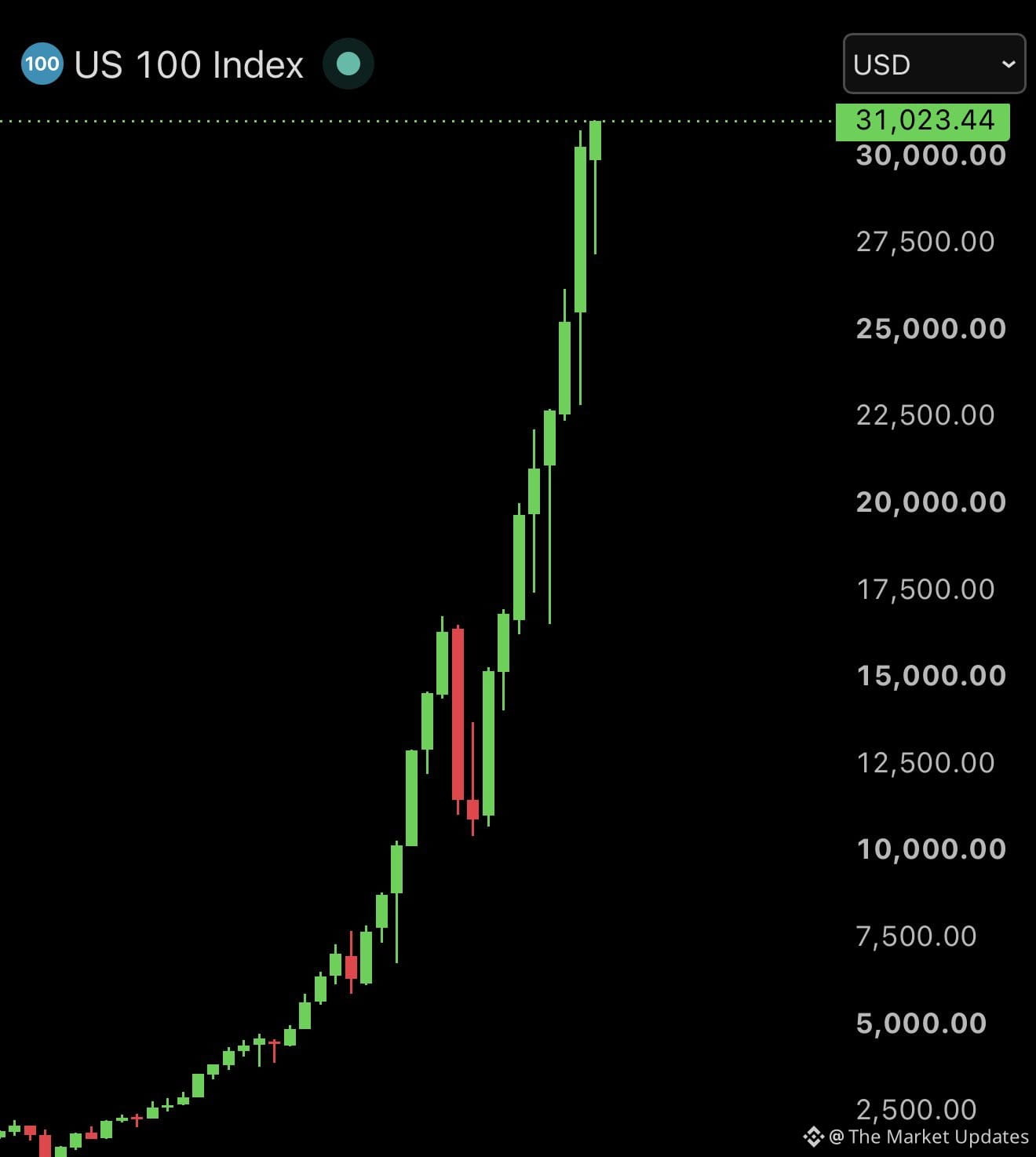
BREAKING: 🇺🇸 Nasdaq just hits a new all-time high.
Bullish for Crypto.
BREAKING: 🇺🇸 Nasdaq just hits a new all-time high.
Bullish for Crypto.
Bullish for Crypto.
79
BREAKING: 🇺🇸 CFTC proposes its first-ever rules to regulate the U.S. crypto market.
The rules would focus on:
1. Stopping abusive practices across crypto markets.
2. Setting clear standards for common crypto industry practices.
3. Creating a crypto-specific market registration framework.
4. Adding protections to prevent fraud and FTX-style failures.
BREAKING: 🇺🇸 CFTC proposes its first-ever rules to regulate the U.S. crypto market.
The rules would focus on:
1. Stopping abusive practices across crypto markets.
2. Setting clear standards for common crypto industry practices.
3. Creating a crypto-specific market registration framework.
4. Adding protections to prevent fraud and FTX-style failures.
The rules would focus on:
1. Stopping abusive practices across crypto markets.
2. Setting clear standards for common crypto industry practices.
3. Creating a crypto-specific market registration framework.
4. Adding protections to prevent fraud and FTX-style failures.
1
2
617
BREAKING: 🇺🇸 SEC approves first-ever 3x leveraged trading for Bitcoin and Ethereum ETFs.
BREAKING: 🇺🇸 SEC approves first-ever 3x leveraged trading for Bitcoin and Ethereum ETFs.
87
BREAKING: 🇺🇸 CFTC Chairman Mike Selig says “Big news ahead.”
SOMETHING BIG IS COMING FOR CRYPTO !!
BREAKING: 🇺🇸 CFTC Chairman Mike Selig says “Big news ahead.”
SOMETHING BIG IS COMING FOR CRYPTO !!
SOMETHING BIG IS COMING FOR CRYPTO !!
1
120
BREAKING: 🇺🇸 The US Treasury has withdrawn proposed rules that would have given the government more power to track your crypto transactions from self-custody wallets and mixers.
BREAKING: 🇺🇸 The US Treasury has withdrawn proposed rules that would have given the government more power to track your crypto transactions from self-custody wallets and mixers.
279
🚨 BREAKING 🚨
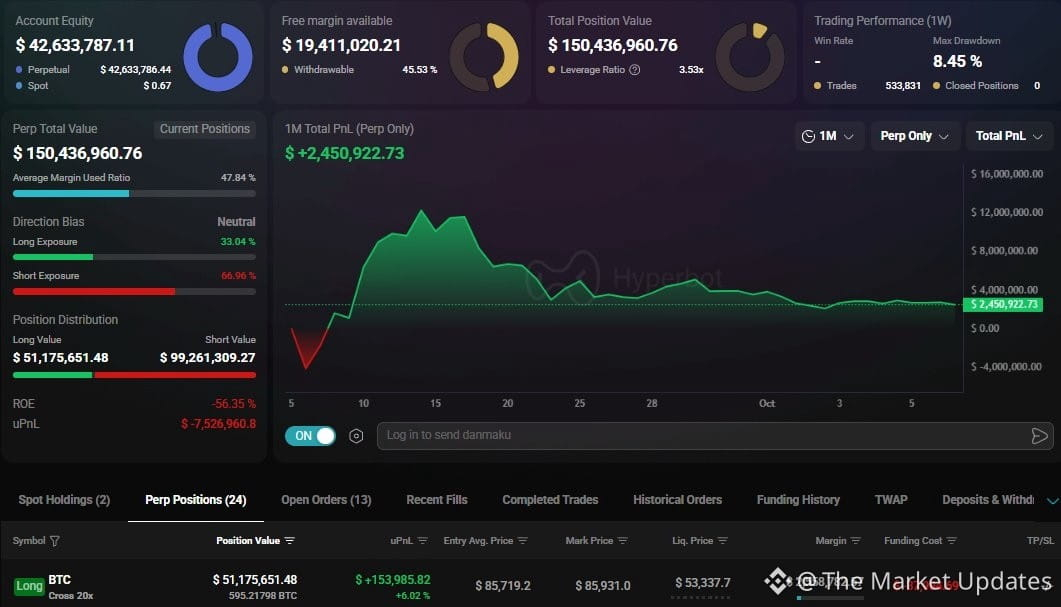
A whale with $2.4 Million in weekly profits has opened a $51 Million $BTC long.
He definitely knows something.
🚨 BREAKING 🚨
A whale with $2.4 Million in weekly profits has opened a $51 Million $BTC long.
He definitely knows something.
A whale with $2.4 Million in weekly profits has opened a $51 Million $BTC long.
He definitely knows something.
174
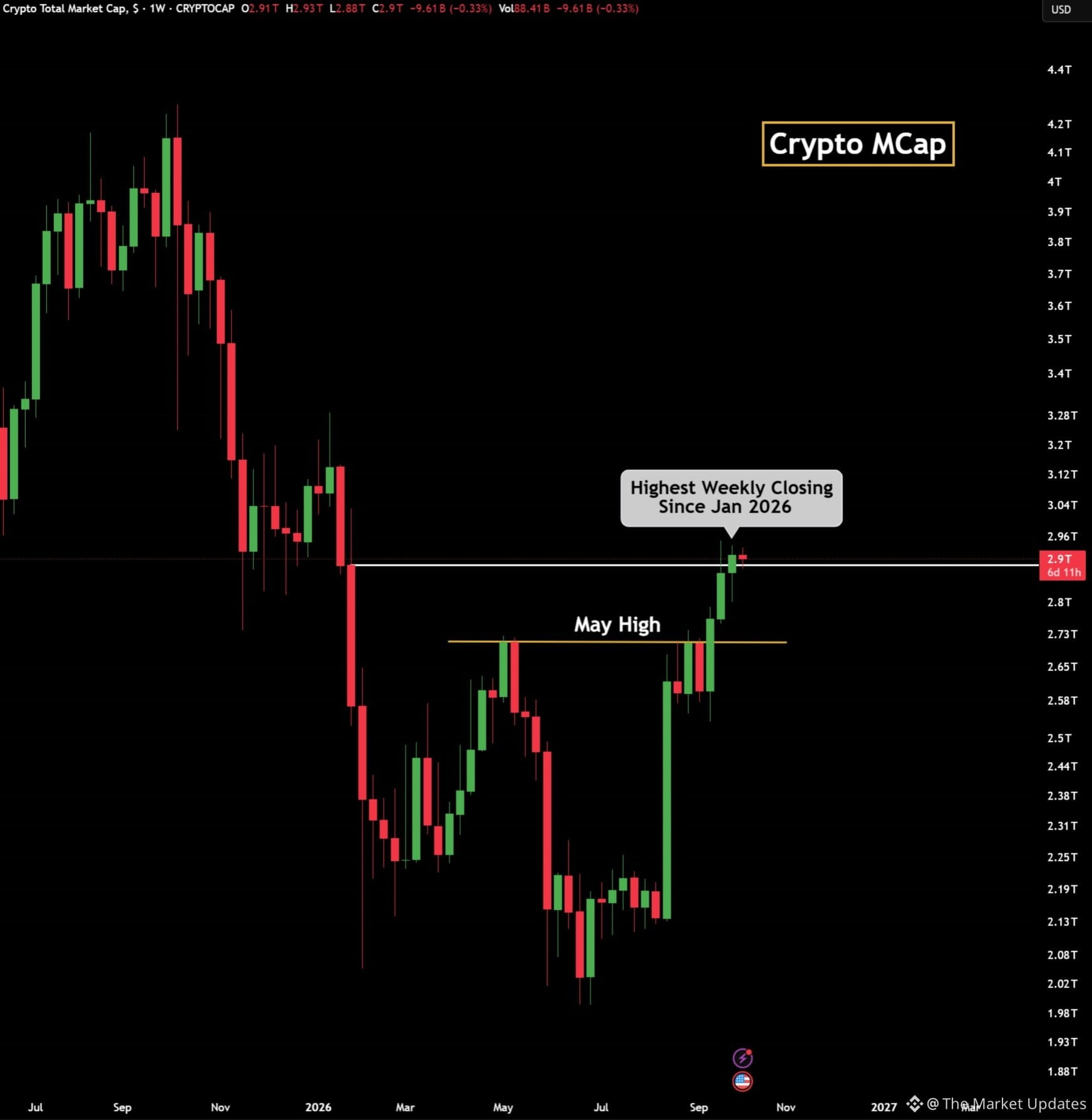
Crypto market cap just hit its highest weekly close since January 2026.
This is the 3rd consecutive weekly close above May highs, signalling that the bottom is in.
Crypto market cap just hit its highest weekly close since January 2026.
This is the 3rd consecutive weekly close above May highs, signalling that the bottom is in.
This is the 3rd consecutive weekly close above May highs, signalling that the bottom is in.
156
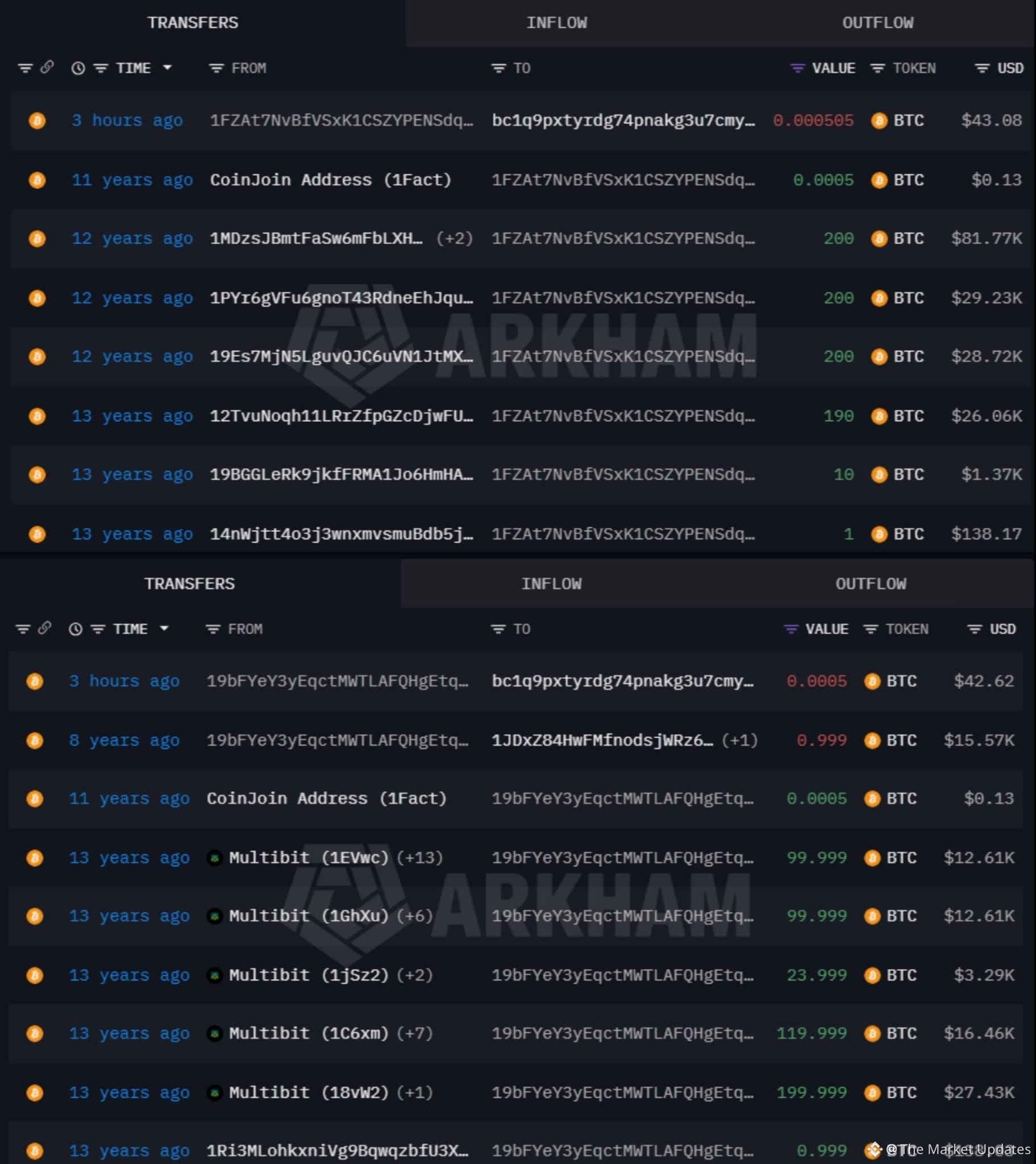
Two OGs bought 1,346 $BTC for just $239K in 2013.
Held it for 13 years and survived every major crash.
Today, they moved their stash, which is now worth $114,670,000.
A 47,882% return by simply HODLing.
Two OGs bought 1,346 $BTC for just $239K in 2013.
Held it for 13 years and survived every major crash.
Today, they moved their stash, which is now worth $114,670,000.
A 47,882% return by simply HODLing.
Held it for 13 years and survived every major crash.
Today, they moved their stash, which is now worth $114,670,000.
A 47,882% return by simply HODLing.
1
2
575
175
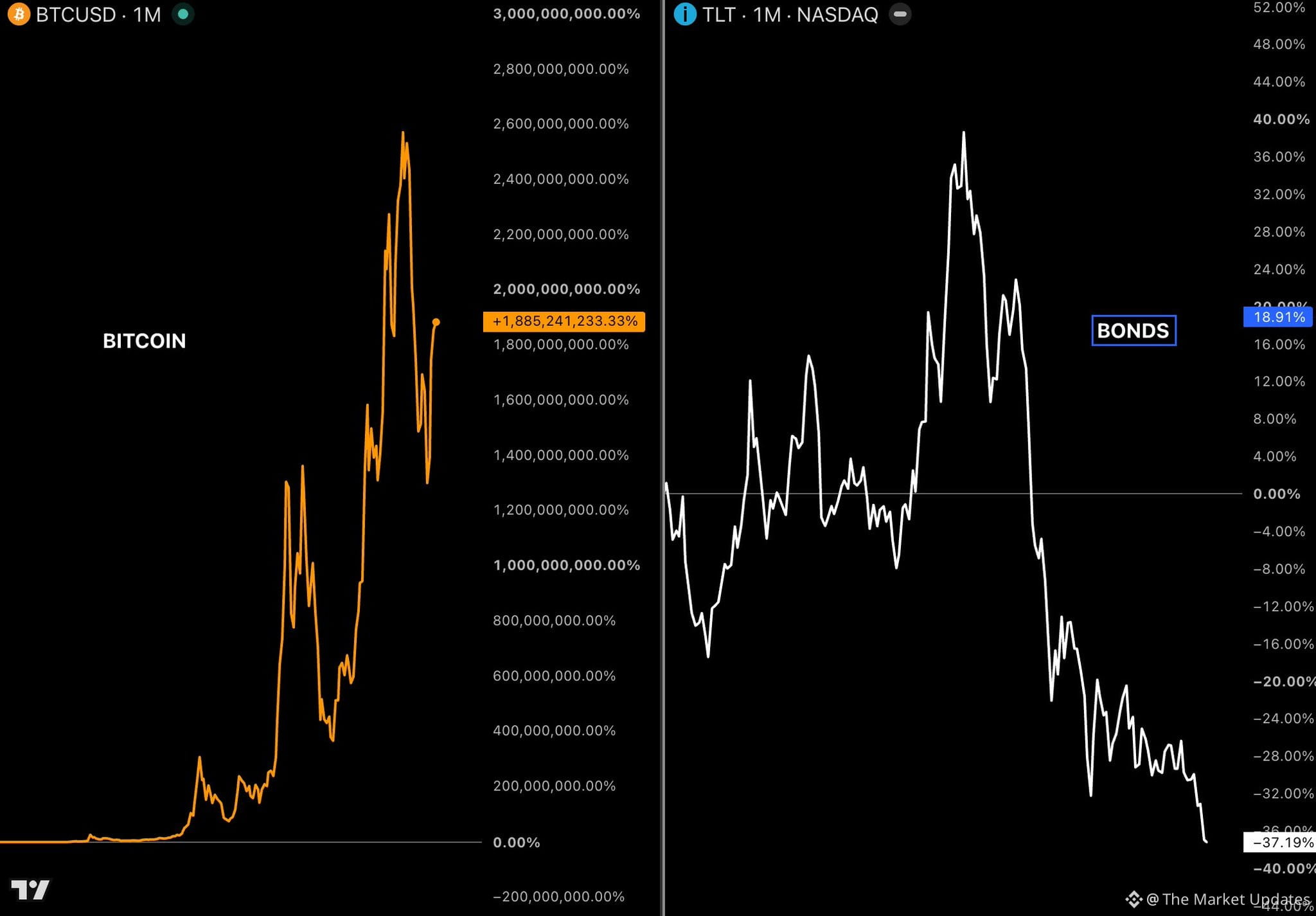
This is absolutely insane.
If you invested $1,000 in US bonds in 2010, you'd have $630 today.
If you invested the same $1,000 in $BTC that same year, you'd have $1.8 BILLION today.
This is absolutely insane.
If you invested $1,000 in US bonds in 2010, you'd have $630 today.
If you invested the same $1,000 in $BTC that same year, you'd have $1.8 BILLION today.
If you invested $1,000 in US bonds in 2010, you'd have $630 today.
If you invested the same $1,000 in $BTC that same year, you'd have $1.8 BILLION today.
BTC+0.01%
TLTETF+0.50%
1
104
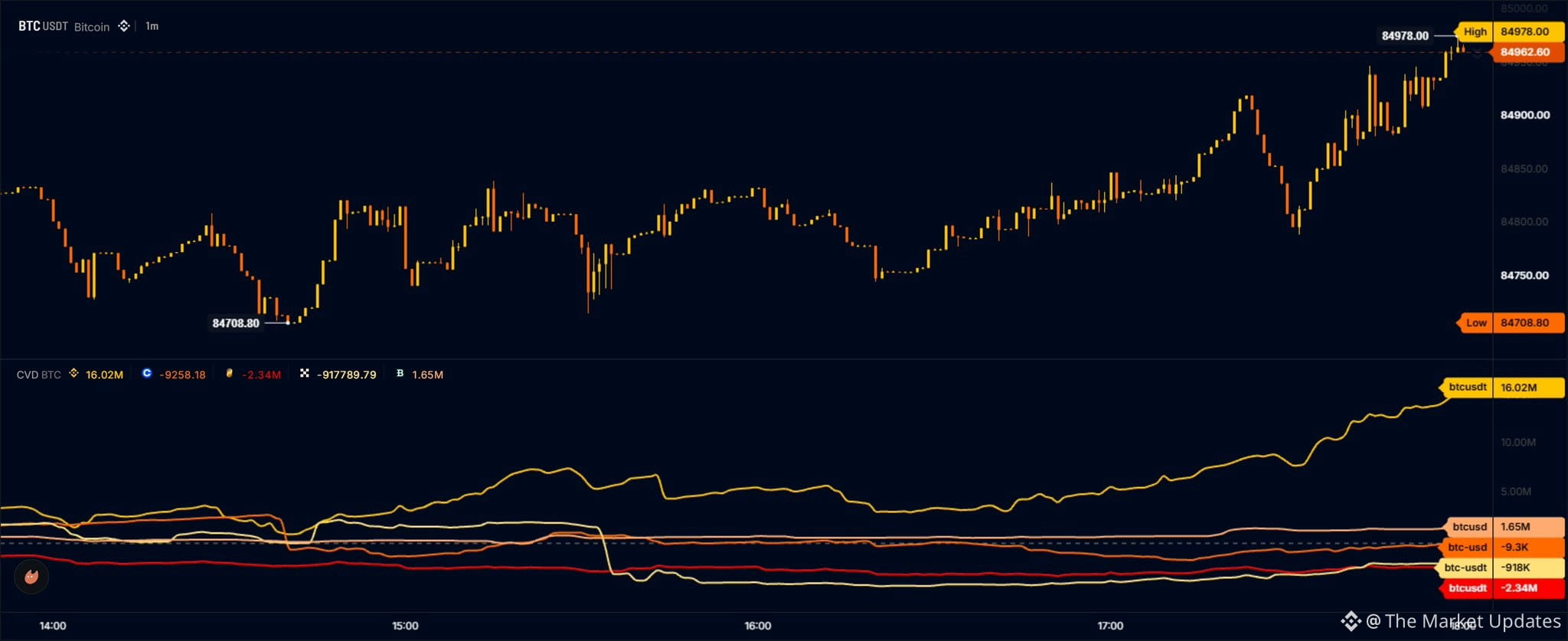
Binance is buying $BTC over the weekend.
Is a big pump coming next week?
Binance is buying $BTC over the weekend.
Is a big pump coming next week?
Is a big pump coming next week?
1
87
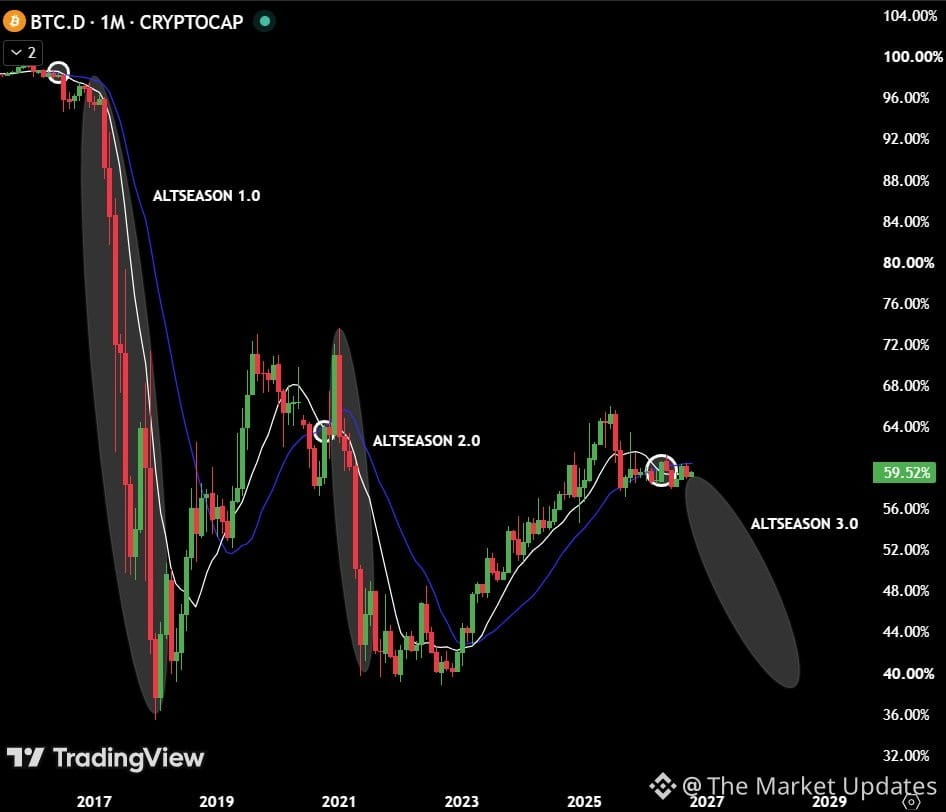
ALTSEASON 3.0 IS COMING
The next few years would be massive for alts.
ALTSEASON 3.0 IS COMING
The next few years would be massive for alts.
The next few years would be massive for alts.
1
4
383
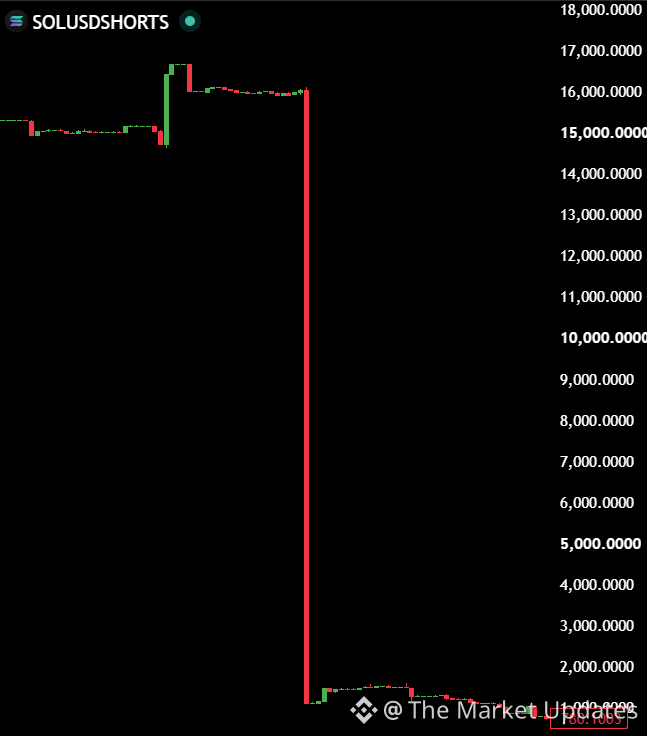
Bitfinex whales are closing their $SOL shorts.
They definitely think a pump is coming.
Bitfinex whales are closing their $SOL shorts.
They definitely think a pump is coming.
They definitely think a pump is coming.
2
327
ONCE $ETH BREAKS $2,850
ALT-COINS WILL EXPLODE
ONCE $ETH BREAKS $2,850
ALT-COINS WILL EXPLODE
ALT-COINS WILL EXPLODE
2
171
·
--
Bullish
🔥BULLISH:
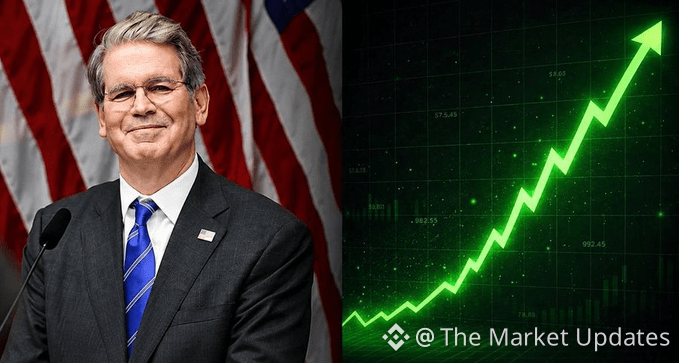
🇺🇸 US Treasury will buy back $6,000,000,000 of its own debt next week.
🔥BULLISH:
🇺🇸 US Treasury will buy back $6,000,000,000 of its own debt next week.
🇺🇸 US Treasury will buy back $6,000,000,000 of its own debt next week.
208
·
--
Bullish
Partly True
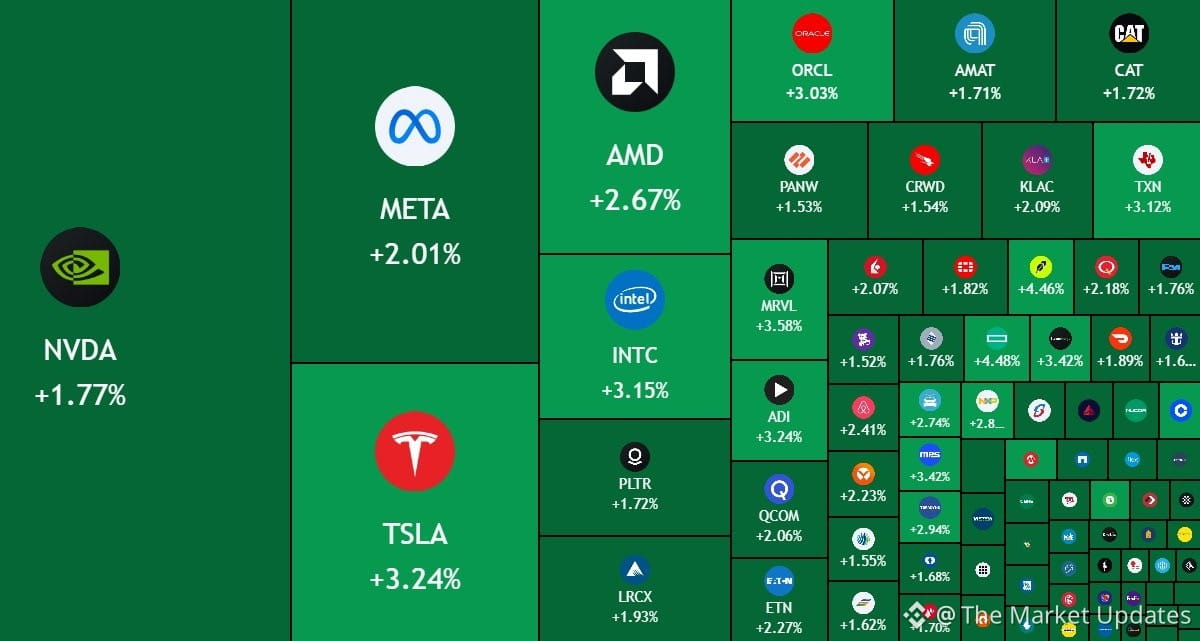
BIG PUMP:
$690 Billion added to the US stock at market open.
BIG PUMP:
$690 Billion added to the US stock at market open.
$690 Billion added to the US stock at market open.
2
2.2k
·
--
Bullish
🔥MASSIVE:
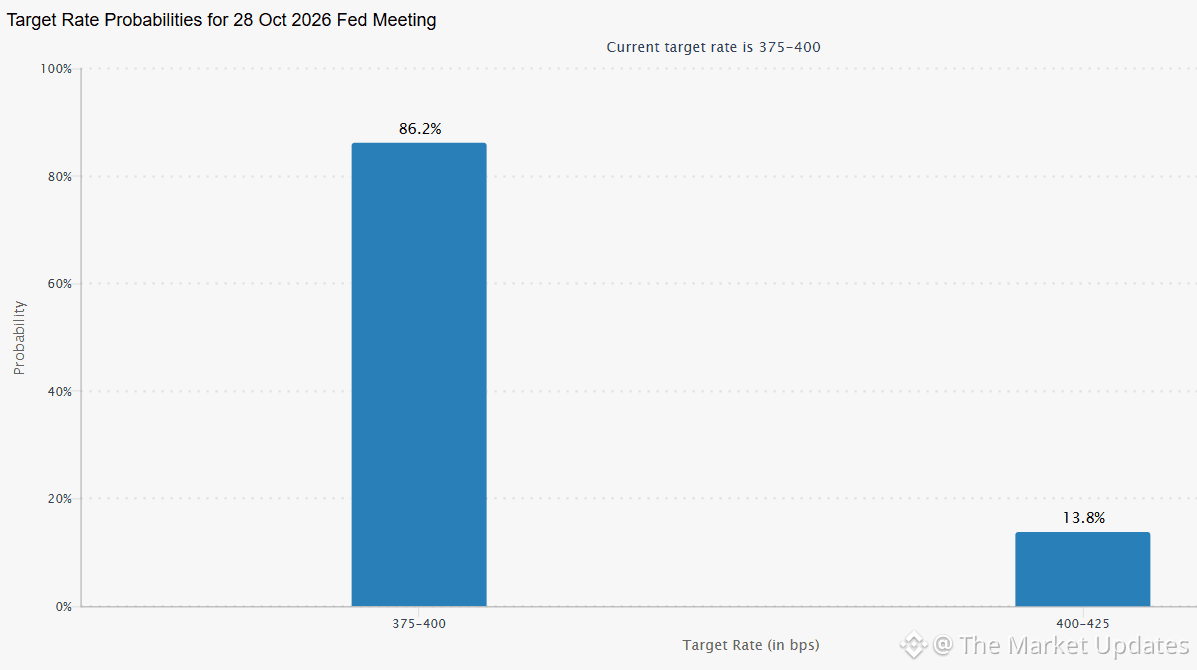
🇺🇸 Fed rate hike odds just dropped to 13.8%.
SEND EVERYTHING HIGHER🚀
🔥MASSIVE:
🇺🇸 Fed rate hike odds just dropped to 13.8%.
SEND EVERYTHING HIGHER🚀
🇺🇸 Fed rate hike odds just dropped to 13.8%.
SEND EVERYTHING HIGHER🚀
332
🚨BREAKING🚨
🇺🇸 US unemployment came in at 4.2%
Expectations: 4.1%
Highest level in 3 months.
🚨BREAKING🚨
🇺🇸 US unemployment came in at 4.2%
Expectations: 4.1%
Highest level in 3 months.
🇺🇸 US unemployment came in at 4.2%
Expectations: 4.1%
Highest level in 3 months.
95
Log in to explore more content
Join global crypto users on Binance Square
⚡️ Get latest and useful information about crypto.
💬 Trusted by the world’s largest crypto exchange.
👍 Discover real insights from verified creators.
Email / Phone number
Trending Topics
BinanceLaunchesBinanceIntelligence
107,346 views
1,143 Discussing
🚨 BINANCE JUST PUT AI DIRECTLY INSIDE THE EXCHANGE — AND THIS COULD CHANGE HOW RETAIL TRADES.
Binance has officially launched Binance Intelligence, a new AI layer built into the Binance ecosystem. It combines three products:
Binance AI for everyday users,
Binance AI Pro for automated trading workflows,
and Agent OS for developers building financial agents.
The part traders should care about?
Binance AI can surface market briefs, smart alerts, PnL recaps and personalized information, while AI Pro is designed to turn a plain-English trading idea into a visual strategy workflow.
That means the next phase of exchange competition may not be:
lowest fees vs deepest liquidity.
It could be:
who gives traders the best AI execution layer.
If Binance Intelligence actually drives heavier user activity, automated strategies and higher trading frequency, watch $BNB first.
AI adoption ↑
→ Binance engagement ↑
→ trading activity ↑
→ ecosystem narrative strengthens.
The catalyst I’d watch now:
global rollout + AI Pro launch + measurable user adoption.
Because once AI stops just telling you what the market is doing…
…and starts helping build the trade itself?
That’s when this gets much bigger than another chatbot. 👀
#binancelaunchesbinanceintelligence #EvernorthXRPTreasuryCompletesSPACMerger #ADAGains10%Above$0.27 #ETHUp70%InQ3ButLiquidityFalls #EthStakingExitQueueHits2026High
KimHotbae
·32 Likes
·38k views
StriveBuys2000BTCFor$169M
3,479 views
49 Discussing
EvernorthXRPTreasuryCompletesSPACMerger
71,268 views
760 Discussing