

Lin Xiao
378 Posts

Lin Xiao
Report
Block User
$3.8B BTC ETF inflows but price still flat? 🤔 I explain why in 60 seconds. Daily alpha, no FOMO — just follow me ✨
Frequent Trader
5.6 Years
23 Following
2.0K+ Followers
3.6K+ Liked
Posts
All
Quotes
Videos
PINNED
·
--
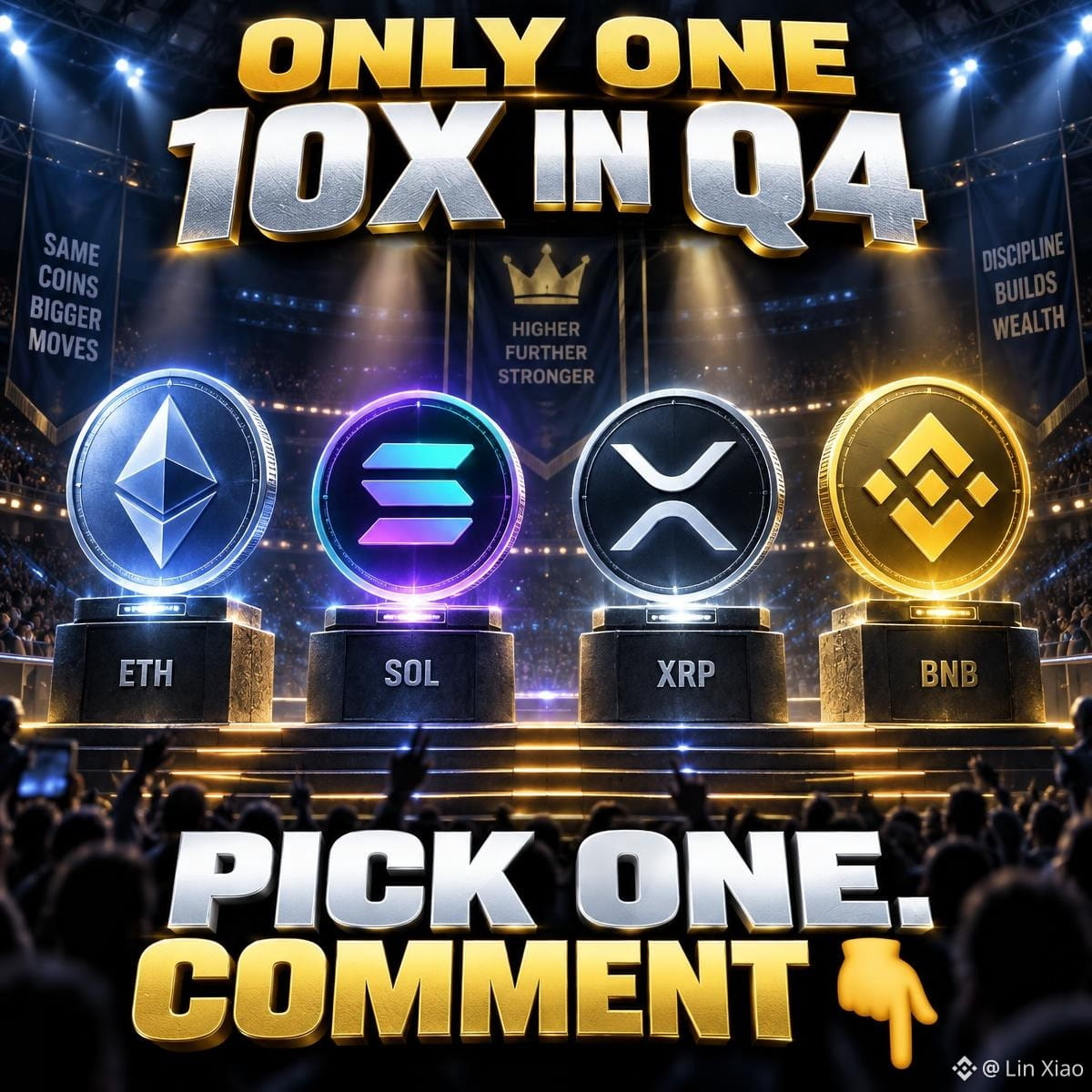
🏆 You can only hold ONE coin until the end of 2026. Which one?
🔷 ETH — broke $2,800, $270M fresh ETF inflows
🟣 SOL — speed + memecoin liquidity king
⚪ XRP — outperforming as Altseason Index hits 48
🟡 $BNB — the exchange-ecosystem powerhouse
Altseason rotation is loading: BTC broke out, dominance is stalling, and alts are starting to move. The ones who pick early win. The ones who wait buy the top. ⏳
👇 Drop ONE ticker + your reason. Best argument gets a shoutout.
🔁 Repost and tag a friend who would pick wrong. 😅
✅ Follow for the next rotation signal.
NFA. DYOR.
#Altseason #Ethereum #Solana #XRP #BinanceSquare
🏆 You can only hold ONE coin until the end of 2026. Which one?
🔷 ETH — broke $2,800, $270M fresh ETF inflows
🟣 SOL — speed + memecoin liquidity king
⚪ XRP — outperforming as Altseason Index hits 48
🟡 $BNB — the exchange-ecosystem powerhouse
Altseason rotation is loading: BTC broke out, dominance is stalling, and alts are starting to move. The ones who pick early win. The ones who wait buy the top. ⏳
👇 Drop ONE ticker + your reason. Best argument gets a shoutout.
🔁 Repost and tag a friend who would pick wrong. 😅
✅ Follow for the next rotation signal.
NFA. DYOR.
#Altseason #Ethereum #Solana #XRP #BinanceSquare
🔷 ETH — broke $2,800, $270M fresh ETF inflows
🟣 SOL — speed + memecoin liquidity king
⚪ XRP — outperforming as Altseason Index hits 48
🟡 $BNB — the exchange-ecosystem powerhouse
Altseason rotation is loading: BTC broke out, dominance is stalling, and alts are starting to move. The ones who pick early win. The ones who wait buy the top. ⏳
👇 Drop ONE ticker + your reason. Best argument gets a shoutout.
🔁 Repost and tag a friend who would pick wrong. 😅
✅ Follow for the next rotation signal.
NFA. DYOR.
#Altseason #Ethereum #Solana #XRP #BinanceSquare
3
1.1k
PINNED
·
--
Why did billions in ETF inflows move Bitcoin almost 0%? 🤔
Everyone read the headline as bullish. The chart just shrugged.
Here's what most people miss:
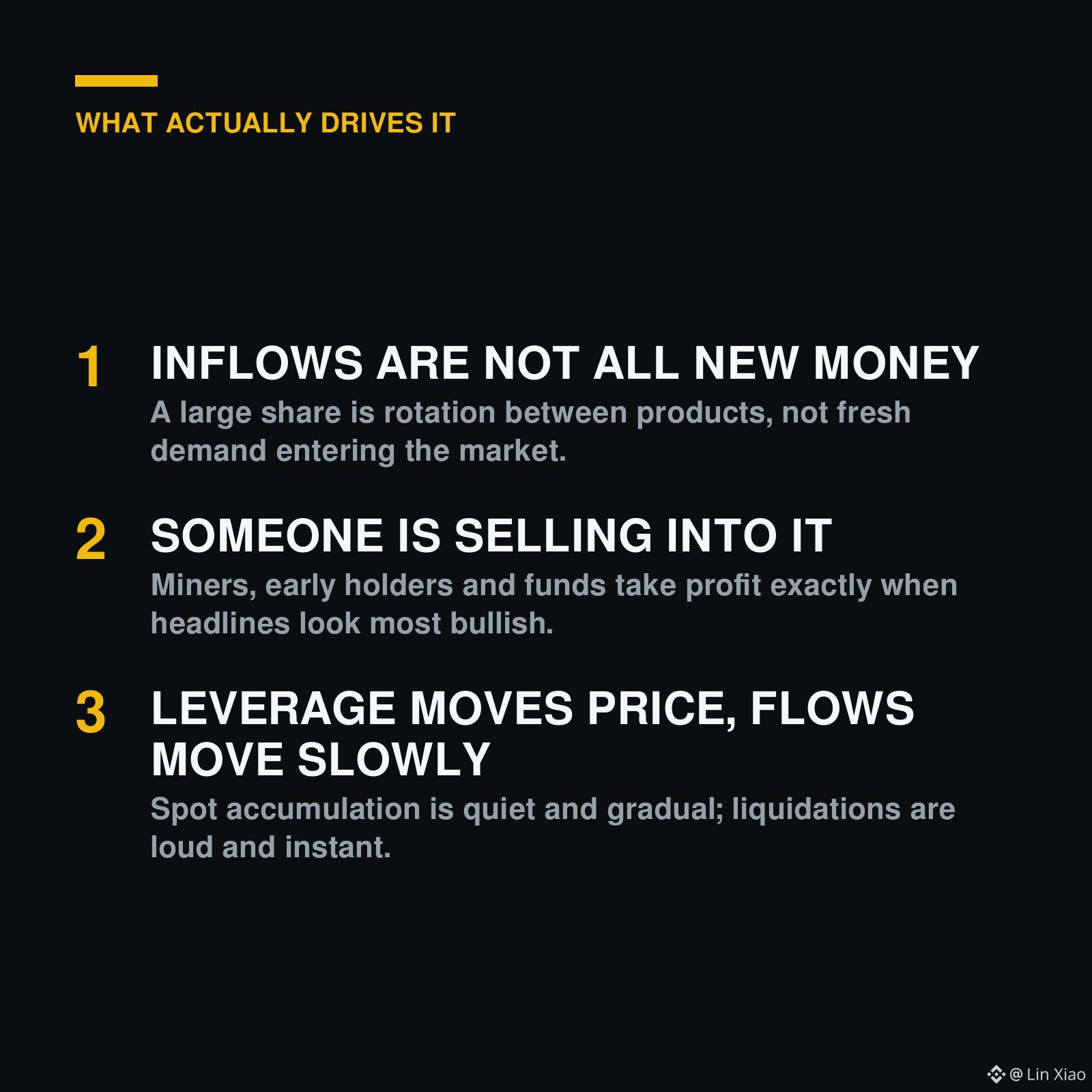
1) Inflows aren't all new money - a big share is rotation between products, not fresh demand
2) Someone is selling into it - miners and early holders take profit exactly when headlines look best
3) Leverage moves price fast, spot flows move slowly - one is loud, the other is quiet
Flows tell you WHO is buying. They never tell you WHEN price reacts.
Swipe the 4 slides for the full breakdown 👉
Which one surprised you most - 1, 2 or 3? Comment your number below.
Save this for the next "record inflows" headline, and follow for daily alpha, no FOMO.
#Bitcoin #ETF #CryptoNews #TradingTips $BTC $ETH
Why did billions in ETF inflows move Bitcoin almost 0%? 🤔
Everyone read the headline as bullish. The chart just shrugged.
Here's what most people miss:
1) Inflows aren't all new money - a big share is rotation between products, not fresh demand
2) Someone is selling into it - miners and early holders take profit exactly when headlines look best
3) Leverage moves price fast, spot flows move slowly - one is loud, the other is quiet
Flows tell you WHO is buying. They never tell you WHEN price reacts.
Swipe the 4 slides for the full breakdown 👉
Which one surprised you most - 1, 2 or 3? Comment your number below.
Save this for the next "record inflows" headline, and follow for daily alpha, no FOMO.
#Bitcoin #ETF #CryptoNews #TradingTips $BTC $ETH
Everyone read the headline as bullish. The chart just shrugged.
Here's what most people miss:
1) Inflows aren't all new money - a big share is rotation between products, not fresh demand
2) Someone is selling into it - miners and early holders take profit exactly when headlines look best
3) Leverage moves price fast, spot flows move slowly - one is loud, the other is quiet
Flows tell you WHO is buying. They never tell you WHEN price reacts.
Swipe the 4 slides for the full breakdown 👉
Which one surprised you most - 1, 2 or 3? Comment your number below.
Save this for the next "record inflows" headline, and follow for daily alpha, no FOMO.
#Bitcoin #ETF #CryptoNews #TradingTips $BTC $ETH


1
1
55
·
--
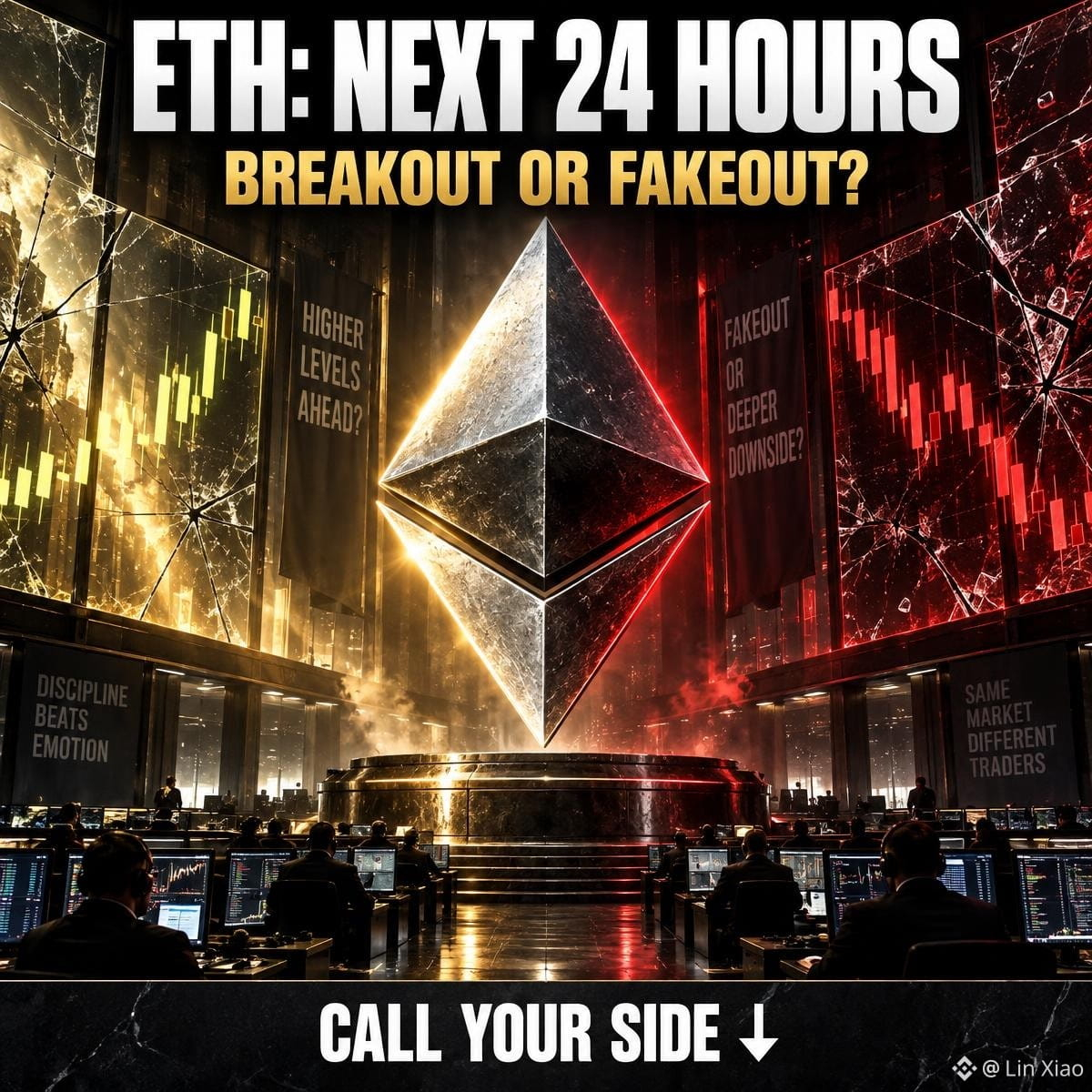
⚠️ ONE COIN ON MY 24-HOUR WATCHLIST: $ETH
Not because a breakout is guaranteed. Because the setup deserves attention.
ETH traded near $2,707 at my check, with a 24h range of roughly $2,665–$2,712. Recent spot ETH ETF inflows add a reason to watch — not a promise of what happens next.
My plan: watch for a decisive move above the recent high with volume. If it rejects, I wait. No blind buys, no leverage just because a headline sounds urgent.
Would you BUY the breakout or WAIT for the fakeout? Comment BUY or WAIT and tell me your level. Follow me, let’s connect, and share this with a friend who watches ETH.
Price snapshot: Sep 27, 06:32 UTC (Binance ETH/USDT). ETF context: Sep 25 reported inflows. Markets change fast. NFA. DYOR.
#ETH #Ethereum #Crypto #Trading #MarketWatch
⚠️ ONE COIN ON MY 24-HOUR WATCHLIST: $ETH
Not because a breakout is guaranteed. Because the setup deserves attention.
ETH traded near $2,707 at my check, with a 24h range of roughly $2,665–$2,712. Recent spot ETH ETF inflows add a reason to watch — not a promise of what happens next.
My plan: watch for a decisive move above the recent high with volume. If it rejects, I wait. No blind buys, no leverage just because a headline sounds urgent.
Would you BUY the breakout or WAIT for the fakeout? Comment BUY or WAIT and tell me your level. Follow me, let’s connect, and share this with a friend who watches ETH.
Price snapshot: Sep 27, 06:32 UTC (Binance ETH/USDT). ETF context: Sep 25 reported inflows. Markets change fast. NFA. DYOR.
#ETH #Ethereum #Crypto #Trading #MarketWatch
Not because a breakout is guaranteed. Because the setup deserves attention.
ETH traded near $2,707 at my check, with a 24h range of roughly $2,665–$2,712. Recent spot ETH ETF inflows add a reason to watch — not a promise of what happens next.
My plan: watch for a decisive move above the recent high with volume. If it rejects, I wait. No blind buys, no leverage just because a headline sounds urgent.
Would you BUY the breakout or WAIT for the fakeout? Comment BUY or WAIT and tell me your level. Follow me, let’s connect, and share this with a friend who watches ETH.
Price snapshot: Sep 27, 06:32 UTC (Binance ETH/USDT). ETF context: Sep 25 reported inflows. Markets change fast. NFA. DYOR.
#ETH #Ethereum #Crypto #Trading #MarketWatch
1
44
·
--
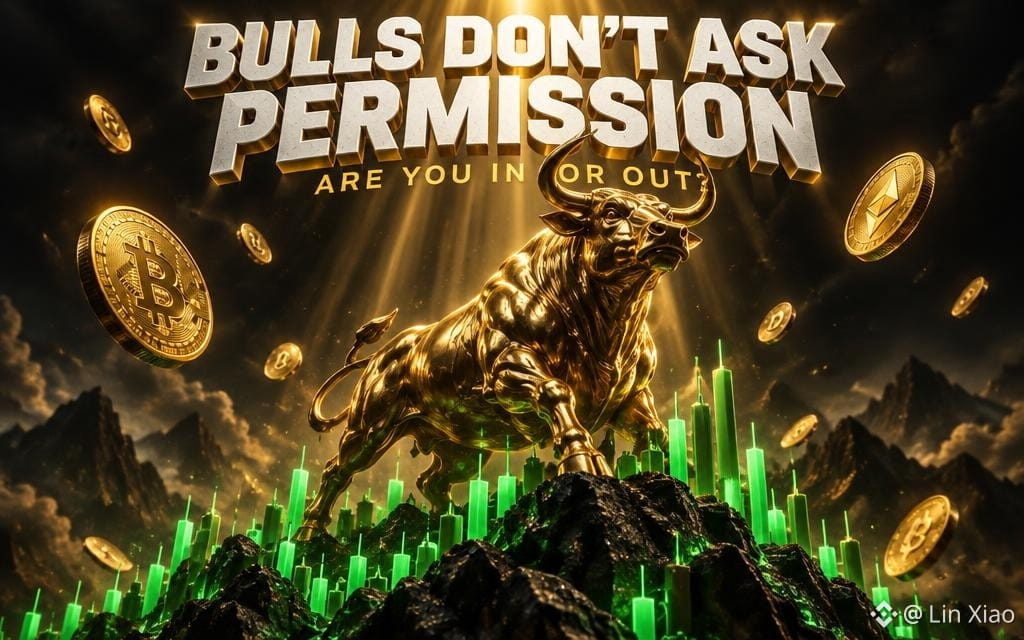
Bulls don't ask permission.
They don't wait for confirmation from the crowd. They don't beg the market to move.
They position. They wait. They strike.
— the next leg rewards conviction, not hesitation.
Are you in or out? There is no middle seat on this ride.
If you move with conviction, follow me. Let's be friends here — I share my levels, you share yours, we both win sharper.
Comment IN or OUT. No lurkers allowed. Repost for one friend still sitting on the fence.
#Crypto #BullRun #Bitcoin #BinanceSquare #Trading
NFA. DYOR.
Bulls don't ask permission.
They don't wait for confirmation from the crowd. They don't beg the market to move.
They position. They wait. They strike.
— the next leg rewards conviction, not hesitation.
Are you in or out? There is no middle seat on this ride.
If you move with conviction, follow me. Let's be friends here — I share my levels, you share yours, we both win sharper.
Comment IN or OUT. No lurkers allowed. Repost for one friend still sitting on the fence.
#Crypto #BullRun #Bitcoin #BinanceSquare #Trading
NFA. DYOR.
They don't wait for confirmation from the crowd. They don't beg the market to move.
They position. They wait. They strike.
— the next leg rewards conviction, not hesitation.
Are you in or out? There is no middle seat on this ride.
If you move with conviction, follow me. Let's be friends here — I share my levels, you share yours, we both win sharper.
Comment IN or OUT. No lurkers allowed. Repost for one friend still sitting on the fence.
#Crypto #BullRun #Bitcoin #BinanceSquare #Trading
NFA. DYOR.
1
63
·
--
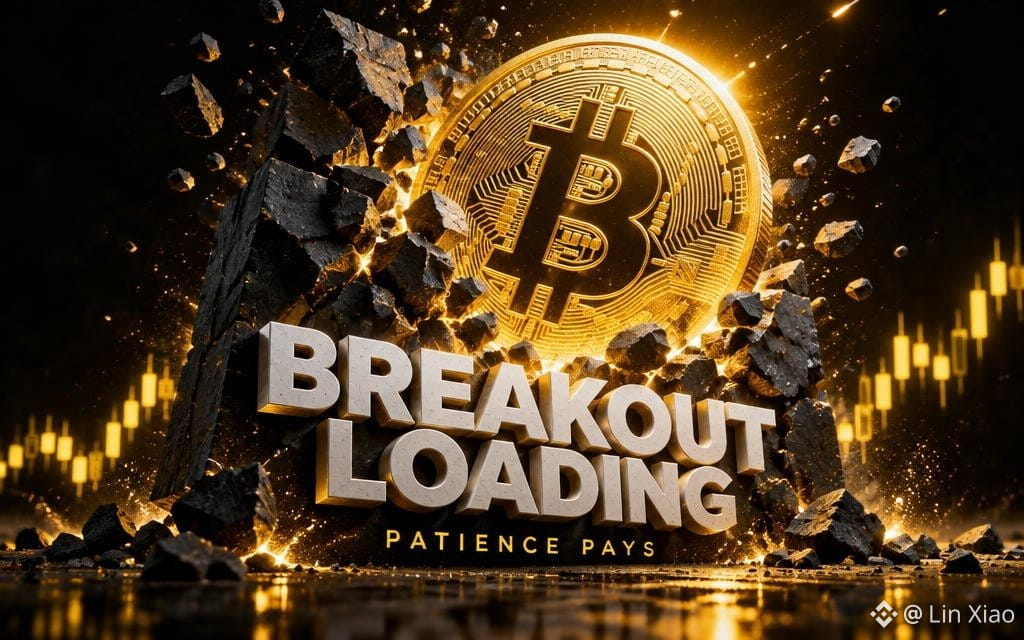
Breakout loading.
Every legend was once called crazy for holding.
The chart does not care about your doubts. It rewards the ones who stayed when everyone else left.
is coiling. You can feel it. The quiet before the move is always the loudest signal.
Patience pays. It always has.
If you are building positions while others build excuses, follow me. Let's be friends — sharp minds attract sharp minds.
Comment LOADING if you are positioned. Repost for one friend who needs patience today.
#Bitcoin #Crypto #Breakout #BinanceSquare #HODL
NFA. DYOR.
Breakout loading.
Every legend was once called crazy for holding.
The chart does not care about your doubts. It rewards the ones who stayed when everyone else left.
is coiling. You can feel it. The quiet before the move is always the loudest signal.
Patience pays. It always has.
If you are building positions while others build excuses, follow me. Let's be friends — sharp minds attract sharp minds.
Comment LOADING if you are positioned. Repost for one friend who needs patience today.
#Bitcoin #Crypto #Breakout #BinanceSquare #HODL
NFA. DYOR.
Every legend was once called crazy for holding.
The chart does not care about your doubts. It rewards the ones who stayed when everyone else left.
is coiling. You can feel it. The quiet before the move is always the loudest signal.
Patience pays. It always has.
If you are building positions while others build excuses, follow me. Let's be friends — sharp minds attract sharp minds.
Comment LOADING if you are positioned. Repost for one friend who needs patience today.
#Bitcoin #Crypto #Breakout #BinanceSquare #HODL
NFA. DYOR.
1
65
·
--
Silence is a strategy.
The loudest traders on your feed are usually the ones losing quietly.
While everyone panics at every red candle, the ones who win are doing something boring: waiting. Planning. Executing.
does not reward noise. It rewards patience with a plan.
No hype. No fear. Just levels, discipline, and time.
If you trade with a plan instead of emotions, follow me. Let's be friends here — I share what I see, you share what you see, we both get sharper.
Comment SILENT if you trade in silence. Repost this for one friend who trades too loud.
#Crypto #Bitcoin #TradingMindset #BinanceSquare #DYOR
NFA. DYOR.
Silence is a strategy.
The loudest traders on your feed are usually the ones losing quietly.
While everyone panics at every red candle, the ones who win are doing something boring: waiting. Planning. Executing.
does not reward noise. It rewards patience with a plan.
No hype. No fear. Just levels, discipline, and time.
If you trade with a plan instead of emotions, follow me. Let's be friends here — I share what I see, you share what you see, we both get sharper.
Comment SILENT if you trade in silence. Repost this for one friend who trades too loud.
#Crypto #Bitcoin #TradingMindset #BinanceSquare #DYOR
NFA. DYOR.
The loudest traders on your feed are usually the ones losing quietly.
While everyone panics at every red candle, the ones who win are doing something boring: waiting. Planning. Executing.
does not reward noise. It rewards patience with a plan.
No hype. No fear. Just levels, discipline, and time.
If you trade with a plan instead of emotions, follow me. Let's be friends here — I share what I see, you share what you see, we both get sharper.
Comment SILENT if you trade in silence. Repost this for one friend who trades too loud.
#Crypto #Bitcoin #TradingMindset #BinanceSquare #DYOR
NFA. DYOR.
1
83
·
--
Risk management & quick calculations in finance often make the difference between emotional decisions and rational ones.
Many traders or investors often miscalculate the drawdown percentage and how much % gain is actually needed just to return to the break-even point. For example, a floating loss of -20% requires a rebound of +25%, but a loss of -50% requires a +100% gain just to reach BEP.
For practical calculations like margin calculations, estimating installment interest, or daily financial simulations without the hassle of complicated formulas, friends can try simple utility tools at:
kalkulatorkilat.my.id
Always prioritize risk management before entering a position! 📊
#Crypto #TradingTips #RiskManagement #Finance #BinanceSquare
Risk management & quick calculations in finance often make the difference between emotional decisions and rational ones.
Many traders or investors often miscalculate the drawdown percentage and how much % gain is actually needed just to return to the break-even point. For example, a floating loss of -20% requires a rebound of +25%, but a loss of -50% requires a +100% gain just to reach BEP.
For practical calculations like margin calculations, estimating installment interest, or daily financial simulations without the hassle of complicated formulas, friends can try simple utility tools at:
kalkulatorkilat.my.id
Always prioritize risk management before entering a position! 📊
#Crypto #TradingTips #RiskManagement #Finance #BinanceSquare
Many traders or investors often miscalculate the drawdown percentage and how much % gain is actually needed just to return to the break-even point. For example, a floating loss of -20% requires a rebound of +25%, but a loss of -50% requires a +100% gain just to reach BEP.
For practical calculations like margin calculations, estimating installment interest, or daily financial simulations without the hassle of complicated formulas, friends can try simple utility tools at:
kalkulatorkilat.my.id
Always prioritize risk management before entering a position! 📊
#Crypto #TradingTips #RiskManagement #Finance #BinanceSquare
1
9
·
--
The market pays the patient.
The impatient buy the top because of a green candle.
The impatient sell the bottom because of a red one.
The impatient call it bad luck.
It was never luck. It was a plan they never had.
The patient do boring things:
They set entries before the pump.
They take profit while others dream.
They sit in cash and feel nothing.
Boring is the edge nobody wants.
Comment "PATIENT" if you trade with a plan, not a pulse.
Follow me for the next post. Let's be friends here. Share this with someone who needs it today.
$BTC $SOL
#CryptoSafety #BinanceSquare #DYOR #CryptoCommunity #Web3
NFA. DYOR.
The market pays the patient.
The impatient buy the top because of a green candle.
The impatient sell the bottom because of a red one.
The impatient call it bad luck.
It was never luck. It was a plan they never had.
The patient do boring things:
They set entries before the pump.
They take profit while others dream.
They sit in cash and feel nothing.
Boring is the edge nobody wants.
Comment "PATIENT" if you trade with a plan, not a pulse.
Follow me for the next post. Let's be friends here. Share this with someone who needs it today.
$BTC $SOL
#CryptoSafety #BinanceSquare #DYOR #CryptoCommunity #Web3
NFA. DYOR.
The impatient buy the top because of a green candle.
The impatient sell the bottom because of a red one.
The impatient call it bad luck.
It was never luck. It was a plan they never had.
The patient do boring things:
They set entries before the pump.
They take profit while others dream.
They sit in cash and feel nothing.
Boring is the edge nobody wants.
Comment "PATIENT" if you trade with a plan, not a pulse.
Follow me for the next post. Let's be friends here. Share this with someone who needs it today.
$BTC $SOL
#CryptoSafety #BinanceSquare #DYOR #CryptoCommunity #Web3
NFA. DYOR.
52
·
--
DYOR is not a hashtag. It is a survival skill.
Everyone types it. Almost nobody does it.
Real DYOR takes 15 minutes:
1. Who is behind the project? Real names, real history.
2. Where is the liquidity? Locked or removable?
3. What do the holders look like? 10 wallets holding 90% is not a community.
4. Does the product exist, or only the promise?
5. What happens if the team disappears tomorrow?
The market does not reward the fastest buyer.
It rewards the one who checked.
Tag a friend who buys first and reads later.
Follow for the next one. Let's grow together. Share this to your feed.
$ETH $BTC
#CryptoSafety #BinanceSquare #DYOR #CryptoCommunity #Web3
NFA. DYOR. For real this time.
DYOR is not a hashtag. It is a survival skill.
Everyone types it. Almost nobody does it.
Real DYOR takes 15 minutes:
1. Who is behind the project? Real names, real history.
2. Where is the liquidity? Locked or removable?
3. What do the holders look like? 10 wallets holding 90% is not a community.
4. Does the product exist, or only the promise?
5. What happens if the team disappears tomorrow?
The market does not reward the fastest buyer.
It rewards the one who checked.
Tag a friend who buys first and reads later.
Follow for the next one. Let's grow together. Share this to your feed.
$ETH $BTC
#CryptoSafety #BinanceSquare #DYOR #CryptoCommunity #Web3
NFA. DYOR. For real this time.
Everyone types it. Almost nobody does it.
Real DYOR takes 15 minutes:
1. Who is behind the project? Real names, real history.
2. Where is the liquidity? Locked or removable?
3. What do the holders look like? 10 wallets holding 90% is not a community.
4. Does the product exist, or only the promise?
5. What happens if the team disappears tomorrow?
The market does not reward the fastest buyer.
It rewards the one who checked.
Tag a friend who buys first and reads later.
Follow for the next one. Let's grow together. Share this to your feed.
$ETH $BTC
#CryptoSafety #BinanceSquare #DYOR #CryptoCommunity #Web3
NFA. DYOR. For real this time.
41
·
--
5 red flags before you deposit crypto anywhere.
Read this before your next deposit. It takes 60 seconds.
1. No license info on the site. Anywhere. Not even in the footer.
2. Support only answers before you deposit. After that, silence.
3. Withdrawal "fees" that appear out of nowhere.
4. Bonus offers that lock your own money.
5. The app is not on the official store. Only an APK link.
One red flag is a warning.
Two is a pattern.
Three is a scam.
Save this list. Send it to that one friend who never checks.
Follow me for more posts like this. Let's be friends here. Share it so fewer people learn the hard way.
$BTC $BNB
#CryptoSafety #BinanceSquare #DYOR #CryptoCommunity #Web3
NFA. DYOR.
5 red flags before you deposit crypto anywhere.
Read this before your next deposit. It takes 60 seconds.
1. No license info on the site. Anywhere. Not even in the footer.
2. Support only answers before you deposit. After that, silence.
3. Withdrawal "fees" that appear out of nowhere.
4. Bonus offers that lock your own money.
5. The app is not on the official store. Only an APK link.
One red flag is a warning.
Two is a pattern.
Three is a scam.
Save this list. Send it to that one friend who never checks.
Follow me for more posts like this. Let's be friends here. Share it so fewer people learn the hard way.
$BTC $BNB
#CryptoSafety #BinanceSquare #DYOR #CryptoCommunity #Web3
NFA. DYOR.
Read this before your next deposit. It takes 60 seconds.
1. No license info on the site. Anywhere. Not even in the footer.
2. Support only answers before you deposit. After that, silence.
3. Withdrawal "fees" that appear out of nowhere.
4. Bonus offers that lock your own money.
5. The app is not on the official store. Only an APK link.
One red flag is a warning.
Two is a pattern.
Three is a scam.
Save this list. Send it to that one friend who never checks.
Follow me for more posts like this. Let's be friends here. Share it so fewer people learn the hard way.
$BTC $BNB
#CryptoSafety #BinanceSquare #DYOR #CryptoCommunity #Web3
NFA. DYOR.
57
·
--
Hot take: 90% of "analysis" on this feed is a screenshot and a prayer. Why does it still get likes? 🤔
Because certainty sells better than probability.
"BTC to 200K" gets 3000 likes. "I'm 40% cash and waiting" gets 12.
The loudest account in your feed has never posted a losing trade. Think about what that means.
Who's the most overrated "analyst" type in crypto? Roast them in the comments - no names needed.
#Crypto #TradingTips #CryptoNews #Bitcoin $BTC $BNB
Hot take: 90% of "analysis" on this feed is a screenshot and a prayer. Why does it still get likes? 🤔
Because certainty sells better than probability.
"BTC to 200K" gets 3000 likes. "I'm 40% cash and waiting" gets 12.
The loudest account in your feed has never posted a losing trade. Think about what that means.
Who's the most overrated "analyst" type in crypto? Roast them in the comments - no names needed.
#Crypto #TradingTips #CryptoNews #Bitcoin $BTC $BNB
Because certainty sells better than probability.
"BTC to 200K" gets 3000 likes. "I'm 40% cash and waiting" gets 12.
The loudest account in your feed has never posted a losing trade. Think about what that means.
Who's the most overrated "analyst" type in crypto? Roast them in the comments - no names needed.
#Crypto #TradingTips #CryptoNews #Bitcoin $BTC $BNB
2
70
·
--
The 10Y yield just hit a 19-year high and this feed is arguing about memecoins. Why? 🤔
Real talk: the most important chart in crypto is not on a crypto exchange.
When money gets that expensive, liquidity leaves the riskiest assets first. That is us.
Ignoring macro doesn't make you a degen. It makes you exit liquidity.
Which breaks first - risk assets, or the "this time is different" narrative? Comment 1 or 2.
#US10YTreasuryYieldHits19YearHigh #Macro #Crypto #Bitcoin $BTC $ETH
The 10Y yield just hit a 19-year high and this feed is arguing about memecoins. Why? 🤔
Real talk: the most important chart in crypto is not on a crypto exchange.
When money gets that expensive, liquidity leaves the riskiest assets first. That is us.
Ignoring macro doesn't make you a degen. It makes you exit liquidity.
Which breaks first - risk assets, or the "this time is different" narrative? Comment 1 or 2.
#US10YTreasuryYieldHits19YearHigh #Macro #Crypto #Bitcoin $BTC $ETH
Real talk: the most important chart in crypto is not on a crypto exchange.
When money gets that expensive, liquidity leaves the riskiest assets first. That is us.
Ignoring macro doesn't make you a degen. It makes you exit liquidity.
Which breaks first - risk assets, or the "this time is different" narrative? Comment 1 or 2.
#US10YTreasuryYieldHits19YearHigh #Macro #Crypto #Bitcoin $BTC $ETH
1
83
·
--
$BTC does not care about your feelings 🤔
Do you check your plan or the chart more?
One word: PLAN or CHART 👇
$BTC does not care about your feelings 🤔
Do you check your plan or the chart more?
One word: PLAN or CHART 👇
Do you check your plan or the chart more?
One word: PLAN or CHART 👇

1
40
·
--
Which ONE would you hold for 90 days — $BTC, $ETH or $SOL? 🤔
One ticker. No essays. 🤐👇
Which ONE would you hold for 90 days — $BTC , $ETH or $SOL ? 🤔
One ticker. No essays. 🤐👇
One ticker. No essays. 🤐👇

45
·
--
$BTC pumped the second I closed my position. Again. 😮💨🤡
Tell me I am not the only one?
Your worst early exit 👇
$BTC pumped the second I closed my position. Again. 😮💨🤡
Tell me I am not the only one?
Your worst early exit 👇
Tell me I am not the only one?
Your worst early exit 👇
1
52
·
--
$BTC just lost 83,000 🩸😬
Dip or trapdoor? 🤔
One word in the comments 👇
$BTC just lost 83,000 🩸😬
Dip or trapdoor? 🤔
One word in the comments 👇
Dip or trapdoor? 🤔
One word in the comments 👇
16
·
--
$HYPE is live on Binance with a Seed Tag 🌱⚠️
Seed Tag = higher risk, thinner liquidity.
Buying or watching? One word 👇
$HYPE is live on Binance with a Seed Tag 🌱⚠️
Seed Tag = higher risk, thinner liquidity.
Buying or watching? One word 👇
Seed Tag = higher risk, thinner liquidity.
Buying or watching? One word 👇
1
91
·
--
Article
How to Trade a New Binance Listing: A 6-Step Risk FrameworkEvery new listing produces the same two groups: people who made a clean trade, and people who became exit liquidity in the first five minutes. The difference is almost never information. It is process. Here is the six-step framework.
WHY LISTING CANDLES HURT PEOPLE
A fresh listing has the thinnest order book the token will ever have. Airdrop recipients are selling into it, market makers are still establishing a spread, and retail arrives with market orders. A market order in a thin book does not get "the price" - it eats every level on the way up. You then hold a position entered at the worst available price, with no reference range to judge it against.
STEP 1: DECIDE IF YOU ARE TRADING OR INVESTING - BEFORE THE OPEN
These need different plans. A trade has an entry, an exit and an invalidation measured in hours or days. An investment has a thesis measured in quarters and a size you can ignore. "I'll decide later" means you will decide emotionally, mid-candle.
STEP 2: READ THE UNLOCK CALENDAR FIRST
Find the vesting schedule and the circulating-versus-total supply gap. A token with a large share issued but not yet liquid has dated, knowable future sell pressure. That calendar is more predictive of your six-month outcome than any chart pattern in week one.
STEP 3: LET THE FIRST RANGE FORM
Skip the opening minutes entirely. Wait for a high and a low that both got tested. Without a range you have no invalidation level, and without an invalidation level you do not have a trade - you have a position and a hope.
STEP 4: SIZE FOR A 50% DRAWDOWN
New listings do that routinely. Work backwards: decide the dollar loss you can take without changing behaviour, then divide by the distance to your invalidation to get position size. If the answer is uncomfortably small, that is the correct answer, not a problem to solve with leverage.
STEP 5: WRITE THE EXIT BEFORE THE ENTRY
Two numbers on paper: where you are wrong, and where you take profit. If you cannot state both in one sentence, you are not ready to click. "I'll watch it" is not an exit plan.
STEP 6: POST-TRADE REVIEW, WIN OR LOSE
Log the entry, the reason, the exit and how you felt. Your edge lives in your own history. Most traders have never read their own journal, which is why they repeat the same trade for years.
THE MENTAL PART NOBODY POSTS ABOUT
Missing a trade costs exactly nothing. Being exit liquidity costs real money. FOMO inverts this: it prices the imaginary loss of a missed pump higher than the actual loss of a bad entry. Notice that inversion in yourself and you will save more money than any indicator will ever make you.
FAQ
Should I ever buy at listing open? Only with a size you would be comfortable losing entirely, and only if your plan was written before the open.
How long should I wait? Long enough for a tested high and low. That is minutes for some listings, days for others - the market decides, not your patience.
Are listings bullish? A listing improves access and liquidity. It says nothing about value. Treat it as a liquidity event, not a valuation event.
What about seed-tag or high-volatility labels? Take them literally. They are the exchange telling you the risk profile in advance.
THE TAKEAWAY
You do not need to catch the first candle. You need to still be solvent for the next fifty listings. Process beats speed, every single cycle.
Which step do you skip most often - the unlock calendar, the sizing, or the written exit? Comment 2, 4 or 5.
Follow for risk frameworks, and save this before the next listing announcement lands.
#Crypto #TradingTips #Altcoins #RiskManagement $BTC $BNB
How to Trade a New Binance Listing: A 6-Step Risk Framework
Every new listing produces the same two groups: people who made a clean trade, and people who became exit liquidity in the first five minutes. The difference is almost never information. It is process. Here is the six-step framework.
WHY LISTING CANDLES HURT PEOPLE
A fresh listing has the thinnest order book the token will ever have. Airdrop recipients are selling into it, market makers are still establishing a spread, and retail arrives with market orders. A market order in a thin book does not get "the price" - it eats every level on the way up. You then hold a position entered at the worst available price, with no reference range to judge it against.
STEP 1: DECIDE IF YOU ARE TRADING OR INVESTING - BEFORE THE OPEN
These need different plans. A trade has an entry, an exit and an invalidation measured in hours or days. An investment has a thesis measured in quarters and a size you can ignore. "I'll decide later" means you will decide emotionally, mid-candle.
STEP 2: READ THE UNLOCK CALENDAR FIRST
Find the vesting schedule and the circulating-versus-total supply gap. A token with a large share issued but not yet liquid has dated, knowable future sell pressure. That calendar is more predictive of your six-month outcome than any chart pattern in week one.
STEP 3: LET THE FIRST RANGE FORM
Skip the opening minutes entirely. Wait for a high and a low that both got tested. Without a range you have no invalidation level, and without an invalidation level you do not have a trade - you have a position and a hope.
STEP 4: SIZE FOR A 50% DRAWDOWN
New listings do that routinely. Work backwards: decide the dollar loss you can take without changing behaviour, then divide by the distance to your invalidation to get position size. If the answer is uncomfortably small, that is the correct answer, not a problem to solve with leverage.
STEP 5: WRITE THE EXIT BEFORE THE ENTRY
Two numbers on paper: where you are wrong, and where you take profit. If you cannot state both in one sentence, you are not ready to click. "I'll watch it" is not an exit plan.
STEP 6: POST-TRADE REVIEW, WIN OR LOSE
Log the entry, the reason, the exit and how you felt. Your edge lives in your own history. Most traders have never read their own journal, which is why they repeat the same trade for years.
THE MENTAL PART NOBODY POSTS ABOUT
Missing a trade costs exactly nothing. Being exit liquidity costs real money. FOMO inverts this: it prices the imaginary loss of a missed pump higher than the actual loss of a bad entry. Notice that inversion in yourself and you will save more money than any indicator will ever make you.
FAQ
Should I ever buy at listing open? Only with a size you would be comfortable losing entirely, and only if your plan was written before the open.
How long should I wait? Long enough for a tested high and low. That is minutes for some listings, days for others - the market decides, not your patience.
Are listings bullish? A listing improves access and liquidity. It says nothing about value. Treat it as a liquidity event, not a valuation event.
What about seed-tag or high-volatility labels? Take them literally. They are the exchange telling you the risk profile in advance.
THE TAKEAWAY
You do not need to catch the first candle. You need to still be solvent for the next fifty listings. Process beats speed, every single cycle.
Which step do you skip most often - the unlock calendar, the sizing, or the written exit? Comment 2, 4 or 5.
Follow for risk frameworks, and save this before the next listing announcement lands.
#Crypto #TradingTips #Altcoins #RiskManagement $BTC $BNB
WHY LISTING CANDLES HURT PEOPLE
A fresh listing has the thinnest order book the token will ever have. Airdrop recipients are selling into it, market makers are still establishing a spread, and retail arrives with market orders. A market order in a thin book does not get "the price" - it eats every level on the way up. You then hold a position entered at the worst available price, with no reference range to judge it against.
STEP 1: DECIDE IF YOU ARE TRADING OR INVESTING - BEFORE THE OPEN
These need different plans. A trade has an entry, an exit and an invalidation measured in hours or days. An investment has a thesis measured in quarters and a size you can ignore. "I'll decide later" means you will decide emotionally, mid-candle.
STEP 2: READ THE UNLOCK CALENDAR FIRST
Find the vesting schedule and the circulating-versus-total supply gap. A token with a large share issued but not yet liquid has dated, knowable future sell pressure. That calendar is more predictive of your six-month outcome than any chart pattern in week one.
STEP 3: LET THE FIRST RANGE FORM
Skip the opening minutes entirely. Wait for a high and a low that both got tested. Without a range you have no invalidation level, and without an invalidation level you do not have a trade - you have a position and a hope.
STEP 4: SIZE FOR A 50% DRAWDOWN
New listings do that routinely. Work backwards: decide the dollar loss you can take without changing behaviour, then divide by the distance to your invalidation to get position size. If the answer is uncomfortably small, that is the correct answer, not a problem to solve with leverage.
STEP 5: WRITE THE EXIT BEFORE THE ENTRY
Two numbers on paper: where you are wrong, and where you take profit. If you cannot state both in one sentence, you are not ready to click. "I'll watch it" is not an exit plan.
STEP 6: POST-TRADE REVIEW, WIN OR LOSE
Log the entry, the reason, the exit and how you felt. Your edge lives in your own history. Most traders have never read their own journal, which is why they repeat the same trade for years.
THE MENTAL PART NOBODY POSTS ABOUT
Missing a trade costs exactly nothing. Being exit liquidity costs real money. FOMO inverts this: it prices the imaginary loss of a missed pump higher than the actual loss of a bad entry. Notice that inversion in yourself and you will save more money than any indicator will ever make you.
FAQ
Should I ever buy at listing open? Only with a size you would be comfortable losing entirely, and only if your plan was written before the open.
How long should I wait? Long enough for a tested high and low. That is minutes for some listings, days for others - the market decides, not your patience.
Are listings bullish? A listing improves access and liquidity. It says nothing about value. Treat it as a liquidity event, not a valuation event.
What about seed-tag or high-volatility labels? Take them literally. They are the exchange telling you the risk profile in advance.
THE TAKEAWAY
You do not need to catch the first candle. You need to still be solvent for the next fifty listings. Process beats speed, every single cycle.
Which step do you skip most often - the unlock calendar, the sizing, or the written exit? Comment 2, 4 or 5.
Follow for risk frameworks, and save this before the next listing announcement lands.
#Crypto #TradingTips #Altcoins #RiskManagement $BTC $BNB
22
·
--
Article
Why Is Bitcoin Falling Below $83,000? 5 Forces Driving the DropBitcoin lost the 83,000 level and the timeline split instantly into "buy the dip" and "it's over". Neither is analysis. Here is the framework I use to read a drop like this - and the five forces that are usually behind it.
FIRST: SEPARATE THE PRICE FROM THE REASON
A falling price is data. The reason is a hypothesis. Most people invert this: they see the candle, pick a scary headline, and call it causation. Write down your hypothesis, then check whether the evidence supports it. If it does not, you are guessing with extra steps.
FORCE 1: THE PRICE OF MONEY
The single most important chart in crypto is not on a crypto exchange. It is the US 10-year Treasury yield, which recently hit a 19-year high. When the risk-free return rises, every risk asset must compete with it. Crypto sits at the far end of that risk curve, so it feels the squeeze first and hardest. This is macro gravity, not sentiment.
FORCE 2: LEVERAGE, NOT CONVICTION
Spot selling moves price slowly. Liquidations move it instantly. A drop through a widely watched round number often accelerates because stop orders and liquidation levels cluster there - the move creates its own fuel. That is why declines feel violent and rallies feel slow. Check open interest and funding before you blame "whales".
FORCE 3: FLOWS ARE NOT DEMAND
ETF inflow headlines get read as pure new demand, but a share of flows is rotation between products rather than fresh money entering. Flows tell you who is buying. They never tell you when price reacts.
FORCE 4: SOMEONE IS ALWAYS SELLING INTO STRENGTH
Miners have costs to cover. Early holders have targets. Funds rebalance on a calendar, not on your thesis. Supply arrives exactly when headlines look best - which is why price can stall while the news reads bullish.
FORCE 5: POSITIONING AND THE NARRATIVE GAP
When everyone already agrees, there is nobody left to convince. A crowded trade needs continuous new buyers; when they pause, gravity does the rest. The "150K by Christmas" chorus going quiet is itself information about how much of that view was leverage rather than belief.
WHAT TO ACTUALLY CHECK, IN ORDER
1. The 10Y yield and broad risk appetite - is this crypto-specific or everything-specific?
2. Funding rates and open interest - was this a liquidation cascade?
3. Your own invalidation level - written before the drop, not now.
4. Your position size against a further 30% move - can you still think clearly?
5. Your time horizon - has it changed, or only your comfort?
WHAT NOT TO DO
Do not average down without a plan you wrote in advance. Do not move a stop loss to avoid being wrong. Do not size up to "make it back". Every one of those converts a bad day into a bad year.
FAQ
Is Bitcoin falling below 83,000 a bear market? A level is not a regime. Regimes are defined by trend and liquidity, not one round number.
Should I buy the dip? Only if that level was in your plan before the candle. Otherwise you are not buying a dip, you are reacting to one.
Why does crypto fall when yields rise? Higher risk-free returns make speculative assets less attractive, and tighter liquidity reduces the money available for them.
How do I know the drop is over? You do not. That is precisely why size, not prediction, is what keeps you in the game.
THE TAKEAWAY
You do not need to know where the bottom is. You need a position small enough that being wrong costs you money, not your judgement. The traders who survive drops like this are boring on purpose.
Which force do you think is driving this one - macro, leverage, or positioning? Comment MACRO, LEVERAGE or POSITIONING.
Follow for frameworks that stay useful after the candle closes.
#BitcoinFallsBelow83000 #Bitcoin #Macro #CryptoNews $BTC $ETH
Why Is Bitcoin Falling Below $83,000? 5 Forces Driving the Drop
Bitcoin lost the 83,000 level and the timeline split instantly into "buy the dip" and "it's over". Neither is analysis. Here is the framework I use to read a drop like this - and the five forces that are usually behind it.
FIRST: SEPARATE THE PRICE FROM THE REASON
A falling price is data. The reason is a hypothesis. Most people invert this: they see the candle, pick a scary headline, and call it causation. Write down your hypothesis, then check whether the evidence supports it. If it does not, you are guessing with extra steps.
FORCE 1: THE PRICE OF MONEY
The single most important chart in crypto is not on a crypto exchange. It is the US 10-year Treasury yield, which recently hit a 19-year high. When the risk-free return rises, every risk asset must compete with it. Crypto sits at the far end of that risk curve, so it feels the squeeze first and hardest. This is macro gravity, not sentiment.
FORCE 2: LEVERAGE, NOT CONVICTION
Spot selling moves price slowly. Liquidations move it instantly. A drop through a widely watched round number often accelerates because stop orders and liquidation levels cluster there - the move creates its own fuel. That is why declines feel violent and rallies feel slow. Check open interest and funding before you blame "whales".
FORCE 3: FLOWS ARE NOT DEMAND
ETF inflow headlines get read as pure new demand, but a share of flows is rotation between products rather than fresh money entering. Flows tell you who is buying. They never tell you when price reacts.
FORCE 4: SOMEONE IS ALWAYS SELLING INTO STRENGTH
Miners have costs to cover. Early holders have targets. Funds rebalance on a calendar, not on your thesis. Supply arrives exactly when headlines look best - which is why price can stall while the news reads bullish.
FORCE 5: POSITIONING AND THE NARRATIVE GAP
When everyone already agrees, there is nobody left to convince. A crowded trade needs continuous new buyers; when they pause, gravity does the rest. The "150K by Christmas" chorus going quiet is itself information about how much of that view was leverage rather than belief.
WHAT TO ACTUALLY CHECK, IN ORDER
1. The 10Y yield and broad risk appetite - is this crypto-specific or everything-specific?
2. Funding rates and open interest - was this a liquidation cascade?
3. Your own invalidation level - written before the drop, not now.
4. Your position size against a further 30% move - can you still think clearly?
5. Your time horizon - has it changed, or only your comfort?
WHAT NOT TO DO
Do not average down without a plan you wrote in advance. Do not move a stop loss to avoid being wrong. Do not size up to "make it back". Every one of those converts a bad day into a bad year.
FAQ
Is Bitcoin falling below 83,000 a bear market? A level is not a regime. Regimes are defined by trend and liquidity, not one round number.
Should I buy the dip? Only if that level was in your plan before the candle. Otherwise you are not buying a dip, you are reacting to one.
Why does crypto fall when yields rise? Higher risk-free returns make speculative assets less attractive, and tighter liquidity reduces the money available for them.
How do I know the drop is over? You do not. That is precisely why size, not prediction, is what keeps you in the game.
THE TAKEAWAY
You do not need to know where the bottom is. You need a position small enough that being wrong costs you money, not your judgement. The traders who survive drops like this are boring on purpose.
Which force do you think is driving this one - macro, leverage, or positioning? Comment MACRO, LEVERAGE or POSITIONING.
Follow for frameworks that stay useful after the candle closes.
#BitcoinFallsBelow83000 #Bitcoin #Macro #CryptoNews $BTC $ETH
FIRST: SEPARATE THE PRICE FROM THE REASON
A falling price is data. The reason is a hypothesis. Most people invert this: they see the candle, pick a scary headline, and call it causation. Write down your hypothesis, then check whether the evidence supports it. If it does not, you are guessing with extra steps.
FORCE 1: THE PRICE OF MONEY
The single most important chart in crypto is not on a crypto exchange. It is the US 10-year Treasury yield, which recently hit a 19-year high. When the risk-free return rises, every risk asset must compete with it. Crypto sits at the far end of that risk curve, so it feels the squeeze first and hardest. This is macro gravity, not sentiment.
FORCE 2: LEVERAGE, NOT CONVICTION
Spot selling moves price slowly. Liquidations move it instantly. A drop through a widely watched round number often accelerates because stop orders and liquidation levels cluster there - the move creates its own fuel. That is why declines feel violent and rallies feel slow. Check open interest and funding before you blame "whales".
FORCE 3: FLOWS ARE NOT DEMAND
ETF inflow headlines get read as pure new demand, but a share of flows is rotation between products rather than fresh money entering. Flows tell you who is buying. They never tell you when price reacts.
FORCE 4: SOMEONE IS ALWAYS SELLING INTO STRENGTH
Miners have costs to cover. Early holders have targets. Funds rebalance on a calendar, not on your thesis. Supply arrives exactly when headlines look best - which is why price can stall while the news reads bullish.
FORCE 5: POSITIONING AND THE NARRATIVE GAP
When everyone already agrees, there is nobody left to convince. A crowded trade needs continuous new buyers; when they pause, gravity does the rest. The "150K by Christmas" chorus going quiet is itself information about how much of that view was leverage rather than belief.
WHAT TO ACTUALLY CHECK, IN ORDER
1. The 10Y yield and broad risk appetite - is this crypto-specific or everything-specific?
2. Funding rates and open interest - was this a liquidation cascade?
3. Your own invalidation level - written before the drop, not now.
4. Your position size against a further 30% move - can you still think clearly?
5. Your time horizon - has it changed, or only your comfort?
WHAT NOT TO DO
Do not average down without a plan you wrote in advance. Do not move a stop loss to avoid being wrong. Do not size up to "make it back". Every one of those converts a bad day into a bad year.
FAQ
Is Bitcoin falling below 83,000 a bear market? A level is not a regime. Regimes are defined by trend and liquidity, not one round number.
Should I buy the dip? Only if that level was in your plan before the candle. Otherwise you are not buying a dip, you are reacting to one.
Why does crypto fall when yields rise? Higher risk-free returns make speculative assets less attractive, and tighter liquidity reduces the money available for them.
How do I know the drop is over? You do not. That is precisely why size, not prediction, is what keeps you in the game.
THE TAKEAWAY
You do not need to know where the bottom is. You need a position small enough that being wrong costs you money, not your judgement. The traders who survive drops like this are boring on purpose.
Which force do you think is driving this one - macro, leverage, or positioning? Comment MACRO, LEVERAGE or POSITIONING.
Follow for frameworks that stay useful after the candle closes.
#BitcoinFallsBelow83000 #Bitcoin #Macro #CryptoNews $BTC $ETH
18
Log in to explore more content
Join global crypto users on Binance Square
⚡️ Get latest and useful information about crypto.
💬 Trusted by the world’s largest crypto exchange.
👍 Discover real insights from verified creators.
Email / Phone number
Trending Topics
BitgetHackerMoves$83MStolenXRP
76 views
11 Discussing
#BitgetHackerMoves$83MStolenXRP
🚨 On-Chain Security Alert: Bitget Hacker Moves $83M in Stolen XRP!
The Market Update: Blockchain intelligence trackers have detected major fund movements from the recent security breach, with the exploiter's wallet transferring a massive $83 million in stolen XRP. As on-chain sleuths and exchange compliance desks monitor these addresses in real-time, large-scale token transfers out of hacker-associated wallets create significant scrutiny across the order books.
What This Means for Traders: When multi-million-dollar stolen assets are actively shifted across ledgers, liquidity pools and centralized exchanges tighten monitoring protocols to prevent laundering. Traders are closely tracking order book depth, liquidity absorption, and potential dumping risks across major trading pairs.
Highlighted Tradeable Coins to Watch:
$XRP (Ripple): The primary asset under scrutiny; tracking immediate volume fluctuations and order book resilience amid large-scale wallet movements.
$BTC (Bitcoin): The macro baseline liquidity anchor; observing overall market stability and risk sentiment across the digital asset ecosystem.
$ETH (Ethereum): The leading smart contract platform; monitoring cross-chain capital rotation and smart contract security sentiment.
How do you think exchange security and automated tracking can better mitigate large-scale wallet transfers post-exploit? Let's discuss your thoughts in the comments below! 👇
#xrp #CryptoSecurity #Bitget #BlockchainTracking
Axiom AlphA
·0 Likes
·38 views
SOLSpotETFWeeklyInflow$188M
129 views
28 Discussing
StrategyStriveAdd2305BitcoinThisWeek
25,899 views
809 Discussing