

Japan stuck in a difficult situation
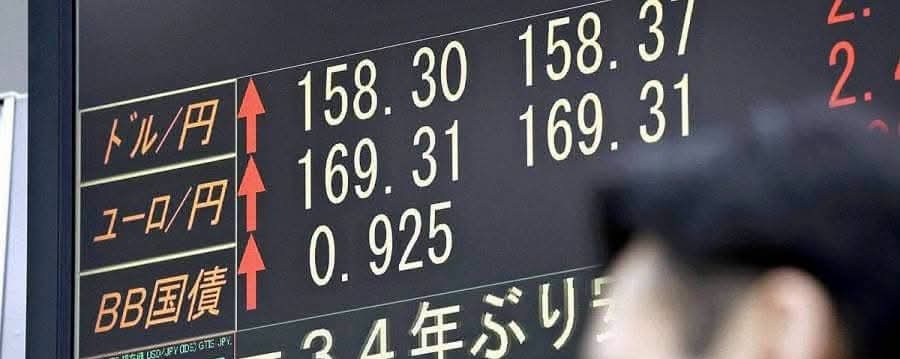
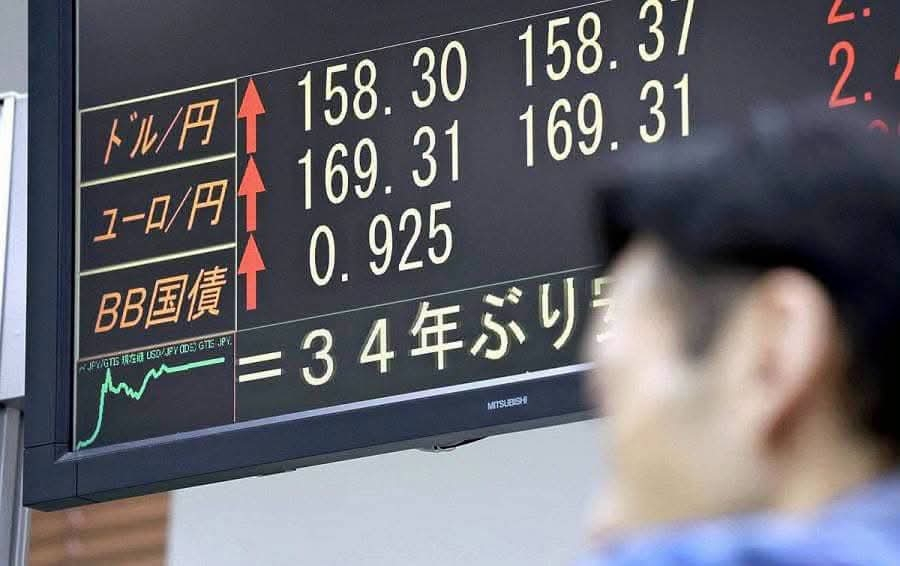
The yen hits a 40-year low: The USD/JPY exchange rate breaks the 163 mark. Inflation and higher oil prices due to the Iran conflict have severely damaged Japan’s economy.
Mandatory to keep interest rates low: With public debt too large (nearly 250% of GDP), Japan cannot raise interest rates sharply for fear of default.
Depleted power for unilateral intervention: Japan has spent a record tens of billions of USD to buy yen/sell USD on its own, but the market quickly reversed these efforts.
The US jumps in: At the direction of the US Treasury Department (under the guidance of Treasury Secretary Scott Bessent), the Federal Reserve Bank of New York carried out a Rate Check — a final price probe step right before releasing funds for direct intervention.
General intervention round: The last time the US acted together with Japan to buy yen/sell USD was in 1998.
Why does the US have to save the yen?
The US is acting not out of kindness to Japan, but to protect the US economy itself from two risks:
Avoid a market breakdown in the US bond market: The US is preparing to issue $10,000 billion in new debt this year. Japan is the largest creditor (holding $1,200 billion). If the yen becomes too weak and forces Japan to dump US bonds to raise cash, the US’s borrowing costs will surge.
Risk of a collapse of the "Yen Carry Trade" setup: Many large funds borrow yen at low rates to invest in US stocks. If exchange rates or interest rates move too sharply, these funds will panic-sell US stocks to repay yen debt.
Immediate impact on the market
US stocks evaporate: The market reacted negatively to the risk of unwinding the yen carry trade capital flows (S&P 500 down 1.2%, losing $99.5 billion in market cap within 40 minutes).
Long-term impact: Exchange rates and global capital flows are now jointly influenced by both Washington and Tokyo, instead of letting Japan bear the burden alone.
Japan cannot rescue the yen on its own by raising interest rates for fear of a sovereign debt default; the US has to step in to intervene and buy Japanese yen together with Tokyo to safeguard its own bond and stock markets.