
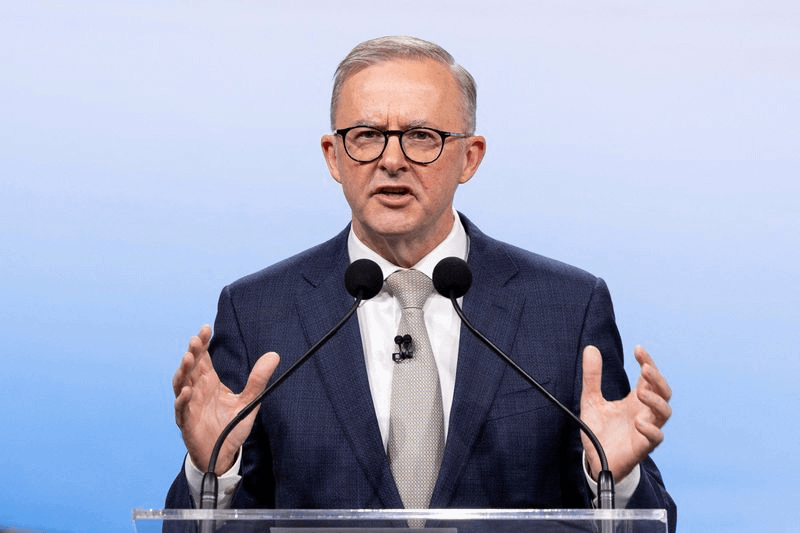
Australia’s prime minister, Anthony Albani, said he intends to personally raise the issue of the new American tariff of 12.5% on Australian goods in a conversation with U.S. President Donald Trump, Reuters reports.
«We will raise this issue at all levels of Australia–U.S. relations,» Albani said on Sunday, adding that Australian officials have already lodged a protest against the introduced measure.
On Friday, the Trump administration imposed new tariffs on imports from 60 trading partners—at the same time the temporary global tariff of 10% expired.
Washington said the measures are aimed at addressing shortcomings in the systems of trading partners that do not prevent goods produced using forced labour from entering their markets and supply chains.
Australia was among 38 economies that were assigned a tariff rate of 12.5%. Seventeen countries received a 10% rate, while five economies were moved to mixed terms depending on the tariff regime currently applicable to them.
The measures were introduced in accordance with Article 301 of the U.S. Trade Act, which allows Washington to respond to foreign practices deemed harmful to American trade. According to the White House executive order, a number of goods are exempt from additional duties.
Albanese’s Labour government called the tariff on Australian goods unjustified and is seeking its repeal. The prime minister emphasized that Australia already has a reliable system to protect against modern forms of slavery and continues to improve the way it is implemented.
Australia’s Modern Slavery Act requires organisations with annual consolidated revenue of at least 100 million Australian dollars to report annually on the risks in their operations and supply chains, as well as on the measures taken to address them, according to Australia’s Department of Home Affairs.
Canberra is also checking supply chain control mechanisms and considering introducing tougher sanctions for companies that do not comply with legal requirements.
A higher tariff could increase costs for Australian exporters that depend significantly on the U.S. market— including manufacturers of building materials, medical goods, wine, and industrial products.
Mining and energy companies are also awaiting clarification on which raw materials or products may be eligible for duty exemptions.