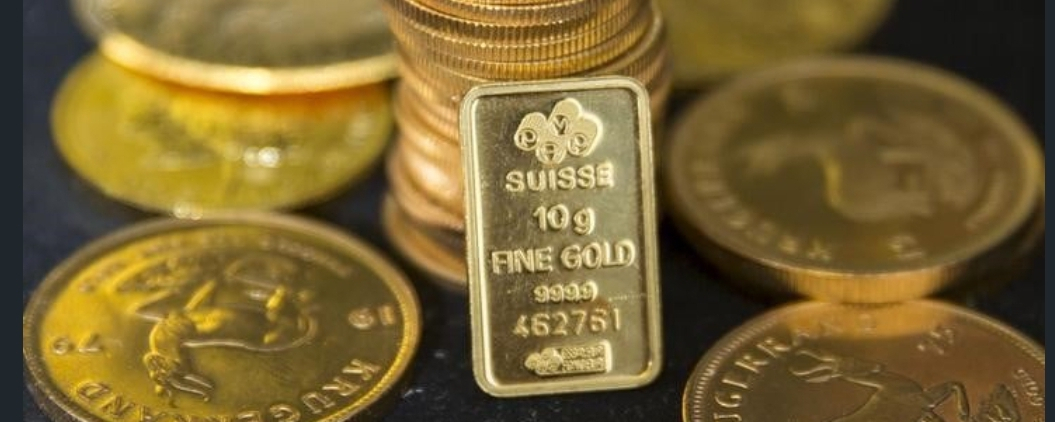
Gold is usually regarded as the first safe haven for investors during wars and geopolitical crises, as money typically flows into it when risks and uncertainty rise in global markets. However, the current picture seems notably different: instead of benefiting from escalating tensions in the Middle East, the precious metal is on track to end the current quarter with losses of about 13%, its largest quarterly drop in 13 years. This shift reflects changing investor priorities and the dominance of U.S. monetary policy over market direction.
Analysts believe markets are no longer focused only on geopolitical risks; they are looking more at how these events affect inflation and monetary policy. This is what has made rising interest rates the biggest factor in pricing gold in the current period.
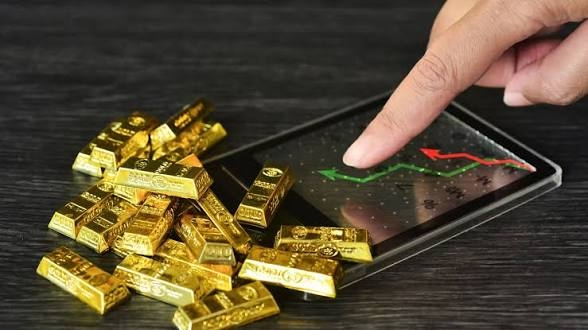
The Fed overshadows the impact of wars
The biggest pressure on gold comes from growing investors’ conviction that the U.S. Federal Reserve will not be satisfied with keeping interest rates at their current high levels, but may continue the tightening cycle over the coming months in an attempt to rein in inflation.
According to data from the U.S. interest-rate monitoring tool available on Enfrecing Saudi, markets expect 3 interest-rate hikes during this year, while the probability of a rate increase at the September meeting is priced at more than 60%.
That means the cost of holding gold, which generates no return, rises compared with other interest-bearing assets such as bonds and fixed-income instruments—prompting some investors to redirect funds away from the yellow metal.
Moreover, the persistence of strength in U.S. economic data—especially labor-market and spending data—bolsters investors’ belief that the economy can still withstand a more restrictive monetary policy. This supports expectations of rate hikes and increases pressure on gold.
The dollar and real yields deliver a double blow
The pressures are not limited to interest-rate expectations only. The U.S. dollar continues to hold its strength against most major currencies, supported by the widening gap between U.S. interest rates and those in major economies.
A strong dollar makes gold more expensive for investors who transact in other currencies, which limits global demand for the precious metal.
At the same time, real yields on U.S. Treasuries continue to rise, which is a strong competitor to gold: investors earn a high real return without bearing price volatility in the metal.
A number of analysts say the meeting of a strong U.S. dollar with higher real yields was one of the main reasons gold failed to benefit from the recent geopolitical tensions, despite the fact that, in earlier circumstances, these tensions would have been enough to push it to new record levels.
Falling energy prices ease inflation concerns
MUFG analysts indicate that gold may remain under pressure in the near term, as energy prices fall and some concerns tied to rising inflation ease.
They explained that falling oil prices reduce the likelihood of a new inflation wave, which in turn limits the need to hedge with gold.
They added that the continued strength of the dollar, along with solidifying expectations that interest rates will stay high for longer, reduces demand for non-yielding safe-haven assets, led by gold.
Analysts believe these factors may continue to curb any attempts to revive the precious metal over the short term, unless markets clearly shift their expectations for U.S. monetary policy.
What does gold need to regain its luster?
Observers believe gold needs a fundamental shift in the economic environment in order to regain its upward trend.
The most supportive scenario for the yellow metal is inflation declining at a pace that allows the Federal Reserve to abandon its hawkish approach, or signs that the U.S. economy is slowing down—prompting the central bank to postpone or cancel plans to raise interest rates.
Also, any noticeable weakness in the U.S. dollar or a drop in real bond yields could bring some investment flows back into gold.
However, based on current circumstances, it appears that markets are prioritizing U.S. monetary policy over geopolitical factors—explaining the persistence of pressure on the precious metal, despite ongoing uncertainty in many parts of the world.
#GOLD #XAUUSD❤️ #bachsaisH #banks #PAXGUSDT