


(Web3 Daily) is a comprehensive daily news column launched by Web3Caff aimed at the Web3.0 field, based on important news, official updates, and selected articles from the past 24 hours, aimed at helping Web3.0 enthusiasts and Builders quickly understand the latest industry trends. Of course, if you want to be timely and comprehensively informed about the latest industry dynamics and exciting articles, please remember to follow our official Twitter.
Cover: Ezeebit
Tether launches AI health platform QVAC Health
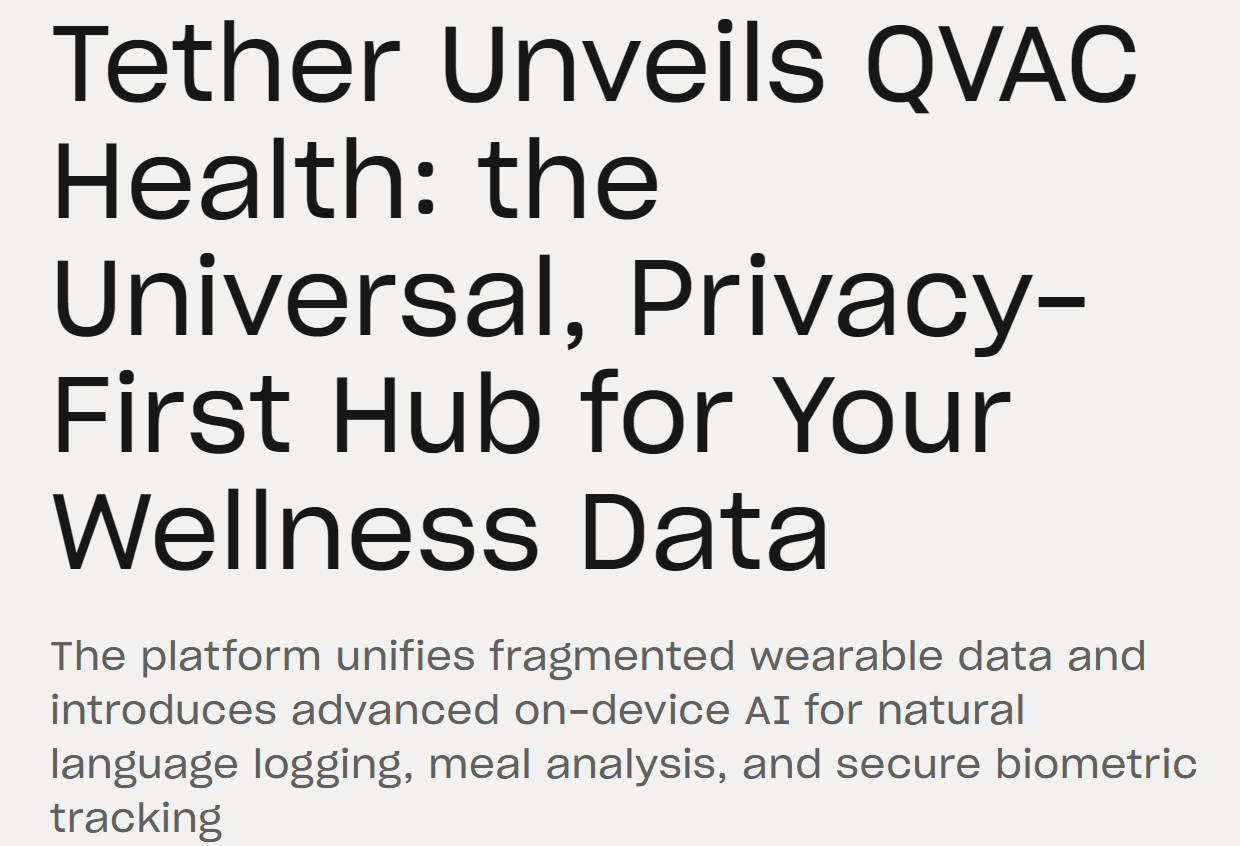 Source: Tether
Superstate launches on-chain direct issuance solution
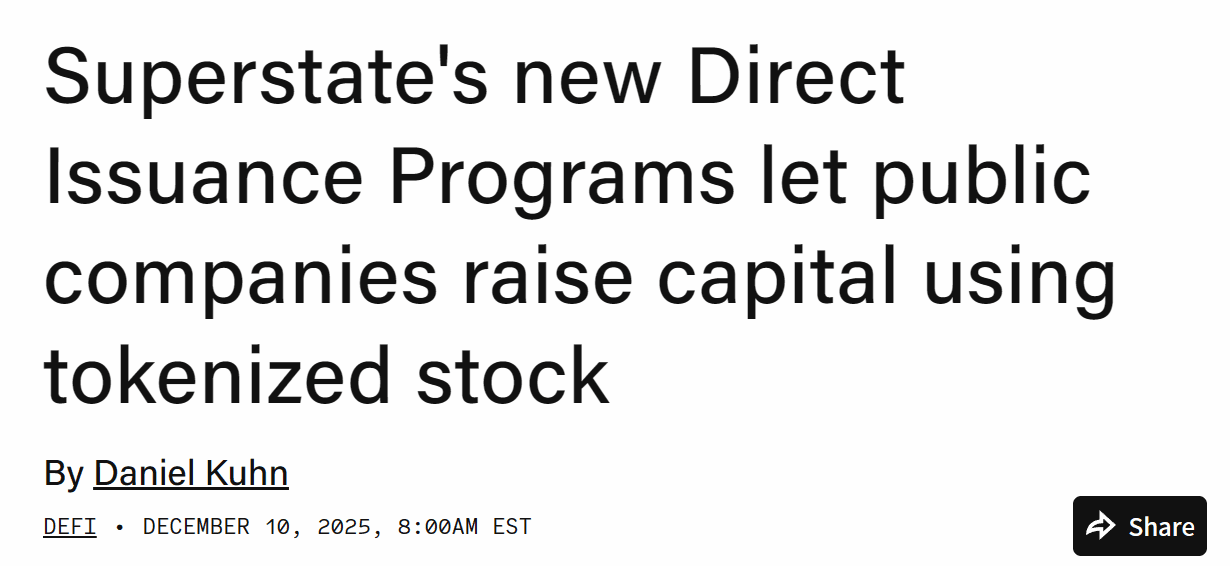 Source: theblock
Espresso launches cross-chain solution Presto
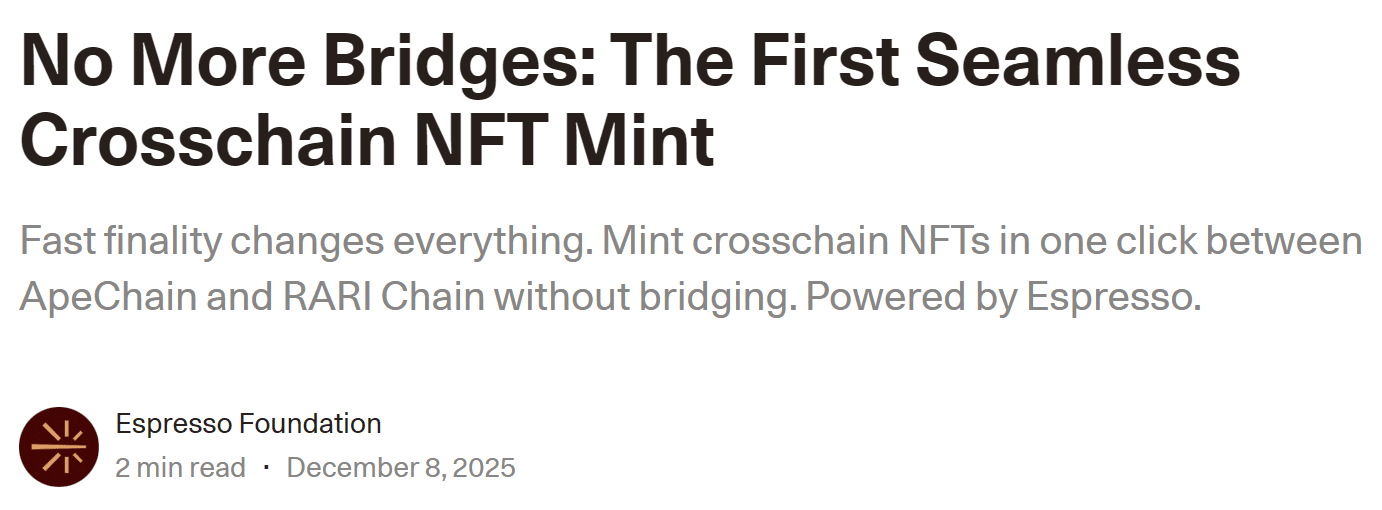 Source: paragraph
Daylight has launched a decentralized energy capital market called DayFi
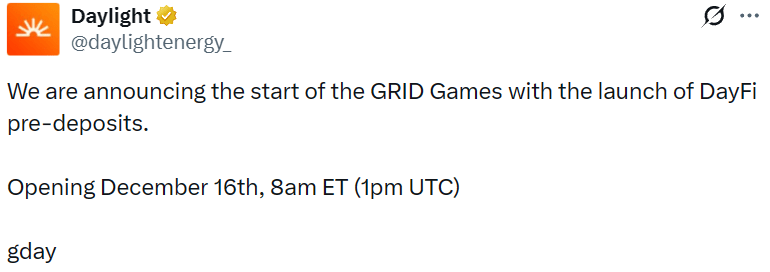 Source: Daylight
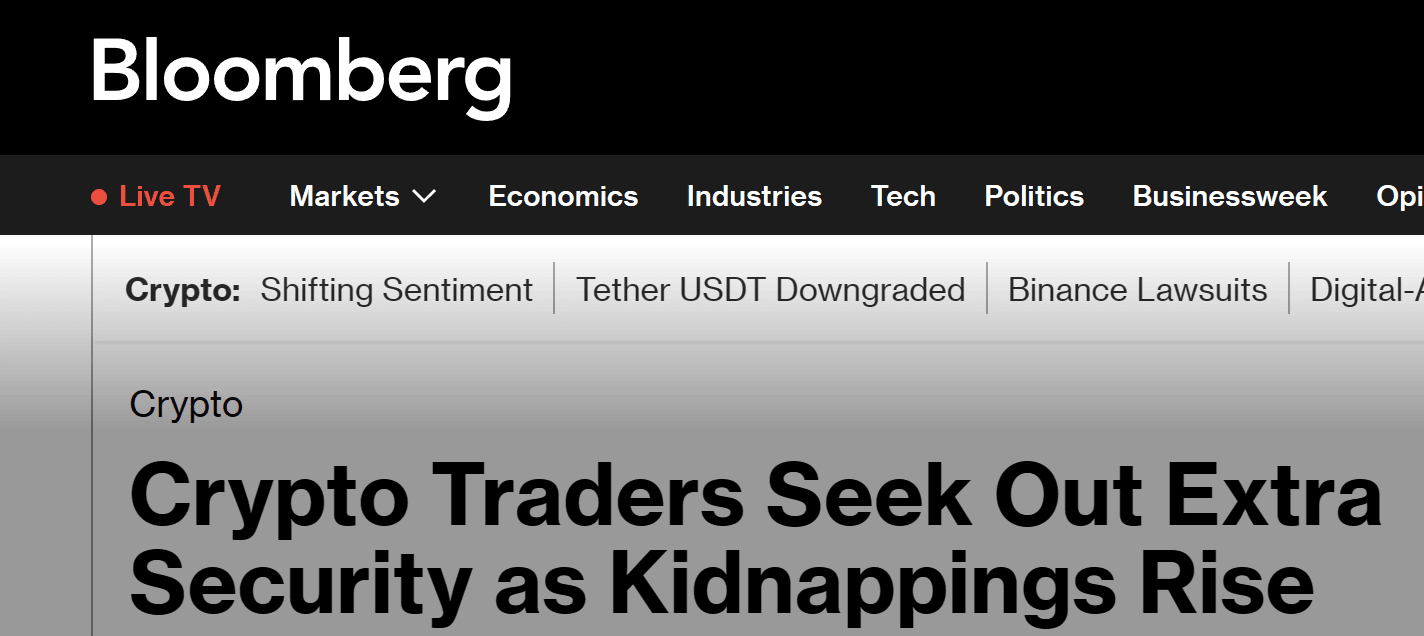
Bloomberg: A surge in 'wrench attacks' targeting cryptocurrency holders has driven growth in related security service demands
 Source: Bloomberg
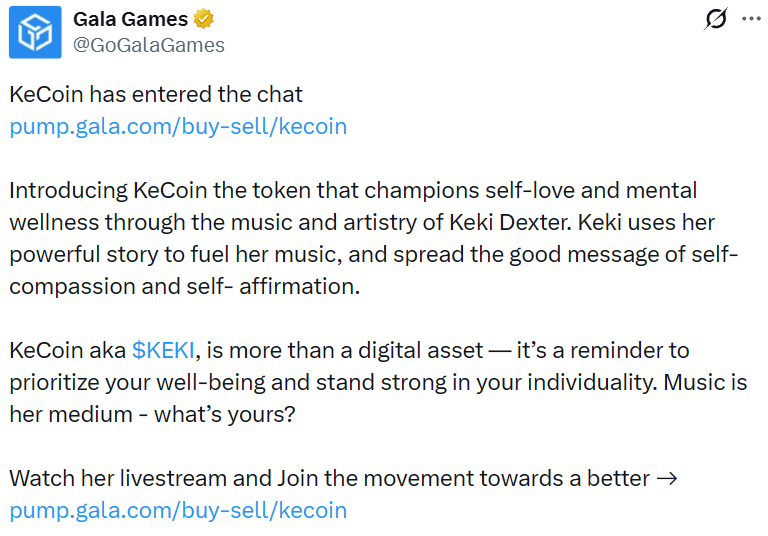
Kalshi has received permission from regulators in Connecticut to temporarily suspend enforcement actions.
 Source: Gala Games
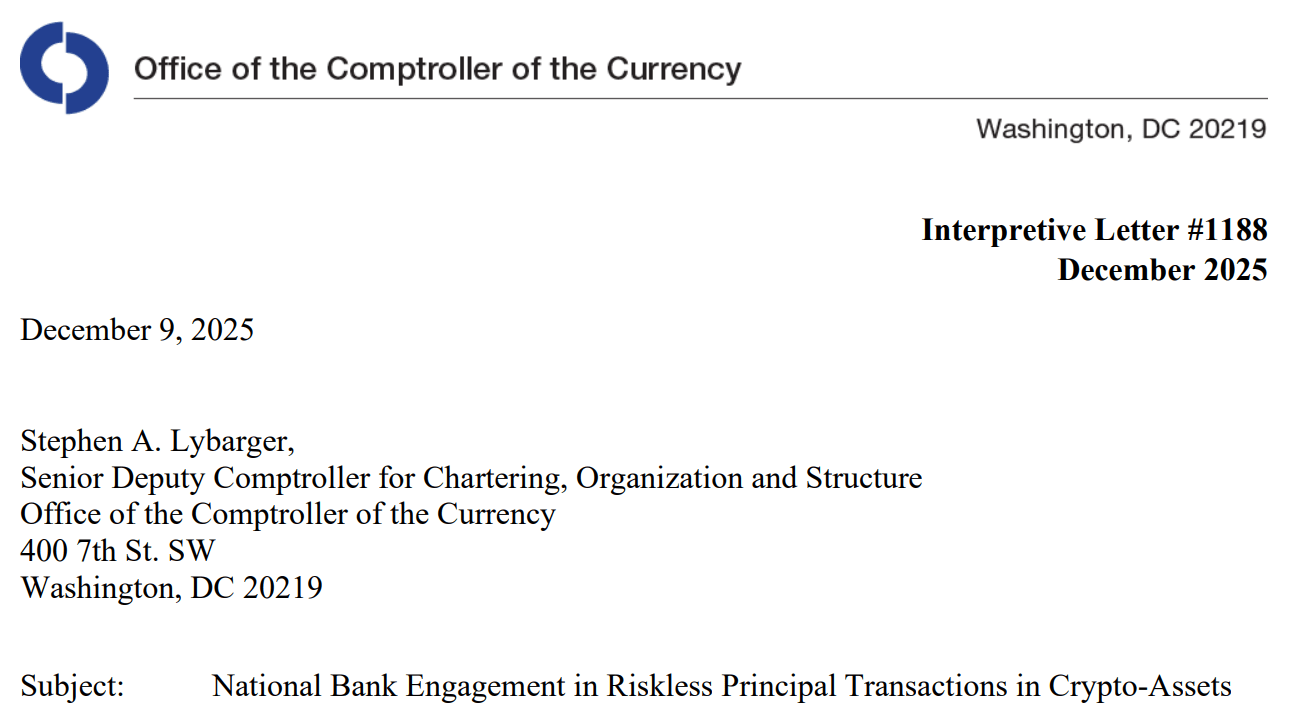
Bank of America has been approved to provide cryptocurrency trading intermediary services for its clients
 Source: occ.gov
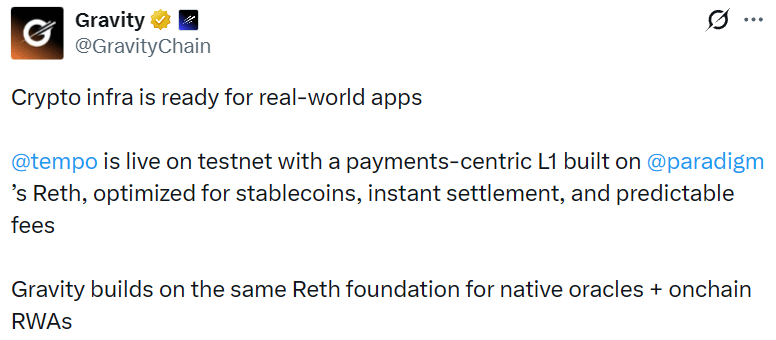
Gravity has launched a Native Oracle architecture based on Reth and JWK on Devnet
 Source: Gravity
African stablecoin payment infrastructure Ezeebit has completed a $2.05 million seed round financing
 Source: bitcoinke
Pheasant Network has completed a $2 million seed round financing, with participation from the Ethereum Foundation and others
 Source: businesswire
You may have missed some wonderful articles
On December 10, according to Sei's official disclosure, it will launch a $5 million global mobile innovation program. As part of this program, new Xiaomi smartphones sold outside of mainland China and the U.S. will come pre-installed with a 'next-generation on-chain wallet' and discovery applications based on Sei, with plans to introduce USDC stablecoin payments into the Xiaomi retail system, expected to pilot in Hong Kong and the EU in the second quarter of 2026. This issue of Web3Caff Research market trend insights (this article is free to read) will focus on the product positioning, underlying technological support, and potential application breakthroughs of this collaboration, and discuss its strategic significance in the popularization of mobile Web3.
This article includes a structural diagram and an overview of Sei's underlying performance architecture, helping you quickly understand its potential underlying support logic in next-generation mobile Web3-related infrastructure.
Market trend insights: Sei has reached a cooperation agreement with Xiaomi! Can the pre-installed on-chain wallet become an entry point for breaking into the Web2 market?
EIP-7892, the emergence of BPO (Blob Parameter Only), is precisely to extend this elasticity to the data field. It configures the key parameters of Blob to be configuration-driven and comes into effect through BPO, a lightweight hard fork that 'only changes parameters, not code.' From the perspective of client development, it is almost like performing a parameter hot update; this article discusses this.
Ethereum Fusaka upgrade's 'continuously variable transmission': establishing a rapid response mechanism for L2 expansion
On December 4, Caroline D. Pham, acting chair of the U.S. Commodity Futures Trading Commission, announced that listed cryptocurrency spot products will begin trading on CFTC-registered futures exchanges in the U.S. for the first time. This move is part of one of the initial agendas in the government's 'cryptocurrency sprint' initiative aimed at implementing pro-cryptocurrency policy objectives; this article discusses this.
The U.S. CFTC officially releases cryptocurrency spot products, reshaping the regulatory landscape from 'crypto sprint' to 2025.
Currently, the main L2 overhead is the DA cost of publishing data to L1. Fusaka reduces the cost of L2 by more than half through 8x expansion via Blob and random sampling verification with PeerDAS. Just lowering costs is meaningless, but if we abandon the past general L2 thinking and look at it from the perspective of specific dedicated application chains, the significance is entirely different. This article discusses this.
What benefits has the Fusaka upgrade brought to Ethereum?
Currently, dollar stablecoins (mainly Tether's USDT and USDC) hold about $125 billion in U.S. Treasury bonds, close to 2% of the short-term Treasury stock market at the end of last year (Kansas City Federal Reserve Bank, August research). According to data from the Bank for International Settlements, these issuing institutions purchased approximately $40 billion in short-term Treasury bonds over the past year; this article discusses this.
Bloomberg: Stablecoins may not help the U.S. escape the debt and deficit quagmire
Disclaimer: As a blockchain information platform, the articles published on this site only represent the personal views of the authors and guests and are not related to Web3Caff's position. The information in the articles is for reference only and does not constitute any investment advice or offer. Please comply with the relevant laws and regulations of your country or region.