
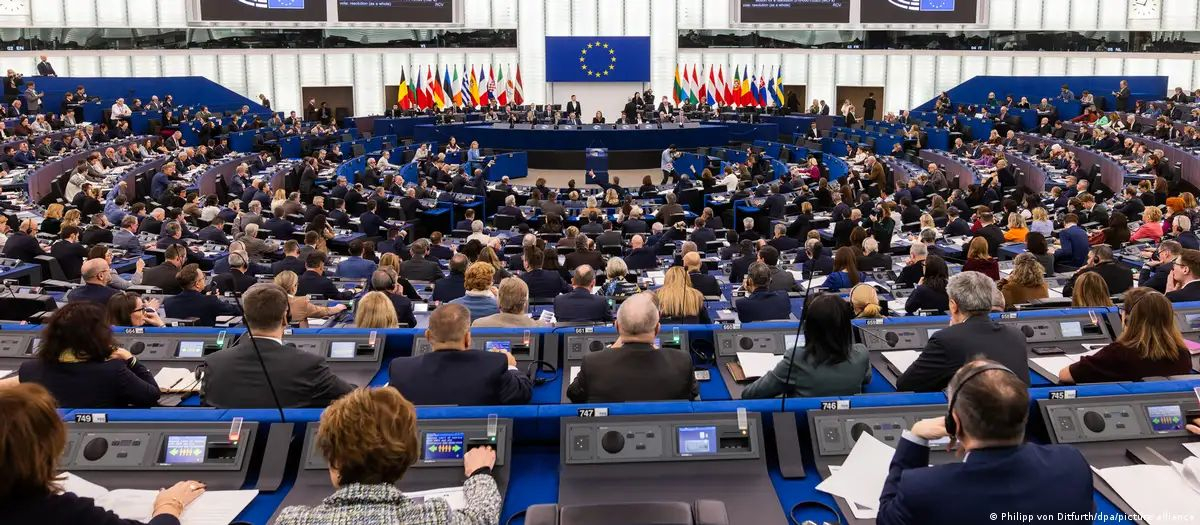
The MEPs in the European Parliament gave the green light for the full rollout of the contentious customs agreement with the US. During the session in Strasbourg on Tuesday, June 16th, a significant majority of the euro-parliamentarians backed the removal of tariffs on industrial goods from the US and several other measures, including granting broader access to the European market for American seafood and agricultural products.
The adopted document contains a provision for the suspension of trade concessions from the EU in the event of violations by the United States. Among other things, such a violation could be a renewed increase in customs duties by Washington.
The EU anticipates retaliatory measures from the U.S.
Additionally, the EU expects that by the end of this year, the U.S. will reduce import tariffs on European washing machines and other steel-containing products to no more than 15 percent. If this does not occur, the EU intends to consider implementing similar tariffs. At the same time, a specific deadline for the expiration of these measures is planned.
A preliminary agreement to abolish EU customs duties on the import of all industrial goods from the U.S. and to provide preferential access to European markets for certain types of American seafood and agricultural products was reached by negotiators from the European Parliament and EU Council at the end of May. Reportedly, the decision to eliminate import tariffs on American industrial goods is set to remain in effect until the end of 2029.
Implementation of the deal between von der Leyen and Trump
This agreement is part of a deal struck during negotiations between U.S. President Donald Trump and European Commission President Ursula von der Leyen in July 2025, and is intended to prevent an increase in American tariffs on EU products. Under this framework, Washington will maintain customs duties on European goods at 15% across all sectors, except for steel and aluminum supplies - which will see a 50% rate.
The EU, in turn, committed to lifting tariffs on all American industrial goods and opening the market to a wide range of American products - seafood, dairy, pork, and soybean oil. The final text of the document required agreement from the EU, which was causing growing irritation for Trump. A few weeks ago, he demanded that the Europeans fulfill their part of the agreement by July 4 and threatened to raise tariffs 'to a much higher level.'
Aside from the European Parliament's approval, the agreement also requires ratification by the EU Council. The United States remains the EU's largest trading partner, accounting for nearly 30 percent of global trade in their bilateral economic relations.
#MarketTurbulence , #GlobalEconomicNews
In our group, we aim to keep our readers updated with the freshest news in the fields of politics, macroeconomics, the crypto world, commodity markets, and sometimes even the psychology of the financial realm! For this reason, we strive to select and keep only relevant news in this deeply interconnected world.
If you want to broaden your horizons and stay constantly updated with such changes in the global news agenda, - Welcome!!