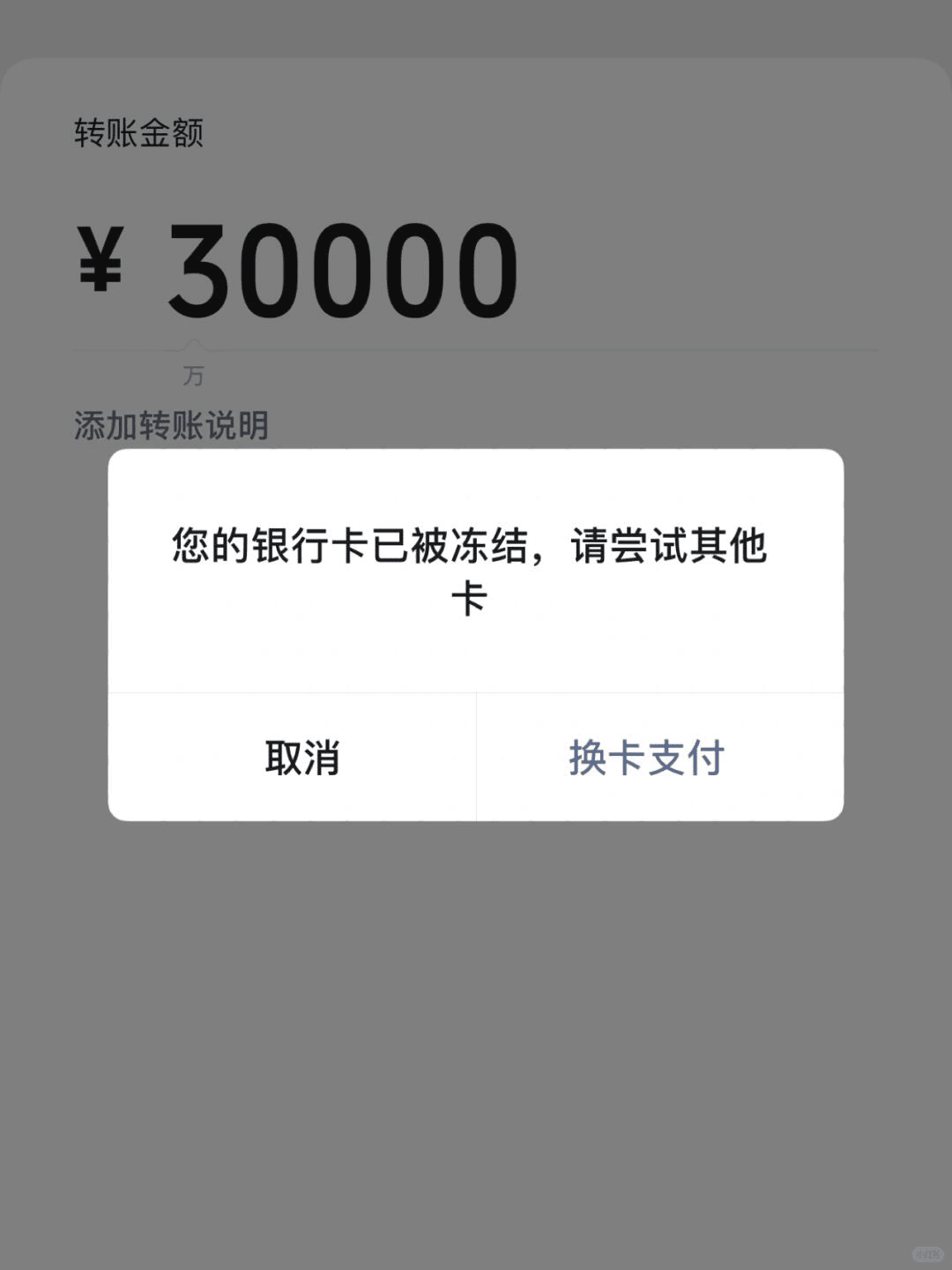
Having been in the OTC trading circle for 5 years, I've seen too many people unaware of how to avoid risks being frozen by banks, and even severely summoned by police for bail. Many believe that they were directly selling on the platform at the time, and all transactions were real-name transfers. They received funds smoothly and could withdraw to their bank cards, so why were they targeted months later? Gradually, I figured out this 'OTC trading aftereffect', where traps hide in easily overlooked details. Today, I will clarify the key pitfalls for you:
I. Why was it 'safe at the time, but exploded months later'?
The core logic is the 'traceability' of the fund link. In OTC trading, the funds you receive may have passed through multiple hands: for example, a scammer deceives funds from victim A, transfers to B, and B sells to you through OTC. When you receive the money, it seems 'normal', but a month later A reports to the police, who will trace the link 'A→B→you', and at this point, your account will be frozen due to 'involvement in illicit fund circulation'.
Key reminder: Frozen ≠ 'you are breaking the law', but rather the police need to verify if you are involved in fraud/money laundering. As long as you can prove 'the transaction is real, unaware, and not profiting', there is a high probability of unfreezing.
II. 5 types of operations that trigger risk control: the underlying 'regulatory logic'.
These operations are dangerous because they conform to the typical characteristics of 'money laundering/fraud fund circulation', easily flagged by bank risk control systems or police.
Frequent card changes + logging in from different locations: Normal users do not frequently change their receiving accounts, and logging in from different locations (especially cross-border) may be judged as 'evading supervision'.
Notes written as 'buy coins' 'USDT': Directly exposes the transaction related to virtual currencies (some regions have strict regulations on virtual currency transactions), and 'coin'-related terms are easily associated with illicit funds.
Transfer out immediately upon arrival: Normal transactions do not 'enter and exit immediately', such cash flow resembles a 'quick in and out' money laundering model, triggering system alerts.
Real-name does not match payer: For example, if you receive payments with your card, but the payer's name is someone else's, it may be deemed as 'receiving unidentified funds' and involves suspicious sources of funds.
Large transactions between 2-5 AM: Large fund movements during non-regular trading hours do not conform to the trading habits of ordinary people, easily judged as 'abnormal transactions'.
III. Receiving a freezing notice: The key is 'don't panic + follow proper procedures'.
Distinguish between true and false: Remember the 'three no's' — do not transfer money, do not disclose passwords/verification codes, do not click on unfamiliar links. The police or banks will only ask you to cooperate with the investigation, and will never ask you to 'transfer money to a safe account'.
Refunds must be public to public: If it is necessary to return fraudulently obtained funds, be sure to do so through a public account designated by the police (such as the public security bureau's special account for case funds), privately transferring to individuals may lead to 'secondary disputes', and you must ask for a stamped receipt and case closure proof (key evidence for subsequent unfreezing).
Evidence organization tips: Pack according to 'timeline' — from platform order records, chat records with trading counterparts (confirming transaction targets, prices), bank transaction flows, to IP addresses and device information at the time of transaction, the more complete, the easier to prove 'the transaction is real, unaware'.
IV. Result of freezing: Anticipate in advance to avoid excessive anxiety.
24-72 hours for unfreezing: Commonly seen in 'mis-froze', for example, your part in the fund link is unrelated to illicit money, the police will quickly release it after verification.
1-3 months of temporary control: Often due to further investigation of the involved funds, but your account is not directly linked to illicit money, it will automatically recover after the period (you can contact the police to inquire about progress during this time).
Frozen funds due to fraud, others are normal: for example, of the 100,000 yuan you received, 20,000 yuan is illicit money, the police will freeze that 20,000 yuan, while the remaining 80,000 yuan can be used normally (the frozen part will be released after the case is closed).
Long-term risk control list: If frequently involved in fund disputes, banks may classify the account as 'high risk', at which point it is advisable to apply for a dedicated card (only for OTC trading, isolated from daily consumption cards) to reduce the impact on daily life.
V. The core of reducing risk: make transactions 'look like normal business'.
The 6 habits you mentioned essentially make OTC trading's funds flow and operational behavior closer to 'legal daily transactions', reducing the probability of being judged as 'abnormal' by the system or police:
Use major platforms + long-time users: Major platforms have stricter risk control, and long-time users have clear historical transaction records and relatively reliable sources of funds.
Consistent real names + dedicated cards: Ensure the 'payer → platform → you' real-name chain is complete, and a dedicated card that 'only receives, not withdraws' can avoid fund commingling, facilitating subsequent proof.
Large split orders + daytime operations: Conform to ordinary people's 'small multiple, daytime trading' habits, reducing 'money laundering suspicion'.
Neutral remarks + do not act on behalf of others: Avoid direct association with virtual currencies, and not acting on behalf of others reduces the risk of being involved in unfamiliar fund links.
In short, the core risk of OTC trading lies in 'uncontrollable fund links', but as long as you remain vigilant, operate in a standardized manner, and keep evidence, you can minimize the probability of freezing and solve issues more efficiently even if freezing occurs. These experiences are indeed a 'pitfall avoidance bible' for those in the circle, worth referencing.
Sustainable attention to API3 TIA ADA XRP.