
Silicon Valley Iron Man has new developments! Just busy at the SpaceX launch pad, Musk suddenly turns his attention to the highly anticipated 'Big and Beautiful' bill. When the ideals of technological innovation collide with a complex policy environment, what challenges does this tech giant face on the road to reform?
"Reform is like walking in a minefield!" Musk rarely publicly complains.
Seen as a policy model, the 'Big and Beautiful' bill appears to continue the direction of tax cuts, but actually hides a fiscal pressure of $3.8 trillion. What troubles Musk particularly is that his government efficiency reform project (DOGE) is frequently thrust into the spotlight - "All sorts of problems are thrown at us, the project is almost becoming a panacea."
There were already signs behind this complaint. During more than 300 days of participating in policy practice, Musk's team faced significant resistance from traditional models: some agencies still rely on manual data processing, and the speed of system iteration is far below the expectations of tech companies. Originally intending to enhance efficiency through technology, they found that businesses like Tesla and SpaceX were often disrupted by external factors, making it difficult to promote reform.
From policy participant to 'tech returnists': Musk's strategic adjustment.
Musk, who actively participated in policy discussions, chose to return to the front lines of technology after the bill was enacted. When the bill was promoted as an 'important breakthrough', he had already returned to Texas, announcing that he would shift focus back to technology projects at the 'Starship' development site. This shift is seen as a repositioning of technological power in the real environment: focusing on core technologies like SpaceX and brain-computer interfaces is more certain than getting involved in complex rule games.
However, the story still holds suspense. With resources for system reform in hand, Musk reveals that he will prioritize advancing 'high-value technology projects' in the future. As technologies like Starlink and AI continue to deepen their layout, the collision between technological power and traditional models may continue in a more covert manner - when technological innovation seeps into key links for efficiency improvement, traditional operational models may face new challenges.
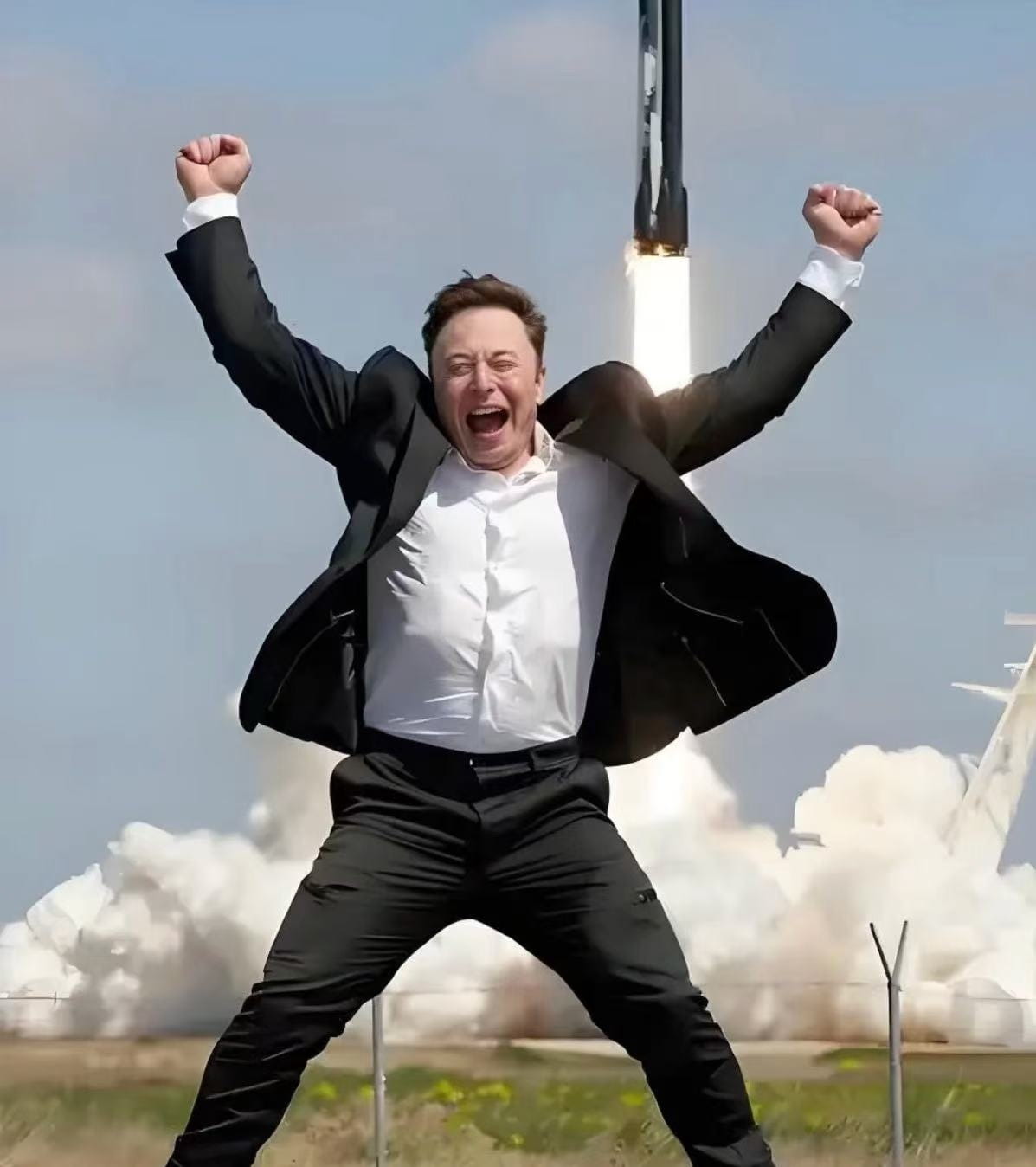
When technological ideals encounter the soil of reality: how to break the deadlock on the path of innovation?
On one hand, there are the grand goals of policy design, and on the other, the specific challenges of technology implementation. This collision between technology and traditional models is essentially a game of efficiency innovation against existing rules. As tech giants attempt to rewrite processes with technological thinking, how do they find a balance in a complex environment? Perhaps, as Musk's team suggests: less conceptual packaging and more pragmatic support for technological implementation is the key to breaking the deadlock.
This 'dialogue' between technology and reality reflects the exploratory trajectory of innovators in a larger environment. Regardless of the path chosen, focusing on breakthroughs in technology itself is always the most solid force driving change. And those issues exposed in practice may very well be important starting points for future innovation.
Today's focus:$SOPH $TRB $WCT


