

minamium
11.5k Posts

minamium
Report
Block User
1 Following
99 Followers
374 Liked
Posts
·
--
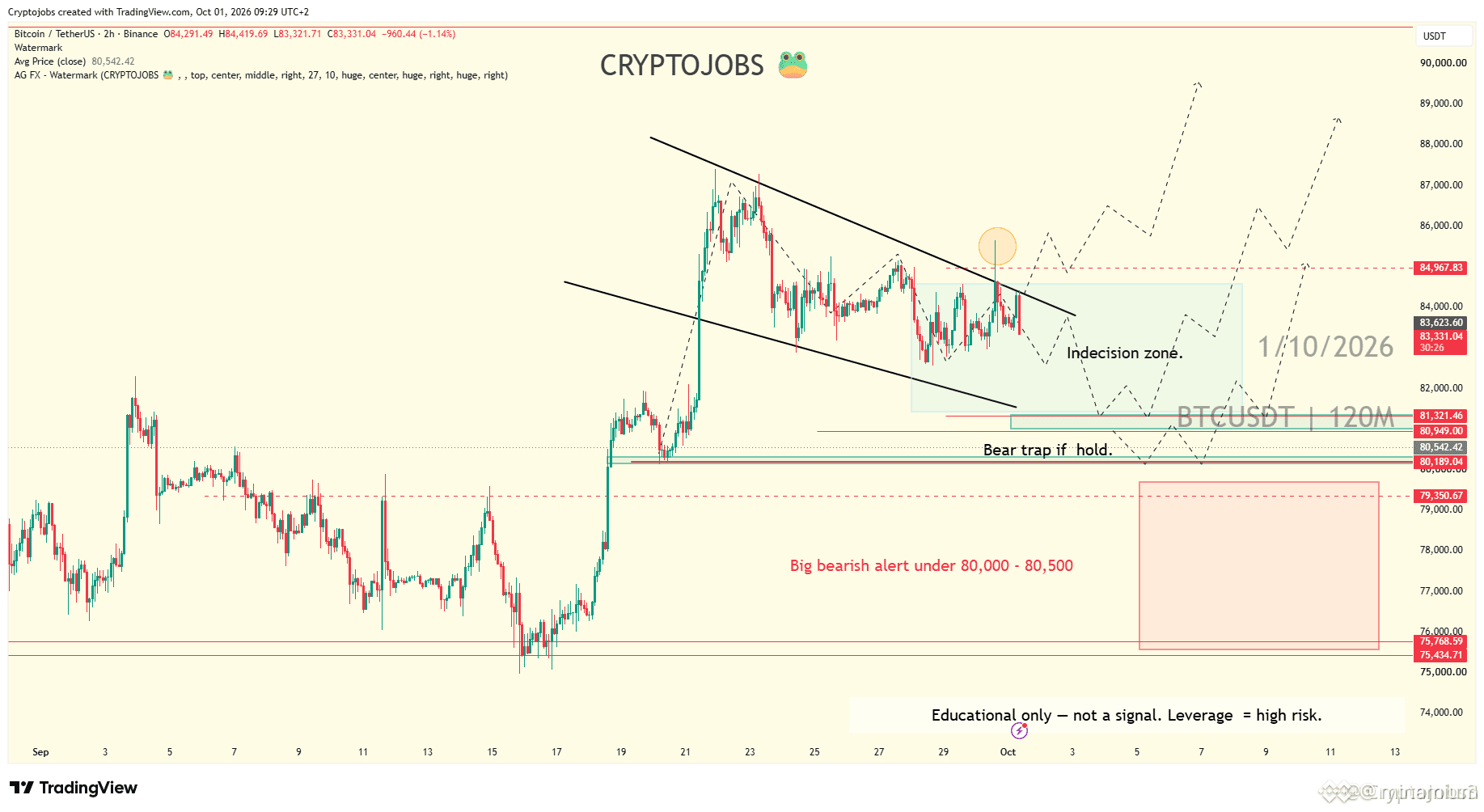
Even after nine consecutive days of green institutional accumulation, a single session can completely flip market momentum.
Most retail traders treat ETF inflow streaks as guaranteed up-only signals, only to end up buying the exact local top right before liquidity dries up.
Looking at Wednesday's close, spot Bitcoin ETFs registered a clean $148.7 million in net outflows, breaking that impressive nine-day run right on the final session of September. When institutions hit pause like this, it often signals quarter-end rebalancing and aggressive risk trimming, leaving late breakout buyers vulnerable to sudden leverage flushes.
If you are watching $BTC price action closely, sudden flow reversals like this tend to spill over into majors like $ETH as derivative desks quickly recalibrate their books. Relying purely on backward-looking daily inflow numbers without protecting your downside during seasonal transition points is an easy way to get chopped up.
Are you expecting this outflow to carry over into early October, or is this just routine quarter-end book squaring?
#Bitcoin #CryptoTrading #Binance
Even after nine consecutive days of green institutional accumulation, a single session can completely flip market momentum.
Most retail traders treat ETF inflow streaks as guaranteed up-only signals, only to end up buying the exact local top right before liquidity dries up.
Looking at Wednesday's close, spot Bitcoin ETFs registered a clean $148.7 million in net outflows, breaking that impressive nine-day run right on the final session of September. When institutions hit pause like this, it often signals quarter-end rebalancing and aggressive risk trimming, leaving late breakout buyers vulnerable to sudden leverage flushes.
If you are watching $BTC price action closely, sudden flow reversals like this tend to spill over into majors like $ETH as derivative desks quickly recalibrate their books. Relying purely on backward-looking daily inflow numbers without protecting your downside during seasonal transition points is an easy way to get chopped up.
Are you expecting this outflow to carry over into early October, or is this just routine quarter-end book squaring?
#Bitcoin #CryptoTrading #Binance
Most retail traders treat ETF inflow streaks as guaranteed up-only signals, only to end up buying the exact local top right before liquidity dries up.
Looking at Wednesday's close, spot Bitcoin ETFs registered a clean $148.7 million in net outflows, breaking that impressive nine-day run right on the final session of September. When institutions hit pause like this, it often signals quarter-end rebalancing and aggressive risk trimming, leaving late breakout buyers vulnerable to sudden leverage flushes.
If you are watching $BTC price action closely, sudden flow reversals like this tend to spill over into majors like $ETH as derivative desks quickly recalibrate their books. Relying purely on backward-looking daily inflow numbers without protecting your downside during seasonal transition points is an easy way to get chopped up.
Are you expecting this outflow to carry over into early October, or is this just routine quarter-end book squaring?
#Bitcoin #CryptoTrading #Binance
·
--
everyone thinks altseason means free money for everyone, but actually it usually ends with degens round-tripping their entire portfolio right back into the ground.
most traders see green candles, fomo into random mid-caps at local tops, and get left holding heavy bags because they have no exit plan.
look at the tape right now. altcoin trading volume just climbed to around 4x of $BTC volume. liquidity is violently rotating out of bitcoin and flooding into high-beta plays like $ETH and $SOL. fresh capital is definitely chasing the momentum, but leverage is quietly stacking up on the perps side.
ngl ser, this exact setup plays out every cycle. when alt volume stretches this far ahead of $BTC while leverage heats up, it rarely means a smooth ride up. it usually means smart money is getting ready to take profits into retail excitement.
are you locking in gains here or letting it all ride?
#Altseason #CryptoTrading #Bitcoin
everyone thinks altseason means free money for everyone, but actually it usually ends with degens round-tripping their entire portfolio right back into the ground.
most traders see green candles, fomo into random mid-caps at local tops, and get left holding heavy bags because they have no exit plan.
look at the tape right now. altcoin trading volume just climbed to around 4x of $BTC volume. liquidity is violently rotating out of bitcoin and flooding into high-beta plays like $ETH and $SOL . fresh capital is definitely chasing the momentum, but leverage is quietly stacking up on the perps side.
ngl ser, this exact setup plays out every cycle. when alt volume stretches this far ahead of $BTC while leverage heats up, it rarely means a smooth ride up. it usually means smart money is getting ready to take profits into retail excitement.
are you locking in gains here or letting it all ride?
#Altseason #CryptoTrading #Bitcoin
most traders see green candles, fomo into random mid-caps at local tops, and get left holding heavy bags because they have no exit plan.
look at the tape right now. altcoin trading volume just climbed to around 4x of $BTC volume. liquidity is violently rotating out of bitcoin and flooding into high-beta plays like $ETH and $SOL . fresh capital is definitely chasing the momentum, but leverage is quietly stacking up on the perps side.
ngl ser, this exact setup plays out every cycle. when alt volume stretches this far ahead of $BTC while leverage heats up, it rarely means a smooth ride up. it usually means smart money is getting ready to take profits into retail excitement.
are you locking in gains here or letting it all ride?
#Altseason #CryptoTrading #Bitcoin

34
·
--
Panic selling every time an institutional wallet shifts funds is a mistake that has cost traders millions in upside.
Most retail investors end up dumping their bags at the exact bottom simply because they misread standard custody transfers as sudden whale dumping.
The latest wave of fear kicked off after MicroStrategy moved roughly $297M in $BTC to new addresses, sparking immediate speculation about whether Michael Saylor is finally preparing to unload. Seeing nearly three hundred million dollars worth of assets leave established cold storage naturally spooks traders who worry about imminent sell pressure hitting order books.
Some argue this could be a cautious derisking move ahead of market volatility, but that theory completely ignores how corporate treasury operations actually function. Large corporate holders regularly rotate addresses for multi-sig security upgrades, institutional custody management, or debt structuring without selling a single satoshi of $BTC or changing the long-term playbook for $MSTR.
Do you think the market is overreacting to routine balance sheet management, or is there a real reason to suspect institutional selling this time?
#Bitcoin #MicroStrategy #CryptoTrading
Panic selling every time an institutional wallet shifts funds is a mistake that has cost traders millions in upside.
Most retail investors end up dumping their bags at the exact bottom simply because they misread standard custody transfers as sudden whale dumping.
The latest wave of fear kicked off after MicroStrategy moved roughly $297M in $BTC to new addresses, sparking immediate speculation about whether Michael Saylor is finally preparing to unload. Seeing nearly three hundred million dollars worth of assets leave established cold storage naturally spooks traders who worry about imminent sell pressure hitting order books.
Some argue this could be a cautious derisking move ahead of market volatility, but that theory completely ignores how corporate treasury operations actually function. Large corporate holders regularly rotate addresses for multi-sig security upgrades, institutional custody management, or debt structuring without selling a single satoshi of $BTC or changing the long-term playbook for $MSTR .
Do you think the market is overreacting to routine balance sheet management, or is there a real reason to suspect institutional selling this time?
#Bitcoin #MicroStrategy #CryptoTrading
Most retail investors end up dumping their bags at the exact bottom simply because they misread standard custody transfers as sudden whale dumping.
The latest wave of fear kicked off after MicroStrategy moved roughly $297M in $BTC to new addresses, sparking immediate speculation about whether Michael Saylor is finally preparing to unload. Seeing nearly three hundred million dollars worth of assets leave established cold storage naturally spooks traders who worry about imminent sell pressure hitting order books.
Some argue this could be a cautious derisking move ahead of market volatility, but that theory completely ignores how corporate treasury operations actually function. Large corporate holders regularly rotate addresses for multi-sig security upgrades, institutional custody management, or debt structuring without selling a single satoshi of $BTC or changing the long-term playbook for $MSTR .
Do you think the market is overreacting to routine balance sheet management, or is there a real reason to suspect institutional selling this time?
#Bitcoin #MicroStrategy #CryptoTrading

25
·
--
If you are still shorting compression ranges without checking higher timeframe structure, stop now.
Too many traders get chopped up chasing choppy noise and missing clean entries because they trade without clear invalidation. You end up bleeding capital on every wick instead of waiting for genuine expansion.
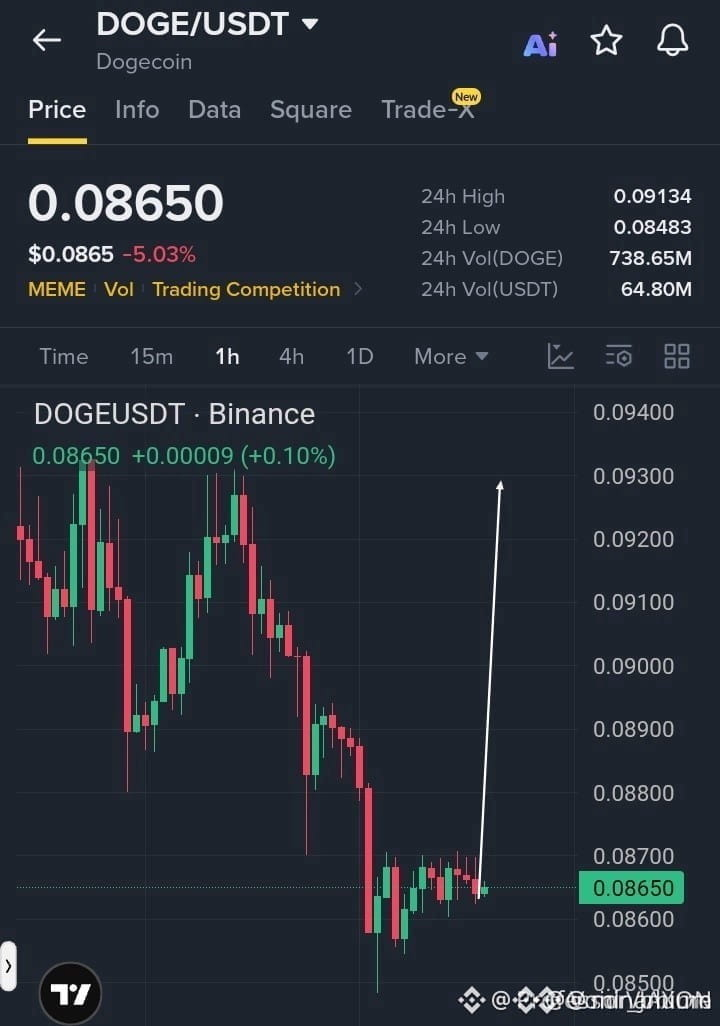
Right now, $DOGE is coiling tightly after securing a higher low near 0.090. Bears argue that this expanding structure is exhausting buyers, warning that losing the 0.090 level opens a fast drop toward 0.075. However, momentum is curling up rapidly as volume stabilizes alongside $BTC strength.
The decisive trigger sits at 0.115, the upper boundary of the current range. A clean breakout through 0.115 will squeeze late shorts and open massive room for momentum to expand. Standing in front of this coil before seeing a confirmed breakdown simply offers terrible risk-reward.
Where do you think this goes once 0.115 gets tested?
#DOGE #CryptoTrading #Altcoins
If you are still shorting compression ranges without checking higher timeframe structure, stop now.
Too many traders get chopped up chasing choppy noise and missing clean entries because they trade without clear invalidation. You end up bleeding capital on every wick instead of waiting for genuine expansion.
Right now, $DOGE is coiling tightly after securing a higher low near 0.090. Bears argue that this expanding structure is exhausting buyers, warning that losing the 0.090 level opens a fast drop toward 0.075. However, momentum is curling up rapidly as volume stabilizes alongside $BTC strength.
The decisive trigger sits at 0.115, the upper boundary of the current range. A clean breakout through 0.115 will squeeze late shorts and open massive room for momentum to expand. Standing in front of this coil before seeing a confirmed breakdown simply offers terrible risk-reward.
Where do you think this goes once 0.115 gets tested?
#DOGE #CryptoTrading #Altcoins
Too many traders get chopped up chasing choppy noise and missing clean entries because they trade without clear invalidation. You end up bleeding capital on every wick instead of waiting for genuine expansion.
Right now, $DOGE is coiling tightly after securing a higher low near 0.090. Bears argue that this expanding structure is exhausting buyers, warning that losing the 0.090 level opens a fast drop toward 0.075. However, momentum is curling up rapidly as volume stabilizes alongside $BTC strength.
The decisive trigger sits at 0.115, the upper boundary of the current range. A clean breakout through 0.115 will squeeze late shorts and open massive room for momentum to expand. Standing in front of this coil before seeing a confirmed breakdown simply offers terrible risk-reward.
Where do you think this goes once 0.115 gets tested?
#DOGE #CryptoTrading #Altcoins
44
·
--
Why is almost everyone still trying to front-run a bounce when the chart is screaming caution? Most retail traders bleed their portfolios dry trying to catch a falling knife instead of waiting for actual confirmation.
The reality is that $BTC just broke below the 0.5 to 0.618 golden pocket Fibonacci retracement zone. As long as price stays suppressed under that 0.5 Fib level, momentum remains firmly in bear territory. Watching major assets like $ETH follow the downside pressure only confirms that patience is your best edge right now.
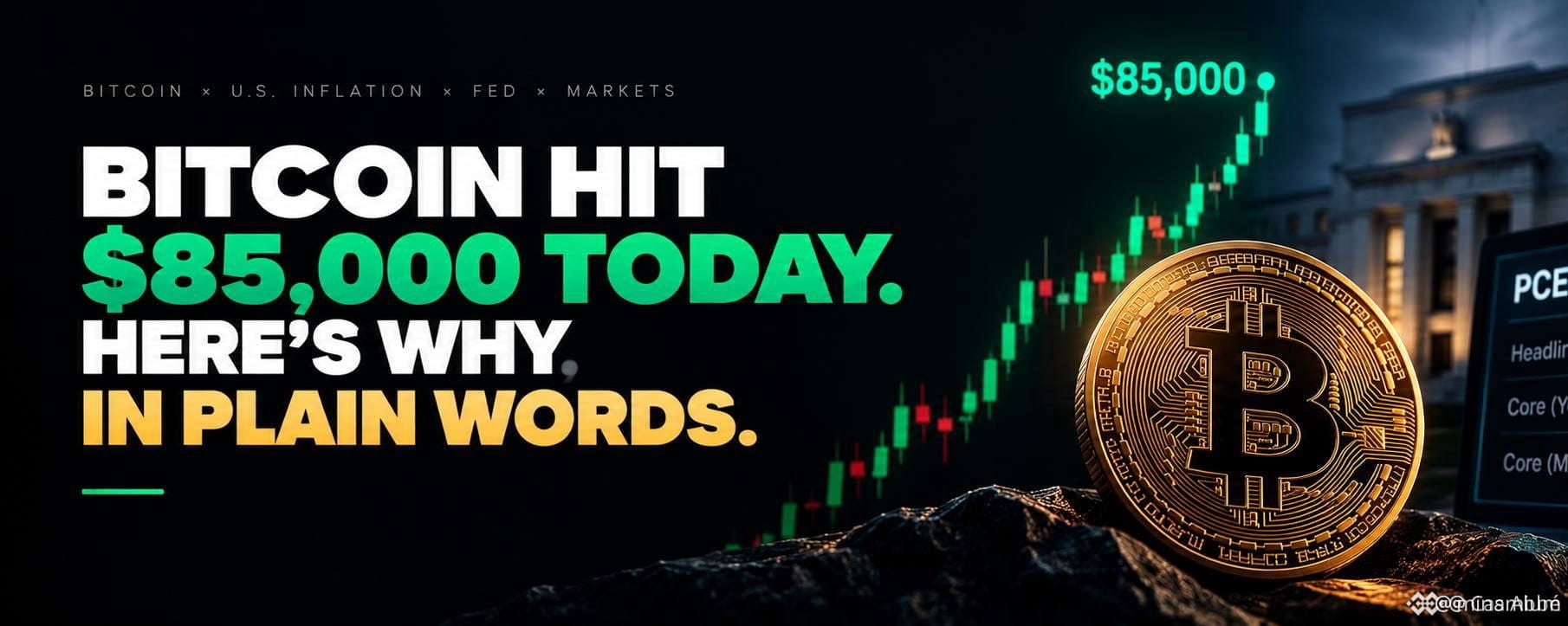
Here is the exact playbook to protect your capital. Stop guessing the bottom and wait for a clear 4h candle close above $85.2k before considering long positions. That specific level is the only real trigger confirming a reversal to retest the prior $87k highs, while failing to reclaim it keeps lower support targets in play against $USDT.
Are you sitting on your hands until $85.2k confirms, or are you buying this dip early?
#Bitcoin #CryptoTrading #BinanceSquare
Why is almost everyone still trying to front-run a bounce when the chart is screaming caution? Most retail traders bleed their portfolios dry trying to catch a falling knife instead of waiting for actual confirmation.
The reality is that $BTC just broke below the 0.5 to 0.618 golden pocket Fibonacci retracement zone. As long as price stays suppressed under that 0.5 Fib level, momentum remains firmly in bear territory. Watching major assets like $ETH follow the downside pressure only confirms that patience is your best edge right now.
Here is the exact playbook to protect your capital. Stop guessing the bottom and wait for a clear 4h candle close above $85.2k before considering long positions. That specific level is the only real trigger confirming a reversal to retest the prior $87k highs, while failing to reclaim it keeps lower support targets in play against $USDT.
Are you sitting on your hands until $85.2k confirms, or are you buying this dip early?
#Bitcoin #CryptoTrading #BinanceSquare
The reality is that $BTC just broke below the 0.5 to 0.618 golden pocket Fibonacci retracement zone. As long as price stays suppressed under that 0.5 Fib level, momentum remains firmly in bear territory. Watching major assets like $ETH follow the downside pressure only confirms that patience is your best edge right now.
Here is the exact playbook to protect your capital. Stop guessing the bottom and wait for a clear 4h candle close above $85.2k before considering long positions. That specific level is the only real trigger confirming a reversal to retest the prior $87k highs, while failing to reclaim it keeps lower support targets in play against $USDT.
Are you sitting on your hands until $85.2k confirms, or are you buying this dip early?
#Bitcoin #CryptoTrading #BinanceSquare
68
·
--
Why is everyone obsessing over Capitol Hill policy drama while ignoring the actual engine driving this market?
Most traders keep getting chopped up because they try to trade every single regulatory headline instead of watching where capital actually flows. You end up buying local tops on legislative hype only to get dumped on when macro reality hits.
Market analyst Sun recently pointed out that the next major leg for $BTC hinges far more on U.S. interest rates and global liquidity than whether the stalled CLARITY Act ever passes. If you want to stop getting caught on the wrong side of the chart, you need to change what you track every morning.
Start by shifting your focus away from legal debates and onto central bank balance sheets, bond yields, and net liquidity metrics. When liquidity expands, assets like $BTC and $ETH will push higher regardless of regulatory friction, but when rates stay restrictive, no piece of legislation can save an overleveraged long.
Build your thesis around macroeconomic data first, manage your spot exposure accordingly, and let the rest of the market trade the noisy headline cycle.
Are you positioning for rate moves right now, or are you still waiting on regulatory clarity?
#Bitcoin #CryptoMarket #MacroEconomics
Why is everyone obsessing over Capitol Hill policy drama while ignoring the actual engine driving this market?
Most traders keep getting chopped up because they try to trade every single regulatory headline instead of watching where capital actually flows. You end up buying local tops on legislative hype only to get dumped on when macro reality hits.
Market analyst Sun recently pointed out that the next major leg for $BTC hinges far more on U.S. interest rates and global liquidity than whether the stalled CLARITY Act ever passes. If you want to stop getting caught on the wrong side of the chart, you need to change what you track every morning.
Start by shifting your focus away from legal debates and onto central bank balance sheets, bond yields, and net liquidity metrics. When liquidity expands, assets like $BTC and $ETH will push higher regardless of regulatory friction, but when rates stay restrictive, no piece of legislation can save an overleveraged long.
Build your thesis around macroeconomic data first, manage your spot exposure accordingly, and let the rest of the market trade the noisy headline cycle.
Are you positioning for rate moves right now, or are you still waiting on regulatory clarity?
#Bitcoin #CryptoMarket #MacroEconomics
Most traders keep getting chopped up because they try to trade every single regulatory headline instead of watching where capital actually flows. You end up buying local tops on legislative hype only to get dumped on when macro reality hits.
Market analyst Sun recently pointed out that the next major leg for $BTC hinges far more on U.S. interest rates and global liquidity than whether the stalled CLARITY Act ever passes. If you want to stop getting caught on the wrong side of the chart, you need to change what you track every morning.
Start by shifting your focus away from legal debates and onto central bank balance sheets, bond yields, and net liquidity metrics. When liquidity expands, assets like $BTC and $ETH will push higher regardless of regulatory friction, but when rates stay restrictive, no piece of legislation can save an overleveraged long.
Build your thesis around macroeconomic data first, manage your spot exposure accordingly, and let the rest of the market trade the noisy headline cycle.
Are you positioning for rate moves right now, or are you still waiting on regulatory clarity?
#Bitcoin #CryptoMarket #MacroEconomics

1
·
--
If you are still trading crypto solely off regulatory headlines, stop now.
Too many traders get caught flat-footed and lose capital trying to front-run bill votes while ignoring the macro forces actually draining liquidity from the market.
Everyone is obsessing over the stalled CLARITY Act procedural vote, but Washington is not the main driver of this tape. The real story is brewing across traditional finance. With September PMI climbing to 58.4 and the 10-year Treasury yield hitting 5.20% on Sept. 24, strong economic data means the Fed could keep benchmark rates pinned around 3.75%,4.00% or even hike next month. That kind of yield environment puts massive downward pressure on risk assets.
On the other side, institutional demand has created a strong buffer. Heavy spot ETF inflows recently fueled the rally for $BTC toward $87K, and capital rotation into assets like $ETH proves genuine buyer interest. While bulls argue that institutional allocations will overpower macroeconomic headwinds, liquidity conditions always set the ceiling. Regulatory drama is just background noise; bond yields and interest rates will decide the next major trend.
Do you think sustained ETF demand can protect $BTC from higher interest rates, or are we heading for a macro-driven pullback?
#Bitcoin #Crypto #Macro
If you are still trading crypto solely off regulatory headlines, stop now.
Too many traders get caught flat-footed and lose capital trying to front-run bill votes while ignoring the macro forces actually draining liquidity from the market.
Everyone is obsessing over the stalled CLARITY Act procedural vote, but Washington is not the main driver of this tape. The real story is brewing across traditional finance. With September PMI climbing to 58.4 and the 10-year Treasury yield hitting 5.20% on Sept. 24, strong economic data means the Fed could keep benchmark rates pinned around 3.75%,4.00% or even hike next month. That kind of yield environment puts massive downward pressure on risk assets.
On the other side, institutional demand has created a strong buffer. Heavy spot ETF inflows recently fueled the rally for $BTC toward $87K, and capital rotation into assets like $ETH proves genuine buyer interest. While bulls argue that institutional allocations will overpower macroeconomic headwinds, liquidity conditions always set the ceiling. Regulatory drama is just background noise; bond yields and interest rates will decide the next major trend.
Do you think sustained ETF demand can protect $BTC from higher interest rates, or are we heading for a macro-driven pullback?
#Bitcoin #Crypto #Macro
Too many traders get caught flat-footed and lose capital trying to front-run bill votes while ignoring the macro forces actually draining liquidity from the market.
Everyone is obsessing over the stalled CLARITY Act procedural vote, but Washington is not the main driver of this tape. The real story is brewing across traditional finance. With September PMI climbing to 58.4 and the 10-year Treasury yield hitting 5.20% on Sept. 24, strong economic data means the Fed could keep benchmark rates pinned around 3.75%,4.00% or even hike next month. That kind of yield environment puts massive downward pressure on risk assets.
On the other side, institutional demand has created a strong buffer. Heavy spot ETF inflows recently fueled the rally for $BTC toward $87K, and capital rotation into assets like $ETH proves genuine buyer interest. While bulls argue that institutional allocations will overpower macroeconomic headwinds, liquidity conditions always set the ceiling. Regulatory drama is just background noise; bond yields and interest rates will decide the next major trend.
Do you think sustained ETF demand can protect $BTC from higher interest rates, or are we heading for a macro-driven pullback?
#Bitcoin #Crypto #Macro

·
--
Most traders are fixating on stalled crypto legislation, but the bond market is quietly setting up the conditions for the next major liquidity trap.
It is easy to get caught chasing green candles, only to realize you bought the top right before a macro squeeze drains all the exit liquidity.
While everyone is blaming Congress for the stalled CLARITY Act, traditional macro data has been flashing clear warning signs. The 10-year Treasury yield pushed up to 5.20% on Sept. 24, and with September PMI climbing to 58.4, the current Fed rate range of 3.75% to 4.00% is facing renewed pressure for another hike. When yields jump like this, capital gets expensive fast, usually hitting risk assets before retail even notices the shift.
Recent spot ETF inflows did provide enough momentum to propel $BTC toward $87K, giving the market a temporary cushion. But if rate hike fears solidify going into October, relying solely on spot demand to carry both Bitcoin and major alts like $ETH through tightening conditions could get painful.
How are you managing your spot exposure with yields climbing this high?
#Bitcoin #Macro #CryptoTrading
Most traders are fixating on stalled crypto legislation, but the bond market is quietly setting up the conditions for the next major liquidity trap.
It is easy to get caught chasing green candles, only to realize you bought the top right before a macro squeeze drains all the exit liquidity.
While everyone is blaming Congress for the stalled CLARITY Act, traditional macro data has been flashing clear warning signs. The 10-year Treasury yield pushed up to 5.20% on Sept. 24, and with September PMI climbing to 58.4, the current Fed rate range of 3.75% to 4.00% is facing renewed pressure for another hike. When yields jump like this, capital gets expensive fast, usually hitting risk assets before retail even notices the shift.
Recent spot ETF inflows did provide enough momentum to propel $BTC toward $87K, giving the market a temporary cushion. But if rate hike fears solidify going into October, relying solely on spot demand to carry both Bitcoin and major alts like $ETH through tightening conditions could get painful.
How are you managing your spot exposure with yields climbing this high?
#Bitcoin #Macro #CryptoTrading
It is easy to get caught chasing green candles, only to realize you bought the top right before a macro squeeze drains all the exit liquidity.
While everyone is blaming Congress for the stalled CLARITY Act, traditional macro data has been flashing clear warning signs. The 10-year Treasury yield pushed up to 5.20% on Sept. 24, and with September PMI climbing to 58.4, the current Fed rate range of 3.75% to 4.00% is facing renewed pressure for another hike. When yields jump like this, capital gets expensive fast, usually hitting risk assets before retail even notices the shift.
Recent spot ETF inflows did provide enough momentum to propel $BTC toward $87K, giving the market a temporary cushion. But if rate hike fears solidify going into October, relying solely on spot demand to carry both Bitcoin and major alts like $ETH through tightening conditions could get painful.
How are you managing your spot exposure with yields climbing this high?
#Bitcoin #Macro #CryptoTrading

·
--
Picture this: you open a leveraged long position convinced momentum is on your side, only to watch the chart stall out while your unrealized loss bleeds past $11,603.55.
We have all been in that agonizing spot where trading stops being about profit and turns into a desperate mental countdown just to break even. Holding an underwater margin trade drains both capital and patience faster than almost anything else in this market.
This underwater $SOL perpetual position mirrors what so many traders faced during previous mid-cycle corrections. When momentum stalls, high-beta assets like Solana experience brutal chop that punishes leverage far more aggressively than holding spot $ETH or rotating defensively into $BNB.
What is your strict cutoff rule for pulling the plug on a losing trade before the drawdown takes over your mindset?
#CryptoTrading #Solana #RiskManagement
Picture this: you open a leveraged long position convinced momentum is on your side, only to watch the chart stall out while your unrealized loss bleeds past $11,603.55.
We have all been in that agonizing spot where trading stops being about profit and turns into a desperate mental countdown just to break even. Holding an underwater margin trade drains both capital and patience faster than almost anything else in this market.
This underwater $SOL perpetual position mirrors what so many traders faced during previous mid-cycle corrections. When momentum stalls, high-beta assets like Solana experience brutal chop that punishes leverage far more aggressively than holding spot $ETH or rotating defensively into $BNB .
What is your strict cutoff rule for pulling the plug on a losing trade before the drawdown takes over your mindset?
#CryptoTrading #Solana #RiskManagement
We have all been in that agonizing spot where trading stops being about profit and turns into a desperate mental countdown just to break even. Holding an underwater margin trade drains both capital and patience faster than almost anything else in this market.
This underwater $SOL perpetual position mirrors what so many traders faced during previous mid-cycle corrections. When momentum stalls, high-beta assets like Solana experience brutal chop that punishes leverage far more aggressively than holding spot $ETH or rotating defensively into $BNB .
What is your strict cutoff rule for pulling the plug on a losing trade before the drawdown takes over your mindset?
#CryptoTrading #Solana #RiskManagement

·
--
The coins ripping hardest right now are usually the ones about to deliver the most painful pullbacks.
You've felt that FOMO when $ZEC keeps printing green candles and you convince yourself it cannot possibly drop. Then it does, and you are sitting on a 30% loss or getting squeezed on a poorly timed short.
I've watched this play out across every cycle since 2017. $ZEC looks strong but these vertical moves always mean-revert before the next leg. We saw the same thing with $BTC after its 2021 highs and $ETH during its last parabolic run. Traders who chased got wrecked while the patient ones actually caught the real move.
I still think we see this towards 2,000 in Q4 but we are overdue a pullback. History says 1,200 comes before 1,700. That is just how overextended markets shake out the greedy and the impatient.
Where do you think this goes from here?
#Zcash #PrivacyCoins #CryptoTrading
The coins ripping hardest right now are usually the ones about to deliver the most painful pullbacks.
You've felt that FOMO when $ZEC keeps printing green candles and you convince yourself it cannot possibly drop. Then it does, and you are sitting on a 30% loss or getting squeezed on a poorly timed short.
I've watched this play out across every cycle since 2017. $ZEC looks strong but these vertical moves always mean-revert before the next leg. We saw the same thing with $BTC after its 2021 highs and $ETH during its last parabolic run. Traders who chased got wrecked while the patient ones actually caught the real move.
I still think we see this towards 2,000 in Q4 but we are overdue a pullback. History says 1,200 comes before 1,700. That is just how overextended markets shake out the greedy and the impatient.
Where do you think this goes from here?
#Zcash #PrivacyCoins #CryptoTrading
You've felt that FOMO when $ZEC keeps printing green candles and you convince yourself it cannot possibly drop. Then it does, and you are sitting on a 30% loss or getting squeezed on a poorly timed short.
I've watched this play out across every cycle since 2017. $ZEC looks strong but these vertical moves always mean-revert before the next leg. We saw the same thing with $BTC after its 2021 highs and $ETH during its last parabolic run. Traders who chased got wrecked while the patient ones actually caught the real move.
I still think we see this towards 2,000 in Q4 but we are overdue a pullback. History says 1,200 comes before 1,700. That is just how overextended markets shake out the greedy and the impatient.
Where do you think this goes from here?
#Zcash #PrivacyCoins #CryptoTrading

3
·
--
Here's what happened when a top trader opened a long on $AAVE perps and watched unrealized profits climb past 4,000 USDT.
The pain most of us feel is seeing these clean wins while we either chase after the move or get shaken out by a 3.57 percent dip that never really mattered. Missing the actual entry window and then second-guessing every later attempt is exhausting.
This AAVEUSDT position sits at +4,026.86 USDT even through the recent slip, with volumes around 473k showing real activity rather than a thin trap. It is the kind of trade that works because the entry came before the crowd noticed.
Compare it to the old $COMP farming days when similar longs got dumped on during unlocks and governance fights. $AAVE has held up better with actual usage and fewer surprises, especially when the broader $ETH DeFi rotation starts to kick in.
The takeaway is that established names with real demand still reward patience more than chasing every new lending fork.
What's your take on whether this kind of conviction still works against the rest of DeFi right now?
#DeFi #AAVE #Trading
Here's what happened when a top trader opened a long on $AAVE perps and watched unrealized profits climb past 4,000 USDT.
The pain most of us feel is seeing these clean wins while we either chase after the move or get shaken out by a 3.57 percent dip that never really mattered. Missing the actual entry window and then second-guessing every later attempt is exhausting.
This AAVEUSDT position sits at +4,026.86 USDT even through the recent slip, with volumes around 473k showing real activity rather than a thin trap. It is the kind of trade that works because the entry came before the crowd noticed.
Compare it to the old $COMP farming days when similar longs got dumped on during unlocks and governance fights. $AAVE has held up better with actual usage and fewer surprises, especially when the broader $ETH DeFi rotation starts to kick in.
The takeaway is that established names with real demand still reward patience more than chasing every new lending fork.
What's your take on whether this kind of conviction still works against the rest of DeFi right now?
#DeFi #AAVE #Trading
The pain most of us feel is seeing these clean wins while we either chase after the move or get shaken out by a 3.57 percent dip that never really mattered. Missing the actual entry window and then second-guessing every later attempt is exhausting.
This AAVEUSDT position sits at +4,026.86 USDT even through the recent slip, with volumes around 473k showing real activity rather than a thin trap. It is the kind of trade that works because the entry came before the crowd noticed.
Compare it to the old $COMP farming days when similar longs got dumped on during unlocks and governance fights. $AAVE has held up better with actual usage and fewer surprises, especially when the broader $ETH DeFi rotation starts to kick in.
The takeaway is that established names with real demand still reward patience more than chasing every new lending fork.
What's your take on whether this kind of conviction still works against the rest of DeFi right now?
#DeFi #AAVE #Trading

·
--
If you are still writing off legacy privacy networks every time the market pivots to enterprise utility, stop now.
Most traders lose money by chasing green candles and FOMO buying into hype, only to dump solid assets right before fundamental governance shifts deliver value. Missing a bottom because a project looked quiet during market rotations is an expensive habit.
We saw this exact dynamic during past cycles when older protocols attempted major overhauls while speculative capital rushed into names like $TRB. Most governance votes dissolve into endless debates that kill momentum, but when $ZEC holders actually align and push through critical structural upgrades, it shifts the entire risk-reward profile compared to static networks.
While enterprise infrastructure like $QNT captures institutional attention, privacy protocols are quietly solving their usability and sustainability bottlenecks. Upgrading core mechanisms is messy, but historically, the chains that modernize during quiet periods end up surprising everyone when market liquidity rotates back.
Where do you think legacy privacy tech heads from here against the new wave of enterprise utility?
#ZcashApproves #QNTRises287
If you are still writing off legacy privacy networks every time the market pivots to enterprise utility, stop now.
Most traders lose money by chasing green candles and FOMO buying into hype, only to dump solid assets right before fundamental governance shifts deliver value. Missing a bottom because a project looked quiet during market rotations is an expensive habit.
We saw this exact dynamic during past cycles when older protocols attempted major overhauls while speculative capital rushed into names like $TRB . Most governance votes dissolve into endless debates that kill momentum, but when $ZEC holders actually align and push through critical structural upgrades, it shifts the entire risk-reward profile compared to static networks.
While enterprise infrastructure like $QNT captures institutional attention, privacy protocols are quietly solving their usability and sustainability bottlenecks. Upgrading core mechanisms is messy, but historically, the chains that modernize during quiet periods end up surprising everyone when market liquidity rotates back.
Where do you think legacy privacy tech heads from here against the new wave of enterprise utility?
#ZcashApproves #QNTRises287
Most traders lose money by chasing green candles and FOMO buying into hype, only to dump solid assets right before fundamental governance shifts deliver value. Missing a bottom because a project looked quiet during market rotations is an expensive habit.
We saw this exact dynamic during past cycles when older protocols attempted major overhauls while speculative capital rushed into names like $TRB . Most governance votes dissolve into endless debates that kill momentum, but when $ZEC holders actually align and push through critical structural upgrades, it shifts the entire risk-reward profile compared to static networks.
While enterprise infrastructure like $QNT captures institutional attention, privacy protocols are quietly solving their usability and sustainability bottlenecks. Upgrading core mechanisms is messy, but historically, the chains that modernize during quiet periods end up surprising everyone when market liquidity rotates back.
Where do you think legacy privacy tech heads from here against the new wave of enterprise utility?
#ZcashApproves #QNTRises287

8
·
--
Everyone thinks chasing a massive green candle is how you make money in crypto, but actually, buying vertical momentum is how most retail portfolios get wiped out.
Watching $QNT surge while the broader market sits in greed mode triggers that unbearable fear of being left behind. You watch the chart jump, convince yourself it is going higher, and market-buy right when early accumulators are preparing their exit liquidity.
Think of a sudden pump like a high-speed train leaving the station. If you jump on while it is already running full throttle, you will likely get thrown off the tracks. Sustainable price action needs breathers to build solid support floors, and when an asset shoots straight up without consolidation, the drop back down is usually just as violent.
Smart market participants do not chase $USDT pairs mid-flight; they map out key resistance zones, wait for liquidity retests, or rotate into undervalued setups with cleaner risk-to-reward ratios. Chasing green candles without an invalidation level is simply gambling with extra steps.
How are you approaching entries when a token suddenly goes parabolic like this?
#QNTRises287 #ChainlinkLaunchesBankSWIFTLedgerFramework
Everyone thinks chasing a massive green candle is how you make money in crypto, but actually, buying vertical momentum is how most retail portfolios get wiped out.
Watching $QNT surge while the broader market sits in greed mode triggers that unbearable fear of being left behind. You watch the chart jump, convince yourself it is going higher, and market-buy right when early accumulators are preparing their exit liquidity.
Think of a sudden pump like a high-speed train leaving the station. If you jump on while it is already running full throttle, you will likely get thrown off the tracks. Sustainable price action needs breathers to build solid support floors, and when an asset shoots straight up without consolidation, the drop back down is usually just as violent.
Smart market participants do not chase $USDT pairs mid-flight; they map out key resistance zones, wait for liquidity retests, or rotate into undervalued setups with cleaner risk-to-reward ratios. Chasing green candles without an invalidation level is simply gambling with extra steps.
How are you approaching entries when a token suddenly goes parabolic like this?
#QNTRises287 #ChainlinkLaunchesBankSWIFTLedgerFramework
Watching $QNT surge while the broader market sits in greed mode triggers that unbearable fear of being left behind. You watch the chart jump, convince yourself it is going higher, and market-buy right when early accumulators are preparing their exit liquidity.
Think of a sudden pump like a high-speed train leaving the station. If you jump on while it is already running full throttle, you will likely get thrown off the tracks. Sustainable price action needs breathers to build solid support floors, and when an asset shoots straight up without consolidation, the drop back down is usually just as violent.
Smart market participants do not chase $USDT pairs mid-flight; they map out key resistance zones, wait for liquidity retests, or rotate into undervalued setups with cleaner risk-to-reward ratios. Chasing green candles without an invalidation level is simply gambling with extra steps.
How are you approaching entries when a token suddenly goes parabolic like this?
#QNTRises287 #ChainlinkLaunchesBankSWIFTLedgerFramework

4
·
--
Why is nobody talking about the multi-year setup still holding on $NMR?
Most traders lose money chasing the latest $BTC move or jumping into alts after the candle already printed. They never wait for the actual structure and then have no plan when it reverses.
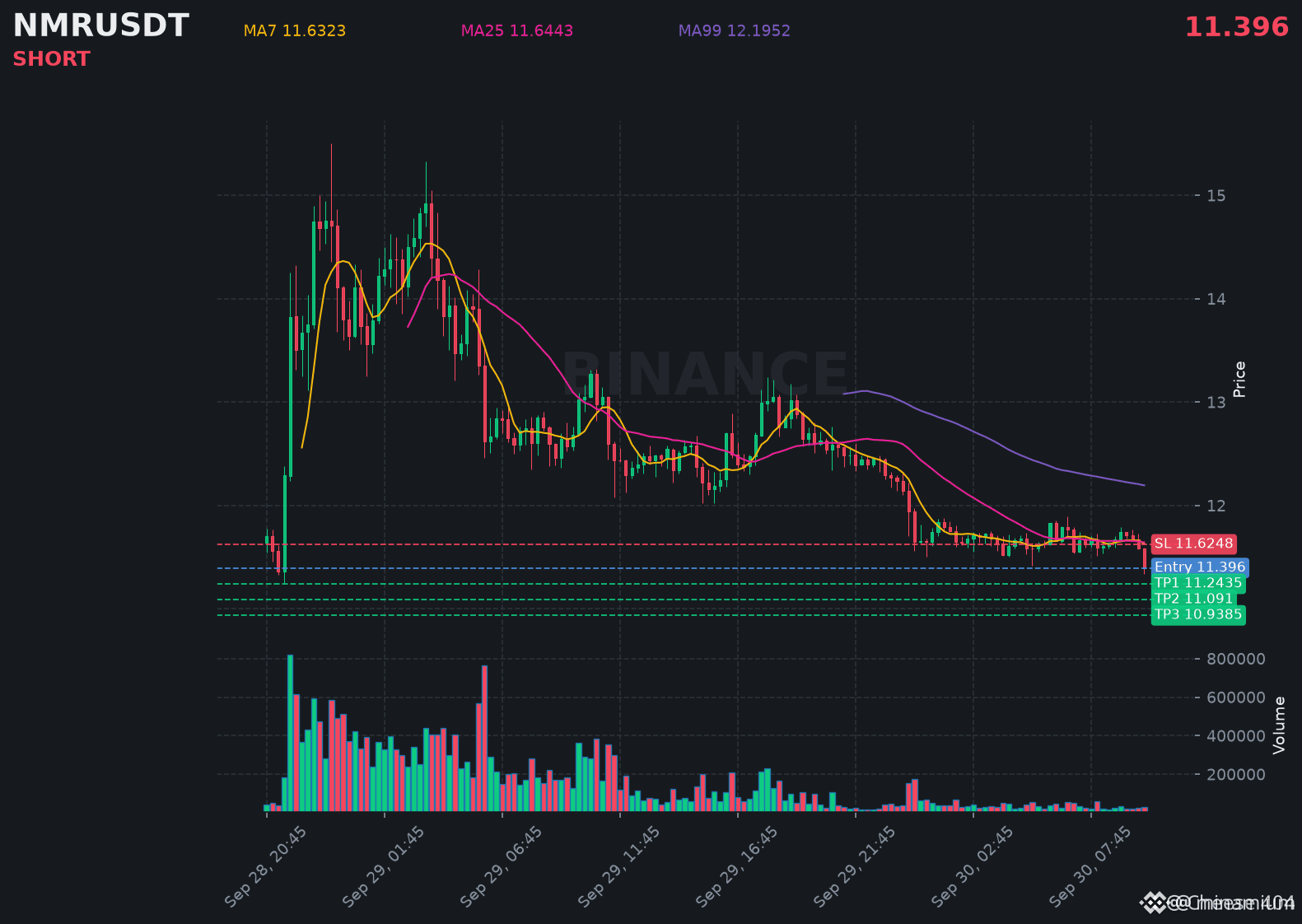
$NMR bounced from a multi-year rising support trendline on the 2W chart and is still trading above it, which keeps the bullish structure intact. The real accumulation sat between $9.50 and $7.50. That is where positions were built, not on the first green wick.
$26.70 is the only level that matters from here. A confirmed two-week close above it is the signal that could open the next expansion. Until then the trendline is your invalidation. Wait for that close instead of guessing. Most will only notice after the move is already underway.
Where do you think $NMR goes if it actually clears $26.70?
#NMR #Altcoins #CryptoTrading
Why is nobody talking about the multi-year setup still holding on $NMR ?
Most traders lose money chasing the latest $BTC move or jumping into alts after the candle already printed. They never wait for the actual structure and then have no plan when it reverses.
$NMR bounced from a multi-year rising support trendline on the 2W chart and is still trading above it, which keeps the bullish structure intact. The real accumulation sat between $9.50 and $7.50. That is where positions were built, not on the first green wick.
$26.70 is the only level that matters from here. A confirmed two-week close above it is the signal that could open the next expansion. Until then the trendline is your invalidation. Wait for that close instead of guessing. Most will only notice after the move is already underway.
Where do you think $NMR goes if it actually clears $26.70?
#NMR #Altcoins #CryptoTrading
Most traders lose money chasing the latest $BTC move or jumping into alts after the candle already printed. They never wait for the actual structure and then have no plan when it reverses.
$NMR bounced from a multi-year rising support trendline on the 2W chart and is still trading above it, which keeps the bullish structure intact. The real accumulation sat between $9.50 and $7.50. That is where positions were built, not on the first green wick.
$26.70 is the only level that matters from here. A confirmed two-week close above it is the signal that could open the next expansion. Until then the trendline is your invalidation. Wait for that close instead of guessing. Most will only notice after the move is already underway.
Where do you think $NMR goes if it actually clears $26.70?
#NMR #Altcoins #CryptoTrading
4
·
--
Why is nobody talking about how tokenized sovereign debt is quietly about to swallow retail liquidity?
Most investors keep chasing high-beta meme pumps or short squeezes on tokens like $TRB, only to end up holding bags when institutional capital decides to park somewhere completely different. We obsess over overnight windfalls while sovereign balance sheets are systematically moving on-chain right under our noses.
Japan’s Ministry of Finance setting up a study group for tokenized government bonds is not just another dry regulatory headline. It represents the foundation for real world assets that actually matter. When trillion-dollar debt markets go on-chain, enterprise interoperability plays like $QNT suddenly become structural necessities rather than speculative bets. The playbook here is straightforward: stop over-allocating to ephemeral hype cycles and start identifying the infrastructure protocols that facilitate institutional tokenization and settlement.
Monitor the settlement rails, track enterprise custody flows, and position yourself before sovereign liquidity becomes the dominant narrative in decentralized finance.
Do you think government bond tokenization will onboard real institutional capital, or is it just another walled garden?
#JapanMOFStudyGroupOnTokenizedGovtBonds #QNTRises287
Why is nobody talking about how tokenized sovereign debt is quietly about to swallow retail liquidity?
Most investors keep chasing high-beta meme pumps or short squeezes on tokens like $TRB , only to end up holding bags when institutional capital decides to park somewhere completely different. We obsess over overnight windfalls while sovereign balance sheets are systematically moving on-chain right under our noses.
Japan’s Ministry of Finance setting up a study group for tokenized government bonds is not just another dry regulatory headline. It represents the foundation for real world assets that actually matter. When trillion-dollar debt markets go on-chain, enterprise interoperability plays like $QNT suddenly become structural necessities rather than speculative bets. The playbook here is straightforward: stop over-allocating to ephemeral hype cycles and start identifying the infrastructure protocols that facilitate institutional tokenization and settlement.
Monitor the settlement rails, track enterprise custody flows, and position yourself before sovereign liquidity becomes the dominant narrative in decentralized finance.
Do you think government bond tokenization will onboard real institutional capital, or is it just another walled garden?
#JapanMOFStudyGroupOnTokenizedGovtBonds #QNTRises287
Most investors keep chasing high-beta meme pumps or short squeezes on tokens like $TRB , only to end up holding bags when institutional capital decides to park somewhere completely different. We obsess over overnight windfalls while sovereign balance sheets are systematically moving on-chain right under our noses.
Japan’s Ministry of Finance setting up a study group for tokenized government bonds is not just another dry regulatory headline. It represents the foundation for real world assets that actually matter. When trillion-dollar debt markets go on-chain, enterprise interoperability plays like $QNT suddenly become structural necessities rather than speculative bets. The playbook here is straightforward: stop over-allocating to ephemeral hype cycles and start identifying the infrastructure protocols that facilitate institutional tokenization and settlement.
Monitor the settlement rails, track enterprise custody flows, and position yourself before sovereign liquidity becomes the dominant narrative in decentralized finance.
Do you think government bond tokenization will onboard real institutional capital, or is it just another walled garden?
#JapanMOFStudyGroupOnTokenizedGovtBonds #QNTRises287

2
·
--
Picture this: a tier-one crypto firm spends eighteen months and millions in legal retainers just to get through the gateway of a major European regulator, only to discover that the operational restrictions cripple their core business model on day one.
Most retail traders celebrate regulatory authorization as an automatic green light for institutional inflows, completely overlooking how compliance friction can suffocate liquidity and trap capital in limbo.
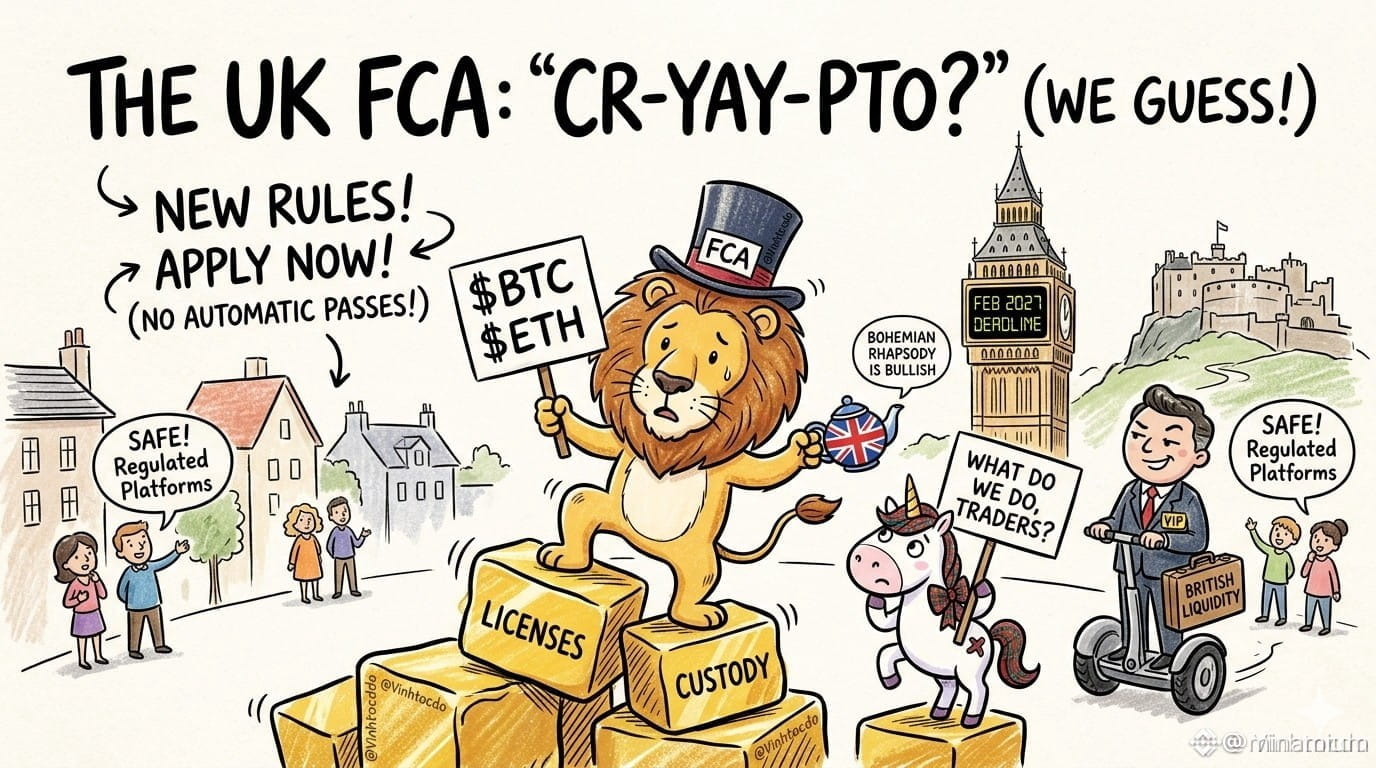
When the UK FCA opens direct authorization for crypto firms, it sounds like an unmitigated step forward for adoption. In practice, historical precedents show this process often acts as a bottleneck rather than a bridge. Stringent gateway controls force operators to delist yield features, restrict derivatives access, and impose heavy travel-rule friction that slows down simple transfers of assets like $USDT across borders.
For enterprise-focused tokens like $QNT that bridge regulated financial institutions, clear guidelines might bring clarity, but smaller protocols simply cannot survive the overhead. The real danger is that instead of fostering innovation, the framework creates a walled garden where only deep-pocketed incumbents survive while retail flexibility quietly evaporates.
Are we looking at genuine mainstream integration here, or just a slow tightening of the borders around decentralized assets?
#UKFCAOpensCryptoFirmAuthorization #QNTRises287
Picture this: a tier-one crypto firm spends eighteen months and millions in legal retainers just to get through the gateway of a major European regulator, only to discover that the operational restrictions cripple their core business model on day one.
Most retail traders celebrate regulatory authorization as an automatic green light for institutional inflows, completely overlooking how compliance friction can suffocate liquidity and trap capital in limbo.
When the UK FCA opens direct authorization for crypto firms, it sounds like an unmitigated step forward for adoption. In practice, historical precedents show this process often acts as a bottleneck rather than a bridge. Stringent gateway controls force operators to delist yield features, restrict derivatives access, and impose heavy travel-rule friction that slows down simple transfers of assets like $USDT across borders.
For enterprise-focused tokens like $QNT that bridge regulated financial institutions, clear guidelines might bring clarity, but smaller protocols simply cannot survive the overhead. The real danger is that instead of fostering innovation, the framework creates a walled garden where only deep-pocketed incumbents survive while retail flexibility quietly evaporates.
Are we looking at genuine mainstream integration here, or just a slow tightening of the borders around decentralized assets?
#UKFCAOpensCryptoFirmAuthorization #QNTRises287
Most retail traders celebrate regulatory authorization as an automatic green light for institutional inflows, completely overlooking how compliance friction can suffocate liquidity and trap capital in limbo.
When the UK FCA opens direct authorization for crypto firms, it sounds like an unmitigated step forward for adoption. In practice, historical precedents show this process often acts as a bottleneck rather than a bridge. Stringent gateway controls force operators to delist yield features, restrict derivatives access, and impose heavy travel-rule friction that slows down simple transfers of assets like $USDT across borders.
For enterprise-focused tokens like $QNT that bridge regulated financial institutions, clear guidelines might bring clarity, but smaller protocols simply cannot survive the overhead. The real danger is that instead of fostering innovation, the framework creates a walled garden where only deep-pocketed incumbents survive while retail flexibility quietly evaporates.
Are we looking at genuine mainstream integration here, or just a slow tightening of the borders around decentralized assets?
#UKFCAOpensCryptoFirmAuthorization #QNTRises287
1
·
--
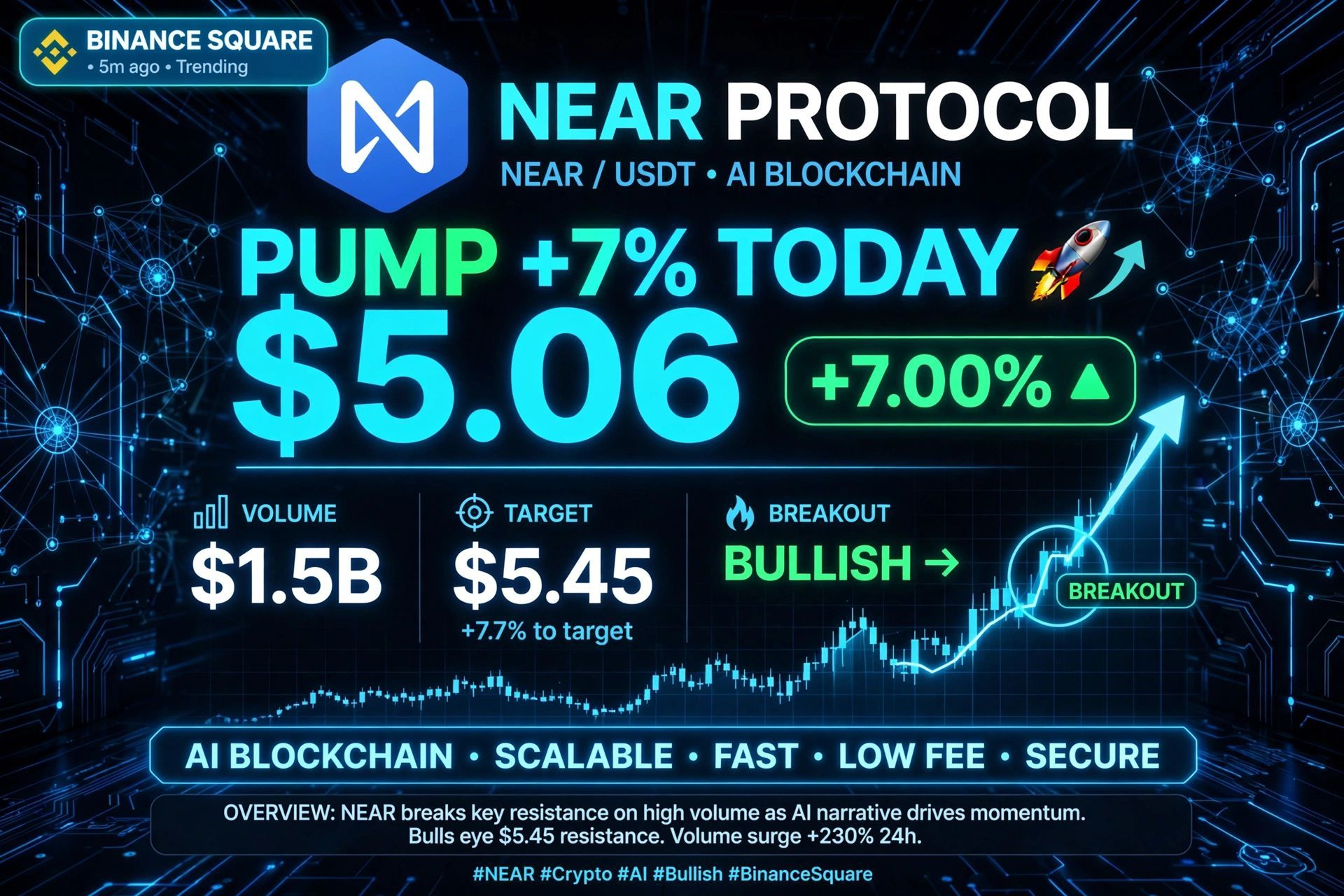
everyone thinks $NEAR is just waking up for a moonshot but actually chasing these momentum spikes is how bags get filled.
ngl the pain of fomoing into a "building nicely" move then getting dumped is brutal. you miss the real entry and have no clue when to exit.
ser this $NEAR action is a case study in fake strength. last time it did this exact thing the late buyers got wrecked when it reversed.
$QNT showed the same pattern and faded after the initial hype.
without confirmation from $BTC these setups just trap the degen crowd.
where do you think this goes from here?
#NEAR #altcoins #trading
everyone thinks $NEAR is just waking up for a moonshot but actually chasing these momentum spikes is how bags get filled.
ngl the pain of fomoing into a "building nicely" move then getting dumped is brutal. you miss the real entry and have no clue when to exit.
ser this $NEAR action is a case study in fake strength. last time it did this exact thing the late buyers got wrecked when it reversed.
$QNT showed the same pattern and faded after the initial hype.
without confirmation from $BTC these setups just trap the degen crowd.
where do you think this goes from here?
#NEAR #altcoins #trading
ngl the pain of fomoing into a "building nicely" move then getting dumped is brutal. you miss the real entry and have no clue when to exit.
ser this $NEAR action is a case study in fake strength. last time it did this exact thing the late buyers got wrecked when it reversed.
$QNT showed the same pattern and faded after the initial hype.
without confirmation from $BTC these setups just trap the degen crowd.
where do you think this goes from here?
#NEAR #altcoins #trading
4
·
--
Why is nobody talking about how actual enterprise utility is quietly outperforming pure speculative hype this cycle?
Most traders spend weeks chasing short-lived meme pumps only to end up holding bags right at the top, completely missing macro structural setups until green candles flood the feed.
The recent price action on $QNT is a textbook case study on why infrastructure fundamentals matter. After surging over 280% in the past week, on-chain data shows a key whale wallet still retaining 600,000 tokens valued at roughly $160.39M rather than aggressively dumping into retail liquidity.
Smart money is clearly positioning ahead of Quant preparing to power the tokenized-deposit network for The Clearing House. While the broader market focuses on temporary retail momentum in assets like $ETH or standard DeFi plays, institutional adoption rails are delivering tangible, sustained demand.
Where do you think institutional settlement tech heads next from here?
#Crypto #Altcoins #Web3Infrastructure
Why is nobody talking about how actual enterprise utility is quietly outperforming pure speculative hype this cycle?
Most traders spend weeks chasing short-lived meme pumps only to end up holding bags right at the top, completely missing macro structural setups until green candles flood the feed.
The recent price action on $QNT is a textbook case study on why infrastructure fundamentals matter. After surging over 280% in the past week, on-chain data shows a key whale wallet still retaining 600,000 tokens valued at roughly $160.39M rather than aggressively dumping into retail liquidity.
Smart money is clearly positioning ahead of Quant preparing to power the tokenized-deposit network for The Clearing House. While the broader market focuses on temporary retail momentum in assets like $ETH or standard DeFi plays, institutional adoption rails are delivering tangible, sustained demand.
Where do you think institutional settlement tech heads next from here?
#Crypto #Altcoins #Web3Infrastructure
Most traders spend weeks chasing short-lived meme pumps only to end up holding bags right at the top, completely missing macro structural setups until green candles flood the feed.
The recent price action on $QNT is a textbook case study on why infrastructure fundamentals matter. After surging over 280% in the past week, on-chain data shows a key whale wallet still retaining 600,000 tokens valued at roughly $160.39M rather than aggressively dumping into retail liquidity.
Smart money is clearly positioning ahead of Quant preparing to power the tokenized-deposit network for The Clearing House. While the broader market focuses on temporary retail momentum in assets like $ETH or standard DeFi plays, institutional adoption rails are delivering tangible, sustained demand.
Where do you think institutional settlement tech heads next from here?
#Crypto #Altcoins #Web3Infrastructure

2
·
--
Picture this: an address sitting untouched through two entire crypto cycles suddenly wakes up on a quiet afternoon.
Few things rattle investors more than watching ancient insider wallets shuffle massive bags right when you are trying to figure out whether to hold or exit. You are left guessing whether the team is cashing out or simply cleaning house.
That is exactly what unfolded when a wallet linked to the Quant founder moved 25,776 $QNT valued at roughly $6.97M after seven years of complete dormancy. Movement from a 2017-era wallet immediately triggers market anxiety, echoing the exact caution traders feel whenever early $ETH genesis wallets or dormant Bitcoin stashes wake up and shift funds across the chain.
Historically, events like this mirror what we witnessed with legacy $LINK and other early infrastructure tokens, where the immediate knee-jerk panic often prices in a catastrophic dump before on-chain analysts even verify if the tokens are headed to an exchange deposit or just private custody rebalancing. How the market digests these legacy coins often separates genuine panic from calculated risk.
Do you view ancient founder transfers like this as an immediate exit signal, or just routine treasury management after years on the sideline?
#CryptoWhales #Quant #Altcoins
Picture this: an address sitting untouched through two entire crypto cycles suddenly wakes up on a quiet afternoon.
Few things rattle investors more than watching ancient insider wallets shuffle massive bags right when you are trying to figure out whether to hold or exit. You are left guessing whether the team is cashing out or simply cleaning house.
That is exactly what unfolded when a wallet linked to the Quant founder moved 25,776 $QNT valued at roughly $6.97M after seven years of complete dormancy. Movement from a 2017-era wallet immediately triggers market anxiety, echoing the exact caution traders feel whenever early $ETH genesis wallets or dormant Bitcoin stashes wake up and shift funds across the chain.
Historically, events like this mirror what we witnessed with legacy $LINK and other early infrastructure tokens, where the immediate knee-jerk panic often prices in a catastrophic dump before on-chain analysts even verify if the tokens are headed to an exchange deposit or just private custody rebalancing. How the market digests these legacy coins often separates genuine panic from calculated risk.
Do you view ancient founder transfers like this as an immediate exit signal, or just routine treasury management after years on the sideline?
#CryptoWhales #Quant #Altcoins
Few things rattle investors more than watching ancient insider wallets shuffle massive bags right when you are trying to figure out whether to hold or exit. You are left guessing whether the team is cashing out or simply cleaning house.
That is exactly what unfolded when a wallet linked to the Quant founder moved 25,776 $QNT valued at roughly $6.97M after seven years of complete dormancy. Movement from a 2017-era wallet immediately triggers market anxiety, echoing the exact caution traders feel whenever early $ETH genesis wallets or dormant Bitcoin stashes wake up and shift funds across the chain.
Historically, events like this mirror what we witnessed with legacy $LINK and other early infrastructure tokens, where the immediate knee-jerk panic often prices in a catastrophic dump before on-chain analysts even verify if the tokens are headed to an exchange deposit or just private custody rebalancing. How the market digests these legacy coins often separates genuine panic from calculated risk.
Do you view ancient founder transfers like this as an immediate exit signal, or just routine treasury management after years on the sideline?
#CryptoWhales #Quant #Altcoins

2
Log in to explore more content
Join global crypto users on Binance Square
⚡️ Get latest and useful information about crypto.
💬 Trusted by the world’s largest crypto exchange.
👍 Discover real insights from verified creators.
Email / Phone number
Trending Topics
EtherGains70.9%InQ3
30,631 views
436 Discussing
One of the best third quarters in history 💰
September closed out last night, and with it, the quarter. For the quarter, BTC is up 42%—the second-best Q3 on record. ETH had a record-breaking Q3 overall, up 70%.
Looking at the chart, things are still looking good: we’re holding support, but we’re testing it more and more often. Plus, ETF momentum is weakening — inflows are gradually declining, and yesterday saw outflows for the first time in a long while.
Yes, historically, October has been a good month for crypto — it’s not called “Uptober” for nothing. But it’s also one of the most volatile months. Last year, for example, we managed to hit a new all-time high (ATH) and experience a flash crash.
🚀 High Accuracy Trades.
$BTC
$ETH
$SOL
#EtherGains70.9%InQ3 #DollarIndexHitsHighestSinceMay2025 #CFTCSubmitsTwoEventContractRulesToWhiteHouse #MicronBeatsEarningsLiftsGuidance
Knowledge is Power
·0 Likes
·94 views
TreasuryLetsStatesFileStablecoinCertificationsEarly
406 views
17 Discussing
US10YearYieldNears5.3%
67,651 views
641 Discussing