

#usq3gdpandseptemberpceduenextweek
usq3gdpandseptemberpceduenextweek
156,672 views
1,196 Discussing
Hot
Latest

·
--
Yesterday I said they were dragging their feet until the cards were dealt, and that prediction held up. The decision came out last night: the Fed left rates unchanged at 3.75% to 4%, with a 10–2 vote. The two dissenting votes wanted a hike, and Waller didn’t rule out December either. In plain English: no hike this time, but whether there’s one next time depends on tonight’s PCE.
$BTC first surged to 81,700 last night, then slid back to 80,500. This morning it’s back around 81,000, while $ETH is hovering near 2,350. ETF flows are still going in opposite directions: $BTC saw $286 million in inflows over two days, while $ETH had $149 million in outflows. The market isn’t worried about this meeting, to put it simply; it’s worried about the more than 80% odds being priced in for a December hike. The 10-year Treasury yield has already climbed above 5.02%.
Tonight at 20:30, September PCE is expected to come in at 3.6% to 3.7%—hotter than August’s 3.4%. Q3 GDP is forecast at 3%. Both reports drop at the same time. I’m not chasing this rebound. If PCE comes in hot, 81,000 could be a one-day stop. Just my personal opinion, for reference only.
#FOMCWatch #USQ3GDPAndSeptemberPCEDueNextWeek
Once tonight’s PCE is out, will $BTC hold above 81,800 first, or fall back to 79,500? Pick a side in the comments.

264
·
--
First, a recap: yesterday morning I said to wait for the Fed decision and not make a move. Sure enough, $BTC spent the whole day grinding around 80,000, closing at 80,006 on October 26, with a range of just 79,309 to 80,646. It barely budged, and had every right to. This morning it briefly touched around 79,700 again, and the price is now back around 80,350—which means yesterday was a whole day of watching for nothing. Anyone who made a move paid tuition.
The breakdown is even more interesting: Bitfinex’s Monday report came right out and said it—the 81,300 support level that held for weeks has now turned into resistance. Around 874,000 $BTC are waiting to break even between 81,000 and 82,500, so the price will have to chew through that supply before it can move higher. To the downside, 77,000 to 77,765 is the next meaningful support. Futures open interest hasn’t been flushed out yet, either: on October 25, it rose to 669,000 contracts. When people are opening new positions as the price falls, that kind of bottom usually isn’t solid.
There’s just one thing to watch today: the Federal Reserve meets October 27–28, with its decision due early Thursday Beijing time. Then Thursday evening brings third-quarter GDP and September PCE. Only after that one-two punch will the market really price in whether there’ll be a rate hike in December. In the meantime, $ETH is also hanging around 2,320, following the big brother’s lead. There’s not much of an independent move to talk about.
My view is still the same: bearish, but don’t chase the downside. At 80,000, it’s not worth buying the dip or chasing shorts. Wait for the decision. Personal opinion only; not financial advice.
After the FOMC decision, will $BTC first reclaim 82,500 and end the grind, or head down to test 77,000 first? Pick a side in the comments.
#USQ3GDPAndSeptemberPCEDueNextWeek #FOMC #BTC

1
243

·
--
Bullish
3.7% and 3.4%
September CPI and August PCE
CPI is the freshest print the Fed holds when it decides on Wednesday, October 28
PCE is what it targets, and the September reading only lands Thursday, October 29, together with GDP
so the "next week" data arrives the day after the vote
how I read it:
the vote runs on CPI, and CPI ran hot
the Fed already hiked on September 16, to 3.75% to 4%. Thursday can't change Wednesday, only how December gets talked about
GDPNow had third-quarter growth at 3.5% on October 20. strong growth plus a hot print is no setup for a cut
I'm not in $BTC
{future}(BTCUSDT)
, no bag to defend. the number I watch: September PCE above or below 3.4%
Thursday I'll post the PCE print next to Wednesday's Fed line, follow for both
#USQ3GDPAndSeptemberPCEDueNextWeek
3.7% and 3.4%
September CPI and August PCE
CPI is the freshest print the Fed holds when it decides on Wednesday, October 28
PCE is what it targets, and the September reading only lands Thursday, October 29, together with GDP
so the "next week" data arrives the day after the vote
how I read it:
the vote runs on CPI, and CPI ran hot
the Fed already hiked on September 16, to 3.75% to 4%. Thursday can't change Wednesday, only how December gets talked about
GDPNow had third-quarter growth at 3.5% on October 20. strong growth plus a hot print is no setup for a cut
I'm not in $BTC
, no bag to defend. the number I watch: September PCE above or below 3.4%
Thursday I'll post the PCE print next to Wednesday's Fed line, follow for both
#USQ3GDPAndSeptemberPCEDueNextWeek

62

#usq3gdpandseptemberpceduenextweek
🚨 US GDP & INFLATION DATA COULD SHAKE THE CRYPTO MARKET — WHAT SHOULD TRADERS WATCH? 📊
The US is scheduled to release Q3 GDP and September PCE inflation data on October 29. These reports could influence Federal Reserve expectations and sentiment across the crypto market.
🔎 WHAT SHOULD TRADERS WATCH?
▪️ GDP Growth: Stronger growth may signal economic resilience, while weaker growth could raise concerns about economic momentum.
▪️ PCE Inflation: Hotter-than-expected inflation could reduce hopes for rate cuts, while softer inflation may improve market sentiment.
▪️ Market Reaction: Bitcoin and altcoins could experience volatility. A move in either direction is possible.
🔍 2 COINS TO WATCH
🔸 $BTC (Bitcoin): Watch how BTC reacts to the economic data, especially changes in market sentiment and trading volume.
🔸 $ETH (Ethereum): ETH may also react to shifts in risk appetite across the crypto market. Watch for confirmation before drawing conclusions.
⚖️ MY TAKE: The key is how the actual numbers compare with expectations. Avoid chasing the first move and look for confirmation.
📌 Below comment: What matters more for crypto right now — economic growth or falling inflation? Share your thoughts below! 👇
#Bitcoin #CryptoMarket #USGDP #PCEInflation
#FederalReserve

4
5.3k

📊 A key week for the US economy: Q3 GDP and September PCE inflation data could shape expectations for Federal Reserve policy and market sentiment. Investors will be watching economic growth alongside price pressures to assess what may come next. $BTC $ETH
#usq3gdpandseptemberpceduenextweek
📊 A key week for the US economy: Q3 GDP and September PCE inflation data could shape expectations for Federal Reserve policy and market sentiment. Investors will be watching economic growth alongside price pressures to assess what may come next. $BTC $ETH
#usq3gdpandseptemberpceduenextweek
#usq3gdpandseptemberpceduenextweek
28

·
--
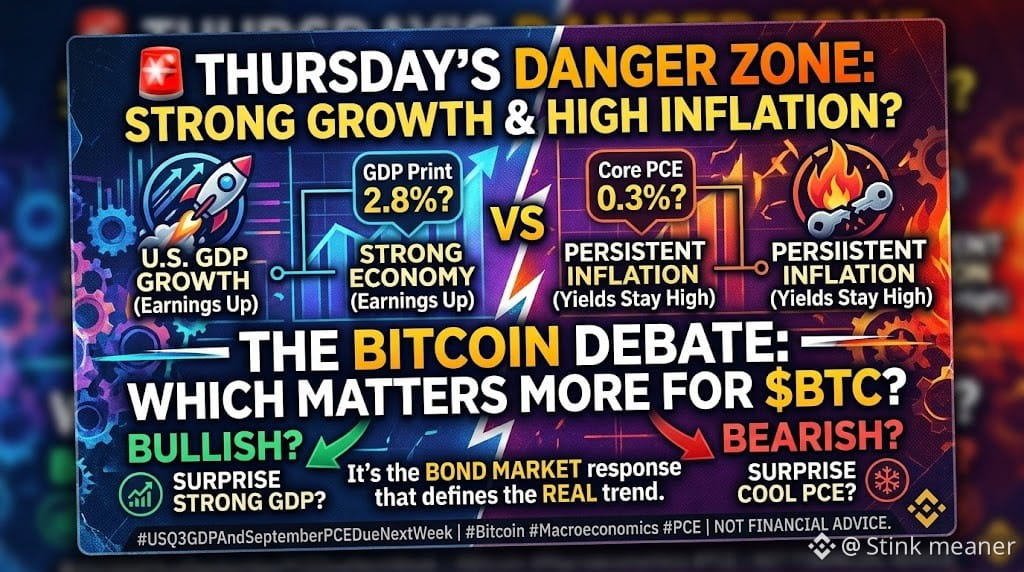
🚨 Thursday's U.S. data could show strong economic growth and persistent inflation in the same release window. That matters for Bitcoin.
#usq3gdpandseptemberpceduenextweek
On October 29, the Bureau of Economic Analysis releases its advance estimate of Q3 GDP alongside September's Personal Income and Outlays report.
One forecast from Continuum Economics expects annualized Q3 growth of 2.8% and a 0.3% monthly rise in September core PCE prices.
Those are forecasts, not confirmed outcomes.
Here's the tension: stronger growth can support corporate earnings, but if inflation remains persistent, Treasury yields may stay elevated as markets reassess the Federal Reserve's room to ease policy.
A cooler inflation reading could ease that pressure. But if growth also disappoints, investors may have to weigh lower yields against weaker economic momentum.
For Bitcoin, the release is not automatically bullish or bearish. The market's reaction to inflation, yields and the dollar may matter more than the GDP headline alone.
The important comparison is what the data show against expectations—and how the bond market responds.
Which would matter more for Bitcoin: a stronger-than-expected GDP print or evidence that core inflation is cooling?
Not financial advice.
$BTC $ZEC $ETH
{future}(ETHUSDT)
{future}(ZECUSDT)
{future}(BTCUSDT)
#USQ3GDPAndSeptemberPCEDueNextWeek #bitcoin #ArgentineCourtDismissesLIBRACaseAgainstMilei #SouthKoreaPlansToRegulateStablecoinsUnderFXLaw
🚨 Thursday's U.S. data could show strong economic growth and persistent inflation in the same release window. That matters for Bitcoin.
#usq3gdpandseptemberpceduenextweek
On October 29, the Bureau of Economic Analysis releases its advance estimate of Q3 GDP alongside September's Personal Income and Outlays report.
One forecast from Continuum Economics expects annualized Q3 growth of 2.8% and a 0.3% monthly rise in September core PCE prices.
Those are forecasts, not confirmed outcomes.
Here's the tension: stronger growth can support corporate earnings, but if inflation remains persistent, Treasury yields may stay elevated as markets reassess the Federal Reserve's room to ease policy.
A cooler inflation reading could ease that pressure. But if growth also disappoints, investors may have to weigh lower yields against weaker economic momentum.
For Bitcoin, the release is not automatically bullish or bearish. The market's reaction to inflation, yields and the dollar may matter more than the GDP headline alone.
The important comparison is what the data show against expectations—and how the bond market responds.
Which would matter more for Bitcoin: a stronger-than-expected GDP print or evidence that core inflation is cooling?
Not financial advice.
$BTC $ZEC $ETH
#USQ3GDPAndSeptemberPCEDueNextWeek #bitcoin #ArgentineCourtDismissesLIBRACaseAgainstMilei #SouthKoreaPlansToRegulateStablecoinsUnderFXLaw
1
609

·
--
#USQ3GDPAndSeptemberPCEDueNextWeek
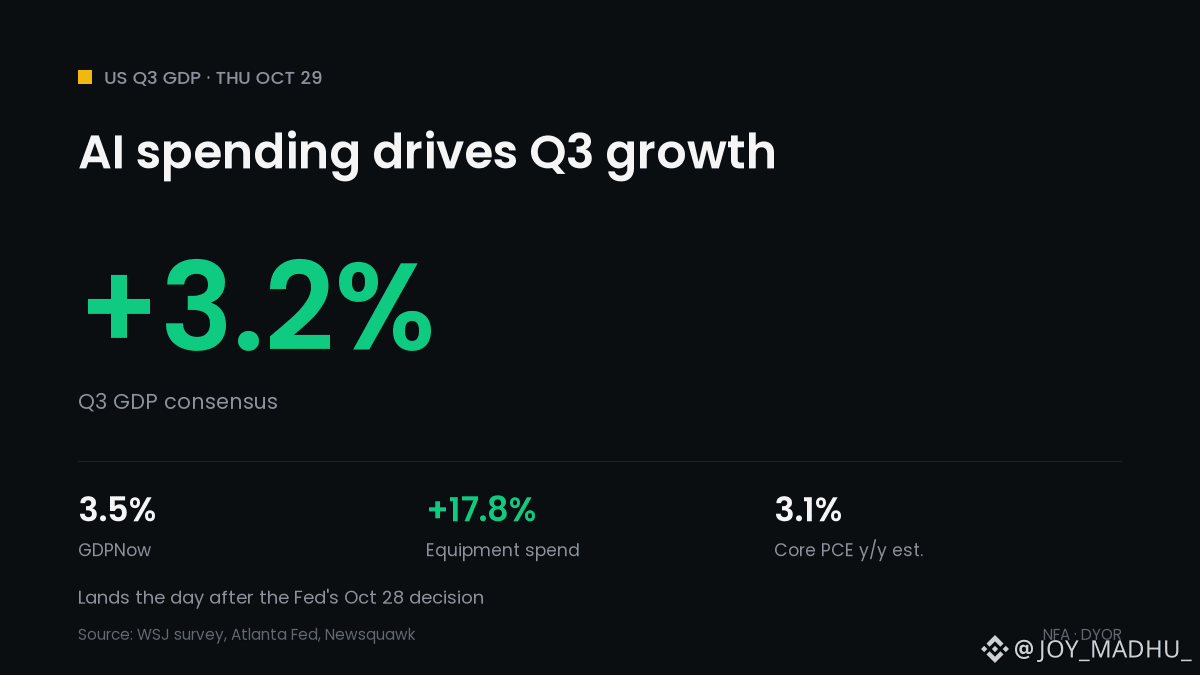
🇺🇸 Q3 GDP Could Top 3%. The AI Boom Is Doing the Heavy Lifting
📅 Q3 GDP and September PCE land Thursday, Oct 29, the day after the Fed decides
📊 WSJ's survey median is +3.2%, up from 2.2% in Q2. The Atlanta Fed's GDPNow model tracks 3.5%
🤖 GDPNow sees business equipment spending up 17.8% on AI investment
🔍 Continuum Economics expects an 18.7% jump in imports, mostly AI hardware, to subtract 3.4 points from growth
🔥 Headline PCE is seen at 3.6-3.7% a year and core at 3.1%. Pantheon says that could lift 3-month core to ~3.0% from 2.0%
What it means for crypto: strong growth plus sticky inflation keeps December hike talk alive, which can weigh on risk assets. A softer print would ease that. $BTC is near $80.3K, flat on the day.
Is AI spending now a bigger macro driver than the Fed? 👇
$BTC $ETH
#USQ3GDPAndSeptemberPCEDueNextWeek #CryptoNews #Macro #AI
16

·
--
Bullish
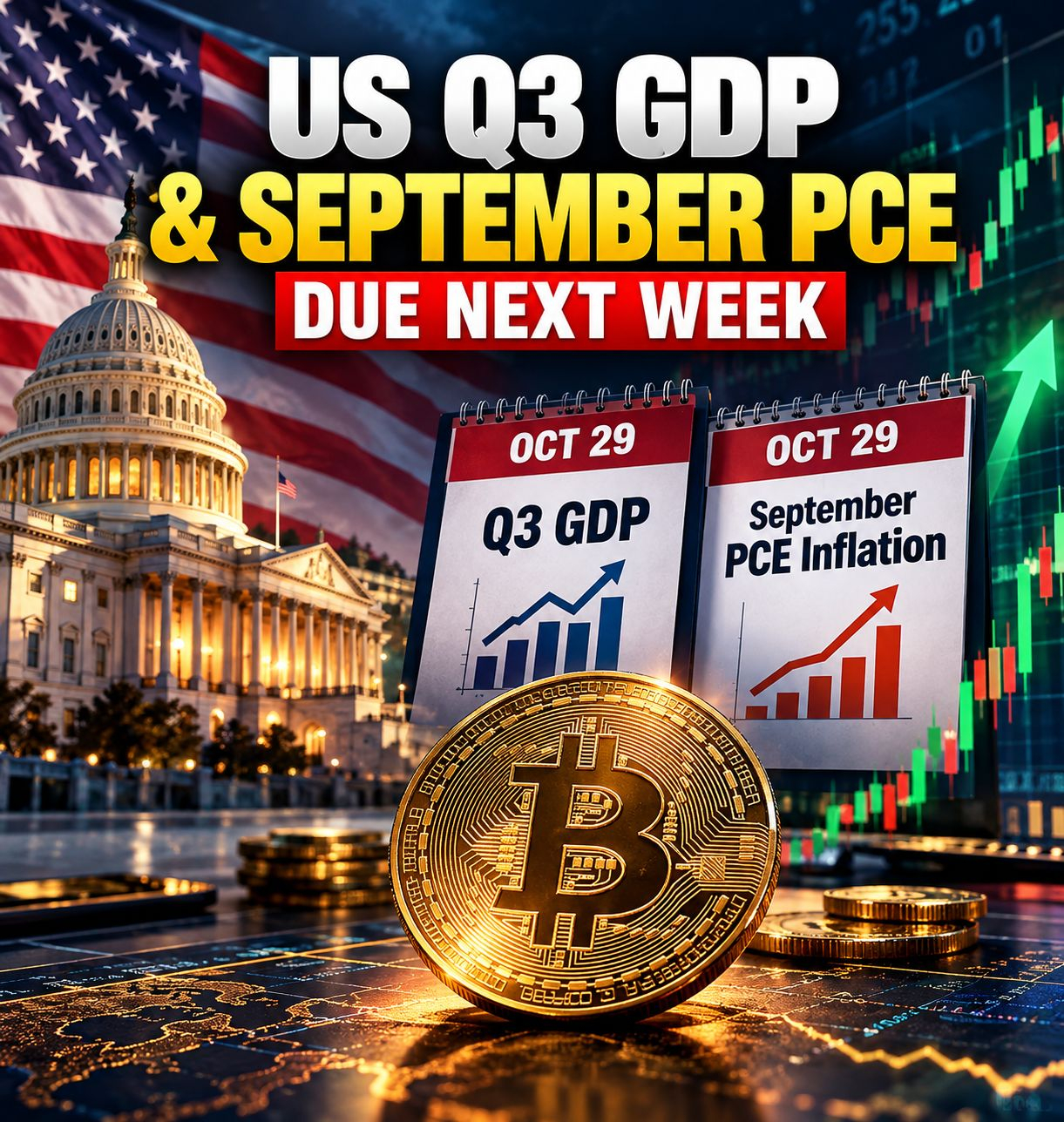
#usq3gdpandseptemberpceduenextweek 📊 US GDP & PCE Inflation: A Crucial Week for Crypto
Markets are preparing for two major US economic releases on October 29: Q3 GDP and September PCE inflation. Both reports could influence expectations for Federal Reserve policy and shape sentiment across Bitcoin and altcoins. The releases are scheduled for 8:30 AM ET.
🔎 What should traders watch?
• GDP growth: Stronger-than-expected growth could signal economic resilience, while a slowdown may raise concerns about demand.
• Core PCE: This inflation measure excludes food and energy and remains an important indicator for assessing underlying price pressures.
• Fed expectations: Persistent inflation could limit expectations for rate cuts, while softer data may ease pressure on financial conditions.
• Bitcoin reaction: BTC may respond to changes in the dollar, Treasury yields, and broader risk sentiment, but the direction is never guaranteed.
⚠️ The key is not simply whether the numbers are positive or negative. Markets react to the difference between actual results and expectations. Even encouraging data can trigger selling if investors have already priced it in.
My trading approach would be to avoid chasing the first move. Watch the initial volatility, volume, and follow-through before drawing conclusions.
These releases could create opportunities, but also increase the risk of sudden reversals and stop-loss execution during volatile conditions.
📌 Which matters more for Bitcoin this week: economic growth or inflation?
#Bitcoin #CryptoMarket #USGDP #PCEInflation #FederalReserve #BinanceSquare
$NIL $ENA $REZ
{future}(REZUSDT)
{future}(ENAUSDT)
{future}(NILUSDT)
#usq3gdpandseptemberpceduenextweek 📊 US GDP & PCE Inflation: A Crucial Week for Crypto
Markets are preparing for two major US economic releases on October 29: Q3 GDP and September PCE inflation. Both reports could influence expectations for Federal Reserve policy and shape sentiment across Bitcoin and altcoins. The releases are scheduled for 8:30 AM ET.
🔎 What should traders watch?
• GDP growth: Stronger-than-expected growth could signal economic resilience, while a slowdown may raise concerns about demand.
• Core PCE: This inflation measure excludes food and energy and remains an important indicator for assessing underlying price pressures.
• Fed expectations: Persistent inflation could limit expectations for rate cuts, while softer data may ease pressure on financial conditions.
• Bitcoin reaction: BTC may respond to changes in the dollar, Treasury yields, and broader risk sentiment, but the direction is never guaranteed.
⚠️ The key is not simply whether the numbers are positive or negative. Markets react to the difference between actual results and expectations. Even encouraging data can trigger selling if investors have already priced it in.
My trading approach would be to avoid chasing the first move. Watch the initial volatility, volume, and follow-through before drawing conclusions.
These releases could create opportunities, but also increase the risk of sudden reversals and stop-loss execution during volatile conditions.
📌 Which matters more for Bitcoin this week: economic growth or inflation?
#Bitcoin #CryptoMarket #USGDP #PCEInflation #FederalReserve #BinanceSquare
$NIL $ENA $REZ
1
1.1k

·
--
$BTC From tonight through tomorrow morning, there’s nothing on the calendar. The Conference Board Confidence Index isn’t going to produce a decent candlestick—don’t let a few intraday wicks shake you out of your positions.
The real blade this week drops at 2:00 a.m. Thursday. Rates will most likely stay put at 4.00%, but when Powell starts speaking at 2:30, his words could do more damage than the decision itself. Then, at 20:30 Thursday evening, GDP is expected to come in at 3.2%, up from 1.5%, while core PCE is set to rise from 0.2% to 0.3%. The hotter the data, the further rate cuts recede—and BTC doesn’t like that brew.
An old lesson: the calm before the storm is the most precious—and it’s also when people are most likely to shake themselves out of their positions. #USQ3GDPAndSeptemberPCEDueNextWeek

125

·
--
#usq3gdpandseptemberpceduenextweek
🚨 THE MACRO CATALYST: What Could Shake Bitcoin and Crypto This Week?
All eyes are locked on Thursday, October 29, as the U.S. drops two massive economic reports that could dictate the next major market move: Q3 GDP and September PCE inflation data.
Volatility is incoming, and the outcome depends entirely on how these numbers shift Federal Reserve rate expectations.
📊 What’s on the Line?
1. U.S. Q3 GDP (Growth Check): Shows how fast the economy grew. Strong growth builds confidence, but if it runs too hot, it risks fueling hawkish rate concerns.
2. September PCE (The Fed's Preferred Gauge): Core PCE dictates central bank policy. Cooling inflation = dovish signal = potential crypto pump. Hot inflation = heavy pressure on risk assets like Bitcoin.
📉 The Playbook for Traders
The Sweet Spot: Resilient growth combined with softer inflation could create a prime risk-on environment for BTC and altcoins.
The Risk Zone: Sticky inflation paired with slowing growth increases market uncertainty and triggers sharp liquidations across leveraged positions.
💡 Pro-Tip: Don't trade purely on the raw headlines—trade the reaction and watch how price structure respects key support levels once the data drops.
🔮 Are you positioning defensively ahead of Thursday, or expecting a bullish breakout? Share your strategy below! 👇
#Bitcoin #crypto #BinancePicks $BTC $ETH $SOL

3
6.2k

·
--
#USQ3GDPAndSeptemberPCEDueNextWeek Warsh Will Talk Tough Again. The Fed Will Still Do Nothing While M2 Keeps Rising.
This week is a high-impact cluster centered on Wednesday–Thursday.
FOMC decision Wednesday 2:00 PM ET (Warsh presser 2:30 PM). Markets price ~90–93% odds of a hold in the 3.75–4.00% range. No SEP. Thursday 8:30 AM ET: Q3 GDP advance (consensus ~3.2% vs Q2 2.2%; GDPNow 3.5%) + September core PCE (consensus 0.3% MoM / 3.1% YoY). Friday: Q3 ECI (consensus ~0.8%).
S&P 500 earnings are heavy (~150–180 names, ~1/3 of index earnings weight). Key concentrations: MSFT and GOOGL after the close Wednesday (post-FOMC), AMZN after the close Thursday, LLY/MA/MRK Thursday morning, energy (XOM/CVX) Friday. Consensus Q3 EPS growth near 24% y/y.
Peak volatility windows: Wednesday 2:00–2:30 PM ET (FOMC) and Thursday 8:30 AM ET (GDP + PCE). Overnight risk from MSFT/GOOGL and AMZN is binary. Wide ranges on GDP components and core PCE have historically produced outsized moves.
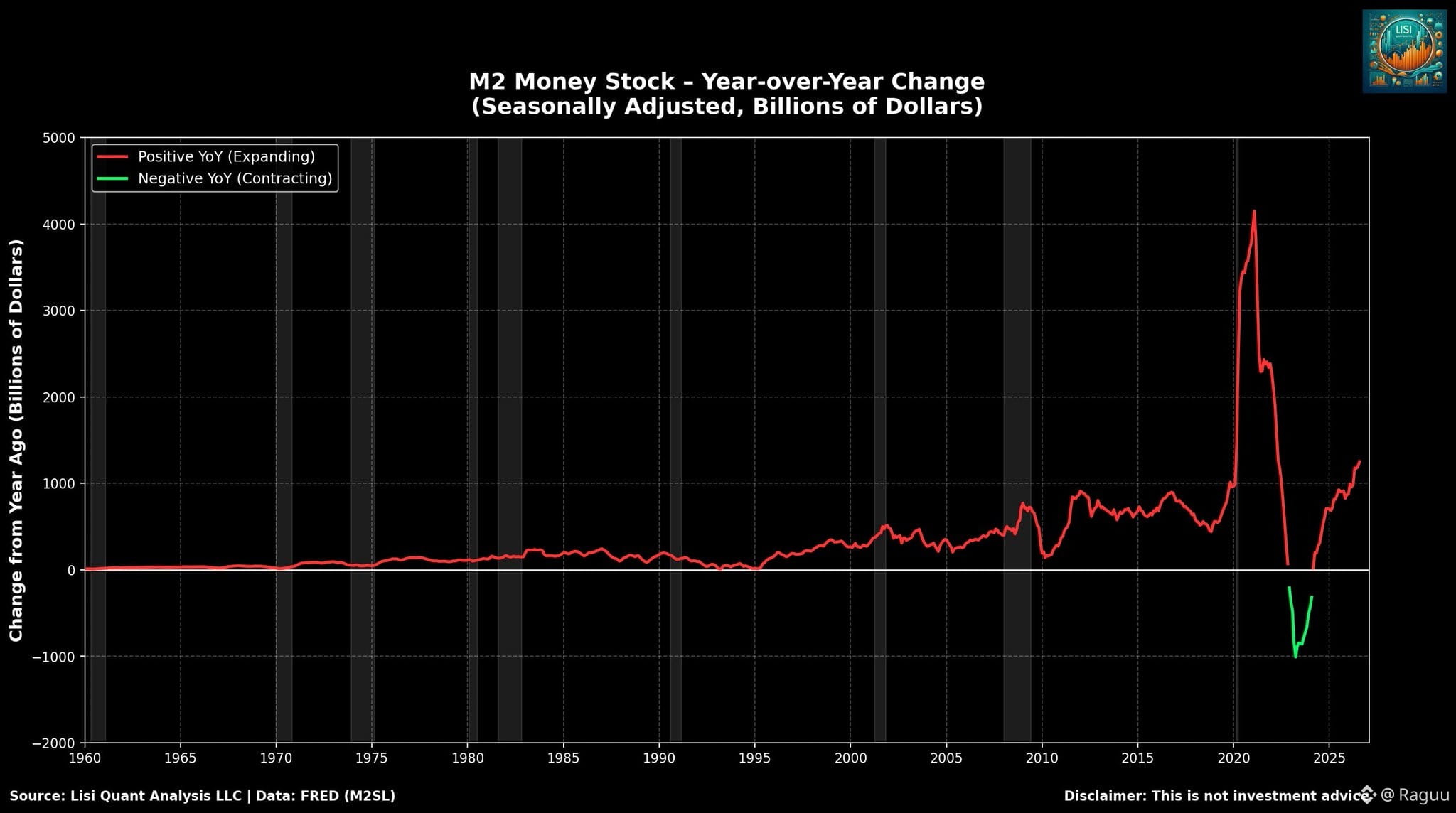
My take: Warsh will sound tough on inflation again and do nothing to reduce it. M2 continues to rise.
The chart below says it all.$TA $REZ $ARIA
447

·
--

Article
🚨📊 Q3 GDP + September PCE: The Macro Double Shot That Could Move Bitcoin 🪙#USQ3GDPAndSeptemberPCEDueNextWeek
## 🗓️ The Date to Circle
The US Bureau of Economic Analysis will release the **advance Q3 GDP estimate** and the **September PCE inflation report** together on Thursday, October 29, 2026, at 8:30 a.m. Eastern Time. ⏰ That is **6:15 PM in Nepal**. 🇳🇵
📌 Quick correction: some posts say "next week", but this release falls this week.
## 🏛️ The Fed Speaks First
Here is the twist that many traders miss. 🌪️ The FOMC meets October 27-28, and the rate decision comes on October 28, one day before the PCE data arrives. ⚖️ There is also no new dot plot at this meeting, so the statement and the press conference are the only guidance. 🎤
Why does this matter? In September, the Fed raised rates by 25 basis points to 3.75%-4.00%, its first hike since 2023. 📈 So the market is now watching for any sign of more tightening, and the October 29 data will shape expectations for **December**. 🎄
## 🧠 GDP vs PCE: What Each Number Tells You
### 📈 GDP: Is the Economy Still Strong?
GDP shows how fast the US economy is growing. 🏭 Strong growth sounds positive, but if it comes with sticky inflation, the Fed may feel free to keep tightening. 😬 Weak growth can raise recession fears, which can also hurt risk assets. 📉
### 🔥 PCE: The Fed's Favorite Inflation Gauge
PCE is the inflation measure the Fed targets. 🎯 Recent data gave some relief. In August, core PCE rose 0.2% on the month and 3.0% year over year, below forecasts, and second-quarter GDP was revised up to 2.2%. 🙌 That combination of cooler inflation without a growth scare is what crypto bulls want to see again. 🐂
## 🔀 Four Scenarios for Bitcoin
🟢 **1. Cool inflation + solid growth.** This is the "Goldilocks" case. Rate-hike fears fade, and risk assets including Bitcoin could rally. 🚀
🔴 **2. Hot inflation + strong growth.** A hawkish Fed outlook gets reinforced, yields rise, and pressure builds on crypto. 📉
🟡 **3. Cool inflation + weak growth.** Rate relief may help, but recession worries can cap the upside. 🤔
⚫ **4. Hot inflation + weak growth.** This is stagflation, and it is the hardest setup for risk assets. 😨
## ⚡ How Bitcoin Has Reacted Before
Bitcoin has been very sensitive to macro data lately. 🔗 After the August PCE release, a softer reading pushed it briefly above $85,598 as hike odds fell sharply. 📊 Over a longer period, though, Bitcoin's median move on PCE days has been about 1.2%, the same as on other days. 🧪 So the data does not always cause a big move, but the surprises can. 💥
## 🛠️ A Practical Checklist for Traders
✅ Check the **consensus forecast** before the release. The surprise matters more than the number itself. 🔍
✅ Watch the **Fed's tone on October 28**. It sets the mood before the data arrives. 🎙️
✅ Expect **volatility spikes** around 6:15 PM Nepal time. Spreads widen and wicks get longer. 🕯️
✅ Use **smaller position sizes** and clear stop-losses. 🛑
✅ Avoid revenge trading after a sharp move. 🧘
## 🎯 The Bottom Line
Markets will not react to the numbers alone. They will react to **what the numbers mean for the Fed's next move**. 🧭 Strong growth is not automatically bullish, and cooling inflation is not enough on its own. A calm, data-first approach beats chasing headlines. 👀
**Watch the data, not the hype.** 💡
💬 **What's your prediction?** Will Bitcoin rise, fall, or just whip around on October 29? 👇 Share your thoughts!
*This is not financial advice. Always do your own research. 📝*
**#Bitcoin #PCE #GDP #FederalReserve #CryptoTrading**
---
Sources: [Finance Calendar (GDP)](https://www.financecalendar.com/?p=1313), [Cryptohopper Macro Outlook](https://www.cryptohopper.com/news/october-2026-macro-catalyst-outlook-13370), [Admiral Markets](https://admiralmarkets.com/analytics/traders-blog/fomc-minutes-october-2026), [BabyPips](https://www.babypips.com/news/headline-us-core-pce-august-2026-results-gdp-revision-fed-outlook-2026-09-30), [Nexo](https://nexo.com/eea/blog/markets-today-september-30), [Crypto Briefing](https://cryptobriefing.com/bitcoin-gains-rate-hike-expectations-ease/), [The Right Trader](https://therighttrader.com/economic-calendar/pce)#DowDrops653Points #UKAlgorithmicCryptoTradingAppsMayNeedFCAAuthorization #ArgentineCourtDismissesLIBRACaseAgainstMilei #SKHynixReportedlyPlansSpecialDividendFromKioxiaStakeSale
🚨📊 Q3 GDP + September PCE: The Macro Double Shot That Could Move Bitcoin 🪙
#USQ3GDPAndSeptemberPCEDueNextWeek
## 🗓️ The Date to Circle
The US Bureau of Economic Analysis will release the **advance Q3 GDP estimate** and the **September PCE inflation report** together on Thursday, October 29, 2026, at 8:30 a.m. Eastern Time. ⏰ That is **6:15 PM in Nepal**. 🇳🇵
📌 Quick correction: some posts say "next week", but this release falls this week.
## 🏛️ The Fed Speaks First
Here is the twist that many traders miss. 🌪️ The FOMC meets October 27-28, and the rate decision comes on October 28, one day before the PCE data arrives. ⚖️ There is also no new dot plot at this meeting, so the statement and the press conference are the only guidance. 🎤
Why does this matter? In September, the Fed raised rates by 25 basis points to 3.75%-4.00%, its first hike since 2023. 📈 So the market is now watching for any sign of more tightening, and the October 29 data will shape expectations for **December**. 🎄
## 🧠 GDP vs PCE: What Each Number Tells You
### 📈 GDP: Is the Economy Still Strong?
GDP shows how fast the US economy is growing. 🏭 Strong growth sounds positive, but if it comes with sticky inflation, the Fed may feel free to keep tightening. 😬 Weak growth can raise recession fears, which can also hurt risk assets. 📉
### 🔥 PCE: The Fed's Favorite Inflation Gauge
PCE is the inflation measure the Fed targets. 🎯 Recent data gave some relief. In August, core PCE rose 0.2% on the month and 3.0% year over year, below forecasts, and second-quarter GDP was revised up to 2.2%. 🙌 That combination of cooler inflation without a growth scare is what crypto bulls want to see again. 🐂
## 🔀 Four Scenarios for Bitcoin
🟢 **1. Cool inflation + solid growth.** This is the "Goldilocks" case. Rate-hike fears fade, and risk assets including Bitcoin could rally. 🚀
🔴 **2. Hot inflation + strong growth.** A hawkish Fed outlook gets reinforced, yields rise, and pressure builds on crypto. 📉
🟡 **3. Cool inflation + weak growth.** Rate relief may help, but recession worries can cap the upside. 🤔
⚫ **4. Hot inflation + weak growth.** This is stagflation, and it is the hardest setup for risk assets. 😨
## ⚡ How Bitcoin Has Reacted Before
Bitcoin has been very sensitive to macro data lately. 🔗 After the August PCE release, a softer reading pushed it briefly above $85,598 as hike odds fell sharply. 📊 Over a longer period, though, Bitcoin's median move on PCE days has been about 1.2%, the same as on other days. 🧪 So the data does not always cause a big move, but the surprises can. 💥
## 🛠️ A Practical Checklist for Traders
✅ Check the **consensus forecast** before the release. The surprise matters more than the number itself. 🔍
✅ Watch the **Fed's tone on October 28**. It sets the mood before the data arrives. 🎙️
✅ Expect **volatility spikes** around 6:15 PM Nepal time. Spreads widen and wicks get longer. 🕯️
✅ Use **smaller position sizes** and clear stop-losses. 🛑
✅ Avoid revenge trading after a sharp move. 🧘
## 🎯 The Bottom Line
Markets will not react to the numbers alone. They will react to **what the numbers mean for the Fed's next move**. 🧭 Strong growth is not automatically bullish, and cooling inflation is not enough on its own. A calm, data-first approach beats chasing headlines. 👀
**Watch the data, not the hype.** 💡
💬 **What's your prediction?** Will Bitcoin rise, fall, or just whip around on October 29? 👇 Share your thoughts!
*This is not financial advice. Always do your own research. 📝*
**#Bitcoin #PCE #GDP #FederalReserve #CryptoTrading**
---
Sources: [Finance Calendar (GDP)](https://www.financecalendar.com/?p=1313), [Cryptohopper Macro Outlook](https://www.cryptohopper.com/news/october-2026-macro-catalyst-outlook-13370), [Admiral Markets](https://admiralmarkets.com/analytics/traders-blog/fomc-minutes-october-2026), [BabyPips](https://www.babypips.com/news/headline-us-core-pce-august-2026-results-gdp-revision-fed-outlook-2026-09-30), [Nexo](https://nexo.com/eea/blog/markets-today-september-30), [Crypto Briefing](https://cryptobriefing.com/bitcoin-gains-rate-hike-expectations-ease/), [The Right Trader](https://therighttrader.com/economic-calendar/pce)#DowDrops653Points #UKAlgorithmicCryptoTradingAppsMayNeedFCAAuthorization #ArgentineCourtDismissesLIBRACaseAgainstMilei #SKHynixReportedlyPlansSpecialDividendFromKioxiaStakeSale
1
320

·
--
US GDP & PCE Clues Leak 💥 Macro Volatility Triggers Massive Crypto Liquidity Setup
The upcoming release of the US Q3 GDP estimate (projected at +3.2%) and the September Core PCE price index (forecasted at 3.1% YoY) this Thursday is set to trigger a massive wave of capital realignment. As the Federal Reserve’s preferred inflation metric arrives alongside earnings from Microsoft and Alphabet, smart money is aggressively front-running the potential macro shift. The looming data points have created a pressure-cooker environment across global markets.
Instead of retreating into cash reserves, the digital asset ecosystem is experiencing a high-conviction liquidity concentration. Bitcoin ( $BTC ) and Ethereum ( $ETH ) are absorbing heavy institutional inflows, fueled by continuous capital accumulation via spot ETFs. A hot GDP print alongside cooling inflation data will provide the ultimate green light for risk-on assets, likely sparking an immediate supply squeeze as liquid token supplies on exchanges hit multi-year lows.
Structural Breakdown & Technical Alignment:
- The Growth Catalyst: A robust GDP print of 3.2% confirms economic resilience, drastically lowering the probability of a hard landing and unlocking dormant corporate capital.
- PCE Disinflation Baseline: If Core PCE hits or prints below the 3.1% forecast, it solidifies the case for continued monetary easing, acting as immediate fuel for risk assets.
- The Breakout Threshold: With institutional bids establishing a rock-solid floor under $BTC and ETH, any positive macroeconomic surprise clears the technical path for an explosive macro expansion wave.
{future}(BTCUSDT)
{future}(BNBUSDT)
{future}(ETHUSDT)
#usq3gdpandseptemberpceduenextweek
US GDP & PCE Clues Leak 💥 Macro Volatility Triggers Massive Crypto Liquidity Setup
The upcoming release of the US Q3 GDP estimate (projected at +3.2%) and the September Core PCE price index (forecasted at 3.1% YoY) this Thursday is set to trigger a massive wave of capital realignment. As the Federal Reserve’s preferred inflation metric arrives alongside earnings from Microsoft and Alphabet, smart money is aggressively front-running the potential macro shift. The looming data points have created a pressure-cooker environment across global markets.
Instead of retreating into cash reserves, the digital asset ecosystem is experiencing a high-conviction liquidity concentration. Bitcoin ( $BTC ) and Ethereum ( $ETH ) are absorbing heavy institutional inflows, fueled by continuous capital accumulation via spot ETFs. A hot GDP print alongside cooling inflation data will provide the ultimate green light for risk-on assets, likely sparking an immediate supply squeeze as liquid token supplies on exchanges hit multi-year lows.
Structural Breakdown & Technical Alignment:
- The Growth Catalyst: A robust GDP print of 3.2% confirms economic resilience, drastically lowering the probability of a hard landing and unlocking dormant corporate capital.
- PCE Disinflation Baseline: If Core PCE hits or prints below the 3.1% forecast, it solidifies the case for continued monetary easing, acting as immediate fuel for risk assets.
- The Breakout Threshold: With institutional bids establishing a rock-solid floor under $BTC and ETH, any positive macroeconomic surprise clears the technical path for an explosive macro expansion wave.
#usq3gdpandseptemberpceduenextweek

1
2.1k

·
--
Bearish
#USQ3GDPAndSeptemberPCEDueNextWeek
🇺🇸 US Q3 GDP & SEPTEMBER PCE: A KEY WEEK FOR CRYPTO MARKETS
The upcoming US GDP and PCE inflation reports could bring fresh volatility to Bitcoin and the wider crypto market.
📊 Why GDP Matters
US third-quarter GDP data will offer insight into the strength of the economy. Strong growth may support investor confidence, while weaker growth could raise concerns about an economic slowdown. However, stronger growth can also complicate expectations for interest-rate cuts if inflation remains elevated.
🔥 Why PCE Inflation Is Important
The Personal Consumption Expenditures (PCE) price index is one of the Federal Reserve’s key inflation measures.
- Cooler inflation: Could support expectations of monetary easing.
- Hotter inflation: Could keep interest rates higher for longer.
- Mixed results: Could leave traders searching for clearer signals.
₿ What It Means for Bitcoin
Bitcoin’s reaction will depend on how the actual numbers compare with expectations. Cooling inflation alongside resilient growth could improve risk sentiment, while persistent inflation may pressure speculative assets through higher yields and a stronger dollar.
⚠️ What Traders Should Watch
Keep an eye on US Treasury yields, dollar strength, trading volume, and Bitcoin’s reaction around key support and resistance levels. Avoid assuming that one economic report will determine the market’s direction.
My Take: This is a week for patience, not predictions. The data could create opportunities in either direction, but the market’s response matters more than the headline alone.
Always manage risk and avoid chasing sudden price movements. This post is for educational purposes, not financial advice.
#Bitcoin #CryptoNews #CryptoMarket
$Q $T $LIGHT
{future}(LIGHTUSDT)
{future}(TUSDT)
{future}(QUSDT)
#USQ3GDPAndSeptemberPCEDueNextWeek
🇺🇸 US Q3 GDP & SEPTEMBER PCE: A KEY WEEK FOR CRYPTO MARKETS
The upcoming US GDP and PCE inflation reports could bring fresh volatility to Bitcoin and the wider crypto market.
📊 Why GDP Matters
US third-quarter GDP data will offer insight into the strength of the economy. Strong growth may support investor confidence, while weaker growth could raise concerns about an economic slowdown. However, stronger growth can also complicate expectations for interest-rate cuts if inflation remains elevated.
🔥 Why PCE Inflation Is Important
The Personal Consumption Expenditures (PCE) price index is one of the Federal Reserve’s key inflation measures.
- Cooler inflation: Could support expectations of monetary easing.
- Hotter inflation: Could keep interest rates higher for longer.
- Mixed results: Could leave traders searching for clearer signals.
₿ What It Means for Bitcoin
Bitcoin’s reaction will depend on how the actual numbers compare with expectations. Cooling inflation alongside resilient growth could improve risk sentiment, while persistent inflation may pressure speculative assets through higher yields and a stronger dollar.
⚠️ What Traders Should Watch
Keep an eye on US Treasury yields, dollar strength, trading volume, and Bitcoin’s reaction around key support and resistance levels. Avoid assuming that one economic report will determine the market’s direction.
My Take: This is a week for patience, not predictions. The data could create opportunities in either direction, but the market’s response matters more than the headline alone.
Always manage risk and avoid chasing sudden price movements. This post is for educational purposes, not financial advice.
#Bitcoin #CryptoNews #CryptoMarket
$Q $T $LIGHT

632

·
--
#USQ3GDPAndSeptemberPCEDueNextWeek
Markets are preparing for a crucial October 29, 2026, data release, with the US third-quarter GDP estimate and September PCE inflation report arriving at 8:30 a.m. ET. Economists expect GDP growth to strengthen from Q2’s 2.2% annualized rate, while headline PCE inflation could rise to 3.6% year over year and core PCE to 3.1%.
These figures will shape expectations for Federal Reserve policy, Treasury yields, the US dollar, and crypto markets. Strong growth alongside sticky inflation could pressure risk assets, while softer readings may improve sentiment.
84

·
--
ETH trims risk ahead of two data releases | GDP and PCE both due October 29 | I’ll wait for price confirmation
My stance is cautious and wait-and-see: I’m not treating a pre-release rebound as proof that the trend has strengthened. The latest schedule from the U.S. Bureau of Economic Analysis shows that the advance estimate of third-quarter GDP and the September Personal Income and Outlays report are both due at 8:30 a.m. Eastern Time on October 29; the latter includes the Personal Consumption Expenditures price index, which markets are watching closely. The Federal Reserve’s calendar lists an FOMC meeting on October 27–28. None of these three sets of results has been released yet, so claims that “inflation has cooled” or “policy has already shifted” are only speculation. The exact label on the Plaza trending list is #USQ3GDPAndSeptemberPCEDueNextWeek. I’m focused on how this cluster of events narrows ETH’s trading margin for error, not on betting in advance on any one data point.
In terms of how they work, GDP can change market views on growth and corporate earnings, while PCE can affect expectations for the future path of interest rates. If markets consequently price in higher rates and real yields, crypto assets that do not pay a fixed coupon typically come under valuation pressure. If both growth and inflation come in below expectations, that still does not mechanically mean ETH will rise; it also depends on whether investors are willing to take on risk. ETH is more susceptible than BTC to the combined effects of expectations for on-chain activity, risk appetite, and leveraged positions. So after the same macro report, the first sharp move up or down may not indicate a sustainable direction. If spot ETF flow figures are incomplete, I also won’t turn missing data into a claim about net inflows or outflows for the day.
As of writing, Kraken ETH/USD is around $2,320, with a UTC daily open of $2,326.62, a high of $2,335.20, and a low of $2,290.71. The price is still slightly below the daily open, which means that, at least during this observation window, there has been no clear confirmation to the upside. This is simply an observation of live market prices and cannot be attributed to GDP or PCE figures that have not yet been released. My short-term range to watch is $2,290–$2,335: a break above the upper bound followed by a successful retest would create conditions for further recovery; a break below the lower bound that cannot be reclaimed would favor treating the risk outlook as weak. If volume suddenly surges ahead of the releases but the move gets no follow-through, the rationale for chasing the rally should also be abandoned.
If I were trading this myself, I’d sit out for now. My directional plan is limited to a small spot long, and I absolutely would not guess the data outcome and open a highly leveraged position before its release. My position limit is 4% of total capital. The entry trigger is an hourly close above $2,335, followed by a pullback that holds above $2,325 in the next hour; I’d then buy in two tranches. I’d take half off at the first target of $2,360, then manage the remainder at the second target of $2,390. The initial stop is $2,305. If, after the data release, the price falls back below $2,325, or if BTC and ETH both break below their intraday lows, I’d close the position early. If these conditions don’t occur, I’d remain in cash. Even if I guess the direction correctly, missing part of a move is better than treating an unconfirmed expectation as an established fact.
Sources: U.S. Bureau of Economic Analysis release schedule for 2026, Federal Reserve FOMC meeting calendar, and live Kraken ETH/USD prices. #USQ3GDPAndSeptemberPCEDueNextWeek #ETH
The above is solely my personal market observation and does not constitute investment advice.

12

#usq3gdpandseptemberpceduenextweek 📊 U.S. Q3 GDP and September PCE: a crucial week for crypto markets
The next major macroeconomic test will take place on October 29, when the United States is expected to release its Q3 GDP estimate and September PCE inflation data. These two reports could influence expectations for interest rates, market liquidity, and Bitcoin’s short-term trajectory.
🔍 WHAT SHOULD TRADERS WATCH?
📈 GDP growth: Growth above expectations could boost confidence in the economy, but also complicate the outlook for rate cuts if demand remains too strong.
🔥 PCE inflation: This is a key inflation indicator tracked by the Federal Reserve. Persistent inflation could keep monetary policy restrictive for longer, while more moderate figures could improve expectations for future easing.
₿ Bitcoin’s reaction: BTC could react to changes in Treasury yields, the U.S. dollar, and overall risk sentiment. However, neither strong GDP nor slowing inflation guarantees a rise.
⚠️ THE IMPORTANT DETAIL
Markets react to the gap between actual figures and expectations, not just to whether the data seems good or bad. A mixed report could trigger volatility in either direction, especially if traders have taken large positions ahead of its release.
🧠 The trader’s perspective: Watch the data, the market’s initial reaction, and whether price action confirms the move. Avoid taking a position based on a headline alone, and define your risk before trading.
$ERA
{future}(ERAUSDT)
$CAP
{future}(CAPUSDT)
$DODO
{spot}(DODOUSDT)
#usq3gdpandseptemberpceduenextweek 📊 U.S. Q3 GDP and September PCE: a crucial week for crypto markets
The next major macroeconomic test will take place on October 29, when the United States is expected to release its Q3 GDP estimate and September PCE inflation data. These two reports could influence expectations for interest rates, market liquidity, and Bitcoin’s short-term trajectory.
🔍 WHAT SHOULD TRADERS WATCH?
📈 GDP growth: Growth above expectations could boost confidence in the economy, but also complicate the outlook for rate cuts if demand remains too strong.
🔥 PCE inflation: This is a key inflation indicator tracked by the Federal Reserve. Persistent inflation could keep monetary policy restrictive for longer, while more moderate figures could improve expectations for future easing.
₿ Bitcoin’s reaction: BTC could react to changes in Treasury yields, the U.S. dollar, and overall risk sentiment. However, neither strong GDP nor slowing inflation guarantees a rise.
⚠️ THE IMPORTANT DETAIL
Markets react to the gap between actual figures and expectations, not just to whether the data seems good or bad. A mixed report could trigger volatility in either direction, especially if traders have taken large positions ahead of its release.
🧠 The trader’s perspective: Watch the data, the market’s initial reaction, and whether price action confirms the move. Avoid taking a position based on a headline alone, and define your risk before trading.
$ERA
$CAP
$DODO

1
2.3k

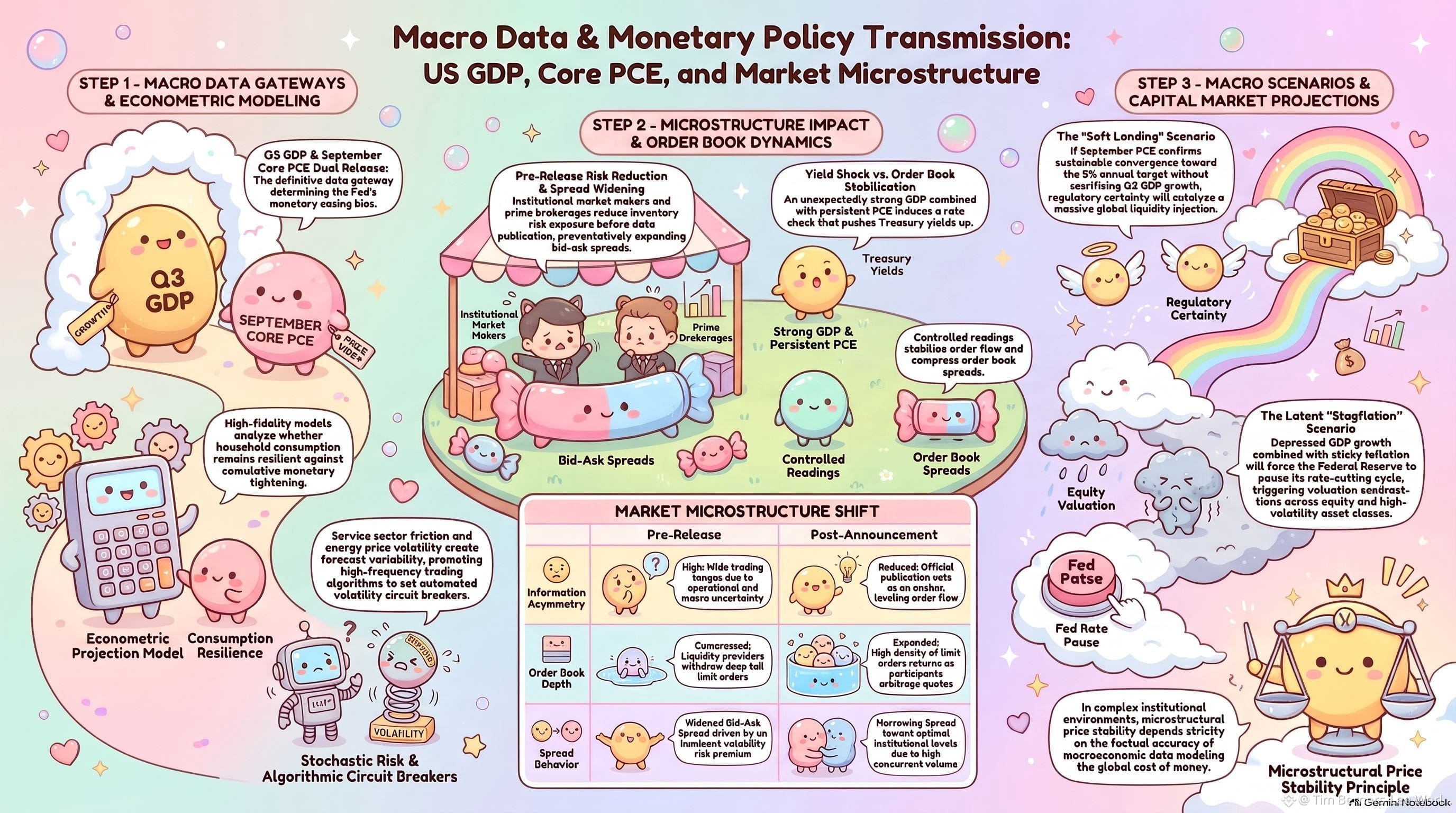
Lecture Article: High-Fidelity Macroeconomic Modeling and Monetary Policy Transmission Channels in the U.S.
#usq3gdpandseptemberpceduenextweek #USQ3GDPAndSeptemberPCEDueNextWeek
Lecture Article: High-Fidelity Macroeconomic Modeling and Monetary Policy Transmission Channels in the U.S.
The Event and the Operating Environment
Economic analysis departments at major global financial centers are focusing on the simultaneous release of two critical U.S. macroeconomic indicators: the preliminary third-quarter Gross Domestic Product (GDP) reading and the September Personal Consumption Expenditures (PCE) Price Index. These key metrics—scheduled for official release by the Bureau of Economic Analysis (BEA) on Thursday, October 29—serve as pivotal information gateways that will guide the Federal Reserve (Fed) in its efforts to optimize interest rates. The current operating environment is characterized by extreme data dependency, where even slight deviations from consensus forecasts can alter capital transmission channels and immediately reshape sovereign yield curves.
Metrics, Technical Infrastructure, and Key Factors
The technical core of this econometric modeling lies in the disaggregation of annualized growth rates and the "Core" PCE—the inflation indicator preferred by the central bank. Institutional analysts project preliminary third-quarter GDP growth at approximately 2.4% (annualized), driven primarily by household consumption and fixed investment in technological infrastructure related to artificial intelligence. Despite this resilience, structural factors stemming from the international tariff landscape threaten to dampen trade balances and the accumulation of private inventories. Concurrently, predictive trading algorithms are monitoring the impact of energy prices on real spending, with automated volatility triggers in place to respond to any discrepancies relative to the official figures.$BNB $BTC $OP #writetoearn
{spot}(OPUSDT)
{spot}(BTCUSDT)
{spot}(BNBUSDT)
Lecture Article: High-Fidelity Macroeconomic Modeling and Monetary Policy Transmission Channels in the U.S.
#usq3gdpandseptemberpceduenextweek #USQ3GDPAndSeptemberPCEDueNextWeek
Lecture Article: High-Fidelity Macroeconomic Modeling and Monetary Policy Transmission Channels in the U.S.
The Event and the Operating Environment
Economic analysis departments at major global financial centers are focusing on the simultaneous release of two critical U.S. macroeconomic indicators: the preliminary third-quarter Gross Domestic Product (GDP) reading and the September Personal Consumption Expenditures (PCE) Price Index. These key metrics—scheduled for official release by the Bureau of Economic Analysis (BEA) on Thursday, October 29—serve as pivotal information gateways that will guide the Federal Reserve (Fed) in its efforts to optimize interest rates. The current operating environment is characterized by extreme data dependency, where even slight deviations from consensus forecasts can alter capital transmission channels and immediately reshape sovereign yield curves.
Metrics, Technical Infrastructure, and Key Factors
The technical core of this econometric modeling lies in the disaggregation of annualized growth rates and the "Core" PCE—the inflation indicator preferred by the central bank. Institutional analysts project preliminary third-quarter GDP growth at approximately 2.4% (annualized), driven primarily by household consumption and fixed investment in technological infrastructure related to artificial intelligence. Despite this resilience, structural factors stemming from the international tariff landscape threaten to dampen trade balances and the accumulation of private inventories. Concurrently, predictive trading algorithms are monitoring the impact of energy prices on real spending, with automated volatility triggers in place to respond to any discrepancies relative to the official figures.$BNB $BTC $OP #writetoearn
Binance BiBi:
Working on it. Your reply is on the way.
4
2.3k

·
--
If you're still loading up on alts ahead of next week's US Q3 GDP and September PCE like the print is already priced, stop now. People buy the quiet tape, tell themselves they'll exit if the number runs hot, and then the candle moves faster than the plan.
That is the pain most of us already know. A FOMO entry into a flat market, no level that means you're wrong, and one macro headline that turns a small position into a forced decision. Sentiment is sitting at 44, neutral, which usually means the crowd is waiting for someone else to blink first.
There are two honest reads. A firm GDP number with sticky September PCE keeps rate-cut hopes on ice, and in that tape money hides in $USDT while higher-beta names like $DOT and $ETC take the first hit. The other read says growth without a fresh inflation scare is the soft landing crypto has been waiting on, and fading it into the release is how traders miss the only clean bid of the month. I'm with the cautious side until both numbers are actually on the screen. Neutral does not mean safe. It means positioning is thin, and thin books overreact.
Earnings season is still in the mix, so a rough equity session can spill over even if the crypto story sounds fine on its own. The question is not whether GDP or PCE matters. It is whether they point the same way.
What's your take, sell the strength into the print or wait and react?
#USQ3GDPAndSeptemberPCEDueNextWeek #EarningsSeason #DowDrops653Points

350

Have you noticed how crypto traders lose their minds every time a major US data print like GDP or PCE is around the corner?
Most of us have been there. You hold through the announcement hoping for confirmation, the market whipsaws, and you end up selling the bottom or buying the top.
The mainstream story next week is that strong Q3 GDP combined with a cooler September PCE will lock in more easing and send everything higher. I call that oversimplified. These numbers are already baked into positioning, and crypto has ignored "good" data more times than I can count. Sentiment is sitting at a nervous 44 on Fear and Greed, which tells me this is a time for risk management, not new bets.
I usually reduce size 48 hours before and keep the extra in $USDT. I look at $MSFTB as a real-time read on how stocks are digesting the news. Names like $DOT usually get hit hardest in the first 30 minutes, so I stay away until the dust settles.
If the print surprises, I still wait for the retrace instead of chasing.
Where do you think this goes from here?
#USQ3GDPAndSeptemberPCEDueNextWeek #EarningsSeason #DowDrops653Points

63
Log in to explore more content
Join global crypto users on Binance Square
⚡️ Get latest and useful information about crypto.
💬 Trusted by the world’s largest crypto exchange.
👍 Discover real insights from verified creators.
Email / Phone number
Trending Topics
1
#BinanceProcesses$4.65BWithdrawals
1,506 views
41 Discussing
2
#WithdrawalsBack: 15 networks live
3,747 views
96 Discussing
3
#BinanceUpdatesProofofReservesAddresses
78,831 views
1,230 Discussing
4
#BinanceToResumePhaseOneOfWithdrawals
118,304 views
1,393 Discussing
5
#BinanceHadAlreadyCovered$6BofHackLoss
8,133 views
123 Discussing
6
#FBIConfirmsNorthKoreaIsResponsibleForBinanceCryptoHack
42,003 views
137 Discussing
7
#CZDismissesClaimsBinanceHackWasPredicted
57,111 views
623 Discussing
8
#B14gReportsUnauthorizedTransferOfAbout97MCORE
16,835 views
300 Discussing
9
#USSpotETHETFsPost23StraightDaysOfNetOutflows
20,654 views
275 Discussing
10
#IntelHasItsWorstDaySince1974
108,824 views
881 Discussing