
When people say "we are building together," it can sound like empty marketing. With Dusk, it actually is not. The way the network works, and the way the DUSK token is designed, only really makes sense if there is an active, thoughtful, committed community around it. Without that, you just have some very clever cryptography sitting in the dark, with no one to use it, improve it, or defend it.
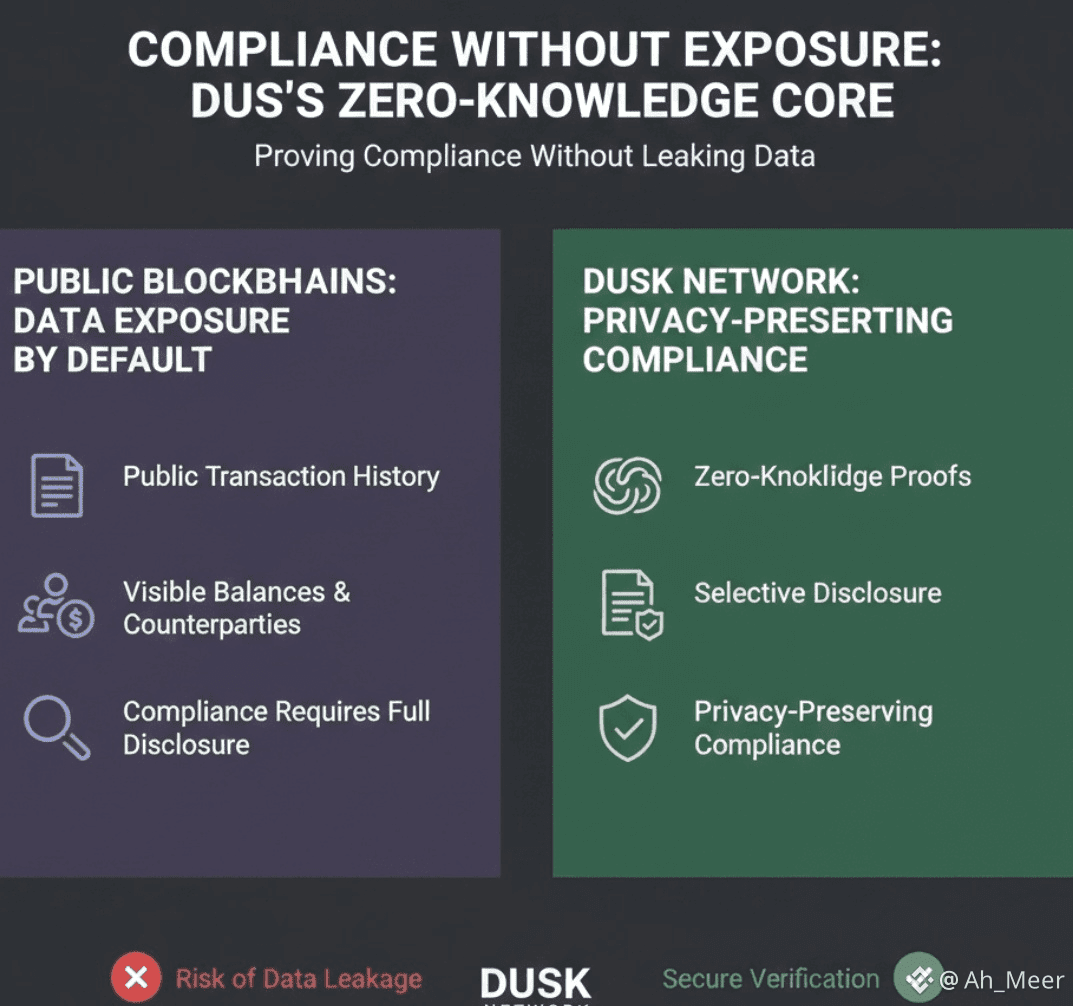
Dusk is not meant to be just another fast chain for random tokens and casino style trading. It is built for something much more specific and demanding: regulated financial markets and real world assets. Think about tokenized shares, bonds, funds, and other securities that must obey real laws, not just trends or hype. That is a tough environment. There are regulators, compliance teams, auditors, and risk managers, and all of them need to be convinced that this technology is safe, controllable, and serious enough to handle real money. You do not get there with memes alone. You get there by combining strong technology with a strong, credible community that knows what it is doing.
In this context, community does not just mean a chat room cheering for price moves. It means a whole set of people playing different roles: validators who secure the network, developers and builders who write code and launch products, analysts and researchers who study how the system behaves, educators and content creators who explain Dusk to the world, liquidity providers who keep markets smooth, long term token holders who support the network with their capital, and in time, institutional partners and asset issuers who use the technology for real business. All of these groups are connected by one core thing: the DUSK token.
DUSK is the native fuel of the network. Every transaction fee, every smart contract interaction, and every real world asset issuance flow on Dusk is paid in DUSK. Validators stake DUSK to help run the network and earn rewards for validating transactions. Token holders who stake DUSK can take part in governance. They can vote on how the protocol evolves, which features are prioritized, what is funded from the treasury, and how economic parameters are tuned. As more applications and assets appear on Dusk, they can also use DUSK as collateral, as a base trading pair, or as a fee token for higher level protocols. That means that as activity grows, demand for DUSK grows naturally. At the same time, as more DUSK is staked, the network becomes more secure and more decentralized.
Because the token is so tightly tied to the protocol, the way the community behaves directly affects the value and usefulness of DUSK. Governance is an obvious example. On Dusk, governance is not supposed to be a symbolic button. Stakers are expected to help steer the protocol. They can decide how aggressive or conservative emissions should be, how big rewards should be for different roles, which types of ecosystem programs deserve support, how strictly privacy and compliance tools should be configured, and how quickly to move with upgrades. If only a small group of big holders pay attention, governance can drift toward decisions that favor a few over the many. If a wide base of DUSK holders actually reads proposals, raises concerns, suggests changes, and votes thoughtfully, then governance becomes a serious tool. It becomes a way to balance innovation with stability and to align the protocol with long term goals instead of short term hype.
Over time, this can become more organized. Instead of waiting for random proposals to appear, the community can form working groups around important topics. For example, a tokenomics group can watch inflation, staking rewards, and circulating supply, and then recommend adjustments if the system looks out of balance. A compliance and regulation group can follow new laws in key regions and help translate those rules into practical on chain policies and tooling. A DeFi and real world asset group can focus on what builders and issuers need in order to choose Dusk over other chains. These groups can gather data, talk with the core team and external partners, and turn that into clear, well reasoned proposals. When those proposals go to a vote, the DUSK token is what turns ideas into actual protocol changes.
Security is another clear place where the community touches the core of the network. Because Dusk uses proof of stake, the network is only as strong as the people who stake DUSK and support validators. When many independent participants stake and many operators run validators, it becomes very difficult and expensive for anyone to attempt an attack or to control the network. When staking is highly concentrated, the risk is much higher. That means that when community members decide to stake, they are not only earning yield. They are literally helping to set the security level of the system. Their choice to stake, and their choice of how and where to stake, has real consequences.
Dusk also introduces ideas like stake abstraction and hyperstaking, which allow smart contracts to stake on behalf of users. This opens the door for pooled staking, shared validator infrastructure, and more advanced staking based products, such as staking derivatives or structured yield strategies. If the community leans into these tools carefully, it can make staking more accessible to everyday holders while still keeping the network safe. People can join pools, use simple interfaces, or participate through protocols that handle the complexity for them. At the same time, builders can design new financial products that integrate staking returns into their logic. If this ecosystem grows around DUSK, staking becomes not only a security mechanism but also a creative building block for the entire network.
Liquidity is just as important. For DUSK to work as gas, as collateral, and as a governance asset, it must be reasonably liquid. That means that people need to be able to buy and sell DUSK with modest slippage and normal spreads, on both centralized and decentralized venues. Liquidity does not appear by magic. Community members who provide liquidity to DUSK pairs, who manage positions in automated market maker pools, or who design algorithms and strategies for market making, are building a critical part of the infrastructure. They are often invisible, but without them everything feels harder and more fragile.
When liquidity provision is done with intention, everyone benefits. Spreads shrink, large trades become easier, and DUSK becomes more attractive as a base asset for other tokens, as collateral in lending markets, or as a stable piece of protocol treasuries. Governance can support this by targeting incentives where they matter most. For example, the community might decide to direct rewards to pools that support key DUSK pairs or that are important for real world asset markets on Dusk. Instead of throwing rewards at any random pool, the community focuses on liquidity that supports long term goals. Once again, the DUSK token is the medium through which these incentives are paid and aligned.
On the product side, Dusk is trying to solve a difficult but high value problem. It wants to support serious financial use cases that touch regulation, privacy, identity, and sometimes complex corporate workflows. That means design mistakes and user experience issues can be very costly. Real users are absolutely essential here. Developers, traders, asset issuers, and power users in the community are the ones who will find awkward flows, confusing messages, or fragile assumptions in early products. When they test features, report bugs, share their experience, and push for improvements, they accelerate the maturing of the whole ecosystem.
If this feedback is channeled well through public discussions, documentation updates, and eventually governance proposals, Dusk evolves based on real usage instead of just theory. For example, if issuers find that certain compliance features are too rigid or too manual, they can explain that in concrete terms. Builders and community members can then propose technical or policy changes that make the system safer and easier to use without breaking regulatory requirements. The DUSK token again sits in the middle. It is used to pay for the transactions and contracts involved in these workflows, and its holders can vote on protocol changes that make those workflows better.
There is also the question of how Dusk is explained to the outside world. Dusk lives at the point where cryptography, finance, and regulation meet. That can be confusing and intimidating. If there is no clear communication, people may incorrectly lump Dusk together with pure privacy coins, or they may overlook it in the crowd of other chains competing for attention. Community educators and content creators play a huge role in avoiding this. When someone takes the time to write a simple explanation, to draw a diagram, to record a video walkthrough, or to translate a guide, they are lowering the barrier for the next person who might want to use or build on Dusk.
Good community content also shapes the tone and reputation of the project. If most discussion focuses only on price, unverified rumors, or unrealistic promises, more serious participants will be turned off. If, instead, the visible community is engaged with technology choices, real partnerships, governance debates, and long term plans, Dusk looks much more like a credible place to do business. That perception matters a lot for institutional users and careful investors, who will always be more cautious than retail traders.
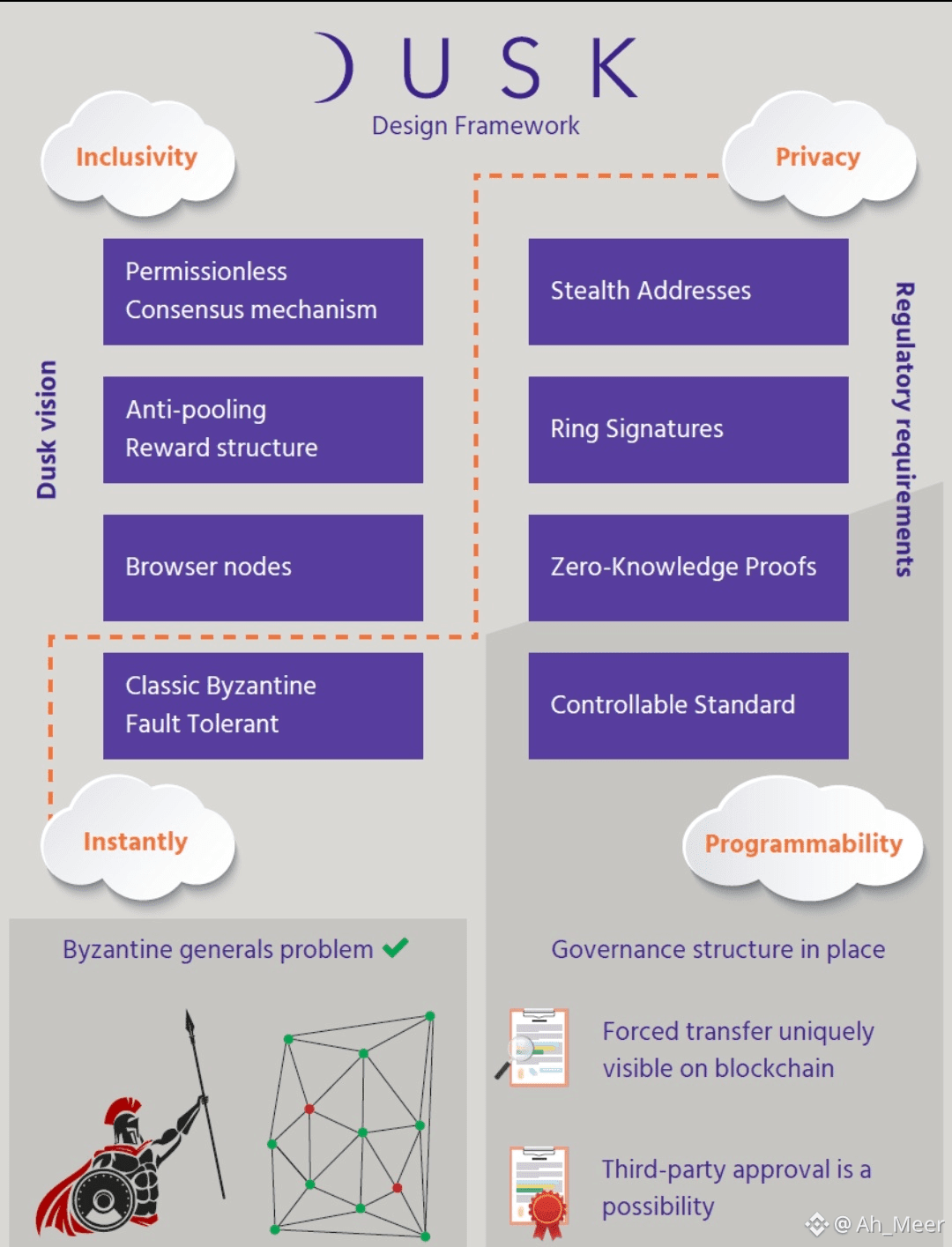
There is a special social challenge in Dusk as well. The project needs to make sense both to crypto native users and to traditional financial institutions. These groups care about different things and speak different languages. Crypto natives care about decentralization, permissionless access, and creative composability. Institutions care about compliance, privacy for their clients and strategies, predictable rules, and managed risk. Dusk’s protocol design tries to satisfy both: privacy is provided on chain by default, while compliance and access control can be configured where needed. Community members who understand both sides can make a big difference. They can explain to retail users why some markets will require KYC and why that is not a betrayal in the context of regulated securities. They can also explain to institutions why decentralized governance and distributed validation can actually reduce operational and platform risk compared to fully centralized systems.
All of this depends on incentives that respect people’s time and effort. The DUSK token can be used to reward and coordinate this work. Governance can set up contributor programs, ambassador schemes, research teams, and developer grants that pay in DUSK. These rewards can be structured with vesting or milestones, so they reward sustained contribution more than short term activity. Staking programs can be designed with extra rewards around strategic objectives, for example to bootstrap new DeFi protocols that rely on DUSK, or to support validators in new regions to improve decentralization. Hyperstaking and stake abstraction can allow community owned organizations to both stake DUSK and use part of the yield to fund builders and public goods. When this is done thoughtfully, it becomes a flywheel. People contribute to Dusk, they receive DUSK, they stake and use those tokens, which strengthens the network and supports the price, which attracts more users and projects, which increases demand for DUSK again.
To know whether this idea of building together is working in practice, the community can watch a few simple signals. Is the share of DUSK that is staked going up over time, and is staking spread across many participants? Are there more applications, more real world asset projects, and more protocols using DUSK as a core asset? Are trading volumes and liquidity in DUSK pairs growing in a steady, sustainable way? Are governance votes gaining more turnout, and are proposals coming from a wider set of contributors? Are the main discussions in community channels focused on decisions, technology, and integration, rather than only on short term price moves?
If the answers are mostly positive, then the community is doing the hard work and the DUSK token is in a strong position to grow with the network. If the answers are mostly negative, that is not the end of the story, but it is a clear signal that something must change. Maybe incentives need to be adjusted, maybe communication needs to be improved, maybe onboarding is too confusing, or maybe governance needs better tooling. The point is that the community can notice, discuss, and respond.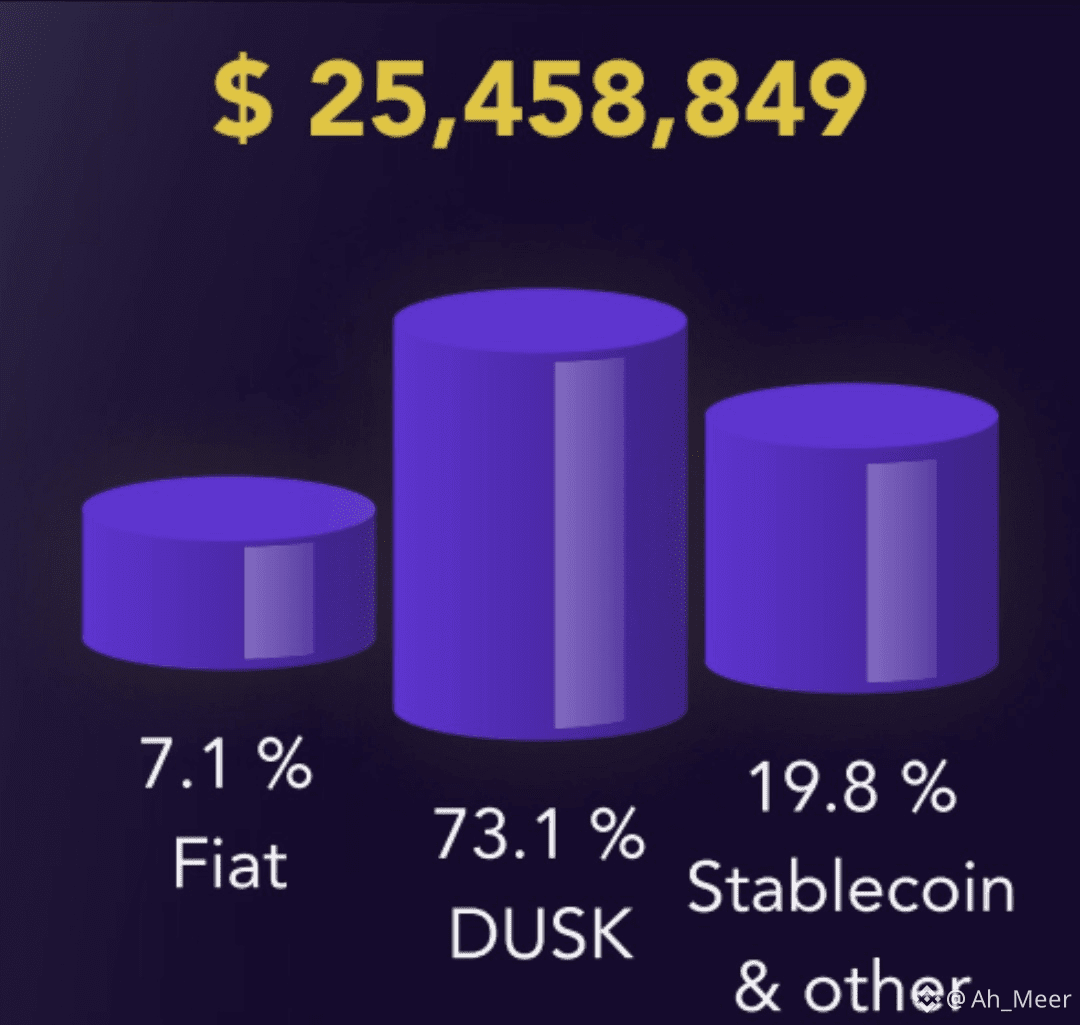
In the end, building together for Dusk does not mean just holding a token and hoping for the best. It means something much more concrete and practical. It means staking and securing the network. It means reading and voting on proposals. It means adding liquidity where it matters. It means trying tools and products and being honest about what works and what does not. It means explaining Dusk to a friend, a colleague, or a potential partner in words they can understand. It means helping to connect the energy of crypto with the rigor of traditional finance. The protocol provides the tools and the rules. The DUSK token ties everything together. But it is the people, acting as a community, who will decide whether Dusk becomes a serious piece of financial infrastructure or just another promising idea that never fully came to life.
