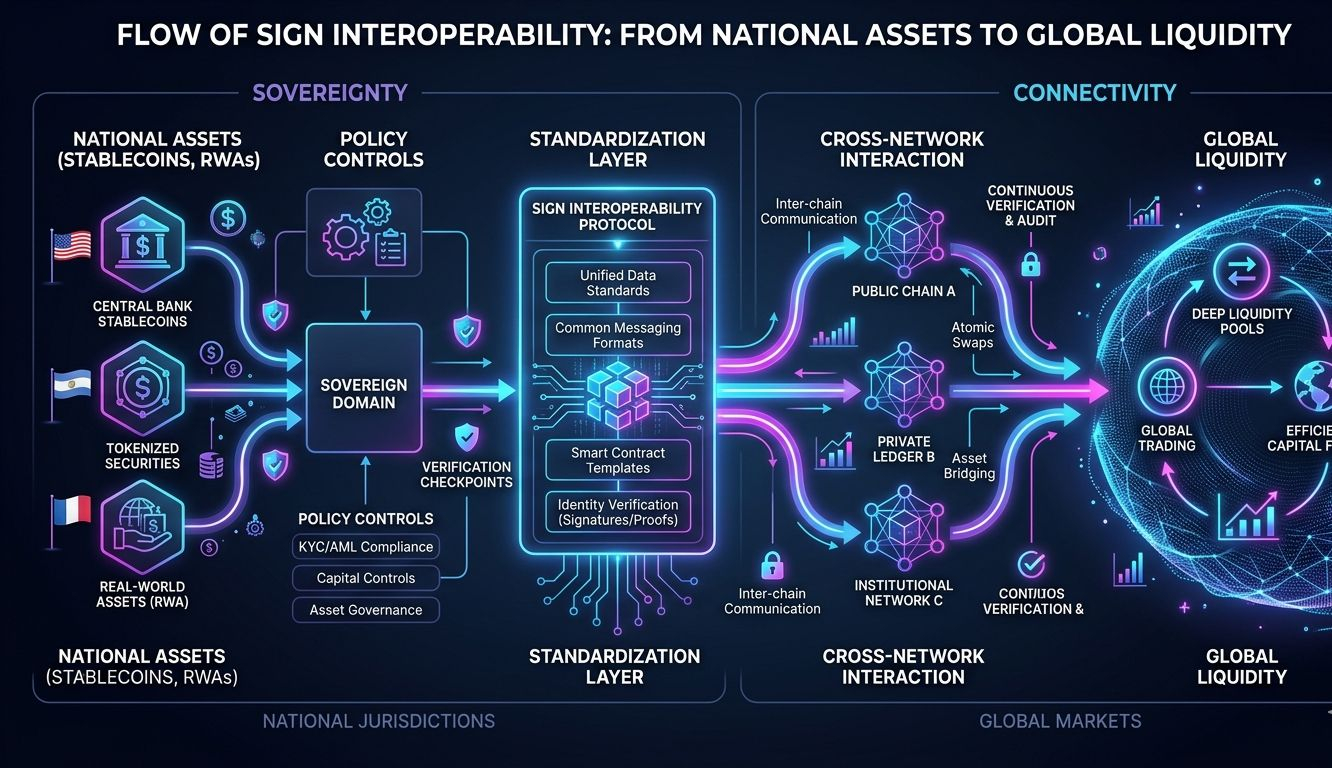
When I think about how national systems are evolving today, one thing feels very clear being isolated is no longer practical. Financial systems, assets, and even digital infrastructure are becoming more interconnected every day. But at the same time, governments still need control, security, and independence. Balancing these two sides isn’t easy, and that’s where I feel Sign introduces a very practical approach.
From my perspective, what makes Sign interesting is that it doesn’t try to force a closed system. Instead, it allows sovereign infrastructure to connect with the global financial ecosystem while still maintaining control where it matters. This means assets created within a national system like stablecoins or tokenized real-world assets don’t have to stay locked inside one environment. They can actually interact with widely used global assets like ETH, USDC, or others.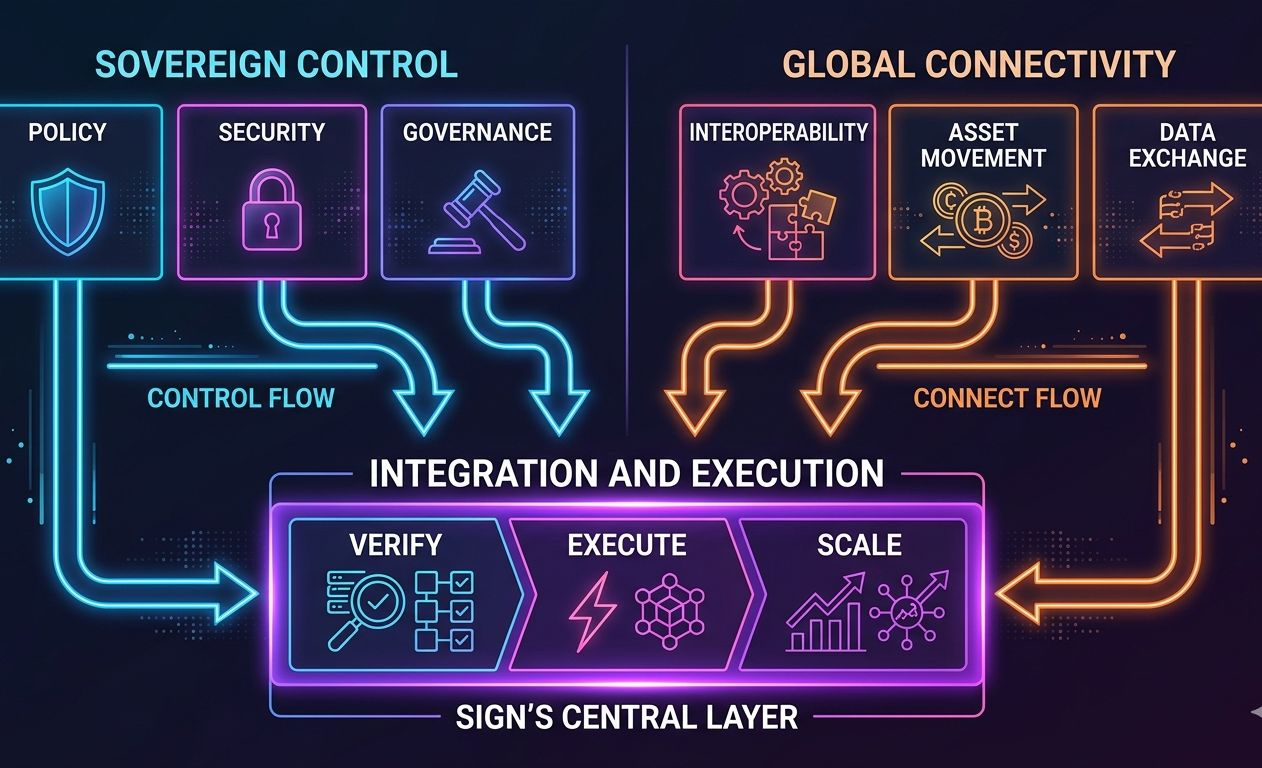
This kind of interoperability changes how we think about financial access. Instead of building separate systems that don’t communicate well, Sign makes it possible to create standardized assets that can move more freely across networks. For me, that’s a big step toward making financial systems more efficient and globally connected without sacrificing sovereignty.
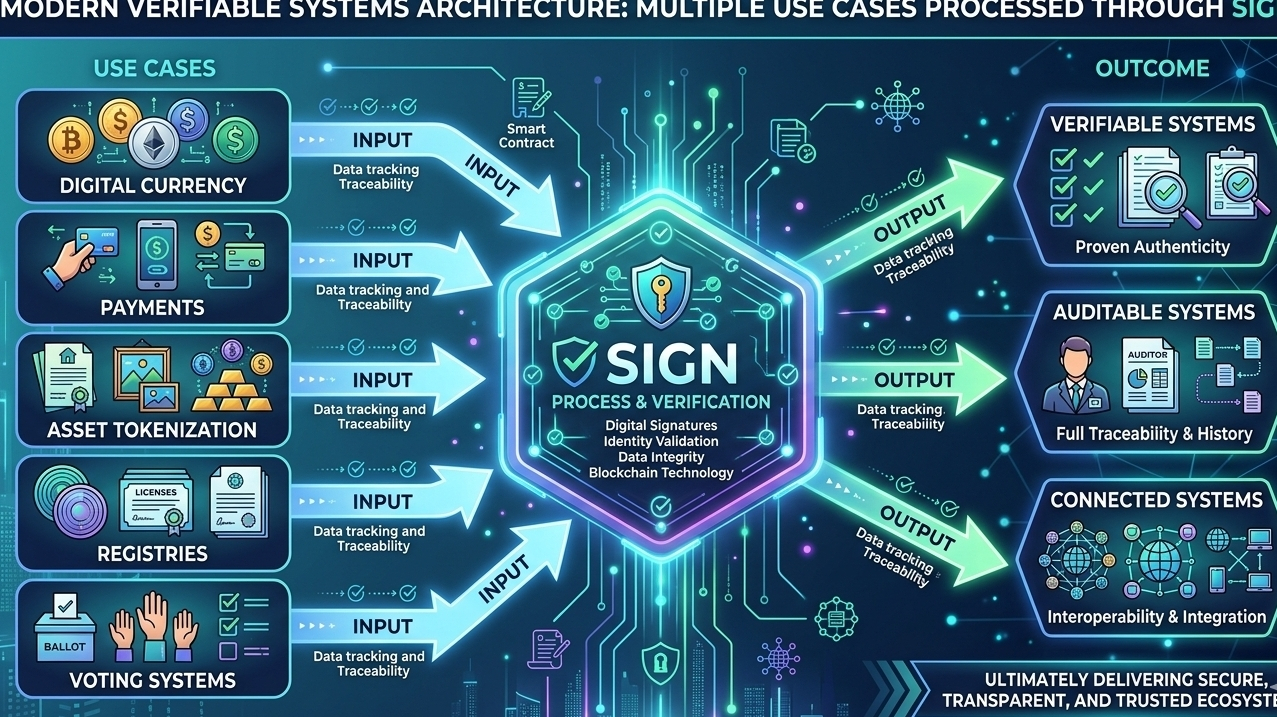
But what really stands out is that this isn’t limited to just financial assets. The same infrastructure can support a wide range of real-world use cases. For example, governments can issue and manage digital currencies like CBDCs or regulated stablecoins. These systems can be designed to be both efficient and transparent, while still allowing for necessary policy controls.
Then there’s asset tokenization, which I think is one of the most practical use cases. Things like land ownership, national resources, or government-controlled assets can be represented digitally in a secure and traceable way. Instead of relying on fragmented records, everything can be structured and verified more easily.
Payment systems are another area where this approach really makes sense. Traditional systems can often feel slow, opaque, and difficult to audit. With a more structured and evidence-driven infrastructure, payments can become faster, more transparent, and easier to track when needed. This doesn’t just improve efficiency it also builds more confidence in how systems operate.
I also find digital registries to be an important part of this conversation. Whether it’s property records, business licenses, or other official data, having a secure and immutable system can reduce disputes and improve trust. When records are consistent and verifiable, it becomes much easier for both institutions and individuals to rely on them.
Even something like voting systems can benefit from this kind of infrastructure. Voting requires a careful balance between transparency and privacy. People need to trust that results are accurate, but at the same time, individual choices must remain confidential. From my point of view, systems built with strong verification and structured data can help achieve that balance more effectively.
Another thing I appreciate about this approach is flexibility. Different governments will have different priorities. Some may focus more on performance, others on privacy, and some on integration with global financial systems. Sign doesn’t force a single model. Instead, it allows systems to be designed based on specific needs, while still maintaining interoperability and reliability.
At the end of the day, what I see is a shift in how sovereign systems are being built. It’s no longer about choosing between control and connectivity. With the right infrastructure, both can exist together. Systems can remain sovereign, secure, and policy-driven, while still participating in a larger global network.
For me, that’s what makes Sign stand out. It’s not just about technology it’s about creating a bridge between national systems and global possibilities, without losing control or trust in the process.
#SignDigitalSovereignInfra $SIGN @SignOfficial