

waseembarcha
591 Beiträge

waseembarcha
Melden
Nutzer blockieren
Software Engineer | Crypto Enthusiast | Web3 & Blockchain Developer
Regelmäßiger Trader
1.5 Jahre
2.1K+ Following
1.9K+ Follower
2.7K+ Like gegeben
Beiträge
Alle
Zitierungen
Videos
Live
·
--
Einer dieser Momente, die all die Forschung, Analyse und das Posten wirklich wert sind.
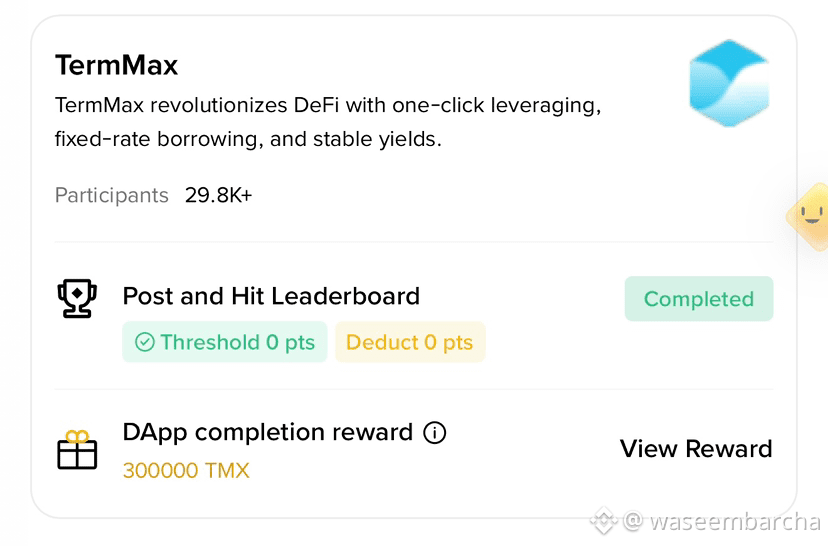
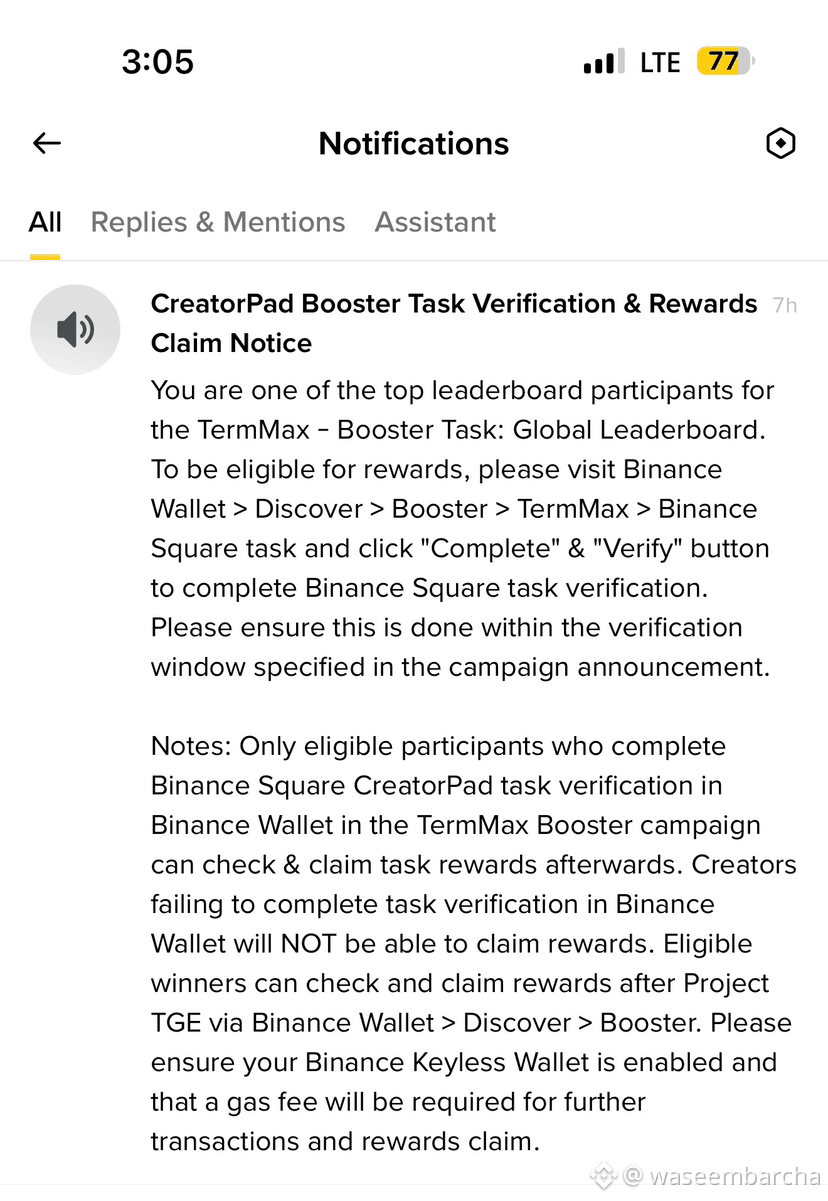
Ich freue mich, mitteilen zu können, dass ich es in die Top-Teilnehmer-Rangliste der TermMax Booster Task auf Binance CreatorPad geschafft habe. 🏆
Der Weg war mehr als nur das Veröffentlichen von Inhalten. Ich habe mir Zeit genommen, TermMax zu verstehen – von Fixed-Rate-Krediten und -Krediten (Lending und Borrowing) bis hin zu seinen DeFi-Mechanismen – und versucht, unterwegs meine eigene Forschung und Perspektive zu teilen.
Jetzt ist die Aufgabe als „Completed“ markiert, mit einem Belohnungspool für die DApp-Fertigstellung in Höhe von 300.000 TMX. 🎉
Ein großes Meilenstein für mich – und auf jeden Fall mehr Motivation, weiter zu lernen, zu recherchieren und bessere Inhalte zu erstellen.
Danke an alle, die sich mit meinen Beiträgen beschäftigt und die Reise mitverfolgt haben. Auf zum nächsten. 🚀
#TermMax #creatorpad
Einer dieser Momente, die all die Forschung, Analyse und das Posten wirklich wert sind.
Ich freue mich, mitteilen zu können, dass ich es in die Top-Teilnehmer-Rangliste der TermMax Booster Task auf Binance CreatorPad geschafft habe. 🏆
Der Weg war mehr als nur das Veröffentlichen von Inhalten. Ich habe mir Zeit genommen, TermMax zu verstehen – von Fixed-Rate-Krediten und -Krediten (Lending und Borrowing) bis hin zu seinen DeFi-Mechanismen – und versucht, unterwegs meine eigene Forschung und Perspektive zu teilen.
Jetzt ist die Aufgabe als „Completed“ markiert, mit einem Belohnungspool für die DApp-Fertigstellung in Höhe von 300.000 TMX. 🎉
Ein großes Meilenstein für mich – und auf jeden Fall mehr Motivation, weiter zu lernen, zu recherchieren und bessere Inhalte zu erstellen.
Danke an alle, die sich mit meinen Beiträgen beschäftigt und die Reise mitverfolgt haben. Auf zum nächsten. 🚀
#TermMax #creatorpad
Ich freue mich, mitteilen zu können, dass ich es in die Top-Teilnehmer-Rangliste der TermMax Booster Task auf Binance CreatorPad geschafft habe. 🏆
Der Weg war mehr als nur das Veröffentlichen von Inhalten. Ich habe mir Zeit genommen, TermMax zu verstehen – von Fixed-Rate-Krediten und -Krediten (Lending und Borrowing) bis hin zu seinen DeFi-Mechanismen – und versucht, unterwegs meine eigene Forschung und Perspektive zu teilen.
Jetzt ist die Aufgabe als „Completed“ markiert, mit einem Belohnungspool für die DApp-Fertigstellung in Höhe von 300.000 TMX. 🎉
Ein großes Meilenstein für mich – und auf jeden Fall mehr Motivation, weiter zu lernen, zu recherchieren und bessere Inhalte zu erstellen.
Danke an alle, die sich mit meinen Beiträgen beschäftigt und die Reise mitverfolgt haben. Auf zum nächsten. 🚀
#TermMax #creatorpad
1
412
·
--
#termmax @termmax
Ich habe darüber nachgedacht, warum Festzins-Kredite in DeFi so schwer richtig hinzubekommen sind, und mir ist ein Paradox aufgefallen, bei dem die meisten Protokolle einfach aufgeben.
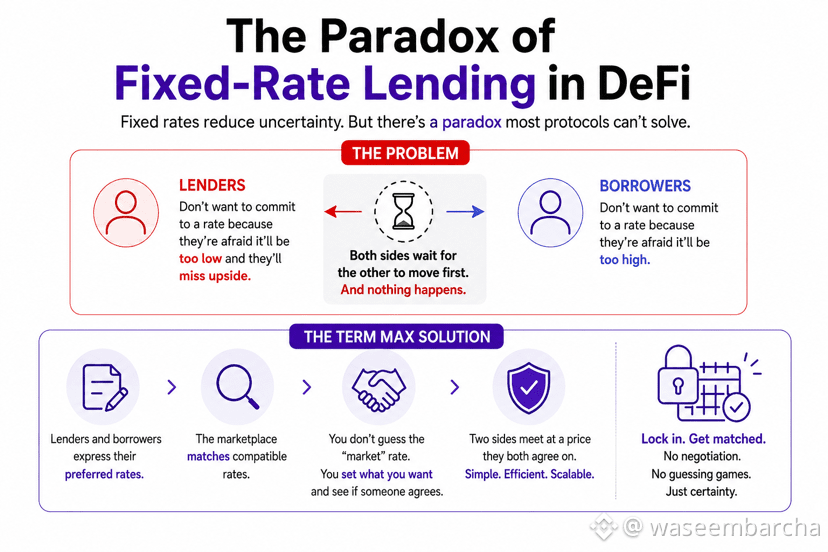
Festzinsen sollen die Unsicherheit verringern. Du fixierst deinen Zinssatz und weißt, was du bekommst. Klingt einfach. Ist es aber nicht, denn bei Festzinsmärkten gibt es dieses seltsame Anreizproblem: Niemand will als Erster den Zinssatz festlegen.
Kreditgeber möchten sich nicht auf einen Zinssatz festlegen, weil sie befürchten, dass er zu niedrig ausfällt und sie dadurch das Upside verpassen. Kreditnehmer möchten sich nicht auf einen Zinssatz festlegen, weil sie befürchten, dass er zu hoch ausfällt. Also warten beide Seiten einfach darauf, dass die andere zuerst etwas bewegt, und es passiert nichts.
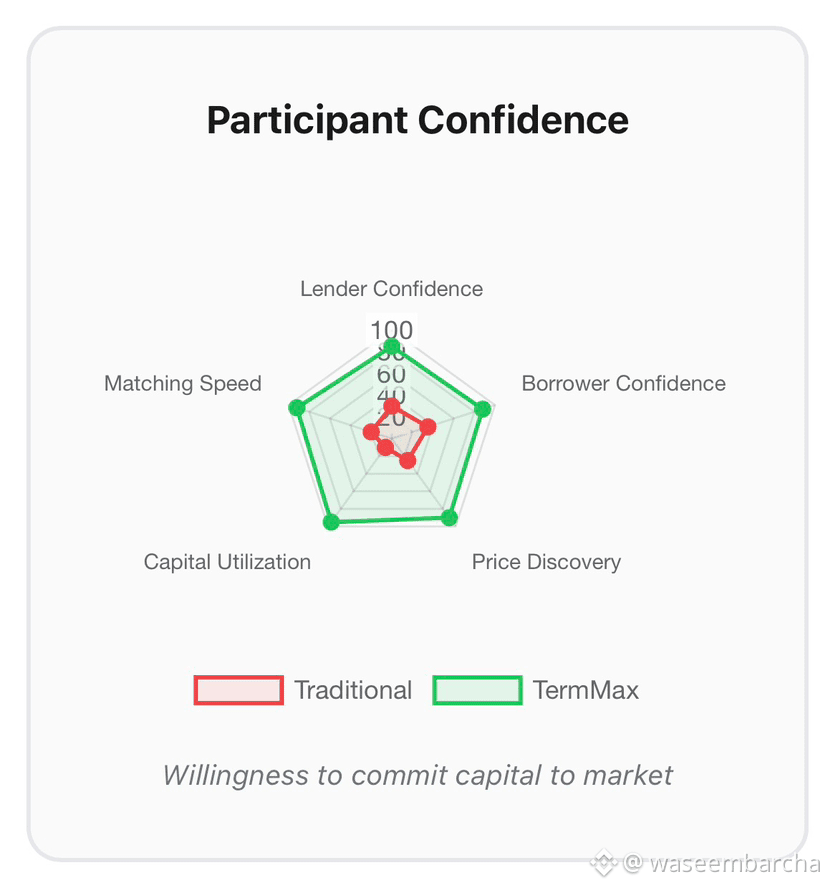
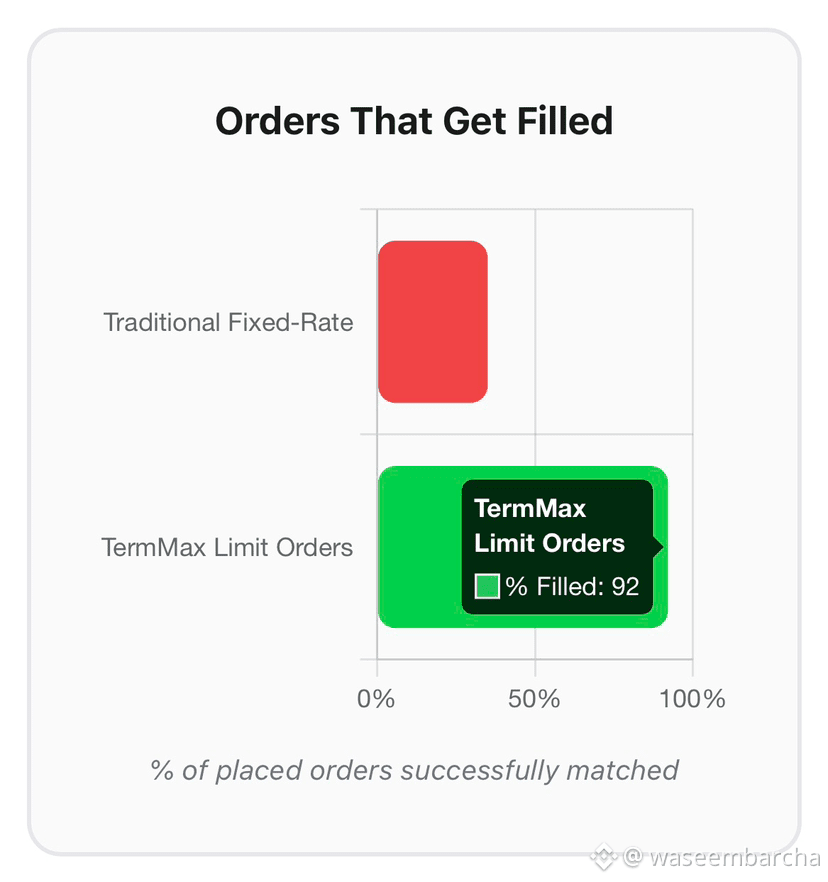
Was ich an TermMax interessant finde, ist nicht nur die Morpho-Integration oder die Hebelmechanik. Es ist die Struktur des Marktplatzes: Kreditgeber und Kreditnehmer können ihre bevorzugten Zinssätze ausdrücken und dann auf einen Match warten. Du musst nicht raten, was der „Markt“-Zinssatz ist – du sagst einfach, was du willst, und schaust, ob jemand zustimmt.
Das ist es. Das ist die Funktion. Und es klingt langweilig, bis man realisiert, dass dies eine der Mechanismen ist, die Festzins-Kredite im großen Maßstab deutlich leichter koordinierbar machen können.
Ich habe einen Zinssatz festgelegt, den ich für vernünftig hielt, und wurde innerhalb von Stunden gematcht. Keine Verhandlungen, kein Ratespiel. Nur zwei Seiten, die sich zu einem Preis treffen, auf den beide sich geeinigt haben. Das sollte nicht revolutionär wirken, aber in DeFi ist es das offenbar doch.
#TermMax
#termmax @TermMax
Ich habe darüber nachgedacht, warum Festzins-Kredite in DeFi so schwer richtig hinzubekommen sind, und mir ist ein Paradox aufgefallen, bei dem die meisten Protokolle einfach aufgeben.
Festzinsen sollen die Unsicherheit verringern. Du fixierst deinen Zinssatz und weißt, was du bekommst. Klingt einfach. Ist es aber nicht, denn bei Festzinsmärkten gibt es dieses seltsame Anreizproblem: Niemand will als Erster den Zinssatz festlegen.
Kreditgeber möchten sich nicht auf einen Zinssatz festlegen, weil sie befürchten, dass er zu niedrig ausfällt und sie dadurch das Upside verpassen. Kreditnehmer möchten sich nicht auf einen Zinssatz festlegen, weil sie befürchten, dass er zu hoch ausfällt. Also warten beide Seiten einfach darauf, dass die andere zuerst etwas bewegt, und es passiert nichts.
Was ich an TermMax interessant finde, ist nicht nur die Morpho-Integration oder die Hebelmechanik. Es ist die Struktur des Marktplatzes: Kreditgeber und Kreditnehmer können ihre bevorzugten Zinssätze ausdrücken und dann auf einen Match warten. Du musst nicht raten, was der „Markt“-Zinssatz ist – du sagst einfach, was du willst, und schaust, ob jemand zustimmt.
Das ist es. Das ist die Funktion. Und es klingt langweilig, bis man realisiert, dass dies eine der Mechanismen ist, die Festzins-Kredite im großen Maßstab deutlich leichter koordinierbar machen können.
Ich habe einen Zinssatz festgelegt, den ich für vernünftig hielt, und wurde innerhalb von Stunden gematcht. Keine Verhandlungen, kein Ratespiel. Nur zwei Seiten, die sich zu einem Preis treffen, auf den beide sich geeinigt haben. Das sollte nicht revolutionär wirken, aber in DeFi ist es das offenbar doch.
#TermMax
Ich habe darüber nachgedacht, warum Festzins-Kredite in DeFi so schwer richtig hinzubekommen sind, und mir ist ein Paradox aufgefallen, bei dem die meisten Protokolle einfach aufgeben.
Festzinsen sollen die Unsicherheit verringern. Du fixierst deinen Zinssatz und weißt, was du bekommst. Klingt einfach. Ist es aber nicht, denn bei Festzinsmärkten gibt es dieses seltsame Anreizproblem: Niemand will als Erster den Zinssatz festlegen.
Kreditgeber möchten sich nicht auf einen Zinssatz festlegen, weil sie befürchten, dass er zu niedrig ausfällt und sie dadurch das Upside verpassen. Kreditnehmer möchten sich nicht auf einen Zinssatz festlegen, weil sie befürchten, dass er zu hoch ausfällt. Also warten beide Seiten einfach darauf, dass die andere zuerst etwas bewegt, und es passiert nichts.
Was ich an TermMax interessant finde, ist nicht nur die Morpho-Integration oder die Hebelmechanik. Es ist die Struktur des Marktplatzes: Kreditgeber und Kreditnehmer können ihre bevorzugten Zinssätze ausdrücken und dann auf einen Match warten. Du musst nicht raten, was der „Markt“-Zinssatz ist – du sagst einfach, was du willst, und schaust, ob jemand zustimmt.
Das ist es. Das ist die Funktion. Und es klingt langweilig, bis man realisiert, dass dies eine der Mechanismen ist, die Festzins-Kredite im großen Maßstab deutlich leichter koordinierbar machen können.
Ich habe einen Zinssatz festgelegt, den ich für vernünftig hielt, und wurde innerhalb von Stunden gematcht. Keine Verhandlungen, kein Ratespiel. Nur zwei Seiten, die sich zu einem Preis treffen, auf den beide sich geeinigt haben. Das sollte nicht revolutionär wirken, aber in DeFi ist es das offenbar doch.
#TermMax
1
4
412
·
--
#termmax @termmax
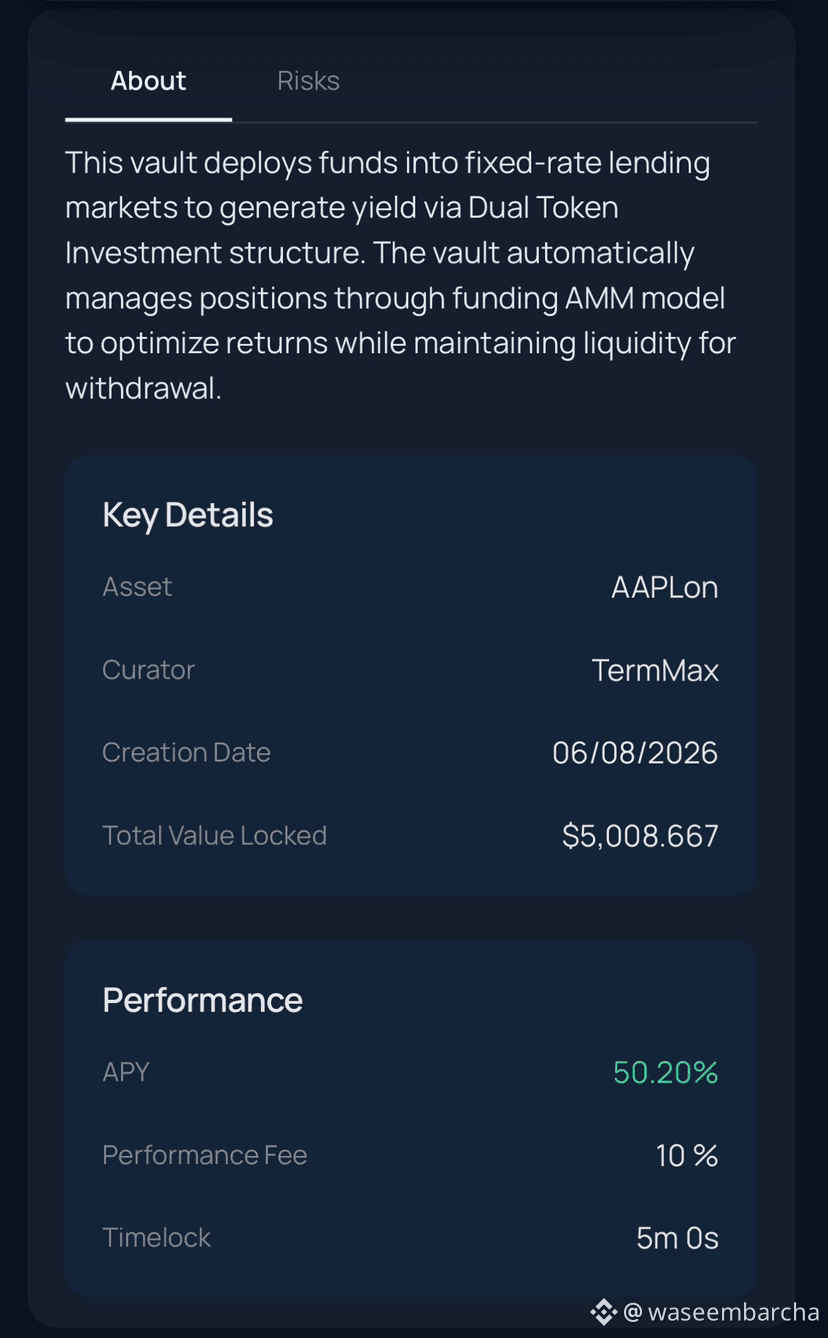
Ich starrte auf das AAPLon/USDT-Vault bei @termmax länger, als ich wahrscheinlich gebraucht hätte 😂
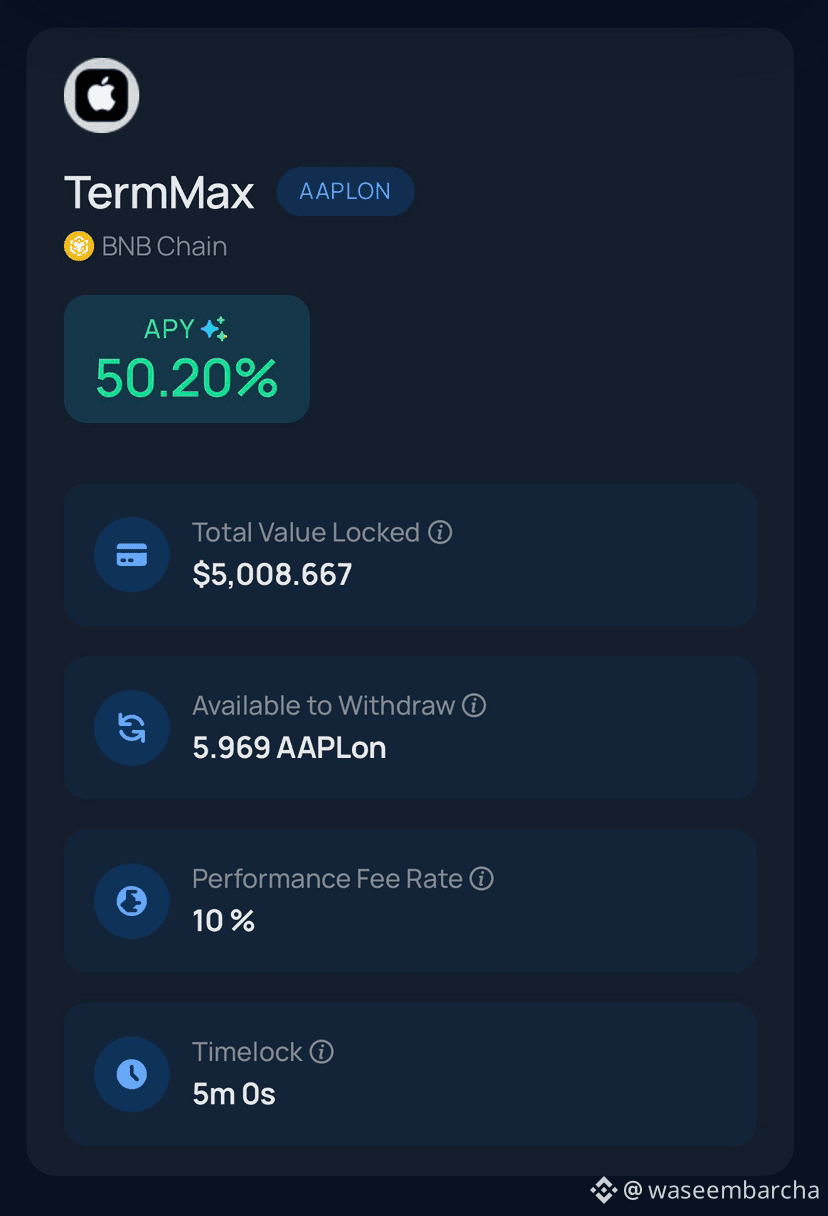
Die 50,20% APY waren das Erste, was mir aufgefallen ist, aber ehrlich gesagt war das auch der Grund, warum ich anfing, alles darunter genauer zu prüfen.
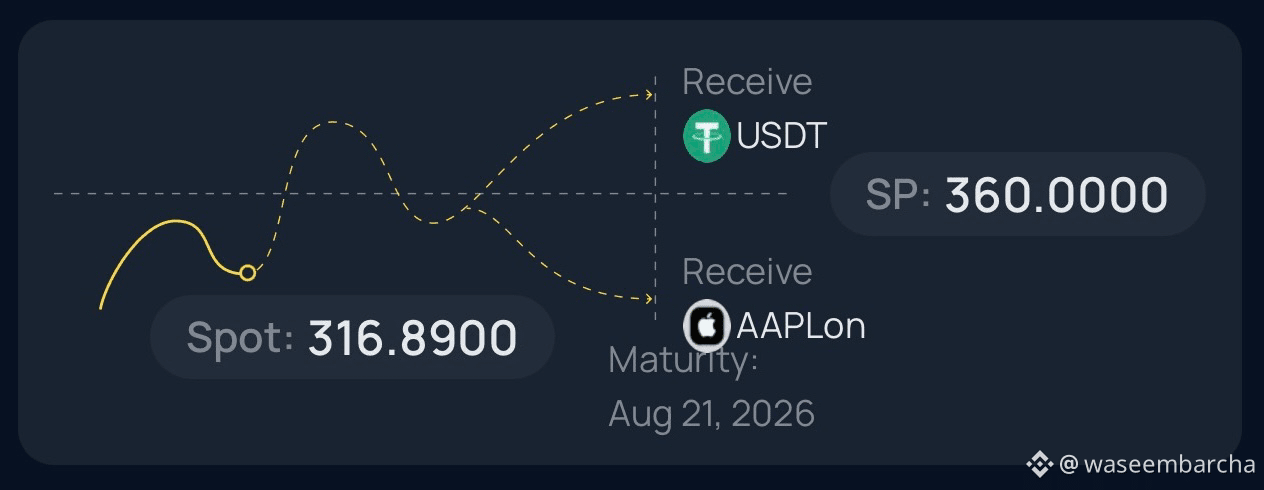
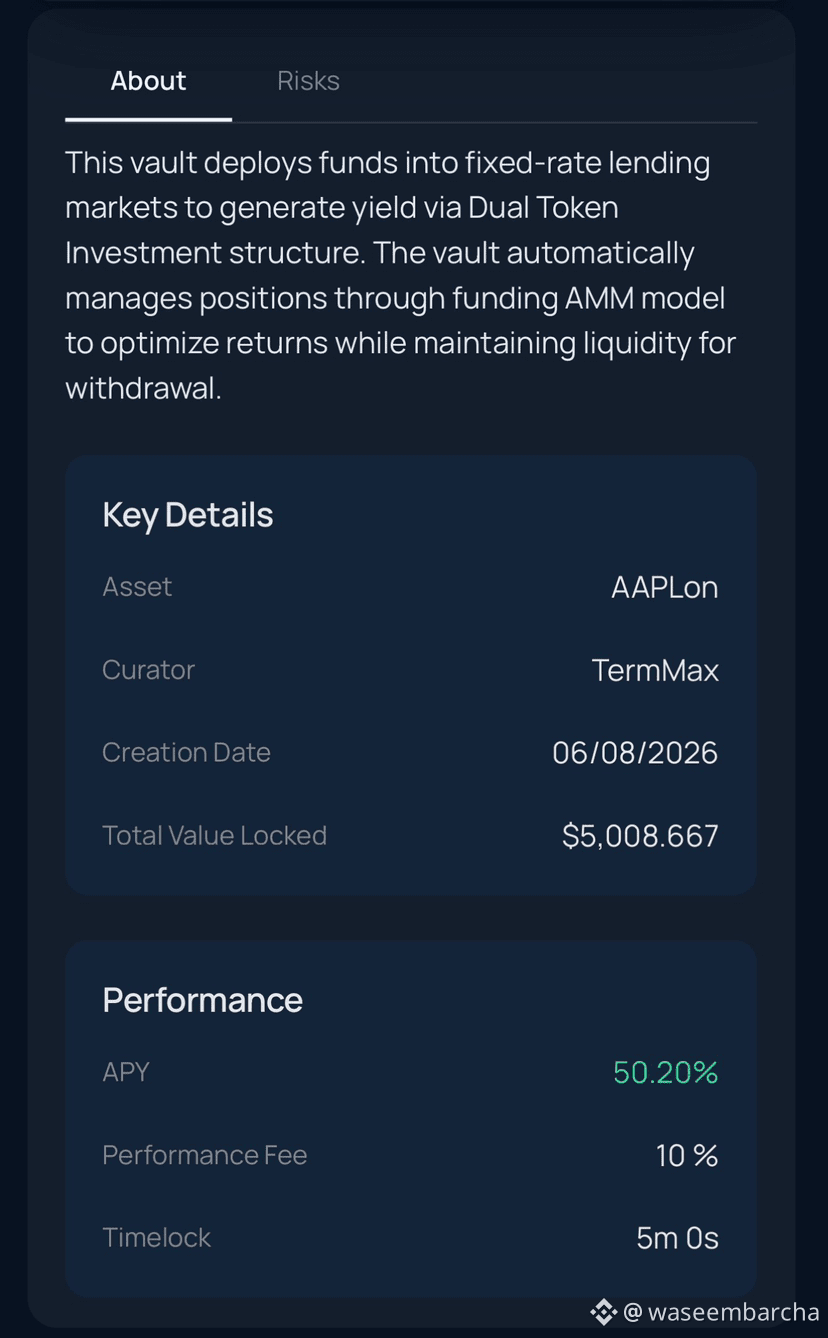
Das ist eine Struktur für eine Dual-Token-Investition: Der Vault setzt in festverzinsliche Kreditmärkte ein und nutzt dabei sein Funding-AMM-Modell als Teil der Strategie. Deshalb wollte ich mir die APY nicht isoliert ansehen und so tun, als wäre das die ganze Geschichte.
Der Vault zeigt aktuell etwa 5.008 USD TVL, mit ungefähr 61% Auslastung und 39% derzeit im Leerlauf. Das beweist nicht, dass die Rendite nachhaltig ist, aber immerhin steckt tatsächlich Kapital im Vault, und die Auslastung gibt mir etwas anderes, auf das ich achten kann—nicht nur die Schlagzeilen-APY.
Der zugrunde liegende AAPLon/USDT-Markt weist 96% LLTV auf, mit Fälligkeit am 21. August 2026. Der Vault selbst wurde erst am 6. August gestartet, also ist das hier noch ein relativ neuer Markt.
Außerdem habe ich mir die 10% Performance Fee und das 5-Minuten-Timelock angeschaut. Letzteres finde ich persönlich gut, weil das bedeutet, dass Auszahlungen nicht hinter einer mehrtägigen Wartezeit „festhängen“.
TermMax ist hier auch als Kurator gelistet. Ich würde das nicht allein als Grund nehmen, dem Vault zu vertrauen, aber es macht mich umso neugier zu verstehen, wie die Strategie verwaltet wird.
Für den Moment jage ich nicht einfach der 50,20% APY hinterher.
Ich beobachte die Auslastung, das TVL und vor allem, was tatsächlich passiert, während die Fälligkeit näher rückt.
Eine hohe APY zieht meine Aufmerksamkeit an. Die Zahlen darunter entscheiden dann, ob ich weiter zuschaue.
#TermMax
#termmax @TermMax
Ich starrte auf das AAPLon/USDT-Vault bei @TermMax länger, als ich wahrscheinlich gebraucht hätte 😂
Die 50,20% APY waren das Erste, was mir aufgefallen ist, aber ehrlich gesagt war das auch der Grund, warum ich anfing, alles darunter genauer zu prüfen.
Das ist eine Struktur für eine Dual-Token-Investition: Der Vault setzt in festverzinsliche Kreditmärkte ein und nutzt dabei sein Funding-AMM-Modell als Teil der Strategie. Deshalb wollte ich mir die APY nicht isoliert ansehen und so tun, als wäre das die ganze Geschichte.
Der Vault zeigt aktuell etwa 5.008 USD TVL, mit ungefähr 61% Auslastung und 39% derzeit im Leerlauf. Das beweist nicht, dass die Rendite nachhaltig ist, aber immerhin steckt tatsächlich Kapital im Vault, und die Auslastung gibt mir etwas anderes, auf das ich achten kann—nicht nur die Schlagzeilen-APY.
Der zugrunde liegende AAPLon/USDT-Markt weist 96% LLTV auf, mit Fälligkeit am 21. August 2026. Der Vault selbst wurde erst am 6. August gestartet, also ist das hier noch ein relativ neuer Markt.
Außerdem habe ich mir die 10% Performance Fee und das 5-Minuten-Timelock angeschaut. Letzteres finde ich persönlich gut, weil das bedeutet, dass Auszahlungen nicht hinter einer mehrtägigen Wartezeit „festhängen“.
TermMax ist hier auch als Kurator gelistet. Ich würde das nicht allein als Grund nehmen, dem Vault zu vertrauen, aber es macht mich umso neugier zu verstehen, wie die Strategie verwaltet wird.
Für den Moment jage ich nicht einfach der 50,20% APY hinterher.
Ich beobachte die Auslastung, das TVL und vor allem, was tatsächlich passiert, während die Fälligkeit näher rückt.
Eine hohe APY zieht meine Aufmerksamkeit an. Die Zahlen darunter entscheiden dann, ob ich weiter zuschaue.
#TermMax
Ich starrte auf das AAPLon/USDT-Vault bei @TermMax länger, als ich wahrscheinlich gebraucht hätte 😂
Die 50,20% APY waren das Erste, was mir aufgefallen ist, aber ehrlich gesagt war das auch der Grund, warum ich anfing, alles darunter genauer zu prüfen.
Das ist eine Struktur für eine Dual-Token-Investition: Der Vault setzt in festverzinsliche Kreditmärkte ein und nutzt dabei sein Funding-AMM-Modell als Teil der Strategie. Deshalb wollte ich mir die APY nicht isoliert ansehen und so tun, als wäre das die ganze Geschichte.
Der Vault zeigt aktuell etwa 5.008 USD TVL, mit ungefähr 61% Auslastung und 39% derzeit im Leerlauf. Das beweist nicht, dass die Rendite nachhaltig ist, aber immerhin steckt tatsächlich Kapital im Vault, und die Auslastung gibt mir etwas anderes, auf das ich achten kann—nicht nur die Schlagzeilen-APY.
Der zugrunde liegende AAPLon/USDT-Markt weist 96% LLTV auf, mit Fälligkeit am 21. August 2026. Der Vault selbst wurde erst am 6. August gestartet, also ist das hier noch ein relativ neuer Markt.
Außerdem habe ich mir die 10% Performance Fee und das 5-Minuten-Timelock angeschaut. Letzteres finde ich persönlich gut, weil das bedeutet, dass Auszahlungen nicht hinter einer mehrtägigen Wartezeit „festhängen“.
TermMax ist hier auch als Kurator gelistet. Ich würde das nicht allein als Grund nehmen, dem Vault zu vertrauen, aber es macht mich umso neugier zu verstehen, wie die Strategie verwaltet wird.
Für den Moment jage ich nicht einfach der 50,20% APY hinterher.
Ich beobachte die Auslastung, das TVL und vor allem, was tatsächlich passiert, während die Fälligkeit näher rückt.
Eine hohe APY zieht meine Aufmerksamkeit an. Die Zahlen darunter entscheiden dann, ob ich weiter zuschaue.
#TermMax
11
11
446
·
--
Verifiziert
Ich hab letzte Woche fast einen <c-1/> Marktplatz <a>@termmax market</a> übersprungen, weil meine Stables auf der falschen Chain saßen.
Ehrlich gesagt war ich halb wach und definitiv nicht in der Stimmung, vor dem Kaffee die Funds manuell zu bridgen 😂
Normalerweise würde ich dann einfach denken: „Mach ich später“ und die App schließen. Wenn ich dann wiederkomme, ist der Kurs, den ich wollte, vermutlich weg.
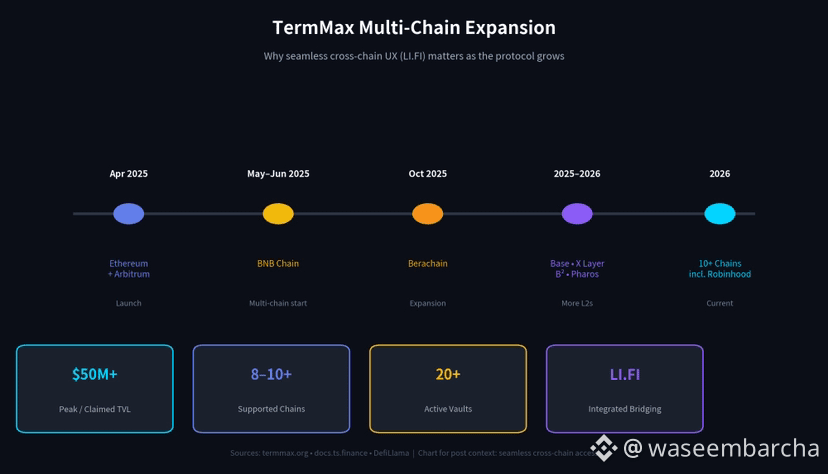
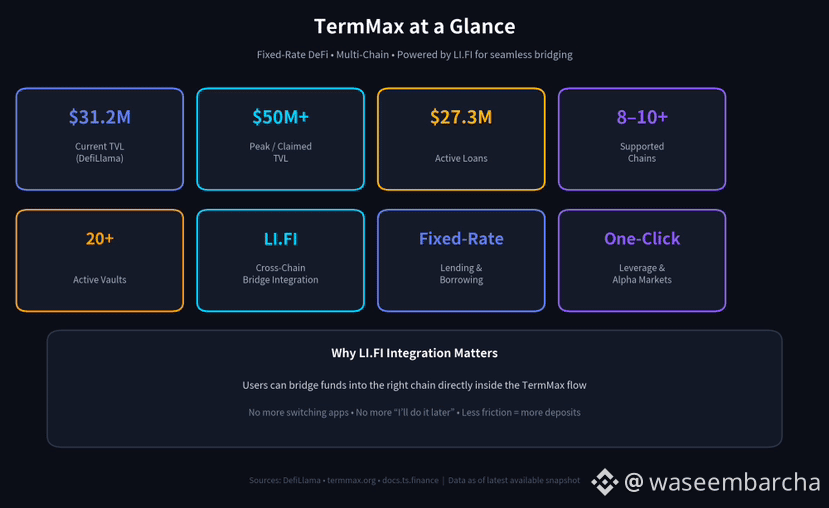
Was mich diesmal überrascht hat, war, dass ich das Bridging nicht als komplett separaten Schritt behandeln musste. TermMax hat LI.FI direkt eingebaut, sodass ich die Funds in die richtige Chain innerhalb des Workflows verschieben konnte – ohne eine weitere App zu öffnen, manuell zu bridgen, zu warten, dann zurückzukommen und wieder alles zu prüfen.
Es hat mir nur ein paar Minuten erspart, aber genau darum geht’s.
In DeFi summieren sich kleine Reibungen schnell. Wenn es mehrere zusätzliche Schritte braucht, um Funds auf die richtige Chain zu bringen, ist die Wahrscheinlichkeit viel höher, dass ich es einfach nicht mache.
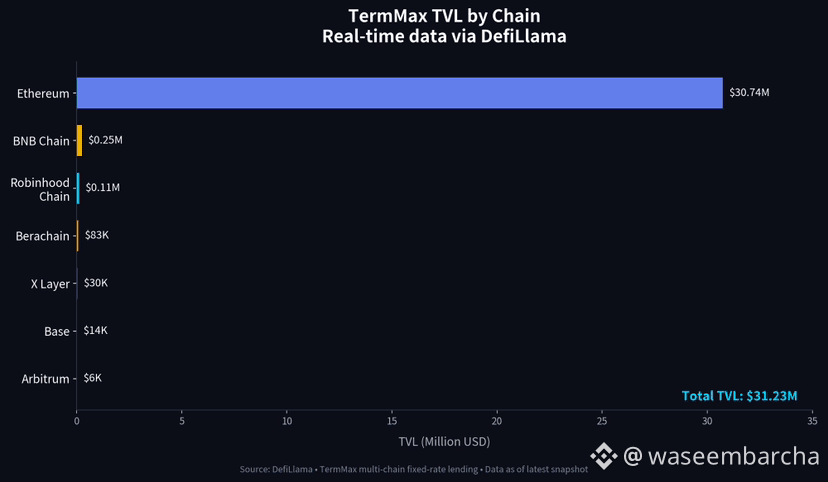
Und da TermMax Ethereum, Arbitrum, BNB Chain und mehrere weitere Netzwerke unterstützt, verstehe ich auch, warum diese Art von Cross-Chain-UX mit wachsendem Protokoll immer nützlicher wird.
Ich hab am Ende mehr eingezahlt, als ich ursprünglich geplant hatte, weil der Prozess einfacher war, als ich erwartet hatte.
Kein riesiges Feature auf dem Papier. Aber die kleinen Dinge zu entfernen, die dich dazu bringen, einen Trade abzubrechen, wird zu wenig gewürdigt.
@termmax #TermMax $TMX
Ich hab letzte Woche fast einen <c-1/> Marktplatz <a>@TermMax market</a> übersprungen, weil meine Stables auf der falschen Chain saßen.
Ehrlich gesagt war ich halb wach und definitiv nicht in der Stimmung, vor dem Kaffee die Funds manuell zu bridgen 😂
Normalerweise würde ich dann einfach denken: „Mach ich später“ und die App schließen. Wenn ich dann wiederkomme, ist der Kurs, den ich wollte, vermutlich weg.
Was mich diesmal überrascht hat, war, dass ich das Bridging nicht als komplett separaten Schritt behandeln musste. TermMax hat LI.FI direkt eingebaut, sodass ich die Funds in die richtige Chain innerhalb des Workflows verschieben konnte – ohne eine weitere App zu öffnen, manuell zu bridgen, zu warten, dann zurückzukommen und wieder alles zu prüfen.
Es hat mir nur ein paar Minuten erspart, aber genau darum geht’s.
In DeFi summieren sich kleine Reibungen schnell. Wenn es mehrere zusätzliche Schritte braucht, um Funds auf die richtige Chain zu bringen, ist die Wahrscheinlichkeit viel höher, dass ich es einfach nicht mache.
Und da TermMax Ethereum, Arbitrum, BNB Chain und mehrere weitere Netzwerke unterstützt, verstehe ich auch, warum diese Art von Cross-Chain-UX mit wachsendem Protokoll immer nützlicher wird.
Ich hab am Ende mehr eingezahlt, als ich ursprünglich geplant hatte, weil der Prozess einfacher war, als ich erwartet hatte.
Kein riesiges Feature auf dem Papier. Aber die kleinen Dinge zu entfernen, die dich dazu bringen, einen Trade abzubrechen, wird zu wenig gewürdigt.
@TermMax #TermMax $TMX
Ehrlich gesagt war ich halb wach und definitiv nicht in der Stimmung, vor dem Kaffee die Funds manuell zu bridgen 😂
Normalerweise würde ich dann einfach denken: „Mach ich später“ und die App schließen. Wenn ich dann wiederkomme, ist der Kurs, den ich wollte, vermutlich weg.
Was mich diesmal überrascht hat, war, dass ich das Bridging nicht als komplett separaten Schritt behandeln musste. TermMax hat LI.FI direkt eingebaut, sodass ich die Funds in die richtige Chain innerhalb des Workflows verschieben konnte – ohne eine weitere App zu öffnen, manuell zu bridgen, zu warten, dann zurückzukommen und wieder alles zu prüfen.
Es hat mir nur ein paar Minuten erspart, aber genau darum geht’s.
In DeFi summieren sich kleine Reibungen schnell. Wenn es mehrere zusätzliche Schritte braucht, um Funds auf die richtige Chain zu bringen, ist die Wahrscheinlichkeit viel höher, dass ich es einfach nicht mache.
Und da TermMax Ethereum, Arbitrum, BNB Chain und mehrere weitere Netzwerke unterstützt, verstehe ich auch, warum diese Art von Cross-Chain-UX mit wachsendem Protokoll immer nützlicher wird.
Ich hab am Ende mehr eingezahlt, als ich ursprünglich geplant hatte, weil der Prozess einfacher war, als ich erwartet hatte.
Kein riesiges Feature auf dem Papier. Aber die kleinen Dinge zu entfernen, die dich dazu bringen, einen Trade abzubrechen, wird zu wenig gewürdigt.
@TermMax #TermMax $TMX
13
13
171
·
--
Teilweise korrekt
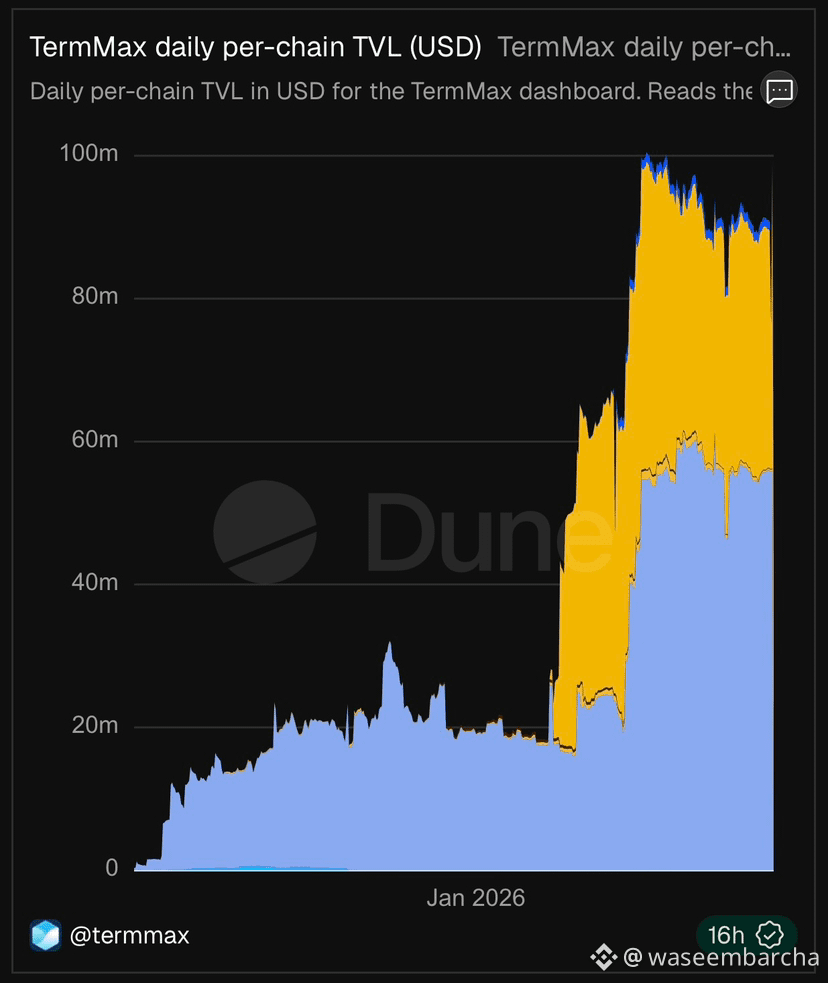
Ich habe mir das Dune-Dashboard von TermMax angesehen und eine Sache hat mich ehrlich gesagt ziemlich überrascht.
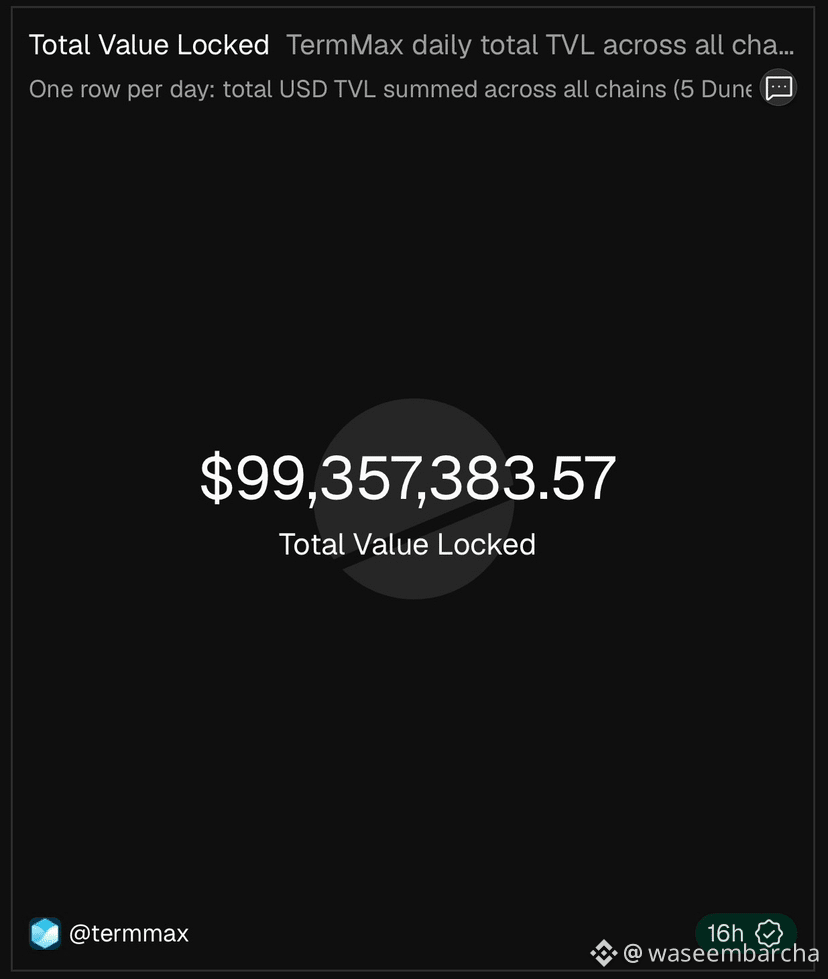
Das TVL liegt jetzt bei rund 99,3 Mio. USD. Blickt man auf die Daten pro Chain, dann verbrachte es lange Zeit im Bereich von 20–30 Mio. USD, bevor es in diesem Jahr deutlich nach oben ging und schließlich über 80 Mio. USD und dann über 100 Mio. USD stieg.
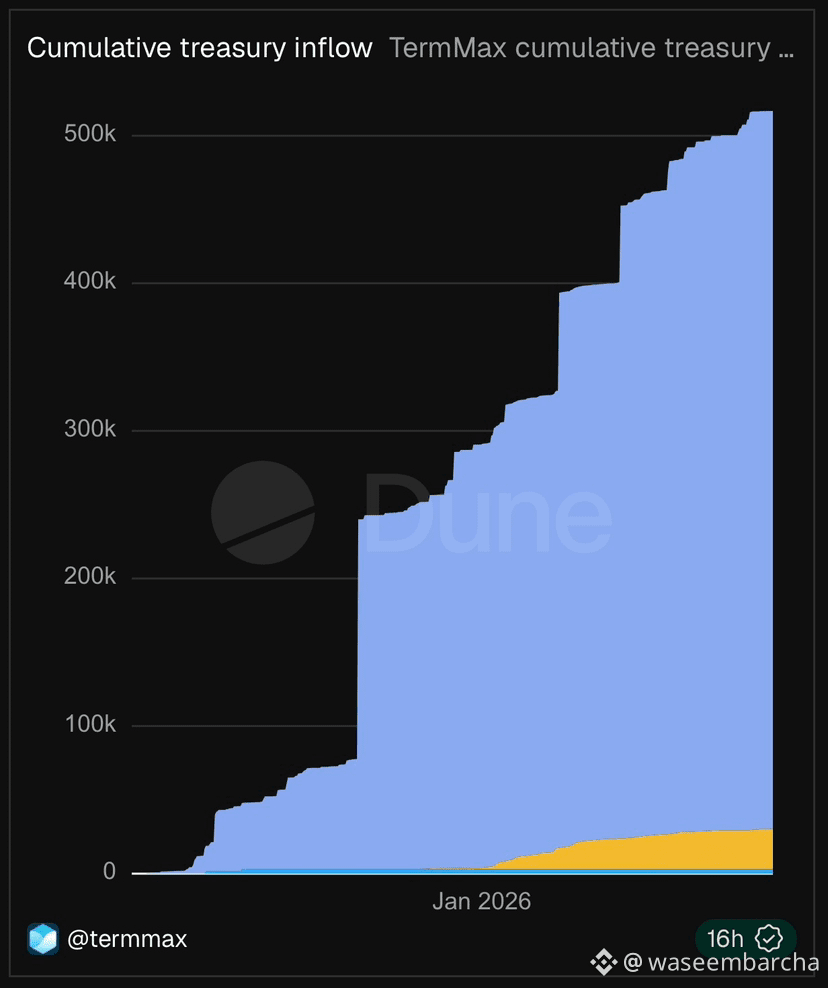
Auch auf der Treasury-Seite geht die Entwicklung in dieselbe Richtung. Die kumulierten Zuflüsse liegen mittlerweile über 500.000 USD, und die Kurve wird spürbar steiler.
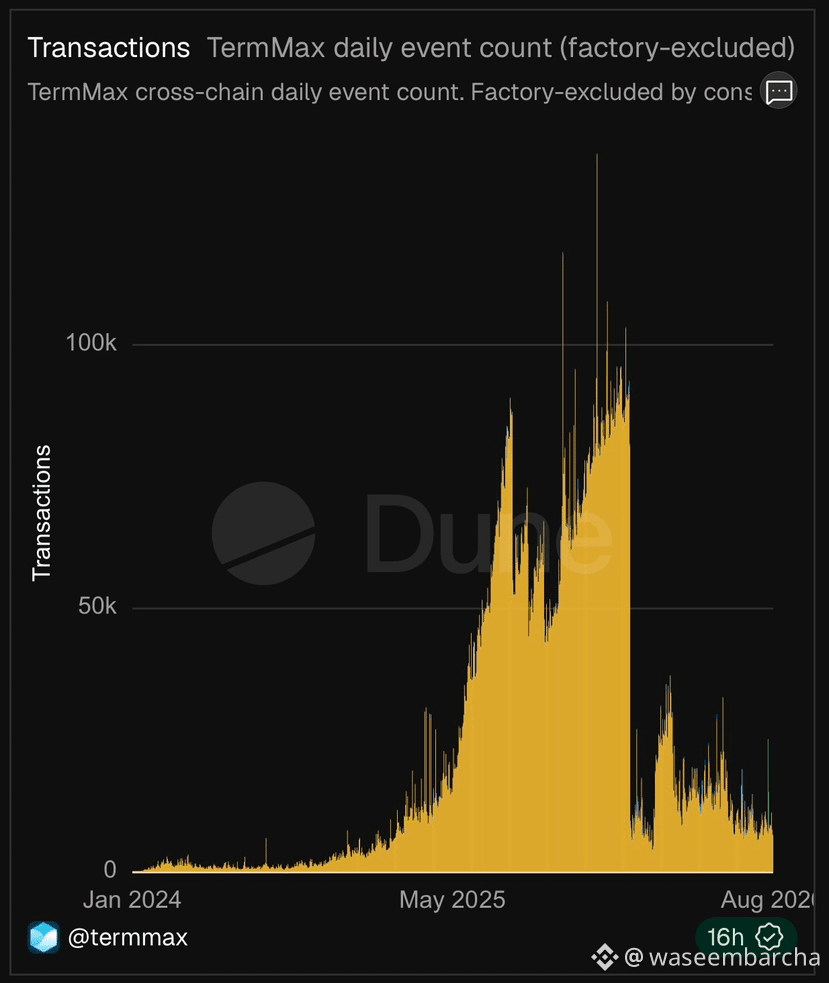
Doch dann habe ich mir das Transaktionsdiagramm angesehen.
Dieser Teil sieht komplett anders aus.
Die täglichen Transaktionen waren um die Mitte 2025 deutlich höher, aber seitdem sind sie gefallen und liegen nun in einem viel ruhigeren Bereich. Also gerade jetzt steigt das TVL, während die Transaktionsaktivität zurückgeht.
Ich sehe das nicht automatisch als etwas Negatives.
Im Gegenteil: Das lässt mich vermuten, dass @termmax möglicherweise eine andere Art von Kapital anzieht, als ich anfangs erwartet hatte. Fixed-Term-Märkte müssen nicht unbedingt von tausenden kleinen Nutzern leben, die ständig Geld hin- und herbewegen. Eine kleinere Anzahl großer Positionen kann das TVL hoch halten, selbst wenn die Transaktionsfrequenz relativ niedrig ist.
Aber das wäre auch kein Beweis für „smart money“. Genau diesen Punkt würde ich gern durch zukünftige Daten bestätigt sehen.
Für mich ist die spannende Frage nun, ob die Aktivität irgendwann mit dem TVL gleichzieht oder ob TermMax weiterhin mit relativ viel Kapital und einer niedrigeren Transaktionsfrequenz arbeitet.
Das ist ein viel interessanteres Signal zum Beobachten als nur die 99-Mio.-USD-TVL-Zahl zu feiern.
Ich teile die tatsächlichen Dashboard-Daten, weil die Divergenz zwischen TVL und Transaktionen das war, was mir aufgefallen ist.
@termmax #TermMax
Ich habe mir das Dune-Dashboard von TermMax angesehen und eine Sache hat mich ehrlich gesagt ziemlich überrascht.
Das TVL liegt jetzt bei rund 99,3 Mio. USD. Blickt man auf die Daten pro Chain, dann verbrachte es lange Zeit im Bereich von 20–30 Mio. USD, bevor es in diesem Jahr deutlich nach oben ging und schließlich über 80 Mio. USD und dann über 100 Mio. USD stieg.
Auch auf der Treasury-Seite geht die Entwicklung in dieselbe Richtung. Die kumulierten Zuflüsse liegen mittlerweile über 500.000 USD, und die Kurve wird spürbar steiler.
Doch dann habe ich mir das Transaktionsdiagramm angesehen.
Dieser Teil sieht komplett anders aus.
Die täglichen Transaktionen waren um die Mitte 2025 deutlich höher, aber seitdem sind sie gefallen und liegen nun in einem viel ruhigeren Bereich. Also gerade jetzt steigt das TVL, während die Transaktionsaktivität zurückgeht.
Ich sehe das nicht automatisch als etwas Negatives.
Im Gegenteil: Das lässt mich vermuten, dass @TermMax möglicherweise eine andere Art von Kapital anzieht, als ich anfangs erwartet hatte. Fixed-Term-Märkte müssen nicht unbedingt von tausenden kleinen Nutzern leben, die ständig Geld hin- und herbewegen. Eine kleinere Anzahl großer Positionen kann das TVL hoch halten, selbst wenn die Transaktionsfrequenz relativ niedrig ist.
Aber das wäre auch kein Beweis für „smart money“. Genau diesen Punkt würde ich gern durch zukünftige Daten bestätigt sehen.
Für mich ist die spannende Frage nun, ob die Aktivität irgendwann mit dem TVL gleichzieht oder ob TermMax weiterhin mit relativ viel Kapital und einer niedrigeren Transaktionsfrequenz arbeitet.
Das ist ein viel interessanteres Signal zum Beobachten als nur die 99-Mio.-USD-TVL-Zahl zu feiern.
Ich teile die tatsächlichen Dashboard-Daten, weil die Divergenz zwischen TVL und Transaktionen das war, was mir aufgefallen ist.
@TermMax #TermMax
Das TVL liegt jetzt bei rund 99,3 Mio. USD. Blickt man auf die Daten pro Chain, dann verbrachte es lange Zeit im Bereich von 20–30 Mio. USD, bevor es in diesem Jahr deutlich nach oben ging und schließlich über 80 Mio. USD und dann über 100 Mio. USD stieg.
Auch auf der Treasury-Seite geht die Entwicklung in dieselbe Richtung. Die kumulierten Zuflüsse liegen mittlerweile über 500.000 USD, und die Kurve wird spürbar steiler.
Doch dann habe ich mir das Transaktionsdiagramm angesehen.
Dieser Teil sieht komplett anders aus.
Die täglichen Transaktionen waren um die Mitte 2025 deutlich höher, aber seitdem sind sie gefallen und liegen nun in einem viel ruhigeren Bereich. Also gerade jetzt steigt das TVL, während die Transaktionsaktivität zurückgeht.
Ich sehe das nicht automatisch als etwas Negatives.
Im Gegenteil: Das lässt mich vermuten, dass @TermMax möglicherweise eine andere Art von Kapital anzieht, als ich anfangs erwartet hatte. Fixed-Term-Märkte müssen nicht unbedingt von tausenden kleinen Nutzern leben, die ständig Geld hin- und herbewegen. Eine kleinere Anzahl großer Positionen kann das TVL hoch halten, selbst wenn die Transaktionsfrequenz relativ niedrig ist.
Aber das wäre auch kein Beweis für „smart money“. Genau diesen Punkt würde ich gern durch zukünftige Daten bestätigt sehen.
Für mich ist die spannende Frage nun, ob die Aktivität irgendwann mit dem TVL gleichzieht oder ob TermMax weiterhin mit relativ viel Kapital und einer niedrigeren Transaktionsfrequenz arbeitet.
Das ist ein viel interessanteres Signal zum Beobachten als nur die 99-Mio.-USD-TVL-Zahl zu feiern.
Ich teile die tatsächlichen Dashboard-Daten, weil die Divergenz zwischen TVL und Transaktionen das war, was mir aufgefallen ist.
@TermMax #TermMax
10
11
725
·
--
#termmax @termmax
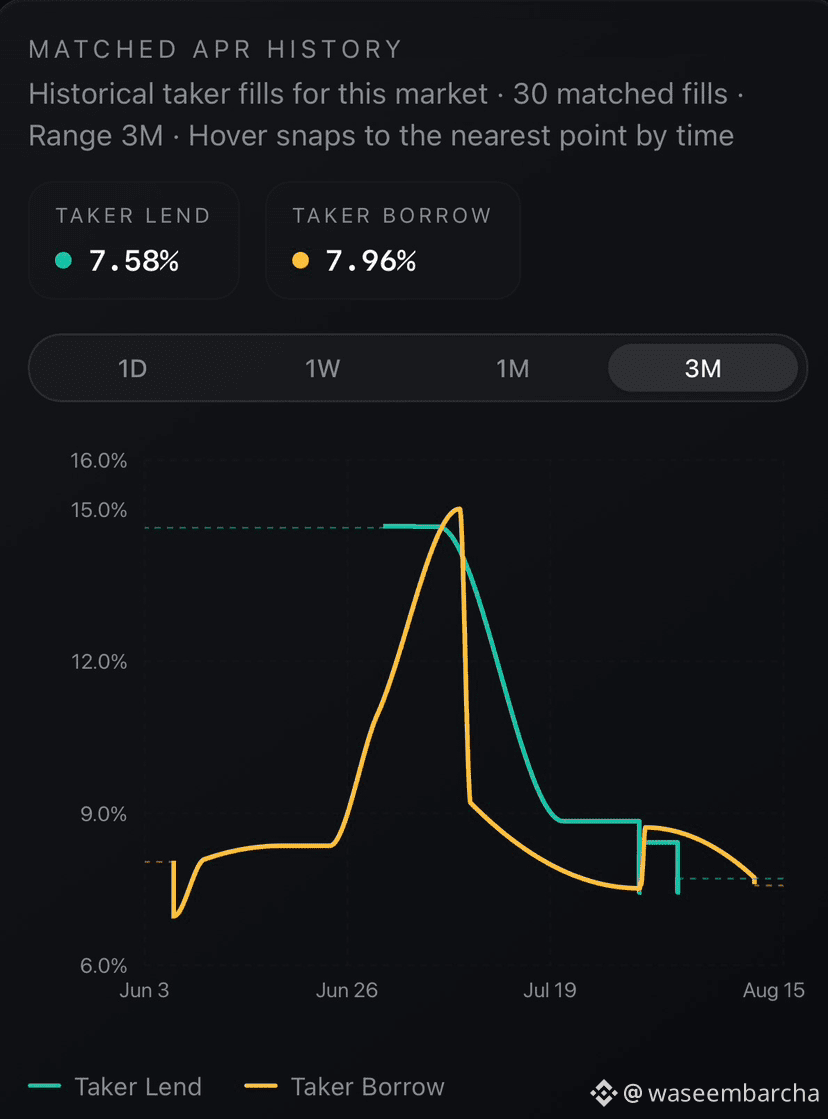
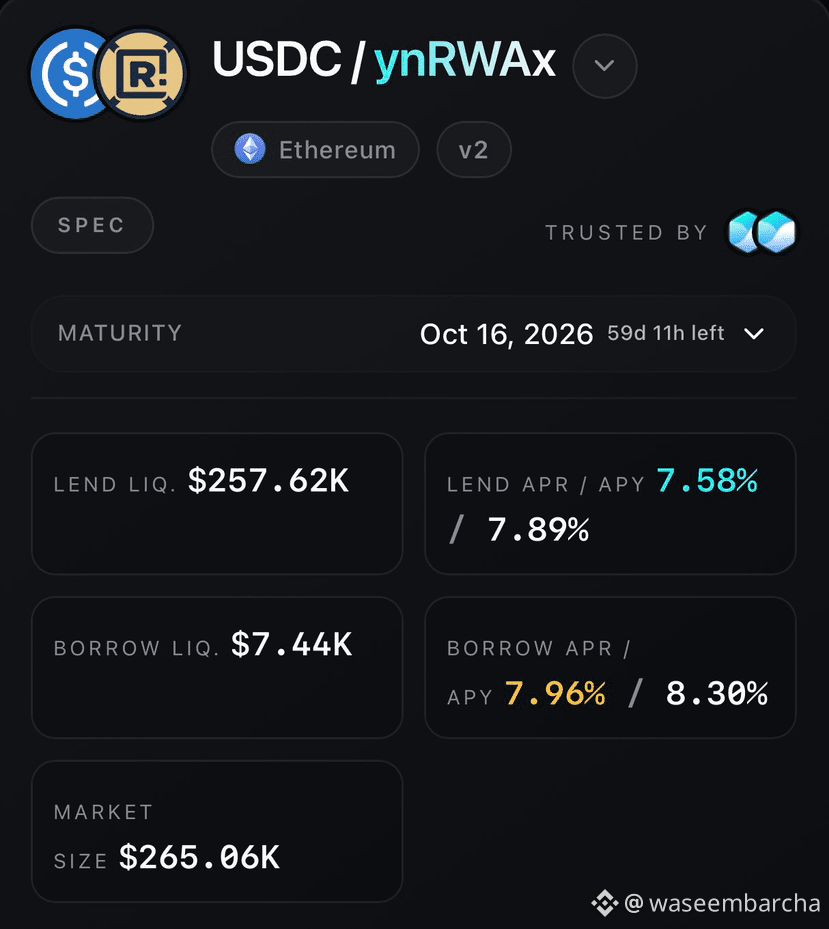
Ich habe heute Morgen tatsächlich etwas Zeit damit verbracht, einen Zinssatz bei TermMax fest zu fixieren, statt nur darüber zu lesen. Eine Sache, die ich interessant finde, ist der Fokus auf Märkte mit festem Zinssatz und fester Laufzeit.
Ich habe 50 USDT in einen Markt mit festem Zinssatz eingezahlt – etwa 8% für zwei Wochen.
Ehrlich gesagt ist der Reiz eigentlich langweilig – im guten Sinne. Ich weiß ganz genau, was ich am Fälligkeitstag zurückbekomme, kein Rätselraten basierend darauf, was die variable Rate des Pools diese Woche gerade macht.
Die meisten Kreditmärkte, die ich vorher genutzt habe, funktionieren so: Du schaust dir die APY an, gehst weg – und am nächsten Tag ist es eine andere Zahl.
Ich bin mir noch nicht sicher, ob der Zinssatz, den ich fixiert habe, im Nachhinein gut oder schlecht aussieht, aber genau darum ging es: Ich habe das Upside gegen Gewissheit getauscht.
$TMX
#termmax @TermMax
Ich habe heute Morgen tatsächlich etwas Zeit damit verbracht, einen Zinssatz bei TermMax fest zu fixieren, statt nur darüber zu lesen. Eine Sache, die ich interessant finde, ist der Fokus auf Märkte mit festem Zinssatz und fester Laufzeit.
Ich habe 50 USDT in einen Markt mit festem Zinssatz eingezahlt – etwa 8% für zwei Wochen.
Ehrlich gesagt ist der Reiz eigentlich langweilig – im guten Sinne. Ich weiß ganz genau, was ich am Fälligkeitstag zurückbekomme, kein Rätselraten basierend darauf, was die variable Rate des Pools diese Woche gerade macht.
Die meisten Kreditmärkte, die ich vorher genutzt habe, funktionieren so: Du schaust dir die APY an, gehst weg – und am nächsten Tag ist es eine andere Zahl.
Ich bin mir noch nicht sicher, ob der Zinssatz, den ich fixiert habe, im Nachhinein gut oder schlecht aussieht, aber genau darum ging es: Ich habe das Upside gegen Gewissheit getauscht.
$TMX
Ich habe heute Morgen tatsächlich etwas Zeit damit verbracht, einen Zinssatz bei TermMax fest zu fixieren, statt nur darüber zu lesen. Eine Sache, die ich interessant finde, ist der Fokus auf Märkte mit festem Zinssatz und fester Laufzeit.
Ich habe 50 USDT in einen Markt mit festem Zinssatz eingezahlt – etwa 8% für zwei Wochen.
Ehrlich gesagt ist der Reiz eigentlich langweilig – im guten Sinne. Ich weiß ganz genau, was ich am Fälligkeitstag zurückbekomme, kein Rätselraten basierend darauf, was die variable Rate des Pools diese Woche gerade macht.
Die meisten Kreditmärkte, die ich vorher genutzt habe, funktionieren so: Du schaust dir die APY an, gehst weg – und am nächsten Tag ist es eine andere Zahl.
Ich bin mir noch nicht sicher, ob der Zinssatz, den ich fixiert habe, im Nachhinein gut oder schlecht aussieht, aber genau darum ging es: Ich habe das Upside gegen Gewissheit getauscht.
$TMX
12
15
392
·
--
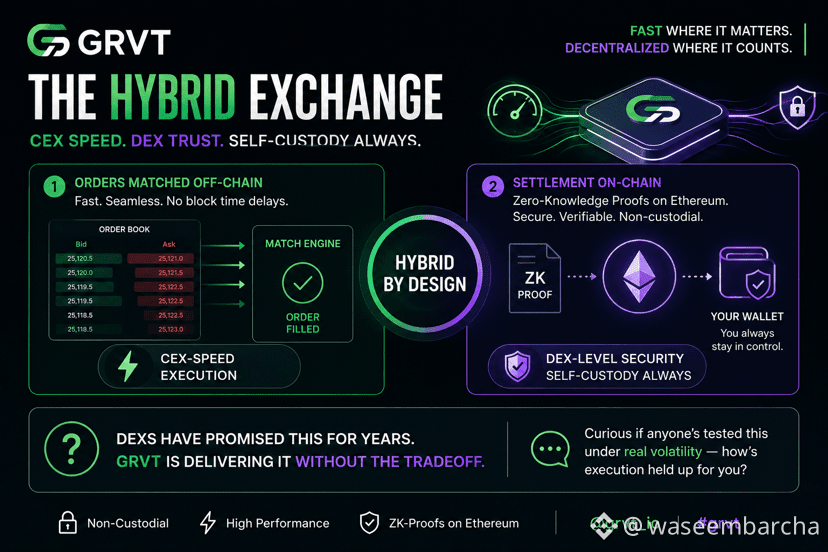
Hier ist etwas, das mich eine Minute gebraucht hat, um es bei @grvt_io wirklich zu verstehen – und als es dann klickte, wusste ich, warum Leute es eine „Hybrid“-Börse nennen.
Ihre Orders werden Off-Chain gematcht (also schnell, ohne dass Sie auf Blockzeiten warten müssen, bis sie ausgeführt werden). Aber die Abwicklung findet On-Chain über Zero-Knowledge-Proofs auf Ethereum statt. Übersetzung: Sie bekommen CEX-Tempo bei der Ausführung, aber die Börse hält Ihre Gelder nie wirklich – Self-Custody die ganze Zeit über.
Das ist genau das, was DEXs seit Jahren versprechen und selten ohne einen Kompromiss liefern.
Hat das schon mal jemand unter echter Volatilität getestet? Wie hat sich die Ausführung für Sie geschlagen? #grvt #creatorpad
Hier ist etwas, das mich eine Minute gebraucht hat, um es bei @grvt_io wirklich zu verstehen – und als es dann klickte, wusste ich, warum Leute es eine „Hybrid“-Börse nennen.
Ihre Orders werden Off-Chain gematcht (also schnell, ohne dass Sie auf Blockzeiten warten müssen, bis sie ausgeführt werden). Aber die Abwicklung findet On-Chain über Zero-Knowledge-Proofs auf Ethereum statt. Übersetzung: Sie bekommen CEX-Tempo bei der Ausführung, aber die Börse hält Ihre Gelder nie wirklich – Self-Custody die ganze Zeit über.
Das ist genau das, was DEXs seit Jahren versprechen und selten ohne einen Kompromiss liefern.
Hat das schon mal jemand unter echter Volatilität getestet? Wie hat sich die Ausführung für Sie geschlagen? #grvt #creatorpad
Ihre Orders werden Off-Chain gematcht (also schnell, ohne dass Sie auf Blockzeiten warten müssen, bis sie ausgeführt werden). Aber die Abwicklung findet On-Chain über Zero-Knowledge-Proofs auf Ethereum statt. Übersetzung: Sie bekommen CEX-Tempo bei der Ausführung, aber die Börse hält Ihre Gelder nie wirklich – Self-Custody die ganze Zeit über.
Das ist genau das, was DEXs seit Jahren versprechen und selten ohne einen Kompromiss liefern.
Hat das schon mal jemand unter echter Volatilität getestet? Wie hat sich die Ausführung für Sie geschlagen? #grvt #creatorpad
25
22
960
·
--
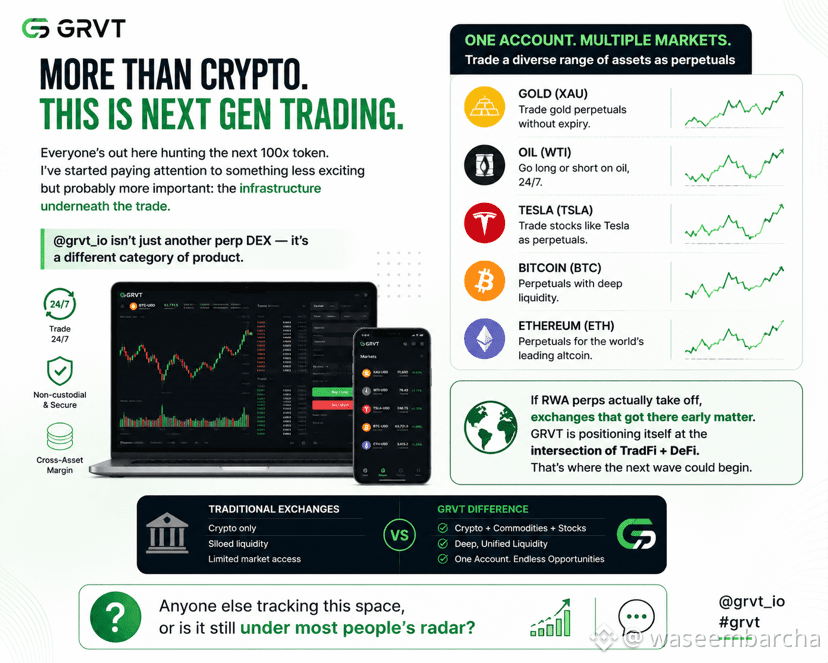
Jeder jagt hier draußen das nächste 100x-Token. Ich habe angefangen, auf etwas weniger Aufregendes, aber vermutlich viel Wichtigeres zu achten: die Infrastruktur unter dem Handel.
@grvt_io ist nicht einfach nur noch ein weiterer Perp-DEX – du kannst Gold, Öl und sogar Aktien wie Tesla als Perpetuals handeln, neben BTC und ETH, alles von einem einzigen Konto aus.
Das ist eine andere Kategorie von Produkt als „noch eine weitere Krypto-Börse“.
Wenn RWA-Perps wirklich durchstarten, werden die Börsen, die früh dort waren, entscheidend sein. Verfolgt das sonst noch jemand, oder ist es immer noch bei den meisten Menschen kaum auf dem Radar? #grvt
Jeder jagt hier draußen das nächste 100x-Token. Ich habe angefangen, auf etwas weniger Aufregendes, aber vermutlich viel Wichtigeres zu achten: die Infrastruktur unter dem Handel.
@grvt_io ist nicht einfach nur noch ein weiterer Perp-DEX – du kannst Gold, Öl und sogar Aktien wie Tesla als Perpetuals handeln, neben BTC und ETH, alles von einem einzigen Konto aus.
Das ist eine andere Kategorie von Produkt als „noch eine weitere Krypto-Börse“.
Wenn RWA-Perps wirklich durchstarten, werden die Börsen, die früh dort waren, entscheidend sein. Verfolgt das sonst noch jemand, oder ist es immer noch bei den meisten Menschen kaum auf dem Radar? #grvt
@grvt_io ist nicht einfach nur noch ein weiterer Perp-DEX – du kannst Gold, Öl und sogar Aktien wie Tesla als Perpetuals handeln, neben BTC und ETH, alles von einem einzigen Konto aus.
Das ist eine andere Kategorie von Produkt als „noch eine weitere Krypto-Börse“.
Wenn RWA-Perps wirklich durchstarten, werden die Börsen, die früh dort waren, entscheidend sein. Verfolgt das sonst noch jemand, oder ist es immer noch bei den meisten Menschen kaum auf dem Radar? #grvt
6
12
516
·
--
@grvt_io #grvt
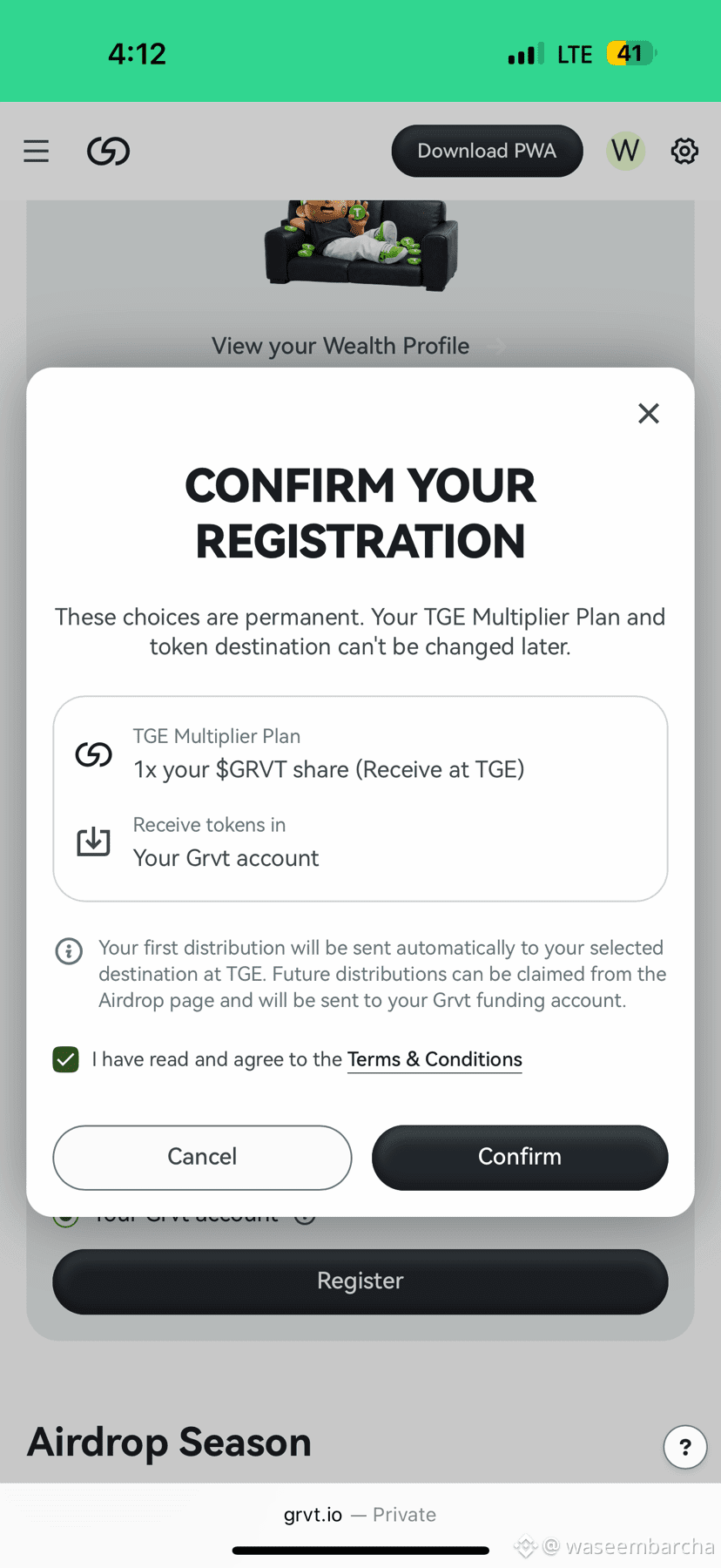
🚨 Beeil dich! Die GRVT-Airdrop-Registrierung ist live und dauert nur wenige Minuten.
Hier ist eine kurze Schritt-für-Schritt-Anleitung:
✅ Schritt 1: Besuche grvt.io
✅ Schritt 2: Öffne das ☰ Menü → Rewards → GRVT Airdrop
✅ Schritt 3: Vervollständige dein Wealth Profile, um den Registrierungsprozess freizuschalten.
✅ Schritt 4: Wähle deinen bevorzugten Multiplikator:
• 1× – Erhalte es bei TGE
• 2× – Erhalte es nach 4 Monaten
• 4× – Erhalte es nach 8 Monaten für eine größere Zuteilung
✅ Schritt 5: Wähle, wo du deine $GRVT-Token erhalten möchtest (GRVT-Konto, BNB Smart Chain oder Ethereum), und bestätige dann deine Registrierung.
Fertig! 🎉
Ich habe mich für den 4×-Multiplikator entschieden, weil ich gerne länger warte, um möglicherweise eine größere Zuteilung zu erhalten.
Welche Option wählst du: 1×, 2× oder 4×? Teile deine Strategie unten! 👇
#AirdropAlert
@grvt_io #grvt
🚨 Beeil dich! Die GRVT-Airdrop-Registrierung ist live und dauert nur wenige Minuten.
Hier ist eine kurze Schritt-für-Schritt-Anleitung:
✅ Schritt 1: Besuche grvt.io
✅ Schritt 2: Öffne das ☰ Menü → Rewards → GRVT Airdrop
✅ Schritt 3: Vervollständige dein Wealth Profile, um den Registrierungsprozess freizuschalten.
✅ Schritt 4: Wähle deinen bevorzugten Multiplikator:
• 1× – Erhalte es bei TGE
• 2× – Erhalte es nach 4 Monaten
• 4× – Erhalte es nach 8 Monaten für eine größere Zuteilung
✅ Schritt 5: Wähle, wo du deine $GRVT-Token erhalten möchtest (GRVT-Konto, BNB Smart Chain oder Ethereum), und bestätige dann deine Registrierung.
Fertig! 🎉
Ich habe mich für den 4×-Multiplikator entschieden, weil ich gerne länger warte, um möglicherweise eine größere Zuteilung zu erhalten.
Welche Option wählst du: 1×, 2× oder 4×? Teile deine Strategie unten! 👇
#AirdropAlert
🚨 Beeil dich! Die GRVT-Airdrop-Registrierung ist live und dauert nur wenige Minuten.
Hier ist eine kurze Schritt-für-Schritt-Anleitung:
✅ Schritt 1: Besuche grvt.io
✅ Schritt 2: Öffne das ☰ Menü → Rewards → GRVT Airdrop
✅ Schritt 3: Vervollständige dein Wealth Profile, um den Registrierungsprozess freizuschalten.
✅ Schritt 4: Wähle deinen bevorzugten Multiplikator:
• 1× – Erhalte es bei TGE
• 2× – Erhalte es nach 4 Monaten
• 4× – Erhalte es nach 8 Monaten für eine größere Zuteilung
✅ Schritt 5: Wähle, wo du deine $GRVT-Token erhalten möchtest (GRVT-Konto, BNB Smart Chain oder Ethereum), und bestätige dann deine Registrierung.
Fertig! 🎉
Ich habe mich für den 4×-Multiplikator entschieden, weil ich gerne länger warte, um möglicherweise eine größere Zuteilung zu erhalten.
Welche Option wählst du: 1×, 2× oder 4×? Teile deine Strategie unten! 👇
#AirdropAlert

8
10
225
·
--
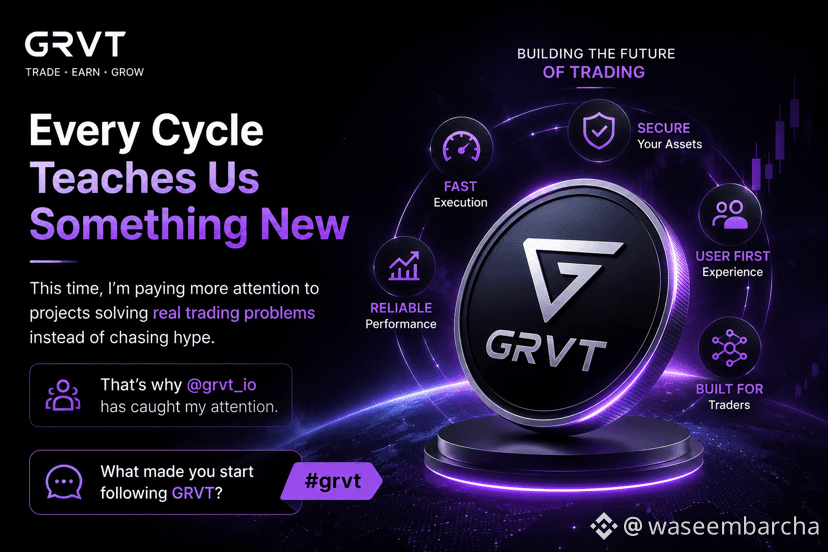
Die meisten Krypto-Trader konzentrieren sich darauf, das nächste Token zu finden, aber ich denke, dass bessere Handelsinfrastruktur noch viel wichtiger ist.
Deshalb verfolge ich, was @grvt_io aufbaut. Wenn sich Ausführung, Sicherheit und Nutzererlebnis gemeinsam weiter verbessern, könnte das viele ernsthafte Trader anziehen.
Welche Funktion ist dir am wichtigsten? #grvt #creatorpad
Die meisten Krypto-Trader konzentrieren sich darauf, das nächste Token zu finden, aber ich denke, dass bessere Handelsinfrastruktur noch viel wichtiger ist.
Deshalb verfolge ich, was @grvt_io aufbaut. Wenn sich Ausführung, Sicherheit und Nutzererlebnis gemeinsam weiter verbessern, könnte das viele ernsthafte Trader anziehen.
Welche Funktion ist dir am wichtigsten? #grvt #creatorpad
Deshalb verfolge ich, was @grvt_io aufbaut. Wenn sich Ausführung, Sicherheit und Nutzererlebnis gemeinsam weiter verbessern, könnte das viele ernsthafte Trader anziehen.
Welche Funktion ist dir am wichtigsten? #grvt #creatorpad

2
8
115
·
--
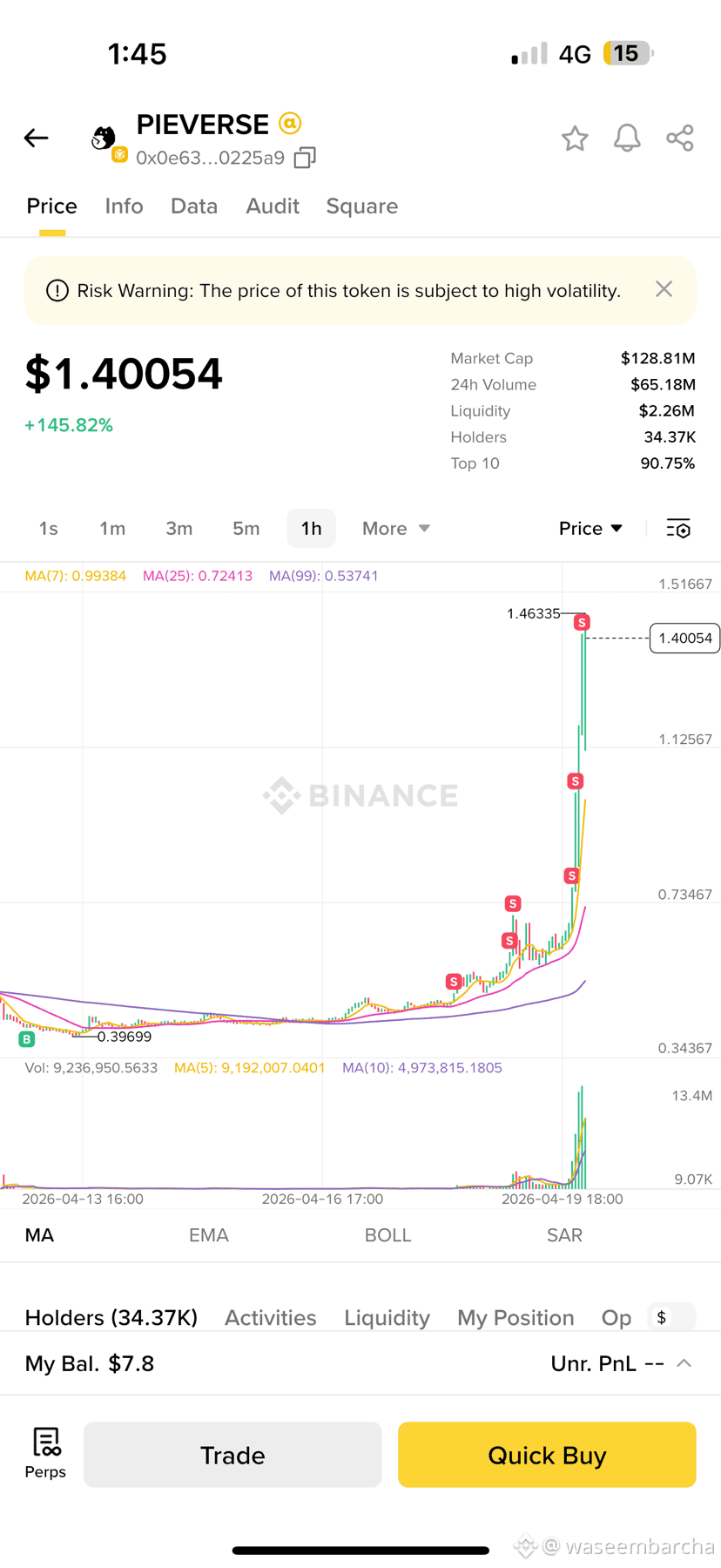
$PIEVERSE ist verrückt geworden 🚀
+145% Bewegung und ich war schon drin.
Eingetreten bei $0.41
TP’s => 0.50, 0.62, 0.78, 0.88, 0.97, 1.28
Nächste TP’s => 1.58, 1.92, 2.2 (25% übrig)
Kein Nachjagen. Kein FOMO.
Einfach sauberer Einstieg + Geduld.
Das ist der Unterschied. 🎯
$PIEVERSE ist verrückt geworden 🚀
+145% Bewegung und ich war schon drin.
Eingetreten bei $0.41
TP’s => 0.50, 0.62, 0.78, 0.88, 0.97, 1.28
Nächste TP’s => 1.58, 1.92, 2.2 (25% übrig)
Kein Nachjagen. Kein FOMO.
Einfach sauberer Einstieg + Geduld.
Das ist der Unterschied. 🎯
+145% Bewegung und ich war schon drin.
Eingetreten bei $0.41
TP’s => 0.50, 0.62, 0.78, 0.88, 0.97, 1.28
Nächste TP’s => 1.58, 1.92, 2.2 (25% übrig)
Kein Nachjagen. Kein FOMO.
Einfach sauberer Einstieg + Geduld.
Das ist der Unterschied. 🎯
7
467
·
--
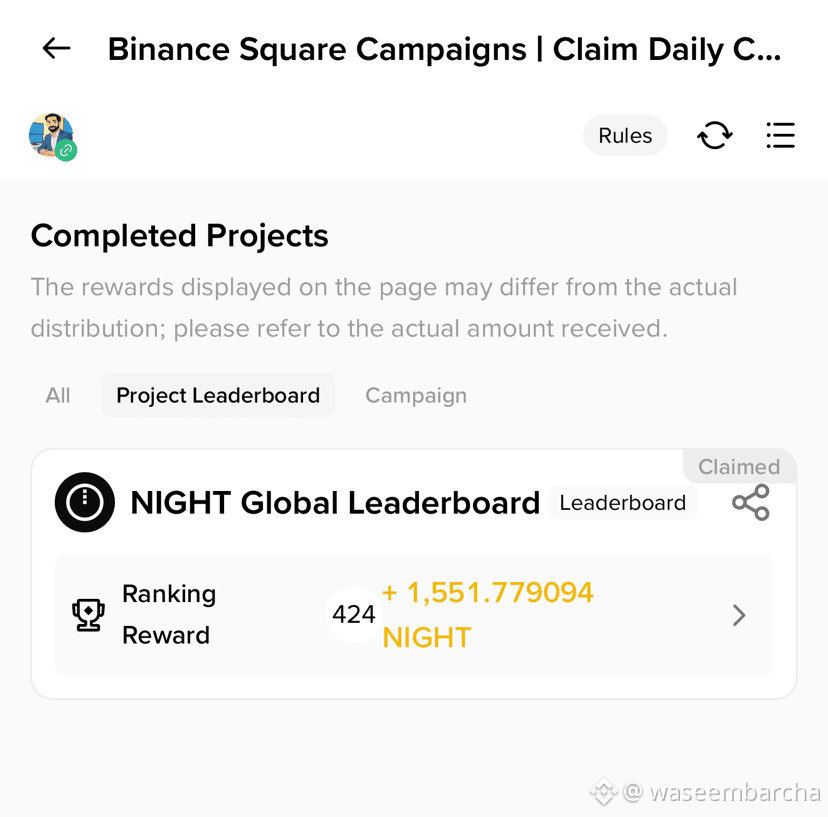
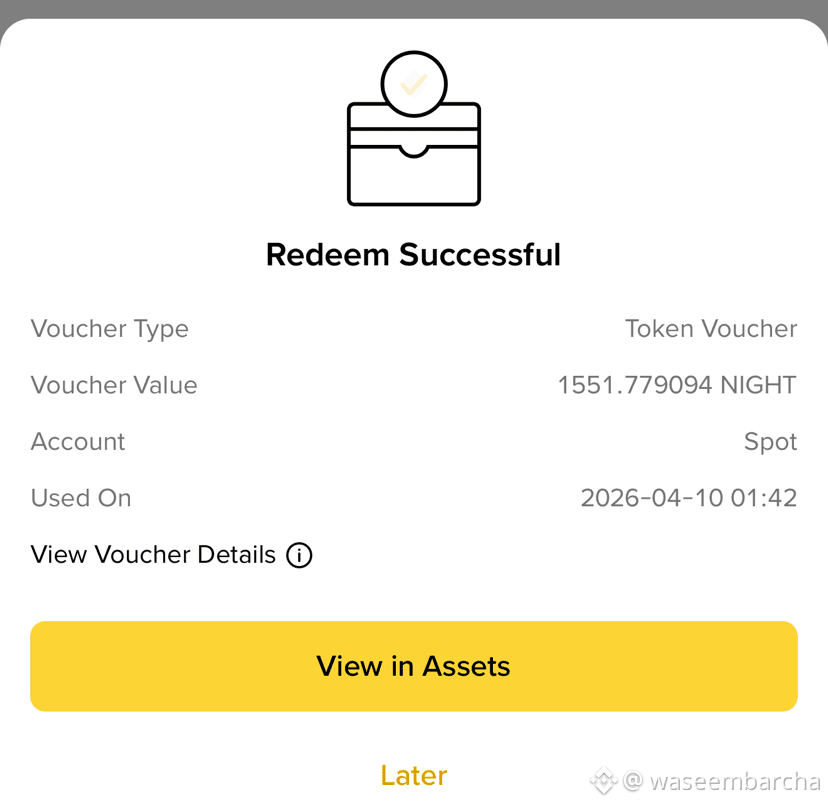
Binance Square hat mir gerade ein paar Cent für TAGELANGE Mühe gezahlt… 💀
Rang 424 im NIGHT Global Leaderboard → +1.551 NIGHT (ca. 60 $)
Bruder, das war meine ERSTE Belohnung im Leaderboard überhaupt. Ich dachte tatsächlich, es würde sich lohnen.
Das ist einfach nur beleidigend. Mein erster Sack und es fühlt sich an wie Staub.
"Nacht Camping" haben sie gesagt? Eher Nacht Verschwenden 😂
Nie wieder. Meine Zeit ist viel mehr wert als diese lächerliche Belohnung.
Wer wurde noch komplett von diesen niedrigstufigen Kampagnen übervorteilt? Lasst eure enttäuschenden Belohnungen unten da 👇
$NIGHT
#night #CryptoAirdrop
Binance Square hat mir gerade ein paar Cent für TAGELANGE Mühe gezahlt… 💀
Rang 424 im NIGHT Global Leaderboard → +1.551 NIGHT (ca. 60 $)
Bruder, das war meine ERSTE Belohnung im Leaderboard überhaupt. Ich dachte tatsächlich, es würde sich lohnen.
Das ist einfach nur beleidigend. Mein erster Sack und es fühlt sich an wie Staub.
"Nacht Camping" haben sie gesagt? Eher Nacht Verschwenden 😂
Nie wieder. Meine Zeit ist viel mehr wert als diese lächerliche Belohnung.
Wer wurde noch komplett von diesen niedrigstufigen Kampagnen übervorteilt? Lasst eure enttäuschenden Belohnungen unten da 👇
$NIGHT
#night #CryptoAirdrop
Rang 424 im NIGHT Global Leaderboard → +1.551 NIGHT (ca. 60 $)
Bruder, das war meine ERSTE Belohnung im Leaderboard überhaupt. Ich dachte tatsächlich, es würde sich lohnen.
Das ist einfach nur beleidigend. Mein erster Sack und es fühlt sich an wie Staub.
"Nacht Camping" haben sie gesagt? Eher Nacht Verschwenden 😂
Nie wieder. Meine Zeit ist viel mehr wert als diese lächerliche Belohnung.
Wer wurde noch komplett von diesen niedrigstufigen Kampagnen übervorteilt? Lasst eure enttäuschenden Belohnungen unten da 👇
$NIGHT
#night #CryptoAirdrop
7
20
·
--
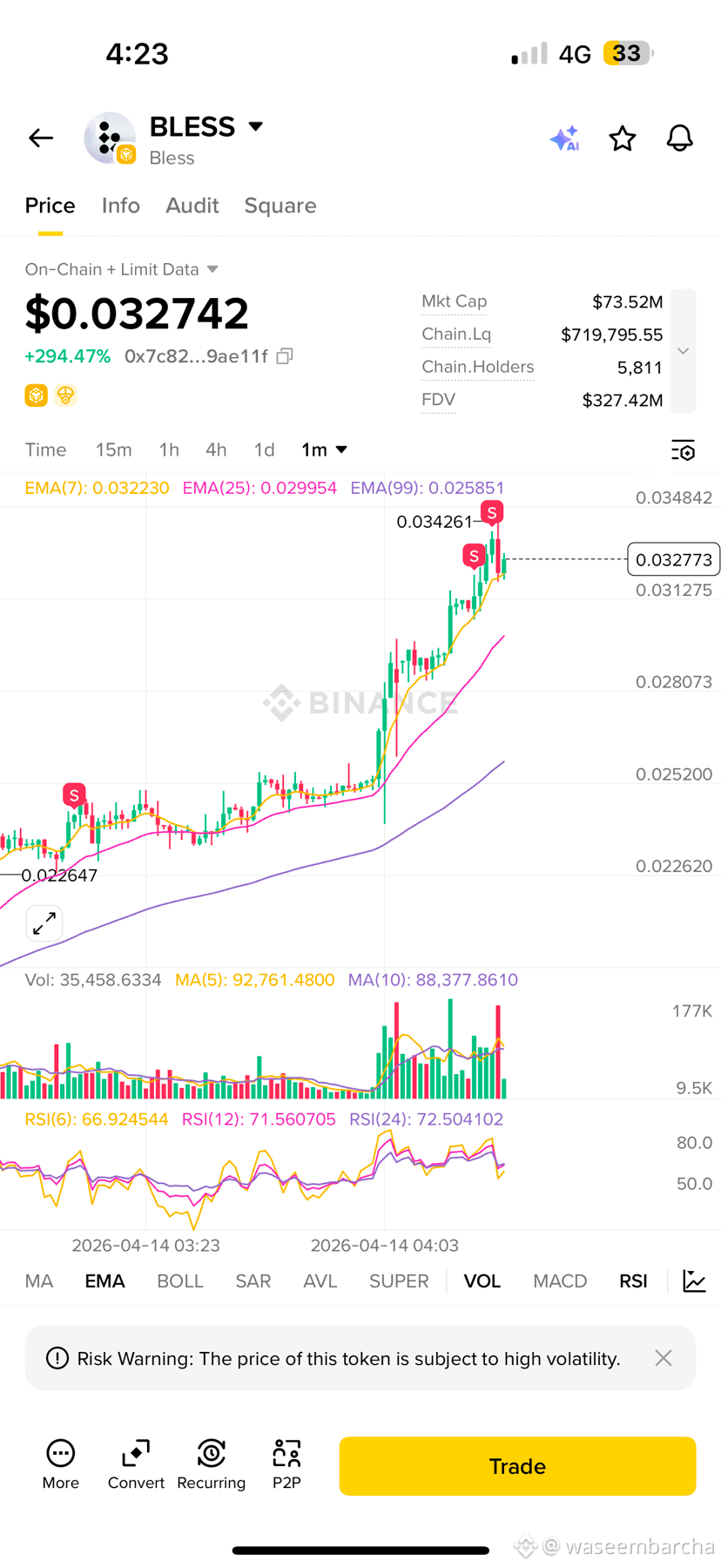
$BLESS gerade +290% erreicht… und ja, ich habe hier mehr von meiner Position geschlossen.
Nicht emotional. Nicht zufällig. Nur Ausführung.
Parabolischer Lauf ✔️
Volumenspitze ✔️
Erster echter Rückzug beginnt ✔️
Hier verschiebt sich das Spiel.
Ich habe bereits 3x früher gesichert…
und jetzt habe ich mehr in Stärke abgebaut.
Keine Reue. Kein „was wäre, wenn es höher geht?“
Denn ich bin nicht hier, um den Höchststand zu erwischen —
ich bin hier, um mit Gewinn zu gehen.
Disziplin gewinnt am Ende immer.
Was machst du bei +200%+ Bewegungen?
#MarketCorrectionBuyOrHODL? #Bless
$BLESS gerade +290% erreicht… und ja, ich habe hier mehr von meiner Position geschlossen.
Nicht emotional. Nicht zufällig. Nur Ausführung.
Parabolischer Lauf ✔️
Volumenspitze ✔️
Erster echter Rückzug beginnt ✔️
Hier verschiebt sich das Spiel.
Ich habe bereits 3x früher gesichert…
und jetzt habe ich mehr in Stärke abgebaut.
Keine Reue. Kein „was wäre, wenn es höher geht?“
Denn ich bin nicht hier, um den Höchststand zu erwischen —
ich bin hier, um mit Gewinn zu gehen.
Disziplin gewinnt am Ende immer.
Was machst du bei +200%+ Bewegungen?
#MarketCorrectionBuyOrHODL? #Bless
Nicht emotional. Nicht zufällig. Nur Ausführung.
Parabolischer Lauf ✔️
Volumenspitze ✔️
Erster echter Rückzug beginnt ✔️
Hier verschiebt sich das Spiel.
Ich habe bereits 3x früher gesichert…
und jetzt habe ich mehr in Stärke abgebaut.
Keine Reue. Kein „was wäre, wenn es höher geht?“
Denn ich bin nicht hier, um den Höchststand zu erwischen —
ich bin hier, um mit Gewinn zu gehen.
Disziplin gewinnt am Ende immer.
Was machst du bei +200%+ Bewegungen?
#MarketCorrectionBuyOrHODL? #Bless
5
780
·
--
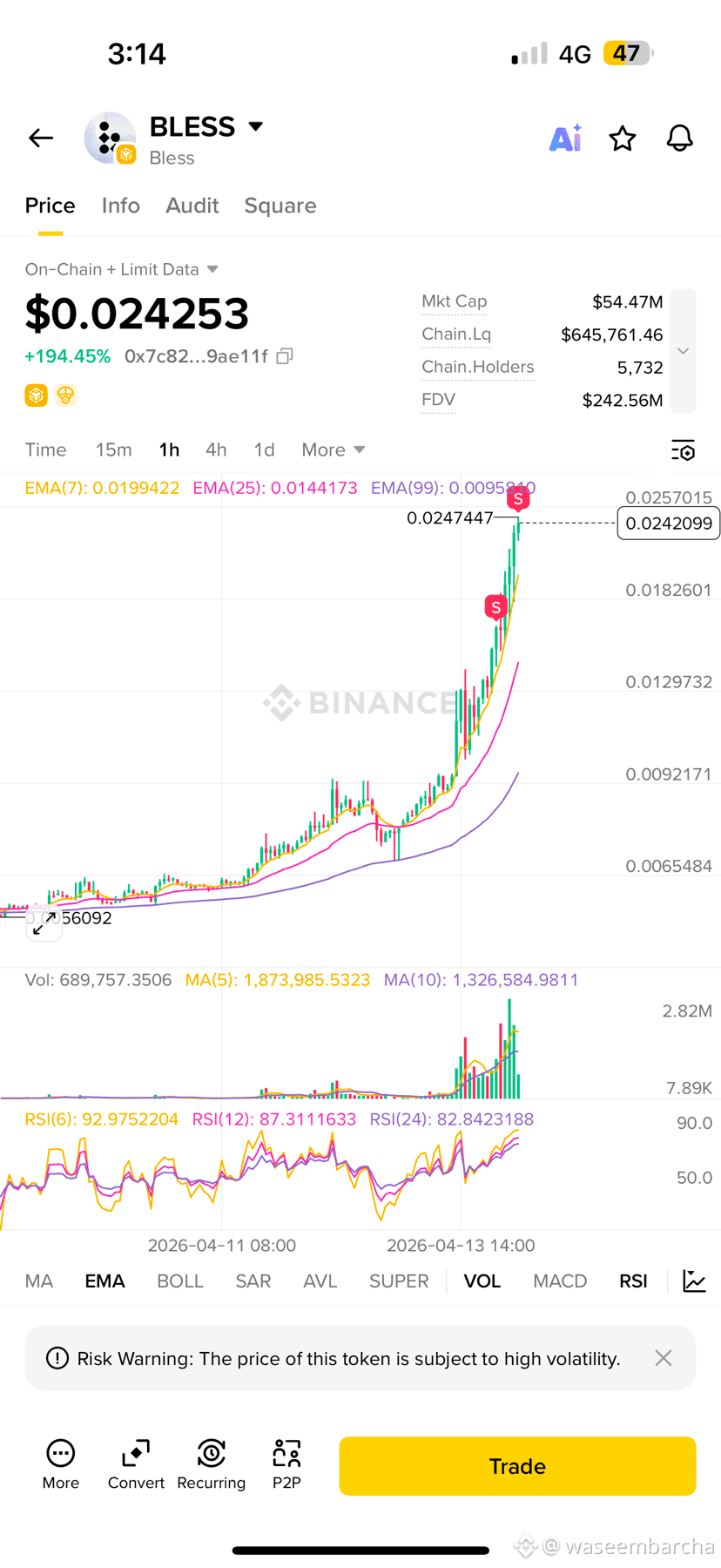
$BLESS just ging um +190% an einem einzigen Tag 🚀
Das ist genau der Punkt, an dem die meisten Menschen gefangen werden…
Ich habe Gewinne bei 3x gesichert – nicht weil ich daran zweifle,
sondern weil parabolische Bewegungen wie diese nicht ohne Risiko kommen.
Wenn der Preis vertikal geht, wird das kluge Geld vorsichtig.
Immer noch eine Position für mehr Aufwärtspotenzial,
aber der Druck ist jetzt weg.
Was ist dein Zug hier? 👀
#bless
$BLESS just ging um +190% an einem einzigen Tag 🚀
Das ist genau der Punkt, an dem die meisten Menschen gefangen werden…
Ich habe Gewinne bei 3x gesichert – nicht weil ich daran zweifle,
sondern weil parabolische Bewegungen wie diese nicht ohne Risiko kommen.
Wenn der Preis vertikal geht, wird das kluge Geld vorsichtig.
Immer noch eine Position für mehr Aufwärtspotenzial,
aber der Druck ist jetzt weg.
Was ist dein Zug hier? 👀
#bless
Das ist genau der Punkt, an dem die meisten Menschen gefangen werden…
Ich habe Gewinne bei 3x gesichert – nicht weil ich daran zweifle,
sondern weil parabolische Bewegungen wie diese nicht ohne Risiko kommen.
Wenn der Preis vertikal geht, wird das kluge Geld vorsichtig.
Immer noch eine Position für mehr Aufwärtspotenzial,
aber der Druck ist jetzt weg.
Was ist dein Zug hier? 👀
#bless
4
399
·
--
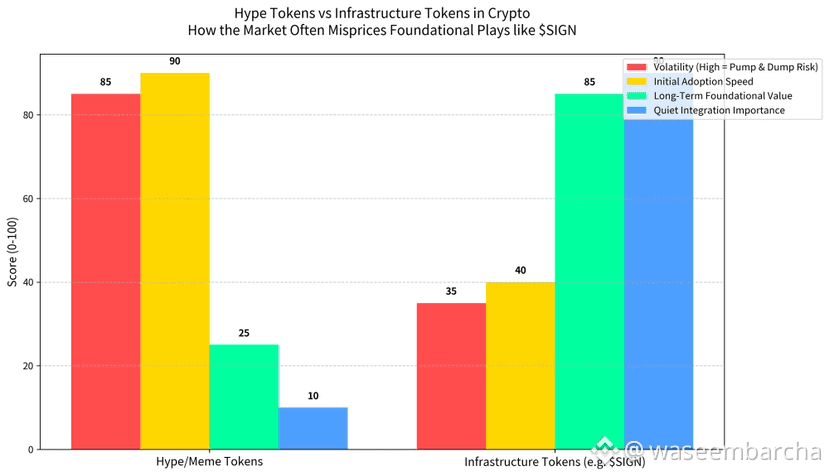
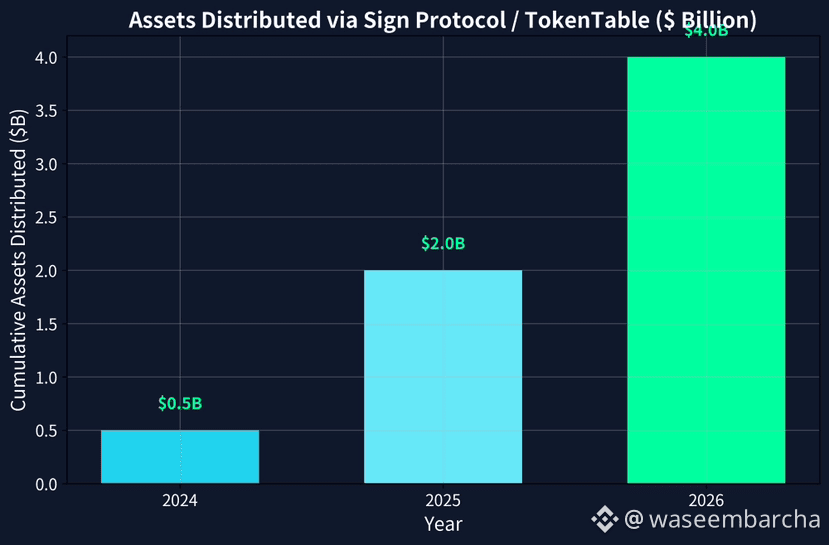
Ich denke, dass der Markt $SIGN völlig falsch bewertet.
Nicht, weil es im üblichen Sinne "der Preis wird steigen" unterbewertet ist, sondern weil die Leute es in die falsche mentale Kategorie einordnen.
Die meisten Token werden so beurteilt:
👉 Was macht es?
👉 Wie schnell kann es wachsen?
👉 Wo ist der Hype?
Aber Infrastruktur funktioniert nicht so.
Man merkt es nicht, wenn es funktioniert.
Man merkt es nur, wenn es kaputt geht, und bis dahin ist es schon viel zu wichtig.
Das ist der seltsame Teil an @SignOfficial .
Wenn es tatsächlich Teil von Verifizierungs- + Vertrauensschichten wird, sieht die Akzeptanz nicht wie ein Pump aus.
Es sieht wie eine ruhige Integration aus, und das sind die, die die Leute normalerweise früh verpassen.
Ich habe diesen Fehler schon gemacht, indem ich lautere Narrative verfolgt habe.
Ich eile hier nicht, sondern beobachte diesmal sorgfältiger.
Glaubst du, dass Infra-Spiele schwieriger in Krypto zu bewerten sind?
#SignDigitalSovereignInfra @SignOfficial $SIGN
Ich denke, dass der Markt $SIGN völlig falsch bewertet.
Nicht, weil es im üblichen Sinne "der Preis wird steigen" unterbewertet ist, sondern weil die Leute es in die falsche mentale Kategorie einordnen.
Die meisten Token werden so beurteilt:
👉 Was macht es?
👉 Wie schnell kann es wachsen?
👉 Wo ist der Hype?
Aber Infrastruktur funktioniert nicht so.
Man merkt es nicht, wenn es funktioniert.
Man merkt es nur, wenn es kaputt geht, und bis dahin ist es schon viel zu wichtig.
Das ist der seltsame Teil an @SignOfficial .
Wenn es tatsächlich Teil von Verifizierungs- + Vertrauensschichten wird, sieht die Akzeptanz nicht wie ein Pump aus.
Es sieht wie eine ruhige Integration aus, und das sind die, die die Leute normalerweise früh verpassen.
Ich habe diesen Fehler schon gemacht, indem ich lautere Narrative verfolgt habe.
Ich eile hier nicht, sondern beobachte diesmal sorgfältiger.
Glaubst du, dass Infra-Spiele schwieriger in Krypto zu bewerten sind?
#SignDigitalSovereignInfra @SignOfficial $SIGN
Nicht, weil es im üblichen Sinne "der Preis wird steigen" unterbewertet ist, sondern weil die Leute es in die falsche mentale Kategorie einordnen.
Die meisten Token werden so beurteilt:
👉 Was macht es?
👉 Wie schnell kann es wachsen?
👉 Wo ist der Hype?
Aber Infrastruktur funktioniert nicht so.
Man merkt es nicht, wenn es funktioniert.
Man merkt es nur, wenn es kaputt geht, und bis dahin ist es schon viel zu wichtig.
Das ist der seltsame Teil an @SignOfficial .
Wenn es tatsächlich Teil von Verifizierungs- + Vertrauensschichten wird, sieht die Akzeptanz nicht wie ein Pump aus.
Es sieht wie eine ruhige Integration aus, und das sind die, die die Leute normalerweise früh verpassen.
Ich habe diesen Fehler schon gemacht, indem ich lautere Narrative verfolgt habe.
Ich eile hier nicht, sondern beobachte diesmal sorgfältiger.
Glaubst du, dass Infra-Spiele schwieriger in Krypto zu bewerten sind?
#SignDigitalSovereignInfra @SignOfficial $SIGN
3
10
258
·
--
Artikel
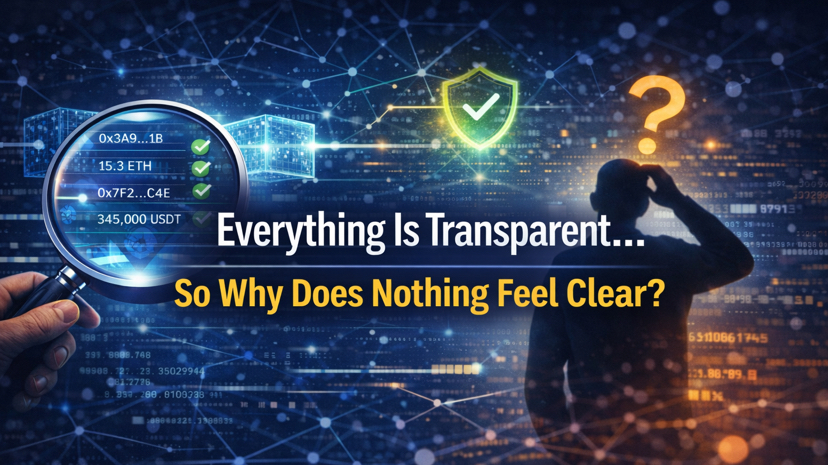
Alles ist transparent… Warum fühlt sich dann nichts klar an?Es gibt etwas an Krypto, das mich in letzter Zeit stört.
Wir sollen das transparenteste Finanzsystem haben, das je gebaut wurde. Jede Wallet, jede Transaktion, jede Bewegung ist auf der Blockchain sichtbar. Man kann alles in Echtzeit verfolgen. Auf Papier klingt es nach ultimativer Klarheit.
Aber in Wirklichkeit? Es fühlt sich oft alles andere als klar an.
Ich habe mich dabei ertappt, dass ich dies viel zu oft tue: Ich öffne einen Block-Explorer, scrolle durch Seiten von Transaktionen, zoome auf bestimmte Wallets und überzeuge mich selbst, dass ich verstehe, was vor sich geht. Zehn Minuten später schließe ich den Tab und fühle mich verwirrter als zu Beginn.
Alles ist transparent… Warum fühlt sich dann nichts klar an?
Es gibt etwas an Krypto, das mich in letzter Zeit stört.
Wir sollen das transparenteste Finanzsystem haben, das je gebaut wurde. Jede Wallet, jede Transaktion, jede Bewegung ist auf der Blockchain sichtbar. Man kann alles in Echtzeit verfolgen. Auf Papier klingt es nach ultimativer Klarheit.
Aber in Wirklichkeit? Es fühlt sich oft alles andere als klar an.
Ich habe mich dabei ertappt, dass ich dies viel zu oft tue: Ich öffne einen Block-Explorer, scrolle durch Seiten von Transaktionen, zoome auf bestimmte Wallets und überzeuge mich selbst, dass ich verstehe, was vor sich geht. Zehn Minuten später schließe ich den Tab und fühle mich verwirrter als zu Beginn.
Wir sollen das transparenteste Finanzsystem haben, das je gebaut wurde. Jede Wallet, jede Transaktion, jede Bewegung ist auf der Blockchain sichtbar. Man kann alles in Echtzeit verfolgen. Auf Papier klingt es nach ultimativer Klarheit.
Aber in Wirklichkeit? Es fühlt sich oft alles andere als klar an.
Ich habe mich dabei ertappt, dass ich dies viel zu oft tue: Ich öffne einen Block-Explorer, scrolle durch Seiten von Transaktionen, zoome auf bestimmte Wallets und überzeuge mich selbst, dass ich verstehe, was vor sich geht. Zehn Minuten später schließe ich den Tab und fühle mich verwirrter als zu Beginn.
2
10
122
·
--
$SIGN : DER VERBORGENE HANDLUNGSKOMPROMISS IN VERIFIKATIONSSYSTEMEN
Hier ist etwas, das mir lately im Kopf herumgeht.
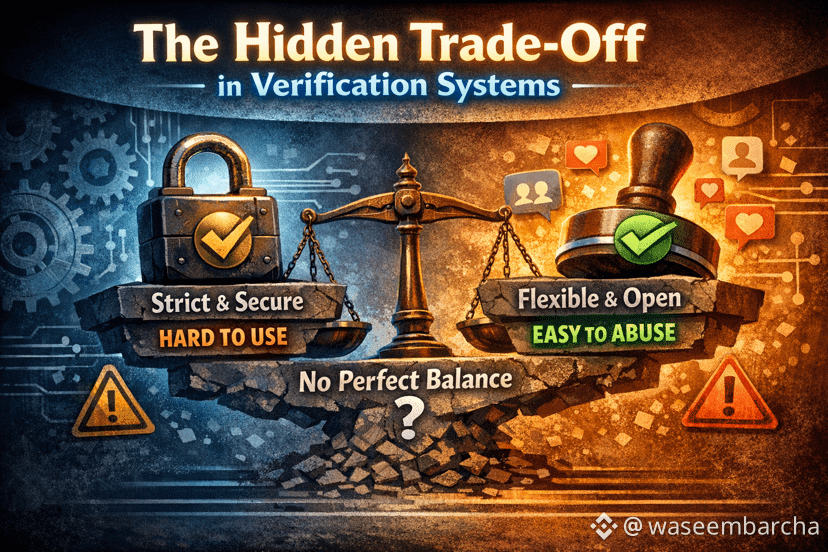
Jedes Verifikationssystem hat diesen stillen Kompromiss, über den niemand spricht.
👉 Mach es streng → schwerer zu benutzen
👉 Mach es flexibel → einfacher auszunutzen
Es gibt kein perfektes Mittel.
Als ich tiefer in @SignOfficial schaute, wurde dieses Gleichgewicht wirklich offensichtlich.
Wenn $SIGN Attestierungen zu starr macht, werden Entwickler es nicht nutzen.
Aber wenn es zu offen ist, riskierst du, dass qualitativ minderwertige oder irreführende Attestierungen das System überschwemmen.
Das ist kein technisches Problem. Es ist eine Designphilosophie. Und ehrlich? Ich denke, hier scheitern oder haben die meisten Protokolle entweder stillen Erfolg oder langsam Misserfolg.
Es gibt keinen dramatischen Absturz. Es verliert einfach im Laufe der Zeit an Zuverlässigkeit. Die Leute hören auf, ihm zu vertrauen, ohne wirklich zu wissen, warum. Dann schaust du eines Tages auf und niemand benutzt es mehr.
Ich versuche immer noch herauszufinden, wie Sign dieses Gleichgewicht handhabt. Ich habe die Antwort nicht. Aber ich weiß, dass jeder, der so tut, als wäre es einfach, tatsächlich nicht darüber nachgedacht hat. Denn "mehr Verifikation" klingt in der Theorie gut. Aber in der Praxis? Zu viel Verifikation tötet die Akzeptanz genauso schnell wie zu wenig.
Wohin würdest du tendieren, zu strengen Systemen, die sich sicher, aber umständlich anfühlen, oder zu flexiblen, die sich einfach, aber riskant anfühlen? 👇
#SignDigitalSovereignInfra $SIGN
$SIGN : DER VERBORGENE HANDLUNGSKOMPROMISS IN VERIFIKATIONSSYSTEMEN
Hier ist etwas, das mir lately im Kopf herumgeht.
Jedes Verifikationssystem hat diesen stillen Kompromiss, über den niemand spricht.
👉 Mach es streng → schwerer zu benutzen
👉 Mach es flexibel → einfacher auszunutzen
Es gibt kein perfektes Mittel.
Als ich tiefer in @SignOfficial schaute, wurde dieses Gleichgewicht wirklich offensichtlich.
Wenn $SIGN Attestierungen zu starr macht, werden Entwickler es nicht nutzen.
Aber wenn es zu offen ist, riskierst du, dass qualitativ minderwertige oder irreführende Attestierungen das System überschwemmen.
Das ist kein technisches Problem. Es ist eine Designphilosophie. Und ehrlich? Ich denke, hier scheitern oder haben die meisten Protokolle entweder stillen Erfolg oder langsam Misserfolg.
Es gibt keinen dramatischen Absturz. Es verliert einfach im Laufe der Zeit an Zuverlässigkeit. Die Leute hören auf, ihm zu vertrauen, ohne wirklich zu wissen, warum. Dann schaust du eines Tages auf und niemand benutzt es mehr.
Ich versuche immer noch herauszufinden, wie Sign dieses Gleichgewicht handhabt. Ich habe die Antwort nicht. Aber ich weiß, dass jeder, der so tut, als wäre es einfach, tatsächlich nicht darüber nachgedacht hat. Denn "mehr Verifikation" klingt in der Theorie gut. Aber in der Praxis? Zu viel Verifikation tötet die Akzeptanz genauso schnell wie zu wenig.
Wohin würdest du tendieren, zu strengen Systemen, die sich sicher, aber umständlich anfühlen, oder zu flexiblen, die sich einfach, aber riskant anfühlen? 👇
#SignDigitalSovereignInfra $SIGN
Hier ist etwas, das mir lately im Kopf herumgeht.
Jedes Verifikationssystem hat diesen stillen Kompromiss, über den niemand spricht.
👉 Mach es streng → schwerer zu benutzen
👉 Mach es flexibel → einfacher auszunutzen
Es gibt kein perfektes Mittel.
Als ich tiefer in @SignOfficial schaute, wurde dieses Gleichgewicht wirklich offensichtlich.
Wenn $SIGN Attestierungen zu starr macht, werden Entwickler es nicht nutzen.
Aber wenn es zu offen ist, riskierst du, dass qualitativ minderwertige oder irreführende Attestierungen das System überschwemmen.
Das ist kein technisches Problem. Es ist eine Designphilosophie. Und ehrlich? Ich denke, hier scheitern oder haben die meisten Protokolle entweder stillen Erfolg oder langsam Misserfolg.
Es gibt keinen dramatischen Absturz. Es verliert einfach im Laufe der Zeit an Zuverlässigkeit. Die Leute hören auf, ihm zu vertrauen, ohne wirklich zu wissen, warum. Dann schaust du eines Tages auf und niemand benutzt es mehr.
Ich versuche immer noch herauszufinden, wie Sign dieses Gleichgewicht handhabt. Ich habe die Antwort nicht. Aber ich weiß, dass jeder, der so tut, als wäre es einfach, tatsächlich nicht darüber nachgedacht hat. Denn "mehr Verifikation" klingt in der Theorie gut. Aber in der Praxis? Zu viel Verifikation tötet die Akzeptanz genauso schnell wie zu wenig.
Wohin würdest du tendieren, zu strengen Systemen, die sich sicher, aber umständlich anfühlen, oder zu flexiblen, die sich einfach, aber riskant anfühlen? 👇
#SignDigitalSovereignInfra $SIGN
5
14
120
·
--
Artikel
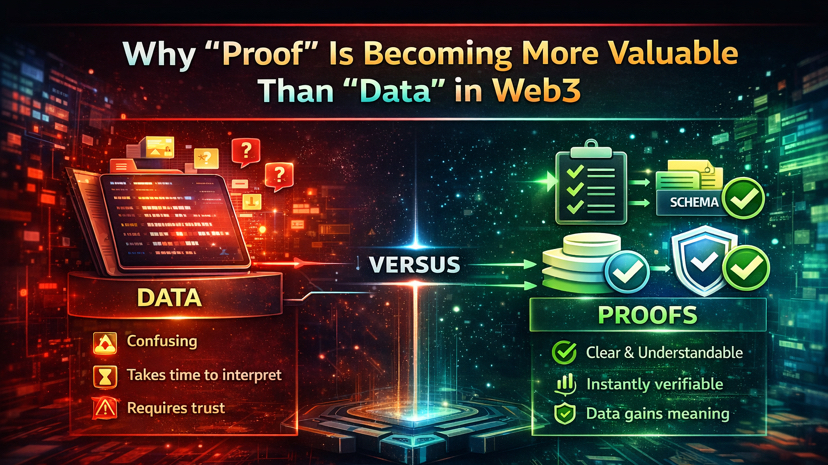
Warum "Proof" wertvoller werden könnte als "Data" in Web3Ich bin lange genug im Crypto-Bereich, um zu wissen, dass wir Daten lieben. Transaktionen, Wallet-Aktivitäten, On-Chain-Metriken.
Alles aufgezeichnet, alles "transparent." Aber in letzter Zeit habe ich mich etwas gefragt, das mich unwohl fühlen lässt: Warum fühle ich mich immer noch halb verloren?
Daten sind überall. Aber Verständnis? Das ist immer noch selten. Und ehrlich gesagt, stört mich diese Lücke mehr, als ich erwartet habe.
Auf dem Papier hat die Blockchain die Transparenz gelöst. Man kann Transaktionen sehen, Salden überprüfen, Bewegungen nachverfolgen. Aber seien wir mal ehrlich für einen Moment. Wann hast du das letzte Mal einen Block-Explorer angeschaut und wusstest tatsächlich, was du gesehen hast, ohne dass dir jemand die Hand gehalten hat?
Warum "Proof" wertvoller werden könnte als "Data" in Web3
Ich bin lange genug im Crypto-Bereich, um zu wissen, dass wir Daten lieben. Transaktionen, Wallet-Aktivitäten, On-Chain-Metriken.
Alles aufgezeichnet, alles "transparent." Aber in letzter Zeit habe ich mich etwas gefragt, das mich unwohl fühlen lässt: Warum fühle ich mich immer noch halb verloren?
Daten sind überall. Aber Verständnis? Das ist immer noch selten. Und ehrlich gesagt, stört mich diese Lücke mehr, als ich erwartet habe.
Auf dem Papier hat die Blockchain die Transparenz gelöst. Man kann Transaktionen sehen, Salden überprüfen, Bewegungen nachverfolgen. Aber seien wir mal ehrlich für einen Moment. Wann hast du das letzte Mal einen Block-Explorer angeschaut und wusstest tatsächlich, was du gesehen hast, ohne dass dir jemand die Hand gehalten hat?
Alles aufgezeichnet, alles "transparent." Aber in letzter Zeit habe ich mich etwas gefragt, das mich unwohl fühlen lässt: Warum fühle ich mich immer noch halb verloren?
Daten sind überall. Aber Verständnis? Das ist immer noch selten. Und ehrlich gesagt, stört mich diese Lücke mehr, als ich erwartet habe.
Auf dem Papier hat die Blockchain die Transparenz gelöst. Man kann Transaktionen sehen, Salden überprüfen, Bewegungen nachverfolgen. Aber seien wir mal ehrlich für einen Moment. Wann hast du das letzte Mal einen Block-Explorer angeschaut und wusstest tatsächlich, was du gesehen hast, ohne dass dir jemand die Hand gehalten hat?
4
11
266
·
--
WARUM DIE MEISTEN IDEEN ZUR ‚ON CHAIN REPUTATION‘ SCHEITERN?
Jeder möchte eine On-Chain-Reputation.
Aber fast niemand ist sich einig, was als Reputation zählt.
Ist es:
👉 Transaktionsgeschichte?
👉 Teilnahme?
👉 Empfehlungen?
👉 Oder etwas ganz anderes?
Das ist der Punkt, an dem ich denke, dass die meisten Systeme scheitern. Sie sammeln Daten, standardisieren aber nicht die Bedeutung.
Als ich anfing, mich mit @SignOfficial zu beschäftigen, kam ich immer wieder zu einer Sache zurück: strukturierten Bestätigungen. Klingt technisch, aber ehrlich? Es hat einfach Klick gemacht. Anstatt dass zufällige Daten herumfloating, gibt es einen Rahmen.
Nicht nur „Daten über dich“, sondern Daten, die einem definierten Schema folgen, mit Kontext. Das gibt mir tatsächlich ein wenig Hoffnung.
Das ist ein großer Unterschied.
Denn ohne Struktur wird Reputation wieder subjektiv, nur in einem anderen Format.
Es ist noch früh, aber $SIGN scheint in Richtung standardisierter Beweise zu tendieren, nicht nur zur Datensammlung.
Und ehrlich, das ist ein schwierigeres Problem, als es aussieht.
Was ist dir wichtiger: MEHR DATEN oder Daten, die für alle dasselbe bedeuten?
Teile deine Meinung unten mit. 👇
#SignDigitalSovereignInfra $SIGN
WARUM DIE MEISTEN IDEEN ZUR ‚ON CHAIN REPUTATION‘ SCHEITERN?
Jeder möchte eine On-Chain-Reputation.
Aber fast niemand ist sich einig, was als Reputation zählt.
Ist es:
👉 Transaktionsgeschichte?
👉 Teilnahme?
👉 Empfehlungen?
👉 Oder etwas ganz anderes?
Das ist der Punkt, an dem ich denke, dass die meisten Systeme scheitern. Sie sammeln Daten, standardisieren aber nicht die Bedeutung.
Als ich anfing, mich mit @SignOfficial zu beschäftigen, kam ich immer wieder zu einer Sache zurück: strukturierten Bestätigungen. Klingt technisch, aber ehrlich? Es hat einfach Klick gemacht. Anstatt dass zufällige Daten herumfloating, gibt es einen Rahmen.
Nicht nur „Daten über dich“, sondern Daten, die einem definierten Schema folgen, mit Kontext. Das gibt mir tatsächlich ein wenig Hoffnung.
Das ist ein großer Unterschied.
Denn ohne Struktur wird Reputation wieder subjektiv, nur in einem anderen Format.
Es ist noch früh, aber $SIGN scheint in Richtung standardisierter Beweise zu tendieren, nicht nur zur Datensammlung.
Und ehrlich, das ist ein schwierigeres Problem, als es aussieht.
Was ist dir wichtiger: MEHR DATEN oder Daten, die für alle dasselbe bedeuten?
Teile deine Meinung unten mit. 👇
#SignDigitalSovereignInfra $SIGN
Jeder möchte eine On-Chain-Reputation.
Aber fast niemand ist sich einig, was als Reputation zählt.
Ist es:
👉 Transaktionsgeschichte?
👉 Teilnahme?
👉 Empfehlungen?
👉 Oder etwas ganz anderes?
Das ist der Punkt, an dem ich denke, dass die meisten Systeme scheitern. Sie sammeln Daten, standardisieren aber nicht die Bedeutung.
Als ich anfing, mich mit @SignOfficial zu beschäftigen, kam ich immer wieder zu einer Sache zurück: strukturierten Bestätigungen. Klingt technisch, aber ehrlich? Es hat einfach Klick gemacht. Anstatt dass zufällige Daten herumfloating, gibt es einen Rahmen.
Nicht nur „Daten über dich“, sondern Daten, die einem definierten Schema folgen, mit Kontext. Das gibt mir tatsächlich ein wenig Hoffnung.
Das ist ein großer Unterschied.
Denn ohne Struktur wird Reputation wieder subjektiv, nur in einem anderen Format.
Es ist noch früh, aber $SIGN scheint in Richtung standardisierter Beweise zu tendieren, nicht nur zur Datensammlung.
Und ehrlich, das ist ein schwierigeres Problem, als es aussieht.
Was ist dir wichtiger: MEHR DATEN oder Daten, die für alle dasselbe bedeuten?
Teile deine Meinung unten mit. 👇
#SignDigitalSovereignInfra $SIGN

11
415
Anmelden und weiter Inhalte entdecken
Krypto-Nutzer weltweit auf Binance Square kennenlernen
⚡️ Bleib in Sachen Krypto stets am Puls.
💬 Die weltgrößte Kryptobörse vertraut darauf.
👍 Erhalte verlässliche Einblicke von verifizierten Creators.
E-Mail-Adresse/Telefonnummer
Trendthemen
QNTRises39%
20,316 Aufrufe
879 Kommentare
🚨 QNT SCHIESST NACH OBEN! 📈
$QNT macht heute eine riesige Bewegung, klettert um fast 40%, während der Kaufdruck beschleunigt.
Der Rallye hat Quant wieder fest ins Rampenlicht gestellt, und Händler beobachten, ob dieser Schwung weiter anhalten kann oder ob als Nächstes ein Rücksetzer kommt.
🔥 Das ist besonders wichtig zu beobachten:
• Starkes Handelsvolumen
• Momentum über den jüngsten Hochs
• Die $100 psychologische Marke
• Ob Käufer die Kontrolle behalten können
Große Bewegungen bringen große Volatilität. Bleib wachsam und steuere dein Risiko.
Beobachtest du $QNT? 👀
#QNT #altcoins #CryptoNews
#qntrises39% $QNT
The07
·4 Likes
·3.8k Aufrufe
EthereumBreaksAbove$2700
2,103 Aufrufe
84 Kommentare
BitgetBreachForgedRequestsNotStolenKeys
16,886 Aufrufe
681 Kommentare