

Vy Million
1.8k Beiträge

Vy Million
Melden
Nutzer blockieren
Cashback | Full-time Crypto | Since 2019 🌐 Zero → Financial Freedom via Crypto 🚀 BNB Diamond Hand | Binance Affiliate Partner |X: @vy_million
Trade eröffnen

BNB Halter
Regelmäßiger Trader
6.6 Jahre
229 Following
6.8K+ Follower
3.6K+ Like gegeben
Beiträge
Portfolio
Alle
Zitierungen
Videos
Live
PINNED
·
--
Artikel
5 Dinge, die ich mir gewünscht hätte, dass mir jemand vor 7 Jahren gesagt hätte, um mein Konto nicht zu verlieren.🔥 5 Dinge, die ich mir gewünscht hätte, dass mir jemand vor 7 Jahren gesagt hätte, um mein Konto nicht zu verlieren.
💵 Punkt Nummer 5 ist genau das, was ich bis jetzt anwende.
Ich habe 2019 mit dem Forex-Handel begonnen, du kannst mein Binance-Konto sehen, das im 2/2020 eröffnet wurde, mehr als 7 Jahre Erfahrung werde ich in diesem Artikel für dich zusammenfassen.
Geld verdienen durch Krypto-Investitionen ist mein Hauptberuf, bis ich vor kurzem mit traditionellem Geschäft angefangen habe, also habe ich fast alles erlebt, was ein Neuling durchmachen muss.
5 Dinge, die ich mir gewünscht hätte, dass mir jemand vor 7 Jahren gesagt hätte, um mein Konto nicht zu verlieren.
🔥 5 Dinge, die ich mir gewünscht hätte, dass mir jemand vor 7 Jahren gesagt hätte, um mein Konto nicht zu verlieren.
💵 Punkt Nummer 5 ist genau das, was ich bis jetzt anwende.
Ich habe 2019 mit dem Forex-Handel begonnen, du kannst mein Binance-Konto sehen, das im 2/2020 eröffnet wurde, mehr als 7 Jahre Erfahrung werde ich in diesem Artikel für dich zusammenfassen.
Geld verdienen durch Krypto-Investitionen ist mein Hauptberuf, bis ich vor kurzem mit traditionellem Geschäft angefangen habe, also habe ich fast alles erlebt, was ein Neuling durchmachen muss.
💵 Punkt Nummer 5 ist genau das, was ich bis jetzt anwende.
Ich habe 2019 mit dem Forex-Handel begonnen, du kannst mein Binance-Konto sehen, das im 2/2020 eröffnet wurde, mehr als 7 Jahre Erfahrung werde ich in diesem Artikel für dich zusammenfassen.
Geld verdienen durch Krypto-Investitionen ist mein Hauptberuf, bis ich vor kurzem mit traditionellem Geschäft angefangen habe, also habe ich fast alles erlebt, was ein Neuling durchmachen muss.
43
13
61
43.9k
PINNED
·
--
Danke Web3
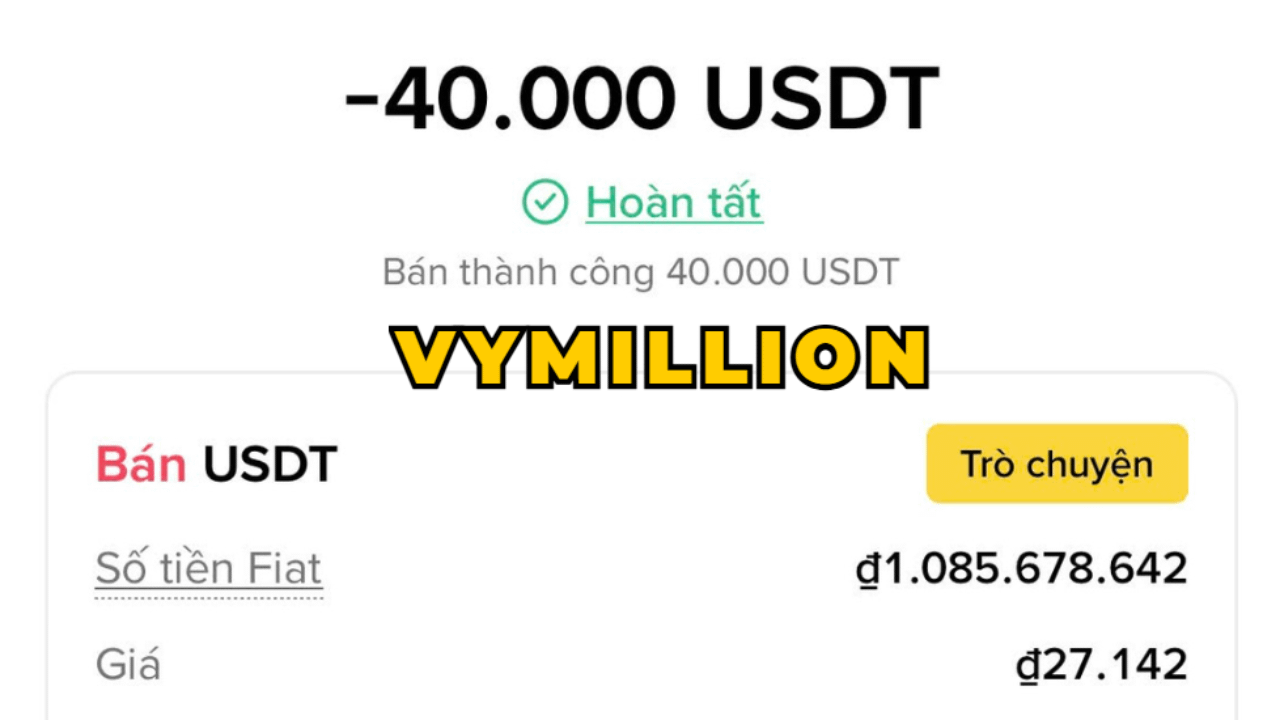
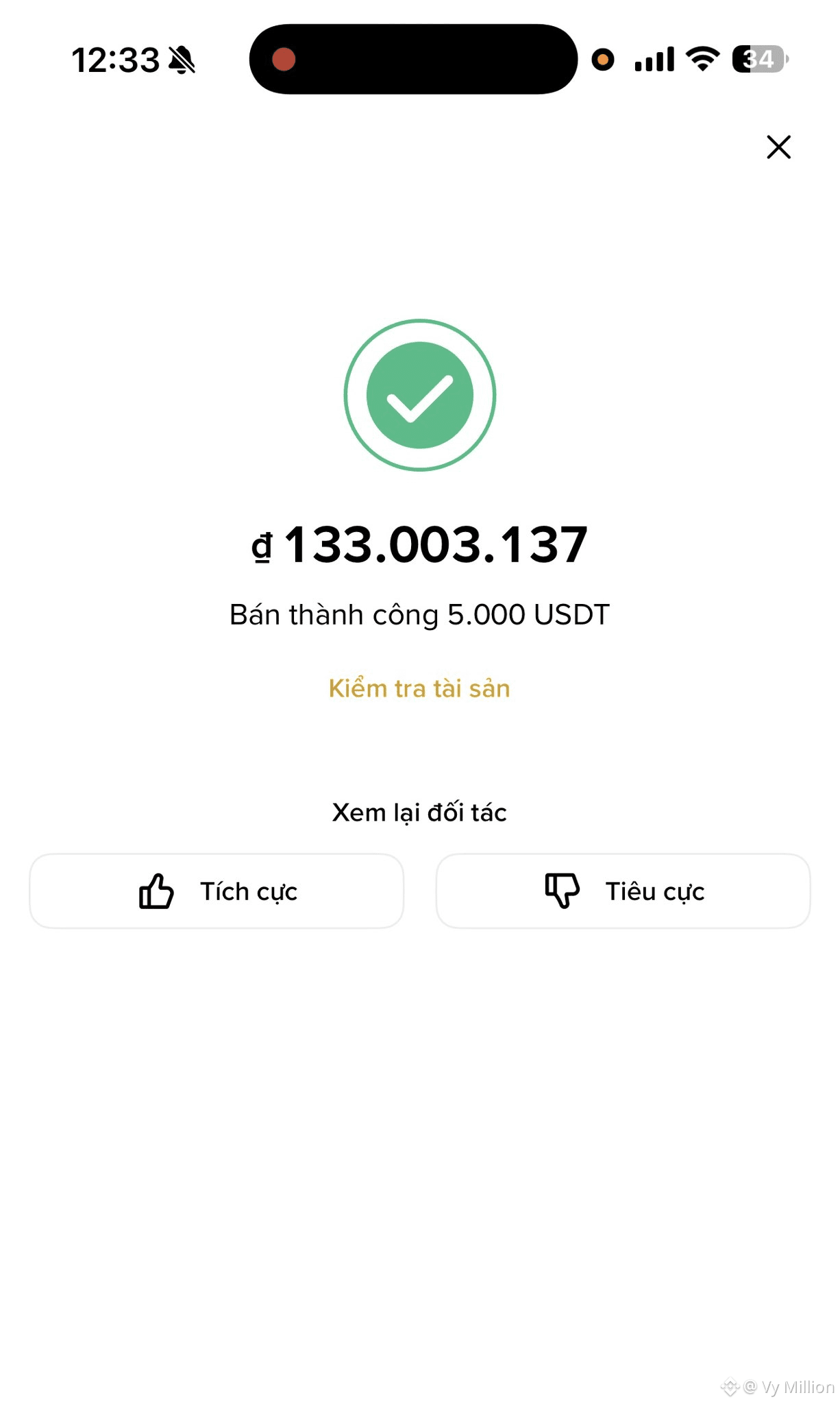
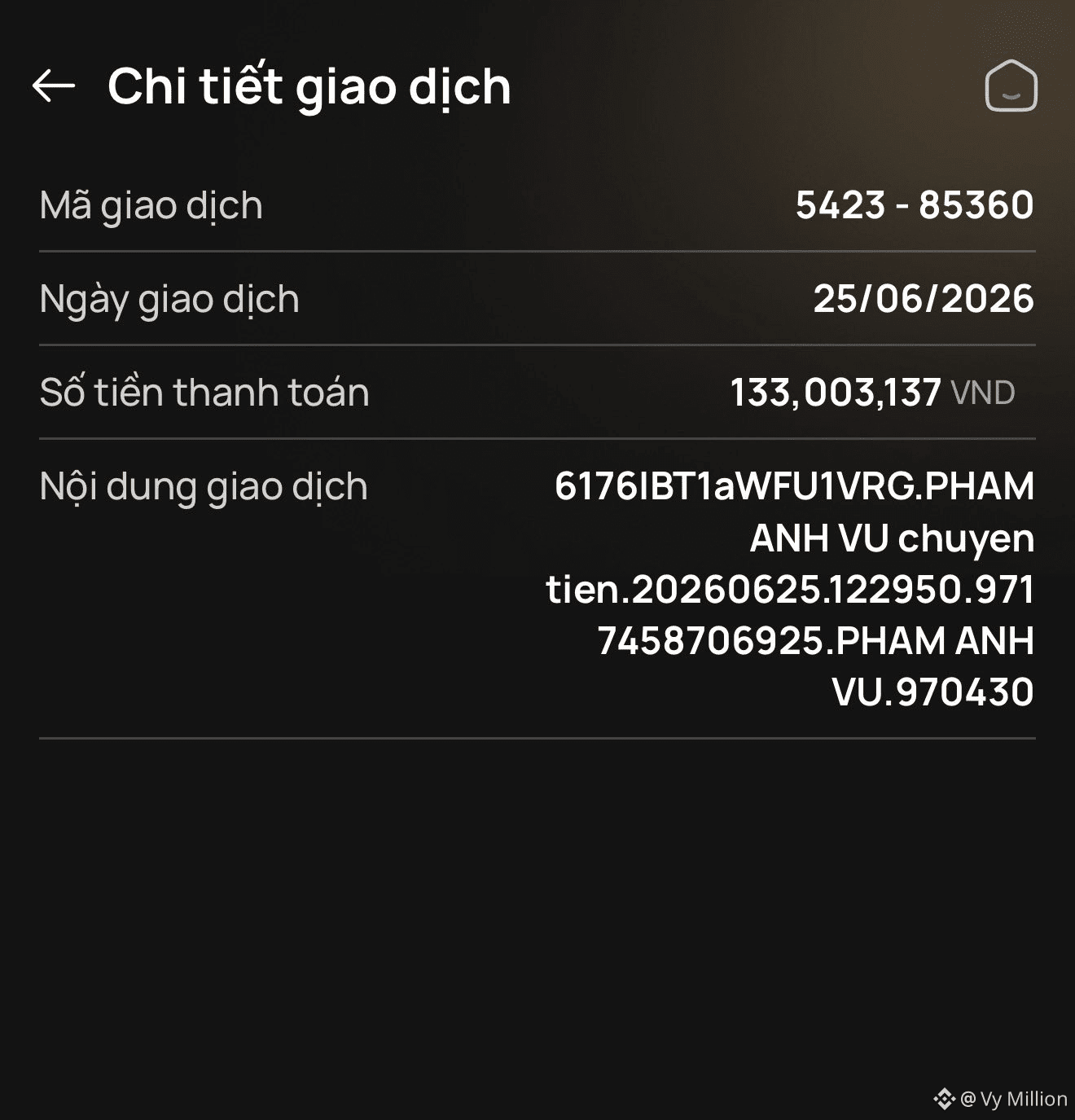
Heute habe ich gerade die P2P-Auszahlung auf Binance getestet und in nur 2 Minuten war alles erledigt – mit einem seriösen Händler.
Ich nutze Vietcombank seit 2017. Auszahlen ging bisher mit allen möglichen Beträgen: ein paar Millionen, zig Millionen, hundert Millionen – und sogar Milliardenbeträge. Es gab nie irgendwelche Probleme. Bringt euch doch Vietcombank mal als Option in Betracht.
Die ausgezahlten Beträge sind nicht so hoch wie bei anderen großen KOLs, aber ich kann selbstbewusst sagen, dass ich von diesem Beruf leben kann – rund um Investments in Crypto, Web3 oder MMO. (Wie auch immer ihr es nennt.) Ich bin so jemand, der einfach anpackt: Trading mache ich, Content mache ich, Airdrops, Gamefi – was auch immer es gibt, ich mache mit, weil das mein Hauptjob ist.
Vielleicht kann ich keine riesigen Orders zeigen wie andere, aber ich denke, es ist besser, offen zu teilen, was ich machen kann, und dann auch zu zeigen, wie man Geld verdient. Damit bin ich keinem anonymen KOL, der sein Gesicht nicht zeigt oder unter einem Namen versteckt ist, unterlegen.
Was ich kann, erzähle ich auch. Zum Beispiel: Neulich habe ich einem Freund dabei geholfen, 1200 $ Bonus über die Börse zu bekommen. Davon waren irgendwann schon 100 $ da, und ich habe es dann auch wieder durchgezogen – am Ende waren es 800 $. Und kürzlich habe ich eine Gruppe erstellt, die Neueinsteiger beim Affiliate-Marketing anleitet. Da ist sogar schon ein super einfacher Deal vorbereitet, mit dem ihr 200 $ verdienen könnt, ohne Startkapital – nur genug Leute einladen, dann reicht das. Aber wisst ihr was? Es macht kaum jemand mit.
Ich mache das nach meinem Geschmack: Man muss etwas tun, damit es sich lohnt. Nicht viel, aber stetig ist das Wichtigste. Warum hier ewig herum sitzen und auf ein 10x/100x-Setup warten?
Manchmal bin ich auch ziemlich traurig, weil die ursprüngliche Idee war, eine Gruppe zu schaffen und euch zu teilen – aber wenn der Deal dann ankommt, reagiert kaum jemand. Das hat mich dazu gebracht, Zeit zu investieren, um Deals zu finden und vorzubereiten. Und manchmal denke ich dann einfach: Soll ich weitermachen und weiter mit der Community teilen? Leute, gebt mir bitte einen Rat.
$BTC $BNB
{future}(BNBUSDT)
{future}(BTCUSDT)
#p2p
Danke Web3
Heute habe ich gerade die P2P-Auszahlung auf Binance getestet und in nur 2 Minuten war alles erledigt – mit einem seriösen Händler.
Ich nutze Vietcombank seit 2017. Auszahlen ging bisher mit allen möglichen Beträgen: ein paar Millionen, zig Millionen, hundert Millionen – und sogar Milliardenbeträge. Es gab nie irgendwelche Probleme. Bringt euch doch Vietcombank mal als Option in Betracht.
Die ausgezahlten Beträge sind nicht so hoch wie bei anderen großen KOLs, aber ich kann selbstbewusst sagen, dass ich von diesem Beruf leben kann – rund um Investments in Crypto, Web3 oder MMO. (Wie auch immer ihr es nennt.) Ich bin so jemand, der einfach anpackt: Trading mache ich, Content mache ich, Airdrops, Gamefi – was auch immer es gibt, ich mache mit, weil das mein Hauptjob ist.
Vielleicht kann ich keine riesigen Orders zeigen wie andere, aber ich denke, es ist besser, offen zu teilen, was ich machen kann, und dann auch zu zeigen, wie man Geld verdient. Damit bin ich keinem anonymen KOL, der sein Gesicht nicht zeigt oder unter einem Namen versteckt ist, unterlegen.
Was ich kann, erzähle ich auch. Zum Beispiel: Neulich habe ich einem Freund dabei geholfen, 1200 $ Bonus über die Börse zu bekommen. Davon waren irgendwann schon 100 $ da, und ich habe es dann auch wieder durchgezogen – am Ende waren es 800 $. Und kürzlich habe ich eine Gruppe erstellt, die Neueinsteiger beim Affiliate-Marketing anleitet. Da ist sogar schon ein super einfacher Deal vorbereitet, mit dem ihr 200 $ verdienen könnt, ohne Startkapital – nur genug Leute einladen, dann reicht das. Aber wisst ihr was? Es macht kaum jemand mit.
Ich mache das nach meinem Geschmack: Man muss etwas tun, damit es sich lohnt. Nicht viel, aber stetig ist das Wichtigste. Warum hier ewig herum sitzen und auf ein 10x/100x-Setup warten?
Manchmal bin ich auch ziemlich traurig, weil die ursprüngliche Idee war, eine Gruppe zu schaffen und euch zu teilen – aber wenn der Deal dann ankommt, reagiert kaum jemand. Das hat mich dazu gebracht, Zeit zu investieren, um Deals zu finden und vorzubereiten. Und manchmal denke ich dann einfach: Soll ich weitermachen und weiter mit der Community teilen? Leute, gebt mir bitte einen Rat.
$BTC $BNB
#p2p
Heute habe ich gerade die P2P-Auszahlung auf Binance getestet und in nur 2 Minuten war alles erledigt – mit einem seriösen Händler.
Ich nutze Vietcombank seit 2017. Auszahlen ging bisher mit allen möglichen Beträgen: ein paar Millionen, zig Millionen, hundert Millionen – und sogar Milliardenbeträge. Es gab nie irgendwelche Probleme. Bringt euch doch Vietcombank mal als Option in Betracht.
Die ausgezahlten Beträge sind nicht so hoch wie bei anderen großen KOLs, aber ich kann selbstbewusst sagen, dass ich von diesem Beruf leben kann – rund um Investments in Crypto, Web3 oder MMO. (Wie auch immer ihr es nennt.) Ich bin so jemand, der einfach anpackt: Trading mache ich, Content mache ich, Airdrops, Gamefi – was auch immer es gibt, ich mache mit, weil das mein Hauptjob ist.
Vielleicht kann ich keine riesigen Orders zeigen wie andere, aber ich denke, es ist besser, offen zu teilen, was ich machen kann, und dann auch zu zeigen, wie man Geld verdient. Damit bin ich keinem anonymen KOL, der sein Gesicht nicht zeigt oder unter einem Namen versteckt ist, unterlegen.
Was ich kann, erzähle ich auch. Zum Beispiel: Neulich habe ich einem Freund dabei geholfen, 1200 $ Bonus über die Börse zu bekommen. Davon waren irgendwann schon 100 $ da, und ich habe es dann auch wieder durchgezogen – am Ende waren es 800 $. Und kürzlich habe ich eine Gruppe erstellt, die Neueinsteiger beim Affiliate-Marketing anleitet. Da ist sogar schon ein super einfacher Deal vorbereitet, mit dem ihr 200 $ verdienen könnt, ohne Startkapital – nur genug Leute einladen, dann reicht das. Aber wisst ihr was? Es macht kaum jemand mit.
Ich mache das nach meinem Geschmack: Man muss etwas tun, damit es sich lohnt. Nicht viel, aber stetig ist das Wichtigste. Warum hier ewig herum sitzen und auf ein 10x/100x-Setup warten?
Manchmal bin ich auch ziemlich traurig, weil die ursprüngliche Idee war, eine Gruppe zu schaffen und euch zu teilen – aber wenn der Deal dann ankommt, reagiert kaum jemand. Das hat mich dazu gebracht, Zeit zu investieren, um Deals zu finden und vorzubereiten. Und manchmal denke ich dann einfach: Soll ich weitermachen und weiter mit der Community teilen? Leute, gebt mir bitte einen Rat.
$BTC $BNB
#p2p
3
2
26
2.1k
·
--
Übersetzung ansehen
Chỉ còn 58 members nữa thôi là tôi sẽ đạt 2000 members và tôi sẽ tạo airdrop bên trong nhóm với giá trị 15$ cho 150 slot
Bạn đã vào chưa?
Chỉ còn 58 members nữa thôi là tôi sẽ đạt 2000 members và tôi sẽ tạo airdrop bên trong nhóm với giá trị 15$ cho 150 slot
Bạn đã vào chưa?
Bạn đã vào chưa?
5
379
·
--
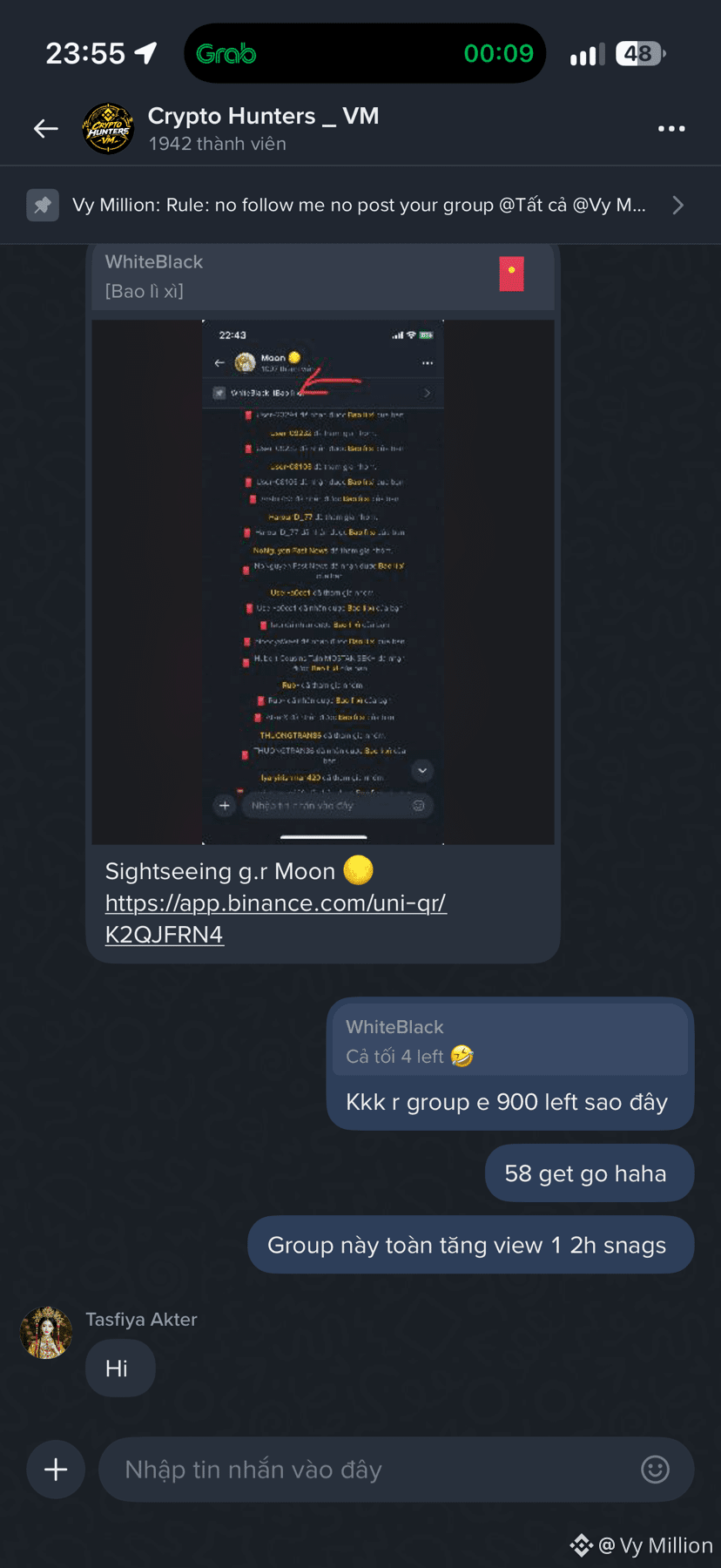
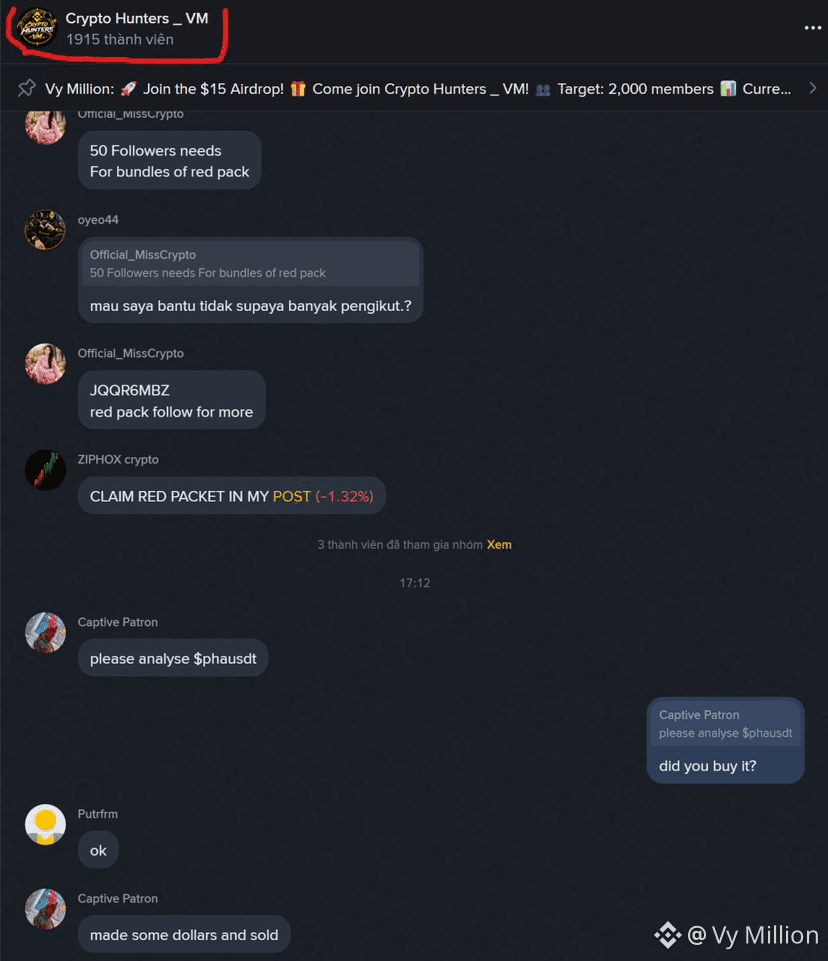
Freut mich zu sehen, dass meine Gruppe kurz davor steht, die 2000-Mitglieder-Grenze zu erreichen.
Ich werde so bald wie möglich innerhalb der Gruppe ein Airdrop mit 150 Slots unter der Bezeichnung 15$ airdrop erstellen, sobald die Gruppe genug 2000 Mitglieder hat.
Du kannst ein Glücks-Losticket erhalten, indem du die Glückszahl kommentierst. Ich habe sie in der Gruppe angepinnt. #vymillion
Freut mich zu sehen, dass meine Gruppe kurz davor steht, die 2000-Mitglieder-Grenze zu erreichen.
Ich werde so bald wie möglich innerhalb der Gruppe ein Airdrop mit 150 Slots unter der Bezeichnung 15$ airdrop erstellen, sobald die Gruppe genug 2000 Mitglieder hat.
Du kannst ein Glücks-Losticket erhalten, indem du die Glückszahl kommentierst. Ich habe sie in der Gruppe angepinnt. #vymillion
Ich werde so bald wie möglich innerhalb der Gruppe ein Airdrop mit 150 Slots unter der Bezeichnung 15$ airdrop erstellen, sobald die Gruppe genug 2000 Mitglieder hat.
Du kannst ein Glücks-Losticket erhalten, indem du die Glückszahl kommentierst. Ich habe sie in der Gruppe angepinnt. #vymillion
655
3
43
655
·
--
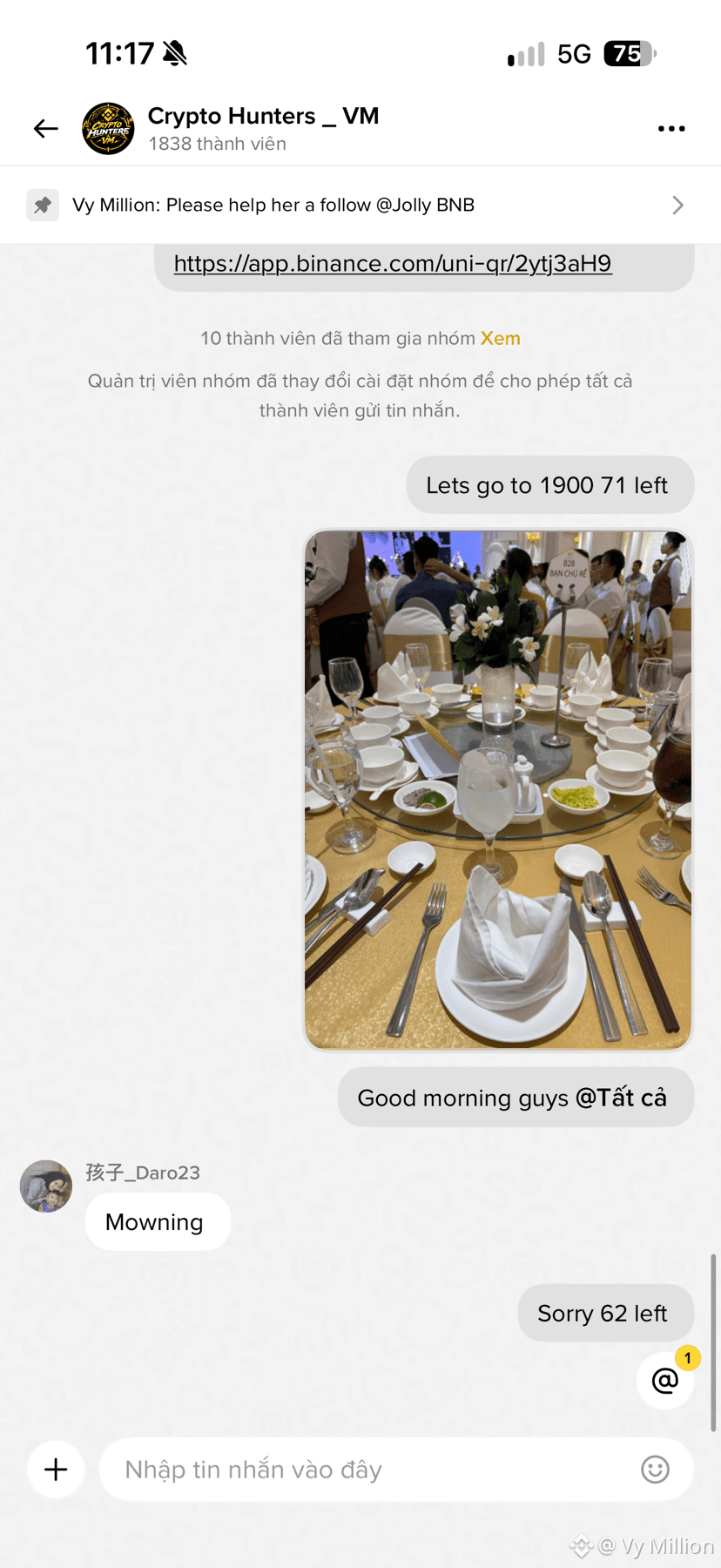
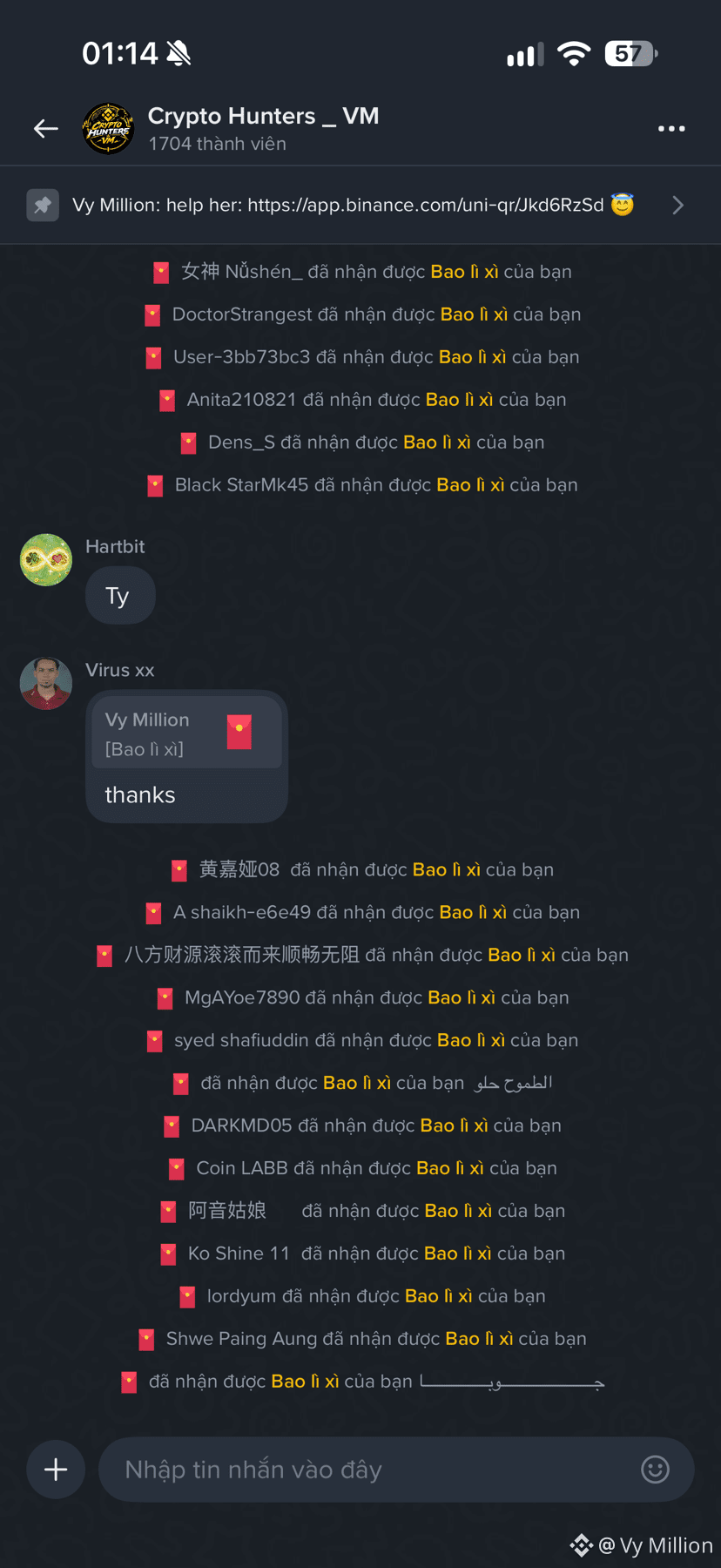
62 Mitglieder übrig, ich werde 🧧 in meiner Gruppe machen
Bist du beigetreten?
62 Mitglieder übrig, ich werde 🧧 in meiner Gruppe machen
Bist du beigetreten?
Bist du beigetreten?
414
3
33
414
·
--
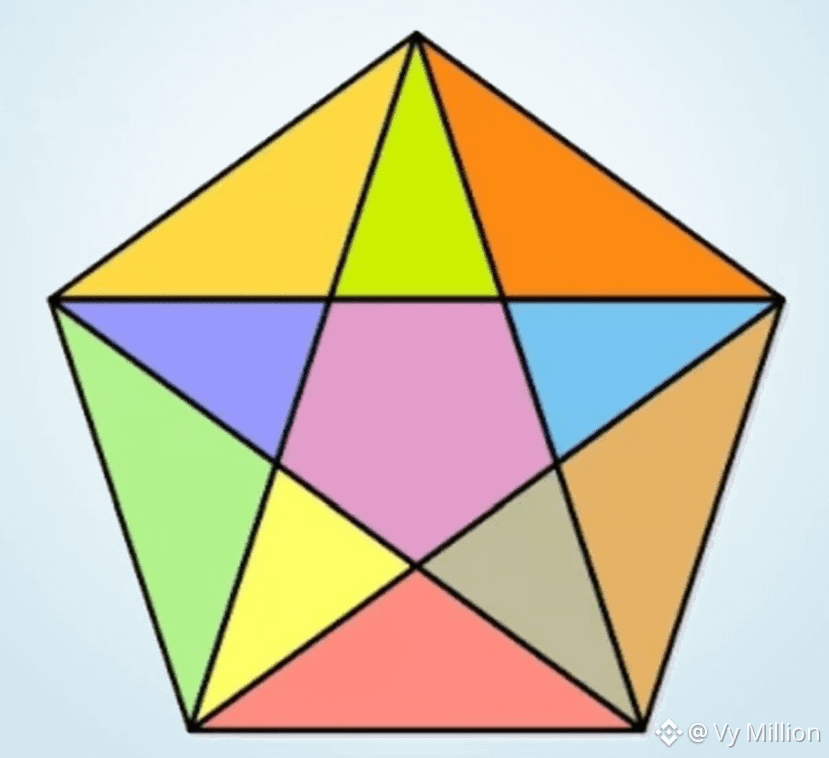
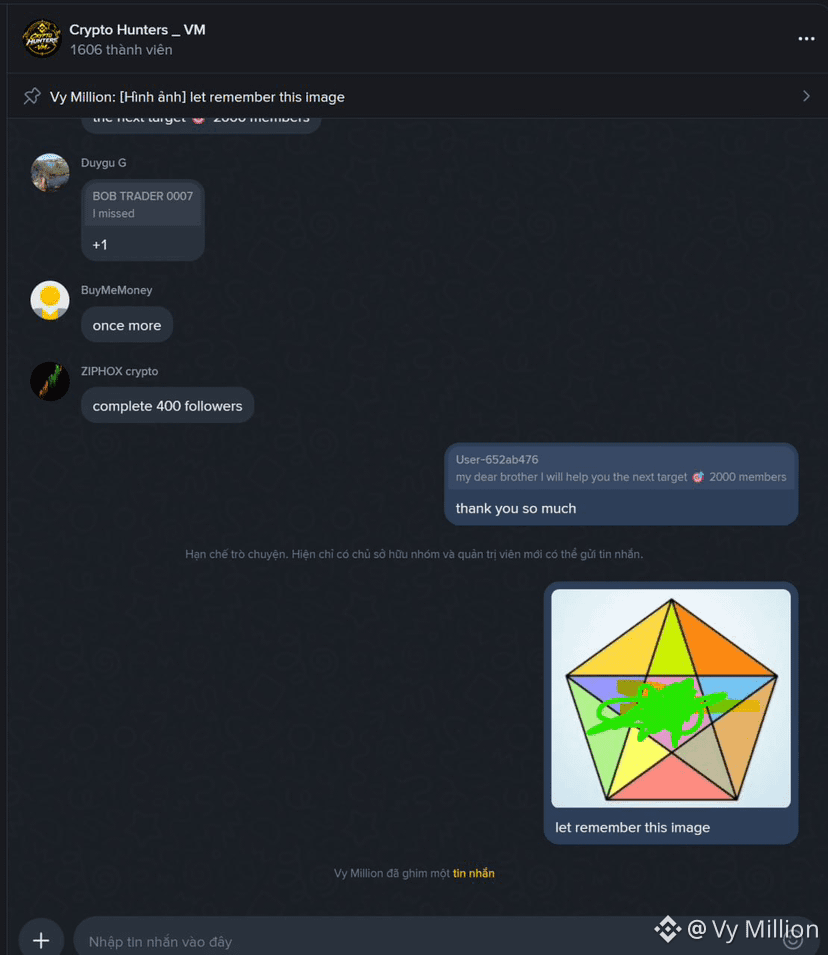
How many triangles are there in the picture?
Die richtige Antwort befindet sich in meiner Gruppe. Ich habe die Gruppe unten angehängt
$BTC
{future}(BTCUSDT)
How many triangles are there in the picture?
Die richtige Antwort befindet sich in meiner Gruppe. Ich habe die Gruppe unten angehängt
$BTC
Die richtige Antwort befindet sich in meiner Gruppe. Ich habe die Gruppe unten angehängt
$BTC
521
4
42
521
·
--
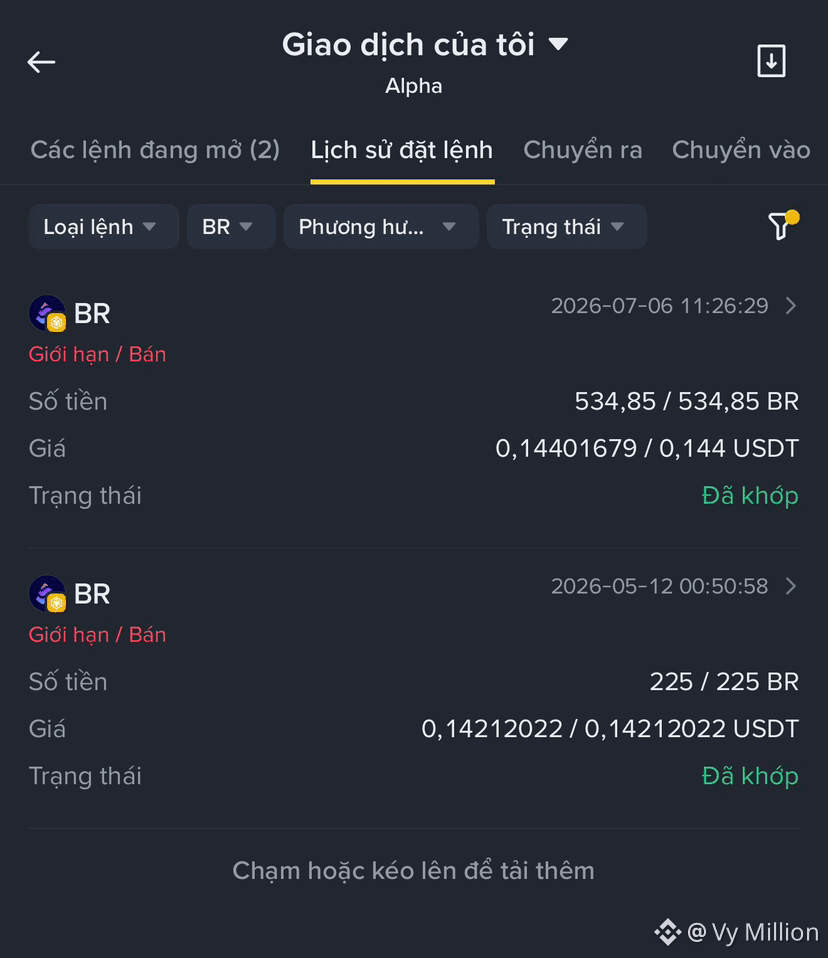
Damals habe ich fast 800 $BR đ verkauft, um 100$ zu bekommen.
Wenn ich es bis heute behalten hätte, hätte ich 1000$ gehabt, und sogar mehr, wenn der Höchstpreis
{alpha}(560xff7d6a96ae471bbcd7713af9cb1feeb16cf56b41) wäre
Damals habe ich fast 800 $BR đ verkauft, um 100$ zu bekommen.
Wenn ich es bis heute behalten hätte, hätte ich 1000$ gehabt, und sogar mehr, wenn der Höchstpreis wäre
Wenn ich es bis heute behalten hätte, hätte ich 1000$ gehabt, und sogar mehr, wenn der Höchstpreis wäre
1
3
991
·
--
Einer der bedeutendsten Fehler während eines Bullenmarkts ist, den Zyklus mit einem Nettoverlust abzuschließen, weil die Gewinnerwartungen zu hoch angesetzt sind. Dieses Ergebnis ist besonders wahrscheinlich, wenn man beim Handel mit Hebelwirkung ohne ausreichendes Risikomanagement agiert.
Während einer Bullenphase können Blue-Chip-Assets von lokalen Tiefs bis zu neuen Allzeithochs steigen. Beispielsweise könnte eine Investition von 100 $ in NEAR bei 1 $ auf 5 $ ansteigen und so einen Gewinn von 400 $ erzielen.
Wenn man jedoch Futures oder Positionen mit Hebelwirkung eingeht—die geliehenes Kapital beinhalten—entstehen zusätzliche Herausforderungen: Es ist schwierig, Kursbewegungen und Volatilität vor einem Ausbruch korrekt vorherzusagen. Vor der erwarteten Kursentwicklung kann es zu vorzeitigen Liquidationen kommen.
Daher sollten Anleger die Hebelwirkung sorgfältig prüfen und robuste Risikokontrollen implementieren, bevor sie fortfahren. $NEAR
Einer der bedeutendsten Fehler während eines Bullenmarkts ist, den Zyklus mit einem Nettoverlust abzuschließen, weil die Gewinnerwartungen zu hoch angesetzt sind. Dieses Ergebnis ist besonders wahrscheinlich, wenn man beim Handel mit Hebelwirkung ohne ausreichendes Risikomanagement agiert.
Während einer Bullenphase können Blue-Chip-Assets von lokalen Tiefs bis zu neuen Allzeithochs steigen. Beispielsweise könnte eine Investition von 100 $ in NEAR bei 1 $ auf 5 $ ansteigen und so einen Gewinn von 400 $ erzielen.
Wenn man jedoch Futures oder Positionen mit Hebelwirkung eingeht—die geliehenes Kapital beinhalten—entstehen zusätzliche Herausforderungen: Es ist schwierig, Kursbewegungen und Volatilität vor einem Ausbruch korrekt vorherzusagen. Vor der erwarteten Kursentwicklung kann es zu vorzeitigen Liquidationen kommen.
Daher sollten Anleger die Hebelwirkung sorgfältig prüfen und robuste Risikokontrollen implementieren, bevor sie fortfahren. $NEAR
Während einer Bullenphase können Blue-Chip-Assets von lokalen Tiefs bis zu neuen Allzeithochs steigen. Beispielsweise könnte eine Investition von 100 $ in NEAR bei 1 $ auf 5 $ ansteigen und so einen Gewinn von 400 $ erzielen.
Wenn man jedoch Futures oder Positionen mit Hebelwirkung eingeht—die geliehenes Kapital beinhalten—entstehen zusätzliche Herausforderungen: Es ist schwierig, Kursbewegungen und Volatilität vor einem Ausbruch korrekt vorherzusagen. Vor der erwarteten Kursentwicklung kann es zu vorzeitigen Liquidationen kommen.
Daher sollten Anleger die Hebelwirkung sorgfältig prüfen und robuste Risikokontrollen implementieren, bevor sie fortfahren. $NEAR
2
13
790
·
--
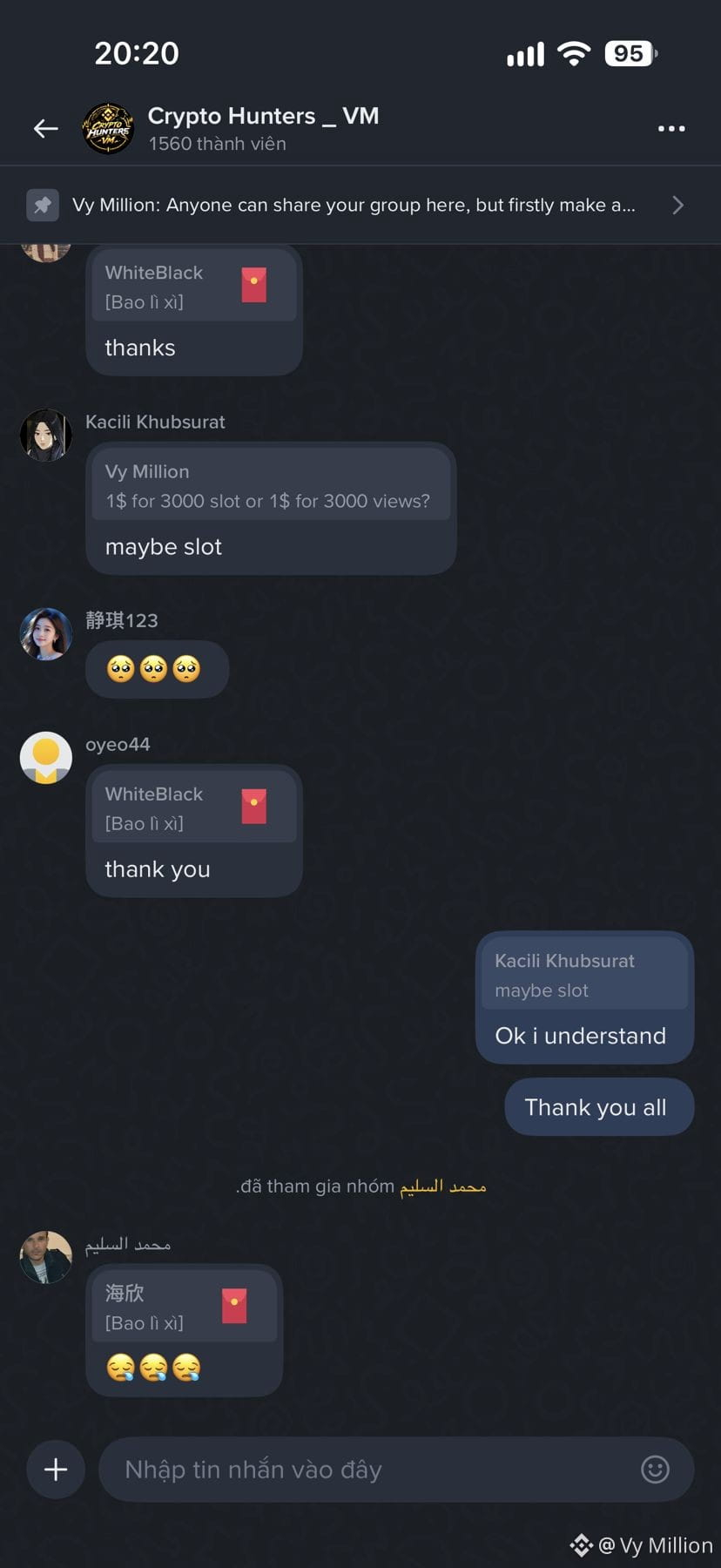
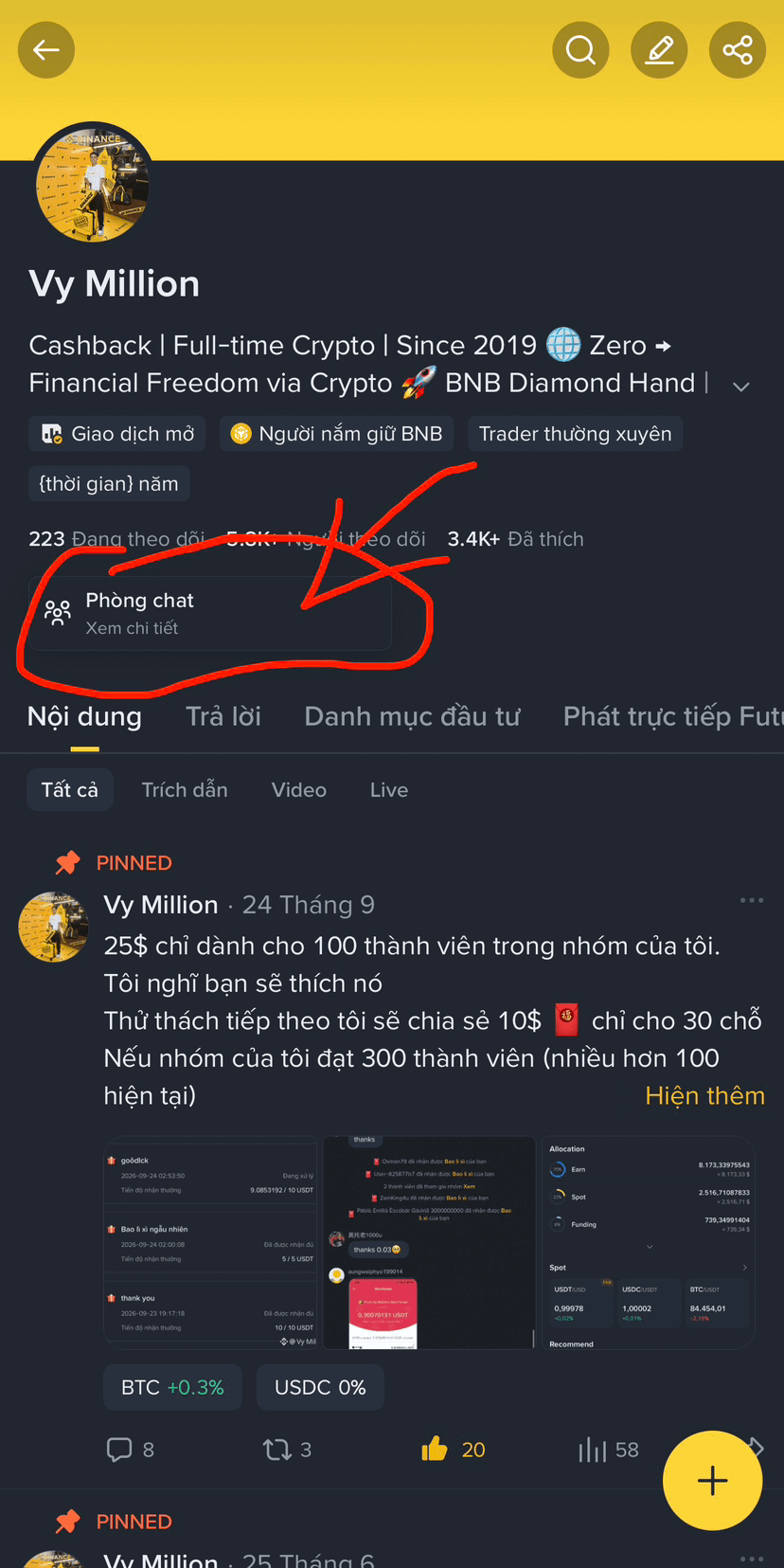
Ich werde ein großes Airdrop im Wert von 15 $ machen, wenn meine Gruppe 2000 Mitglieder hat
Hast du meiner Gruppe beigetreten? Lass uns durch Englisch antworten $BTC
Ich werde ein großes Airdrop im Wert von 15 $ machen, wenn meine Gruppe 2000 Mitglieder hat
Hast du meiner Gruppe beigetreten? Lass uns durch Englisch antworten $BTC
Hast du meiner Gruppe beigetreten? Lass uns durch Englisch antworten $BTC
593
7
34
593
·
--
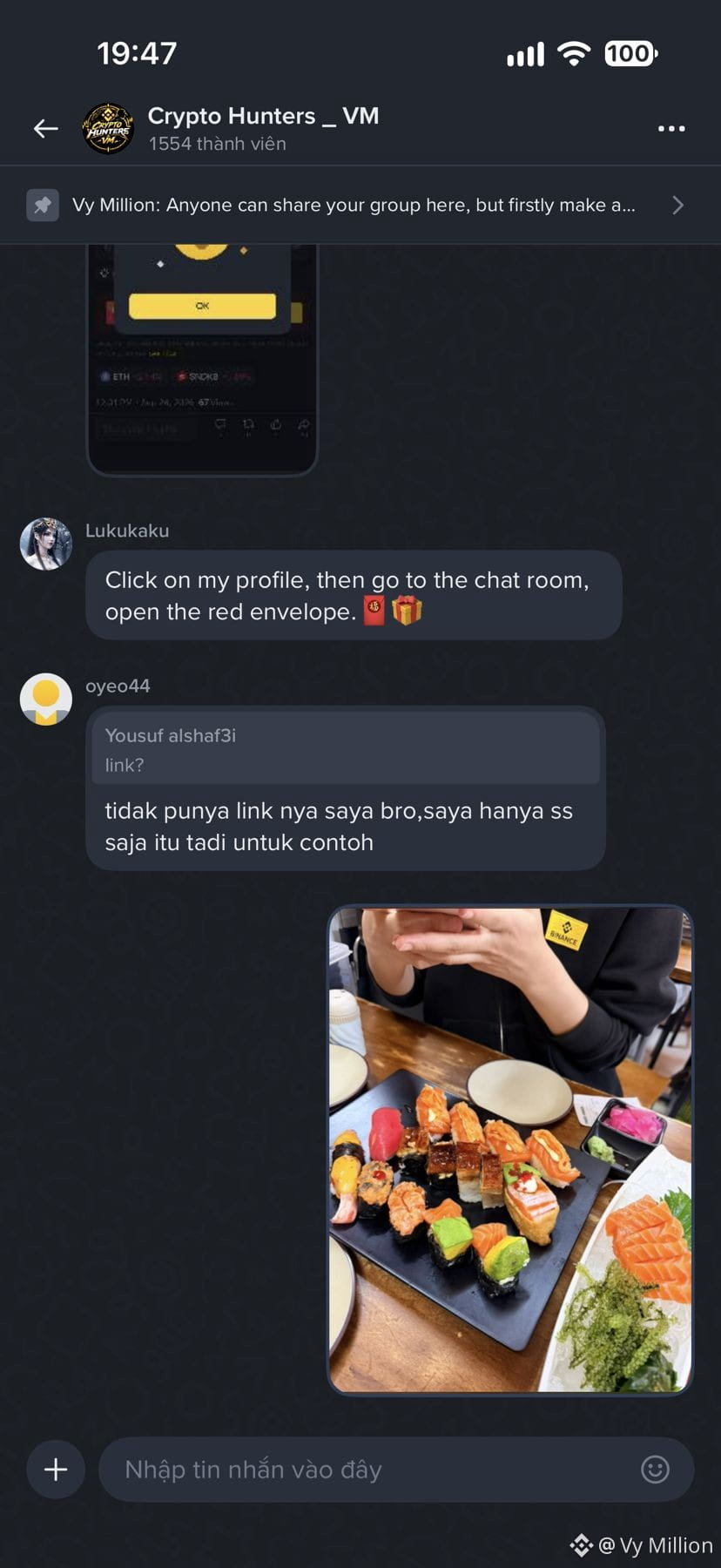
Freut mich, dass meine Gruppe 1500 Mitglieder hat
$BTC
{future}(BTCUSDT)
Freut mich, dass meine Gruppe 1500 Mitglieder hat
$BTC
$BTC
607
2
37
607
·
--
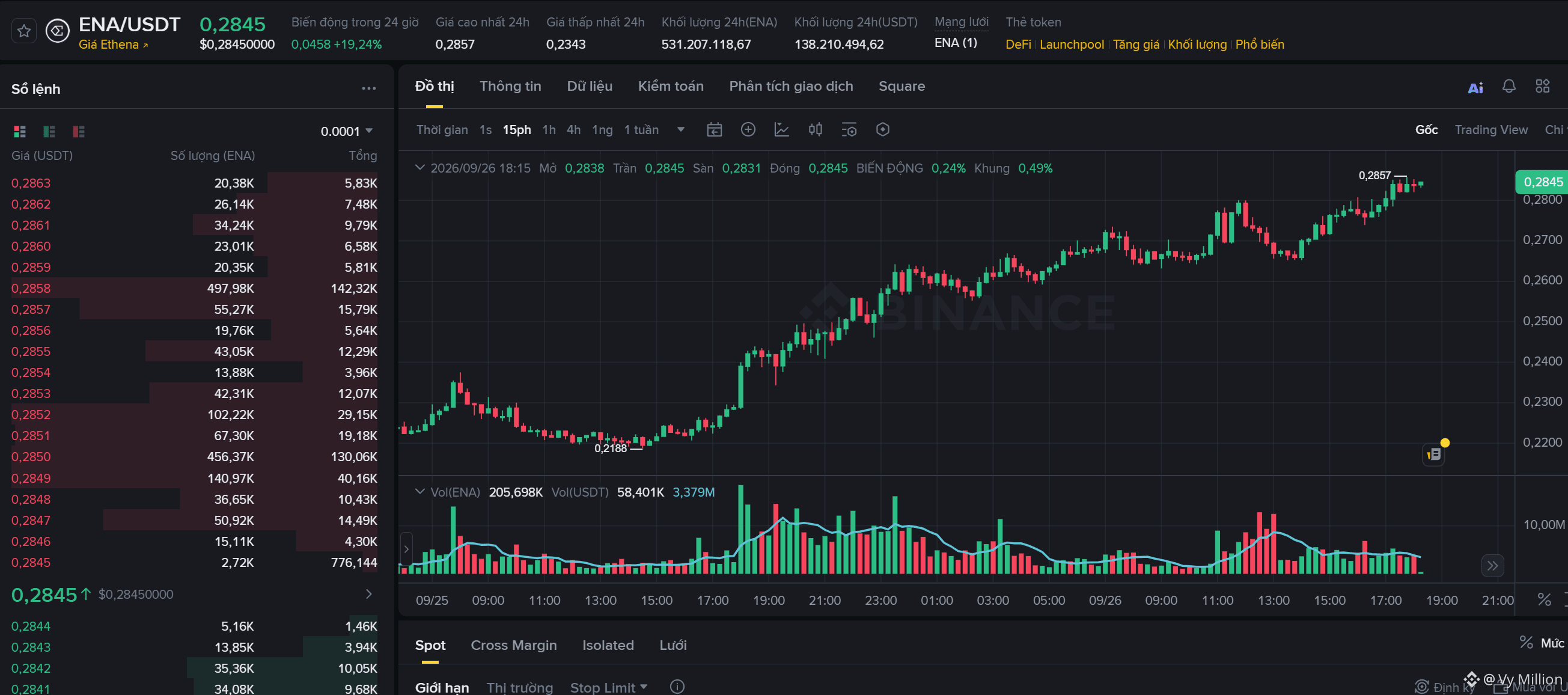
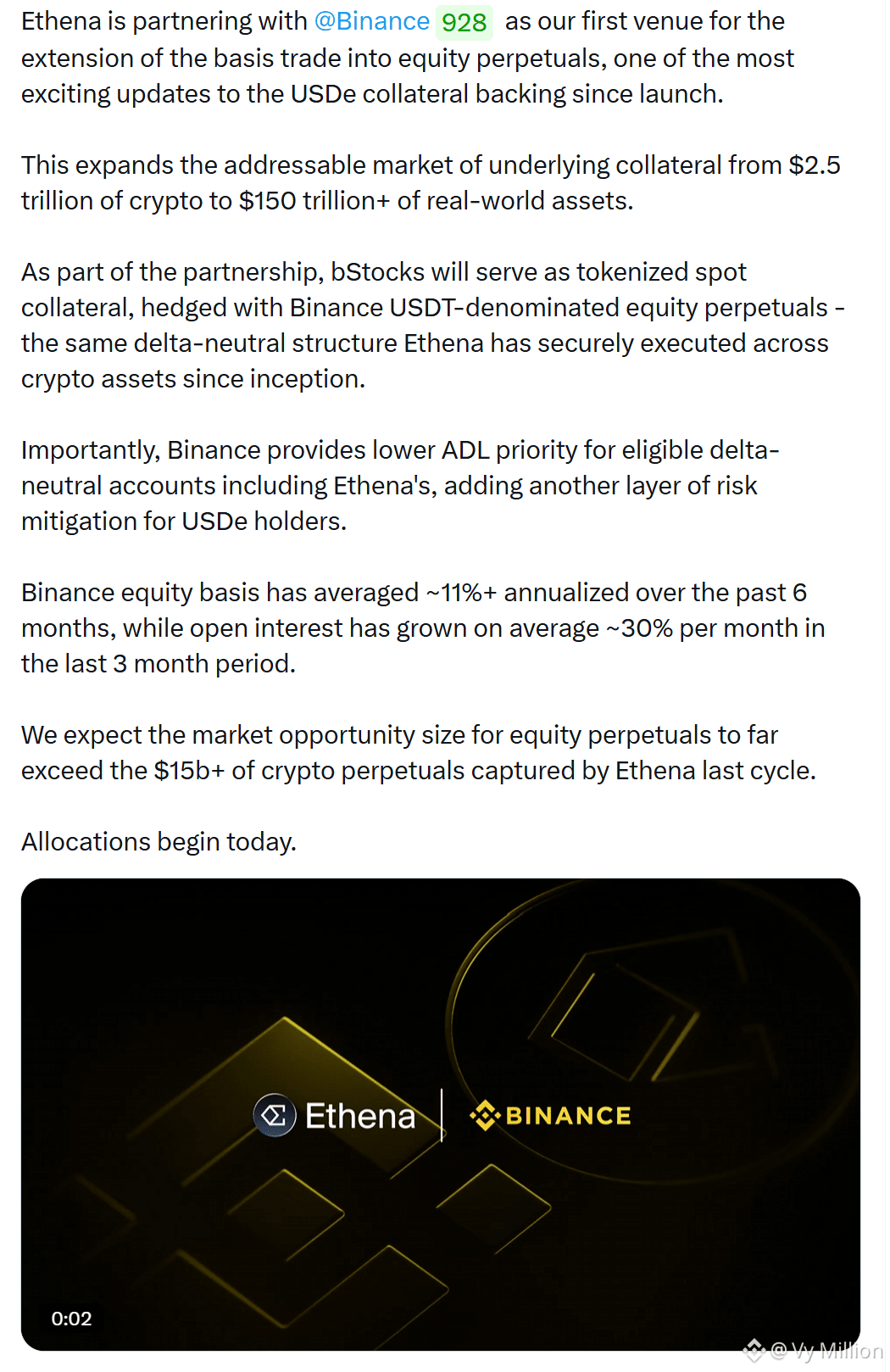
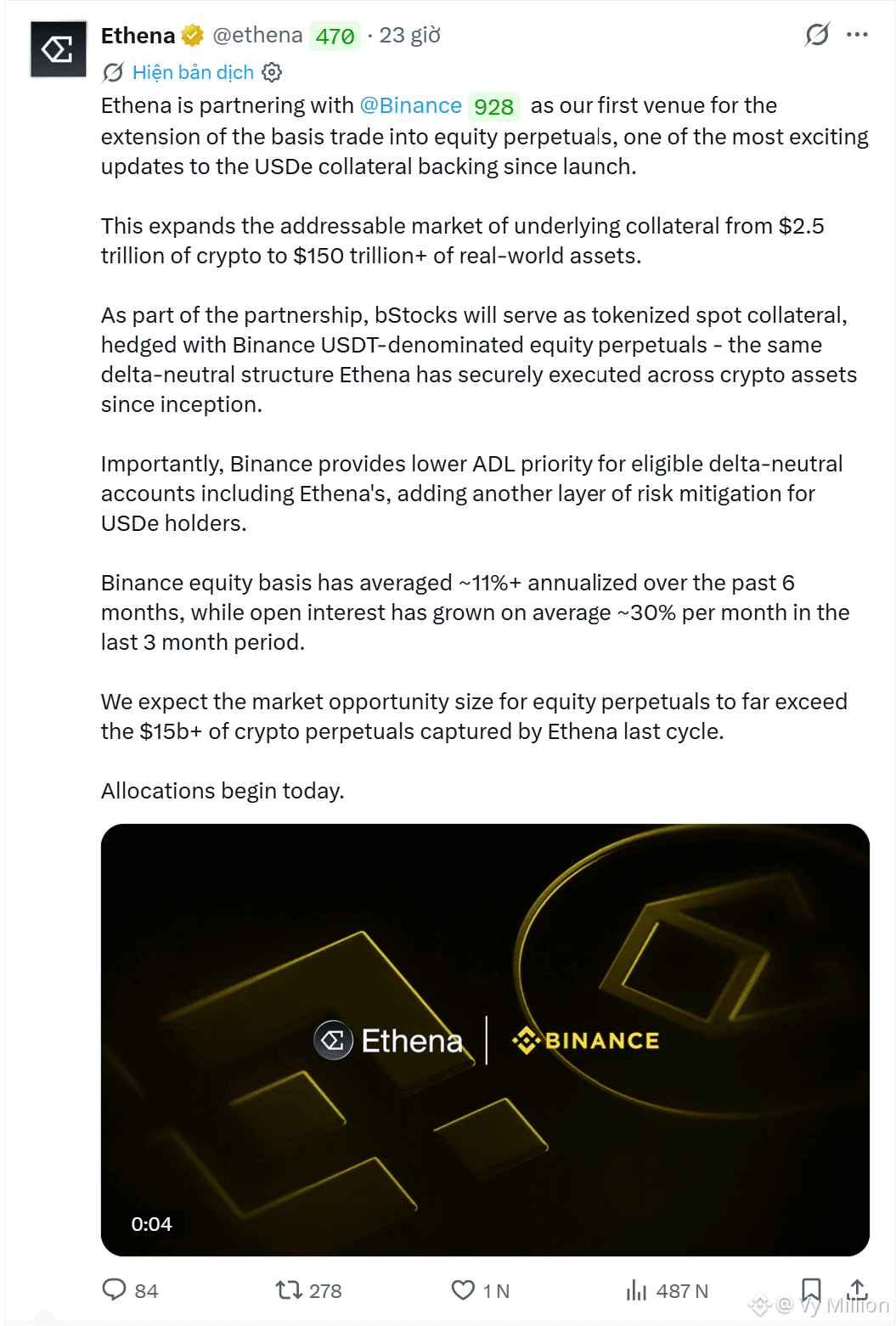
$ENA họ teilen, dass sie mit Binance zusammengearbeitet haben
Ist das der Grund für das jüngste Wachstum?
{future}(ENAUSDT)
$ENA họ teilen, dass sie mit Binance zusammengearbeitet haben
Ist das der Grund für das jüngste Wachstum?
Ist das der Grund für das jüngste Wachstum?
4
260
·
--
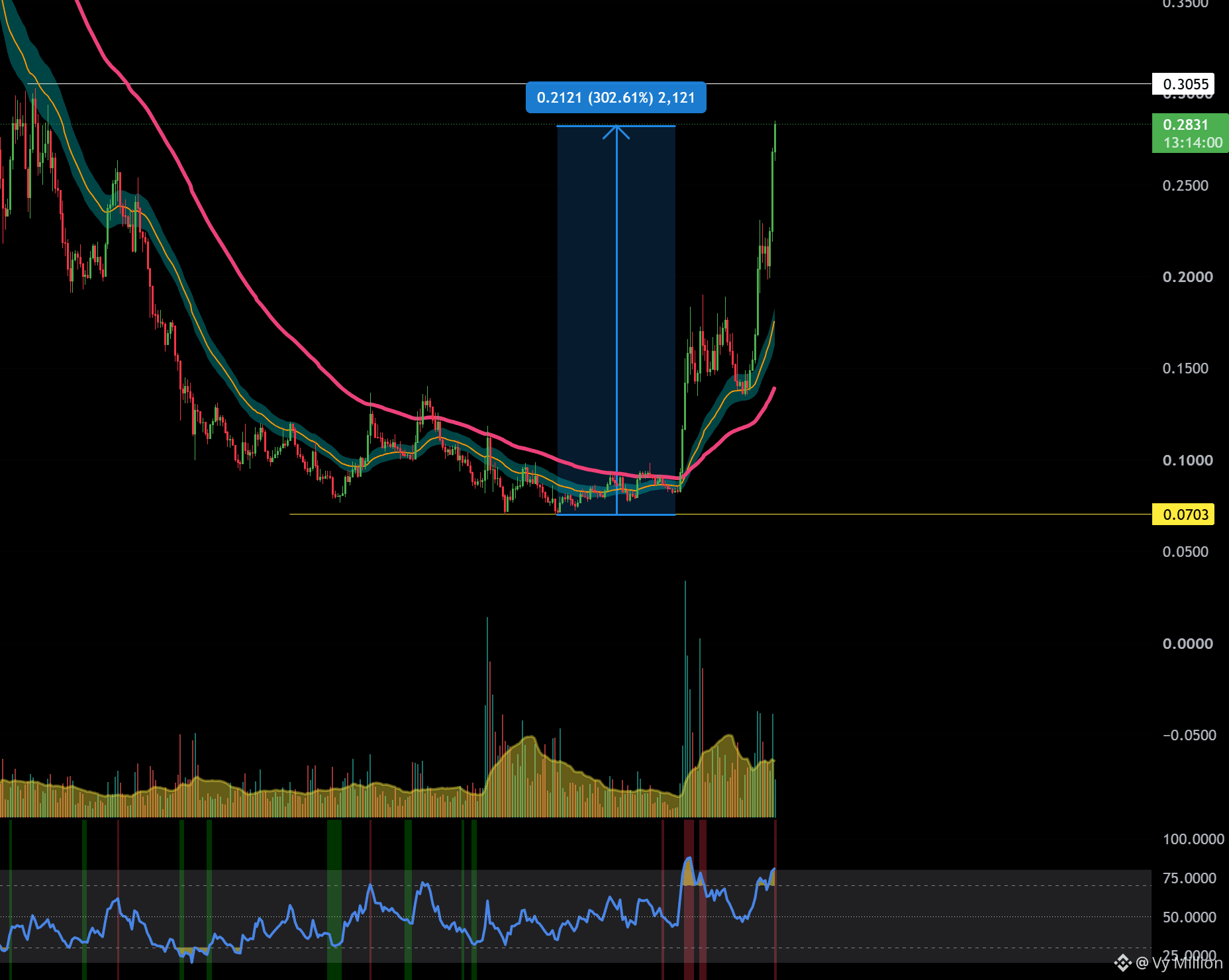
$ENA đăng echte Wachstumsvorteile sehr stark, begleitet von hohem Volumen
Sie arbeiten derzeit mit Binance zusammen, das ist der Hauptgrund für das starke Wachstum in der jüngsten Zeit
{future}(ENAUSDT)
$ENA đăng echte Wachstumsvorteile sehr stark, begleitet von hohem Volumen
Sie arbeiten derzeit mit Binance zusammen, das ist der Hauptgrund für das starke Wachstum in der jüngsten Zeit
Sie arbeiten derzeit mit Binance zusammen, das ist der Hauptgrund für das starke Wachstum in der jüngsten Zeit
1
5
364
·
--
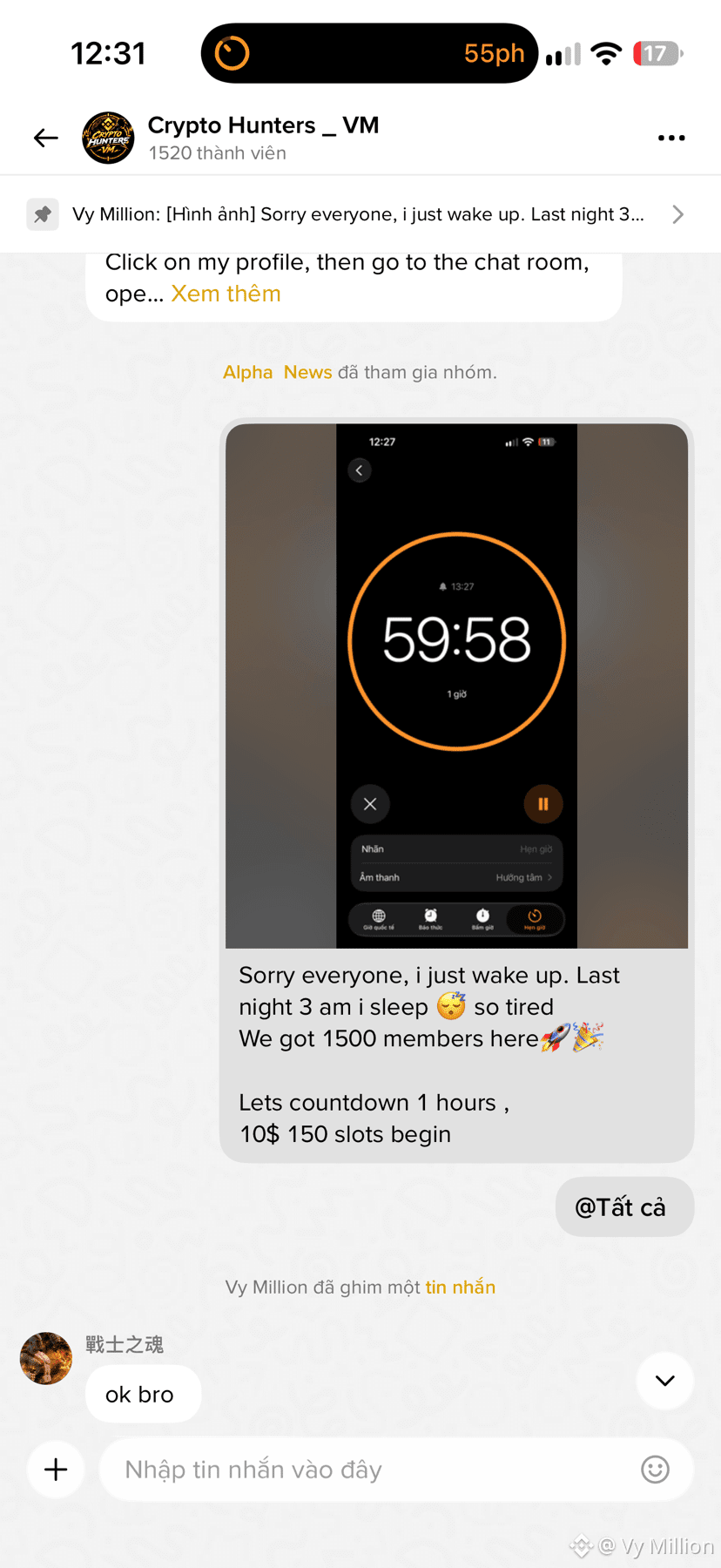
Wow, meine Gruppe hat in 2 Tagen 1500 Mitglieder
Ich werde in 50 Minuten 10$ an 150 Slots in meiner Gruppe airdroppe 🧧
Viel Glück für dich🇻🇳 $BTC
{future}(BTCUSDT)
Wow, meine Gruppe hat in 2 Tagen 1500 Mitglieder
Ich werde in 50 Minuten 10$ an 150 Slots in meiner Gruppe airdroppe 🧧
Viel Glück für dich🇻🇳 $BTC
Ich werde in 50 Minuten 10$ an 150 Slots in meiner Gruppe airdroppe 🧧
Viel Glück für dich🇻🇳 $BTC
11
79
·
--
13
7
64
·
--
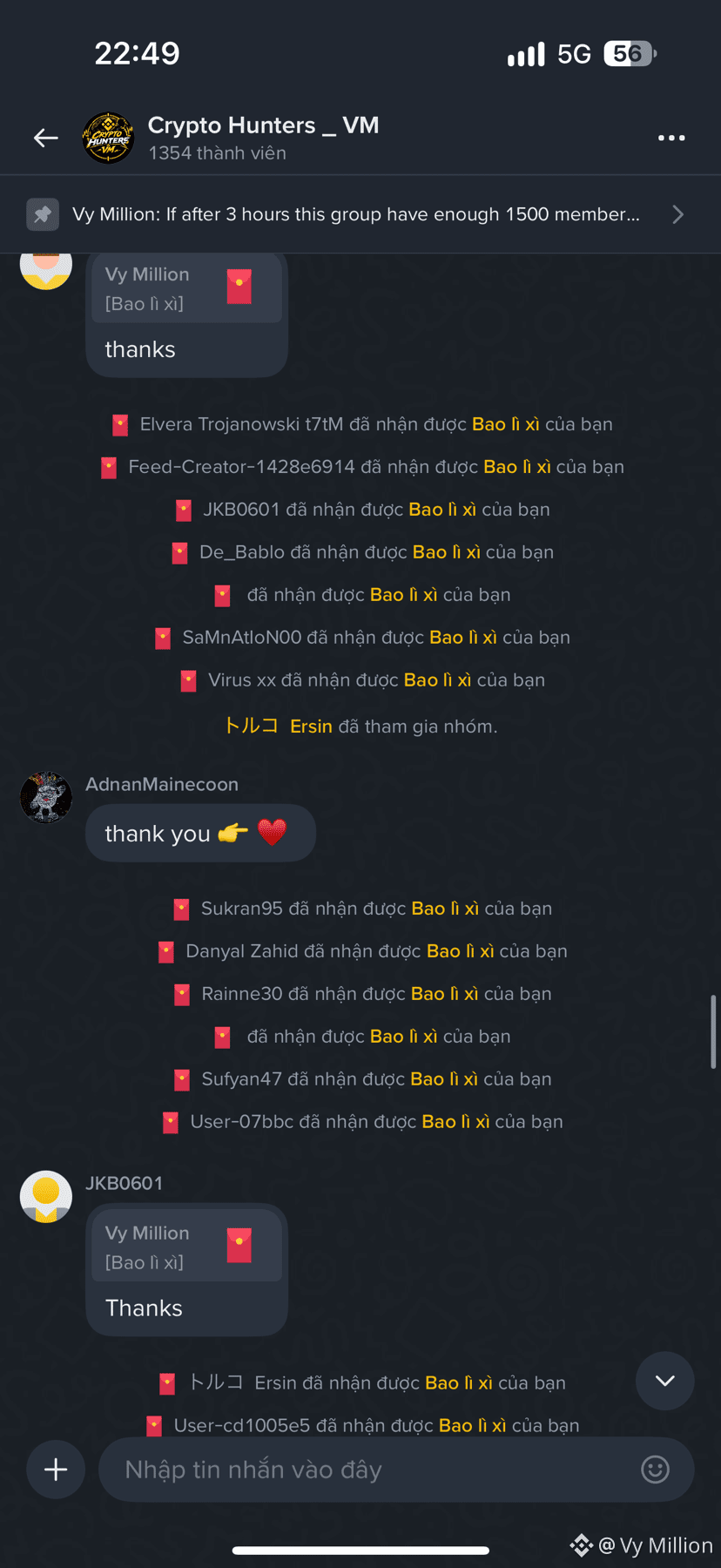
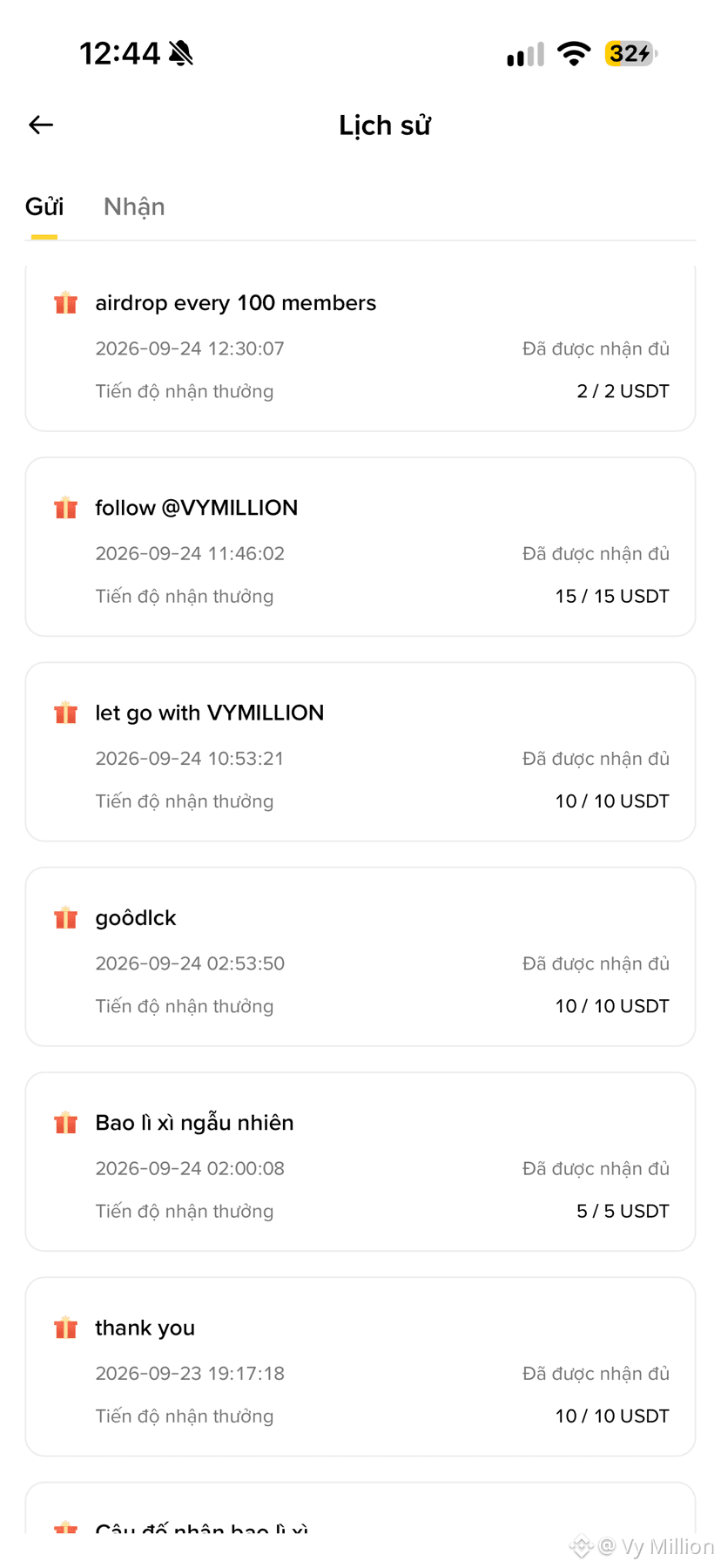
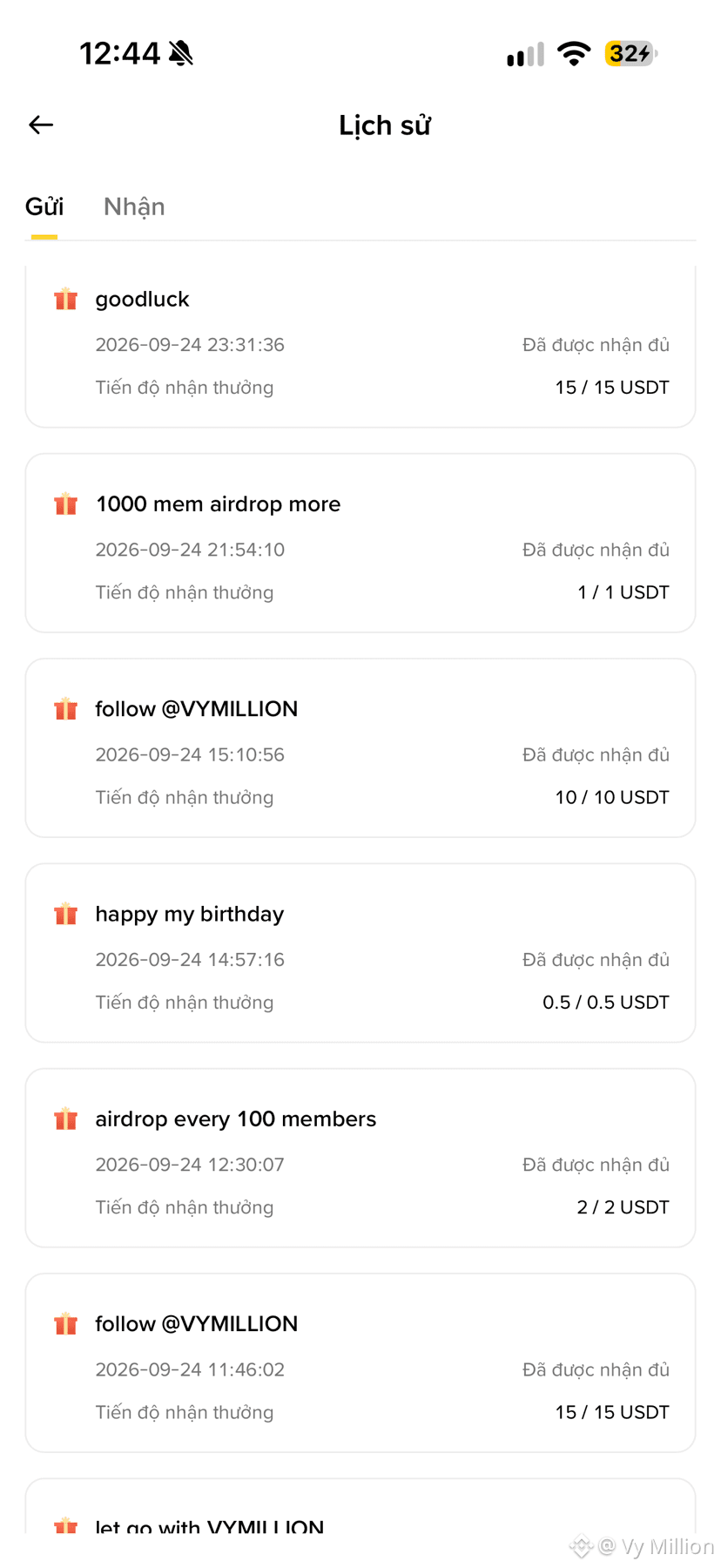
So glücklich, wenn meine Gruppe in 1 Tag 1300 Mitglieder erreicht
Ich werde so viele 🧧 in meiner Gruppe machen
10$ 🧧 warten jetzt auf dich
$BTC
{future}(BTCUSDT)
So glücklich, wenn meine Gruppe in 1 Tag 1300 Mitglieder erreicht
Ich werde so viele 🧧 in meiner Gruppe machen
10$ 🧧 warten jetzt auf dich
$BTC
Ich werde so viele 🧧 in meiner Gruppe machen
10$ 🧧 warten jetzt auf dich
$BTC
5
65
·
--
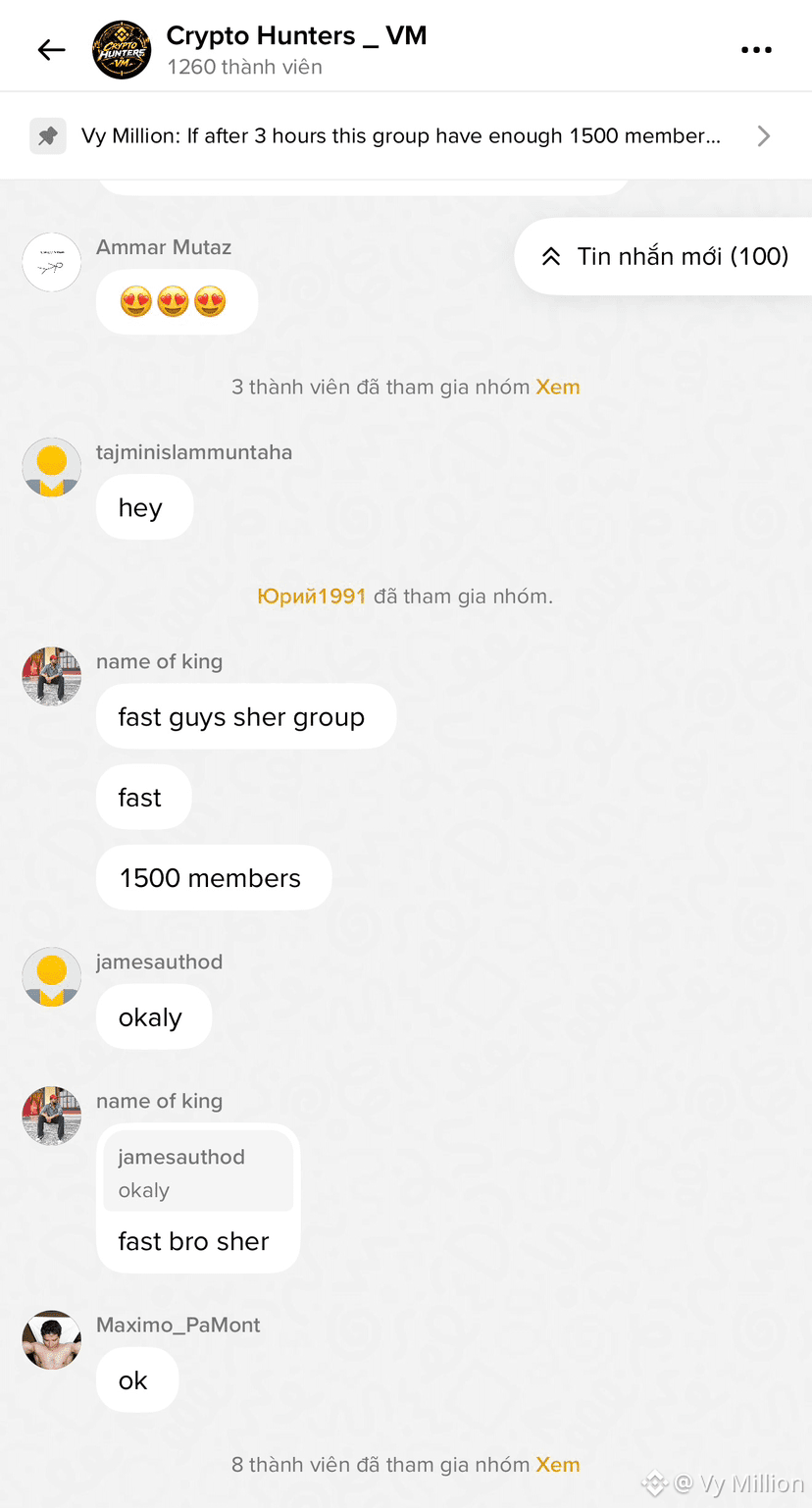
Große Neuigkeiten: Meine Gruppe hat in nur 1 Tag über 1000 Mitglieder erreicht
Um das zu feiern, werde ich in ein paar Stunden eine 🧧 machen, wenn meine Gruppe 1500 Mitglieder erreicht.
Gestern habe ich mehr als 60$ für 🧧 in meiner Gruppe ausgegeben
Danke für eure Unterstützung!
Große Neuigkeiten: Meine Gruppe hat in nur 1 Tag über 1000 Mitglieder erreicht
Um das zu feiern, werde ich in ein paar Stunden eine 🧧 machen, wenn meine Gruppe 1500 Mitglieder erreicht.
Gestern habe ich mehr als 60$ für 🧧 in meiner Gruppe ausgegeben
Danke für eure Unterstützung!
Um das zu feiern, werde ich in ein paar Stunden eine 🧧 machen, wenn meine Gruppe 1500 Mitglieder erreicht.
Gestern habe ich mehr als 60$ für 🧧 in meiner Gruppe ausgegeben
Danke für eure Unterstützung!
9
1
12
110
·
--
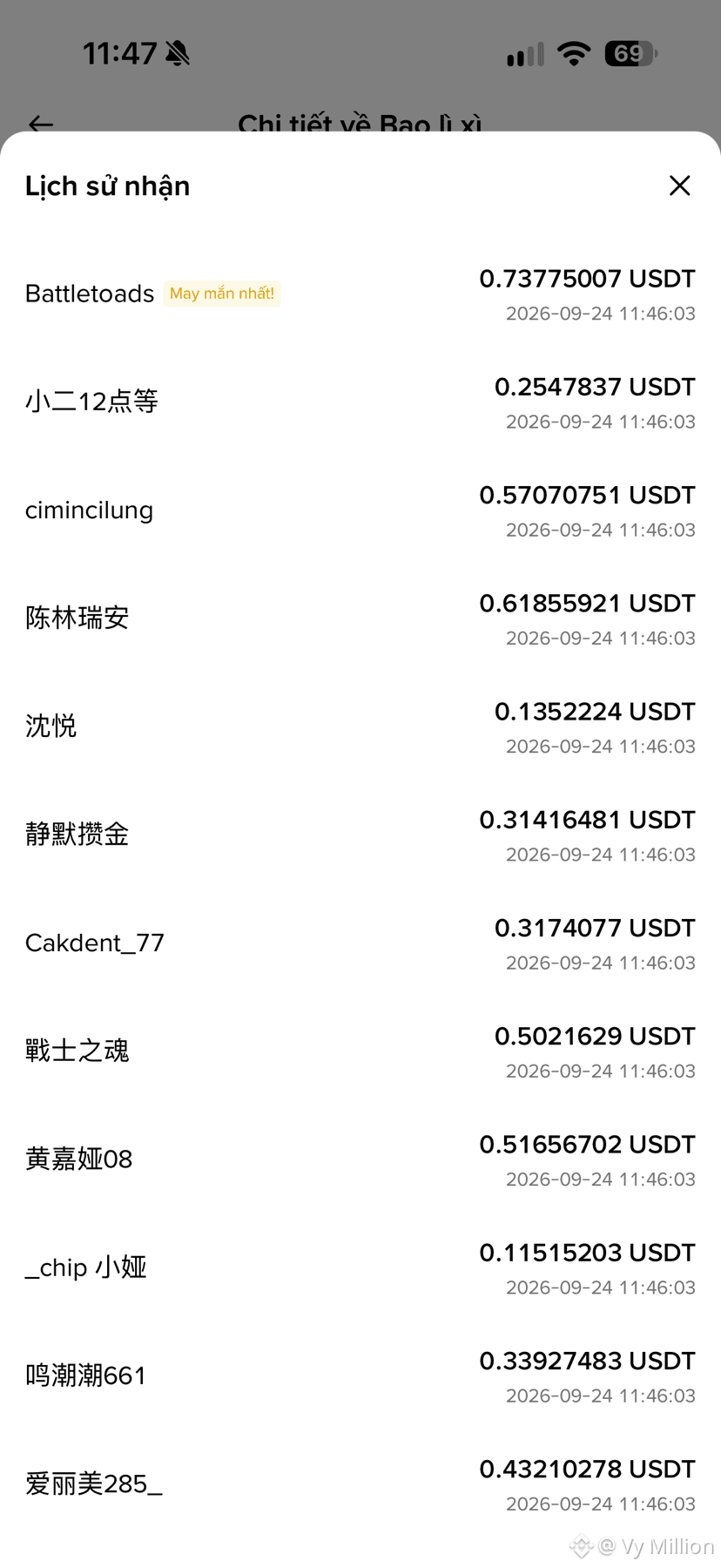
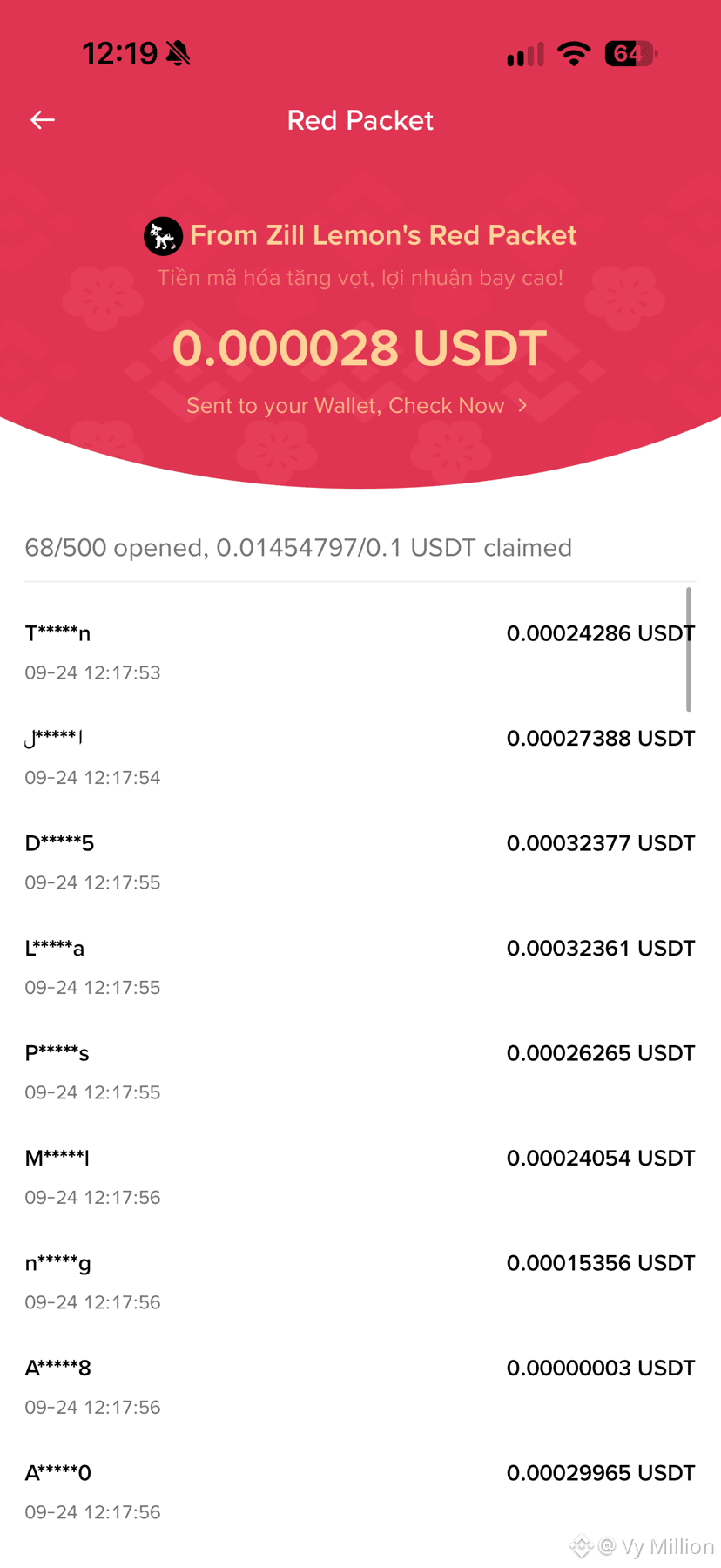
🧧 in meiner Gruppe vs. in einer anderen Gruppe 😎🚀
$BTC
{future}(BTCUSDT)
🧧 in meiner Gruppe vs. in einer anderen Gruppe 😎🚀
$BTC
$BTC
1
8
32
·
--
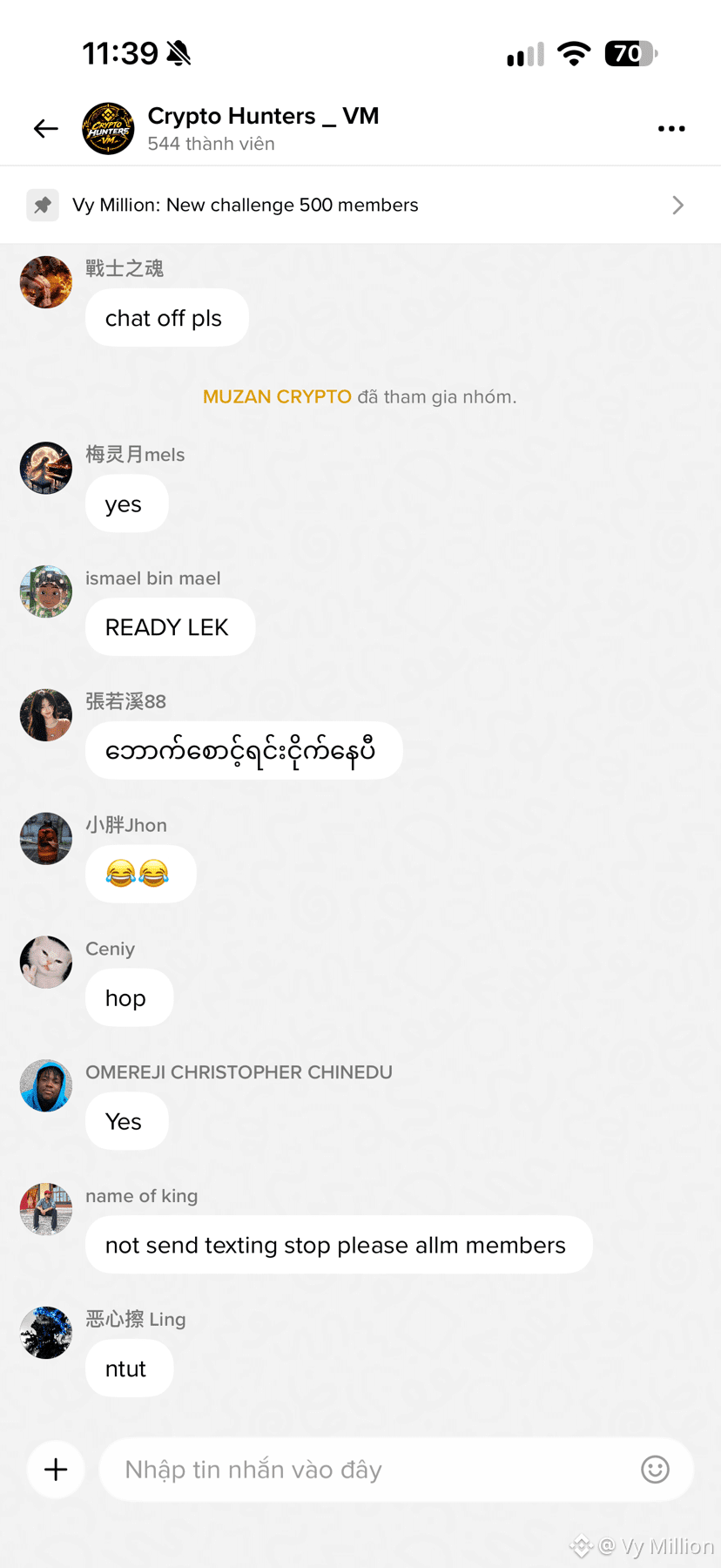
I group hat 500 Mitglieder
Ich bin so glücklich darüber
Ich werde nach 3 Minuten Countdown ein Airdrop 🧧 machen!
Komm mit mir
$BTC
{future}(BTCUSDT)
I group hat 500 Mitglieder
Ich bin so glücklich darüber
Ich werde nach 3 Minuten Countdown ein Airdrop 🧧 machen!
Komm mit mir
$BTC
Ich bin so glücklich darüber
Ich werde nach 3 Minuten Countdown ein Airdrop 🧧 machen!
Komm mit mir
$BTC
10
23
41
·
--
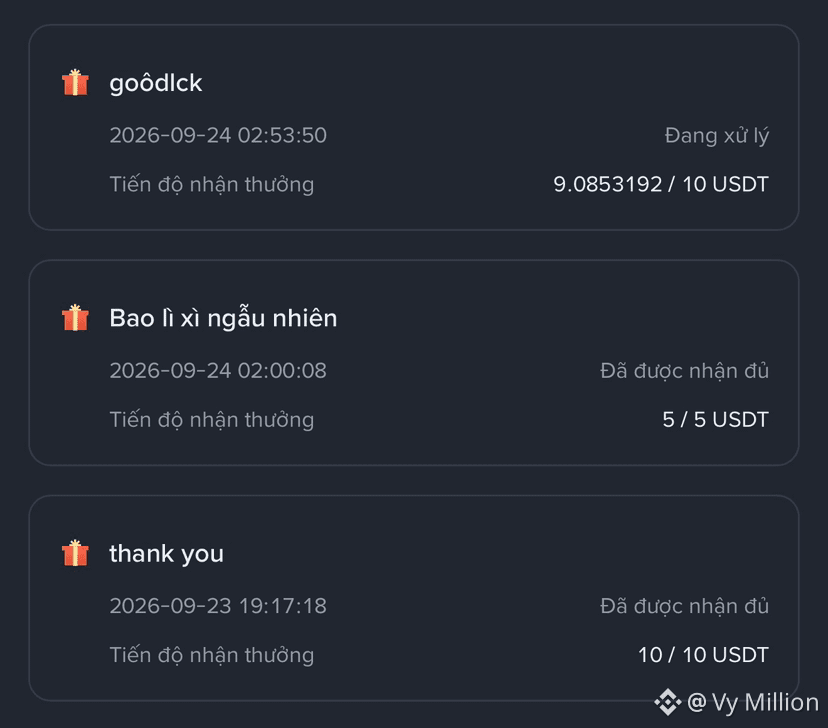
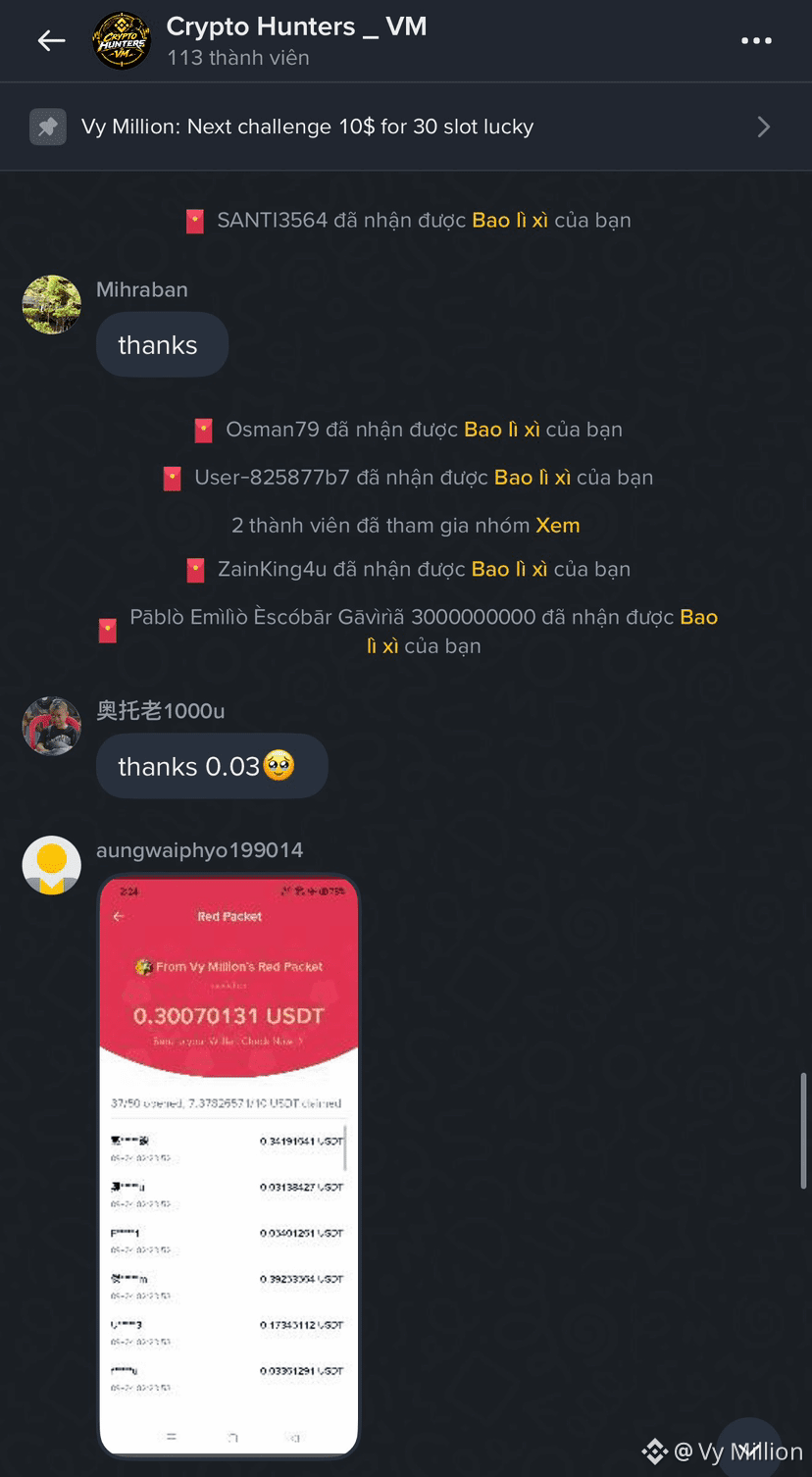
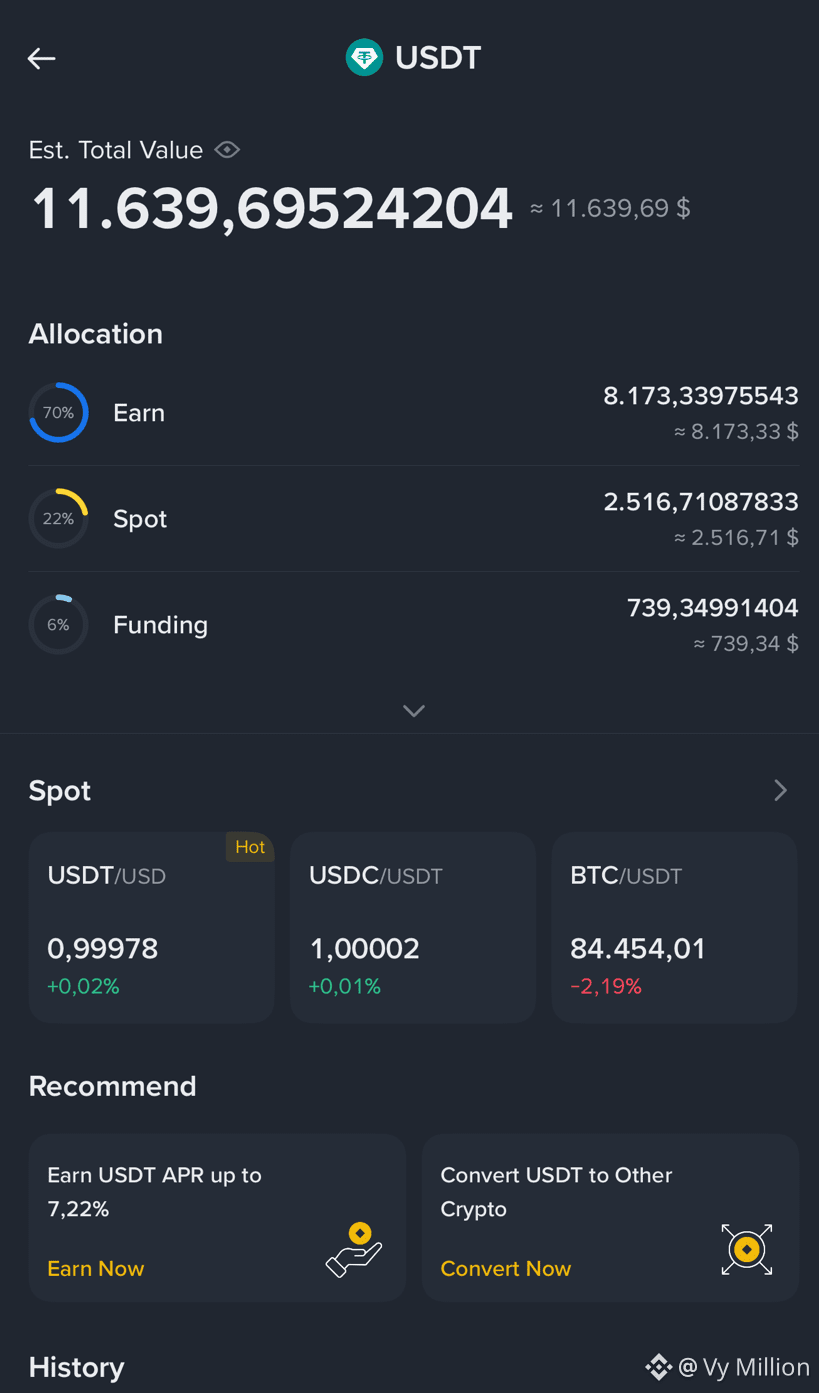
25$ nur für 100 Mitglieder in meiner Gruppe.
Ich glaube, du wirst es lieben
Nächste Herausforderung: Ich teile 10$ 🧧 für nur 30 Plätze
Wenn meine Gruppe 300 Mitglieder erreicht (mehr als 100 jetzt)
Los geht’s mit mir $BTC
{future}(BTCUSDT)
25$ nur für 100 Mitglieder in meiner Gruppe.
Ich glaube, du wirst es lieben
Nächste Herausforderung: Ich teile 10$ 🧧 für nur 30 Plätze
Wenn meine Gruppe 300 Mitglieder erreicht (mehr als 100 jetzt)
Los geht’s mit mir $BTC
Ich glaube, du wirst es lieben
Nächste Herausforderung: Ich teile 10$ 🧧 für nur 30 Plätze
Wenn meine Gruppe 300 Mitglieder erreicht (mehr als 100 jetzt)
Los geht’s mit mir $BTC
8
3
22
59
Anmelden und weiter Inhalte entdecken
Krypto-Nutzer weltweit auf Binance Square kennenlernen
⚡️ Bleib in Sachen Krypto stets am Puls.
💬 Die weltgrößte Kryptobörse vertraut darauf.
👍 Erhalte verlässliche Einblicke von verifizierten Creators.
E-Mail-Adresse/Telefonnummer
Trendthemen
BitwiseFilesFinalNEARSpotETFProspectus
65,857 Aufrufe
1,234 Kommentare
#bitwisefilesfinalnearspotetfprospectus
Kann $NEAR WIRKLICH $562 mit einer ETF-Zulassung erreichen? 🚀
Der Kryptomarkt brodelt, während Bitwise seinen finalen Prospekt für einen Spot NEAR ETF einreicht (Ticker: NRR an der NYSE Arca)! 📊🔥
Geht institutionelles Geld gleich daran, den größten Pump in der Geschichte von NEAR zu entfachen? Analysten werfen mit atemberaubenden Kurszielen um sich:
🎯 Zwischenziel: $155
🎯 2030 Langfrist-Ziel: $562
💡 Rechnen wir kurz:
Bei $562 würde $NEAR bei ungefähr einer Marktkapitalisierung von 680 Milliarden US-Dollar liegen – also ganz nahe an die mögliche Bewertung von Ethereum heran. Da NEAR die Story von Chain Abstraction & AI im Krypto-Bereich anführt, klingt das vielleicht gar nicht so verrückt, wie es sich anhört!
Während die SEC-Vorschriften kryptofreundlicher werden und Wall Street an die Tür klopft: Sammelt ihr oder haltet ihr?
👇 Hinterlass in den Kommentaren eure realistische Kurserwartung für $NEAR ! 👇
#BitwiseFilesFinalNEARSpotETFProspectus #Altcoins #CryptoNews #ETF
Doomsday-Trader
·6 Likes
·3.5k Aufrufe
BitgetHackerMoves$83MStolenXRP
28,267 Aufrufe
155 Kommentare
SOLSpotETFWeeklyInflow$188M
17,530 Aufrufe
123 Kommentare