
HAFEEZ 09 Crypto
14.4k Beiträge

HAFEEZ 09 Crypto
1.4K+ Following
10.8K+ Follower
9.8K+ Like gegeben
Beiträge
Alle
Zitierungen
Live
gutes
Mr_BNB077
·
--
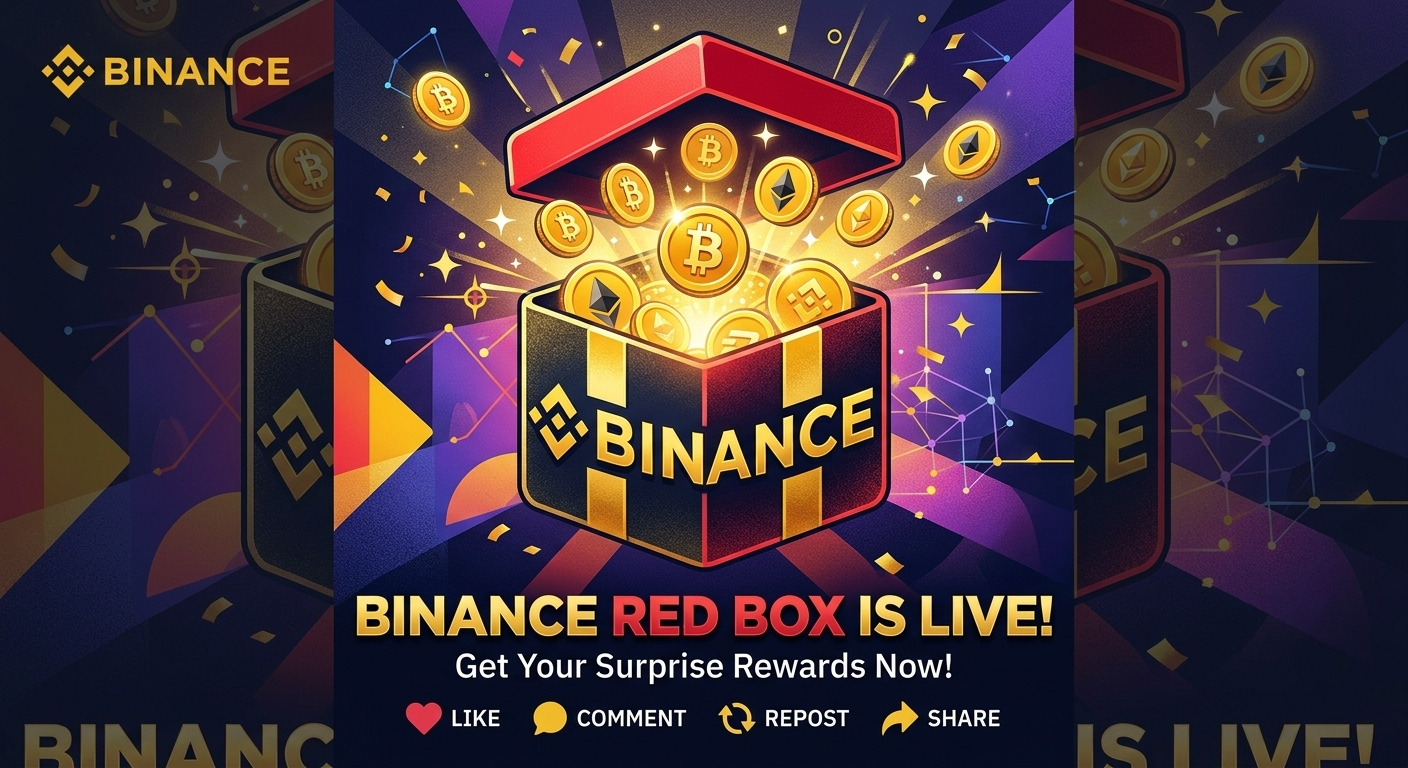
🎁 BINANCE RED BOX IST LIVE! 🎁
Wer ist bereit für eine Überraschungsbelohnung? 👀
💰 Die Binance Red Box ist da — verpasse nicht deine Chance, teilzunehmen und dir einige aufregende Belohnungen zu sichern!
🎁 Like ❤️
💬 Kommentar
🔄 Weiterleiten
📤 Teilen
Jede Interaktion hilft dabei, die Möglichkeit auf noch mehr Binance-Nutzer auszuweiten.
Viel Glück an alle! 🍀🎉
Unterstützt weiter, bleibt aktiv und behaltet die nächste Red Box im Blick! 🎁💰
Wer ist bereit für eine Überraschungsbelohnung? 👀
💰 Die Binance Red Box ist da — verpasse nicht deine Chance, teilzunehmen und dir einige aufregende Belohnungen zu sichern!
🎁 Like ❤️
💬 Kommentar
🔄 Weiterleiten
📤 Teilen
Jede Interaktion hilft dabei, die Möglichkeit auf noch mehr Binance-Nutzer auszuweiten.
Viel Glück an alle! 🍀🎉
Unterstützt weiter, bleibt aktiv und behaltet die nächste Red Box im Blick! 🎁💰
gut

Ayman-crypto⁰⁹
·
--
🧧 GESCHENKGUTSCHEIN-VERLOSUNG! 🚀
Krypto ist mehr als Kerzen und Charts. Es geht um Menschen, Ideen und darum, gemeinsam zu wachsen. 🤝❤️
Als kleines Dankeschön für eure Unterstützung teile ich heute Red Packets mit der Community! 🎁
🎯 Willst du mitmachen?
❤️ Like diesen Beitrag
🔁 Repost & teile es mit deinen Freunden
👥 Folge meinem Profil
💬 Kommentiere „JA“ unten
🍀 Viel Glück, euch allen!
Bleib wachsam. Lern jeden Tag. Trade klug. 📈🔥
$BNB
#BinanceSquare #RedPacket #Web3 #Giveaway #CryptoCommunity
Krypto ist mehr als Kerzen und Charts. Es geht um Menschen, Ideen und darum, gemeinsam zu wachsen. 🤝❤️
Als kleines Dankeschön für eure Unterstützung teile ich heute Red Packets mit der Community! 🎁
🎯 Willst du mitmachen?
❤️ Like diesen Beitrag
🔁 Repost & teile es mit deinen Freunden
👥 Folge meinem Profil
💬 Kommentiere „JA“ unten
🍀 Viel Glück, euch allen!
Bleib wachsam. Lern jeden Tag. Trade klug. 📈🔥
$BNB
#BinanceSquare #RedPacket #Web3 #Giveaway #CryptoCommunity

gut

Javed Official 07
·
--
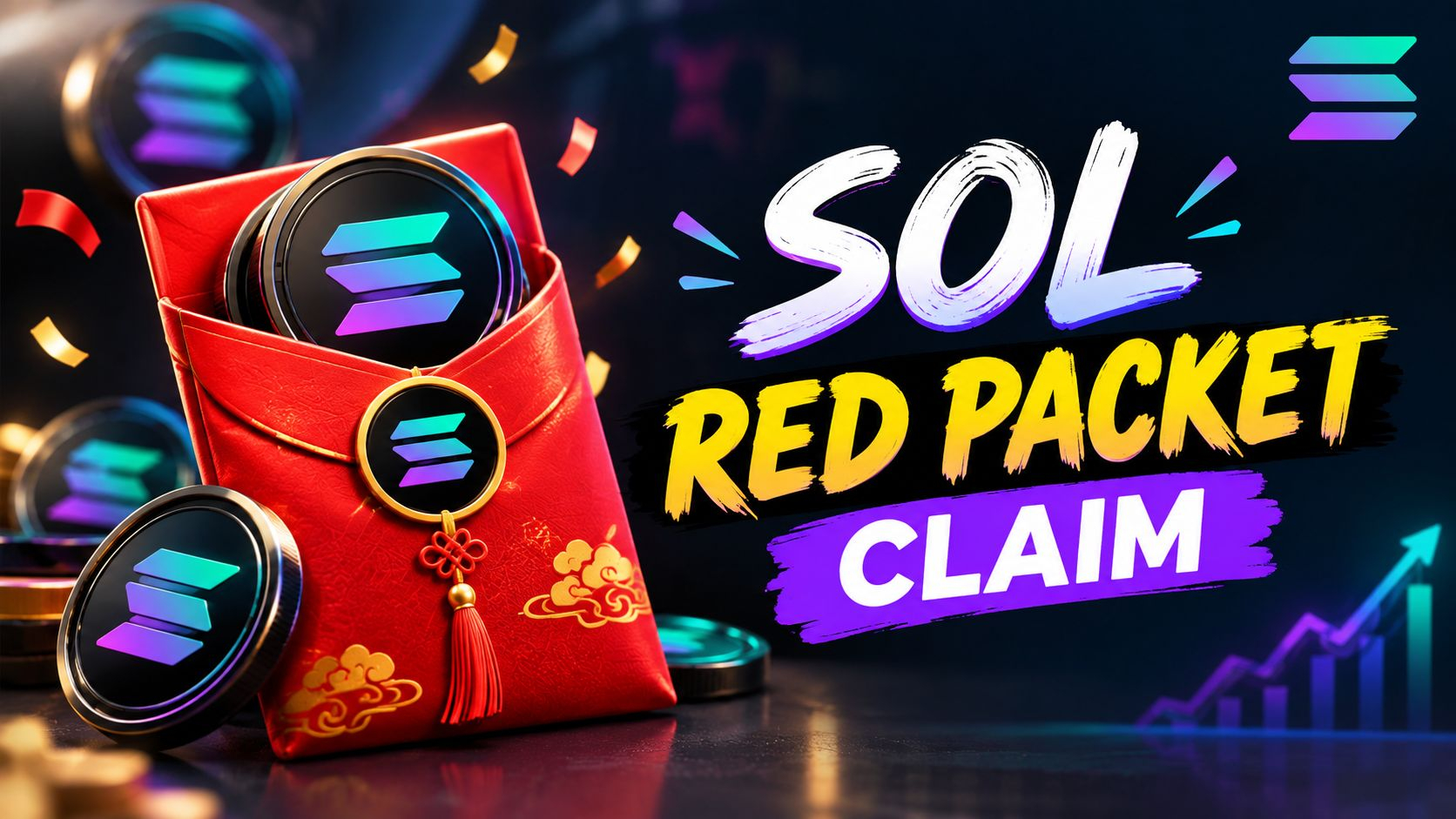
🎁 SOL Claim GEWINNSPIEL! 🔥
💰 Jetzt mitmachen & dir eine Chance auf SOL-Belohnungen sichern! 🚀
Jetzt beanspruchen
💰 Jetzt mitmachen & dir eine Chance auf SOL-Belohnungen sichern! 🚀
Jetzt beanspruchen
gut

Muzamil Abbas⁷⁵ 穆扎米尔_阿巴斯
·
--
Bullisch$BNB
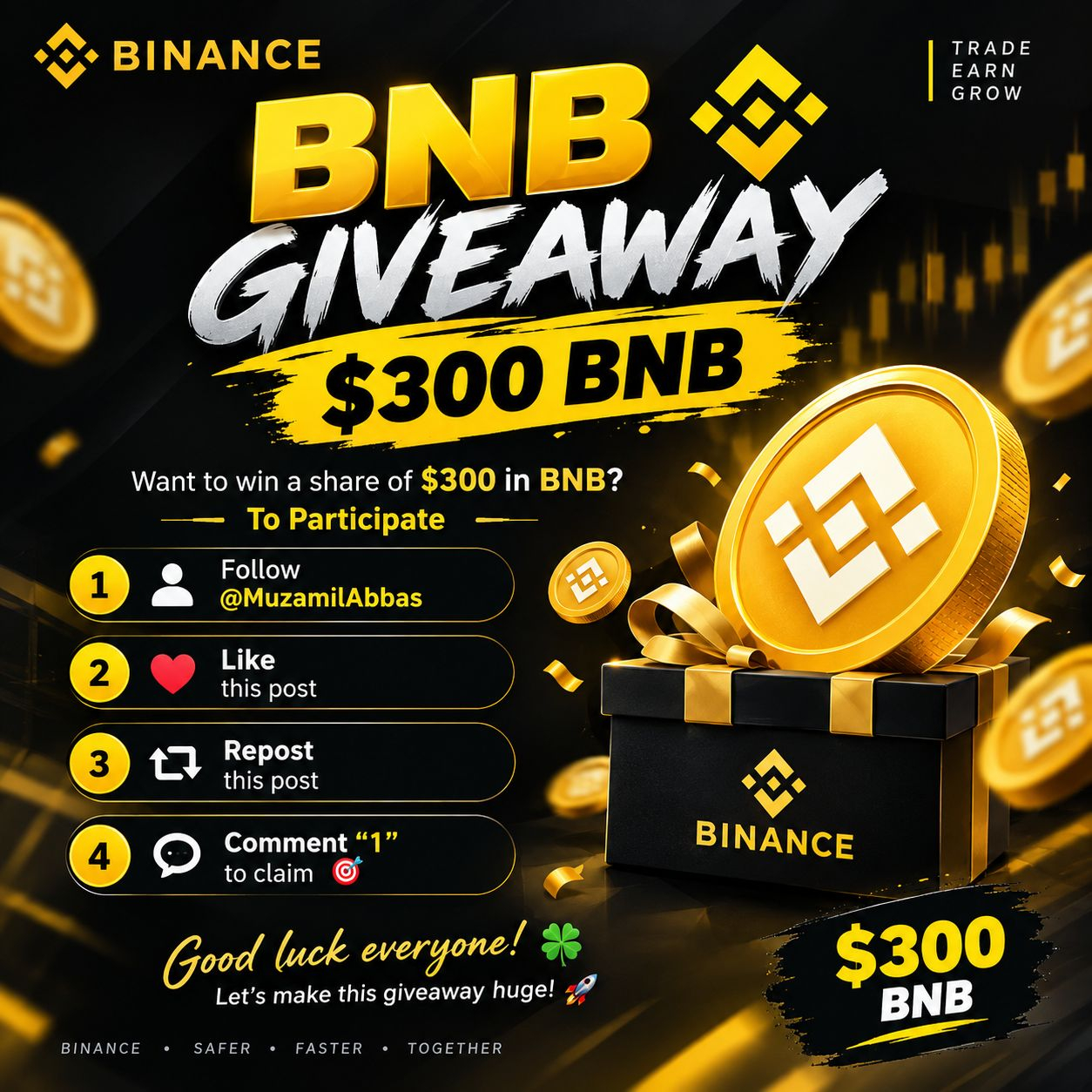
🎁 $300 BNB-GEWINNSPIEL 🎁
Möchtest du einen Anteil von $300 in BNB gewinnen?
So nimmst du teil 👇
1️⃣ Folge ✨MuzamilAbbas
2️⃣ Like diesen Beitrag ❤️
3️⃣ Repost diesen Beitrag 🔄
4️⃣ Kommentiere „1“, um zu beanspruchen 🎯
Viel Glück an alle! 🍀🔥
Lasst dieses Gewinnspiel riesig werden
#BankOfAmericaGroupPilotsUSBDCStablecoin #OilRisesToHighestSinceJuly
#BNB #BTC
🎁 $300 BNB-GEWINNSPIEL 🎁
Möchtest du einen Anteil von $300 in BNB gewinnen?
So nimmst du teil 👇
1️⃣ Folge ✨MuzamilAbbas
2️⃣ Like diesen Beitrag ❤️
3️⃣ Repost diesen Beitrag 🔄
4️⃣ Kommentiere „1“, um zu beanspruchen 🎯
Viel Glück an alle! 🍀🔥
Lasst dieses Gewinnspiel riesig werden
#BankOfAmericaGroupPilotsUSBDCStablecoin #OilRisesToHighestSinceJuly
#BNB #BTC
$ROST.US
$RAY
— Ein Setup, das man im Auge behalten sollte
LOST RAY zeigt Anzeichen einer möglichen bullischen Bewegung. Wenn Käufer eingreifen und der Preis die Einstiegzone hält, könnten wir einen starken Push in Richtung der nächsten Widerstandsniveaus sehen.
Einstiegspunkt (EP): Aktueller Markt / bei bestätigtem Ausbruch
Stop Loss (SL): Unterhalb des jüngsten Supports
Take Profit (TP1): Erster Widerstand
Take Profit (TP2): Nächster Widerstand
Take Profit (TP3): Starkes Ausbruchsziel
Pro-Tipp: Dem Kerzenimpuls nach einem plötzlichen Pump nicht hinterherjagen. Warte auf Bestätigung und manage dein Risiko sorgfältig.
Handel klug. Schütze zuerst dein Kapital.
$RAY
— Ein Setup, das man im Auge behalten sollte
LOST RAY zeigt Anzeichen einer möglichen bullischen Bewegung. Wenn Käufer eingreifen und der Preis die Einstiegzone hält, könnten wir einen starken Push in Richtung der nächsten Widerstandsniveaus sehen.
Einstiegspunkt (EP): Aktueller Markt / bei bestätigtem Ausbruch
Stop Loss (SL): Unterhalb des jüngsten Supports
Take Profit (TP1): Erster Widerstand
Take Profit (TP2): Nächster Widerstand
Take Profit (TP3): Starkes Ausbruchsziel
Pro-Tipp: Dem Kerzenimpuls nach einem plötzlichen Pump nicht hinterherjagen. Warte auf Bestätigung und manage dein Risiko sorgfältig.
Handel klug. Schütze zuerst dein Kapital.
BULLISH
BEARISH
15 Stunde(n) übrig
RAY+7,94%
ROSTUS+0,01%
ja


KING BRO 1
·
--
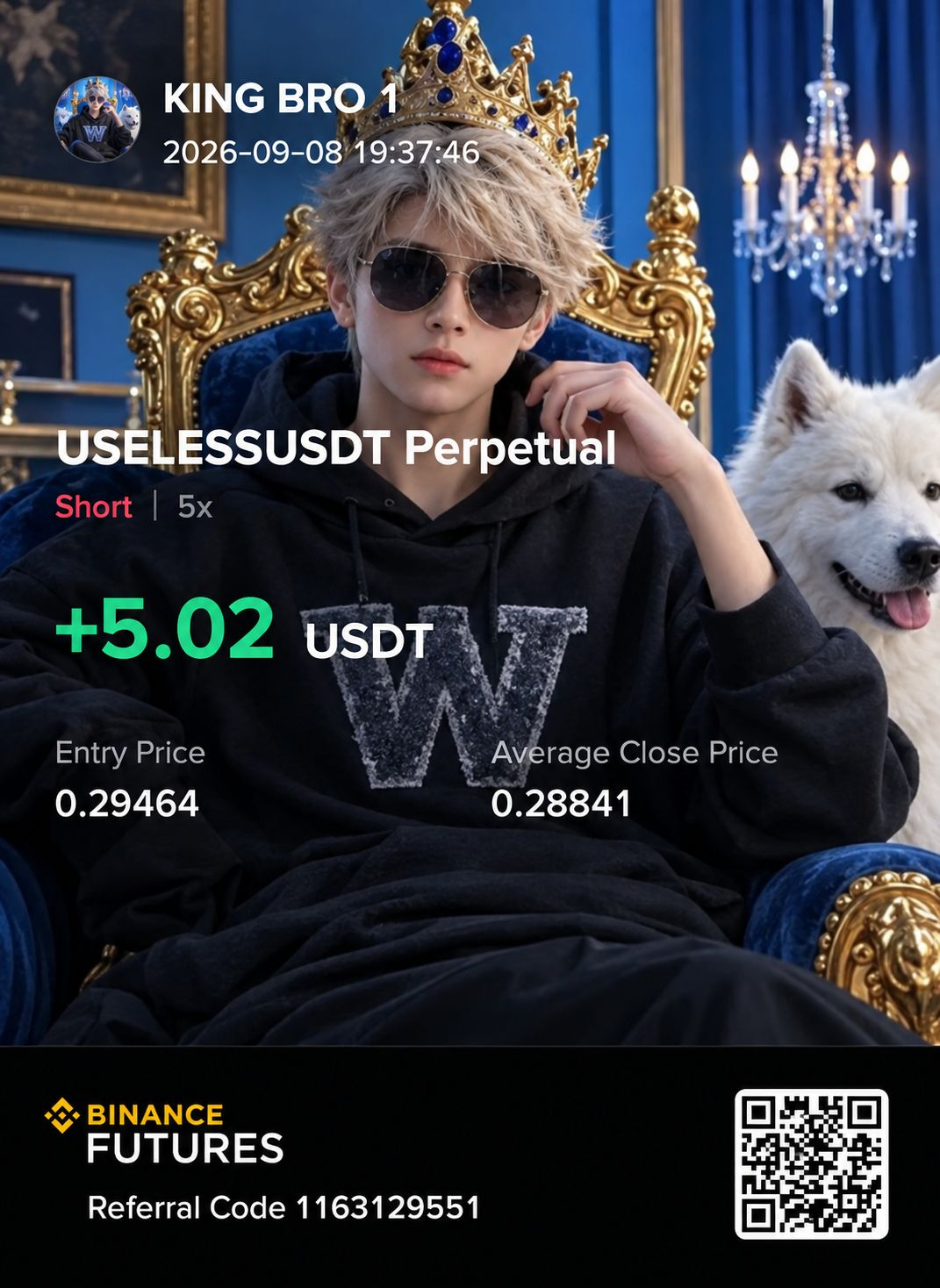
Bullisch2000 Geschenke sind LIVE.🎉🎁
Die Square Family ist in Flammen und die roten Umschläge fliegen.💯🎊🎁
FOLGEN LIKE COMMENT PLZ 🎉 🎉 🎉 👏
TEILEN REPOSTEN 🎉🎉🎉🎉👈
GUTEN NACHT, ALLE FREUNDE 😘 💤 💤 💤 💤
#solana
#SideSwapSuspendsLiquidServices #IranSaysItHit3USShips3Tankers #RussiaUkraineTradeStrikesKushnerWitkoffToKyiv
#kingbro1
$SOL
$USELESS
$VVV
Die Square Family ist in Flammen und die roten Umschläge fliegen.💯🎊🎁
FOLGEN LIKE COMMENT PLZ 🎉 🎉 🎉 👏
TEILEN REPOSTEN 🎉🎉🎉🎉👈
GUTEN NACHT, ALLE FREUNDE 😘 💤 💤 💤 💤
#solana
#SideSwapSuspendsLiquidServices #IranSaysItHit3USShips3Tankers #RussiaUkraineTradeStrikesKushnerWitkoffToKyiv
#kingbro1
$SOL
$USELESS
$VVV

gut
Mr_BNB077
·
--
🎁 BINANCE RED BOX IST LIVE! 🎁
Wer ist bereit für eine Überraschungsbelohnung? 👀
💰 Die Binance Red Box ist da — verpasse nicht deine Chance, teilzunehmen und dir einige aufregende Belohnungen zu sichern!
🎁 Like ❤️
💬 Kommentar
🔄 Weiterleiten
📤 Teilen
Jede Interaktion hilft dabei, die Möglichkeit auf noch mehr Binance-Nutzer auszuweiten.
Viel Glück an alle! 🍀🎉
Unterstützt weiter, bleibt aktiv und behaltet die nächste Red Box im Blick! 🎁💰
Wer ist bereit für eine Überraschungsbelohnung? 👀
💰 Die Binance Red Box ist da — verpasse nicht deine Chance, teilzunehmen und dir einige aufregende Belohnungen zu sichern!
🎁 Like ❤️
💬 Kommentar
🔄 Weiterleiten
📤 Teilen
Jede Interaktion hilft dabei, die Möglichkeit auf noch mehr Binance-Nutzer auszuweiten.
Viel Glück an alle! 🍀🎉
Unterstützt weiter, bleibt aktiv und behaltet die nächste Red Box im Blick! 🎁💰
gut
Der zitierte Inhalt wurde entfernt.
$SOPH
/KCS — Momentum-Setup
SOPH/KCS zeigt ein starkes Momentum-Setup. Ich beobachte die aktuelle Zone auf einen sauberen Ausbruch und eine Fortsetzung.
EP: Aktuelle Marktzone
SL: Unter dem jüngsten Support
TP1: +3%
TP2: +6%
TP3: +10%
Wichtige Ebene: Ein starker Ausbruch und ein Halten oberhalb des Widerstands kann den Weg für die nächste Bewegung öffnen.
Pro-Tipp: Chase keinen plötzlichen Pump. Warte auf Bestätigung und halte dein Risiko kontrolliert.
Handele mit Plan, nicht mit Emotionen.
/KCS — Momentum-Setup
SOPH/KCS zeigt ein starkes Momentum-Setup. Ich beobachte die aktuelle Zone auf einen sauberen Ausbruch und eine Fortsetzung.
EP: Aktuelle Marktzone
SL: Unter dem jüngsten Support
TP1: +3%
TP2: +6%
TP3: +10%
Wichtige Ebene: Ein starker Ausbruch und ein Halten oberhalb des Widerstands kann den Weg für die nächste Bewegung öffnen.
Pro-Tipp: Chase keinen plötzlichen Pump. Warte auf Bestätigung und halte dein Risiko kontrolliert.
Handele mit Plan, nicht mit Emotionen.
BULLISH
61%
BEARISH
39%
18 Stimmen • Abstimmung beendet
$SOPH
Trade Setup
SOPH zeigt ein Setup, das es wert ist, beobachtet zu werden. Ich suche nach einem sauberen Ausbruch und starkem Kaufvolumen, bevor ich einsteige.
EP: Aktueller Markt / Ausbruchsbestätigung
SL: Unterhalb des jüngsten Supports
TP1: +3%
TP2: +6%
TP3: +10%
Wichtige Zone: Ein starker Ausbruch über den Widerstand kann frischen Schwung bringen.
Pro-Tipp: Verfolge den Pump nicht. Warte auf Bestätigung und halte dein Risiko klein. Handle mit einem klaren Stop-Loss.
Trade Setup
SOPH zeigt ein Setup, das es wert ist, beobachtet zu werden. Ich suche nach einem sauberen Ausbruch und starkem Kaufvolumen, bevor ich einsteige.
EP: Aktueller Markt / Ausbruchsbestätigung
SL: Unterhalb des jüngsten Supports
TP1: +3%
TP2: +6%
TP3: +10%
Wichtige Zone: Ein starker Ausbruch über den Widerstand kann frischen Schwung bringen.
Pro-Tipp: Verfolge den Pump nicht. Warte auf Bestätigung und halte dein Risiko klein. Handle mit einem klaren Stop-Loss.
BULLISH
55%
BEARISH
45%
11 Stimmen • Abstimmung beendet
gut
Der zitierte Inhalt wurde entfernt.
gut
Der zitierte Inhalt wurde entfernt.
gut
Der zitierte Inhalt wurde entfernt.
Hier sind zwei einfache, in natürlicher Händler-Sprache geschriebene Trading-Setups:
$SOLV
— Trading-Setup
SOLV zeigt ein starkes Setup und Käufer beginnen einzusteigen.
Wenn der Kurs die Support-Zone hält, kann sich ein frischer Aufwärtsimpuls entwickeln.
EP: Aktueller Markt / Breakout-Bestätigung
SL: Unterhalb des jüngsten Supports
TP1: Erste Widerstandszone
TP2: Nächster großer Widerstand
TP3: Starkes Breakout-Ziel
Pro-Tipp: Verfolge nicht einfach eine plötzlich grüne Kerze. Warte auf Bestätigung und schütze dein Kapital mit einem strikten SL.
Trade klug. Lass das Setup zu dir kommen.
$SOPH
— Trading-Setup
SOPH baut Momentum auf und sieht bereit für einen möglichen Breakout aus.
Ein sauberer Ausbruch mit gutem Volumen kann starke Kursgewinne auslösen.
EP: Bei bestätigtem Breakout oder Retest
SL: Unterhalb des Breakout-Supports
TP1: Erste Widerstandszone
TP2: Nächster Widerstand
TP3: Erweitertes Ziel
Pro-Tipp: Volumen ist der Schlüssel. Wenn das Breakout-Volumen schwach ist, vermeide zu frühes Einsteigen.
Bleib geduldig. Handel das Setup, nicht die Emotion.
$SOLV
— Trading-Setup
SOLV zeigt ein starkes Setup und Käufer beginnen einzusteigen.
Wenn der Kurs die Support-Zone hält, kann sich ein frischer Aufwärtsimpuls entwickeln.
EP: Aktueller Markt / Breakout-Bestätigung
SL: Unterhalb des jüngsten Supports
TP1: Erste Widerstandszone
TP2: Nächster großer Widerstand
TP3: Starkes Breakout-Ziel
Pro-Tipp: Verfolge nicht einfach eine plötzlich grüne Kerze. Warte auf Bestätigung und schütze dein Kapital mit einem strikten SL.
Trade klug. Lass das Setup zu dir kommen.
$SOPH
— Trading-Setup
SOPH baut Momentum auf und sieht bereit für einen möglichen Breakout aus.
Ein sauberer Ausbruch mit gutem Volumen kann starke Kursgewinne auslösen.
EP: Bei bestätigtem Breakout oder Retest
SL: Unterhalb des Breakout-Supports
TP1: Erste Widerstandszone
TP2: Nächster Widerstand
TP3: Erweitertes Ziel
Pro-Tipp: Volumen ist der Schlüssel. Wenn das Breakout-Volumen schwach ist, vermeide zu frühes Einsteigen.
Bleib geduldig. Handel das Setup, nicht die Emotion.
BULLISH
78%
BEARISH
22%
9 Stimmen • Abstimmung beendet
gut

KSHFI_X
·
--
🌸 $BTTC Community Giveaway 🎁
Eine starke Community ist das, was jede Reise besonders macht. 💕
Also, hier ist ein kleines Gewinnspiel als Dankeschön für all die Unterstützung und die Liebe! 🌺
So nimmst du teil:
→ Folge meinem Profil
→ Like & teile diesen Beitrag
Viel Glück an alle! ☺️💫
$BTTC #BinanceSquareFamily
Was ist die kleinste positive ganze Zahl?
Eine starke Community ist das, was jede Reise besonders macht. 💕
Also, hier ist ein kleines Gewinnspiel als Dankeschön für all die Unterstützung und die Liebe! 🌺
So nimmst du teil:
→ Folge meinem Profil
→ Like & teile diesen Beitrag
Viel Glück an alle! ☺️💫
$BTTC #BinanceSquareFamily
Was ist die kleinste positive ganze Zahl?
gut

Deepak_XBT
·
--
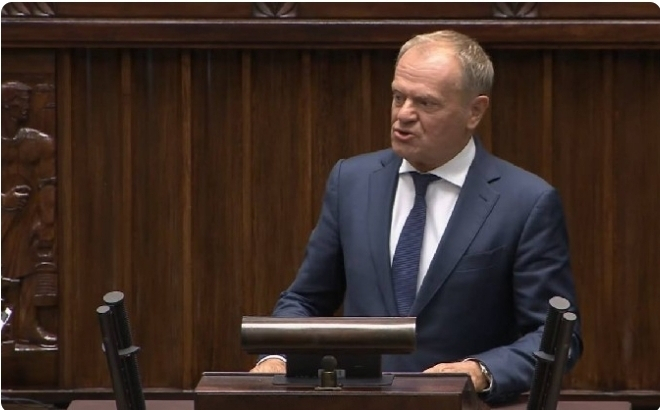
Polens Kampf um die Krypto-Regulierung hat gerade eine weitere Wendung genommen.
Der Sejm konnte Präsident Karol Nawrockis Veto gegen das Gesetz über den Kryptowährungsmarkt nicht überstimmen und erhielt 241 Stimmen, statt der nötigen 266.
Damit bleibt das Veto zum dritten Mal bestehen.
Die Lage wird immer komplizierter, weil polnische Krypto-Anbieter bereits mit Herausforderungen rund um die Einhaltung des EU-MiCA-Rahmens und die Registrierungsanforderungen konfrontiert sind.
Der politische Streit findet außerdem im Zusammenhang mit einer Korruptionsuntersuchung gegen Zondacrypto statt, die größte lokale Krypto-Börse Polens, was die Aufmerksamkeit für den Krypto-Sektor des Landes weiter verstärkt hat.
Für mich zeigt das, wie schwierig Krypto-Regulierung wird, wenn Anlegerschutz, politische Entscheidungen und Branchenwachstum aufeinanderprallen.
Glauben Sie, dass strengere Regulierung helfen würde, das Vertrauen in Polens Kryptomarkt wiederherzustellen, oder könnte sie mehr Anbieter anderswohin treiben?
Der Sejm konnte Präsident Karol Nawrockis Veto gegen das Gesetz über den Kryptowährungsmarkt nicht überstimmen und erhielt 241 Stimmen, statt der nötigen 266.
Damit bleibt das Veto zum dritten Mal bestehen.
Die Lage wird immer komplizierter, weil polnische Krypto-Anbieter bereits mit Herausforderungen rund um die Einhaltung des EU-MiCA-Rahmens und die Registrierungsanforderungen konfrontiert sind.
Der politische Streit findet außerdem im Zusammenhang mit einer Korruptionsuntersuchung gegen Zondacrypto statt, die größte lokale Krypto-Börse Polens, was die Aufmerksamkeit für den Krypto-Sektor des Landes weiter verstärkt hat.
Für mich zeigt das, wie schwierig Krypto-Regulierung wird, wenn Anlegerschutz, politische Entscheidungen und Branchenwachstum aufeinanderprallen.
Glauben Sie, dass strengere Regulierung helfen würde, das Vertrauen in Polens Kryptomarkt wiederherzustellen, oder könnte sie mehr Anbieter anderswohin treiben?
$METIS
Trade Setup
METIS zeigt ein interessantes Setup, aber das Wichtigste ist, auf Bestätigung zu warten, bevor du einsteigst.
Einstieg (EP): $X.XX – $X.XX
Stop Loss (SL): $X.XX
Take Profit (TP1): $X.XX
Take Profit (TP2): $X.XX
Take Profit (TP3): $X.XX
Handelsplan:
Warte darauf, dass METIS die Einstiegzone hält. Wenn Käufer mit starkem Volumen einsteigen, kann die Bewegung in Richtung der Ziele interessant werden. Wenn der Support bricht, vermeide es, den Trade zu erzwingen.
Pro-Tipp: Nimm bei TP1 Teilgewinne mit und verlege deinen SL auf den Einstieg. Behalte dein Risiko immer im Griff.
Trade Setup
METIS zeigt ein interessantes Setup, aber das Wichtigste ist, auf Bestätigung zu warten, bevor du einsteigst.
Einstieg (EP): $X.XX – $X.XX
Stop Loss (SL): $X.XX
Take Profit (TP1): $X.XX
Take Profit (TP2): $X.XX
Take Profit (TP3): $X.XX
Handelsplan:
Warte darauf, dass METIS die Einstiegzone hält. Wenn Käufer mit starkem Volumen einsteigen, kann die Bewegung in Richtung der Ziele interessant werden. Wenn der Support bricht, vermeide es, den Trade zu erzwingen.
Pro-Tipp: Nimm bei TP1 Teilgewinne mit und verlege deinen SL auf den Einstieg. Behalte dein Risiko immer im Griff.
BULLISH
89%
BEARISH
11%
18 Stimmen • Abstimmung beendet
gut

ETHcryptohub
·
--
🎁🎁🎁🎁 Geschenke für alle 🎁🎁🎁🎁
Vielen Dank für die Unterstützung von 48K+ Followern 🎉🎉🎉🎉🎉🎉🎉🎉🎉🎉🎉🎉
Sichere dir deine kostenlosen Geschenke 💐💐💐💐💐💐
Kommentiere mit Ja 👈
#Ethcryptohub
Vielen Dank für die Unterstützung von 48K+ Followern 🎉🎉🎉🎉🎉🎉🎉🎉🎉🎉🎉🎉
Sichere dir deine kostenlosen Geschenke 💐💐💐💐💐💐
Kommentiere mit Ja 👈
#Ethcryptohub
gut
Der zitierte Inhalt wurde entfernt.
gut
Der zitierte Inhalt wurde entfernt.
Anmelden und weiter Inhalte entdecken