
ABEERA RYK
4k Beiträge

ABEERA RYK
Melden
Nutzer blockieren
Trade eröffnen
Regelmäßiger Trader
9.3 Monate
362 Following
11.2K+ Follower
1.9K+ Like gegeben
Beiträge
Portfolio
Alle
Zitierungen
Live
·
--
Bärisch
Je mehr Zeit ich mit dem Studium von DeFi-Ökosystemen verbringe, desto mehr fällt mir auf, dass die interessantesten Signale selten mit den Kennzahlen beginnen, auf die alle schauen.
Die meisten Teilnehmenden konzentrieren sich auf TVL, das Wachstum der Liquidität, das Handelsvolumen und Ertragsmöglichkeiten. Ich verstehe, warum. Diese Zahlen geben ein sofortiges Bild davon, wohin Kapital fließt.
Doch das hat mich darüber nachdenken lassen, was darunter liegt.
TVL entsteht durch Kapitalflüsse. Kapitalflüsse reagieren auf Anreize. Anreize können durch Governance beeinflusst werden. Das bedeutet: Die sichtbare Kennzahl könnte tatsächlich der letzte Schritt eines viel längeren Prozesses sein.
Darum finde ich die veOPG-Governance interessant. Governance kann die Verteilung von Anreizen und die Ausrichtung des Protokolls beeinflussen, bevor diese Entscheidungen offensichtlich werden, etwa durch Veränderungen in der Liquidität. Ich betrachte Governance-Aktivität als potenzielle frühe Informationsschicht – nicht nur als reinen Abstimmungsprozess.
Eine übersehene Dynamik ist die Lücke zwischen Entscheidung und Reaktion. Wenn ich mir anschaue, welche Anreize unterstützt werden, wo die Abstimmungsmacht konzentriert ist und worauf die Governance-Teilnehmenden Prioritäten setzen, kann ich die Kräfte verstehen, die das künftige Kapitalverhalten formen – bevor sie in der TVL sichtbar werden.
Ich sehe das nicht als Prognosewerkzeug. Für mich ist der Arbitrage-Aspekt eher informativ: den Grund zu verstehen, bevor die Wirkung sichtbar wird.
Die meisten Menschen beobachten die Liquidität. Liquidität wird durch Anreize geformt. Anreize werden durch Governance geformt.
Der Markt beobachtet das Ergebnis; ich beobachte, was es erzeugt.
#FedRateWatch
$AKE
$BR
{future}(BRUSDT)
Je mehr Zeit ich mit dem Studium von DeFi-Ökosystemen verbringe, desto mehr fällt mir auf, dass die interessantesten Signale selten mit den Kennzahlen beginnen, auf die alle schauen.
Die meisten Teilnehmenden konzentrieren sich auf TVL, das Wachstum der Liquidität, das Handelsvolumen und Ertragsmöglichkeiten. Ich verstehe, warum. Diese Zahlen geben ein sofortiges Bild davon, wohin Kapital fließt.
Doch das hat mich darüber nachdenken lassen, was darunter liegt.
TVL entsteht durch Kapitalflüsse. Kapitalflüsse reagieren auf Anreize. Anreize können durch Governance beeinflusst werden. Das bedeutet: Die sichtbare Kennzahl könnte tatsächlich der letzte Schritt eines viel längeren Prozesses sein.
Darum finde ich die veOPG-Governance interessant. Governance kann die Verteilung von Anreizen und die Ausrichtung des Protokolls beeinflussen, bevor diese Entscheidungen offensichtlich werden, etwa durch Veränderungen in der Liquidität. Ich betrachte Governance-Aktivität als potenzielle frühe Informationsschicht – nicht nur als reinen Abstimmungsprozess.
Eine übersehene Dynamik ist die Lücke zwischen Entscheidung und Reaktion. Wenn ich mir anschaue, welche Anreize unterstützt werden, wo die Abstimmungsmacht konzentriert ist und worauf die Governance-Teilnehmenden Prioritäten setzen, kann ich die Kräfte verstehen, die das künftige Kapitalverhalten formen – bevor sie in der TVL sichtbar werden.
Ich sehe das nicht als Prognosewerkzeug. Für mich ist der Arbitrage-Aspekt eher informativ: den Grund zu verstehen, bevor die Wirkung sichtbar wird.
Die meisten Menschen beobachten die Liquidität. Liquidität wird durch Anreize geformt. Anreize werden durch Governance geformt.
Der Markt beobachtet das Ergebnis; ich beobachte, was es erzeugt.
#FedRateWatch
$AKE
$BR
Die meisten Teilnehmenden konzentrieren sich auf TVL, das Wachstum der Liquidität, das Handelsvolumen und Ertragsmöglichkeiten. Ich verstehe, warum. Diese Zahlen geben ein sofortiges Bild davon, wohin Kapital fließt.
Doch das hat mich darüber nachdenken lassen, was darunter liegt.
TVL entsteht durch Kapitalflüsse. Kapitalflüsse reagieren auf Anreize. Anreize können durch Governance beeinflusst werden. Das bedeutet: Die sichtbare Kennzahl könnte tatsächlich der letzte Schritt eines viel längeren Prozesses sein.
Darum finde ich die veOPG-Governance interessant. Governance kann die Verteilung von Anreizen und die Ausrichtung des Protokolls beeinflussen, bevor diese Entscheidungen offensichtlich werden, etwa durch Veränderungen in der Liquidität. Ich betrachte Governance-Aktivität als potenzielle frühe Informationsschicht – nicht nur als reinen Abstimmungsprozess.
Eine übersehene Dynamik ist die Lücke zwischen Entscheidung und Reaktion. Wenn ich mir anschaue, welche Anreize unterstützt werden, wo die Abstimmungsmacht konzentriert ist und worauf die Governance-Teilnehmenden Prioritäten setzen, kann ich die Kräfte verstehen, die das künftige Kapitalverhalten formen – bevor sie in der TVL sichtbar werden.
Ich sehe das nicht als Prognosewerkzeug. Für mich ist der Arbitrage-Aspekt eher informativ: den Grund zu verstehen, bevor die Wirkung sichtbar wird.
Die meisten Menschen beobachten die Liquidität. Liquidität wird durch Anreize geformt. Anreize werden durch Governance geformt.
Der Markt beobachtet das Ergebnis; ich beobachte, was es erzeugt.
#FedRateWatch
$AKE
$BR
209
·
--
Bullisch
$ENJ USDT steht ebenfalls unter starkem Druck und handelt bei etwa 0,02599 US-Dollar, nachdem es um 3,33% gefallen ist. Derzeit liegt der Preis nahe 0,02598 US-Dollar, wobei Verkäufer die Kontrolle über den kurzfristigen Momentum beibehalten. Der Rückgang zeigt, dass ENJ derzeit auf den aktuellen Kursniveaus nicht genug Kaufkraft anziehen kann. Trader sollten die Reaktion in diesem Bereich sorgfältig beobachten, insbesondere das Volumen und alle Anzeichen für Käuferaufnahme. Ein starker Rebound könnte auf Stabilisierung und eine mögliche Momentum-Wende hinweisen, während eine fortgesetzte Zurückweisung die bärische Struktur intakt halten könnte. ENJUSDT nähert sich einem wichtigen Entscheidungsbereich, und die nächste starke Reaktion könnte Aufschluss darüber geben, ob Käufer bereit sind, den Preis zu verteidigen, oder ob Verkäufer weiterhin dominieren.
#AvalancheIntegratesIntoUAEPassDigitalVault #AnthropicCEOCallsForAISlowdown #BitcoinThirdSingleBlockReorgInFourWeeks #AnthropicCEOCallsForAISlowdown
{future}(ENSUSDT)
{spot}(ENAUSDT)
$ENJ USDT steht ebenfalls unter starkem Druck und handelt bei etwa 0,02599 US-Dollar, nachdem es um 3,33% gefallen ist. Derzeit liegt der Preis nahe 0,02598 US-Dollar, wobei Verkäufer die Kontrolle über den kurzfristigen Momentum beibehalten. Der Rückgang zeigt, dass ENJ derzeit auf den aktuellen Kursniveaus nicht genug Kaufkraft anziehen kann. Trader sollten die Reaktion in diesem Bereich sorgfältig beobachten, insbesondere das Volumen und alle Anzeichen für Käuferaufnahme. Ein starker Rebound könnte auf Stabilisierung und eine mögliche Momentum-Wende hinweisen, während eine fortgesetzte Zurückweisung die bärische Struktur intakt halten könnte. ENJUSDT nähert sich einem wichtigen Entscheidungsbereich, und die nächste starke Reaktion könnte Aufschluss darüber geben, ob Käufer bereit sind, den Preis zu verteidigen, oder ob Verkäufer weiterhin dominieren.
#AvalancheIntegratesIntoUAEPassDigitalVault #AnthropicCEOCallsForAISlowdown #BitcoinThirdSingleBlockReorgInFourWeeks #AnthropicCEOCallsForAISlowdown
#AvalancheIntegratesIntoUAEPassDigitalVault #AnthropicCEOCallsForAISlowdown #BitcoinThirdSingleBlockReorgInFourWeeks #AnthropicCEOCallsForAISlowdown
294
·
--
$ARX gewinnt zunehmend an Schwung, während Käufer die aktuelle Ausbruchsstruktur verteidigen.
Die Kontrolle bleibt bei den Käufern, solange der Preis über der unmittelbaren Unterstützungszone bleibt.
EP 0.1545 - 0.1580
TP TP1 0.1630 TP2 0.1700 TP3 0.1790
SL 0.1480
Die Liquidität weitet sich rund um die Bewegung aus, und die nächste Reaktion wird zeigen, ob Käufer die Kontrolle aufrechterhalten können. ARX ist für das Arx Network entwickelt und unterstützt Staking, Governance, Validatoren und dezentrale Kommunikationsinfrastruktur. Die Roadmap des Netzwerks umfasst außerdem Pay-Links sowie weitere Kommunikations- und Handelsfunktionen und erweitert damit den Nutzen rund um das Ökosystem.
#US10YearTreasuryYieldNears5% #SECReceivesGrayscaleLitecoinTrustETFFiling #TokenizedStockHoldersUp619.1% #
{future}(XRPUSDT)
$ARX gewinnt zunehmend an Schwung, während Käufer die aktuelle Ausbruchsstruktur verteidigen.
Die Kontrolle bleibt bei den Käufern, solange der Preis über der unmittelbaren Unterstützungszone bleibt.
EP 0.1545 - 0.1580
TP TP1 0.1630 TP2 0.1700 TP3 0.1790
SL 0.1480
Die Liquidität weitet sich rund um die Bewegung aus, und die nächste Reaktion wird zeigen, ob Käufer die Kontrolle aufrechterhalten können. ARX ist für das Arx Network entwickelt und unterstützt Staking, Governance, Validatoren und dezentrale Kommunikationsinfrastruktur. Die Roadmap des Netzwerks umfasst außerdem Pay-Links sowie weitere Kommunikations- und Handelsfunktionen und erweitert damit den Nutzen rund um das Ökosystem.
#US10YearTreasuryYieldNears5% #SECReceivesGrayscaleLitecoinTrustETFFiling #TokenizedStockHoldersUp619.1% #
Die Kontrolle bleibt bei den Käufern, solange der Preis über der unmittelbaren Unterstützungszone bleibt.
EP 0.1545 - 0.1580
TP TP1 0.1630 TP2 0.1700 TP3 0.1790
SL 0.1480
Die Liquidität weitet sich rund um die Bewegung aus, und die nächste Reaktion wird zeigen, ob Käufer die Kontrolle aufrechterhalten können. ARX ist für das Arx Network entwickelt und unterstützt Staking, Governance, Validatoren und dezentrale Kommunikationsinfrastruktur. Die Roadmap des Netzwerks umfasst außerdem Pay-Links sowie weitere Kommunikations- und Handelsfunktionen und erweitert damit den Nutzen rund um das Ökosystem.
#US10YearTreasuryYieldNears5% #SECReceivesGrayscaleLitecoinTrustETFFiling #TokenizedStockHoldersUp619.1% #
482
·
--
$ETH USDT wird nahe $2.524,59 gehandelt, ist um 1,70% gefallen und zeigt einen klaren kurzfristigen Verkaufsdruck. Mit einem gemeldeten Volumen von rund 270,44 Mio. bleibt die Marktaktivität trotz des Rückgangs stark. Derzeit haben die Verkäufer die Oberhand, aber diese Zone könnte wichtig werden, wenn Käufer versuchen, die Dynamik zurückzugewinnen. Eine starke Reaktion mit steigendem Volumen könnte auf eine erneuerte Nachfrage hindeuten, während anhaltende Schwäche den Abwärtsdruck verstärken könnte. Händler sollten ETH genau beobachten, um zu sehen, ob es zu einem richtungsweisenden Move kommt, der von den aktuellen Niveaus ausgeht. Die nächste Reaktion in diesem Bereich könnte zeigen, ob Käufer die Struktur stabilisieren können oder ob Verkäufer ihre Kontrolle ausweiten werden.
#RevolutConfirmsFakeGovEmailDataBreach #EtherRalliesAsBearishBetsLiquidate #LISTAAirdrop #EtherRalliesAsBearishBetsLiquidate #USBankCompletesCrossBorderPaymentPilotOnStellar
{stock_us}(EHTH.US)
$ETH USDT wird nahe $2.524,59 gehandelt, ist um 1,70% gefallen und zeigt einen klaren kurzfristigen Verkaufsdruck. Mit einem gemeldeten Volumen von rund 270,44 Mio. bleibt die Marktaktivität trotz des Rückgangs stark. Derzeit haben die Verkäufer die Oberhand, aber diese Zone könnte wichtig werden, wenn Käufer versuchen, die Dynamik zurückzugewinnen. Eine starke Reaktion mit steigendem Volumen könnte auf eine erneuerte Nachfrage hindeuten, während anhaltende Schwäche den Abwärtsdruck verstärken könnte. Händler sollten ETH genau beobachten, um zu sehen, ob es zu einem richtungsweisenden Move kommt, der von den aktuellen Niveaus ausgeht. Die nächste Reaktion in diesem Bereich könnte zeigen, ob Käufer die Struktur stabilisieren können oder ob Verkäufer ihre Kontrolle ausweiten werden.
#RevolutConfirmsFakeGovEmailDataBreach #EtherRalliesAsBearishBetsLiquidate #LISTAAirdrop #EtherRalliesAsBearishBetsLiquidate #USBankCompletesCrossBorderPaymentPilotOnStellar
#RevolutConfirmsFakeGovEmailDataBreach #EtherRalliesAsBearishBetsLiquidate #LISTAAirdrop #EtherRalliesAsBearishBetsLiquidate #USBankCompletesCrossBorderPaymentPilotOnStellar
ETH+0,90%
EHTHUS-2,50%
84
·
--
Bullisch
Je tiefer ich in Krypto-Ökosysteme hineinschaue, desto mehr fällt mir auf, dass Liquidität oft die sichtbare Folge von Entscheidungen ist, die viel früher getroffen wurden.
Die meisten Teilnehmer konzentrieren sich auf TVL, Liquiditätswachstum, Volumen und Ertragschancen, weil diese Kennzahlen zeigen, wo das Kapital bereits hingewandert ist. Dabei kam mir folgende Idee: Was, wenn das nützlichere Signal bereits existiert, bevor sich diese Zahlen verändern?
Was mich daran interessiert, ist die Rolle der veOPG-Governance in diesem Prozess. Governance kann die Verteilung von Anreizen und die Ausrichtung des Protokolls beeinflussen. Das bedeutet: Teilnehmer mit Stimmrechten können mitbestimmen, welche Teile eines Ökosystems Aufmerksamkeit und Ressourcen erhalten.
Eine übersehene Dynamik ist, dass Governance-Entscheidungen stattfinden können, bevor Liquiditätsbewegungen offensichtlich werden. Wenn Anreize umgelenkt werden, können sich die wirtschaftlichen Rahmenbedingungen für die künftige Kapitalallokation bereits verändern, selbst wenn die Diagramme noch relativ ruhig wirken.
Für mich ist das besonders aus der Perspektive eines Investors nützlich, weil die Teilnahme an Governance Prioritäten sichtbar machen kann, die gewöhnliche Marktdaten nicht sofort abbilden. Es ist kein Prognose-Tool; es ist eine zusätzliche Informationsschicht über Anreize, Koordination und Kapitalallokation.
Der Markt beobachtet, wohin sich die Liquidität bewegt.
Ich beobachte, was sie bewegt.
#CPIWatch
$IOST
$LAB
{future}(LABUSDT)
Je tiefer ich in Krypto-Ökosysteme hineinschaue, desto mehr fällt mir auf, dass Liquidität oft die sichtbare Folge von Entscheidungen ist, die viel früher getroffen wurden.
Die meisten Teilnehmer konzentrieren sich auf TVL, Liquiditätswachstum, Volumen und Ertragschancen, weil diese Kennzahlen zeigen, wo das Kapital bereits hingewandert ist. Dabei kam mir folgende Idee: Was, wenn das nützlichere Signal bereits existiert, bevor sich diese Zahlen verändern?
Was mich daran interessiert, ist die Rolle der veOPG-Governance in diesem Prozess. Governance kann die Verteilung von Anreizen und die Ausrichtung des Protokolls beeinflussen. Das bedeutet: Teilnehmer mit Stimmrechten können mitbestimmen, welche Teile eines Ökosystems Aufmerksamkeit und Ressourcen erhalten.
Eine übersehene Dynamik ist, dass Governance-Entscheidungen stattfinden können, bevor Liquiditätsbewegungen offensichtlich werden. Wenn Anreize umgelenkt werden, können sich die wirtschaftlichen Rahmenbedingungen für die künftige Kapitalallokation bereits verändern, selbst wenn die Diagramme noch relativ ruhig wirken.
Für mich ist das besonders aus der Perspektive eines Investors nützlich, weil die Teilnahme an Governance Prioritäten sichtbar machen kann, die gewöhnliche Marktdaten nicht sofort abbilden. Es ist kein Prognose-Tool; es ist eine zusätzliche Informationsschicht über Anreize, Koordination und Kapitalallokation.
Der Markt beobachtet, wohin sich die Liquidität bewegt.
Ich beobachte, was sie bewegt.
#CPIWatch
$IOST
$LAB
Die meisten Teilnehmer konzentrieren sich auf TVL, Liquiditätswachstum, Volumen und Ertragschancen, weil diese Kennzahlen zeigen, wo das Kapital bereits hingewandert ist. Dabei kam mir folgende Idee: Was, wenn das nützlichere Signal bereits existiert, bevor sich diese Zahlen verändern?
Was mich daran interessiert, ist die Rolle der veOPG-Governance in diesem Prozess. Governance kann die Verteilung von Anreizen und die Ausrichtung des Protokolls beeinflussen. Das bedeutet: Teilnehmer mit Stimmrechten können mitbestimmen, welche Teile eines Ökosystems Aufmerksamkeit und Ressourcen erhalten.
Eine übersehene Dynamik ist, dass Governance-Entscheidungen stattfinden können, bevor Liquiditätsbewegungen offensichtlich werden. Wenn Anreize umgelenkt werden, können sich die wirtschaftlichen Rahmenbedingungen für die künftige Kapitalallokation bereits verändern, selbst wenn die Diagramme noch relativ ruhig wirken.
Für mich ist das besonders aus der Perspektive eines Investors nützlich, weil die Teilnahme an Governance Prioritäten sichtbar machen kann, die gewöhnliche Marktdaten nicht sofort abbilden. Es ist kein Prognose-Tool; es ist eine zusätzliche Informationsschicht über Anreize, Koordination und Kapitalallokation.
Der Markt beobachtet, wohin sich die Liquidität bewegt.
Ich beobachte, was sie bewegt.
#CPIWatch
$IOST
$LAB
366
·
--
Bullisch
Je tiefer ich in Krypto-Ökosysteme hineinschaue, desto mehr fällt mir auf, dass Liquidität selten das Erste ist, was sich verändert. Ich habe begonnen, genauer auf die Entscheidungen zu achten, die diese Liquiditätsbewegungen auslösen.
Die meisten Investoren konzentrieren sich auf TVL, Handelsvolumen, Liquiditätstiefe und verfügbare Renditen. Ich verstehe warum: Das ist sichtbar, messbar und lässt sich leicht vergleichen.
Doch unter diesen Kennzahlen liegt eine weniger offensichtliche Ebene: Anreize. Liquidität entsteht nicht einfach von selbst; Protokolle und Governance-Strukturen beeinflussen, wo Kapital Belohnungen, Aufmerksamkeit und strategische Unterstützung erhält.
Das hat mich dazu gebracht, die veOPG-Governance genauer zu betrachten. Wenn Governance-Teilnehmende die Verteilung von Anreizen und die Ausrichtung des Protokolls beeinflussen können, könnten ihre Entscheidungen sich verändernde Prioritäten erkennen lassen, bevor diese Prioritäten sichtbar werden – etwa durch TVL oder Volumen.
Was ich daran interessant finde, ist der mögliche Informationsvorsprung. Wer Governance-Vorschläge, Abstimmungsverhalten und Anreizzuweisungen studiert, kann die Kräfte, die die Kapitalflüsse formen, möglicherweise früher verstehen als jemand, der nur Liquiditätskennzahlen beobachtet. Ich sehe das weniger als Vorhersagestrategie, sondern eher als übersehbaren Arbitrage von Informationen.
Die meisten Teilnehmenden untersuchen das Ergebnis. Ich bevorzuge es, den Mechanismus zu studieren, der es hervorbringt.
Der Markt beobachtet, wohin Kapital fließt; ich beobachte, wer entscheidet, wohin es fließt.
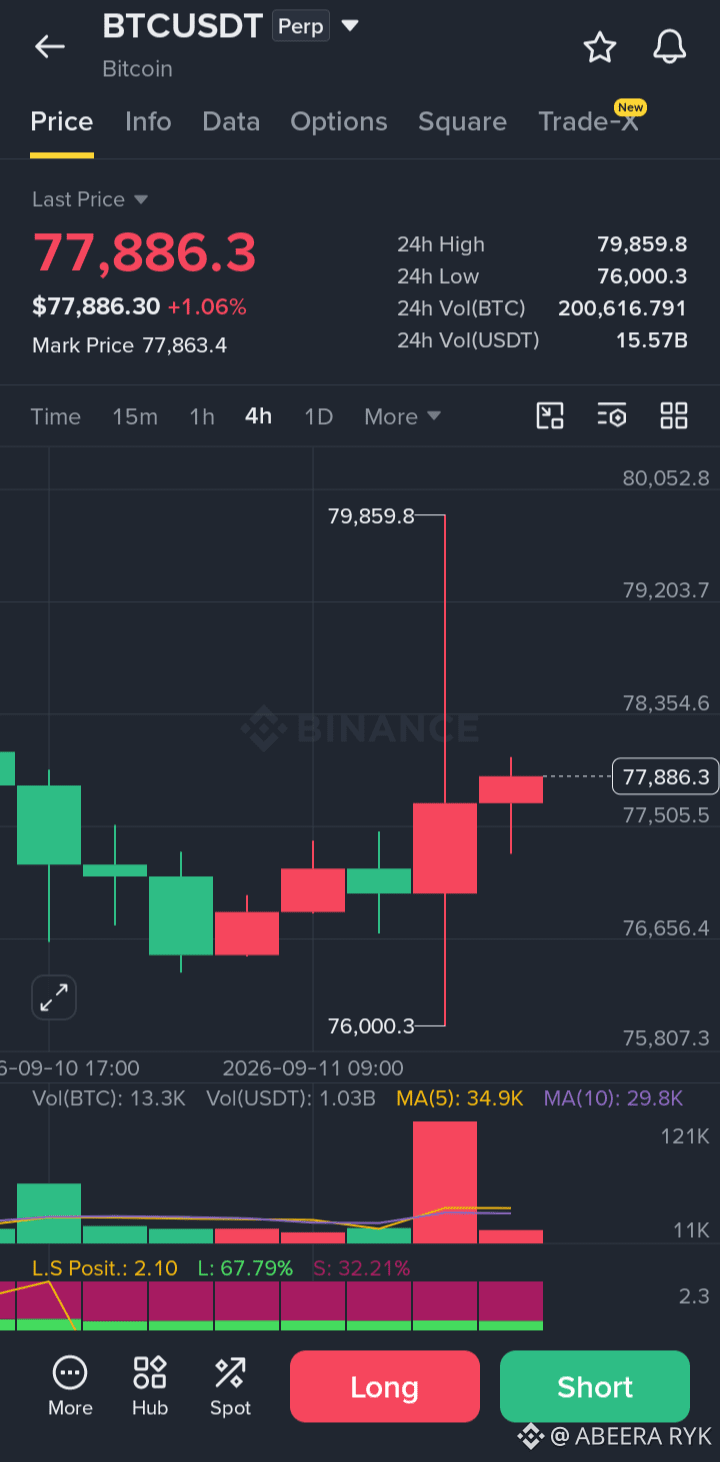
$ETH $BNB $BTC
{future}(BTCUSDT)
Je tiefer ich in Krypto-Ökosysteme hineinschaue, desto mehr fällt mir auf, dass Liquidität selten das Erste ist, was sich verändert. Ich habe begonnen, genauer auf die Entscheidungen zu achten, die diese Liquiditätsbewegungen auslösen.
Die meisten Investoren konzentrieren sich auf TVL, Handelsvolumen, Liquiditätstiefe und verfügbare Renditen. Ich verstehe warum: Das ist sichtbar, messbar und lässt sich leicht vergleichen.
Doch unter diesen Kennzahlen liegt eine weniger offensichtliche Ebene: Anreize. Liquidität entsteht nicht einfach von selbst; Protokolle und Governance-Strukturen beeinflussen, wo Kapital Belohnungen, Aufmerksamkeit und strategische Unterstützung erhält.
Das hat mich dazu gebracht, die veOPG-Governance genauer zu betrachten. Wenn Governance-Teilnehmende die Verteilung von Anreizen und die Ausrichtung des Protokolls beeinflussen können, könnten ihre Entscheidungen sich verändernde Prioritäten erkennen lassen, bevor diese Prioritäten sichtbar werden – etwa durch TVL oder Volumen.
Was ich daran interessant finde, ist der mögliche Informationsvorsprung. Wer Governance-Vorschläge, Abstimmungsverhalten und Anreizzuweisungen studiert, kann die Kräfte, die die Kapitalflüsse formen, möglicherweise früher verstehen als jemand, der nur Liquiditätskennzahlen beobachtet. Ich sehe das weniger als Vorhersagestrategie, sondern eher als übersehbaren Arbitrage von Informationen.
Die meisten Teilnehmenden untersuchen das Ergebnis. Ich bevorzuge es, den Mechanismus zu studieren, der es hervorbringt.
Der Markt beobachtet, wohin Kapital fließt; ich beobachte, wer entscheidet, wohin es fließt.
$ETH $BNB $BTC
Die meisten Investoren konzentrieren sich auf TVL, Handelsvolumen, Liquiditätstiefe und verfügbare Renditen. Ich verstehe warum: Das ist sichtbar, messbar und lässt sich leicht vergleichen.
Doch unter diesen Kennzahlen liegt eine weniger offensichtliche Ebene: Anreize. Liquidität entsteht nicht einfach von selbst; Protokolle und Governance-Strukturen beeinflussen, wo Kapital Belohnungen, Aufmerksamkeit und strategische Unterstützung erhält.
Das hat mich dazu gebracht, die veOPG-Governance genauer zu betrachten. Wenn Governance-Teilnehmende die Verteilung von Anreizen und die Ausrichtung des Protokolls beeinflussen können, könnten ihre Entscheidungen sich verändernde Prioritäten erkennen lassen, bevor diese Prioritäten sichtbar werden – etwa durch TVL oder Volumen.
Was ich daran interessant finde, ist der mögliche Informationsvorsprung. Wer Governance-Vorschläge, Abstimmungsverhalten und Anreizzuweisungen studiert, kann die Kräfte, die die Kapitalflüsse formen, möglicherweise früher verstehen als jemand, der nur Liquiditätskennzahlen beobachtet. Ich sehe das weniger als Vorhersagestrategie, sondern eher als übersehbaren Arbitrage von Informationen.
Die meisten Teilnehmenden untersuchen das Ergebnis. Ich bevorzuge es, den Mechanismus zu studieren, der es hervorbringt.
Der Markt beobachtet, wohin Kapital fließt; ich beobachte, wer entscheidet, wohin es fließt.
$ETH $BNB $BTC
88
·
--
$ARB steht unter Verkaufsdruck, aber die aktuelle Zone nähert sich einem bedeutenden Reaktionsbereich.
Die Struktur bleibt bärisch, bis Käufer die kurzfristige Widerstandszone zurückerobern.
EP 0.1480 - 0.1495
TP TP1 0.1450 TP2 0.1410 TP3 0.1370
SL 0.1530
Die Liquidität baut sich unterhalb des aktuellen Preises auf, während das Ablehnungsrisiko weiterhin erhöht bleibt. ARB ist das native Token von Arbitrum, einem Ethereum-Scaling-Ökosystem, das mithilfe von Layer-2-Technologie darauf ausgelegt ist, den Transaktionsdurchsatz zu verbessern und die Kosten zu senken.
#AppleDebutsFoldablePhone #AppleDebutsFoldablePhone #IranSaysReadyToEscalateWarWithUS #EUExtendsCentralContactPointToCASPs #US10YTreasuryYieldHitsHighestSinceNov2023
$ARB steht unter Verkaufsdruck, aber die aktuelle Zone nähert sich einem bedeutenden Reaktionsbereich.
Die Struktur bleibt bärisch, bis Käufer die kurzfristige Widerstandszone zurückerobern.
EP 0.1480 - 0.1495
TP TP1 0.1450 TP2 0.1410 TP3 0.1370
SL 0.1530
Die Liquidität baut sich unterhalb des aktuellen Preises auf, während das Ablehnungsrisiko weiterhin erhöht bleibt. ARB ist das native Token von Arbitrum, einem Ethereum-Scaling-Ökosystem, das mithilfe von Layer-2-Technologie darauf ausgelegt ist, den Transaktionsdurchsatz zu verbessern und die Kosten zu senken.
#AppleDebutsFoldablePhone #AppleDebutsFoldablePhone #IranSaysReadyToEscalateWarWithUS #EUExtendsCentralContactPointToCASPs #US10YTreasuryYieldHitsHighestSinceNov2023
Die Struktur bleibt bärisch, bis Käufer die kurzfristige Widerstandszone zurückerobern.
EP 0.1480 - 0.1495
TP TP1 0.1450 TP2 0.1410 TP3 0.1370
SL 0.1530
Die Liquidität baut sich unterhalb des aktuellen Preises auf, während das Ablehnungsrisiko weiterhin erhöht bleibt. ARB ist das native Token von Arbitrum, einem Ethereum-Scaling-Ökosystem, das mithilfe von Layer-2-Technologie darauf ausgelegt ist, den Transaktionsdurchsatz zu verbessern und die Kosten zu senken.
#AppleDebutsFoldablePhone #AppleDebutsFoldablePhone #IranSaysReadyToEscalateWarWithUS #EUExtendsCentralContactPointToCASPs #US10YTreasuryYieldHitsHighestSinceNov2023
147
·
--
Bullisch
$XAG USDT baut positives Momentum auf und handelt um 67,54 herum, während es um 1,94% zulegt. Bei einer Handelsaktivität von rund 4,22 Mio. zieht das Paar spürbare Aufmerksamkeit auf sich. Käufer scheinen derzeit stärker zu sein, und ein Halten oberhalb der aktuellen Niveaus könnte einen weiteren Aufwärtsimpuls unterstützen. Ein nachhaltiger Ausbruch könnte zu höherem Volumen und stärkerem Momentum führen, während eine Zurückweisung einen Rücksetzer auslösen könnte. Händler sollten die Preisstruktur und die Volumenbestätigung sorgfältig beobachten, da XAGUSDT in der aktuellen Marktlage weiterhin höhere Niveaus testet.
#RippleLobbiesToAdvanceCLARITYActVote
{future}(XAGUSDT)
$XAG USDT baut positives Momentum auf und handelt um 67,54 herum, während es um 1,94% zulegt. Bei einer Handelsaktivität von rund 4,22 Mio. zieht das Paar spürbare Aufmerksamkeit auf sich. Käufer scheinen derzeit stärker zu sein, und ein Halten oberhalb der aktuellen Niveaus könnte einen weiteren Aufwärtsimpuls unterstützen. Ein nachhaltiger Ausbruch könnte zu höherem Volumen und stärkerem Momentum führen, während eine Zurückweisung einen Rücksetzer auslösen könnte. Händler sollten die Preisstruktur und die Volumenbestätigung sorgfältig beobachten, da XAGUSDT in der aktuellen Marktlage weiterhin höhere Niveaus testet.
#RippleLobbiesToAdvanceCLARITYActVote
#RippleLobbiesToAdvanceCLARITYActVote
147
·
--
Bullisch
$MARA USDT zeigt eine starke Aufwärtsdynamik und wird bei etwa 11.889 gehandelt, mit einem Gewinn von 4.96%. Käufer sind fest aktiv und die Bewegung gewinnt zunehmend die Aufmerksamkeit des Marktes. Wenn der Preis weiterhin über den aktuellen Niveaus hält, könnte sich ein weiterer Vorstoß nach oben entwickeln—mit stärkerem Volumen dahinter. Die Struktur bleibt konstruktiv, solange die Kaufnachfrage stark ist. Händler sollten Unterstützung und Momentum genau beobachten, da anhaltende Stärke die nächste große Bewegung von hier aus beschleunigen könnte.
#SaudiHaltsSouthernEnergySitesAfterAttacks #YenBreaks155NearingYearHigh #USIranTradeTankerStrikesEscalate #CanadaTariffsOnUSTakeEffect #ZcashRises45%WeeklyToHighestSince2016
{future}(MARAUSDT)
$MARA USDT zeigt eine starke Aufwärtsdynamik und wird bei etwa 11.889 gehandelt, mit einem Gewinn von 4.96%. Käufer sind fest aktiv und die Bewegung gewinnt zunehmend die Aufmerksamkeit des Marktes. Wenn der Preis weiterhin über den aktuellen Niveaus hält, könnte sich ein weiterer Vorstoß nach oben entwickeln—mit stärkerem Volumen dahinter. Die Struktur bleibt konstruktiv, solange die Kaufnachfrage stark ist. Händler sollten Unterstützung und Momentum genau beobachten, da anhaltende Stärke die nächste große Bewegung von hier aus beschleunigen könnte.
#SaudiHaltsSouthernEnergySitesAfterAttacks #YenBreaks155NearingYearHigh #USIranTradeTankerStrikesEscalate #CanadaTariffsOnUSTakeEffect #ZcashRises45%WeeklyToHighestSince2016
#SaudiHaltsSouthernEnergySitesAfterAttacks #YenBreaks155NearingYearHigh #USIranTradeTankerStrikesEscalate #CanadaTariffsOnUSTakeEffect #ZcashRises45%WeeklyToHighestSince2016
102
·
--
Bullisch
$ALLO s steigt mit starkem bullischem ROUTE förmlich durch die Decke und explodiert mit massiver Dynamik. Der Kurs handelt derzeit um $0.00023 und zeigt einen unglaublichen Zuwachs von 117,9%. Käufer dominieren diese Bewegung eindeutig und machen ROUTE zum stärksten Performer in der Liste. Ein so starker Anstieg kann große Aufmerksamkeit und Handelsvolumen anziehen. Trader sollten beobachten, ob die Dynamik weiter anhält oder ob ein scharfer Rücksetzer beginnt. Die aktuelle Bewegung ist sehr volatil, daher kann das Hinterherjagen des Preises ohne ein richtiges Risikomanagement gefährlich sein., handelt derzeit um $0.000751 und gewinnt 30,82%. Käufer sind aggressiv eingestiegen, haben den Token deutlich nach oben gedrückt und Aufmerksamkeit auf sich gezogen. Trader achten darauf, ob ALKIMI diese Dynamik halten und eine weitere Aufwärtswelle aufbauen kann. Eine Fortsetzung könnte zu mehr Volumen führen, während eine plötzliche Umkehr Gewinnmitnahmen auslösen kann. Aufgrund des starken Moves ist die Volatilität erhöht und Trader sollten das Risiko sorgfältig steuern, bevor sie eine Entscheidung treffen.
#IMFSaysElSalvadorBTCNoPublicFunds #SideSwapSuspendsLiquidServices #EightChineseFinancialFirmsRaise360BYuan #IranToSetRestrictedZoneNearHormuz #USIranTradeTankerStrikesEscalate
{future}(ALLOUSDT)
$ALLO s steigt mit starkem bullischem ROUTE förmlich durch die Decke und explodiert mit massiver Dynamik. Der Kurs handelt derzeit um $0.00023 und zeigt einen unglaublichen Zuwachs von 117,9%. Käufer dominieren diese Bewegung eindeutig und machen ROUTE zum stärksten Performer in der Liste. Ein so starker Anstieg kann große Aufmerksamkeit und Handelsvolumen anziehen. Trader sollten beobachten, ob die Dynamik weiter anhält oder ob ein scharfer Rücksetzer beginnt. Die aktuelle Bewegung ist sehr volatil, daher kann das Hinterherjagen des Preises ohne ein richtiges Risikomanagement gefährlich sein., handelt derzeit um $0.000751 und gewinnt 30,82%. Käufer sind aggressiv eingestiegen, haben den Token deutlich nach oben gedrückt und Aufmerksamkeit auf sich gezogen. Trader achten darauf, ob ALKIMI diese Dynamik halten und eine weitere Aufwärtswelle aufbauen kann. Eine Fortsetzung könnte zu mehr Volumen führen, während eine plötzliche Umkehr Gewinnmitnahmen auslösen kann. Aufgrund des starken Moves ist die Volatilität erhöht und Trader sollten das Risiko sorgfältig steuern, bevor sie eine Entscheidung treffen.
#IMFSaysElSalvadorBTCNoPublicFunds #SideSwapSuspendsLiquidServices #EightChineseFinancialFirmsRaise360BYuan #IranToSetRestrictedZoneNearHormuz #USIranTradeTankerStrikesEscalate
#IMFSaysElSalvadorBTCNoPublicFunds #SideSwapSuspendsLiquidServices #EightChineseFinancialFirmsRaise360BYuan #IranToSetRestrictedZoneNearHormuz #USIranTradeTankerStrikesEscalate
239
·
--
Bärisch
$GRVT USDT handelt rund bei 0.16104, runter 1.60%. Der Verkaufsdruck bleibt sichtbar, aber dieser Bereich könnte für einen möglichen Rebound wichtig werden. Wenn Käufer das aktuelle Niveau verteidigen und das Volumen zunimmt, könnte GRVT sich abrupt drehen. Händler achten auf Bestätigung, denn ein plötzlicher Wechsel im Momentum könnte die aktuelle Schwäche in eine starke Erholung verwandeln.
#ZECHitsANewAllTimeHigh #LululemonTumbles20%OnWeakGuidance #BitcoinETFsBiggestDailyInflowSinceJanuary #USAugustAvgHourlyEarningsRise3.1% #USAugustNonfarmPayrollsDueToday
{alpha}(560x46f2564e0fa8248d15125e7e54173cfbdef91be7)
$GRVT USDT handelt rund bei 0.16104, runter 1.60%. Der Verkaufsdruck bleibt sichtbar, aber dieser Bereich könnte für einen möglichen Rebound wichtig werden. Wenn Käufer das aktuelle Niveau verteidigen und das Volumen zunimmt, könnte GRVT sich abrupt drehen. Händler achten auf Bestätigung, denn ein plötzlicher Wechsel im Momentum könnte die aktuelle Schwäche in eine starke Erholung verwandeln.
#ZECHitsANewAllTimeHigh #LululemonTumbles20%OnWeakGuidance #BitcoinETFsBiggestDailyInflowSinceJanuary #USAugustAvgHourlyEarningsRise3.1% #USAugustNonfarmPayrollsDueToday
#ZECHitsANewAllTimeHigh #LululemonTumbles20%OnWeakGuidance #BitcoinETFsBiggestDailyInflowSinceJanuary #USAugustAvgHourlyEarningsRise3.1% #USAugustNonfarmPayrollsDueToday
461
·
--
Bullisch
$ARMB USDT schiebt mit starkem Momentum nach oben, handelt nahe 250.74 und legt um 3.89% zu. Käufer zeigen Vertrauen, da der Preis weiterhin einen Aufwärtsdruck beibehält. Wenn diese Stärke anhält und die aktuellen Niveaus stabil bleiben, könnte schon bald eine weitere bullische Bewegung folgen. Trader beobachten ARMUSDT genau, da zunehmendes Momentum frisches Kaufinteresse anziehen könnte.
#BitcoinETFsBiggestDailyInflowSinceJanuary #USAugustAvgHourlyEarningsRise3.1% #BitcoinEthereumHitMultiMonthHighs #AdobeSharesFall3%OnCEOTransition #USWeeklyInitialJoblessClaimsRiseTo206000
{spot}(ARMBUSDT)
$ARMB USDT schiebt mit starkem Momentum nach oben, handelt nahe 250.74 und legt um 3.89% zu. Käufer zeigen Vertrauen, da der Preis weiterhin einen Aufwärtsdruck beibehält. Wenn diese Stärke anhält und die aktuellen Niveaus stabil bleiben, könnte schon bald eine weitere bullische Bewegung folgen. Trader beobachten ARMUSDT genau, da zunehmendes Momentum frisches Kaufinteresse anziehen könnte.
#BitcoinETFsBiggestDailyInflowSinceJanuary #USAugustAvgHourlyEarningsRise3.1% #BitcoinEthereumHitMultiMonthHighs #AdobeSharesFall3%OnCEOTransition #USWeeklyInitialJoblessClaimsRiseTo206000
#BitcoinETFsBiggestDailyInflowSinceJanuary #USAugustAvgHourlyEarningsRise3.1% #BitcoinEthereumHitMultiMonthHighs #AdobeSharesFall3%OnCEOTransition #USWeeklyInitialJoblessClaimsRiseTo206000
102
·
--
Bullisch
$SOL USDT zeigt starken bullischen Schwung und handelt nahe $104.63 mit einem Plus von 4.23%. Das $1.31B-Volumen bestätigt eine starke Beteiligung hinter der Bewegung. Käufer drücken Solana in Richtung höherer Widerstandsbereiche, und eine fortgesetzte Stärke über $105 könnte die Breakout-Erzählung beschleunigen. Der Schwung ist derzeit klar zugunsten der Bullen ausgerichtet.
#PredictionMarketsPutCLARITYAct2026OddsAt15% #EtherXRPETFInflowStreaksEnd #CFTCScrutinizesPredictionMarketAffiliates #USGainsControlOfVenezuelanOilFields #SECNewCryptoRulesAimToBringFirmsBackToUS
{spot}(SOLUSDT)
$SOL USDT zeigt starken bullischen Schwung und handelt nahe $104.63 mit einem Plus von 4.23%. Das $1.31B-Volumen bestätigt eine starke Beteiligung hinter der Bewegung. Käufer drücken Solana in Richtung höherer Widerstandsbereiche, und eine fortgesetzte Stärke über $105 könnte die Breakout-Erzählung beschleunigen. Der Schwung ist derzeit klar zugunsten der Bullen ausgerichtet.
#PredictionMarketsPutCLARITYAct2026OddsAt15% #EtherXRPETFInflowStreaksEnd #CFTCScrutinizesPredictionMarketAffiliates #USGainsControlOfVenezuelanOilFields #SECNewCryptoRulesAimToBringFirmsBackToUS
#PredictionMarketsPutCLARITYAct2026OddsAt15% #EtherXRPETFInflowStreaksEnd #CFTCScrutinizesPredictionMarketAffiliates #USGainsControlOfVenezuelanOilFields #SECNewCryptoRulesAimToBringFirmsBackToUS
114
·
--
Bullisch
$UNI is notiert bei 5.8522 und gewinnt beeindruckende 2.41% bei einem Handelsvolumen von 40.39M. Während mehrere große Kryptowährungen Verluste verzeichnen, zeigt UNI eine starke bullische Dynamik. Käufer wirken zuversichtlich, da der Kurs weiterhin im positiven Bereich bleibt. Der USD-Wert nahe 5.84 ist eine wichtige Marke für Trader, die den Trend beobachten. Wenn Momentum und Volumen weiter zunehmen, könnte UNI seine Aufwärtsbewegung ausweiten. Diese starke Performance zieht inmitten einer volatilen Marktsitzung viel Aufmerksamkeit auf sich. UNI sticht derzeit als eine der stärksten Coins in den angezeigten Marktdaten hervor.
#SolanaFallsOver3% #OpenAISaysAstraFindsFlawsAutonomously #KuwaitAirDefensesRespondToIranianDroneAttacks #DellRisesNearly9%GitLabJumps20%AfterHours #OpenAISaysAstraFindsFlawsAutonomously
{future}(UNIUSDT)
$UNI is notiert bei 5.8522 und gewinnt beeindruckende 2.41% bei einem Handelsvolumen von 40.39M. Während mehrere große Kryptowährungen Verluste verzeichnen, zeigt UNI eine starke bullische Dynamik. Käufer wirken zuversichtlich, da der Kurs weiterhin im positiven Bereich bleibt. Der USD-Wert nahe 5.84 ist eine wichtige Marke für Trader, die den Trend beobachten. Wenn Momentum und Volumen weiter zunehmen, könnte UNI seine Aufwärtsbewegung ausweiten. Diese starke Performance zieht inmitten einer volatilen Marktsitzung viel Aufmerksamkeit auf sich. UNI sticht derzeit als eine der stärksten Coins in den angezeigten Marktdaten hervor.
#SolanaFallsOver3% #OpenAISaysAstraFindsFlawsAutonomously #KuwaitAirDefensesRespondToIranianDroneAttacks #DellRisesNearly9%GitLabJumps20%AfterHours #OpenAISaysAstraFindsFlawsAutonomously
#SolanaFallsOver3% #OpenAISaysAstraFindsFlawsAutonomously #KuwaitAirDefensesRespondToIranianDroneAttacks #DellRisesNearly9%GitLabJumps20%AfterHours #OpenAISaysAstraFindsFlawsAutonomously
135
·
--
Bärisch
$AXL USDT sieht sich mit starkem Verkaufsdruck konfrontiert und handelt bei etwa 0,04206 US-Dollar, was einem Rückgang von 5,07 % entspricht. Derzeit kontrollieren die Verkäufer die kurzfristige Struktur. Wenn Käufer diesen Bereich nicht verteidigen, könnte sich der Abwärtsimpuls schnell verstärken. Trader sollten den Support genau beobachten, da ein Bruch zu erhöhter Volatilität führen und in der nächsten Sitzung eine weitere deutliche Abwärtsbewegung auslösen kann.
#WTIOilRisesAsOpenInterestShrinks #EtherETFsExtendInflowStreakTo11Days #XRPRises40%InTwoWeeksAsOpenInterestFalls #XRPRises40%InTwoWeeksAsOpenInterestFalls #HangSengFalls1%
{future}(AXLUSDT)
$AXL USDT sieht sich mit starkem Verkaufsdruck konfrontiert und handelt bei etwa 0,04206 US-Dollar, was einem Rückgang von 5,07 % entspricht. Derzeit kontrollieren die Verkäufer die kurzfristige Struktur. Wenn Käufer diesen Bereich nicht verteidigen, könnte sich der Abwärtsimpuls schnell verstärken. Trader sollten den Support genau beobachten, da ein Bruch zu erhöhter Volatilität führen und in der nächsten Sitzung eine weitere deutliche Abwärtsbewegung auslösen kann.
#WTIOilRisesAsOpenInterestShrinks #EtherETFsExtendInflowStreakTo11Days #XRPRises40%InTwoWeeksAsOpenInterestFalls #XRPRises40%InTwoWeeksAsOpenInterestFalls #HangSengFalls1%
#WTIOilRisesAsOpenInterestShrinks #EtherETFsExtendInflowStreakTo11Days #XRPRises40%InTwoWeeksAsOpenInterestFalls #XRPRises40%InTwoWeeksAsOpenInterestFalls #HangSengFalls1%
199
·
--
Bärisch
$SOL handelt bei 102,83 $, ein Rückgang von 3,53 %, mit einer Marktkapitalisierung von rund 60,21 Mrd. $. SOL zeigt den stärksten Rückgang unter diesen wichtigen Assets. Verkäufer dominieren derzeit die kurzfristige Struktur. Käufer müssen die Unterstützung verteidigen und einen starken Bounce erzeugen, sonst könnte der anhaltende Druck SOL in Richtung neuer kurzfristiger Tiefs drücken.
#IranStrikesUSBasesInJordan #RussiaStartsLargeScaleDigitalRubleRolloutSep1 #USCanadaTradeWarDeepens #ChinaPropertyStocksJumpOnNewMortgageRules #SaylorHintsStrategyBitcoinBuy
{future}(SOLUSDT)
$SOL handelt bei 102,83 $, ein Rückgang von 3,53 %, mit einer Marktkapitalisierung von rund 60,21 Mrd. $. SOL zeigt den stärksten Rückgang unter diesen wichtigen Assets. Verkäufer dominieren derzeit die kurzfristige Struktur. Käufer müssen die Unterstützung verteidigen und einen starken Bounce erzeugen, sonst könnte der anhaltende Druck SOL in Richtung neuer kurzfristiger Tiefs drücken.
#IranStrikesUSBasesInJordan #RussiaStartsLargeScaleDigitalRubleRolloutSep1 #USCanadaTradeWarDeepens #ChinaPropertyStocksJumpOnNewMortgageRules #SaylorHintsStrategyBitcoinBuy
#IranStrikesUSBasesInJordan #RussiaStartsLargeScaleDigitalRubleRolloutSep1 #USCanadaTradeWarDeepens #ChinaPropertyStocksJumpOnNewMortgageRules #SaylorHintsStrategyBitcoinBuy
72
·
--
Bärisch
$PIEVERSE USDT wird ebenfalls im Ausverkauf mitgerissen und handelt bei rund 1,03732 US-Dollar mit einem Rückgang von 5,06 %. Die Bären behalten die starke Kontrolle, da der Kurs unter Druck bleibt. Der Bereich um 1,03 US-Dollar ist die entscheidende Zone, die es zu beobachten gilt. Eine starke Käuferreaktion könnte einen Rebound auslösen, während anhaltendes Verkaufen den Weg für weiteres Abwärts-Potenzial öffnen könnte.
#GoldFalls3.24%ThisWeek #TrumpReachesVenezuelaOilDealOn17Fields #AfghanistanTalibanReportedlyBansCryptoNationwide #XRPETFsBiggestWeeklyHaulOf2026 #BitcoinSpotETFEnds9DayInflowStreak
{future}(PIEVERSEUSDT)
$PIEVERSE USDT wird ebenfalls im Ausverkauf mitgerissen und handelt bei rund 1,03732 US-Dollar mit einem Rückgang von 5,06 %. Die Bären behalten die starke Kontrolle, da der Kurs unter Druck bleibt. Der Bereich um 1,03 US-Dollar ist die entscheidende Zone, die es zu beobachten gilt. Eine starke Käuferreaktion könnte einen Rebound auslösen, während anhaltendes Verkaufen den Weg für weiteres Abwärts-Potenzial öffnen könnte.
#GoldFalls3.24%ThisWeek #TrumpReachesVenezuelaOilDealOn17Fields #AfghanistanTalibanReportedlyBansCryptoNationwide #XRPETFsBiggestWeeklyHaulOf2026 #BitcoinSpotETFEnds9DayInflowStreak
#GoldFalls3.24%ThisWeek #TrumpReachesVenezuelaOilDealOn17Fields #AfghanistanTalibanReportedlyBansCryptoNationwide #XRPETFsBiggestWeeklyHaulOf2026 #BitcoinSpotETFEnds9DayInflowStreak
204
·
--
Bärisch
🚨$BTC handelt für $78,522.4 pro Trade, 2,14% im Minus. Mit einem Volumen von $195,34 Mio. ist deutlich Verkaufsdruck zu erkennen. Jetzt liegt der Fokus des Marktes auf genau diesem Niveau: Wenn Käufer die Unterstützung verteidigen, ist eine Erholung möglich, andernfalls könnte es bei BTC zu weiterer Abwärts-Volatilität kommen.
#CaliforniaBillWouldBarOfficialMemeCoins #GoldRisesAbout14%InAugust #QatarExtendsLNGForceMajeureByOneMonth #TaiwanTAIEXRetakes46500OnChipRally #KospiFallsAsAITradingEuphoriaCools
{future}(BTCUSDT)
🚨$BTC handelt für $78,522.4 pro Trade, 2,14% im Minus. Mit einem Volumen von $195,34 Mio. ist deutlich Verkaufsdruck zu erkennen. Jetzt liegt der Fokus des Marktes auf genau diesem Niveau: Wenn Käufer die Unterstützung verteidigen, ist eine Erholung möglich, andernfalls könnte es bei BTC zu weiterer Abwärts-Volatilität kommen.
#CaliforniaBillWouldBarOfficialMemeCoins #GoldRisesAbout14%InAugust #QatarExtendsLNGForceMajeureByOneMonth #TaiwanTAIEXRetakes46500OnChipRally #KospiFallsAsAITradingEuphoriaCools
#CaliforniaBillWouldBarOfficialMemeCoins #GoldRisesAbout14%InAugust #QatarExtendsLNGForceMajeureByOneMonth #TaiwanTAIEXRetakes46500OnChipRally #KospiFallsAsAITradingEuphoriaCools
94
·
--
Bärisch
$DKNG handelt nahe $24.60, das sind 1% weniger. Der Markt zeigt einen leichten Verkaufsdruck, wobei die Bären derzeit die kurzfristige Bewegung kontrollieren. Händler werden darauf achten, ob DKNG dieses Niveau halten und Käufer anziehen kann. Eine starke Erholung könnte die Dynamik schnell wieder nach oben drehen.
#BankOfKoreaHikesRatesTo3% #XRPLeadsCryptoPullbackDropsNearly7% #DollarPostsBiggestGainInNearlyFourWeeks
{future}(DKNGUSDT)
$DKNG handelt nahe $24.60, das sind 1% weniger. Der Markt zeigt einen leichten Verkaufsdruck, wobei die Bären derzeit die kurzfristige Bewegung kontrollieren. Händler werden darauf achten, ob DKNG dieses Niveau halten und Käufer anziehen kann. Eine starke Erholung könnte die Dynamik schnell wieder nach oben drehen.
#BankOfKoreaHikesRatesTo3% #XRPLeadsCryptoPullbackDropsNearly7% #DollarPostsBiggestGainInNearlyFourWeeks
#BankOfKoreaHikesRatesTo3% #XRPLeadsCryptoPullbackDropsNearly7% #DollarPostsBiggestGainInNearlyFourWeeks
183
·
--
Bärisch
$TRUMP USDT Perp handelt bei etwa $2.1619, runter 0,41%, mit ungefähr $304,46 Mio. Volumen. Das Paar steht unter leichtem Verkaufsdruck, aber das hohe Volumen zeigt starke Marktaktivität. Der Bereich um $2,16 bleibt für die nächste Richtung wichtig. Eine Erholung könnte Käufer anziehen, während anhaltende Schwäche Verkäufer unter Kontrolle halten kann.
#CryptoFearGreedIndexHits74 #KoreaMemoryChipStocksReverseLate #BrentWTICrudeFallOver3% #BrentWTICrudeFallOver3% #KOSPIRisesNearly1%
{future}(TRUMPUSDT)
$TRUMP USDT Perp handelt bei etwa $2.1619, runter 0,41%, mit ungefähr $304,46 Mio. Volumen. Das Paar steht unter leichtem Verkaufsdruck, aber das hohe Volumen zeigt starke Marktaktivität. Der Bereich um $2,16 bleibt für die nächste Richtung wichtig. Eine Erholung könnte Käufer anziehen, während anhaltende Schwäche Verkäufer unter Kontrolle halten kann.
#CryptoFearGreedIndexHits74 #KoreaMemoryChipStocksReverseLate #BrentWTICrudeFallOver3% #BrentWTICrudeFallOver3% #KOSPIRisesNearly1%
#CryptoFearGreedIndexHits74 #KoreaMemoryChipStocksReverseLate #BrentWTICrudeFallOver3% #BrentWTICrudeFallOver3% #KOSPIRisesNearly1%
263
Anmelden und weiter Inhalte entdecken
Krypto-Nutzer weltweit auf Binance Square kennenlernen
⚡️ Bleib in Sachen Krypto stets am Puls.
💬 Die weltgrößte Kryptobörse vertraut darauf.
👍 Erhalte verlässliche Einblicke von verifizierten Creators.
E-Mail-Adresse/Telefonnummer
Trendthemen
FedRateWatch
1.6M Aufrufe
6,999 Kommentare
Teile & gewinne Traffic-Belohnungen in unserer Kampagne mit angesagtem Hashtag
✨Thema: FOMC September, Was ist der nächste Schritt der Fed?
👉So nimmst du teil:
Veröffentliche einen kurzen Beitrag oder Artikel mit dem Hashtag #FedRateWatch
Erstelle Inhalte basierend auf den folgenden Blickwinkeln:
- Der August-Core-CPI stieg um 0,3% im Monatsvergleich, und die Wahrscheinlichkeit für eine 25bp-Erhöhung diese Woche liegt nun bei fast 90%. Erwartest du diese Woche eine Zinserhöhung? Handelt es sich um einen einmaligen Schritt oder den Beginn eines längeren Zinserhöhungszyklus?
- Wenn die Erhöhung erfolgt: Wie entwickelt sich das für BTC, Tech-Aktien und Gold? Aufwärts- oder abwärtsgerichtet?
- Wie planst du als Nächstes zu handeln? Teile deinen BTC-, Aktien- oder Gold-Trade/Bestände mit unserem Trade-Sharing-Widget.
⏰Kampagnenzeitraum:
- 2026-09-15 11:00 - 2026-09-17 3:00 UTC
🎁Belohnung:
- Qualifizierte Beiträge, die die oben genannten Richtlinien erfüllen und mehr als 100 Wörter enthalten, werden überprüft und erhalten möglicherweise einen zufälligen Traffic-Boost von 500 bis 3.000 Aufrufen. Du erhältst eine Benachrichtigung von deiner Feed-Secretary, wenn dein Beitrag ausgewählt wird.
- Erhalte die Chance, dass dein Artikel auf Binance Square Official vorgestellt wird
Du brauchst Ideen für deinen Beitrag? Besuche die Themenseite #FedRateWatch oder die Square Guide on How to Post for Better Reach.
Binance Square Official
·661 Likes
·1.7M Aufrufe
ZcashRises6%
74,554 Aufrufe
767 Kommentare
XRPSinks10%
47,679 Aufrufe
506 Kommentare