

aishaisyaku
188 Beiträge

aishaisyaku
Melden
Nutzer blockieren
1.1K+ Following
525 Follower
132 Like gegeben
Beiträge
·
--
Artikel
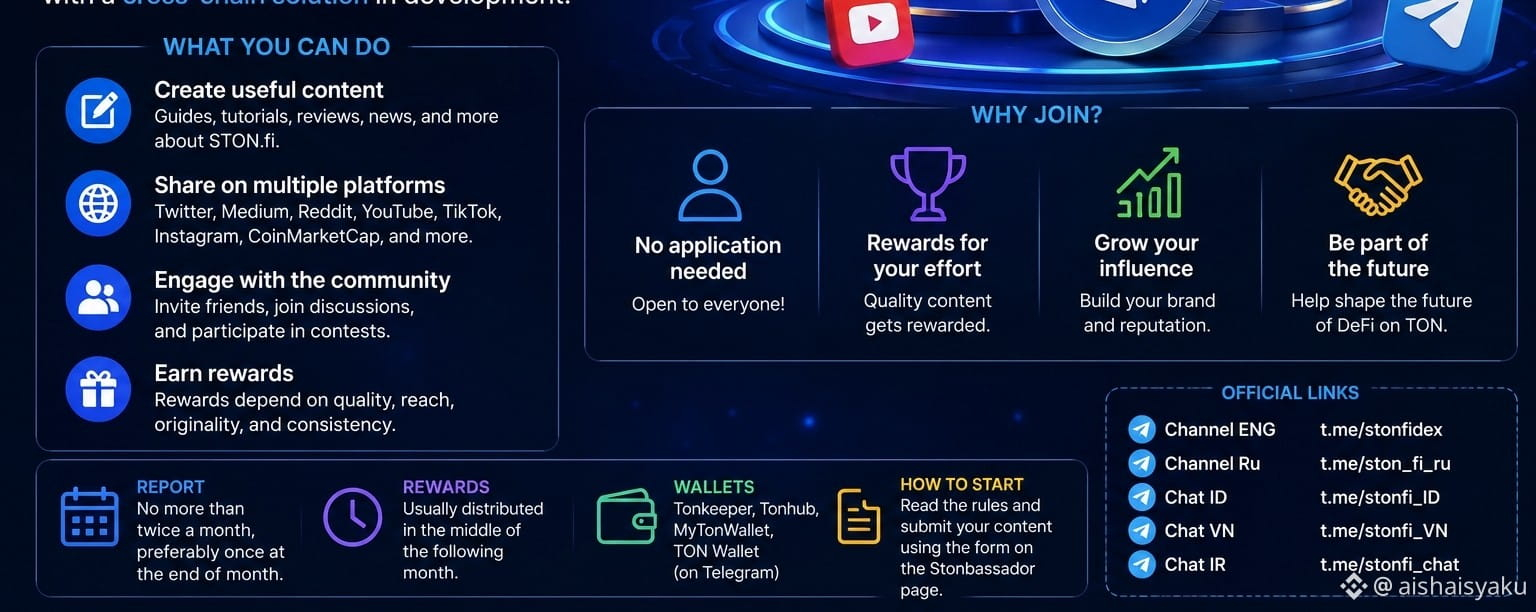
Eine offenere digitale Wirtschaft aufbauenDer Aufstieg der Blockchain-Technologie trägt zur Entwicklung einer offeneren digitalen Wirtschaft bei. Im Zentrum dieser Transformation steht die Idee, dass Einzelpersonen mit digitalen Assets und Anwendungen interagieren können, ohne dabei immer auf zentrale Vermittler angewiesen zu sein.
Dezentrale Netzwerke ermöglichen die Erstellung von Finanzanwendungen, die über programmierbare Regeln funktionieren. Diese Anwendungen können Aktivitäten wie den Austausch von Tokens, die Bereitstellung von Liquidität, die Übertragung von Werten und die Verwaltung digitaler Assets unterstützen. Gemeinsam bilden diese Innovationen ein sich ausdehnendes dezentrales Ökosystem.
Eine offenere digitale Wirtschaft aufbauen
Der Aufstieg der Blockchain-Technologie trägt zur Entwicklung einer offeneren digitalen Wirtschaft bei. Im Zentrum dieser Transformation steht die Idee, dass Einzelpersonen mit digitalen Assets und Anwendungen interagieren können, ohne dabei immer auf zentrale Vermittler angewiesen zu sein.
Dezentrale Netzwerke ermöglichen die Erstellung von Finanzanwendungen, die über programmierbare Regeln funktionieren. Diese Anwendungen können Aktivitäten wie den Austausch von Tokens, die Bereitstellung von Liquidität, die Übertragung von Werten und die Verwaltung digitaler Assets unterstützen. Gemeinsam bilden diese Innovationen ein sich ausdehnendes dezentrales Ökosystem.
Dezentrale Netzwerke ermöglichen die Erstellung von Finanzanwendungen, die über programmierbare Regeln funktionieren. Diese Anwendungen können Aktivitäten wie den Austausch von Tokens, die Bereitstellung von Liquidität, die Übertragung von Werten und die Verwaltung digitaler Assets unterstützen. Gemeinsam bilden diese Innovationen ein sich ausdehnendes dezentrales Ökosystem.
1
266
·
--
Artikel
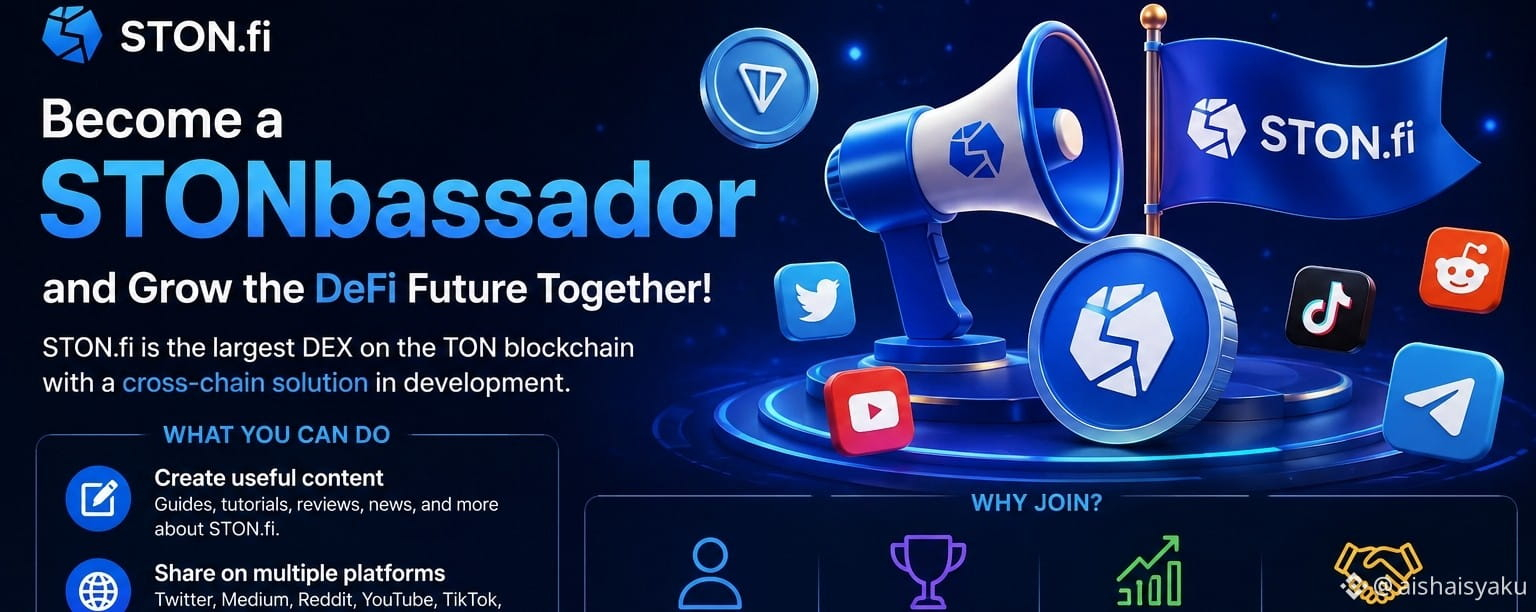
Wie DeFi den Zugang zu Finanzen verändertFinanzdienstleistungen haben traditionell von Banken, Maklern und anderen zentralisierten Organisationen abgehangen. Decentralized Finance (DeFi) stellt dieses Modell infrage, indem es blockchainbasierte Alternativen bereitstellt, die ohne eine zentrale Instanz auskommen können, die jede Transaktion kontrolliert.
DeFi-Anwendungen können Nutzern den Zugang zu Finanztools direkt über dezentrale Netzwerke ermöglichen. Kreditplattformen, dezentrale Börsen und Liquiditätsprotokolle erlauben es den Teilnehmern, über Smart Contracts mit Finanzmärkten zu interagieren. Dadurch können bestimmte Dienstleistungen zugänglicher und transparenter werden.
Wie DeFi den Zugang zu Finanzen verändert
Finanzdienstleistungen haben traditionell von Banken, Maklern und anderen zentralisierten Organisationen abgehangen. Decentralized Finance (DeFi) stellt dieses Modell infrage, indem es blockchainbasierte Alternativen bereitstellt, die ohne eine zentrale Instanz auskommen können, die jede Transaktion kontrolliert.
DeFi-Anwendungen können Nutzern den Zugang zu Finanztools direkt über dezentrale Netzwerke ermöglichen. Kreditplattformen, dezentrale Börsen und Liquiditätsprotokolle erlauben es den Teilnehmern, über Smart Contracts mit Finanzmärkten zu interagieren. Dadurch können bestimmte Dienstleistungen zugänglicher und transparenter werden.
DeFi-Anwendungen können Nutzern den Zugang zu Finanztools direkt über dezentrale Netzwerke ermöglichen. Kreditplattformen, dezentrale Börsen und Liquiditätsprotokolle erlauben es den Teilnehmern, über Smart Contracts mit Finanzmärkten zu interagieren. Dadurch können bestimmte Dienstleistungen zugänglicher und transparenter werden.
1
51
·
--
Artikel
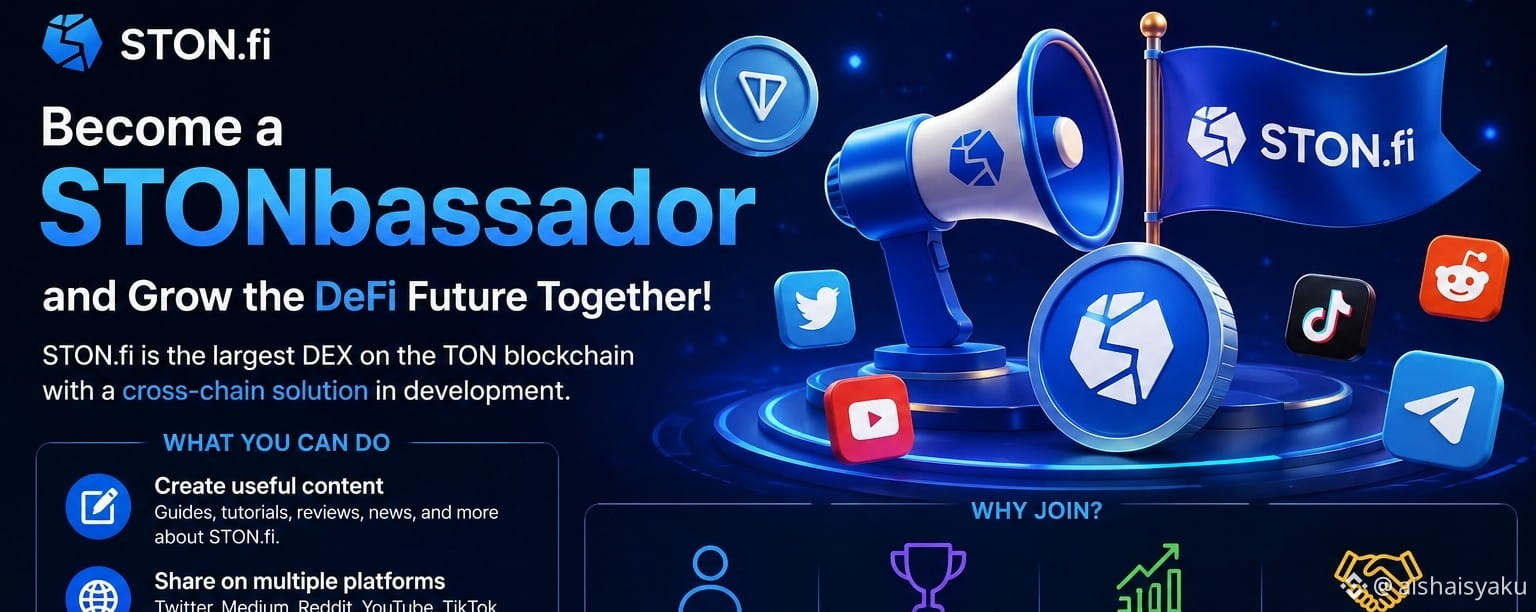
DeFi und die Zukunft des Zugangs zu FinanzdienstleistungenDer Zugang zu Finanzdienstleistungen bleibt weltweit eine wichtige Herausforderung. Millionen von Menschen haben aufgrund von Geografie, Dokumentationsanforderungen, hohen Gebühren oder anderen Hürden nur eingeschränkten Zugang zu traditionellen Bankdienstleistungen. Dezentrale Finanzen könnten einen weiteren Weg zur Teilhabe am Finanzwesen bieten – durch blockchainbasierte Anwendungen.
DeFi-Protokolle können es Nutzern ermöglichen, auf Dienste wie Kreditvergabe, Kreditaufnahme, Handel und Vermögensverwaltung über digitale Geldbörsen zuzugreifen. Anstatt dass jeder Teilnehmer eine traditionelle Bankbeziehung unterhalten muss, funktionieren viele dezentrale Anwendungen über Smart Contracts.
DeFi und die Zukunft des Zugangs zu Finanzdienstleistungen
Der Zugang zu Finanzdienstleistungen bleibt weltweit eine wichtige Herausforderung. Millionen von Menschen haben aufgrund von Geografie, Dokumentationsanforderungen, hohen Gebühren oder anderen Hürden nur eingeschränkten Zugang zu traditionellen Bankdienstleistungen. Dezentrale Finanzen könnten einen weiteren Weg zur Teilhabe am Finanzwesen bieten – durch blockchainbasierte Anwendungen.
DeFi-Protokolle können es Nutzern ermöglichen, auf Dienste wie Kreditvergabe, Kreditaufnahme, Handel und Vermögensverwaltung über digitale Geldbörsen zuzugreifen. Anstatt dass jeder Teilnehmer eine traditionelle Bankbeziehung unterhalten muss, funktionieren viele dezentrale Anwendungen über Smart Contracts.
DeFi-Protokolle können es Nutzern ermöglichen, auf Dienste wie Kreditvergabe, Kreditaufnahme, Handel und Vermögensverwaltung über digitale Geldbörsen zuzugreifen. Anstatt dass jeder Teilnehmer eine traditionelle Bankbeziehung unterhalten muss, funktionieren viele dezentrale Anwendungen über Smart Contracts.
1
617
·
--
Artikel
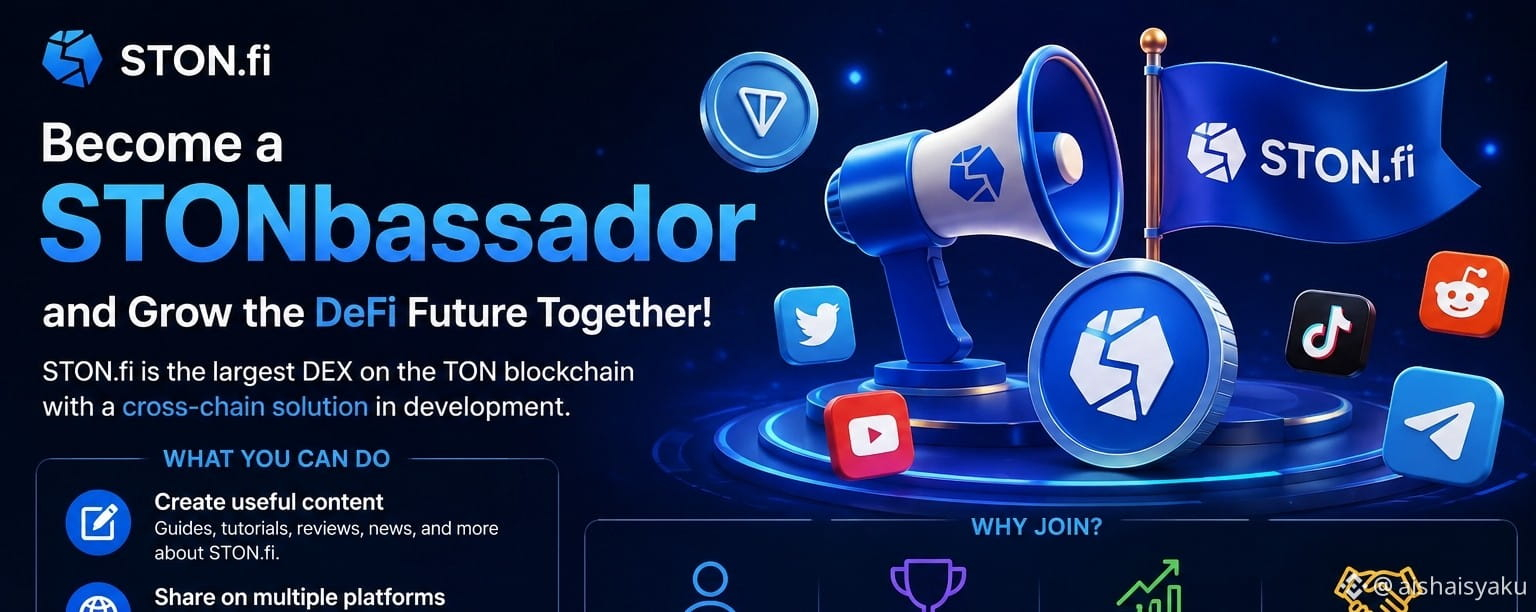
Die sich ausweitende Welt dezentraler FinanzenDezentrales Finanzwesen, oder DeFi, schafft einen neuen Ansatz für Finanzdienstleistungen, indem es Blockchain-Technologie nutzt, statt sich vollständig auf traditionelle Institutionen zu verlassen. Mithilfe von Smart Contracts und dezentralen Anwendungen können Nutzer auf Services wie Handel, Kreditvergabe, Kreditaufnahme und die Bereitstellung von Liquidität zugreifen.
Einer der größten Vorteile von DeFi ist die Zugänglichkeit. Menschen können mit finanziellen Anwendungen über eine digitale Geldbörse interagieren, ohne von einer herkömmlichen Bank oder einem zentralen Vermittler abhängig zu sein. Das eröffnet Chancen für Personen, die möglicherweise nur eingeschränkten Zugang zu traditionellen Finanzsystemen haben.
Die sich ausweitende Welt dezentraler Finanzen
Dezentrales Finanzwesen, oder DeFi, schafft einen neuen Ansatz für Finanzdienstleistungen, indem es Blockchain-Technologie nutzt, statt sich vollständig auf traditionelle Institutionen zu verlassen. Mithilfe von Smart Contracts und dezentralen Anwendungen können Nutzer auf Services wie Handel, Kreditvergabe, Kreditaufnahme und die Bereitstellung von Liquidität zugreifen.
Einer der größten Vorteile von DeFi ist die Zugänglichkeit. Menschen können mit finanziellen Anwendungen über eine digitale Geldbörse interagieren, ohne von einer herkömmlichen Bank oder einem zentralen Vermittler abhängig zu sein. Das eröffnet Chancen für Personen, die möglicherweise nur eingeschränkten Zugang zu traditionellen Finanzsystemen haben.
Einer der größten Vorteile von DeFi ist die Zugänglichkeit. Menschen können mit finanziellen Anwendungen über eine digitale Geldbörse interagieren, ohne von einer herkömmlichen Bank oder einem zentralen Vermittler abhängig zu sein. Das eröffnet Chancen für Personen, die möglicherweise nur eingeschränkten Zugang zu traditionellen Finanzsystemen haben.
2
57
·
--
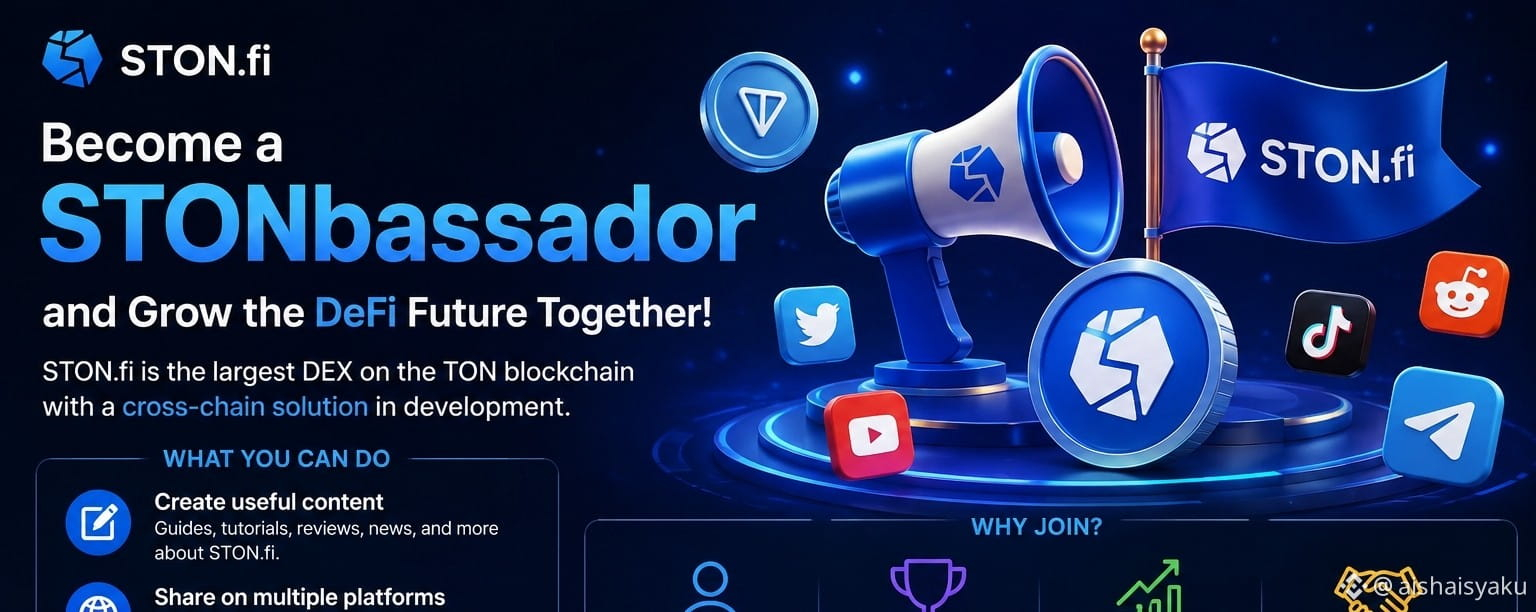
Artikel
Die sich ausweitende Welt dezentraler FinanzenDezentrale Finanzen, auch bekannt als DeFi, verändern die Art und Weise, wie Menschen über Finanzdienstleistungen nachdenken. Anstatt sich ausschließlich auf traditionelle Banken und zentrale Institutionen zu verlassen, nutzt DeFi Blockchain-Technologie und Smart Contracts, um Dienste wie Handel, Kreditvergabe, Kredite aufnehmen und Vermögensverwaltung bereitzustellen.
Ein großer Vorteil von DeFi ist die Zugänglichkeit. Wer über eine Internetverbindung und eine kompatible digitale Geldbörse verfügt, kann potenziell mit dezentralen Finanzanwendungen interagieren, ohne ein traditionelles Bankkonto eröffnen zu müssen. Das kann neue Möglichkeiten für Menschen schaffen, die nur begrenzten Zugang zu herkömmlichen Finanzdienstleistungen haben.
Die sich ausweitende Welt dezentraler Finanzen
Dezentrale Finanzen, auch bekannt als DeFi, verändern die Art und Weise, wie Menschen über Finanzdienstleistungen nachdenken. Anstatt sich ausschließlich auf traditionelle Banken und zentrale Institutionen zu verlassen, nutzt DeFi Blockchain-Technologie und Smart Contracts, um Dienste wie Handel, Kreditvergabe, Kredite aufnehmen und Vermögensverwaltung bereitzustellen.
Ein großer Vorteil von DeFi ist die Zugänglichkeit. Wer über eine Internetverbindung und eine kompatible digitale Geldbörse verfügt, kann potenziell mit dezentralen Finanzanwendungen interagieren, ohne ein traditionelles Bankkonto eröffnen zu müssen. Das kann neue Möglichkeiten für Menschen schaffen, die nur begrenzten Zugang zu herkömmlichen Finanzdienstleistungen haben.
Ein großer Vorteil von DeFi ist die Zugänglichkeit. Wer über eine Internetverbindung und eine kompatible digitale Geldbörse verfügt, kann potenziell mit dezentralen Finanzanwendungen interagieren, ohne ein traditionelles Bankkonto eröffnen zu müssen. Das kann neue Möglichkeiten für Menschen schaffen, die nur begrenzten Zugang zu herkömmlichen Finanzdienstleistungen haben.
66
·
--
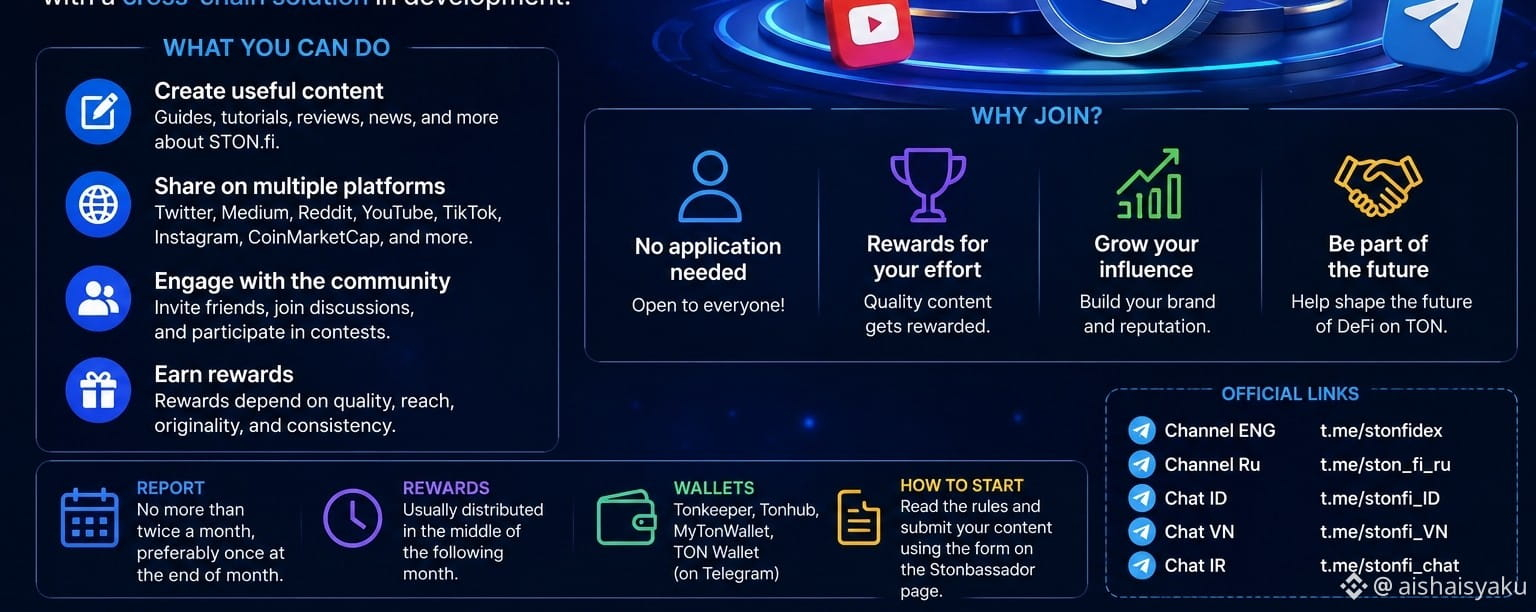
Artikel
Die Bedeutung dezentralisierter BörsenDezentralisierte Börsen, auch DEXs genannt, sind zu einem wichtigen Bestandteil des Kryptoeinwebes geworden. Im Unterschied zu traditionellen zentralisierten Börsen ermöglichen DEXs Nutzern in der Regel den Handel mit digitalen Vermögenswerten direkt über blockchainbasierte Protokolle, anstatt die Kontrolle über ihre Assets an eine zentrale Börse abzugeben.
Ein großer Vorteil ist eine bessere Kontrolle. Nutzer können in der Regel ihre eigenen Wallets verbinden und mit Handelsprotokollen interagieren, ohne Gelder in eine zentrale Plattform einzuzahlen. Dieser Ansatz kann die Abhängigkeit von Vermittlern verringern und das grundlegende Prinzip der Selbstverwahrung (Self-Custody) unterstützen.
Die Bedeutung dezentralisierter Börsen
Dezentralisierte Börsen, auch DEXs genannt, sind zu einem wichtigen Bestandteil des Kryptoeinwebes geworden. Im Unterschied zu traditionellen zentralisierten Börsen ermöglichen DEXs Nutzern in der Regel den Handel mit digitalen Vermögenswerten direkt über blockchainbasierte Protokolle, anstatt die Kontrolle über ihre Assets an eine zentrale Börse abzugeben.
Ein großer Vorteil ist eine bessere Kontrolle. Nutzer können in der Regel ihre eigenen Wallets verbinden und mit Handelsprotokollen interagieren, ohne Gelder in eine zentrale Plattform einzuzahlen. Dieser Ansatz kann die Abhängigkeit von Vermittlern verringern und das grundlegende Prinzip der Selbstverwahrung (Self-Custody) unterstützen.
Ein großer Vorteil ist eine bessere Kontrolle. Nutzer können in der Regel ihre eigenen Wallets verbinden und mit Handelsprotokollen interagieren, ohne Gelder in eine zentrale Plattform einzuzahlen. Dieser Ansatz kann die Abhängigkeit von Vermittlern verringern und das grundlegende Prinzip der Selbstverwahrung (Self-Custody) unterstützen.
15
·
--
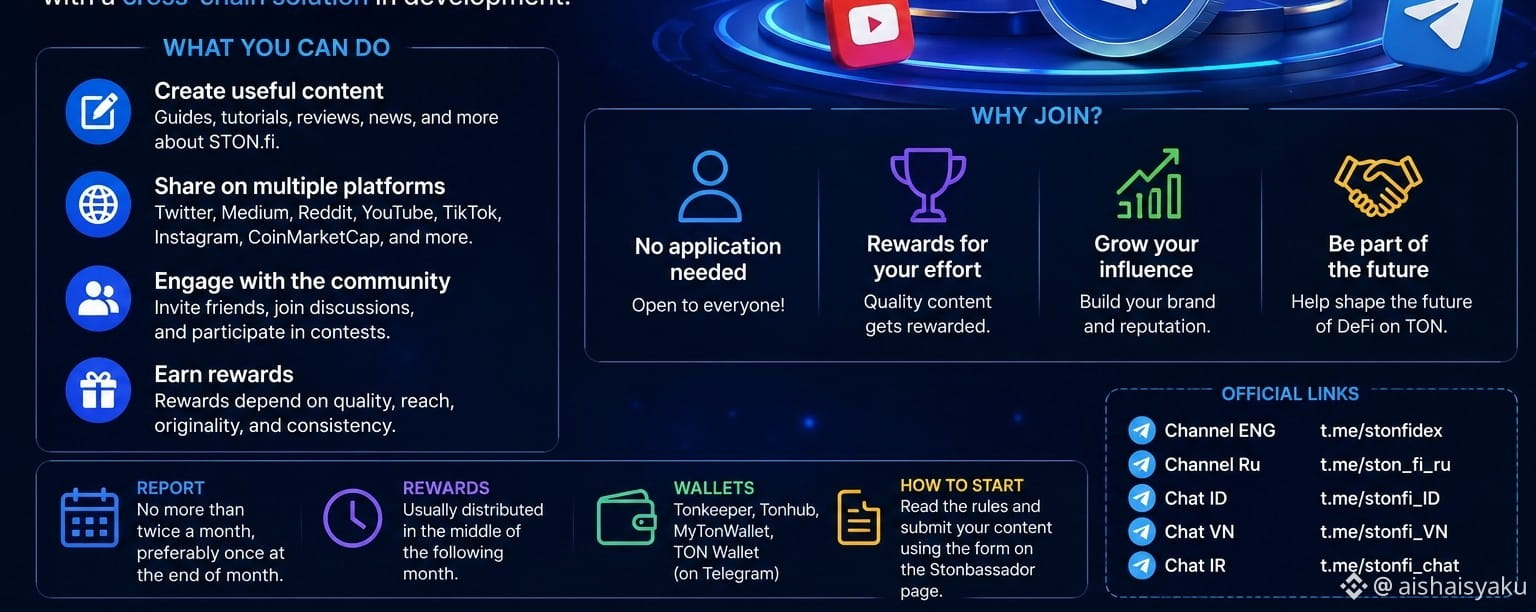
Artikel
Warum Blockchain für das moderne Finanzwesen wichtig istDie Blockchain-Technologie hat eine neue Art eingeführt, Werte zu erfassen und zu übertragen. Anstatt sich auf eine einzelne Organisation zu verlassen, die eine zentrale Datenbank verwaltet, können Blockchain-Netzwerke Transaktionsaufzeichnungen über viele Teilnehmer hinweg verteilen. Diese Struktur hat neue Möglichkeiten für die Finanzbranche geschaffen.
Einer der wichtigsten Beiträge der Blockchain ist Transparenz. Transaktionen, die in öffentlichen Netzwerken aufgezeichnet werden, können oft unabhängig verifiziert werden. Dies kann die Abhängigkeit von zentralen Verzeichnissen verringern und den Nutzern mehr Einblick in bestimmte finanzielle Aktivitäten geben.
Warum Blockchain für das moderne Finanzwesen wichtig ist
Die Blockchain-Technologie hat eine neue Art eingeführt, Werte zu erfassen und zu übertragen. Anstatt sich auf eine einzelne Organisation zu verlassen, die eine zentrale Datenbank verwaltet, können Blockchain-Netzwerke Transaktionsaufzeichnungen über viele Teilnehmer hinweg verteilen. Diese Struktur hat neue Möglichkeiten für die Finanzbranche geschaffen.
Einer der wichtigsten Beiträge der Blockchain ist Transparenz. Transaktionen, die in öffentlichen Netzwerken aufgezeichnet werden, können oft unabhängig verifiziert werden. Dies kann die Abhängigkeit von zentralen Verzeichnissen verringern und den Nutzern mehr Einblick in bestimmte finanzielle Aktivitäten geben.
Einer der wichtigsten Beiträge der Blockchain ist Transparenz. Transaktionen, die in öffentlichen Netzwerken aufgezeichnet werden, können oft unabhängig verifiziert werden. Dies kann die Abhängigkeit von zentralen Verzeichnissen verringern und den Nutzern mehr Einblick in bestimmte finanzielle Aktivitäten geben.
1
197
·
--
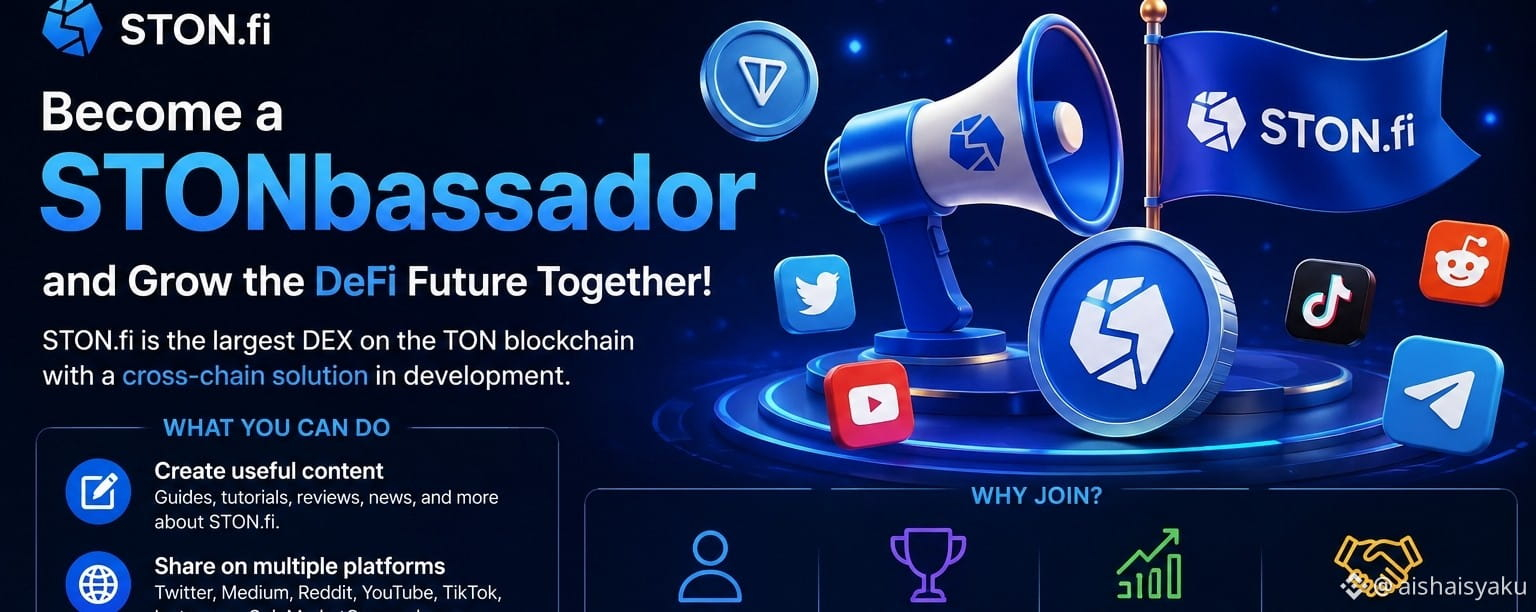
Artikel
Die sich ausweitende Welt dezentraler FinanzenDezentrale Finanzen, gemeinhin als DeFi bekannt, verändern die Art und Weise, wie Menschen über Finanzdienstleistungen nachdenken. Herkömmliche Finanzsysteme sind oft darauf angewiesen, dass Banken und andere zentrale Institutionen Transaktionen, Ersparnisse, Kredite und Investitionen verwalten. DeFi bietet ein alternatives Modell, bei dem Blockchain-Technologie und Smart Contracts viele dieser Dienste bereitstellen können, ohne sich vollständig auf Vermittler zu verlassen.
Ein großer Vorteil von DeFi ist die Zugänglichkeit. Wer eine Internetverbindung und eine kompatible digitale Geldbörse hat, kann potenziell mit dezentralen Anwendungen interagieren. Das schafft Möglichkeiten für Menschen, die möglicherweise nur eingeschränkt Zugang zu herkömmlichen Bankdienstleistungen haben.
Die sich ausweitende Welt dezentraler Finanzen
Dezentrale Finanzen, gemeinhin als DeFi bekannt, verändern die Art und Weise, wie Menschen über Finanzdienstleistungen nachdenken. Herkömmliche Finanzsysteme sind oft darauf angewiesen, dass Banken und andere zentrale Institutionen Transaktionen, Ersparnisse, Kredite und Investitionen verwalten. DeFi bietet ein alternatives Modell, bei dem Blockchain-Technologie und Smart Contracts viele dieser Dienste bereitstellen können, ohne sich vollständig auf Vermittler zu verlassen.
Ein großer Vorteil von DeFi ist die Zugänglichkeit. Wer eine Internetverbindung und eine kompatible digitale Geldbörse hat, kann potenziell mit dezentralen Anwendungen interagieren. Das schafft Möglichkeiten für Menschen, die möglicherweise nur eingeschränkt Zugang zu herkömmlichen Bankdienstleistungen haben.
Ein großer Vorteil von DeFi ist die Zugänglichkeit. Wer eine Internetverbindung und eine kompatible digitale Geldbörse hat, kann potenziell mit dezentralen Anwendungen interagieren. Das schafft Möglichkeiten für Menschen, die möglicherweise nur eingeschränkt Zugang zu herkömmlichen Bankdienstleistungen haben.
12
·
--
Artikel
Die Zukunft der Krypto-AkzeptanzDie Akzeptanz von Kryptowährungen entwickelt sich weiter, während die Blockchain-Technologie für Privatpersonen und Unternehmen immer vertrauter wird. Was zunächst vor allem als alternative Form von digitalem Geld begann, hat sich zu einem breiten Ökosystem ausgeweitet, das Zahlungen, dezentrale Finanzen, Gaming, Tokenisierung und digitales Eigentum umfasst.
Ein wichtiger Faktor für die stärkere Verbreitung ist die verbesserte Benutzerfreundlichkeit. Frühe Krypto-Systeme konnten für Einsteiger schwierig sein, doch moderne Wallets und Anwendungen werden nach und nach leichter zu bedienen. Bessere Oberflächen können dazu beitragen, technische Hürden abzubauen, die neue Nutzer früher oft abgeschreckt haben.
Die Zukunft der Krypto-Akzeptanz
Die Akzeptanz von Kryptowährungen entwickelt sich weiter, während die Blockchain-Technologie für Privatpersonen und Unternehmen immer vertrauter wird. Was zunächst vor allem als alternative Form von digitalem Geld begann, hat sich zu einem breiten Ökosystem ausgeweitet, das Zahlungen, dezentrale Finanzen, Gaming, Tokenisierung und digitales Eigentum umfasst.
Ein wichtiger Faktor für die stärkere Verbreitung ist die verbesserte Benutzerfreundlichkeit. Frühe Krypto-Systeme konnten für Einsteiger schwierig sein, doch moderne Wallets und Anwendungen werden nach und nach leichter zu bedienen. Bessere Oberflächen können dazu beitragen, technische Hürden abzubauen, die neue Nutzer früher oft abgeschreckt haben.
Ein wichtiger Faktor für die stärkere Verbreitung ist die verbesserte Benutzerfreundlichkeit. Frühe Krypto-Systeme konnten für Einsteiger schwierig sein, doch moderne Wallets und Anwendungen werden nach und nach leichter zu bedienen. Bessere Oberflächen können dazu beitragen, technische Hürden abzubauen, die neue Nutzer früher oft abgeschreckt haben.
3
251
·
--
Artikel
Warum dezentrales Finanzwesen an Dynamik gewinntDezentrales Finanzwesen, kurz DeFi, verändert die Art und Weise, wie Menschen über Finanzdienstleistungen denken. Traditionelles Banking ist auf zentrale Institutionen angewiesen, um Zahlungen, Kreditvergabe, Kredite und Investitionen zu verwalten. DeFi bietet ein alternatives Modell, bei dem Blockchain-Netzwerke und Smart Contracts viele dieser Funktionen übernehmen können, ohne sich vollständig auf Vermittler zu stützen.
Einer der größten Vorteile von DeFi ist die Zugänglichkeit. Jeder mit einer Internetverbindung und einer kompatiblen Krypto-Wallet kann potenziell mit dezentralen Anwendungen interagieren. Das schafft Möglichkeiten für Menschen, die möglicherweise nur eingeschränkten Zugang zu traditionellen Finanzdienstleistungen haben.
Warum dezentrales Finanzwesen an Dynamik gewinnt
Dezentrales Finanzwesen, kurz DeFi, verändert die Art und Weise, wie Menschen über Finanzdienstleistungen denken. Traditionelles Banking ist auf zentrale Institutionen angewiesen, um Zahlungen, Kreditvergabe, Kredite und Investitionen zu verwalten. DeFi bietet ein alternatives Modell, bei dem Blockchain-Netzwerke und Smart Contracts viele dieser Funktionen übernehmen können, ohne sich vollständig auf Vermittler zu stützen.
Einer der größten Vorteile von DeFi ist die Zugänglichkeit. Jeder mit einer Internetverbindung und einer kompatiblen Krypto-Wallet kann potenziell mit dezentralen Anwendungen interagieren. Das schafft Möglichkeiten für Menschen, die möglicherweise nur eingeschränkten Zugang zu traditionellen Finanzdienstleistungen haben.
Einer der größten Vorteile von DeFi ist die Zugänglichkeit. Jeder mit einer Internetverbindung und einer kompatiblen Krypto-Wallet kann potenziell mit dezentralen Anwendungen interagieren. Das schafft Möglichkeiten für Menschen, die möglicherweise nur eingeschränkten Zugang zu traditionellen Finanzdienstleistungen haben.
2
48
·
--
Artikel
Die wachsende Rolle des dezentralisierten FinanzwesensDezentralisiertes Finanzwesen, allgemein bekannt als DeFi, wird zu einem immer wichtigeren Bestandteil des digitalen Finanzökosystems. DeFi basiert hauptsächlich auf Blockchain-Netzwerken und ermöglicht es Menschen, auf Finanzdienstleistungen zuzugreifen, ohne sich vollständig auf traditionelle Banken oder zentrale Institutionen verlassen zu müssen. Nutzer können digitale Assets über Smart Contracts und dezentrale Anwendungen verleihen, leihen, handeln und verwalten.
Ein großer Vorteil von DeFi ist die Zugänglichkeit. Jeder mit einer Internetverbindung und einer kompatiblen digitalen Geldbörse kann möglicherweise mit dezentralen Finanzplattformen interagieren. Das kann Chancen für Menschen schaffen, die nur eingeschränkten Zugang zu herkömmlichen Bankdienstleistungen haben. DeFi kann Transaktionen außerdem schneller machen und eine größere Transparenz bieten, da viele Aktivitäten auf öffentlichen Blockchains aufgezeichnet werden.
Die wachsende Rolle des dezentralisierten Finanzwesens
Dezentralisiertes Finanzwesen, allgemein bekannt als DeFi, wird zu einem immer wichtigeren Bestandteil des digitalen Finanzökosystems. DeFi basiert hauptsächlich auf Blockchain-Netzwerken und ermöglicht es Menschen, auf Finanzdienstleistungen zuzugreifen, ohne sich vollständig auf traditionelle Banken oder zentrale Institutionen verlassen zu müssen. Nutzer können digitale Assets über Smart Contracts und dezentrale Anwendungen verleihen, leihen, handeln und verwalten.
Ein großer Vorteil von DeFi ist die Zugänglichkeit. Jeder mit einer Internetverbindung und einer kompatiblen digitalen Geldbörse kann möglicherweise mit dezentralen Finanzplattformen interagieren. Das kann Chancen für Menschen schaffen, die nur eingeschränkten Zugang zu herkömmlichen Bankdienstleistungen haben. DeFi kann Transaktionen außerdem schneller machen und eine größere Transparenz bieten, da viele Aktivitäten auf öffentlichen Blockchains aufgezeichnet werden.
Ein großer Vorteil von DeFi ist die Zugänglichkeit. Jeder mit einer Internetverbindung und einer kompatiblen digitalen Geldbörse kann möglicherweise mit dezentralen Finanzplattformen interagieren. Das kann Chancen für Menschen schaffen, die nur eingeschränkten Zugang zu herkömmlichen Bankdienstleistungen haben. DeFi kann Transaktionen außerdem schneller machen und eine größere Transparenz bieten, da viele Aktivitäten auf öffentlichen Blockchains aufgezeichnet werden.
1
44
·
--
Artikel
Smart Contracts und die Zukunft von Web3Smart Contracts sind eine der mächtigsten Ideen, die durch die Blockchain-Technologie eingeführt wurden. Dabei handelt es sich um Programme, die auf einer Blockchain gespeichert sind und automatisch vordefinierte Aktionen ausführen können, wenn die festgelegten Bedingungen erfüllt sind.
Ihre Bedeutung reicht weit über den Krypto-Handel hinaus. Smart Contracts können dezentrale Finanzen, Gaming, digitale Sammlerstücke, Versicherungen, Anwendungen in der Lieferkette und viele weitere Web3-Dienste unterstützen. Durch die Automatisierung von Vereinbarungen können sie die Abhängigkeit von traditionellen Vermittlern verringern.
Smart Contracts und die Zukunft von Web3
Smart Contracts sind eine der mächtigsten Ideen, die durch die Blockchain-Technologie eingeführt wurden. Dabei handelt es sich um Programme, die auf einer Blockchain gespeichert sind und automatisch vordefinierte Aktionen ausführen können, wenn die festgelegten Bedingungen erfüllt sind.
Ihre Bedeutung reicht weit über den Krypto-Handel hinaus. Smart Contracts können dezentrale Finanzen, Gaming, digitale Sammlerstücke, Versicherungen, Anwendungen in der Lieferkette und viele weitere Web3-Dienste unterstützen. Durch die Automatisierung von Vereinbarungen können sie die Abhängigkeit von traditionellen Vermittlern verringern.
Ihre Bedeutung reicht weit über den Krypto-Handel hinaus. Smart Contracts können dezentrale Finanzen, Gaming, digitale Sammlerstücke, Versicherungen, Anwendungen in der Lieferkette und viele weitere Web3-Dienste unterstützen. Durch die Automatisierung von Vereinbarungen können sie die Abhängigkeit von traditionellen Vermittlern verringern.
141
·
--
Artikel
Die wachsende Bedeutung dezentraler BörsenDezentrale Börsen, oder DEXs, sind zu einem wichtigen Bestandteil des Kryptowährungs-Ökosystems geworden. Im Gegensatz zu traditionellen Börsen, die typischerweise Benutzerkonten und Handelsinfrastruktur verwalten, ermöglichen DEXs es den Nutzern, direkt von ihren Wallets aus mit blockchainbasierten Protokollen zu interagieren.
Dieses Modell gibt den Nutzern mehr Kontrolle über ihre Vermögenswerte. Trader können unterstützte Tokens tauschen, ohne ihre Gelder zwingend in eine zentrale Plattform einzuzahlen. Smart Contracts übernehmen viele der Prozesse, die bei der Ausführung von Trades beteiligt sind.
Die wachsende Bedeutung dezentraler Börsen
Dezentrale Börsen, oder DEXs, sind zu einem wichtigen Bestandteil des Kryptowährungs-Ökosystems geworden. Im Gegensatz zu traditionellen Börsen, die typischerweise Benutzerkonten und Handelsinfrastruktur verwalten, ermöglichen DEXs es den Nutzern, direkt von ihren Wallets aus mit blockchainbasierten Protokollen zu interagieren.
Dieses Modell gibt den Nutzern mehr Kontrolle über ihre Vermögenswerte. Trader können unterstützte Tokens tauschen, ohne ihre Gelder zwingend in eine zentrale Plattform einzuzahlen. Smart Contracts übernehmen viele der Prozesse, die bei der Ausführung von Trades beteiligt sind.
Dieses Modell gibt den Nutzern mehr Kontrolle über ihre Vermögenswerte. Trader können unterstützte Tokens tauschen, ohne ihre Gelder zwingend in eine zentrale Plattform einzuzahlen. Smart Contracts übernehmen viele der Prozesse, die bei der Ausführung von Trades beteiligt sind.
194
·
--
Artikel
Warum Blockchain für digitale Zahlungen wichtig istDigitale Zahlungen sind zu einem unverzichtbaren Bestandteil des modernen Lebens geworden, aber die Blockchain-Technologie könnte sie noch weiter verbessern. Blockchain-Netzwerke ermöglichen es, Transaktionen in dezentralen Systemen zu erfassen und so eine transparente und überprüfbare Historie der Aktivitäten zu erstellen.
Ein möglicher Vorteil ist eine schnellere Abwicklung. Je nach Netzwerk können Blockchain-Transaktionen Werte übertragen, ohne mehrere herkömmliche Zwischenstellen zu benötigen. Das könnte besonders für internationale Überweisungen nützlich sein, bei denen herkömmliche Zahlungen mehrere Institutionen und zusätzliche Bearbeitungszeit erfordern.
Warum Blockchain für digitale Zahlungen wichtig ist
Digitale Zahlungen sind zu einem unverzichtbaren Bestandteil des modernen Lebens geworden, aber die Blockchain-Technologie könnte sie noch weiter verbessern. Blockchain-Netzwerke ermöglichen es, Transaktionen in dezentralen Systemen zu erfassen und so eine transparente und überprüfbare Historie der Aktivitäten zu erstellen.
Ein möglicher Vorteil ist eine schnellere Abwicklung. Je nach Netzwerk können Blockchain-Transaktionen Werte übertragen, ohne mehrere herkömmliche Zwischenstellen zu benötigen. Das könnte besonders für internationale Überweisungen nützlich sein, bei denen herkömmliche Zahlungen mehrere Institutionen und zusätzliche Bearbeitungszeit erfordern.
Ein möglicher Vorteil ist eine schnellere Abwicklung. Je nach Netzwerk können Blockchain-Transaktionen Werte übertragen, ohne mehrere herkömmliche Zwischenstellen zu benötigen. Das könnte besonders für internationale Überweisungen nützlich sein, bei denen herkömmliche Zahlungen mehrere Institutionen und zusätzliche Bearbeitungszeit erfordern.
206
·
--
Artikel
Der Aufstieg des dezentralen FinanzwesensDezentrales Finanzwesen, allgemein bekannt als DeFi, verändert die Art und Weise, wie Menschen über Finanzdienstleistungen nachdenken. Traditionelle Finanzen sind stark von Banken und zentralisierten Institutionen abhängig, um Zahlungen, Kredite, das Ausleihen und Investitionen zu verwalten. DeFi führt blockchainbasierte Anwendungen ein, die es Nutzern ermöglichen, viele dieser Dienste direkt zu nutzen.
Ein wesentlicher Vorteil von DeFi ist die Zugänglichkeit. Wer eine Internetverbindung und eine kompatible Wallet hat, kann potenziell mit dezentralen Anwendungen interagieren, ohne ein herkömmliches Bankkonto zu eröffnen. Smart Contracts automatisieren Transaktionen und verringern den Bedarf an Vermittlern.
Der Aufstieg des dezentralen Finanzwesens
Dezentrales Finanzwesen, allgemein bekannt als DeFi, verändert die Art und Weise, wie Menschen über Finanzdienstleistungen nachdenken. Traditionelle Finanzen sind stark von Banken und zentralisierten Institutionen abhängig, um Zahlungen, Kredite, das Ausleihen und Investitionen zu verwalten. DeFi führt blockchainbasierte Anwendungen ein, die es Nutzern ermöglichen, viele dieser Dienste direkt zu nutzen.
Ein wesentlicher Vorteil von DeFi ist die Zugänglichkeit. Wer eine Internetverbindung und eine kompatible Wallet hat, kann potenziell mit dezentralen Anwendungen interagieren, ohne ein herkömmliches Bankkonto zu eröffnen. Smart Contracts automatisieren Transaktionen und verringern den Bedarf an Vermittlern.
Ein wesentlicher Vorteil von DeFi ist die Zugänglichkeit. Wer eine Internetverbindung und eine kompatible Wallet hat, kann potenziell mit dezentralen Anwendungen interagieren, ohne ein herkömmliches Bankkonto zu eröffnen. Smart Contracts automatisieren Transaktionen und verringern den Bedarf an Vermittlern.
72
·
--
Artikel
Die Entwicklung des Dezentralen FinanzwesensDezentrales Finanzwesen hat sich von einem kleinen Blockchain-Experiment zu einem breiten Finanz-Ökosystem entwickelt. DeFi ermöglicht es Nutzern, auf Dienstleistungen wie Handel, Kreditvergabe, Kreditaufnahme und Staking über blockchainbasierte Anwendungen zuzugreifen – anstatt über traditionelle Finanzinstitute.
Einer seiner größten Vorteile ist die Zugänglichkeit. Nutzer können mit dezentralen Anwendungen über eine Krypto-Wallet interagieren, ohne sich vollständig auf Banken oder andere zentrale Vermittler verlassen zu müssen. Smart Contracts automatisieren viele Prozesse und machen Transaktionen transparenter und programmierbar.
Die Entwicklung des Dezentralen Finanzwesens
Dezentrales Finanzwesen hat sich von einem kleinen Blockchain-Experiment zu einem breiten Finanz-Ökosystem entwickelt. DeFi ermöglicht es Nutzern, auf Dienstleistungen wie Handel, Kreditvergabe, Kreditaufnahme und Staking über blockchainbasierte Anwendungen zuzugreifen – anstatt über traditionelle Finanzinstitute.
Einer seiner größten Vorteile ist die Zugänglichkeit. Nutzer können mit dezentralen Anwendungen über eine Krypto-Wallet interagieren, ohne sich vollständig auf Banken oder andere zentrale Vermittler verlassen zu müssen. Smart Contracts automatisieren viele Prozesse und machen Transaktionen transparenter und programmierbar.
Einer seiner größten Vorteile ist die Zugänglichkeit. Nutzer können mit dezentralen Anwendungen über eine Krypto-Wallet interagieren, ohne sich vollständig auf Banken oder andere zentrale Vermittler verlassen zu müssen. Smart Contracts automatisieren viele Prozesse und machen Transaktionen transparenter und programmierbar.
252
·
--
Artikel
Die Bedeutung von Krypto-BildungDa die Akzeptanz von Kryptowährungen wächst, ist Bildung zunehmend wichtig geworden. Digitale Assets können neue Chancen eröffnen, bringen aber auch Risiken mit sich, die Nutzer verstehen müssen, bevor sie Gelder einsetzen.
Grundlegende Krypto-Bildung sollte das Verständnis von Wallets, privaten Schlüsseln, Blockchain-Transaktionen, Netzwerkgebühren, Marktschwankungen und gängigen Sicherheitsbedrohungen umfassen. Nutzer sollten außerdem lernen, wie man verdächtige Links erkennt, gefälschte Investitionsmöglichkeiten, Betrugsmaschen zur Identifizierung durch Vorspiegelung falscher Tatsachen (Impersonation) und unrealistische Versprechen garantierter Renditen.
Die Bedeutung von Krypto-Bildung
Da die Akzeptanz von Kryptowährungen wächst, ist Bildung zunehmend wichtig geworden. Digitale Assets können neue Chancen eröffnen, bringen aber auch Risiken mit sich, die Nutzer verstehen müssen, bevor sie Gelder einsetzen.
Grundlegende Krypto-Bildung sollte das Verständnis von Wallets, privaten Schlüsseln, Blockchain-Transaktionen, Netzwerkgebühren, Marktschwankungen und gängigen Sicherheitsbedrohungen umfassen. Nutzer sollten außerdem lernen, wie man verdächtige Links erkennt, gefälschte Investitionsmöglichkeiten, Betrugsmaschen zur Identifizierung durch Vorspiegelung falscher Tatsachen (Impersonation) und unrealistische Versprechen garantierter Renditen.
Grundlegende Krypto-Bildung sollte das Verständnis von Wallets, privaten Schlüsseln, Blockchain-Transaktionen, Netzwerkgebühren, Marktschwankungen und gängigen Sicherheitsbedrohungen umfassen. Nutzer sollten außerdem lernen, wie man verdächtige Links erkennt, gefälschte Investitionsmöglichkeiten, Betrugsmaschen zur Identifizierung durch Vorspiegelung falscher Tatsachen (Impersonation) und unrealistische Versprechen garantierter Renditen.
276
·
--
Artikel
Die Entwicklung des dezentralen FinanzwesensDezentrales Finanzwesen, allgemein bekannt als DeFi, hat die Art und Weise verändert, wie Menschen über Finanzdienstleistungen denken. Traditionelles Finanzwesen ist in hohem Maße von Banken und zentralen Institutionen abhängig, um Zahlungen, Kredite, Darlehen und Investitionen zu verwalten. DeFi stellte eine Alternative bereit, indem es Blockchain-Technologie und Smart Contracts nutzt, um Finanzdienstleistungen ohne zentrale Zwischeninstanz anzubieten. Die frühe Entwicklung von DeFi konzentrierte sich vor allem auf dezentrale Börsen, Kreditplattformen und Stablecoins. Nutzer konnten digitale Assets handeln, ihre Bestände verleihen oder direkt über blockchainbasierte Anwendungen Gelder aufnehmen. Dadurch entstand ein offeneres Finanzumfeld, in dem die Teilnahme für jeden mit Internetverbindung und einer kompatiblen Wallet möglich sein konnte. Mit der Erweiterung des Ökosystems wurde DeFi zunehmend ausgefeilter. Entwickler führten automatisierte Market Maker, Yield-Strategien, Liquid Staking, Derivate und Cross-Chain-Lösungen ein. Diese Innovationen verbesserten die Bandbreite der finanziellen Aktivitäten, die in dezentralen Netzwerken verfügbar sind. Allerdings steht DeFi weiterhin vor Herausforderungen, darunter Schwachstellen in Smart Contracts, Marktvolatilität, regulatorische Unsicherheit und komplizierte Nutzererfahrungen. Die nächste Entwicklungsstufe wird sich voraussichtlich auf stärkere Sicherheit, bessere Skalierbarkeit, verbesserte Nutzerfreundlichkeit und größere Interoperabilität konzentrieren. Letztlich entwickelt sich DeFi weiter von einem Nischen-Blockchain-Experiment zu einer breiteren finanziellen Bewegung. Sein langfristiger Erfolg wird davon abhängen, ob es Dezentralisierung mit der Zuverlässigkeit, Zugänglichkeit und Sicherheit verbinden kann, die Nutzer von modernen Finanzdienstleistungen erwarten.
Die Entwicklung des dezentralen Finanzwesens
Dezentrales Finanzwesen, allgemein bekannt als DeFi, hat die Art und Weise verändert, wie Menschen über Finanzdienstleistungen denken. Traditionelles Finanzwesen ist in hohem Maße von Banken und zentralen Institutionen abhängig, um Zahlungen, Kredite, Darlehen und Investitionen zu verwalten. DeFi stellte eine Alternative bereit, indem es Blockchain-Technologie und Smart Contracts nutzt, um Finanzdienstleistungen ohne zentrale Zwischeninstanz anzubieten. Die frühe Entwicklung von DeFi konzentrierte sich vor allem auf dezentrale Börsen, Kreditplattformen und Stablecoins. Nutzer konnten digitale Assets handeln, ihre Bestände verleihen oder direkt über blockchainbasierte Anwendungen Gelder aufnehmen. Dadurch entstand ein offeneres Finanzumfeld, in dem die Teilnahme für jeden mit Internetverbindung und einer kompatiblen Wallet möglich sein konnte. Mit der Erweiterung des Ökosystems wurde DeFi zunehmend ausgefeilter. Entwickler führten automatisierte Market Maker, Yield-Strategien, Liquid Staking, Derivate und Cross-Chain-Lösungen ein. Diese Innovationen verbesserten die Bandbreite der finanziellen Aktivitäten, die in dezentralen Netzwerken verfügbar sind. Allerdings steht DeFi weiterhin vor Herausforderungen, darunter Schwachstellen in Smart Contracts, Marktvolatilität, regulatorische Unsicherheit und komplizierte Nutzererfahrungen. Die nächste Entwicklungsstufe wird sich voraussichtlich auf stärkere Sicherheit, bessere Skalierbarkeit, verbesserte Nutzerfreundlichkeit und größere Interoperabilität konzentrieren. Letztlich entwickelt sich DeFi weiter von einem Nischen-Blockchain-Experiment zu einer breiteren finanziellen Bewegung. Sein langfristiger Erfolg wird davon abhängen, ob es Dezentralisierung mit der Zuverlässigkeit, Zugänglichkeit und Sicherheit verbinden kann, die Nutzer von modernen Finanzdienstleistungen erwarten.
56
·
--
Artikel
Wie Smart Contracts Anwendungen transformierenSmart Contracts sind ein wichtiger Bestandteil der Blockchain-Technologie. Dabei handelt es sich um Programme, die auf einer Blockchain gespeichert sind und automatisch Aktionen ausführen können, wenn vordefinierte Bedingungen erfüllt sind. Dadurch entfällt der Bedarf an bestimmten manuellen Prozessen und Zwischenstellen.
In dezentralen Finanzen können Smart Contracts Kreditplattformen, dezentrale Börsen, Staking-Systeme und andere Anwendungen antreiben. Sie können außerdem digitale Sammlerstücke, Gaming-Ökosysteme, tokenisierte Vermögenswerte und dezentrale Organisationen unterstützen.
Wie Smart Contracts Anwendungen transformieren
Smart Contracts sind ein wichtiger Bestandteil der Blockchain-Technologie. Dabei handelt es sich um Programme, die auf einer Blockchain gespeichert sind und automatisch Aktionen ausführen können, wenn vordefinierte Bedingungen erfüllt sind. Dadurch entfällt der Bedarf an bestimmten manuellen Prozessen und Zwischenstellen.
In dezentralen Finanzen können Smart Contracts Kreditplattformen, dezentrale Börsen, Staking-Systeme und andere Anwendungen antreiben. Sie können außerdem digitale Sammlerstücke, Gaming-Ökosysteme, tokenisierte Vermögenswerte und dezentrale Organisationen unterstützen.
In dezentralen Finanzen können Smart Contracts Kreditplattformen, dezentrale Börsen, Staking-Systeme und andere Anwendungen antreiben. Sie können außerdem digitale Sammlerstücke, Gaming-Ökosysteme, tokenisierte Vermögenswerte und dezentrale Organisationen unterstützen.
195
·
--
Artikel
Die wachsende Rolle dezentraler FinanzenDezentralisierte Finanzen, allgemein bekannt als DeFi, verändern die Art und Weise, wie Menschen über Finanzdienstleistungen nachdenken. Traditionelle Finanzmärkte sind stark von Banken, Maklern und anderen zentralisierten Institutionen abhängig. DeFi nutzt Blockchain-Technologie und Smart Contracts, um Finanzdienstleistungen bereitzustellen, ohne dass dieselben Vermittler erforderlich sind.
Einer der größten Vorteile von DeFi ist die Zugänglichkeit. Wer über eine Internetverbindung und eine kompatible Krypto-Wallet verfügt, kann möglicherweise dezentrale Börsen, Kreditvergabe-Plattformen und andere Finanzanwendungen nutzen. Das eröffnet Chancen für Menschen, die möglicherweise nur eingeschränkten Zugang zu traditionellen Bankdienstleistungen haben.
Die wachsende Rolle dezentraler Finanzen
Dezentralisierte Finanzen, allgemein bekannt als DeFi, verändern die Art und Weise, wie Menschen über Finanzdienstleistungen nachdenken. Traditionelle Finanzmärkte sind stark von Banken, Maklern und anderen zentralisierten Institutionen abhängig. DeFi nutzt Blockchain-Technologie und Smart Contracts, um Finanzdienstleistungen bereitzustellen, ohne dass dieselben Vermittler erforderlich sind.
Einer der größten Vorteile von DeFi ist die Zugänglichkeit. Wer über eine Internetverbindung und eine kompatible Krypto-Wallet verfügt, kann möglicherweise dezentrale Börsen, Kreditvergabe-Plattformen und andere Finanzanwendungen nutzen. Das eröffnet Chancen für Menschen, die möglicherweise nur eingeschränkten Zugang zu traditionellen Bankdienstleistungen haben.
Einer der größten Vorteile von DeFi ist die Zugänglichkeit. Wer über eine Internetverbindung und eine kompatible Krypto-Wallet verfügt, kann möglicherweise dezentrale Börsen, Kreditvergabe-Plattformen und andere Finanzanwendungen nutzen. Das eröffnet Chancen für Menschen, die möglicherweise nur eingeschränkten Zugang zu traditionellen Bankdienstleistungen haben.
1
93
Anmelden und weiter Inhalte entdecken
Krypto-Nutzer weltweit auf Binance Square kennenlernen
⚡️ Bleib in Sachen Krypto stets am Puls.
💬 Die weltgrößte Kryptobörse vertraut darauf.
👍 Erhalte verlässliche Einblicke von verifizierten Creators.
E-Mail-Adresse/Telefonnummer