
MAVERICK _7
16.8k Beiträge

MAVERICK _7
 Square Verified+
Melden
Nutzer blockieren
🔶Crypto Researcher 🔎| Market Analyst | Charts • Market Setups 📈BNB| SOL| ETH|BTC💞 My X:@Maverick40043🔶
100 Following
37.0K+ Follower
22.3K+ Like gegeben
Beiträge
Alle
Zitierungen
Live
·
--
Übersetzung ansehen
What can 500 USDT really do? Maybe not change a country. But it can start an idea, fund an MVP, educate a community, or create a tool. Sometimes the first step matters more than the amount. #BTHEONE
What can 500 USDT really do? Maybe not change a country. But it can start an idea, fund an MVP, educate a community, or create a tool. Sometimes the first step matters more than the amount. #BTHEONE


Binance Argentina Official
·
--
🟡 500 USDT. 1 Gewinner. Wirst du THE ONE sein? 👀
Wie kannst du teilnehmen? 👇
❤️ Gib diesem Post einen Like.
💬 Was würde THE ONE mit den 500 USDT machen? Hinterlass deine Antwort in den Kommentaren.
😉 Und schon bist du dabei! Du nimmst jetzt an der Verlosung von 500 USDT teil.⚡
📣 Wir geben den Gewinner am Freitag, dem 25. September bekannt
Es gelten Términos y Condiciones.
Wie kannst du teilnehmen? 👇
❤️ Gib diesem Post einen Like.
💬 Was würde THE ONE mit den 500 USDT machen? Hinterlass deine Antwort in den Kommentaren.
😉 Und schon bist du dabei! Du nimmst jetzt an der Verlosung von 500 USDT teil.⚡
📣 Wir geben den Gewinner am Freitag, dem 25. September bekannt
Es gelten Términos y Condiciones.
1
1
82
·
--
Bullisch
Übersetzung ansehen
🚨 MUBARAKUSDT LONG ALERT ‼️💥
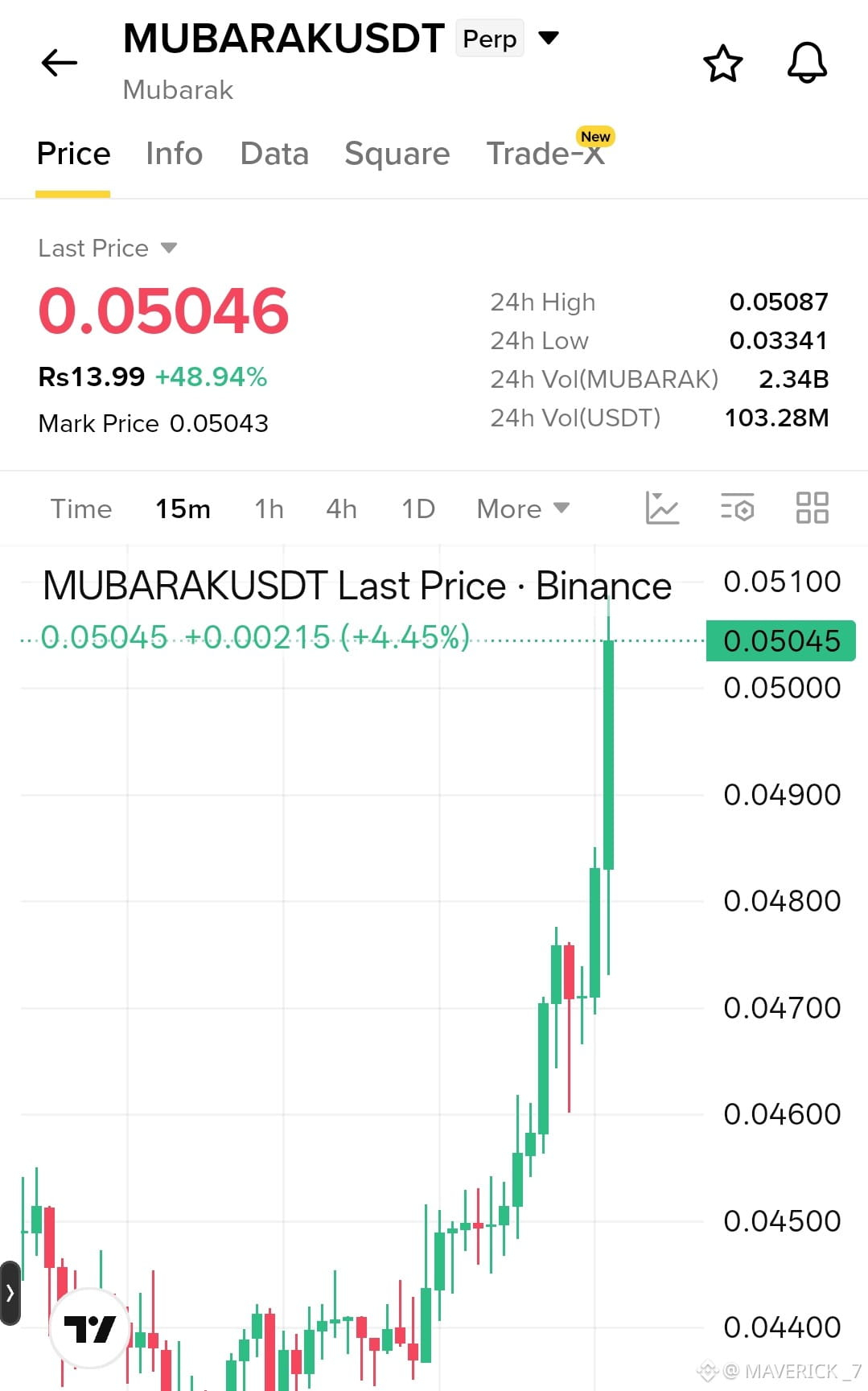
$MUBARAK is showing strong 15M momentum after breaking higher. Buyers are pushing aggressively, but don’t chase a vertical candle — watch the pullback for confirmation. 📈
🟢 EP: 0.04980 – 0.05050
🎯 TP1: 0.05250
🎯 TP2: 0.05500
🎯 TP3: 0.05800+
🛑 SL: 0.04720
⚡ Current: ~0.05046
📊 24H: +48.94%
🔥 24H High: 0.05087
Long idea active — confirmation first, risk managed. 🚀💰
$MUBARAK
{future}(MUBARAKUSDT)
🚨 MUBARAKUSDT LONG ALERT ‼️💥
$MUBARAK is showing strong 15M momentum after breaking higher. Buyers are pushing aggressively, but don’t chase a vertical candle — watch the pullback for confirmation. 📈
🟢 EP: 0.04980 – 0.05050
🎯 TP1: 0.05250
🎯 TP2: 0.05500
🎯 TP3: 0.05800+
🛑 SL: 0.04720
⚡ Current: ~0.05046
📊 24H: +48.94%
🔥 24H High: 0.05087
Long idea active — confirmation first, risk managed. 🚀💰
$MUBARAK
$MUBARAK is showing strong 15M momentum after breaking higher. Buyers are pushing aggressively, but don’t chase a vertical candle — watch the pullback for confirmation. 📈
🟢 EP: 0.04980 – 0.05050
🎯 TP1: 0.05250
🎯 TP2: 0.05500
🎯 TP3: 0.05800+
🛑 SL: 0.04720
⚡ Current: ~0.05046
📊 24H: +48.94%
🔥 24H High: 0.05087
Long idea active — confirmation first, risk managed. 🚀💰
$MUBARAK
247
·
--
Bullisch
Übersetzung ansehen
🚀 $ZKP HIGHER-TIMEFRAME BREAKOUT!
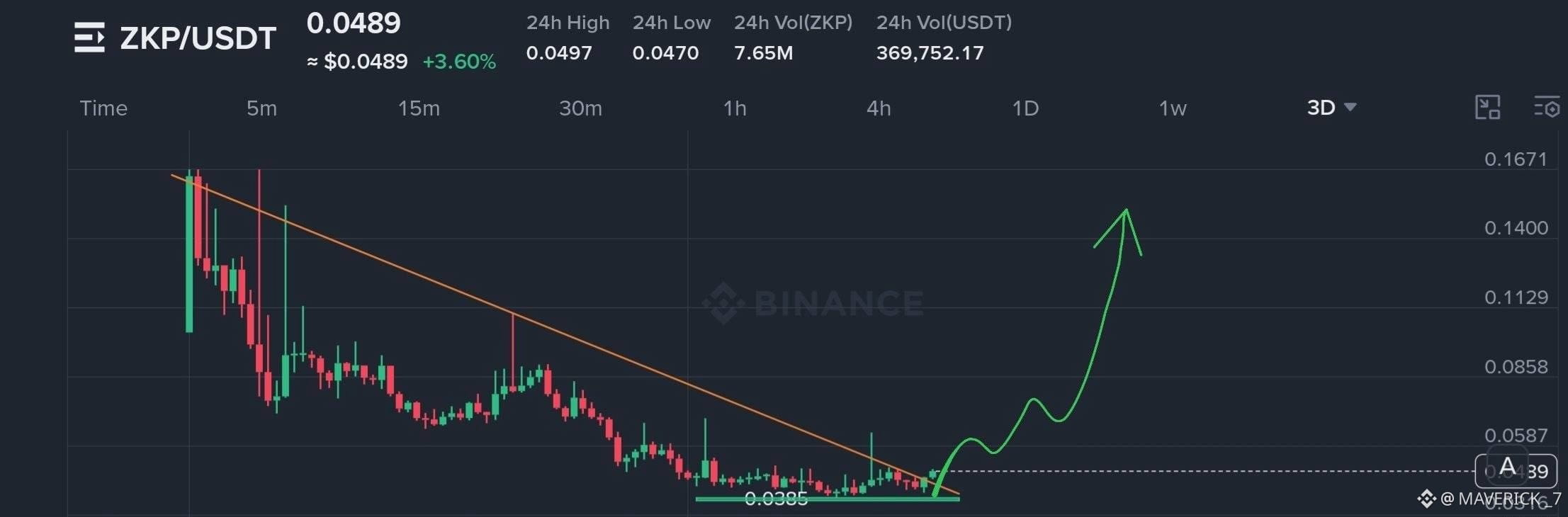
$ZKP is breaking out on the higher timeframe while $ZK continues to show strength alongside $ZAMA.
🔥 Momentum is building
📈 HTF breakout confirmed
👀 Watch for continuation
💥 Bigger move could follow if breakout holds
Entry: On breakout/retest confirmation
TP: Next resistance zones
SL: Below breakout/retest support
Don’t chase the candle. Manage risk and wait for confirmation.
$ZKP
🚀 $ZKP HIGHER-TIMEFRAME BREAKOUT!
$ZKP is breaking out on the higher timeframe while $ZK continues to show strength alongside $ZAMA.
🔥 Momentum is building
📈 HTF breakout confirmed
👀 Watch for continuation
💥 Bigger move could follow if breakout holds
Entry: On breakout/retest confirmation
TP: Next resistance zones
SL: Below breakout/retest support
Don’t chase the candle. Manage risk and wait for confirmation.
$ZKP
$ZKP is breaking out on the higher timeframe while $ZK continues to show strength alongside $ZAMA.
🔥 Momentum is building
📈 HTF breakout confirmed
👀 Watch for continuation
💥 Bigger move could follow if breakout holds
Entry: On breakout/retest confirmation
TP: Next resistance zones
SL: Below breakout/retest support
Don’t chase the candle. Manage risk and wait for confirmation.
$ZKP
295
·
--
Bullisch
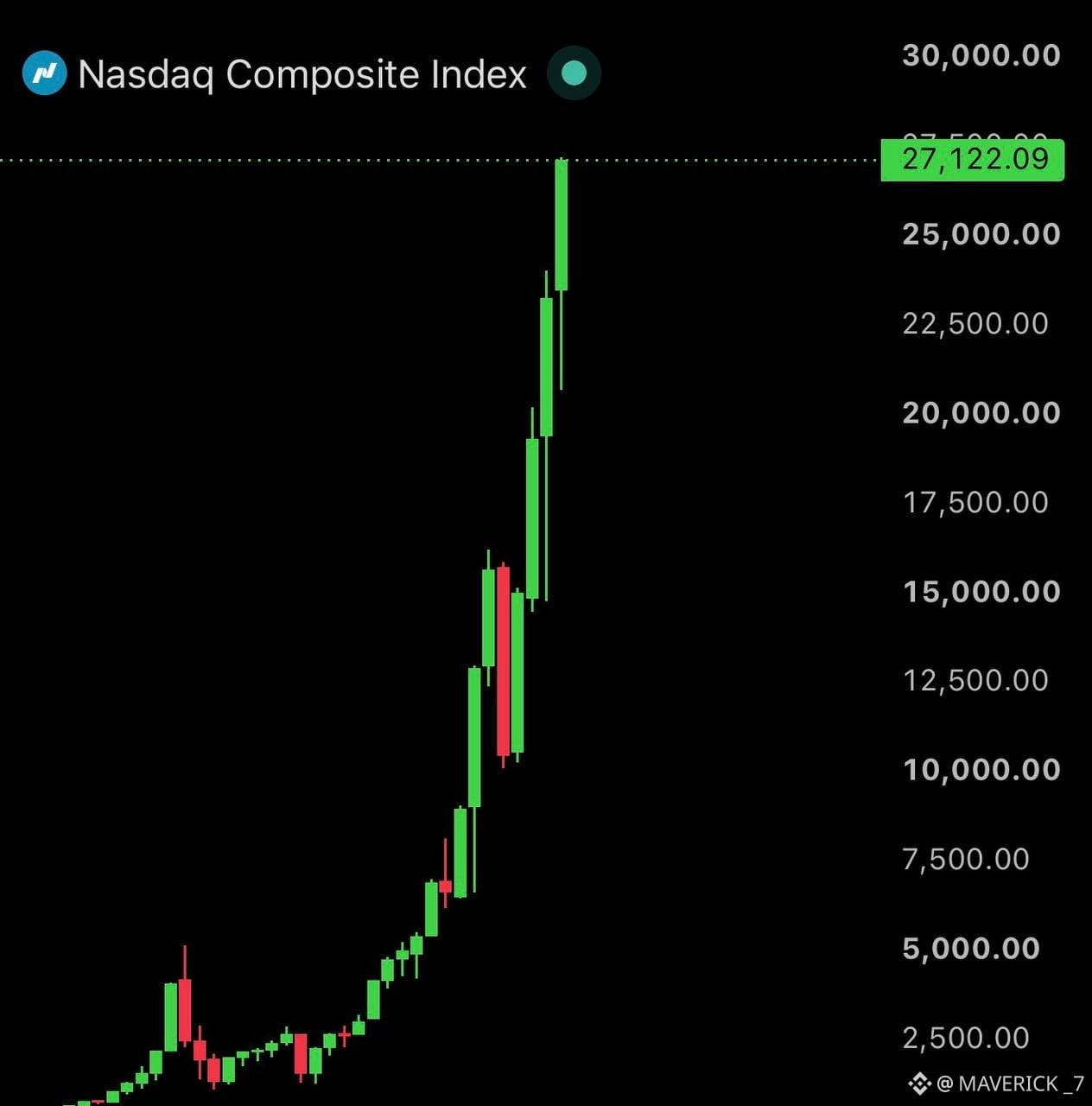
BREAKING: 🇺🇸 Nasdaq hat gerade den höchsten täglichen Schlusskurs in der gesamten Börsengeschichte erreicht.
Positiv für Krypto.
#NEARRisesNearly80%InAWeek #MultiversXPlansHardForkRecovery #CircleLaunchesInstitutionalBTCBackedBorrowing #ZetaChainVotesToMigrateZETAToSolana
BREAKING: 🇺🇸 Nasdaq hat gerade den höchsten täglichen Schlusskurs in der gesamten Börsengeschichte erreicht.
Positiv für Krypto.
#NEARRisesNearly80%InAWeek #MultiversXPlansHardForkRecovery #CircleLaunchesInstitutionalBTCBackedBorrowing #ZetaChainVotesToMigrateZETAToSolana
Positiv für Krypto.
#NEARRisesNearly80%InAWeek #MultiversXPlansHardForkRecovery #CircleLaunchesInstitutionalBTCBackedBorrowing #ZetaChainVotesToMigrateZETAToSolana
233
·
--
Bullisch
🔥$ETHEREUM — MAXIMALER SCHMERZ VOR DER NÄCHSTEN BEWEGUNG? 👀
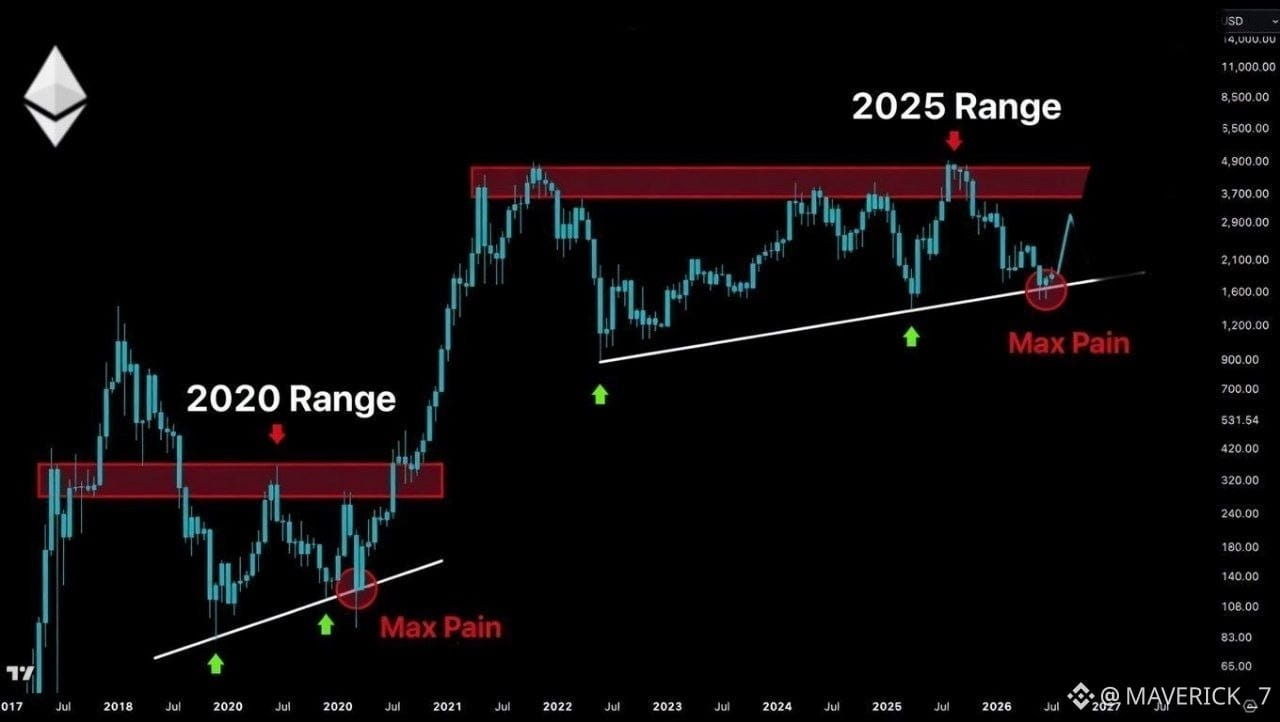
ETH bewegt sich nahe an einer großen steigenden Trendlinie, ähnlich wie die Struktur, die im 2020er-Zyklus zu sehen war.
📍 Aktuelle Zone: ~$1.6K–$2.0K
🔻 Wichtigster Support: Steigende Trendlinie
🚀 Aufwärtspfade: $2.9K → $3.7K → $4.9K
🎯 Bedeutender Widerstand: $3.7K–$4.9K
Invalidation: Sauberer Breakdown unter der Trendlinie
Das Chart deutet darauf hin, dass der „max pain“ kommen könnte, bevor die nächste große Expansion startet.
ETH-Bullen müssen diese Struktur verteidigen. 👑
Beobachte den Ausbruch. Keine Panik-Käufe beim ersten Kerzenimpuls.
$ETH |$BTC |$SOL
🔥$ETHEREUM — MAXIMALER SCHMERZ VOR DER NÄCHSTEN BEWEGUNG? 👀
ETH bewegt sich nahe an einer großen steigenden Trendlinie, ähnlich wie die Struktur, die im 2020er-Zyklus zu sehen war.
📍 Aktuelle Zone: ~$1.6K–$2.0K
🔻 Wichtigster Support: Steigende Trendlinie
🚀 Aufwärtspfade: $2.9K → $3.7K → $4.9K
🎯 Bedeutender Widerstand: $3.7K–$4.9K
Invalidation: Sauberer Breakdown unter der Trendlinie
Das Chart deutet darauf hin, dass der „max pain“ kommen könnte, bevor die nächste große Expansion startet.
ETH-Bullen müssen diese Struktur verteidigen. 👑
Beobachte den Ausbruch. Keine Panik-Käufe beim ersten Kerzenimpuls.
$ETH |$BTC |$SOL
ETH bewegt sich nahe an einer großen steigenden Trendlinie, ähnlich wie die Struktur, die im 2020er-Zyklus zu sehen war.
📍 Aktuelle Zone: ~$1.6K–$2.0K
🔻 Wichtigster Support: Steigende Trendlinie
🚀 Aufwärtspfade: $2.9K → $3.7K → $4.9K
🎯 Bedeutender Widerstand: $3.7K–$4.9K
Invalidation: Sauberer Breakdown unter der Trendlinie
Das Chart deutet darauf hin, dass der „max pain“ kommen könnte, bevor die nächste große Expansion startet.
ETH-Bullen müssen diese Struktur verteidigen. 👑
Beobachte den Ausbruch. Keine Panik-Käufe beim ersten Kerzenimpuls.
$ETH |$BTC |$SOL
192
·
--
Bullisch
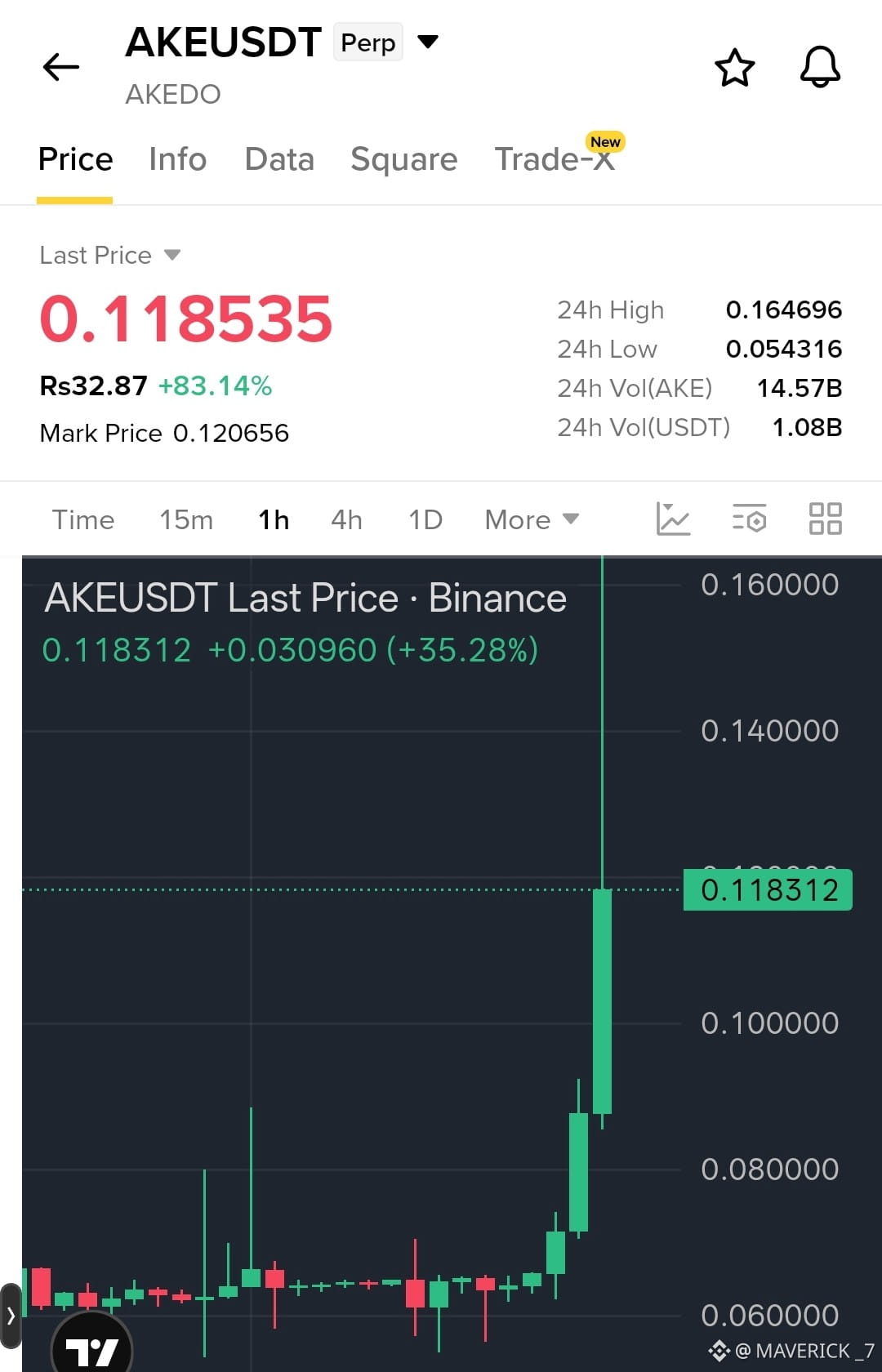
$AKE BOOM 💥🤯 — VORSICHT‼️😂👀
$AKEUSDT ist gerade auf $0.11835 explodiert (+83,14%) mit massivem Volumen. Nach so einem vertikalen Move kann die Volatilität extrem werden.
📍 EP: $0.115–$0.119
🎯 TP1: $0.110
🎯 TP2: $0.102
🎯 TP3: $0.092
🛑 SL: $0.126
💥 AKE bewegt sich SCHNELL — nicht blind hinterherlaufen. Warte auf Bestätigung/Retest vor dem Einstieg und halte die Hebelwirkung niedrig.
Boom ist aufregend… aber das Risikomanagement steht an erster Stelle. 💰🤑
$AKE
$AKE BOOM 💥🤯 — VORSICHT‼️😂👀
$AKEUSDT ist gerade auf $0.11835 explodiert (+83,14%) mit massivem Volumen. Nach so einem vertikalen Move kann die Volatilität extrem werden.
📍 EP: $0.115–$0.119
🎯 TP1: $0.110
🎯 TP2: $0.102
🎯 TP3: $0.092
🛑 SL: $0.126
💥 AKE bewegt sich SCHNELL — nicht blind hinterherlaufen. Warte auf Bestätigung/Retest vor dem Einstieg und halte die Hebelwirkung niedrig.
Boom ist aufregend… aber das Risikomanagement steht an erster Stelle. 💰🤑
$AKE
$AKEUSDT ist gerade auf $0.11835 explodiert (+83,14%) mit massivem Volumen. Nach so einem vertikalen Move kann die Volatilität extrem werden.
📍 EP: $0.115–$0.119
🎯 TP1: $0.110
🎯 TP2: $0.102
🎯 TP3: $0.092
🛑 SL: $0.126
💥 AKE bewegt sich SCHNELL — nicht blind hinterherlaufen. Warte auf Bestätigung/Retest vor dem Einstieg und halte die Hebelwirkung niedrig.
Boom ist aufregend… aber das Risikomanagement steht an erster Stelle. 💰🤑
$AKE
1
444
·
--

Artikel
SOL vs ETH: Wenn Blockchain-Design auf reale Rahmenbedingungen trifftEin hilfreicher Vergleich zwischen Solana und Ethereum erfordert mehr, als nur Preis-Charts anzusehen. In realen Finanzumgebungen sind die wichtigen Fragen oft weniger sichtbar: wie die Systeme betrieben werden, wie vorhersagbar ihre Schnittstellen sind, wie Entwickler mit ihnen interagieren, wie das Monitoring gehandhabt wird und wie leicht Aktivität von Operatoren, Auditoren und Compliance-Teams untersucht werden kann.
Das hier bereitgestellte Material enthält jedoch keine technischen oder architektonischen Informationen über Ethereum. Es enthält Marktdaten und ein 15-Minuten-Chart für SOLUSDT. Dieser Unterschied ist entscheidend. Ein glaubwürdiger Vergleich sollte diese Lücken nicht mit Annahmen füllen.
SOL vs ETH: Wenn Blockchain-Design auf reale Rahmenbedingungen trifft
Ein hilfreicher Vergleich zwischen Solana und Ethereum erfordert mehr, als nur Preis-Charts anzusehen. In realen Finanzumgebungen sind die wichtigen Fragen oft weniger sichtbar: wie die Systeme betrieben werden, wie vorhersagbar ihre Schnittstellen sind, wie Entwickler mit ihnen interagieren, wie das Monitoring gehandhabt wird und wie leicht Aktivität von Operatoren, Auditoren und Compliance-Teams untersucht werden kann.
Das hier bereitgestellte Material enthält jedoch keine technischen oder architektonischen Informationen über Ethereum. Es enthält Marktdaten und ein 15-Minuten-Chart für SOLUSDT. Dieser Unterschied ist entscheidend. Ein glaubwürdiger Vergleich sollte diese Lücken nicht mit Annahmen füllen.
Das hier bereitgestellte Material enthält jedoch keine technischen oder architektonischen Informationen über Ethereum. Es enthält Marktdaten und ein 15-Minuten-Chart für SOLUSDT. Dieser Unterschied ist entscheidend. Ein glaubwürdiger Vergleich sollte diese Lücken nicht mit Annahmen füllen.
138
·
--
Bullisch
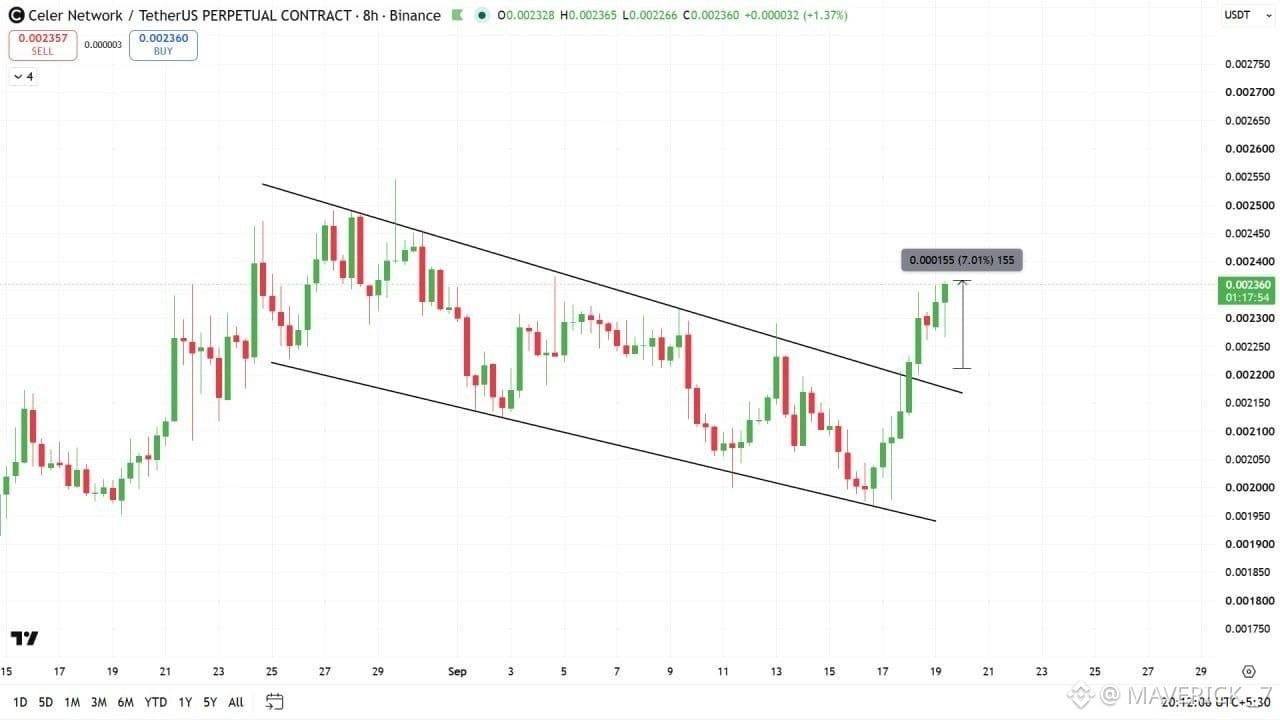
🚀 $CELR RUSDT PUMP BESTÄTIGT!
Preis: 0,00471 $ 📈
🔥 +7% seitdem wir gepostet haben!
Das Setup hat genau das geliefert, worauf wir geachtet haben. Der Momentum-Impuls setzte ein und CELR machte seinen Move.
Einstieg ✅
+7% Move ✅
Momentum 🔥
Genieße den Pump, aber jage keine vertikale Kerze. Behalte das Risiko im Blick und schütze deine Gewinne.
$CELR 👀 Der nächste Move steht jetzt im Fokus.
$CELR
🚀 $CELR RUSDT PUMP BESTÄTIGT!
Preis: 0,00471 $ 📈
🔥 +7% seitdem wir gepostet haben!
Das Setup hat genau das geliefert, worauf wir geachtet haben. Der Momentum-Impuls setzte ein und CELR machte seinen Move.
Einstieg ✅
+7% Move ✅
Momentum 🔥
Genieße den Pump, aber jage keine vertikale Kerze. Behalte das Risiko im Blick und schütze deine Gewinne.
$CELR 👀 Der nächste Move steht jetzt im Fokus.
$CELR
Preis: 0,00471 $ 📈
🔥 +7% seitdem wir gepostet haben!
Das Setup hat genau das geliefert, worauf wir geachtet haben. Der Momentum-Impuls setzte ein und CELR machte seinen Move.
Einstieg ✅
+7% Move ✅
Momentum 🔥
Genieße den Pump, aber jage keine vertikale Kerze. Behalte das Risiko im Blick und schütze deine Gewinne.
$CELR 👀 Der nächste Move steht jetzt im Fokus.
$CELR
187
·
--
Bullisch
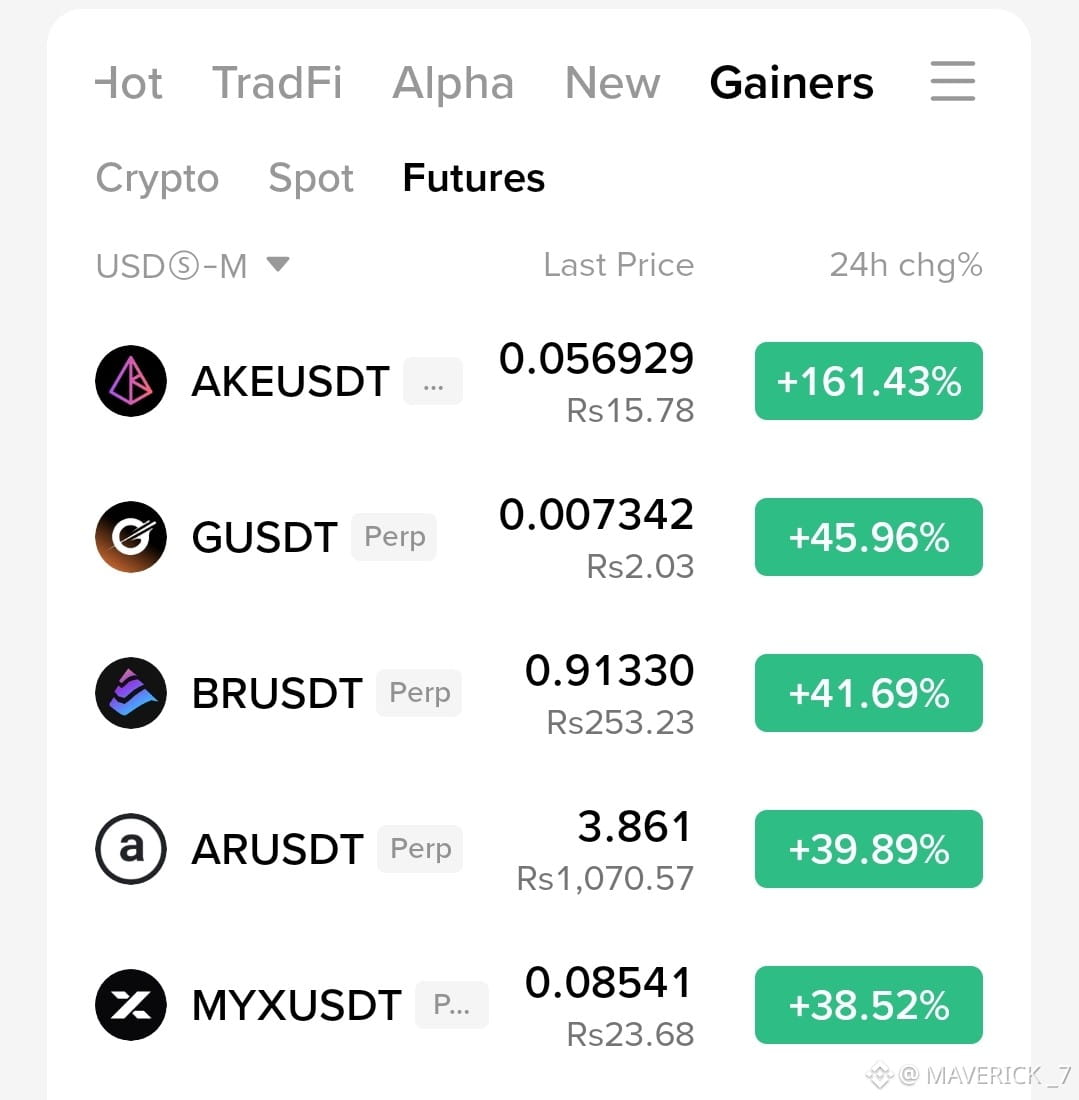
🚨 DIE FUTURES-GEWINNER FLIEGEN🚀
🔥 $AKE
{future}(AKEUSDT)
USDT: $0.056929 | +161.43%
🚀 $G
{future}(GUSDT)
USDT: $0.007342 | +45.96%
💥 $BR
{future}(BRUSDT)
USDT: $0.91330 | +41.69%
⚡ ARUSDT: $3.861 | +39.89%
🚀 MYXUSDT: $0.08541 | +38.52%
Verrückter Momentum über das gesamte Board hinweg! 📈
Ich warte auf Bestätigung, bevor ich den nächsten Schritt ankündige und den Gewinn sichere. 🙂👍
Beobachte die Levels. Bestätige den Ausbruch. Kein FOMO.
🚨 DIE FUTURES-GEWINNER FLIEGEN🚀
🔥 $AKE
USDT: $0.056929 | +161.43%
🚀 $G
USDT: $0.007342 | +45.96%
💥 $BR
USDT: $0.91330 | +41.69%
⚡ ARUSDT: $3.861 | +39.89%
🚀 MYXUSDT: $0.08541 | +38.52%
Verrückter Momentum über das gesamte Board hinweg! 📈
Ich warte auf Bestätigung, bevor ich den nächsten Schritt ankündige und den Gewinn sichere. 🙂👍
Beobachte die Levels. Bestätige den Ausbruch. Kein FOMO.
🔥 $AKE
USDT: $0.056929 | +161.43%
🚀 $G
USDT: $0.007342 | +45.96%
💥 $BR
USDT: $0.91330 | +41.69%
⚡ ARUSDT: $3.861 | +39.89%
🚀 MYXUSDT: $0.08541 | +38.52%
Verrückter Momentum über das gesamte Board hinweg! 📈
Ich warte auf Bestätigung, bevor ich den nächsten Schritt ankündige und den Gewinn sichere. 🙂👍
Beobachte die Levels. Bestätige den Ausbruch. Kein FOMO.
447
·
--
Bullisch
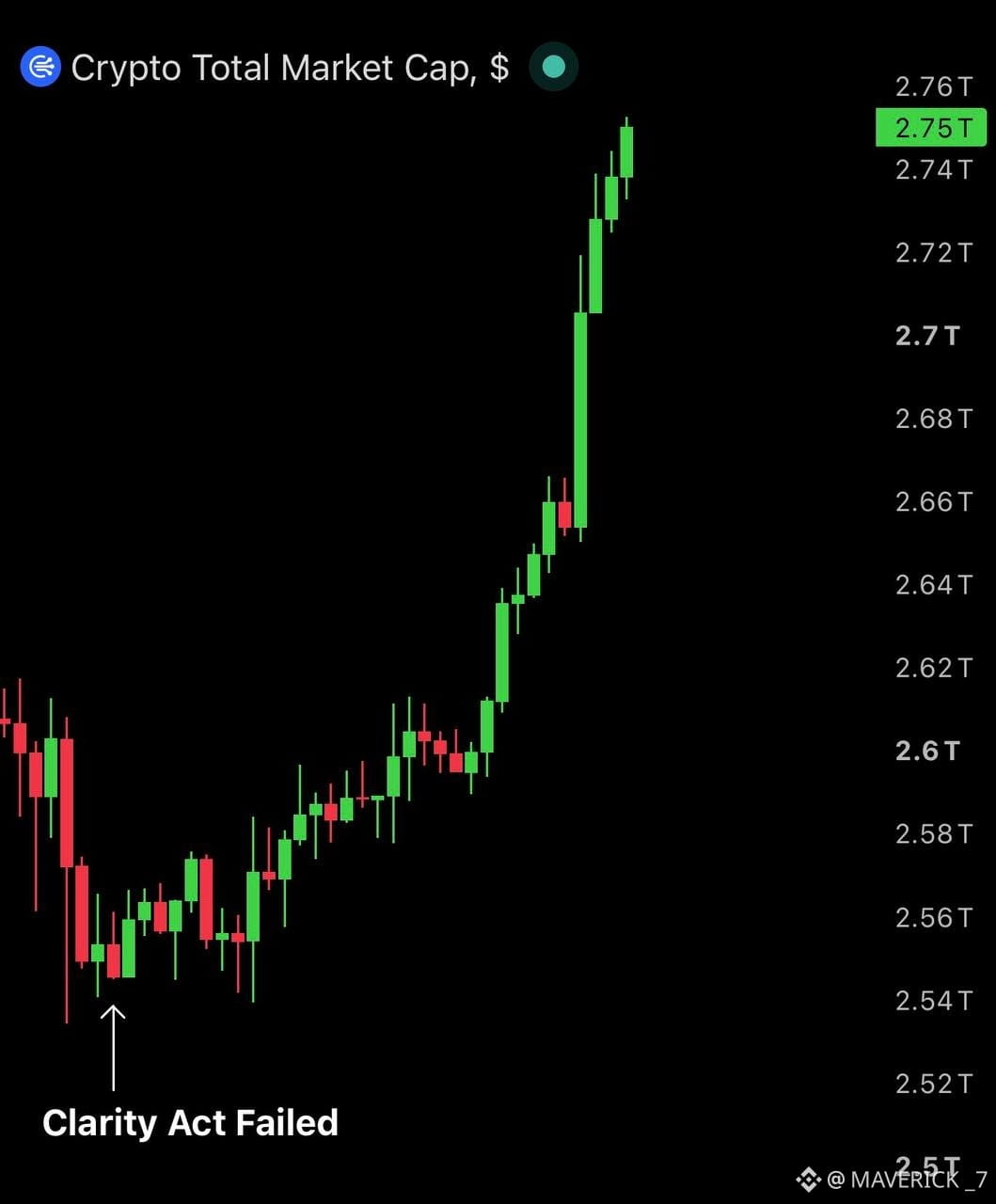
🚨 220 MILLIARDEN US-Dollar zum Krypto-Markt hinzugefügt! 📈
Da der CLARITY Act nicht durch den Senat gebracht wurde, hat sich Krypto als erstaunlich stark erwiesen.
💰 +220B Marktkapitalisierung
🔥 Die Bullen sind zurück
📊 Die Dynamik beschleunigt sich
👀 BTC führt die Bewegung an
Der Markt hat auf die Schlagzeile nicht gewartet.
ACHTUNG VOR DEM PUMP! 🚀
Bleib fokussiert. Beobachte das Volumen. Nicht blind hinterherlaufen.
$BTC
#BTCBreaks80K #SOLJumpsAbout10% #SECReceivesAmendedInjectiveETFFiling #SanDiskToJoinSP100OnSep21 #TRMReportsYouTubeScamStole274.6ETH
🚨 220 MILLIARDEN US-Dollar zum Krypto-Markt hinzugefügt! 📈
Da der CLARITY Act nicht durch den Senat gebracht wurde, hat sich Krypto als erstaunlich stark erwiesen.
💰 +220B Marktkapitalisierung
🔥 Die Bullen sind zurück
📊 Die Dynamik beschleunigt sich
👀 BTC führt die Bewegung an
Der Markt hat auf die Schlagzeile nicht gewartet.
ACHTUNG VOR DEM PUMP! 🚀
Bleib fokussiert. Beobachte das Volumen. Nicht blind hinterherlaufen.
$BTC
#BTCBreaks80K #SOLJumpsAbout10% #SECReceivesAmendedInjectiveETFFiling #SanDiskToJoinSP100OnSep21 #TRMReportsYouTubeScamStole274.6ETH
Da der CLARITY Act nicht durch den Senat gebracht wurde, hat sich Krypto als erstaunlich stark erwiesen.
💰 +220B Marktkapitalisierung
🔥 Die Bullen sind zurück
📊 Die Dynamik beschleunigt sich
👀 BTC führt die Bewegung an
Der Markt hat auf die Schlagzeile nicht gewartet.
ACHTUNG VOR DEM PUMP! 🚀
Bleib fokussiert. Beobachte das Volumen. Nicht blind hinterherlaufen.
$BTC
#BTCBreaks80K #SOLJumpsAbout10% #SECReceivesAmendedInjectiveETFFiling #SanDiskToJoinSP100OnSep21 #TRMReportsYouTubeScamStole274.6ETH
124
·
--
Bullisch
🚨 SOEBEN: $BTC IS IST WIEDER BEI 81.000 $ ZURÜCK! 🔥🚀
Bitcoin hat die wichtige 81K-Dollar-Zone zurückerobert – ein Bereich, der zuletzt als maßgeblicher Widerstand fungierte. BTC hatte zuvor die Marke von 81K überschritten, wurde jedoch abgelehnt, daher ist diese Zone nun entscheidend.
📍 Einstieg: 80.000–81.000 $
🎯 TP1: 82.300 $
🎯 TP2: 85.000 $
🎯 TP3: 87.500 $
🛑 SL: 78.000 $
Wenn BTC 81K hält und den Ausbruch bestätigt, könnte sich der Schwung beschleunigen. Verfolge nicht die erste Kerze – warte auf die Bestätigung.
$BTC 🚀🔥
#BTCBreaks80K #HYPEJumpsOver11% #ZcashDevelopersTargetNU7MainnetActivationNov5
🚨 SOEBEN: $BTC IS IST WIEDER BEI 81.000 $ ZURÜCK! 🔥🚀
Bitcoin hat die wichtige 81K-Dollar-Zone zurückerobert – ein Bereich, der zuletzt als maßgeblicher Widerstand fungierte. BTC hatte zuvor die Marke von 81K überschritten, wurde jedoch abgelehnt, daher ist diese Zone nun entscheidend.
📍 Einstieg: 80.000–81.000 $
🎯 TP1: 82.300 $
🎯 TP2: 85.000 $
🎯 TP3: 87.500 $
🛑 SL: 78.000 $
Wenn BTC 81K hält und den Ausbruch bestätigt, könnte sich der Schwung beschleunigen. Verfolge nicht die erste Kerze – warte auf die Bestätigung.
$BTC 🚀🔥
#BTCBreaks80K #HYPEJumpsOver11% #ZcashDevelopersTargetNU7MainnetActivationNov5
Bitcoin hat die wichtige 81K-Dollar-Zone zurückerobert – ein Bereich, der zuletzt als maßgeblicher Widerstand fungierte. BTC hatte zuvor die Marke von 81K überschritten, wurde jedoch abgelehnt, daher ist diese Zone nun entscheidend.
📍 Einstieg: 80.000–81.000 $
🎯 TP1: 82.300 $
🎯 TP2: 85.000 $
🎯 TP3: 87.500 $
🛑 SL: 78.000 $
Wenn BTC 81K hält und den Ausbruch bestätigt, könnte sich der Schwung beschleunigen. Verfolge nicht die erste Kerze – warte auf die Bestätigung.
$BTC 🚀🔥
#BTCBreaks80K #HYPEJumpsOver11% #ZcashDevelopersTargetNU7MainnetActivationNov5
1
123
·
--
Bullisch
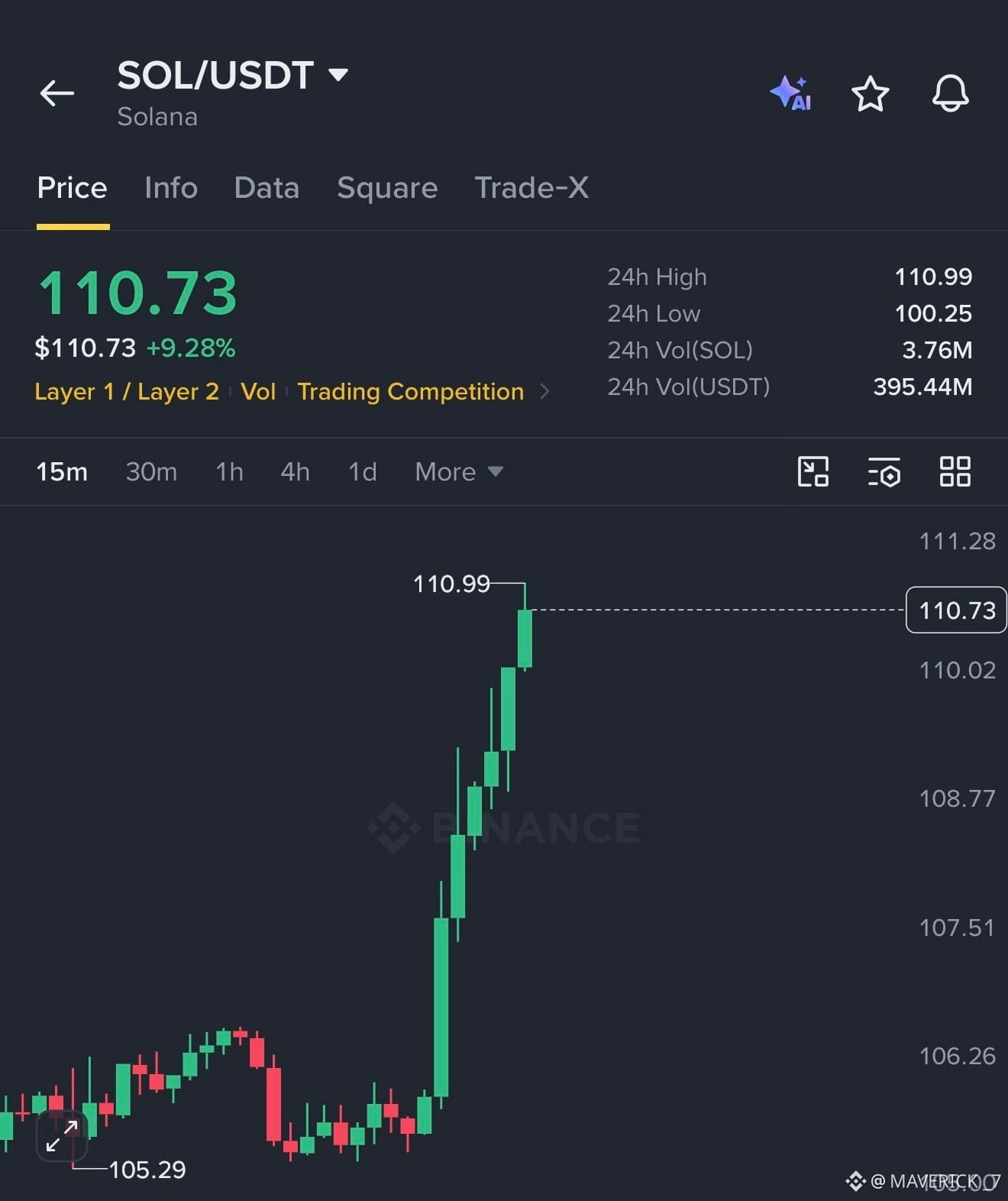
🚨 $SOL JUST HIT $110‼️
Solana drängt in eine frische 2026er-Hochzone, wobei der Schwung wieder in den Fokus rückt. SOL ist stark von den August-Tiefs gestiegen, und $100 ist nun eine wichtige psychologische Marke, die man im Blick behalten sollte.
🔥 Ausbruch über $110 = Momentum
👀 $100 = wichtige Unterstützungszone
📈 Über $110 halten = Bullen bleiben am Drücker
Ablehnung = möglicher Rücksetzer vor dem nächsten Schritt
SOL-Inhaber beobachten das sehr genau. Der nächste Ausbruch könnte spannend werden. 🚀
$SOL
🚨 $SOL JUST HIT $110‼️
Solana drängt in eine frische 2026er-Hochzone, wobei der Schwung wieder in den Fokus rückt. SOL ist stark von den August-Tiefs gestiegen, und $100 ist nun eine wichtige psychologische Marke, die man im Blick behalten sollte.
🔥 Ausbruch über $110 = Momentum
👀 $100 = wichtige Unterstützungszone
📈 Über $110 halten = Bullen bleiben am Drücker
Ablehnung = möglicher Rücksetzer vor dem nächsten Schritt
SOL-Inhaber beobachten das sehr genau. Der nächste Ausbruch könnte spannend werden. 🚀
$SOL
Solana drängt in eine frische 2026er-Hochzone, wobei der Schwung wieder in den Fokus rückt. SOL ist stark von den August-Tiefs gestiegen, und $100 ist nun eine wichtige psychologische Marke, die man im Blick behalten sollte.
🔥 Ausbruch über $110 = Momentum
👀 $100 = wichtige Unterstützungszone
📈 Über $110 halten = Bullen bleiben am Drücker
Ablehnung = möglicher Rücksetzer vor dem nächsten Schritt
SOL-Inhaber beobachten das sehr genau. Der nächste Ausbruch könnte spannend werden. 🚀
$SOL
1
217
·
--
Bullisch
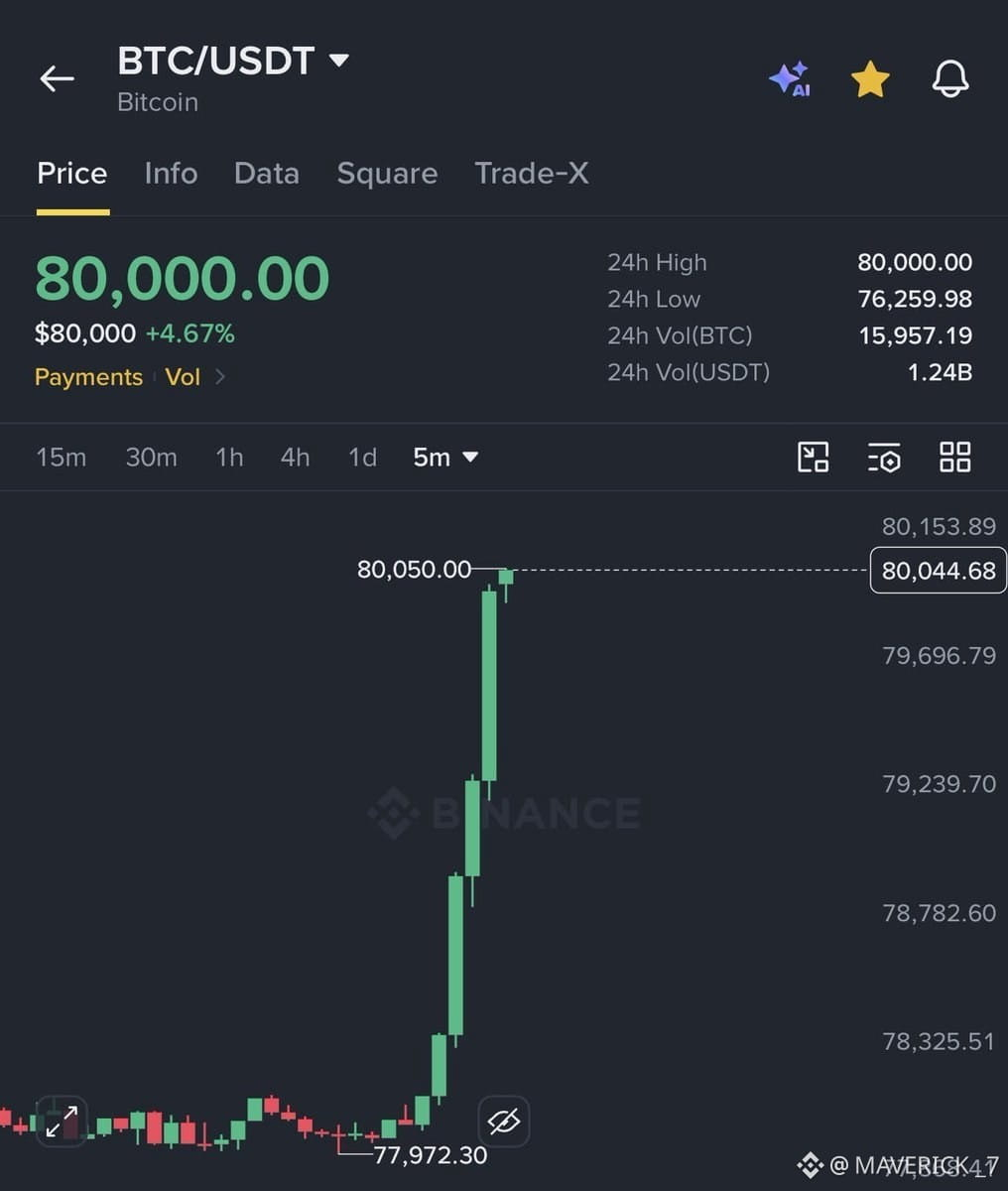
Booom 💥🧐👇$BTC BROKE $80,000 🚀
BÄREN SIND KOMPLETT FERTIG.
$BTC
Booom 💥🧐👇$BTC BROKE $80,000 🚀
BÄREN SIND KOMPLETT FERTIG.
$BTC
BÄREN SIND KOMPLETT FERTIG.
$BTC
123
·
--
Bullisch
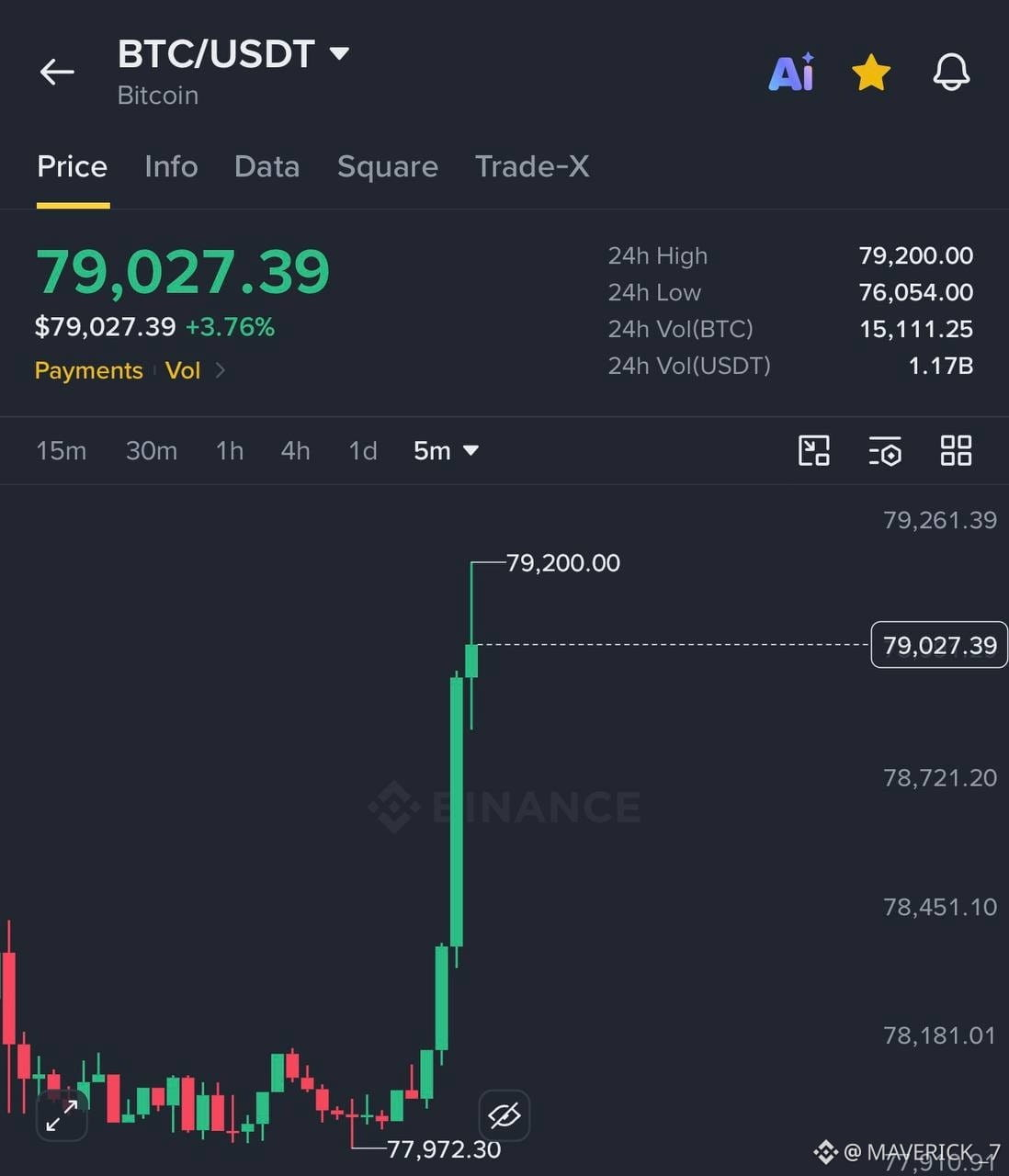
$BTC JETZT GEKROCHT 79.000 $ 🚀
32 BILLIONEN ZUGEWACHSEN ZUM KRYPTOMARKT IN 60 MINUTEN.
$BTC
$BTC JETZT GEKROCHT 79.000 $ 🚀
32 BILLIONEN ZUGEWACHSEN ZUM KRYPTOMARKT IN 60 MINUTEN.
$BTC
32 BILLIONEN ZUGEWACHSEN ZUM KRYPTOMARKT IN 60 MINUTEN.
$BTC
166
·
--
Bullisch
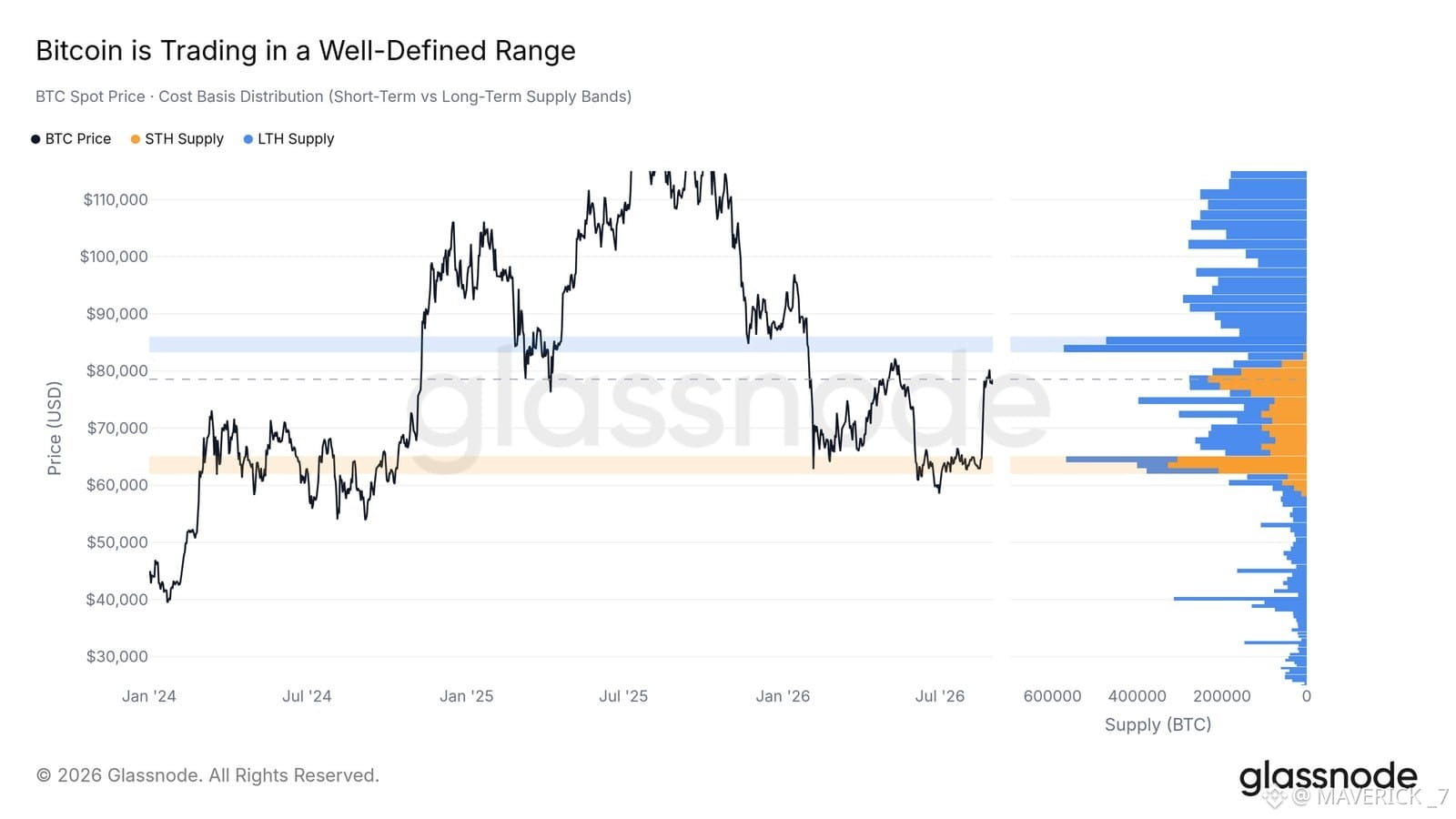
🚨 Die BTC-STRUKTUR wird immer klarer 🤔👀
Die On-Chain-Kostenbasis + die Coin-Verteilung zeigen zwei große Zonen:
🟢 62.000–65.000 $ → Starke Akkumulations-Unterstützung aus der Sommer-Konsolidierung.
🔴 83.000–86.000 $ → Hohe verfügbare Bestände von Langfrist-Haltern und großer Widerstand durch relevantes Angebot (Overhead).
Damit steckt BTC zwischen einer Unterstützungszone von 62.000–65.000 $ und einer Widerstandszone von 83.000–86.000 $ fest.
🔥 Der nächste große Ausbruch oder Zusammenbruch könnte die nächste große Bewegung bestimmen.
Beobachte die Levels. Keine Geräusche hinterherjagen. 👀📊
$BTC 💥
🚨 Die BTC-STRUKTUR wird immer klarer 🤔👀
Die On-Chain-Kostenbasis + die Coin-Verteilung zeigen zwei große Zonen:
🟢 62.000–65.000 $ → Starke Akkumulations-Unterstützung aus der Sommer-Konsolidierung.
🔴 83.000–86.000 $ → Hohe verfügbare Bestände von Langfrist-Haltern und großer Widerstand durch relevantes Angebot (Overhead).
Damit steckt BTC zwischen einer Unterstützungszone von 62.000–65.000 $ und einer Widerstandszone von 83.000–86.000 $ fest.
🔥 Der nächste große Ausbruch oder Zusammenbruch könnte die nächste große Bewegung bestimmen.
Beobachte die Levels. Keine Geräusche hinterherjagen. 👀📊
$BTC 💥
Die On-Chain-Kostenbasis + die Coin-Verteilung zeigen zwei große Zonen:
🟢 62.000–65.000 $ → Starke Akkumulations-Unterstützung aus der Sommer-Konsolidierung.
🔴 83.000–86.000 $ → Hohe verfügbare Bestände von Langfrist-Haltern und großer Widerstand durch relevantes Angebot (Overhead).
Damit steckt BTC zwischen einer Unterstützungszone von 62.000–65.000 $ und einer Widerstandszone von 83.000–86.000 $ fest.
🔥 Der nächste große Ausbruch oder Zusammenbruch könnte die nächste große Bewegung bestimmen.
Beobachte die Levels. Keine Geräusche hinterherjagen. 👀📊
$BTC 💥
3
148
·
--
Bullisch
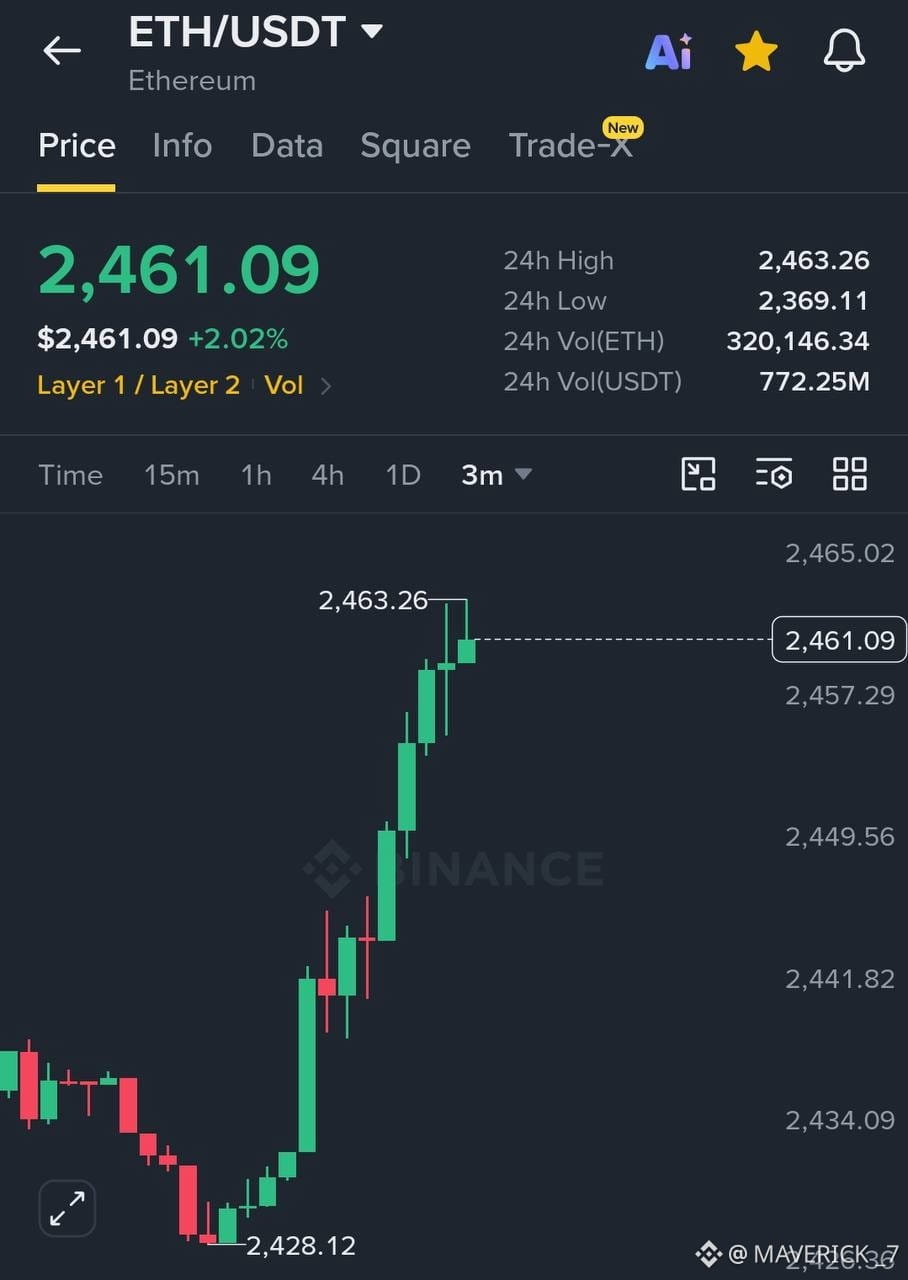
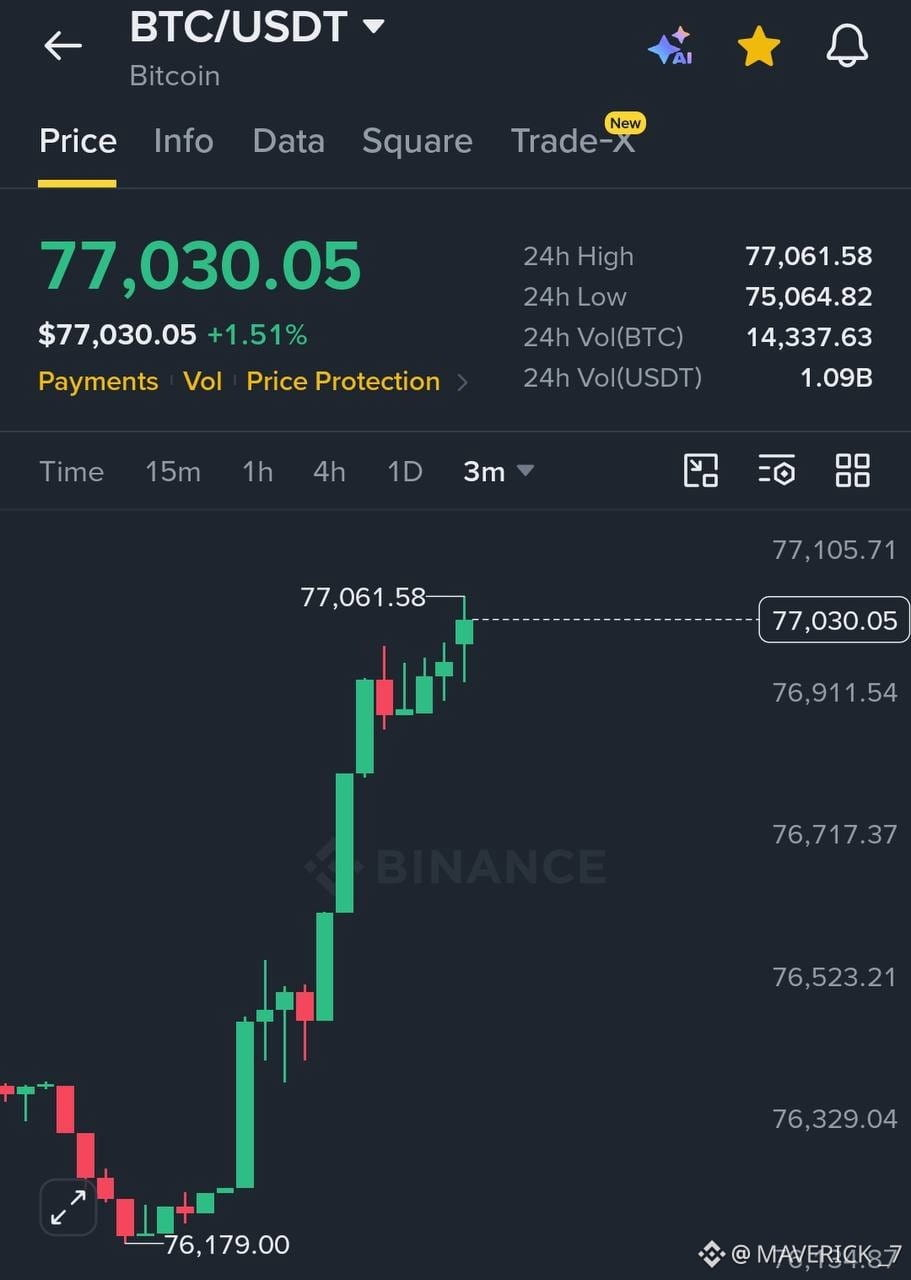
$BTC reklamiert $77.000.
$ETH ist wieder über $2.450.
$30 Milliarden in 60 Minuten hinzugefügt.
$BTC
$BTC reklamiert $77.000.
$ETH ist wieder über $2.450.
$30 Milliarden in 60 Minuten hinzugefügt.
$BTC
$ETH ist wieder über $2.450.
$30 Milliarden in 60 Minuten hinzugefügt.
$BTC
1
71
·
--
Bullisch
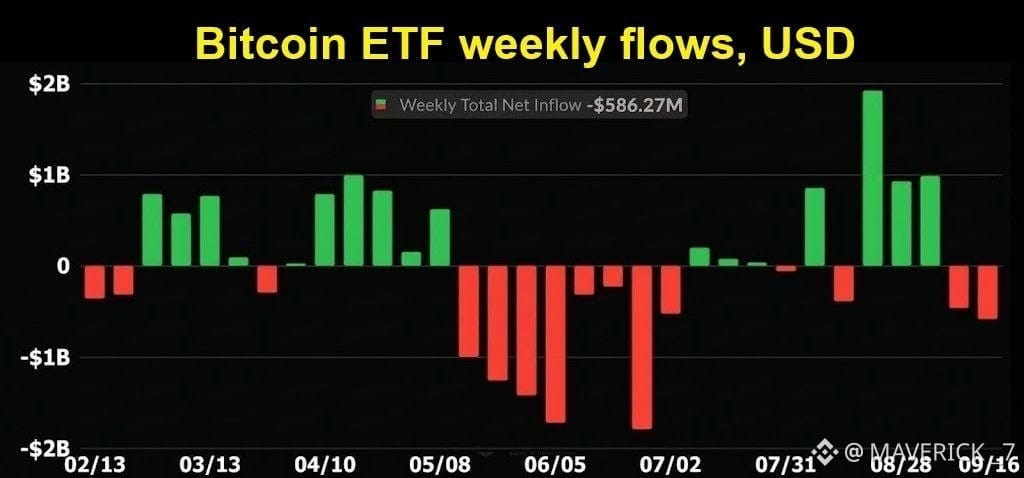
🚨 Der Verkauf von Bitcoin-ETFs nimmt Fahrt auf
US-Spot-Bitcoin-ETFs verzeichneten diese Woche starke Rücknahmen. Allein in den letzten beiden Sitzungen beliefen sich die Abflüsse auf rund 746 Mio. US-Dollar.
BlackRocks IBIT führte den Verkauf am Mittwoch an und verzeichnete etwa 144 Mio. US-Dollar Abfluss, während ARKB rund 84 Mio. US-Dollar verlor und FBTC etwa 53 Mio. US-Dollar.
Das größere Bild ist entscheidend: Dies folgt auf Bitcoin-ETFs, die letzte Woche 462,7 Mio. US-Dollar Abflüsse verzeichneten und damit eine dreistufige Aufwärtsstrom-Serie (Inflows) beendeten.
BTC hält sich weiterhin bei rund 76.000 US-Dollar, also lautet die Kernfrage ganz einfach:
Realisieren Institutionen Gewinne, oder ist das erst der Beginn einer tieferen Risiko-abwärts-Bewegung?
ETF-Flow-Daten sind inzwischen eines der wichtigsten Signale, die man im Blick behalten sollte.
BTC-Volatilität lädt. Blick auf den nächsten ETF-Flow-Print. 👀📉
$BTC |$ETH |$SOL
🚨 Der Verkauf von Bitcoin-ETFs nimmt Fahrt auf
US-Spot-Bitcoin-ETFs verzeichneten diese Woche starke Rücknahmen. Allein in den letzten beiden Sitzungen beliefen sich die Abflüsse auf rund 746 Mio. US-Dollar.
BlackRocks IBIT führte den Verkauf am Mittwoch an und verzeichnete etwa 144 Mio. US-Dollar Abfluss, während ARKB rund 84 Mio. US-Dollar verlor und FBTC etwa 53 Mio. US-Dollar.
Das größere Bild ist entscheidend: Dies folgt auf Bitcoin-ETFs, die letzte Woche 462,7 Mio. US-Dollar Abflüsse verzeichneten und damit eine dreistufige Aufwärtsstrom-Serie (Inflows) beendeten.
BTC hält sich weiterhin bei rund 76.000 US-Dollar, also lautet die Kernfrage ganz einfach:
Realisieren Institutionen Gewinne, oder ist das erst der Beginn einer tieferen Risiko-abwärts-Bewegung?
ETF-Flow-Daten sind inzwischen eines der wichtigsten Signale, die man im Blick behalten sollte.
BTC-Volatilität lädt. Blick auf den nächsten ETF-Flow-Print. 👀📉
$BTC |$ETH |$SOL
US-Spot-Bitcoin-ETFs verzeichneten diese Woche starke Rücknahmen. Allein in den letzten beiden Sitzungen beliefen sich die Abflüsse auf rund 746 Mio. US-Dollar.
BlackRocks IBIT führte den Verkauf am Mittwoch an und verzeichnete etwa 144 Mio. US-Dollar Abfluss, während ARKB rund 84 Mio. US-Dollar verlor und FBTC etwa 53 Mio. US-Dollar.
Das größere Bild ist entscheidend: Dies folgt auf Bitcoin-ETFs, die letzte Woche 462,7 Mio. US-Dollar Abflüsse verzeichneten und damit eine dreistufige Aufwärtsstrom-Serie (Inflows) beendeten.
BTC hält sich weiterhin bei rund 76.000 US-Dollar, also lautet die Kernfrage ganz einfach:
Realisieren Institutionen Gewinne, oder ist das erst der Beginn einer tieferen Risiko-abwärts-Bewegung?
ETF-Flow-Daten sind inzwischen eines der wichtigsten Signale, die man im Blick behalten sollte.
BTC-Volatilität lädt. Blick auf den nächsten ETF-Flow-Print. 👀📉
$BTC |$ETH |$SOL
1
117
·
--
Bullisch
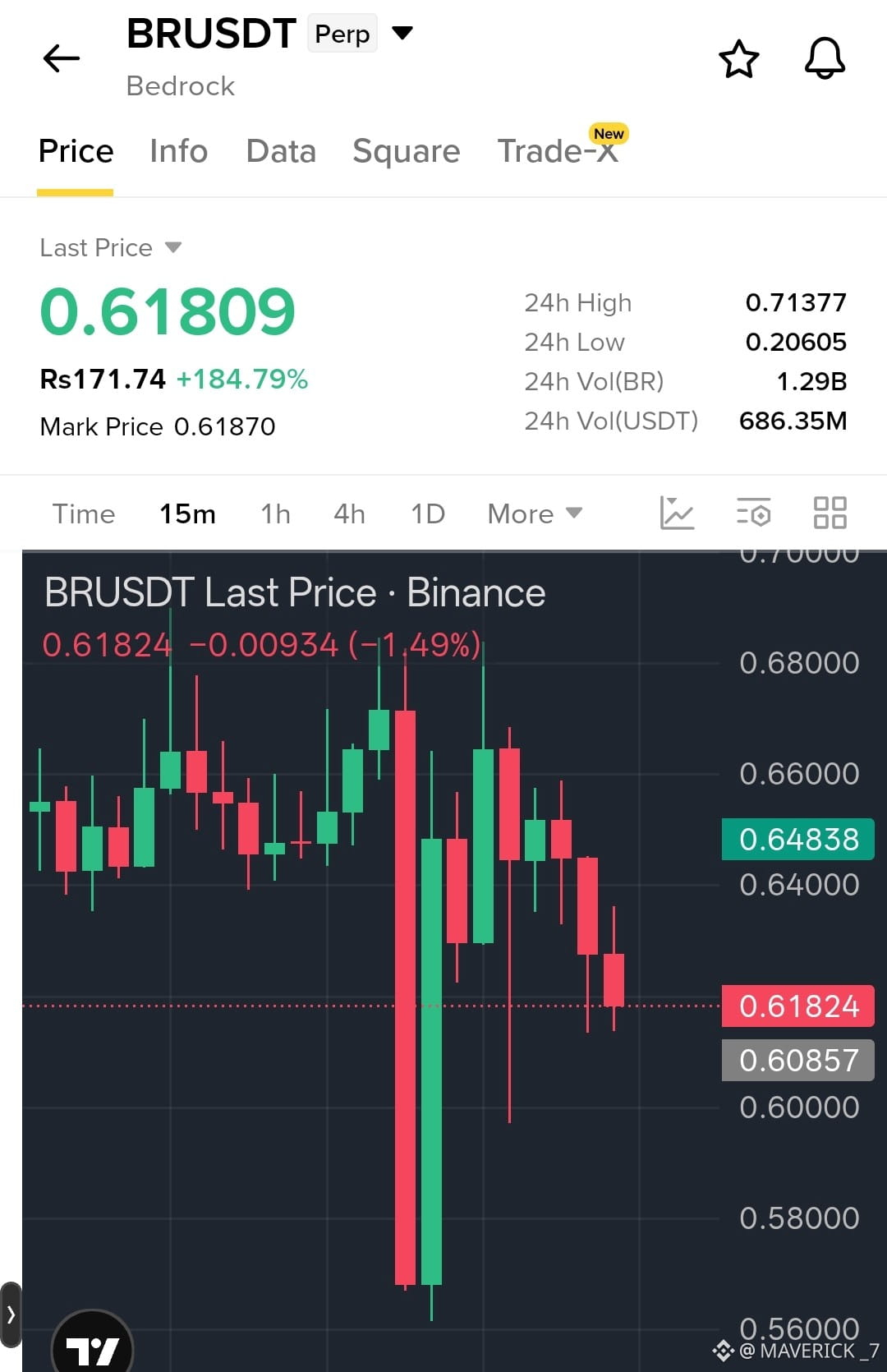
Kerl ich bin kurz, denk 🧐 aufmerksam ❗ aus Entry 0.634800-0.61200
Tp1 0.60
Tp2 0.58
Sl 0.66
$BR
Kerl ich bin kurz, denk 🧐 aufmerksam ❗ aus Entry 0.634800-0.61200
Tp1 0.60
Tp2 0.58
Sl 0.66
$BR
Tp1 0.60
Tp2 0.58
Sl 0.66
$BR
1
183
·
--
Bullisch
Booom 🤯💥$BR USDT — LONG WATCH‼️👇
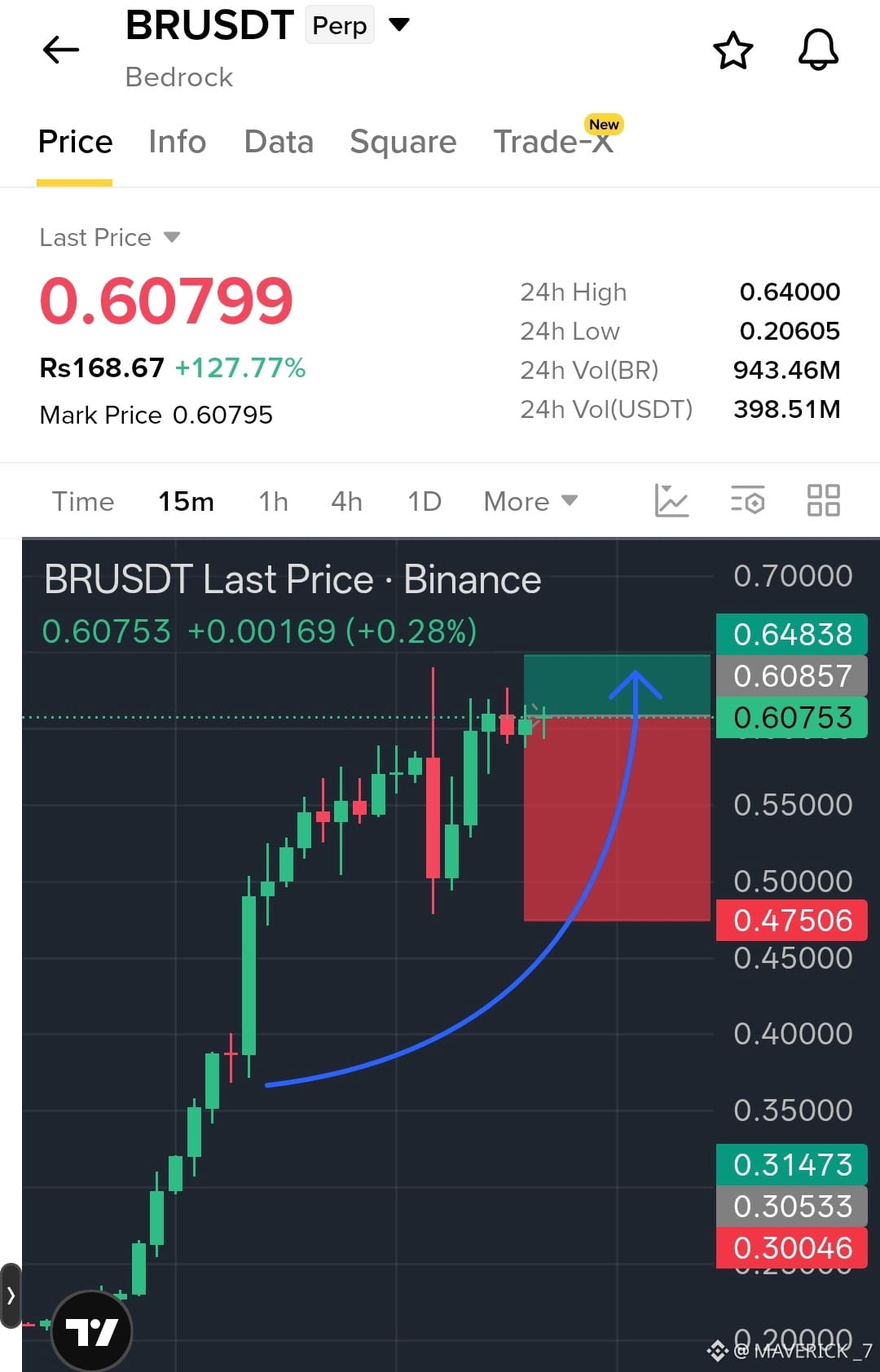
Boom — BR bewegt sich hart. Bei $0.60799 ist der Preis in 24H um 127,77% gestiegen, mit riesigem Volumen. Der Chart drückt nahe an den $0,64-Widerstand, also zählt die Bestätigung, bevor man hinterherjagt.
Einstieg: $0.585–$0.605
EP: $0.600
TP1: $0.640
TP2: $0.680
TP3: $0.700+
SL: $0.550
Trader-Mindset: Der Impuls ist stark, aber nach einem 127%-Move kann die Volatilität extrem sein. Ich achte auf einen sauberen Halt/Retest oberhalb der Einstiegzone, statt blind dem Pump hinterherzulaufen.
Handel das Setup, nicht die Emotion.
$BR
{future}(BRUSDT)
Booom 🤯💥$BR USDT — LONG WATCH‼️👇
Boom — BR bewegt sich hart. Bei $0.60799 ist der Preis in 24H um 127,77% gestiegen, mit riesigem Volumen. Der Chart drückt nahe an den $0,64-Widerstand, also zählt die Bestätigung, bevor man hinterherjagt.
Einstieg: $0.585–$0.605
EP: $0.600
TP1: $0.640
TP2: $0.680
TP3: $0.700+
SL: $0.550
Trader-Mindset: Der Impuls ist stark, aber nach einem 127%-Move kann die Volatilität extrem sein. Ich achte auf einen sauberen Halt/Retest oberhalb der Einstiegzone, statt blind dem Pump hinterherzulaufen.
Handel das Setup, nicht die Emotion.
$BR
Boom — BR bewegt sich hart. Bei $0.60799 ist der Preis in 24H um 127,77% gestiegen, mit riesigem Volumen. Der Chart drückt nahe an den $0,64-Widerstand, also zählt die Bestätigung, bevor man hinterherjagt.
Einstieg: $0.585–$0.605
EP: $0.600
TP1: $0.640
TP2: $0.680
TP3: $0.700+
SL: $0.550
Trader-Mindset: Der Impuls ist stark, aber nach einem 127%-Move kann die Volatilität extrem sein. Ich achte auf einen sauberen Halt/Retest oberhalb der Einstiegzone, statt blind dem Pump hinterherzulaufen.
Handel das Setup, nicht die Emotion.
$BR
3
180
·
--
Bärisch
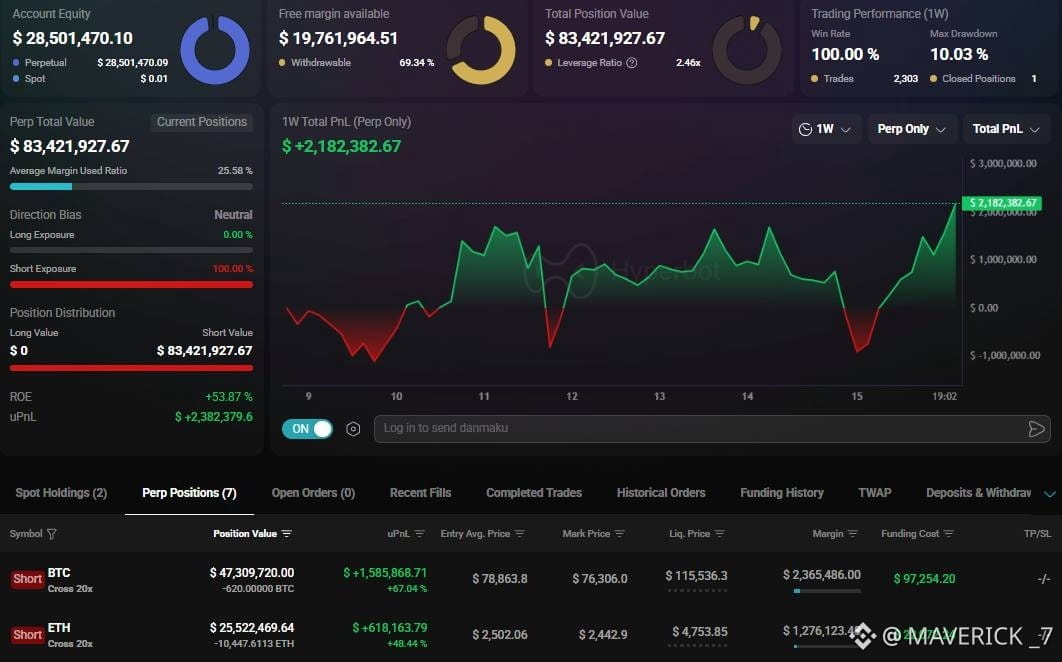
Jemand hat 73 Millionen US-Dollar in $BTC and ETH-Shorts eröffnet, bevor die heutige Abstimmung zur Klarheit stattfindet.👇
Weiß er etwas?
$BTC |$SOL
Jemand hat 73 Millionen US-Dollar in $BTC and ETH-Shorts eröffnet, bevor die heutige Abstimmung zur Klarheit stattfindet.👇
Weiß er etwas?
$BTC |$SOL
Weiß er etwas?
$BTC |$SOL
1
51
Anmelden und weiter Inhalte entdecken
Krypto-Nutzer weltweit auf Binance Square kennenlernen
⚡️ Bleib in Sachen Krypto stets am Puls.
💬 Die weltgrößte Kryptobörse vertraut darauf.
👍 Erhalte verlässliche Einblicke von verifizierten Creators.
E-Mail-Adresse/Telefonnummer
Trendthemen
CardanoAddedToX402KitForADAPayments
2 Aufrufe
16 Kommentare
#cardanoaddedtox402kitforadapayments
🚨 CARDANO BETRITT DAS KI-ZAHLUNGSTENNST! 🤖🔥
$ADA ist jetzt Teil des offiziellen x402 SDK und eröffnet eine neue Zahlungsstrecke für Apps und KI-Agents.
💥 Was hat sich geändert?
• Apps können API-Aufrufe mit ADA oder nativen Cardano-Token bezahlen
• Zahlungen können direkt über standardmäßige Webanfragen erfolgen
• Kein Konto, kein API-Schlüssel und kein herkömmlicher Checkout erforderlich
• Cardano schließt sich dem wachsenden Ökosystem für Machine-to-Machine-Zahlungen an
• Der x402-Vermittler hat bereits eine echte Transaktion im Cardano Pre-Production-Netzwerk abgeschlossen
Das könnte $ADA a eine frische KI- und Zahlungs-Utility-Erzählung geben, da autonome Agents zunehmend Daten und Online-Services bezahlen müssen.
⚠️ Mainnet-Übernahme und echtes Zahlungsvolumen müssen sich noch entwickeln.
🔥 Ist das der Beginn einer neuen ADA-Erzählung?
#Cardano #ADA #AI
Faizan Crypto Learner
·0 Likes
·15 Aufrufe
XRPRises8%
6,032 Aufrufe
367 Kommentare
AMDHits$1TrillionMarketCap
5 Aufrufe
10 Kommentare