
Crypto-Yang
14k Beiträge

Crypto-Yang
 Square Verified+
Melden
Nutzer blockieren
I'm Yang a crypto blogger sharing real insights from years in the market.No hype,just experience to help you cut through the noise.
Trade eröffnen
Hochfrequenz-Trader
1.8 Jahre
483 Following
44.1K+ Follower
33.1K+ Like gegeben
Beiträge
Portfolio
Alle
Zitierungen
Videos
Live
·
--
Bullisch
Übersetzung ansehen
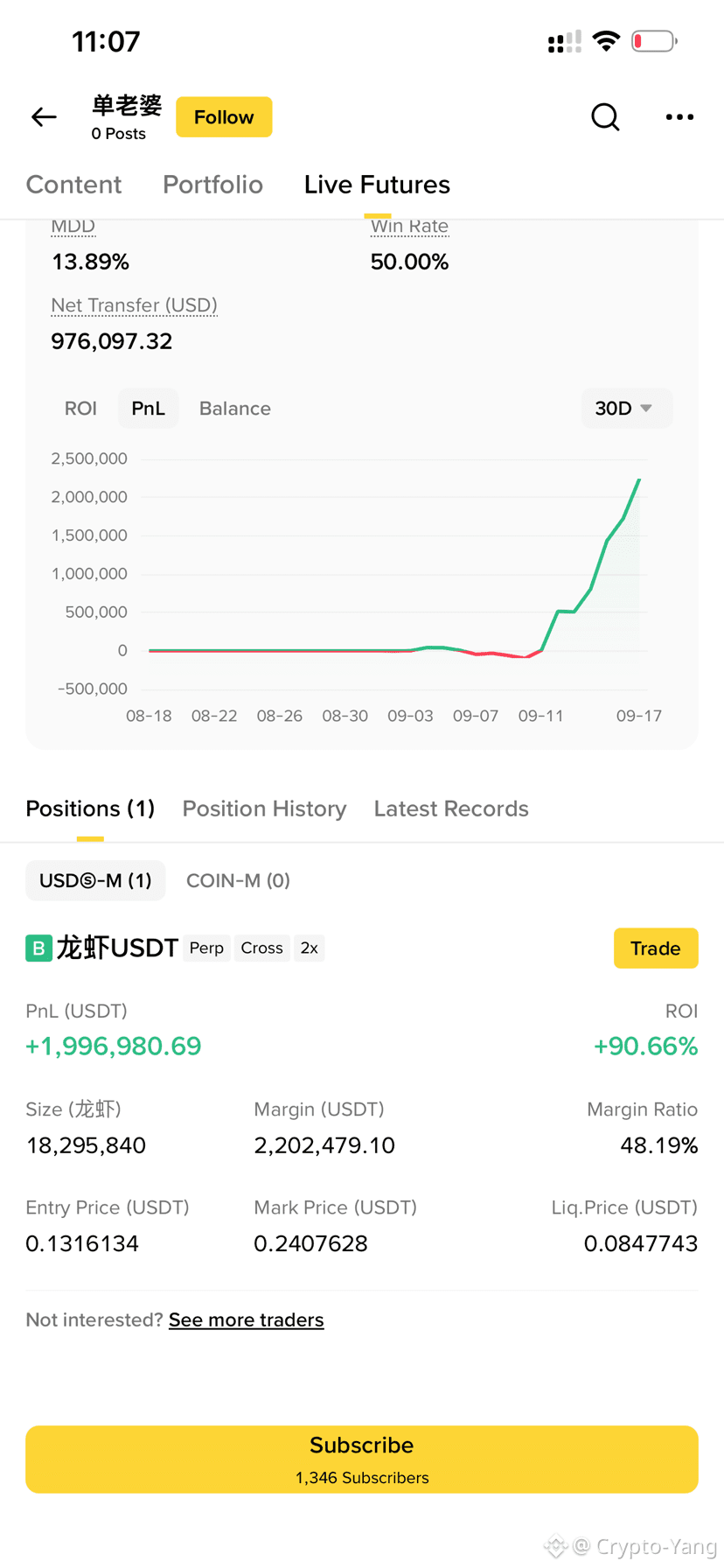
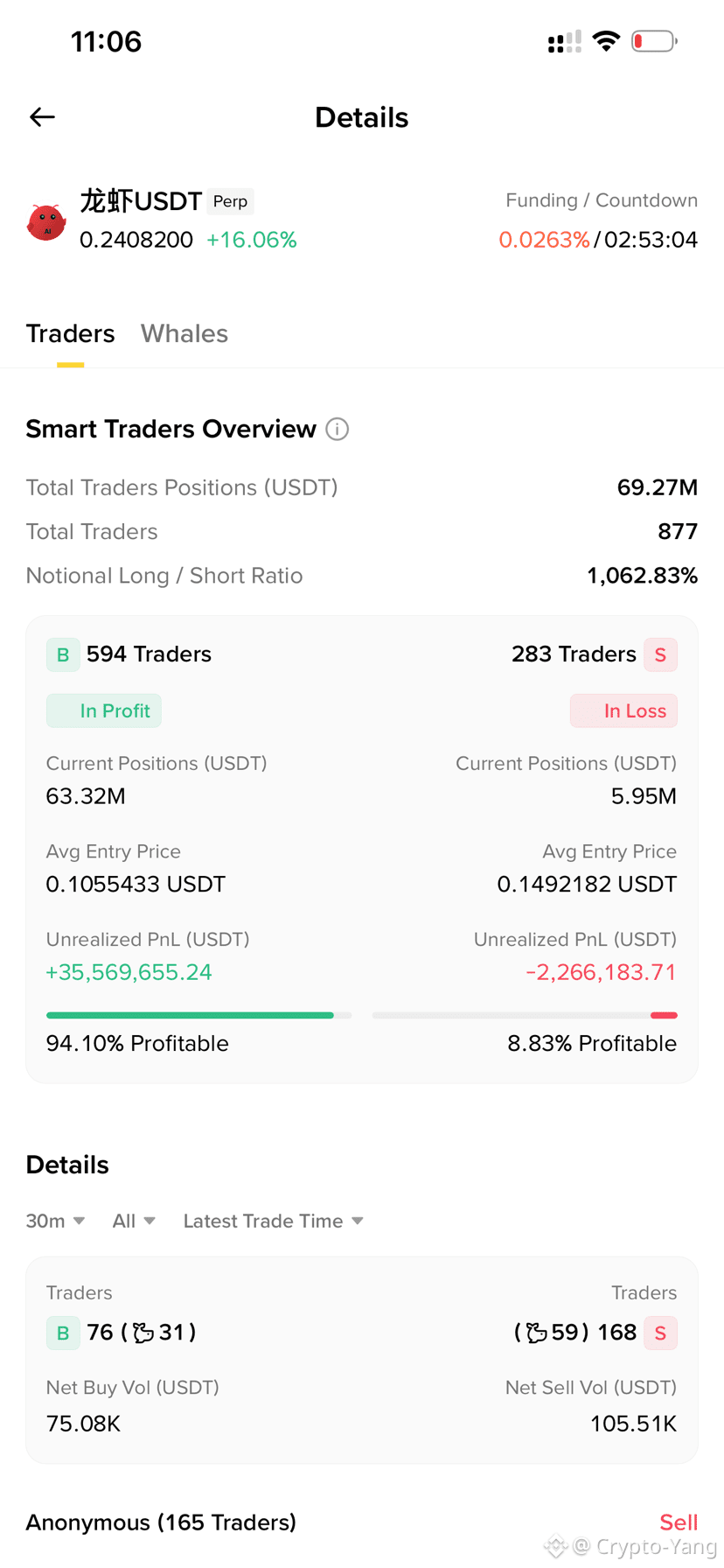
$龙虾 Damn?! Lobsters are EXPLODING higher again! The whale’s BIG LONG positions are still holding strong, while shorts remain trapped. No retreat signal from the boss yet this squeeze still looks alive! Stop trying to guess the TOP too early. SHORTs could keep getting squeezed! ADD MORE LONG!!
{future}(龙虾USDT)
$龙虾 Damn?! Lobsters are EXPLODING higher again! The whale’s BIG LONG positions are still holding strong, while shorts remain trapped. No retreat signal from the boss yet this squeeze still looks alive! Stop trying to guess the TOP too early. SHORTs could keep getting squeezed! ADD MORE LONG!!
484
·
--
Bullisch
30D-Trade $ZEC 8.2K USDT
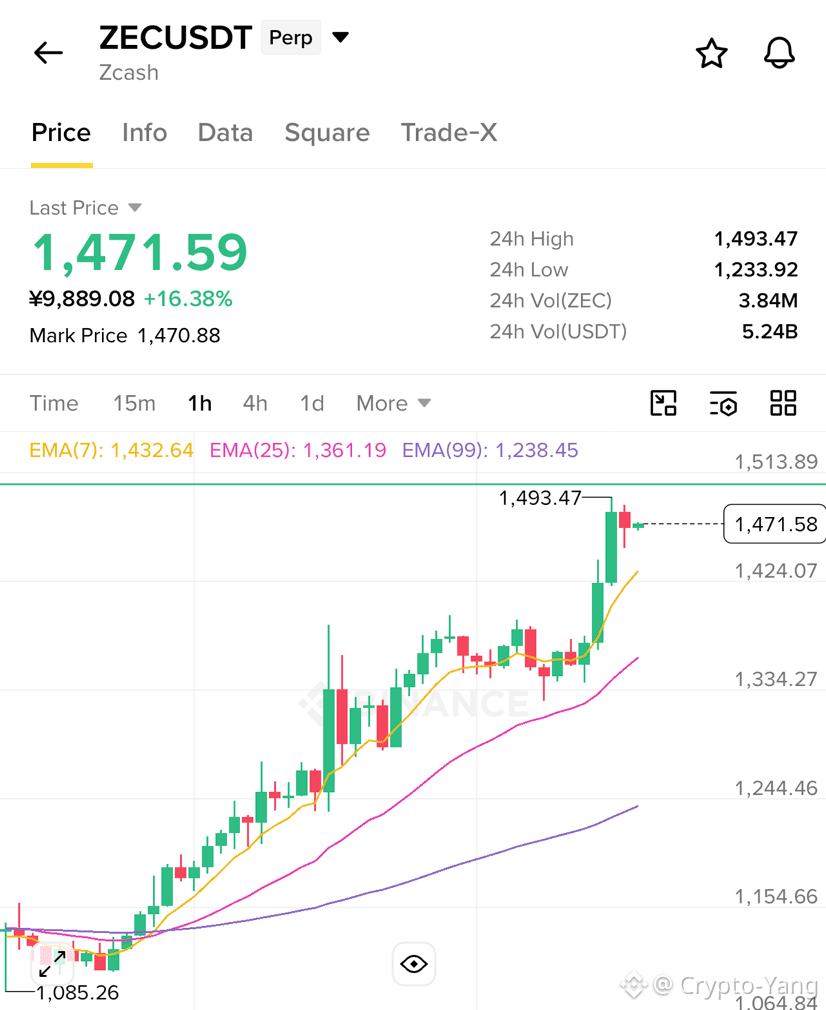
$ZEC Verdammt? Bei diesem Tempo kommen wir wirklich an ZWEI Kekse vorbei?! 😂 Der Preis schießt schon hoch, aber statt LONGs zu jagen, versuchen Horden von Retail-Tradern bei jeder Erholung zu SHORTen. Diese überfüllte Short-Seite füttert den Squeeze immer noch, und den Top-Zeitpunkt kann man gerade unmöglich vorhersagen. SHORTe nicht blind eine Coin, die nicht aufhören will!
{future}(ZECUSDT)
$ZEC Verdammt? Bei diesem Tempo kommen wir wirklich an ZWEI Kekse vorbei?! 😂 Der Preis schießt schon hoch, aber statt LONGs zu jagen, versuchen Horden von Retail-Tradern bei jeder Erholung zu SHORTen. Diese überfüllte Short-Seite füttert den Squeeze immer noch, und den Top-Zeitpunkt kann man gerade unmöglich vorhersagen. SHORTe nicht blind eine Coin, die nicht aufhören will!
287
·
--
Bullisch
30D-Trade $ARB 6.1K USDT
Übersetzung ansehen
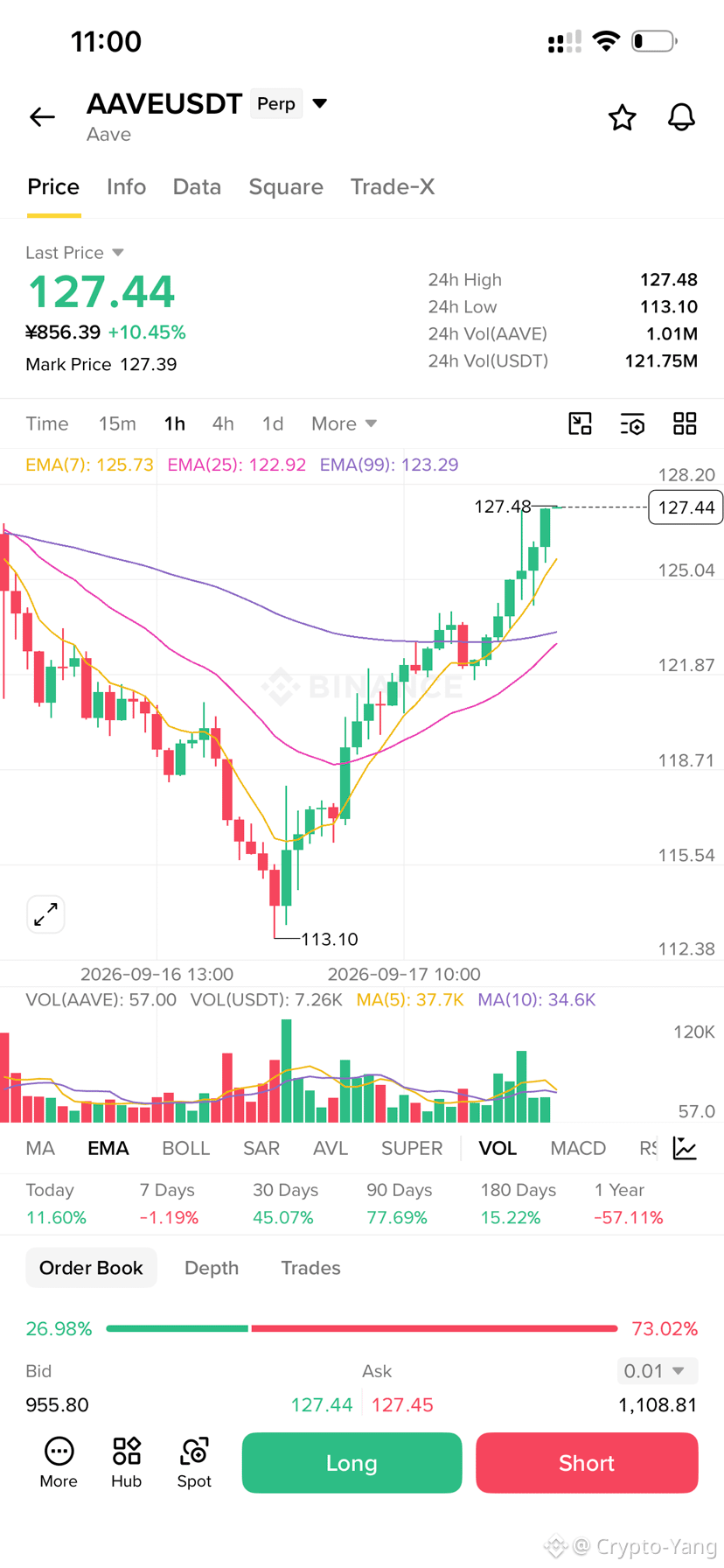
$UNI $ARB $AAVE Damn?! The Standard Chartered names are MOVING together! Since the bottom, these DeFi blue chips are already up around 2–3X! And don’t get confused UNI $100 and ARB $10 are 2030 LONG-TERM targets, not tomorrow’s targets. After a brutal 90% drawdown from their highs, the tokenization narrative is bringing fresh attention institutional positioning. ADD MORE!!
{future}(AAVEUSDT)
{future}(ARBUSDT)
{future}(UNIUSDT)
$UNI $ARB $AAVE Damn?! The Standard Chartered names are MOVING together! Since the bottom, these DeFi blue chips are already up around 2–3X! And don’t get confused UNI $100 and ARB $10 are 2030 LONG-TERM targets, not tomorrow’s targets. After a brutal 90% drawdown from their highs, the tokenization narrative is bringing fresh attention institutional positioning. ADD MORE!!
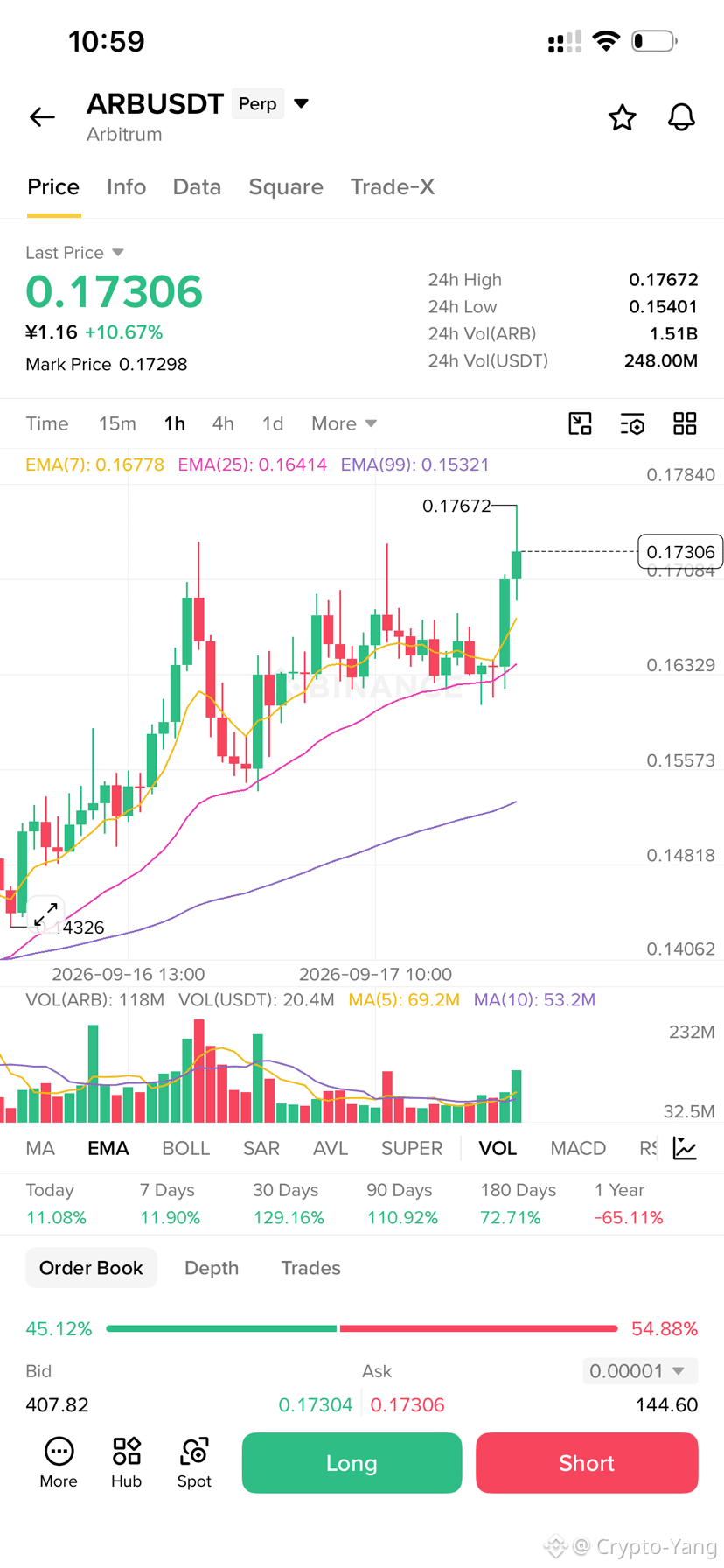
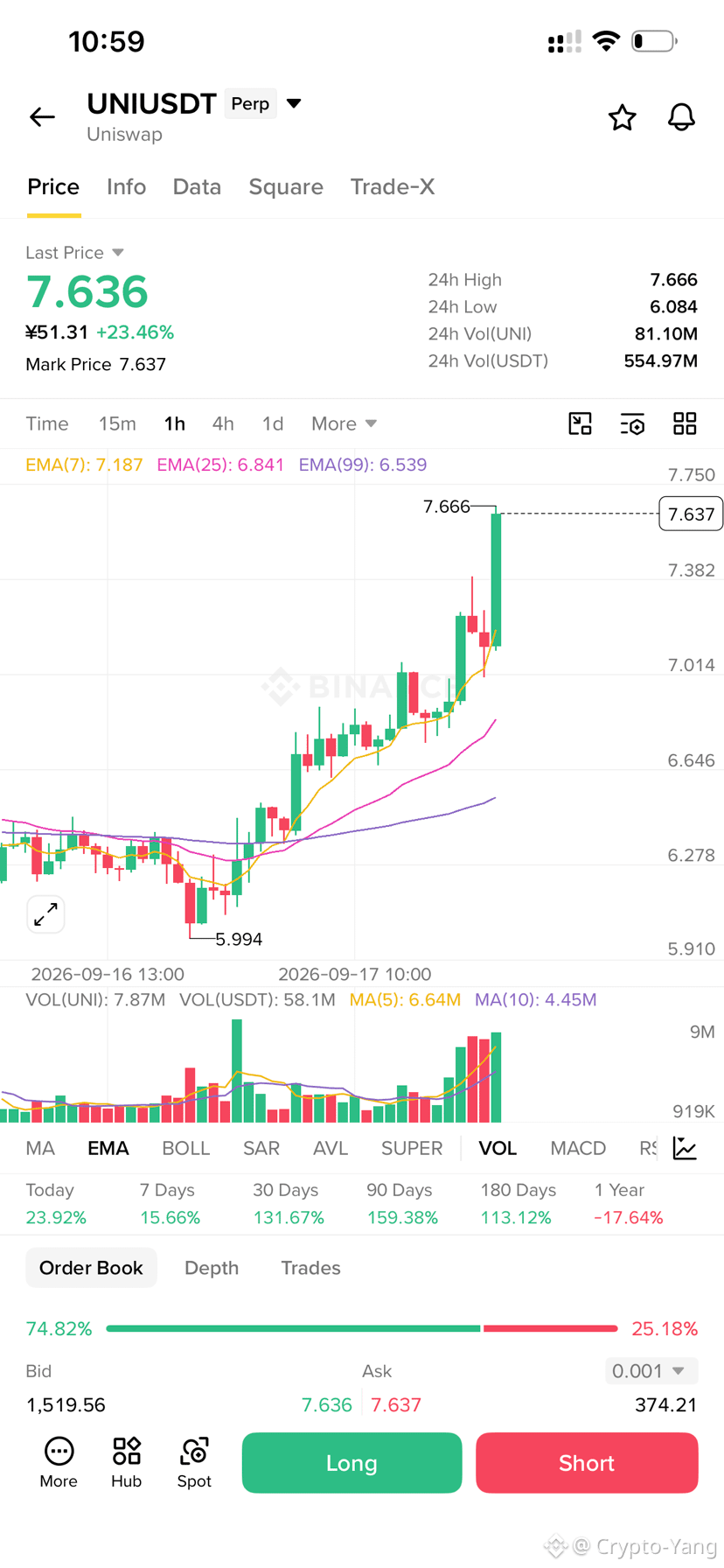
1
300
·
--
Bullisch
30D-Trade $ZEC 8.2K USDT
Übersetzung ansehen
$ZEC Damn!! New HIGH after new HIGH and that whale profit is already around $150M?! Longs are mostly sitting in profit, while shorts are getting trapped deeper and deeper. Funding is still NEGATIVE, meaning shorts keep paying longs! 😂 Bears are literally feeding the squeeze. MORE LONG!!
{future}(ZECUSDT)
$ZEC Damn!! New HIGH after new HIGH and that whale profit is already around $150M?! Longs are mostly sitting in profit, while shorts are getting trapped deeper and deeper. Funding is still NEGATIVE, meaning shorts keep paying longs! 😂 Bears are literally feeding the squeeze. MORE LONG!!
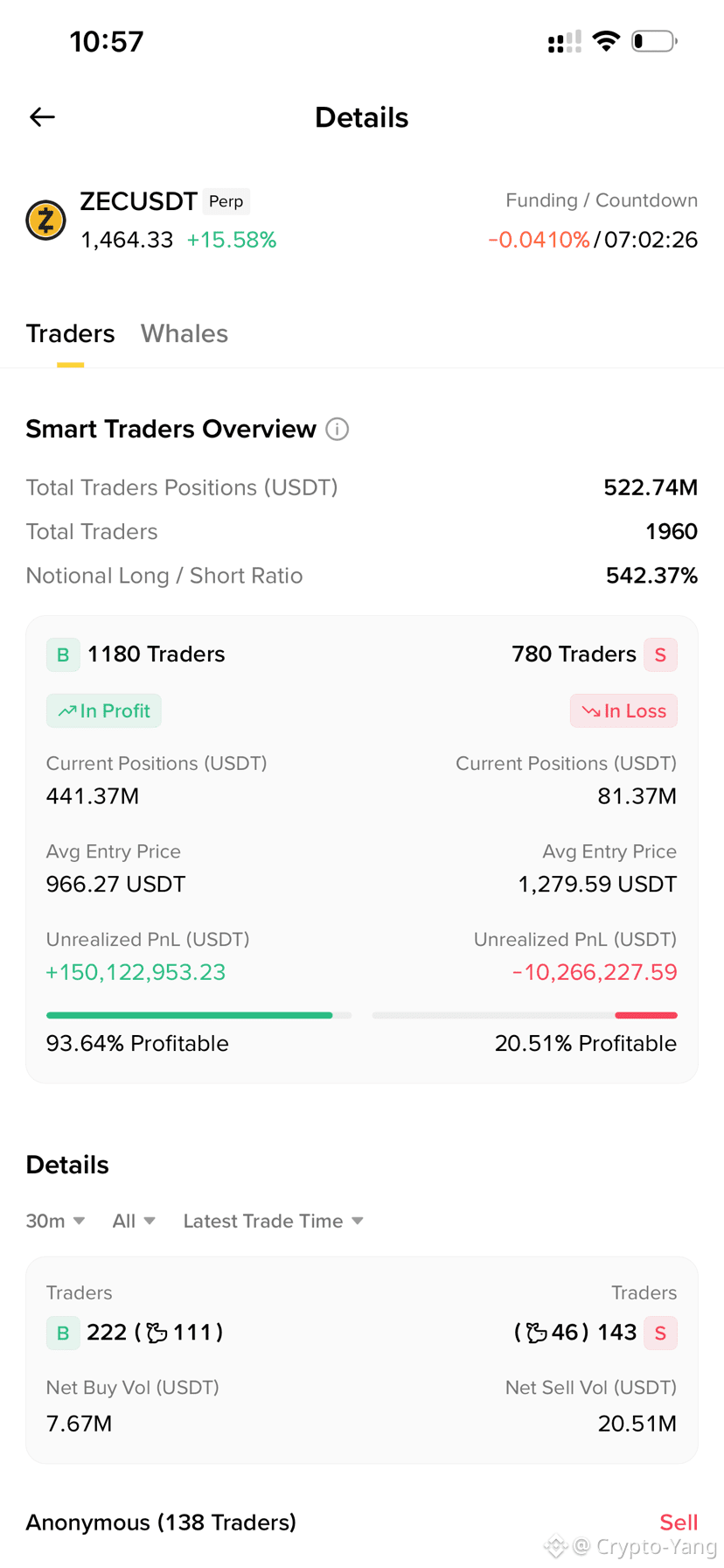
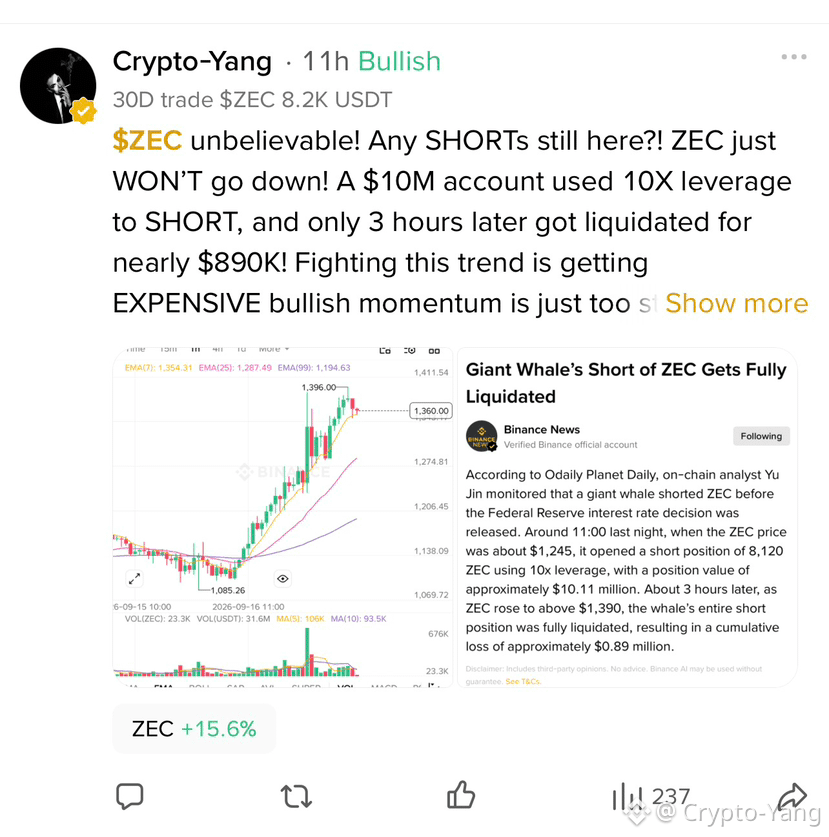
355
·
--
Bullisch
Übersetzung ansehen
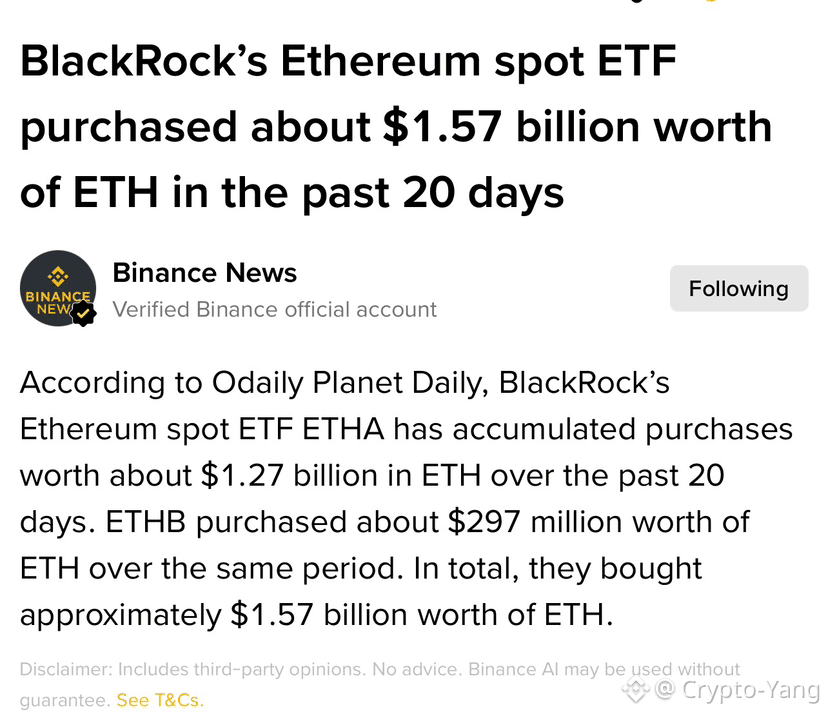
$ETH Damn?! Institutional money keeps BUYING! BlackRock’s Ethereum spot ETF has reportedly accumulated around $1.57B worth of ETH over the past 20 days. Big capital keeps flowing in, and that long-term institutional demand is hard to ignore. If the broader market stays stable, ETH could have MORE room to push!
{future}(ETHUSDT)
$ETH Damn?! Institutional money keeps BUYING! BlackRock’s Ethereum spot ETF has reportedly accumulated around $1.57B worth of ETH over the past 20 days. Big capital keeps flowing in, and that long-term institutional demand is hard to ignore. If the broader market stays stable, ETH could have MORE room to push!
74
·
--
Bullisch
Übersetzung ansehen
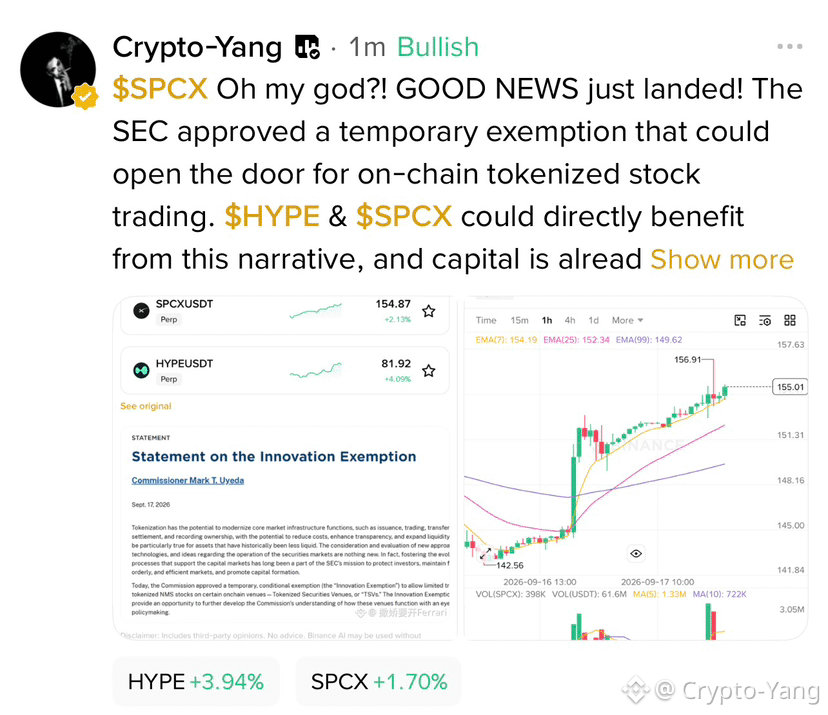
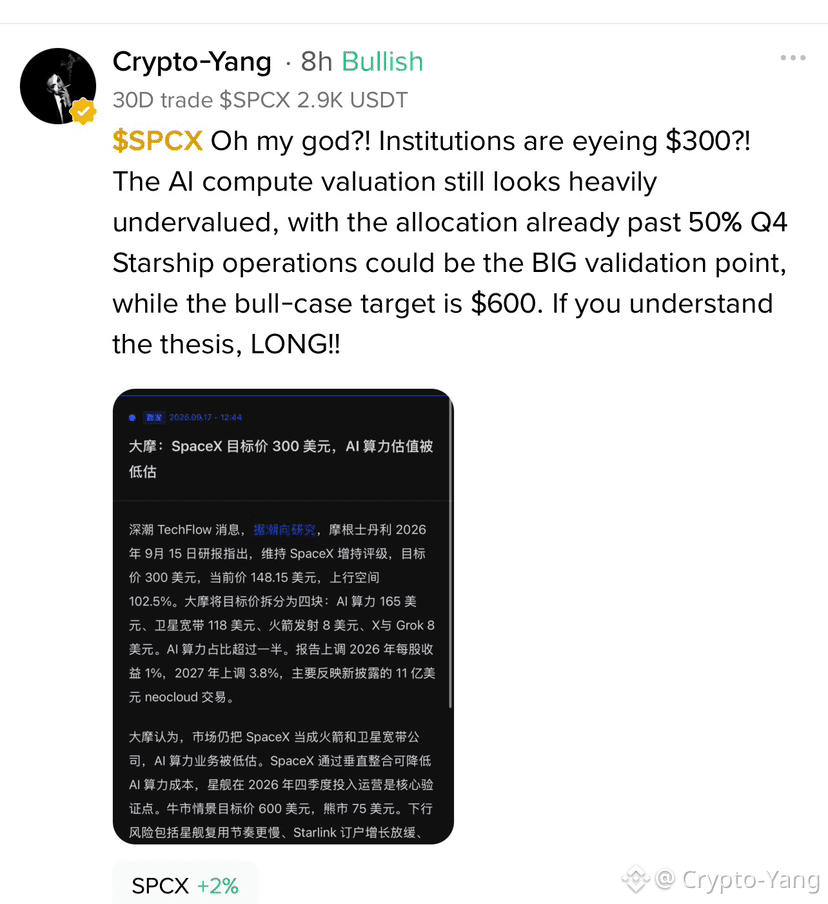
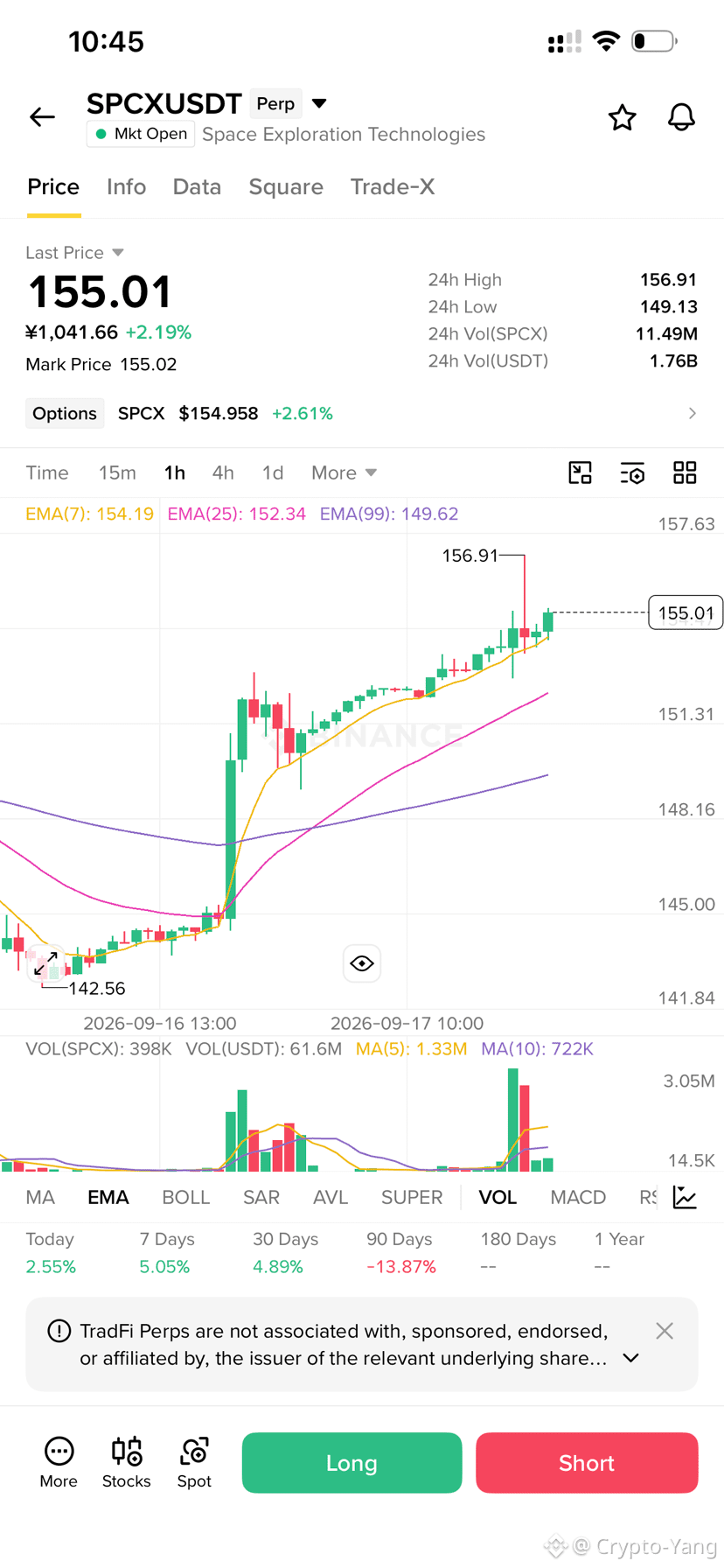
$SPCX Oh My God?! BIG ROCKET just took off and it’s printing NEW HIGHS again! This move still looks strong, and $160 is the next level I’m watching closely. Momentum is hot ADD MORE!!
{future}(SPCXUSDT)
$SPCX Oh My God?! BIG ROCKET just took off and it’s printing NEW HIGHS again! This move still looks strong, and $160 is the next level I’m watching closely. Momentum is hot ADD MORE!!
109
·
--
Bullisch
Übersetzung ansehen
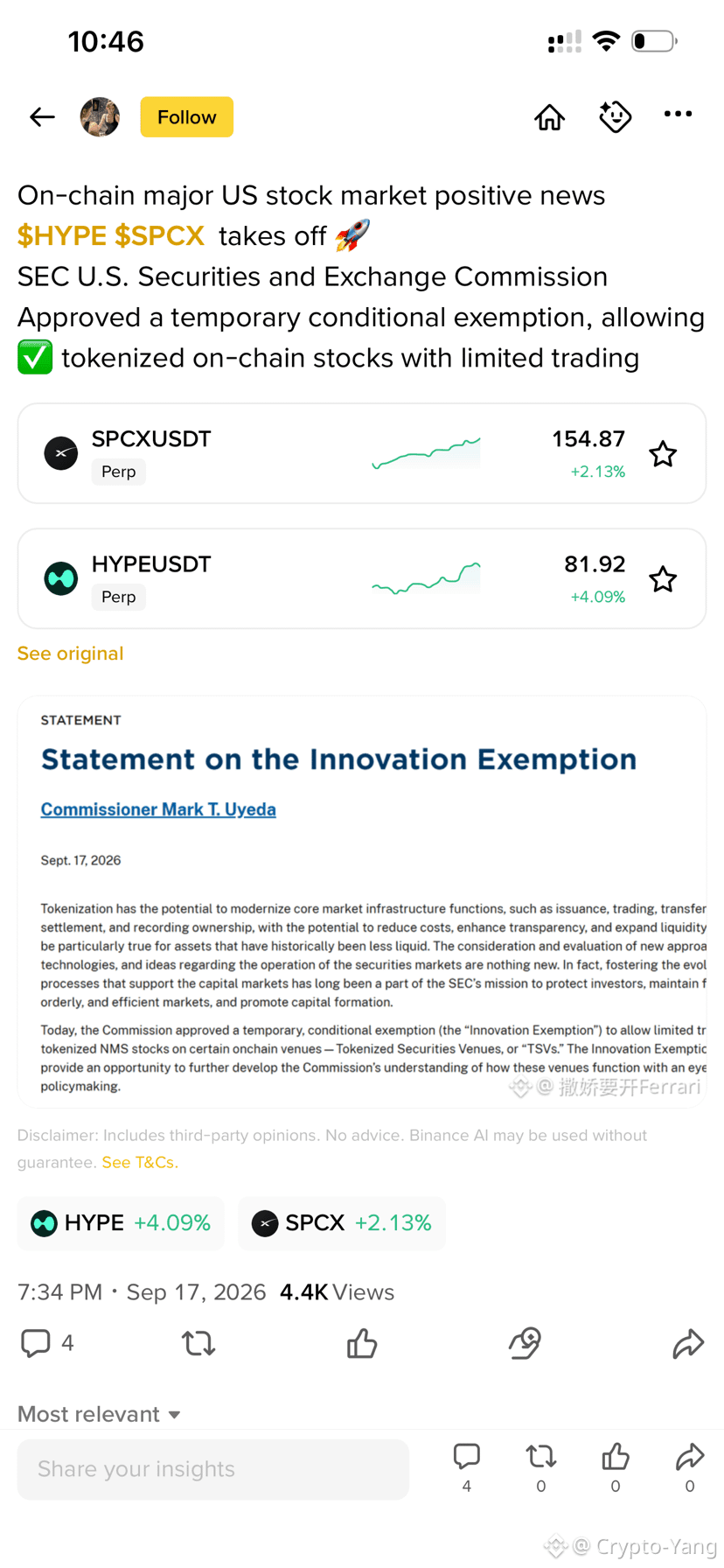
$SPCX Oh my god?! GOOD NEWS just landed! The SEC approved a temporary exemption that could open the door for on-chain tokenized stock trading. $HYPE & $SPCX could directly benefit from this narrative, and capital is already rushing into the sector! The story is getting BIGGER watch the next move!
{future}(SPCXUSDT)
{future}(HYPEUSDT)
$SPCX Oh my god?! GOOD NEWS just landed! The SEC approved a temporary exemption that could open the door for on-chain tokenized stock trading. $HYPE & $SPCX could directly benefit from this narrative, and capital is already rushing into the sector! The story is getting BIGGER watch the next move!
114
·
--
Bullisch
Übersetzung ansehen
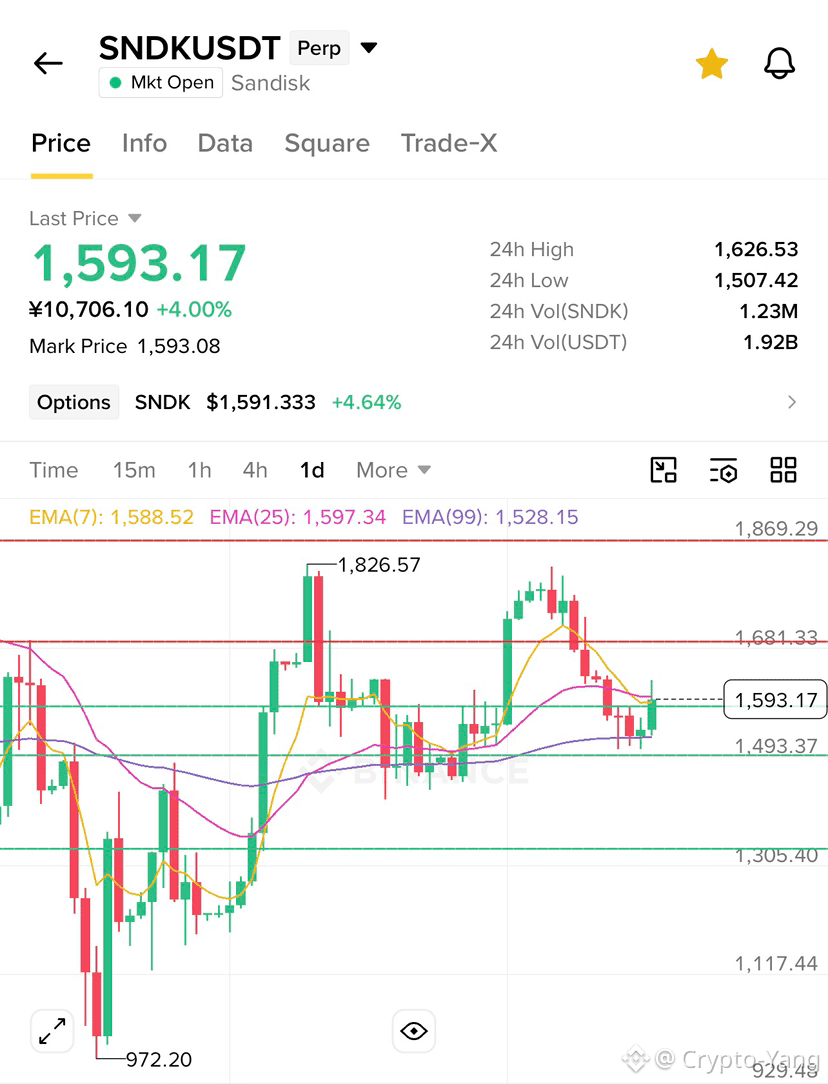
$SNDK SanDisk keeps SOARING at the open! The bad news already got priced in, and now the bulls are stepping back in! Feels like momentum is shifting again let’s see how far they can push it!
{future}(SNDKUSDT)
$SNDK SanDisk keeps SOARING at the open! The bad news already got priced in, and now the bulls are stepping back in! Feels like momentum is shifting again let’s see how far they can push it!
1
282
·
--
Bullisch
Übersetzung ansehen
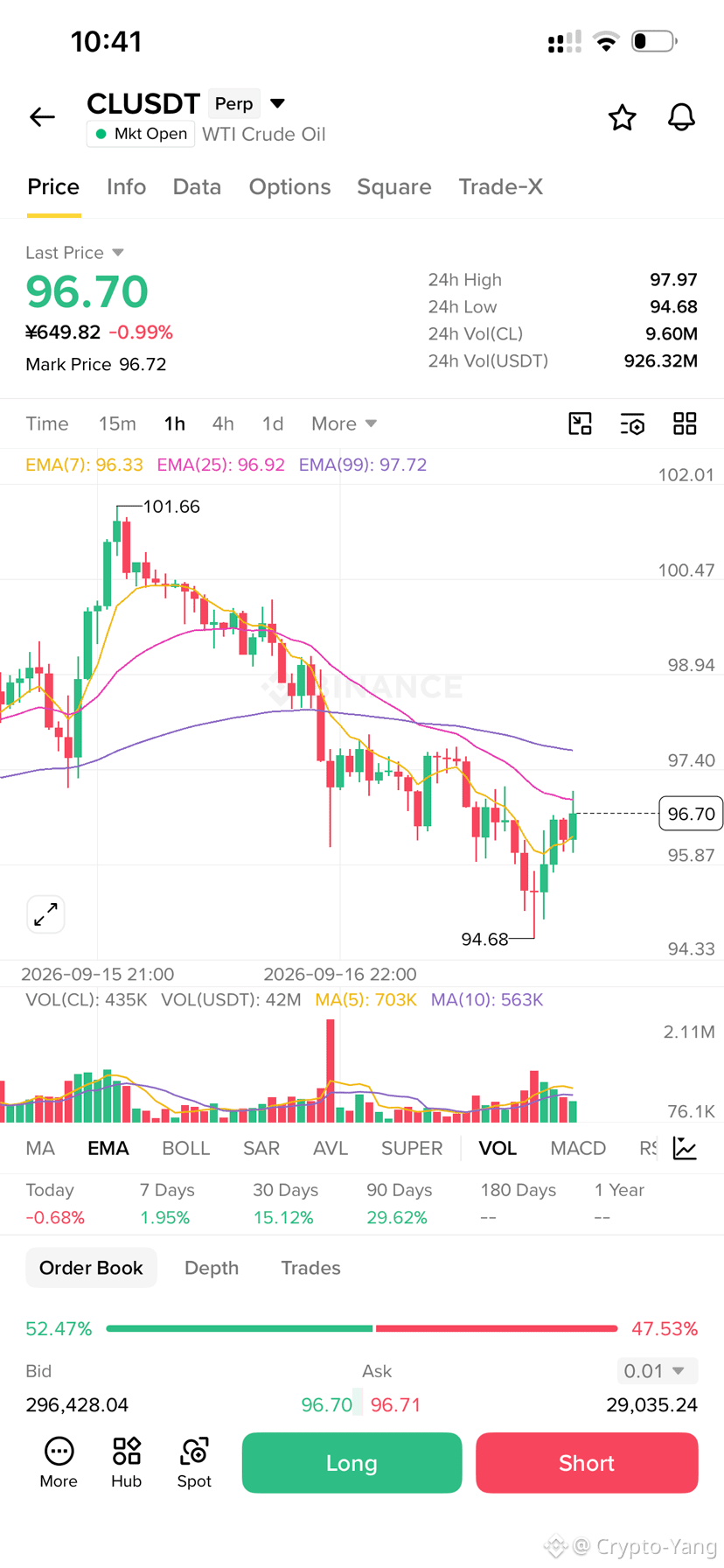
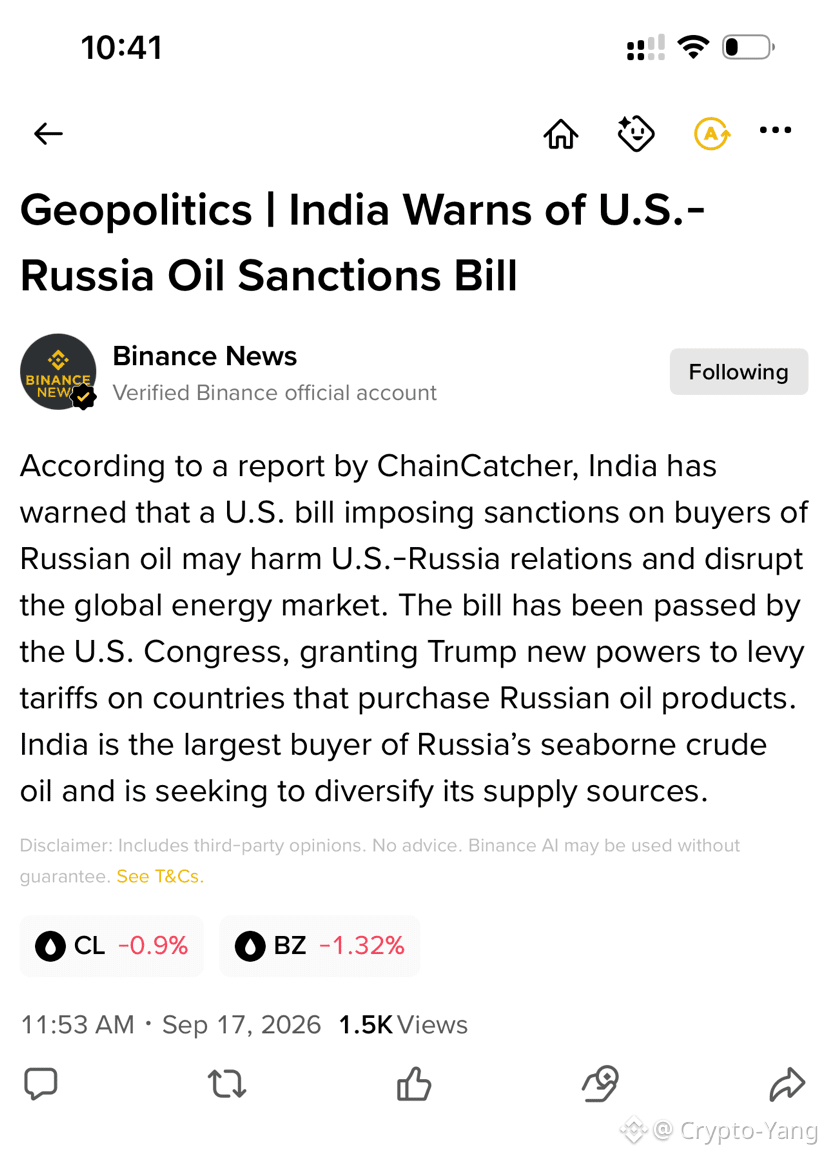
$CL Bottom-fishing is on! Geopolitical pressure is heating up after the US moves toward sanctions on Russian oil, while India is warning about the impact on global energy supply. Oil already reacted with a drop, and if energy volatility spreads into crypto, things could get WILD! Stay ahead of the move!
{future}(CLUSDT)
{future}(BZUSDT)
$CL Bottom-fishing is on! Geopolitical pressure is heating up after the US moves toward sanctions on Russian oil, while India is warning about the impact on global energy supply. Oil already reacted with a drop, and if energy volatility spreads into crypto, things could get WILD! Stay ahead of the move!
259
·
--
Bullisch
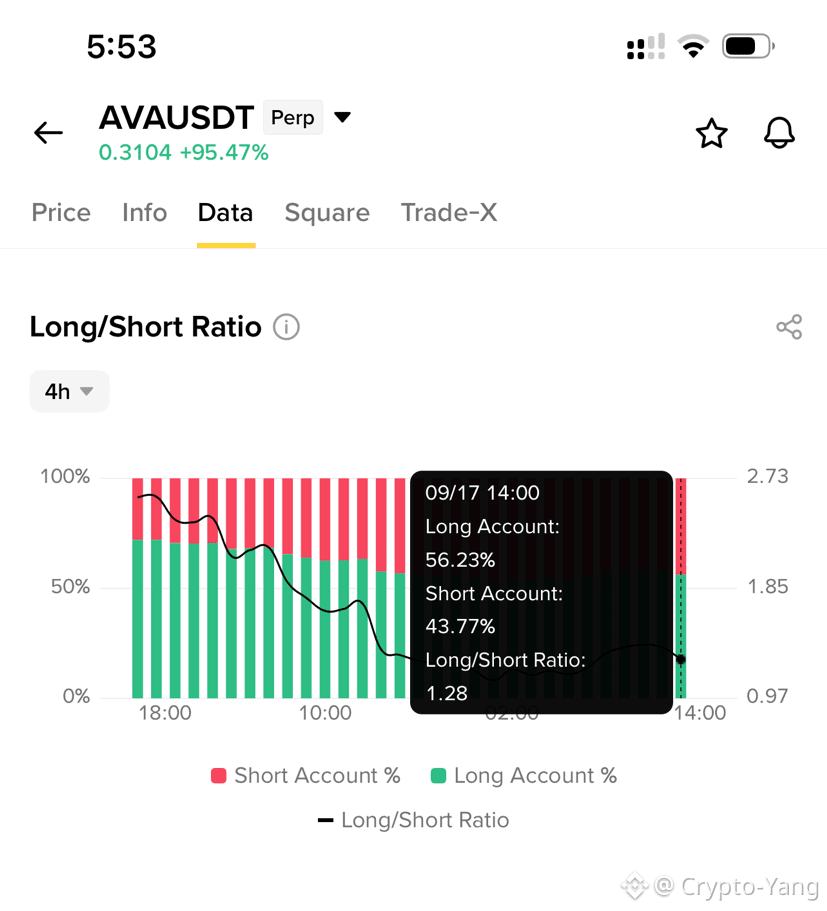
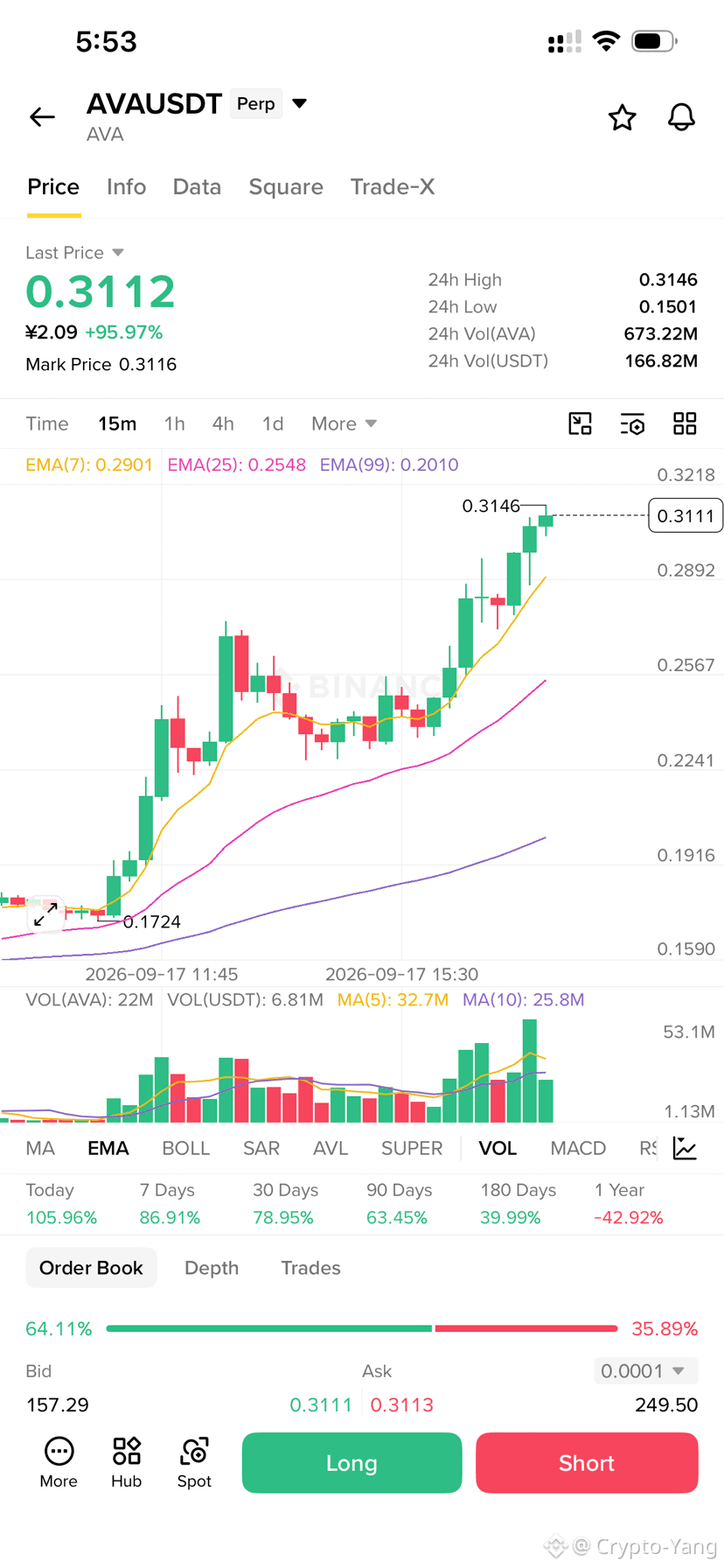
$AVA Dafür?! Das sieht SEHR ähnlich aus wie das, was wir vorher mit $LSK gesehen haben! Schnelle Seitwärtskonsolidierung – Short-Positionen werden weiter aufgestockt als Treibstoff… dann BOOM, eine EINZIGE riesige bullische Kerze! Der Chart zeigt wieder jede Menge Shorts. Wenn es nach dem Spike zurücksetzt, beobachte ich das BUY-THE-DIP-Setup!
{future}(AVAUSDT)
$AVA Dafür?! Das sieht SEHR ähnlich aus wie das, was wir vorher mit $LSK gesehen haben! Schnelle Seitwärtskonsolidierung – Short-Positionen werden weiter aufgestockt als Treibstoff… dann BOOM, eine EINZIGE riesige bullische Kerze! Der Chart zeigt wieder jede Menge Shorts. Wenn es nach dem Spike zurücksetzt, beobachte ich das BUY-THE-DIP-Setup!
1
288
·
--
Bullisch
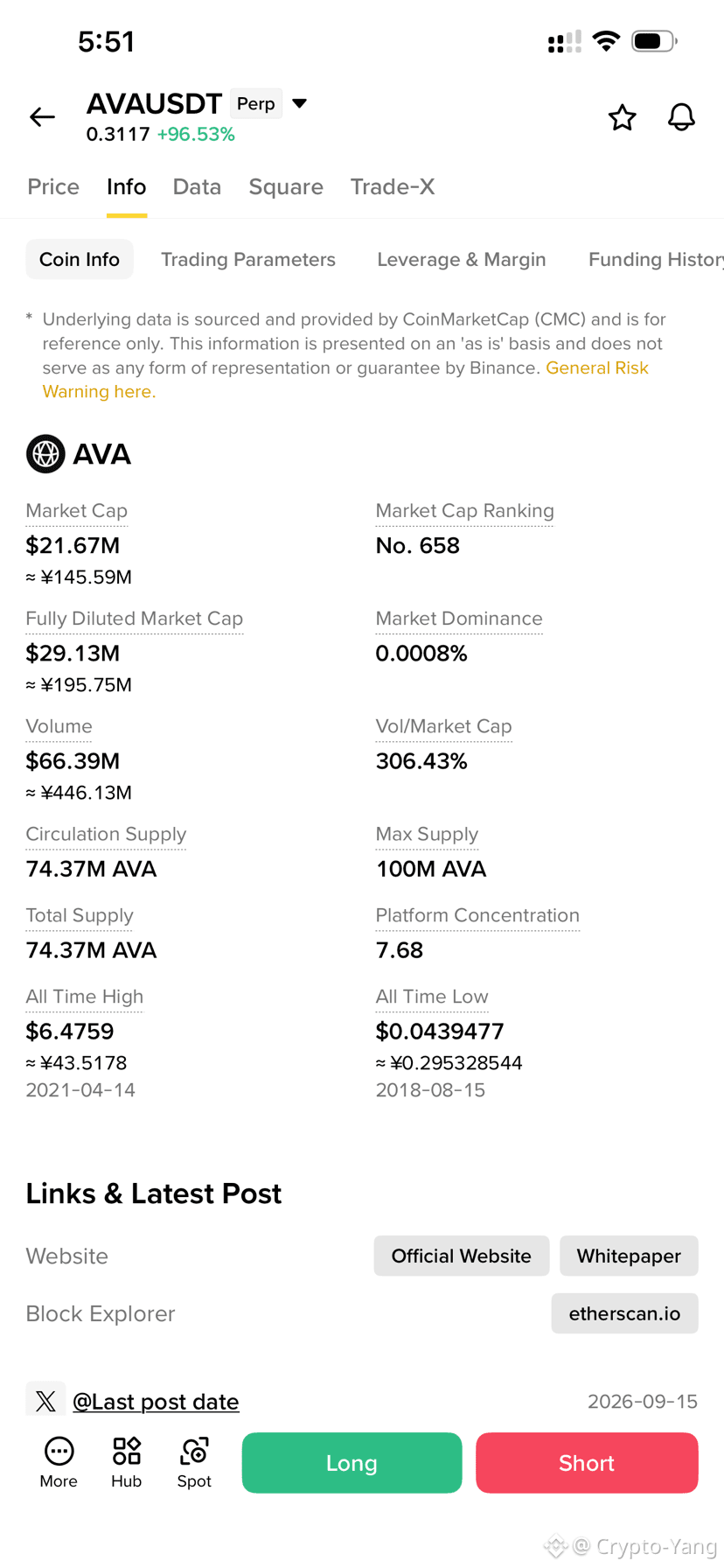
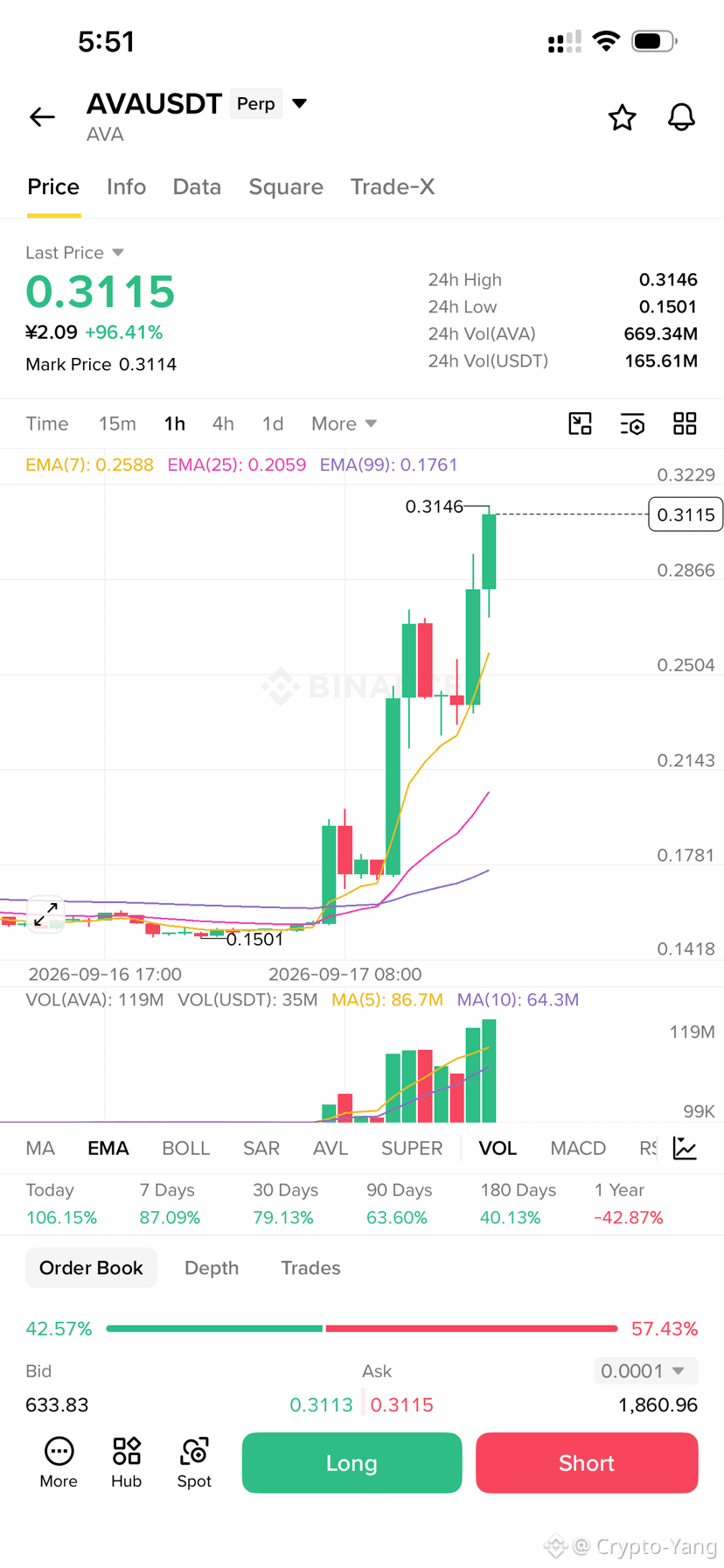
$AVA Was zur Hölle?! Denkst du wirklich, dass die 狗庄 das hier einfach still auslaufen lässt, bevor es delistet wird?! Die Marktkapitalisierung liegt nur ein bisschen über 20 Mio. US-Dollar, also ist selbst eine BIG-10X-ähnliche Bewegung nicht unmöglich, wenn die Wale entscheiden, es anzuschieben. Könnte es noch einmal einen letzten explosiven Pump geben, bevor der Vorhang fällt?! Ich beobachte das LONG-Setup!
{future}(AVAUSDT)
$AVA Was zur Hölle?! Denkst du wirklich, dass die 狗庄 das hier einfach still auslaufen lässt, bevor es delistet wird?! Die Marktkapitalisierung liegt nur ein bisschen über 20 Mio. US-Dollar, also ist selbst eine BIG-10X-ähnliche Bewegung nicht unmöglich, wenn die Wale entscheiden, es anzuschieben. Könnte es noch einmal einen letzten explosiven Pump geben, bevor der Vorhang fällt?! Ich beobachte das LONG-Setup!
1
1
203
·
--
Bärisch
Strittig
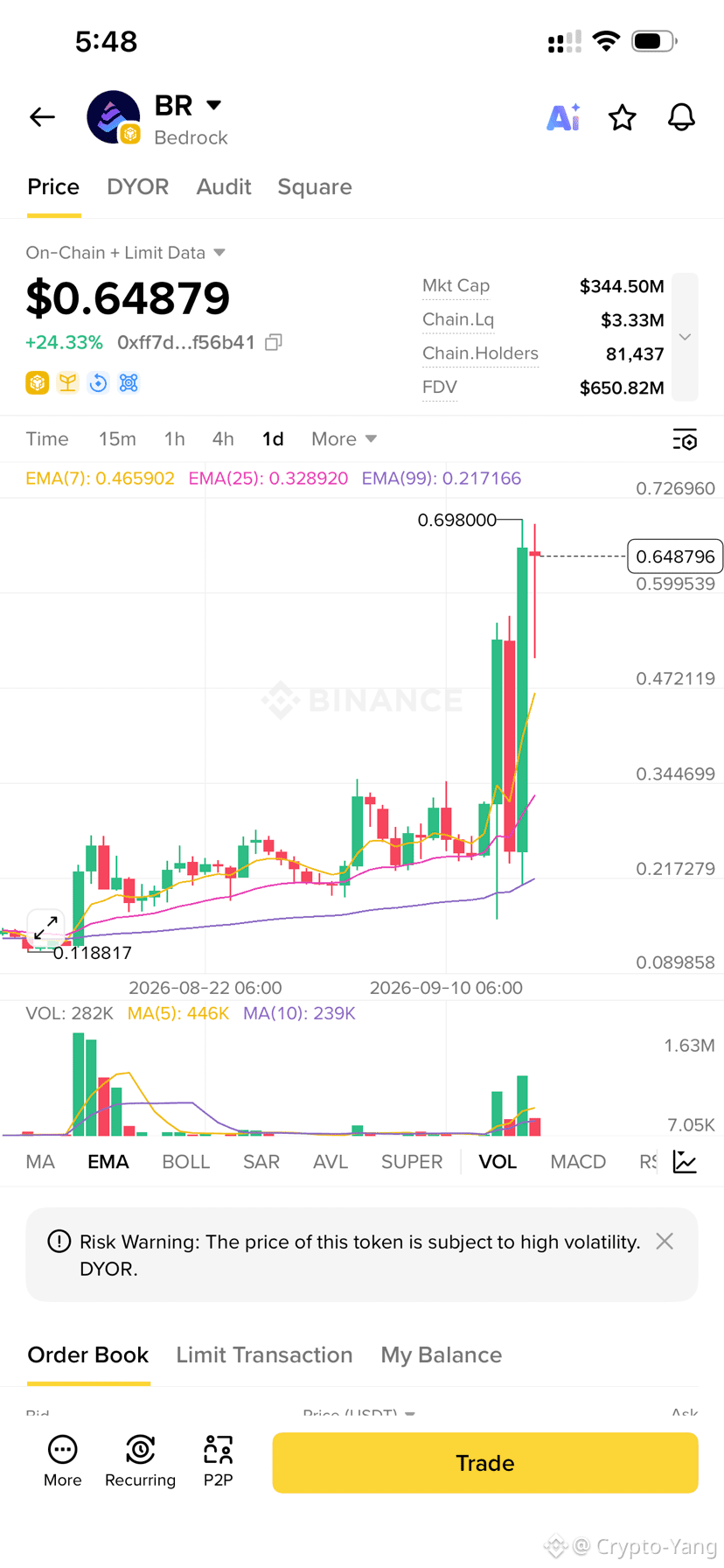
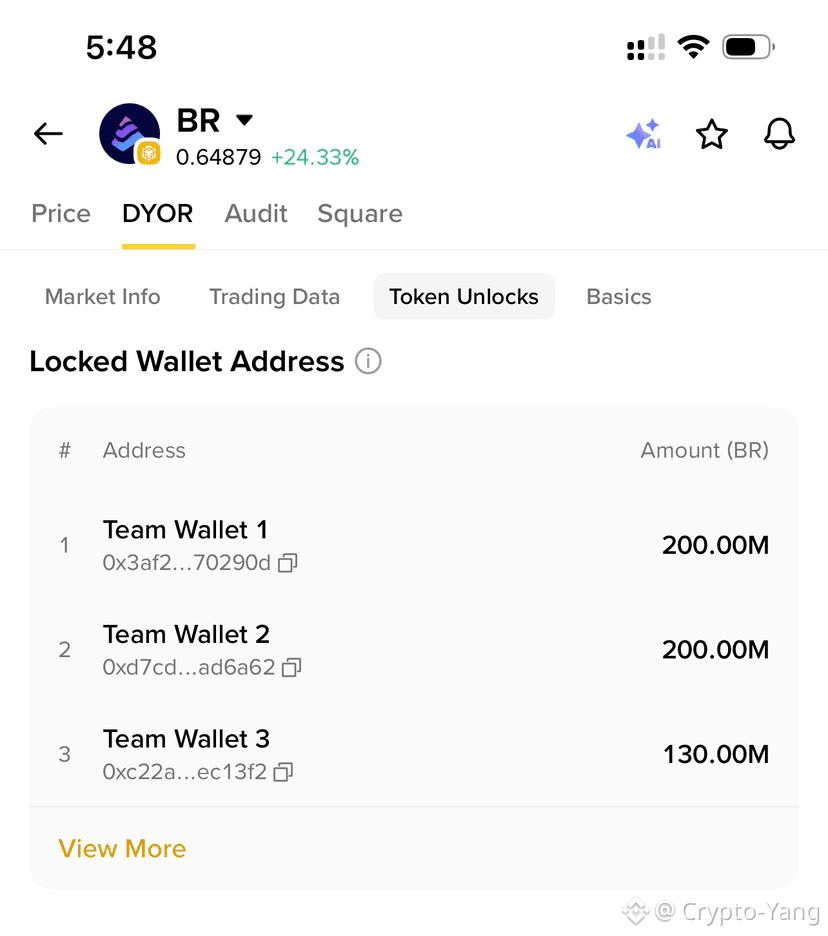
$BR Unglaublich?! Ein MASSIVER Unlock von 4 MILLIARDEN Token steht in nur 3 TAGEN bevor – angeblich das größte Unlock in seiner Geschichte! Letztes Jahr hat das gleiche Ereignis den BR fast 60% in EINEM Tag abstürzen lassen. Also… geht es jetzt erst wieder hoch, um dann auf Käufer in letzter Minute abzuladen?! Wenn du keine Position hältst, steht ein SHORT-Setup im Raum!
{future}(BRUSDT)
$BR Unglaublich?! Ein MASSIVER Unlock von 4 MILLIARDEN Token steht in nur 3 TAGEN bevor – angeblich das größte Unlock in seiner Geschichte! Letztes Jahr hat das gleiche Ereignis den BR fast 60% in EINEM Tag abstürzen lassen. Also… geht es jetzt erst wieder hoch, um dann auf Käufer in letzter Minute abzuladen?! Wenn du keine Position hältst, steht ein SHORT-Setup im Raum!
2
255
·
--
Bärisch
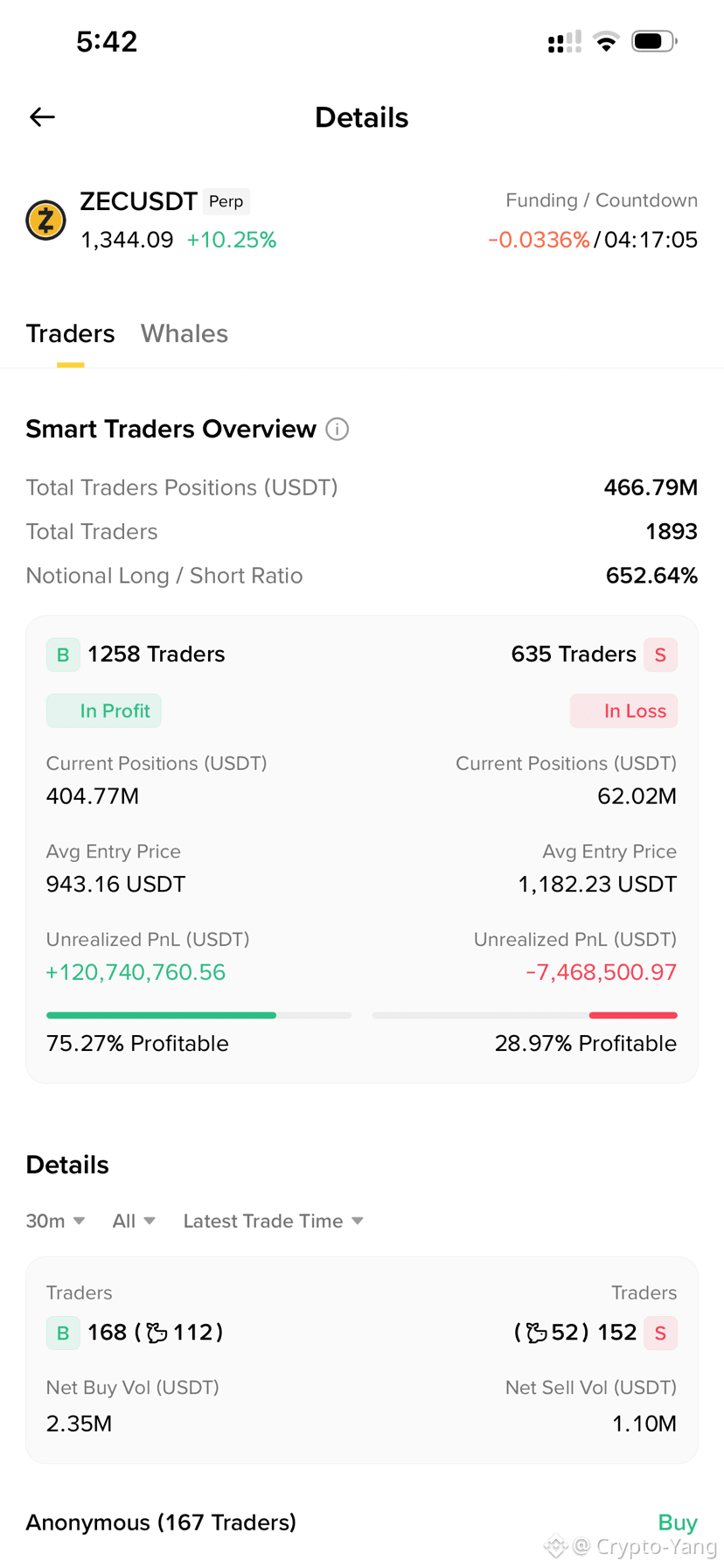
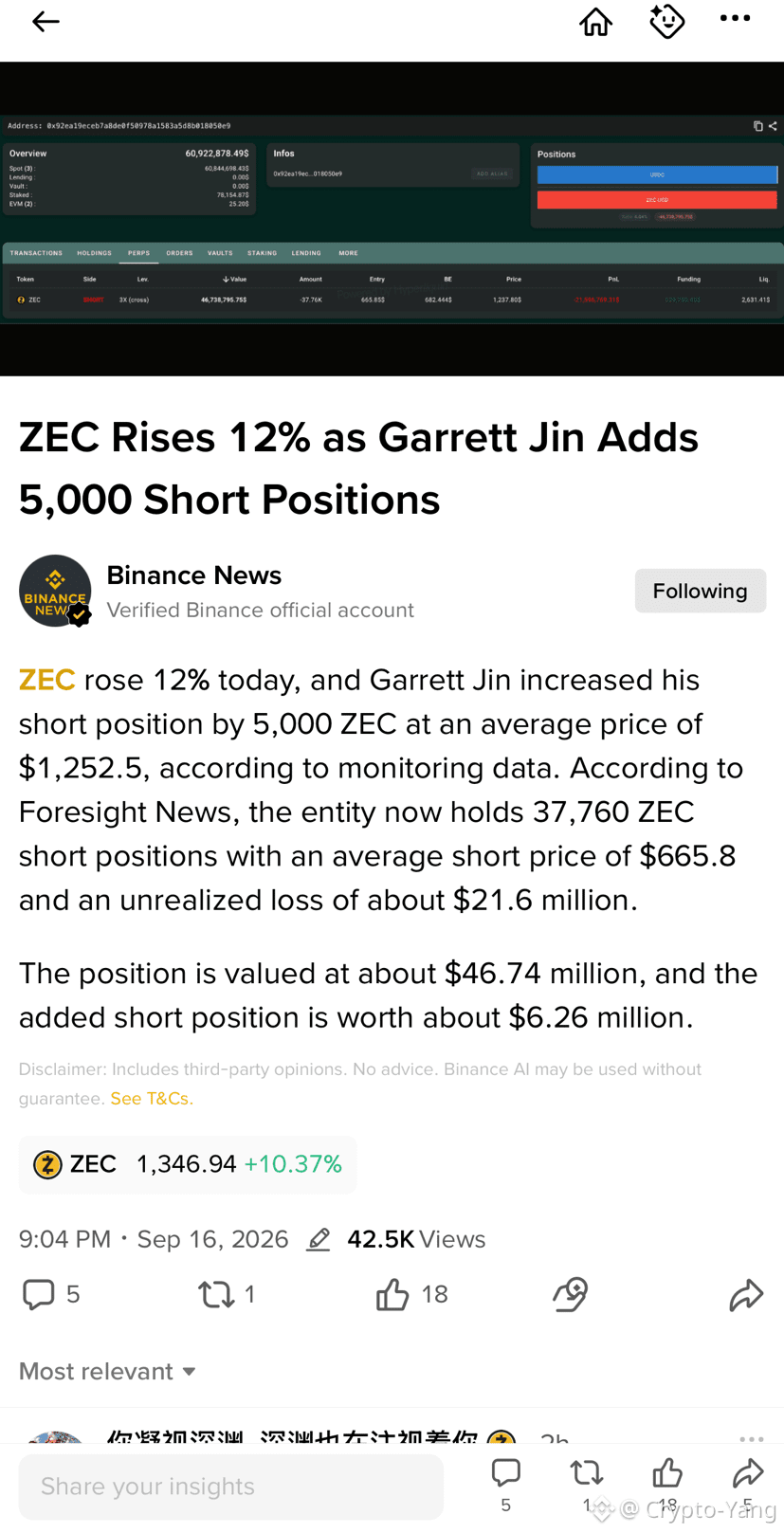
$ZEC Was zum…?! FINANZIERUNG gedreht NEGATIV… und Shorts versuchen immer noch, diese Coin zu bekämpfen?! Große Whales sind stark auf der Long-Seite positioniert, während die meisten Shorts bereits im VERLUST sitzen. Jetzt zahlen Shorts sogar Longs die Finanzierung! 😂 Wie lange können die Bären noch weiter bluten, bevor der Squeeze startet?! Schlaf nicht auf diesem Setup — beobachte $ZEC genau!!
{future}(ZECUSDT)
$ZEC Was zum…?! FINANZIERUNG gedreht NEGATIV… und Shorts versuchen immer noch, diese Coin zu bekämpfen?! Große Whales sind stark auf der Long-Seite positioniert, während die meisten Shorts bereits im VERLUST sitzen. Jetzt zahlen Shorts sogar Longs die Finanzierung! 😂 Wie lange können die Bären noch weiter bluten, bevor der Squeeze startet?! Schlaf nicht auf diesem Setup — beobachte $ZEC genau!!
191
·
--
Bärisch
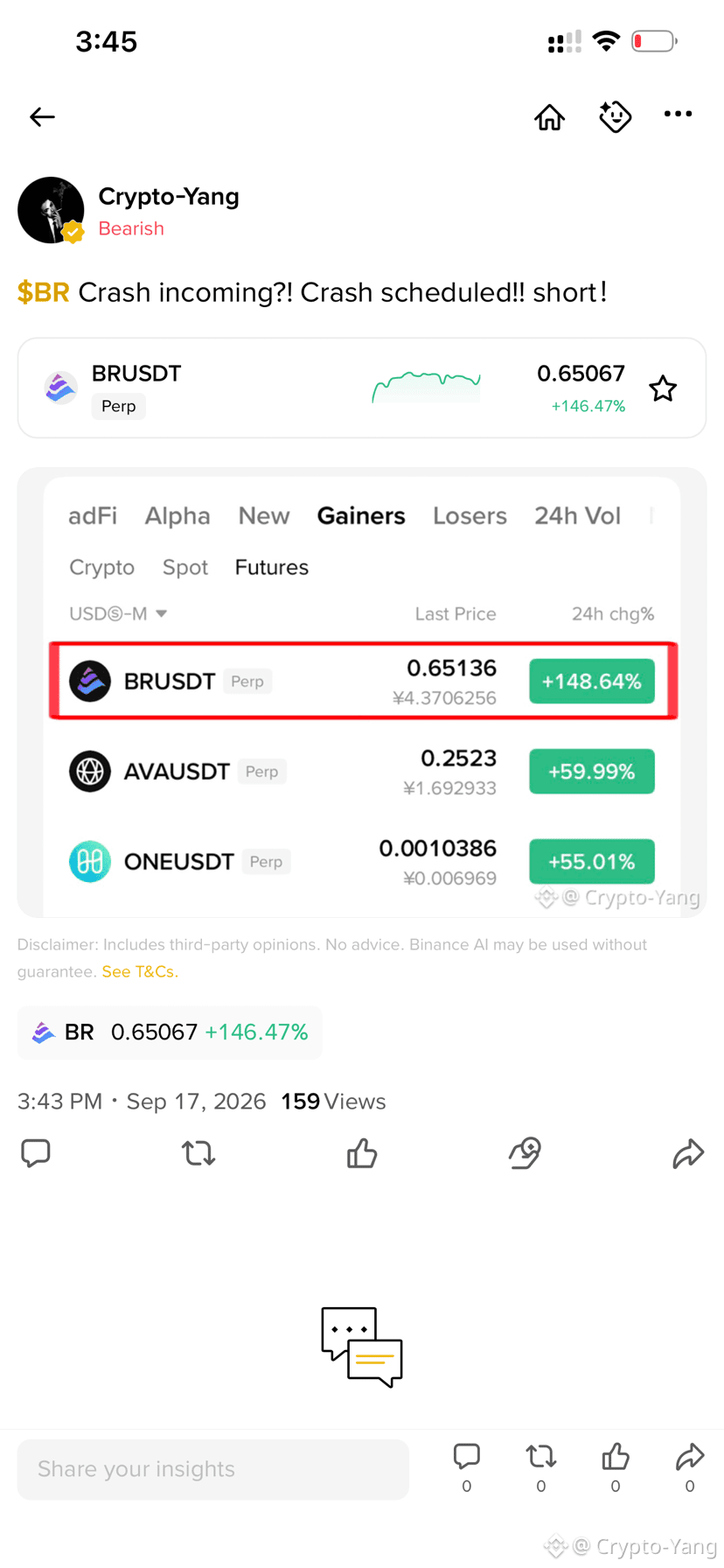
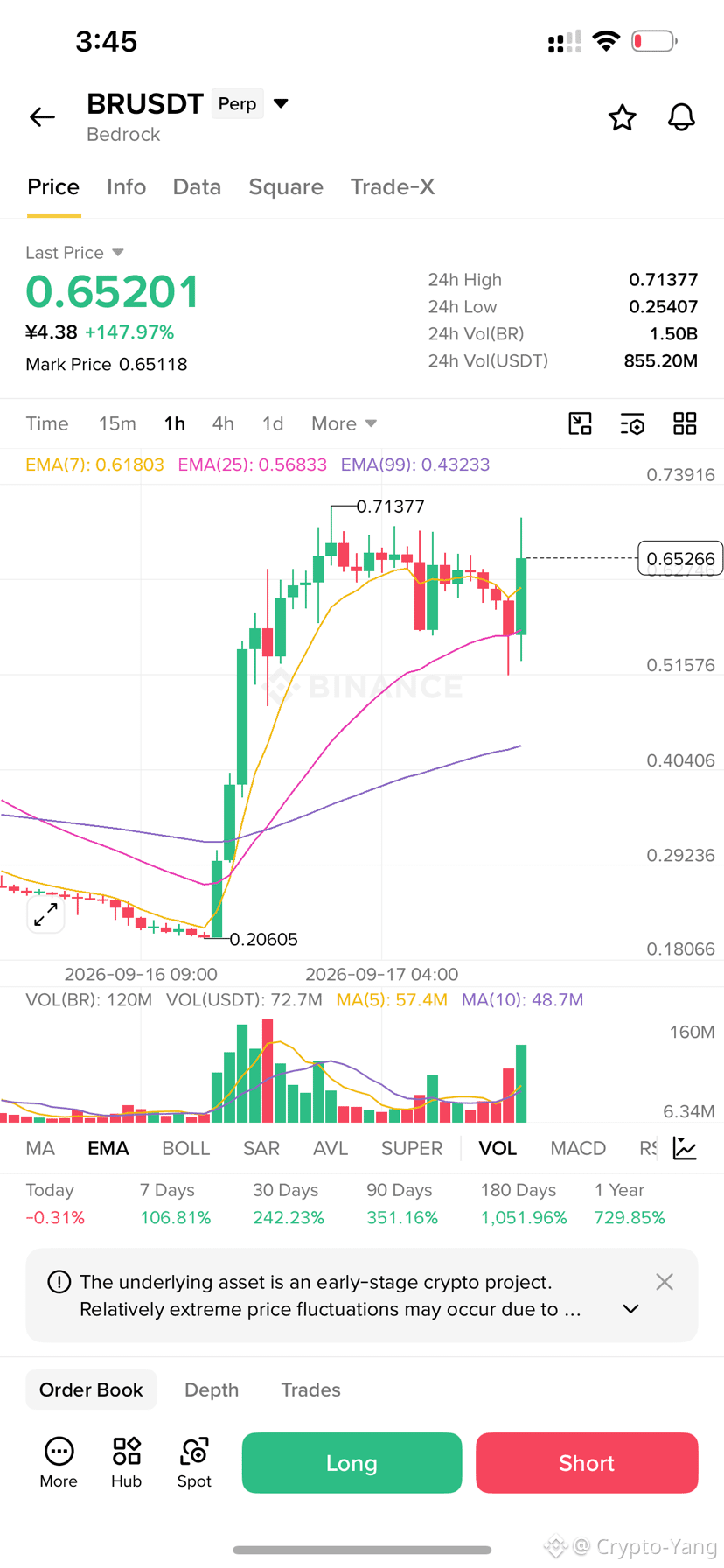
$BR crash geplantes!! kurz ! Diese Pumpe sieht aus, als würde sie sich auf den nächsten DUMP vorbereiten! Der Preis wird nach oben gedrückt und dann in eine seitliche Konsolidierung innerhalb der perfekten Zone gezogen, um späte FOMO-Käufer anzulocken, während man ablädt. Nach einer massiven Altcoin-Rallye kann starkes Gewinnmitnehmen hart zuschlagen. Ich beobachte die nächste Verkaufswelle — SHORT!!
{future}(BRUSDT)
$BR crash geplantes!! kurz ! Diese Pumpe sieht aus, als würde sie sich auf den nächsten DUMP vorbereiten! Der Preis wird nach oben gedrückt und dann in eine seitliche Konsolidierung innerhalb der perfekten Zone gezogen, um späte FOMO-Käufer anzulocken, während man ablädt. Nach einer massiven Altcoin-Rallye kann starkes Gewinnmitnehmen hart zuschlagen. Ich beobachte die nächste Verkaufswelle — SHORT!!
2
331
·
--
Bullisch
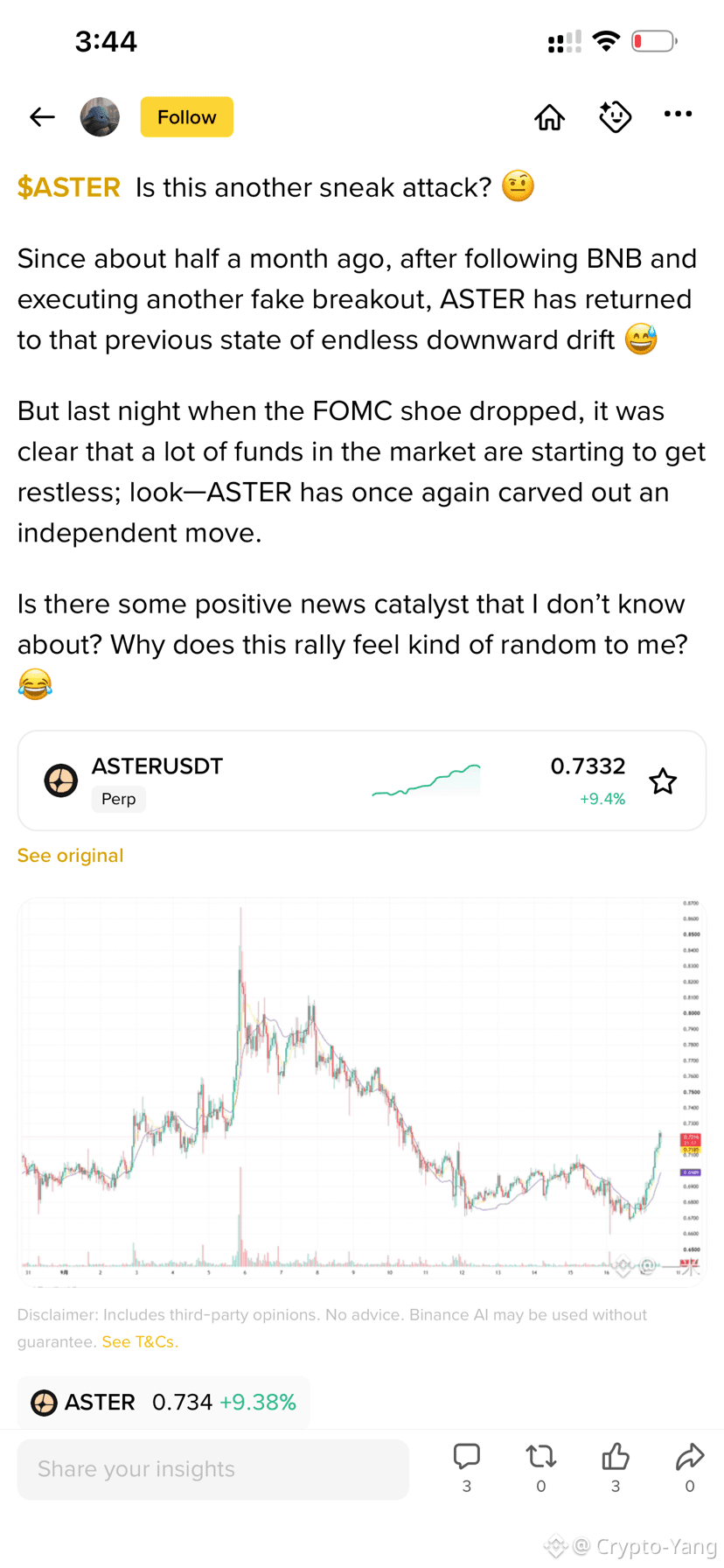
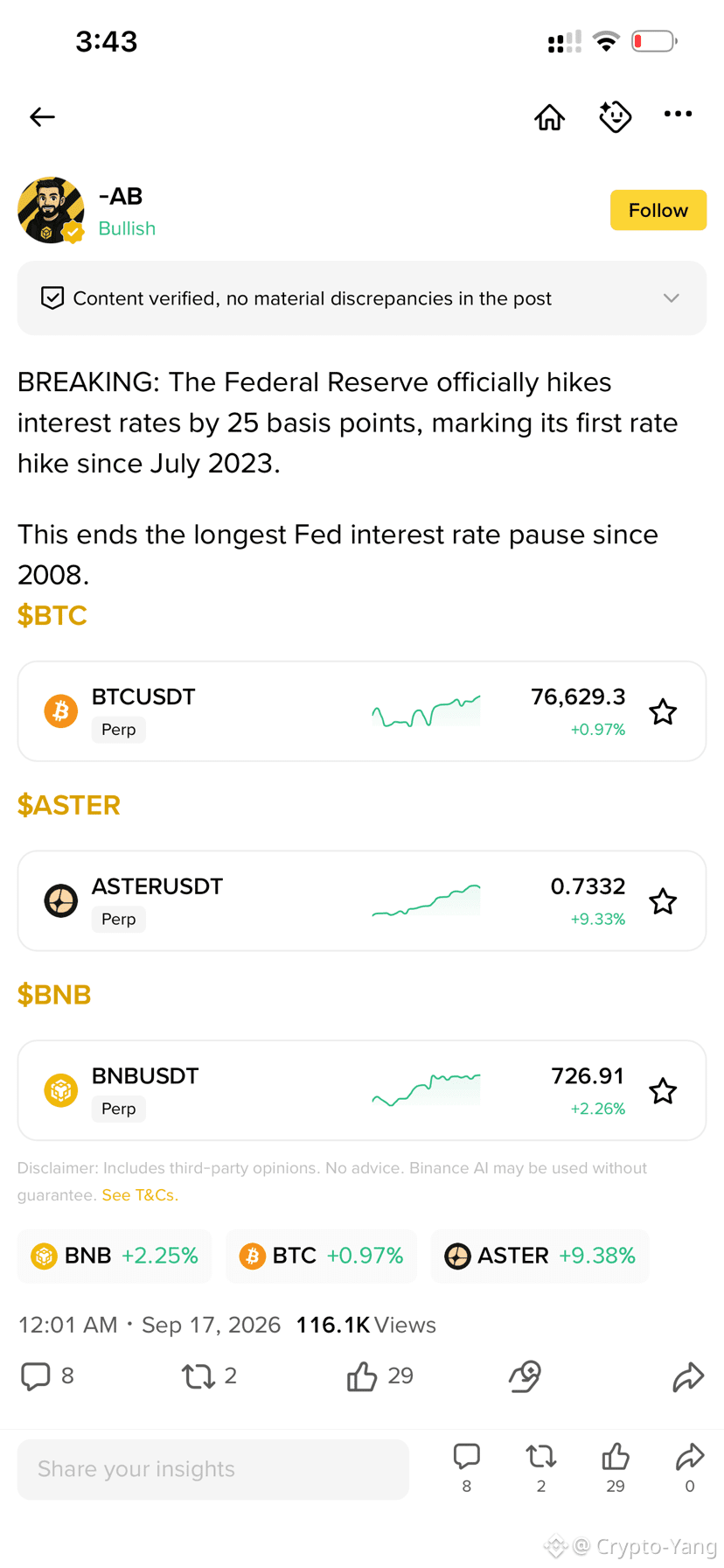
$ASTER Oh mein Gott?! 🔥 Diese Münze ist gerade mit einem plötzlichen Hinterhalt gestartet! Nach dem Fake-Ausbruch früher in diesem Monat hat sie weiter nach unten gemahlen — dann traf Fed-News ein und BOOM, plötzlich hat sie ihre eigene Rallye gestartet! 🚀 Noch kein eindeutiger großer Auslöser erkennbar, aber es sieht so aus, als würden Gelder leise nachkommen. 👀 Jetzt die eigentliche Frage: Kann ASTER diese Erholung halten?
{future}(ASTERUSDT)
$ASTER Oh mein Gott?! 🔥 Diese Münze ist gerade mit einem plötzlichen Hinterhalt gestartet! Nach dem Fake-Ausbruch früher in diesem Monat hat sie weiter nach unten gemahlen — dann traf Fed-News ein und BOOM, plötzlich hat sie ihre eigene Rallye gestartet! 🚀 Noch kein eindeutiger großer Auslöser erkennbar, aber es sieht so aus, als würden Gelder leise nachkommen. 👀 Jetzt die eigentliche Frage: Kann ASTER diese Erholung halten?
169
·
--
Bärisch
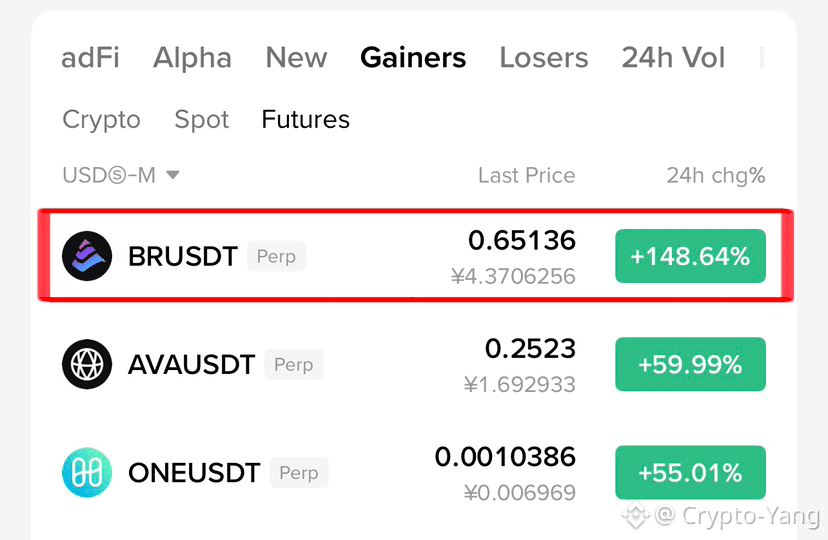
$BR Crash incoming?! Crash scheduled!! kurz!
{future}(BRUSDT)
$BR Crash incoming?! Crash scheduled!! kurz!
1
319
·
--
Bärisch
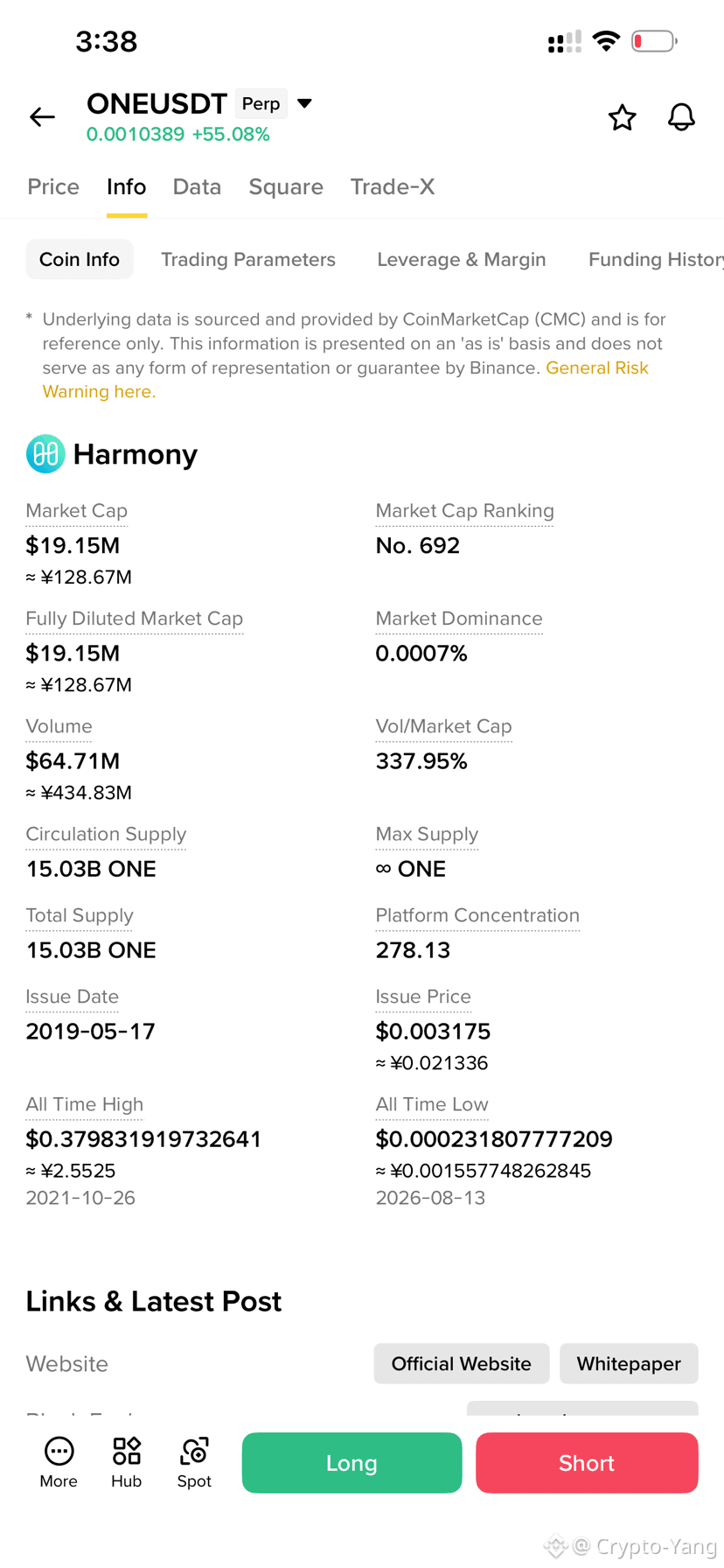
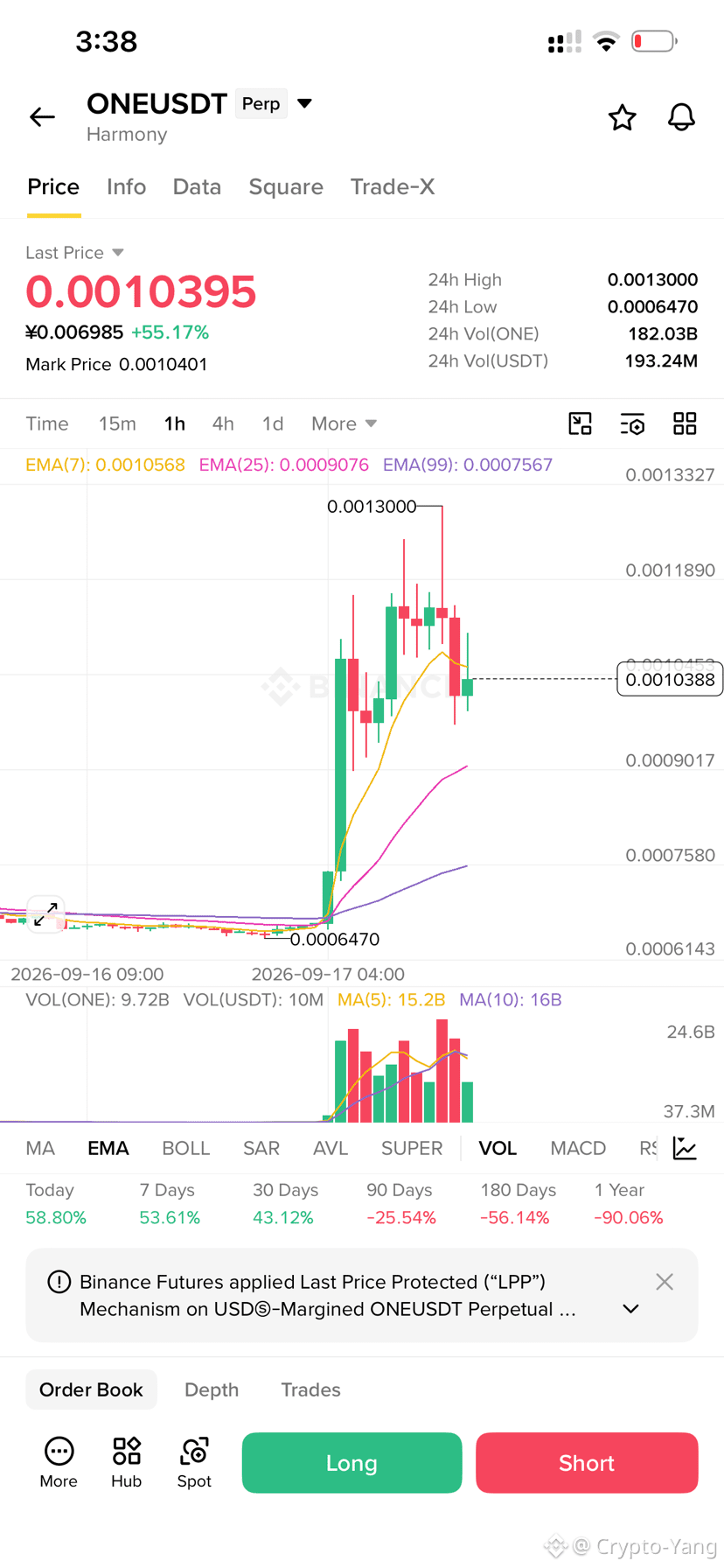
$ONE WTF?! Es fühlt sich so an, als könnte der Peak drin sein! Die Position-Konzentration im Markt liegt bei etwa 280, und wenn der Support bricht, könnte ein Ein-Wellen-WATERFALL schnell einschlagen. Ich beobachte das Flush-SHORT-Setup!
{future}(ONEUSDT)
$ONE WTF?! Es fühlt sich so an, als könnte der Peak drin sein! Die Position-Konzentration im Markt liegt bei etwa 280, und wenn der Support bricht, könnte ein Ein-Wellen-WATERFALL schnell einschlagen. Ich beobachte das Flush-SHORT-Setup!
1
154
·
--
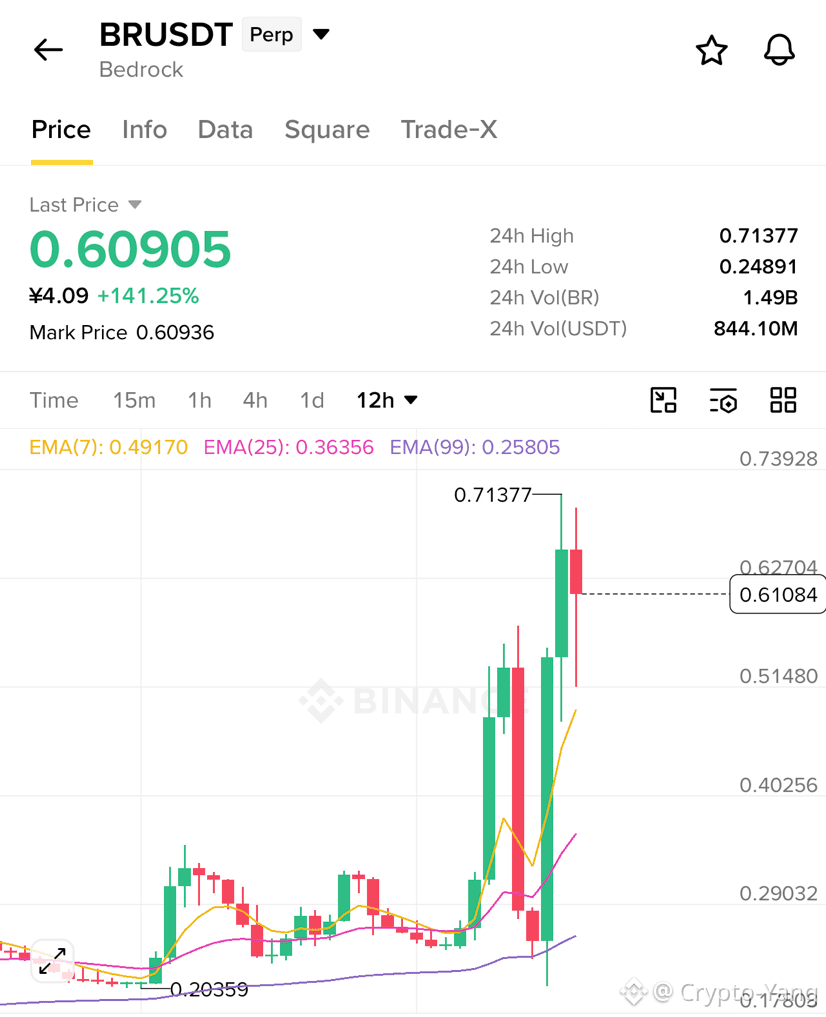
$BR Was zum Teufel?! Dieser 妖币 wurde ganz still gehandelt, dann plötzlich BOOM—eine RIESIGE bullische Kerze! Der Stiftspitzen-König ist wieder da?! 😂 Könnte das der Beginn eines weiteren Anstiegs sein?!
{future}(BRUSDT)
$BR Was zum Teufel?! Dieser 妖币 wurde ganz still gehandelt, dann plötzlich BOOM—eine RIESIGE bullische Kerze! Der Stiftspitzen-König ist wieder da?! 😂 Könnte das der Beginn eines weiteren Anstiegs sein?!
260
·
--
Bullisch
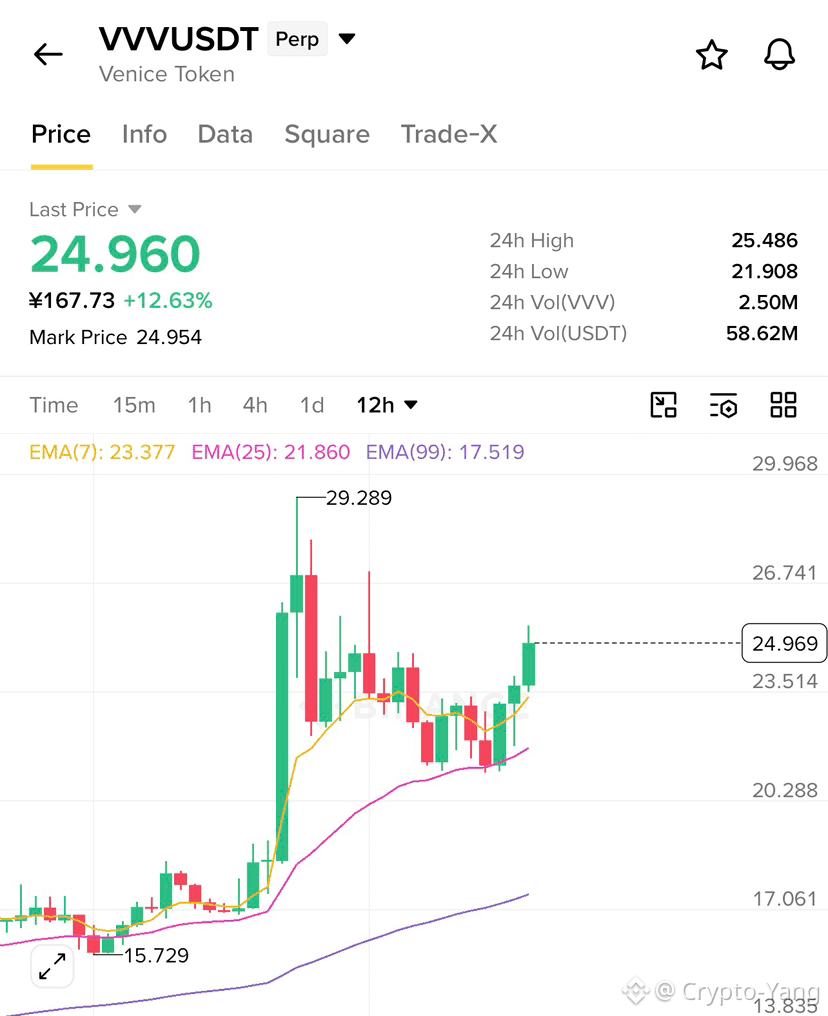
$VVV Damn?! Jeder ruft den TOP, und genau deshalb schaue ich so genau hin. Der Kurs geht in die Verlängerung, Short-Positionen häufen sich, aber wir haben diesen Film schon einmal gesehen mit $LSK 😭 überfüllte Shorts können zum Treibstoff für einen Short Squeeze werden. Ich habe einen KLEINEN 20X LONG um etwa 25 $ eröffnet und beobachte 30 $, wenn der Momentum-Trend hält. Nicht jeder Pump muss geshortet werden!
{future}(VVVUSDT)
$VVV Damn?! Jeder ruft den TOP, und genau deshalb schaue ich so genau hin. Der Kurs geht in die Verlängerung, Short-Positionen häufen sich, aber wir haben diesen Film schon einmal gesehen mit $LSK 😭 überfüllte Shorts können zum Treibstoff für einen Short Squeeze werden. Ich habe einen KLEINEN 20X LONG um etwa 25 $ eröffnet und beobachte 30 $, wenn der Momentum-Trend hält. Nicht jeder Pump muss geshortet werden!
276
·
--
Bärisch
Verifiziert
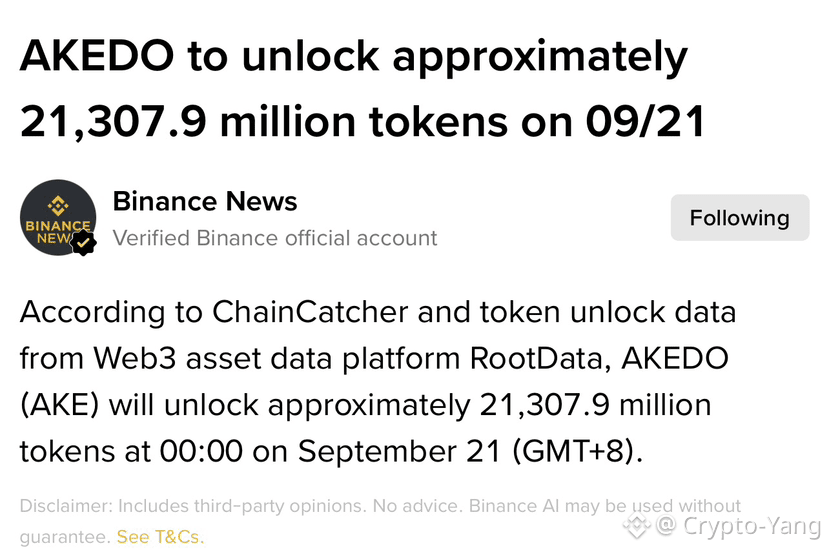
$AKE Was zum Teufel?! Ein massiver Unlock von 2,1B Tokens steht bevor, und das Muster sieht ähnlich aus wie $LAB Gute Nachrichten treiben die Bullen an, dann wird wieder ein weiterer Schwung verkauft. Wenn dieser Zyklus anhält, könnte $AKE mehr Verkaufsdruck abbekommen und weiter nach unten driften. Ich tendiere zu SHORT, aber ich schaue mir erst die Reaktion rund um den Unlock an.
{future}(AKEUSDT)
{future}(LABUSDT)
$AKE Was zum Teufel?! Ein massiver Unlock von 2,1B Tokens steht bevor, und das Muster sieht ähnlich aus wie $LAB Gute Nachrichten treiben die Bullen an, dann wird wieder ein weiterer Schwung verkauft. Wenn dieser Zyklus anhält, könnte $AKE mehr Verkaufsdruck abbekommen und weiter nach unten driften. Ich tendiere zu SHORT, aber ich schaue mir erst die Reaktion rund um den Unlock an.
1
1
426
Anmelden und weiter Inhalte entdecken
Krypto-Nutzer weltweit auf Binance Square kennenlernen
⚡️ Bleib in Sachen Krypto stets am Puls.
💬 Die weltgrößte Kryptobörse vertraut darauf.
👍 Erhalte verlässliche Einblicke von verifizierten Creators.
E-Mail-Adresse/Telefonnummer
Trendthemen
BitcoinSurpasses$77000
6,331 Aufrufe
113 Kommentare
$BTC steigt trotz allem weiter stark nach oben. 🚀
Heute gab es die erste Zinserhöhung seit über 3 Jahren, während der CLARITY Act gestern erneut blockiert wurde.
Setup wieder einen großen langen Trade - danke mir später
Einstieg: 75500 - 76500
Stoploss: 74900
Take Profit: 77000 - 78000
Mach dich bereit für einen verrückten Wachstumsschub. 🔥
TF_bnb
·16 Likes
·6.5k Aufrufe
ParadigmDisclosesZECHolding
16,471 Aufrufe
505 Kommentare
BitcoinETFsShed$450M
17,187 Aufrufe
164 Kommentare