
BELIEVE_
11.5k Beiträge

BELIEVE_
 Square Verified+
Melden
Nutzer blockieren
🌟Exploring 🌟 🇮🇳 X🍷@The_Believe_21 🍷
Hochfrequenz-Trader
1.7 Jahre
627 Following
30.5K+ Follower
39.9K+ Like gegeben
Beiträge
Alle
Zitierungen
Videos
·
--
Bärisch
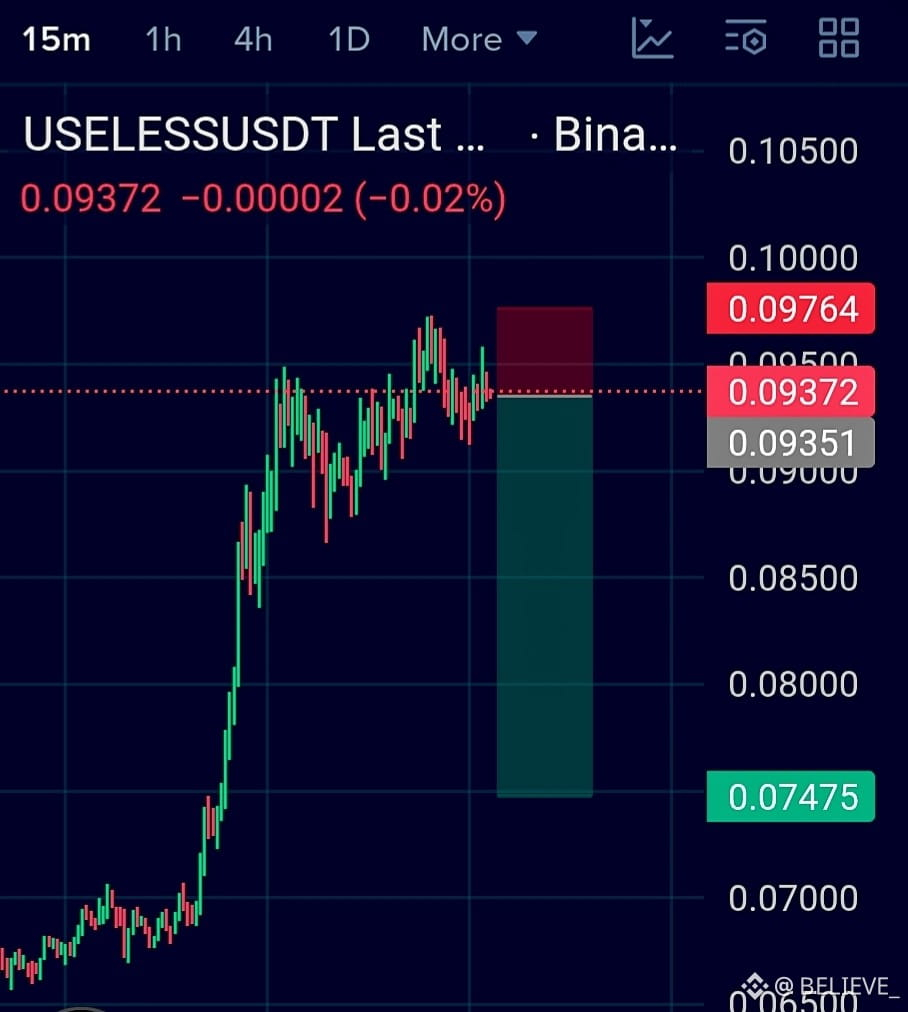
$USELESS KURZ-SETUP 🔻
Einstieg: 0.0935–0.0955
SL: 0.0977
TP1: 0.0900
TP2: 0.0850
TP3: 0.0800
TP4: 0.0748
Der Preis hat einen scharfen vertikalen Move gemacht und konsolidiert nun in der Nähe der Hochs. Short nur bei Ablehnung von 0.095–0.0975 oder bei bestätigtem 15M-Breakdown.
Ungültig: 15M-Schlusskurs über 0.0977.
Bias: SHORT 🔴 — nicht hinterherlaufen.
$0G $SKR
#TradingCommunity #signaladvisor #HangSengFalls1% #USFundsAlcoaGalliumPlantInAustralia #FutureTarding
$USELESS KURZ-SETUP 🔻
Einstieg: 0.0935–0.0955
SL: 0.0977
TP1: 0.0900
TP2: 0.0850
TP3: 0.0800
TP4: 0.0748
Der Preis hat einen scharfen vertikalen Move gemacht und konsolidiert nun in der Nähe der Hochs. Short nur bei Ablehnung von 0.095–0.0975 oder bei bestätigtem 15M-Breakdown.
Ungültig: 15M-Schlusskurs über 0.0977.
Bias: SHORT 🔴 — nicht hinterherlaufen.
$0G $SKR
#TradingCommunity #signaladvisor #HangSengFalls1% #USFundsAlcoaGalliumPlantInAustralia #FutureTarding
Einstieg: 0.0935–0.0955
SL: 0.0977
TP1: 0.0900
TP2: 0.0850
TP3: 0.0800
TP4: 0.0748
Der Preis hat einen scharfen vertikalen Move gemacht und konsolidiert nun in der Nähe der Hochs. Short nur bei Ablehnung von 0.095–0.0975 oder bei bestätigtem 15M-Breakdown.
Ungültig: 15M-Schlusskurs über 0.0977.
Bias: SHORT 🔴 — nicht hinterherlaufen.
$0G $SKR
#TradingCommunity #signaladvisor #HangSengFalls1% #USFundsAlcoaGalliumPlantInAustralia #FutureTarding
5
169
·
--
Bärisch
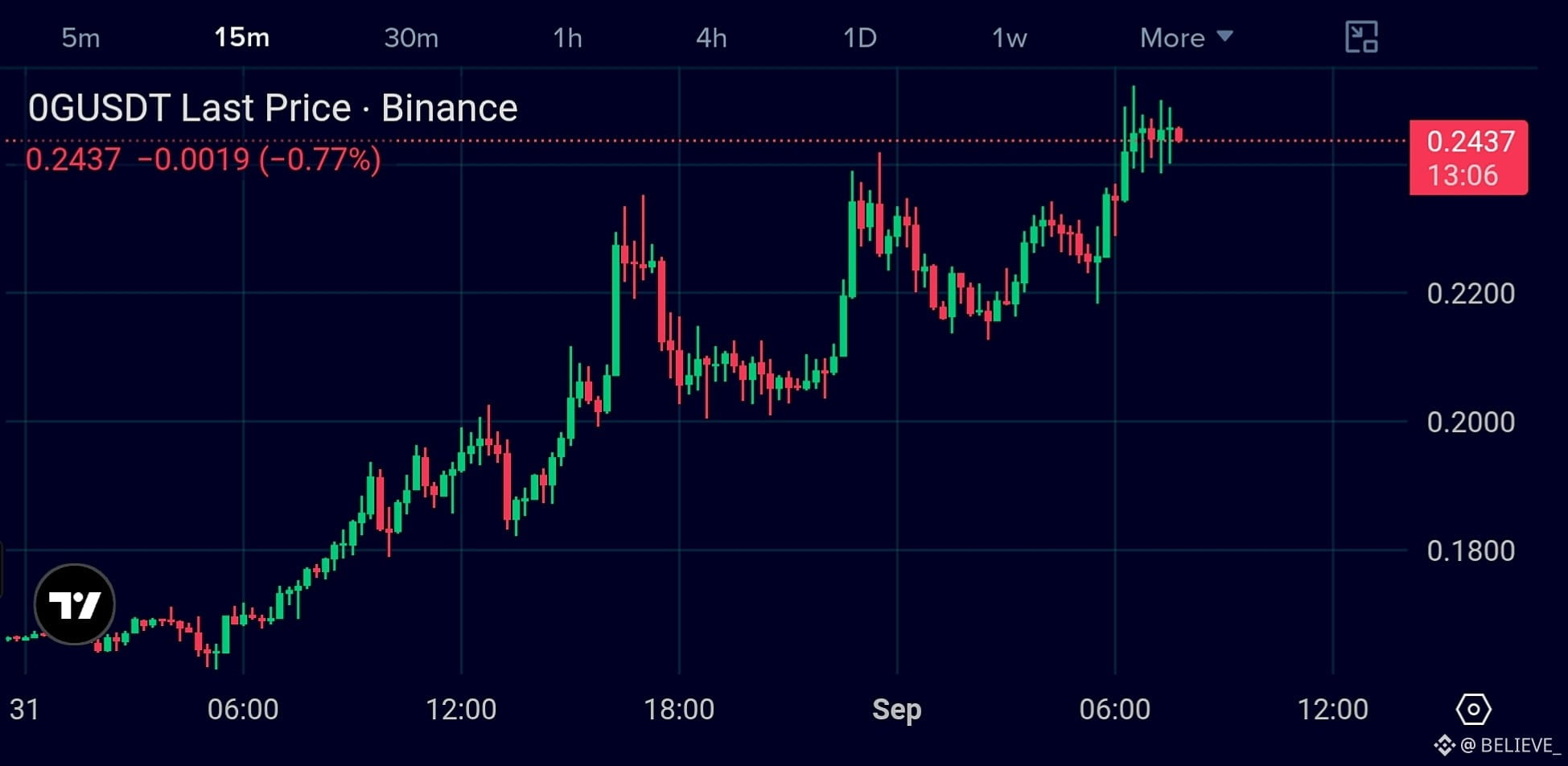
$0G Starker Aufwärtstrend, aber der Kurs konsolidiert derzeit nach einem starken Move in der Nähe der Hochs.
Short Entry: $0.244–$0.248
SL: $0.253
TP1: $0.238
TP2: $0.230
TP3: $0.220
Trigger: Ablehnung auf 15M + Verlust von $0.240.
Invalidation: Sauberer Ausbruch und Halt oberhalb von $0.253.
Bias: SHORT 🔴
$USELESS $HEMI
#USIranMilitaryClashesResume #TradingCommunity #IranStrikesUSBasesInJordan #signaladvisor #FutureTradingSignals
$0G Starker Aufwärtstrend, aber der Kurs konsolidiert derzeit nach einem starken Move in der Nähe der Hochs.
Short Entry: $0.244–$0.248
SL: $0.253
TP1: $0.238
TP2: $0.230
TP3: $0.220
Trigger: Ablehnung auf 15M + Verlust von $0.240.
Invalidation: Sauberer Ausbruch und Halt oberhalb von $0.253.
Bias: SHORT 🔴
$USELESS $HEMI
#USIranMilitaryClashesResume #TradingCommunity #IranStrikesUSBasesInJordan #signaladvisor #FutureTradingSignals
Short Entry: $0.244–$0.248
SL: $0.253
TP1: $0.238
TP2: $0.230
TP3: $0.220
Trigger: Ablehnung auf 15M + Verlust von $0.240.
Invalidation: Sauberer Ausbruch und Halt oberhalb von $0.253.
Bias: SHORT 🔴
$USELESS $HEMI
#USIranMilitaryClashesResume #TradingCommunity #IranStrikesUSBasesInJordan #signaladvisor #FutureTradingSignals
5
183
·
--
Bärisch
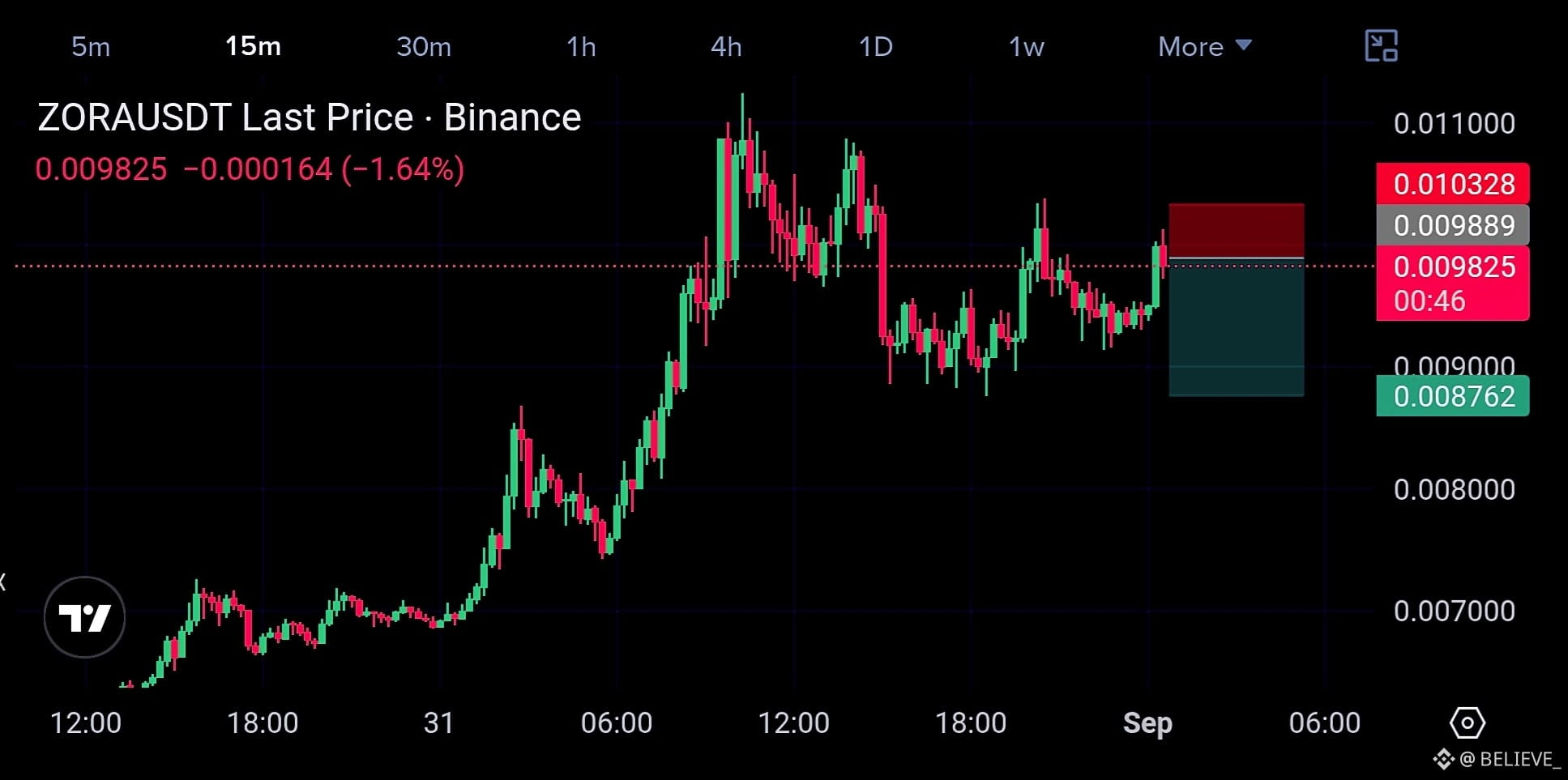
AGAIN $ZORA SHORT SETUP 🔻
Einstieg: $0.00985–$0.00995
SL: $0.01033
TP1: $0.00940
TP2: $0.00900
TP3: $0.00876
Der Preis testet nach der vorherigen Ablehnung die $0.0099 Widerstands-/Retest-Zone. Die Short-These ist nur gültig, solange der Preis unter $0.01033 bleibt.
Trigger: Ablehnung/Schlusskurs wieder unter $0.00985.
Invalidierung: 15M-Rückeroberung über $0.01033.
Bias: SHORT 🔴
$SKR $HEMI
#TradingCommunity #RussiaStartsLargeScaleDigitalRubleRolloutSep1 #signaladvisor #signalsfutures #TankerHitsMinesInStraitOfHormuz
AGAIN $ZORA SHORT SETUP 🔻
Einstieg: $0.00985–$0.00995
SL: $0.01033
TP1: $0.00940
TP2: $0.00900
TP3: $0.00876
Der Preis testet nach der vorherigen Ablehnung die $0.0099 Widerstands-/Retest-Zone. Die Short-These ist nur gültig, solange der Preis unter $0.01033 bleibt.
Trigger: Ablehnung/Schlusskurs wieder unter $0.00985.
Invalidierung: 15M-Rückeroberung über $0.01033.
Bias: SHORT 🔴
$SKR $HEMI
#TradingCommunity #RussiaStartsLargeScaleDigitalRubleRolloutSep1 #signaladvisor #signalsfutures #TankerHitsMinesInStraitOfHormuz
Einstieg: $0.00985–$0.00995
SL: $0.01033
TP1: $0.00940
TP2: $0.00900
TP3: $0.00876
Der Preis testet nach der vorherigen Ablehnung die $0.0099 Widerstands-/Retest-Zone. Die Short-These ist nur gültig, solange der Preis unter $0.01033 bleibt.
Trigger: Ablehnung/Schlusskurs wieder unter $0.00985.
Invalidierung: 15M-Rückeroberung über $0.01033.
Bias: SHORT 🔴
$SKR $HEMI
#TradingCommunity #RussiaStartsLargeScaleDigitalRubleRolloutSep1 #signaladvisor #signalsfutures #TankerHitsMinesInStraitOfHormuz
3
4
726
·
--
Bärisch
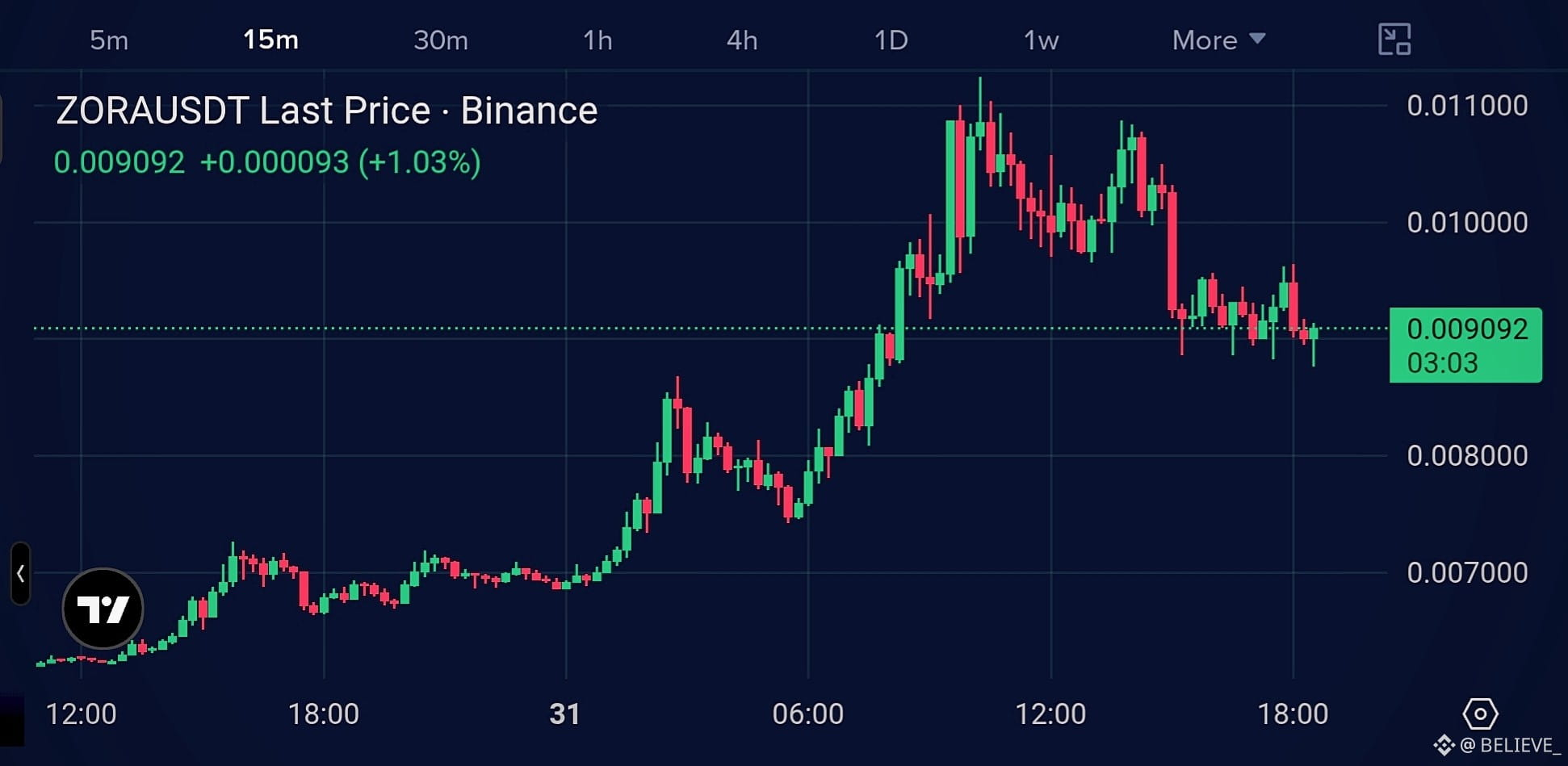
Nach dem scharfen Pump hat $ZORA den $0.0112-Bereich zurückgewiesen und bildet jetzt niedrigere Hochs auf dem 15M-Chart.
Short Entry: $0.0092–$0.0095
SL: $0.0099
TP1: $0.0087
TP2: $0.0082
TP3: $0.0076
Bestätigung: Bevorzuge ein gescheitertes Re-Test von $0.0092–$0.0095.
Invalidierung: 15M-Reclaim über $0.0099.
Bias: SHORT 🔴 — nicht hinterherjagen; auf Bestätigung warten.
$SKR Short War Erfolgreich 🔻
$HEMI Short🔻
#BitcoinUp23%InAugustOutperformingGoldAndStocks #TradingSignals #signalsfutures #LNGTankersStayOutOfHormuz #USCanadaTradeWarDeepens
Nach dem scharfen Pump hat $ZORA den $0.0112-Bereich zurückgewiesen und bildet jetzt niedrigere Hochs auf dem 15M-Chart.
Short Entry: $0.0092–$0.0095
SL: $0.0099
TP1: $0.0087
TP2: $0.0082
TP3: $0.0076
Bestätigung: Bevorzuge ein gescheitertes Re-Test von $0.0092–$0.0095.
Invalidierung: 15M-Reclaim über $0.0099.
Bias: SHORT 🔴 — nicht hinterherjagen; auf Bestätigung warten.
$SKR Short War Erfolgreich 🔻
$HEMI Short🔻
#BitcoinUp23%InAugustOutperformingGoldAndStocks #TradingSignals #signalsfutures #LNGTankersStayOutOfHormuz #USCanadaTradeWarDeepens
Short Entry: $0.0092–$0.0095
SL: $0.0099
TP1: $0.0087
TP2: $0.0082
TP3: $0.0076
Bestätigung: Bevorzuge ein gescheitertes Re-Test von $0.0092–$0.0095.
Invalidierung: 15M-Reclaim über $0.0099.
Bias: SHORT 🔴 — nicht hinterherjagen; auf Bestätigung warten.
$SKR Short War Erfolgreich 🔻
$HEMI Short🔻
#BitcoinUp23%InAugustOutperformingGoldAndStocks #TradingSignals #signalsfutures #LNGTankersStayOutOfHormuz #USCanadaTradeWarDeepens
1
4
142
·
--
Bärisch
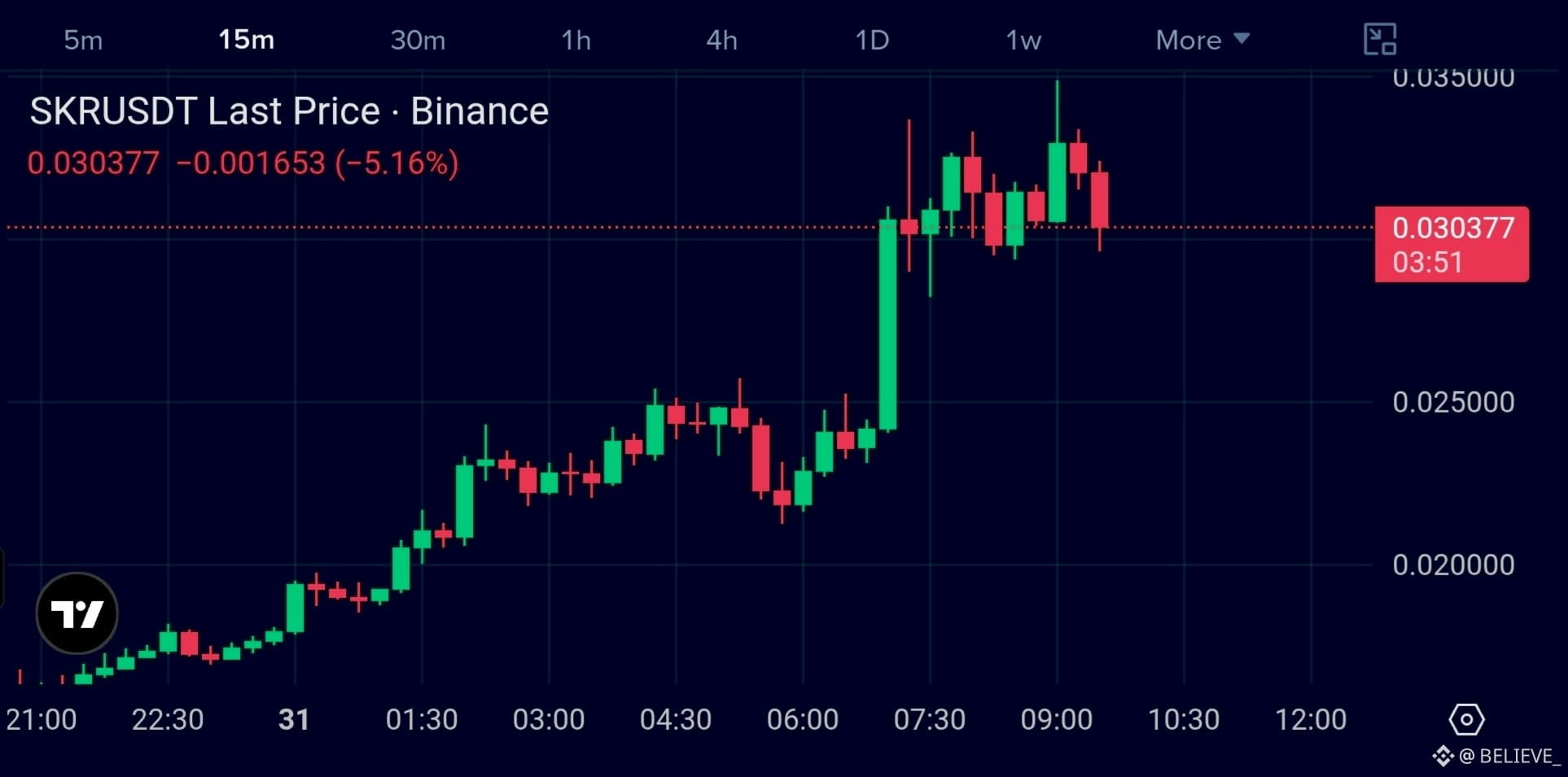
$SKR SHORT SETUP 🔻
Zone : $0.0305–$0.03
SL: $0.0340
TP1: $0.0285
TP2: $0.0260
TP3: $0.0245
+153% in 24H und zeigt jetzt eine Ablehnung aus dem Bereich $0.0348–$0.0350.
Die 15M-Struktur wird nach dem fehlgeschlagenen Push nach oben bärisch.
Ungültigkeit: Starke Rückeroberung auf 15M über $0.0340.
Bias: SHORT 🔴
$4 Short war erfolgreich 🔻
$HEMI ist bullish 💹
#YenBreaks160AgainstDollar #USStrikesIranianRocketLaunchers #About67MAmericansHoldCrypto #TradingSignals #TradingCommunity
$SKR SHORT SETUP 🔻
Zone : $0.0305–$0.03
SL: $0.0340
TP1: $0.0285
TP2: $0.0260
TP3: $0.0245
+153% in 24H und zeigt jetzt eine Ablehnung aus dem Bereich $0.0348–$0.0350.
Die 15M-Struktur wird nach dem fehlgeschlagenen Push nach oben bärisch.
Ungültigkeit: Starke Rückeroberung auf 15M über $0.0340.
Bias: SHORT 🔴
$4 Short war erfolgreich 🔻
$HEMI ist bullish 💹
#YenBreaks160AgainstDollar #USStrikesIranianRocketLaunchers #About67MAmericansHoldCrypto #TradingSignals #TradingCommunity
Zone : $0.0305–$0.03
SL: $0.0340
TP1: $0.0285
TP2: $0.0260
TP3: $0.0245
+153% in 24H und zeigt jetzt eine Ablehnung aus dem Bereich $0.0348–$0.0350.
Die 15M-Struktur wird nach dem fehlgeschlagenen Push nach oben bärisch.
Ungültigkeit: Starke Rückeroberung auf 15M über $0.0340.
Bias: SHORT 🔴
$4 Short war erfolgreich 🔻
$HEMI ist bullish 💹
#YenBreaks160AgainstDollar #USStrikesIranianRocketLaunchers #About67MAmericansHoldCrypto #TradingSignals #TradingCommunity
4
328
·
--
Bärisch
$4 SHORT BIAS 🔻
Der Momentum hat sich im 15m-Chart bärisch gedreht.
Short-Zone: $0.0182–$0.0187
SL: $0.0195
TP1: $0.0172
TP2: $0.0164
TP3: $0.0155
{future}(4USDT)
⚠️ Ungültigkeit: Starkes Reclaim über $0.0195.
Verfolge den Short nicht nach dem Drop. Das sauberere Setup ist ein schwacher Retest von $0.0182–$0.0187, gefolgt von einer Abweisung.
Bias: SHORT 🔴
$CYS
{future}(CYSUSDT)
$PROM
{future}(PROMUSDT)
#TradingSignal
#4usdt #Crypto #Trading #Binance
$4 SHORT BIAS 🔻
Der Momentum hat sich im 15m-Chart bärisch gedreht.
Short-Zone: $0.0182–$0.0187
SL: $0.0195
TP1: $0.0172
TP2: $0.0164
TP3: $0.0155
⚠️ Ungültigkeit: Starkes Reclaim über $0.0195.
Verfolge den Short nicht nach dem Drop. Das sauberere Setup ist ein schwacher Retest von $0.0182–$0.0187, gefolgt von einer Abweisung.
Bias: SHORT 🔴
$CYS
$PROM
#TradingSignal
#4usdt #Crypto #Trading #Binance
Der Momentum hat sich im 15m-Chart bärisch gedreht.
Short-Zone: $0.0182–$0.0187
SL: $0.0195
TP1: $0.0172
TP2: $0.0164
TP3: $0.0155
⚠️ Ungültigkeit: Starkes Reclaim über $0.0195.
Verfolge den Short nicht nach dem Drop. Das sauberere Setup ist ein schwacher Retest von $0.0182–$0.0187, gefolgt von einer Abweisung.
Bias: SHORT 🔴
$CYS
$PROM
#TradingSignal
#4usdt #Crypto #Trading #Binance
Going Short 🔻
54%
Going Long 💹
46%
24 Stimmen • Abstimmung beendet
5
1.1k
·
--
Bärisch
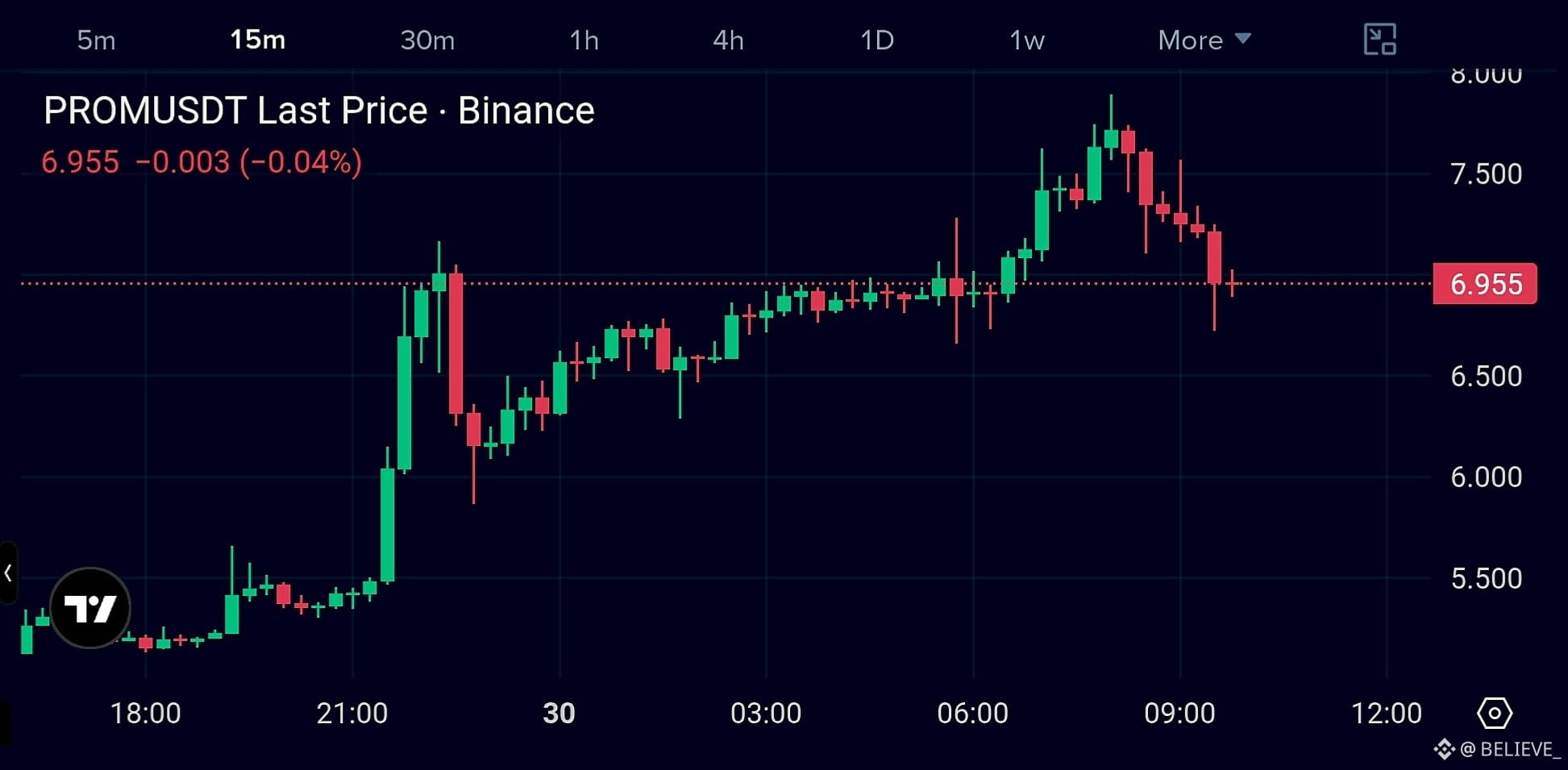
$PROM Kurzes Setup 🔻unter 7,0
🎯 TP1: 6,70 $
🎯 TP2: 6,45 $
🎯 TP3: 6,15 $
🛑 Invalidierung: 7,30 $+
{future}(PROMUSDT)
PROM zeigt eine klare Zurückweisung aus der Zone 7,7–7,9 nach einem starken Anstieg.
Der Preis liegt jetzt bei etwa 6,95 $, und der Momentum nimmt ab.
Bester Einstieg: Re-Test/Zurückweisung bei ca. 7,0–7,2, statt dem Abwärtsschub hinterherzulaufen.
Setup: SHORT 🔴
$4
{future}(4USDT)
$ZKP
{future}(ZKPUSDT)
#TradingSignals #signalsfutures #Trading #altcoins #AfghanistanTalibanReportedlyBansCryptoNationwide
$PROM Kurzes Setup 🔻unter 7,0
🎯 TP1: 6,70 $
🎯 TP2: 6,45 $
🎯 TP3: 6,15 $
🛑 Invalidierung: 7,30 $+
PROM zeigt eine klare Zurückweisung aus der Zone 7,7–7,9 nach einem starken Anstieg.
Der Preis liegt jetzt bei etwa 6,95 $, und der Momentum nimmt ab.
Bester Einstieg: Re-Test/Zurückweisung bei ca. 7,0–7,2, statt dem Abwärtsschub hinterherzulaufen.
Setup: SHORT 🔴
$4
$ZKP
#TradingSignals #signalsfutures #Trading #altcoins #AfghanistanTalibanReportedlyBansCryptoNationwide
🎯 TP1: 6,70 $
🎯 TP2: 6,45 $
🎯 TP3: 6,15 $
🛑 Invalidierung: 7,30 $+
PROM zeigt eine klare Zurückweisung aus der Zone 7,7–7,9 nach einem starken Anstieg.
Der Preis liegt jetzt bei etwa 6,95 $, und der Momentum nimmt ab.
Bester Einstieg: Re-Test/Zurückweisung bei ca. 7,0–7,2, statt dem Abwärtsschub hinterherzulaufen.
Setup: SHORT 🔴
$4
$ZKP
#TradingSignals #signalsfutures #Trading #altcoins #AfghanistanTalibanReportedlyBansCryptoNationwide
4
427
·
--
Bullisch
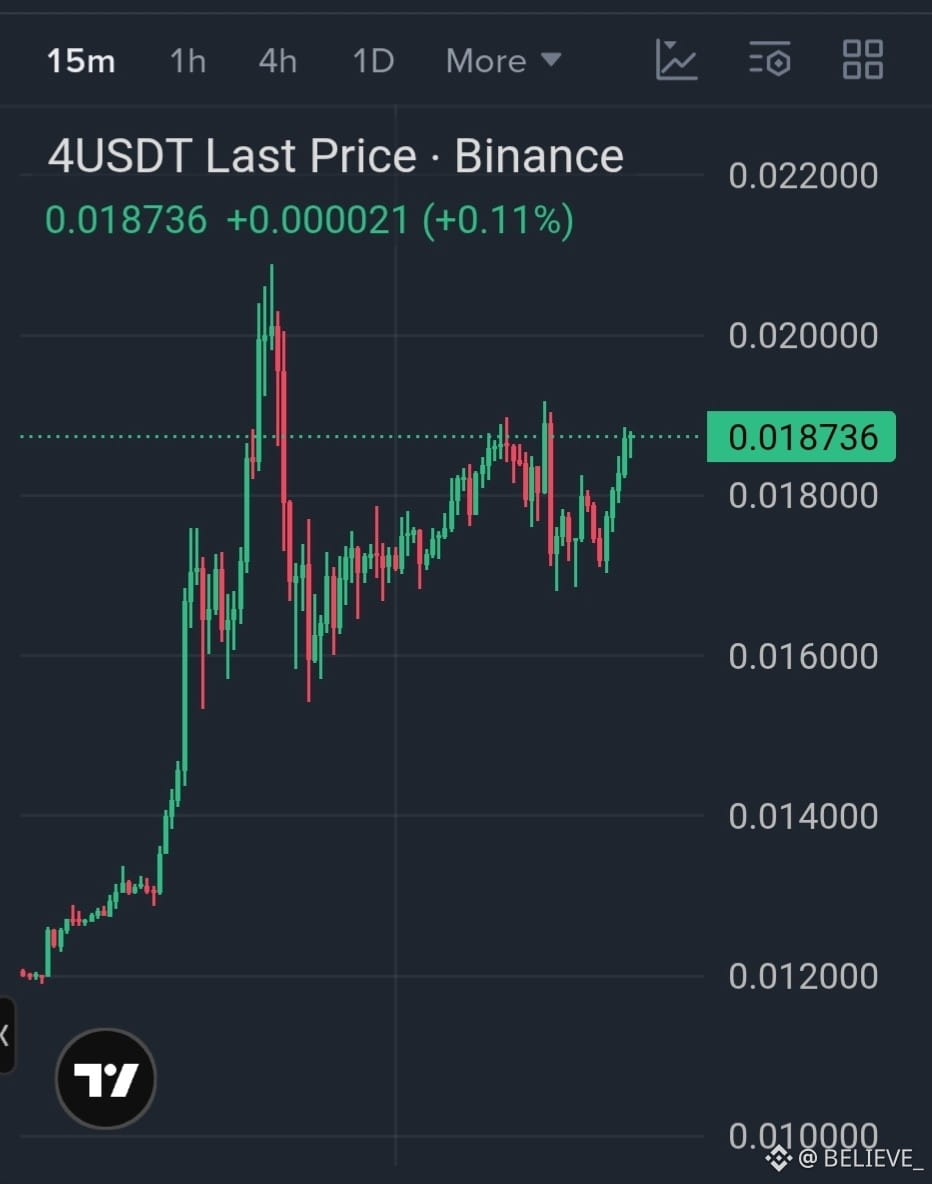
$4 zeigt starke bullische Dynamik. 🚀
Nach einem scharfen Ausbruch aus dem Bereich von 0,012 hat sich der Kurs höher konsolidiert und ist nun wieder nahe bei 0,0187.
Ein klarer Ausbruch über 0,019–0,020 könnte eine weitere Ausweitung auslösen, während 0,017–0,018 der entscheidende Bereich ist, den man bei einem Rücksetzer halten muss.
Da der Kurs bereits in 24 Stunden um 55%+ gestiegen ist, ist es riskant, dem Move hinterherzulaufen. Besser ist es, auf eine Bestätigung zu warten oder auf einen gesunden Retest.
Tendenz: Bullisch 📈
{future}(4USDT)
$PROM
{future}(PROMUSDT)
$BTC
{future}(BTCUSDT)
#4usdt #crypto #Trading #Binance #altcoins
$4 zeigt starke bullische Dynamik. 🚀
Nach einem scharfen Ausbruch aus dem Bereich von 0,012 hat sich der Kurs höher konsolidiert und ist nun wieder nahe bei 0,0187.
Ein klarer Ausbruch über 0,019–0,020 könnte eine weitere Ausweitung auslösen, während 0,017–0,018 der entscheidende Bereich ist, den man bei einem Rücksetzer halten muss.
Da der Kurs bereits in 24 Stunden um 55%+ gestiegen ist, ist es riskant, dem Move hinterherzulaufen. Besser ist es, auf eine Bestätigung zu warten oder auf einen gesunden Retest.
Tendenz: Bullisch 📈
$PROM
$BTC
#4usdt #crypto #Trading #Binance #altcoins
Nach einem scharfen Ausbruch aus dem Bereich von 0,012 hat sich der Kurs höher konsolidiert und ist nun wieder nahe bei 0,0187.
Ein klarer Ausbruch über 0,019–0,020 könnte eine weitere Ausweitung auslösen, während 0,017–0,018 der entscheidende Bereich ist, den man bei einem Rücksetzer halten muss.
Da der Kurs bereits in 24 Stunden um 55%+ gestiegen ist, ist es riskant, dem Move hinterherzulaufen. Besser ist es, auf eine Bestätigung zu warten oder auf einen gesunden Retest.
Tendenz: Bullisch 📈
$PROM
$BTC
#4usdt #crypto #Trading #Binance #altcoins
4
413
·
--
Bärisch
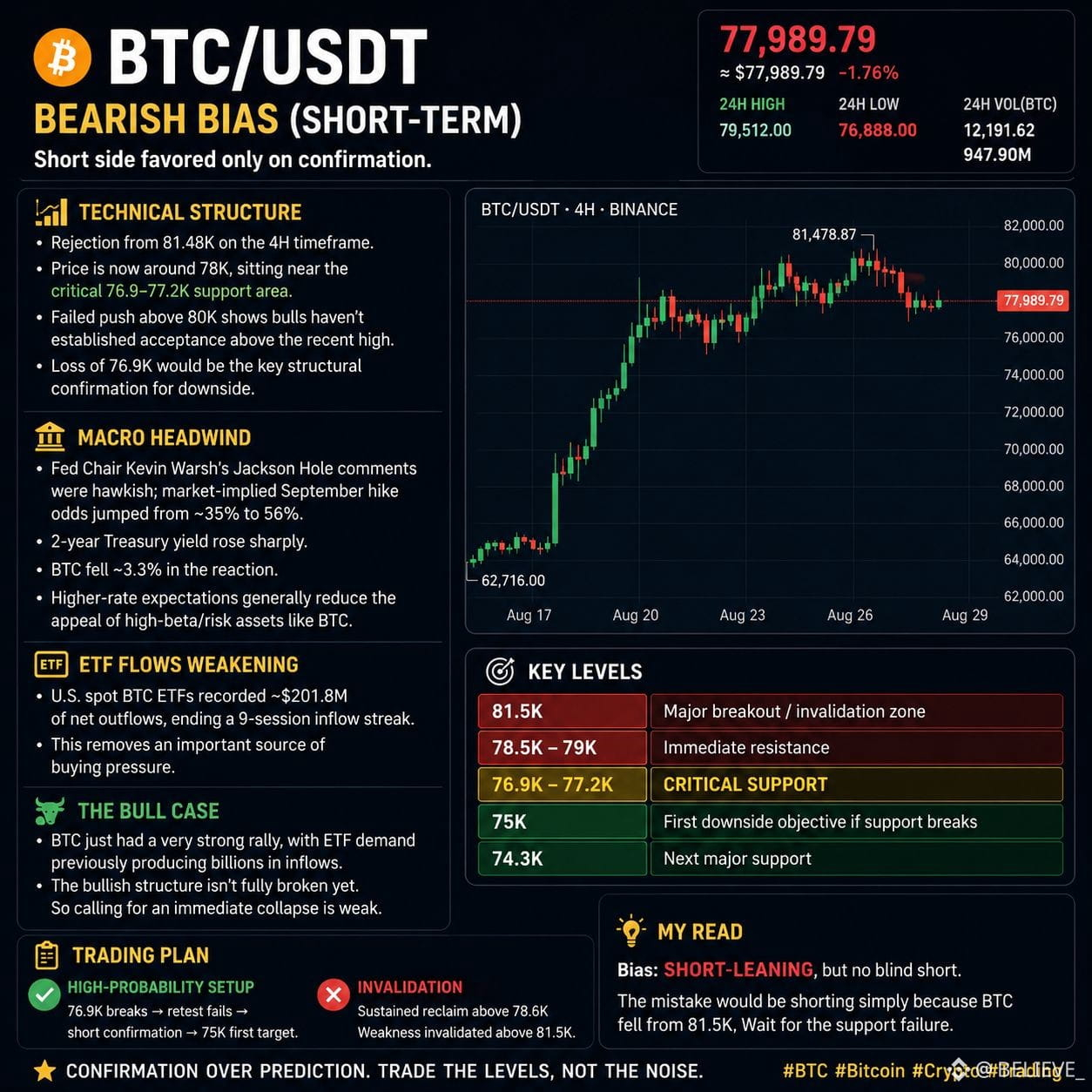
$BTC zeigt nach der Ablehnung aus dem $81,5K-Bereich kurzfristige Schwäche.
Derzeit pendelt der Kurs um $78K, wobei $76,9K–$77,2K als die entscheidende Unterstützungszone fungiert. Ein sauberer Breakdown und ein gescheiterter Retest dieser Zone könnten den Weg in Richtung $75K und $74,3K öffnen.
Für jetzt bleibt die Marktstruktur bärisch unter $79K, aber ich würde keinen Short auf dem aktuellen Niveau hinterherjagen. Das bessere Setup ist eine Bestätigung durch die Unterstützung.
Wichtige Levels:
Widerstand: $78,5K–$79K
Unterstützung: $76,9K–$77,2K
Ziele: $75K → $74,3K
Invalidierung: Rückeroberung oberhalb $81,5K
Lass den Kurs die Richtung bestätigen.
#BTC #Bitcoin #Crypto #Trading
$4 $CLO
#TradingCommunity
$BTC zeigt nach der Ablehnung aus dem $81,5K-Bereich kurzfristige Schwäche.
Derzeit pendelt der Kurs um $78K, wobei $76,9K–$77,2K als die entscheidende Unterstützungszone fungiert. Ein sauberer Breakdown und ein gescheiterter Retest dieser Zone könnten den Weg in Richtung $75K und $74,3K öffnen.
Für jetzt bleibt die Marktstruktur bärisch unter $79K, aber ich würde keinen Short auf dem aktuellen Niveau hinterherjagen. Das bessere Setup ist eine Bestätigung durch die Unterstützung.
Wichtige Levels:
Widerstand: $78,5K–$79K
Unterstützung: $76,9K–$77,2K
Ziele: $75K → $74,3K
Invalidierung: Rückeroberung oberhalb $81,5K
Lass den Kurs die Richtung bestätigen.
#BTC #Bitcoin #Crypto #Trading
$4 $CLO
#TradingCommunity
Derzeit pendelt der Kurs um $78K, wobei $76,9K–$77,2K als die entscheidende Unterstützungszone fungiert. Ein sauberer Breakdown und ein gescheiterter Retest dieser Zone könnten den Weg in Richtung $75K und $74,3K öffnen.
Für jetzt bleibt die Marktstruktur bärisch unter $79K, aber ich würde keinen Short auf dem aktuellen Niveau hinterherjagen. Das bessere Setup ist eine Bestätigung durch die Unterstützung.
Wichtige Levels:
Widerstand: $78,5K–$79K
Unterstützung: $76,9K–$77,2K
Ziele: $75K → $74,3K
Invalidierung: Rückeroberung oberhalb $81,5K
Lass den Kurs die Richtung bestätigen.
#BTC #Bitcoin #Crypto #Trading
$4 $CLO
#TradingCommunity
5
206
·
--
Bärisch
Verifiziert
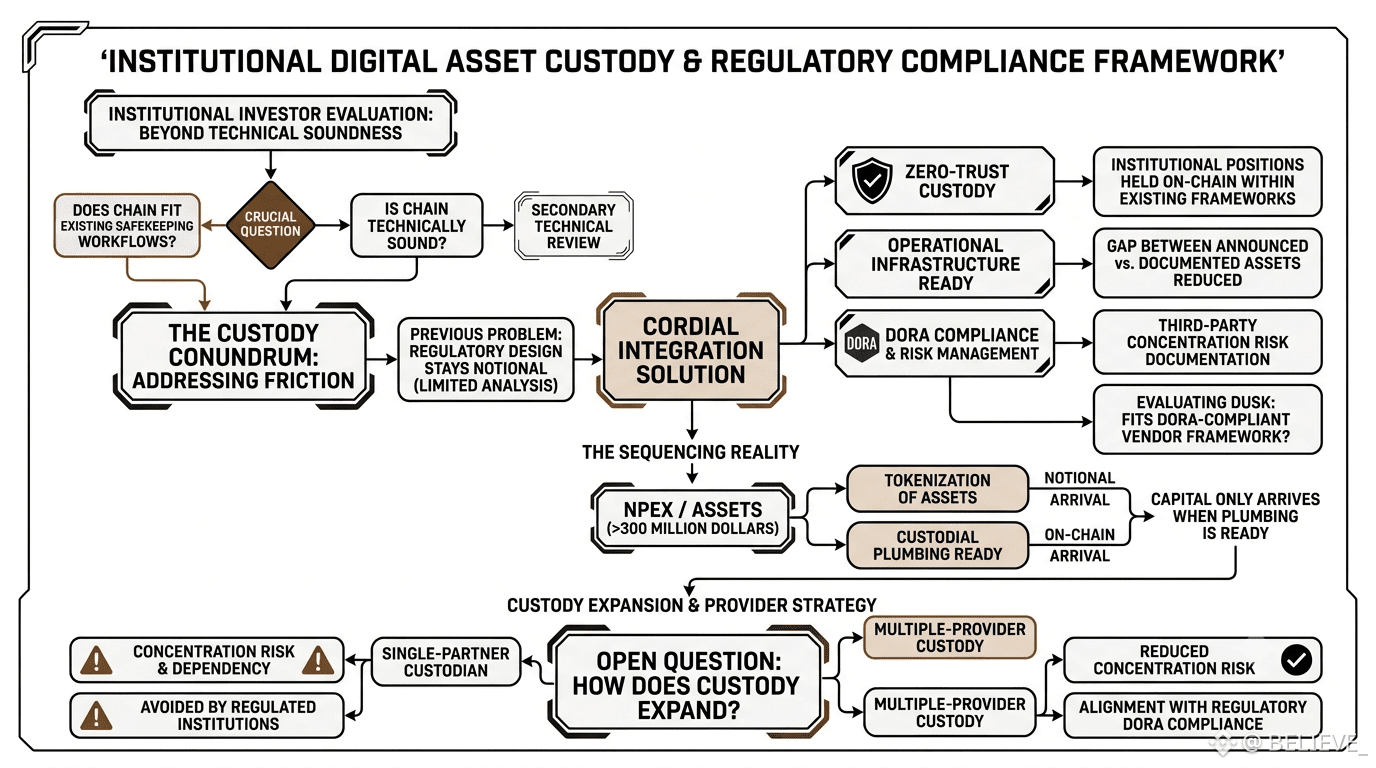
Ich habe mir neulich Dusk’ Partnerschaft mit 21X angesehen und etwas am anfänglichen Use Case hat mich leise überrascht. Die meisten Berichte rahmen das als eine unkomplizierte, regulierte Austauschkooperation — zwei compliance-fokussierte Akteure, die gemeinsamen Boden finden. Aber der konkrete Einstiegspunkt, den Dusk nutzt, ist keine Wertpapieremission und auch keine primäre Handelsinfrastruktur. Es geht um das Treasury-Management von Stablecoins: Ein Stablecoin-Emittent kauft und verkauft tokenisierte Geldmarktfonds, um Reserven auf einer regulierten DLT-Plattform zu verwalten. Manchmal frage ich mich, ob dieser enge Startpunkt tatsächlich eine ausgeklügeltere Weiche ist, als er auf den ersten Blick wirkt.
Spannend ist, was das strukturell impliziert. Wenn ein Stablecoin-Emittent Reserven über tokenisierte Geldmarktfonds über eine lizenzierte Börse verwaltet, dann fügt sich Dusk still und leise in die betriebstechnische „Schmierstelle“ einer konformen digitalen Währungsinfrastruktur ein — nicht nur als Abwicklungsschicht, sondern als Umgebung, in der Reservewerte aktiv „leben“ und sich bewegen. Die Frage, die mir dabei in den Sinn kommt, ist, ob das Dusk näher an systemrelevante Finanzinfrastruktur heranrückt, als die meisten Beobachter derzeit zugeben.
Ich bin mir nicht ganz sicher, wie sich diese Beziehung skaliert, falls 21X’ eigene Stellung im Rahmen des EU-DLT-Pilotregimes sich weiterentwickelt — ein Rahmenwerk, das weiterhin in der Praxis wirklich experimentell ist und weltweit nur sehr wenige lizenzierte Betreiber hat. Von außen betrachtet wirkt der Einstieg als Handelsteilnehmer statt als primäre Abwicklungsschicht gemessen und überlegt, aber das bedeutet auch, dass nennenswertes Volumen noch einen gewissen Abstand entfernt bleibt.
Das bringt mich zu der Vermutung, dass die eigentliche Bedeutung dieser Partnerschaft erst sichtbar wird, wenn der Use Case zur Reservenverwaltung deutlich über seinen derzeitigen Umfang hinauswächst. Wie auch immer — die Zeit wird es zeigen👍
#dusk $DUSK @Dusk_Foundation
Ich habe mir neulich Dusk’ Partnerschaft mit 21X angesehen und etwas am anfänglichen Use Case hat mich leise überrascht. Die meisten Berichte rahmen das als eine unkomplizierte, regulierte Austauschkooperation — zwei compliance-fokussierte Akteure, die gemeinsamen Boden finden. Aber der konkrete Einstiegspunkt, den Dusk nutzt, ist keine Wertpapieremission und auch keine primäre Handelsinfrastruktur. Es geht um das Treasury-Management von Stablecoins: Ein Stablecoin-Emittent kauft und verkauft tokenisierte Geldmarktfonds, um Reserven auf einer regulierten DLT-Plattform zu verwalten. Manchmal frage ich mich, ob dieser enge Startpunkt tatsächlich eine ausgeklügeltere Weiche ist, als er auf den ersten Blick wirkt.
Spannend ist, was das strukturell impliziert. Wenn ein Stablecoin-Emittent Reserven über tokenisierte Geldmarktfonds über eine lizenzierte Börse verwaltet, dann fügt sich Dusk still und leise in die betriebstechnische „Schmierstelle“ einer konformen digitalen Währungsinfrastruktur ein — nicht nur als Abwicklungsschicht, sondern als Umgebung, in der Reservewerte aktiv „leben“ und sich bewegen. Die Frage, die mir dabei in den Sinn kommt, ist, ob das Dusk näher an systemrelevante Finanzinfrastruktur heranrückt, als die meisten Beobachter derzeit zugeben.
Ich bin mir nicht ganz sicher, wie sich diese Beziehung skaliert, falls 21X’ eigene Stellung im Rahmen des EU-DLT-Pilotregimes sich weiterentwickelt — ein Rahmenwerk, das weiterhin in der Praxis wirklich experimentell ist und weltweit nur sehr wenige lizenzierte Betreiber hat. Von außen betrachtet wirkt der Einstieg als Handelsteilnehmer statt als primäre Abwicklungsschicht gemessen und überlegt, aber das bedeutet auch, dass nennenswertes Volumen noch einen gewissen Abstand entfernt bleibt.
Das bringt mich zu der Vermutung, dass die eigentliche Bedeutung dieser Partnerschaft erst sichtbar wird, wenn der Use Case zur Reservenverwaltung deutlich über seinen derzeitigen Umfang hinauswächst. Wie auch immer — die Zeit wird es zeigen👍
#dusk $DUSK @Dusk
Spannend ist, was das strukturell impliziert. Wenn ein Stablecoin-Emittent Reserven über tokenisierte Geldmarktfonds über eine lizenzierte Börse verwaltet, dann fügt sich Dusk still und leise in die betriebstechnische „Schmierstelle“ einer konformen digitalen Währungsinfrastruktur ein — nicht nur als Abwicklungsschicht, sondern als Umgebung, in der Reservewerte aktiv „leben“ und sich bewegen. Die Frage, die mir dabei in den Sinn kommt, ist, ob das Dusk näher an systemrelevante Finanzinfrastruktur heranrückt, als die meisten Beobachter derzeit zugeben.
Ich bin mir nicht ganz sicher, wie sich diese Beziehung skaliert, falls 21X’ eigene Stellung im Rahmen des EU-DLT-Pilotregimes sich weiterentwickelt — ein Rahmenwerk, das weiterhin in der Praxis wirklich experimentell ist und weltweit nur sehr wenige lizenzierte Betreiber hat. Von außen betrachtet wirkt der Einstieg als Handelsteilnehmer statt als primäre Abwicklungsschicht gemessen und überlegt, aber das bedeutet auch, dass nennenswertes Volumen noch einen gewissen Abstand entfernt bleibt.
Das bringt mich zu der Vermutung, dass die eigentliche Bedeutung dieser Partnerschaft erst sichtbar wird, wenn der Use Case zur Reservenverwaltung deutlich über seinen derzeitigen Umfang hinauswächst. Wie auch immer — die Zeit wird es zeigen👍
#dusk $DUSK @Dusk
6
10
918
·
--
Bullisch
Verifiziert
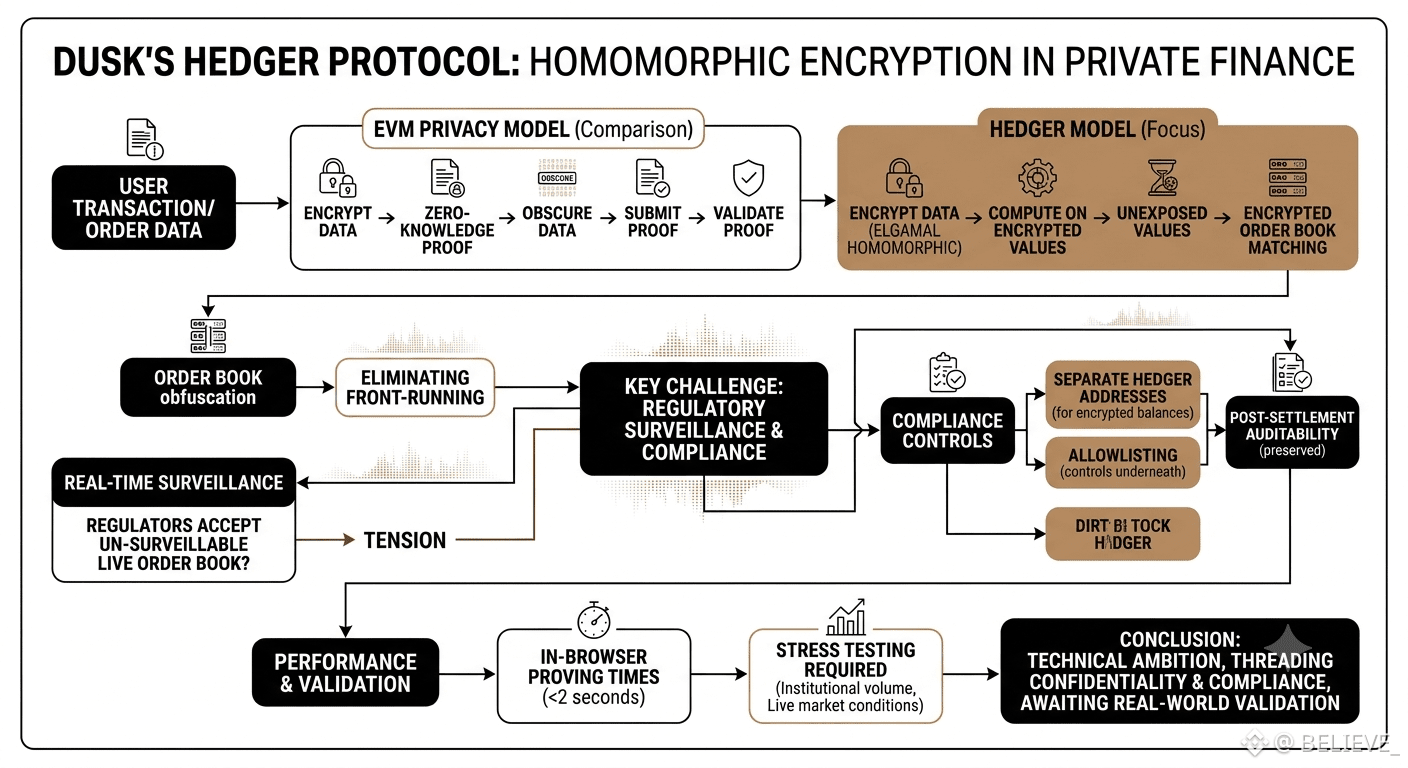
Ich habe kürzlich die Dokumentation von Dusk's Hedger durchgesehen und bin bei einem Detail stehen geblieben, das ich nirgendwo sonst außerhalb der technischen Notizen diskutiert gesehen hatte. Die meisten Privacy-Systeme, die auf EVM-Umgebungen basieren, verlassen sich vollständig auf Zero-Knowledge-Proofs, um Transaktionsdaten zu verschleiern. Hedger geht einen anderen Weg: Es schichtet ElGamal-homomorphe Verschlüsselung darüber, sodass Berechnungen direkt auf verschlüsselten Werten laufen können, ohne jemals offenzulegen, was diese Werte tatsächlich sind. Manchmal frage ich mich, ob dieser Unterschied erst dann wirklich subtil klingt, wenn man darüber nachdenkt, was er ermöglicht: ein Orderbuch, in dem Gebote, Anfragen und Mengen während des Matchings verschlüsselt bleiben.
Interessant erscheint dabei vor allem, wie sich das auf regulierte Finanzmärkte anwenden lässt. Front-Running – wenn jemand ein bevorstehendes großes Ordergeschäft beobachtet und davor dagegen handelt – ist eines der hartnäckigsten Probleme sowohl im klassischen als auch im On-Chain-Finanzwesen. Ein verschlüsseltes Orderbuch, in dem kein Teilnehmer Live-Positionen vor der Abwicklung einsehen kann, würde diesen Vektor strukturell eliminieren. Die Frage, die mir dabei in den Sinn kommt, ist, ob Regulierer ein Orderbuch akzeptieren würden, das sie selbst nicht in Echtzeit überwachen können, selbst wenn die Auditierbarkeit nach der Abwicklung erhalten bleibt.
Ich bin mir nicht ganz sicher, dass diese Spannung bereits eine klare Auflösung hat. Von außen betrachtet wirkt Hedger's Design so, als würde es Compliance und Vertraulichkeit miteinander verzahnen: Nutzer halten eine separate Hedger-Adresse für verschlüsselte Guthaben, während die Allowlisting-Logik die Compliance-Kontrollen darunter übernimmt. Aber In-Browser-Proving-Zeiten unter zwei Sekunden – so beeindruckend sie auch sind – müssen noch einem echten Stresstest in institutionellem Volumen standhalten.
Das lässt mich denken, dass Hedger eine der technisch ambitioniertesten Komponenten in diesem gesamten Stack ist – und zugleich eine der am schwersten zu validierenden, ohne reale Marktbedingungen. Wie auch immer: Die Zeit wird es zeigen👍
#dusk $DUSK @Dusk_Foundation
$TAC $PROM
#OilHoldsLosses #ZECBreaksKeyResistanceUp75.5% #KOSPI200NightFuturesFall1.77% #BitcoinOpenInterestFallsToTwoMonthLow
Ich habe kürzlich die Dokumentation von Dusk's Hedger durchgesehen und bin bei einem Detail stehen geblieben, das ich nirgendwo sonst außerhalb der technischen Notizen diskutiert gesehen hatte. Die meisten Privacy-Systeme, die auf EVM-Umgebungen basieren, verlassen sich vollständig auf Zero-Knowledge-Proofs, um Transaktionsdaten zu verschleiern. Hedger geht einen anderen Weg: Es schichtet ElGamal-homomorphe Verschlüsselung darüber, sodass Berechnungen direkt auf verschlüsselten Werten laufen können, ohne jemals offenzulegen, was diese Werte tatsächlich sind. Manchmal frage ich mich, ob dieser Unterschied erst dann wirklich subtil klingt, wenn man darüber nachdenkt, was er ermöglicht: ein Orderbuch, in dem Gebote, Anfragen und Mengen während des Matchings verschlüsselt bleiben.
Interessant erscheint dabei vor allem, wie sich das auf regulierte Finanzmärkte anwenden lässt. Front-Running – wenn jemand ein bevorstehendes großes Ordergeschäft beobachtet und davor dagegen handelt – ist eines der hartnäckigsten Probleme sowohl im klassischen als auch im On-Chain-Finanzwesen. Ein verschlüsseltes Orderbuch, in dem kein Teilnehmer Live-Positionen vor der Abwicklung einsehen kann, würde diesen Vektor strukturell eliminieren. Die Frage, die mir dabei in den Sinn kommt, ist, ob Regulierer ein Orderbuch akzeptieren würden, das sie selbst nicht in Echtzeit überwachen können, selbst wenn die Auditierbarkeit nach der Abwicklung erhalten bleibt.
Ich bin mir nicht ganz sicher, dass diese Spannung bereits eine klare Auflösung hat. Von außen betrachtet wirkt Hedger's Design so, als würde es Compliance und Vertraulichkeit miteinander verzahnen: Nutzer halten eine separate Hedger-Adresse für verschlüsselte Guthaben, während die Allowlisting-Logik die Compliance-Kontrollen darunter übernimmt. Aber In-Browser-Proving-Zeiten unter zwei Sekunden – so beeindruckend sie auch sind – müssen noch einem echten Stresstest in institutionellem Volumen standhalten.
Das lässt mich denken, dass Hedger eine der technisch ambitioniertesten Komponenten in diesem gesamten Stack ist – und zugleich eine der am schwersten zu validierenden, ohne reale Marktbedingungen. Wie auch immer: Die Zeit wird es zeigen👍
#dusk $DUSK @Dusk
$TAC $PROM
#OilHoldsLosses #ZECBreaksKeyResistanceUp75.5% #KOSPI200NightFuturesFall1.77% #BitcoinOpenInterestFallsToTwoMonthLow
Interessant erscheint dabei vor allem, wie sich das auf regulierte Finanzmärkte anwenden lässt. Front-Running – wenn jemand ein bevorstehendes großes Ordergeschäft beobachtet und davor dagegen handelt – ist eines der hartnäckigsten Probleme sowohl im klassischen als auch im On-Chain-Finanzwesen. Ein verschlüsseltes Orderbuch, in dem kein Teilnehmer Live-Positionen vor der Abwicklung einsehen kann, würde diesen Vektor strukturell eliminieren. Die Frage, die mir dabei in den Sinn kommt, ist, ob Regulierer ein Orderbuch akzeptieren würden, das sie selbst nicht in Echtzeit überwachen können, selbst wenn die Auditierbarkeit nach der Abwicklung erhalten bleibt.
Ich bin mir nicht ganz sicher, dass diese Spannung bereits eine klare Auflösung hat. Von außen betrachtet wirkt Hedger's Design so, als würde es Compliance und Vertraulichkeit miteinander verzahnen: Nutzer halten eine separate Hedger-Adresse für verschlüsselte Guthaben, während die Allowlisting-Logik die Compliance-Kontrollen darunter übernimmt. Aber In-Browser-Proving-Zeiten unter zwei Sekunden – so beeindruckend sie auch sind – müssen noch einem echten Stresstest in institutionellem Volumen standhalten.
Das lässt mich denken, dass Hedger eine der technisch ambitioniertesten Komponenten in diesem gesamten Stack ist – und zugleich eine der am schwersten zu validierenden, ohne reale Marktbedingungen. Wie auch immer: Die Zeit wird es zeigen👍
#dusk $DUSK @Dusk
$TAC $PROM
#OilHoldsLosses #ZECBreaksKeyResistanceUp75.5% #KOSPI200NightFuturesFall1.77% #BitcoinOpenInterestFallsToTwoMonthLow
8
12
1.4k
·
--
Bärisch
Verifiziert
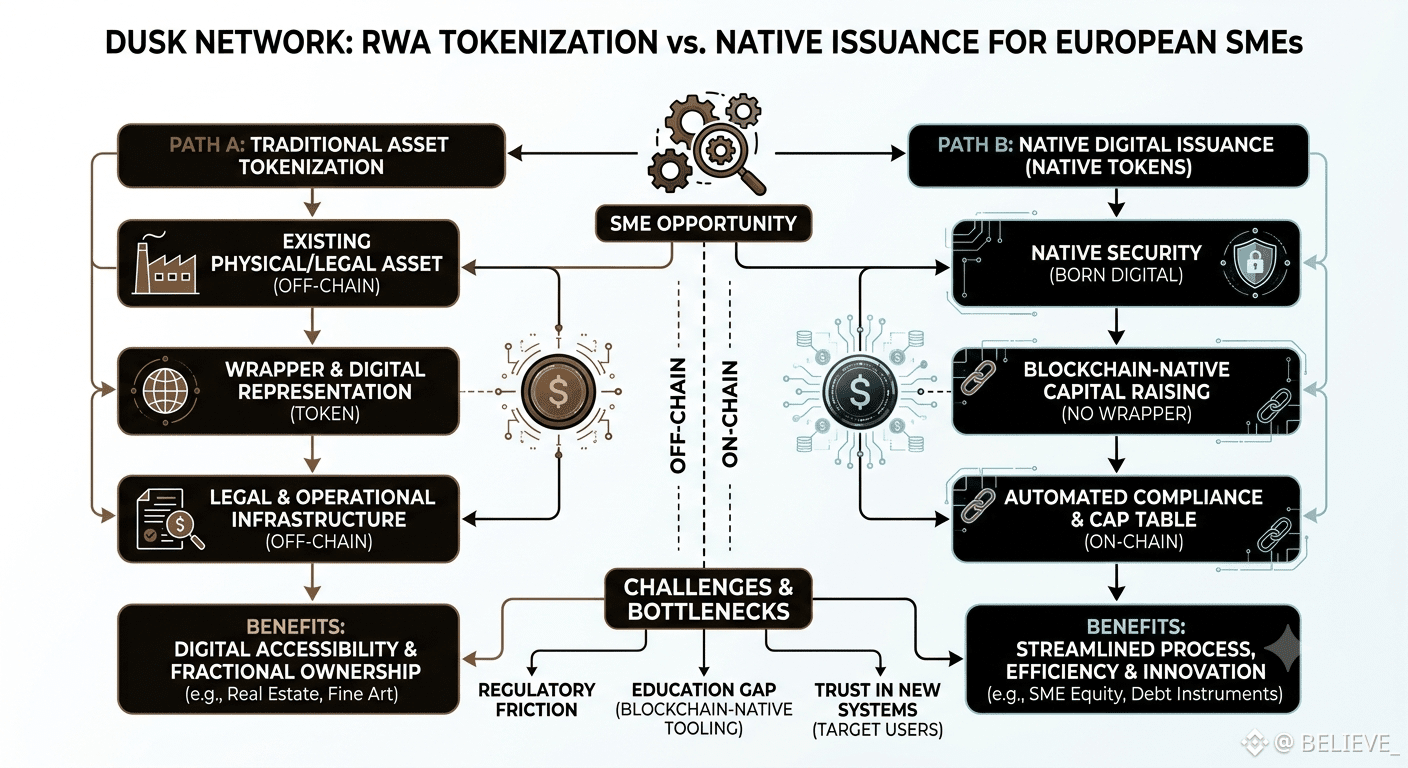
Ich bin eines Abends in der Dusk-Dokumentation auf etwas gestoßen, das meine Sicht auf das gesamte Projekt verändert hat. Der Großteil der Diskussion über die Tokenisierung realer Vermögenswerte geht davon aus, dass die Hauptprofiteure große Institutionen sind – Asset Manager, Banken, Staatsfonds. Aber Dusk macht seit einiger Zeit still und leise einen Fall für ein völlig anderes Publikum: Europas kleine und mittelständische Unternehmen – Betriebe, die zusammen über die Hälfte des BIP des Kontinents erwirtschaften, aber effektiv vom traditionellen Kapitalmarkt ausgesperrt bleiben. Manchmal frage ich mich, ob diese Neupositionierung strategisch brillant ist oder ob sie die kurzfristige Umsatzchance still und leise einengt.
Interessant ist dabei die Unterscheidung, die Dusk zwischen Tokenisierung und nativer Emission zieht. Bei der Tokenisierung wird ein vorhandenes Asset in eine digitale Darstellung eingewickelt, während die zugrunde liegende rechtliche und operative Infrastruktur off-chain bleibt. Native Emission bedeutet, dass das Asset digital geboren wird – das Token ist das Wertpapier selbst, nicht nur ein Wrapper darüber. Die Frage, die mir dabei kommt, ist, ob dieser Unterschied für ein wachstumsorientiertes KMU, das Kapital aufnehmen möchte, wirklich etwas ausmacht oder ob die meisten Gründer einfach den schnellsten verfügbaren konformen Weg wählen – unabhängig von der architektonischen „Reinheit“ darunter.
Ich bin nicht ganz sicher, ob sich der KMU-Markt in dem Tempo bewegt, das die Infrastruktur annimmt. Von außen betrachtet wirkt es – selbst wenn regulatorische Hürden reduziert werden – so, als sei die Wissenslücke zwischen blockchain-nativer Tooling und dem traditionellen Geschäftsinhaber, der ein Cap-Table manuell verwaltet, tatsächlich ziemlich groß.
Das bringt mich zu dem Gedanken, dass hier nicht die technische Bereitschaft der Engpass ist – sondern ob die Zielnutzer bereit sind, einem System zu vertrauen, das sie kaum wirklich verstehen. Wie auch immer: Die Zeit wird es zeigen👍
#dusk $DUSK @Dusk_Foundation
$PROM $UAI
#BitcoinOpenInterestFallsToTwoMonthLow #BitcoinRises23.6%Weekly #SP500FuturesFall #BrentDrops1.87%
Ich bin eines Abends in der Dusk-Dokumentation auf etwas gestoßen, das meine Sicht auf das gesamte Projekt verändert hat. Der Großteil der Diskussion über die Tokenisierung realer Vermögenswerte geht davon aus, dass die Hauptprofiteure große Institutionen sind – Asset Manager, Banken, Staatsfonds. Aber Dusk macht seit einiger Zeit still und leise einen Fall für ein völlig anderes Publikum: Europas kleine und mittelständische Unternehmen – Betriebe, die zusammen über die Hälfte des BIP des Kontinents erwirtschaften, aber effektiv vom traditionellen Kapitalmarkt ausgesperrt bleiben. Manchmal frage ich mich, ob diese Neupositionierung strategisch brillant ist oder ob sie die kurzfristige Umsatzchance still und leise einengt.
Interessant ist dabei die Unterscheidung, die Dusk zwischen Tokenisierung und nativer Emission zieht. Bei der Tokenisierung wird ein vorhandenes Asset in eine digitale Darstellung eingewickelt, während die zugrunde liegende rechtliche und operative Infrastruktur off-chain bleibt. Native Emission bedeutet, dass das Asset digital geboren wird – das Token ist das Wertpapier selbst, nicht nur ein Wrapper darüber. Die Frage, die mir dabei kommt, ist, ob dieser Unterschied für ein wachstumsorientiertes KMU, das Kapital aufnehmen möchte, wirklich etwas ausmacht oder ob die meisten Gründer einfach den schnellsten verfügbaren konformen Weg wählen – unabhängig von der architektonischen „Reinheit“ darunter.
Ich bin nicht ganz sicher, ob sich der KMU-Markt in dem Tempo bewegt, das die Infrastruktur annimmt. Von außen betrachtet wirkt es – selbst wenn regulatorische Hürden reduziert werden – so, als sei die Wissenslücke zwischen blockchain-nativer Tooling und dem traditionellen Geschäftsinhaber, der ein Cap-Table manuell verwaltet, tatsächlich ziemlich groß.
Das bringt mich zu dem Gedanken, dass hier nicht die technische Bereitschaft der Engpass ist – sondern ob die Zielnutzer bereit sind, einem System zu vertrauen, das sie kaum wirklich verstehen. Wie auch immer: Die Zeit wird es zeigen👍
#dusk $DUSK @Dusk
$PROM $UAI
#BitcoinOpenInterestFallsToTwoMonthLow #BitcoinRises23.6%Weekly #SP500FuturesFall #BrentDrops1.87%
Interessant ist dabei die Unterscheidung, die Dusk zwischen Tokenisierung und nativer Emission zieht. Bei der Tokenisierung wird ein vorhandenes Asset in eine digitale Darstellung eingewickelt, während die zugrunde liegende rechtliche und operative Infrastruktur off-chain bleibt. Native Emission bedeutet, dass das Asset digital geboren wird – das Token ist das Wertpapier selbst, nicht nur ein Wrapper darüber. Die Frage, die mir dabei kommt, ist, ob dieser Unterschied für ein wachstumsorientiertes KMU, das Kapital aufnehmen möchte, wirklich etwas ausmacht oder ob die meisten Gründer einfach den schnellsten verfügbaren konformen Weg wählen – unabhängig von der architektonischen „Reinheit“ darunter.
Ich bin nicht ganz sicher, ob sich der KMU-Markt in dem Tempo bewegt, das die Infrastruktur annimmt. Von außen betrachtet wirkt es – selbst wenn regulatorische Hürden reduziert werden – so, als sei die Wissenslücke zwischen blockchain-nativer Tooling und dem traditionellen Geschäftsinhaber, der ein Cap-Table manuell verwaltet, tatsächlich ziemlich groß.
Das bringt mich zu dem Gedanken, dass hier nicht die technische Bereitschaft der Engpass ist – sondern ob die Zielnutzer bereit sind, einem System zu vertrauen, das sie kaum wirklich verstehen. Wie auch immer: Die Zeit wird es zeigen👍
#dusk $DUSK @Dusk
$PROM $UAI
#BitcoinOpenInterestFallsToTwoMonthLow #BitcoinRises23.6%Weekly #SP500FuturesFall #BrentDrops1.87%
5
9
1.6k
·
--
So prüfen Sie die Creatorspad-Belohnung
So prüfen Sie die Creatorspad-Belohnung
Der zitierte Inhalt wurde entfernt.
1
5
162
·
--
Bullisch
Verifiziert
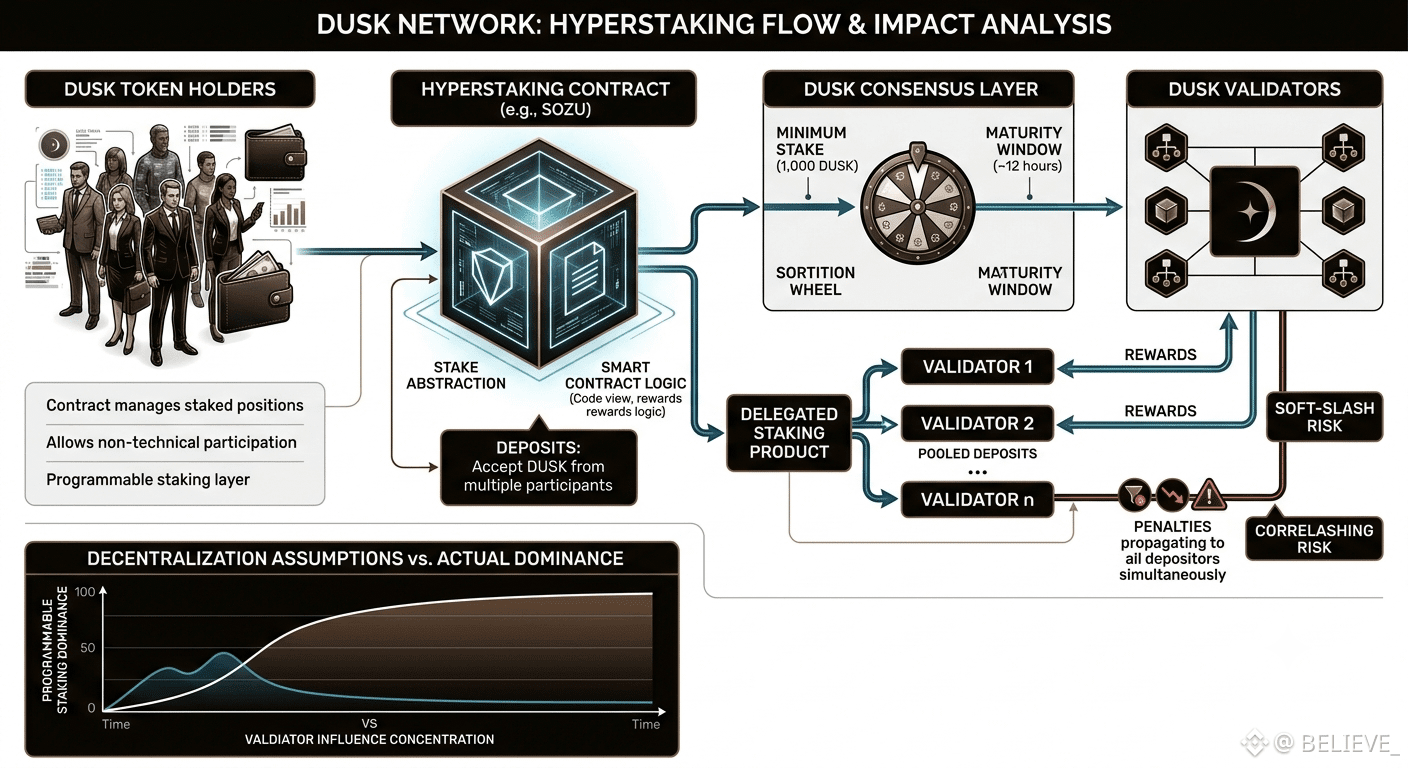
Ich habe neulich die Hyperstaking-Dokumentation von Dusk durchgelesen und etwas an der Kernidee hat mich immer wieder zurückgeholt. Anstatt nur aus einer persönlichen Wallet heraus zu staken, können Smart Contracts die gestakten Positionen direkt halten und verwalten — also Einzahlungen annehmen, im Namen der Teilnehmer staken und Belohnungen anhand der Logik verteilen, die der Contract vorgibt. Manchmal frage ich mich, ob diese Beschreibung unterschätzt, wie strukturell ungewöhnlich das eigentlich ist.
Besonders interessant wirkt Sozu, das erste Live-Projekt, das darauf aufbaut. Es ermöglicht Token-Inhabern zu staken, ohne überhaupt einen Node betreiben zu müssen — klingt erst einmal nach einem simplen Komfortgewinn, bis man bedenkt, was das im großen Maßstab bedeutet. Die Frage, die mir dabei in den Sinn kommt, ist, ob das Weiterleiten großer Teile des gestakten DUSK über einen einzigen Contract stillschweigend den Validator-Einfluss konzentriert, in einer Weise, für die die zugrunde liegende Sortition-basierte Auswahl eigentlich nicht ausgelegt war.
Ich bin nicht ganz sicher, ob das Soft-Slashing-Mechanismus das vollständig adressiert. Von außen betrachtet: Wenn gepoolte Contracts anfangen, die Verteilung des Stakes zu dominieren, wirken sich Strafen, die auf sie angewendet werden, sofort auf jeden Einzahler gleichzeitig aus — eine korrelierte Betroffenheit, der einzelne Staker so allein nie ausgesetzt waren.
Das bringt mich zu dem Gedanken, dass programmierbares Staking wirklich mächtig ist, aber die langfristige Wirkung auf die Dezentralisierung bleibt eine offene und bislang zu wenig erforschte Frage. Wie auch immer, die Zeit wird es zeigen👍
#dusk $DUSK @Dusk_Foundation
$TRUMP $BEAT
#SandboxSANDSuspectedInfiniteMintFlawOnBase #GrayscaleFilesFifthZECETFAmendment #USTariffsOnCanadianGoodsTakeEffect #USThreeMajorIndexesPostWeeklyLosses
Ich habe neulich die Hyperstaking-Dokumentation von Dusk durchgelesen und etwas an der Kernidee hat mich immer wieder zurückgeholt. Anstatt nur aus einer persönlichen Wallet heraus zu staken, können Smart Contracts die gestakten Positionen direkt halten und verwalten — also Einzahlungen annehmen, im Namen der Teilnehmer staken und Belohnungen anhand der Logik verteilen, die der Contract vorgibt. Manchmal frage ich mich, ob diese Beschreibung unterschätzt, wie strukturell ungewöhnlich das eigentlich ist.
Besonders interessant wirkt Sozu, das erste Live-Projekt, das darauf aufbaut. Es ermöglicht Token-Inhabern zu staken, ohne überhaupt einen Node betreiben zu müssen — klingt erst einmal nach einem simplen Komfortgewinn, bis man bedenkt, was das im großen Maßstab bedeutet. Die Frage, die mir dabei in den Sinn kommt, ist, ob das Weiterleiten großer Teile des gestakten DUSK über einen einzigen Contract stillschweigend den Validator-Einfluss konzentriert, in einer Weise, für die die zugrunde liegende Sortition-basierte Auswahl eigentlich nicht ausgelegt war.
Ich bin nicht ganz sicher, ob das Soft-Slashing-Mechanismus das vollständig adressiert. Von außen betrachtet: Wenn gepoolte Contracts anfangen, die Verteilung des Stakes zu dominieren, wirken sich Strafen, die auf sie angewendet werden, sofort auf jeden Einzahler gleichzeitig aus — eine korrelierte Betroffenheit, der einzelne Staker so allein nie ausgesetzt waren.
Das bringt mich zu dem Gedanken, dass programmierbares Staking wirklich mächtig ist, aber die langfristige Wirkung auf die Dezentralisierung bleibt eine offene und bislang zu wenig erforschte Frage. Wie auch immer, die Zeit wird es zeigen👍
#dusk $DUSK @Dusk
$TRUMP $BEAT
#SandboxSANDSuspectedInfiniteMintFlawOnBase #GrayscaleFilesFifthZECETFAmendment #USTariffsOnCanadianGoodsTakeEffect #USThreeMajorIndexesPostWeeklyLosses
Besonders interessant wirkt Sozu, das erste Live-Projekt, das darauf aufbaut. Es ermöglicht Token-Inhabern zu staken, ohne überhaupt einen Node betreiben zu müssen — klingt erst einmal nach einem simplen Komfortgewinn, bis man bedenkt, was das im großen Maßstab bedeutet. Die Frage, die mir dabei in den Sinn kommt, ist, ob das Weiterleiten großer Teile des gestakten DUSK über einen einzigen Contract stillschweigend den Validator-Einfluss konzentriert, in einer Weise, für die die zugrunde liegende Sortition-basierte Auswahl eigentlich nicht ausgelegt war.
Ich bin nicht ganz sicher, ob das Soft-Slashing-Mechanismus das vollständig adressiert. Von außen betrachtet: Wenn gepoolte Contracts anfangen, die Verteilung des Stakes zu dominieren, wirken sich Strafen, die auf sie angewendet werden, sofort auf jeden Einzahler gleichzeitig aus — eine korrelierte Betroffenheit, der einzelne Staker so allein nie ausgesetzt waren.
Das bringt mich zu dem Gedanken, dass programmierbares Staking wirklich mächtig ist, aber die langfristige Wirkung auf die Dezentralisierung bleibt eine offene und bislang zu wenig erforschte Frage. Wie auch immer, die Zeit wird es zeigen👍
#dusk $DUSK @Dusk
$TRUMP $BEAT
#SandboxSANDSuspectedInfiniteMintFlawOnBase #GrayscaleFilesFifthZECETFAmendment #USTariffsOnCanadianGoodsTakeEffect #USThreeMajorIndexesPostWeeklyLosses
14
20
975
·
--
Bullisch
Verifiziert
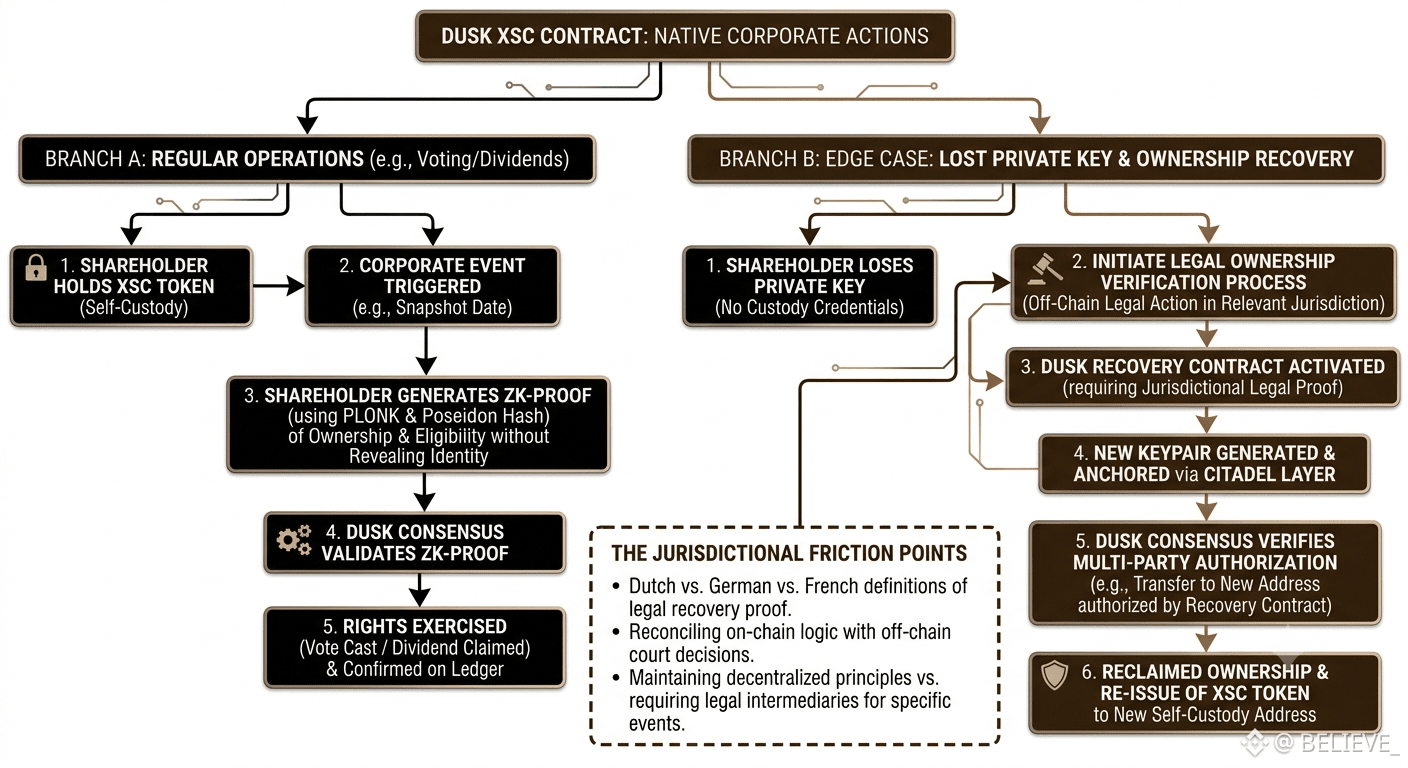
Ich habe mich kürzlich in Dusk's XSC-Standard eingearbeitet – die Confidential Security Contract-Schicht, die oberhalb des Basisprotokolls sitzt – und bin immer wieder bei einem Detail hängen geblieben, das die meisten Ausarbeitungen völlig übergehen. Der Standard behandelt Unternehmensaktionen offenbar nativer. Dinge wie Dividendenausschüttung und Aktionärsabstimmungen werden nicht über eine separate Schicht oder einen Drittanbieter-Intermediär abgewickelt; sie sind direkt in den Token-Vertrag selbst kodiert. Manchmal frage ich mich, ob das erst mal unscheinbar klingt, bis man bedenkt, wie viel operatives Overhead traditionelle Wertpapierfirmen genau für diese Prozesse aufwenden – die Abstimmung, das manuelle Eingreifen, die Compliance-Prüfungen, bevor überhaupt ein Corporate Event ausgelöst wird.
Interessant wirkt ein spezieller Sonderfall, der im Design verborgen ist. Wenn ein Aktionär seine privaten Schlüssel verliert, kann er seine Eigentumsrechte dennoch über das XSC-Framework ausüben – weil der Standard mit der rechtlichen Realität des Wertpapierrechts im Hinterkopf gebaut wurde, in der Eigentumsrechte dem Verlust der Verwahrungsnachweise überdauern. Die Frage, die sich daraus ergibt, ist, wie dieser Wiederherstellungsmechanismus in der Praxis funktioniert, ohne einen vertrauenswürdigen Intermediär wieder einzuführen, der still und leise das Selbstverwahrungs-Prinzip untergraben würde, auf dem die gesamte Architektur ruht.
Ich bin mir nicht ganz sicher, ob diese Spannung dort vollständig aufgelöst wurde. Von außen betrachtet klingt es elegant, gesetzliche Aktionärsrechte in einen kryptografischen Vertrag einzubetten, aber das Wertpapierrecht unterscheidet sich erheblich zwischen den Jurisdiktionen, und was die Definition der Wiederherstellung des Eigentums durch ein niederländisches Gericht erfüllt, wird möglicherweise keine Entsprechung in Deutschland oder Frankreich finden. Dieses Flickwerk zwischen Zuständigkeitsbereichen fühlt sich nach der Art von Reibung an, die sich erst zeigt, wenn echte Streitfälle entstehen.
Das bringt mich zu dem Gedanken, dass Dusk's spannendster Stresstest nicht technisch sein wird – sondern die erste umstrittene Unternehmensaktion, die vollständig on-chain verarbeitet wird. Na ja, die Zeit wird's zeigen👍
#dusk $DUSK @Dusk_Foundation
$ONG $ENA
Ich habe mich kürzlich in Dusk's XSC-Standard eingearbeitet – die Confidential Security Contract-Schicht, die oberhalb des Basisprotokolls sitzt – und bin immer wieder bei einem Detail hängen geblieben, das die meisten Ausarbeitungen völlig übergehen. Der Standard behandelt Unternehmensaktionen offenbar nativer. Dinge wie Dividendenausschüttung und Aktionärsabstimmungen werden nicht über eine separate Schicht oder einen Drittanbieter-Intermediär abgewickelt; sie sind direkt in den Token-Vertrag selbst kodiert. Manchmal frage ich mich, ob das erst mal unscheinbar klingt, bis man bedenkt, wie viel operatives Overhead traditionelle Wertpapierfirmen genau für diese Prozesse aufwenden – die Abstimmung, das manuelle Eingreifen, die Compliance-Prüfungen, bevor überhaupt ein Corporate Event ausgelöst wird.
Interessant wirkt ein spezieller Sonderfall, der im Design verborgen ist. Wenn ein Aktionär seine privaten Schlüssel verliert, kann er seine Eigentumsrechte dennoch über das XSC-Framework ausüben – weil der Standard mit der rechtlichen Realität des Wertpapierrechts im Hinterkopf gebaut wurde, in der Eigentumsrechte dem Verlust der Verwahrungsnachweise überdauern. Die Frage, die sich daraus ergibt, ist, wie dieser Wiederherstellungsmechanismus in der Praxis funktioniert, ohne einen vertrauenswürdigen Intermediär wieder einzuführen, der still und leise das Selbstverwahrungs-Prinzip untergraben würde, auf dem die gesamte Architektur ruht.
Ich bin mir nicht ganz sicher, ob diese Spannung dort vollständig aufgelöst wurde. Von außen betrachtet klingt es elegant, gesetzliche Aktionärsrechte in einen kryptografischen Vertrag einzubetten, aber das Wertpapierrecht unterscheidet sich erheblich zwischen den Jurisdiktionen, und was die Definition der Wiederherstellung des Eigentums durch ein niederländisches Gericht erfüllt, wird möglicherweise keine Entsprechung in Deutschland oder Frankreich finden. Dieses Flickwerk zwischen Zuständigkeitsbereichen fühlt sich nach der Art von Reibung an, die sich erst zeigt, wenn echte Streitfälle entstehen.
Das bringt mich zu dem Gedanken, dass Dusk's spannendster Stresstest nicht technisch sein wird – sondern die erste umstrittene Unternehmensaktion, die vollständig on-chain verarbeitet wird. Na ja, die Zeit wird's zeigen👍
#dusk $DUSK @Dusk
$ONG $ENA
Interessant wirkt ein spezieller Sonderfall, der im Design verborgen ist. Wenn ein Aktionär seine privaten Schlüssel verliert, kann er seine Eigentumsrechte dennoch über das XSC-Framework ausüben – weil der Standard mit der rechtlichen Realität des Wertpapierrechts im Hinterkopf gebaut wurde, in der Eigentumsrechte dem Verlust der Verwahrungsnachweise überdauern. Die Frage, die sich daraus ergibt, ist, wie dieser Wiederherstellungsmechanismus in der Praxis funktioniert, ohne einen vertrauenswürdigen Intermediär wieder einzuführen, der still und leise das Selbstverwahrungs-Prinzip untergraben würde, auf dem die gesamte Architektur ruht.
Ich bin mir nicht ganz sicher, ob diese Spannung dort vollständig aufgelöst wurde. Von außen betrachtet klingt es elegant, gesetzliche Aktionärsrechte in einen kryptografischen Vertrag einzubetten, aber das Wertpapierrecht unterscheidet sich erheblich zwischen den Jurisdiktionen, und was die Definition der Wiederherstellung des Eigentums durch ein niederländisches Gericht erfüllt, wird möglicherweise keine Entsprechung in Deutschland oder Frankreich finden. Dieses Flickwerk zwischen Zuständigkeitsbereichen fühlt sich nach der Art von Reibung an, die sich erst zeigt, wenn echte Streitfälle entstehen.
Das bringt mich zu dem Gedanken, dass Dusk's spannendster Stresstest nicht technisch sein wird – sondern die erste umstrittene Unternehmensaktion, die vollständig on-chain verarbeitet wird. Na ja, die Zeit wird's zeigen👍
#dusk $DUSK @Dusk
$ONG $ENA
23
20
475
·
--
Bullisch
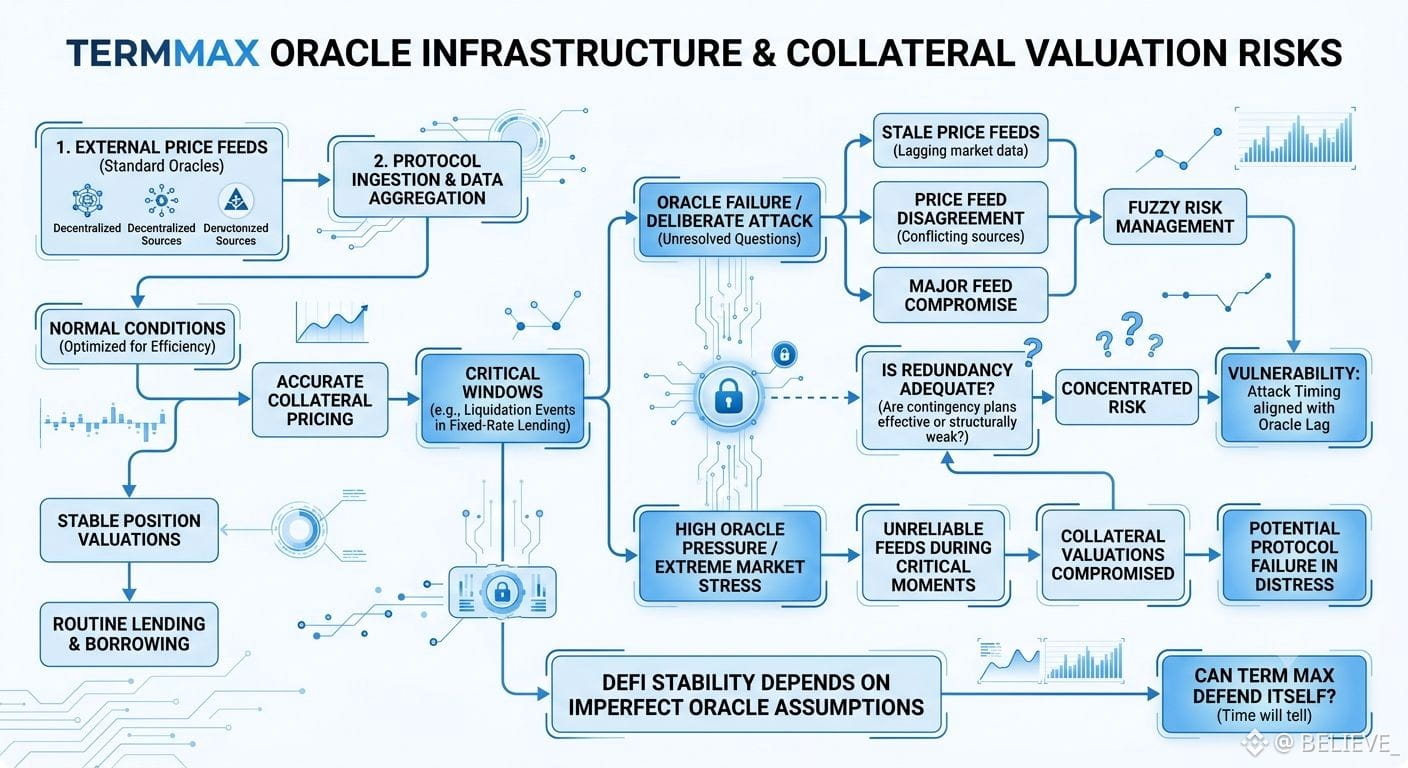
Ich habe neulich über die Oracle-Infrastruktur von TermMax nachgedacht und gemerkt, dass ich kaum Diskussionen darüber finde, was passiert, wenn Kursfeeds veralten oder sich gegenseitig widersprechen. Das scheint ein überraschend ruhiges Thema für etwas zu sein, das die Positionsbewertungen direkt beeinflusst. Die meisten Protokolle setzen auf standardmäßige Oracle-Lösungen, aber ich bin mir ehrlich gesagt nicht sicher, ob TermMax echte, relevante Redundanz aufgebaut hat oder ob sie einfach hoffen, dass die Feeds zuverlässig bleiben.
Interessant wirkt, dass festzinsliches Lending stark von einer korrekten Kollateralbewertung zum Zeitpunkt der Liquidation abhängt. Während in variabel verzinslichen Pools die Preise ständig eine Rolle spielen, schaffen die von TermMax fest vereinbarten Konditionen konkrete Zeitfenster, in denen die Kursfeeds entscheidend werden. Dabei habe ich mich gefragt, ob diese Konzentration des Risikos tatsächlich ein Vorteil ist, weil sie berechenbar ist, oder eine Schwachstelle, weil sie vorhersehbar ist. Die Frage, die mir in den Sinn kommt, ist, ob ein Angreifer seine Aktionen so timen könnte, dass sie mit Oracle-Verzögerungen oder -Meinungsverschiedenheiten zusammenfallen, weil er weiß, dass genau dann das Risikomanagement des Protokolls „unscharf“ wird.
Das lässt mich darüber nachdenken, wie viel DeFi-Stabilität tatsächlich auf Annahmen beruht, dass Oracles perfekt funktionieren – was offensichtlich eine fragilen Begründung ist. Ich bin nicht ganz sicher, welche Notfallpläne existieren, wenn ein wesentlicher Kursfeed ausfällt oder kompromittiert wird. Von außen betrachtet frage ich mich manchmal, ob Protokolle diese Szenarien bewusst meiden, weil das Anerkennen solcher Risiken sich wie die Eingeständnis einer strukturellen Schwäche anfühlt, obwohl jedes System seine Bruchstellen hat.
Die Oracle-Architektur funktioniert vermutlich die meiste Zeit gut, aber das ist fast das falsche Maß, auf das man optimieren sollte. Protokolle scheitern nicht unter normalen Bedingungen, sie scheitern in genau den Momenten, in denen Feeds unzuverlässig werden und die Kollateralbewertungen am meisten zählen. Kann sich TermMax tatsächlich wehren, wenn der Oracle-Druck am höchsten ist?
Das Protokoll scheint die Kursfindung heute ausreichend abzudecken, aber ob die Oracle-Schicht unter gezieltem Angriff oder extremer Marktnotstand stabil bleibt, ist noch eine offene Frage.
#termmax @termmax $ONG $ENA $ONT
Ich habe neulich über die Oracle-Infrastruktur von TermMax nachgedacht und gemerkt, dass ich kaum Diskussionen darüber finde, was passiert, wenn Kursfeeds veralten oder sich gegenseitig widersprechen. Das scheint ein überraschend ruhiges Thema für etwas zu sein, das die Positionsbewertungen direkt beeinflusst. Die meisten Protokolle setzen auf standardmäßige Oracle-Lösungen, aber ich bin mir ehrlich gesagt nicht sicher, ob TermMax echte, relevante Redundanz aufgebaut hat oder ob sie einfach hoffen, dass die Feeds zuverlässig bleiben.
Interessant wirkt, dass festzinsliches Lending stark von einer korrekten Kollateralbewertung zum Zeitpunkt der Liquidation abhängt. Während in variabel verzinslichen Pools die Preise ständig eine Rolle spielen, schaffen die von TermMax fest vereinbarten Konditionen konkrete Zeitfenster, in denen die Kursfeeds entscheidend werden. Dabei habe ich mich gefragt, ob diese Konzentration des Risikos tatsächlich ein Vorteil ist, weil sie berechenbar ist, oder eine Schwachstelle, weil sie vorhersehbar ist. Die Frage, die mir in den Sinn kommt, ist, ob ein Angreifer seine Aktionen so timen könnte, dass sie mit Oracle-Verzögerungen oder -Meinungsverschiedenheiten zusammenfallen, weil er weiß, dass genau dann das Risikomanagement des Protokolls „unscharf“ wird.
Das lässt mich darüber nachdenken, wie viel DeFi-Stabilität tatsächlich auf Annahmen beruht, dass Oracles perfekt funktionieren – was offensichtlich eine fragilen Begründung ist. Ich bin nicht ganz sicher, welche Notfallpläne existieren, wenn ein wesentlicher Kursfeed ausfällt oder kompromittiert wird. Von außen betrachtet frage ich mich manchmal, ob Protokolle diese Szenarien bewusst meiden, weil das Anerkennen solcher Risiken sich wie die Eingeständnis einer strukturellen Schwäche anfühlt, obwohl jedes System seine Bruchstellen hat.
Die Oracle-Architektur funktioniert vermutlich die meiste Zeit gut, aber das ist fast das falsche Maß, auf das man optimieren sollte. Protokolle scheitern nicht unter normalen Bedingungen, sie scheitern in genau den Momenten, in denen Feeds unzuverlässig werden und die Kollateralbewertungen am meisten zählen. Kann sich TermMax tatsächlich wehren, wenn der Oracle-Druck am höchsten ist?
Das Protokoll scheint die Kursfindung heute ausreichend abzudecken, aber ob die Oracle-Schicht unter gezieltem Angriff oder extremer Marktnotstand stabil bleibt, ist noch eine offene Frage.
#termmax @TermMax $ONG $ENA $ONT
Interessant wirkt, dass festzinsliches Lending stark von einer korrekten Kollateralbewertung zum Zeitpunkt der Liquidation abhängt. Während in variabel verzinslichen Pools die Preise ständig eine Rolle spielen, schaffen die von TermMax fest vereinbarten Konditionen konkrete Zeitfenster, in denen die Kursfeeds entscheidend werden. Dabei habe ich mich gefragt, ob diese Konzentration des Risikos tatsächlich ein Vorteil ist, weil sie berechenbar ist, oder eine Schwachstelle, weil sie vorhersehbar ist. Die Frage, die mir in den Sinn kommt, ist, ob ein Angreifer seine Aktionen so timen könnte, dass sie mit Oracle-Verzögerungen oder -Meinungsverschiedenheiten zusammenfallen, weil er weiß, dass genau dann das Risikomanagement des Protokolls „unscharf“ wird.
Das lässt mich darüber nachdenken, wie viel DeFi-Stabilität tatsächlich auf Annahmen beruht, dass Oracles perfekt funktionieren – was offensichtlich eine fragilen Begründung ist. Ich bin nicht ganz sicher, welche Notfallpläne existieren, wenn ein wesentlicher Kursfeed ausfällt oder kompromittiert wird. Von außen betrachtet frage ich mich manchmal, ob Protokolle diese Szenarien bewusst meiden, weil das Anerkennen solcher Risiken sich wie die Eingeständnis einer strukturellen Schwäche anfühlt, obwohl jedes System seine Bruchstellen hat.
Die Oracle-Architektur funktioniert vermutlich die meiste Zeit gut, aber das ist fast das falsche Maß, auf das man optimieren sollte. Protokolle scheitern nicht unter normalen Bedingungen, sie scheitern in genau den Momenten, in denen Feeds unzuverlässig werden und die Kollateralbewertungen am meisten zählen. Kann sich TermMax tatsächlich wehren, wenn der Oracle-Druck am höchsten ist?
Das Protokoll scheint die Kursfindung heute ausreichend abzudecken, aber ob die Oracle-Schicht unter gezieltem Angriff oder extremer Marktnotstand stabil bleibt, ist noch eine offene Frage.
#termmax @TermMax $ONG $ENA $ONT
4
10
717
·
--
Bullisch
Verifiziert
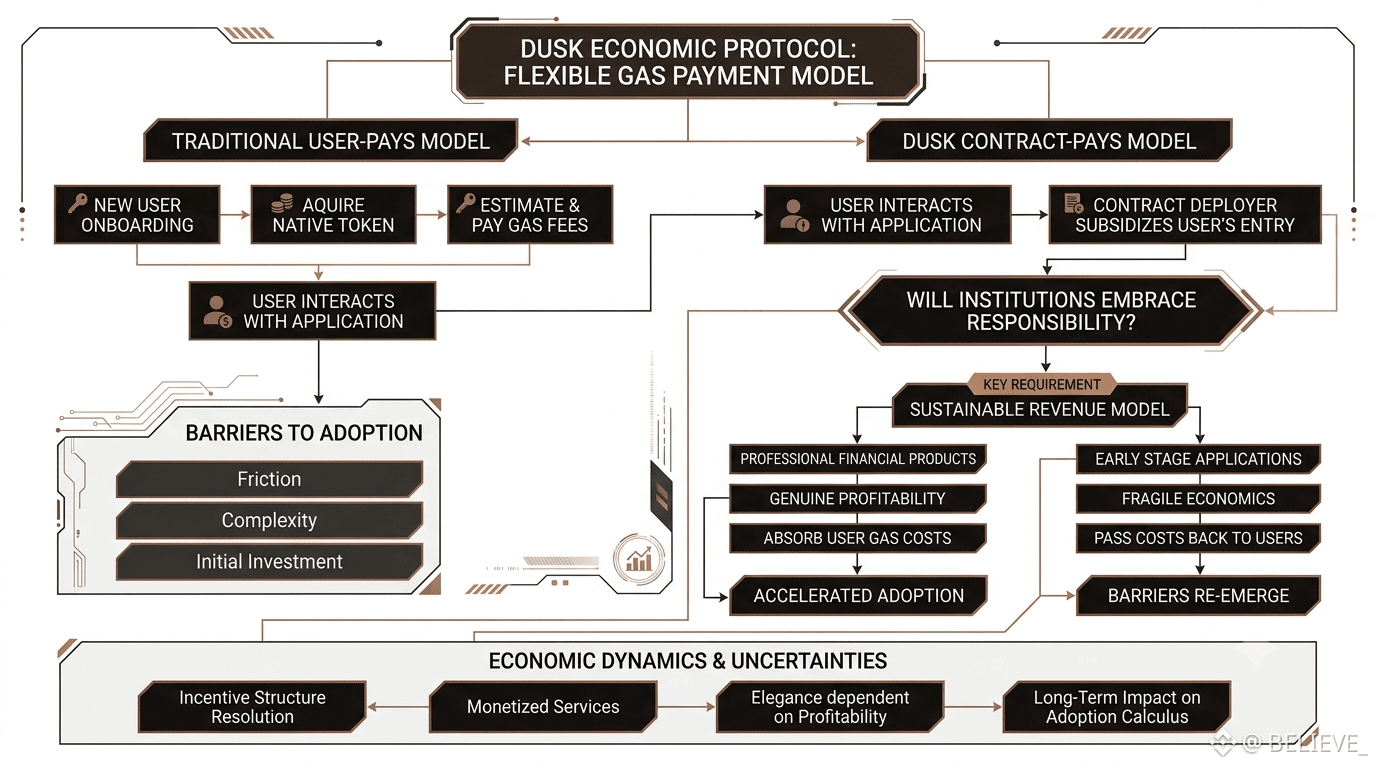
Ich bin in der technischen Dokumentation von Dusk auf etwas gestoßen, das ich so, wie es dort beschrieben wird, außerhalb von Entwicklerkreisen kaum je diskutiert gesehen habe – und es lässt mich seither nicht los. In das Economic Protocol ist eine Funktion eingebaut, bei der Smart Contracts die Gasgebühren im Namen der Nutzer übernehmen können, die mit ihnen interagieren. Auf den ersten Blick klingt das nach einer kleinen UX-Erleichterung, aber je mehr ich darüber nachdachte, desto mehr wurde es für mich zu einer leise bedeutenden Designentscheidung. Das bedeutet, dass jemand mit einer Finanzanwendung, die auf Dusk basiert, anfangen kann zu interagieren, ohne überhaupt DUSK selbst halten zu müssen. Manchmal frage ich mich, ob das die Annahmen zur Adoption in einer Weise verändert, die von außen nicht sofort ersichtlich ist.
Spannend ist vor allem, wie dieses Modell die typische Onboarding-Reibung der meisten Blockchain-Netzwerke umdreht. Üblicherweise muss ein neuer Nutzer zuerst den nativen Token erwerben, Gas-Schätzungen verwalten und die Komplexität der Gebührenmechanik verarbeiten, bevor überhaupt etwas Sinnvolles passiert. Dusk verlagert diese Last stattdessen auf den Contract-Deployers, der den Einstieg des Nutzers im Grunde subventioniert. Die Frage, die sich daraus ergibt, ist: Werden Institutionen, die auf diese Infrastruktur aufbauen, tatsächlich diese Verantwortung übernehmen – oder werden die meisten die Gas-Kosten ohnehin an Endnutzer zurückreichen und die Funktion in der Praxis weitgehend theoretisch bleiben lassen?
Ich bin mir nicht vollständig sicher, ob sich die Anreizstruktur hier wirklich vollständig von selbst auflöst. Wenn ein Contract freiwillig Gas-Kosten übernimmt, deutet das auf ein nachhaltiges Erlösmodell dahinter hin – was wiederum bedeutenden Transaktions-Volumen und einen klar monetarisierten Dienst voraussetzt. Von außen wirkt diese Kette von Annahmen zwar für ein etabliertes Finanzprodukt plausibel, aber für alles, was sich noch in einer frühen Phase befindet, ziemlich fragil.
Das bringt mich zu dem Gedanken, dass die Eleganz dieses Mechanismus nur dann wirklich zum Tragen kommt, wenn die darauf aufbauenden Anwendungen tatsächlich genug Gewinn abwerfen, um das zu absorbieren, was sie abdecken. Wie auch immer – die Zeit wird es zeigen👍
#dusk $DUSK @Dusk_Foundation
$BOME $ONG
#GrayscaleFilesToListZcashTrustOnNYSEArca #KOSPICloses5.9%HigherOnChipmakerBuybacks #CryptoRally #FOMCWatch
Ich bin in der technischen Dokumentation von Dusk auf etwas gestoßen, das ich so, wie es dort beschrieben wird, außerhalb von Entwicklerkreisen kaum je diskutiert gesehen habe – und es lässt mich seither nicht los. In das Economic Protocol ist eine Funktion eingebaut, bei der Smart Contracts die Gasgebühren im Namen der Nutzer übernehmen können, die mit ihnen interagieren. Auf den ersten Blick klingt das nach einer kleinen UX-Erleichterung, aber je mehr ich darüber nachdachte, desto mehr wurde es für mich zu einer leise bedeutenden Designentscheidung. Das bedeutet, dass jemand mit einer Finanzanwendung, die auf Dusk basiert, anfangen kann zu interagieren, ohne überhaupt DUSK selbst halten zu müssen. Manchmal frage ich mich, ob das die Annahmen zur Adoption in einer Weise verändert, die von außen nicht sofort ersichtlich ist.
Spannend ist vor allem, wie dieses Modell die typische Onboarding-Reibung der meisten Blockchain-Netzwerke umdreht. Üblicherweise muss ein neuer Nutzer zuerst den nativen Token erwerben, Gas-Schätzungen verwalten und die Komplexität der Gebührenmechanik verarbeiten, bevor überhaupt etwas Sinnvolles passiert. Dusk verlagert diese Last stattdessen auf den Contract-Deployers, der den Einstieg des Nutzers im Grunde subventioniert. Die Frage, die sich daraus ergibt, ist: Werden Institutionen, die auf diese Infrastruktur aufbauen, tatsächlich diese Verantwortung übernehmen – oder werden die meisten die Gas-Kosten ohnehin an Endnutzer zurückreichen und die Funktion in der Praxis weitgehend theoretisch bleiben lassen?
Ich bin mir nicht vollständig sicher, ob sich die Anreizstruktur hier wirklich vollständig von selbst auflöst. Wenn ein Contract freiwillig Gas-Kosten übernimmt, deutet das auf ein nachhaltiges Erlösmodell dahinter hin – was wiederum bedeutenden Transaktions-Volumen und einen klar monetarisierten Dienst voraussetzt. Von außen wirkt diese Kette von Annahmen zwar für ein etabliertes Finanzprodukt plausibel, aber für alles, was sich noch in einer frühen Phase befindet, ziemlich fragil.
Das bringt mich zu dem Gedanken, dass die Eleganz dieses Mechanismus nur dann wirklich zum Tragen kommt, wenn die darauf aufbauenden Anwendungen tatsächlich genug Gewinn abwerfen, um das zu absorbieren, was sie abdecken. Wie auch immer – die Zeit wird es zeigen👍
#dusk $DUSK @Dusk
$BOME $ONG
#GrayscaleFilesToListZcashTrustOnNYSEArca #KOSPICloses5.9%HigherOnChipmakerBuybacks #CryptoRally #FOMCWatch
Spannend ist vor allem, wie dieses Modell die typische Onboarding-Reibung der meisten Blockchain-Netzwerke umdreht. Üblicherweise muss ein neuer Nutzer zuerst den nativen Token erwerben, Gas-Schätzungen verwalten und die Komplexität der Gebührenmechanik verarbeiten, bevor überhaupt etwas Sinnvolles passiert. Dusk verlagert diese Last stattdessen auf den Contract-Deployers, der den Einstieg des Nutzers im Grunde subventioniert. Die Frage, die sich daraus ergibt, ist: Werden Institutionen, die auf diese Infrastruktur aufbauen, tatsächlich diese Verantwortung übernehmen – oder werden die meisten die Gas-Kosten ohnehin an Endnutzer zurückreichen und die Funktion in der Praxis weitgehend theoretisch bleiben lassen?
Ich bin mir nicht vollständig sicher, ob sich die Anreizstruktur hier wirklich vollständig von selbst auflöst. Wenn ein Contract freiwillig Gas-Kosten übernimmt, deutet das auf ein nachhaltiges Erlösmodell dahinter hin – was wiederum bedeutenden Transaktions-Volumen und einen klar monetarisierten Dienst voraussetzt. Von außen wirkt diese Kette von Annahmen zwar für ein etabliertes Finanzprodukt plausibel, aber für alles, was sich noch in einer frühen Phase befindet, ziemlich fragil.
Das bringt mich zu dem Gedanken, dass die Eleganz dieses Mechanismus nur dann wirklich zum Tragen kommt, wenn die darauf aufbauenden Anwendungen tatsächlich genug Gewinn abwerfen, um das zu absorbieren, was sie abdecken. Wie auch immer – die Zeit wird es zeigen👍
#dusk $DUSK @Dusk
$BOME $ONG
#GrayscaleFilesToListZcashTrustOnNYSEArca #KOSPICloses5.9%HigherOnChipmakerBuybacks #CryptoRally #FOMCWatch
12
16
1.5k
·
--
Bärisch
Ich habe letzte Nacht untersucht, wie TermMax die Governance-Voting-Power verteilt, und musste mich dabei fragen, ob dezentrale Entscheidungsfindung tatsächlich schneller oder langsamer vorankommt, als ich es für ein Protokoll erwartet hätte, das häufig Parameter anpasst. Die Herausforderung scheint darin zu liegen, dass Protokolle schnell auf Marktbedingungen reagieren müssen, während Voting-Zyklen zwangsläufig Verzögerungen mit sich bringen. Ich bin mir ehrlich gesagt nicht sicher, wie sie diese Spannung gelöst haben.
Was daran interessant wirkt, ist, dass TermMax offenbar eine Art gestuftes Governance-Ansatz verfolgt, bei dem bestimmte Entscheidungen keine vollständige Zustimmung der Community für jede kleine Anpassung erfordern müssen. Das bringt mich dazu, über den Unterschied zwischen echter Dezentralisierung und der Ästhetik der Dezentralisierung nachzudenken – und wahrscheinlich gibt es dort mehr Nuancen, als die meisten Diskussionen zugestehen. Die Frage, die mir dabei in den Sinn kommt, ist, ob Nutzer überhaupt dafür stimmen wollen, wenn es um kleinere Parametertweaks geht, oder ob wir Governance-Reife mit ständigem Nachfragen verwechselt haben.
Manchmal frage ich mich, ob eine Konzentration der Voting-Power den Zweck stillschweigend zunichtemacht. Selbst wenn die Token-Verteilung auf den ersten Blick recht breit gestreut aussieht, ist die Beteiligung am Voting in den meisten Protokollen erschreckend niedrig – was bedeutet, dass eine kleine, motivierte Gruppe effektiv die meisten Entscheidungen trifft. Von außen ist schwer zu erkennen, ob TermMax das gelöst hat oder es nur besser kaschiert als andere. Vermutlich gibt es eine versteckte Schwelle, bei der Wählerapathie zur eigentlichen Governance-Struktur wird – unabhängig davon, was der Code technisch zulässt.
Das Governance-Framework existiert und funktioniert vermutlich auch, aber ich bin nicht ganz sicher, ob wirkliches Community-Feedback die Weiterentwicklung des Protokolls tatsächlich prägt oder ob Governance größtenteils Theater ist, während die Kernentwickler ohnehin steuern. Wird Dezentralisierung überhaupt eine Rolle spielen, wenn Entscheidungen von denen getroffen werden, die gerade anwesend sind – und nicht von der Community als Ganzes?
Die Governance-Struktur sieht bei der Prüfung durchaus stimmig aus, aber ob sie bessere Ergebnisse produziert als Alternativen, bleibt bis zu einem Test über Jahre hinweg ehrlich gesagt ungewiss… nun gut, die Zeit wird es zeigen👍#termmax @termmax
$RE $SKYAI #CryptoRally #FOMCWatch
Ich habe letzte Nacht untersucht, wie TermMax die Governance-Voting-Power verteilt, und musste mich dabei fragen, ob dezentrale Entscheidungsfindung tatsächlich schneller oder langsamer vorankommt, als ich es für ein Protokoll erwartet hätte, das häufig Parameter anpasst. Die Herausforderung scheint darin zu liegen, dass Protokolle schnell auf Marktbedingungen reagieren müssen, während Voting-Zyklen zwangsläufig Verzögerungen mit sich bringen. Ich bin mir ehrlich gesagt nicht sicher, wie sie diese Spannung gelöst haben.
Was daran interessant wirkt, ist, dass TermMax offenbar eine Art gestuftes Governance-Ansatz verfolgt, bei dem bestimmte Entscheidungen keine vollständige Zustimmung der Community für jede kleine Anpassung erfordern müssen. Das bringt mich dazu, über den Unterschied zwischen echter Dezentralisierung und der Ästhetik der Dezentralisierung nachzudenken – und wahrscheinlich gibt es dort mehr Nuancen, als die meisten Diskussionen zugestehen. Die Frage, die mir dabei in den Sinn kommt, ist, ob Nutzer überhaupt dafür stimmen wollen, wenn es um kleinere Parametertweaks geht, oder ob wir Governance-Reife mit ständigem Nachfragen verwechselt haben.
Manchmal frage ich mich, ob eine Konzentration der Voting-Power den Zweck stillschweigend zunichtemacht. Selbst wenn die Token-Verteilung auf den ersten Blick recht breit gestreut aussieht, ist die Beteiligung am Voting in den meisten Protokollen erschreckend niedrig – was bedeutet, dass eine kleine, motivierte Gruppe effektiv die meisten Entscheidungen trifft. Von außen ist schwer zu erkennen, ob TermMax das gelöst hat oder es nur besser kaschiert als andere. Vermutlich gibt es eine versteckte Schwelle, bei der Wählerapathie zur eigentlichen Governance-Struktur wird – unabhängig davon, was der Code technisch zulässt.
Das Governance-Framework existiert und funktioniert vermutlich auch, aber ich bin nicht ganz sicher, ob wirkliches Community-Feedback die Weiterentwicklung des Protokolls tatsächlich prägt oder ob Governance größtenteils Theater ist, während die Kernentwickler ohnehin steuern. Wird Dezentralisierung überhaupt eine Rolle spielen, wenn Entscheidungen von denen getroffen werden, die gerade anwesend sind – und nicht von der Community als Ganzes?
Die Governance-Struktur sieht bei der Prüfung durchaus stimmig aus, aber ob sie bessere Ergebnisse produziert als Alternativen, bleibt bis zu einem Test über Jahre hinweg ehrlich gesagt ungewiss… nun gut, die Zeit wird es zeigen👍#termmax @TermMax
$RE $SKYAI #CryptoRally #FOMCWatch
Was daran interessant wirkt, ist, dass TermMax offenbar eine Art gestuftes Governance-Ansatz verfolgt, bei dem bestimmte Entscheidungen keine vollständige Zustimmung der Community für jede kleine Anpassung erfordern müssen. Das bringt mich dazu, über den Unterschied zwischen echter Dezentralisierung und der Ästhetik der Dezentralisierung nachzudenken – und wahrscheinlich gibt es dort mehr Nuancen, als die meisten Diskussionen zugestehen. Die Frage, die mir dabei in den Sinn kommt, ist, ob Nutzer überhaupt dafür stimmen wollen, wenn es um kleinere Parametertweaks geht, oder ob wir Governance-Reife mit ständigem Nachfragen verwechselt haben.
Manchmal frage ich mich, ob eine Konzentration der Voting-Power den Zweck stillschweigend zunichtemacht. Selbst wenn die Token-Verteilung auf den ersten Blick recht breit gestreut aussieht, ist die Beteiligung am Voting in den meisten Protokollen erschreckend niedrig – was bedeutet, dass eine kleine, motivierte Gruppe effektiv die meisten Entscheidungen trifft. Von außen ist schwer zu erkennen, ob TermMax das gelöst hat oder es nur besser kaschiert als andere. Vermutlich gibt es eine versteckte Schwelle, bei der Wählerapathie zur eigentlichen Governance-Struktur wird – unabhängig davon, was der Code technisch zulässt.
Das Governance-Framework existiert und funktioniert vermutlich auch, aber ich bin nicht ganz sicher, ob wirkliches Community-Feedback die Weiterentwicklung des Protokolls tatsächlich prägt oder ob Governance größtenteils Theater ist, während die Kernentwickler ohnehin steuern. Wird Dezentralisierung überhaupt eine Rolle spielen, wenn Entscheidungen von denen getroffen werden, die gerade anwesend sind – und nicht von der Community als Ganzes?
Die Governance-Struktur sieht bei der Prüfung durchaus stimmig aus, aber ob sie bessere Ergebnisse produziert als Alternativen, bleibt bis zu einem Test über Jahre hinweg ehrlich gesagt ungewiss… nun gut, die Zeit wird es zeigen👍#termmax @TermMax
$RE $SKYAI #CryptoRally #FOMCWatch
Bullish 🟢
79%
Bearish🛑
21%
14 Stimmen • Abstimmung beendet
17
16
5.2k
Anmelden und weiter Inhalte entdecken
Krypto-Nutzer weltweit auf Binance Square kennenlernen
⚡️ Bleib in Sachen Krypto stets am Puls.
💬 Die weltgrößte Kryptobörse vertraut darauf.
👍 Erhalte verlässliche Einblicke von verifizierten Creators.
E-Mail-Adresse/Telefonnummer
Trendthemen
ClarityActFacesProceduralVoteSept15
50,199 Aufrufe
734 Kommentare
Dienstag, 15. September, 14:15 Uhr ET. Markiere es. 🗓️
Der Senat stimmt darüber ab, ob überhaupt über das CLARITY Act diskutiert wird – den Gesetzentwurf, der endlich festlegen soll, welche Coins unter US-Recht als Wertpapiere bzw. als Commodities gelten.
Es werden 60 Stimmen benötigt. Die Republikaner haben 53. Einige Demokraten müssen rüberwechseln, und das ist nicht garantiert.
Scheitert diese Abstimmung = Der Gesetzentwurf ist für 2026 tot, voraussichtlich erst bis 2029 (die Midterms fressen den Kalender nach diesem Termin).
Besteht diese Abstimmung = Die Türen öffnen sich für eine echte Debatte, aber es ist noch ein weiter Weg bis zum tatsächlichen Gesetz.
Der größte Moment der Krypto-Regulierung des Jahres passiert in ein paar Tagen.
#ClarityActFacesProceduralVoteSept15
NewbieToNode
·5 Likes
·5.4k Aufrufe
US2YearYieldRisesTo4.61%
36,274 Aufrufe
684 Kommentare
US10YearTreasuryYieldNears5%
22,193 Aufrufe
403 Kommentare