

Ricardo Paul
12k Beiträge

Ricardo Paul
 Square Verified+
Melden
Nutzer blockieren
Crypto enthusiast sharing market insights, Web3 trends, and real-time narratives. Always watching the next big move.(X Gilded Block )
16 Following
42.8K+ Follower
30.4K+ Like gegeben
Beiträge
Alle
Live
·
--
Übersetzung ansehen
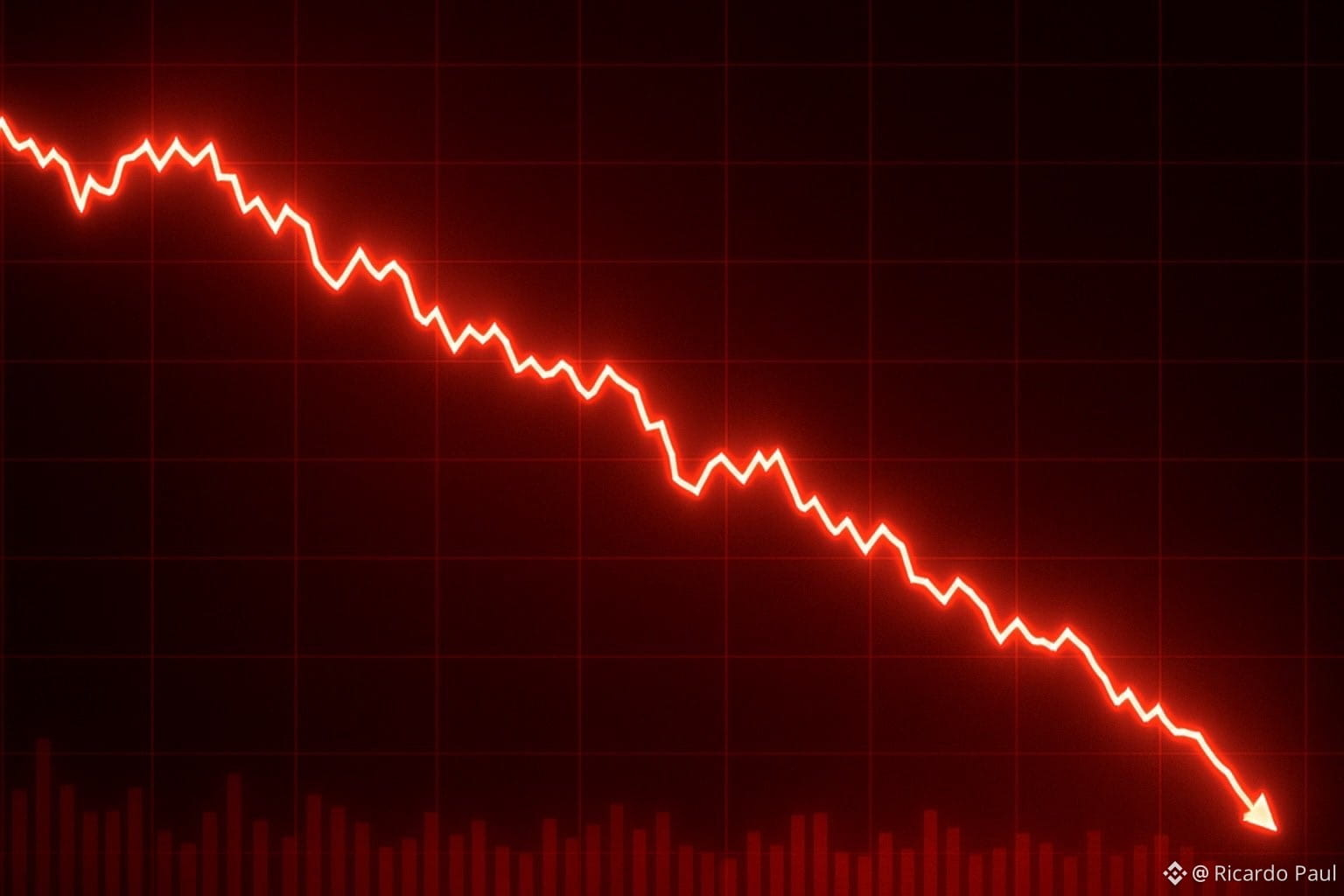
🚨 JUST IN: BITCOIN DUMPS TOWARD $83K! 📉🔥
Bitcoin plunged from around $86,600 → $83,300–$83,600, as roughly $550M in leveraged crypto positions were liquidated — mostly longs. 😳
⚠️ Key BTC levels:
🔴 $83K — critical support
📉 Lose $83K → $80K comes into focus
🟢 Reclaim $86.7K–$87K → bulls regain momentum
Rising Treasury yields, a stronger dollar and geopolitical pressure are adding fuel to the sell-off.
Volatility is exploding. Eyes on $83K. 👀🔥
$BTC
#Bitcoin #BTC #Crypto #CryptoMarket
🚨 JUST IN: BITCOIN DUMPS TOWARD $83K! 📉🔥
Bitcoin plunged from around $86,600 → $83,300–$83,600, as roughly $550M in leveraged crypto positions were liquidated — mostly longs. 😳
⚠️ Key BTC levels:
🔴 $83K — critical support
📉 Lose $83K → $80K comes into focus
🟢 Reclaim $86.7K–$87K → bulls regain momentum
Rising Treasury yields, a stronger dollar and geopolitical pressure are adding fuel to the sell-off.
Volatility is exploding. Eyes on $83K. 👀🔥
$BTC
#Bitcoin #BTC #Crypto #CryptoMarket
Bitcoin plunged from around $86,600 → $83,300–$83,600, as roughly $550M in leveraged crypto positions were liquidated — mostly longs. 😳
⚠️ Key BTC levels:
🔴 $83K — critical support
📉 Lose $83K → $80K comes into focus
🟢 Reclaim $86.7K–$87K → bulls regain momentum
Rising Treasury yields, a stronger dollar and geopolitical pressure are adding fuel to the sell-off.
Volatility is exploding. Eyes on $83K. 👀🔥
$BTC
#Bitcoin #BTC #Crypto #CryptoMarket
77
·
--
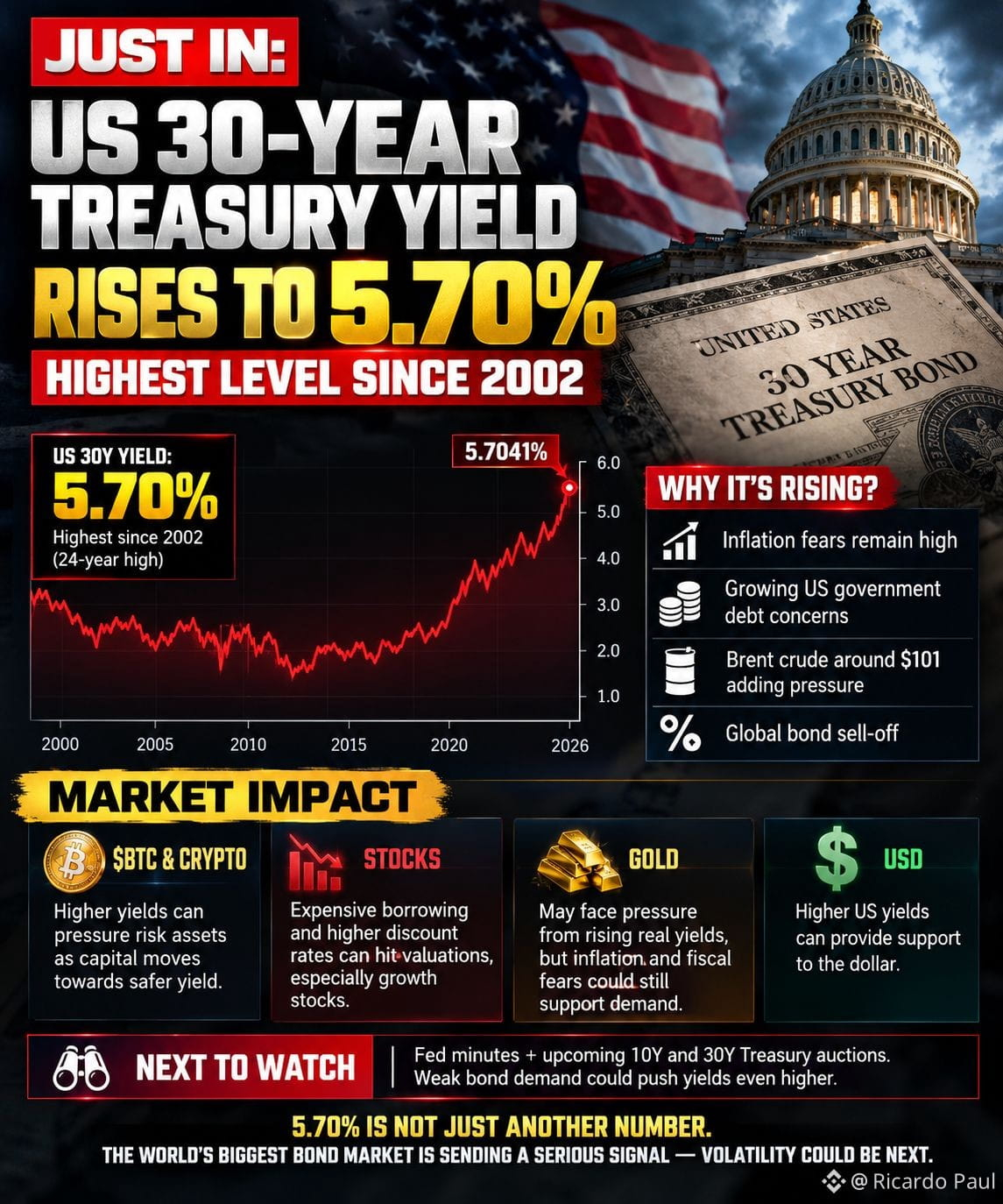
🇺🇸 DIE RENDITE 30-JÄHRIGER US-STAATSANLEIHEN SCHIESST AUF 5,70 % — HÖCHSTER STAND SEIT 2002.
Der Anleihemarkt hat gerade ein deutliches Warnsignal gesendet.
Die Rendite 30-jähriger US-Staatsanleihen erreichte kurzzeitig 5,7041 % und damit einen neuen Höchststand seit 24 Jahren, während weltweit Anleihen verkauft werden. Inflationssorgen, Bedenken wegen der steigenden Staatsverschuldung und ein Brent-Ölpreis von rund 101 US-Dollar treiben die langfristigen Kreditkosten nach oben.
WAS DAS BEDEUTET:
$BTC & KRYPTO: Höhere Renditen können Risikoanlagen unter Druck setzen, da Kapital von den attraktiveren Renditen angezogen wird.
AKTIEN: Teurere Kredite und höhere Diskontierungssätze können die Bewertungen belasten, insbesondere bei Wachstumsaktien.
GOLD: Steigende Realrenditen könnten den Goldpreis unter Druck setzen, doch Inflations- und Fiskalsorgen könnten die Nachfrage nach sicheren Häfen stützen.
USD: Höhere US-Renditen können dem Dollar Auftrieb geben.
ALS NÄCHSTES IM BLICK: Das Protokoll der Fed-Sitzung sowie die anstehenden Auktionen 10- und 30-jähriger US-Staatsanleihen. Eine schwache Nachfrage nach Anleihen könnte die Renditen noch weiter nach oben treiben.
5,70 % ist nicht einfach nur eine weitere Zahl. Der größte Anleihemarkt der Welt sendet ein ernstes Signal — als Nächstes könnte die Volatilität steigen.
🇺🇸 DIE RENDITE 30-JÄHRIGER US-STAATSANLEIHEN SCHIESST AUF 5,70 % — HÖCHSTER STAND SEIT 2002.
Der Anleihemarkt hat gerade ein deutliches Warnsignal gesendet.
Die Rendite 30-jähriger US-Staatsanleihen erreichte kurzzeitig 5,7041 % und damit einen neuen Höchststand seit 24 Jahren, während weltweit Anleihen verkauft werden. Inflationssorgen, Bedenken wegen der steigenden Staatsverschuldung und ein Brent-Ölpreis von rund 101 US-Dollar treiben die langfristigen Kreditkosten nach oben.
WAS DAS BEDEUTET:
$BTC & KRYPTO: Höhere Renditen können Risikoanlagen unter Druck setzen, da Kapital von den attraktiveren Renditen angezogen wird.
AKTIEN: Teurere Kredite und höhere Diskontierungssätze können die Bewertungen belasten, insbesondere bei Wachstumsaktien.
GOLD: Steigende Realrenditen könnten den Goldpreis unter Druck setzen, doch Inflations- und Fiskalsorgen könnten die Nachfrage nach sicheren Häfen stützen.
USD: Höhere US-Renditen können dem Dollar Auftrieb geben.
ALS NÄCHSTES IM BLICK: Das Protokoll der Fed-Sitzung sowie die anstehenden Auktionen 10- und 30-jähriger US-Staatsanleihen. Eine schwache Nachfrage nach Anleihen könnte die Renditen noch weiter nach oben treiben.
5,70 % ist nicht einfach nur eine weitere Zahl. Der größte Anleihemarkt der Welt sendet ein ernstes Signal — als Nächstes könnte die Volatilität steigen.
Der Anleihemarkt hat gerade ein deutliches Warnsignal gesendet.
Die Rendite 30-jähriger US-Staatsanleihen erreichte kurzzeitig 5,7041 % und damit einen neuen Höchststand seit 24 Jahren, während weltweit Anleihen verkauft werden. Inflationssorgen, Bedenken wegen der steigenden Staatsverschuldung und ein Brent-Ölpreis von rund 101 US-Dollar treiben die langfristigen Kreditkosten nach oben.
WAS DAS BEDEUTET:
$BTC & KRYPTO: Höhere Renditen können Risikoanlagen unter Druck setzen, da Kapital von den attraktiveren Renditen angezogen wird.
AKTIEN: Teurere Kredite und höhere Diskontierungssätze können die Bewertungen belasten, insbesondere bei Wachstumsaktien.
GOLD: Steigende Realrenditen könnten den Goldpreis unter Druck setzen, doch Inflations- und Fiskalsorgen könnten die Nachfrage nach sicheren Häfen stützen.
USD: Höhere US-Renditen können dem Dollar Auftrieb geben.
ALS NÄCHSTES IM BLICK: Das Protokoll der Fed-Sitzung sowie die anstehenden Auktionen 10- und 30-jähriger US-Staatsanleihen. Eine schwache Nachfrage nach Anleihen könnte die Renditen noch weiter nach oben treiben.
5,70 % ist nicht einfach nur eine weitere Zahl. Der größte Anleihemarkt der Welt sendet ein ernstes Signal — als Nächstes könnte die Volatilität steigen.
429
·
--
Verifiziert
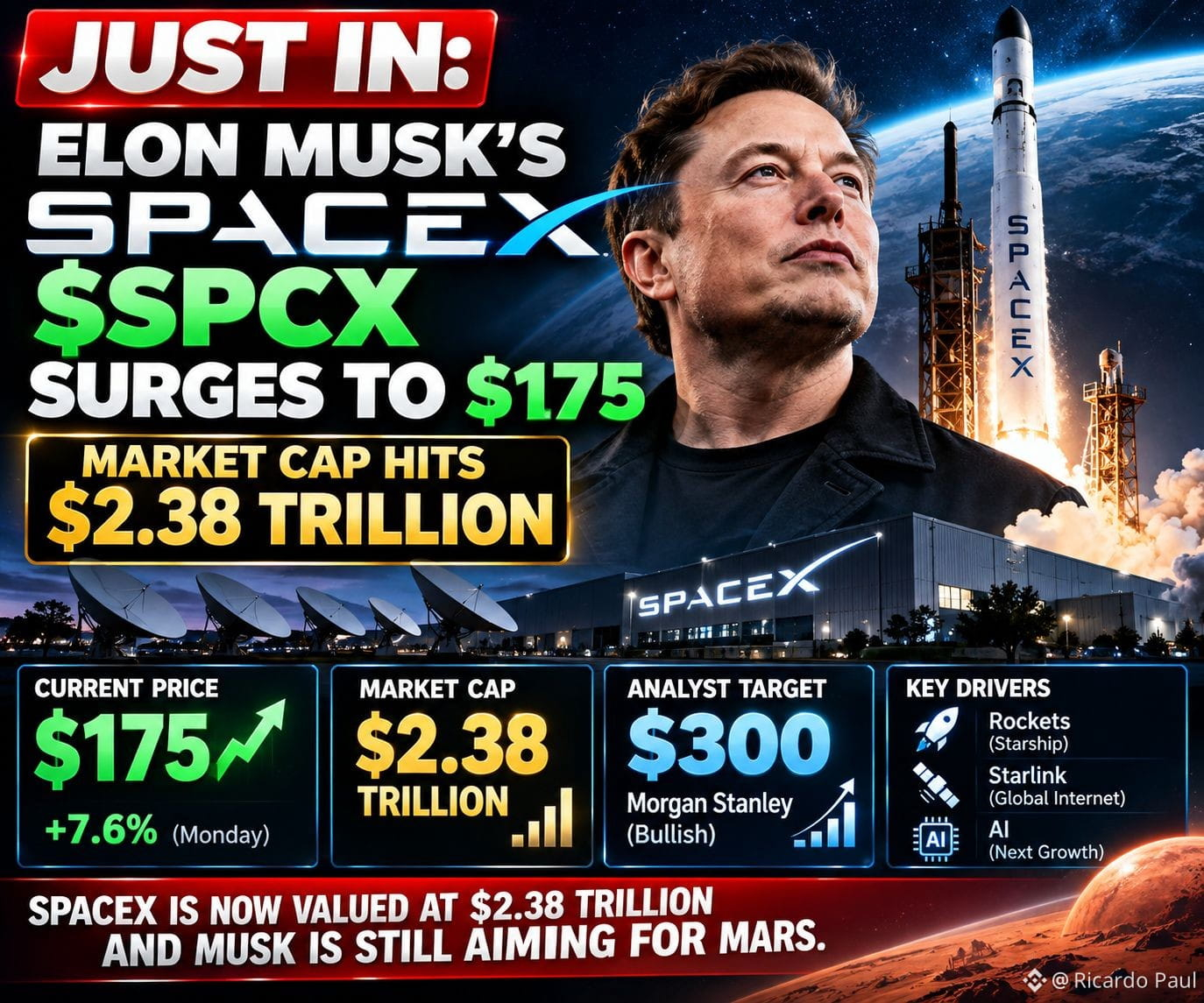
EILMELDUNG: Elon Musks SpaceX $SPCX hebt senkrecht ab.
$SPCX ist auf 175 $ gestiegen und treibt die Bewertung auf unglaubliche 2,38 BILLIONEN $.
Die Aktien legten am Montag bereits um 7,6 % zu, während Morgan Stanley mit einem ambitionierten Kursziel von 300 $ weiterhin optimistisch bleibt.
Von Raketen und Starlink bis hin zu KI – SpaceX entwickelt sich rasant zu einem der größten Unternehmen der Erde.
2,38 BILLIONEN $. Und Musk hat immer noch den Mars im Visier.
EILMELDUNG: Elon Musks SpaceX $SPCX hebt senkrecht ab.
$SPCX ist auf 175 $ gestiegen und treibt die Bewertung auf unglaubliche 2,38 BILLIONEN $.
Die Aktien legten am Montag bereits um 7,6 % zu, während Morgan Stanley mit einem ambitionierten Kursziel von 300 $ weiterhin optimistisch bleibt.
Von Raketen und Starlink bis hin zu KI – SpaceX entwickelt sich rasant zu einem der größten Unternehmen der Erde.
2,38 BILLIONEN $. Und Musk hat immer noch den Mars im Visier.
$SPCX ist auf 175 $ gestiegen und treibt die Bewertung auf unglaubliche 2,38 BILLIONEN $.
Die Aktien legten am Montag bereits um 7,6 % zu, während Morgan Stanley mit einem ambitionierten Kursziel von 300 $ weiterhin optimistisch bleibt.
Von Raketen und Starlink bis hin zu KI – SpaceX entwickelt sich rasant zu einem der größten Unternehmen der Erde.
2,38 BILLIONEN $. Und Musk hat immer noch den Mars im Visier.
1
4
932
·
--
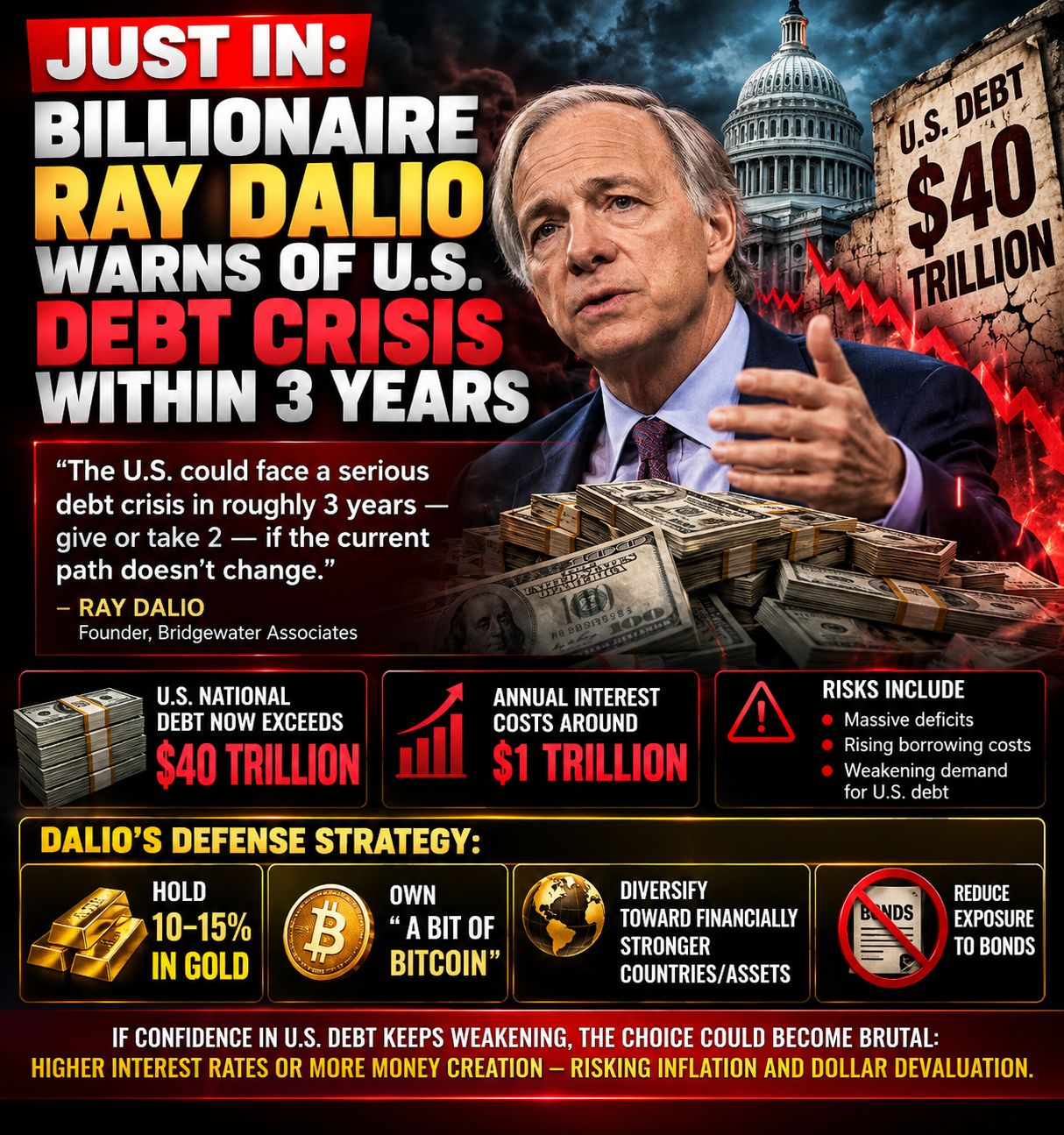
EILMELDUNG: 🇺🇸 MILLIARDÄR RAY DALIO SCHLÄGT ALARM.
Bridgewater-Gründer Ray Dalio warnt, dass den USA in etwa drei Jahren – plus/minus zwei Jahre – eine schwere Schuldenkrise drohen könnte, wenn sich der aktuelle Kurs nicht ändert.
Die US-Schulden haben inzwischen 40 BILLIONEN US-DOLLAR überschritten, während sich die jährlichen Zinskosten auf rund 1 BILLION US-DOLLAR belaufen. Dalio zufolge könnten massive Defizite, steigende Kreditkosten und eine nachlassende Nachfrage nach US-Schulden schließlich einen wirtschaftlichen „Herzinfarkt“ auslösen.
Seine Empfehlung?
• Das Engagement in Anleihen reduzieren
• Etwa 10–15 % in GOLD halten
• „Ein bisschen BITCOIN“ besitzen
• Zur Diversifizierung auf finanziell stärkere Länder und Vermögenswerte setzen
Wenn das Vertrauen in US-Schulden weiter schwindet, könnte die Wahl brutal ausfallen: höhere Zinsen oder eine stärkere Geldschöpfung – mit dem Risiko von Inflation und einer Abwertung des Dollars.
Das ist nicht einfach nur eine weitere Schlagzeile über Schulden.
Einer der größten Makroinvestoren der Welt warnt: Die Zeit läuft davon.
$BTC $GOLD.US
EILMELDUNG: 🇺🇸 MILLIARDÄR RAY DALIO SCHLÄGT ALARM.
Bridgewater-Gründer Ray Dalio warnt, dass den USA in etwa drei Jahren – plus/minus zwei Jahre – eine schwere Schuldenkrise drohen könnte, wenn sich der aktuelle Kurs nicht ändert.
Die US-Schulden haben inzwischen 40 BILLIONEN US-DOLLAR überschritten, während sich die jährlichen Zinskosten auf rund 1 BILLION US-DOLLAR belaufen. Dalio zufolge könnten massive Defizite, steigende Kreditkosten und eine nachlassende Nachfrage nach US-Schulden schließlich einen wirtschaftlichen „Herzinfarkt“ auslösen.
Seine Empfehlung?
• Das Engagement in Anleihen reduzieren
• Etwa 10–15 % in GOLD halten
• „Ein bisschen BITCOIN“ besitzen
• Zur Diversifizierung auf finanziell stärkere Länder und Vermögenswerte setzen
Wenn das Vertrauen in US-Schulden weiter schwindet, könnte die Wahl brutal ausfallen: höhere Zinsen oder eine stärkere Geldschöpfung – mit dem Risiko von Inflation und einer Abwertung des Dollars.
Das ist nicht einfach nur eine weitere Schlagzeile über Schulden.
Einer der größten Makroinvestoren der Welt warnt: Die Zeit läuft davon.
$BTC $GOLD.US
Bridgewater-Gründer Ray Dalio warnt, dass den USA in etwa drei Jahren – plus/minus zwei Jahre – eine schwere Schuldenkrise drohen könnte, wenn sich der aktuelle Kurs nicht ändert.
Die US-Schulden haben inzwischen 40 BILLIONEN US-DOLLAR überschritten, während sich die jährlichen Zinskosten auf rund 1 BILLION US-DOLLAR belaufen. Dalio zufolge könnten massive Defizite, steigende Kreditkosten und eine nachlassende Nachfrage nach US-Schulden schließlich einen wirtschaftlichen „Herzinfarkt“ auslösen.
Seine Empfehlung?
• Das Engagement in Anleihen reduzieren
• Etwa 10–15 % in GOLD halten
• „Ein bisschen BITCOIN“ besitzen
• Zur Diversifizierung auf finanziell stärkere Länder und Vermögenswerte setzen
Wenn das Vertrauen in US-Schulden weiter schwindet, könnte die Wahl brutal ausfallen: höhere Zinsen oder eine stärkere Geldschöpfung – mit dem Risiko von Inflation und einer Abwertung des Dollars.
Das ist nicht einfach nur eine weitere Schlagzeile über Schulden.
Einer der größten Makroinvestoren der Welt warnt: Die Zeit läuft davon.
$BTC $GOLD.US
1
1k
·
--
EILMELDUNG: 🇺🇸 TRUMP TOBT WEGEN EXPLODIERENDER TREIBSTOFFPREISE!
Präsident Trump macht die „Dumokraten“ und die ukrainischen Angriffe auf russische Ölraffinerien für den zusätzlichen Druck auf die Treibstoffmärkte verantwortlich.
Die Ukraine sagt, ihre Angriffe hätten mehr als DIE HÄLFTE der russischen Raffineriekapazität außer Betrieb gesetzt – eine Behauptung, die nicht unabhängig bestätigt wurde. Unterdessen stieg der Dieselpreis in den USA kürzlich auf rund 6,50 US-Dollar pro Gallone, da Kriege und Störungen in Raffinerien das weltweite Angebot verknappen.
Trump bereitet nun Maßnahmen vor, die die Dieselkosten senken sollen.
Ölversorgungsschock + geopolitische Eskalation + explodierende Treibstoffkosten = ENERGIEMÄRKTE IN HÖCHSTER ALARMSTUFE.
$BTC $ETH
EILMELDUNG: 🇺🇸 TRUMP TOBT WEGEN EXPLODIERENDER TREIBSTOFFPREISE!
Präsident Trump macht die „Dumokraten“ und die ukrainischen Angriffe auf russische Ölraffinerien für den zusätzlichen Druck auf die Treibstoffmärkte verantwortlich.
Die Ukraine sagt, ihre Angriffe hätten mehr als DIE HÄLFTE der russischen Raffineriekapazität außer Betrieb gesetzt – eine Behauptung, die nicht unabhängig bestätigt wurde. Unterdessen stieg der Dieselpreis in den USA kürzlich auf rund 6,50 US-Dollar pro Gallone, da Kriege und Störungen in Raffinerien das weltweite Angebot verknappen.
Trump bereitet nun Maßnahmen vor, die die Dieselkosten senken sollen.
Ölversorgungsschock + geopolitische Eskalation + explodierende Treibstoffkosten = ENERGIEMÄRKTE IN HÖCHSTER ALARMSTUFE.
$BTC $ETH
Präsident Trump macht die „Dumokraten“ und die ukrainischen Angriffe auf russische Ölraffinerien für den zusätzlichen Druck auf die Treibstoffmärkte verantwortlich.
Die Ukraine sagt, ihre Angriffe hätten mehr als DIE HÄLFTE der russischen Raffineriekapazität außer Betrieb gesetzt – eine Behauptung, die nicht unabhängig bestätigt wurde. Unterdessen stieg der Dieselpreis in den USA kürzlich auf rund 6,50 US-Dollar pro Gallone, da Kriege und Störungen in Raffinerien das weltweite Angebot verknappen.
Trump bereitet nun Maßnahmen vor, die die Dieselkosten senken sollen.
Ölversorgungsschock + geopolitische Eskalation + explodierende Treibstoffkosten = ENERGIEMÄRKTE IN HÖCHSTER ALARMSTUFE.
$BTC $ETH

123
·
--
EILMELDUNG: 🇺🇸 DIE CFTC WILL DIE US-KRYPTOMÄRKTE REGULIEREN!
Die CFTC hat ihre erste umfassende Runde zur Ausarbeitung von Regeln für Kryptomärkte eingeleitet und dem Weißen Haus einen Rahmen für Transaktionen und Märkte mit Krypto-Assets zur Prüfung vorgelegt.
Was das bedeuten könnte:
• Klarere Regeln für die US-Kryptomärkte
• Ein robusterer Rahmen für Börsen sowie den Handel mit Hebel und auf Margin
• Mehr regulatorische Sicherheit für institutionelle Anleger
• Ein wichtiger Schritt, um Krypto in klar definierte US-Marktregeln einzubinden
Der Schritt erfolgt, während der CLARITY Act im Kongress weiterhin feststeckt. Daher werden die Aufsichtsbehörden auf Grundlage ihrer bestehenden Befugnisse aktiv.
Das ist noch keine endgültige Regelung – aber die regulatorischen Räder sind nun offiziell in Bewegung.
KRYPTOWÄHRUNGEN IN AMERIKA TRETEN IN EINE NEUE ÄRA EIN.
EILMELDUNG: 🇺🇸 DIE CFTC WILL DIE US-KRYPTOMÄRKTE REGULIEREN!
Die CFTC hat ihre erste umfassende Runde zur Ausarbeitung von Regeln für Kryptomärkte eingeleitet und dem Weißen Haus einen Rahmen für Transaktionen und Märkte mit Krypto-Assets zur Prüfung vorgelegt.
Was das bedeuten könnte:
• Klarere Regeln für die US-Kryptomärkte
• Ein robusterer Rahmen für Börsen sowie den Handel mit Hebel und auf Margin
• Mehr regulatorische Sicherheit für institutionelle Anleger
• Ein wichtiger Schritt, um Krypto in klar definierte US-Marktregeln einzubinden
Der Schritt erfolgt, während der CLARITY Act im Kongress weiterhin feststeckt. Daher werden die Aufsichtsbehörden auf Grundlage ihrer bestehenden Befugnisse aktiv.
Das ist noch keine endgültige Regelung – aber die regulatorischen Räder sind nun offiziell in Bewegung.
KRYPTOWÄHRUNGEN IN AMERIKA TRETEN IN EINE NEUE ÄRA EIN.
Die CFTC hat ihre erste umfassende Runde zur Ausarbeitung von Regeln für Kryptomärkte eingeleitet und dem Weißen Haus einen Rahmen für Transaktionen und Märkte mit Krypto-Assets zur Prüfung vorgelegt.
Was das bedeuten könnte:
• Klarere Regeln für die US-Kryptomärkte
• Ein robusterer Rahmen für Börsen sowie den Handel mit Hebel und auf Margin
• Mehr regulatorische Sicherheit für institutionelle Anleger
• Ein wichtiger Schritt, um Krypto in klar definierte US-Marktregeln einzubinden
Der Schritt erfolgt, während der CLARITY Act im Kongress weiterhin feststeckt. Daher werden die Aufsichtsbehörden auf Grundlage ihrer bestehenden Befugnisse aktiv.
Das ist noch keine endgültige Regelung – aber die regulatorischen Räder sind nun offiziell in Bewegung.
KRYPTOWÄHRUNGEN IN AMERIKA TRETEN IN EINE NEUE ÄRA EIN.

118
·
--
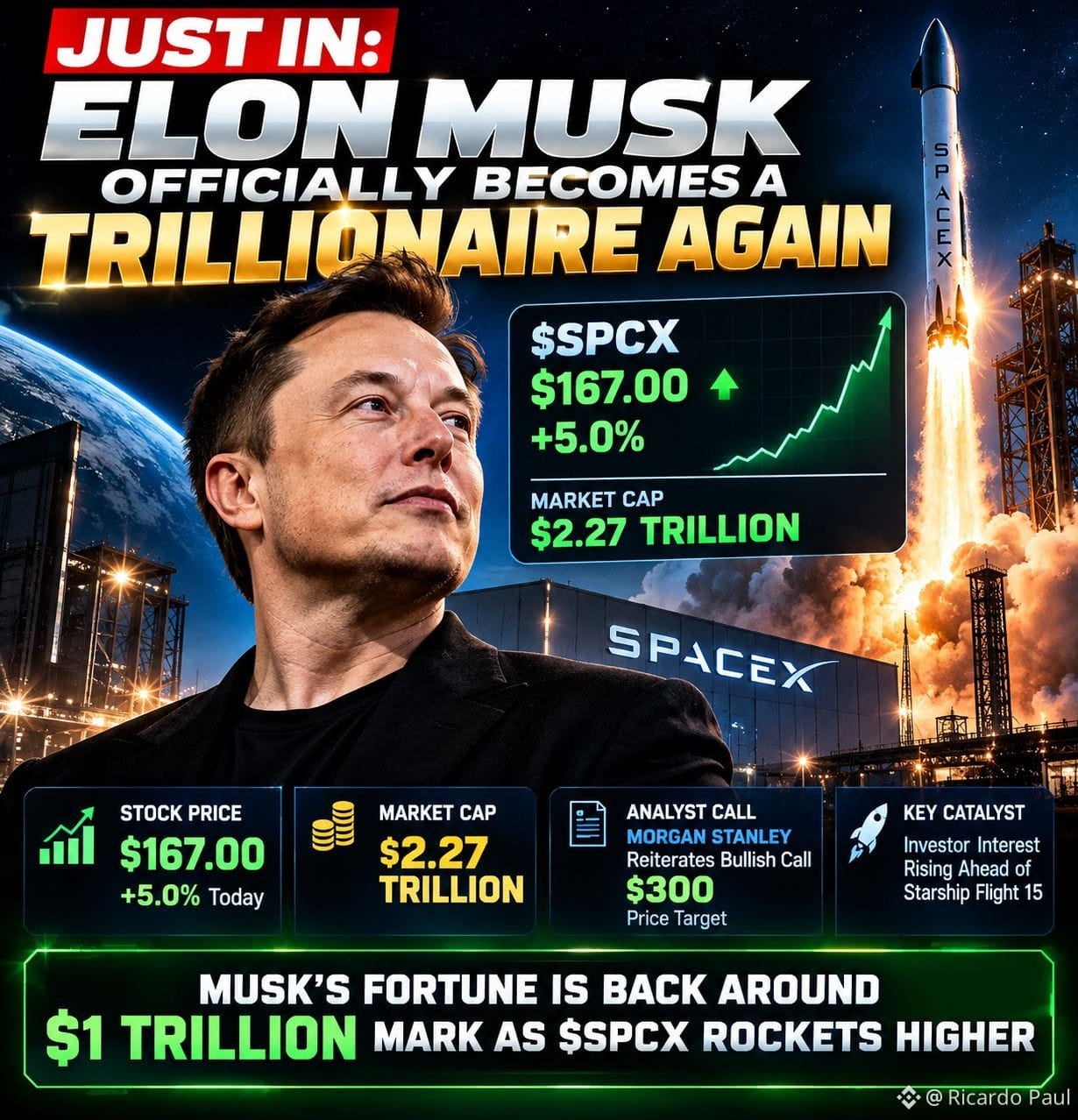
EILMELDUNG: ELON MUSK IST WIEDER BILLIONÄR.
SpaceX $SPCX steigt heute um rund 5 % auf etwa 167 $ und treibt damit seine Marktkapitalisierung in die Nähe von 2,27 BILLIONEN $.
Der Grund? Morgan Stanley bekräftigte gerade seine optimistische Einschätzung mit einem enormen Kursziel von 300 $, während sich Anleger im Vorfeld des 15. Starship-Flugs positionieren.
Musks Vermögen liegt wieder bei rund 1 BILLION $, während $SPCX rasant steigt.
Das ist nicht einfach nur eine Rally – SpaceX schreibt die Rekordbücher der Vermögen neu.
$SPCX
EILMELDUNG: ELON MUSK IST WIEDER BILLIONÄR.
SpaceX $SPCX steigt heute um rund 5 % auf etwa 167 $ und treibt damit seine Marktkapitalisierung in die Nähe von 2,27 BILLIONEN $.
Der Grund? Morgan Stanley bekräftigte gerade seine optimistische Einschätzung mit einem enormen Kursziel von 300 $, während sich Anleger im Vorfeld des 15. Starship-Flugs positionieren.
Musks Vermögen liegt wieder bei rund 1 BILLION $, während $SPCX rasant steigt.
Das ist nicht einfach nur eine Rally – SpaceX schreibt die Rekordbücher der Vermögen neu.
$SPCX
SpaceX $SPCX steigt heute um rund 5 % auf etwa 167 $ und treibt damit seine Marktkapitalisierung in die Nähe von 2,27 BILLIONEN $.
Der Grund? Morgan Stanley bekräftigte gerade seine optimistische Einschätzung mit einem enormen Kursziel von 300 $, während sich Anleger im Vorfeld des 15. Starship-Flugs positionieren.
Musks Vermögen liegt wieder bei rund 1 BILLION $, während $SPCX rasant steigt.
Das ist nicht einfach nur eine Rally – SpaceX schreibt die Rekordbücher der Vermögen neu.
$SPCX
1
1.6k
·
--
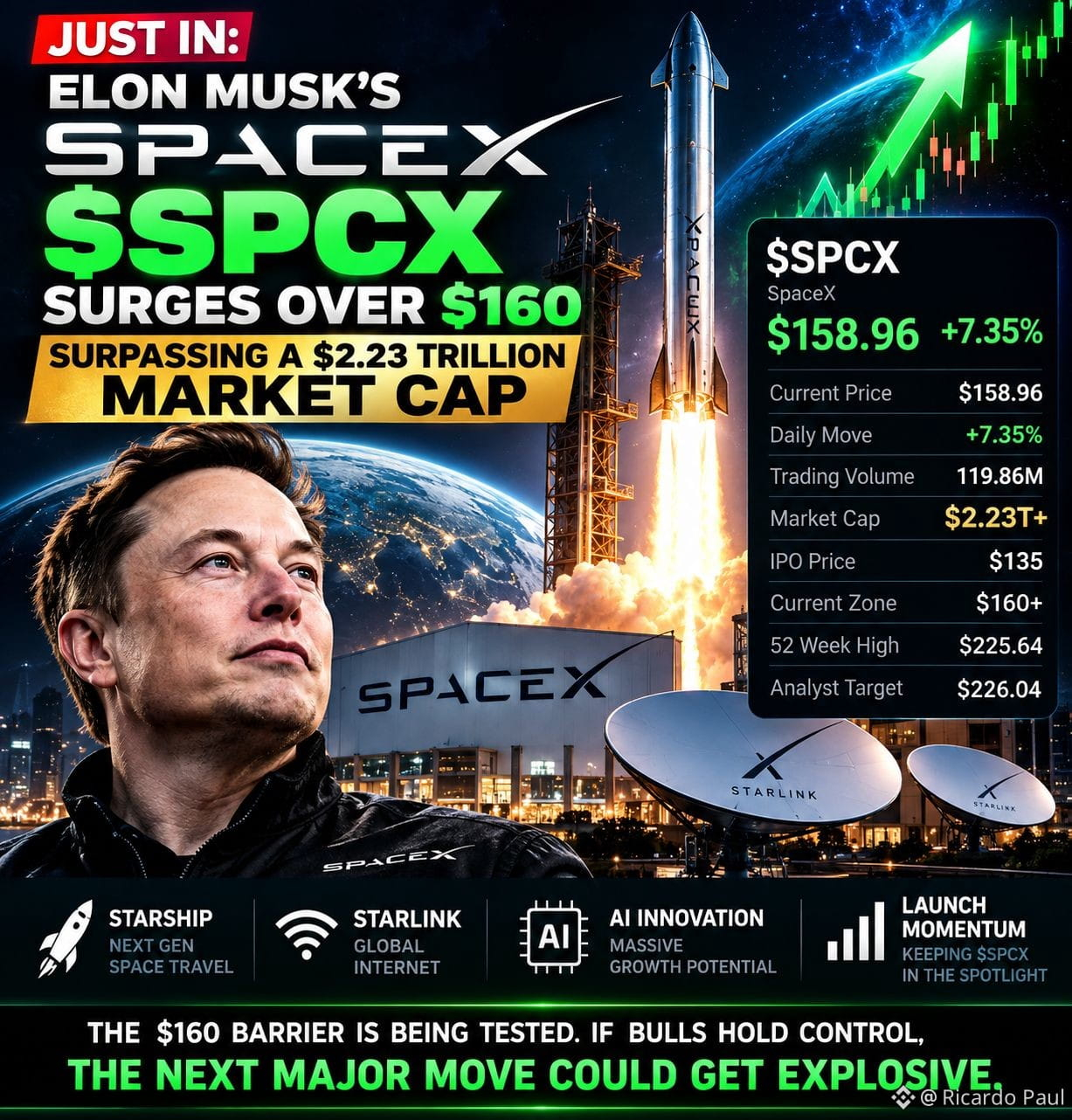
GERADE REIN: ELON MUSKS SPACEX $SPCX HEBT AB!
$SPCX ist über $160 gestiegen und setzt seinen starken Lauf fort, nachdem die Aktie mit einem Plus von 7,35 % bei $158,96 geschlossen hat. Das Handelsvolumen schoss auf fast 120M Aktien hoch, während die Bewertung von SpaceX bei über $2 BILLIONEN liegt.
IPO-Preis: $135
Aktuelle Zone: $160+
Letzter Schlusskurs: $158,96
Tagesveränderung: +7,35 %
Volumen: 119,86M
Marktkapitalisierung: $2T+
52-Wochen-Hoch: $225,64
Analystenziel: $226,04
Starship, Starlink, KI und eine enorme Dynamik bei den Starts halten SPCX im Rampenlicht.
Die Marke von $160 wird getestet. Wenn die Bullen die Kontrolle behalten, könnte der nächste große Kursanstieg explosiv ausfallen.
$SPCX
GERADE REIN: ELON MUSKS SPACEX $SPCX HEBT AB!
$SPCX ist über $160 gestiegen und setzt seinen starken Lauf fort, nachdem die Aktie mit einem Plus von 7,35 % bei $158,96 geschlossen hat. Das Handelsvolumen schoss auf fast 120M Aktien hoch, während die Bewertung von SpaceX bei über $2 BILLIONEN liegt.
IPO-Preis: $135
Aktuelle Zone: $160+
Letzter Schlusskurs: $158,96
Tagesveränderung: +7,35 %
Volumen: 119,86M
Marktkapitalisierung: $2T+
52-Wochen-Hoch: $225,64
Analystenziel: $226,04
Starship, Starlink, KI und eine enorme Dynamik bei den Starts halten SPCX im Rampenlicht.
Die Marke von $160 wird getestet. Wenn die Bullen die Kontrolle behalten, könnte der nächste große Kursanstieg explosiv ausfallen.
$SPCX
$SPCX ist über $160 gestiegen und setzt seinen starken Lauf fort, nachdem die Aktie mit einem Plus von 7,35 % bei $158,96 geschlossen hat. Das Handelsvolumen schoss auf fast 120M Aktien hoch, während die Bewertung von SpaceX bei über $2 BILLIONEN liegt.
IPO-Preis: $135
Aktuelle Zone: $160+
Letzter Schlusskurs: $158,96
Tagesveränderung: +7,35 %
Volumen: 119,86M
Marktkapitalisierung: $2T+
52-Wochen-Hoch: $225,64
Analystenziel: $226,04
Starship, Starlink, KI und eine enorme Dynamik bei den Starts halten SPCX im Rampenlicht.
Die Marke von $160 wird getestet. Wenn die Bullen die Kontrolle behalten, könnte der nächste große Kursanstieg explosiv ausfallen.
$SPCX
1
1.2k
·
--
GERADE REINGEKOMMEN: 🇺🇸 GROẞER SIEG FÜR DIE KRYPTO-PRIVATSPHÄRE!
Das US-Finanzministerium hat den umstrittenen Vorschlag zurückgezogen, der Transaktionen mit nicht gehosteten bzw. selbstverwahrten Wallets ins Visier nahm.
Der Vorschlag hätte Banken und Krypto-Unternehmen dazu verpflichtet, bei bestimmten Transaktionen mit privaten Wallets zusätzliche Informationen zu erfassen, zu überprüfen und zu melden.
Warum das wichtig ist:
• Stärkerer Schutz für die Selbstverwahrung
• Weniger regulatorischer Druck auf private Wallets
• Wichtiges Signal für die Krypto-Privatsphäre in den USA
• Das Finanzministerium hat außerdem legitime Einsatzmöglichkeiten von Tools zum Schutz der Krypto-Privatsphäre anerkannt, darunter Mixer
Der regulatorische Wind rund um die Krypto-Privatsphäre dreht sich.
BULLISH FÜR DIE KRYPTO-FREIHEIT.
#crypto
GERADE REINGEKOMMEN: 🇺🇸 GROẞER SIEG FÜR DIE KRYPTO-PRIVATSPHÄRE!
Das US-Finanzministerium hat den umstrittenen Vorschlag zurückgezogen, der Transaktionen mit nicht gehosteten bzw. selbstverwahrten Wallets ins Visier nahm.
Der Vorschlag hätte Banken und Krypto-Unternehmen dazu verpflichtet, bei bestimmten Transaktionen mit privaten Wallets zusätzliche Informationen zu erfassen, zu überprüfen und zu melden.
Warum das wichtig ist:
• Stärkerer Schutz für die Selbstverwahrung
• Weniger regulatorischer Druck auf private Wallets
• Wichtiges Signal für die Krypto-Privatsphäre in den USA
• Das Finanzministerium hat außerdem legitime Einsatzmöglichkeiten von Tools zum Schutz der Krypto-Privatsphäre anerkannt, darunter Mixer
Der regulatorische Wind rund um die Krypto-Privatsphäre dreht sich.
BULLISH FÜR DIE KRYPTO-FREIHEIT.
#crypto
Das US-Finanzministerium hat den umstrittenen Vorschlag zurückgezogen, der Transaktionen mit nicht gehosteten bzw. selbstverwahrten Wallets ins Visier nahm.
Der Vorschlag hätte Banken und Krypto-Unternehmen dazu verpflichtet, bei bestimmten Transaktionen mit privaten Wallets zusätzliche Informationen zu erfassen, zu überprüfen und zu melden.
Warum das wichtig ist:
• Stärkerer Schutz für die Selbstverwahrung
• Weniger regulatorischer Druck auf private Wallets
• Wichtiges Signal für die Krypto-Privatsphäre in den USA
• Das Finanzministerium hat außerdem legitime Einsatzmöglichkeiten von Tools zum Schutz der Krypto-Privatsphäre anerkannt, darunter Mixer
Der regulatorische Wind rund um die Krypto-Privatsphäre dreht sich.
BULLISH FÜR DIE KRYPTO-FREIHEIT.
#crypto

189
·
--
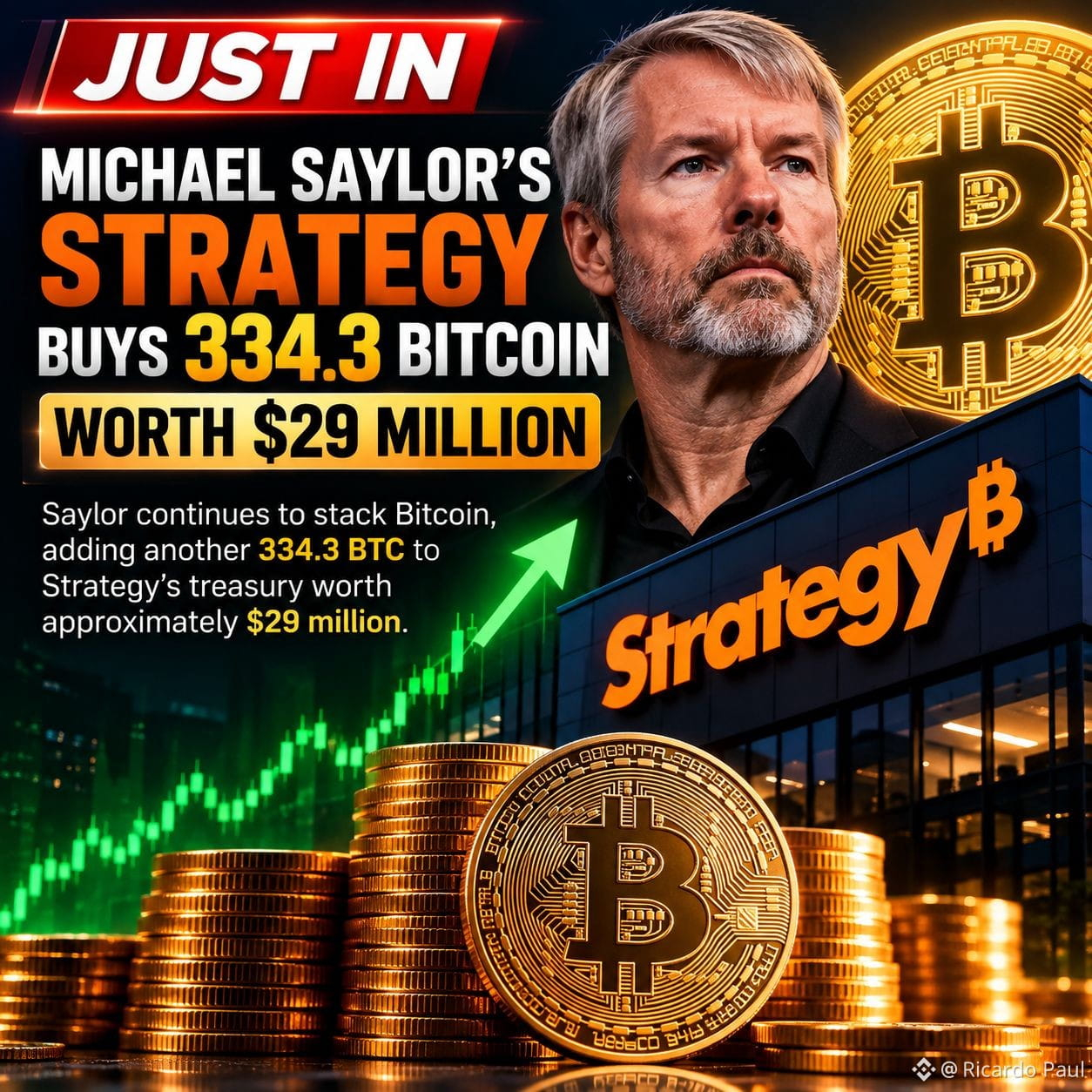
EILMELDUNG: MICHAEL SAYLOR KAUFT WIEDER MASSIV EIN!
Strategy kauft Berichten zufolge 334,3 $BTC im Wert von 29 MILLIONEN US-Dollar.
Saylor kauft weiterhin Bitcoin, während der Markt zuschaut.
Ein weiterer massiver Schritt eines institutionellen Investors – die Bitcoin-Akkumulation nimmt nicht ab.
$BTC
#BTC
EILMELDUNG: MICHAEL SAYLOR KAUFT WIEDER MASSIV EIN!
Strategy kauft Berichten zufolge 334,3 $BTC im Wert von 29 MILLIONEN US-Dollar.
Saylor kauft weiterhin Bitcoin, während der Markt zuschaut.
Ein weiterer massiver Schritt eines institutionellen Investors – die Bitcoin-Akkumulation nimmt nicht ab.
$BTC
#BTC
Strategy kauft Berichten zufolge 334,3 $BTC im Wert von 29 MILLIONEN US-Dollar.
Saylor kauft weiterhin Bitcoin, während der Markt zuschaut.
Ein weiterer massiver Schritt eines institutionellen Investors – die Bitcoin-Akkumulation nimmt nicht ab.
$BTC
#BTC
1
125
·
--
🚨 SOEBEN BEKANNT: 🇺🇸 Die SEC sagt, dass weitere Krypto-Regulierungs-Vorschläge kommen.
Die SEC hat sich bereits von den Krypto-Custody-Regeln für Berater und Fonds bewegt – einschließlich begrenzter Self-Custody und Optionen für staatliche Treuhandunternehmen. Außerdem arbeitet sie an umfassenderen Krypto-Regeln, die Emissionen, Handel und Marktstruktur abdecken.
🔥 Übersetzung: Die Krypto-Regulierung in den USA kommt schnell voran.
Für Bitcoin & den breiteren Markt könnten die nächsten Vorschläge zu wichtigen Auslösern werden – insbesondere, wenn sie klarere Regeln für Institutionen, Börsen und Token-Emittenten mitbringen.
Das regulatorische Spiel ändert sich. 👀
$BTC
#BTC #crypto
🚨 SOEBEN BEKANNT: 🇺🇸 Die SEC sagt, dass weitere Krypto-Regulierungs-Vorschläge kommen.
Die SEC hat sich bereits von den Krypto-Custody-Regeln für Berater und Fonds bewegt – einschließlich begrenzter Self-Custody und Optionen für staatliche Treuhandunternehmen. Außerdem arbeitet sie an umfassenderen Krypto-Regeln, die Emissionen, Handel und Marktstruktur abdecken.
🔥 Übersetzung: Die Krypto-Regulierung in den USA kommt schnell voran.
Für Bitcoin & den breiteren Markt könnten die nächsten Vorschläge zu wichtigen Auslösern werden – insbesondere, wenn sie klarere Regeln für Institutionen, Börsen und Token-Emittenten mitbringen.
Das regulatorische Spiel ändert sich. 👀
$BTC
#BTC #crypto
Die SEC hat sich bereits von den Krypto-Custody-Regeln für Berater und Fonds bewegt – einschließlich begrenzter Self-Custody und Optionen für staatliche Treuhandunternehmen. Außerdem arbeitet sie an umfassenderen Krypto-Regeln, die Emissionen, Handel und Marktstruktur abdecken.
🔥 Übersetzung: Die Krypto-Regulierung in den USA kommt schnell voran.
Für Bitcoin & den breiteren Markt könnten die nächsten Vorschläge zu wichtigen Auslösern werden – insbesondere, wenn sie klarere Regeln für Institutionen, Börsen und Token-Emittenten mitbringen.
Das regulatorische Spiel ändert sich. 👀
$BTC
#BTC #crypto

181
·
--
🚨 SOEBEN BEKANNT: 🇺🇸 Ein in Richtung USA fahrender Öltanker soll von einem schweren Cyberangriff getroffen worden sein. Dabei sollen Hacker angeblich Zugriff auf kritische Schiffssysteme erlangt haben.
Das Schiff, das in Berichten als VL Prosperity identifiziert wurde, war auf dem Weg nach Galveston, Texas, und transportierte rund 2,3 Millionen Barrel Rohöl. Laut Berichten störte der Angriff die Kommunikation für etwa 30 Stunden und soll außerdem die Antriebs-, Navigations- und mit der Ladung verbundenen Systeme beeinträchtigt haben.
🇺🇸 Die US-Küstenwache und das FBI gingen später an Bord, um den Vorfall zu untersuchen, nachdem sie Hinweise auf bösartige Cyberaktivität gefunden hatten.
⚠️ Doch es gibt eine entscheidende Tatsache: US-Behörden haben bislang nicht öffentlich bestätigt, dass Iran dafür verantwortlich war, obwohl iranische Medienberichten diese Behauptung aufstellen.
Es wurden keine Verletzungen von Besatzungsmitgliedern, keine Umweltverschmutzung, keine Instabilität des Schiffes und keine bestätigte operative Beeinträchtigung gemeldet.
Das ist größer als nur ein einzelner Tanker.
Wenn Hacker an die operative Technologie eines Schiffs gelangen können, verlagert sich die Bedrohung von gestohlenen Daten hin zu realer Infrastruktur, Energielieferketten und maritimer Sicherheit.
Die Ermittlungen laufen noch. 🔥
#CyberSecurity #Oil #Tanker #USA #Iran #Energy #CyberAttack
$NVDAB
🚨 SOEBEN BEKANNT: 🇺🇸 Ein in Richtung USA fahrender Öltanker soll von einem schweren Cyberangriff getroffen worden sein. Dabei sollen Hacker angeblich Zugriff auf kritische Schiffssysteme erlangt haben.
Das Schiff, das in Berichten als VL Prosperity identifiziert wurde, war auf dem Weg nach Galveston, Texas, und transportierte rund 2,3 Millionen Barrel Rohöl. Laut Berichten störte der Angriff die Kommunikation für etwa 30 Stunden und soll außerdem die Antriebs-, Navigations- und mit der Ladung verbundenen Systeme beeinträchtigt haben.
🇺🇸 Die US-Küstenwache und das FBI gingen später an Bord, um den Vorfall zu untersuchen, nachdem sie Hinweise auf bösartige Cyberaktivität gefunden hatten.
⚠️ Doch es gibt eine entscheidende Tatsache: US-Behörden haben bislang nicht öffentlich bestätigt, dass Iran dafür verantwortlich war, obwohl iranische Medienberichten diese Behauptung aufstellen.
Es wurden keine Verletzungen von Besatzungsmitgliedern, keine Umweltverschmutzung, keine Instabilität des Schiffes und keine bestätigte operative Beeinträchtigung gemeldet.
Das ist größer als nur ein einzelner Tanker.
Wenn Hacker an die operative Technologie eines Schiffs gelangen können, verlagert sich die Bedrohung von gestohlenen Daten hin zu realer Infrastruktur, Energielieferketten und maritimer Sicherheit.
Die Ermittlungen laufen noch. 🔥
#CyberSecurity #Oil #Tanker #USA #Iran #Energy #CyberAttack
$NVDAB
Das Schiff, das in Berichten als VL Prosperity identifiziert wurde, war auf dem Weg nach Galveston, Texas, und transportierte rund 2,3 Millionen Barrel Rohöl. Laut Berichten störte der Angriff die Kommunikation für etwa 30 Stunden und soll außerdem die Antriebs-, Navigations- und mit der Ladung verbundenen Systeme beeinträchtigt haben.
🇺🇸 Die US-Küstenwache und das FBI gingen später an Bord, um den Vorfall zu untersuchen, nachdem sie Hinweise auf bösartige Cyberaktivität gefunden hatten.
⚠️ Doch es gibt eine entscheidende Tatsache: US-Behörden haben bislang nicht öffentlich bestätigt, dass Iran dafür verantwortlich war, obwohl iranische Medienberichten diese Behauptung aufstellen.
Es wurden keine Verletzungen von Besatzungsmitgliedern, keine Umweltverschmutzung, keine Instabilität des Schiffes und keine bestätigte operative Beeinträchtigung gemeldet.
Das ist größer als nur ein einzelner Tanker.
Wenn Hacker an die operative Technologie eines Schiffs gelangen können, verlagert sich die Bedrohung von gestohlenen Daten hin zu realer Infrastruktur, Energielieferketten und maritimer Sicherheit.
Die Ermittlungen laufen noch. 🔥
#CyberSecurity #Oil #Tanker #USA #Iran #Energy #CyberAttack
$NVDAB

360
·
--

Artikel
$BTC: Die nächste Bewegung wird gerade jetzt aufgebaut — Diese Niveaus genau im Blick behalten$BTC — Bitcoin ist wieder im Bereich von etwa 85.000 bis 86.000 US-Dollar, aber das Interessante daran ist, dass diese Bewegung viel mehr ist als nur der Preis.
BTC handelt derzeit in einer volatilen Spanne: Der Bereich von 82.000 bis 82,5.000 US-Dollar wirkt weiterhin als wichtige Unterstützungszone, während die Spanne von 85.000 bis 86.000 US-Dollar zur unmittelbaren Widerstandszone wird. Die aktuellen Marktdaten von Bybit zeigen, dass BTC bei rund 85.000+ US-Dollar notiert, mit ungefähr 1,7 Bio. US-Dollar Marktkapitalisierung und bereits etwa 20,09 Mio. BTC im Umlauf.
Jetzt kommt es darauf an, ob sich Bitcoin tatsächlich über dem Widerstand etablieren kann – mit echtem Spot-Nachfrage- und Volumenanstieg – statt nur eine weitere kurzlebige Liquiditätsbewegung zu erzeugen.
$BTC: Die nächste Bewegung wird gerade jetzt aufgebaut — Diese Niveaus genau im Blick behalten
$BTC — Bitcoin ist wieder im Bereich von etwa 85.000 bis 86.000 US-Dollar, aber das Interessante daran ist, dass diese Bewegung viel mehr ist als nur der Preis.
BTC handelt derzeit in einer volatilen Spanne: Der Bereich von 82.000 bis 82,5.000 US-Dollar wirkt weiterhin als wichtige Unterstützungszone, während die Spanne von 85.000 bis 86.000 US-Dollar zur unmittelbaren Widerstandszone wird. Die aktuellen Marktdaten von Bybit zeigen, dass BTC bei rund 85.000+ US-Dollar notiert, mit ungefähr 1,7 Bio. US-Dollar Marktkapitalisierung und bereits etwa 20,09 Mio. BTC im Umlauf.
Jetzt kommt es darauf an, ob sich Bitcoin tatsächlich über dem Widerstand etablieren kann – mit echtem Spot-Nachfrage- und Volumenanstieg – statt nur eine weitere kurzlebige Liquiditätsbewegung zu erzeugen.
BTC handelt derzeit in einer volatilen Spanne: Der Bereich von 82.000 bis 82,5.000 US-Dollar wirkt weiterhin als wichtige Unterstützungszone, während die Spanne von 85.000 bis 86.000 US-Dollar zur unmittelbaren Widerstandszone wird. Die aktuellen Marktdaten von Bybit zeigen, dass BTC bei rund 85.000+ US-Dollar notiert, mit ungefähr 1,7 Bio. US-Dollar Marktkapitalisierung und bereits etwa 20,09 Mio. BTC im Umlauf.
Jetzt kommt es darauf an, ob sich Bitcoin tatsächlich über dem Widerstand etablieren kann – mit echtem Spot-Nachfrage- und Volumenanstieg – statt nur eine weitere kurzlebige Liquiditätsbewegung zu erzeugen.
1
102
·
--
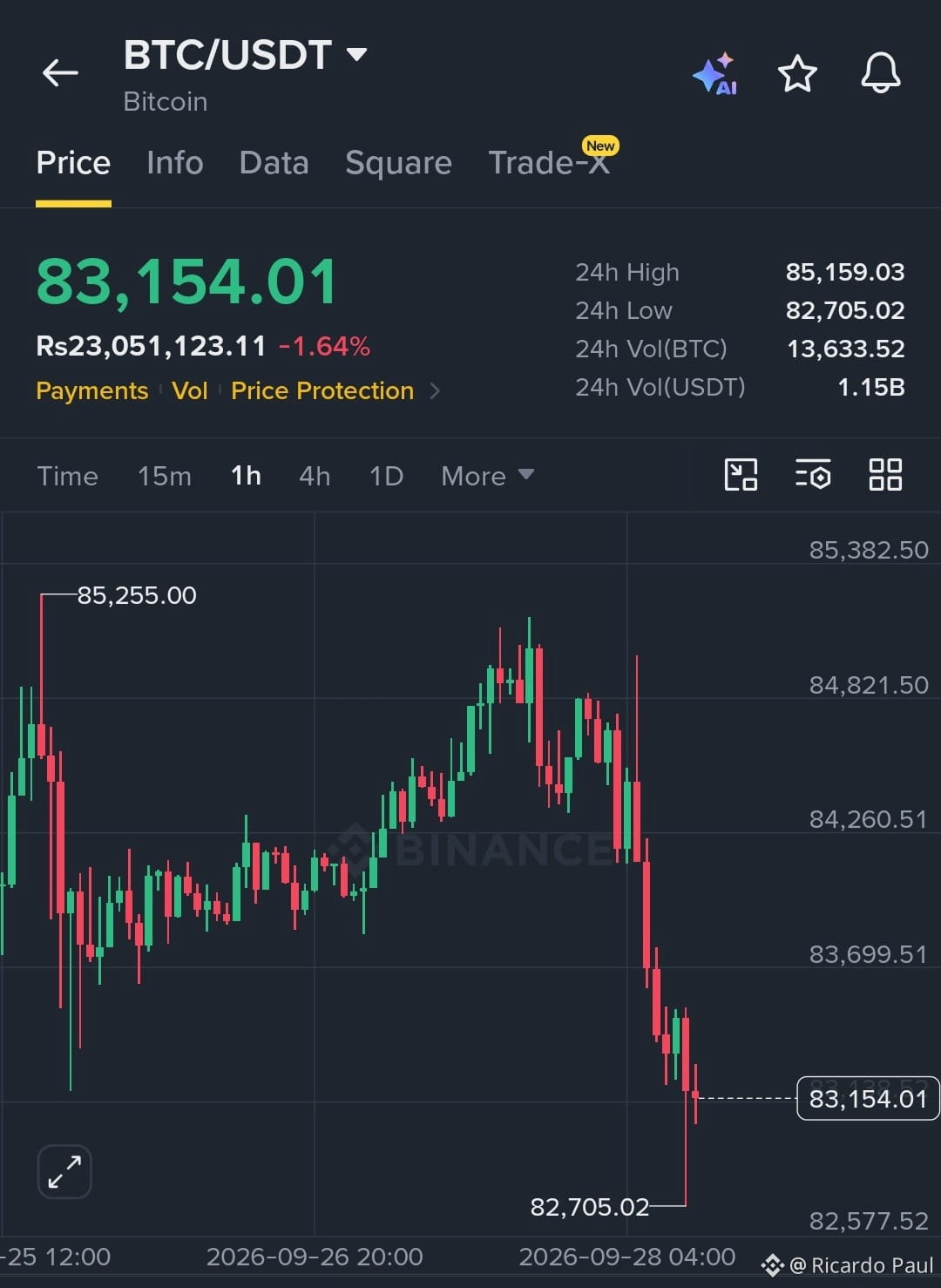
Bitcoin sitzt in einer kritischen Entscheidungszone
Bitcoin handelt um $83,1K, ist im Tagesverlauf etwa 1,6% im Minus, nachdem es im Bereich von $85K abgewiesen wurde. Der 1H-Chart zeigt die Verschiebung klar: BTC wechselte von höheren Hochs in eine Reihe niedrigerer Hochs, verlor dann die Unterstützung bei $84,26K und beschleunigte nach unten.
Der entscheidende Move war der Flush bis $82.705.
Dieser Docht zeigt uns, dass Käufer die Region um die niedrigen $82K weiterhin verteidigen, aber der Rebound bisher nicht stark genug ist, um zu bestätigen, dass die Verkäufer nicht mehr aktiv sind.
Für mich ist $82,7K die unmittelbare Grenze.
Wenn BTC diese Marke hält und $83,7K zurückerobert, könnte der Sell-off in einen Liquidity-Sweep übergehen statt in einen vollständigen Trendbruch. Eine Rückeroberung von $84,26K würde diesen Fall untermauern, während $84,8K–$85,2K weiterhin die größere Widerstandszone bleibt, in der Verkäufer bereits aufgetaucht sind.
Aber wenn $82,7K bricht und der Preis beginnt, darunter zu akzeptieren, ändert sich das Bild schnell. Die nächsten Bereiche, die ich im Blick hätte, sind ungefähr $82K und dann $81K–$80K.
Das Interessante ist, dass die Schwäche des Preises nicht isoliert auftritt.
Jüngste Zuflüsse in US-Spot-Bitcoin-ETFs haben eine starke institutionelle Nachfrage gezeigt, während makroökonomische Bedingungen — darunter erhöhte Renditen, ein stärkerer Dollar und höhere Ölpreise — Druck auf Risk Assets ausüben. So bleibt BTC zwischen zugrunde liegender Nachfrage und einer Verschlechterung des kurzfristigen Momentum gefangen.
Das Volumen ist ein weiterer Punkt, den ich besonders genau beobachten würde.
Ein Bounce ohne nennenswertes Volumen kann sich leicht in ein weiteres niedrigeres Hoch verwandeln. Was ich sehen möchte, ist: Käufer erobern verlorene Levels zurück und liefern einen echten Follow-through — nicht nur eine schnelle grüne Kerze nach einem Liquidations-Flush.
Also ist die Karte ziemlich einfach:
$82,7K → unmittelbare Unterstützung
$83,7K → erstes Erholungslevel
$84,26K → Struktur-Rückeroberung
$84,8K–$85,2K → großer Widerstand
BTC muss von hier aus nicht explodierend nach oben laufen, um den Chart zu verbessern.
Es reicht, wenn BTC aufhört, niedrigere Hochs zu bilden, und beginnt, die Levels zurückzuerobern, die es gerade verloren hat.
Solange das nicht passiert ist, würde ich das als eine Zone mit hoher Volatilität behandeln — und nicht annehmen, dass der Breakdown oder die nächste Rally bereits bestätigt ist.
$BTC
#btc
Bitcoin sitzt in einer kritischen Entscheidungszone
Bitcoin handelt um $83,1K, ist im Tagesverlauf etwa 1,6% im Minus, nachdem es im Bereich von $85K abgewiesen wurde. Der 1H-Chart zeigt die Verschiebung klar: BTC wechselte von höheren Hochs in eine Reihe niedrigerer Hochs, verlor dann die Unterstützung bei $84,26K und beschleunigte nach unten.
Der entscheidende Move war der Flush bis $82.705.
Dieser Docht zeigt uns, dass Käufer die Region um die niedrigen $82K weiterhin verteidigen, aber der Rebound bisher nicht stark genug ist, um zu bestätigen, dass die Verkäufer nicht mehr aktiv sind.
Für mich ist $82,7K die unmittelbare Grenze.
Wenn BTC diese Marke hält und $83,7K zurückerobert, könnte der Sell-off in einen Liquidity-Sweep übergehen statt in einen vollständigen Trendbruch. Eine Rückeroberung von $84,26K würde diesen Fall untermauern, während $84,8K–$85,2K weiterhin die größere Widerstandszone bleibt, in der Verkäufer bereits aufgetaucht sind.
Aber wenn $82,7K bricht und der Preis beginnt, darunter zu akzeptieren, ändert sich das Bild schnell. Die nächsten Bereiche, die ich im Blick hätte, sind ungefähr $82K und dann $81K–$80K.
Das Interessante ist, dass die Schwäche des Preises nicht isoliert auftritt.
Jüngste Zuflüsse in US-Spot-Bitcoin-ETFs haben eine starke institutionelle Nachfrage gezeigt, während makroökonomische Bedingungen — darunter erhöhte Renditen, ein stärkerer Dollar und höhere Ölpreise — Druck auf Risk Assets ausüben. So bleibt BTC zwischen zugrunde liegender Nachfrage und einer Verschlechterung des kurzfristigen Momentum gefangen.
Das Volumen ist ein weiterer Punkt, den ich besonders genau beobachten würde.
Ein Bounce ohne nennenswertes Volumen kann sich leicht in ein weiteres niedrigeres Hoch verwandeln. Was ich sehen möchte, ist: Käufer erobern verlorene Levels zurück und liefern einen echten Follow-through — nicht nur eine schnelle grüne Kerze nach einem Liquidations-Flush.
Also ist die Karte ziemlich einfach:
$82,7K → unmittelbare Unterstützung
$83,7K → erstes Erholungslevel
$84,26K → Struktur-Rückeroberung
$84,8K–$85,2K → großer Widerstand
BTC muss von hier aus nicht explodierend nach oben laufen, um den Chart zu verbessern.
Es reicht, wenn BTC aufhört, niedrigere Hochs zu bilden, und beginnt, die Levels zurückzuerobern, die es gerade verloren hat.
Solange das nicht passiert ist, würde ich das als eine Zone mit hoher Volatilität behandeln — und nicht annehmen, dass der Breakdown oder die nächste Rally bereits bestätigt ist.
$BTC
#btc
Bitcoin handelt um $83,1K, ist im Tagesverlauf etwa 1,6% im Minus, nachdem es im Bereich von $85K abgewiesen wurde. Der 1H-Chart zeigt die Verschiebung klar: BTC wechselte von höheren Hochs in eine Reihe niedrigerer Hochs, verlor dann die Unterstützung bei $84,26K und beschleunigte nach unten.
Der entscheidende Move war der Flush bis $82.705.
Dieser Docht zeigt uns, dass Käufer die Region um die niedrigen $82K weiterhin verteidigen, aber der Rebound bisher nicht stark genug ist, um zu bestätigen, dass die Verkäufer nicht mehr aktiv sind.
Für mich ist $82,7K die unmittelbare Grenze.
Wenn BTC diese Marke hält und $83,7K zurückerobert, könnte der Sell-off in einen Liquidity-Sweep übergehen statt in einen vollständigen Trendbruch. Eine Rückeroberung von $84,26K würde diesen Fall untermauern, während $84,8K–$85,2K weiterhin die größere Widerstandszone bleibt, in der Verkäufer bereits aufgetaucht sind.
Aber wenn $82,7K bricht und der Preis beginnt, darunter zu akzeptieren, ändert sich das Bild schnell. Die nächsten Bereiche, die ich im Blick hätte, sind ungefähr $82K und dann $81K–$80K.
Das Interessante ist, dass die Schwäche des Preises nicht isoliert auftritt.
Jüngste Zuflüsse in US-Spot-Bitcoin-ETFs haben eine starke institutionelle Nachfrage gezeigt, während makroökonomische Bedingungen — darunter erhöhte Renditen, ein stärkerer Dollar und höhere Ölpreise — Druck auf Risk Assets ausüben. So bleibt BTC zwischen zugrunde liegender Nachfrage und einer Verschlechterung des kurzfristigen Momentum gefangen.
Das Volumen ist ein weiterer Punkt, den ich besonders genau beobachten würde.
Ein Bounce ohne nennenswertes Volumen kann sich leicht in ein weiteres niedrigeres Hoch verwandeln. Was ich sehen möchte, ist: Käufer erobern verlorene Levels zurück und liefern einen echten Follow-through — nicht nur eine schnelle grüne Kerze nach einem Liquidations-Flush.
Also ist die Karte ziemlich einfach:
$82,7K → unmittelbare Unterstützung
$83,7K → erstes Erholungslevel
$84,26K → Struktur-Rückeroberung
$84,8K–$85,2K → großer Widerstand
BTC muss von hier aus nicht explodierend nach oben laufen, um den Chart zu verbessern.
Es reicht, wenn BTC aufhört, niedrigere Hochs zu bilden, und beginnt, die Levels zurückzuerobern, die es gerade verloren hat.
Solange das nicht passiert ist, würde ich das als eine Zone mit hoher Volatilität behandeln — und nicht annehmen, dass der Breakdown oder die nächste Rally bereits bestätigt ist.
$BTC
#btc
1
123
·
--
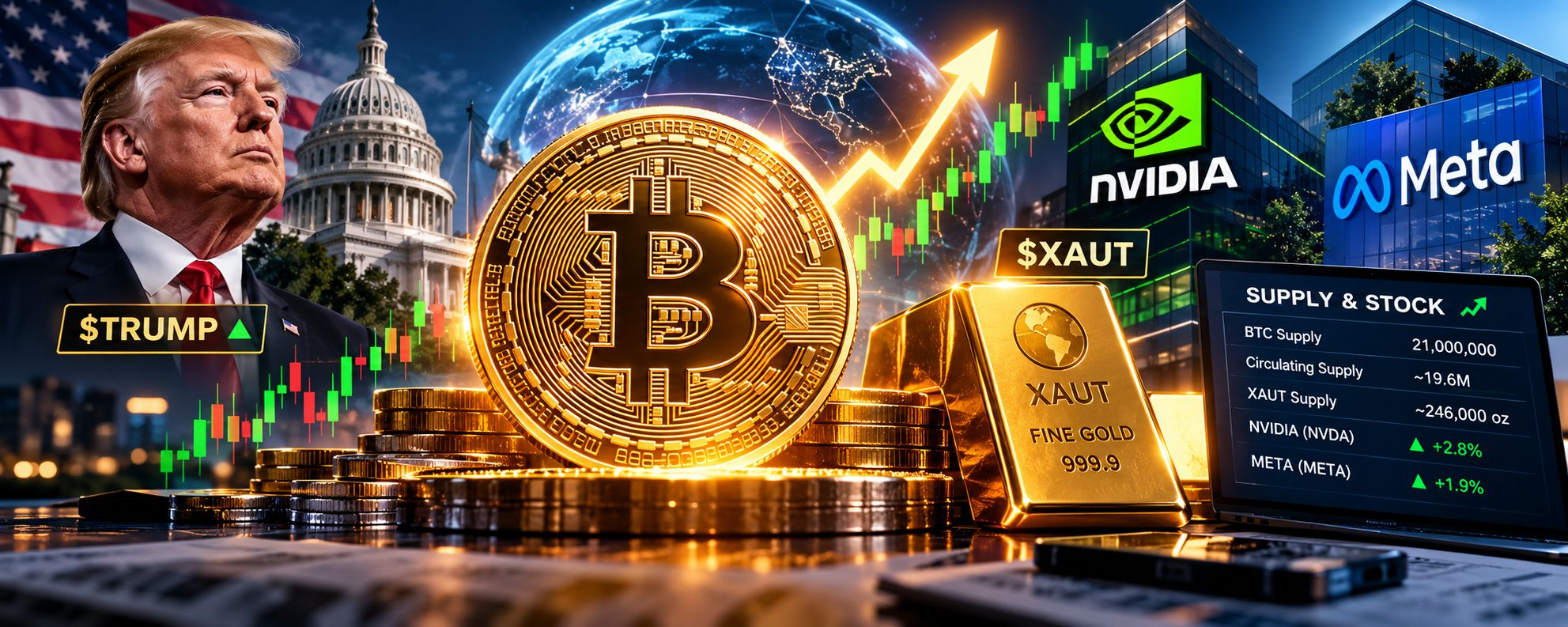
Bitcoin ist mehr als nur eine Zahl in einem Diagramm.
Es ist ein globales Geldnetzwerk, das auf transparenten Regeln basiert: eine maximale Angebotsmenge von 21 Millionen BTC, vorhersehbare Halvings, Proof-of-Work-Mining und dezentrale Verifikation.
Das Halving im Jahr 2024 senkte die neue Emission von 6,25 BTC auf 3,125 BTC pro Block, während der institutionelle Zugang sich durch Spot-Bitcoin-ETFs und traditionelle Finanzinfrastruktur erweitert hat.
Doch Knappheit garantiert nicht automatisch höhere Preise.
Bitcoin steht weiterhin vor großen Risiken: extreme Volatilität, Regulierung, Probleme bei der Verwahrung (Custody), Leverage, sich verändernde Liquiditätsbedingungen und der Wettbewerb um das investierbare Kapital.
Die größere Frage lautet nicht nur „Steigt BTC?“
Sondern:
Wird Bitcoin zu einem nützlicheren, vertrauenswürdigeren und zugänglicheren Geldnetzwerk?
Das Protokoll produziert weiterhin Blöcke.
Der Emissionsplan bewegt sich weiterhin auf 21 Millionen zu.
Und der Markt entscheidet weiterhin, was jeder BTC wert ist.
Dieses Experiment läuft noch. 🟠
#Bitcoin #BTC #Crypto #Blockchain #DigitalGold $BTC
Bitcoin ist mehr als nur eine Zahl in einem Diagramm.
Es ist ein globales Geldnetzwerk, das auf transparenten Regeln basiert: eine maximale Angebotsmenge von 21 Millionen BTC, vorhersehbare Halvings, Proof-of-Work-Mining und dezentrale Verifikation.
Das Halving im Jahr 2024 senkte die neue Emission von 6,25 BTC auf 3,125 BTC pro Block, während der institutionelle Zugang sich durch Spot-Bitcoin-ETFs und traditionelle Finanzinfrastruktur erweitert hat.
Doch Knappheit garantiert nicht automatisch höhere Preise.
Bitcoin steht weiterhin vor großen Risiken: extreme Volatilität, Regulierung, Probleme bei der Verwahrung (Custody), Leverage, sich verändernde Liquiditätsbedingungen und der Wettbewerb um das investierbare Kapital.
Die größere Frage lautet nicht nur „Steigt BTC?“
Sondern:
Wird Bitcoin zu einem nützlicheren, vertrauenswürdigeren und zugänglicheren Geldnetzwerk?
Das Protokoll produziert weiterhin Blöcke.
Der Emissionsplan bewegt sich weiterhin auf 21 Millionen zu.
Und der Markt entscheidet weiterhin, was jeder BTC wert ist.
Dieses Experiment läuft noch. 🟠
#Bitcoin #BTC #Crypto #Blockchain #DigitalGold $BTC
Es ist ein globales Geldnetzwerk, das auf transparenten Regeln basiert: eine maximale Angebotsmenge von 21 Millionen BTC, vorhersehbare Halvings, Proof-of-Work-Mining und dezentrale Verifikation.
Das Halving im Jahr 2024 senkte die neue Emission von 6,25 BTC auf 3,125 BTC pro Block, während der institutionelle Zugang sich durch Spot-Bitcoin-ETFs und traditionelle Finanzinfrastruktur erweitert hat.
Doch Knappheit garantiert nicht automatisch höhere Preise.
Bitcoin steht weiterhin vor großen Risiken: extreme Volatilität, Regulierung, Probleme bei der Verwahrung (Custody), Leverage, sich verändernde Liquiditätsbedingungen und der Wettbewerb um das investierbare Kapital.
Die größere Frage lautet nicht nur „Steigt BTC?“
Sondern:
Wird Bitcoin zu einem nützlicheren, vertrauenswürdigeren und zugänglicheren Geldnetzwerk?
Das Protokoll produziert weiterhin Blöcke.
Der Emissionsplan bewegt sich weiterhin auf 21 Millionen zu.
Und der Markt entscheidet weiterhin, was jeder BTC wert ist.
Dieses Experiment läuft noch. 🟠
#Bitcoin #BTC #Crypto #Blockchain #DigitalGold $BTC
1
146
·
--
Welche anderen Investitionsmöglichkeiten bleiben, wenn KI-Aktien weiter steigen?
KI ist von einem Markttrend zu etwas viel Größerem geworden.
Wir haben beobachtet, wie die großen KI-Namen enorme Mengen an Kapital anziehen, während die Nachfrage nach Chips, die Ausgaben für Rechenzentren und die Rechenkapazität weiter wachsen. Aber hier ist der Teil, der für mich besonders interessant ist:
Was passiert mit den Unternehmen, die den KI-Boom erst möglich machen? #AIStocksWhatNext
Jeder spricht über die Unternehmen, die leistungsstarke KI-Modelle und Chips entwickeln. Viel weniger Menschen sprechen über die Infrastruktur darunter.
Denken Sie mal darüber nach.
Mehr KI bedeutet mehr Rechenzentren.
Mehr Rechenzentren bedeuten mehr Strom.
Mehr Rechenleistung bedeutet mehr Netzwerktechnik und Kühlung.
Mehr digitale Systeme bedeuten stärkere Cybersicherheit.
Und Unternehmen, die KI einsetzen, brauchen weiterhin Software, die all diese Technologie tatsächlich in Umsatz umwandeln kann.
Das ergibt eine deutlich umfassendere KI-Investitionsstory.
Die nächste Gelegenheit ist vielleicht nicht unbedingt eine weitere KI-Aktie, die Schlagzeilen macht. Sie könnte ein Unternehmen sein, das Strom liefert, Ausrüstung bereitstellt, Networking, Speicher, Automatisierung oder spezialisierte Software für die Unternehmen, die Milliarden in KI investieren, bereitstellt.
Aber ich beobachte auch die andere Seite des Handels.
Die Erwartungen an KI sind bereits extrem hoch. Unternehmen können ein starkes Wachstum melden und dennoch den Markt enttäuschen, wenn Investoren etwas noch Größeres erwartet haben. Irgendwann müssen die KI-Ausgaben sich in nachhaltige Umsätze und Gewinne übersetzen.
Dort könnte es spannend werden.
Sind wir noch in den frühen Phasen des Aufbaus einer KI-Infrastruktur, oder preisen manche Teile des Marktes bereits Jahre zukünftigen Wachstums ein?
Für mich ist das die eigentliche Frage hinter #AIStocksWhatNext.
Die KI-Story könnte nicht bei den größten Chip-Unternehmen enden.
Sie könnte sich über Strom, Rechenzentren, Networking, Cybersicherheit, Automatisierung und Unternehmenssoftware ausbreiten – über die Unternehmen, die die Basis unter der KI-Wirtschaft still und leise aufbauen.
Die Gewinner der nächsten Phase könnten die Unternehmen sein, über die die Leute noch nicht laut genug sprechen.
Welche anderen Investitionsmöglichkeiten bleiben, wenn KI-Aktien weiter steigen?
KI ist von einem Markttrend zu etwas viel Größerem geworden.
Wir haben beobachtet, wie die großen KI-Namen enorme Mengen an Kapital anziehen, während die Nachfrage nach Chips, die Ausgaben für Rechenzentren und die Rechenkapazität weiter wachsen. Aber hier ist der Teil, der für mich besonders interessant ist:
Was passiert mit den Unternehmen, die den KI-Boom erst möglich machen? #AIStocksWhatNext
Jeder spricht über die Unternehmen, die leistungsstarke KI-Modelle und Chips entwickeln. Viel weniger Menschen sprechen über die Infrastruktur darunter.
Denken Sie mal darüber nach.
Mehr KI bedeutet mehr Rechenzentren.
Mehr Rechenzentren bedeuten mehr Strom.
Mehr Rechenleistung bedeutet mehr Netzwerktechnik und Kühlung.
Mehr digitale Systeme bedeuten stärkere Cybersicherheit.
Und Unternehmen, die KI einsetzen, brauchen weiterhin Software, die all diese Technologie tatsächlich in Umsatz umwandeln kann.
Das ergibt eine deutlich umfassendere KI-Investitionsstory.
Die nächste Gelegenheit ist vielleicht nicht unbedingt eine weitere KI-Aktie, die Schlagzeilen macht. Sie könnte ein Unternehmen sein, das Strom liefert, Ausrüstung bereitstellt, Networking, Speicher, Automatisierung oder spezialisierte Software für die Unternehmen, die Milliarden in KI investieren, bereitstellt.
Aber ich beobachte auch die andere Seite des Handels.
Die Erwartungen an KI sind bereits extrem hoch. Unternehmen können ein starkes Wachstum melden und dennoch den Markt enttäuschen, wenn Investoren etwas noch Größeres erwartet haben. Irgendwann müssen die KI-Ausgaben sich in nachhaltige Umsätze und Gewinne übersetzen.
Dort könnte es spannend werden.
Sind wir noch in den frühen Phasen des Aufbaus einer KI-Infrastruktur, oder preisen manche Teile des Marktes bereits Jahre zukünftigen Wachstums ein?
Für mich ist das die eigentliche Frage hinter #AIStocksWhatNext.
Die KI-Story könnte nicht bei den größten Chip-Unternehmen enden.
Sie könnte sich über Strom, Rechenzentren, Networking, Cybersicherheit, Automatisierung und Unternehmenssoftware ausbreiten – über die Unternehmen, die die Basis unter der KI-Wirtschaft still und leise aufbauen.
Die Gewinner der nächsten Phase könnten die Unternehmen sein, über die die Leute noch nicht laut genug sprechen.
KI ist von einem Markttrend zu etwas viel Größerem geworden.
Wir haben beobachtet, wie die großen KI-Namen enorme Mengen an Kapital anziehen, während die Nachfrage nach Chips, die Ausgaben für Rechenzentren und die Rechenkapazität weiter wachsen. Aber hier ist der Teil, der für mich besonders interessant ist:
Was passiert mit den Unternehmen, die den KI-Boom erst möglich machen? #AIStocksWhatNext
Jeder spricht über die Unternehmen, die leistungsstarke KI-Modelle und Chips entwickeln. Viel weniger Menschen sprechen über die Infrastruktur darunter.
Denken Sie mal darüber nach.
Mehr KI bedeutet mehr Rechenzentren.
Mehr Rechenzentren bedeuten mehr Strom.
Mehr Rechenleistung bedeutet mehr Netzwerktechnik und Kühlung.
Mehr digitale Systeme bedeuten stärkere Cybersicherheit.
Und Unternehmen, die KI einsetzen, brauchen weiterhin Software, die all diese Technologie tatsächlich in Umsatz umwandeln kann.
Das ergibt eine deutlich umfassendere KI-Investitionsstory.
Die nächste Gelegenheit ist vielleicht nicht unbedingt eine weitere KI-Aktie, die Schlagzeilen macht. Sie könnte ein Unternehmen sein, das Strom liefert, Ausrüstung bereitstellt, Networking, Speicher, Automatisierung oder spezialisierte Software für die Unternehmen, die Milliarden in KI investieren, bereitstellt.
Aber ich beobachte auch die andere Seite des Handels.
Die Erwartungen an KI sind bereits extrem hoch. Unternehmen können ein starkes Wachstum melden und dennoch den Markt enttäuschen, wenn Investoren etwas noch Größeres erwartet haben. Irgendwann müssen die KI-Ausgaben sich in nachhaltige Umsätze und Gewinne übersetzen.
Dort könnte es spannend werden.
Sind wir noch in den frühen Phasen des Aufbaus einer KI-Infrastruktur, oder preisen manche Teile des Marktes bereits Jahre zukünftigen Wachstums ein?
Für mich ist das die eigentliche Frage hinter #AIStocksWhatNext.
Die KI-Story könnte nicht bei den größten Chip-Unternehmen enden.
Sie könnte sich über Strom, Rechenzentren, Networking, Cybersicherheit, Automatisierung und Unternehmenssoftware ausbreiten – über die Unternehmen, die die Basis unter der KI-Wirtschaft still und leise aufbauen.
Die Gewinner der nächsten Phase könnten die Unternehmen sein, über die die Leute noch nicht laut genug sprechen.

11
15
394
·
--
Bitcoin sorgt weiterhin dafür, dass das Meme rund um den „Inverse Cramer“ immer interessanter aussieht. ₿
Zurück Anfang/Mitte Ende Juli sagte Jim Cramer, er wolle seinen Bitcoin verkaufen, nachdem IBM-CEO Arvind Krishna Bedenken geäußert hatte, welche potenzielle Bedrohung Quantencomputing für die Kryptografie von Bitcoin darstellen könnte.
BTC wurde zu diesem Zeitpunkt bei etwa 62,8 Tsd. $ gehandelt.
Weiter geht’s bis heute…
Bitcoin hat die Marke von 85.000 $ durchbrochen und liegt damit ungefähr 35–36% höher als der Stand rund um Cramers berüchtigten Verkaufs-Kommentar.
Und hier ist der Punkt, den man sich merken sollte:
Es gibt keine öffentliche Wallet- oder Transaktionsaufzeichnung, die bestätigt, dass Cramer tatsächlich seine gesamte BTC-Position verkauft hat. Daher sollte der Teil „Er hat alles verkauft“ als seine erklärte Absicht betrachtet werden – nicht als verifizierte Transaktion.
Interessanterweise sagte Cramer später einem Anrufer, er solle direkt Bitcoin kaufen, was der ganzen Geschichte noch eine weitere Wendung verleiht.
Also ganz gleich, ob du es Inverse Cramer nennst, Markttiming oder einfach darum, dass Bitcoin macht, was Bitcoin eben macht…
Das Diagramm erzählt die Geschichte:
Cramer: Ich werde meinen Bitcoin verkaufen.
Bitcoin: Okay… schau dir das an.😂
$BTC
#Bitcoin #BTC #JimCramer #Crypto #BitcoinNews
Bitcoin sorgt weiterhin dafür, dass das Meme rund um den „Inverse Cramer“ immer interessanter aussieht. ₿
Zurück Anfang/Mitte Ende Juli sagte Jim Cramer, er wolle seinen Bitcoin verkaufen, nachdem IBM-CEO Arvind Krishna Bedenken geäußert hatte, welche potenzielle Bedrohung Quantencomputing für die Kryptografie von Bitcoin darstellen könnte.
BTC wurde zu diesem Zeitpunkt bei etwa 62,8 Tsd. $ gehandelt.
Weiter geht’s bis heute…
Bitcoin hat die Marke von 85.000 $ durchbrochen und liegt damit ungefähr 35–36% höher als der Stand rund um Cramers berüchtigten Verkaufs-Kommentar.
Und hier ist der Punkt, den man sich merken sollte:
Es gibt keine öffentliche Wallet- oder Transaktionsaufzeichnung, die bestätigt, dass Cramer tatsächlich seine gesamte BTC-Position verkauft hat. Daher sollte der Teil „Er hat alles verkauft“ als seine erklärte Absicht betrachtet werden – nicht als verifizierte Transaktion.
Interessanterweise sagte Cramer später einem Anrufer, er solle direkt Bitcoin kaufen, was der ganzen Geschichte noch eine weitere Wendung verleiht.
Also ganz gleich, ob du es Inverse Cramer nennst, Markttiming oder einfach darum, dass Bitcoin macht, was Bitcoin eben macht…
Das Diagramm erzählt die Geschichte:
Cramer: Ich werde meinen Bitcoin verkaufen.
Bitcoin: Okay… schau dir das an.😂
$BTC
#Bitcoin #BTC #JimCramer #Crypto #BitcoinNews
Zurück Anfang/Mitte Ende Juli sagte Jim Cramer, er wolle seinen Bitcoin verkaufen, nachdem IBM-CEO Arvind Krishna Bedenken geäußert hatte, welche potenzielle Bedrohung Quantencomputing für die Kryptografie von Bitcoin darstellen könnte.
BTC wurde zu diesem Zeitpunkt bei etwa 62,8 Tsd. $ gehandelt.
Weiter geht’s bis heute…
Bitcoin hat die Marke von 85.000 $ durchbrochen und liegt damit ungefähr 35–36% höher als der Stand rund um Cramers berüchtigten Verkaufs-Kommentar.
Und hier ist der Punkt, den man sich merken sollte:
Es gibt keine öffentliche Wallet- oder Transaktionsaufzeichnung, die bestätigt, dass Cramer tatsächlich seine gesamte BTC-Position verkauft hat. Daher sollte der Teil „Er hat alles verkauft“ als seine erklärte Absicht betrachtet werden – nicht als verifizierte Transaktion.
Interessanterweise sagte Cramer später einem Anrufer, er solle direkt Bitcoin kaufen, was der ganzen Geschichte noch eine weitere Wendung verleiht.
Also ganz gleich, ob du es Inverse Cramer nennst, Markttiming oder einfach darum, dass Bitcoin macht, was Bitcoin eben macht…
Das Diagramm erzählt die Geschichte:
Cramer: Ich werde meinen Bitcoin verkaufen.
Bitcoin: Okay… schau dir das an.😂
$BTC
#Bitcoin #BTC #JimCramer #Crypto #BitcoinNews

2
146
·
--
Was wäre, wenn der Besitz von 1 BTC zu einem Meilenstein für ganze Generationen wird?
David Marcus, ehemaliger PayPal-Präsident und aktueller CEO von Lightspark, machte kürzlich einen bemerkenswerten Punkt: Künftige Generationen könnten sich wünschen, früh genug geboren worden zu sein, um einen vollständigen Bitcoin besitzen zu können.
Zuerst klingt das dramatisch. Aber schauen wir auf das Angebot.
Bitcoin wurde mit einer harten Obergrenze von 21 Millionen BTC entwickelt. Am 18. September waren bereits rund 20,09 Millionen BTC ausgegeben, das heißt: Mehr als 95 % des späteren Gesamtangebots sind bereits da.
Und die verbleibenden Coins kommen nicht schnell nach. Die neue Ausgabe wird durch den Halving-Plan von Bitcoin gesteuert und reduziert allmählich die Zahl der neuen BTC, die in den Umlauf gelangen.
An dieser Stelle wird das Gespräch spannend.
Bitcoin braucht nicht, dass jede Person auf der Erde einen ganzen Coin besitzen will. Selbst eine Welt, in der Menschen zunehmend Bruchteile von BTC halten, kann mit wachsender Verbreitung ein völlig anderes Bild der Besitzverhältnisse schaffen.
Wir sehen das bereits: Die institutionelle Beteiligung bleibt Teil der Story. Reuters berichtete im September von neuen Zuflüssen in Bitcoin-ETFs, während BTC kürzlich wieder über 80.000 US-Dollar stieg, nachdem es in der Woche zuvor in der Nähe von 76.000 US-Dollar gehandelt worden war.
Natürlich garantiert allein Knappheit keinen höheren Preis. Bitcoin bleibt volatil, und die Nachfrage kann sich mit Liquidität, Regulierung, Zinsniveaus und der Stimmung der Anleger dramatisch verändern.
Aber Marcus’ Aussage wirft eine viel größere Frage auf:
Wird sich der Besitz von 1 ganzen BTC irgendwann weniger wie der Kauf eines Vermögenswerts anfühlen und mehr wie das Besitzen eines knappen Stücks digitaler Geschichte?
Niemand weiß, wo Bitcoin in Jahrzehnten stehen wird.
Was wir jedoch wissen, ist einfach:
21 Millionen ist die Obergrenze.
Mehr als 20 Millionen sind bereits ausgegeben.
Und das restliche Angebot kommt nur langsam nach.
Diese Knappheit ist keine Prognose.
Sie ist im Code angelegt.
$BTC $ETH
#bitcoin #BTC #Crypto #DigitalAssets #Web3
Was wäre, wenn der Besitz von 1 BTC zu einem Meilenstein für ganze Generationen wird?
David Marcus, ehemaliger PayPal-Präsident und aktueller CEO von Lightspark, machte kürzlich einen bemerkenswerten Punkt: Künftige Generationen könnten sich wünschen, früh genug geboren worden zu sein, um einen vollständigen Bitcoin besitzen zu können.
Zuerst klingt das dramatisch. Aber schauen wir auf das Angebot.
Bitcoin wurde mit einer harten Obergrenze von 21 Millionen BTC entwickelt. Am 18. September waren bereits rund 20,09 Millionen BTC ausgegeben, das heißt: Mehr als 95 % des späteren Gesamtangebots sind bereits da.
Und die verbleibenden Coins kommen nicht schnell nach. Die neue Ausgabe wird durch den Halving-Plan von Bitcoin gesteuert und reduziert allmählich die Zahl der neuen BTC, die in den Umlauf gelangen.
An dieser Stelle wird das Gespräch spannend.
Bitcoin braucht nicht, dass jede Person auf der Erde einen ganzen Coin besitzen will. Selbst eine Welt, in der Menschen zunehmend Bruchteile von BTC halten, kann mit wachsender Verbreitung ein völlig anderes Bild der Besitzverhältnisse schaffen.
Wir sehen das bereits: Die institutionelle Beteiligung bleibt Teil der Story. Reuters berichtete im September von neuen Zuflüssen in Bitcoin-ETFs, während BTC kürzlich wieder über 80.000 US-Dollar stieg, nachdem es in der Woche zuvor in der Nähe von 76.000 US-Dollar gehandelt worden war.
Natürlich garantiert allein Knappheit keinen höheren Preis. Bitcoin bleibt volatil, und die Nachfrage kann sich mit Liquidität, Regulierung, Zinsniveaus und der Stimmung der Anleger dramatisch verändern.
Aber Marcus’ Aussage wirft eine viel größere Frage auf:
Wird sich der Besitz von 1 ganzen BTC irgendwann weniger wie der Kauf eines Vermögenswerts anfühlen und mehr wie das Besitzen eines knappen Stücks digitaler Geschichte?
Niemand weiß, wo Bitcoin in Jahrzehnten stehen wird.
Was wir jedoch wissen, ist einfach:
21 Millionen ist die Obergrenze.
Mehr als 20 Millionen sind bereits ausgegeben.
Und das restliche Angebot kommt nur langsam nach.
Diese Knappheit ist keine Prognose.
Sie ist im Code angelegt.
$BTC $ETH
#bitcoin #BTC #Crypto #DigitalAssets #Web3
David Marcus, ehemaliger PayPal-Präsident und aktueller CEO von Lightspark, machte kürzlich einen bemerkenswerten Punkt: Künftige Generationen könnten sich wünschen, früh genug geboren worden zu sein, um einen vollständigen Bitcoin besitzen zu können.
Zuerst klingt das dramatisch. Aber schauen wir auf das Angebot.
Bitcoin wurde mit einer harten Obergrenze von 21 Millionen BTC entwickelt. Am 18. September waren bereits rund 20,09 Millionen BTC ausgegeben, das heißt: Mehr als 95 % des späteren Gesamtangebots sind bereits da.
Und die verbleibenden Coins kommen nicht schnell nach. Die neue Ausgabe wird durch den Halving-Plan von Bitcoin gesteuert und reduziert allmählich die Zahl der neuen BTC, die in den Umlauf gelangen.
An dieser Stelle wird das Gespräch spannend.
Bitcoin braucht nicht, dass jede Person auf der Erde einen ganzen Coin besitzen will. Selbst eine Welt, in der Menschen zunehmend Bruchteile von BTC halten, kann mit wachsender Verbreitung ein völlig anderes Bild der Besitzverhältnisse schaffen.
Wir sehen das bereits: Die institutionelle Beteiligung bleibt Teil der Story. Reuters berichtete im September von neuen Zuflüssen in Bitcoin-ETFs, während BTC kürzlich wieder über 80.000 US-Dollar stieg, nachdem es in der Woche zuvor in der Nähe von 76.000 US-Dollar gehandelt worden war.
Natürlich garantiert allein Knappheit keinen höheren Preis. Bitcoin bleibt volatil, und die Nachfrage kann sich mit Liquidität, Regulierung, Zinsniveaus und der Stimmung der Anleger dramatisch verändern.
Aber Marcus’ Aussage wirft eine viel größere Frage auf:
Wird sich der Besitz von 1 ganzen BTC irgendwann weniger wie der Kauf eines Vermögenswerts anfühlen und mehr wie das Besitzen eines knappen Stücks digitaler Geschichte?
Niemand weiß, wo Bitcoin in Jahrzehnten stehen wird.
Was wir jedoch wissen, ist einfach:
21 Millionen ist die Obergrenze.
Mehr als 20 Millionen sind bereits ausgegeben.
Und das restliche Angebot kommt nur langsam nach.
Diese Knappheit ist keine Prognose.
Sie ist im Code angelegt.
$BTC $ETH
#bitcoin #BTC #Crypto #DigitalAssets #Web3

3
189
·
--
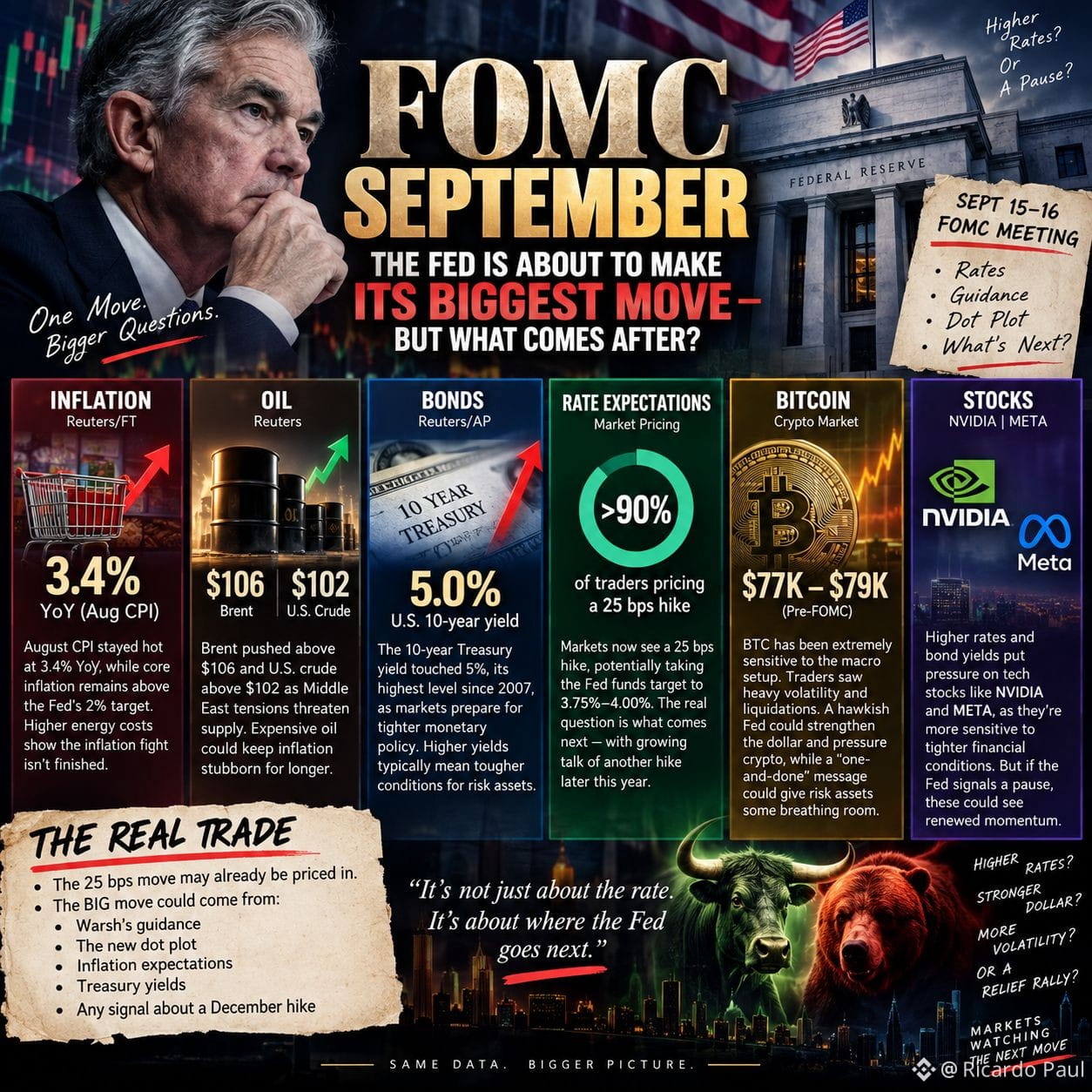
FOMC September: Die Fed steht kurz vor ihrem größten Schritt Doch was kommt danach?
Die Fed geht in ihre Sitzung am 15.–16. September mit den Märkten im Ausnahmezustand. Eine Zinserhöhung um 25 Basispunkte ist inzwischen nahezu vollständig eingepreist, aber die eigentliche Frage lautet, was Kevin Warsh NACH der Entscheidung sagt. Handelt es sich um einen einmaligen Schritt – oder den Beginn eines weiteren Straffungszyklus?
Der August-CPI blieb mit 3,4% im Jahresvergleich heiß, während die Kerninflation weiterhin über dem 2%-Ziel der Fed lag. Dazu kommen höhere Energiekosten – und der Inflationskampf ist eindeutig noch nicht beendet. Das liefert der Fed einen guten Grund, weiterhin hawkisch zu bleiben.
Die neue Unbekannte ist Energie. Brent stieg über 106 US-Dollar und US-Rohöl über 102 US-Dollar, da Spannungen im Nahen Osten die Versorgung bedrohten. Wenn teures Öl in Transport- und Produktionskosten durchschlägt, könnte die Inflation länger hartnäckig bleiben.
Auch der Rentenmarkt sendet bereits eine Warnung. Die Rendite der US-10-jährigen Staatsanleihe stieg auf 5% – den höchsten Stand seit 2007 –, während die Märkte sich auf eine straffere Geldpolitik vorbereiteten. Höhere Renditen bedeuten in der Regel härtere Finanzierungsbedingungen für risikoreiche Assets.
Mehr als 90% der Händler preisen mittlerweile eine Zinserhöhung um 25 Basispunkte ein – potenziell mit dem Ziel, den Fed-Funds-Zielsatz auf 3,75%–4,00% zu bringen. Spannend ist jedoch, was als Nächstes kommt: Die Märkte diskutieren zunehmend die Möglichkeit einer weiteren Erhöhung später in diesem Jahr.
BTC reagiert äußerst sensibel auf das makroökonomische Umfeld. Vor dem FOMC handelte es sich im Bereich von rund 77.000 bis 79.000 US-Dollar, während Händler eine hohe Volatilität und Liquidationen beobachteten. Eine hawkische Fed könnte den Dollar stärken und Krypto unter Druck setzen; eine „one-and-done“-Botschaft könnte risikoreichen Assets etwas Luft verschaffen.
Der Schritt um 25 Basispunkte ist möglicherweise bereits eingepreist.
DER große Impuls könnte von Folgendem kommen:
Warshs Ausblick
der neue Dot-Plot
Inflationserwartungen
Staatsanleiherenditen
Jedes Signal zu einer Zinserhöhung im Dezember
Wenn die Fed anhebt, aber „one and done“ signalisiert, könnten sich die Märkte langfristig stabilisieren.
Wenn Warsh die Tür für weitere Zinsschritte öffnet, rechnen Sie mit höheren Renditen, einem stärkeren Dollar und mehr Druck auf liquiditätssensitive Assets
Das September-FOMC geht nicht nur um den Zinssatz.
Es geht darum, wohin die Fed als Nächstes geht
#FedRateWatch
$BTC
{spot}(BTCUSDT)
FOMC September: Die Fed steht kurz vor ihrem größten Schritt Doch was kommt danach?
Die Fed geht in ihre Sitzung am 15.–16. September mit den Märkten im Ausnahmezustand. Eine Zinserhöhung um 25 Basispunkte ist inzwischen nahezu vollständig eingepreist, aber die eigentliche Frage lautet, was Kevin Warsh NACH der Entscheidung sagt. Handelt es sich um einen einmaligen Schritt – oder den Beginn eines weiteren Straffungszyklus?
Der August-CPI blieb mit 3,4% im Jahresvergleich heiß, während die Kerninflation weiterhin über dem 2%-Ziel der Fed lag. Dazu kommen höhere Energiekosten – und der Inflationskampf ist eindeutig noch nicht beendet. Das liefert der Fed einen guten Grund, weiterhin hawkisch zu bleiben.
Die neue Unbekannte ist Energie. Brent stieg über 106 US-Dollar und US-Rohöl über 102 US-Dollar, da Spannungen im Nahen Osten die Versorgung bedrohten. Wenn teures Öl in Transport- und Produktionskosten durchschlägt, könnte die Inflation länger hartnäckig bleiben.
Auch der Rentenmarkt sendet bereits eine Warnung. Die Rendite der US-10-jährigen Staatsanleihe stieg auf 5% – den höchsten Stand seit 2007 –, während die Märkte sich auf eine straffere Geldpolitik vorbereiteten. Höhere Renditen bedeuten in der Regel härtere Finanzierungsbedingungen für risikoreiche Assets.
Mehr als 90% der Händler preisen mittlerweile eine Zinserhöhung um 25 Basispunkte ein – potenziell mit dem Ziel, den Fed-Funds-Zielsatz auf 3,75%–4,00% zu bringen. Spannend ist jedoch, was als Nächstes kommt: Die Märkte diskutieren zunehmend die Möglichkeit einer weiteren Erhöhung später in diesem Jahr.
BTC reagiert äußerst sensibel auf das makroökonomische Umfeld. Vor dem FOMC handelte es sich im Bereich von rund 77.000 bis 79.000 US-Dollar, während Händler eine hohe Volatilität und Liquidationen beobachteten. Eine hawkische Fed könnte den Dollar stärken und Krypto unter Druck setzen; eine „one-and-done“-Botschaft könnte risikoreichen Assets etwas Luft verschaffen.
Der Schritt um 25 Basispunkte ist möglicherweise bereits eingepreist.
DER große Impuls könnte von Folgendem kommen:
Warshs Ausblick
der neue Dot-Plot
Inflationserwartungen
Staatsanleiherenditen
Jedes Signal zu einer Zinserhöhung im Dezember
Wenn die Fed anhebt, aber „one and done“ signalisiert, könnten sich die Märkte langfristig stabilisieren.
Wenn Warsh die Tür für weitere Zinsschritte öffnet, rechnen Sie mit höheren Renditen, einem stärkeren Dollar und mehr Druck auf liquiditätssensitive Assets
Das September-FOMC geht nicht nur um den Zinssatz.
Es geht darum, wohin die Fed als Nächstes geht
#FedRateWatch
$BTC
Die Fed geht in ihre Sitzung am 15.–16. September mit den Märkten im Ausnahmezustand. Eine Zinserhöhung um 25 Basispunkte ist inzwischen nahezu vollständig eingepreist, aber die eigentliche Frage lautet, was Kevin Warsh NACH der Entscheidung sagt. Handelt es sich um einen einmaligen Schritt – oder den Beginn eines weiteren Straffungszyklus?
Der August-CPI blieb mit 3,4% im Jahresvergleich heiß, während die Kerninflation weiterhin über dem 2%-Ziel der Fed lag. Dazu kommen höhere Energiekosten – und der Inflationskampf ist eindeutig noch nicht beendet. Das liefert der Fed einen guten Grund, weiterhin hawkisch zu bleiben.
Die neue Unbekannte ist Energie. Brent stieg über 106 US-Dollar und US-Rohöl über 102 US-Dollar, da Spannungen im Nahen Osten die Versorgung bedrohten. Wenn teures Öl in Transport- und Produktionskosten durchschlägt, könnte die Inflation länger hartnäckig bleiben.
Auch der Rentenmarkt sendet bereits eine Warnung. Die Rendite der US-10-jährigen Staatsanleihe stieg auf 5% – den höchsten Stand seit 2007 –, während die Märkte sich auf eine straffere Geldpolitik vorbereiteten. Höhere Renditen bedeuten in der Regel härtere Finanzierungsbedingungen für risikoreiche Assets.
Mehr als 90% der Händler preisen mittlerweile eine Zinserhöhung um 25 Basispunkte ein – potenziell mit dem Ziel, den Fed-Funds-Zielsatz auf 3,75%–4,00% zu bringen. Spannend ist jedoch, was als Nächstes kommt: Die Märkte diskutieren zunehmend die Möglichkeit einer weiteren Erhöhung später in diesem Jahr.
BTC reagiert äußerst sensibel auf das makroökonomische Umfeld. Vor dem FOMC handelte es sich im Bereich von rund 77.000 bis 79.000 US-Dollar, während Händler eine hohe Volatilität und Liquidationen beobachteten. Eine hawkische Fed könnte den Dollar stärken und Krypto unter Druck setzen; eine „one-and-done“-Botschaft könnte risikoreichen Assets etwas Luft verschaffen.
Der Schritt um 25 Basispunkte ist möglicherweise bereits eingepreist.
DER große Impuls könnte von Folgendem kommen:
Warshs Ausblick
der neue Dot-Plot
Inflationserwartungen
Staatsanleiherenditen
Jedes Signal zu einer Zinserhöhung im Dezember
Wenn die Fed anhebt, aber „one and done“ signalisiert, könnten sich die Märkte langfristig stabilisieren.
Wenn Warsh die Tür für weitere Zinsschritte öffnet, rechnen Sie mit höheren Renditen, einem stärkeren Dollar und mehr Druck auf liquiditätssensitive Assets
Das September-FOMC geht nicht nur um den Zinssatz.
Es geht darum, wohin die Fed als Nächstes geht
#FedRateWatch
$BTC
15
22
539
·
--
XAU₮ bei 4.328 $: Golds nächster Schritt könnte von der Fed abhängen
XAU₮ befindet sich auf einem interessanten Niveau. Der Chart zeigt 4.328,20 $ und damit -0,47 %, bei einer 24-Stunden-Spanne von 4.323–4.354,30 $ und einem Umsatzvolumen von rund 15,26 Mio. Zuvor drückte der Kurs in Richtung 4.399 $, konnte sich dort jedoch nicht halten. Vorerst sieht 4.295–4.323 nach der entscheidenden Unterstützungszone aus, während 4.347–4.399 der Bereich ist, den die Bullen zurückerobern müssen.
Reuters: Gold fiel am 14. September auf rund 4.327 $/oz, da steigende Ölpreise Inflationssorgen wieder aufleben ließen und die Erwartungen an eine Fed-Zinserhöhung anhoben. Die Märkte preisten etwa eine 87%ige Wahrscheinlichkeit für eine Zinserhöhung um 25 Basispunkte ein – deutlich höher als vor den jüngsten Inflationsdaten. Das übt kurzfristig Druck auf nicht verzinsliches Gold aus.
Öl & Makro: Brent stieg über 107 $, während WTI über 102 $ kletterte, nachdem es zu neuen Liefer- und Versandstörungen im Nahen Osten gekommen war. Das Problem für Gold: Teureres Öl kann die Inflation erhöht halten und den Zentralbanken einen weiteren Grund geben, weiterhin auf einer hawkischen Linie zu bleiben.
World Gold Council: Die langfristige Gold-Story bleibt jedoch stark. Zentralbanken kauften im Q2 2026 289 Tonnen – fünfmal so viel wie die in Q1 überarbeitete Zahl von 57 Tonnen. Polen und China blieben wichtige Käufer und zeigen damit, dass die Diversifizierung der Reserven weiterläuft, selbst wenn die Goldpreise volatil bleiben.
Update der Zentralbanken: Im Juli kam es zu erneutem Netto-Kauf im Umfang von 23 Tonnen im offiziellen Sektor. China fügte 20 Tonnen hinzu und verlängerte seine Kaufserie auf 21 aufeinanderfolgende Monate, während Polen weiterhin zu den größten Aufkäufern des Jahres zählte.
XAU₮-Update: Tethers Gold-Token entwickelt sich ebenfalls weiter – über reines Trading hinaus. XAU₮ wurde als Sicherheitenwert für Krypto-gestützte Kredite aufgenommen: Arch Lending bietet Darlehen gegen den Token mit LTVs von bis zu 75 %. Das schafft für tokenisiertes Gold einen weiteren Anwendungsfall: Liquidität erschließen, ohne die Gold-Exposure direkt zu verkaufen.
Alloy-Update: Tether fährt die Alloy/aUSDT-Route herunter. Bestehende Nutzer haben bis zum 17. September 2026 Zeit, Positionen abzubauen und das zugrunde liegende XAU₮ über die Plattform zurückzuerhalten. Das bedeutet nicht, dass XAU₮ selbst abgeschaltet wird; die Änderung betrifft spezifisch das Alloy-Produkt.
$XAUT
XAU₮ bei 4.328 $: Golds nächster Schritt könnte von der Fed abhängen
XAU₮ befindet sich auf einem interessanten Niveau. Der Chart zeigt 4.328,20 $ und damit -0,47 %, bei einer 24-Stunden-Spanne von 4.323–4.354,30 $ und einem Umsatzvolumen von rund 15,26 Mio. Zuvor drückte der Kurs in Richtung 4.399 $, konnte sich dort jedoch nicht halten. Vorerst sieht 4.295–4.323 nach der entscheidenden Unterstützungszone aus, während 4.347–4.399 der Bereich ist, den die Bullen zurückerobern müssen.
Reuters: Gold fiel am 14. September auf rund 4.327 $/oz, da steigende Ölpreise Inflationssorgen wieder aufleben ließen und die Erwartungen an eine Fed-Zinserhöhung anhoben. Die Märkte preisten etwa eine 87%ige Wahrscheinlichkeit für eine Zinserhöhung um 25 Basispunkte ein – deutlich höher als vor den jüngsten Inflationsdaten. Das übt kurzfristig Druck auf nicht verzinsliches Gold aus.
Öl & Makro: Brent stieg über 107 $, während WTI über 102 $ kletterte, nachdem es zu neuen Liefer- und Versandstörungen im Nahen Osten gekommen war. Das Problem für Gold: Teureres Öl kann die Inflation erhöht halten und den Zentralbanken einen weiteren Grund geben, weiterhin auf einer hawkischen Linie zu bleiben.
World Gold Council: Die langfristige Gold-Story bleibt jedoch stark. Zentralbanken kauften im Q2 2026 289 Tonnen – fünfmal so viel wie die in Q1 überarbeitete Zahl von 57 Tonnen. Polen und China blieben wichtige Käufer und zeigen damit, dass die Diversifizierung der Reserven weiterläuft, selbst wenn die Goldpreise volatil bleiben.
Update der Zentralbanken: Im Juli kam es zu erneutem Netto-Kauf im Umfang von 23 Tonnen im offiziellen Sektor. China fügte 20 Tonnen hinzu und verlängerte seine Kaufserie auf 21 aufeinanderfolgende Monate, während Polen weiterhin zu den größten Aufkäufern des Jahres zählte.
XAU₮-Update: Tethers Gold-Token entwickelt sich ebenfalls weiter – über reines Trading hinaus. XAU₮ wurde als Sicherheitenwert für Krypto-gestützte Kredite aufgenommen: Arch Lending bietet Darlehen gegen den Token mit LTVs von bis zu 75 %. Das schafft für tokenisiertes Gold einen weiteren Anwendungsfall: Liquidität erschließen, ohne die Gold-Exposure direkt zu verkaufen.
Alloy-Update: Tether fährt die Alloy/aUSDT-Route herunter. Bestehende Nutzer haben bis zum 17. September 2026 Zeit, Positionen abzubauen und das zugrunde liegende XAU₮ über die Plattform zurückzuerhalten. Das bedeutet nicht, dass XAU₮ selbst abgeschaltet wird; die Änderung betrifft spezifisch das Alloy-Produkt.
$XAUT
XAU₮ befindet sich auf einem interessanten Niveau. Der Chart zeigt 4.328,20 $ und damit -0,47 %, bei einer 24-Stunden-Spanne von 4.323–4.354,30 $ und einem Umsatzvolumen von rund 15,26 Mio. Zuvor drückte der Kurs in Richtung 4.399 $, konnte sich dort jedoch nicht halten. Vorerst sieht 4.295–4.323 nach der entscheidenden Unterstützungszone aus, während 4.347–4.399 der Bereich ist, den die Bullen zurückerobern müssen.
Reuters: Gold fiel am 14. September auf rund 4.327 $/oz, da steigende Ölpreise Inflationssorgen wieder aufleben ließen und die Erwartungen an eine Fed-Zinserhöhung anhoben. Die Märkte preisten etwa eine 87%ige Wahrscheinlichkeit für eine Zinserhöhung um 25 Basispunkte ein – deutlich höher als vor den jüngsten Inflationsdaten. Das übt kurzfristig Druck auf nicht verzinsliches Gold aus.
Öl & Makro: Brent stieg über 107 $, während WTI über 102 $ kletterte, nachdem es zu neuen Liefer- und Versandstörungen im Nahen Osten gekommen war. Das Problem für Gold: Teureres Öl kann die Inflation erhöht halten und den Zentralbanken einen weiteren Grund geben, weiterhin auf einer hawkischen Linie zu bleiben.
World Gold Council: Die langfristige Gold-Story bleibt jedoch stark. Zentralbanken kauften im Q2 2026 289 Tonnen – fünfmal so viel wie die in Q1 überarbeitete Zahl von 57 Tonnen. Polen und China blieben wichtige Käufer und zeigen damit, dass die Diversifizierung der Reserven weiterläuft, selbst wenn die Goldpreise volatil bleiben.
Update der Zentralbanken: Im Juli kam es zu erneutem Netto-Kauf im Umfang von 23 Tonnen im offiziellen Sektor. China fügte 20 Tonnen hinzu und verlängerte seine Kaufserie auf 21 aufeinanderfolgende Monate, während Polen weiterhin zu den größten Aufkäufern des Jahres zählte.
XAU₮-Update: Tethers Gold-Token entwickelt sich ebenfalls weiter – über reines Trading hinaus. XAU₮ wurde als Sicherheitenwert für Krypto-gestützte Kredite aufgenommen: Arch Lending bietet Darlehen gegen den Token mit LTVs von bis zu 75 %. Das schafft für tokenisiertes Gold einen weiteren Anwendungsfall: Liquidität erschließen, ohne die Gold-Exposure direkt zu verkaufen.
Alloy-Update: Tether fährt die Alloy/aUSDT-Route herunter. Bestehende Nutzer haben bis zum 17. September 2026 Zeit, Positionen abzubauen und das zugrunde liegende XAU₮ über die Plattform zurückzuerhalten. Das bedeutet nicht, dass XAU₮ selbst abgeschaltet wird; die Änderung betrifft spezifisch das Alloy-Produkt.
$XAUT

60
Anmelden und weiter Inhalte entdecken
Krypto-Nutzer weltweit auf Binance Square kennenlernen
⚡️ Bleib in Sachen Krypto stets am Puls.
💬 Die weltgrößte Kryptobörse vertraut darauf.
👍 Erhalte verlässliche Einblicke von verifizierten Creators.
E-Mail-Adresse/Telefonnummer
Trendthemen
FedMinutesFocusOnOctoberPause
77,751 Aufrufe
932 Kommentare
🚨 HOHE ALARMSTUFE ‼️ BITTE HANDELT IN DER NÄCHSTEN STUNDE NICHT BLIND 🚨
Leute, in weniger als einer Stunde werden die FOMC-Protokolle veröffentlicht.
Nach der Volatilität, die wir heute bereits erlebt haben, möchte ich wirklich nicht, dass jemand kurz vor der Veröffentlichung irgendwelche zufälligen Positionen mit hohem Hebel eröffnet.
Die stärkste Reaktion erwarte ich bei Gold (XAU), Silber (XAG), BTC und ETH. Coins wie SOL und andere stark gehebelte Altcoins mit mittlerer oder niedriger Marktkapitalisierung können jede Bewegung von BTC noch verstärken.
Gold und Silber reagieren heute Abend besonders empfindlich, weil der Markt bereits auf den US-Dollar und die Renditen von US-Staatsanleihen reagiert und beide Metalle vor der Veröffentlichung der Fed-Protokolle stark unter Druck standen.
Kurz gesagt:
📉 FOMC-Protokolle mit falkenhaftem Ton → Dollar und Renditen können steigen → Druck auf BTC, Krypto, Gold und Silber
📈 FOMC-Protokolle mit taubenhaftem Ton → Dollar und Renditen können nachgeben → BTC, Gold, Silber und andere Risikoanlagen können kräftig steigen.
Und bitte denkt daran: Die erste Kerze kann eine Falle sein. Es kann zunächst zu einem Pump kommen, dann zu einem sofortigen Dump, Liquidationen auf beiden Seiten und erst danach zur tatsächlichen Richtungsbewegung.
Schützt also vorerst eure Positionen, reduziert unnötigen Hebel und springt nicht aus FOMO auf die erste Bewegung auf.
Heute Abend beobachte ich zuerst $XAU , $XAG und $BTC . An ihnen werden wir sehr schnell erkennen, wie der Markt die Fed einschätzt.
Ich halte euch rechtzeitig auf dem Laufenden.
Folgt @Panda Traders und aktiviert jetzt eure Benachrichtigungen.
#FedMinutesFocusOnOctoberPause
Panda Traders
·14 Likes
·2.6k Aufrufe
BinanceLaunchesBinanceIntelligence
1M Aufrufe
6,201 Kommentare
EvernorthDelaysNasdaqDebutToOct12
4,220 Aufrufe
179 Kommentare