
M_S Crypto
311 Beiträge

M_S Crypto
Melden
Nutzer blockieren
I start Crypto Trading. From the Age of 14| And now Alhamdulillah, I’ve reached a point in trading where I consider myself a profitable trader.
Trade eröffnen
Regelmäßiger Trader
11.2 Monate
35 Following
159 Follower
227 Like gegeben
Beiträge
Portfolio
Alle
Zitierungen
Videos
·
--
Bullisch
Roter Alarm 🚨
Heute Nachrichten🗞️.
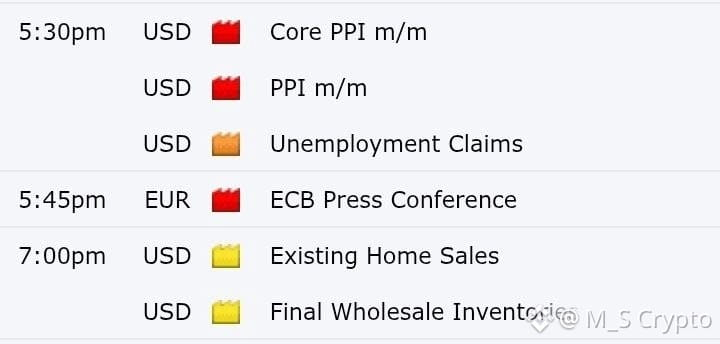
🇺🇸 PPI könnte der nächste $BTC
Auslöser sein
5,3% werden heute erwartet vs 4,7% zuvor
Kühle Inflation → „Risk-on“-Stimmung
Heiße Inflation → „Risk-off“-Stimmung
Und da der CPI morgen ansteht, haben Händler zwei Gelegenheiten, um gnadenlos bloßgestellt zu werden
#news #btc70k
Roter Alarm 🚨
Heute Nachrichten🗞️.
🇺🇸 PPI könnte der nächste $BTC
Auslöser sein
5,3% werden heute erwartet vs 4,7% zuvor
Kühle Inflation → „Risk-on“-Stimmung
Heiße Inflation → „Risk-off“-Stimmung
Und da der CPI morgen ansteht, haben Händler zwei Gelegenheiten, um gnadenlos bloßgestellt zu werden
#news #btc70k
Heute Nachrichten🗞️.
🇺🇸 PPI könnte der nächste $BTC
Auslöser sein
5,3% werden heute erwartet vs 4,7% zuvor
Kühle Inflation → „Risk-on“-Stimmung
Heiße Inflation → „Risk-off“-Stimmung
Und da der CPI morgen ansteht, haben Händler zwei Gelegenheiten, um gnadenlos bloßgestellt zu werden
#news #btc70k
69
·
--
Schließ dich deinem Lieblings-Influencer an. Handel gemeinsam. Gewinne bis zu 100.000 USDT Token Gutscheinen! [click Here to Join](https://www.binance.com/activity/trading-competition/PAKISTAN-CRYPTO-CLASH-V2?j=56077-49703&ref=1170811247)
#SpaceXEyes2TIPO
Schließ dich deinem Lieblings-Influencer an. Handel gemeinsam. Gewinne bis zu 100.000 USDT Token Gutscheinen! click Here to Join
#SpaceXEyes2TIPO
#SpaceXEyes2TIPO

5
·
--

Artikel
Warnung vom 15. Mai: Größter Crash steht bevor? Wechsel des Fed-Vorsitzenden könnte die Märkte erschüttern!🚨 Marktwarnung: Fed-Shift = Volatilitätssturm voraus?
Der Markt könnte sich in eine seiner unberechenbarsten Phasen bewegen.
Mit der finalen Rede von Jerome Powell beginnt ein großer Übergang bei der Federal Reserve — und die Geschichte zeigt, dass dieser Art von Verschiebung selten leise kommt.
📊 Was passiert gerade?
Der Führungswechsel der Fed schafft Unsicherheit
Politischer Druck auf Zinsentscheidungen steigt
Märkte (S&P 500 / NASDAQ) nähern sich Allzeithochs
In der Zwischenzeit steigt das Inflationsrisiko lautlos
Warnung vom 15. Mai: Größter Crash steht bevor? Wechsel des Fed-Vorsitzenden könnte die Märkte erschüttern!
🚨 Marktwarnung: Fed-Shift = Volatilitätssturm voraus?
Der Markt könnte sich in eine seiner unberechenbarsten Phasen bewegen.
Mit der finalen Rede von Jerome Powell beginnt ein großer Übergang bei der Federal Reserve — und die Geschichte zeigt, dass dieser Art von Verschiebung selten leise kommt.
📊 Was passiert gerade?
Der Führungswechsel der Fed schafft Unsicherheit
Politischer Druck auf Zinsentscheidungen steigt
Märkte (S&P 500 / NASDAQ) nähern sich Allzeithochs
In der Zwischenzeit steigt das Inflationsrisiko lautlos
Der Markt könnte sich in eine seiner unberechenbarsten Phasen bewegen.
Mit der finalen Rede von Jerome Powell beginnt ein großer Übergang bei der Federal Reserve — und die Geschichte zeigt, dass dieser Art von Verschiebung selten leise kommt.
📊 Was passiert gerade?
Der Führungswechsel der Fed schafft Unsicherheit
Politischer Druck auf Zinsentscheidungen steigt
Märkte (S&P 500 / NASDAQ) nähern sich Allzeithochs
In der Zwischenzeit steigt das Inflationsrisiko lautlos
72
·
--
Bullisch
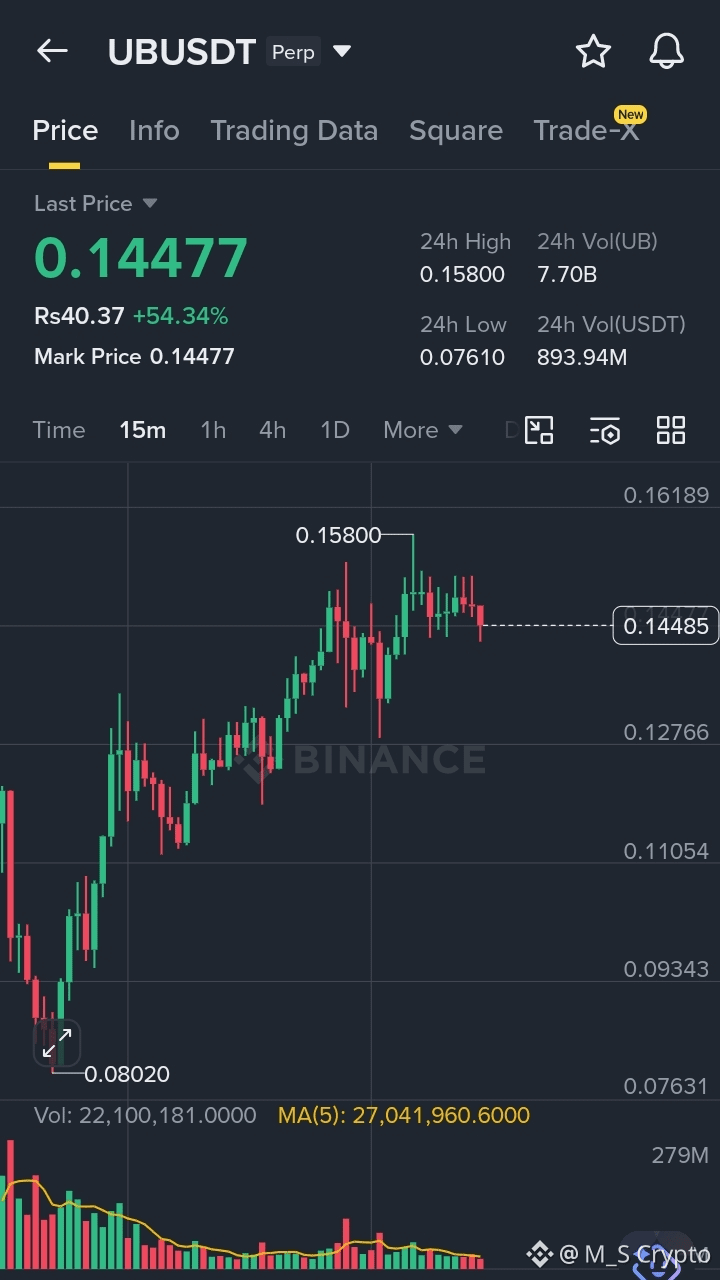
Eröffne $UB USDT "long" Position
verwende Hebel 10x
zum Marktpreis öffnen. Siehe Bild.
Setze Take-Profit-Ziele auf
✅ 0.15613
✅ 0.16021
✅ 0.16626
Setze SL auf
⛔️0.13905
Eröffne $UB USDT "long" Position
verwende Hebel 10x
zum Marktpreis öffnen. Siehe Bild.
Setze Take-Profit-Ziele auf
✅ 0.15613
✅ 0.16021
✅ 0.16626
Setze SL auf
⛔️0.13905
verwende Hebel 10x
zum Marktpreis öffnen. Siehe Bild.
Setze Take-Profit-Ziele auf
✅ 0.15613
✅ 0.16021
✅ 0.16626
Setze SL auf
⛔️0.13905
126
·
--
🚨 Markt-Alarm: Powells letzte FOMC-Pressekonferenz heute
Heute ist ein entscheidender Moment für die Finanzmärkte.
🇺🇸 Jerome Powell wird seine letzte FOMC-Pressekonferenz als Vorsitzender der Federal Reserve halten – und die Volatilität könnte im Krypto-Bereich ansteigen.
Dieses Ereignis bewegt historisch $BTC , $ETH und den gesamten Altcoin-Markt aufgrund von Zinserwartungen und Liquiditätsprognosen.
{future}(ETHUSDT)
{future}(BTCUSDT)
{future}(BNBUSDT)
Warum das für Krypto wichtig ist
• Hawkischer Ton → Risikoanlagen könnten fallen 📉
• Taubenhafter Ton → Krypto-Rallye möglich 🚀
• Unsicherheit → Fake-Breakouts & Volatilität ⚠️
Was Trader tun sollten
• Vermeide übermäßige Hebelwirkung vor der Rede
• Erwarten plötzliche Wicks auf beiden Seiten
• Nur in bestätigte Richtungen traden
• Halte das Risiko klein
Liquiditätsereignisse wie die FOMC entscheiden oft über den nächsten großen Marktmove.
#BTCDropsBelow$77K #fomc
🚨 Markt-Alarm: Powells letzte FOMC-Pressekonferenz heute
Heute ist ein entscheidender Moment für die Finanzmärkte.
🇺🇸 Jerome Powell wird seine letzte FOMC-Pressekonferenz als Vorsitzender der Federal Reserve halten – und die Volatilität könnte im Krypto-Bereich ansteigen.
Dieses Ereignis bewegt historisch $BTC , $ETH und den gesamten Altcoin-Markt aufgrund von Zinserwartungen und Liquiditätsprognosen.
Warum das für Krypto wichtig ist
• Hawkischer Ton → Risikoanlagen könnten fallen 📉
• Taubenhafter Ton → Krypto-Rallye möglich 🚀
• Unsicherheit → Fake-Breakouts & Volatilität ⚠️
Was Trader tun sollten
• Vermeide übermäßige Hebelwirkung vor der Rede
• Erwarten plötzliche Wicks auf beiden Seiten
• Nur in bestätigte Richtungen traden
• Halte das Risiko klein
Liquiditätsereignisse wie die FOMC entscheiden oft über den nächsten großen Marktmove.
#BTCDropsBelow$77K #fomc
Heute ist ein entscheidender Moment für die Finanzmärkte.
🇺🇸 Jerome Powell wird seine letzte FOMC-Pressekonferenz als Vorsitzender der Federal Reserve halten – und die Volatilität könnte im Krypto-Bereich ansteigen.
Dieses Ereignis bewegt historisch $BTC , $ETH und den gesamten Altcoin-Markt aufgrund von Zinserwartungen und Liquiditätsprognosen.
Warum das für Krypto wichtig ist
• Hawkischer Ton → Risikoanlagen könnten fallen 📉
• Taubenhafter Ton → Krypto-Rallye möglich 🚀
• Unsicherheit → Fake-Breakouts & Volatilität ⚠️
Was Trader tun sollten
• Vermeide übermäßige Hebelwirkung vor der Rede
• Erwarten plötzliche Wicks auf beiden Seiten
• Nur in bestätigte Richtungen traden
• Halte das Risiko klein
Liquiditätsereignisse wie die FOMC entscheiden oft über den nächsten großen Marktmove.
#BTCDropsBelow$77K #fomc

1
103
·
--
Bullisch
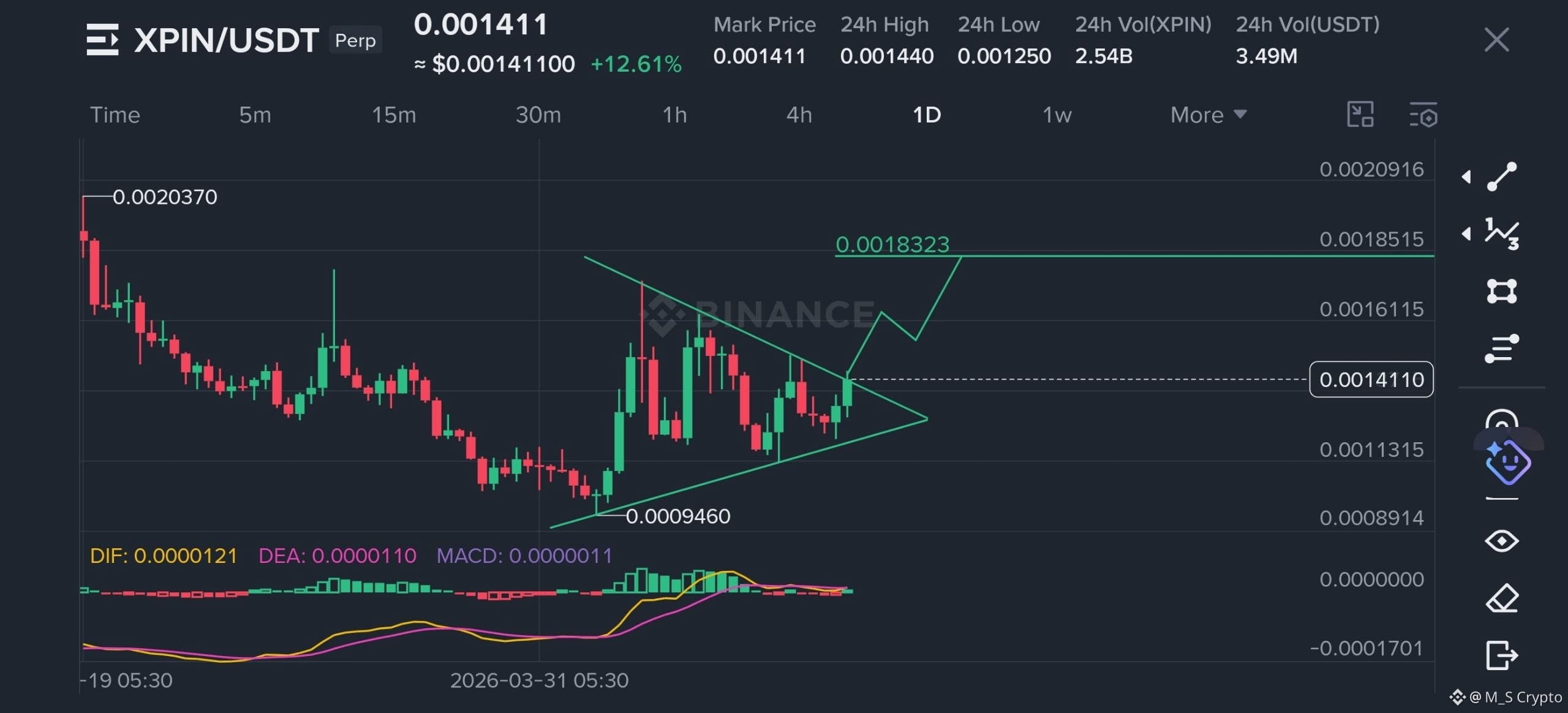
KAUFEN $XPIN zu 0.00140
Ziel: - 0.00150 - 0.00160 - 0.00180
{future}(XPINUSDT)
LEV: - 10X
KAUFEN $XPIN zu 0.00140
Ziel: - 0.00150 - 0.00160 - 0.00180
LEV: - 10X
Ziel: - 0.00150 - 0.00160 - 0.00180
LEV: - 10X
67
·
--
FUN FACT: WENIGER ALS 10% DER WELTBEVÖLKERUNG INVESTIERT IN #CRYPTO .
FUN FACT: WENIGER ALS 10% DER WELTBEVÖLKERUNG INVESTIERT IN #CRYPTO .
59
·
--
Bullisch
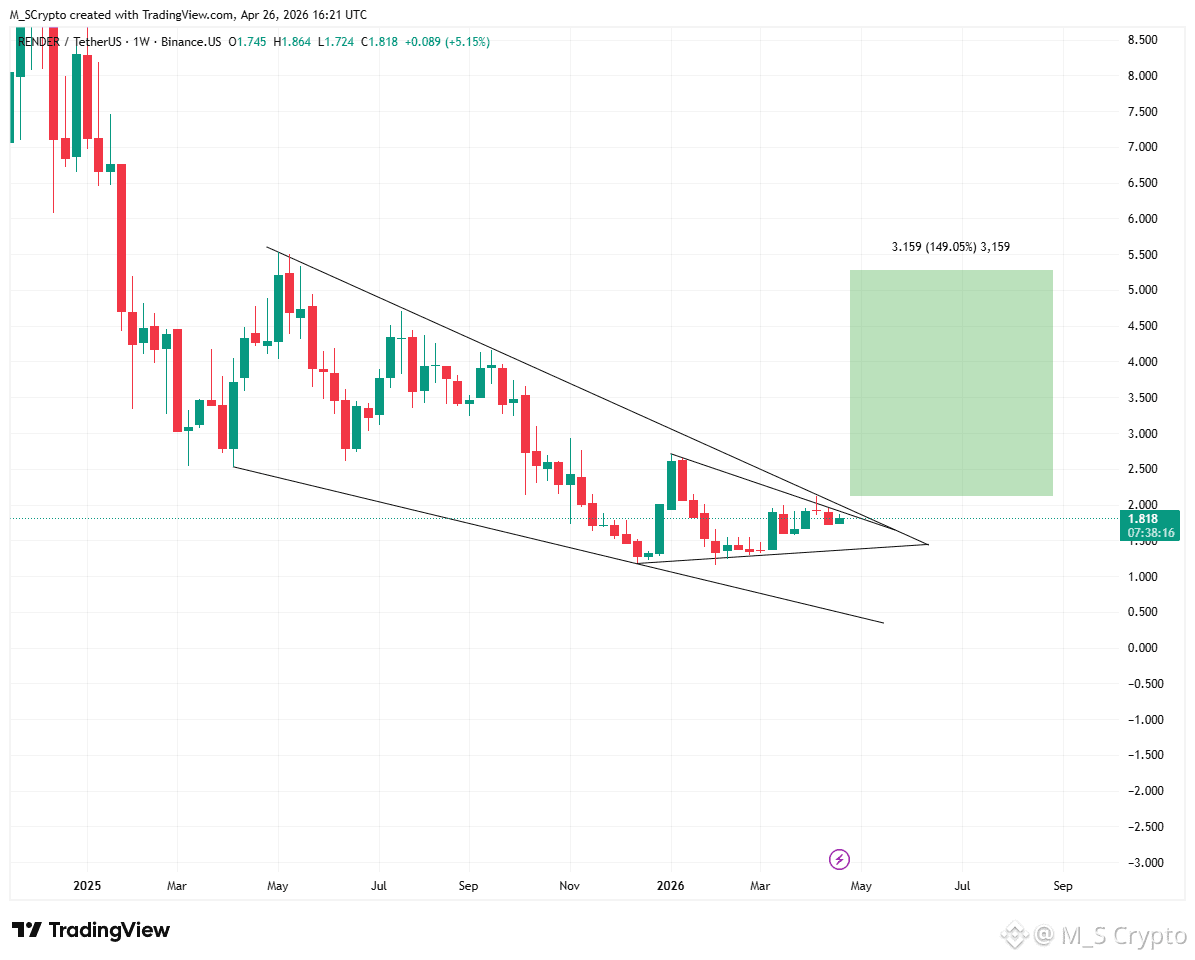
$RENDER DU SIEHST HIER ABSOLUT WUNDERSCHÖN AUS, KUMPEL.
DIESE PUMPS WENN ES DEN WICHTIGEN LEVEL VON $2.12 BRICHT, DER EIN LOKALER HOCHPUNKT IST.
DIE TENDENZ IST KLAR BULLISCH. DAS ZIEHT MINDESTENS $5 AN, WENN ES AUSBRICHT FÜR EINEN 150% MOVE.
{future}(RENDERUSDT)
$RENDER DU SIEHST HIER ABSOLUT WUNDERSCHÖN AUS, KUMPEL.
DIESE PUMPS WENN ES DEN WICHTIGEN LEVEL VON $2.12 BRICHT, DER EIN LOKALER HOCHPUNKT IST.
DIE TENDENZ IST KLAR BULLISCH. DAS ZIEHT MINDESTENS $5 AN, WENN ES AUSBRICHT FÜR EINEN 150% MOVE.
DIESE PUMPS WENN ES DEN WICHTIGEN LEVEL VON $2.12 BRICHT, DER EIN LOKALER HOCHPUNKT IST.
DIE TENDENZ IST KLAR BULLISCH. DAS ZIEHT MINDESTENS $5 AN, WENN ES AUSBRICHT FÜR EINEN 150% MOVE.
182
·
--
Bullisch
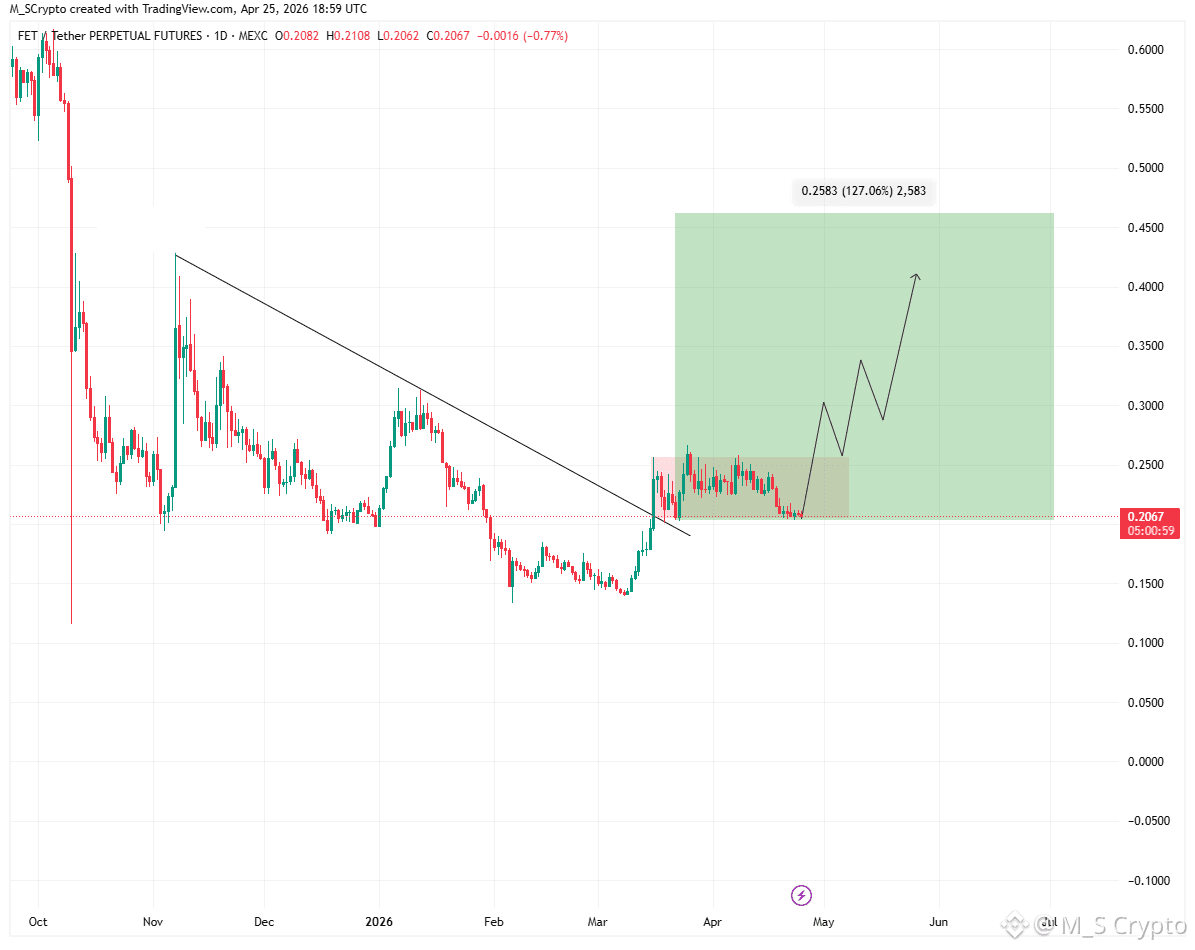
KAUF $FET AT 0.206 - 0.202
ZIEL | 0.220 - 0.240 - 0.270 - 0.300 - 0.350 - 0.400.....
HEBEL | 10X
{future}(FETUSDT)
KAUF $FET AT 0.206 - 0.202
ZIEL | 0.220 - 0.240 - 0.270 - 0.300 - 0.350 - 0.400.....
HEBEL | 10X
ZIEL | 0.220 - 0.240 - 0.270 - 0.300 - 0.350 - 0.400.....
HEBEL | 10X
192
·
--
M_S Crypto
·
--
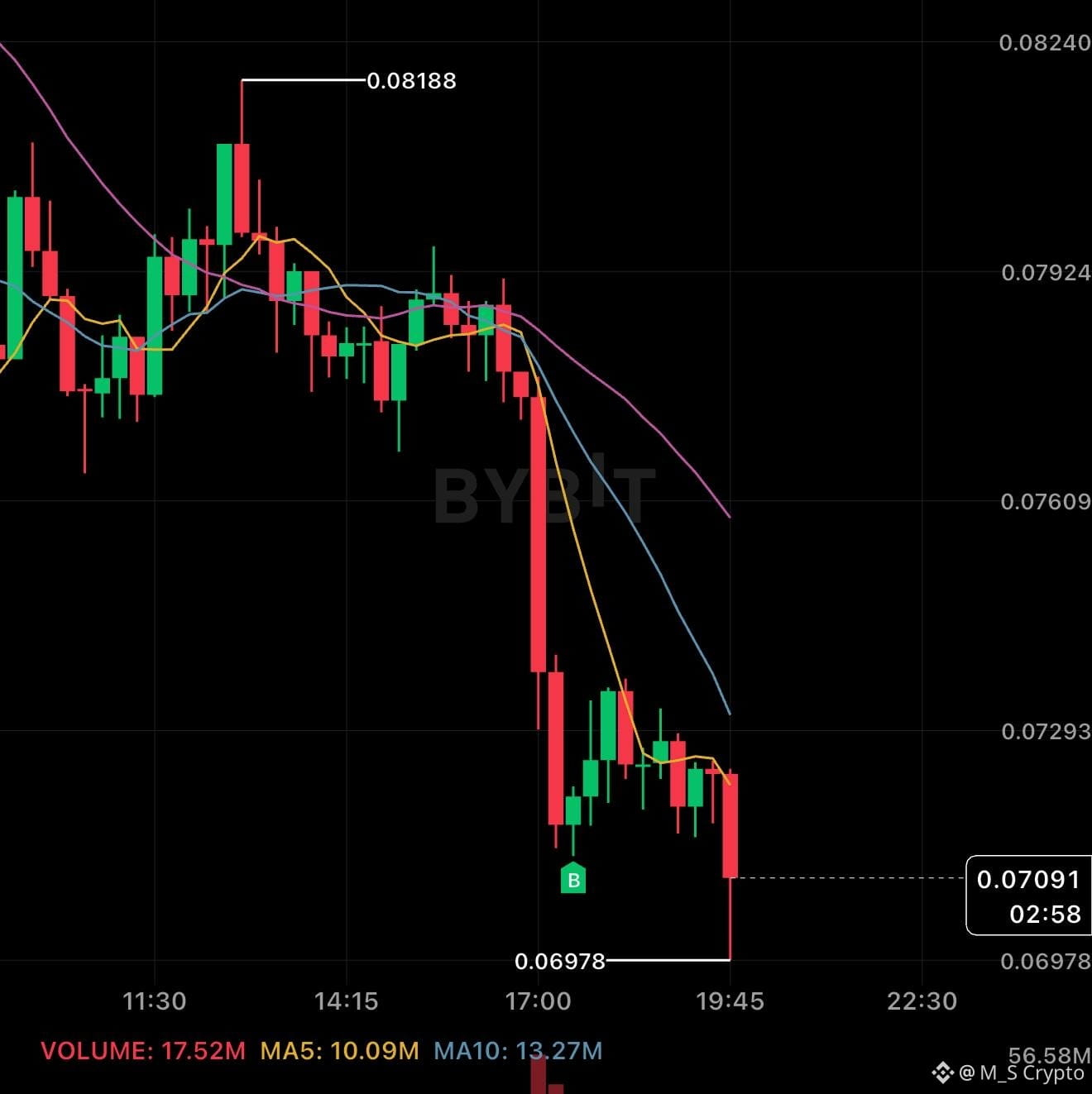
BärischÖffne $CHIP USDT Short-Position
Marktpreis öffnen
Verwende 10x Hebel
Take-Profit-Ziele
✅ 0.07589
✅ 0.07354
✅ 0.07119
Setze Stop-Loss bei
⛔️ 0.0841
Marktpreis öffnen
Verwende 10x Hebel
Take-Profit-Ziele
✅ 0.07589
✅ 0.07354
✅ 0.07119
Setze Stop-Loss bei
⛔️ 0.0841
157
·
--
Bärisch
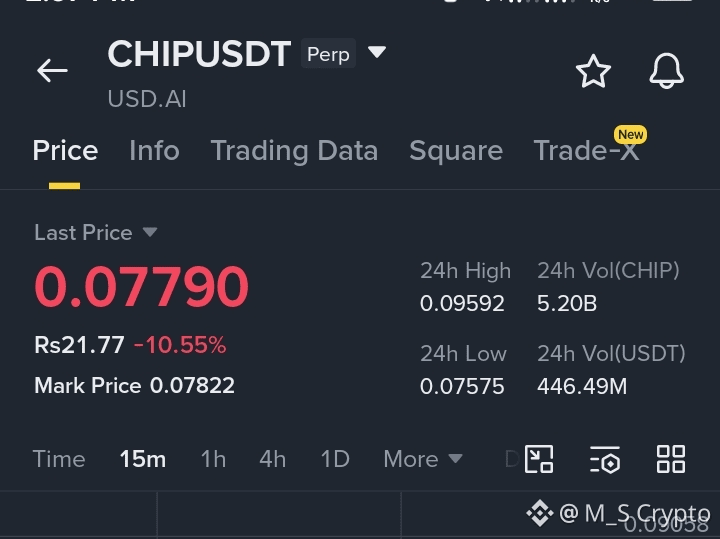
Öffne $CHIP USDT Short-Position
Marktpreis öffnen
{future}(CHIPUSDT)
Verwende 10x Hebel
Take-Profit-Ziele
✅ 0.07589
✅ 0.07354
✅ 0.07119
Setze Stop-Loss bei
⛔️ 0.0841
Öffne $CHIP USDT Short-Position
Marktpreis öffnen
Verwende 10x Hebel
Take-Profit-Ziele
✅ 0.07589
✅ 0.07354
✅ 0.07119
Setze Stop-Loss bei
⛔️ 0.0841
Marktpreis öffnen
Verwende 10x Hebel
Take-Profit-Ziele
✅ 0.07589
✅ 0.07354
✅ 0.07119
Setze Stop-Loss bei
⛔️ 0.0841
1
294
·
--
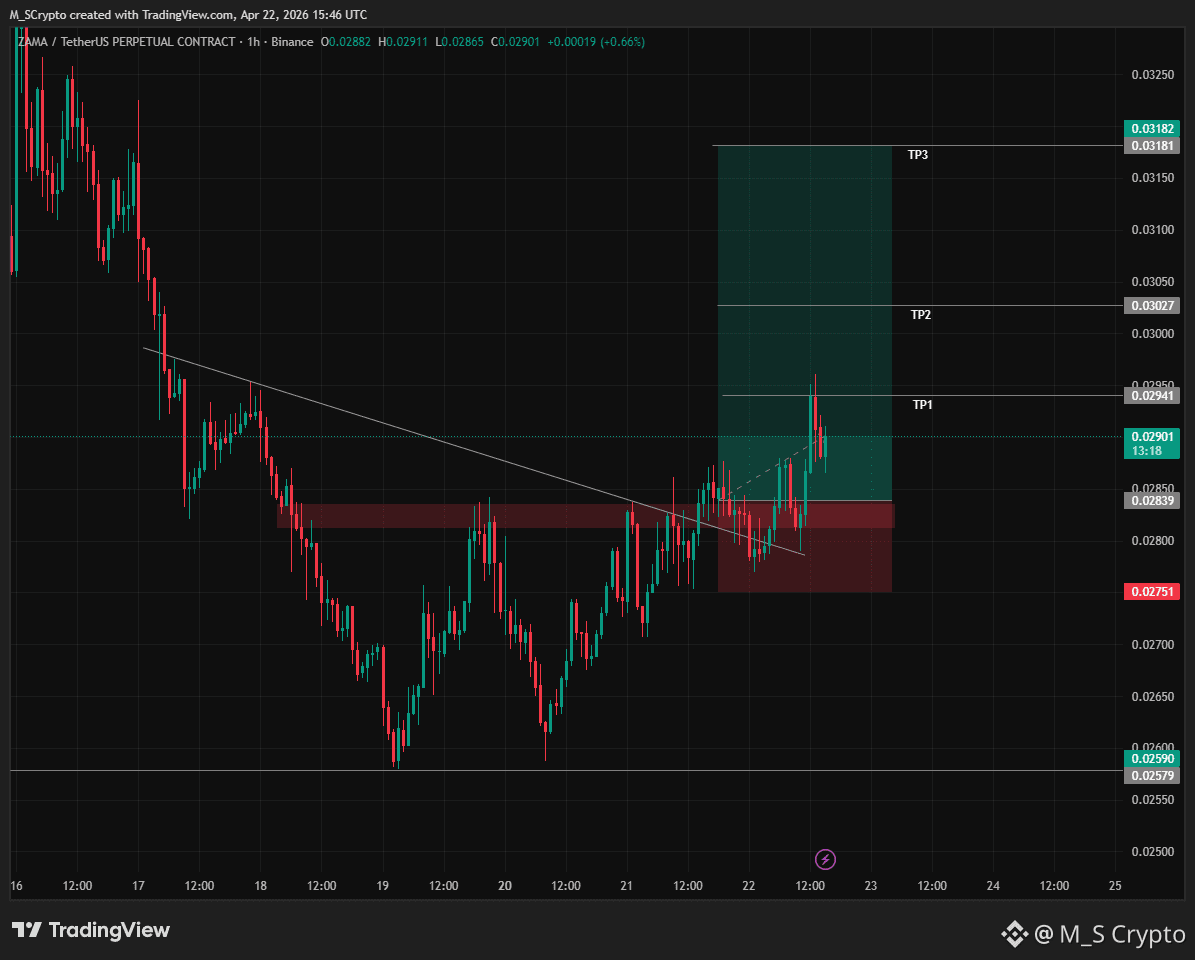
$ZAMA /USDT Update — TP1 erreicht, Momentum baut sich auf 📈
ZAMAUSDT reagiert perfekt auf den Breakout-Retest.
Der Preis ist angestiegen und TP1 wurde erfolgreich erreicht. Die Struktur bleibt bullish mit Fortsetzungspotenzial.
Trade-Update:
Paar: ZAMAUSDT
Position: Long
Leverage: 10x
Einstiegszone: 0.0282 – 0.0285 ✅
Stop Loss: 0.0275 (Immer noch gültig)
Zielstatus:
TP1: 0.0294 ✅ Erreicht
TP2: 0.0302 🎯 Aktiv
TP3: 0.0318 🎯 Aktiv
Aktuelle Struktur;
• Breakout hält über Widerstand
• Höhere Tiefs bilden sich
• Käufer behalten die Kontrolle
• Momentum erweitert sich allmählich
Plan von hier;
• Teilgewinne bei TP1 sichern
• Stop auf Breakeven bewegen (optional)
• Restliche Position für TP2 & TP3 halten
• Vermeiden, neue Einstiege zu jagen
Solange der Preis über der Breakout-Zone bleibt, ist eine Fortsetzung in Richtung der oberen Ziele wahrscheinlich.
$ZAMA /USDT Update — TP1 erreicht, Momentum baut sich auf 📈
ZAMAUSDT reagiert perfekt auf den Breakout-Retest.
Der Preis ist angestiegen und TP1 wurde erfolgreich erreicht. Die Struktur bleibt bullish mit Fortsetzungspotenzial.
Trade-Update:
Paar: ZAMAUSDT
Position: Long
Leverage: 10x
Einstiegszone: 0.0282 – 0.0285 ✅
Stop Loss: 0.0275 (Immer noch gültig)
Zielstatus:
TP1: 0.0294 ✅ Erreicht
TP2: 0.0302 🎯 Aktiv
TP3: 0.0318 🎯 Aktiv
Aktuelle Struktur;
• Breakout hält über Widerstand
• Höhere Tiefs bilden sich
• Käufer behalten die Kontrolle
• Momentum erweitert sich allmählich
Plan von hier;
• Teilgewinne bei TP1 sichern
• Stop auf Breakeven bewegen (optional)
• Restliche Position für TP2 & TP3 halten
• Vermeiden, neue Einstiege zu jagen
Solange der Preis über der Breakout-Zone bleibt, ist eine Fortsetzung in Richtung der oberen Ziele wahrscheinlich.
ZAMAUSDT reagiert perfekt auf den Breakout-Retest.
Der Preis ist angestiegen und TP1 wurde erfolgreich erreicht. Die Struktur bleibt bullish mit Fortsetzungspotenzial.
Trade-Update:
Paar: ZAMAUSDT
Position: Long
Leverage: 10x
Einstiegszone: 0.0282 – 0.0285 ✅
Stop Loss: 0.0275 (Immer noch gültig)
Zielstatus:
TP1: 0.0294 ✅ Erreicht
TP2: 0.0302 🎯 Aktiv
TP3: 0.0318 🎯 Aktiv
Aktuelle Struktur;
• Breakout hält über Widerstand
• Höhere Tiefs bilden sich
• Käufer behalten die Kontrolle
• Momentum erweitert sich allmählich
Plan von hier;
• Teilgewinne bei TP1 sichern
• Stop auf Breakeven bewegen (optional)
• Restliche Position für TP2 & TP3 halten
• Vermeiden, neue Einstiege zu jagen
Solange der Preis über der Breakout-Zone bleibt, ist eine Fortsetzung in Richtung der oberen Ziele wahrscheinlich.
96
·
--
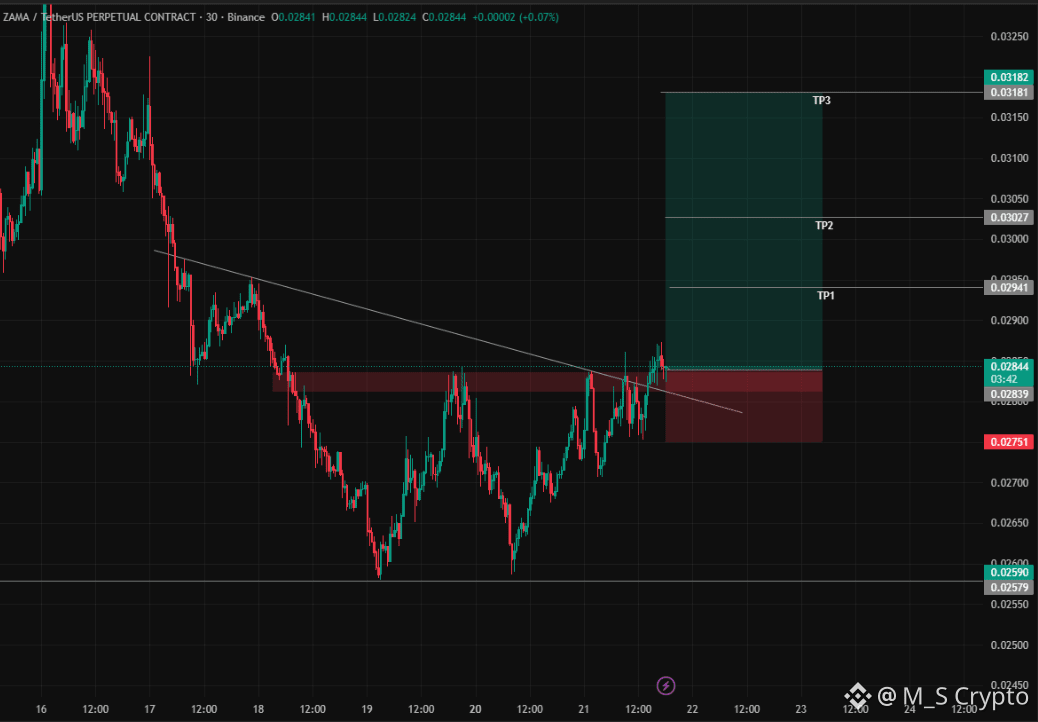
$ZAMA USDT — Ausbruch Rücktest Long Setup 📈
Saubere Struktur bildet sich nach dem Widerstandsbruch. Der Preis hält sich über der Ausbruchszone und versucht eine Fortsetzung.
Handelssetup
Paar: $ZAMA USDT
Position: Long
Hebel: 10x
Einstieg: 0.0282 – 0.0285
Stop-Loss: 0.0275
Ziele:
TP1: 0.0294
TP2: 0.0302
TP3: 0.0318
Risiko: ~1–2%
Setup-Typ: Ausbruch Rücktest Fortsetzung
Setup-Grund:
Der Preis hat den Widerstand nach oben durchbrochen und testet nun das Ausbruchslevel.
Höhere Tiefs bilden sich mit wachsendem Momentum.
Wenn der Preis über 0.0280 bleibt, ist eine Fortsetzung in Richtung obere Liquidität wahrscheinlich.
Handelsplan
• Einstieg beim Ausbruch Rücktest
• Stop unter der Struktur halten
• Teilgewinne bei Zielen mitnehmen
• Vermeiden, grünen Kerzen nachzujagen
{future}(ZAMAUSDT)
Dieses Setup folgt diszipliniertem Risiko und klarer Struktur.
#KelpDAOExploitFreeze #Zama
$ZAMA USDT — Ausbruch Rücktest Long Setup 📈
Saubere Struktur bildet sich nach dem Widerstandsbruch. Der Preis hält sich über der Ausbruchszone und versucht eine Fortsetzung.
Handelssetup
Paar: $ZAMA USDT
Position: Long
Hebel: 10x
Einstieg: 0.0282 – 0.0285
Stop-Loss: 0.0275
Ziele:
TP1: 0.0294
TP2: 0.0302
TP3: 0.0318
Risiko: ~1–2%
Setup-Typ: Ausbruch Rücktest Fortsetzung
Setup-Grund:
Der Preis hat den Widerstand nach oben durchbrochen und testet nun das Ausbruchslevel.
Höhere Tiefs bilden sich mit wachsendem Momentum.
Wenn der Preis über 0.0280 bleibt, ist eine Fortsetzung in Richtung obere Liquidität wahrscheinlich.
Handelsplan
• Einstieg beim Ausbruch Rücktest
• Stop unter der Struktur halten
• Teilgewinne bei Zielen mitnehmen
• Vermeiden, grünen Kerzen nachzujagen
Dieses Setup folgt diszipliniertem Risiko und klarer Struktur.
#KelpDAOExploitFreeze #Zama
Saubere Struktur bildet sich nach dem Widerstandsbruch. Der Preis hält sich über der Ausbruchszone und versucht eine Fortsetzung.
Handelssetup
Paar: $ZAMA USDT
Position: Long
Hebel: 10x
Einstieg: 0.0282 – 0.0285
Stop-Loss: 0.0275
Ziele:
TP1: 0.0294
TP2: 0.0302
TP3: 0.0318
Risiko: ~1–2%
Setup-Typ: Ausbruch Rücktest Fortsetzung
Setup-Grund:
Der Preis hat den Widerstand nach oben durchbrochen und testet nun das Ausbruchslevel.
Höhere Tiefs bilden sich mit wachsendem Momentum.
Wenn der Preis über 0.0280 bleibt, ist eine Fortsetzung in Richtung obere Liquidität wahrscheinlich.
Handelsplan
• Einstieg beim Ausbruch Rücktest
• Stop unter der Struktur halten
• Teilgewinne bei Zielen mitnehmen
• Vermeiden, grünen Kerzen nachzujagen
Dieses Setup folgt diszipliniertem Risiko und klarer Struktur.
#KelpDAOExploitFreeze #Zama
79
·
--
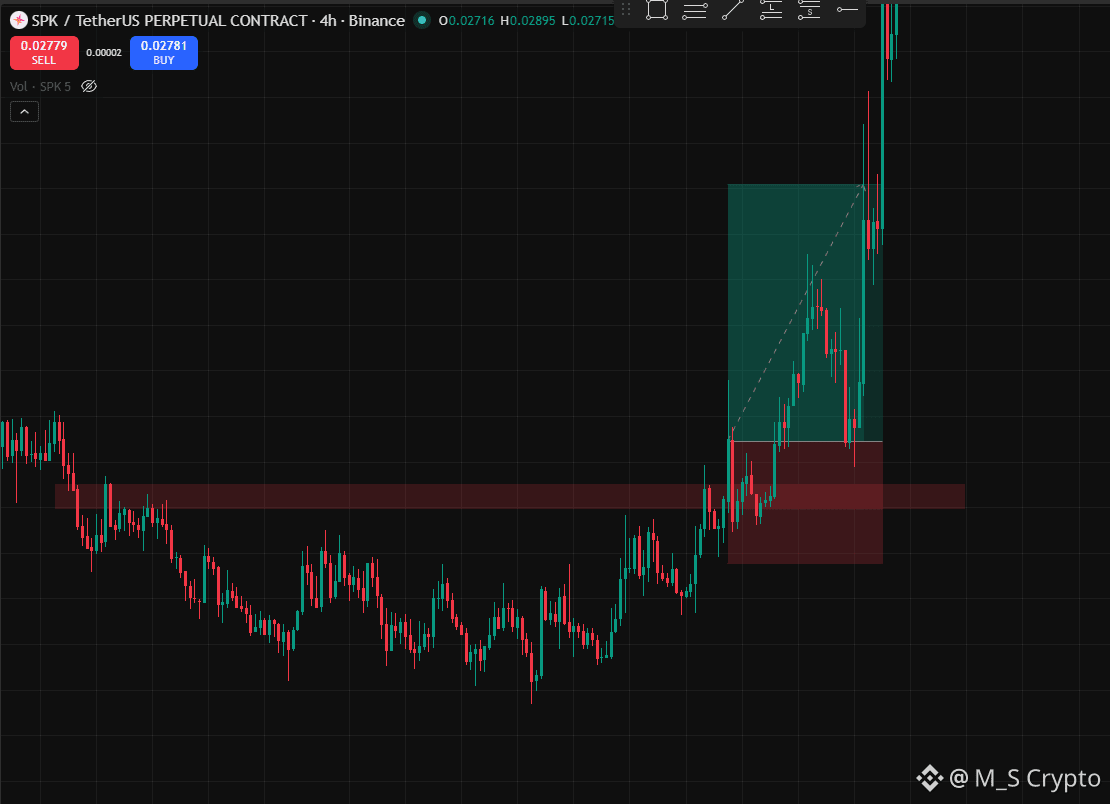
$100 Herausforderung — $SPK USDT Handel abgeschlossen ✅
Ein weiterer sauberer Gewinn in der $100 Herausforderung.
SPKUSDT Ausbruch spielte sich genau wie geplant ab und alle Ziele wurden erreicht.
Paar: $SPK USDT
Position: Long
Hebel: 10x
Einstieg: 0.0221 – 0.0223
Stop-Loss: 0.0209
Ziele erreicht:
TP1: 0.0235 ✅
TP2: 0.0250 ✅
{future}(SPKUSDT)
Der Preis setzte seine Expansion nach dem Ausbruch fort und lieferte die volle Bewegung.
Momentum-Käufer traten aggressiv ein und drückten den Preis in die Liquidität.
Ergebnis:
Ausbruch → Rücktest → Expansion
Saubere technische Ausführung.
Herausforderungsnotizen:
• Ausbruchstruktur gefolgt
• Kontrolliertes Risiko beibehalten
• Keine Jagd auf Einstiege
• Ziele respektiert
$100 Herausforderungen Fortschritt:
Kleine Gewinne mit diszipliniertem Risiko stapeln.
Kapitalwachstum geht Schritt für Schritt weiter.
Weitere Setups kommen.
#100DollarChallenge #StrategyBTCPurchase
$100 Herausforderung — $SPK USDT Handel abgeschlossen ✅
Ein weiterer sauberer Gewinn in der $100 Herausforderung.
SPKUSDT Ausbruch spielte sich genau wie geplant ab und alle Ziele wurden erreicht.
Paar: $SPK USDT
Position: Long
Hebel: 10x
Einstieg: 0.0221 – 0.0223
Stop-Loss: 0.0209
Ziele erreicht:
TP1: 0.0235 ✅
TP2: 0.0250 ✅
Der Preis setzte seine Expansion nach dem Ausbruch fort und lieferte die volle Bewegung.
Momentum-Käufer traten aggressiv ein und drückten den Preis in die Liquidität.
Ergebnis:
Ausbruch → Rücktest → Expansion
Saubere technische Ausführung.
Herausforderungsnotizen:
• Ausbruchstruktur gefolgt
• Kontrolliertes Risiko beibehalten
• Keine Jagd auf Einstiege
• Ziele respektiert
$100 Herausforderungen Fortschritt:
Kleine Gewinne mit diszipliniertem Risiko stapeln.
Kapitalwachstum geht Schritt für Schritt weiter.
Weitere Setups kommen.
#100DollarChallenge #StrategyBTCPurchase
Ein weiterer sauberer Gewinn in der $100 Herausforderung.
SPKUSDT Ausbruch spielte sich genau wie geplant ab und alle Ziele wurden erreicht.
Paar: $SPK USDT
Position: Long
Hebel: 10x
Einstieg: 0.0221 – 0.0223
Stop-Loss: 0.0209
Ziele erreicht:
TP1: 0.0235 ✅
TP2: 0.0250 ✅
Der Preis setzte seine Expansion nach dem Ausbruch fort und lieferte die volle Bewegung.
Momentum-Käufer traten aggressiv ein und drückten den Preis in die Liquidität.
Ergebnis:
Ausbruch → Rücktest → Expansion
Saubere technische Ausführung.
Herausforderungsnotizen:
• Ausbruchstruktur gefolgt
• Kontrolliertes Risiko beibehalten
• Keine Jagd auf Einstiege
• Ziele respektiert
$100 Herausforderungen Fortschritt:
Kleine Gewinne mit diszipliniertem Risiko stapeln.
Kapitalwachstum geht Schritt für Schritt weiter.
Weitere Setups kommen.
#100DollarChallenge #StrategyBTCPurchase
54
·
--
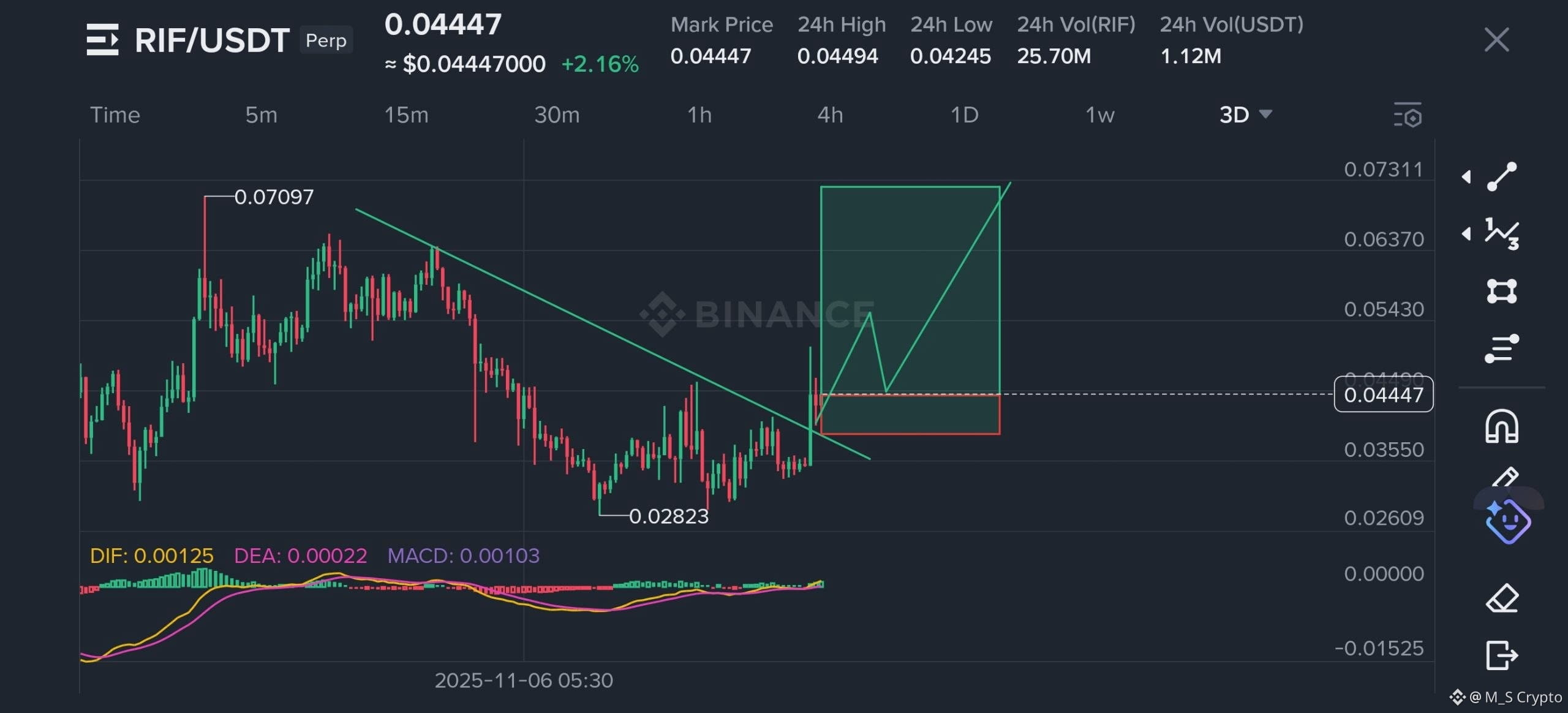
KAUF $RIF Von 0.044-0.043
{future}(RIFUSDT)
Einstieg :- 0.044-
0.043-
Ziel:-
0.046-
0.048-
0.052-
0.060-
LEV:- 10X-
KAUF $RIF Von 0.044-0.043
Einstieg :- 0.044-
0.043-
Ziel:-
0.046-
0.048-
0.052-
0.060-
LEV:- 10X-
Einstieg :- 0.044-
0.043-
Ziel:-
0.046-
0.048-
0.052-
0.060-
LEV:- 10X-
25
·
--
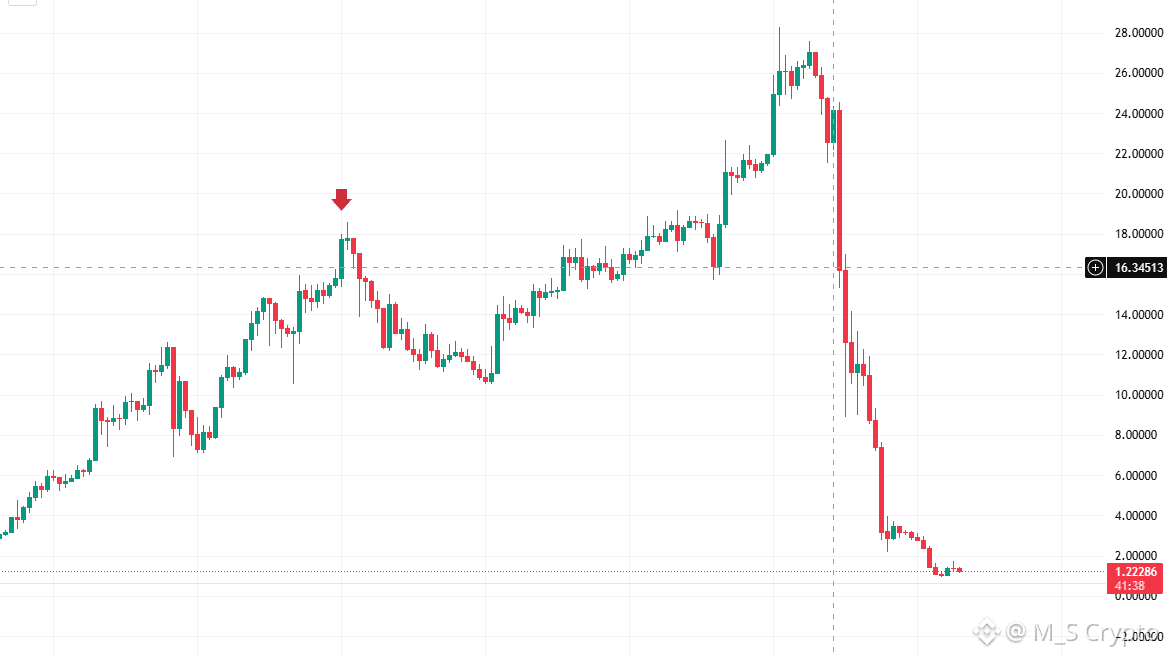
🚨 NEUIGKEIT: $RAVE BRICHT UM 95% EIN
$RAVE hat Milliarden an Marktkapitalisierung innerhalb von Stunden gelöscht, nachdem ein massiver Sell-off durch angebliche Insider-Aktivitäten ausgelöst wurde.
Parabolischer Rallye → Liquiditätsausstieg → vollständiger Zusammenbruch.
So enden genau die nicht nachhaltigen Pumps.
{future}(RAVEUSDT)
Marktrealität:
• Vertikale Rallye ohne Struktur
• Späte Käufer am oberen Ende gefangen
• Liquidität sofort abgezogen
• Panic Selling beschleunigte den Dump
Über 6,3 Milliarden USD an einem einzigen Tag ausgelöscht.
Einer der schnellsten Zusammenbrüche, die man kürzlich gesehen hat.
Lektion:
Parabolische Bewegungen sind keine Stärke — sie sind Exit-Liquidität.
Wenn der Preis vertikal geht, steigt das Risiko exponentiell.
Clevere Trader:
• Gewinne in Stärke mitnehmen
• Hype-Candles nicht hinterherjagen
• Kapital zuerst schützen
• Auf echte Struktur warten
Auf Wiedersehen RAVE.
Der Markt macht weiter.
#rave
🚨 NEUIGKEIT: $RAVE BRICHT UM 95% EIN
$RAVE hat Milliarden an Marktkapitalisierung innerhalb von Stunden gelöscht, nachdem ein massiver Sell-off durch angebliche Insider-Aktivitäten ausgelöst wurde.
Parabolischer Rallye → Liquiditätsausstieg → vollständiger Zusammenbruch.
So enden genau die nicht nachhaltigen Pumps.
Marktrealität:
• Vertikale Rallye ohne Struktur
• Späte Käufer am oberen Ende gefangen
• Liquidität sofort abgezogen
• Panic Selling beschleunigte den Dump
Über 6,3 Milliarden USD an einem einzigen Tag ausgelöscht.
Einer der schnellsten Zusammenbrüche, die man kürzlich gesehen hat.
Lektion:
Parabolische Bewegungen sind keine Stärke — sie sind Exit-Liquidität.
Wenn der Preis vertikal geht, steigt das Risiko exponentiell.
Clevere Trader:
• Gewinne in Stärke mitnehmen
• Hype-Candles nicht hinterherjagen
• Kapital zuerst schützen
• Auf echte Struktur warten
Auf Wiedersehen RAVE.
Der Markt macht weiter.
#rave
$RAVE hat Milliarden an Marktkapitalisierung innerhalb von Stunden gelöscht, nachdem ein massiver Sell-off durch angebliche Insider-Aktivitäten ausgelöst wurde.
Parabolischer Rallye → Liquiditätsausstieg → vollständiger Zusammenbruch.
So enden genau die nicht nachhaltigen Pumps.
Marktrealität:
• Vertikale Rallye ohne Struktur
• Späte Käufer am oberen Ende gefangen
• Liquidität sofort abgezogen
• Panic Selling beschleunigte den Dump
Über 6,3 Milliarden USD an einem einzigen Tag ausgelöscht.
Einer der schnellsten Zusammenbrüche, die man kürzlich gesehen hat.
Lektion:
Parabolische Bewegungen sind keine Stärke — sie sind Exit-Liquidität.
Wenn der Preis vertikal geht, steigt das Risiko exponentiell.
Clevere Trader:
• Gewinne in Stärke mitnehmen
• Hype-Candles nicht hinterherjagen
• Kapital zuerst schützen
• Auf echte Struktur warten
Auf Wiedersehen RAVE.
Der Markt macht weiter.
#rave
205
·
--
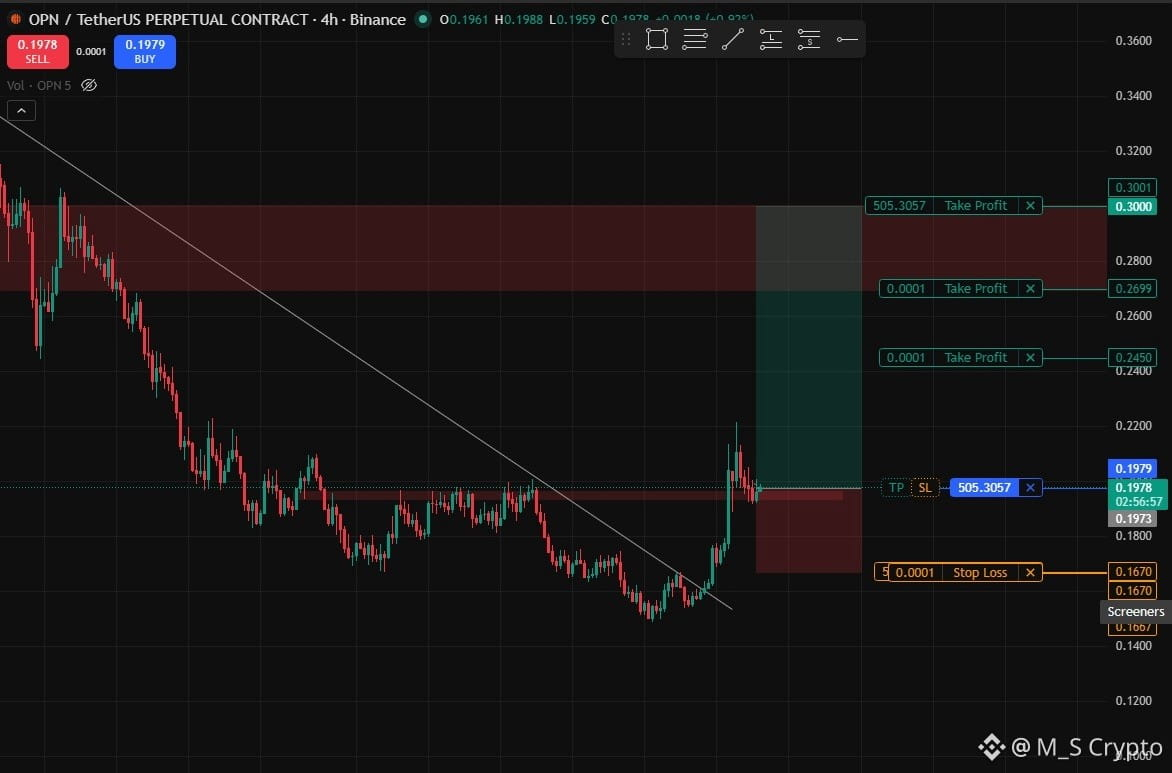
**$100 Herausforderung — Handelssetup #5 ($OPN USDT) 📈**
Ein weiteres Setup zur $100 Handelsherausforderung hinzufügen.
OPN zeigt einen Ausbruch aus dem Abwärtstrend mit starkem Momentum.
Paar: $OPN USDT
Position: Long
Hebel: 10x
Herausforderungs-Konto: $100 Serie
{future}(OPNUSDT)
Einstiegszone: 0.1950 – 0.2000
Stop-Loss: 0.1670
Ziele:
TP1: 0.2450
TP2: 0.2700
TP3: 0.3000
Setup-Grund:
• Ausbruch der Abwärtstrendlinie
• Starker Impuls
• Retest hält sich über der Struktur
• Momentum wechselt zu bullish
Risikomanagement:
• Kleine Positionsgröße
• 1% Risiko pro Handel
• Keine Kerzenjagd
• Nur hinzufügen, wenn die Struktur hält
Herausforderungsplan:
Dies ist ein Fortsetzungs-Ausbuchtsspiel.
Wenn der Preis über 0.19 bleibt, ist eine Aufwärtsausweitung wahrscheinlich.
$100 Herausforderungsstatus:
Handel #5 aktiviert.
Kontrollierte Handelspositionen mit diszipliniertem Risiko stapeln.
Aktualisierungen werden geteilt, sobald die Ziele erreicht werden.
#100DollarChallenge #AltcoinRecoverySignals?
**$100 Herausforderung — Handelssetup #5 ($OPN USDT) 📈**
Ein weiteres Setup zur $100 Handelsherausforderung hinzufügen.
OPN zeigt einen Ausbruch aus dem Abwärtstrend mit starkem Momentum.
Paar: $OPN USDT
Position: Long
Hebel: 10x
Herausforderungs-Konto: $100 Serie
Einstiegszone: 0.1950 – 0.2000
Stop-Loss: 0.1670
Ziele:
TP1: 0.2450
TP2: 0.2700
TP3: 0.3000
Setup-Grund:
• Ausbruch der Abwärtstrendlinie
• Starker Impuls
• Retest hält sich über der Struktur
• Momentum wechselt zu bullish
Risikomanagement:
• Kleine Positionsgröße
• 1% Risiko pro Handel
• Keine Kerzenjagd
• Nur hinzufügen, wenn die Struktur hält
Herausforderungsplan:
Dies ist ein Fortsetzungs-Ausbuchtsspiel.
Wenn der Preis über 0.19 bleibt, ist eine Aufwärtsausweitung wahrscheinlich.
$100 Herausforderungsstatus:
Handel #5 aktiviert.
Kontrollierte Handelspositionen mit diszipliniertem Risiko stapeln.
Aktualisierungen werden geteilt, sobald die Ziele erreicht werden.
#100DollarChallenge #AltcoinRecoverySignals?
Ein weiteres Setup zur $100 Handelsherausforderung hinzufügen.
OPN zeigt einen Ausbruch aus dem Abwärtstrend mit starkem Momentum.
Paar: $OPN USDT
Position: Long
Hebel: 10x
Herausforderungs-Konto: $100 Serie
Einstiegszone: 0.1950 – 0.2000
Stop-Loss: 0.1670
Ziele:
TP1: 0.2450
TP2: 0.2700
TP3: 0.3000
Setup-Grund:
• Ausbruch der Abwärtstrendlinie
• Starker Impuls
• Retest hält sich über der Struktur
• Momentum wechselt zu bullish
Risikomanagement:
• Kleine Positionsgröße
• 1% Risiko pro Handel
• Keine Kerzenjagd
• Nur hinzufügen, wenn die Struktur hält
Herausforderungsplan:
Dies ist ein Fortsetzungs-Ausbuchtsspiel.
Wenn der Preis über 0.19 bleibt, ist eine Aufwärtsausweitung wahrscheinlich.
$100 Herausforderungsstatus:
Handel #5 aktiviert.
Kontrollierte Handelspositionen mit diszipliniertem Risiko stapeln.
Aktualisierungen werden geteilt, sobald die Ziele erreicht werden.
#100DollarChallenge #AltcoinRecoverySignals?
156
·
--
Bullisch
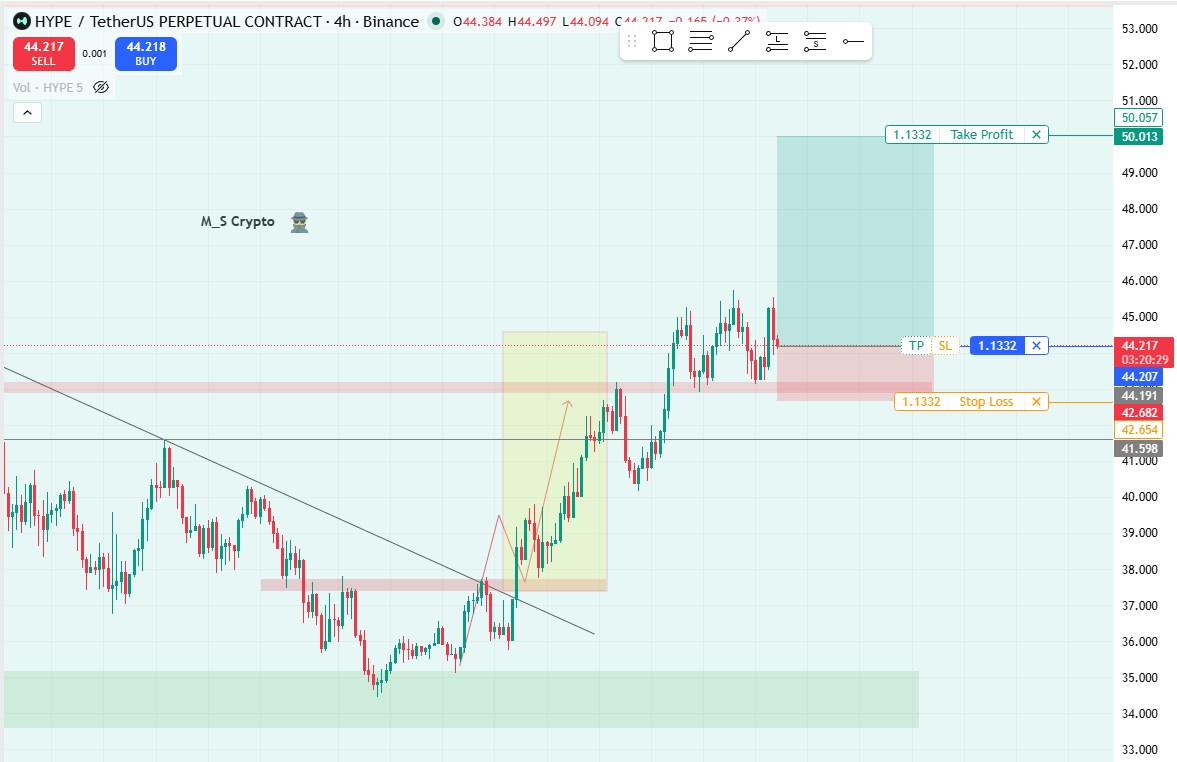
$100 Handelsherausforderung — Handelsupdate ($HYPE USDT) 📈
Der Ausbruchshandel entwickelt sich wie erwartet.
Die Struktur bleibt bullish nach einem sauberen Widerstandswechsel.
Paar: $HYPE
USDT
Position: Long
Hebel: 10x
{future}(HYPEUSDT)
Herausforderungskonto: $100 Serie
Marktstruktur:
• Ausbruch bestätigt
• Retest erfolgreich gehalten
• Höhere Hochformierung
• Käufer weiterhin in Kontrolle
Plan für die Zukunft:
Solange der Preis über 42.5 – 43.0 bleibt, bleibt der Trend bullish.
Ziele:
TP1: 45.50
TP2: 47.80
TP3: 50.00
Risikomanagement:
• Keine Jagd auf Einstiege
• Nur bei Rücksetzern hinzufügen
• Position kontrolliert halten
• Gewinne schützen, wenn die Dynamik schwächer wird
Status der Herausforderung:
Trendfortsetzung im Gange.
Position halten, während die Struktur bullish bleibt.
Dieser Handel ist Teil der $100 → Wachstumsherausforderung
Weitere Updates werden geteilt, während sich der Preis bewegt.
#100dollorchallenge #hype
$100 Handelsherausforderung — Handelsupdate ($HYPE USDT) 📈
Der Ausbruchshandel entwickelt sich wie erwartet.
Die Struktur bleibt bullish nach einem sauberen Widerstandswechsel.
Paar: $HYPE
USDT
Position: Long
Hebel: 10x
Herausforderungskonto: $100 Serie
Marktstruktur:
• Ausbruch bestätigt
• Retest erfolgreich gehalten
• Höhere Hochformierung
• Käufer weiterhin in Kontrolle
Plan für die Zukunft:
Solange der Preis über 42.5 – 43.0 bleibt, bleibt der Trend bullish.
Ziele:
TP1: 45.50
TP2: 47.80
TP3: 50.00
Risikomanagement:
• Keine Jagd auf Einstiege
• Nur bei Rücksetzern hinzufügen
• Position kontrolliert halten
• Gewinne schützen, wenn die Dynamik schwächer wird
Status der Herausforderung:
Trendfortsetzung im Gange.
Position halten, während die Struktur bullish bleibt.
Dieser Handel ist Teil der $100 → Wachstumsherausforderung
Weitere Updates werden geteilt, während sich der Preis bewegt.
#100dollorchallenge #hype
Der Ausbruchshandel entwickelt sich wie erwartet.
Die Struktur bleibt bullish nach einem sauberen Widerstandswechsel.
Paar: $HYPE
USDT
Position: Long
Hebel: 10x
Herausforderungskonto: $100 Serie
Marktstruktur:
• Ausbruch bestätigt
• Retest erfolgreich gehalten
• Höhere Hochformierung
• Käufer weiterhin in Kontrolle
Plan für die Zukunft:
Solange der Preis über 42.5 – 43.0 bleibt, bleibt der Trend bullish.
Ziele:
TP1: 45.50
TP2: 47.80
TP3: 50.00
Risikomanagement:
• Keine Jagd auf Einstiege
• Nur bei Rücksetzern hinzufügen
• Position kontrolliert halten
• Gewinne schützen, wenn die Dynamik schwächer wird
Status der Herausforderung:
Trendfortsetzung im Gange.
Position halten, während die Struktur bullish bleibt.
Dieser Handel ist Teil der $100 → Wachstumsherausforderung
Weitere Updates werden geteilt, während sich der Preis bewegt.
#100dollorchallenge #hype
114
·
--
Bullisch
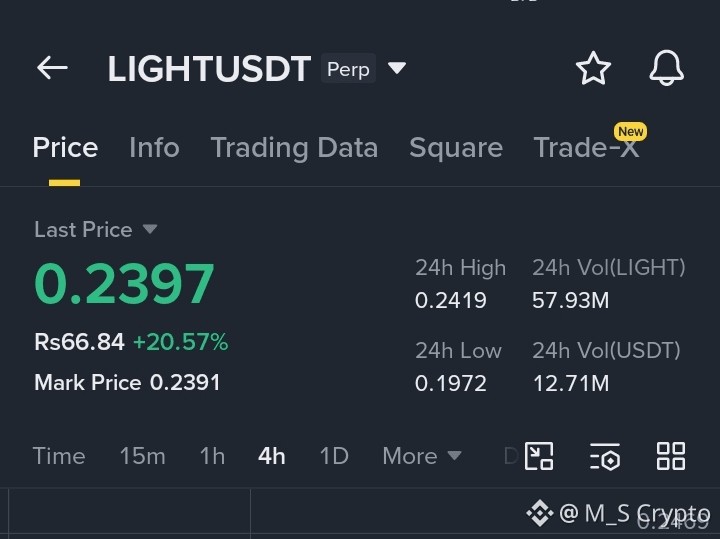
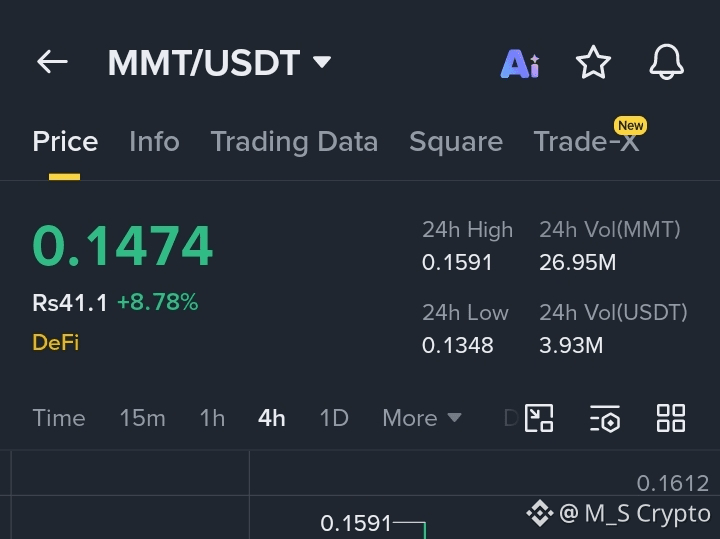
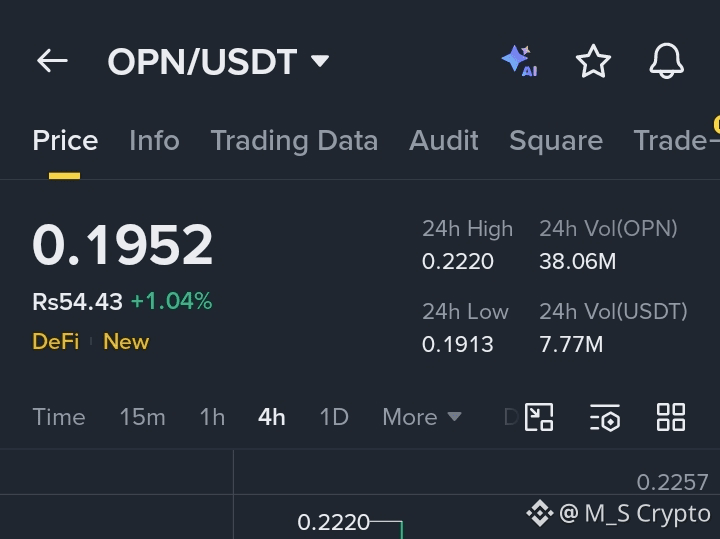
**Spot Accumulation Watchlist 👀**
Allmähliche Ansammlung in den folgenden Paaren:
$LIGHT USDT — CMP: 0.2397
{future}(LIGHTUSDT)
$MMT USDT — CMP: 0.1474
{future}(MMTUSDT)
$OPN USDT — CMP: 0.1948
{future}(OPNUSDT)
Plan:
• Nur Spot-Akkumulation
• Langsam einsteigen, kein Nachjagen
• Halten Sie Stablecoins für DCA bereit
• Kleinen Prozentsatz pro Einstieg zuweisen
• Nicht das gesamte Portfolio einsetzen
TPs & SL werden geteilt, sobald die Struktur bestätigt ist.
Ich werde weiterhin Updates posten, wenn sich die Marktbedingungen ändern.
Leverage-Händler:
Wenn Sie sich entscheiden, Hebel zu verwenden, halten Sie ihn niedrig und verwalten Sie das Risiko streng.
Vermeiden Sie Überexposition und verwenden Sie kleinere Positionsgrößen.
Ein Durchbruch unter die Struktur kann Volatilität auslösen.
Dies ist eine schrittweise Akkumulationsstrategie — Geduld erforderlich.
Fokussieren Sie sich auf das Risikomanagement, nicht auf aggressive Eingänge.
#MMT #OPN #light
**Spot Accumulation Watchlist 👀**
Allmähliche Ansammlung in den folgenden Paaren:
$LIGHT USDT — CMP: 0.2397
$MMT USDT — CMP: 0.1474
$OPN USDT — CMP: 0.1948
Plan:
• Nur Spot-Akkumulation
• Langsam einsteigen, kein Nachjagen
• Halten Sie Stablecoins für DCA bereit
• Kleinen Prozentsatz pro Einstieg zuweisen
• Nicht das gesamte Portfolio einsetzen
TPs & SL werden geteilt, sobald die Struktur bestätigt ist.
Ich werde weiterhin Updates posten, wenn sich die Marktbedingungen ändern.
Leverage-Händler:
Wenn Sie sich entscheiden, Hebel zu verwenden, halten Sie ihn niedrig und verwalten Sie das Risiko streng.
Vermeiden Sie Überexposition und verwenden Sie kleinere Positionsgrößen.
Ein Durchbruch unter die Struktur kann Volatilität auslösen.
Dies ist eine schrittweise Akkumulationsstrategie — Geduld erforderlich.
Fokussieren Sie sich auf das Risikomanagement, nicht auf aggressive Eingänge.
#MMT #OPN #light
Allmähliche Ansammlung in den folgenden Paaren:
$LIGHT USDT — CMP: 0.2397
$MMT USDT — CMP: 0.1474
$OPN USDT — CMP: 0.1948
Plan:
• Nur Spot-Akkumulation
• Langsam einsteigen, kein Nachjagen
• Halten Sie Stablecoins für DCA bereit
• Kleinen Prozentsatz pro Einstieg zuweisen
• Nicht das gesamte Portfolio einsetzen
TPs & SL werden geteilt, sobald die Struktur bestätigt ist.
Ich werde weiterhin Updates posten, wenn sich die Marktbedingungen ändern.
Leverage-Händler:
Wenn Sie sich entscheiden, Hebel zu verwenden, halten Sie ihn niedrig und verwalten Sie das Risiko streng.
Vermeiden Sie Überexposition und verwenden Sie kleinere Positionsgrößen.
Ein Durchbruch unter die Struktur kann Volatilität auslösen.
Dies ist eine schrittweise Akkumulationsstrategie — Geduld erforderlich.
Fokussieren Sie sich auf das Risikomanagement, nicht auf aggressive Eingänge.
#MMT #OPN #light
1
734
Anmelden und weiter Inhalte entdecken
Krypto-Nutzer weltweit auf Binance Square kennenlernen
⚡️ Bleib in Sachen Krypto stets am Puls.
💬 Die weltgrößte Kryptobörse vertraut darauf.
👍 Erhalte verlässliche Einblicke von verifizierten Creators.
E-Mail-Adresse/Telefonnummer
Trendthemen
SECReceivesGrayscaleLitecoinTrustETFFiling
57,720 Aufrufe
1,128 Kommentare
#secreceivesgrayscalelitecointrustetffiling
SEC ERHÄLT GRAYSCALE-LITECOIN-ETF-ANTRAG: LTC BEKOMMT NOCH EINE WEITERE AUFMERKSAMKEIT 🚨
Der Markt bewegte sich ruhig, als eine weitere Litecoin-Überschrift aufkam. Für Trader, die an der Seitenlinie zusehen, ist es genau diese Art von Einreichung, bei der man kurz innehalten und sich fragt: Wird der institutionelle Zugang gerade näher gerückt?
Der Litecoin Trust von Grayscale ist einen weiteren Schritt in Richtung einer ETF-Struktur gegangen. Die jüngsten Einreichungen stehen im Zusammenhang mit dem vorgeschlagenen Übergang sowie dem Prozess für die Notierung an der NYSE Arca. Die SEC-Dokumente zeigen frühere Verfahren rund um den Litecoin-Vorschlag von Grayscale, während die aktuellen Aktivitäten der Einreichungen die Geschichte lebendig halten.
Der entscheidende Punkt: Eine Einreichung ist keine Genehmigung. Anleger sollten den regulatorischen Fortschritt von der Erwartung einer sofortigen ETF-Auflegung trennen.
Mein Fazit: Die größere Story ist die Zugänglichkeit. Eine ETF-Struktur könnte es traditionellen Anlegern potenziell leichter machen, ein LTC-Exposure aufzubauen – für jene, die regulierte Marktprodukte bevorzugen, statt Kryptowährungen direkt zu halten.
Litecoin wird derzeit bei etwa 53,69 $ auf Binance gehandelt. Das Asset zeigt eine moderate Bewegung über 24 Stunden. Dadurch wirkt die regulatorische Entwicklung spannender, als nur einer headline-getriebenen Preisreaktion hinterherzulaufen.
Der echte Test kommt als Nächstes: regulatorische Entscheidungen, die Marktnachfrage, Liquidität und ob das institutionelle Interesse den Papierkram tatsächlich verfolgt.
Eine Einreichung kann die Tür öffnen, aber Nachfrage entscheidet darüber, was passiert, nachdem sie offen ist.
❓Glaubst du, dass ein Grayscale-Litecoin-ETF die institutionelle Nachfrage nach LTC spürbar verändern könnte?
Haftungsausschluss: Dies dient nur zu Informationszwecken und stellt keine Finanzberatung dar. Krypto-Assets sind volatil, und regulatorische Ergebnisse sind ungewiss.
#Litecoin #CryptoETF #GrowWithSAC $LTC $ETH $SOL
#SECReceivesGrayscaleLitecoinTrustETFFiling
Sienna Leo-你真棒-带我走
·2 Likes
·2k Aufrufe
ClarityActFacesProceduralVoteSept15
179,026 Aufrufe
2,031 Kommentare
US10YearTreasuryYieldNears5%
60,953 Aufrufe
1,113 Kommentare