
Channel13Crypto
1.6k Beiträge

Channel13Crypto
60 Following
5.8K+ Follower
2.9K+ Like gegeben
Beiträge
Alle
Zitierungen
Videos
Aktuelle Nachrichten
🇵🇰 🇺🇸 🇮🇷 Pakistan gibt bekannt, dass die USA und Iran offiziell einen Friedensvertrag erreicht haben und die offizielle Unterzeichnung am 19. Juni in der Schweiz stattfinden wird.
#SaylorHintsStrategyBitcoinBuy
#HToken210PctBouncePostExploit
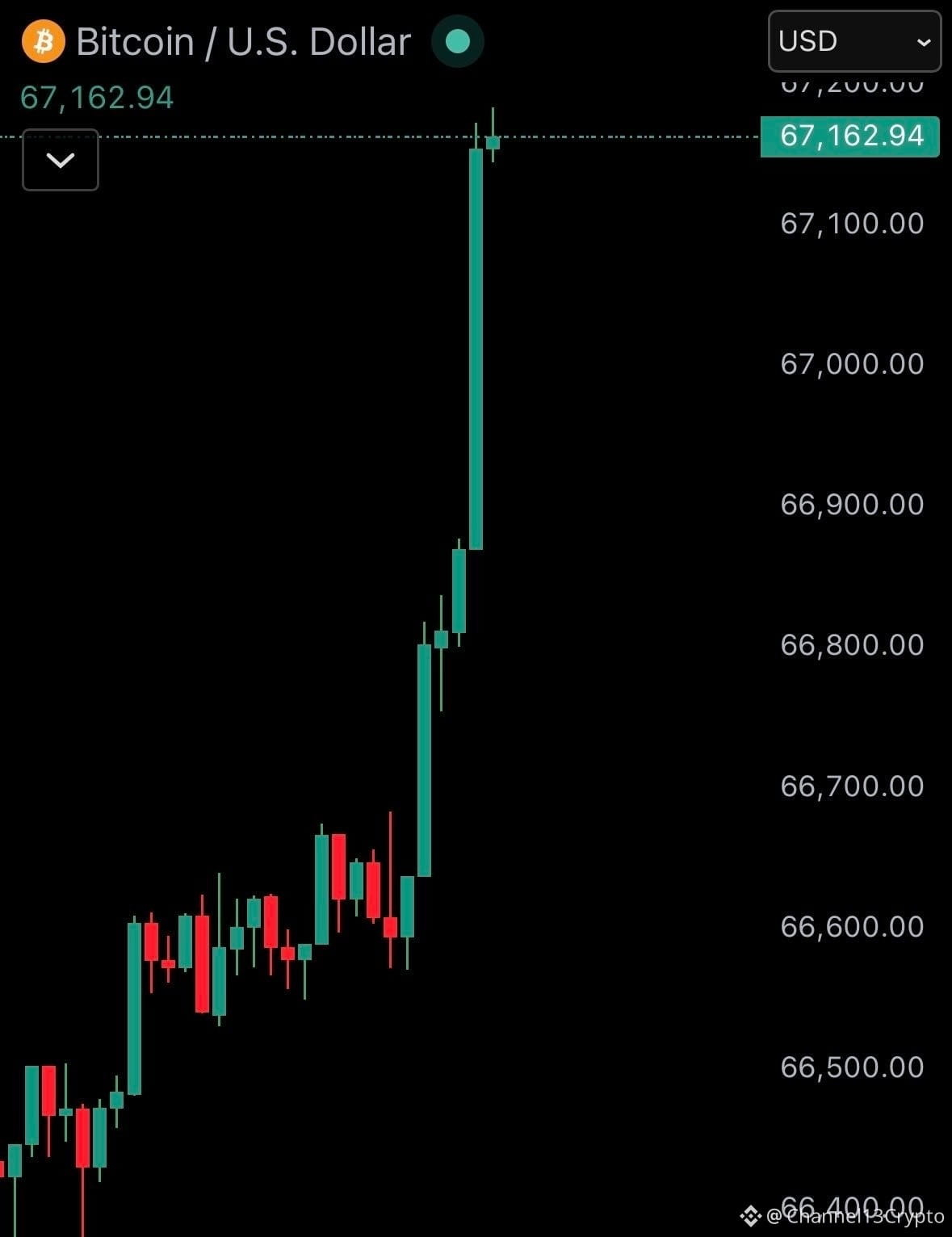
Bitcoin springt auf $64K
Bitcoin springt auf $64
🇵🇰 🇺🇸 🇮🇷 Pakistan gibt bekannt, dass die USA und Iran offiziell einen Friedensvertrag erreicht haben und die offizielle Unterzeichnung am 19. Juni in der Schweiz stattfinden wird.
#SaylorHintsStrategyBitcoinBuy
#HToken210PctBouncePostExploit
Bitcoin springt auf $64K
Bitcoin springt auf $64
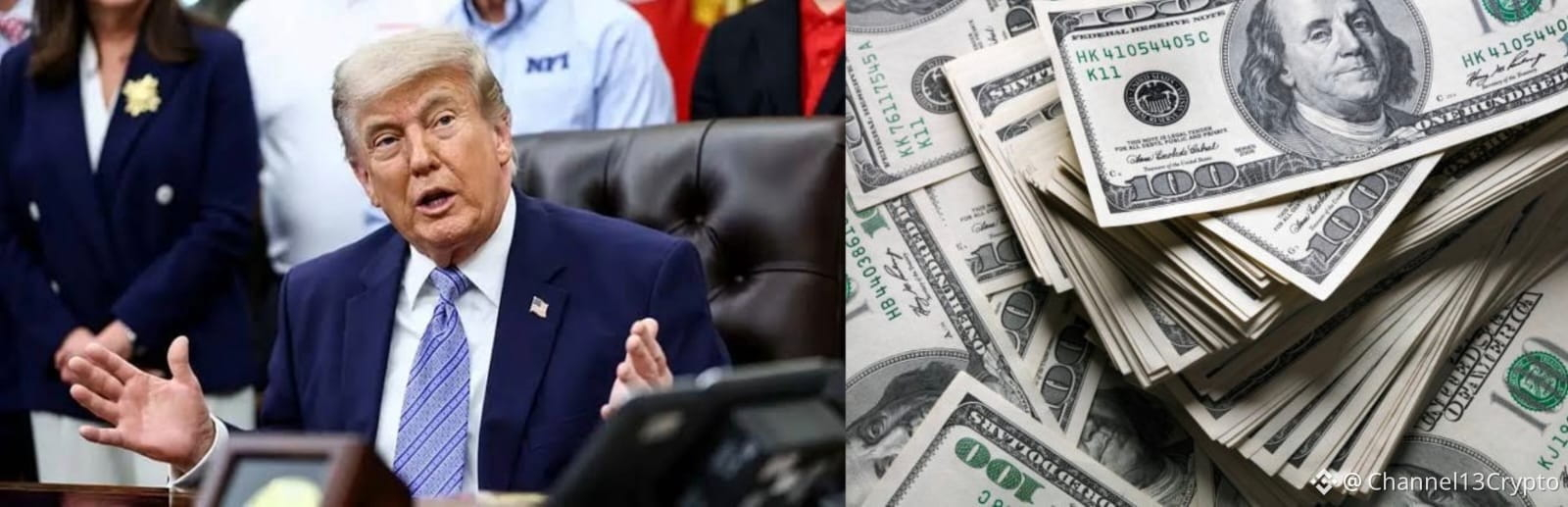
🇩🇪 Donald Trump soll Berichten zufolge bereit sein, 🇮🇷 Iran ein Investitionspaket in Höhe von 300 Milliarden Dollar im Rahmen einer potenziellen Friedensvereinbarung anzubieten.
#GENIUSBinanceHODLer #BitcoinAhr999Below0.45 #BitcoinAhr999Below0.45
#GENIUSBinanceHODLer #BitcoinAhr999Below0.45 #BitcoinAhr999Below0.45
Pixels (PIXEL) definiert das Web3-Gaming-Erlebnis neu, indem es soziale Interaktion, Kreativität und blockchain-basierte Eigentumsrechte zu einer lebendigen digitalen Welt verbindet. Auf dem Ronin-Netzwerk aufgebaut, bietet das Spiel eine nahtlose und kostengünstige Umgebung, in der Spieler wirklich im Spiel befindliche Vermögenswerte besitzen können.
Im Kern ist Pixels mehr als nur ein Farming-Simulator – es ist ein lebendiges, atmendes Open-World-Ökosystem. Spieler können Land kultivieren, Ressourcen sammeln, Gegenstände craften und riesige Landschaften erkunden, während sie mit einer globalen Community interagieren. Die soziale Schicht ist es, die es besonders macht; Zusammenarbeit, Trading und gemeinsamer Fortschritt lassen jede Aktion bedeutungsvoll und verbunden erscheinen.
Der $PIXEL token treibt die In-Game-Wirtschaft an und ermöglicht es den Spielern, durch Gameplay und Teilnahme Belohnungen zu verdienen. Im Gegensatz zu traditionellen Spielen, bei denen aufgewendete Zeit selten in echten Wert übersetzt wird, ermöglicht es Pixels den Spielern, digitales Vermögen durch Einsatz und Strategie aufzubauen.
#pixel $PIXEL
Im Kern ist Pixels mehr als nur ein Farming-Simulator – es ist ein lebendiges, atmendes Open-World-Ökosystem. Spieler können Land kultivieren, Ressourcen sammeln, Gegenstände craften und riesige Landschaften erkunden, während sie mit einer globalen Community interagieren. Die soziale Schicht ist es, die es besonders macht; Zusammenarbeit, Trading und gemeinsamer Fortschritt lassen jede Aktion bedeutungsvoll und verbunden erscheinen.
Der $PIXEL token treibt die In-Game-Wirtschaft an und ermöglicht es den Spielern, durch Gameplay und Teilnahme Belohnungen zu verdienen. Im Gegensatz zu traditionellen Spielen, bei denen aufgewendete Zeit selten in echten Wert übersetzt wird, ermöglicht es Pixels den Spielern, digitales Vermögen durch Einsatz und Strategie aufzubauen.
#pixel $PIXEL
Pixels (PIXEL): Eine neue Ära des sozialen Web3-Gamings
Pixels (PIXEL) repräsentiert eine frische und fesselnde Evolution in der Welt des Web3-Gamings, die den Charme von Casual Gameplay mit der Kraft der Blockchain-Technologie verbindet. Auf dem Ronin Network aufgebaut, bietet das Spiel den Spielern ein lebendiges, offenes Welterlebnis, das sich auf Farming, Erkundung und Kreativität konzentriert. Im Gegensatz zu traditionellen Spielen, die sich rein auf Unterhaltung fokussieren, führt Pixels eine soziale und wirtschaftliche Schicht ein, die es den Spielern ermöglicht, ihre In-Game-Aktivitäten wirklich zu besitzen und davon zu profitieren.
Im Kern ist Pixels darauf ausgelegt, zugänglich und unterhaltsam zu sein. Das Gameplay dreht sich um vertraute Mechaniken wie das Pflanzen von Pflanzen, das Sammeln von Ressourcen, das Craften von Gegenständen und das Interagieren mit einer dynamischen Umgebung. Diese Einfachheit macht es sowohl für erfahrene Gamer als auch für Neueinsteiger ansprechend. Doch unter dieser lässigen Oberfläche verbirgt sich ein tieferes System, das durch die Web3-Infrastruktur betrieben wird, wo jede Aktion zur echten digitalen Eigentümerschaft und Wertschöpfung beitragen kann.
#pixel $PIXEL
Pixels (PIXEL) repräsentiert eine frische und fesselnde Evolution in der Welt des Web3-Gamings, die den Charme von Casual Gameplay mit der Kraft der Blockchain-Technologie verbindet. Auf dem Ronin Network aufgebaut, bietet das Spiel den Spielern ein lebendiges, offenes Welterlebnis, das sich auf Farming, Erkundung und Kreativität konzentriert. Im Gegensatz zu traditionellen Spielen, die sich rein auf Unterhaltung fokussieren, führt Pixels eine soziale und wirtschaftliche Schicht ein, die es den Spielern ermöglicht, ihre In-Game-Aktivitäten wirklich zu besitzen und davon zu profitieren.
Im Kern ist Pixels darauf ausgelegt, zugänglich und unterhaltsam zu sein. Das Gameplay dreht sich um vertraute Mechaniken wie das Pflanzen von Pflanzen, das Sammeln von Ressourcen, das Craften von Gegenständen und das Interagieren mit einer dynamischen Umgebung. Diese Einfachheit macht es sowohl für erfahrene Gamer als auch für Neueinsteiger ansprechend. Doch unter dieser lässigen Oberfläche verbirgt sich ein tieferes System, das durch die Web3-Infrastruktur betrieben wird, wo jede Aktion zur echten digitalen Eigentümerschaft und Wertschöpfung beitragen kann.
#pixel $PIXEL
🔴BREAKING
PRÄSIDENT TRUMP WIRD BALD ISLAMABAD BESUCHEN, UM DEN DEAL MIT IRAN ABZUSCHLIESSEN.
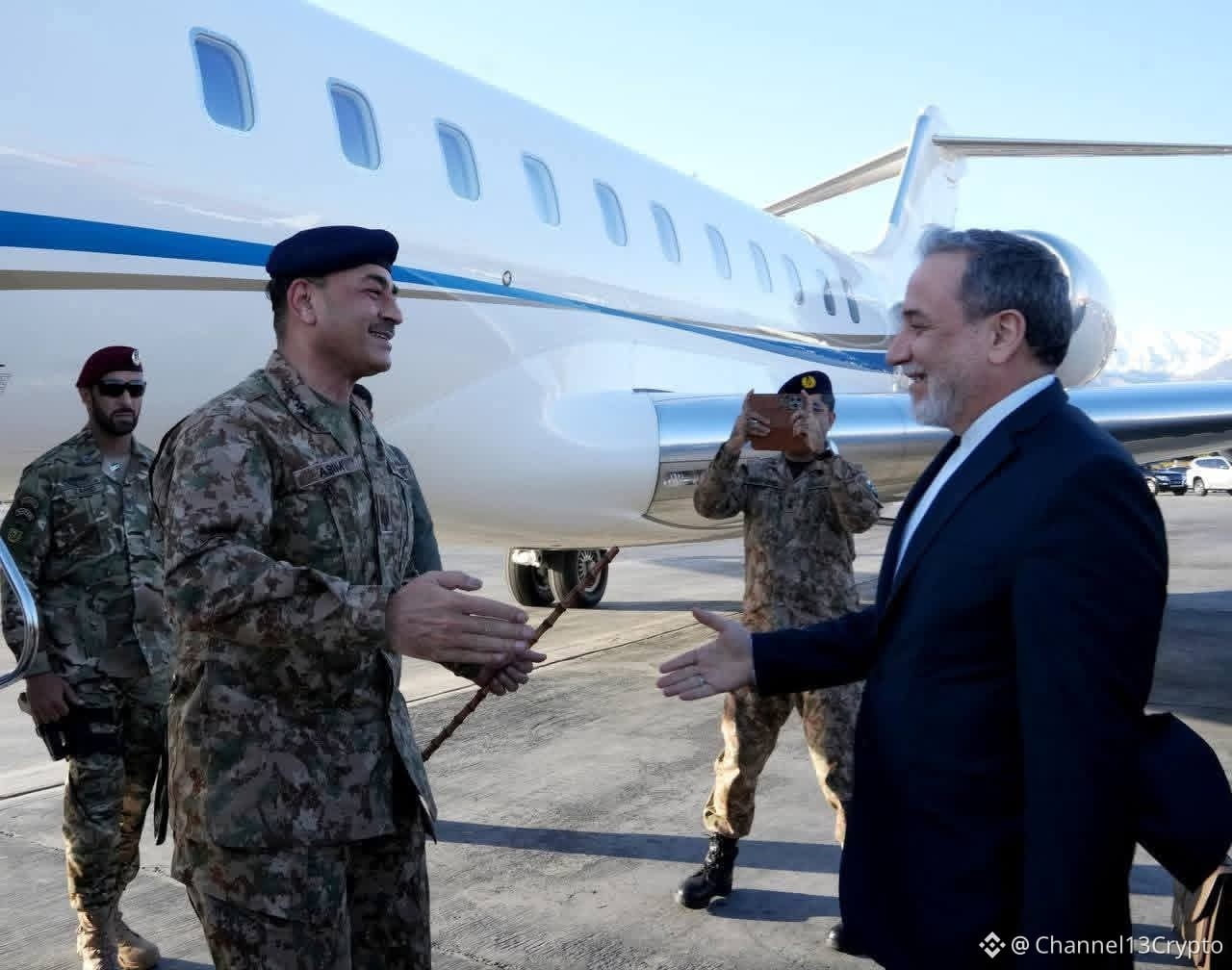
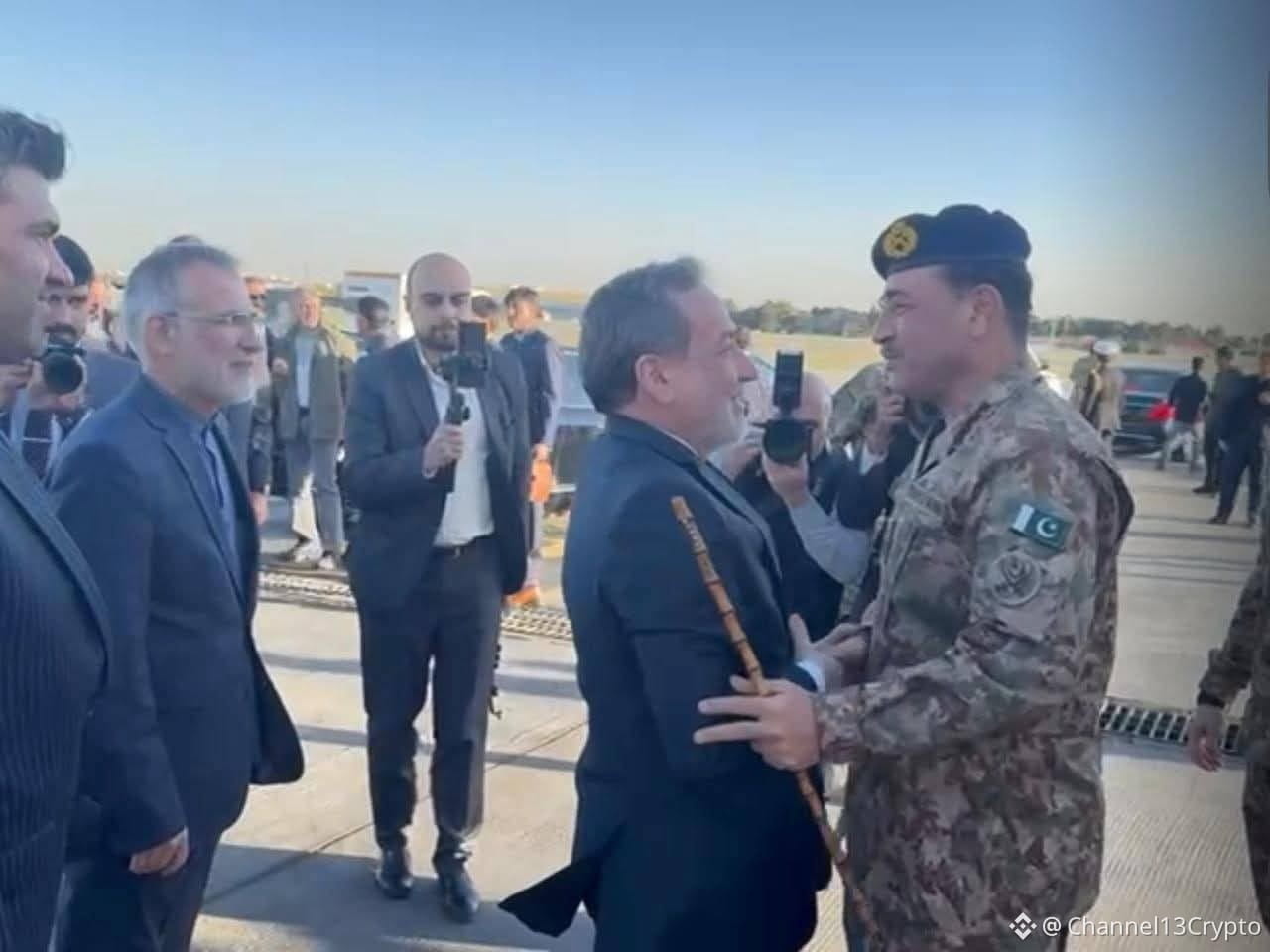
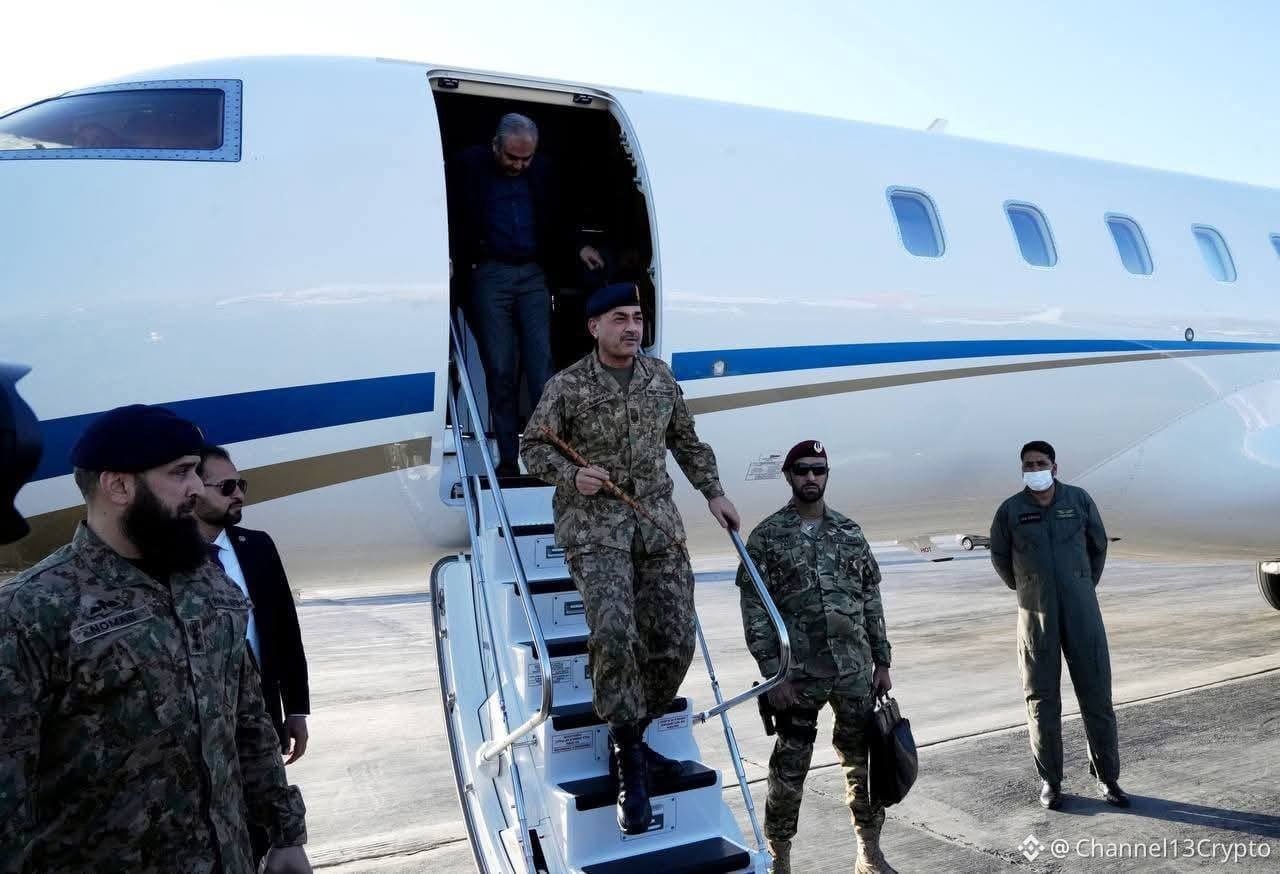
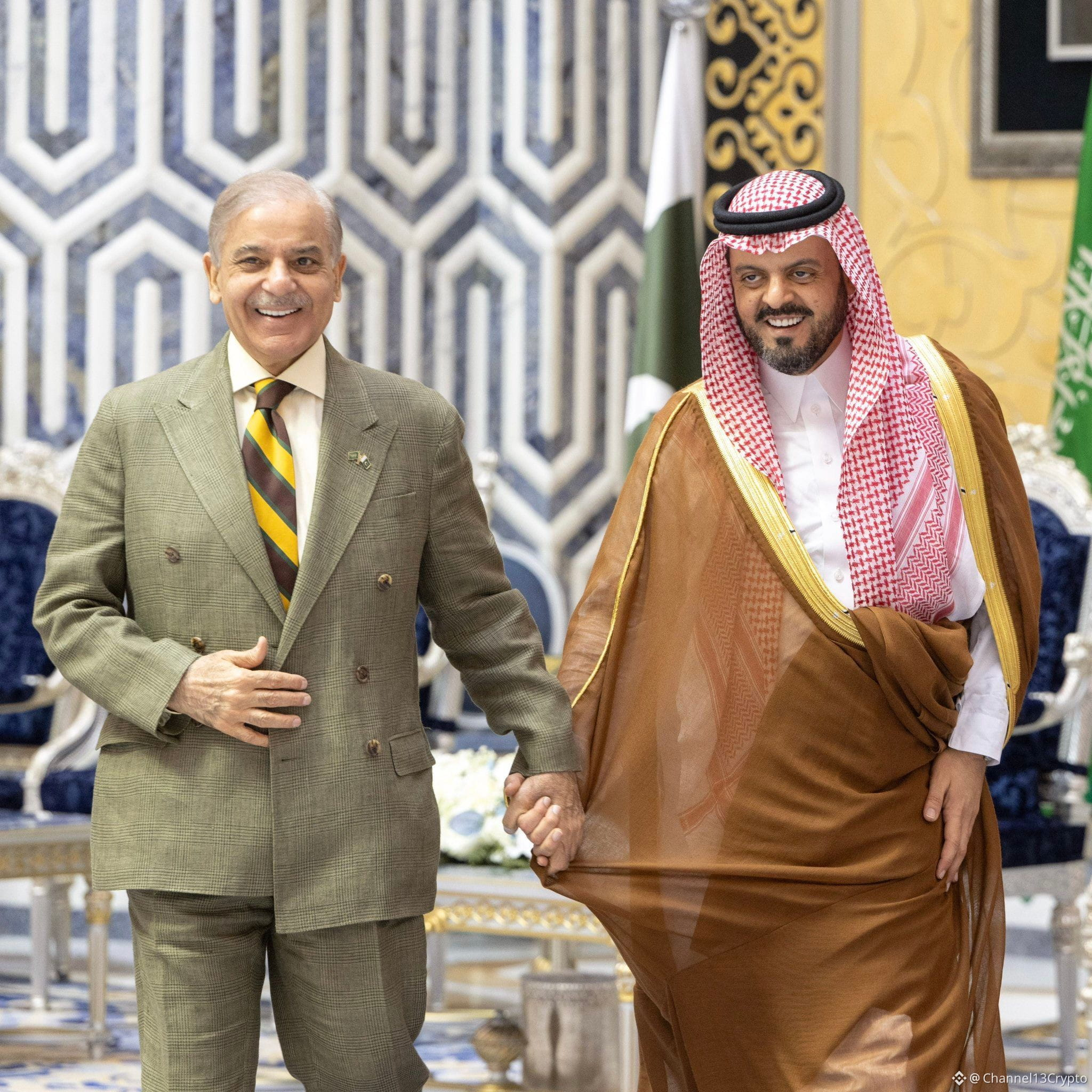
Der pakistanische Armeechef landete in Teheran, während PM Shahbaz Sharif Saudi-Arabien besuchte.
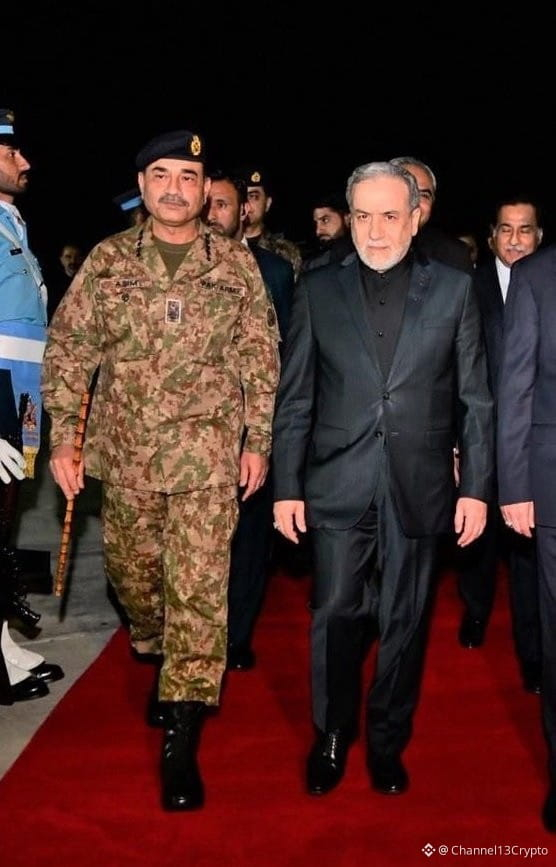
Der Chef des Generalstabs der pakistanischen Armee, Asim Munir, ist im Rahmen einer hochrangigen diplomatischen Mission in Teheran angekommen, die darauf abzielt, die ins Stocken geratenen Verhandlungen zwischen Iran und den Vereinigten Staaten wiederzubeleben. Der Besuch erfolgt nach früheren Gesprächen in Islamabad, die keinen endgültigen Vertrag hervorbrachten, wobei Pakistan nun eine zentrale Vermittlerrolle spielt, um wichtige Differenzen zu überbrücken, insbesondere über das iranische Atomprogramm und regionale Sicherheitsfragen. In der Zwischenzeit hat der ehemalige US-Präsident Donald Trump Optimismus geäußert, dass bald ein Deal erreicht werden könnte, und angedeutet, dass weitere Verhandlungen möglicherweise innerhalb von Tagen in Pakistan stattfinden könnten. Während es wachsende Spekulationen über einen möglichen hochrangigen Besuch von Trump in Pakistan gibt, um ein Abkommen abzuschließen, wurde bisher keine offizielle Bestätigung abgegeben; jedoch deutet der diplomatische Schwung darauf hin, dass ein Durchbruch-Deal bevorstehen könnte, da die Vermittlungsbemühungen zunehmen.
#GoldmanSachsFilesforBitcoinIncomeETF
#KevinWarshDisclosedCryptoInvestments #CryptoMarketRebounds
#Write2Earn
$BTC $ETH $BNB
PRÄSIDENT TRUMP WIRD BALD ISLAMABAD BESUCHEN, UM DEN DEAL MIT IRAN ABZUSCHLIESSEN.
Der pakistanische Armeechef landete in Teheran, während PM Shahbaz Sharif Saudi-Arabien besuchte.
Der Chef des Generalstabs der pakistanischen Armee, Asim Munir, ist im Rahmen einer hochrangigen diplomatischen Mission in Teheran angekommen, die darauf abzielt, die ins Stocken geratenen Verhandlungen zwischen Iran und den Vereinigten Staaten wiederzubeleben. Der Besuch erfolgt nach früheren Gesprächen in Islamabad, die keinen endgültigen Vertrag hervorbrachten, wobei Pakistan nun eine zentrale Vermittlerrolle spielt, um wichtige Differenzen zu überbrücken, insbesondere über das iranische Atomprogramm und regionale Sicherheitsfragen. In der Zwischenzeit hat der ehemalige US-Präsident Donald Trump Optimismus geäußert, dass bald ein Deal erreicht werden könnte, und angedeutet, dass weitere Verhandlungen möglicherweise innerhalb von Tagen in Pakistan stattfinden könnten. Während es wachsende Spekulationen über einen möglichen hochrangigen Besuch von Trump in Pakistan gibt, um ein Abkommen abzuschließen, wurde bisher keine offizielle Bestätigung abgegeben; jedoch deutet der diplomatische Schwung darauf hin, dass ein Durchbruch-Deal bevorstehen könnte, da die Vermittlungsbemühungen zunehmen.
#GoldmanSachsFilesforBitcoinIncomeETF
#KevinWarshDisclosedCryptoInvestments #CryptoMarketRebounds
#Write2Earn
$BTC $ETH $BNB
🇺🇸🇵🇰🇮🇷 Die Backchannel-Diplomatie intensiviert sich, während Pakistan erneut die Kluft zwischen Washington und Teheran überbrückt!
Quellen deuten darauf hin, dass Runde 2 ein historisches persönliches Treffen bringen könnte: Präsident Trump trifft den iranischen Präsidenten Pezeshkian, um das Atomabkommen zu besiegeln.
#USDCFreezeDebate #USMilitaryToBlockadeStraitOfHormuz
#Write2Earn
$BTC
Quellen deuten darauf hin, dass Runde 2 ein historisches persönliches Treffen bringen könnte: Präsident Trump trifft den iranischen Präsidenten Pezeshkian, um das Atomabkommen zu besiegeln.
#USDCFreezeDebate #USMilitaryToBlockadeStraitOfHormuz
#Write2Earn
$BTC
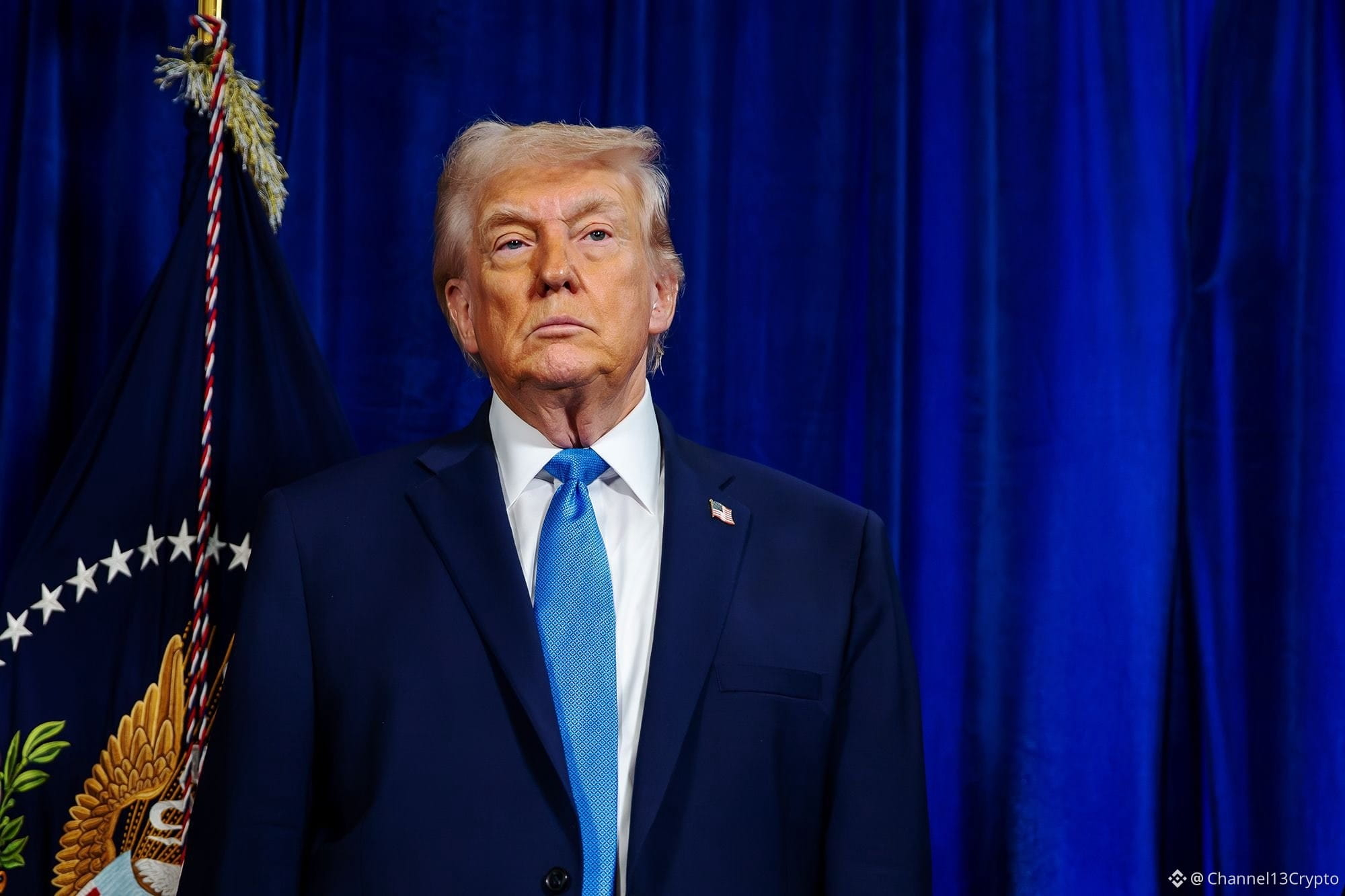
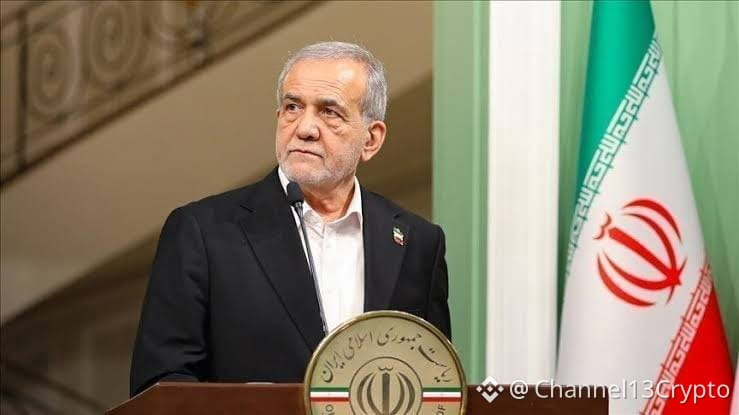
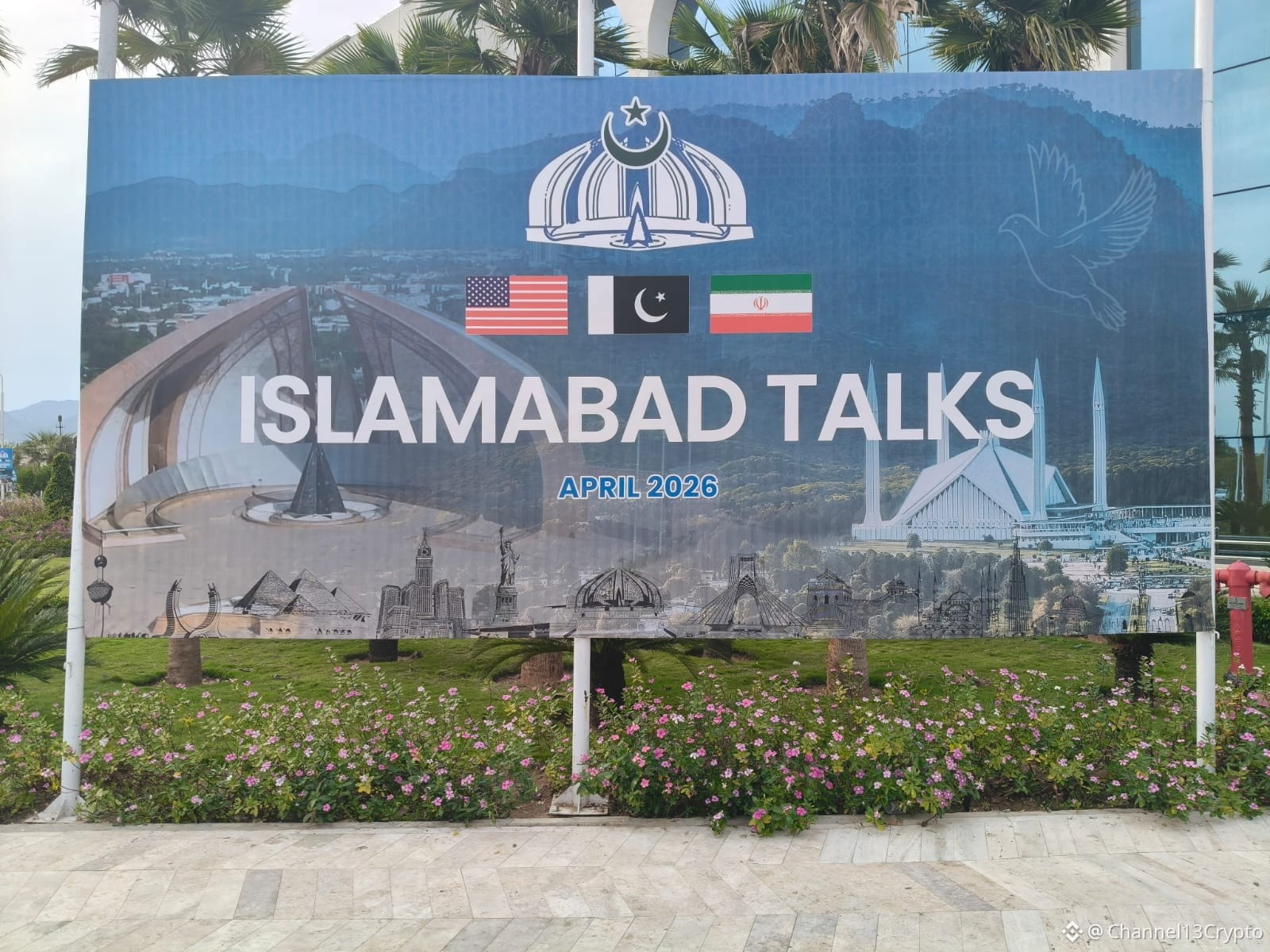
Breaking: Die nächste Runde der US-Iran-Gespräche wird voraussichtlich am Donnerstag in Islamabad wieder aufgenommen.
$BTC $ETH
#USDCFreezeDebate #USMilitaryToBlockadeStraitOfHormuz #JustinSunVsWLFI #Write2Earn
$BTC $ETH
#USDCFreezeDebate #USMilitaryToBlockadeStraitOfHormuz #JustinSunVsWLFI #Write2Earn
🇺🇸🇮🇷US-IRAN Gespräche sind nicht gescheitert, beide sind sich in vielen Punkten einig! Nächstes Treffen bald.
Der Sprecher des iranischen Außenministers sagt, dass die Kontakte und Konsultationen zwischen Iran, Pakistan und "anderen Freunden" in der Region fortgesetzt werden:
#US-IranTalksFailToReachAgreement #SamAltmanSpeaksOutAfterAllegedAttack #HighestCPISince2022 #IranIsraelConflict
$BTC
Der Sprecher des iranischen Außenministers sagt, dass die Kontakte und Konsultationen zwischen Iran, Pakistan und "anderen Freunden" in der Region fortgesetzt werden:
#US-IranTalksFailToReachAgreement #SamAltmanSpeaksOutAfterAllegedAttack #HighestCPISince2022 #IranIsraelConflict
$BTC
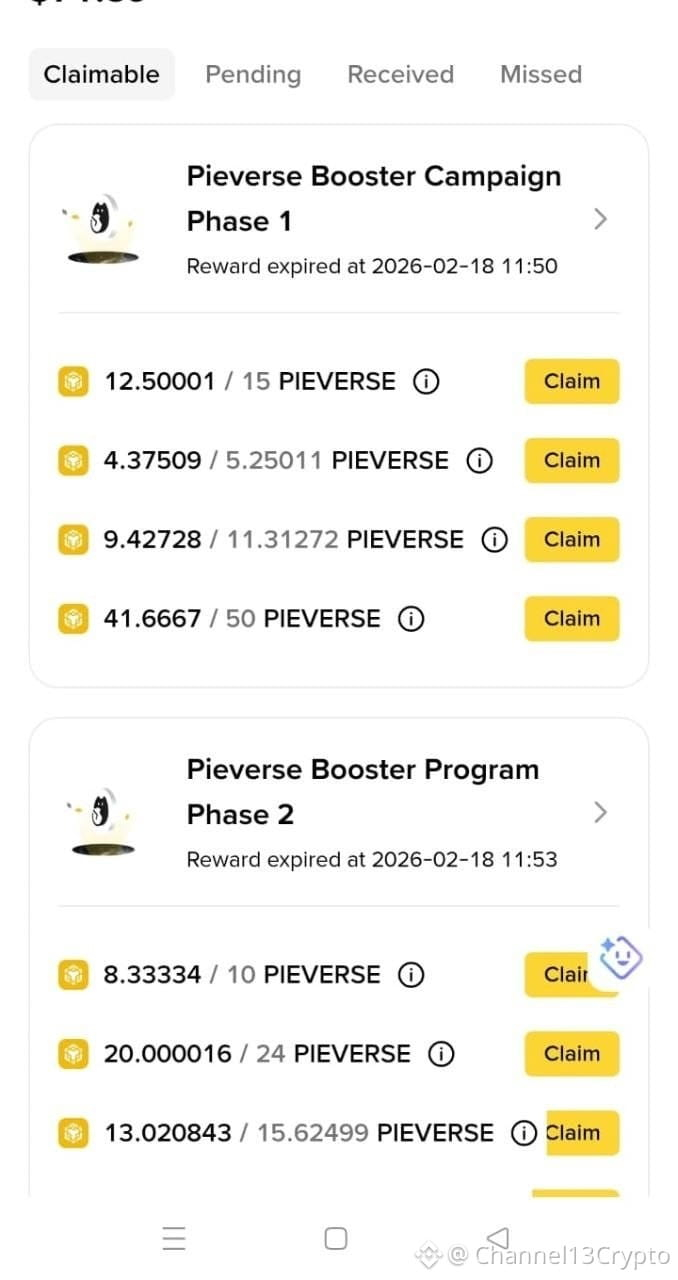
🪙 PIEVERSE LETZTE VERTEILUNG ABGESCHLOSSEN.
Bestes Projekt von Binance 3 Wallet!
Jeden Monat erhalten die Teilnehmer $30-$120 von Pieverse!
Wir möchten Pieverse auf Binance Spot sehen!
Wir vermissen dich so sehr 😘
#pieverseToMoon #PieverseToken
@Pieverse $PIEVERSE
Bestes Projekt von Binance 3 Wallet!
Jeden Monat erhalten die Teilnehmer $30-$120 von Pieverse!
Wir möchten Pieverse auf Binance Spot sehen!
Wir vermissen dich so sehr 😘
#pieverseToMoon #PieverseToken
@Pieverse $PIEVERSE
🔴🇵🇰Islamabad-Gespräche: Erste Runde zwischen Iran und den Vereinigten Staaten abgeschlossen, eine weitere Sitzung heute geplant
Eine wichtige Phase der Verhandlungen zwischen den Vereinigten Staaten und dem Iran, vermittelt durch Pakistan, wurde abgeschlossen.
Laut einer iranischen Nachrichtenagentur fanden die Gespräche am Sonntag um 3:12 Uhr Ortszeit in Pakistan ihr Ende.
Während dieser Phase fand eine weitere Reihe von persönlichen Treffen zwischen den Delegationen beider Länder statt, nach denen auch Teams technischer Experten schriftliche Entwürfe austauschten.
#SamAltmanSpeaksOutAfterAllegedAttack #HighestCPISince2022 #freedomofmoney
#Write2Earn
$BTC
Eine wichtige Phase der Verhandlungen zwischen den Vereinigten Staaten und dem Iran, vermittelt durch Pakistan, wurde abgeschlossen.
Laut einer iranischen Nachrichtenagentur fanden die Gespräche am Sonntag um 3:12 Uhr Ortszeit in Pakistan ihr Ende.
Während dieser Phase fand eine weitere Reihe von persönlichen Treffen zwischen den Delegationen beider Länder statt, nach denen auch Teams technischer Experten schriftliche Entwürfe austauschten.
#SamAltmanSpeaksOutAfterAllegedAttack #HighestCPISince2022 #freedomofmoney
#Write2Earn
$BTC
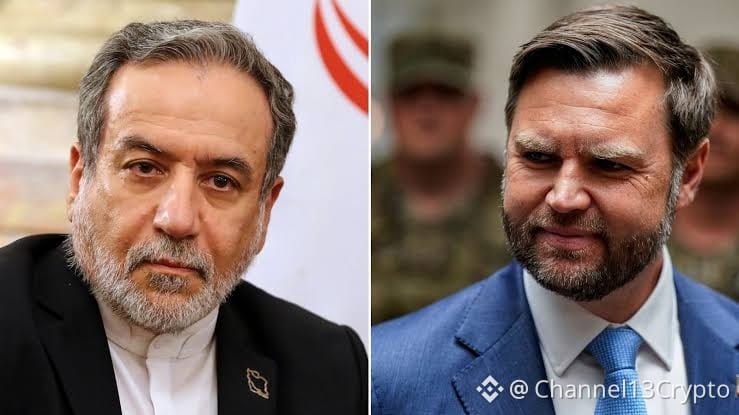
🔴 BREAKING !
Gespräche laufen noch! Positive Nachrichten bezüglich des Iran-US-Friedensabkommens kommen.
Pakistan hat einen Vorschlag zur Regulierung der Schifffahrt in der Straße von Hormuz unterbreitet.
#SamAltmanSpeaksOutAfterAllegedAttack #HighestCPISince2022 #Write2Earn
$BTC
Gespräche laufen noch! Positive Nachrichten bezüglich des Iran-US-Friedensabkommens kommen.
Pakistan hat einen Vorschlag zur Regulierung der Schifffahrt in der Straße von Hormuz unterbreitet.
#SamAltmanSpeaksOutAfterAllegedAttack #HighestCPISince2022 #Write2Earn
$BTC
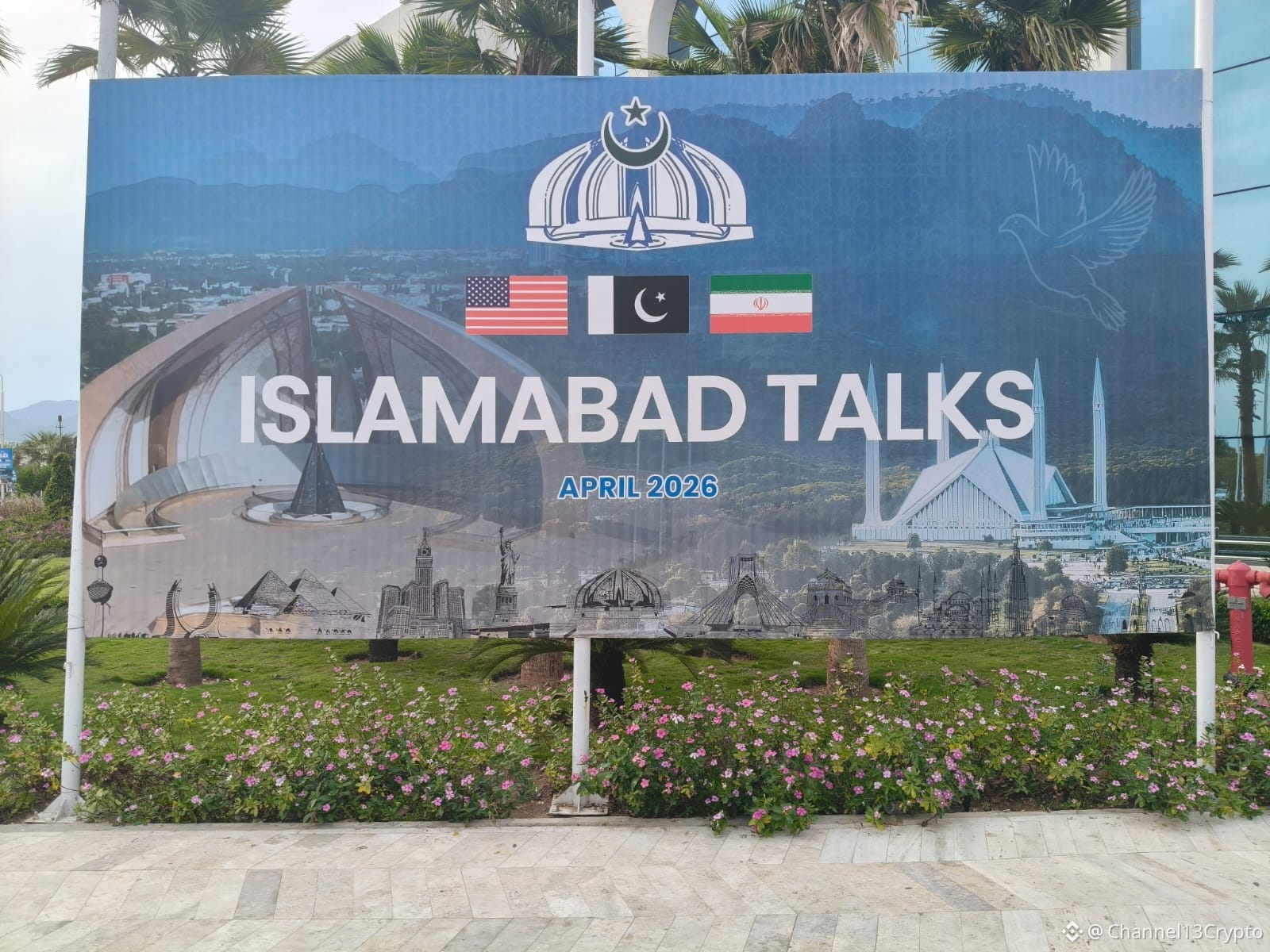
📢 BREAKING
Pakistanische Quellen haben CNN mitgeteilt, dass die Gespräche zwischen den Vereinigten Staaten und dem Iran in Islamabad insgesamt recht positiv waren, aber ein Stillstand beim Thema Kontrolle über die Straße von Hormus besteht.
Wird Bitcoin nach Abschluss des Deals 80.000 $ erreichen 👍
#SamAltmanSpeaksOutAfterAllegedAttack #HighestCPISince2022 #Write2Earn
$BTC
Pakistanische Quellen haben CNN mitgeteilt, dass die Gespräche zwischen den Vereinigten Staaten und dem Iran in Islamabad insgesamt recht positiv waren, aber ein Stillstand beim Thema Kontrolle über die Straße von Hormus besteht.
Wird Bitcoin nach Abschluss des Deals 80.000 $ erreichen 👍
#SamAltmanSpeaksOutAfterAllegedAttack #HighestCPISince2022 #Write2Earn
$BTC
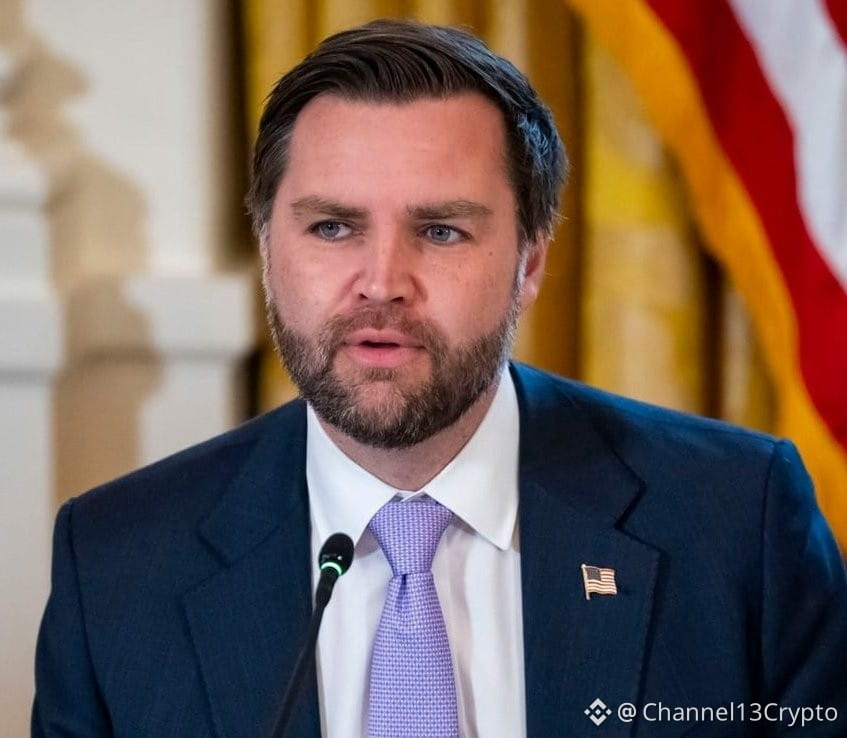
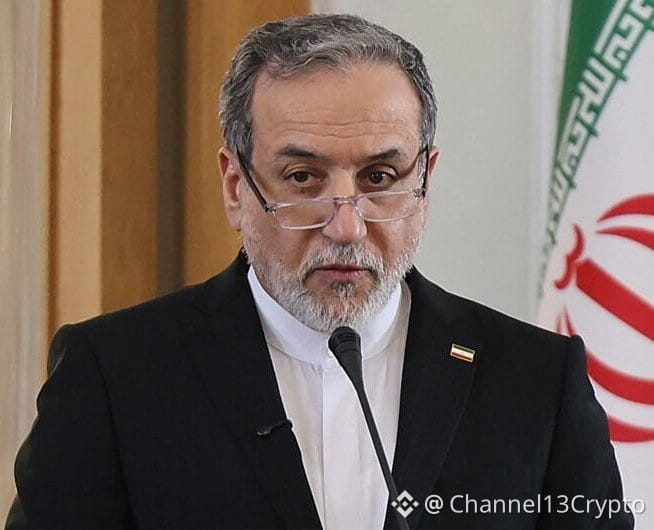
🇮🇷Der Iran hat offiziell seine 4 "Red Lines" für Friedensgespräche mit den USA eingereicht.🇺🇸
1- Autorität über die Straße von Hormuz.
2- Zahlung von Kriegsentschädigungen!
3- Freigabe aller blockierten iranischen finanziellen Vermögenswerte.
4- Sicherstellung eines umfassenden regionalen Waffenstillstands.
#BinanceWalletLaunchesPredictionMarkets
#freedomofmoney #IranHormuzCryptoFees #IranUSTalks
#writetoearn
$BTC $BNB
1- Autorität über die Straße von Hormuz.
2- Zahlung von Kriegsentschädigungen!
3- Freigabe aller blockierten iranischen finanziellen Vermögenswerte.
4- Sicherstellung eines umfassenden regionalen Waffenstillstands.
#BinanceWalletLaunchesPredictionMarkets
#freedomofmoney #IranHormuzCryptoFees #IranUSTalks
#writetoearn
$BTC $BNB
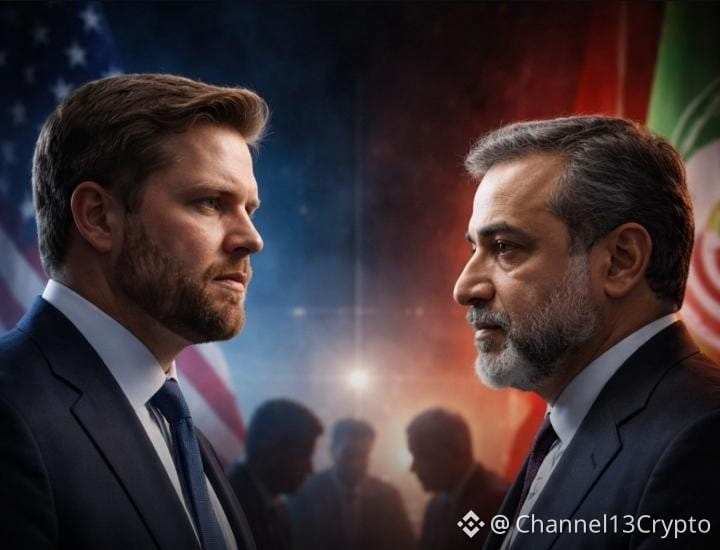
💹GUTE NACHRICHTEN KOMMEN BALD !
Dauerhaftes Waffenstillstehen ?
Wird Bitcoin $80K nach erfolgreichen Verhandlungen erreichen ???
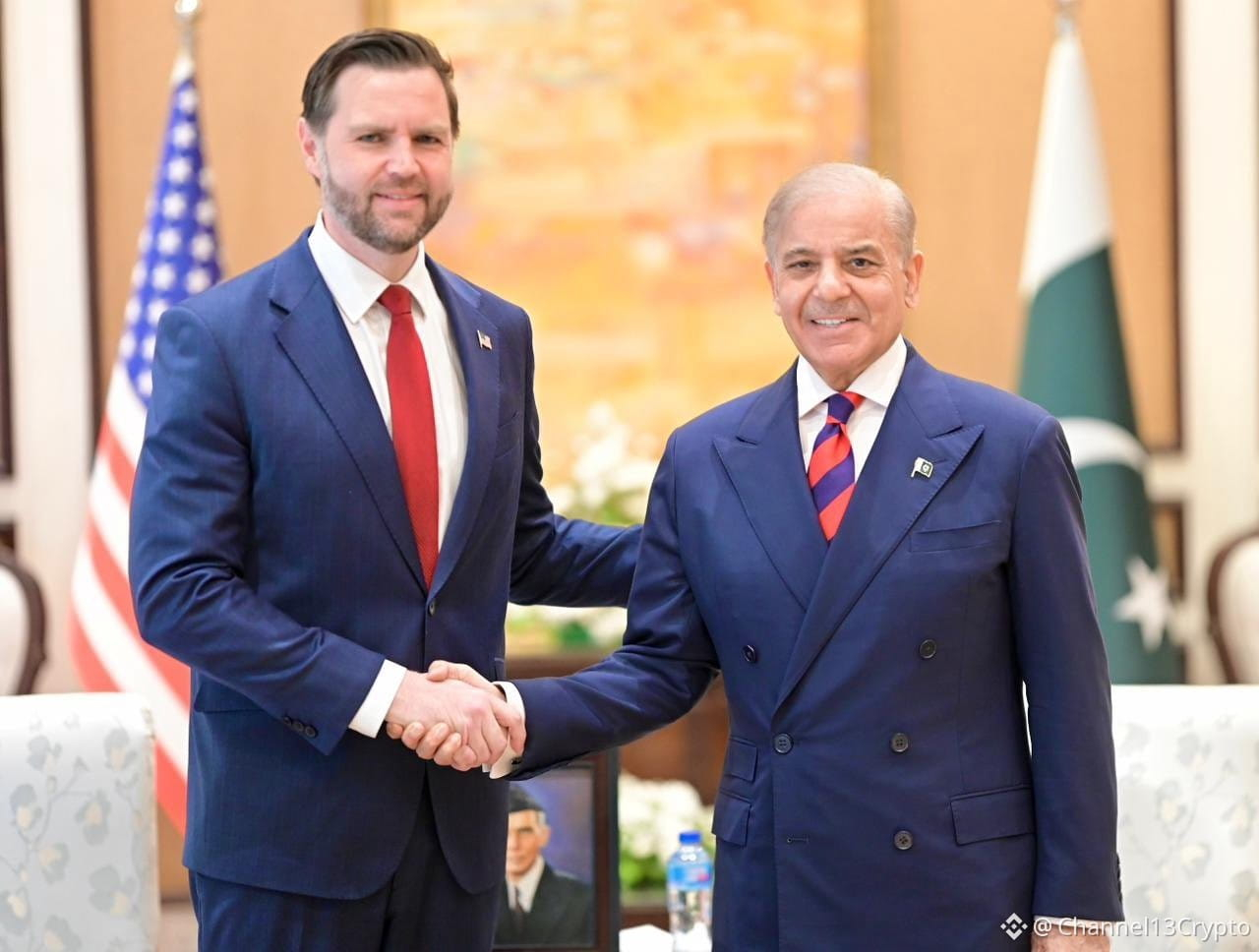
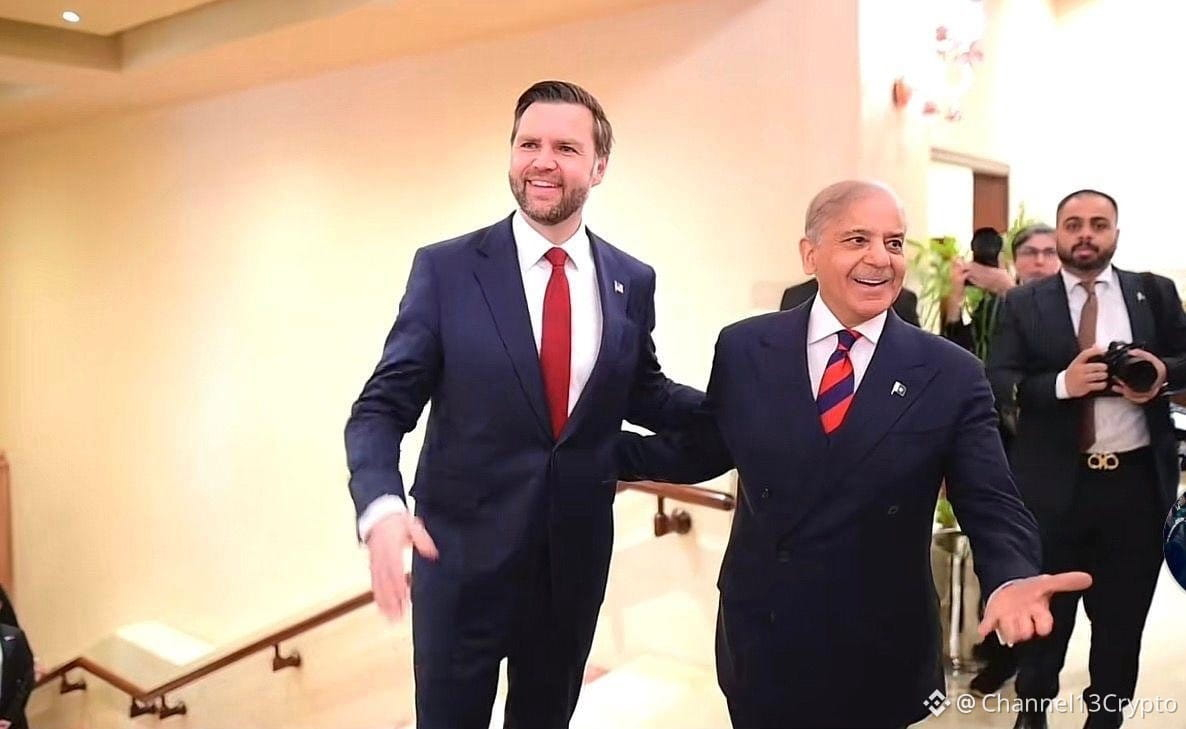
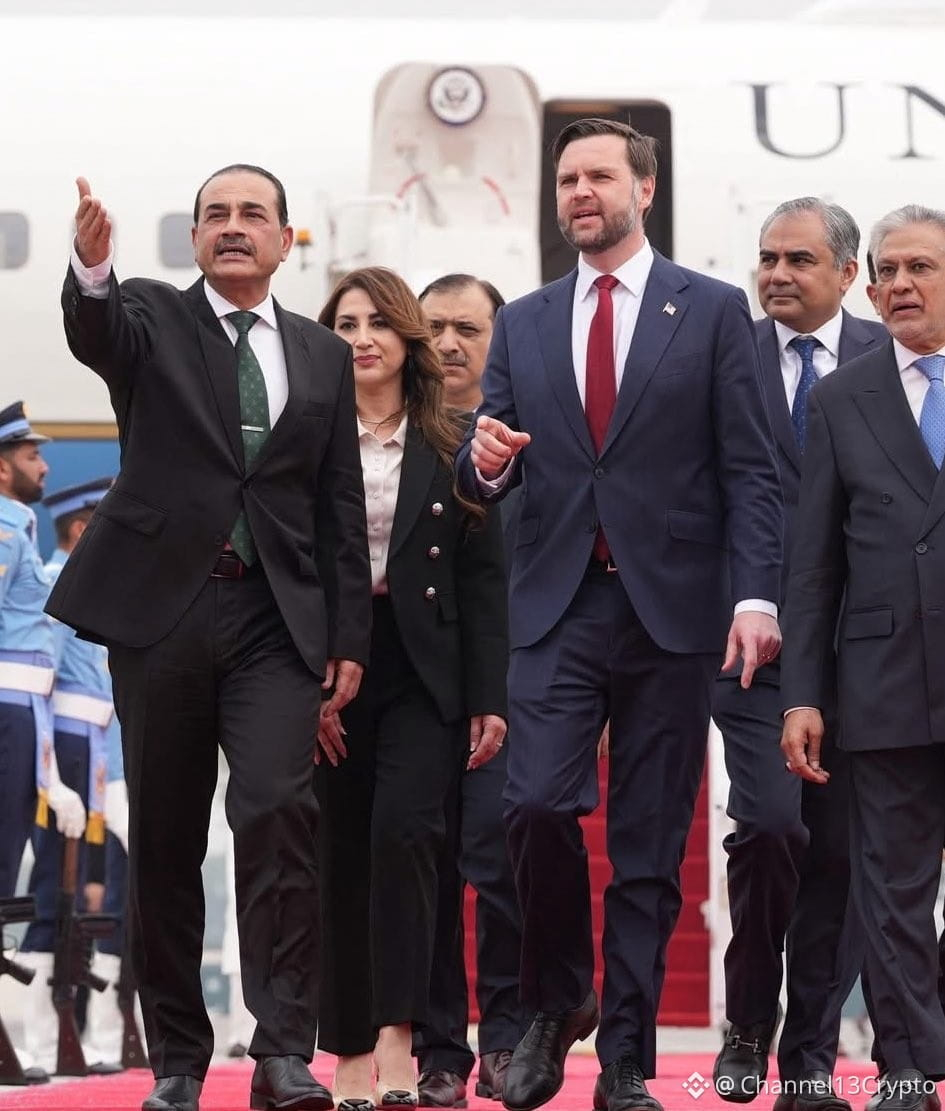
Ein historischer und bedeutender Moment fand in Islamabad statt, als Premierminister Shehbaz Sharif ein hochrangiges Treffen mit dem US-Vizepräsidenten JD Vance abhielt, während Pakistan eine zentrale Rolle in entscheidenden Friedensdialogen spielt. Dieses Engagement unterstreicht die wachsende Bedeutung Pakistans auf der globalen Bühne und hebt seine strategische Position als Brückenbauer in den Bemühungen um regionale Frieden und Stabilität hervor. Das Treffen spiegelt die gegenseitige Anerkennung des diplomatischen Einflusses Pakistans und seiner Fähigkeit wider, den Dialog zwischen den wichtigsten Akteuren zu erleichtern. Während die Gespräche fortschreiten, gibt es ein starkes Gefühl der Optimismus, dass solche gemeinsamen Anstrengungen zu sinnvollen, langfristigen Lösungen beitragen und Pakistans Rolle als verantwortungsbewusster und proaktiver Partner bei der Förderung des internationalen Friedens verstärken werden.
#SamAltmanSpeaksOutAfterAllegedAttack #HighestCPISince2022 #CZonTBPNInterview #Write2Earn
$BTC $ETH
Dauerhaftes Waffenstillstehen ?
Wird Bitcoin $80K nach erfolgreichen Verhandlungen erreichen ???
Ein historischer und bedeutender Moment fand in Islamabad statt, als Premierminister Shehbaz Sharif ein hochrangiges Treffen mit dem US-Vizepräsidenten JD Vance abhielt, während Pakistan eine zentrale Rolle in entscheidenden Friedensdialogen spielt. Dieses Engagement unterstreicht die wachsende Bedeutung Pakistans auf der globalen Bühne und hebt seine strategische Position als Brückenbauer in den Bemühungen um regionale Frieden und Stabilität hervor. Das Treffen spiegelt die gegenseitige Anerkennung des diplomatischen Einflusses Pakistans und seiner Fähigkeit wider, den Dialog zwischen den wichtigsten Akteuren zu erleichtern. Während die Gespräche fortschreiten, gibt es ein starkes Gefühl der Optimismus, dass solche gemeinsamen Anstrengungen zu sinnvollen, langfristigen Lösungen beitragen und Pakistans Rolle als verantwortungsbewusster und proaktiver Partner bei der Förderung des internationalen Friedens verstärken werden.
#SamAltmanSpeaksOutAfterAllegedAttack #HighestCPISince2022 #CZonTBPNInterview #Write2Earn
$BTC $ETH
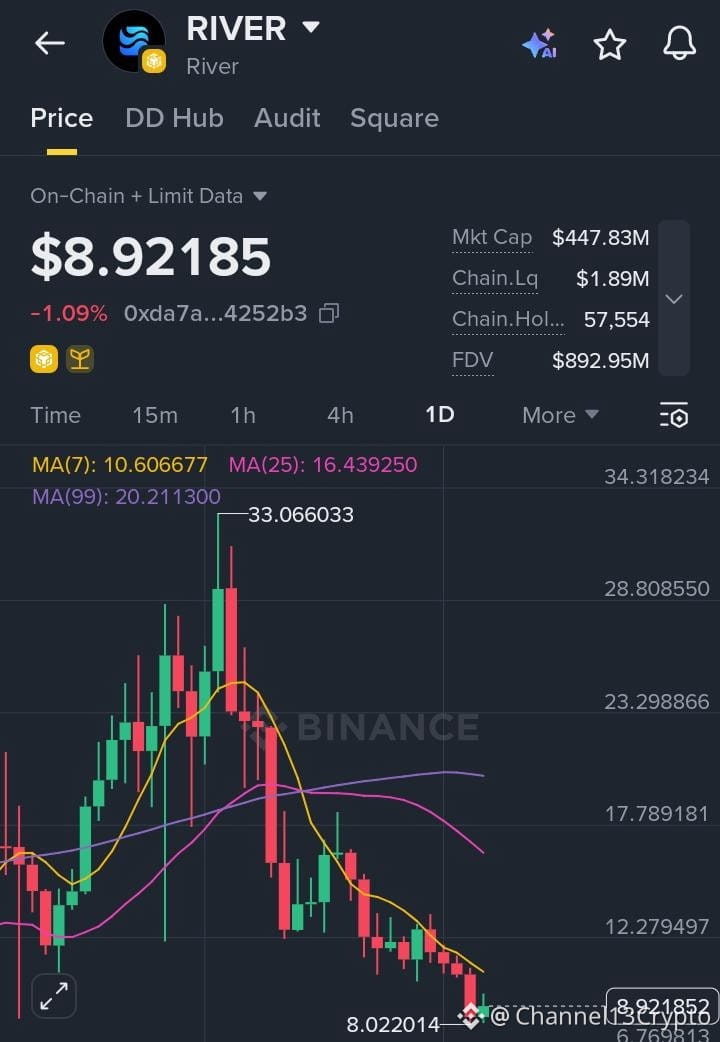
$RIVER Berührende 20 $ Bald.
Beste Zeit, um RIVER zu kaufen, es ist bereits auf 7 $ in 24 Stunden gefallen!
Nächstes Ziel 20 $
#SamAltmanSpeaksOutAfterAllegedAttack #HighestCPISince2022 #RİVER
#Write2Earn
$RIVER
Beste Zeit, um RIVER zu kaufen, es ist bereits auf 7 $ in 24 Stunden gefallen!
Nächstes Ziel 20 $
#SamAltmanSpeaksOutAfterAllegedAttack #HighestCPISince2022 #RİVER
#Write2Earn
$RIVER
💹 GUTE NACHRICHTEN FÜR DEN MARKT!
Beide Delegationen🇺🇸🇮🇷 sind in Islamabad angekommen, während die hochkarätigen diplomatischen Bemühungen voranschreiten, wobei Gespräche voraussichtlich bald beginnen werden. Der Vizepräsident der Vereinigten Staaten, JD Vance, wird zusammen mit der iranischen Delegation mit dem Premierminister von Pakistan zusammentreffen, bevor die erwarteten Waffenstillstandsverhandlungen beginnen. Dieses entscheidende Treffen wird als ein wichtiger Schritt zur Deeskalation angesehen, da beide Seiten darauf abzielen, die steigenden Spannungen zu adressieren und Wege zum Frieden zu erkunden. Die Präsenz Pakistans als neutraler Vermittler unterstreicht seine wachsende diplomatische Rolle bei der Mediation regionaler und internationaler Konflikte, wobei die globale Aufmerksamkeit nun auf den Ergebnissen dieser Gespräche liegt.
#SamAltmanSpeaksOutAfterAllegedAttack #HighestCPISince2022 #CZonTBPNInterview #Write2Earn #BTC
$BTC $ETH $BNB
Beide Delegationen🇺🇸🇮🇷 sind in Islamabad angekommen, während die hochkarätigen diplomatischen Bemühungen voranschreiten, wobei Gespräche voraussichtlich bald beginnen werden. Der Vizepräsident der Vereinigten Staaten, JD Vance, wird zusammen mit der iranischen Delegation mit dem Premierminister von Pakistan zusammentreffen, bevor die erwarteten Waffenstillstandsverhandlungen beginnen. Dieses entscheidende Treffen wird als ein wichtiger Schritt zur Deeskalation angesehen, da beide Seiten darauf abzielen, die steigenden Spannungen zu adressieren und Wege zum Frieden zu erkunden. Die Präsenz Pakistans als neutraler Vermittler unterstreicht seine wachsende diplomatische Rolle bei der Mediation regionaler und internationaler Konflikte, wobei die globale Aufmerksamkeit nun auf den Ergebnissen dieser Gespräche liegt.
#SamAltmanSpeaksOutAfterAllegedAttack #HighestCPISince2022 #CZonTBPNInterview #Write2Earn #BTC
$BTC $ETH $BNB
Anmelden und weiter Inhalte entdecken