

Mason Lee
7.3k Beiträge

Mason Lee
 Square Verified
Melden
Nutzer blockieren
Influencer | Content Creator |Ambassador | Degen | #Binance KOL | DM for Collab
Trade eröffnen
Hochfrequenz-Trader
2 Jahre
126 Following
33.3K+ Follower
20.8K+ Like gegeben
Beiträge
Portfolio
Alle
Zitierungen
Live
PINNED
·
--
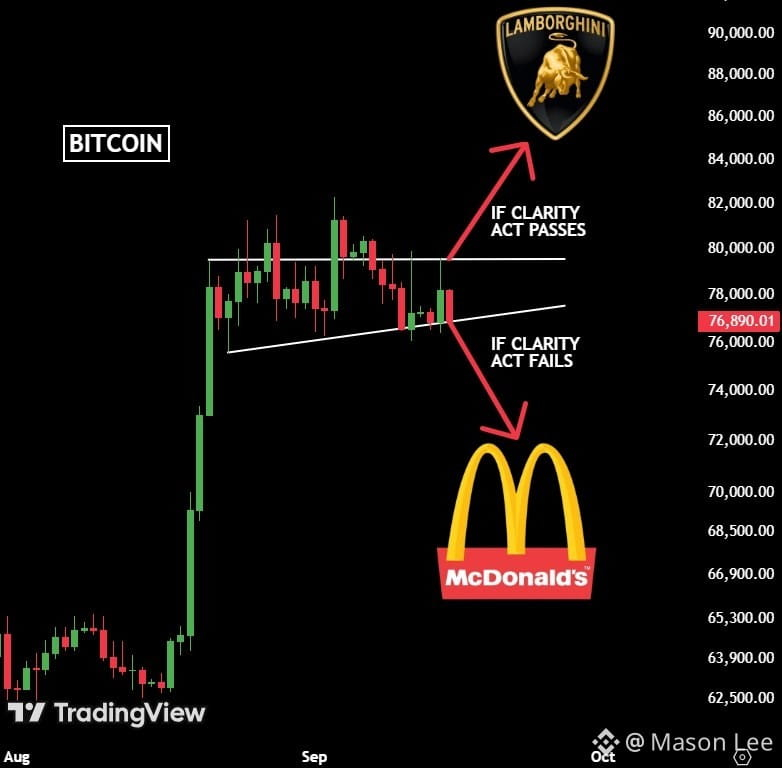
Bitcoin befindet sich an einem kritischen Wendepunkt.
$BTC komprimiert sich in einer sich verengenden Struktur, wobei $80K die entscheidende Ausbruchsschwelle und ~76K als unmittelbarer Support gilt.
➜ $80K zurückerobern → potenzieller Move in Richtung $85K+
➜ Aufsteigenden Support verlieren → $72K–$70K wird zur Downside-Zone
Der CLARITY Act könnte der Auslöser sein, der entscheidet, welche Seite zuerst bricht.
DYOR.
#BTC #Bitcoin
Bitcoin befindet sich an einem kritischen Wendepunkt.
$BTC komprimiert sich in einer sich verengenden Struktur, wobei $80K die entscheidende Ausbruchsschwelle und ~76K als unmittelbarer Support gilt.
➜ $80K zurückerobern → potenzieller Move in Richtung $85K+
➜ Aufsteigenden Support verlieren → $72K–$70K wird zur Downside-Zone
Der CLARITY Act könnte der Auslöser sein, der entscheidet, welche Seite zuerst bricht.
DYOR.
#BTC #Bitcoin
$BTC komprimiert sich in einer sich verengenden Struktur, wobei $80K die entscheidende Ausbruchsschwelle und ~76K als unmittelbarer Support gilt.
➜ $80K zurückerobern → potenzieller Move in Richtung $85K+
➜ Aufsteigenden Support verlieren → $72K–$70K wird zur Downside-Zone
Der CLARITY Act könnte der Auslöser sein, der entscheidet, welche Seite zuerst bricht.
DYOR.
#BTC #Bitcoin
15
1
63
84.4k
·
--
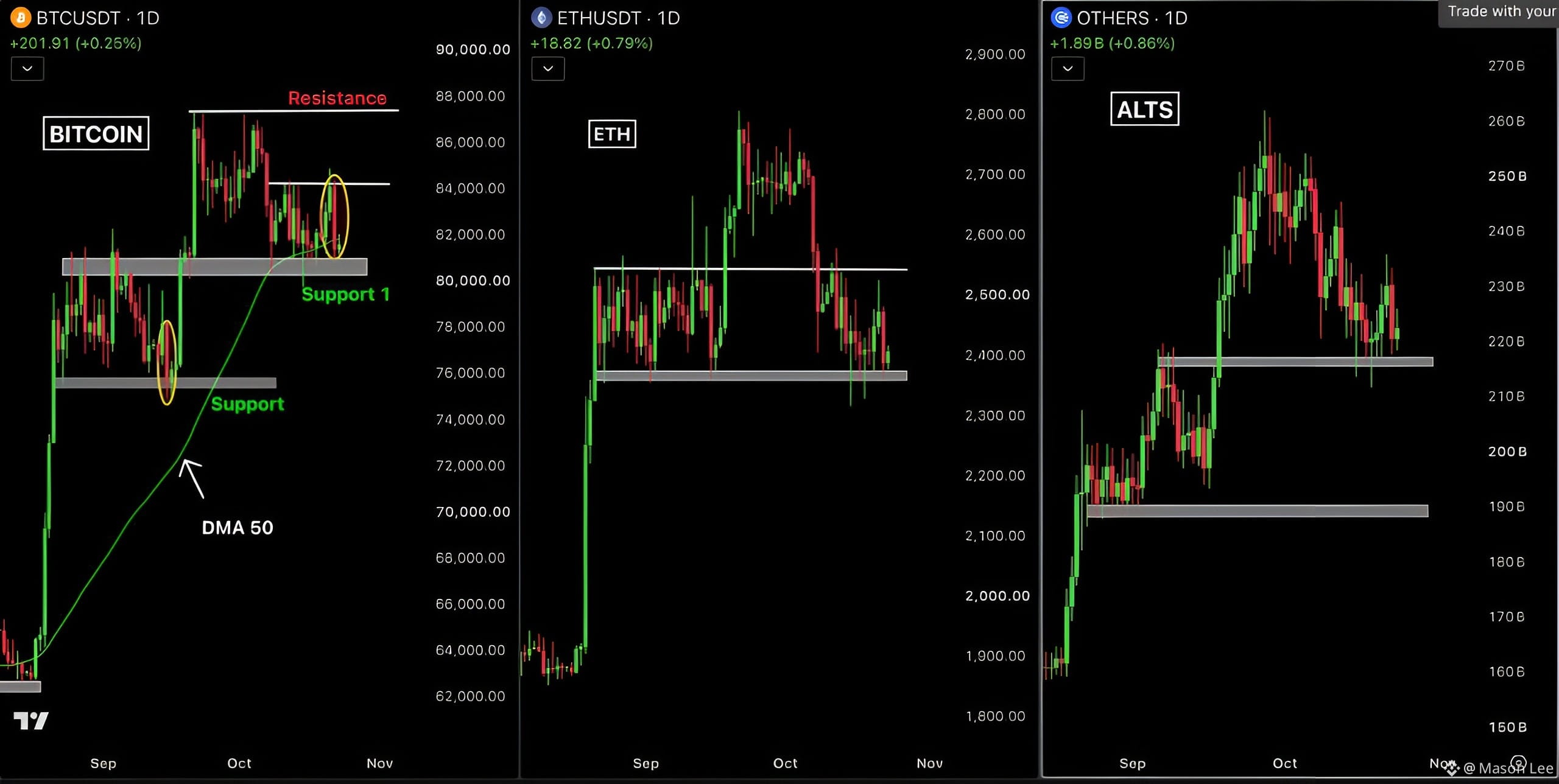
BITCOIN STEHT VOR EINER GROSSEN BEWÄHRUNGSPROBE: AUSBRUCH ODER EINBRUCH?
BTC, ETH und Altcoins nähern sich wichtigen Unterstützungsniveaus, während bedeutende makroökonomische Ereignisse und Quartalszahlen großer Tech-Unternehmen bevorstehen.
📊 Wichtige Kursniveaus im Blick:
- $BTC : 80.000 $ → 76.000 $
- $ETH : 2.350 $
- Marktkapitalisierung des Altcoin-Marktes: 214 Mrd. $
FOMC, Quartalszahlen und geopolitische Unsicherheit könnten starke Bewegungen in beide Richtungen auslösen.
Bleibt geduldig, vermeidet übermäßigen Hebeleinsatz und geht sorgfältig mit Risiken um.
Hält BTC die Marke von 80.000 $ oder fällt der Kurs zurück auf 76.000 $?
DYOR.
#Bitcoin #BTC #Crypto #Ethereum #Altcoins
BITCOIN STEHT VOR EINER GROSSEN BEWÄHRUNGSPROBE: AUSBRUCH ODER EINBRUCH?
BTC, ETH und Altcoins nähern sich wichtigen Unterstützungsniveaus, während bedeutende makroökonomische Ereignisse und Quartalszahlen großer Tech-Unternehmen bevorstehen.
📊 Wichtige Kursniveaus im Blick:
- $BTC : 80.000 $ → 76.000 $
- $ETH : 2.350 $
- Marktkapitalisierung des Altcoin-Marktes: 214 Mrd. $
FOMC, Quartalszahlen und geopolitische Unsicherheit könnten starke Bewegungen in beide Richtungen auslösen.
Bleibt geduldig, vermeidet übermäßigen Hebeleinsatz und geht sorgfältig mit Risiken um.
Hält BTC die Marke von 80.000 $ oder fällt der Kurs zurück auf 76.000 $?
DYOR.
#Bitcoin #BTC #Crypto #Ethereum #Altcoins
BTC, ETH und Altcoins nähern sich wichtigen Unterstützungsniveaus, während bedeutende makroökonomische Ereignisse und Quartalszahlen großer Tech-Unternehmen bevorstehen.
📊 Wichtige Kursniveaus im Blick:
- $BTC : 80.000 $ → 76.000 $
- $ETH : 2.350 $
- Marktkapitalisierung des Altcoin-Marktes: 214 Mrd. $
FOMC, Quartalszahlen und geopolitische Unsicherheit könnten starke Bewegungen in beide Richtungen auslösen.
Bleibt geduldig, vermeidet übermäßigen Hebeleinsatz und geht sorgfältig mit Risiken um.
Hält BTC die Marke von 80.000 $ oder fällt der Kurs zurück auf 76.000 $?
DYOR.
#Bitcoin #BTC #Crypto #Ethereum #Altcoins
1
270
·
--
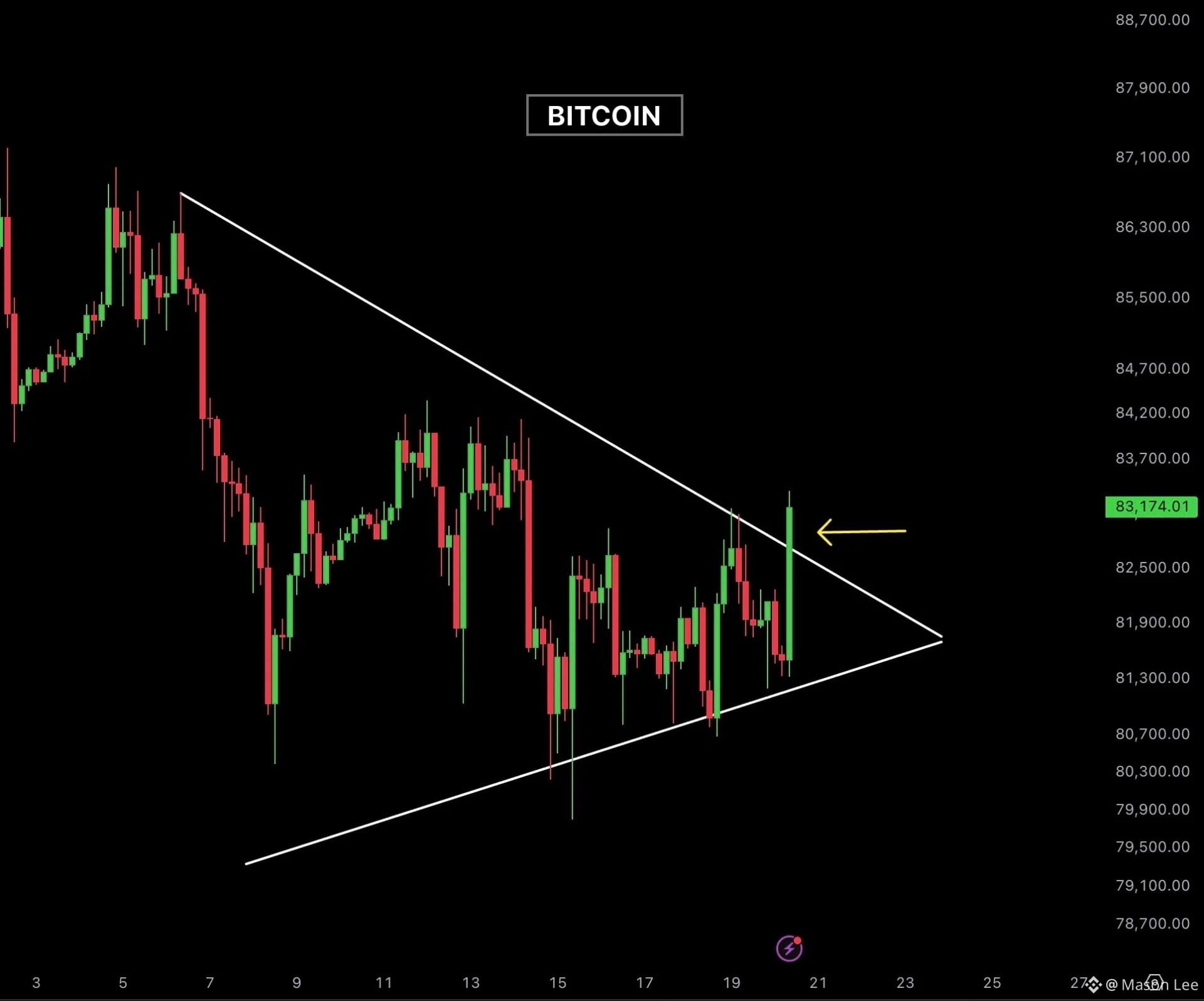
Bitcoin setzt sich endlich gegen den Widerstand durch, der den Kurs bislang gebremst hat.
$BTC testet nach einer Konsolidierung innerhalb eines symmetrischen Dreiecks eine wichtige fallende Trendlinie. Die nächste Bewegung könnte die kurzfristige Richtung vorgeben.
Ein klarer Ausbruch bei hohem Volumen könnte den Weg für weitere Kursgewinne ebnen, während eine Zurückweisung BTC zurück zur Unterstützung des Dreiecks schicken könnte.
Die Formation entwickelt sich. Eine Bestätigung ist wichtiger als Spekulationen.
Behalte den Ausbruch im Blick. Behalte das Risiko im Auge. DYOR.
#Bitcoin #BitcoinAnalysis #Write2Earn #Market_Update #EarningsSeason
Bitcoin setzt sich endlich gegen den Widerstand durch, der den Kurs bislang gebremst hat.
$BTC testet nach einer Konsolidierung innerhalb eines symmetrischen Dreiecks eine wichtige fallende Trendlinie. Die nächste Bewegung könnte die kurzfristige Richtung vorgeben.
Ein klarer Ausbruch bei hohem Volumen könnte den Weg für weitere Kursgewinne ebnen, während eine Zurückweisung BTC zurück zur Unterstützung des Dreiecks schicken könnte.
Die Formation entwickelt sich. Eine Bestätigung ist wichtiger als Spekulationen.
Behalte den Ausbruch im Blick. Behalte das Risiko im Auge. DYOR.
#Bitcoin #BitcoinAnalysis #Write2Earn #Market_Update #EarningsSeason
$BTC testet nach einer Konsolidierung innerhalb eines symmetrischen Dreiecks eine wichtige fallende Trendlinie. Die nächste Bewegung könnte die kurzfristige Richtung vorgeben.
Ein klarer Ausbruch bei hohem Volumen könnte den Weg für weitere Kursgewinne ebnen, während eine Zurückweisung BTC zurück zur Unterstützung des Dreiecks schicken könnte.
Die Formation entwickelt sich. Eine Bestätigung ist wichtiger als Spekulationen.
Behalte den Ausbruch im Blick. Behalte das Risiko im Auge. DYOR.
#Bitcoin #BitcoinAnalysis #Write2Earn #Market_Update #EarningsSeason
1
215
·
--
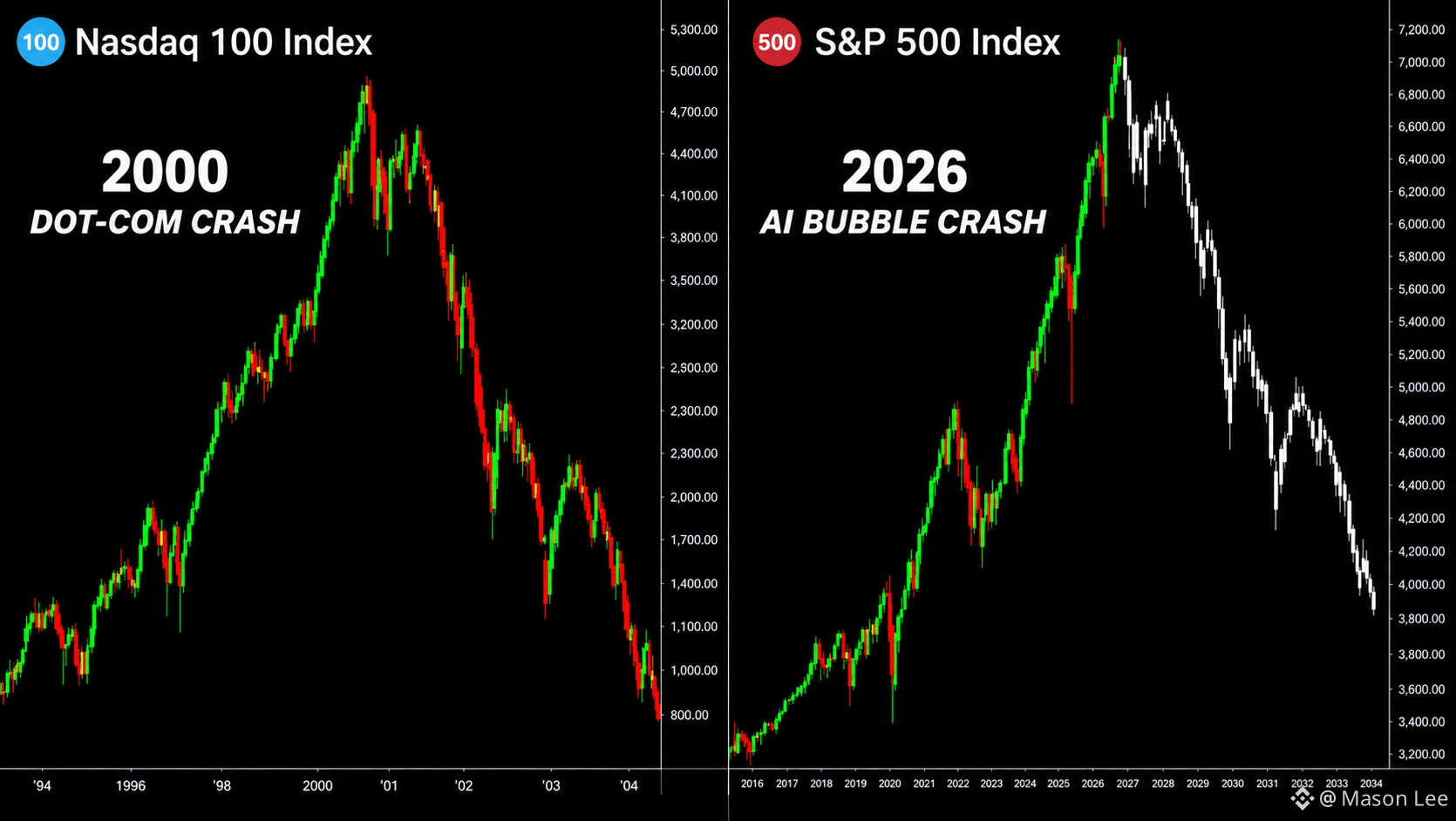
🚨 DER NÄCHSTE MARKTCRASH KÖNNTE ALLE AUF DEM FALSCHEN FUSS ERWISCHEN
Der S&P 500 zeigt ein Muster, das Erinnerungen an die Dotcom-Blase des Jahres 2000 weckt.
◗ Eine kräftige Rally
◗ Wachsende Euphorie
◗ Die Überzeugung, dass es immer weiter nach oben geht
Doch Märkte steigen nicht für immer.
Wenn der Optimismus seinen Höhepunkt erreicht und Risiken ignoriert werden, kann der Absturz brutal sein. Wenn sich die Geschichte reimt, könnten die Folgen über Aktien hinaus auch Kryptowährungen und andere Risikoanlagen treffen.
Das größte Risiko ist der Glaube, die Rally sei unaufhaltsam.
Bleib aufmerksam. Manage dein Risiko. Recherchiere selbst.
#S&P500 #Bitcoin #MarketUpdate #Trading #Write2Earn
🚨 DER NÄCHSTE MARKTCRASH KÖNNTE ALLE AUF DEM FALSCHEN FUSS ERWISCHEN
Der S&P 500 zeigt ein Muster, das Erinnerungen an die Dotcom-Blase des Jahres 2000 weckt.
◗ Eine kräftige Rally
◗ Wachsende Euphorie
◗ Die Überzeugung, dass es immer weiter nach oben geht
Doch Märkte steigen nicht für immer.
Wenn der Optimismus seinen Höhepunkt erreicht und Risiken ignoriert werden, kann der Absturz brutal sein. Wenn sich die Geschichte reimt, könnten die Folgen über Aktien hinaus auch Kryptowährungen und andere Risikoanlagen treffen.
Das größte Risiko ist der Glaube, die Rally sei unaufhaltsam.
Bleib aufmerksam. Manage dein Risiko. Recherchiere selbst.
#S&P500 #Bitcoin #MarketUpdate #Trading #Write2Earn
Der S&P 500 zeigt ein Muster, das Erinnerungen an die Dotcom-Blase des Jahres 2000 weckt.
◗ Eine kräftige Rally
◗ Wachsende Euphorie
◗ Die Überzeugung, dass es immer weiter nach oben geht
Doch Märkte steigen nicht für immer.
Wenn der Optimismus seinen Höhepunkt erreicht und Risiken ignoriert werden, kann der Absturz brutal sein. Wenn sich die Geschichte reimt, könnten die Folgen über Aktien hinaus auch Kryptowährungen und andere Risikoanlagen treffen.
Das größte Risiko ist der Glaube, die Rally sei unaufhaltsam.
Bleib aufmerksam. Manage dein Risiko. Recherchiere selbst.
#S&P500 #Bitcoin #MarketUpdate #Trading #Write2Earn
1
215
·
--
Bitcoin hat gerade alle daran erinnert, wie brutal dieser Markt sein kann. ⚡
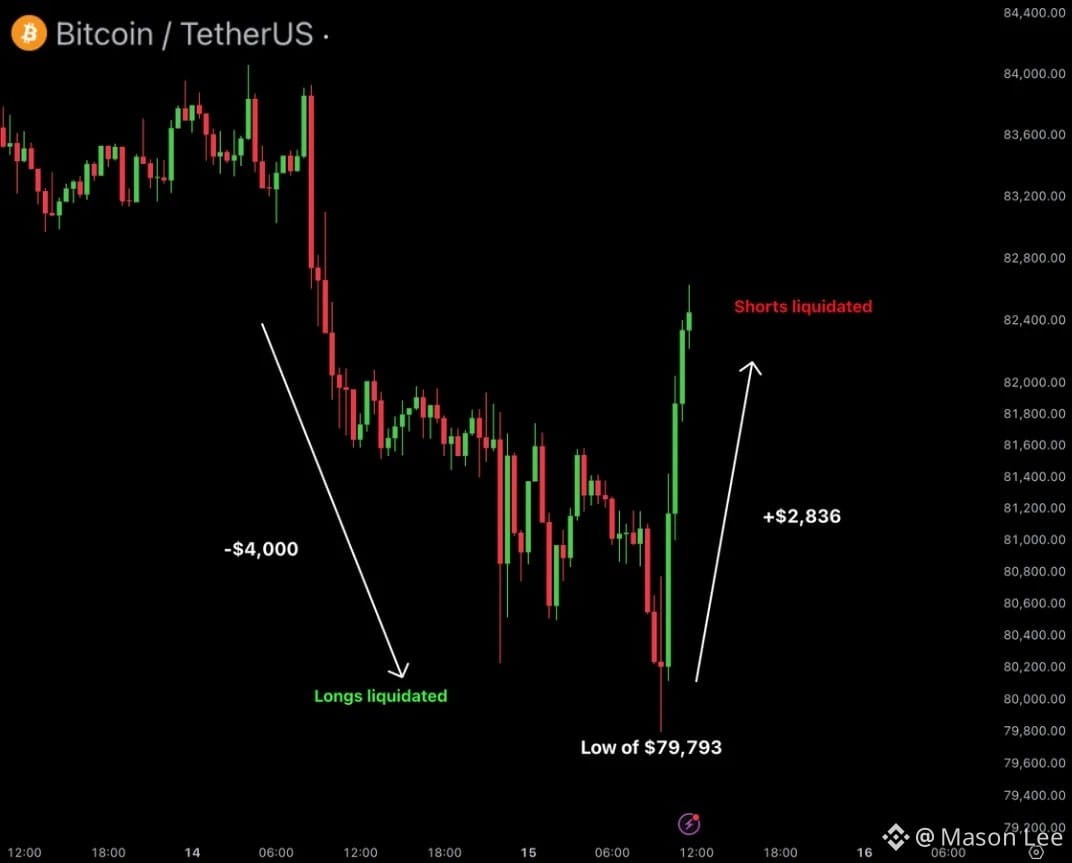
$BTC stürzte um fast 4.000 $ ab und löschte nach höher als erwartet ausgefallenen PPI- und CPI-Daten Long-Positionen im Wert von über 800 Mio. $ aus.
Dann kam die Kehrtwende.
Vom Tief bei 79.793 $ schnellte BTC in Richtung 82.000 $ nach oben und löste innerhalb von nur 60 Minuten Short-Liquidationen im Umfang von rund 50 Mio. $ aus.
Die Bullen saßen in der Falle. Die Bären saßen in der Falle. Der Hebel hatte seinen Preis.
In diesem Markt ist Risikomanagement wichtiger als Prognosen.
Bleib geduldig, schütze dein Kapital und lass niemals deine Emotionen deine Entscheidungen bestimmen.
DYOR.
#Bitcoin #BTC #CryptoMarket #Write2Earn #EtherTook60%OfCryptoLiquidations
Bitcoin hat gerade alle daran erinnert, wie brutal dieser Markt sein kann. ⚡
$BTC stürzte um fast 4.000 $ ab und löschte nach höher als erwartet ausgefallenen PPI- und CPI-Daten Long-Positionen im Wert von über 800 Mio. $ aus.
Dann kam die Kehrtwende.
Vom Tief bei 79.793 $ schnellte BTC in Richtung 82.000 $ nach oben und löste innerhalb von nur 60 Minuten Short-Liquidationen im Umfang von rund 50 Mio. $ aus.
Die Bullen saßen in der Falle. Die Bären saßen in der Falle. Der Hebel hatte seinen Preis.
In diesem Markt ist Risikomanagement wichtiger als Prognosen.
Bleib geduldig, schütze dein Kapital und lass niemals deine Emotionen deine Entscheidungen bestimmen.
DYOR.
#Bitcoin #BTC #CryptoMarket #Write2Earn #EtherTook60%OfCryptoLiquidations
$BTC stürzte um fast 4.000 $ ab und löschte nach höher als erwartet ausgefallenen PPI- und CPI-Daten Long-Positionen im Wert von über 800 Mio. $ aus.
Dann kam die Kehrtwende.
Vom Tief bei 79.793 $ schnellte BTC in Richtung 82.000 $ nach oben und löste innerhalb von nur 60 Minuten Short-Liquidationen im Umfang von rund 50 Mio. $ aus.
Die Bullen saßen in der Falle. Die Bären saßen in der Falle. Der Hebel hatte seinen Preis.
In diesem Markt ist Risikomanagement wichtiger als Prognosen.
Bleib geduldig, schütze dein Kapital und lass niemals deine Emotionen deine Entscheidungen bestimmen.
DYOR.
#Bitcoin #BTC #CryptoMarket #Write2Earn #EtherTook60%OfCryptoLiquidations
1
175
·
--
Bitcoins nächster Schritt könnte vom CPI abhängen. 📊
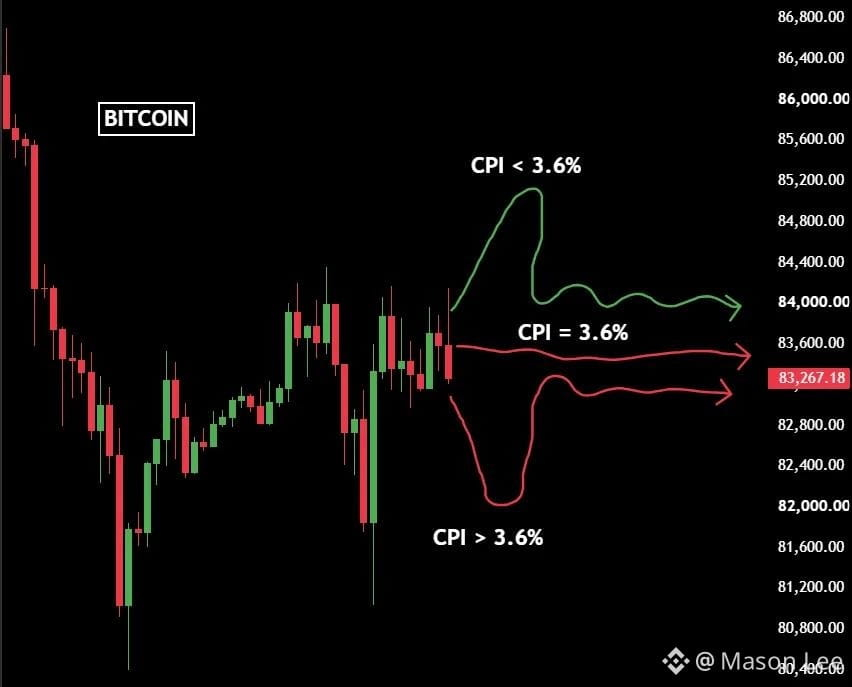
Der CPI-Wert von 3,6 % ist das entscheidende Szenario, das es zu beobachten gilt.
🟢 CPI unter 3,6 %: Könnte die Risikobereitschaft stärken und BTC die Möglichkeit eröffnen, die Marke von 84.000 $ und möglicherweise noch höhere Werte zu testen.
🔴 CPI bei 3,6 %: Könnte $BTC in einer Handelsspanne halten, während die Trader die Daten bewerten.
🔻 CPI über 3,6 %: Könnte den Verkaufsdruck erhöhen und den Bereich um 82.000 $ wieder in den Fokus rücken.
Die tatsächliche Marktreaktion hängt von den Erwartungen, dem vollständigen Inflationsbericht und einer Bestätigung durch die Kursentwicklung ab.
Handle nicht aufgrund der Schlagzeile. Handle aufgrund der Reaktion.
Recherchiere immer selbst (DYOR) und gehe sorgfältig mit Risiken um.
#Bitcoin #BTC #CPI #CryptoMarket #Write2Earn
Bitcoins nächster Schritt könnte vom CPI abhängen. 📊
Der CPI-Wert von 3,6 % ist das entscheidende Szenario, das es zu beobachten gilt.
🟢 CPI unter 3,6 %: Könnte die Risikobereitschaft stärken und BTC die Möglichkeit eröffnen, die Marke von 84.000 $ und möglicherweise noch höhere Werte zu testen.
🔴 CPI bei 3,6 %: Könnte $BTC in einer Handelsspanne halten, während die Trader die Daten bewerten.
🔻 CPI über 3,6 %: Könnte den Verkaufsdruck erhöhen und den Bereich um 82.000 $ wieder in den Fokus rücken.
Die tatsächliche Marktreaktion hängt von den Erwartungen, dem vollständigen Inflationsbericht und einer Bestätigung durch die Kursentwicklung ab.
Handle nicht aufgrund der Schlagzeile. Handle aufgrund der Reaktion.
Recherchiere immer selbst (DYOR) und gehe sorgfältig mit Risiken um.
#Bitcoin #BTC #CPI #CryptoMarket #Write2Earn
Der CPI-Wert von 3,6 % ist das entscheidende Szenario, das es zu beobachten gilt.
🟢 CPI unter 3,6 %: Könnte die Risikobereitschaft stärken und BTC die Möglichkeit eröffnen, die Marke von 84.000 $ und möglicherweise noch höhere Werte zu testen.
🔴 CPI bei 3,6 %: Könnte $BTC in einer Handelsspanne halten, während die Trader die Daten bewerten.
🔻 CPI über 3,6 %: Könnte den Verkaufsdruck erhöhen und den Bereich um 82.000 $ wieder in den Fokus rücken.
Die tatsächliche Marktreaktion hängt von den Erwartungen, dem vollständigen Inflationsbericht und einer Bestätigung durch die Kursentwicklung ab.
Handle nicht aufgrund der Schlagzeile. Handle aufgrund der Reaktion.
Recherchiere immer selbst (DYOR) und gehe sorgfältig mit Risiken um.
#Bitcoin #BTC #CPI #CryptoMarket #Write2Earn
1
199
·
--
BITCOIN NIMMT BEIDE SEITEN INS VISIER.
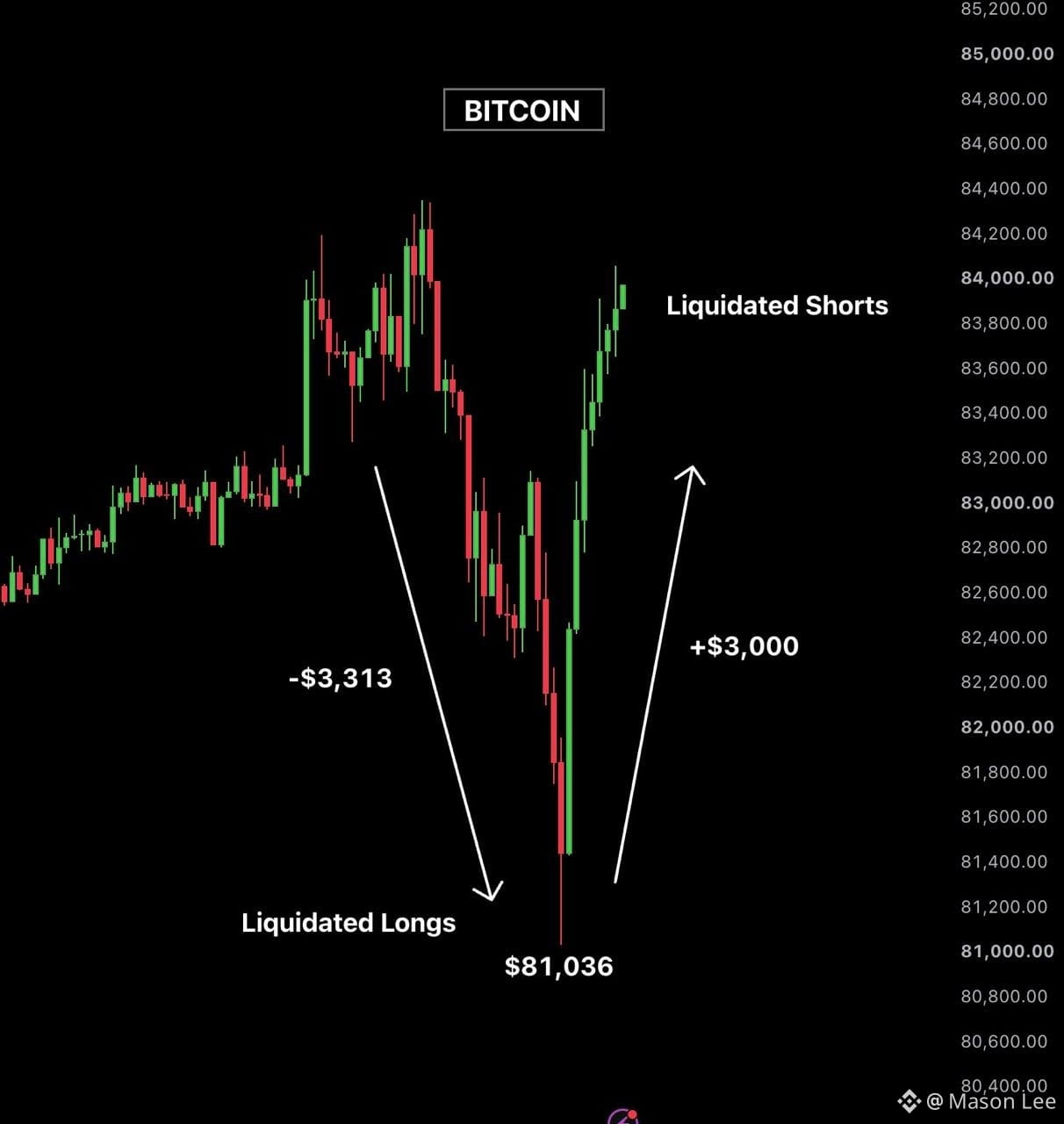
$BTC verlor innerhalb von nur 18 Stunden 3.300 $ und löschte damit Long-Positionen im Wert von über 600 Mio. $ aus.
Dann kam die Umkehr.
Bitcoin legte innerhalb von 8 Stunden um mehr als 3.000 $ zu. Dadurch wurden Short-Positionen im Wert von 107 Mio. $ liquidiert und die Marktkapitalisierung stieg um 60 Mrd. $.
Die eigentliche Lektion?
Bei extremer Volatilität reicht es nicht, bullish oder bearish zu sein. Timing, Hebel und Risikomanagement sind entscheidend.
Bullen geraten in die Falle, wenn sie grünen Kerzen hinterherjagen. Bären geraten unter Druck, wenn sich das Momentum dreht.
Bis Bitcoin eine klare Richtung einschlägt, ist zu erwarten, dass die Volatilität beide Seiten bestraft.
Jage der Bewegung nicht hinterher. Warte auf eine Bestätigung.
#Bitcoin #BTC #Write2Earn #CryptoUpdate #BinanceSquareFamily
BITCOIN NIMMT BEIDE SEITEN INS VISIER.
$BTC verlor innerhalb von nur 18 Stunden 3.300 $ und löschte damit Long-Positionen im Wert von über 600 Mio. $ aus.
Dann kam die Umkehr.
Bitcoin legte innerhalb von 8 Stunden um mehr als 3.000 $ zu. Dadurch wurden Short-Positionen im Wert von 107 Mio. $ liquidiert und die Marktkapitalisierung stieg um 60 Mrd. $.
Die eigentliche Lektion?
Bei extremer Volatilität reicht es nicht, bullish oder bearish zu sein. Timing, Hebel und Risikomanagement sind entscheidend.
Bullen geraten in die Falle, wenn sie grünen Kerzen hinterherjagen. Bären geraten unter Druck, wenn sich das Momentum dreht.
Bis Bitcoin eine klare Richtung einschlägt, ist zu erwarten, dass die Volatilität beide Seiten bestraft.
Jage der Bewegung nicht hinterher. Warte auf eine Bestätigung.
#Bitcoin #BTC #Write2Earn #CryptoUpdate #BinanceSquareFamily
$BTC verlor innerhalb von nur 18 Stunden 3.300 $ und löschte damit Long-Positionen im Wert von über 600 Mio. $ aus.
Dann kam die Umkehr.
Bitcoin legte innerhalb von 8 Stunden um mehr als 3.000 $ zu. Dadurch wurden Short-Positionen im Wert von 107 Mio. $ liquidiert und die Marktkapitalisierung stieg um 60 Mrd. $.
Die eigentliche Lektion?
Bei extremer Volatilität reicht es nicht, bullish oder bearish zu sein. Timing, Hebel und Risikomanagement sind entscheidend.
Bullen geraten in die Falle, wenn sie grünen Kerzen hinterherjagen. Bären geraten unter Druck, wenn sich das Momentum dreht.
Bis Bitcoin eine klare Richtung einschlägt, ist zu erwarten, dass die Volatilität beide Seiten bestraft.
Jage der Bewegung nicht hinterher. Warte auf eine Bestätigung.
#Bitcoin #BTC #Write2Earn #CryptoUpdate #BinanceSquareFamily
1
137
·
--
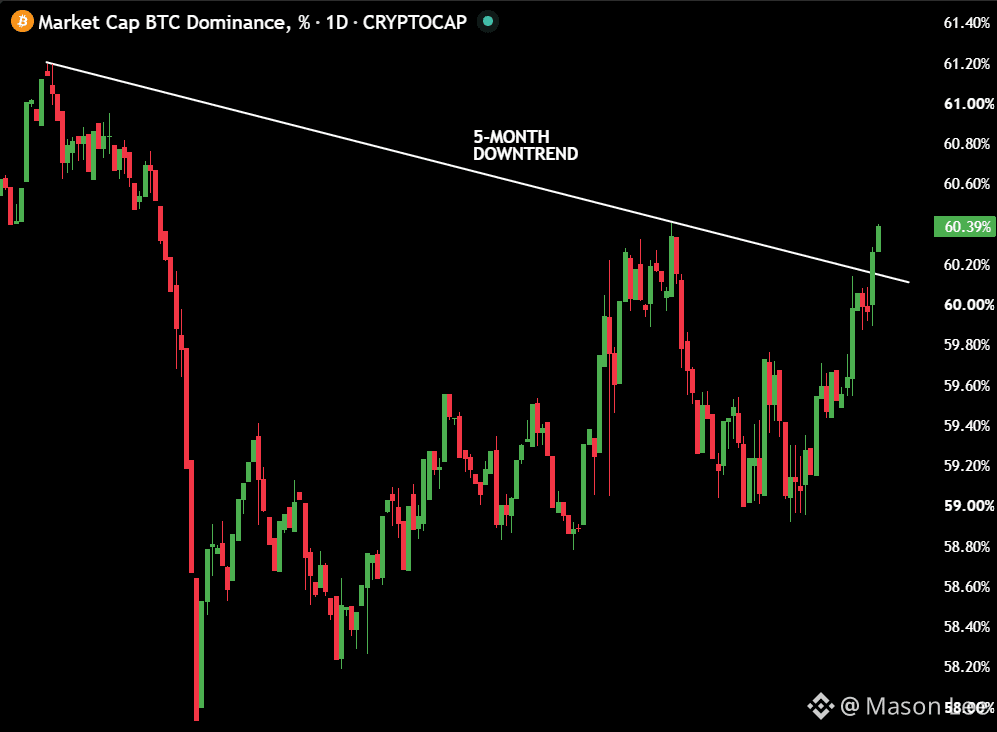
BITCOIN-DOMINANZ HAT GERADE EINEN 5-MONATIGEN ABWÄRTSTREND DURCHBROCHEN.
Der Altcoin-Markt könnte in eine schwierige Phase eintreten.
Da die BTC-Dominanz über ihre absteigende Trendlinie steigt, könnte Kapital kurzfristig weiterhin Bitcoin gegenüber Altcoins bevorzugen.
Darauf kommt es als Nächstes an:
➤ BTC.D steigt weiter: Altcoins könnten stärker unter Abwärtsdruck geraten.
➤ Das Momentum lässt nach: Ein gescheiterter Ausbruch könnte Altcoins Raum für eine Erholung geben.
➤ Die Dominanz geht zurück: Achte auf Anzeichen dafür, dass Kapital in Altcoins umgeschichtet wird.
Denk aber daran: Eine steigende BTC-Dominanz bedeutet nicht, dass jeder Altcoin fallen wird. Außerdem muss ein Ausbruch erst noch bestätigt werden.
Die größere Chance? Bleib geduldig, beobachte wichtige Kursmarken und erstelle eine Watchlist mit fundamental starken Altcoins, statt blind in eine Schwächephase hineinzukaufen.
Clevere Trader jagen nicht jeder Bewegung hinterher. Sie bereiten sich auf die nächste vor.
Keine Finanzberatung. Recherchiere selbst.
#Bitcoin #BTC #Altcoins #CryptoMarket #Write2Earn
BITCOIN-DOMINANZ HAT GERADE EINEN 5-MONATIGEN ABWÄRTSTREND DURCHBROCHEN.
Der Altcoin-Markt könnte in eine schwierige Phase eintreten.
Da die BTC-Dominanz über ihre absteigende Trendlinie steigt, könnte Kapital kurzfristig weiterhin Bitcoin gegenüber Altcoins bevorzugen.
Darauf kommt es als Nächstes an:
➤ BTC.D steigt weiter: Altcoins könnten stärker unter Abwärtsdruck geraten.
➤ Das Momentum lässt nach: Ein gescheiterter Ausbruch könnte Altcoins Raum für eine Erholung geben.
➤ Die Dominanz geht zurück: Achte auf Anzeichen dafür, dass Kapital in Altcoins umgeschichtet wird.
Denk aber daran: Eine steigende BTC-Dominanz bedeutet nicht, dass jeder Altcoin fallen wird. Außerdem muss ein Ausbruch erst noch bestätigt werden.
Die größere Chance? Bleib geduldig, beobachte wichtige Kursmarken und erstelle eine Watchlist mit fundamental starken Altcoins, statt blind in eine Schwächephase hineinzukaufen.
Clevere Trader jagen nicht jeder Bewegung hinterher. Sie bereiten sich auf die nächste vor.
Keine Finanzberatung. Recherchiere selbst.
#Bitcoin #BTC #Altcoins #CryptoMarket #Write2Earn
Der Altcoin-Markt könnte in eine schwierige Phase eintreten.
Da die BTC-Dominanz über ihre absteigende Trendlinie steigt, könnte Kapital kurzfristig weiterhin Bitcoin gegenüber Altcoins bevorzugen.
Darauf kommt es als Nächstes an:
➤ BTC.D steigt weiter: Altcoins könnten stärker unter Abwärtsdruck geraten.
➤ Das Momentum lässt nach: Ein gescheiterter Ausbruch könnte Altcoins Raum für eine Erholung geben.
➤ Die Dominanz geht zurück: Achte auf Anzeichen dafür, dass Kapital in Altcoins umgeschichtet wird.
Denk aber daran: Eine steigende BTC-Dominanz bedeutet nicht, dass jeder Altcoin fallen wird. Außerdem muss ein Ausbruch erst noch bestätigt werden.
Die größere Chance? Bleib geduldig, beobachte wichtige Kursmarken und erstelle eine Watchlist mit fundamental starken Altcoins, statt blind in eine Schwächephase hineinzukaufen.
Clevere Trader jagen nicht jeder Bewegung hinterher. Sie bereiten sich auf die nächste vor.
Keine Finanzberatung. Recherchiere selbst.
#Bitcoin #BTC #Altcoins #CryptoMarket #Write2Earn
1
161
·
--
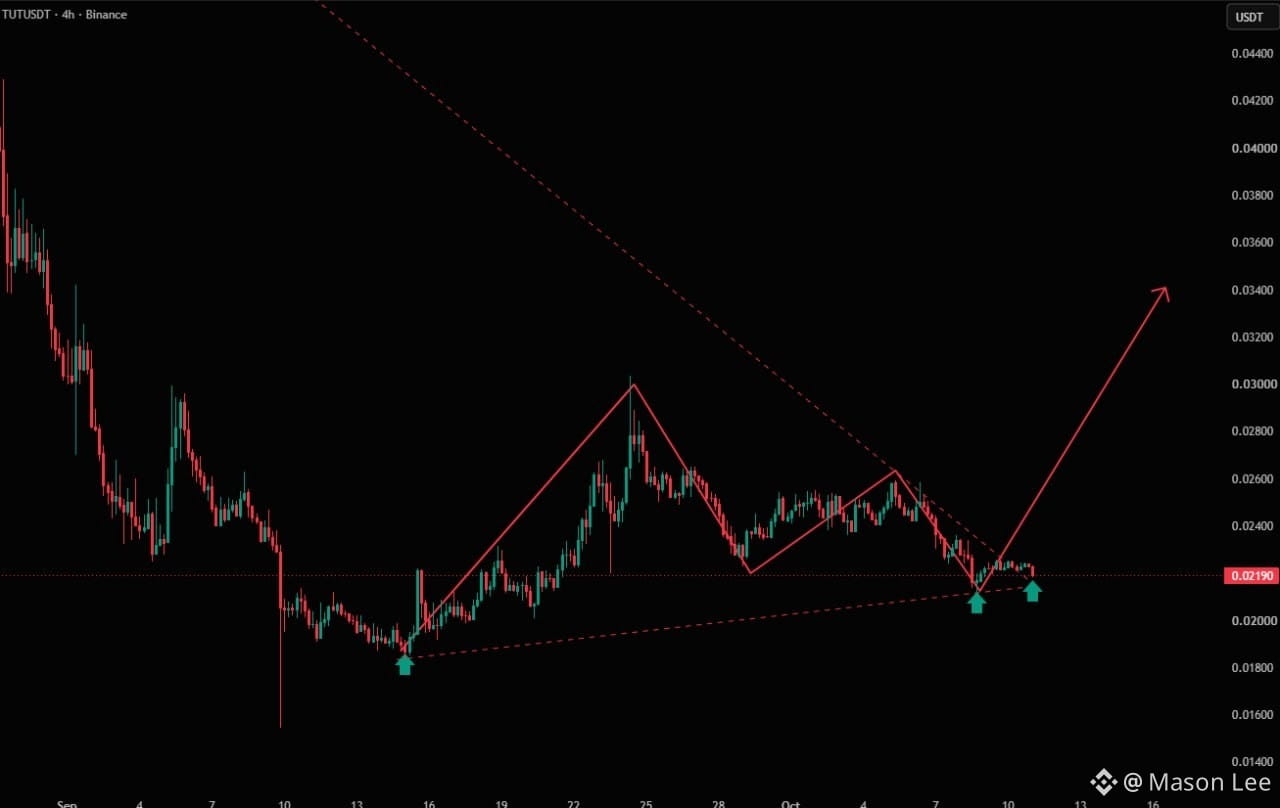
$TUT IST WIEDER IM FOKUS. STEHT ALS NÄCHSTES EIN WEITERER GROSSER MOVE AN?🔥
$TUT hat seine wichtige Aufwärtstrendlinie zurückerobert und die Ausbruchszone erneut getestet. Damit rückt die Marktstruktur wieder ins Blickfeld der Trader.
Als sich zuletzt ein ähnliches Muster zeigte, ging ihm Berichten zufolge eine massive Rallye um das 40-Fache voraus. Die Geschichte garantiert keine Wiederholung, aber die aktuelle Konstellation sollte man genau im Auge behalten.
👀 Worauf kommt es jetzt an? • Ein Kurs oberhalb der zurückeroberten Trendlinie • Steigendes Volumen und anhaltender Kaufdruck • Eine bestätigte Fortsetzung über den Widerstand hinaus
Die Juwelen der BNB Chain ziehen wieder mehr Aufmerksamkeit auf sich, und $TUT könnte interessant werden, wenn das Momentum zunimmt.
Die Konstellation sieht vielversprechend aus, doch entscheidend ist die Bestätigung. Hält der Ausbruch, wird die Aufwärtsperspektive gestärkt. Geht die Unterstützung verloren, könnte die bullische Struktur schnell ins Wanken geraten.
TUT ist wieder auf dem Radar. Jetzt muss die Kursentwicklung liefern. 🚀
{spot}(TUTUSDT)
$TUT IST WIEDER IM FOKUS. STEHT ALS NÄCHSTES EIN WEITERER GROSSER MOVE AN?🔥
$TUT hat seine wichtige Aufwärtstrendlinie zurückerobert und die Ausbruchszone erneut getestet. Damit rückt die Marktstruktur wieder ins Blickfeld der Trader.
Als sich zuletzt ein ähnliches Muster zeigte, ging ihm Berichten zufolge eine massive Rallye um das 40-Fache voraus. Die Geschichte garantiert keine Wiederholung, aber die aktuelle Konstellation sollte man genau im Auge behalten.
👀 Worauf kommt es jetzt an? • Ein Kurs oberhalb der zurückeroberten Trendlinie • Steigendes Volumen und anhaltender Kaufdruck • Eine bestätigte Fortsetzung über den Widerstand hinaus
Die Juwelen der BNB Chain ziehen wieder mehr Aufmerksamkeit auf sich, und $TUT könnte interessant werden, wenn das Momentum zunimmt.
Die Konstellation sieht vielversprechend aus, doch entscheidend ist die Bestätigung. Hält der Ausbruch, wird die Aufwärtsperspektive gestärkt. Geht die Unterstützung verloren, könnte die bullische Struktur schnell ins Wanken geraten.
TUT ist wieder auf dem Radar. Jetzt muss die Kursentwicklung liefern. 🚀
$TUT hat seine wichtige Aufwärtstrendlinie zurückerobert und die Ausbruchszone erneut getestet. Damit rückt die Marktstruktur wieder ins Blickfeld der Trader.
Als sich zuletzt ein ähnliches Muster zeigte, ging ihm Berichten zufolge eine massive Rallye um das 40-Fache voraus. Die Geschichte garantiert keine Wiederholung, aber die aktuelle Konstellation sollte man genau im Auge behalten.
👀 Worauf kommt es jetzt an? • Ein Kurs oberhalb der zurückeroberten Trendlinie • Steigendes Volumen und anhaltender Kaufdruck • Eine bestätigte Fortsetzung über den Widerstand hinaus
Die Juwelen der BNB Chain ziehen wieder mehr Aufmerksamkeit auf sich, und $TUT könnte interessant werden, wenn das Momentum zunimmt.
Die Konstellation sieht vielversprechend aus, doch entscheidend ist die Bestätigung. Hält der Ausbruch, wird die Aufwärtsperspektive gestärkt. Geht die Unterstützung verloren, könnte die bullische Struktur schnell ins Wanken geraten.
TUT ist wieder auf dem Radar. Jetzt muss die Kursentwicklung liefern. 🚀
1
557
·
--
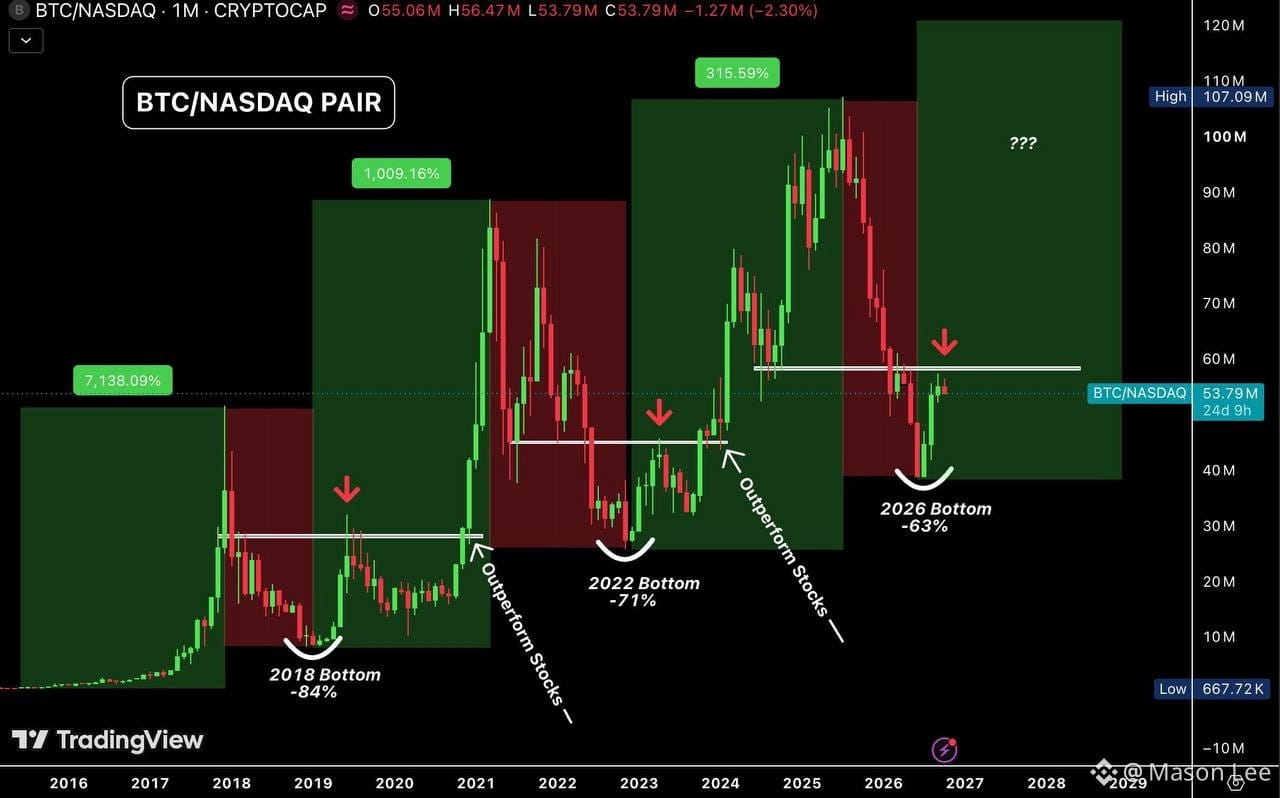
🚨 BITCOIN STEHT AN EINEM KRITISCHEN WENDEPUNKT 🚨
$BTC hat den NASDAQ in nur 3 Monaten um 50 % übertroffen und testet jetzt eine wichtige Widerstandszone.
⚠️ ABWEISUNG = KORREKTUR
Eine Abweisung an dieser Stelle könnte einen Rücksetzer auslösen, ähnlich wie im Zyklus nach dem Tiefpunkt von 2022.
🚀 AUSBRUCH = MASSIVE RALLYE
Wenn BTC diesen Widerstand durchbricht und sich darüber hält, könnte Bitcoin die Führung übernehmen und in einen starken neuen Aufwärtstrend eintreten.
EIN LEVEL. ZWEI MÖGLICHE AUSGÄNGE.
BEOBACHTE DEN AUSBRUCH. BEOBACHTE DIE ABWEISUNG. 👀
IMMER DYOR
$BTC
{spot}(BTCUSDT)
🚨 BITCOIN STEHT AN EINEM KRITISCHEN WENDEPUNKT 🚨
$BTC hat den NASDAQ in nur 3 Monaten um 50 % übertroffen und testet jetzt eine wichtige Widerstandszone.
⚠️ ABWEISUNG = KORREKTUR
Eine Abweisung an dieser Stelle könnte einen Rücksetzer auslösen, ähnlich wie im Zyklus nach dem Tiefpunkt von 2022.
🚀 AUSBRUCH = MASSIVE RALLYE
Wenn BTC diesen Widerstand durchbricht und sich darüber hält, könnte Bitcoin die Führung übernehmen und in einen starken neuen Aufwärtstrend eintreten.
EIN LEVEL. ZWEI MÖGLICHE AUSGÄNGE.
BEOBACHTE DEN AUSBRUCH. BEOBACHTE DIE ABWEISUNG. 👀
IMMER DYOR
$BTC
$BTC hat den NASDAQ in nur 3 Monaten um 50 % übertroffen und testet jetzt eine wichtige Widerstandszone.
⚠️ ABWEISUNG = KORREKTUR
Eine Abweisung an dieser Stelle könnte einen Rücksetzer auslösen, ähnlich wie im Zyklus nach dem Tiefpunkt von 2022.
🚀 AUSBRUCH = MASSIVE RALLYE
Wenn BTC diesen Widerstand durchbricht und sich darüber hält, könnte Bitcoin die Führung übernehmen und in einen starken neuen Aufwärtstrend eintreten.
EIN LEVEL. ZWEI MÖGLICHE AUSGÄNGE.
BEOBACHTE DEN AUSBRUCH. BEOBACHTE DIE ABWEISUNG. 👀
IMMER DYOR
$BTC
2
213
·
--
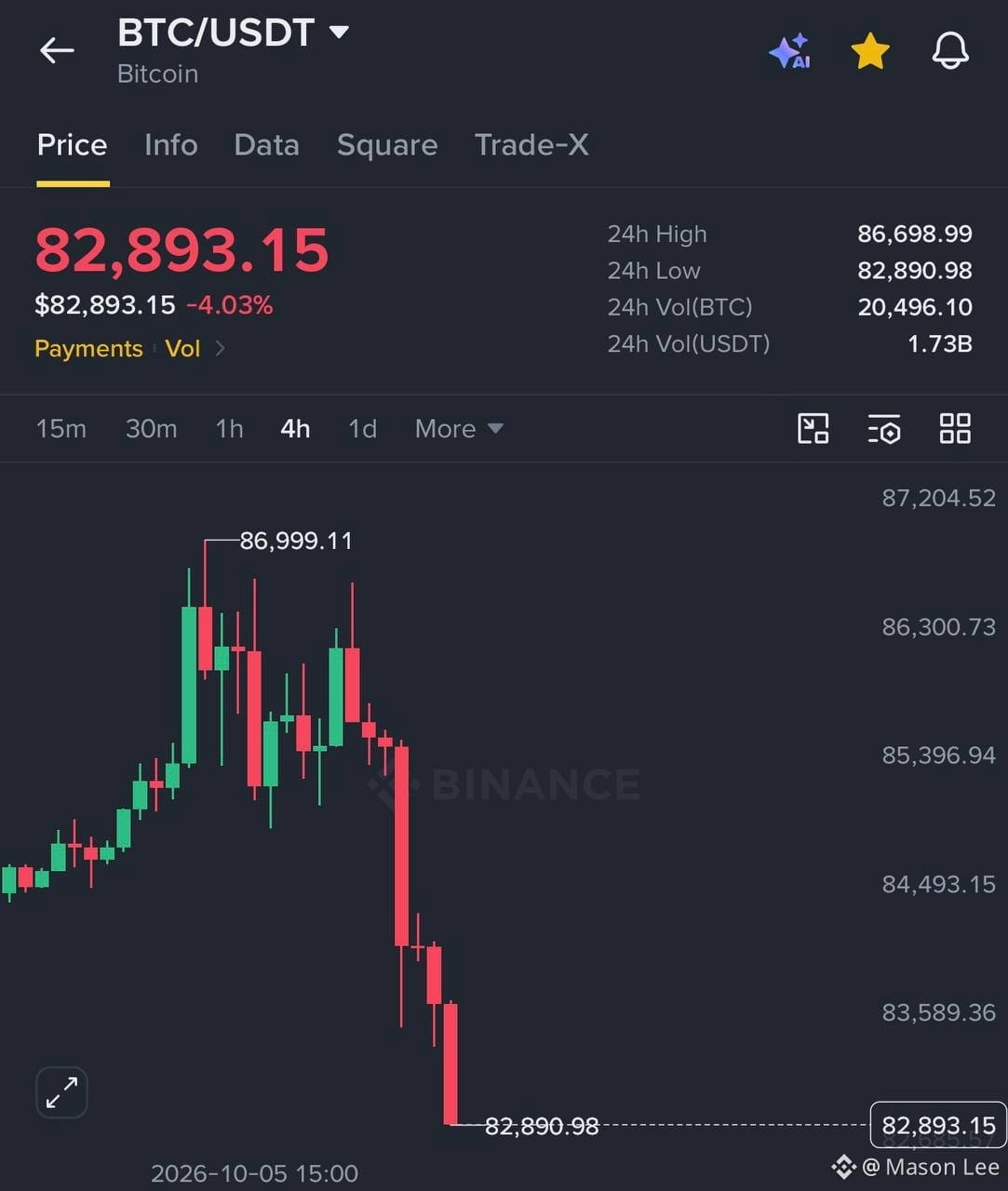
$BTC hat soeben die Marke von 83.000 $ unterschritten, während die Rendite 30-jähriger US-Staatsanleihen auf den höchsten Stand seit 2002 gestiegen ist.
Der 4-Stunden-Chart zeigt nach der Zurückweisung nahe 87.000 $ eine deutliche Abwärtsdynamik. Mit zunehmendem makroökonomischem Druck ist die Marke von 83.000 $ nun entscheidend. Ein nachhaltiger Durchbruch nach unten könnte den Weg für weitere Kursverluste ebnen.
#BTC #Bitcoin
$BTC hat soeben die Marke von 83.000 $ unterschritten, während die Rendite 30-jähriger US-Staatsanleihen auf den höchsten Stand seit 2002 gestiegen ist.
Der 4-Stunden-Chart zeigt nach der Zurückweisung nahe 87.000 $ eine deutliche Abwärtsdynamik. Mit zunehmendem makroökonomischem Druck ist die Marke von 83.000 $ nun entscheidend. Ein nachhaltiger Durchbruch nach unten könnte den Weg für weitere Kursverluste ebnen.
#BTC #Bitcoin
Der 4-Stunden-Chart zeigt nach der Zurückweisung nahe 87.000 $ eine deutliche Abwärtsdynamik. Mit zunehmendem makroökonomischem Druck ist die Marke von 83.000 $ nun entscheidend. Ein nachhaltiger Durchbruch nach unten könnte den Weg für weitere Kursverluste ebnen.
#BTC #Bitcoin
2
146
·
--
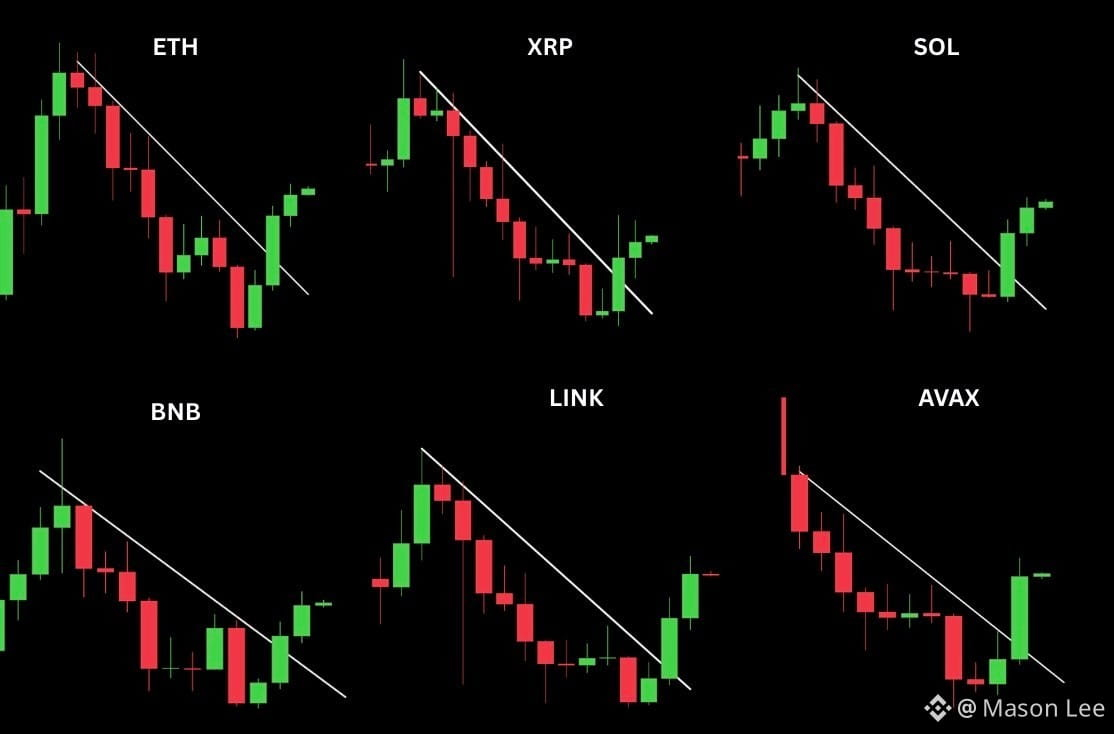
September schloss mit einer starken Botschaft vom Altcoin-Markt.
$ETH , $XRP SOL, BNB, LINK & AVAX zeigen ähnliche Ausbrüche aus fallenden Trends.
Wenn Oktober auf diesen Schwung aufbaut, könnte der Altcoin-Markt sehr interessant werden.
September hat die Bühne bereitet.
Jetzt schauen wir, was Uptober bringt. 🚀
#Altcoins #Uptober #Crypto #ETH #SOL
September schloss mit einer starken Botschaft vom Altcoin-Markt.
$ETH , $XRP SOL, BNB, LINK & AVAX zeigen ähnliche Ausbrüche aus fallenden Trends.
Wenn Oktober auf diesen Schwung aufbaut, könnte der Altcoin-Markt sehr interessant werden.
September hat die Bühne bereitet.
Jetzt schauen wir, was Uptober bringt. 🚀
#Altcoins #Uptober #Crypto #ETH #SOL
$ETH , $XRP SOL, BNB, LINK & AVAX zeigen ähnliche Ausbrüche aus fallenden Trends.
Wenn Oktober auf diesen Schwung aufbaut, könnte der Altcoin-Markt sehr interessant werden.
September hat die Bühne bereitet.
Jetzt schauen wir, was Uptober bringt. 🚀
#Altcoins #Uptober #Crypto #ETH #SOL
1
288

·
--
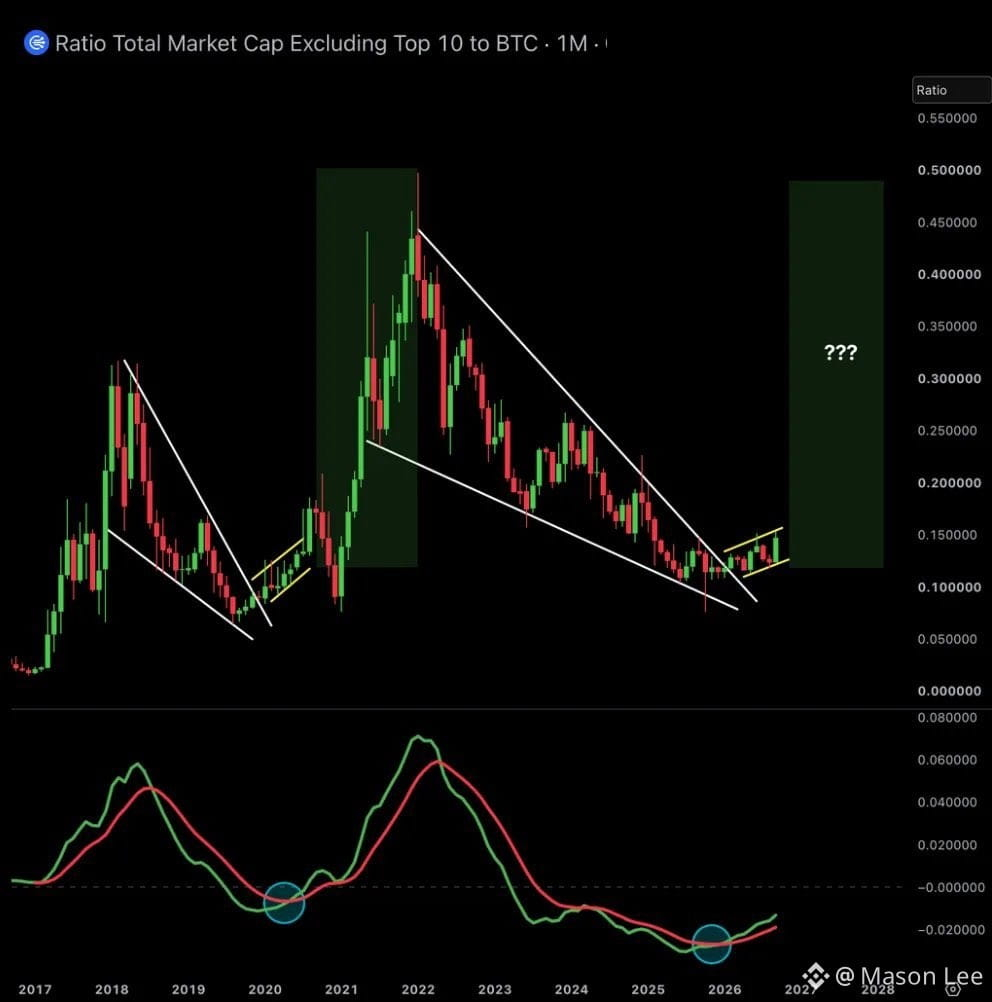
Altcoins könnten leise dabei sein, eine Struktur aufzubauen, die Aufmerksamkeit verdient.
Der OTHERS/BTC-Monatschart zeigt eine bemerkenswerte Veränderung:
→ Der langfristige Abwärtstrend scheint gebrochen
→ Eine höhere Struktur beginnt sich zu bilden
→ Der Momentum-Impuls hat sich nach oben gedreht
→ Das Setup ähnelt der frühen Phase der vorherigen großen Altcoin-Expansion
Nichts ist garantiert, aber wenn diese Struktur weiterhin Bestand hat, könnte die nächste Phase für Altcoins sehr interessant werden.
#Altcoins #Crypto #Bitcoin #Altseason #CryptoMarket
{spot}(BTCUSDT)
Altcoins könnten leise dabei sein, eine Struktur aufzubauen, die Aufmerksamkeit verdient.
Der OTHERS/BTC-Monatschart zeigt eine bemerkenswerte Veränderung:
→ Der langfristige Abwärtstrend scheint gebrochen
→ Eine höhere Struktur beginnt sich zu bilden
→ Der Momentum-Impuls hat sich nach oben gedreht
→ Das Setup ähnelt der frühen Phase der vorherigen großen Altcoin-Expansion
Nichts ist garantiert, aber wenn diese Struktur weiterhin Bestand hat, könnte die nächste Phase für Altcoins sehr interessant werden.
#Altcoins #Crypto #Bitcoin #Altseason #CryptoMarket
Der OTHERS/BTC-Monatschart zeigt eine bemerkenswerte Veränderung:
→ Der langfristige Abwärtstrend scheint gebrochen
→ Eine höhere Struktur beginnt sich zu bilden
→ Der Momentum-Impuls hat sich nach oben gedreht
→ Das Setup ähnelt der frühen Phase der vorherigen großen Altcoin-Expansion
Nichts ist garantiert, aber wenn diese Struktur weiterhin Bestand hat, könnte die nächste Phase für Altcoins sehr interessant werden.
#Altcoins #Crypto #Bitcoin #Altseason #CryptoMarket
212
·
--
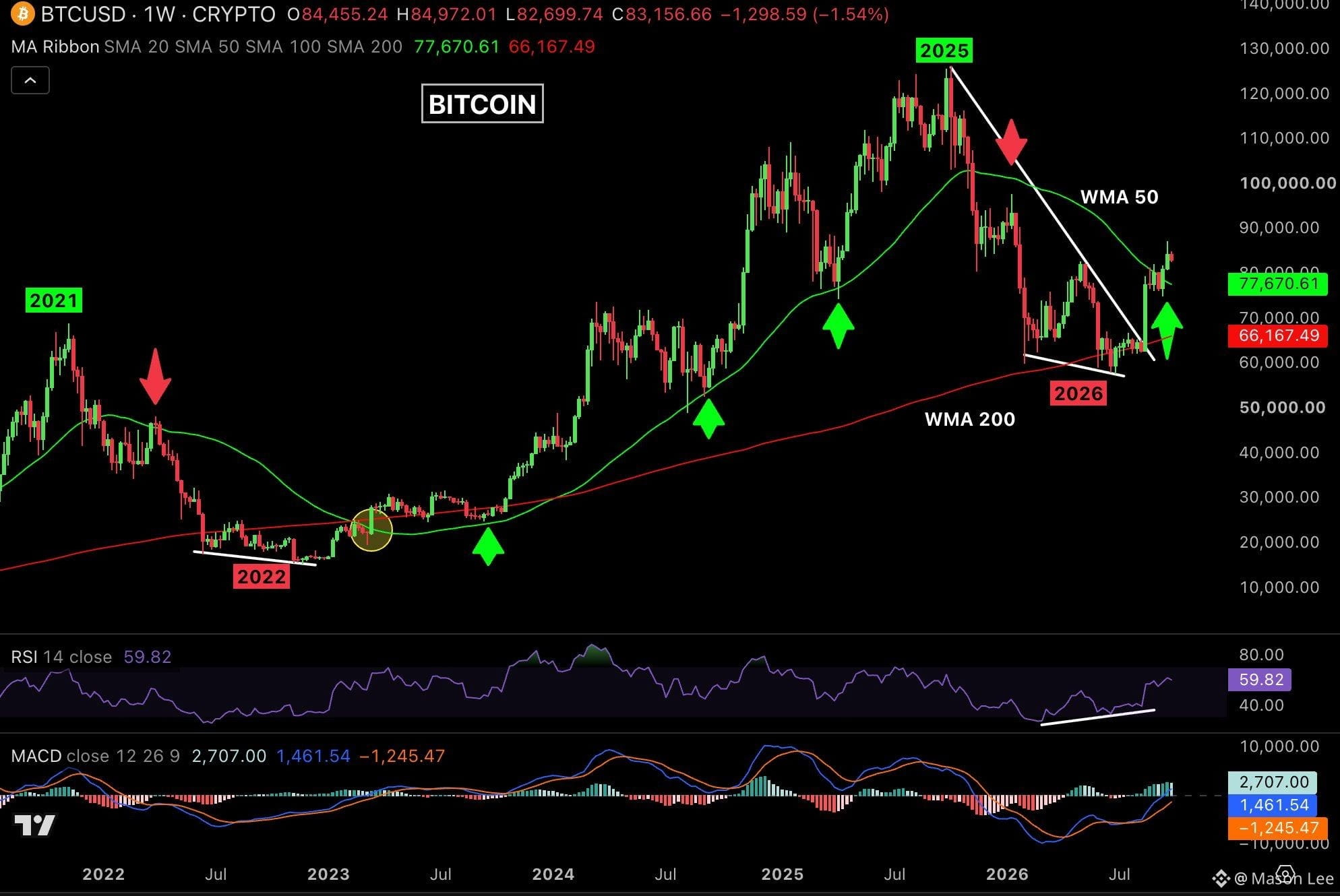
$BTC Die wöchentliche Struktur wird interessant
Bitcoin ist wieder über dem WMA 50 (~77,7 Tsd. $) und hält sich deutlich über dem WMA 200 (~66,2 Tsd. $).
Das Diagramm zeigt außerdem: • RSI nahe 60
• MACD-Momentum dreht ins Positive
• Der Kurs holt den wichtigen wöchentlichen gleitenden Durchschnitt zurück
• Eine klare Erholung von den Tiefs im Jahr 2026
Die größere Frage ist jetzt nicht, ob BTC sich erholt hat.
Sondern ob sich diese Erholung zu einem nachhaltigen wöchentlichen Trend entwickeln kann.
Für mich bleibt der Bereich 77 Tsd.–78 Tsd. $ eine entscheidende Zone, die man im Blick behalten sollte. Ein klarer Rückschlag könnte die Struktur schwächen, während die fortgesetzte Akzeptanz darüber das bullische Setup technisch intakt hält.
Beobachte den wöchentlichen Schlusskurs. Struktur zuerst, Prognosen danach.
#Bitcoin #btcupdates #BitcoinAnalysis
$BTC Die wöchentliche Struktur wird interessant
Bitcoin ist wieder über dem WMA 50 (~77,7 Tsd. $) und hält sich deutlich über dem WMA 200 (~66,2 Tsd. $).
Das Diagramm zeigt außerdem: • RSI nahe 60
• MACD-Momentum dreht ins Positive
• Der Kurs holt den wichtigen wöchentlichen gleitenden Durchschnitt zurück
• Eine klare Erholung von den Tiefs im Jahr 2026
Die größere Frage ist jetzt nicht, ob BTC sich erholt hat.
Sondern ob sich diese Erholung zu einem nachhaltigen wöchentlichen Trend entwickeln kann.
Für mich bleibt der Bereich 77 Tsd.–78 Tsd. $ eine entscheidende Zone, die man im Blick behalten sollte. Ein klarer Rückschlag könnte die Struktur schwächen, während die fortgesetzte Akzeptanz darüber das bullische Setup technisch intakt hält.
Beobachte den wöchentlichen Schlusskurs. Struktur zuerst, Prognosen danach.
#Bitcoin #btcupdates #BitcoinAnalysis
Bitcoin ist wieder über dem WMA 50 (~77,7 Tsd. $) und hält sich deutlich über dem WMA 200 (~66,2 Tsd. $).
Das Diagramm zeigt außerdem: • RSI nahe 60
• MACD-Momentum dreht ins Positive
• Der Kurs holt den wichtigen wöchentlichen gleitenden Durchschnitt zurück
• Eine klare Erholung von den Tiefs im Jahr 2026
Die größere Frage ist jetzt nicht, ob BTC sich erholt hat.
Sondern ob sich diese Erholung zu einem nachhaltigen wöchentlichen Trend entwickeln kann.
Für mich bleibt der Bereich 77 Tsd.–78 Tsd. $ eine entscheidende Zone, die man im Blick behalten sollte. Ein klarer Rückschlag könnte die Struktur schwächen, während die fortgesetzte Akzeptanz darüber das bullische Setup technisch intakt hält.
Beobachte den wöchentlichen Schlusskurs. Struktur zuerst, Prognosen danach.
#Bitcoin #btcupdates #BitcoinAnalysis
180
·
--
$BCH
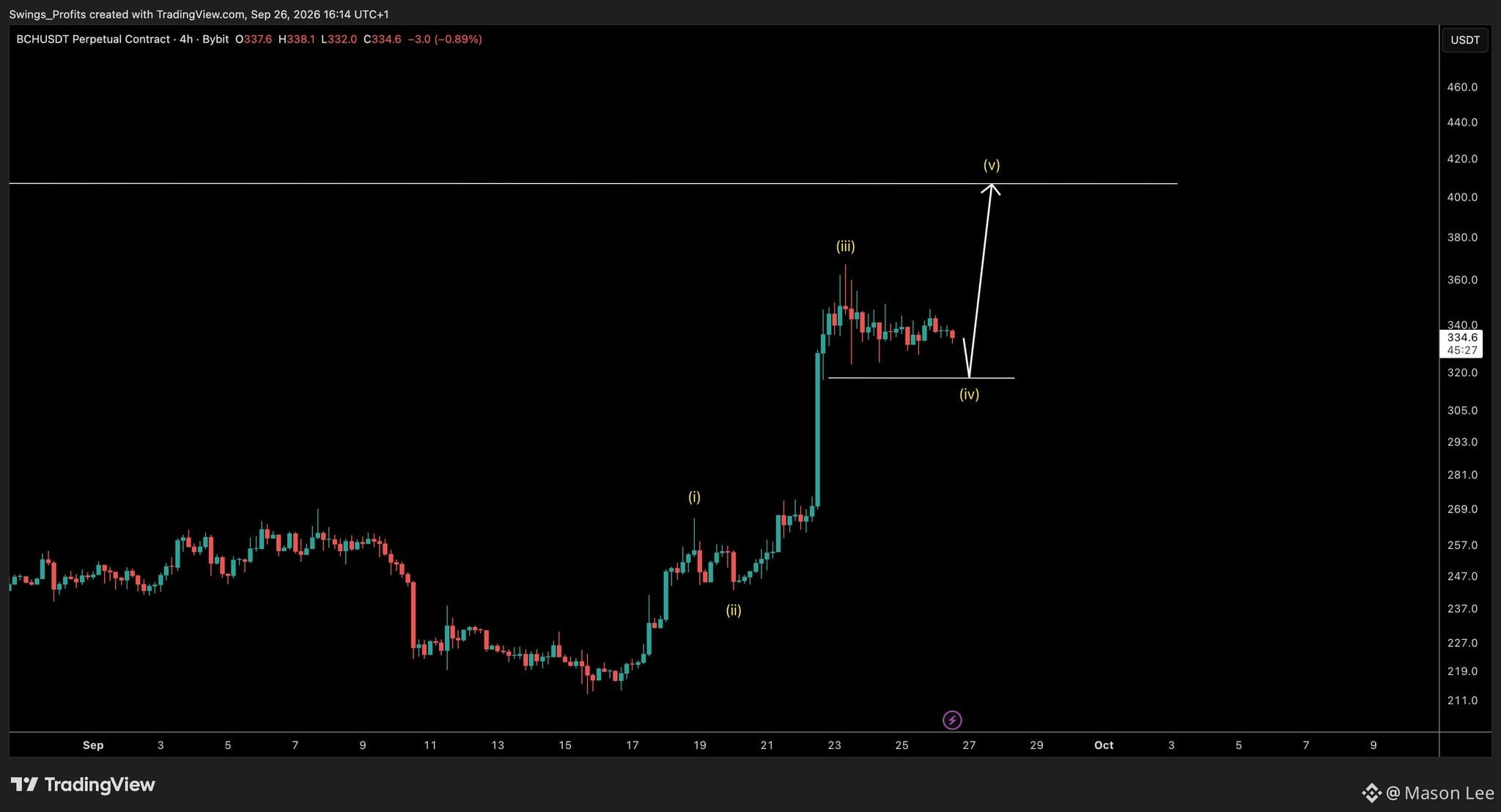
Das größere Bild wird allmählich verständlicher.
Ziehe den Blick heraus, dann wird die Struktur viel klarer. BCH scheint dabei zu sein, den größeren Wellen-Zählstand durchzuarbeiten, wobei sich Welle (iv) um den Bereich von etwa $320 konsolidiert.
Wenn dieses Niveau hält, könnte der nächste Schritt die Zone von $400–$410 anpeilen.
Wichtiges Niveau: ~ $320
Ein sauberes Halten bewahrt die Struktur. Ein entscheidender Bruch würde das Setup schwächen.
Chart-basierte Analyse. DYOR.
#BCH #BitcoinCash #Crypto #CryptoTrading #Altcoins
$BCH
Das größere Bild wird allmählich verständlicher.
Ziehe den Blick heraus, dann wird die Struktur viel klarer. BCH scheint dabei zu sein, den größeren Wellen-Zählstand durchzuarbeiten, wobei sich Welle (iv) um den Bereich von etwa $320 konsolidiert.
Wenn dieses Niveau hält, könnte der nächste Schritt die Zone von $400–$410 anpeilen.
Wichtiges Niveau: ~ $320
Ein sauberes Halten bewahrt die Struktur. Ein entscheidender Bruch würde das Setup schwächen.
Chart-basierte Analyse. DYOR.
#BCH #BitcoinCash #Crypto #CryptoTrading #Altcoins
Das größere Bild wird allmählich verständlicher.
Ziehe den Blick heraus, dann wird die Struktur viel klarer. BCH scheint dabei zu sein, den größeren Wellen-Zählstand durchzuarbeiten, wobei sich Welle (iv) um den Bereich von etwa $320 konsolidiert.
Wenn dieses Niveau hält, könnte der nächste Schritt die Zone von $400–$410 anpeilen.
Wichtiges Niveau: ~ $320
Ein sauberes Halten bewahrt die Struktur. Ein entscheidender Bruch würde das Setup schwächen.
Chart-basierte Analyse. DYOR.
#BCH #BitcoinCash #Crypto #CryptoTrading #Altcoins
292
·
--
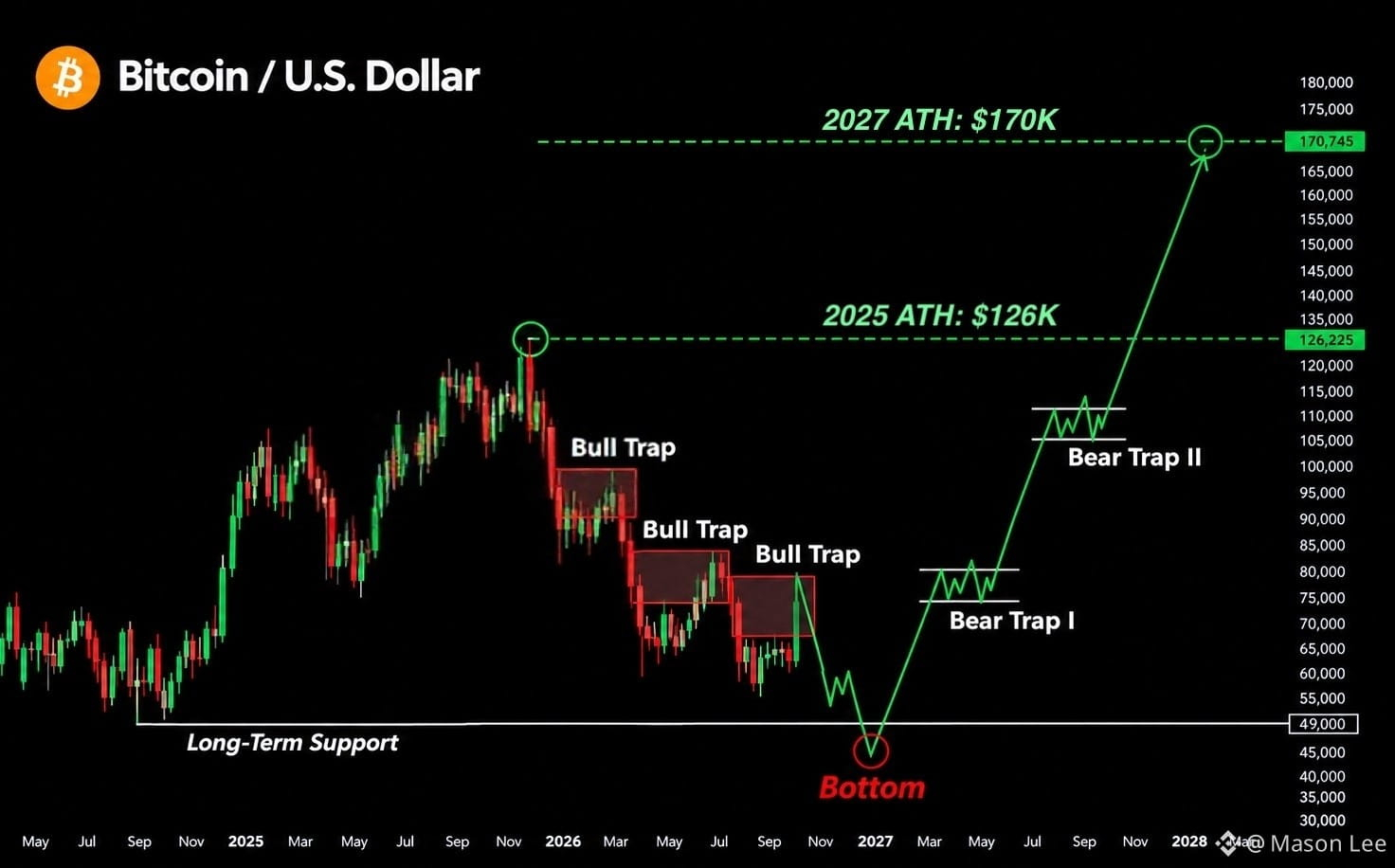
🚨 WARNUNG: DAS LETZTE BITCOIN- BULLENFALLE KÖNNTE SICH BILDEN
Das Diagramm legt nahe, dass $BTC möglicherweise noch einen weiteren Shakeout erleben könnte, bevor die nächste große Bewegung einsetzt.
$45K–$49K → mögliche Boden-Zone
$75K–$80K → Bear Trap I
$105K–$115K → Bear Trap II
$126K → vorheriges ATH
$170K → projiziertes 2027-Ziel
Die eigentliche Frage ist, ob die Fallen so konstruiert sind, um schwache Hände vor der Expansion aus dem Markt zu spülen.
Mach immer DYOR.
#BTC #Bitcoin #Crypto #BTCBreaks80K #SOLJumpsAbout10%
{spot}(BTCUSDT)
🚨 WARNUNG: DAS LETZTE BITCOIN- BULLENFALLE KÖNNTE SICH BILDEN
Das Diagramm legt nahe, dass $BTC möglicherweise noch einen weiteren Shakeout erleben könnte, bevor die nächste große Bewegung einsetzt.
$45K–$49K → mögliche Boden-Zone
$75K–$80K → Bear Trap I
$105K–$115K → Bear Trap II
$126K → vorheriges ATH
$170K → projiziertes 2027-Ziel
Die eigentliche Frage ist, ob die Fallen so konstruiert sind, um schwache Hände vor der Expansion aus dem Markt zu spülen.
Mach immer DYOR.
#BTC #Bitcoin #Crypto #BTCBreaks80K #SOLJumpsAbout10%
Das Diagramm legt nahe, dass $BTC möglicherweise noch einen weiteren Shakeout erleben könnte, bevor die nächste große Bewegung einsetzt.
$45K–$49K → mögliche Boden-Zone
$75K–$80K → Bear Trap I
$105K–$115K → Bear Trap II
$126K → vorheriges ATH
$170K → projiziertes 2027-Ziel
Die eigentliche Frage ist, ob die Fallen so konstruiert sind, um schwache Hände vor der Expansion aus dem Markt zu spülen.
Mach immer DYOR.
#BTC #Bitcoin #Crypto #BTCBreaks80K #SOLJumpsAbout10%
1
2
1.4k
·
--
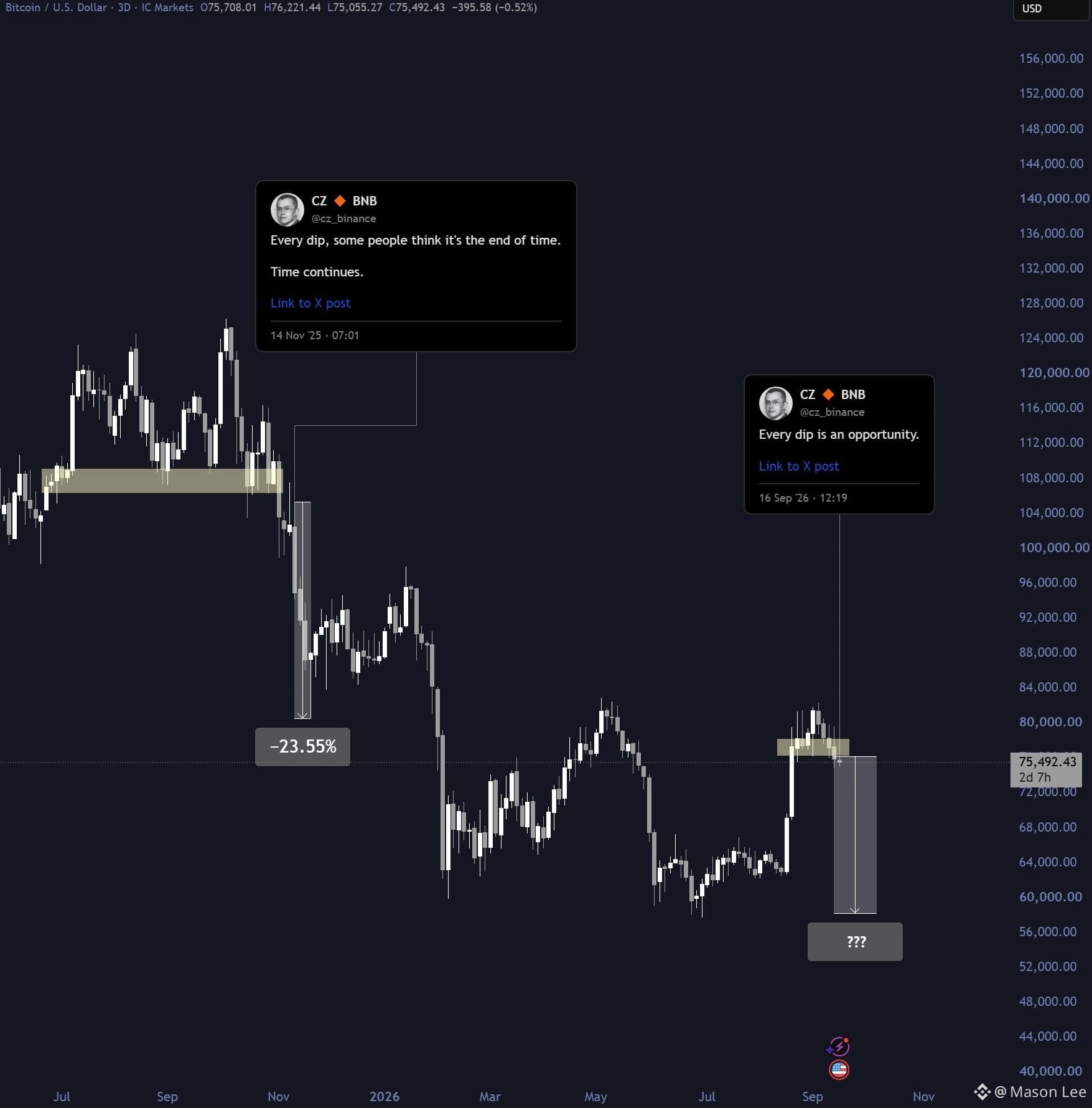
$BTC Das Diagramm wird interessant.
CZ sagt: „Jeder Rücksetzer ist eine Gelegenheit.“
Aber diese Zone ist entscheidend. BTC ist wieder in denselben Angebotsbereich zurückgekehrt, der dem vorherigen großen Zusammenbruch vorausging. Wenn er nicht hält, könnte ein tieferer Abwärtsimpuls Richtung 58K–60K ins Spiel kommen.
Beobachte die Reaktion genau. Mach immer DYOR.
#CZ #BTC #Bitcoin
{spot}(BTCUSDT)
$BTC Das Diagramm wird interessant.
CZ sagt: „Jeder Rücksetzer ist eine Gelegenheit.“
Aber diese Zone ist entscheidend. BTC ist wieder in denselben Angebotsbereich zurückgekehrt, der dem vorherigen großen Zusammenbruch vorausging. Wenn er nicht hält, könnte ein tieferer Abwärtsimpuls Richtung 58K–60K ins Spiel kommen.
Beobachte die Reaktion genau. Mach immer DYOR.
#CZ #BTC #Bitcoin
CZ sagt: „Jeder Rücksetzer ist eine Gelegenheit.“
Aber diese Zone ist entscheidend. BTC ist wieder in denselben Angebotsbereich zurückgekehrt, der dem vorherigen großen Zusammenbruch vorausging. Wenn er nicht hält, könnte ein tieferer Abwärtsimpuls Richtung 58K–60K ins Spiel kommen.
Beobachte die Reaktion genau. Mach immer DYOR.
#CZ #BTC #Bitcoin
194
·
--
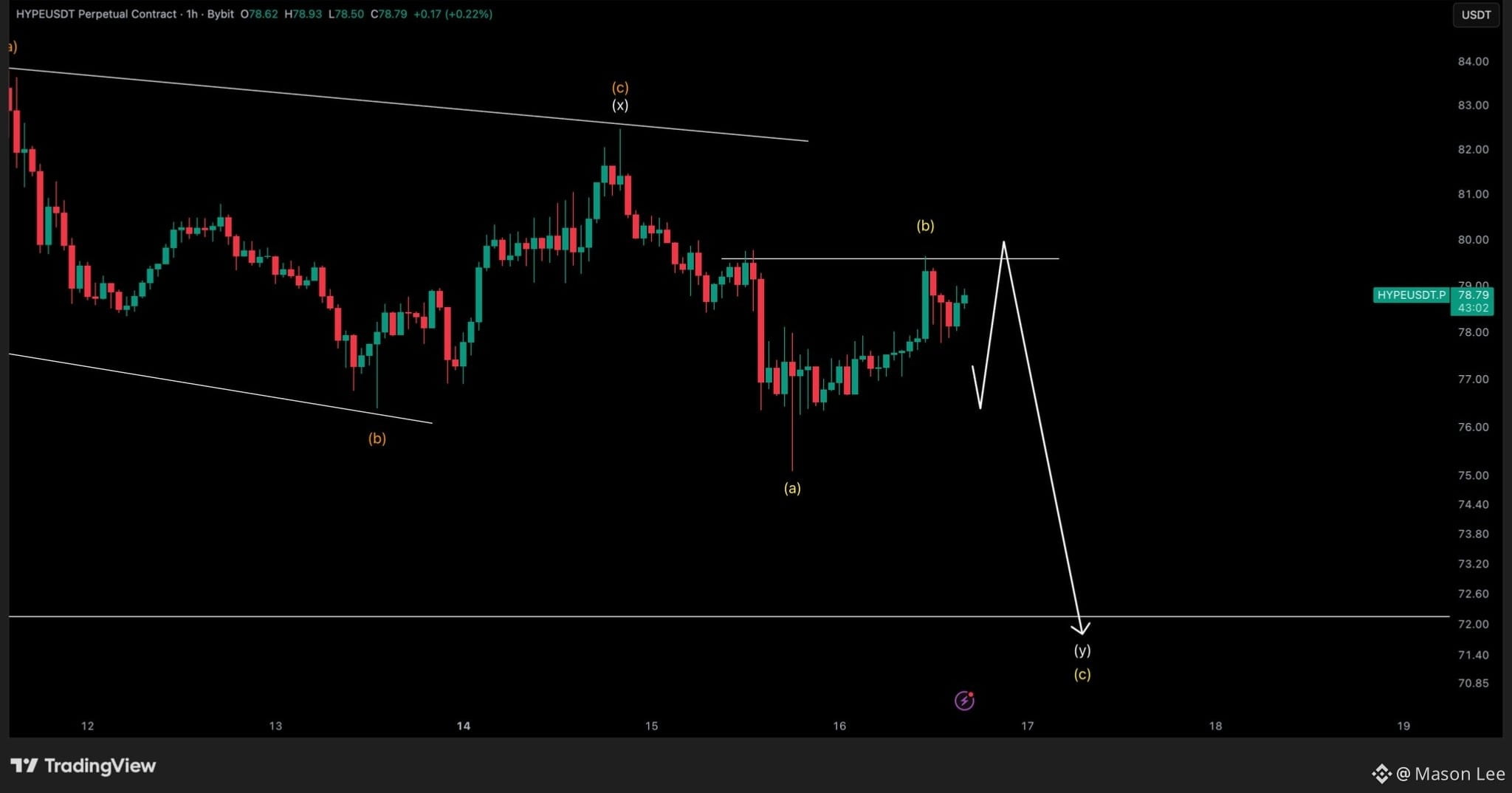
$HYPE
Eine weitere Ausbuchung könnte auf dem Plan stehen, bevor die echte Expansion beginnt.
Ich beobachte den Bereich um ca. 76–77 $ für den nächsten Rücksetzer. Wenn dieses Niveau hält und die Struktur sich wieder nach oben dreht, könnte die größere Bewegung nach oben folgen.
Geduld statt Hinterherjagen.
#HYPE #FedRateWatch #ZcashRises6% #XRPSinks10% #CircleOpensArcMainnet
$HYPE
Eine weitere Ausbuchung könnte auf dem Plan stehen, bevor die echte Expansion beginnt.
Ich beobachte den Bereich um ca. 76–77 $ für den nächsten Rücksetzer. Wenn dieses Niveau hält und die Struktur sich wieder nach oben dreht, könnte die größere Bewegung nach oben folgen.
Geduld statt Hinterherjagen.
#HYPE #FedRateWatch #ZcashRises6% #XRPSinks10% #CircleOpensArcMainnet
Eine weitere Ausbuchung könnte auf dem Plan stehen, bevor die echte Expansion beginnt.
Ich beobachte den Bereich um ca. 76–77 $ für den nächsten Rücksetzer. Wenn dieses Niveau hält und die Struktur sich wieder nach oben dreht, könnte die größere Bewegung nach oben folgen.
Geduld statt Hinterherjagen.
#HYPE #FedRateWatch #ZcashRises6% #XRPSinks10% #CircleOpensArcMainnet
321
·
--
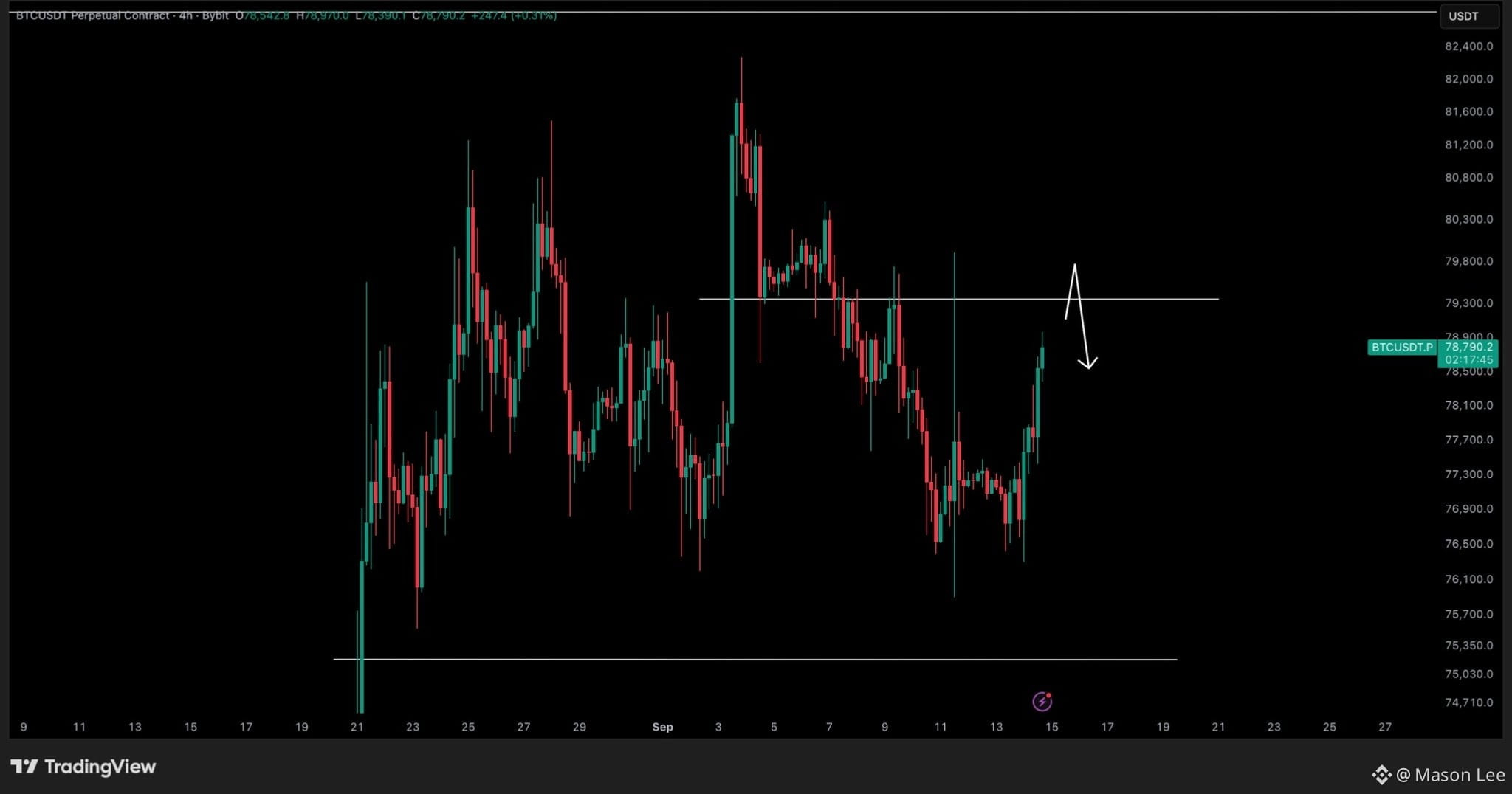
$BTC
Bitcoin drängt zurück in die wichtige Angebotszone bei etwa 79,3K$.
Ich verfolge diese Bewegung hier nicht.
Der Plan ist einfach: Lass den Kurs die Zone testen, beobachte die Reaktion und nimm dann das nächste Setup daraus.
Eine Akzeptanz darüber könnte die Struktur verändern. Eine Ablehnung gibt uns eine sauberere Short-Opportunity.
Zuerst Geduld. Zweitens Ausführung.
Mach immer DYOR.
#BTC #FedHikeOddsRiseTo89% #AvalancheIntegratesIntoUAEPassDigitalVault #UKSeeksViewsOnTokenizingGold #AnthropicCEOCallsForAISlowdown
$BTC
Bitcoin drängt zurück in die wichtige Angebotszone bei etwa 79,3K$.
Ich verfolge diese Bewegung hier nicht.
Der Plan ist einfach: Lass den Kurs die Zone testen, beobachte die Reaktion und nimm dann das nächste Setup daraus.
Eine Akzeptanz darüber könnte die Struktur verändern. Eine Ablehnung gibt uns eine sauberere Short-Opportunity.
Zuerst Geduld. Zweitens Ausführung.
Mach immer DYOR.
#BTC #FedHikeOddsRiseTo89% #AvalancheIntegratesIntoUAEPassDigitalVault #UKSeeksViewsOnTokenizingGold #AnthropicCEOCallsForAISlowdown
Bitcoin drängt zurück in die wichtige Angebotszone bei etwa 79,3K$.
Ich verfolge diese Bewegung hier nicht.
Der Plan ist einfach: Lass den Kurs die Zone testen, beobachte die Reaktion und nimm dann das nächste Setup daraus.
Eine Akzeptanz darüber könnte die Struktur verändern. Eine Ablehnung gibt uns eine sauberere Short-Opportunity.
Zuerst Geduld. Zweitens Ausführung.
Mach immer DYOR.
#BTC #FedHikeOddsRiseTo89% #AvalancheIntegratesIntoUAEPassDigitalVault #UKSeeksViewsOnTokenizingGold #AnthropicCEOCallsForAISlowdown
1
141
Anmelden und weiter Inhalte entdecken
Krypto-Nutzer weltweit auf Binance Square kennenlernen
⚡️ Bleib in Sachen Krypto stets am Puls.
💬 Die weltgrößte Kryptobörse vertraut darauf.
👍 Erhalte verlässliche Einblicke von verifizierten Creators.
E-Mail-Adresse/Telefonnummer