
Strom Breaker
17.7k Beiträge

Strom Breaker
 Square Verified+
Web3 Explorer| Pro Crypto Influncer, NFTs & DeFi and crypto 👑.BNB || BTC .Pro Signal | Professional Signal Provider — Clean crypto signals based on price
Trade eröffnen
Regelmäßiger Trader
1.8 Jahre
2 Following
30.5K+ Follower
24.6K+ Like gegeben
Beiträge
Portfolio
Alle
Zitierungen
Live
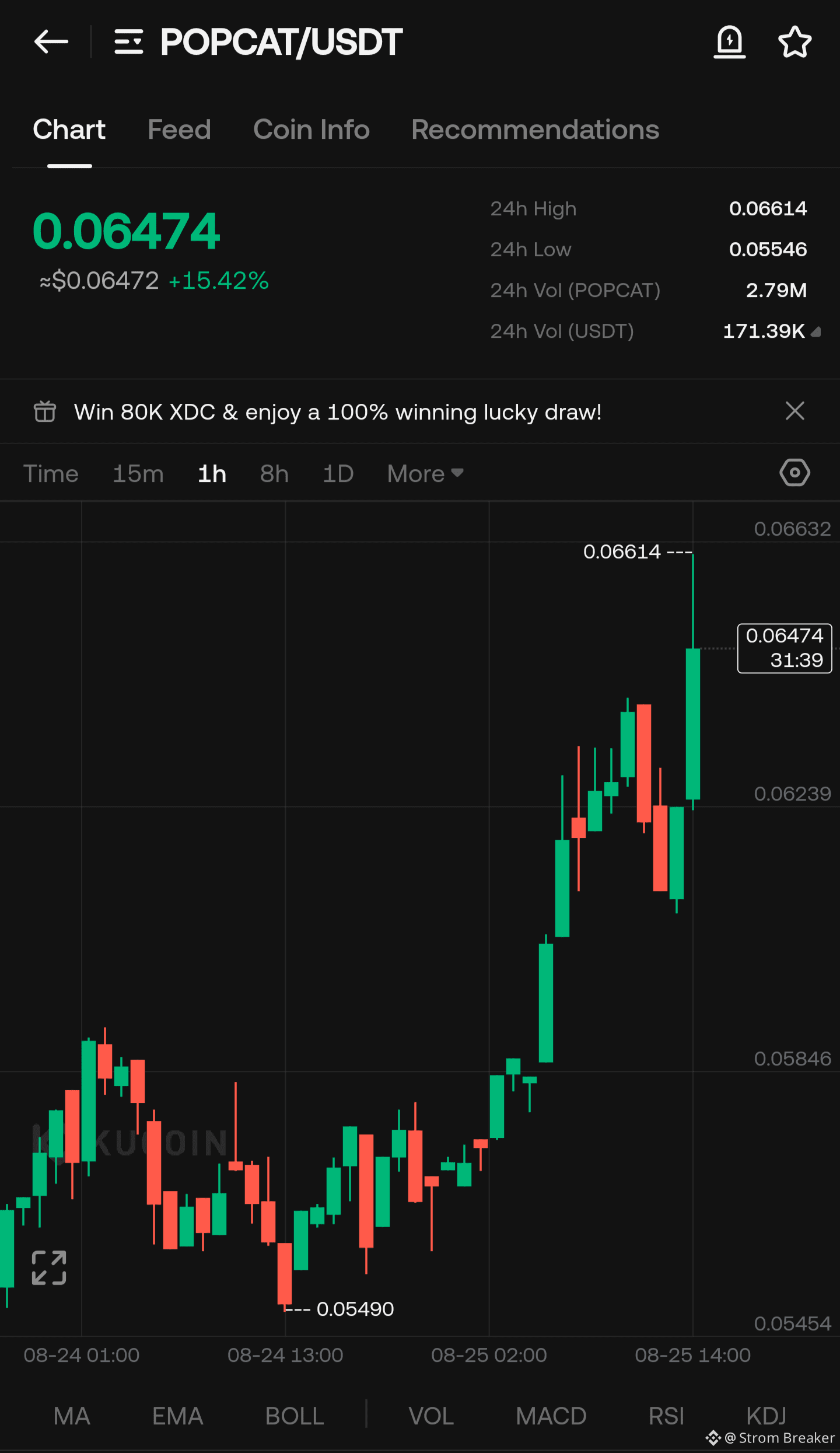
$POPCAT steht unter kurzfristigem Druck nach einer $1.27K langen Liquidation bei $0.06559, was signalisiert, dass nachgelagerte Liquidität von gehebelt gekauften Positionen abgezogen wurde. Der wichtigste SMC-Bereich ist nun die untere Nachfragespanne, wo ein Sweep und eine bullische Rückeroberung einen Erleichterungs-Bounce auslösen könnten; andernfalls hält die anhaltende Akzeptanz unterhalb der Unterstützung Verkäufer in der Kontrolle.
Unterstützung: $0.0640 → $0.0610
Widerstand: $0.0685 → $0.0720
Nächstes Ziel: $0.0750 → $0.0790
Aus einer ICT/SMC-Perspektive müssen Käufer $0.0640 verteidigen und $0.0685 zurückerobern, um die kurzfristige Struktur wieder zu ihren Gunsten zu drehen. Ein entschiedener Bruch über $0.0720 könnte die nächste Buy-Side-Liquidität nahe $0.075–$0.079 anvisieren. Wenn $0.0610 nicht gehalten wird, würde tiefere Abwärtsliquidität freigelegt.
Bestätigung: Bullisch oberhalb $0.0685; bärisch unterhalb $0.0610. Warte auf einen Liquiditäts-Sweep und eine Bestätigung der Struktur, bevor du einsteigst.
Los geht’s $POPCAT 🚀
Unterstützung: $0.0640 → $0.0610
Widerstand: $0.0685 → $0.0720
Nächstes Ziel: $0.0750 → $0.0790
Aus einer ICT/SMC-Perspektive müssen Käufer $0.0640 verteidigen und $0.0685 zurückerobern, um die kurzfristige Struktur wieder zu ihren Gunsten zu drehen. Ein entschiedener Bruch über $0.0720 könnte die nächste Buy-Side-Liquidität nahe $0.075–$0.079 anvisieren. Wenn $0.0610 nicht gehalten wird, würde tiefere Abwärtsliquidität freigelegt.
Bestätigung: Bullisch oberhalb $0.0685; bärisch unterhalb $0.0610. Warte auf einen Liquiditäts-Sweep und eine Bestätigung der Struktur, bevor du einsteigst.
Los geht’s $POPCAT 🚀
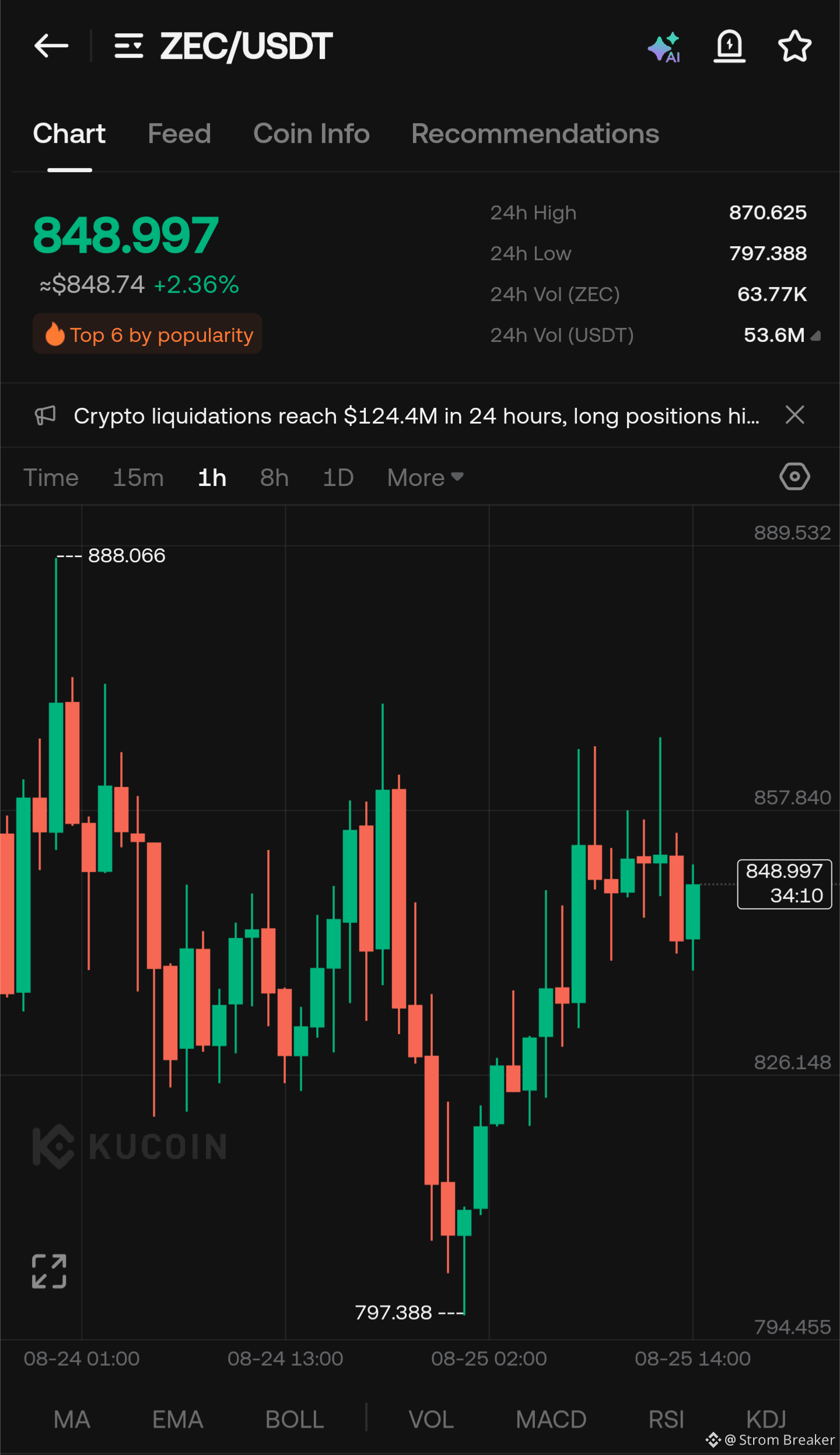
$ZEC handelt um 846,80 $ nach einem kurzen Liquidations-Stop im Wert von 1,15 Tsd. $, was zeigt, dass Verkäufer gezwungen waren, in der Nähe dieses Niveaus zu covern. Die unmittelbare Struktur begünstigt eine vorsichtige bullische Ausrichtung, solange der Preis Nachfrage hält, aber die Region 870–900 $ bleibt ein wichtiges Overhead-Liquiditätsniveau.
Support: 830 $ → 800 $
Widerstand: 870 $ → 900 $
Nächstes Ziel: 930 $ → 960 $
Aus Sicht von SMC/ICT gilt: Wenn 830 $ gehalten wird, bleibt die Erholungsstruktur intakt. Ein klarer Bruch und eine Akzeptanz über 870 $ könnten den Weg hin zu 930+ öffnen, während eine Ablehnung vom Widerstand und ein Verlust von 800 $ die Liquidität in Richtung geringerer Nachfrage verschieben würden.
Bestätigung: Bullisch über 870 $; bärisch unter 800 $. Lass den Preis die Liquiditätsrichtung bestätigen, bevor du dich festlegst – Ausführung schlägt Vorhersage.
Los geht’s $ZEC 🚀
Support: 830 $ → 800 $
Widerstand: 870 $ → 900 $
Nächstes Ziel: 930 $ → 960 $
Aus Sicht von SMC/ICT gilt: Wenn 830 $ gehalten wird, bleibt die Erholungsstruktur intakt. Ein klarer Bruch und eine Akzeptanz über 870 $ könnten den Weg hin zu 930+ öffnen, während eine Ablehnung vom Widerstand und ein Verlust von 800 $ die Liquidität in Richtung geringerer Nachfrage verschieben würden.
Bestätigung: Bullisch über 870 $; bärisch unter 800 $. Lass den Preis die Liquiditätsrichtung bestätigen, bevor du dich festlegst – Ausführung schlägt Vorhersage.
Los geht’s $ZEC 🚀
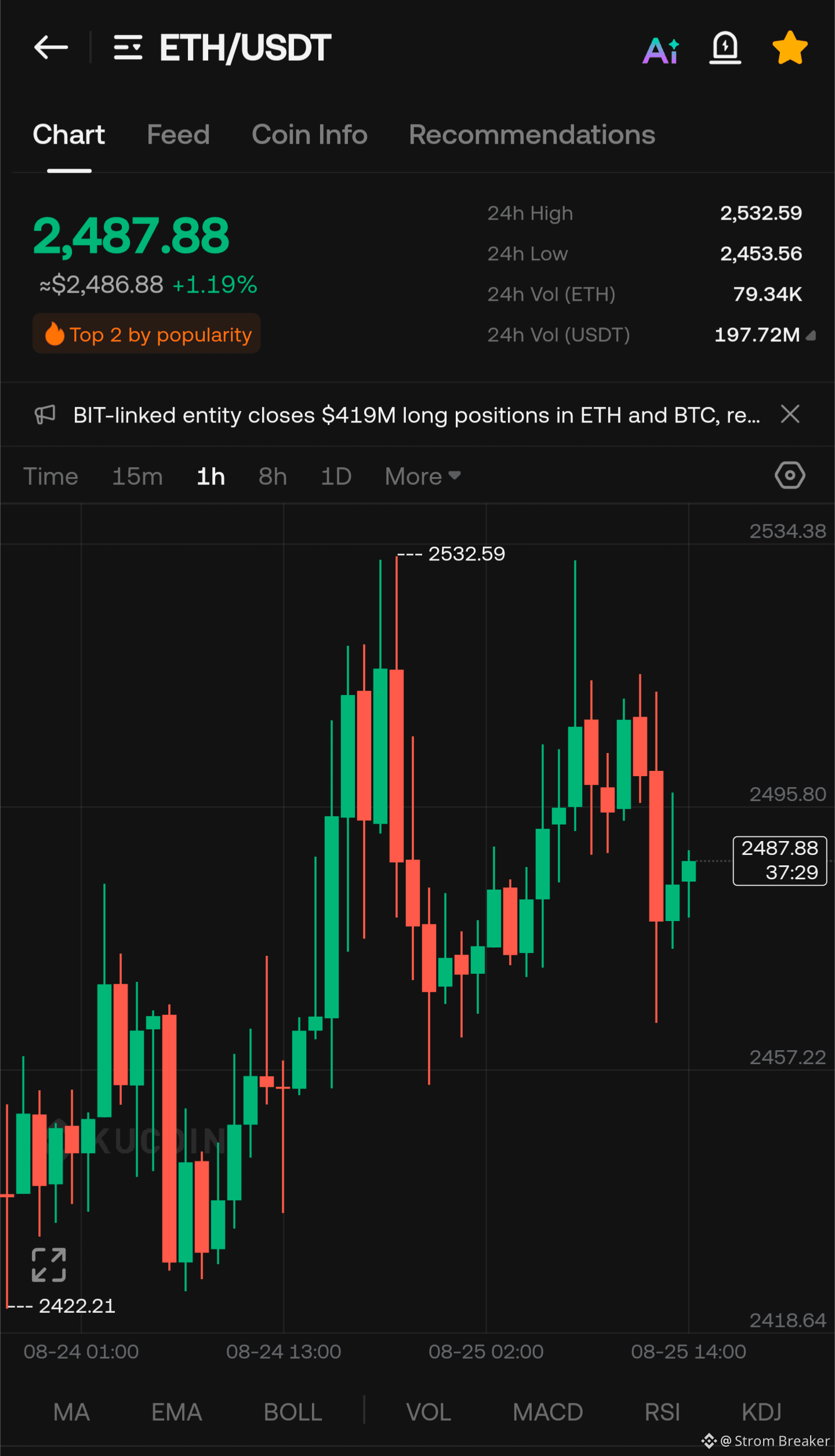
$ETH hält sich nach einem kurzen Liquidity-Sweep nahe dem $2.488-Bereich, während die $3,06K Short-Liquidation auf aktiven Leverage rund um dieses Niveau hinweist. Die unmittelbare Struktur bleibt weiterhin rangegebunden; entscheidend ist daher, ob Käufer die Liquidität oberhalb zurückerobern können oder ob Verkäufer einen tieferen Rücklauf in die Nachfrage erzwingen.
Support: $2.450 → $2.400
Resistance: $2.520 → $2.580
Next Target: $2.650 → $2.720
Aus einer SMC/ICT-Perspektive hält ein anhaltendes Halten über $2.450 das bullische Erholungsszenario aktiv. Eine klare Rückeroberung von $2.520, idealerweise gestützt durch stärkeres Volumen, könnte einen Move in Richtung der nächsten Buy-Side-Liquiditätspool-Region um $2.650+ auslösen. Das Verlieren von $2.400 würde das Setup schwächen und geringere Liquidität freilegen.
Bestätigung: Bullisch über $2.520; bärisch unter $2.400. Abwarten, bis die Struktur bestätigt ist, statt der Volatilität hinterherzulaufen.
Los geht’s $ETH 🚀
Support: $2.450 → $2.400
Resistance: $2.520 → $2.580
Next Target: $2.650 → $2.720
Aus einer SMC/ICT-Perspektive hält ein anhaltendes Halten über $2.450 das bullische Erholungsszenario aktiv. Eine klare Rückeroberung von $2.520, idealerweise gestützt durch stärkeres Volumen, könnte einen Move in Richtung der nächsten Buy-Side-Liquiditätspool-Region um $2.650+ auslösen. Das Verlieren von $2.400 würde das Setup schwächen und geringere Liquidität freilegen.
Bestätigung: Bullisch über $2.520; bärisch unter $2.400. Abwarten, bis die Struktur bestätigt ist, statt der Volatilität hinterherzulaufen.
Los geht’s $ETH 🚀
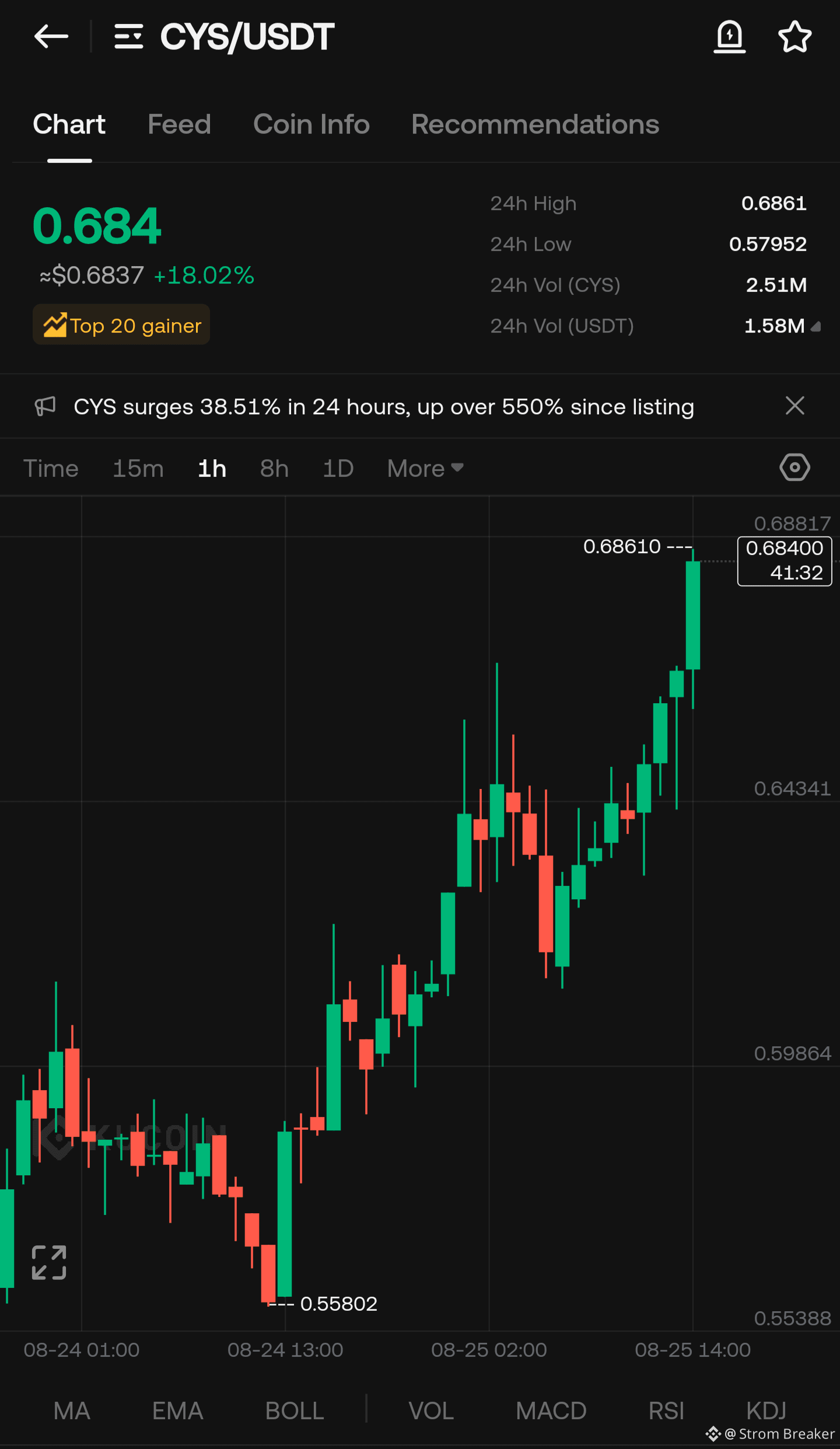
$CYS zeigt nach dem jüngsten Verkaufsdruck eine kurzfristige Erholungsstruktur, wobei der Bereich um $0.67 zu einem entscheidenden Liquiditäts-Kampfgebiet wird. Die $5.03K Short-Liquidation bei $0.67379 deutet darauf hin, dass stark georderte Shorts gequetscht wurden, daher sollten Trader beobachten, ob der Kurs eine Akzeptanz über dieser Zone aufbauen kann oder einen weiteren Liquiditäts-Sweep auslöst.
Support: $0.6600 → $0.6400
Resistance: $0.6900 → $0.7100
Nächstes Ziel: $0.7300 → $0.7500
Aus Sicht von SMC/ICT spricht ein anhaltender Handel oberhalb von $0.67 für eine Fortsetzung in Richtung der oberen Buy-Side-Liquidität. Eine saubere Rückeroberung von $0.69 mit anwachsendem Volumen würde das bullische Setup stärken, während eine Ablehnung gefolgt von einem Bruch unter $0.64 die kurzfristige bullische Struktur ungültig machen würde.
Bestätigung: Bullisch oberhalb $0.69; bärisch unterhalb $0.64. Erst Liquidität holen lassen – die Bestätigung ist wichtiger als dem Move hinterherzulaufen.
Los geht’s $CYS 🚀
Support: $0.6600 → $0.6400
Resistance: $0.6900 → $0.7100
Nächstes Ziel: $0.7300 → $0.7500
Aus Sicht von SMC/ICT spricht ein anhaltender Handel oberhalb von $0.67 für eine Fortsetzung in Richtung der oberen Buy-Side-Liquidität. Eine saubere Rückeroberung von $0.69 mit anwachsendem Volumen würde das bullische Setup stärken, während eine Ablehnung gefolgt von einem Bruch unter $0.64 die kurzfristige bullische Struktur ungültig machen würde.
Bestätigung: Bullisch oberhalb $0.69; bärisch unterhalb $0.64. Erst Liquidität holen lassen – die Bestätigung ist wichtiger als dem Move hinterherzulaufen.
Los geht’s $CYS 🚀
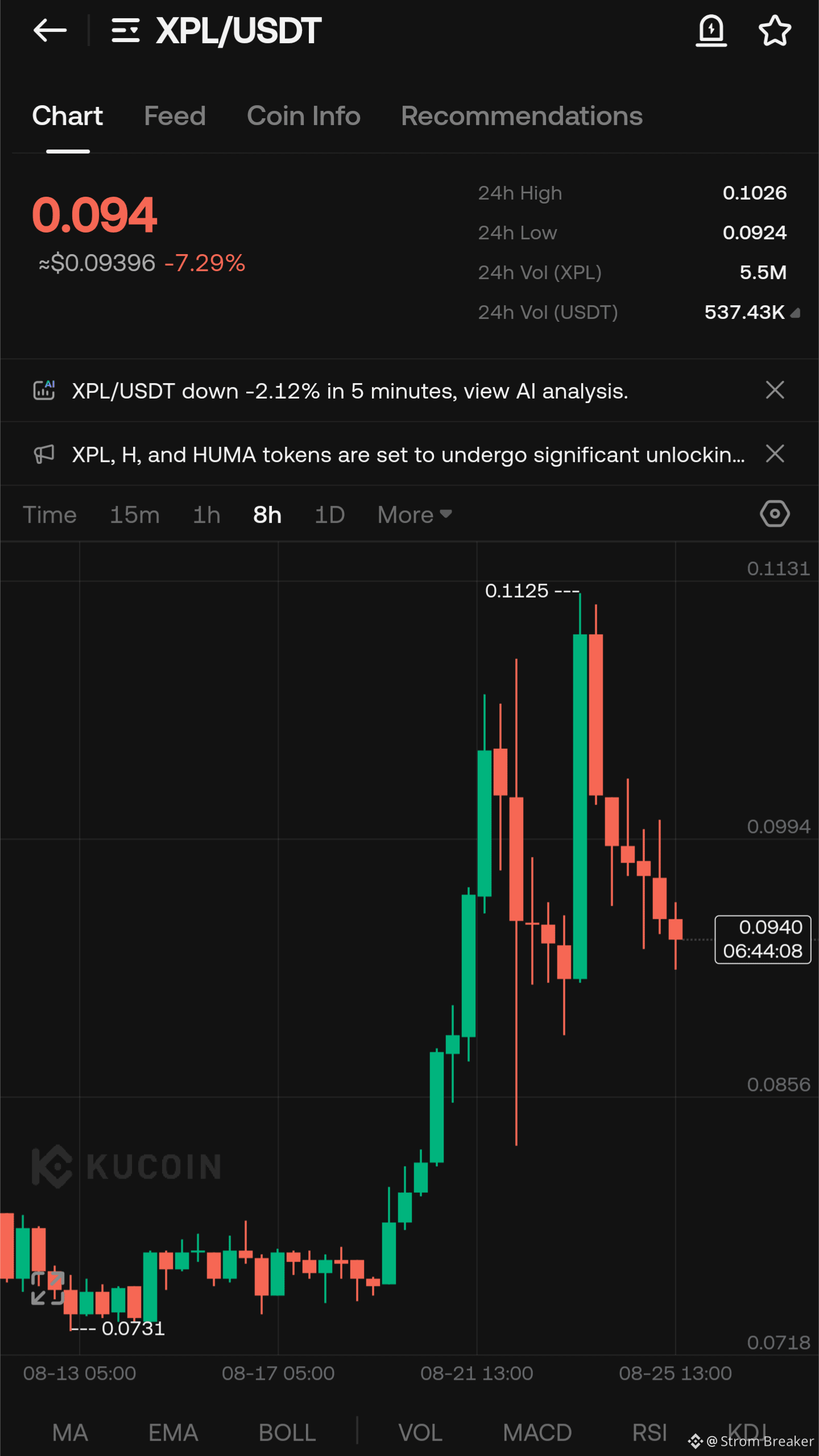
$XPL zeigt eine volatile Struktur um die $0,10 psychologische Zone herum, nachdem es nach einer starken Erholung aus dem Bereich $0,075–$0,080 zu einem Rebound gekommen ist. Aktuelle Binance-Daten zeigen eine starke Beteiligung, während die heutige kurzfristige Spanne weiterhin anfällig für Liquiditäts-„Sweeps“ ist. Die gemeldete Long-Liquidation von 9,56K $ bei $0,09268 unterstreicht das Abwärts-Hebelrisiko.
Support: $0,0927 → $0,0880
Resistance: $0,1000 → $0,1025
Nächstes Ziel: $0,1070 → $0,1120
Aus SMC/ICT-Sicht ist $0,0927 ein wichtiger Reaktionsbereich. Das Halten dieser Zone und das Rückerobern von $0,1025 würde die bullische These hin zum oberen Liquiditätspool nahe $0,107–$0,112 stärken. Ein entschiedener Verlust von $0,0880 würde hingegen tiefere Abwärtsliquidität freilegen.
Bestätigung: Bullisch oberhalb von $0,1025; bärisch unterhalb von $0,0880. Vermeide es, der Mitte der Spanne hinterherzujagen – warte auf den Liquiditäts-„Sweep“ plus Bestätigung.
Los geht’s $XPL 🚀
Support: $0,0927 → $0,0880
Resistance: $0,1000 → $0,1025
Nächstes Ziel: $0,1070 → $0,1120
Aus SMC/ICT-Sicht ist $0,0927 ein wichtiger Reaktionsbereich. Das Halten dieser Zone und das Rückerobern von $0,1025 würde die bullische These hin zum oberen Liquiditätspool nahe $0,107–$0,112 stärken. Ein entschiedener Verlust von $0,0880 würde hingegen tiefere Abwärtsliquidität freilegen.
Bestätigung: Bullisch oberhalb von $0,1025; bärisch unterhalb von $0,0880. Vermeide es, der Mitte der Spanne hinterherzujagen – warte auf den Liquiditäts-„Sweep“ plus Bestätigung.
Los geht’s $XPL 🚀
$COW 🟢 | Liquidity Watch
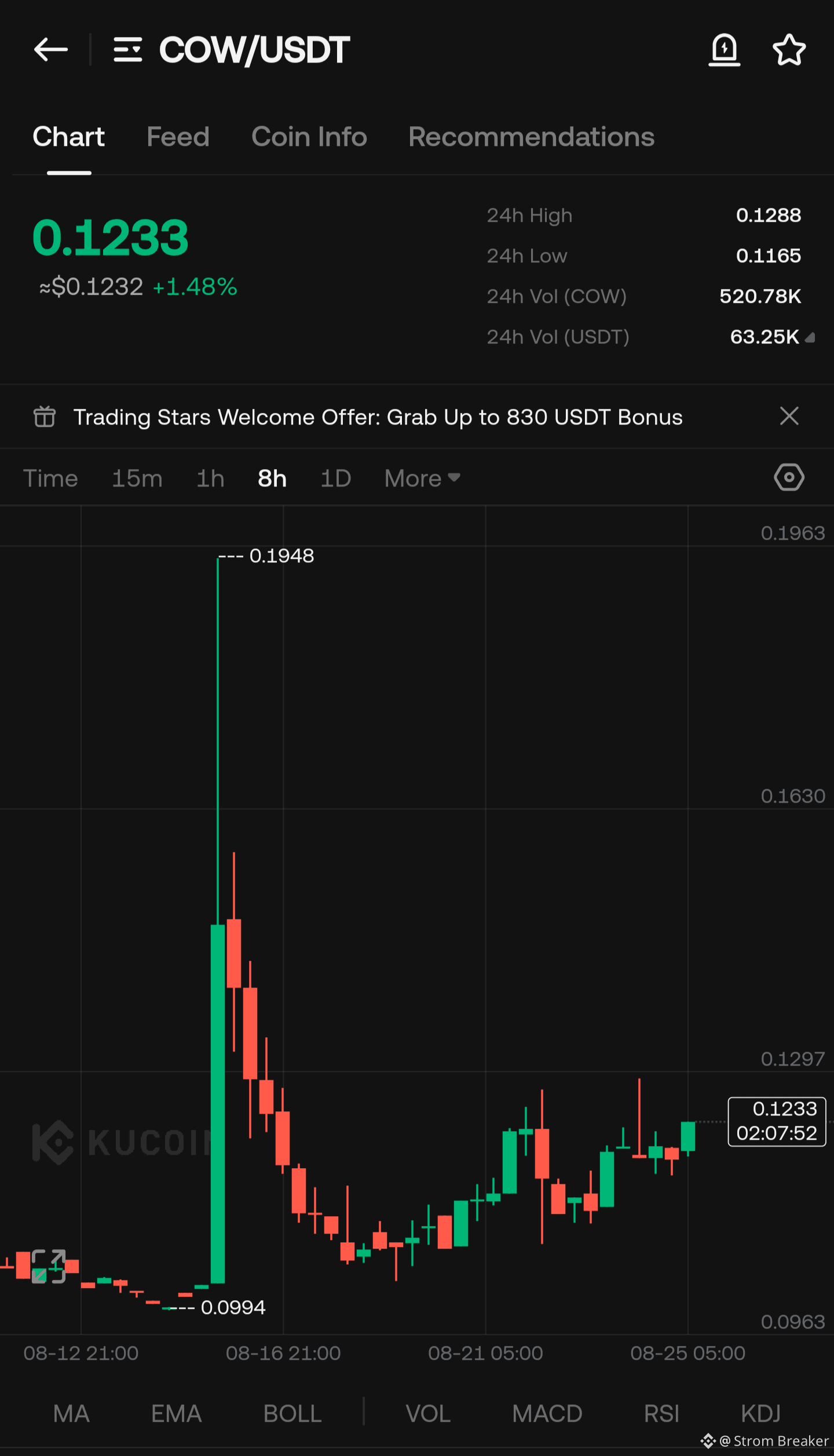
COW zeigt ein Short-Liquidation-Event um $0.1224, wobei auf Binance ungefähr $1.08K an Shorts zwangsliquidiert wurden. Das deutet auf kurzfristigen Kaufdruck hin, aber die entscheidende Frage ist, ob der Preis den Liquidity-Bereich halten kann und eine höhere-Hoch-Struktur aufbaut.
Support: $0.1200–$0.1220
Widerstand: $0.1250–$0.1280
Nächstes Ziel: $0.1300+
Ein nachhaltiges Zurückerobern des Widerstands könnte einen bullischen Fortsetzungsimpuls hin zum nächsten Liquiditäts-Pool bestätigen. Wenn Käufer den Support nicht verteidigen, könnte der Liquidations-Spike in einen tieferen Rücksetzer abklingen. Bestätigung ist wichtiger als dem Momentum hinterherzulaufen.
Los geht’s $COW 🚀
COW zeigt ein Short-Liquidation-Event um $0.1224, wobei auf Binance ungefähr $1.08K an Shorts zwangsliquidiert wurden. Das deutet auf kurzfristigen Kaufdruck hin, aber die entscheidende Frage ist, ob der Preis den Liquidity-Bereich halten kann und eine höhere-Hoch-Struktur aufbaut.
Support: $0.1200–$0.1220
Widerstand: $0.1250–$0.1280
Nächstes Ziel: $0.1300+
Ein nachhaltiges Zurückerobern des Widerstands könnte einen bullischen Fortsetzungsimpuls hin zum nächsten Liquiditäts-Pool bestätigen. Wenn Käufer den Support nicht verteidigen, könnte der Liquidations-Spike in einen tieferen Rücksetzer abklingen. Bestätigung ist wichtiger als dem Momentum hinterherzulaufen.
Los geht’s $COW 🚀
$STX 🔴 Kurze-Liquidation-Warnung
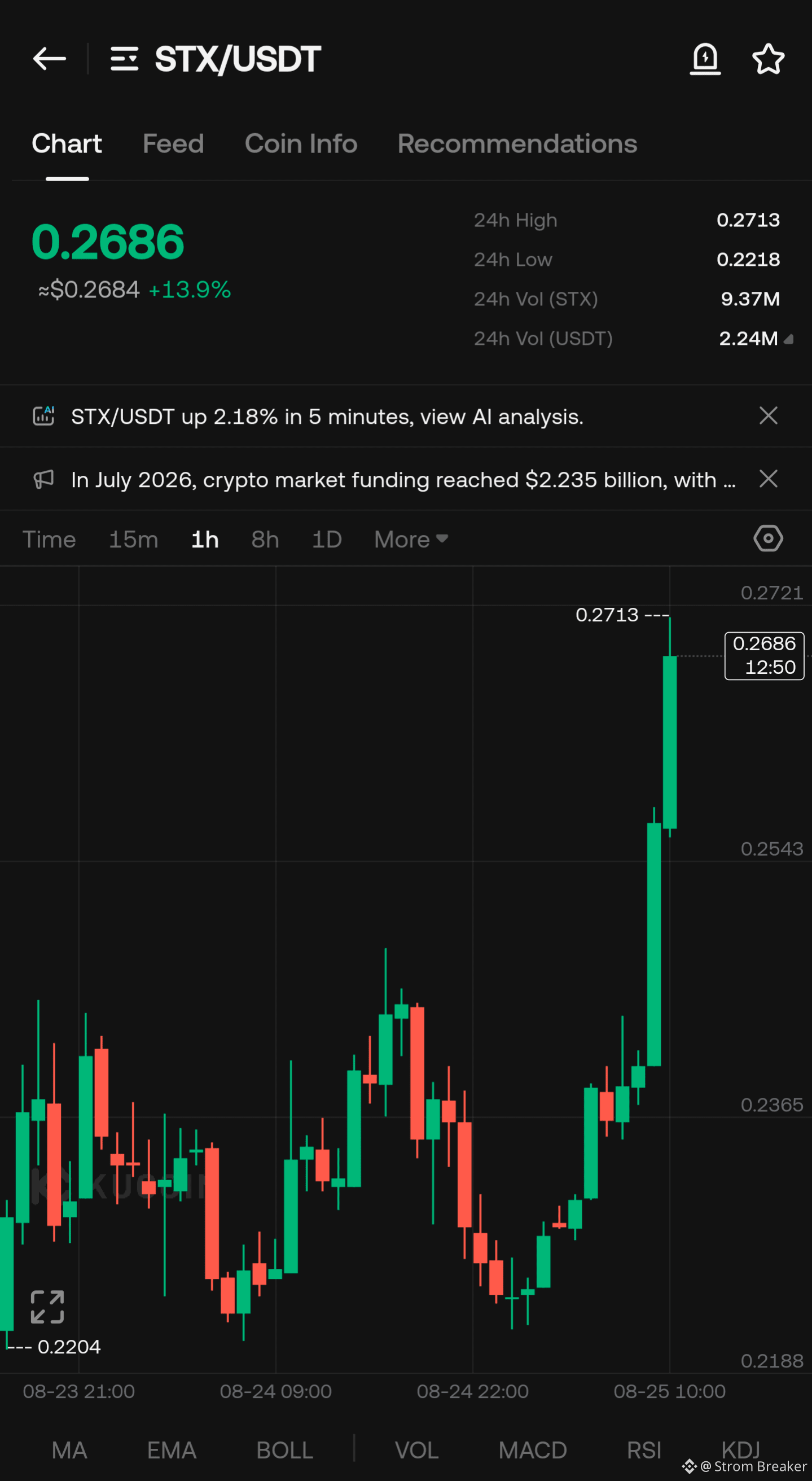
Eine $1.31K Short-Position wurde ungefähr bei $0.27124 auf Binance liquidiert, was darauf hindeutet, dass kurzfristige Verkäufer in der Nähe dieses Niveaus unter Druck geraten. Die entscheidende Frage ist nun, ob STX den Bounce durchhalten und den nahegelegenen Widerstand zurückerobern kann – oder ob Liquidität oberhalb davon abgefischt wird, bevor die Verkäufer zurückkehren.
Support: $0.2680–$0.2700
Widerstand: $0.2750–$0.2800
Nächstes Ziel: $0.2850+
Wenn Käufer oberhalb der Liquidationszone halten und den Widerstand mit starkem Volumen zurückerobern, könnte der Impuls Richtung der nächsten Liquiditäts-„Tasche“ beschleunigen. Eine Zurückweisung würde das Abwärtsrisiko weiterhin aktiv halten.
Bestätigung ist wichtiger als Tempo. Gehe sorgfältig mit dem Risiko um. 🧠📈
Los geht’s $STX 🚀
Eine $1.31K Short-Position wurde ungefähr bei $0.27124 auf Binance liquidiert, was darauf hindeutet, dass kurzfristige Verkäufer in der Nähe dieses Niveaus unter Druck geraten. Die entscheidende Frage ist nun, ob STX den Bounce durchhalten und den nahegelegenen Widerstand zurückerobern kann – oder ob Liquidität oberhalb davon abgefischt wird, bevor die Verkäufer zurückkehren.
Support: $0.2680–$0.2700
Widerstand: $0.2750–$0.2800
Nächstes Ziel: $0.2850+
Wenn Käufer oberhalb der Liquidationszone halten und den Widerstand mit starkem Volumen zurückerobern, könnte der Impuls Richtung der nächsten Liquiditäts-„Tasche“ beschleunigen. Eine Zurückweisung würde das Abwärtsrisiko weiterhin aktiv halten.
Bestätigung ist wichtiger als Tempo. Gehe sorgfältig mit dem Risiko um. 🧠📈
Los geht’s $STX 🚀
🚨 $BTC Berührt $80K — Und der Iran rückt wieder in den Fokus
Bitcoin hat gerade eine beeindruckende ~22%ige Wochenrally geliefert und dabei bis zur Marke von $80K durchgezogen.
Dann kam eine weitere geopolitische Schlagzeile.
Das US-Finanzministerium hat den Druck auf den Iran im Rahmen von „Operation Economic Outcast“ ausgeweitet und zielt dabei auf fünf Schlüsselbereiche ab:
• Digitale Assets
• Technologie
• Gold
• Luftfahrt
• Schifffahrt
Nahezu 60 mit dem Iran verbundene Unternehmen, Personen und Schiffe sollen Berichten zufolge sanktioniert worden sein, während Dritte vor möglichen Risiken sekundärer Sanktionen gewarnt wurden.
Aber das ist das, was auffällt 👀
$BTC hat kaum reagiert.
Trotz der Eskalation hat Bitcoin einen größeren Ausverkauf vermieden und hält sich weiterhin nahe den Hochs der letzten Bewegung.
Das ist bedeutsam — besonders, wenn man bedenkt, wie frühere US-Iran-Spannungen viel stärkere „Risk-off“-Reaktionen in Krypto ausgelöst haben.
Vorerst zeigt BTC beeindruckende Widerstandsfähigkeit.
Die entscheidende Frage: Kann es diese Stärke aufrechterhalten, wenn der geopolitische Druck weiter eskaliert? 📈
Bleib aufmerksam. Risikomanagement betreiben. Keine Volatilität hinterherjagen.
Bitcoin hat gerade eine beeindruckende ~22%ige Wochenrally geliefert und dabei bis zur Marke von $80K durchgezogen.
Dann kam eine weitere geopolitische Schlagzeile.
Das US-Finanzministerium hat den Druck auf den Iran im Rahmen von „Operation Economic Outcast“ ausgeweitet und zielt dabei auf fünf Schlüsselbereiche ab:
• Digitale Assets
• Technologie
• Gold
• Luftfahrt
• Schifffahrt
Nahezu 60 mit dem Iran verbundene Unternehmen, Personen und Schiffe sollen Berichten zufolge sanktioniert worden sein, während Dritte vor möglichen Risiken sekundärer Sanktionen gewarnt wurden.
Aber das ist das, was auffällt 👀
$BTC hat kaum reagiert.
Trotz der Eskalation hat Bitcoin einen größeren Ausverkauf vermieden und hält sich weiterhin nahe den Hochs der letzten Bewegung.
Das ist bedeutsam — besonders, wenn man bedenkt, wie frühere US-Iran-Spannungen viel stärkere „Risk-off“-Reaktionen in Krypto ausgelöst haben.
Vorerst zeigt BTC beeindruckende Widerstandsfähigkeit.
Die entscheidende Frage: Kann es diese Stärke aufrechterhalten, wenn der geopolitische Druck weiter eskaliert? 📈
Bleib aufmerksam. Risikomanagement betreiben. Keine Volatilität hinterherjagen.

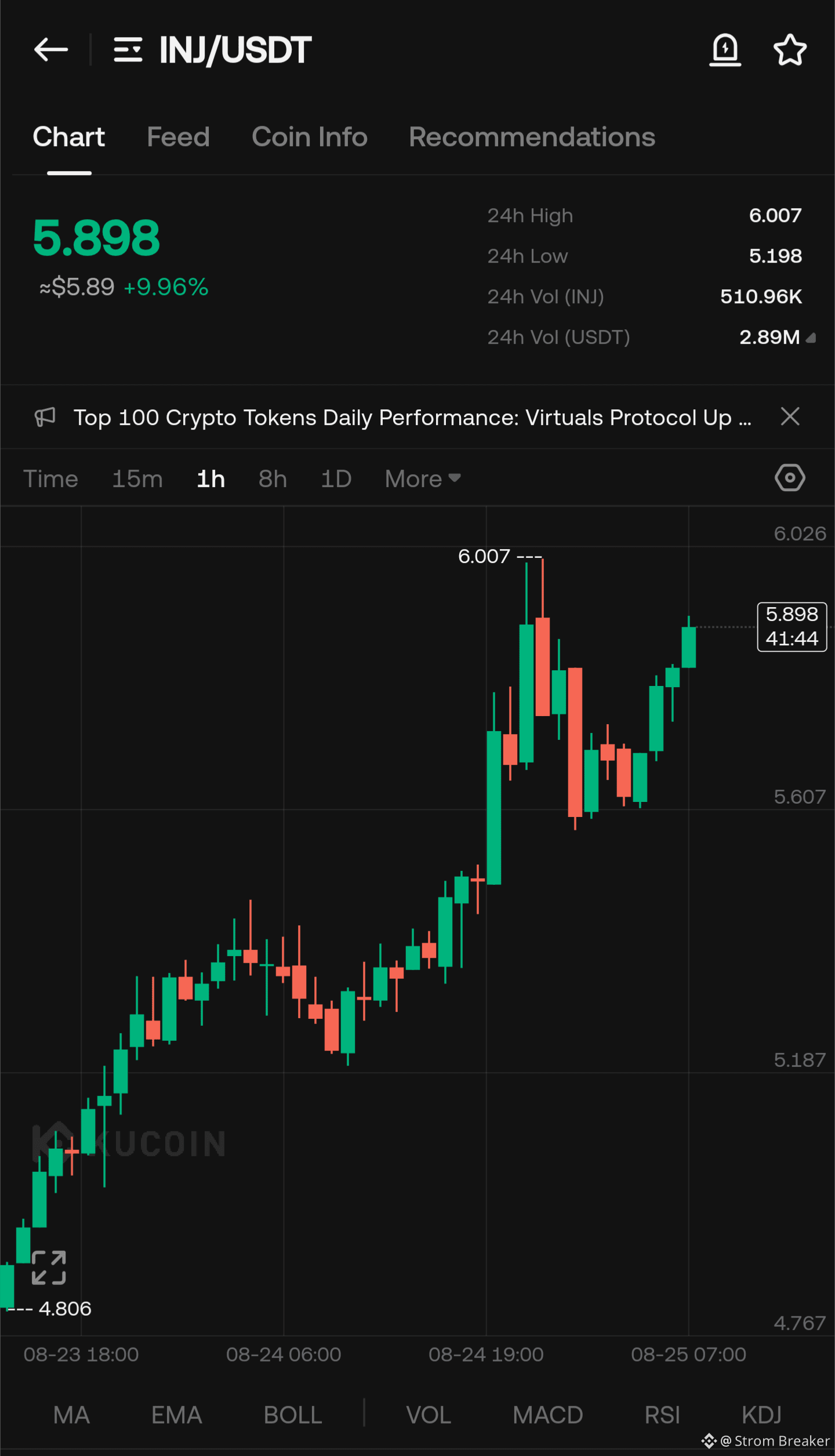
$INJ zeigt eine bärische Setup-Situation mit dem Sell-Entry bei 5,825 US-Dollar und aktuell ist die Short-seitige Dynamik im Vorteil. Aus der SMC/ICT-Perspektive wollen Verkäufer die nahegelegene Supply-Zone verteidigen, während Liquidität nach unten unterhalb der jüngsten Tiefs das Hauptziel bleibt.
Support: 5,65–5,55
Resistance: 5,90–6,05
Nächstes Ziel: 5,55 → 5,30
Eine nachhaltige Bewegung unter 5,65 US-Dollar würde den bärischen Fortsetzungsfall stärken und den Weg zu tieferer Liquidität öffnen. Wenn der Kurs 6,05 US-Dollar mit starkem Volumen zurückerobert, schwächt sich die Short-These ab und ein tieferer Rücksetzer wird möglich.
Bleib geduldig und schütze die Position mit diszipliniertem Risikomanagement. Bestätigung ist wichtiger als Tempo.
Los geht’s $INJ 🚀
Support: 5,65–5,55
Resistance: 5,90–6,05
Nächstes Ziel: 5,55 → 5,30
Eine nachhaltige Bewegung unter 5,65 US-Dollar würde den bärischen Fortsetzungsfall stärken und den Weg zu tieferer Liquidität öffnen. Wenn der Kurs 6,05 US-Dollar mit starkem Volumen zurückerobert, schwächt sich die Short-These ab und ein tieferer Rücksetzer wird möglich.
Bleib geduldig und schütze die Position mit diszipliniertem Risikomanagement. Bestätigung ist wichtiger als Tempo.
Los geht’s $INJ 🚀
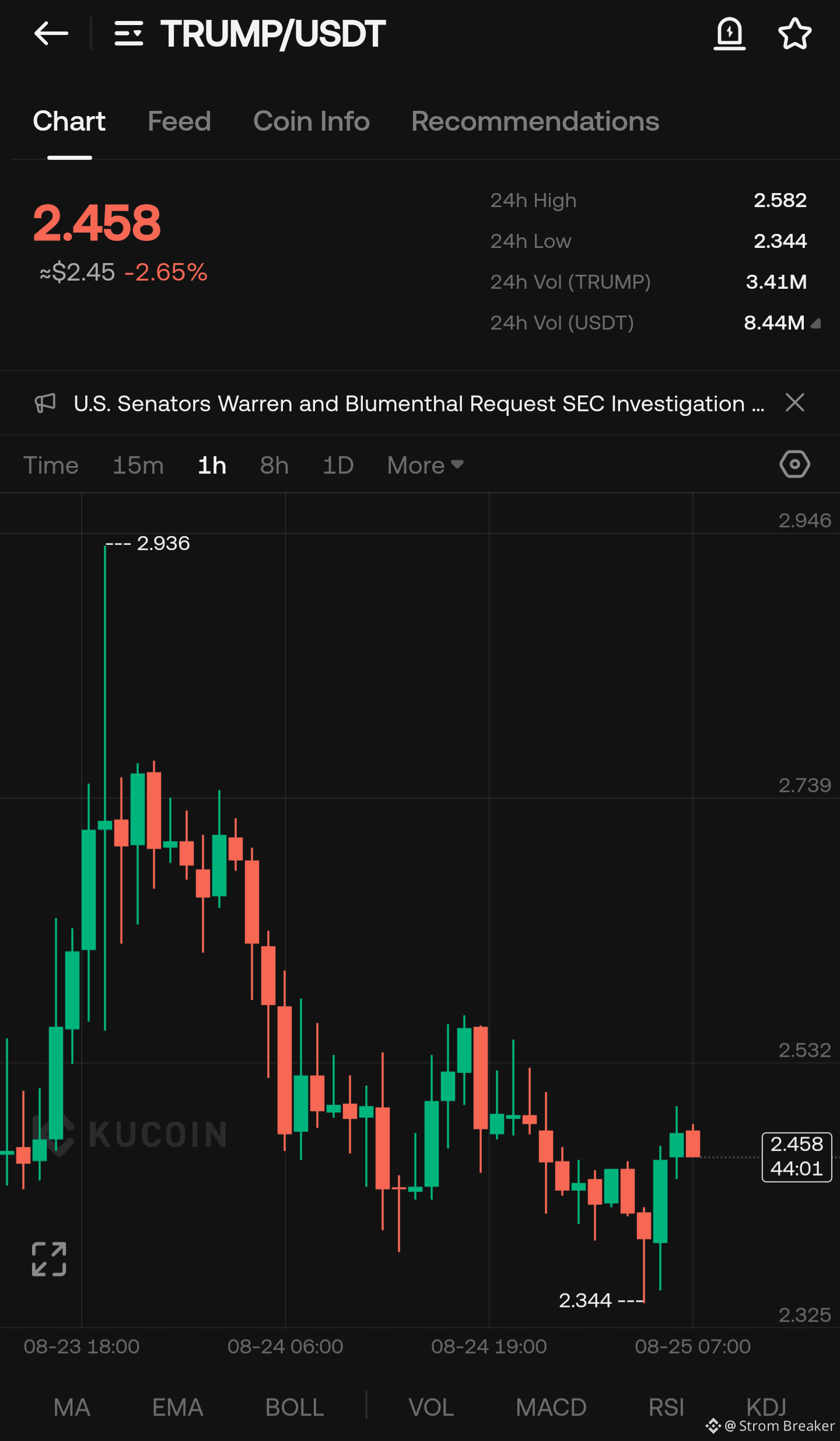
$TRUMP
hält sich nahe 2,50 $ nach einer starken bullischen Expansion, wobei die 2,458 $-Long-Liquidationszone zeigt, wo der Abwärts-Liquiditätskorridor kürzlich abgegriffen wurde. Der Preis bleibt über dem 2,37–2,45 $-Nachfragebereich, während die 2,70–2,91 $-Region die nächste größere Buy-Side-Liquiditätstasche darstellt.
Unterstützung: 2,37–2,45 $
Widerstand: 2,70–2,91 $
Nächstes Ziel: 3,10 → 3,30
Aus Sicht von SMC/ICT bleibt die bullische Struktur gültig, solange Käufer die aktuelle Nachfragezone verteidigen. Eine starke Rückeroberung von 2,70 $ könnte eine Fortsetzungsbewegung in Richtung des oberen Liquiditätspools auslösen, während das Verlieren von 2,37 $ das Setup schwächen und niedrigere Unterstützung aufdecken würde.
Wenn Käufer den Momentum-Impuls oberhalb des Widerstands aufrechterhalten, könnte der nächste Liquiditätssweep $TRUMP Richtung 3+ treiben. Bestätigung ist wichtiger als das Verfolgen von Volatilität.
Auf geht’s $TRUMP 🚀
hält sich nahe 2,50 $ nach einer starken bullischen Expansion, wobei die 2,458 $-Long-Liquidationszone zeigt, wo der Abwärts-Liquiditätskorridor kürzlich abgegriffen wurde. Der Preis bleibt über dem 2,37–2,45 $-Nachfragebereich, während die 2,70–2,91 $-Region die nächste größere Buy-Side-Liquiditätstasche darstellt.
Unterstützung: 2,37–2,45 $
Widerstand: 2,70–2,91 $
Nächstes Ziel: 3,10 → 3,30
Aus Sicht von SMC/ICT bleibt die bullische Struktur gültig, solange Käufer die aktuelle Nachfragezone verteidigen. Eine starke Rückeroberung von 2,70 $ könnte eine Fortsetzungsbewegung in Richtung des oberen Liquiditätspools auslösen, während das Verlieren von 2,37 $ das Setup schwächen und niedrigere Unterstützung aufdecken würde.
Wenn Käufer den Momentum-Impuls oberhalb des Widerstands aufrechterhalten, könnte der nächste Liquiditätssweep $TRUMP Richtung 3+ treiben. Bestätigung ist wichtiger als das Verfolgen von Volatilität.
Auf geht’s $TRUMP 🚀
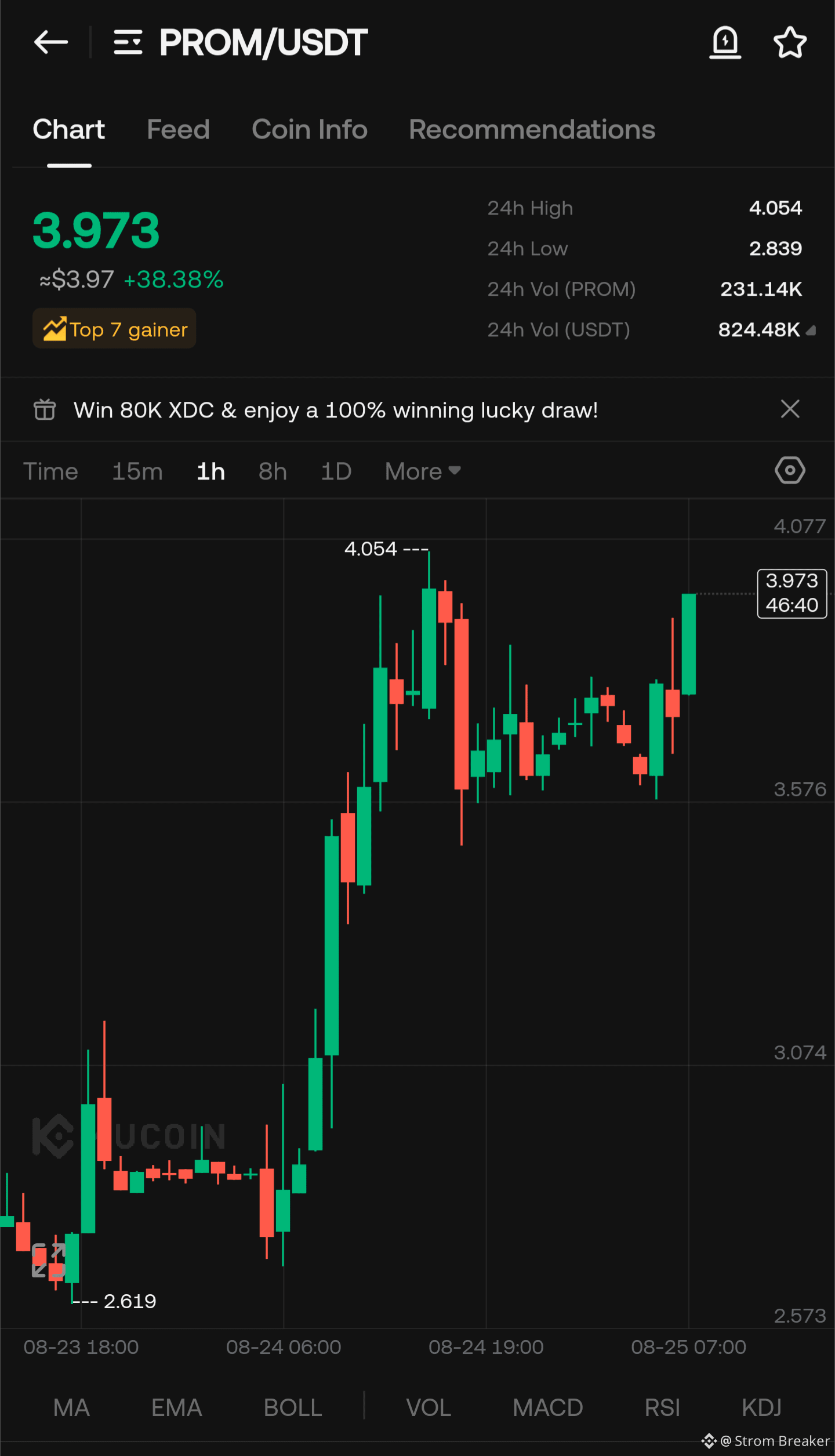
$PROM zeigt starke bullische Dynamik: Der Preis ist kürzlich aus dem $2-Bereich ausgebrochen und drückt in die Liquiditätszone $3.60–$4.00 vor. Die gemeldete $1.96K Short-Liquidation bei $3.978 liefert zusätzlichen Auftrieb nach oben, während ein erhöhtes Volumen und eine bullische gleitende-Durchschnitts-Struktur die Fortsetzung stützen – doch nach einer so aggressiven Expansion bleibt ein Liquidity-Sweep oder ein Retracement möglich.
Unterstützung: $3.40–$3.55
Widerstand: $3.98–$4.10
Nächstes Ziel: $4.25 → $4.50
SMC/ICT-Ansicht: Käufer behalten die Kontrolle, solange der Preis den $3.40-Demand-Bereich hält. Ein sauberer Ausbruch und die Akzeptanz oberhalb von $4.00 könnten einen weiteren Liquiditäts-Run in Richtung höherer Niveaus auslösen; eine Ablehnung dort könnte den Preis zurück in Richtung des Imbalance-/Support-Zonenbereichs schicken.
Wenn Käufer $4.00 zurückgewinnen und mit starkem Volumen halten, wird eine bullische Fortsetzung zunehmend wahrscheinlicher. Bestätigung ist entscheidend – vermeide es, einer ausgeweiteten Kerze hinterherzulaufen.
Los geht’s $PROM 🚀
Unterstützung: $3.40–$3.55
Widerstand: $3.98–$4.10
Nächstes Ziel: $4.25 → $4.50
SMC/ICT-Ansicht: Käufer behalten die Kontrolle, solange der Preis den $3.40-Demand-Bereich hält. Ein sauberer Ausbruch und die Akzeptanz oberhalb von $4.00 könnten einen weiteren Liquiditäts-Run in Richtung höherer Niveaus auslösen; eine Ablehnung dort könnte den Preis zurück in Richtung des Imbalance-/Support-Zonenbereichs schicken.
Wenn Käufer $4.00 zurückgewinnen und mit starkem Volumen halten, wird eine bullische Fortsetzung zunehmend wahrscheinlicher. Bestätigung ist entscheidend – vermeide es, einer ausgeweiteten Kerze hinterherzulaufen.
Los geht’s $PROM 🚀
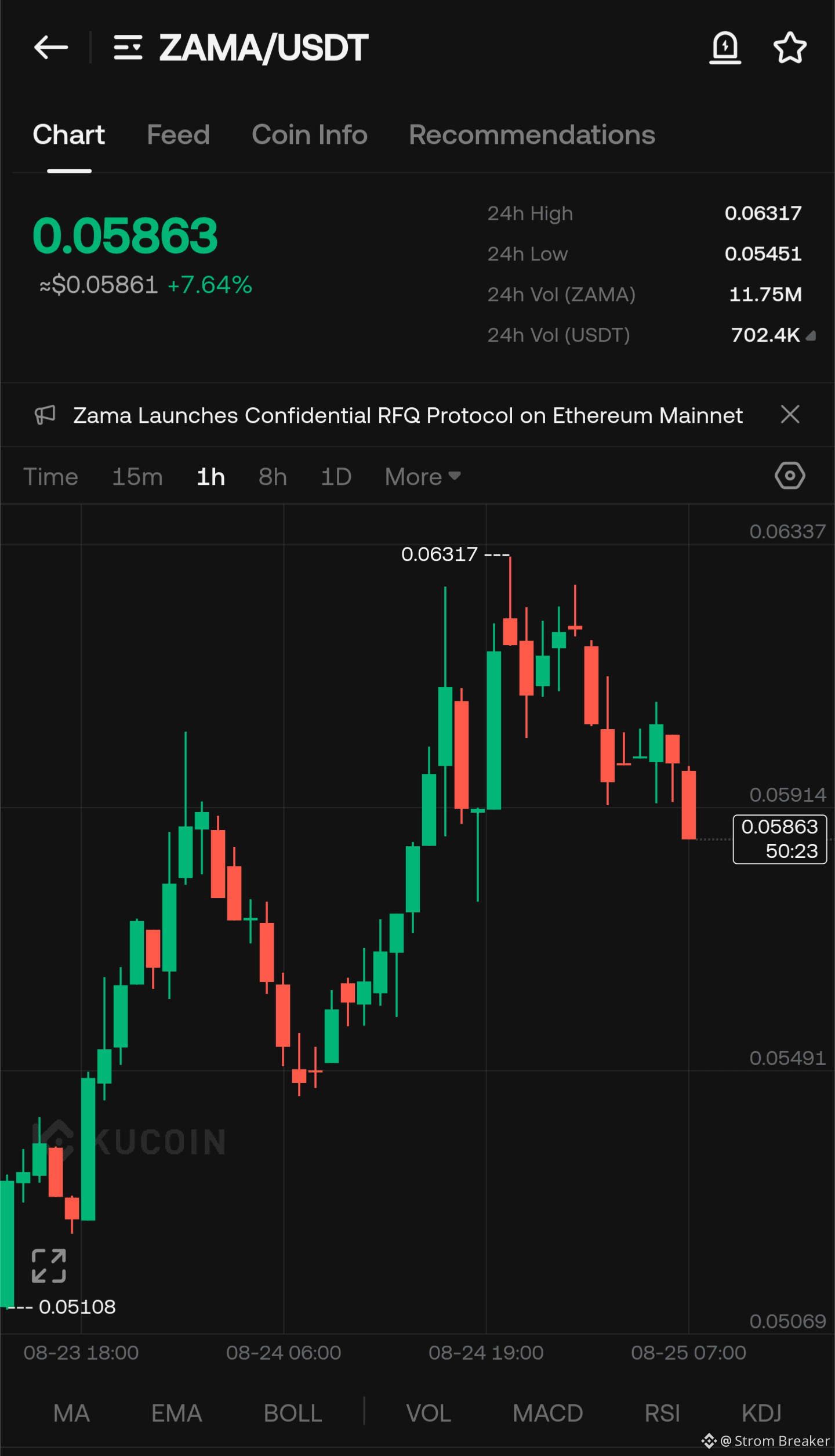
$ZAMA befindet sich in einer kritischen Liquiditätszone, nachdem es nach einem starken Rebound vom $0.04-Bereich eine scharfe Erholung gegeben hat. Die jüngste Kursbewegung zeigt eine starke bullische Verschiebung, jedoch führte die Ablehnung nahe $0.0661 zu einem erhöhten Angebot oberhalb, während die $0.0587-Liquidationsmarke für Longs nun ein wichtiger Liquiditätspunkt für kurzfristige Shorts ist.
Support: $0.0587–$0.0570
Widerstand: $0.0604–$0.0661
Nächstes Ziel: $0.0661 → $0.0700
SMC/ICT-Ansicht: Ein Halt oberhalb von $0.0570 hält die bullische Struktur intakt. Eine saubere Rückeroberung von $0.0604 mit Volumen würde eine Fortsetzung in Richtung des vorherigen Liquiditätshochs signalisieren; das Verfehlen von $0.0570 könnte eine tiefere Korrektur auslösen.
Wenn Käufer den Widerstand zurückgewinnen und den Liquidationsdruck absorbieren, könnte der Momentum-Impuls Richtung der nächsten Liquiditätszone beschleunigen. Geduld ist entscheidend—Bestätigung ist wichtiger als Geschwindigkeit.
Los geht’s $ZAMA 🚀
Support: $0.0587–$0.0570
Widerstand: $0.0604–$0.0661
Nächstes Ziel: $0.0661 → $0.0700
SMC/ICT-Ansicht: Ein Halt oberhalb von $0.0570 hält die bullische Struktur intakt. Eine saubere Rückeroberung von $0.0604 mit Volumen würde eine Fortsetzung in Richtung des vorherigen Liquiditätshochs signalisieren; das Verfehlen von $0.0570 könnte eine tiefere Korrektur auslösen.
Wenn Käufer den Widerstand zurückgewinnen und den Liquidationsdruck absorbieren, könnte der Momentum-Impuls Richtung der nächsten Liquiditätszone beschleunigen. Geduld ist entscheidend—Bestätigung ist wichtiger als Geschwindigkeit.
Los geht’s $ZAMA 🚀
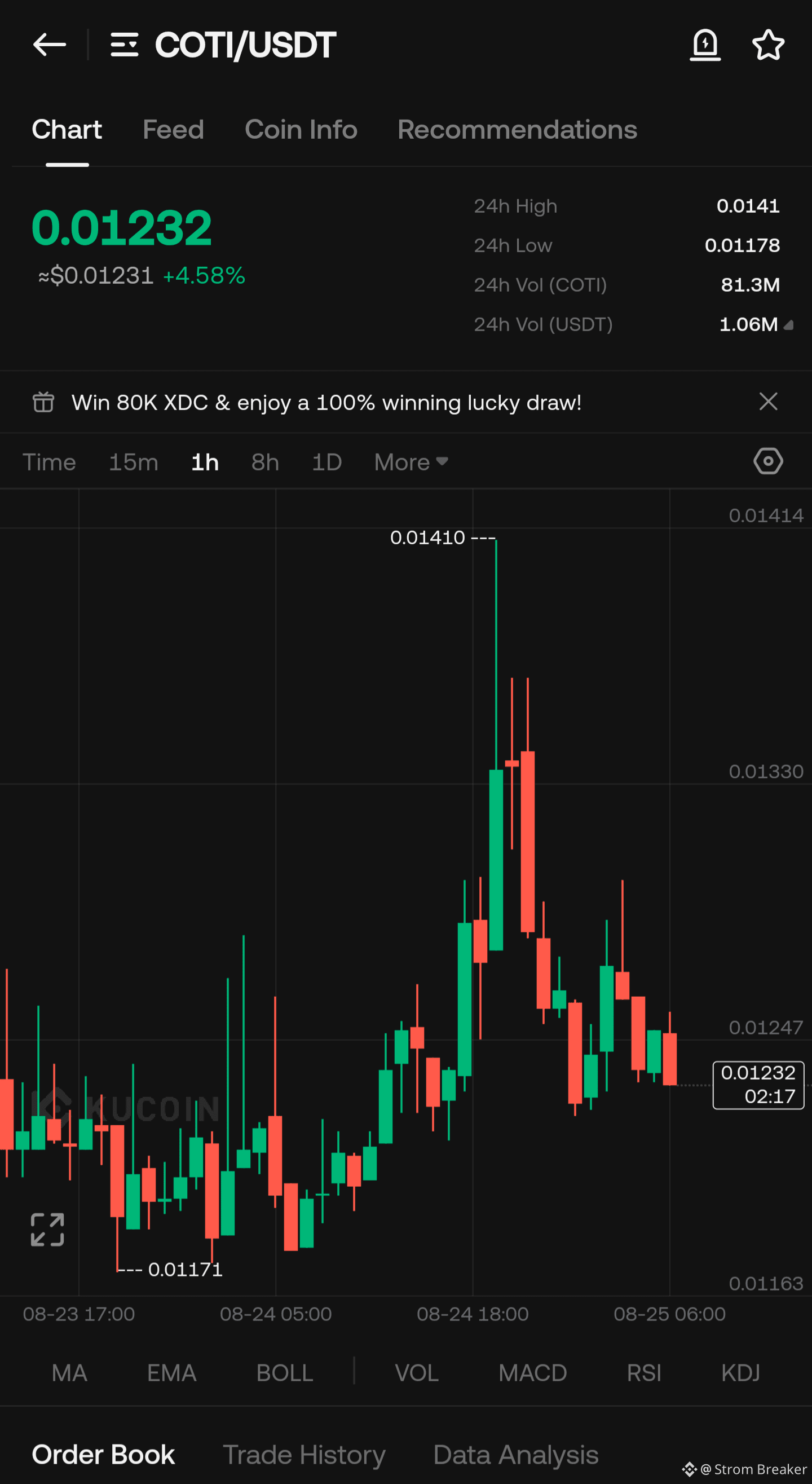
$COTI fegte gerade gehebelte Longs um $0.01229 herum weg, was darauf hindeutet, dass die Abwärtsliquidität unter der jüngsten Struktur abgefangen wurde. Aus einer SMC/ICT-Perspektive könnte das ein mögliches Erholungs-Reversal vorbereiten, wenn Käufer die Displacement-Zone zurückerobern, aber eine anhaltende Akzeptanz unter dem Support würde die Verkäufer weiterhin in Kontrolle halten.
Support: $0.01190–$0.01220
Widerstand: $0.01270–$0.01310
Nächstes Ziel: $0.01350–$0.01390
Eine nachhaltige Rückeroberung oberhalb von $0.01310 bei steigenden Umsätzen würde den bullischen Reversal-Fall stärken und höhere Liquidität ansteuern. Wenn der Support erneut scheitert, erwarte einen weiteren Sweep nach unten, bevor es zur Bestätigung kommt.
Let’s go $COTI 🚀
Support: $0.01190–$0.01220
Widerstand: $0.01270–$0.01310
Nächstes Ziel: $0.01350–$0.01390
Eine nachhaltige Rückeroberung oberhalb von $0.01310 bei steigenden Umsätzen würde den bullischen Reversal-Fall stärken und höhere Liquidität ansteuern. Wenn der Support erneut scheitert, erwarte einen weiteren Sweep nach unten, bevor es zur Bestätigung kommt.
Let’s go $COTI 🚀
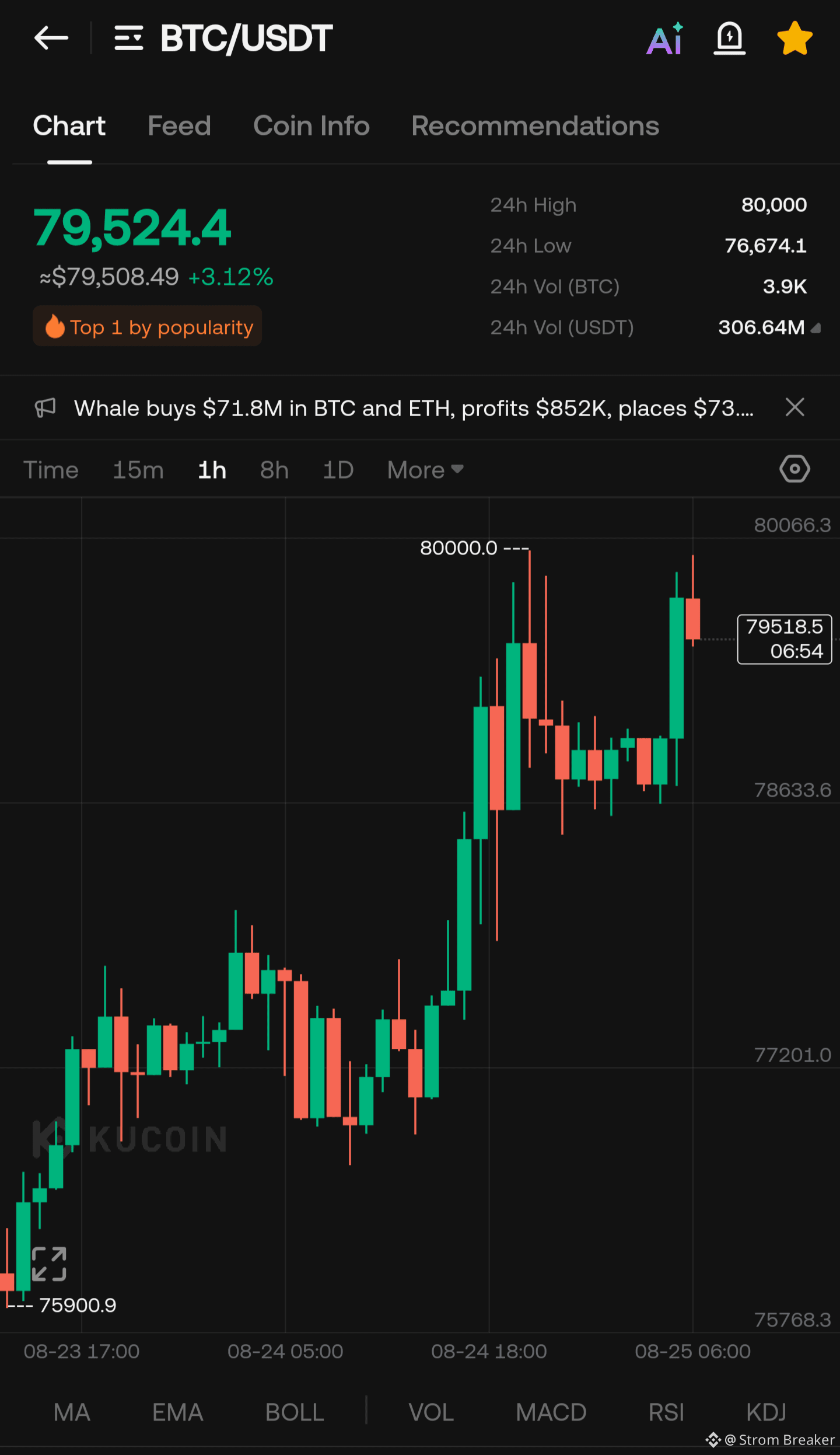
$BTC hat gerade ein Long-Liquidation-Event in der Nähe von 79.580 $ aufgezeichnet, was darauf hindeutet, dass gehebelt gekaufte Positionen aus dem Markt gefegt wurden, während die Abwärtsliquidität entnommen wurde. Aus einer SMC/ICT-Perspektive kann dies einen Liquiditäts-Reset markieren, aber BTC muss die nahe liegende Supply-Zone zurückerobern und ein höheres Tief etablieren, bevor eine bullische Fortsetzung überzeugend wird.
Support: 78.800–79.500 $
Widerstand: 80.500–81.500 $
Nächstes Ziel: 82.500–83.500 $
Wenn BTC 81.500 $ mit starkem Volumen zurückerobert, könnte der Aufwärtsimpuls in Richtung der nächsten Buy-Side-Liquidität ausweiten. Ein Breakdown unter 78.800 $ würde die bärische Struktur aktiv halten.
Los geht’s $BTC 🚀
Support: 78.800–79.500 $
Widerstand: 80.500–81.500 $
Nächstes Ziel: 82.500–83.500 $
Wenn BTC 81.500 $ mit starkem Volumen zurückerobert, könnte der Aufwärtsimpuls in Richtung der nächsten Buy-Side-Liquidität ausweiten. Ein Breakdown unter 78.800 $ würde die bärische Struktur aktiv halten.
Los geht’s $BTC 🚀
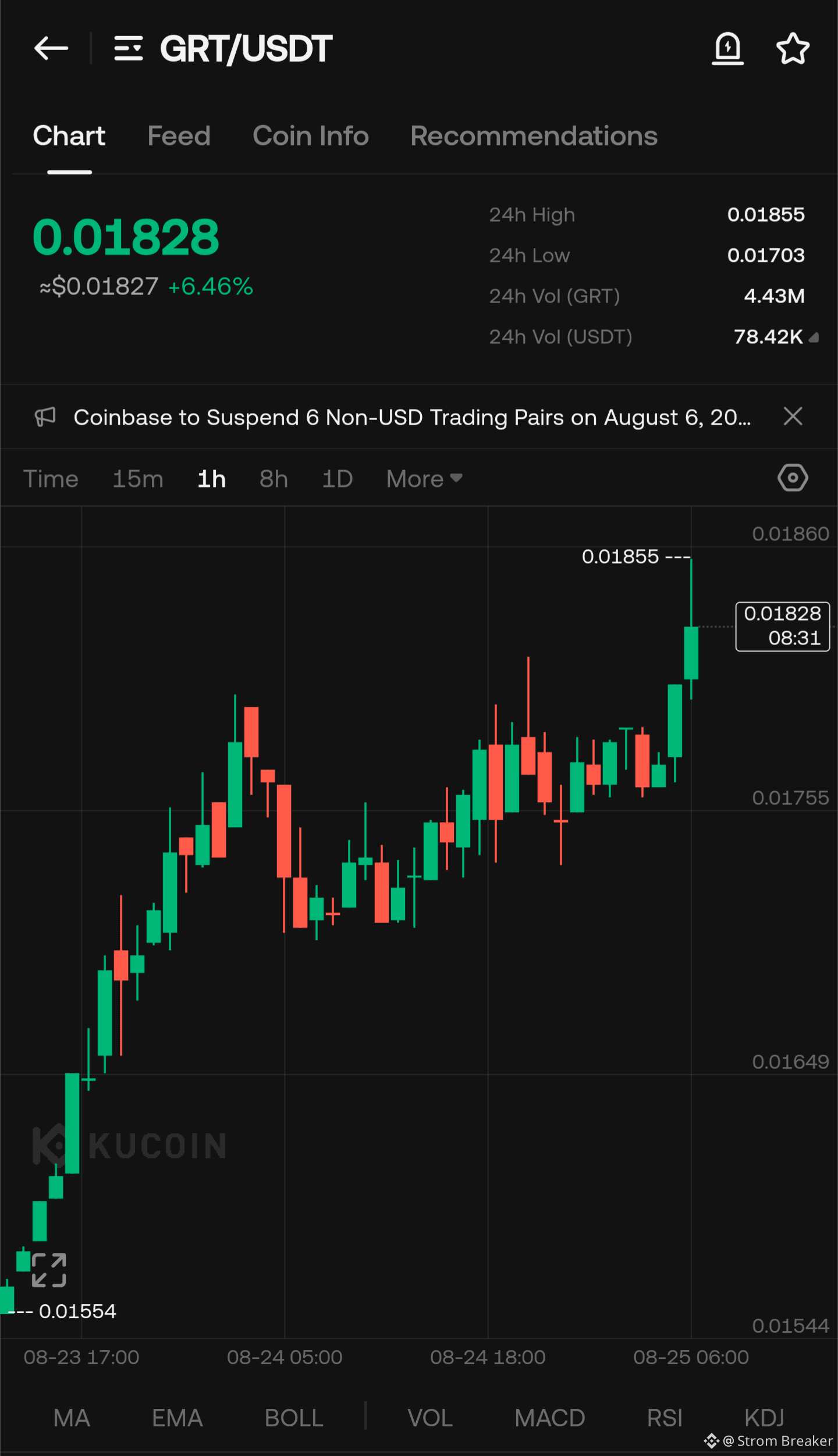
$GRT blinkt bei einem kurzen Liquidationsereignis nahe $0.01836 und deutet darauf hin, dass verschuldete Verkäufer erwischt wurden, als der Preis in die übergeordnete Liquiditätszone gedrückt wurde. Die SMC/ICT-Struktur begünstigt eine mögliche bullische Fortsetzung, wenn Käufer die Liquidationszone verteidigen und einen sauberen Bruch des nahegelegenen Angebots/der Supply liefern; andernfalls könnte dies bei einem vorübergehenden Squeeze bleiben.
Unterstützung: $0.01780–$0.01820
Widerstand: $0.01880–$0.01920
Nächstes Ziel: $0.02000–$0.02050
Eine volumenbasierte Rückeroberung oberhalb des Widerstands würde die bullische These stärken und das nächste Buy-Side-Liquiditätspool freilegen. Eine Zurückweisung an der Supply könnte einen Rücksetzer in Richtung Unterstützung auslösen—erst Bestätigung abwarten.
Los geht’s $GRT 🚀
Unterstützung: $0.01780–$0.01820
Widerstand: $0.01880–$0.01920
Nächstes Ziel: $0.02000–$0.02050
Eine volumenbasierte Rückeroberung oberhalb des Widerstands würde die bullische These stärken und das nächste Buy-Side-Liquiditätspool freilegen. Eine Zurückweisung an der Supply könnte einen Rücksetzer in Richtung Unterstützung auslösen—erst Bestätigung abwarten.
Los geht’s $GRT 🚀
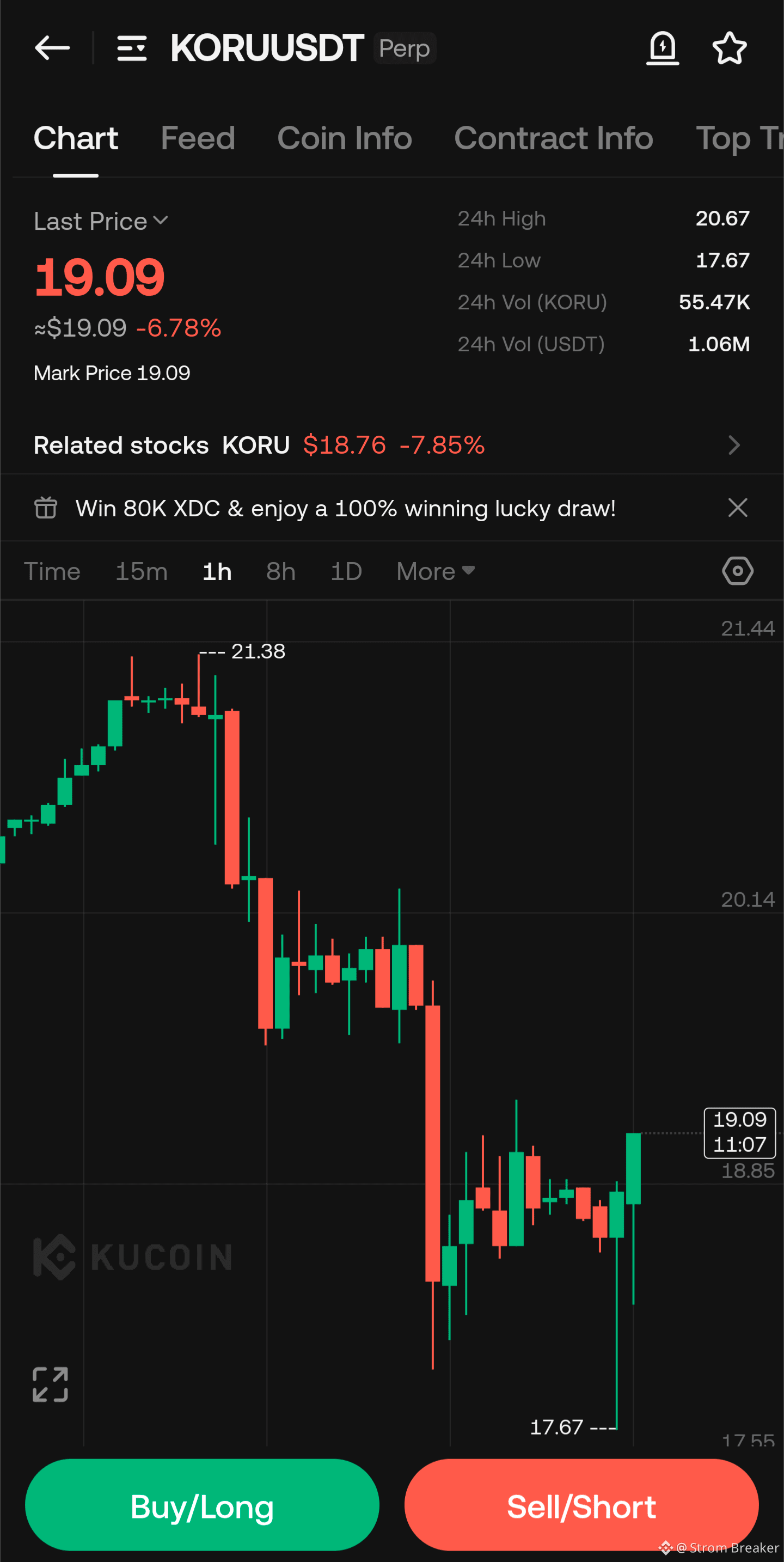
$KORU hat gerade eine bedeutende kurze Liquidation nahe 19.0467 gedruckt, was eine aggressive Aufwärtsdynamik zeigt, da hoch gehebelte Verkäufer aus dem Markt gedrängt wurden. Das SMC/ICT-Setup hängt nun davon ab, ob der Kurs oberhalb des Liquidationsbereichs halten kann und eine bullische Displacement bildet; wenn der zurückeroberte Bereich nicht gehalten wird, könnte dies einen Rücklauf in die nahe liegende Nachfrage auslösen.
Support: 18.50–18.80
Widerstand: 19.50–20.20
Nächstes Ziel: 21.00–21.80
Ein starker Schlusskurs über 20.20 mit zunehmendem Volumen würde eine Fortsetzung hin zu höherer Buy-Side-Liquidität begünstigen. Wenn der Widerstand den Kurs abweist, warte auf eine bestätigte Strukturverschiebung, statt hinterherzulaufen.
Los geht’s $KORU 🚀
Support: 18.50–18.80
Widerstand: 19.50–20.20
Nächstes Ziel: 21.00–21.80
Ein starker Schlusskurs über 20.20 mit zunehmendem Volumen würde eine Fortsetzung hin zu höherer Buy-Side-Liquidität begünstigen. Wenn der Widerstand den Kurs abweist, warte auf eine bestätigte Strukturverschiebung, statt hinterherzulaufen.
Los geht’s $KORU 🚀
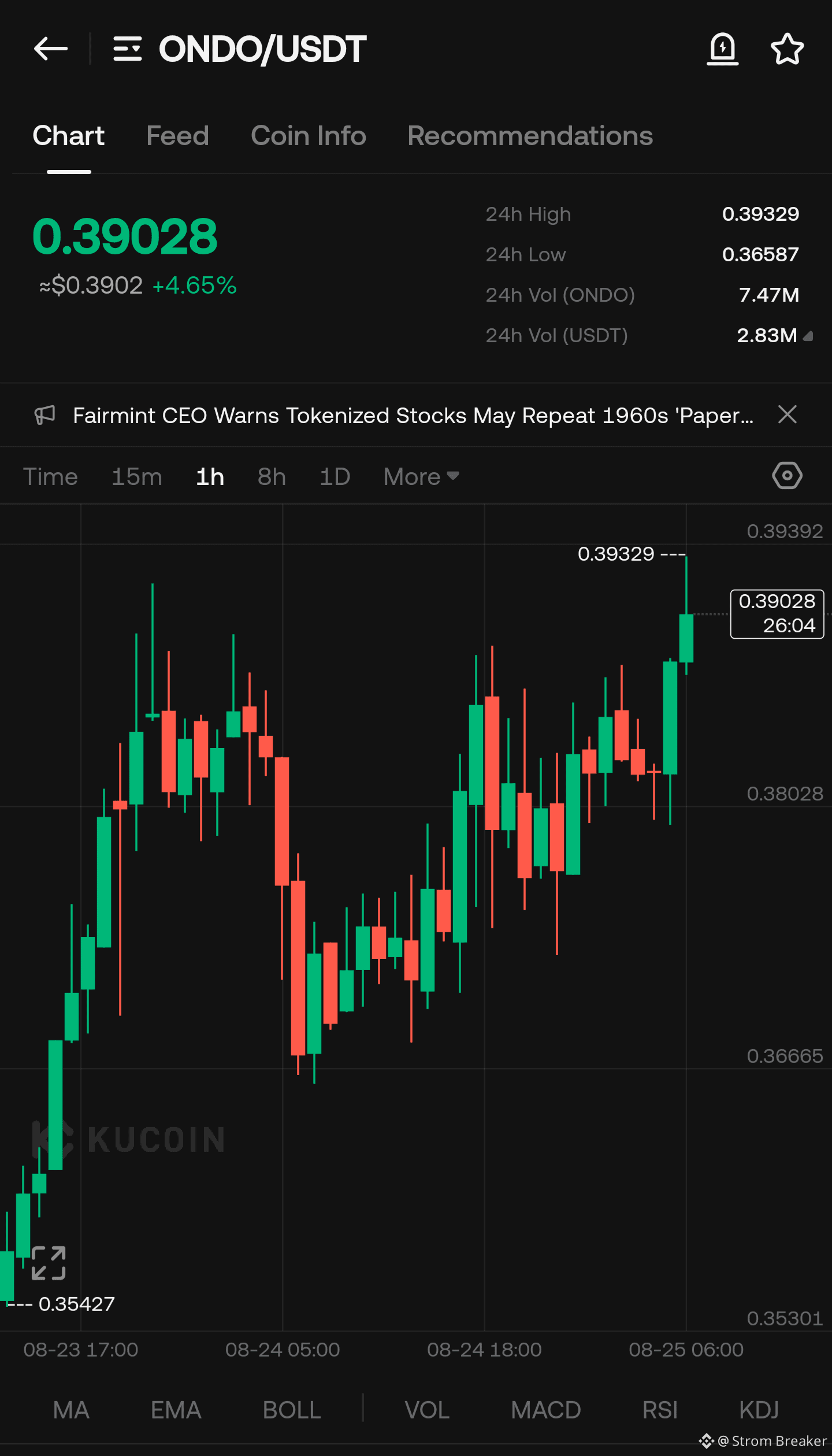
$ONDO zeigt einen kurzfristigen Liquidationsdruck nahe $0.3931, was darauf hindeutet, dass Verkäufer um einen wichtigen Liquiditätsbereich herum herausgedrängt werden. Aus Sicht von SMC/ICT kann die Bewegung eine bullische Fortsetzung begünstigen, wenn der Preis ein höheres Tief etabliert und die nahe Versorgungszone zurückerobert; andernfalls könnte die Liquidation lediglich einen vorübergehenden Erholungsimpuls auslösen.
Support: $0.3850–$0.3900
Widerstand: $0.4000–$0.4100
Nächstes Ziel: $0.4250–$0.4350
Ein entscheidender Ausbruch über den Widerstand mit starkem Volumen würde die Aufwärtsabsicht bestätigen und das nächste Liquiditäts-Pool freilegen. Wenn eine Zurückweisung erkennbar ist, warte auf eine Strukturverschiebung, bevor du einsteigst.
Los geht’s $ONDO 🚀
Support: $0.3850–$0.3900
Widerstand: $0.4000–$0.4100
Nächstes Ziel: $0.4250–$0.4350
Ein entscheidender Ausbruch über den Widerstand mit starkem Volumen würde die Aufwärtsabsicht bestätigen und das nächste Liquiditäts-Pool freilegen. Wenn eine Zurückweisung erkennbar ist, warte auf eine Strukturverschiebung, bevor du einsteigst.
Los geht’s $ONDO 🚀
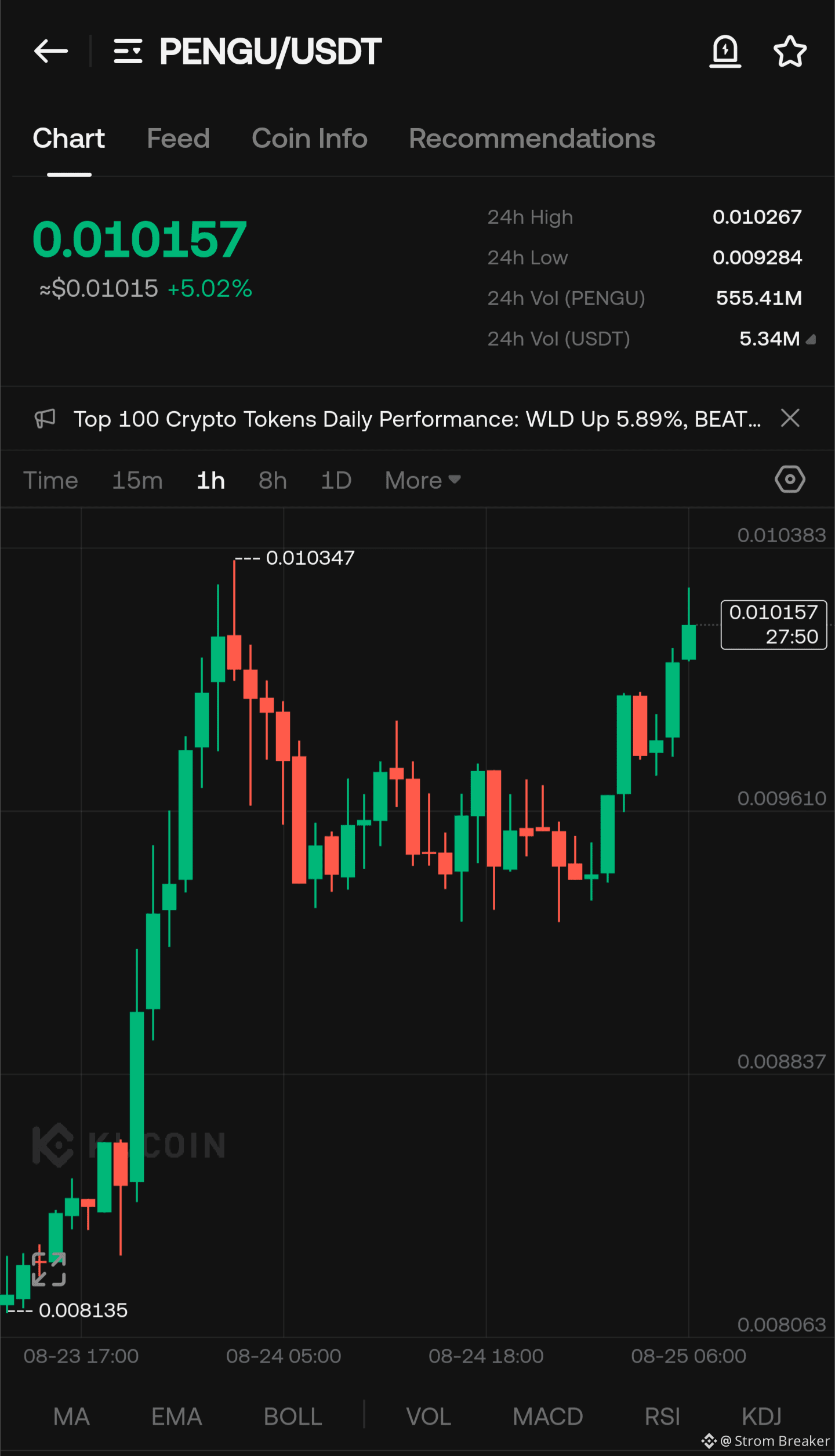
$PENGU erlebt ein kurzfristiges Liquidationsereignis um 0.01016 $, was darauf hindeutet, dass späte Verkäufer unter Druck geraten, während der Preis mit der nahegelegenen Liquidität interagiert. Die zentrale SMC/ICT-Aussage ist, ob dieses erzwungene Short-Covering zu einer bullischen Strukturverschiebung führt. Anhaltendes Volumen oberhalb des Widerstands würde den Aufwärtstrend stärken, während eine Abweisung den Kurs zurück in die niedrigere Nachfragezone senden könnte.
Unterstützung: 0.00980–0.01000 $
Widerstand: 0.01040–0.01070 $
Nächstes Ziel: 0.01120–0.01150 $
Eine saubere Rückeroberung des Widerstands bei wachsendem Volumen könnte einen weiteren Liquiditätssweep nach oben auslösen. Bis eine Bestätigung vorliegt, vermeide es, der Bewegung hinterherzulaufen.
Auf geht’s $PENGU 🚀
Unterstützung: 0.00980–0.01000 $
Widerstand: 0.01040–0.01070 $
Nächstes Ziel: 0.01120–0.01150 $
Eine saubere Rückeroberung des Widerstands bei wachsendem Volumen könnte einen weiteren Liquiditätssweep nach oben auslösen. Bis eine Bestätigung vorliegt, vermeide es, der Bewegung hinterherzulaufen.
Auf geht’s $PENGU 🚀
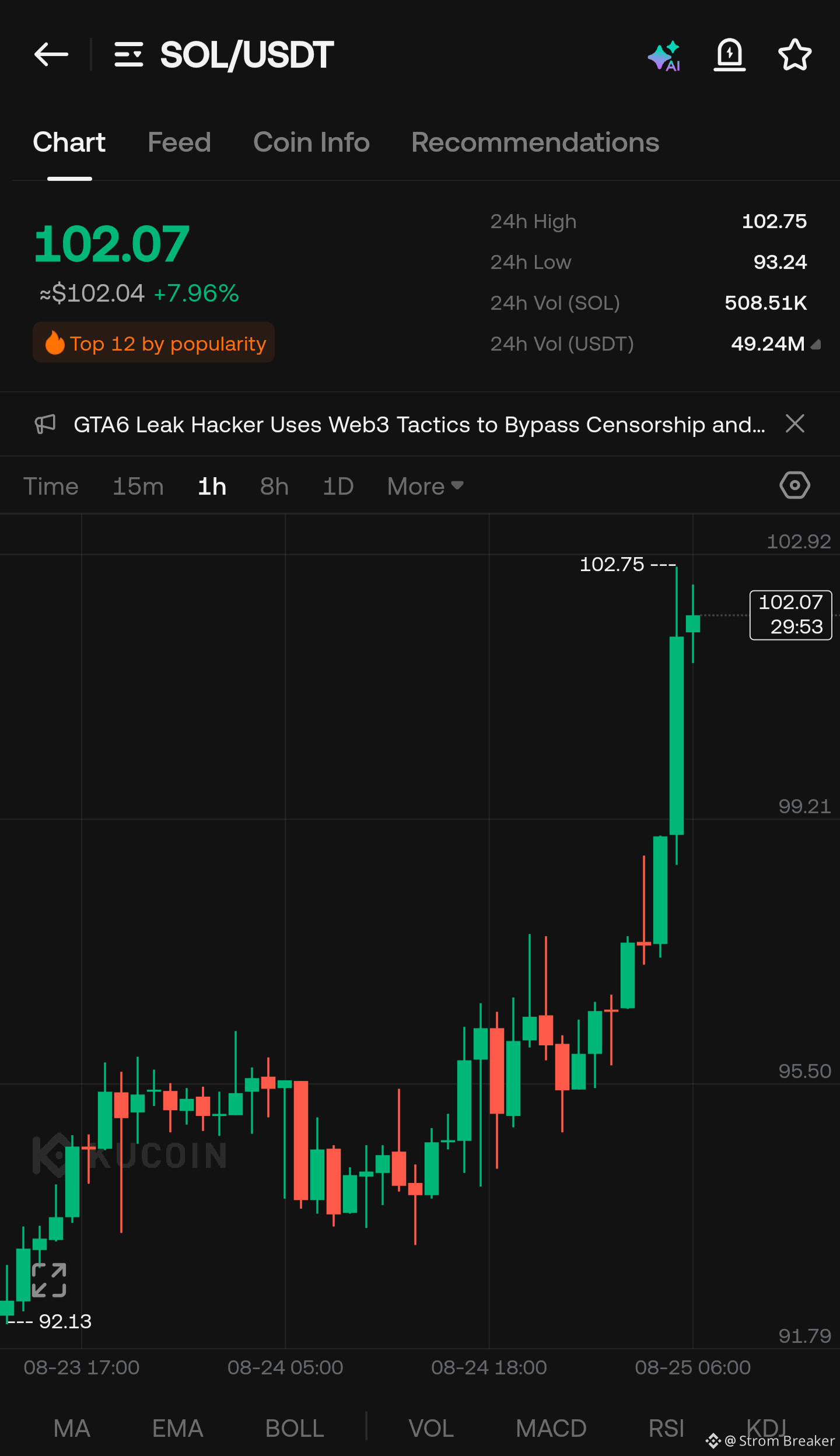
$SOL zeigt nach der Liquidation bei 102,38 $ ein Ereignis mit kurzfristiger Liquidität, was darauf hindeuten könnte, dass Verkäufer rund um die aktuelle Struktur unter Druck geraten. Aus Sicht von SMC/ICT ist entscheidend, ob SOL den nahegelegenen Widerstand zurückerobern und die Marktstruktur bullisch verschieben kann; wenn nicht, könnte dies niedrigere Liquidität aufdecken.
Support: 100,00–101,00 $
Widerstand: 104,00–106,00 $
Nächstes Ziel: 108,00–110,00 $
Wenn Käufer den Widerstand mit starkem Volumen zurückerobern, könnte SOL beschleunigt in Richtung des nächsten Liquiditätspools laufen. Eine Abweisung hält das bärische Fortsetzungsszenario aktiv – Bestätigung ist entscheidend.
Los geht’s $SOL 🚀
Support: 100,00–101,00 $
Widerstand: 104,00–106,00 $
Nächstes Ziel: 108,00–110,00 $
Wenn Käufer den Widerstand mit starkem Volumen zurückerobern, könnte SOL beschleunigt in Richtung des nächsten Liquiditätspools laufen. Eine Abweisung hält das bärische Fortsetzungsszenario aktiv – Bestätigung ist entscheidend.
Los geht’s $SOL 🚀
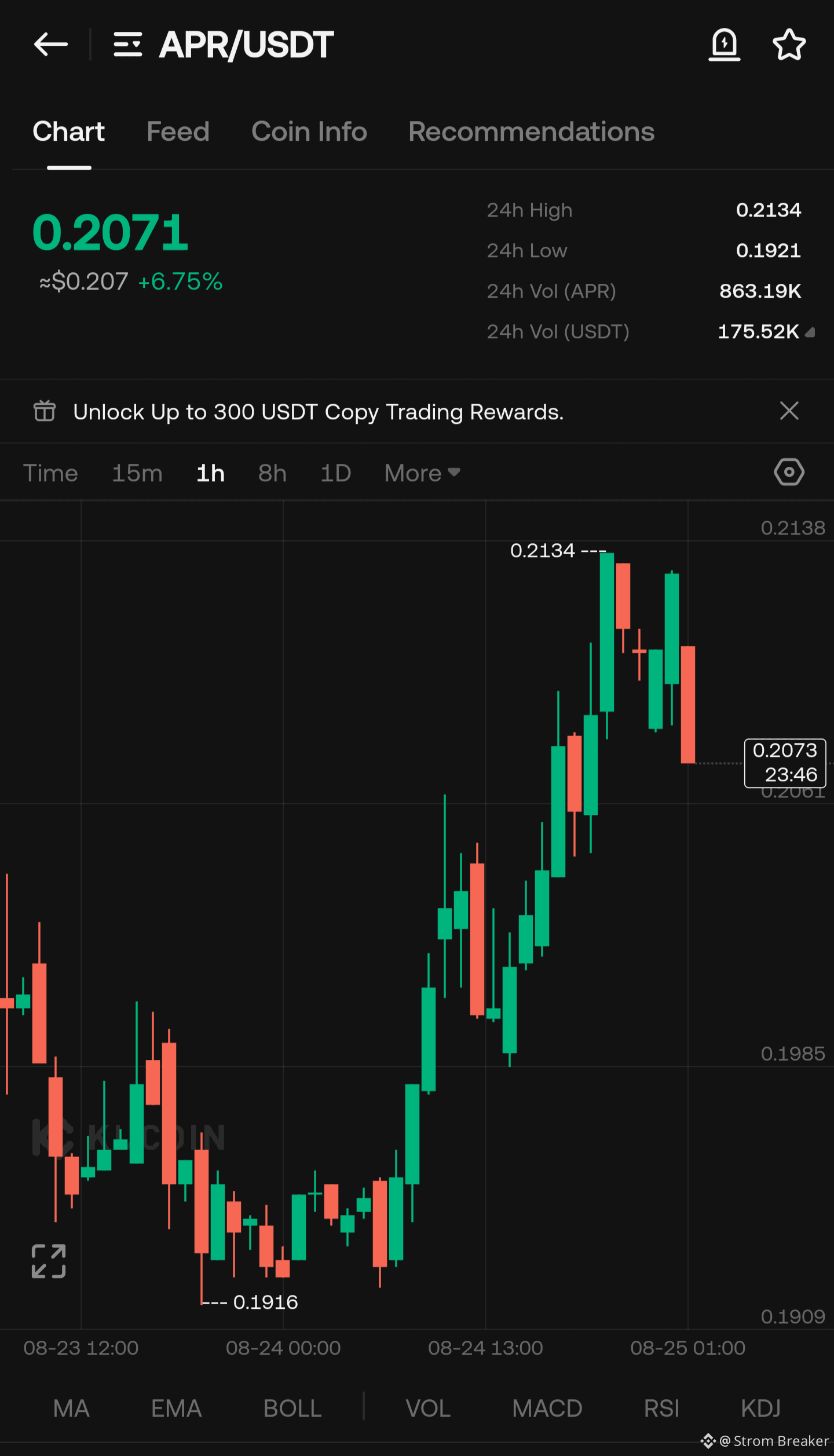
$APR
zeigt eine wichtige Liquiditätsreaktion nach einer Long-Liquidation im Wert von 1,19 Mio. $ um 0,20742 $ auf Binance. Die Liquidation deutet darauf hin, dass Abwärtsdruck gehebelte Longs erfasst hat, während die breitere Struktur weiterhin stark um den 0,20 psychologischen Bereich empfindlich bleibt. Aktuelle Marktdaten zeigen außerdem, dass APR in der Nähe dieser Zone handelt, wobei 0,20 als wichtiger Pivot fungiert.
📍 Unterstützung: 0,200–0,195
📍 Widerstand: 0,207–0,214
🎯 Nächstes Ziel: 0,220–0,225
Wenn APR 0,207 mit starkem Volumen zurückerobert, könnte der Liquidations-Sweep eine Erholung hin zur nächsten Buy-Side-Liquiditätszone antreiben. Ein sauberer Verlust von 0,195 würde hingegen eher eine tiefere Abwärtsbewegung begünstigen. Bestätigung ist entscheidend—verfolge nicht die erste Bewegung.
Los geht’s $APR 🚀
zeigt eine wichtige Liquiditätsreaktion nach einer Long-Liquidation im Wert von 1,19 Mio. $ um 0,20742 $ auf Binance. Die Liquidation deutet darauf hin, dass Abwärtsdruck gehebelte Longs erfasst hat, während die breitere Struktur weiterhin stark um den 0,20 psychologischen Bereich empfindlich bleibt. Aktuelle Marktdaten zeigen außerdem, dass APR in der Nähe dieser Zone handelt, wobei 0,20 als wichtiger Pivot fungiert.
📍 Unterstützung: 0,200–0,195
📍 Widerstand: 0,207–0,214
🎯 Nächstes Ziel: 0,220–0,225
Wenn APR 0,207 mit starkem Volumen zurückerobert, könnte der Liquidations-Sweep eine Erholung hin zur nächsten Buy-Side-Liquiditätszone antreiben. Ein sauberer Verlust von 0,195 würde hingegen eher eine tiefere Abwärtsbewegung begünstigen. Bestätigung ist entscheidend—verfolge nicht die erste Bewegung.
Los geht’s $APR 🚀
Anmelden und weiter Inhalte entdecken